Destination Wedding Trends 2027


We asked six destination wedding planners the same question, and each gave us a location rather than a Pinterest board. They mentioned a quarry situated outside a village that most guests will never think to visit again. A lagoon that shifts through seven shades of blue before lunchtime. A wine château where the reactions to the cellar tour are more favorable than those to the centerpieces. No one mentioned flower walls, and that was unnecessary, since the overall direction of destination wedding trends 2027 has moved on to something the decor industry has not yet managed to keep up with.
The instinct that came out of those six conversations, those having covered Italy, France, Mexico, Austria, Switzerland and other places, was not a wish for any one particular trend, but rather the notion of stopping the practice of importing weddings and instead organizing them according to the local landscape. Couples now pursue this approach in seven different directions.
Find Your Perfect Wedding Vendors

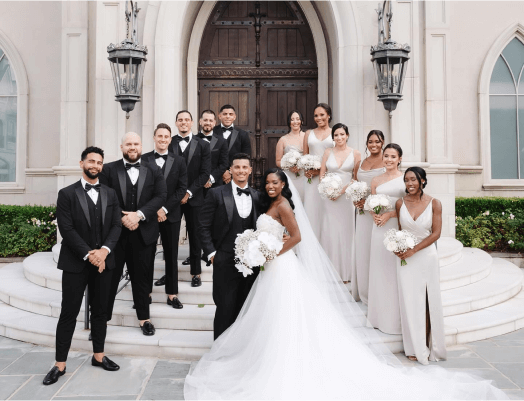
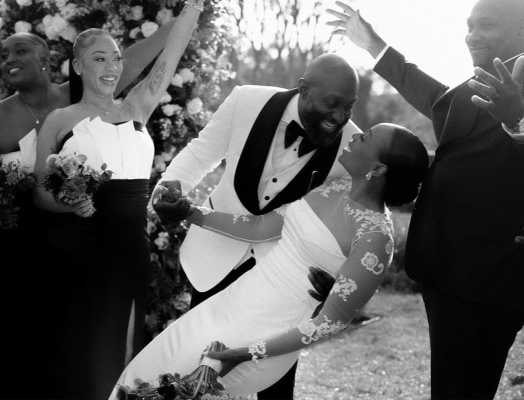
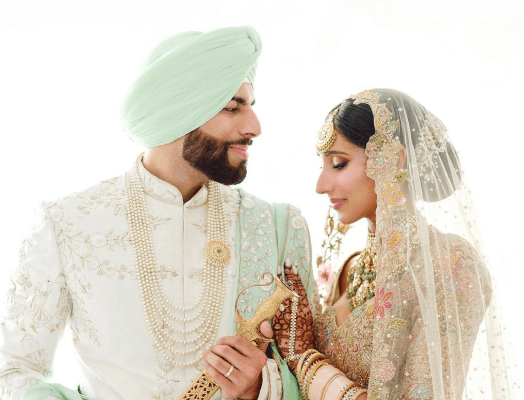
The Marrakech Wedding
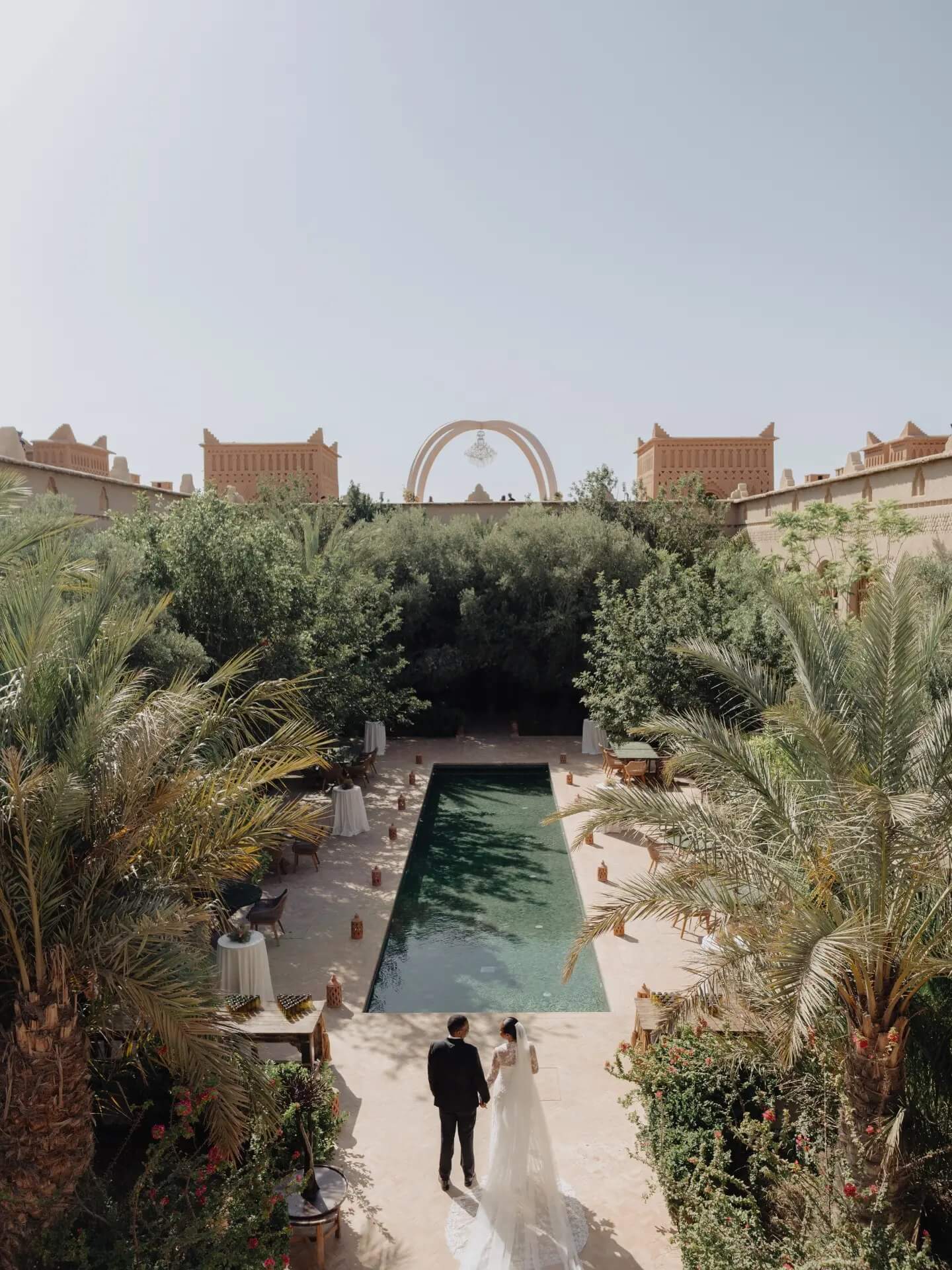
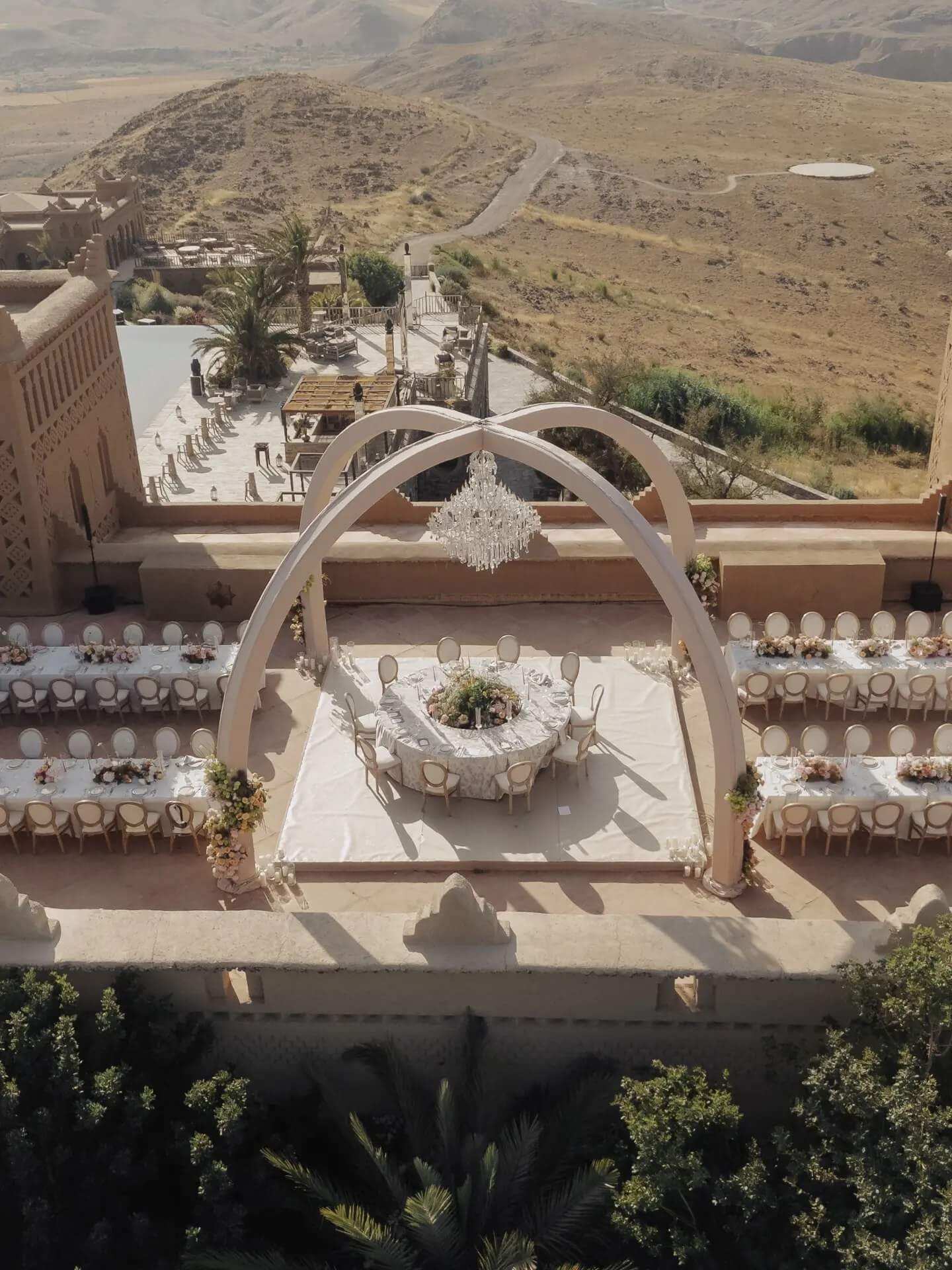
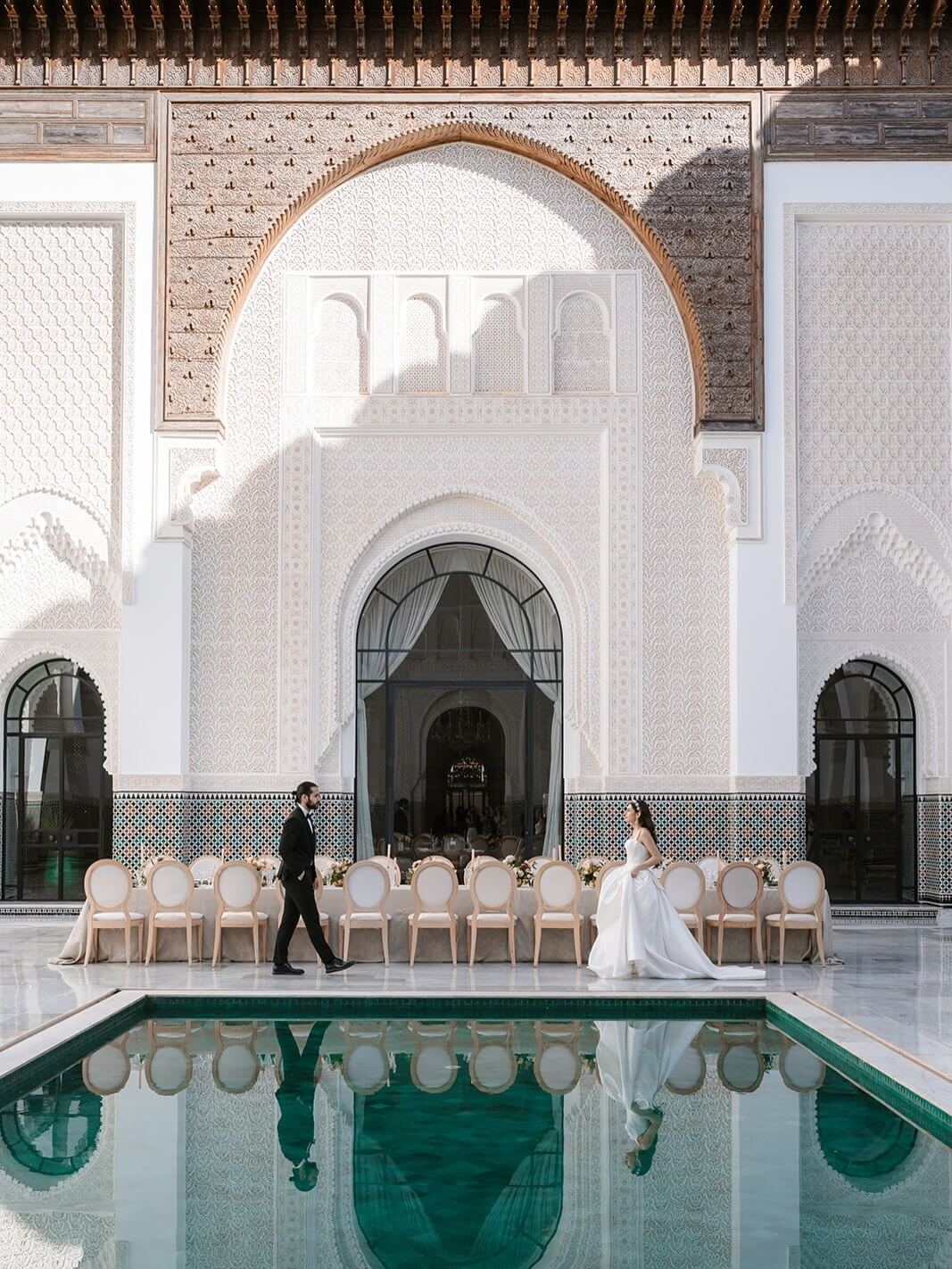
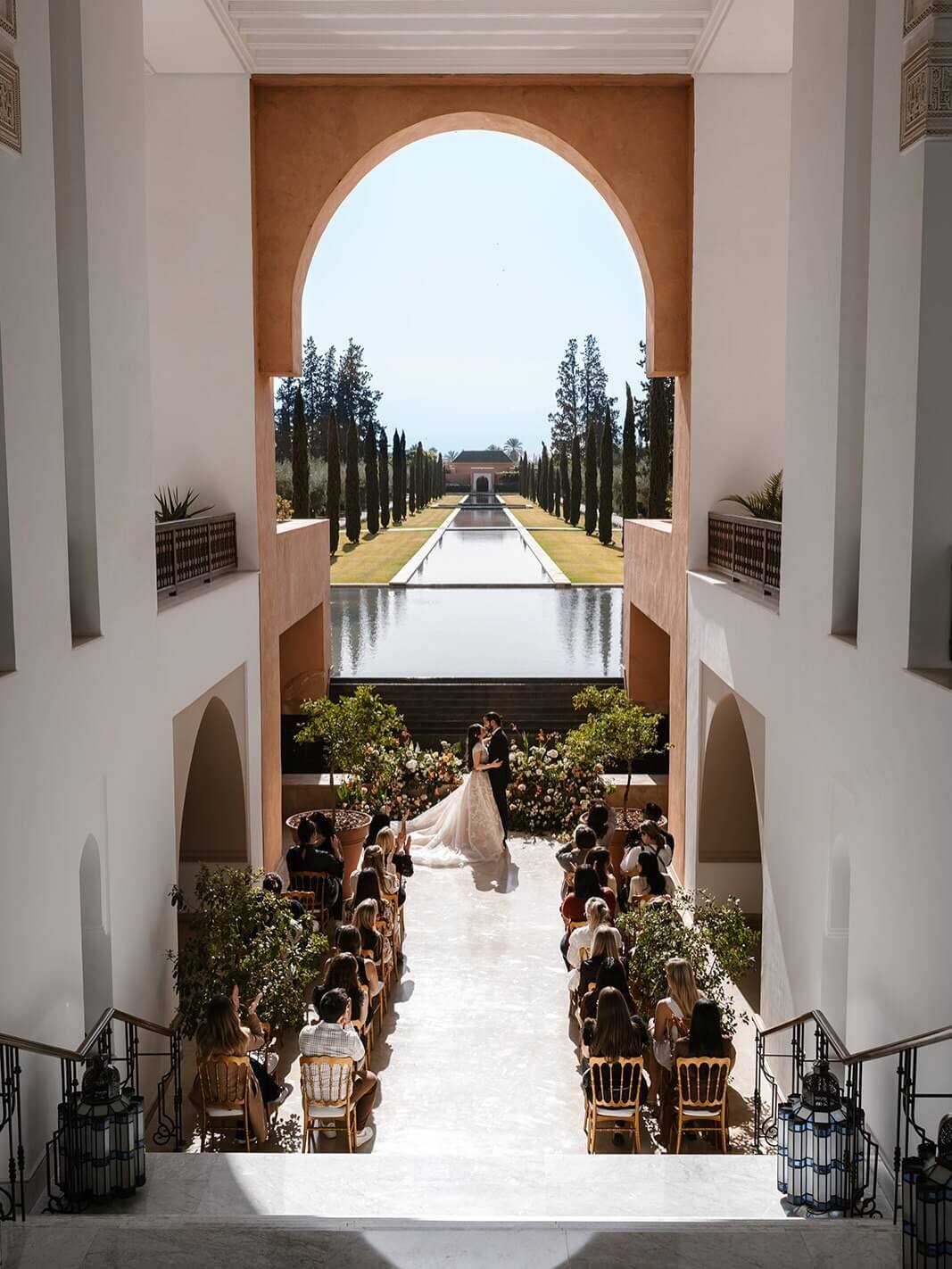
Few cities have such inherent visual appeal as Marrakech, with riads curving in towards still pools that reflect themselves, sculpted archways capturing the desert light at the exact angle a photographer would ideally want, and terracotta walls that seem to hold both heat and history in equal measure. When a wedding takes place there, very little extra is needed, since the architecture itself does most of the work, the courtyards already arranged like a stage set long before a single flower arrives. The ceremonies are usually held under carved stone arches or next to long reflecting pools, where the couple's silhouette against all that geometry becomes the image everyone remembers. It encourages simplicity precisely because it has always had plenty of drama from the start.
This inclination to let a place express its own character shows up in almost every discussion in the industry. "True luxury doesn't consist in bringing all sorts of things from home to another country," says ÈCLAT Destination Weddings, "it is about accepting the destination and organizing an experience which could only have taken place there." Marrakech puts this philosophy into action as literally as any destination possibly can, since adapting a couple's normal style to this environment would waste nearly all of what the city already offers free of charge.
Canyons, Quarries and Desert Rock
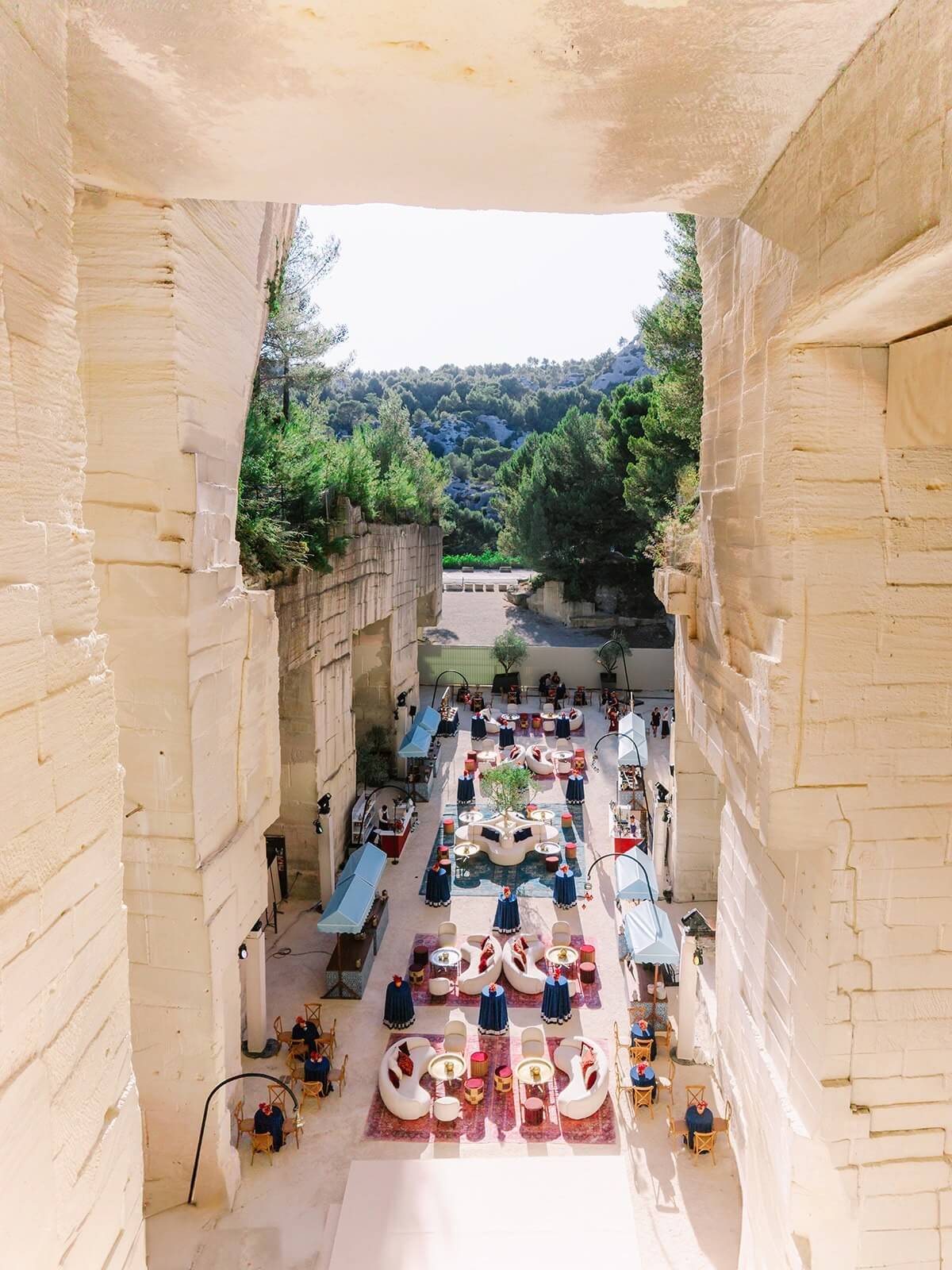
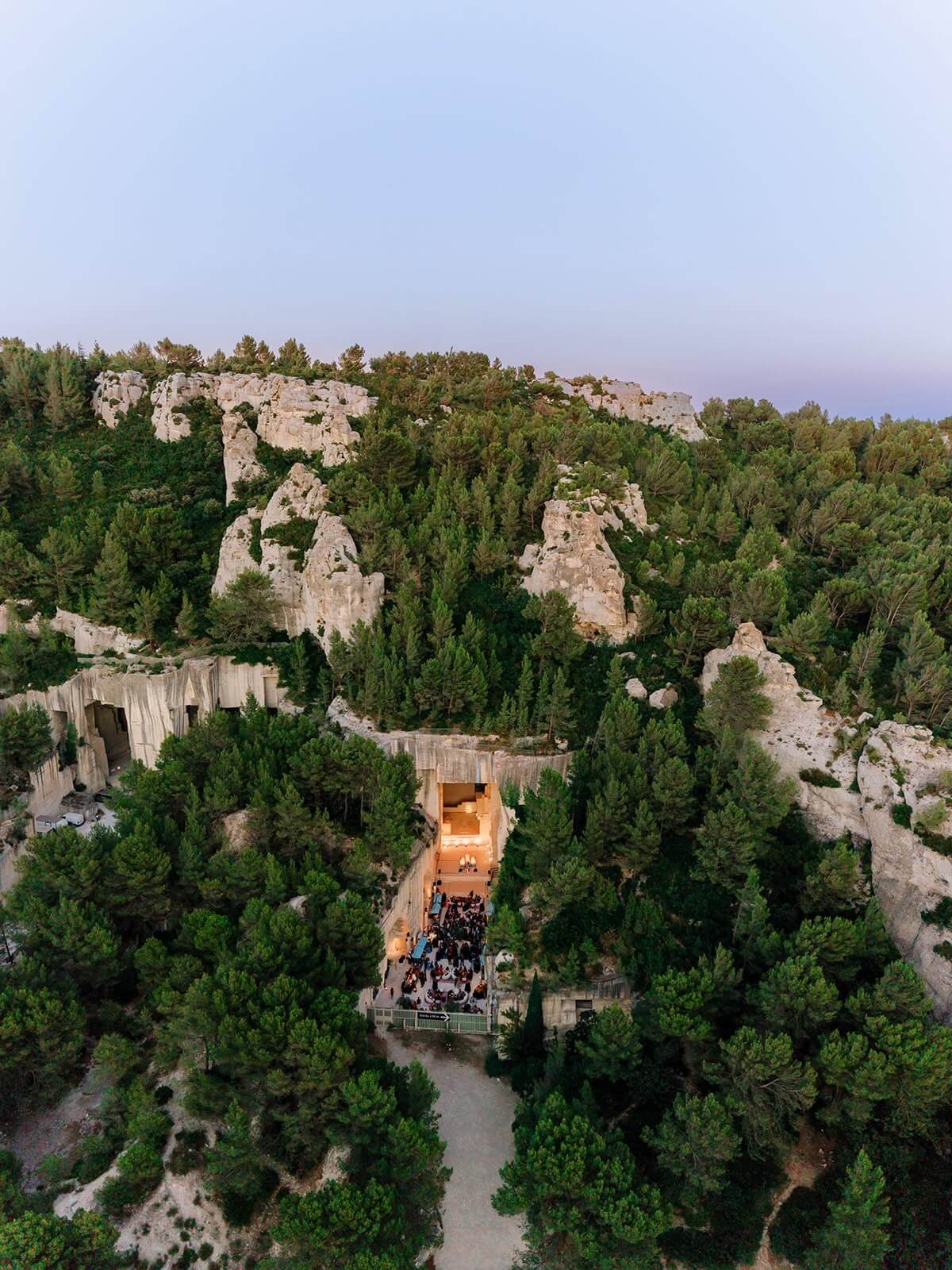
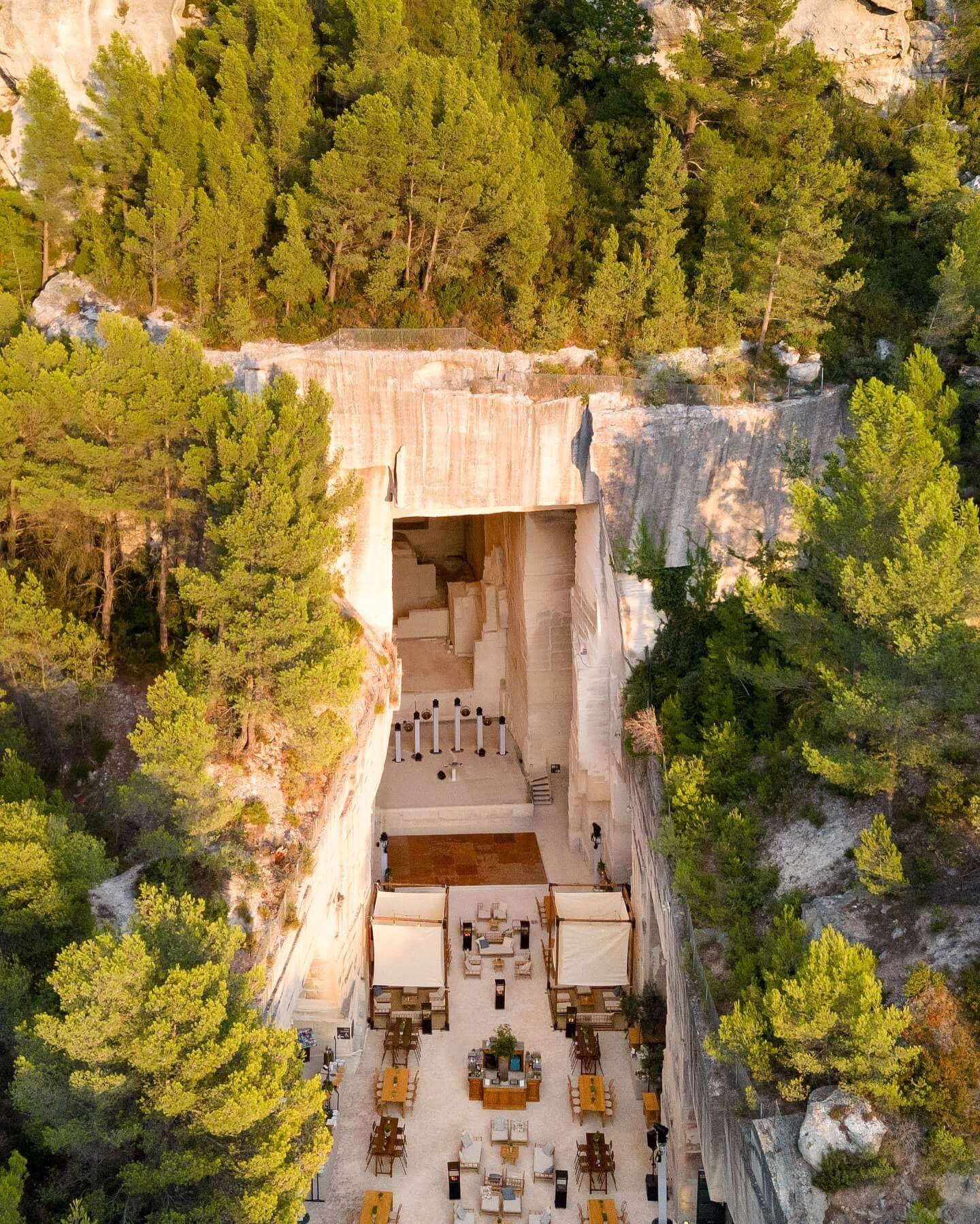
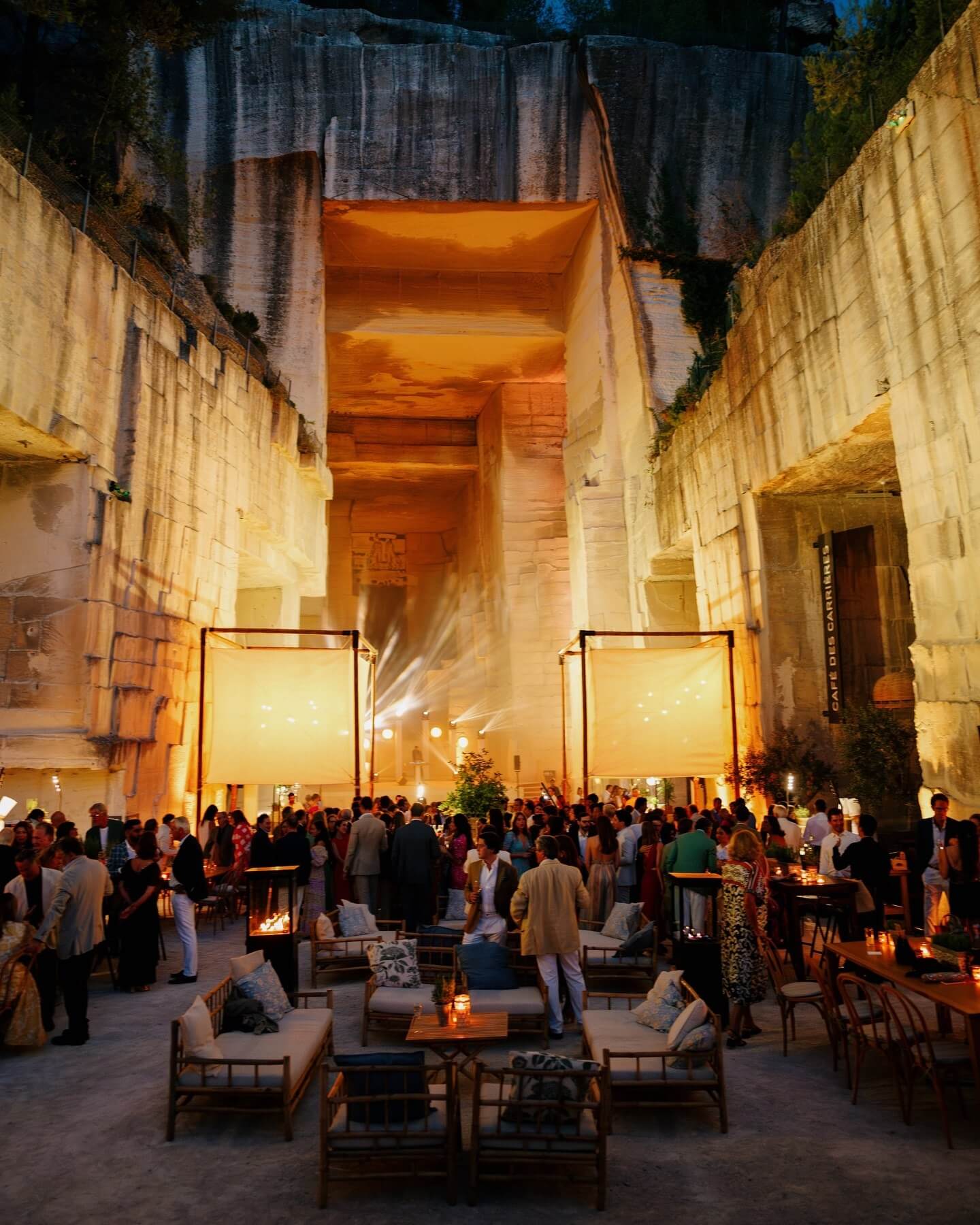
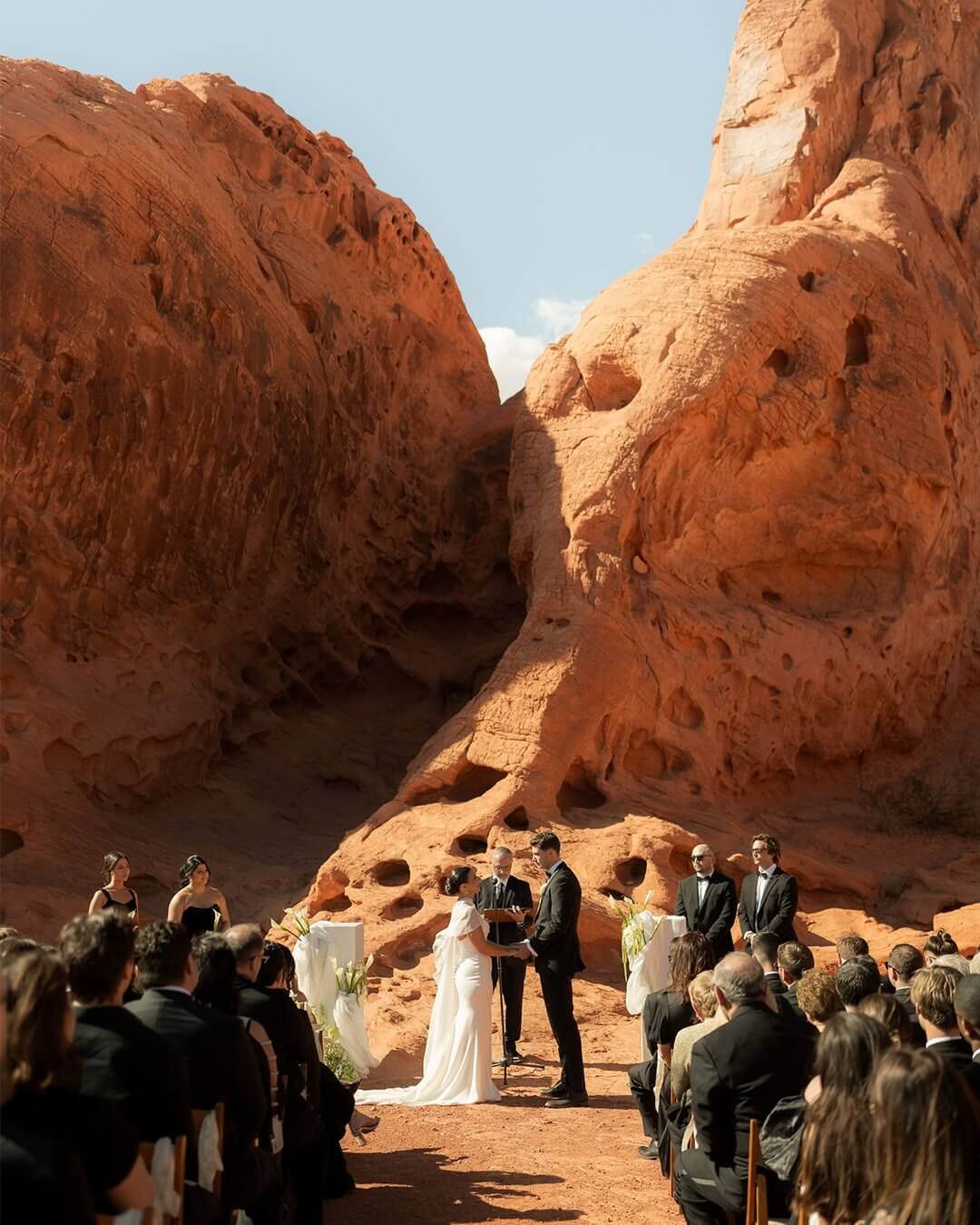
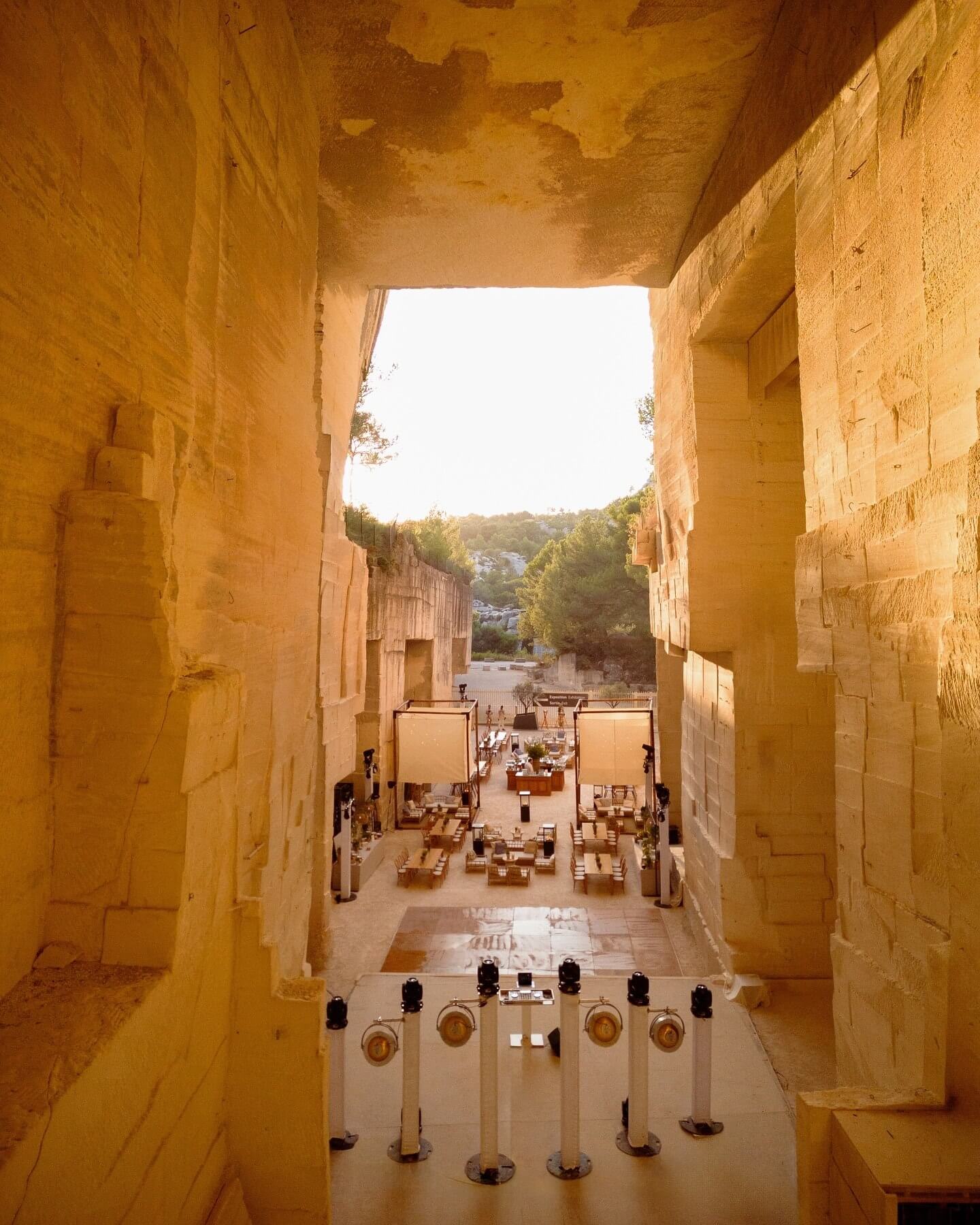
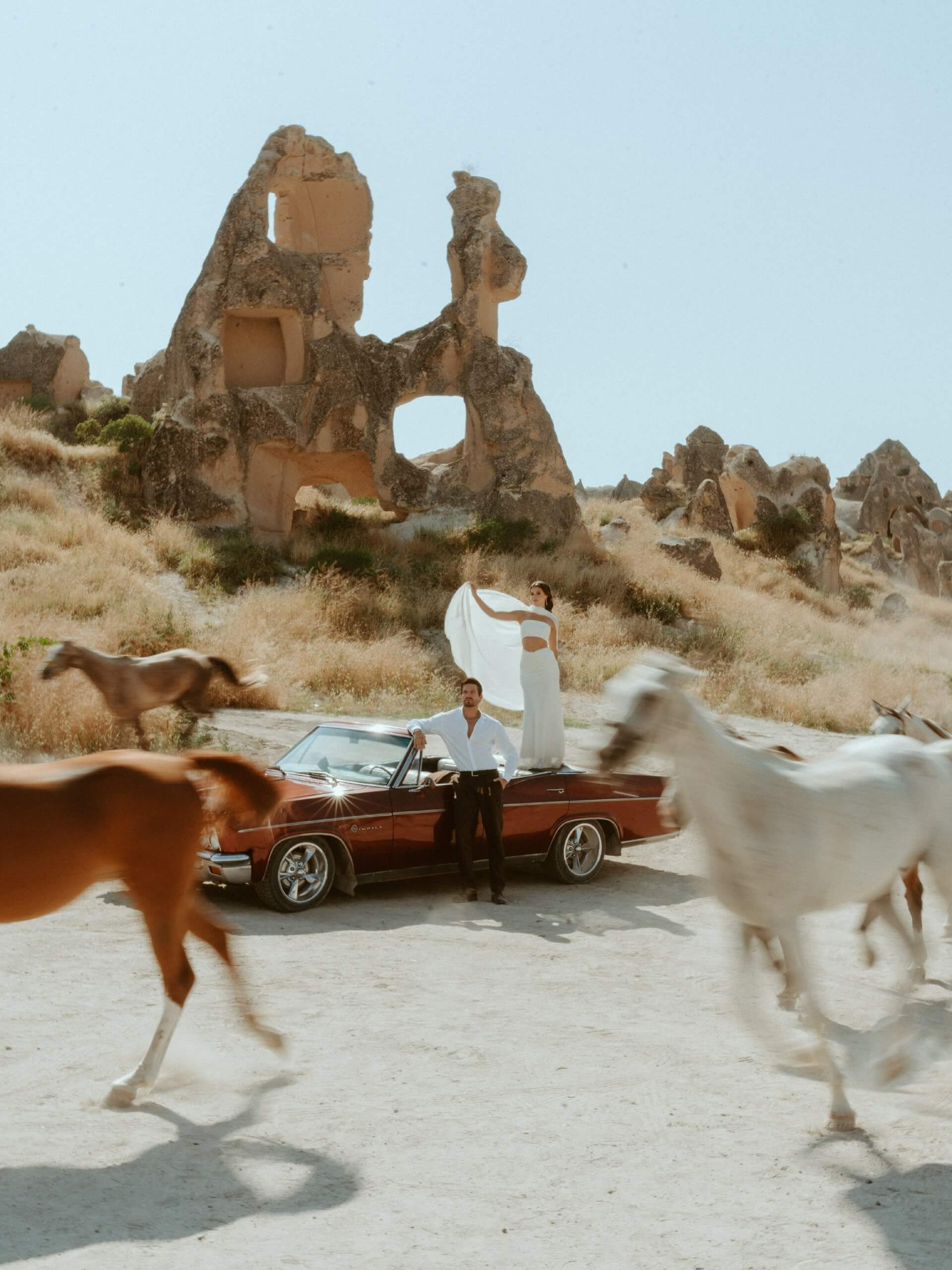
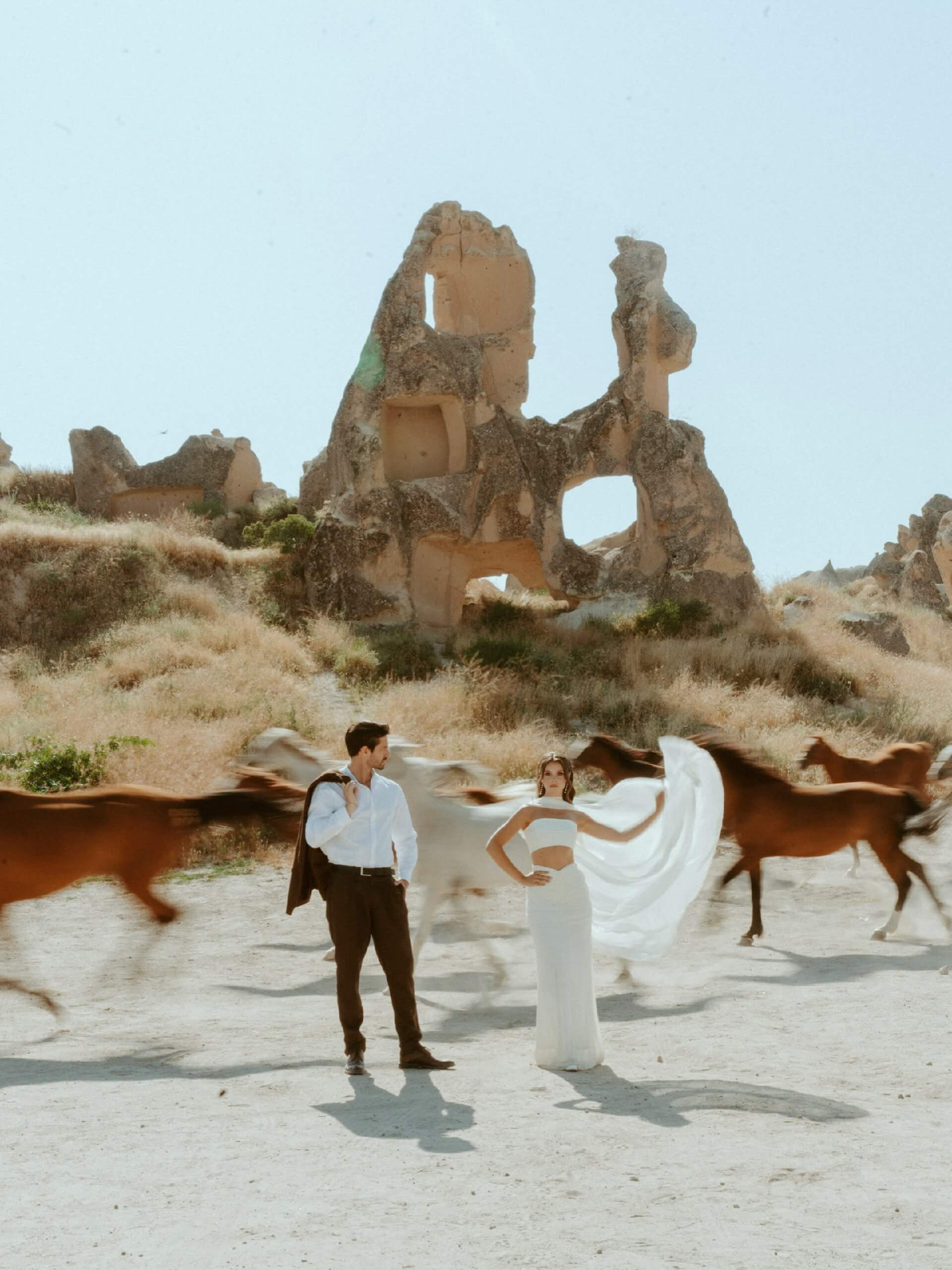
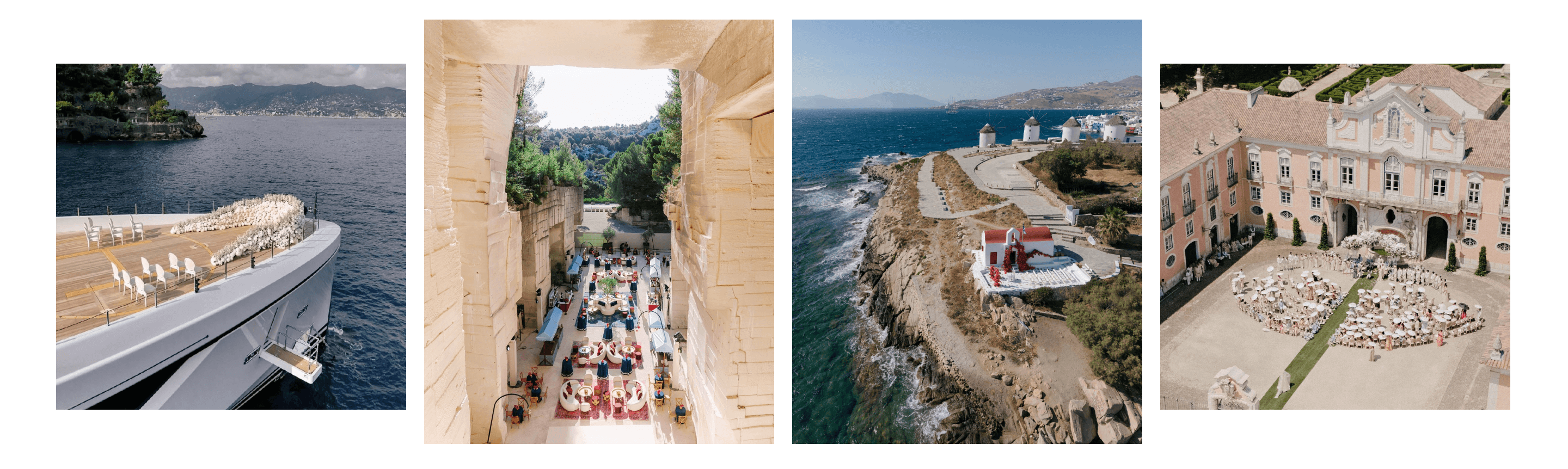
There is a certain type of ceremony which functions solely in carved stone, as the way sound bounces off the walls of the quarry is different from the way it would behave in an open field, and the golden light collects at the bottom of a canyon so that a normal late afternoon appears as though it were part of a performance. Such places are not really venues in the usual sense; rather, they are more like geological coincidences that happen to look like the sets of a film no one has made yet. A long table extends down the center of the quarry floor, string lights hang between the rock faces that have remained for millions of years, and the guests sit in rows that appear to vanish into the stone; the entire arrangement looks unstaged because it has never been staged. The enormous scale has an effect that no carefully arranged table setting ever quite achieves: it makes two hundred guests seem small when standing before something that predates each and every one of them by millions of years.
Mandy Marie Events states that demand for this kind of venue has increased directly, since "caves and naturally carved environments" are becoming one of the most desired venue types as we near 2027; this shows couples are looking for something a hotel ballroom can't provide. The following are some of the specific settings responsible for this demand:
- Quarries and canyon floors, where natural acoustics and dramatic elevation changes turn a ceremony into something closer to theater
- Carved stone chambers, illuminated after dark in a way that transforms rock into something closer to amber
- Desert rock formations, where wind-shaped stone creates natural aisles and backdrops no florist could design from scratch
- Underground caverns, offering a genuinely unexpected reception setting that stays cool regardless of the season outside
All that is needed for these styles is good lighting and a certain self-confidence, the rock having already carried out the design work over several million years; those who are drawn to this style generally want their wedding to have the atmosphere of having been dug out rather than built, or of having been found rather than decorated.
Yachts, Wooden Boats and Open Water
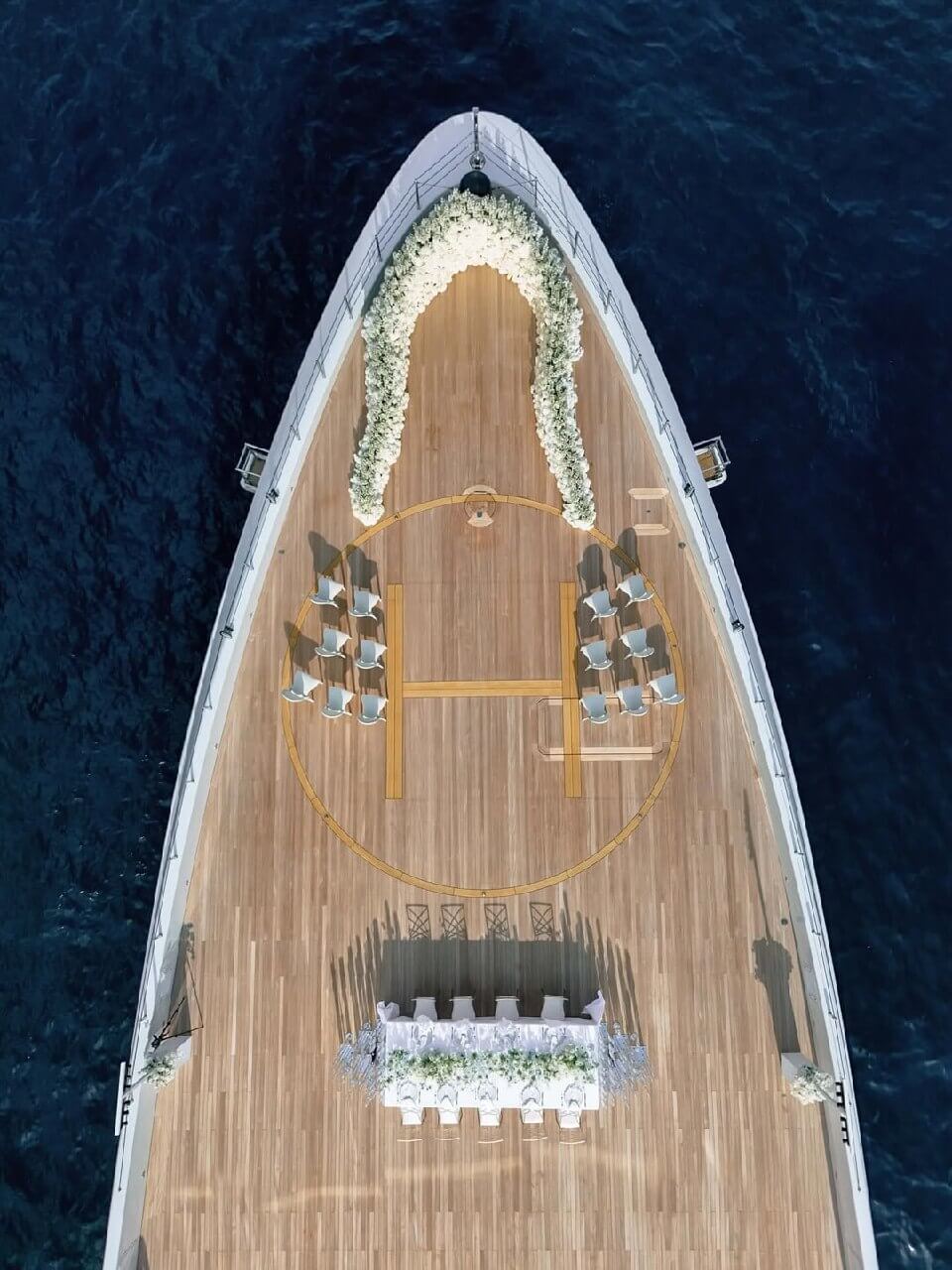
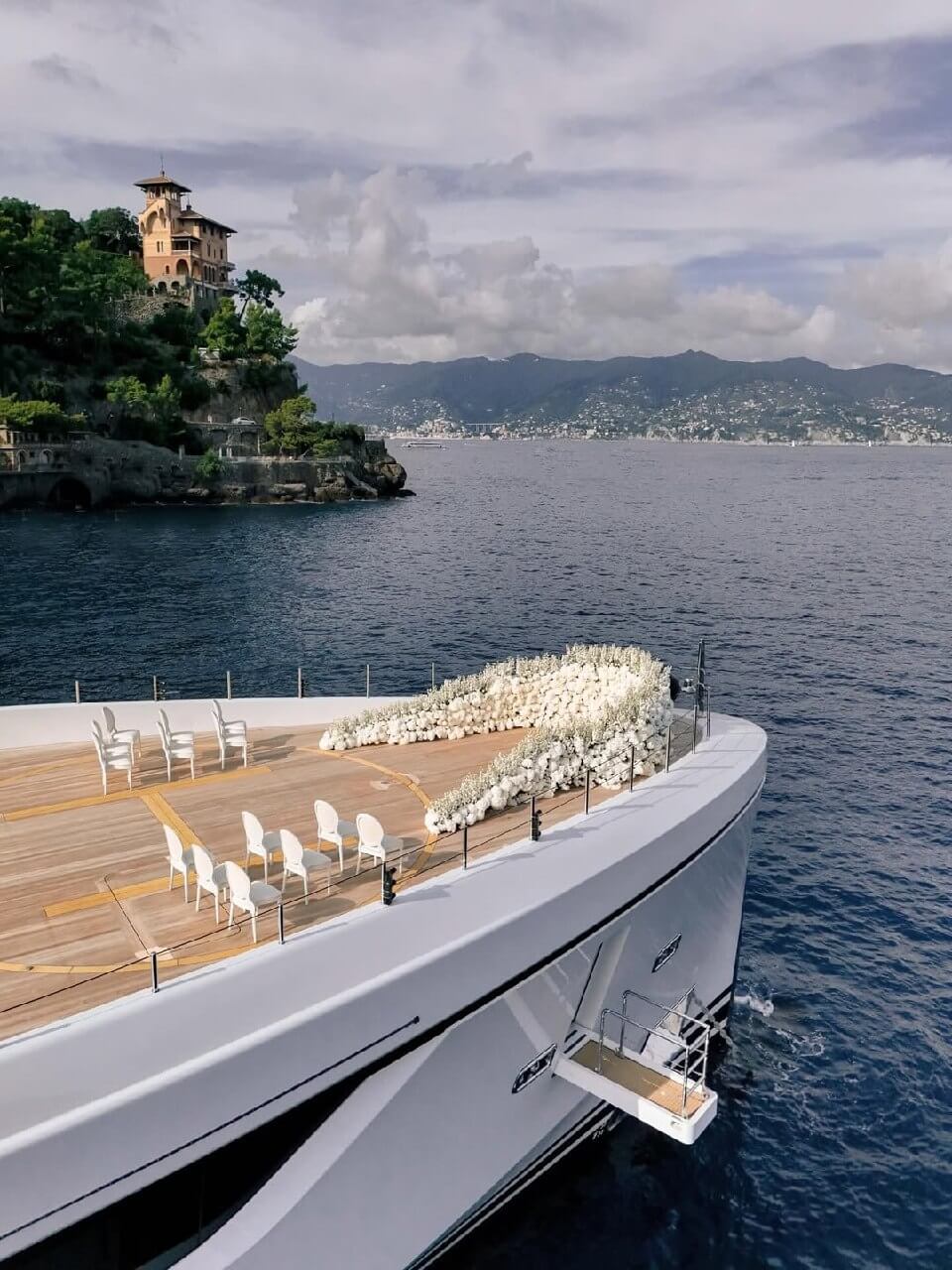
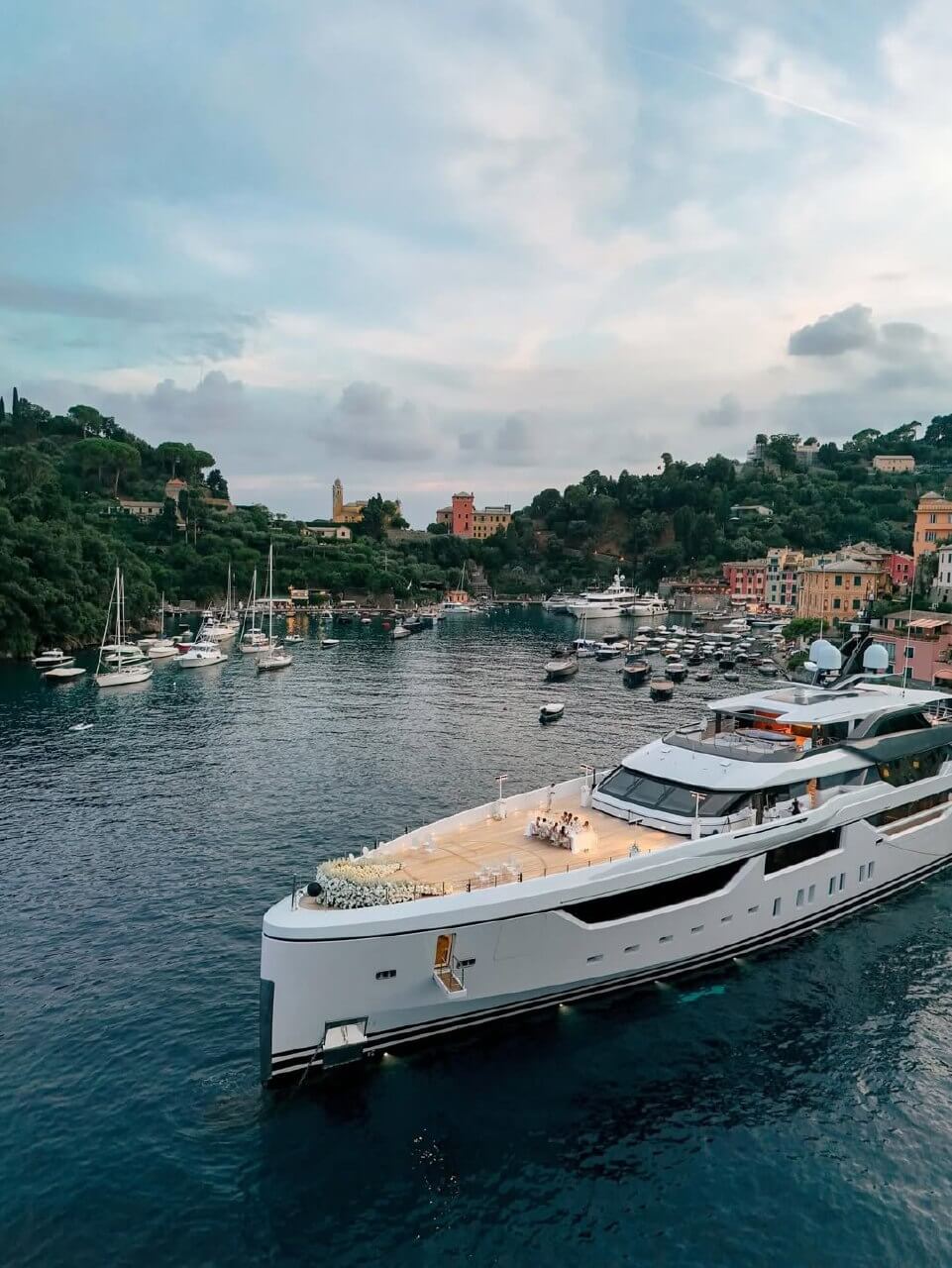
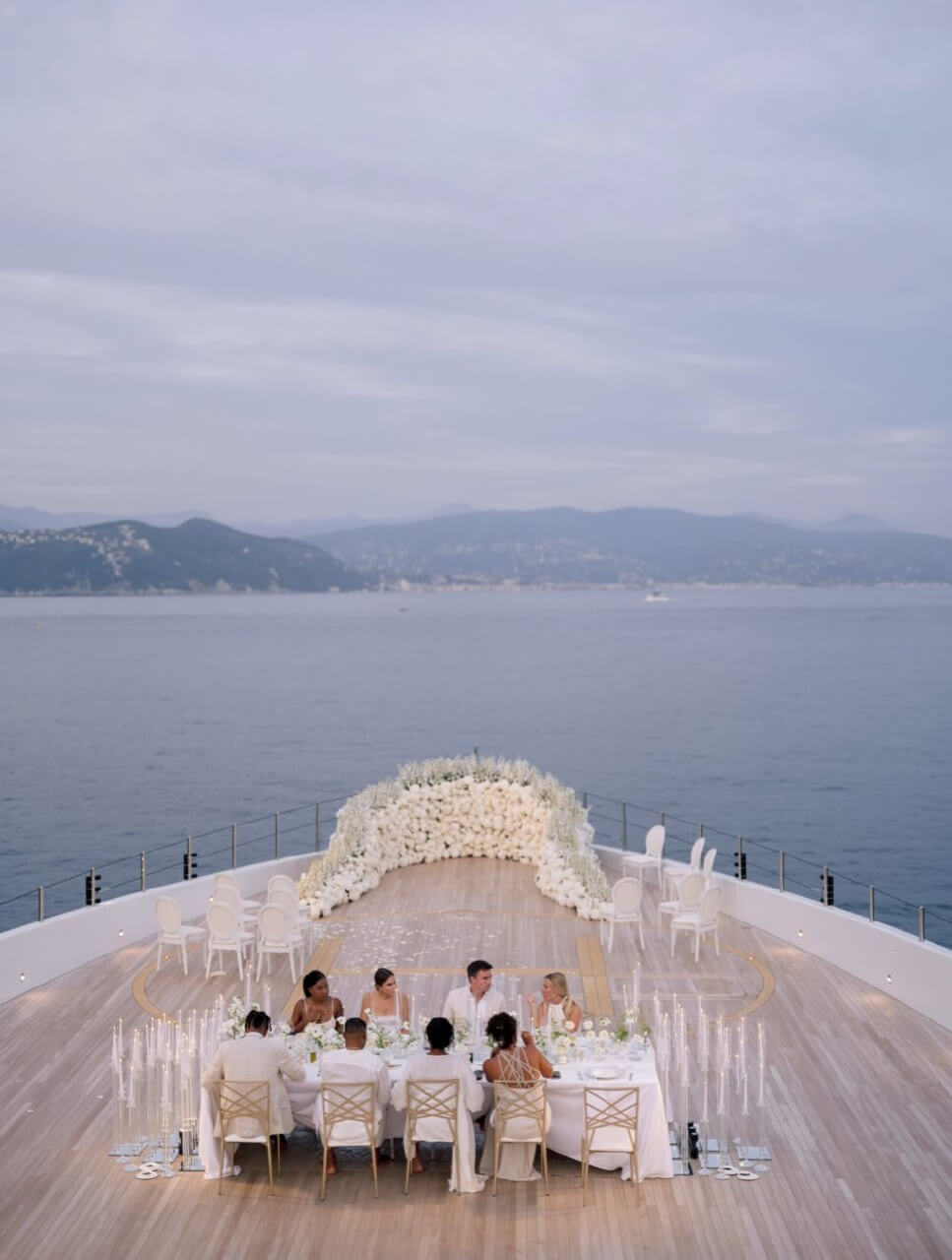
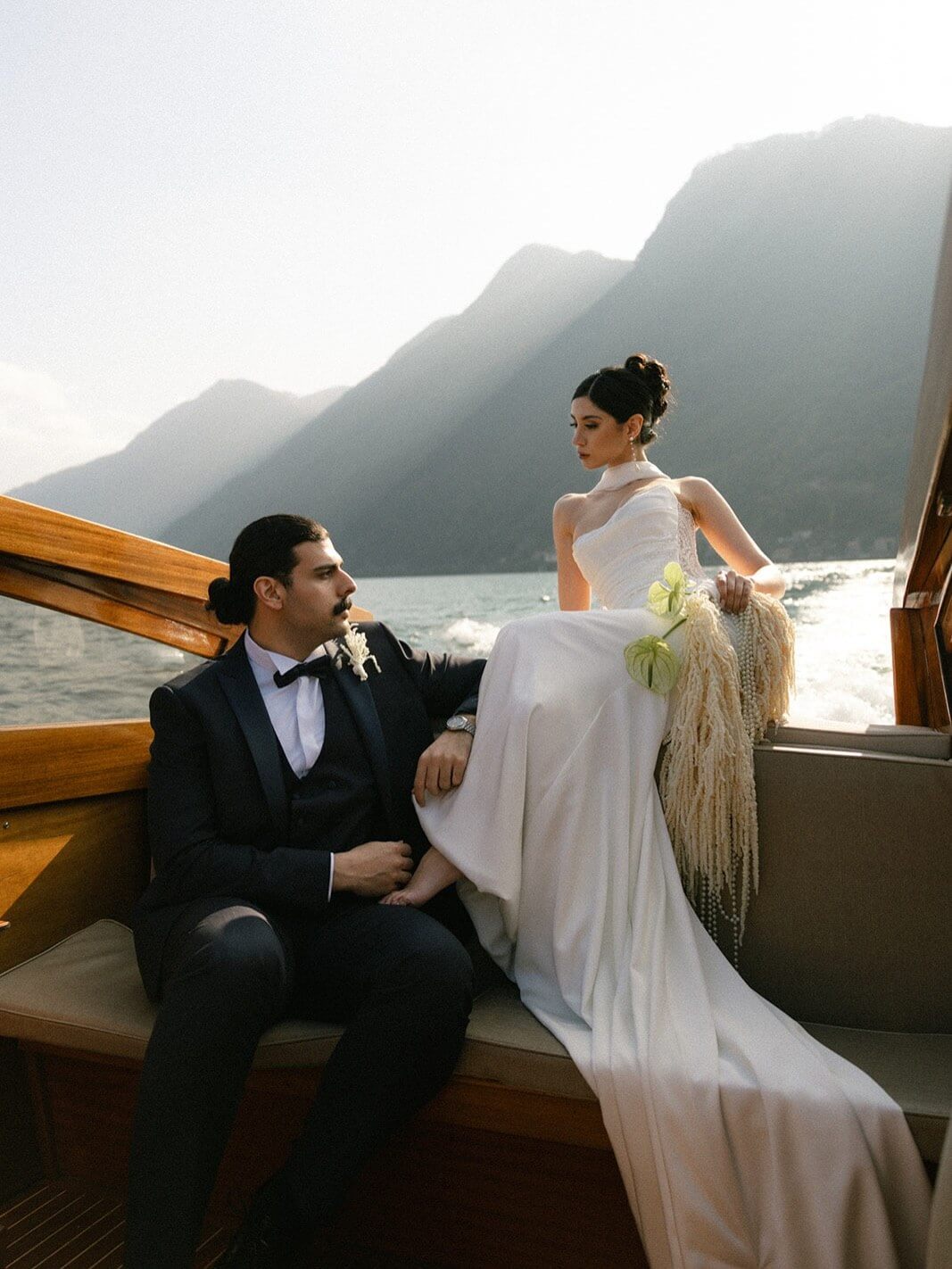
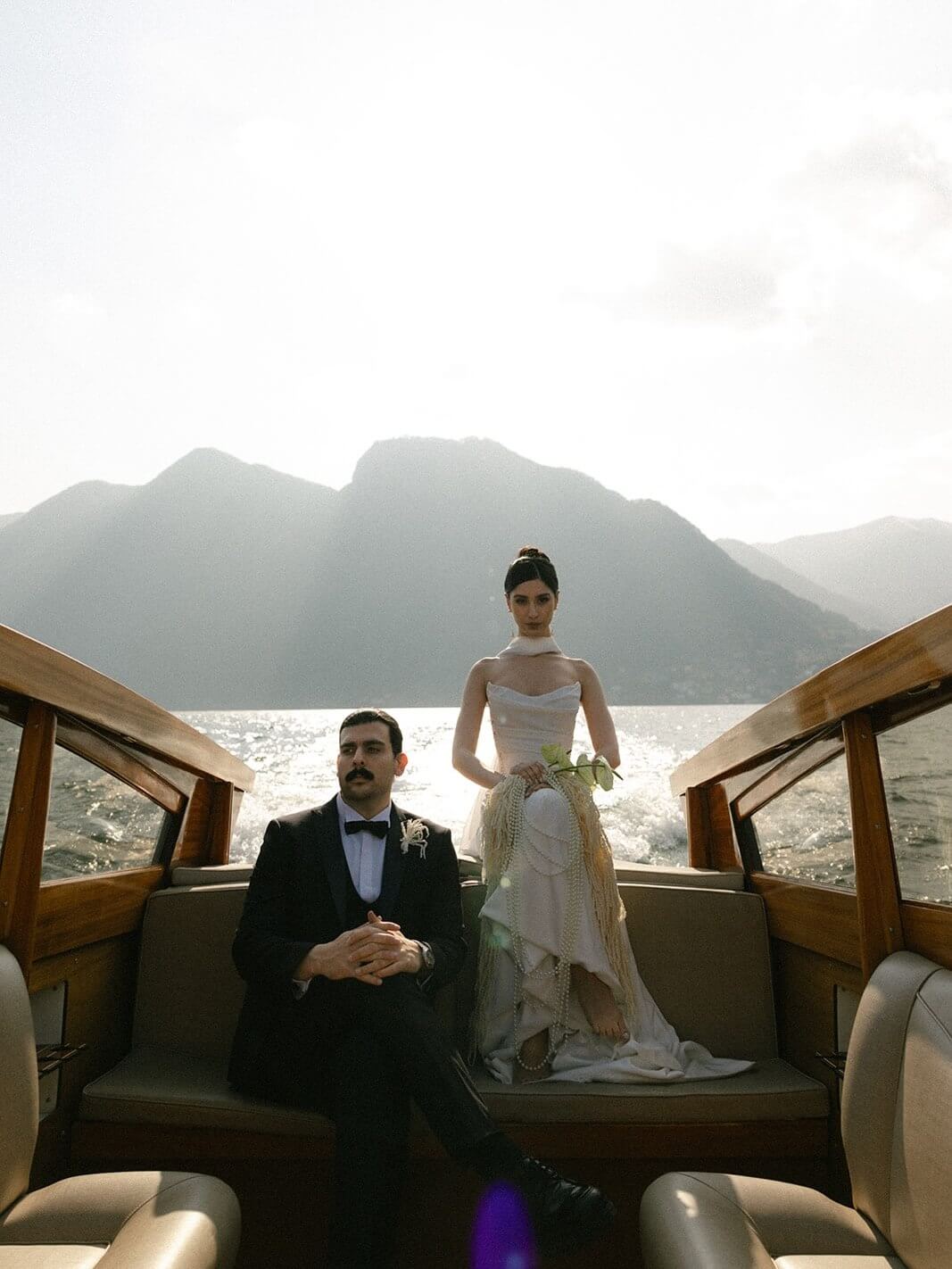
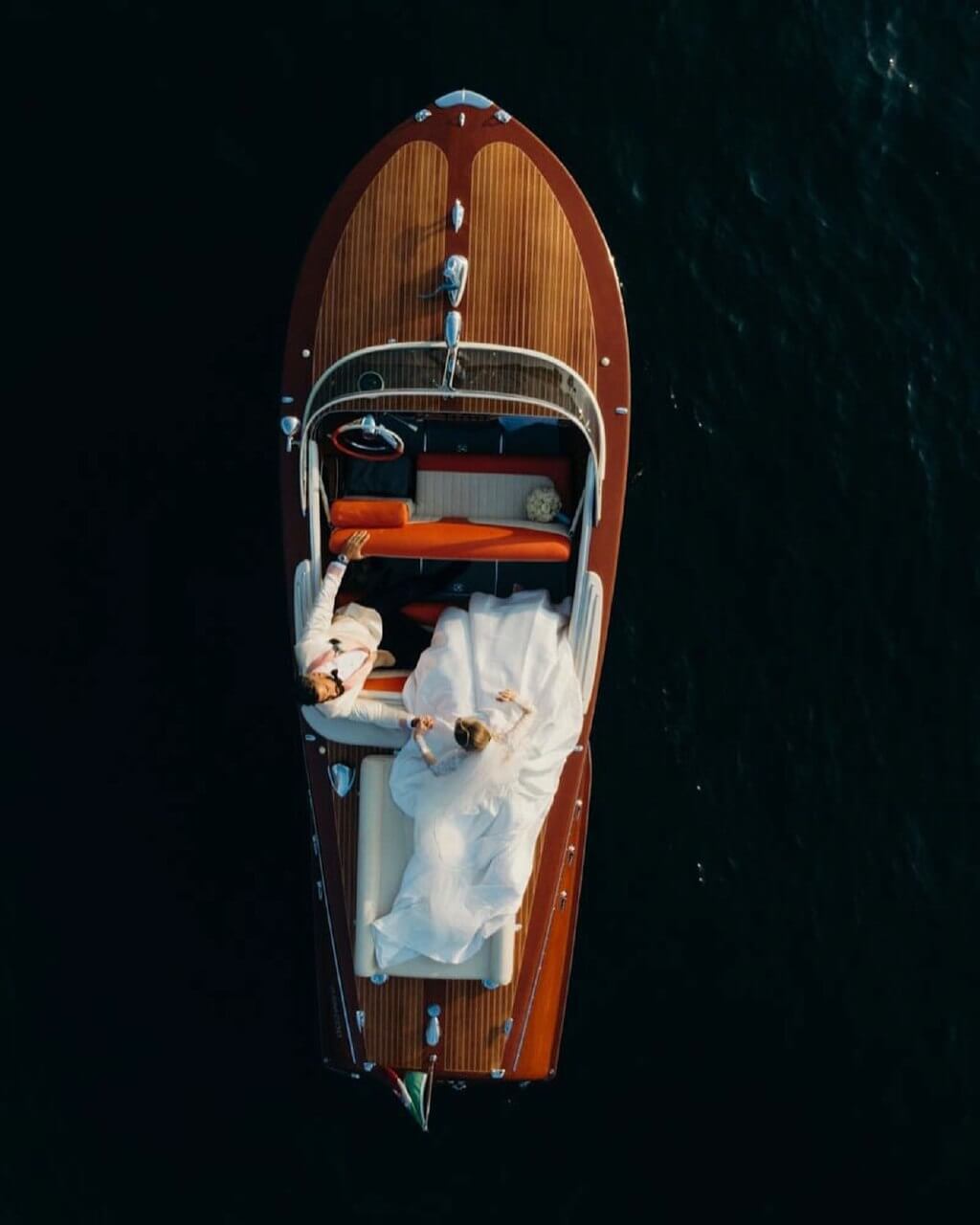
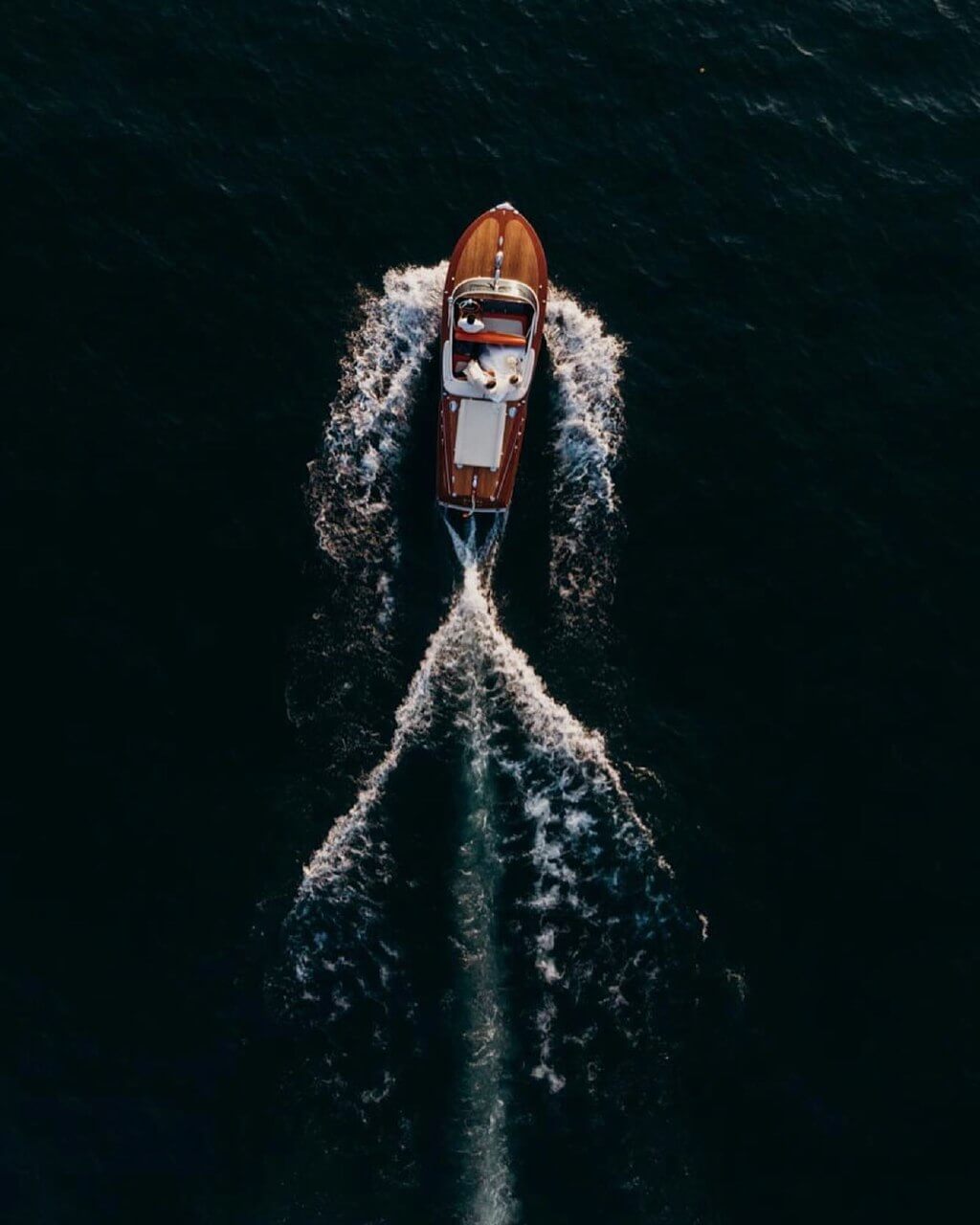
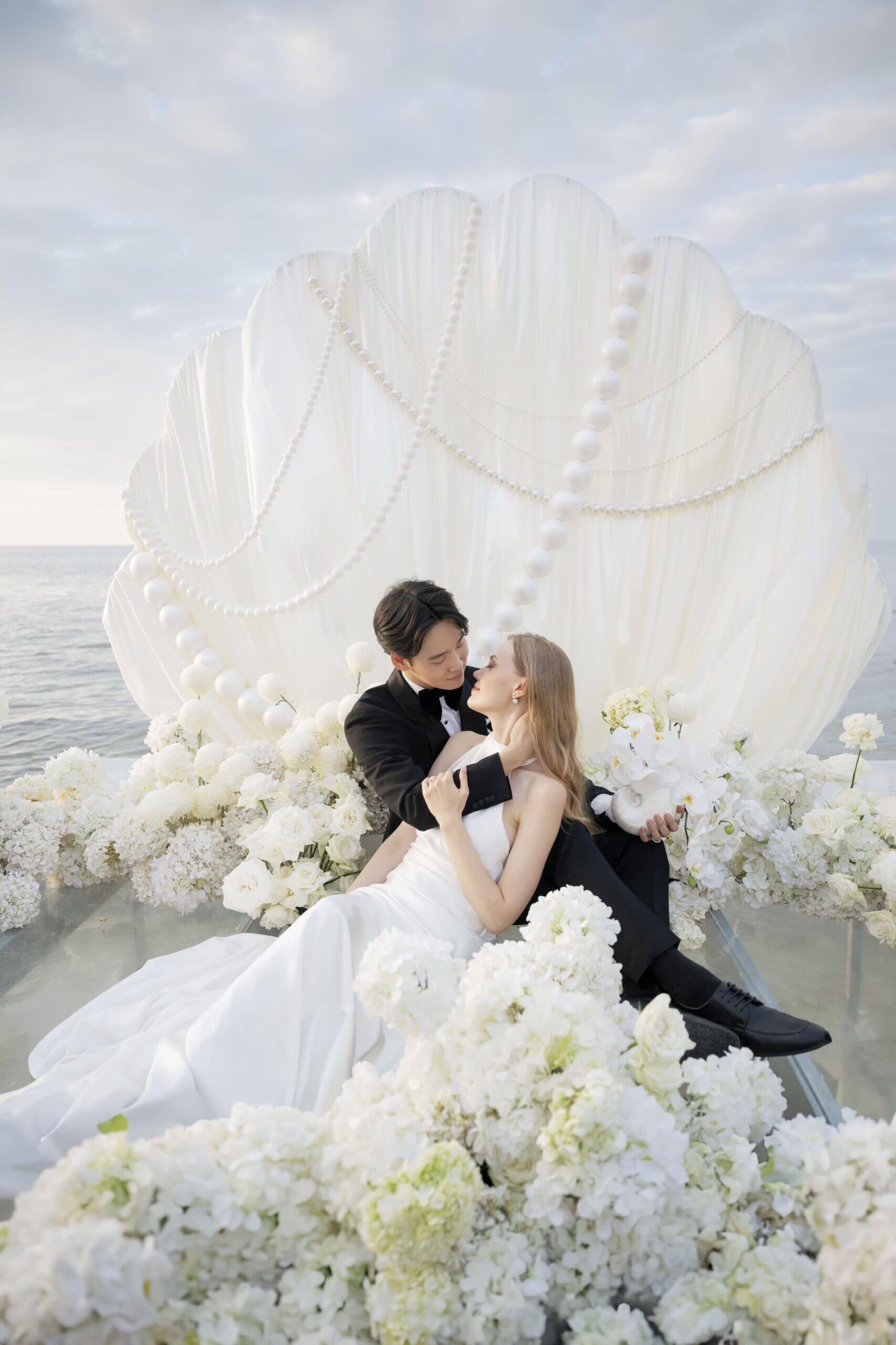
Water has always had a certain drama about it, but the 2027 version places particular emphasis on scale and craftsmanship, with aerial views showing the bow of a yacht arranged as if it were an altar, rows of chairs, and a wake spreading out behind it in a way that seems deliberately staged. Riva-type boats add a completely different atmosphere, with polished mahogany and brass fittings as they take a couple across the still Mediterranean waters in a scene that feels like an earlier, more gradual era of European glamour. Whether the ship in question is a superyacht designed for two hundred guests or a small wooden launch intended for two people, the ocean itself becomes the venue's true architecture, constantly changing, completely beyond full control, and it is precisely this unpredictability that makes it appealing. Since no two crossings are ever exactly the same, no two sets of photographs from a wedding of this kind are ever quite identical either.
ÈCLAT plans full wedding weekends of this kind along the Côte d'Azur, layering in "a day on a yacht" alongside a private château celebration and a relaxed farewell brunch at a beach club. This method – involving the same couple experiencing entirely different kinds of luxury during a single weekend – has now become one of the best ways of telling a truly well-thought-out destination wedding apart from a simple beautiful day. Today, a yacht ceremony is never on its own; it's part of a longer, more varied event.
Islands, Cliffs and the Edge of the Sea
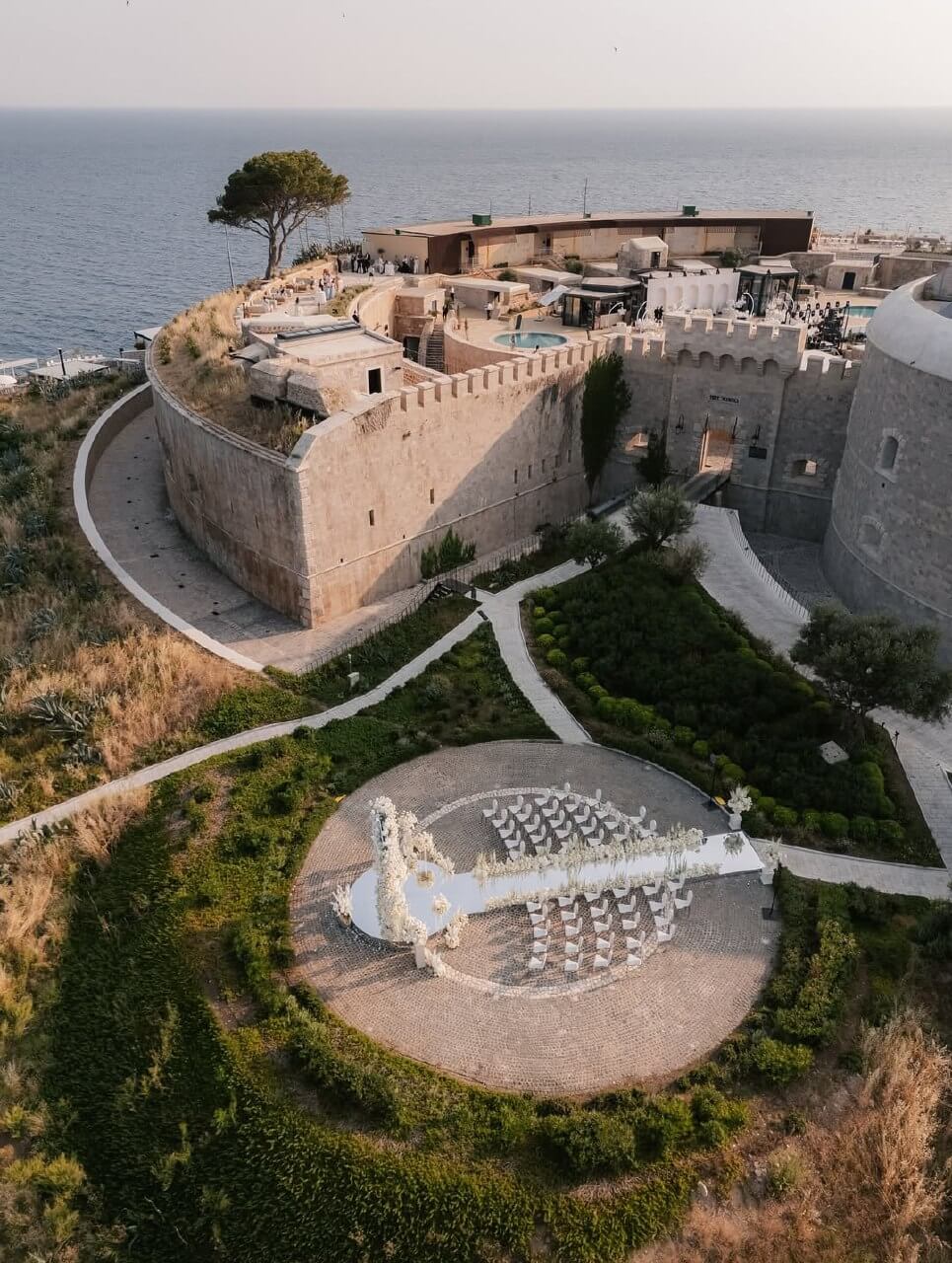
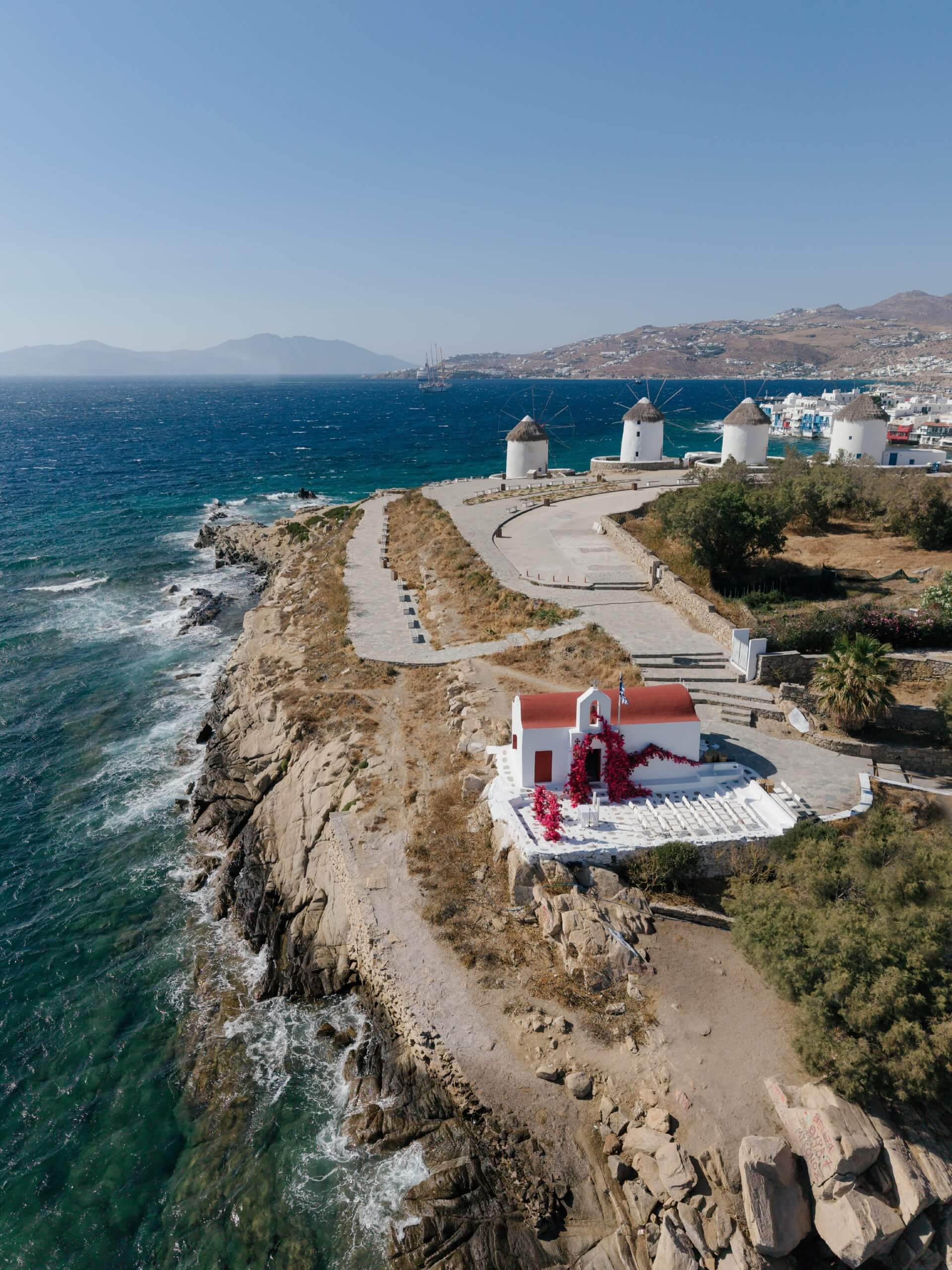
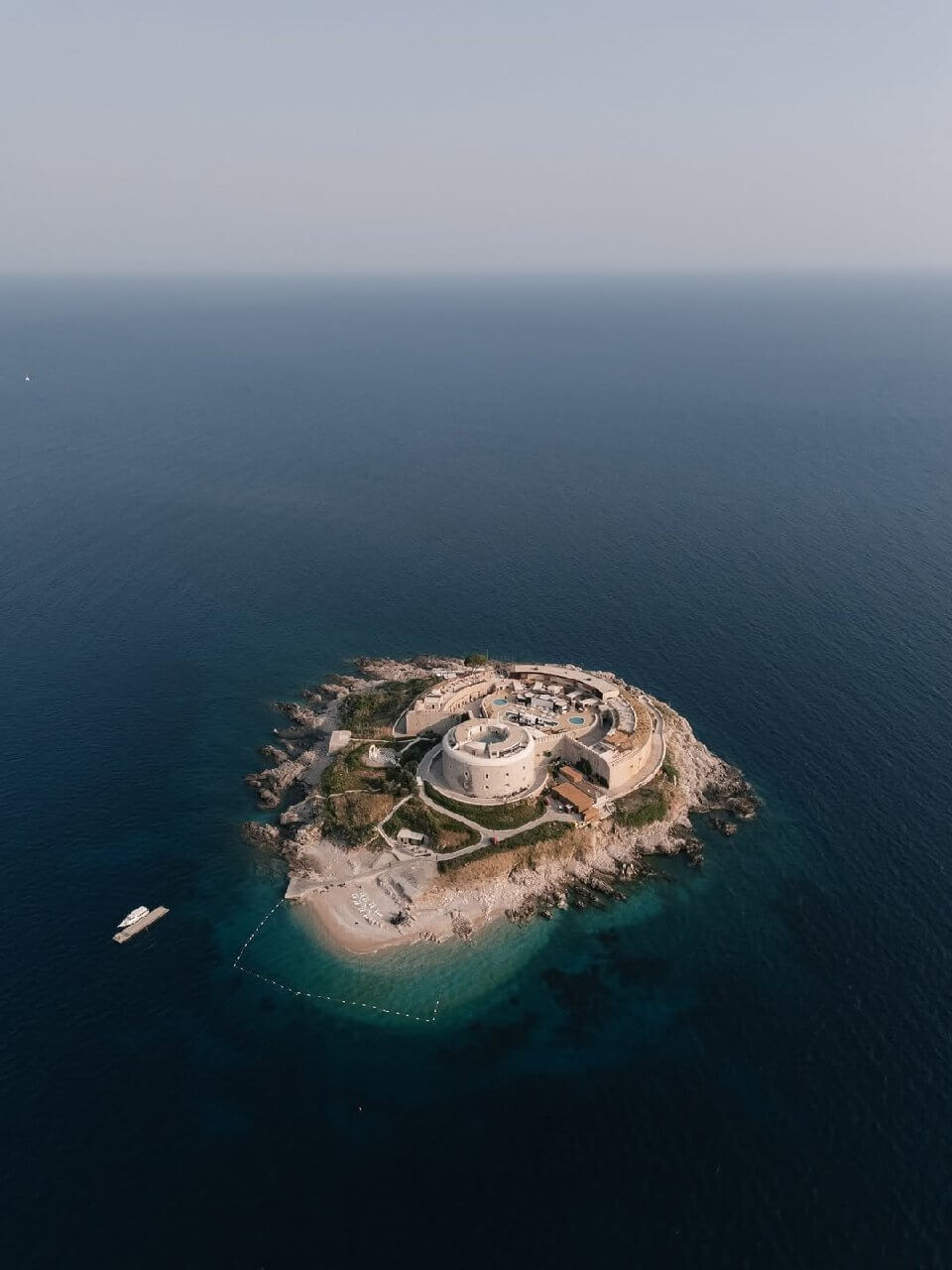
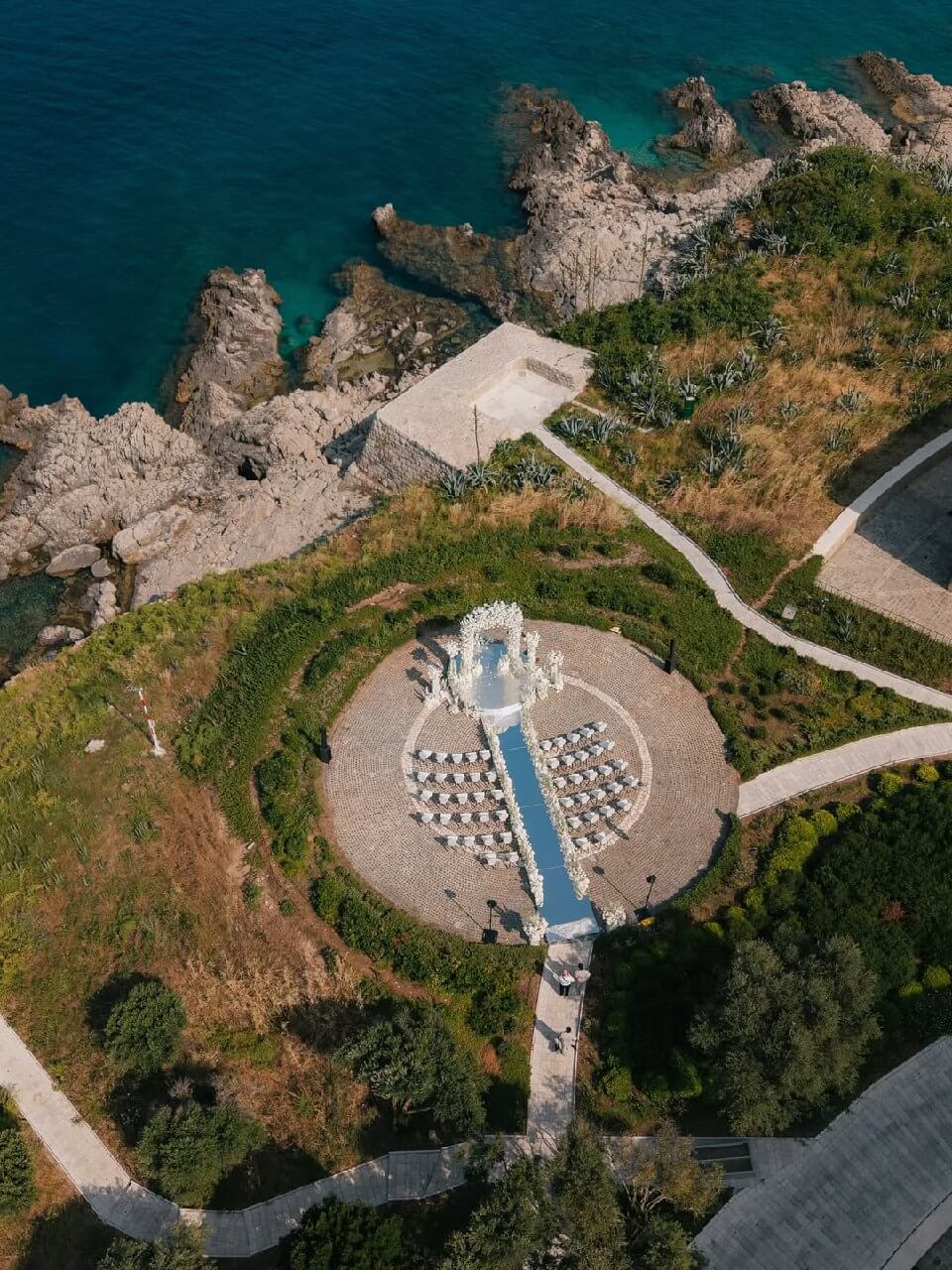
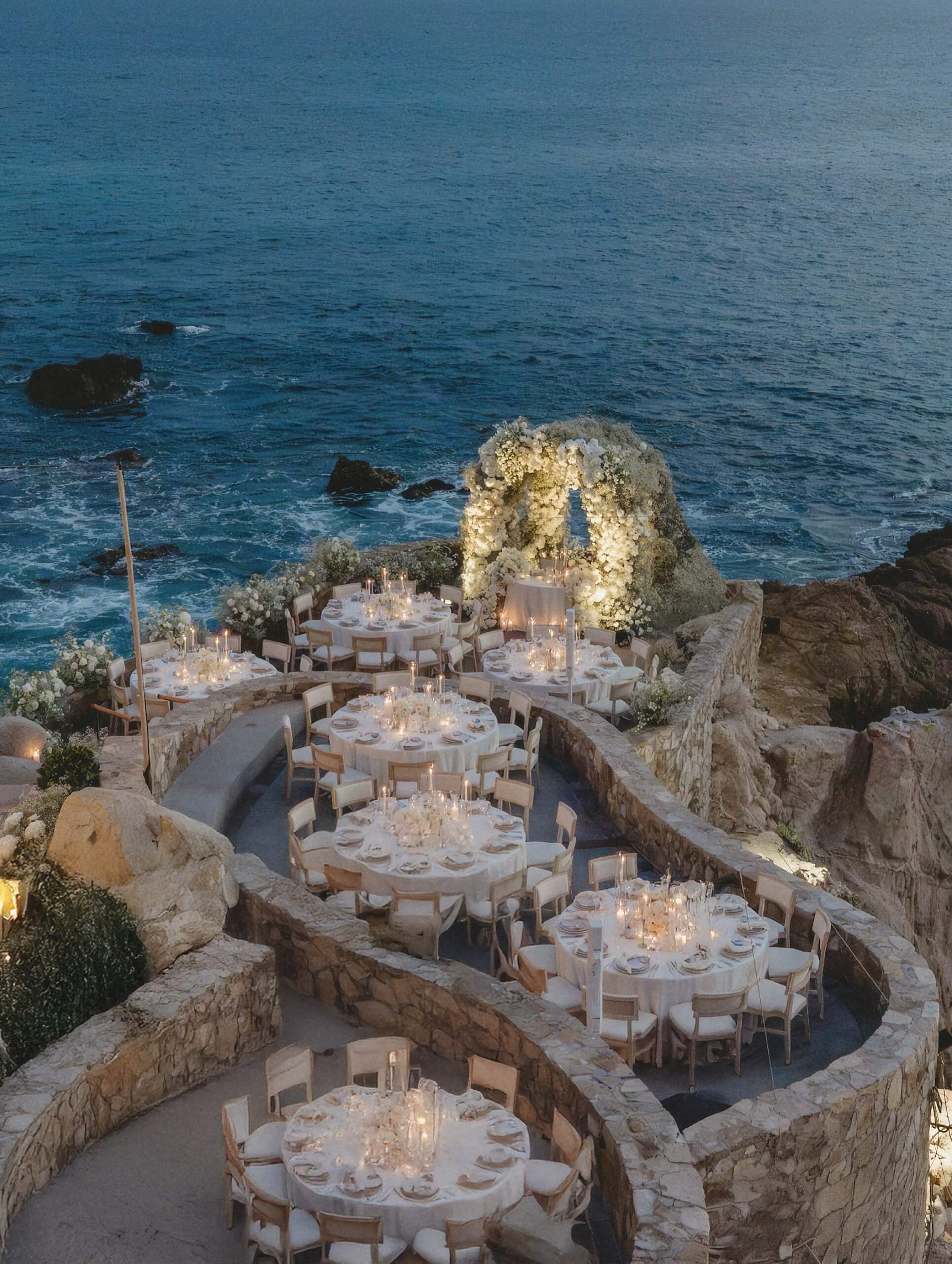
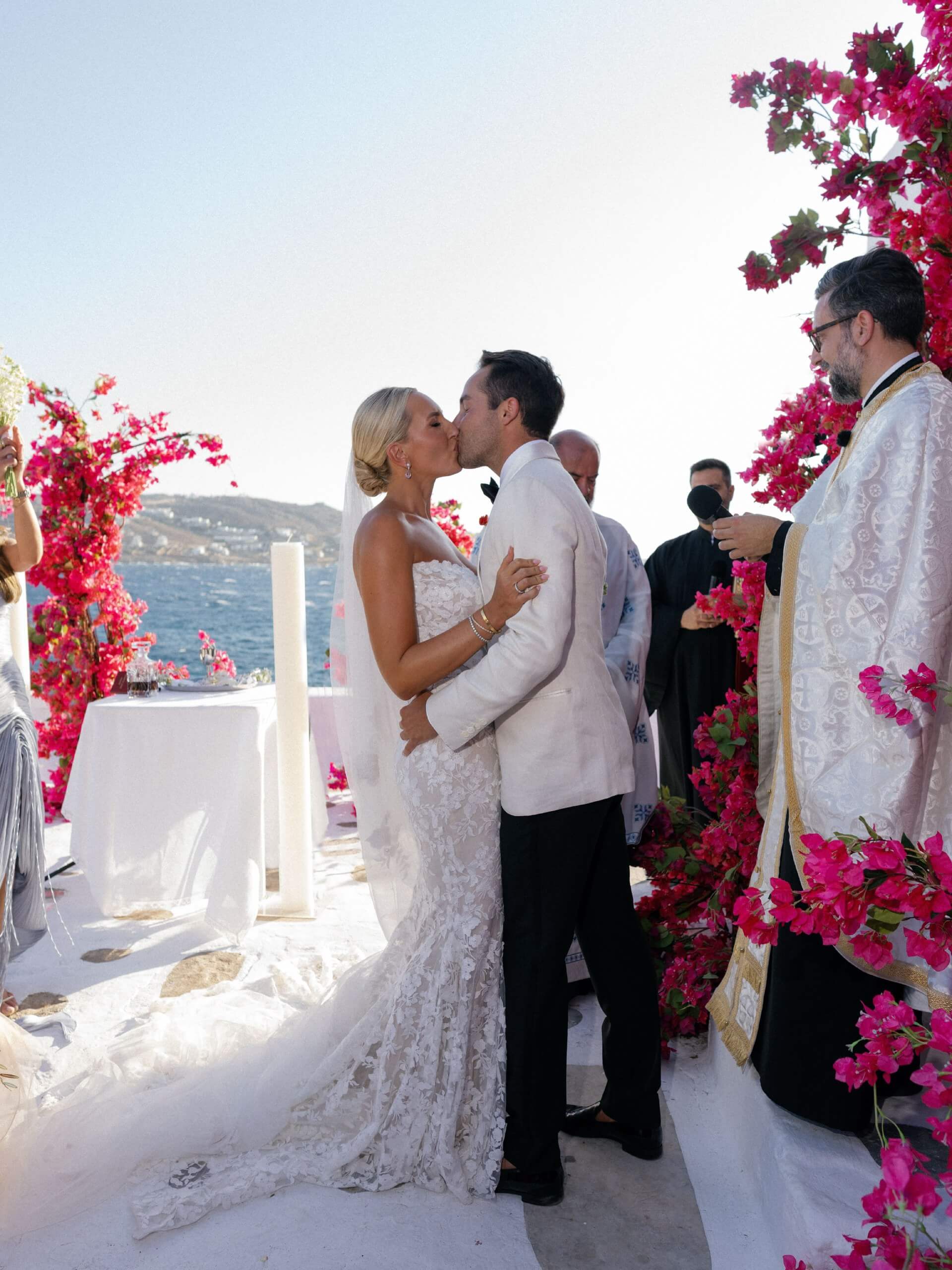
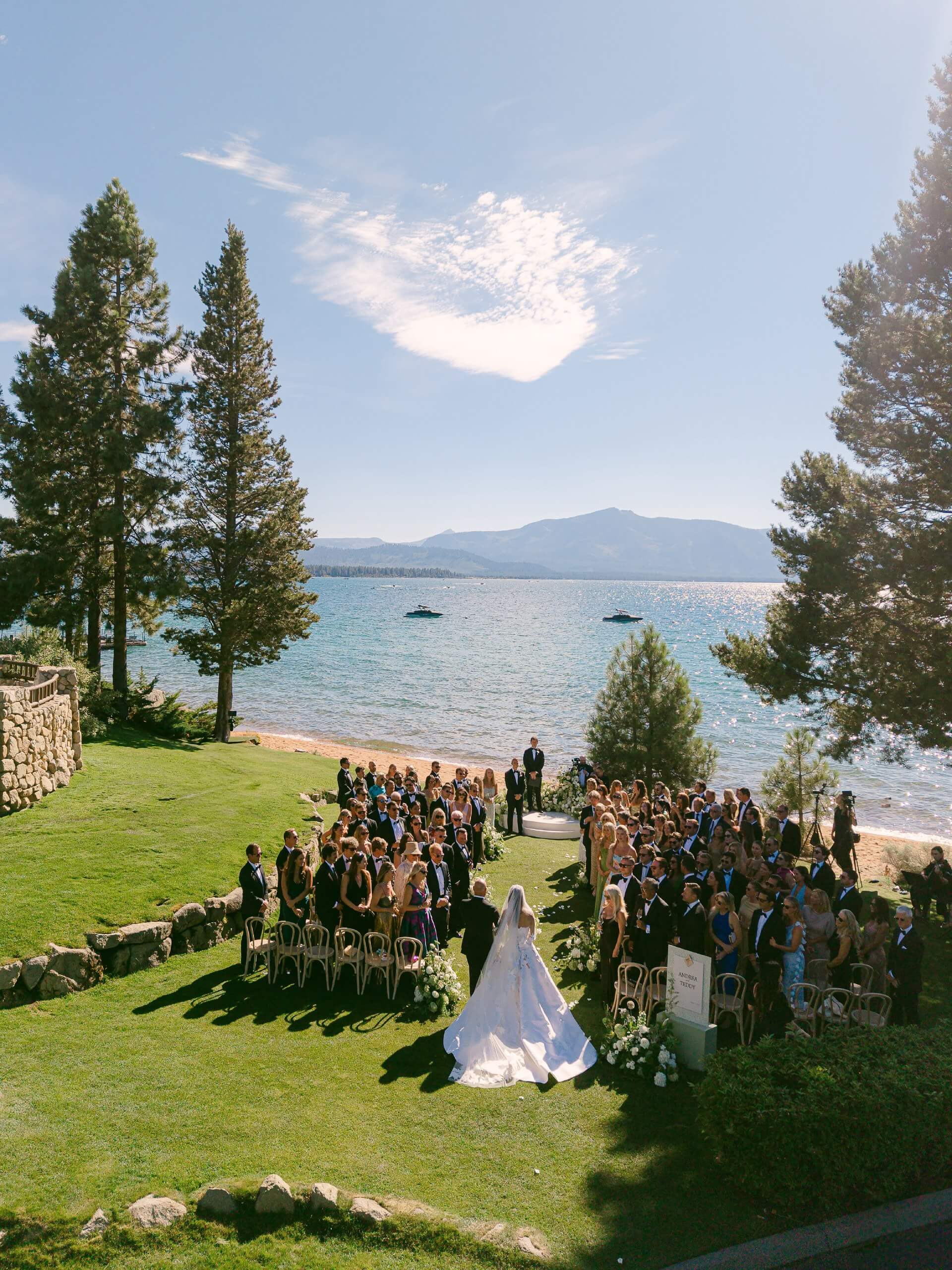
There's a basic, instinctive quality to getting married exactly where the land ends, with a chapel on a rocky promontory worn down by the sea, the ceremony platform carved into the cliff face, and nothing but open water beyond the final row of seats. Tiny fortified islands, each with one church and a number of whitewashed buildings scattered about, offer a self-contained version of the same scene, with guests arriving by boat at a setting that feels less like a place where an event happens and more like something you stumble upon by chance. The Mediterranean region does this kind of setting better than almost any other part of the world, with cliff-top terraces soaking up the last rays of golden light as the water below shifts through a variety of blues before anyone has even finished their first glass of wine. It's a kind of setting that lends itself to being photographed, in fact, which allows the couple simply to stand there and let the horizon take care of everything.
Daniela from Centorose e un tulipano says that Sicily does this particularly well. "It can be grand, raw, romantic, austere, coastal, rural or urban," she says, "and it is precisely this complexity that is responsible for its timelessness since it doesn't rely on any one trend or aesthetic." The desire for something elevated and dramatic also doesn't need an ocean to have an effect. Anastasia of Happy Moments Collector refers to a completely different kind of location: the edge of the world, which is now gaining real momentum. "I believe that couples are only just beginning to realize how sophisticated a wedding in the mountains can be," she states, "not having to be rustic but rather elegant, private and highly experiential." Replace the Mediterranean with the Alps and the fundamental appeal remains almost the same: the dramatic elevation, the feeling of being in a place genuinely separate from ordinary life, and views which do most of the emotional work without the need for a single extra prop.

Palaces, Châteaux and Formal Gardens
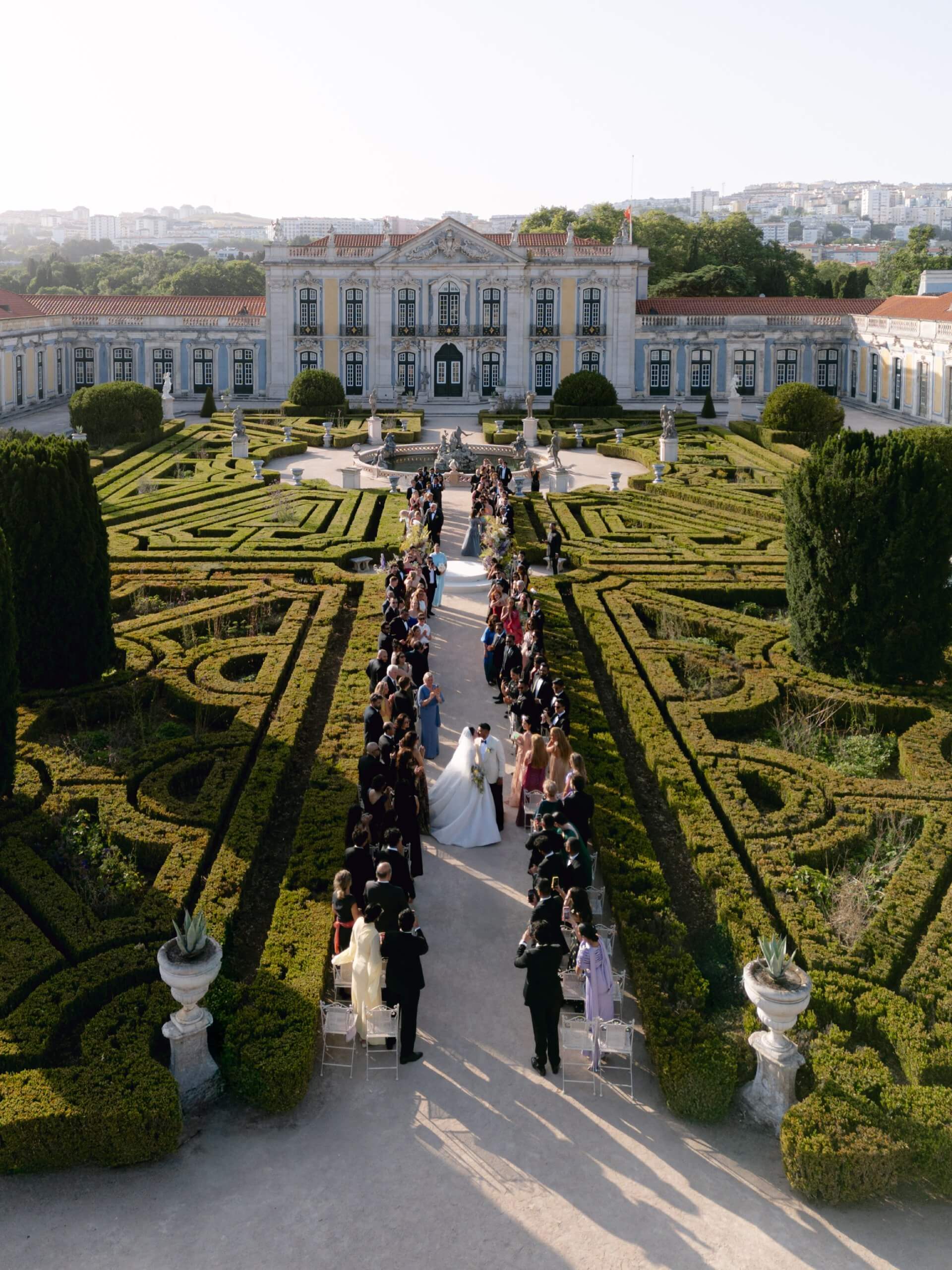
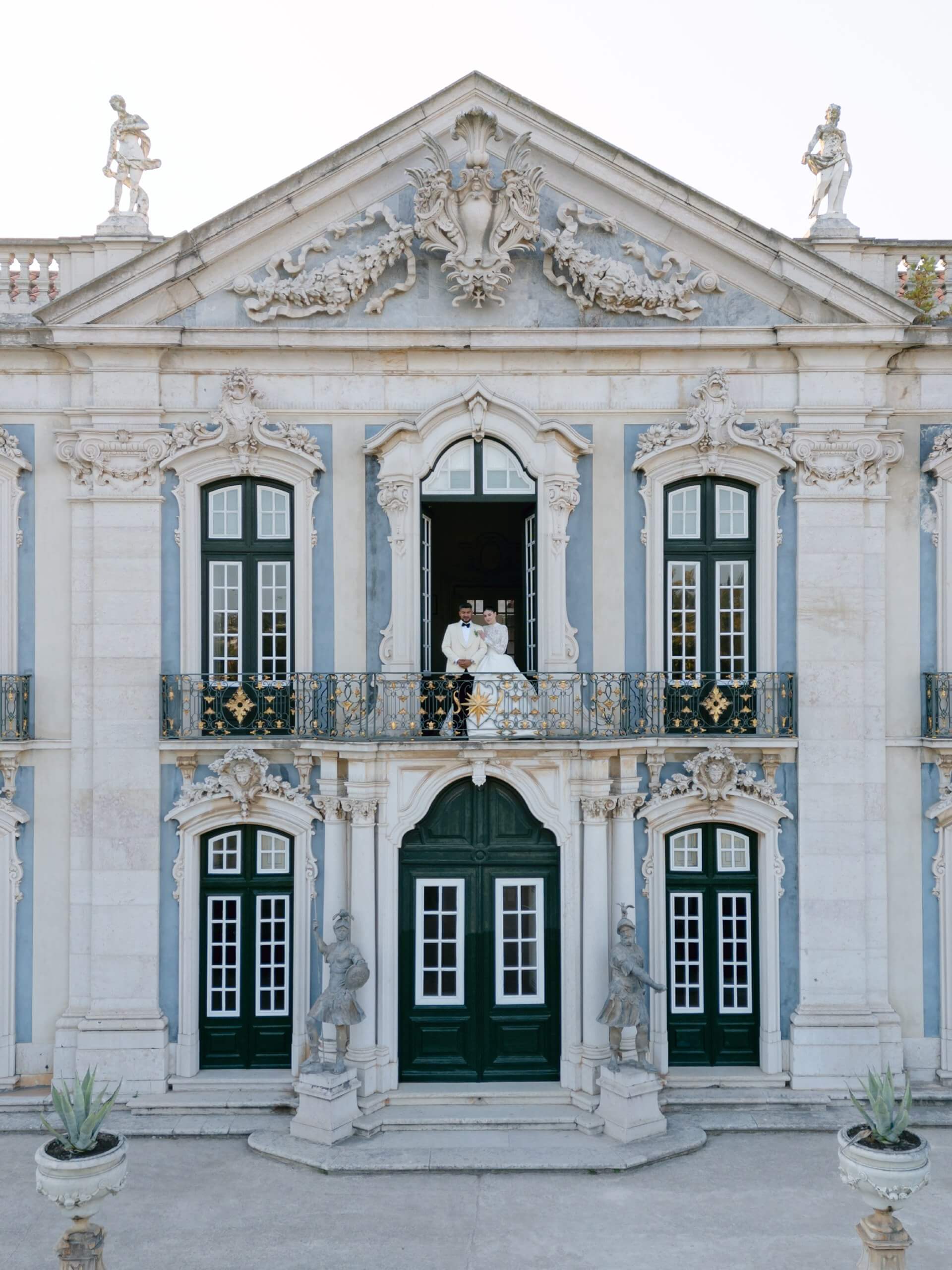
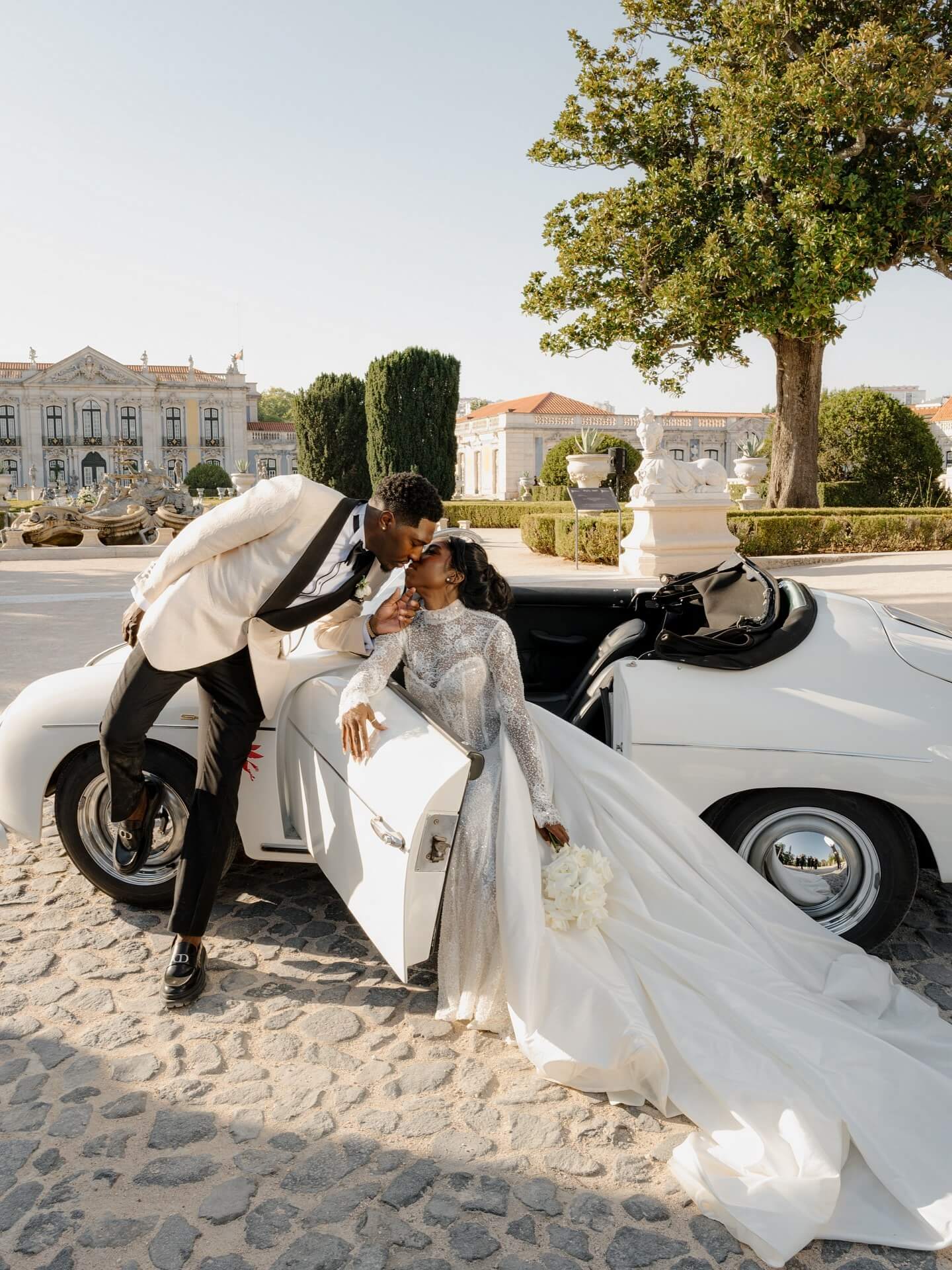
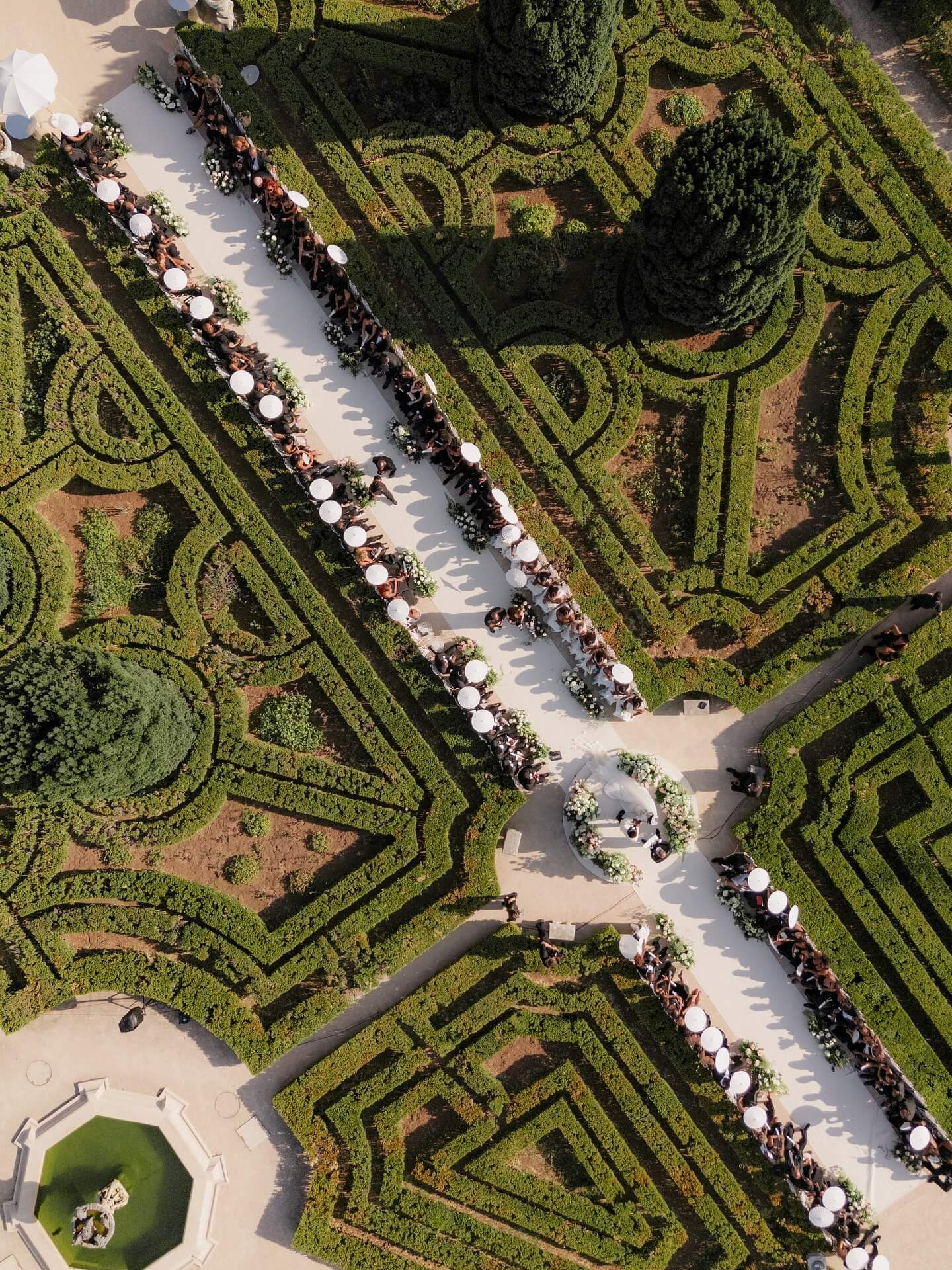
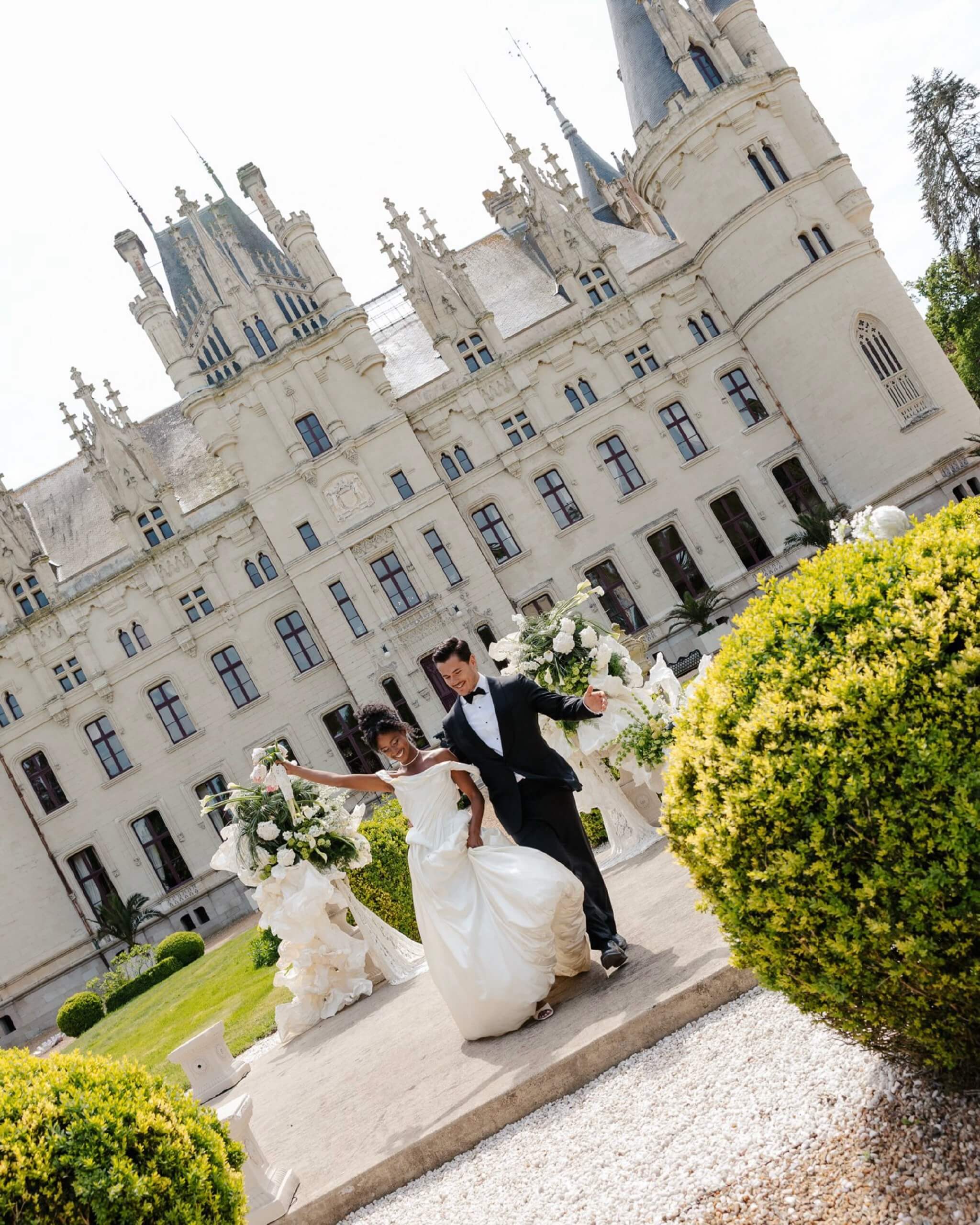
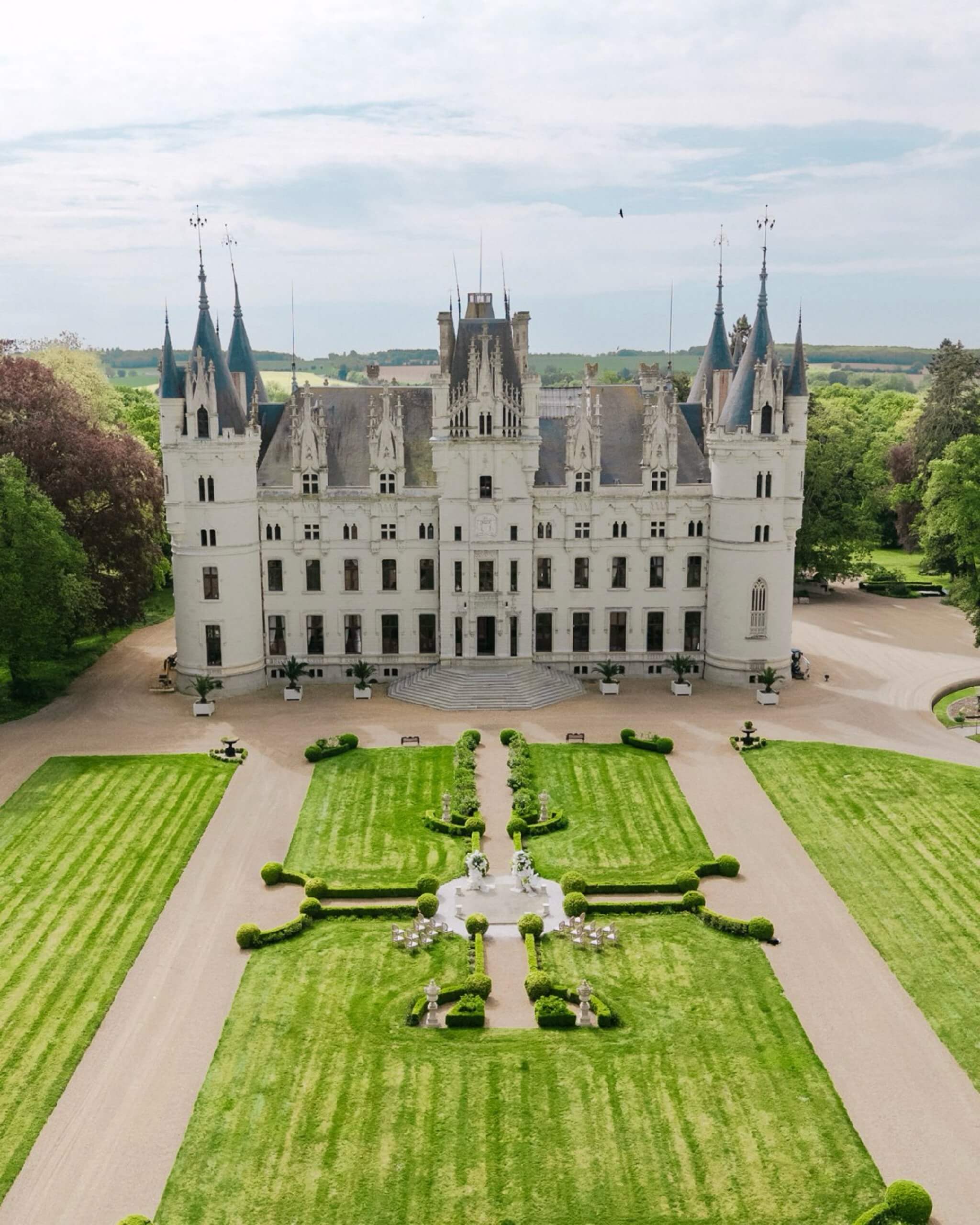
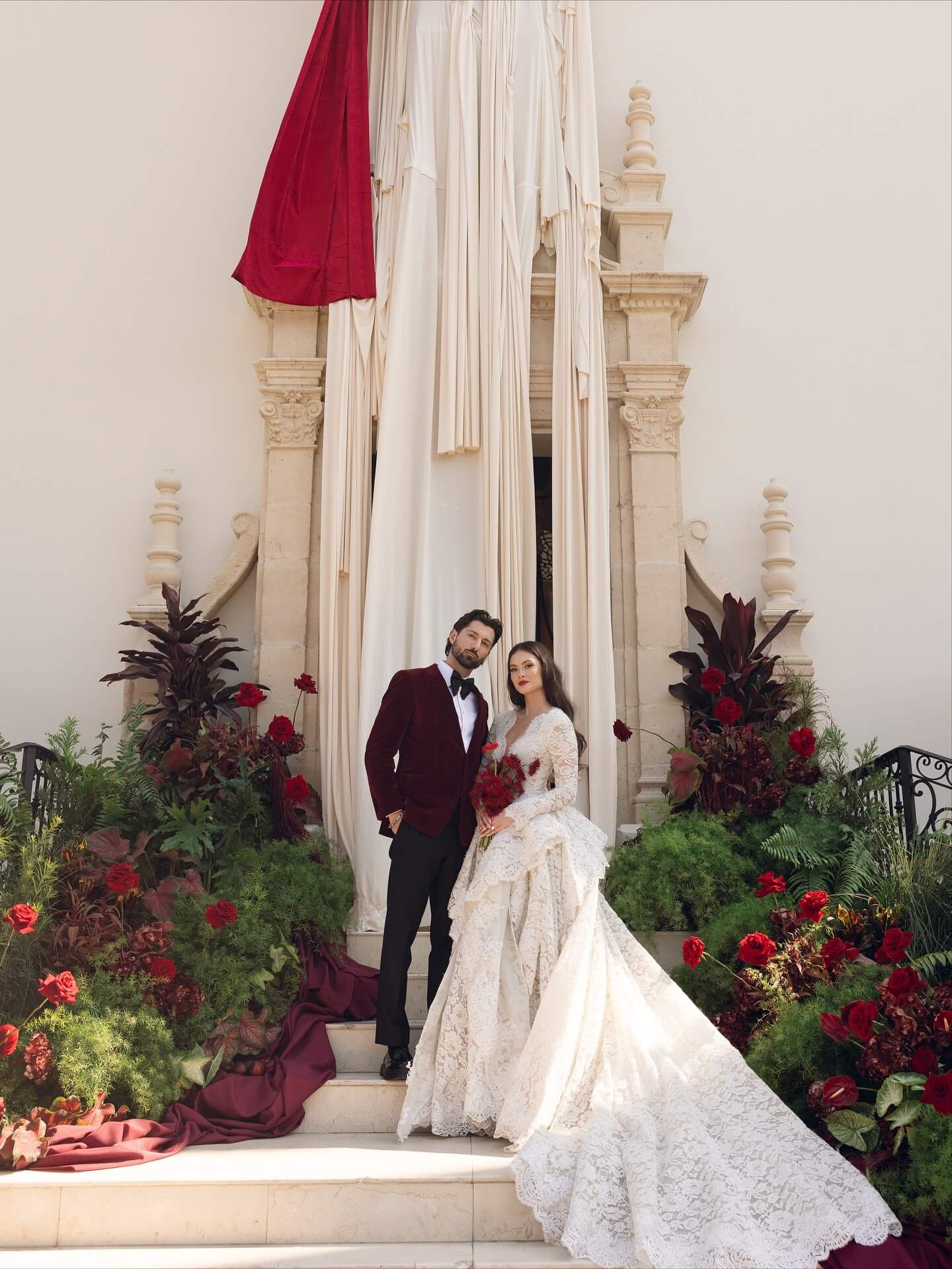
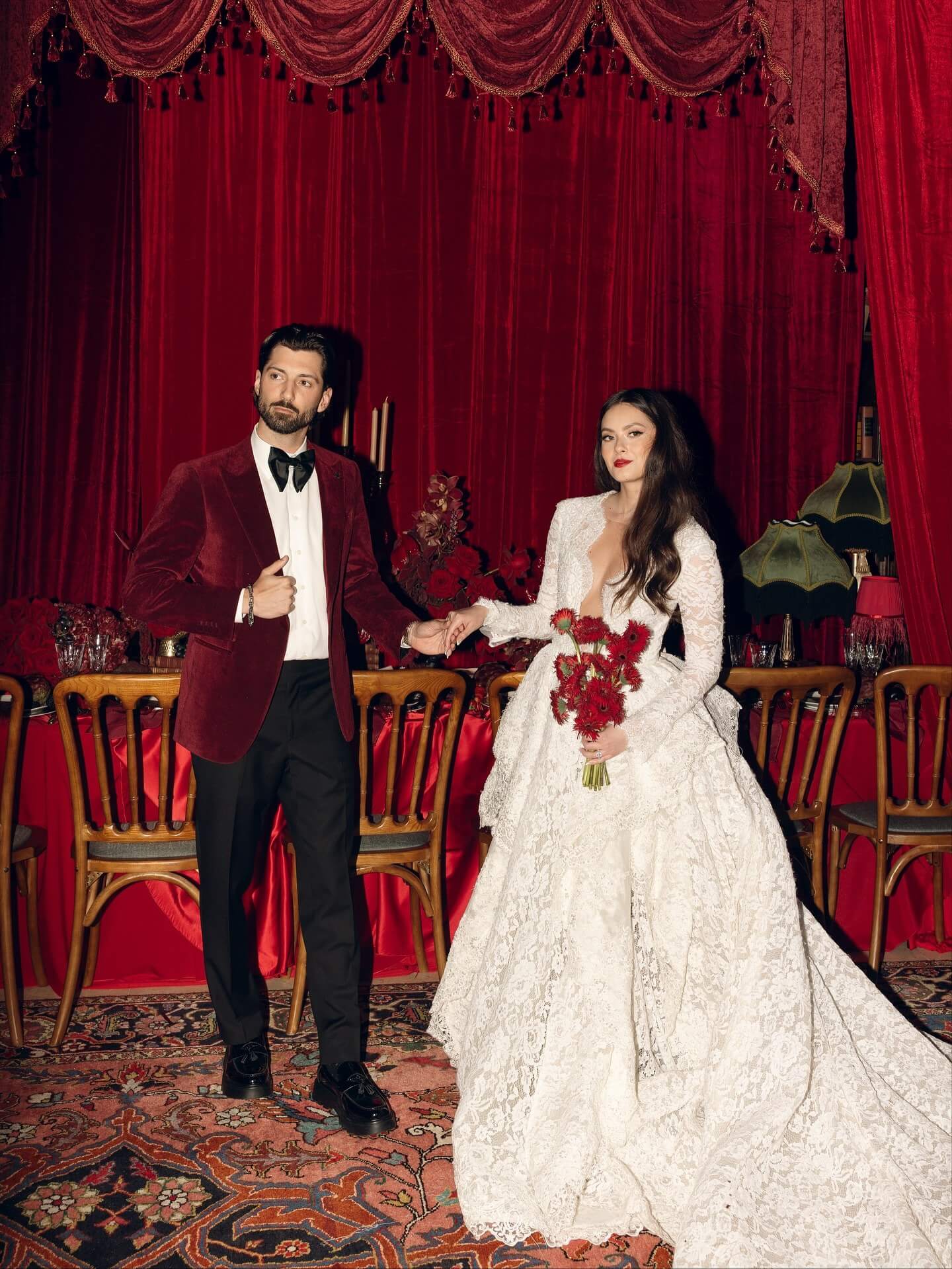
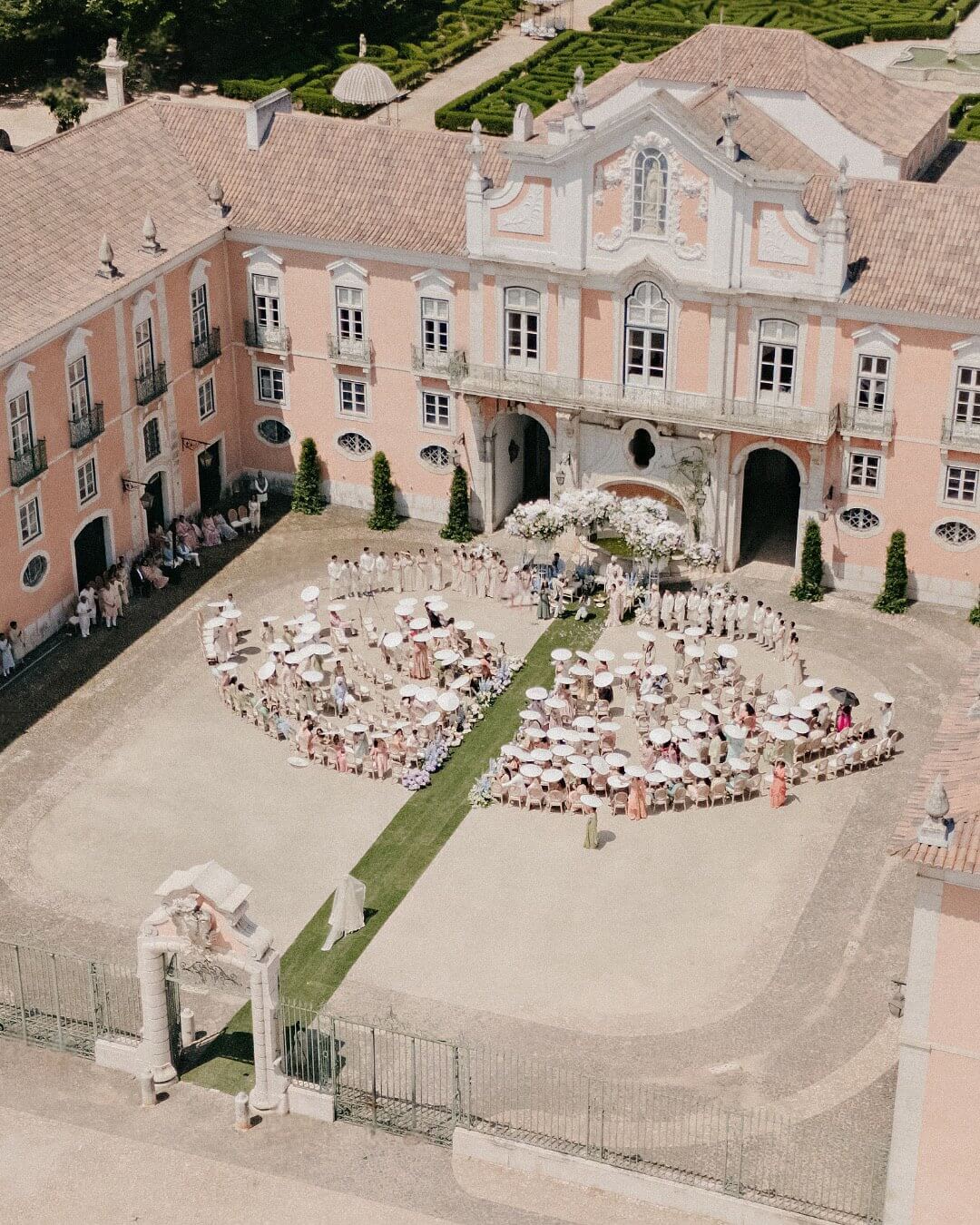
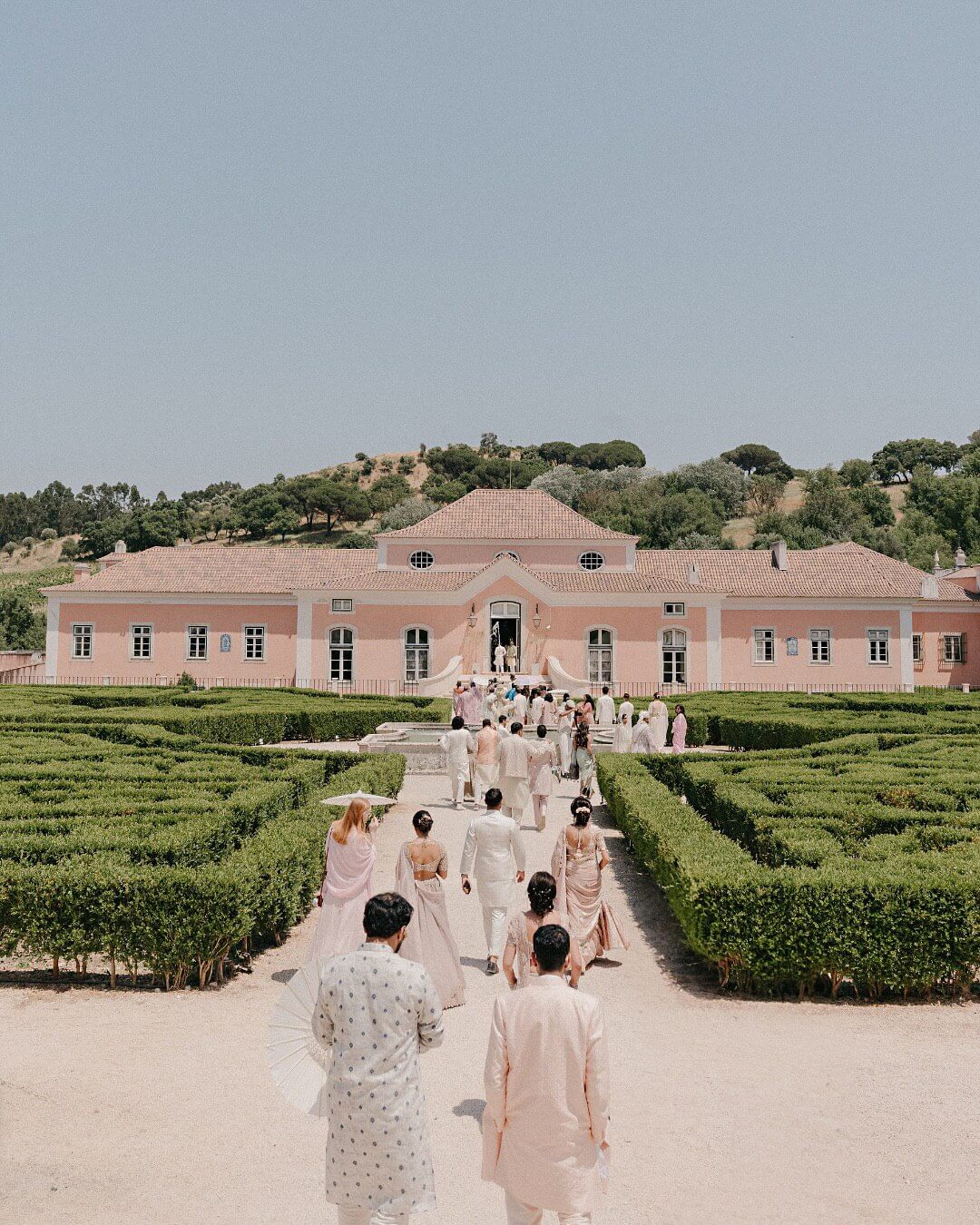
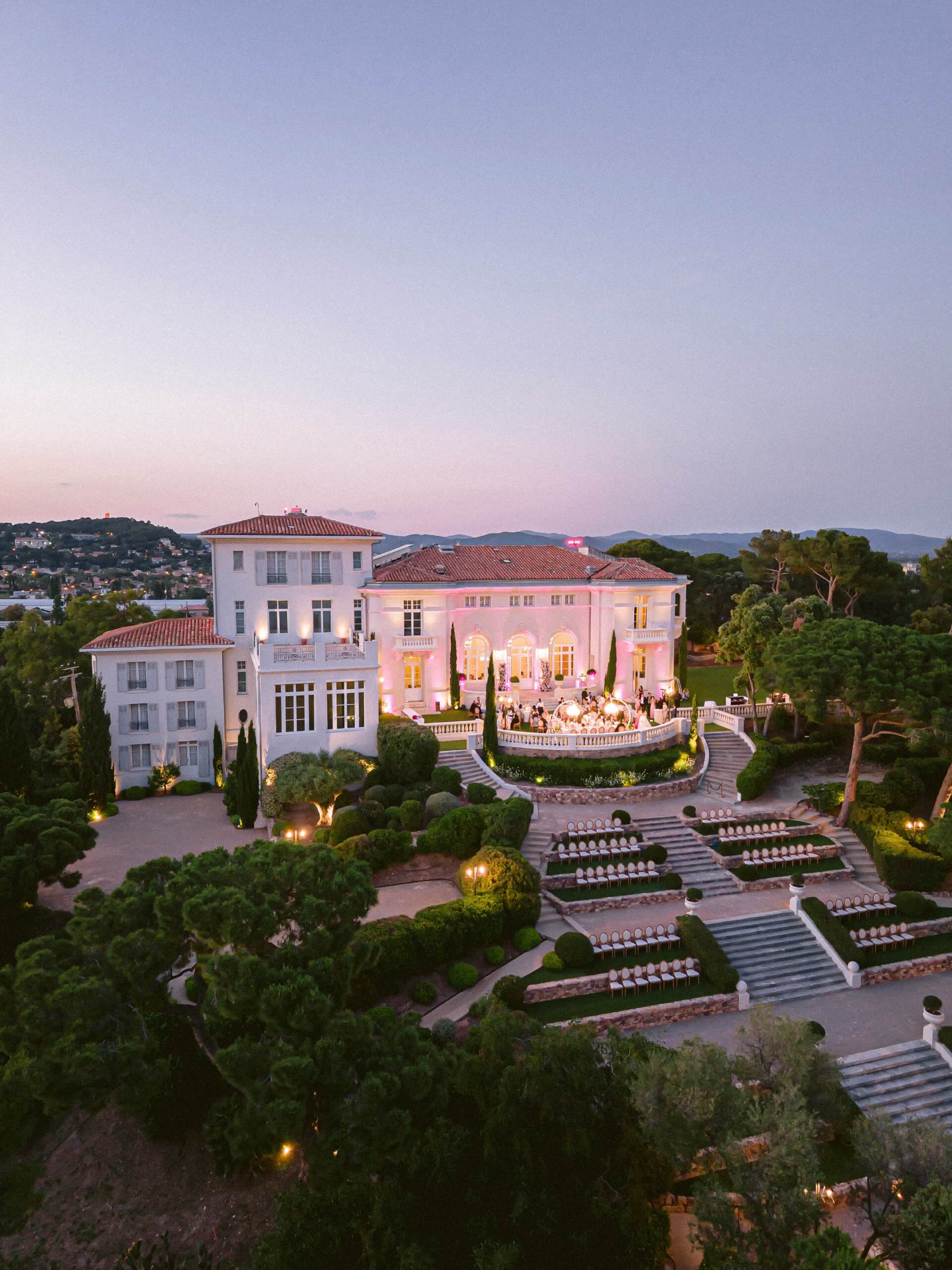
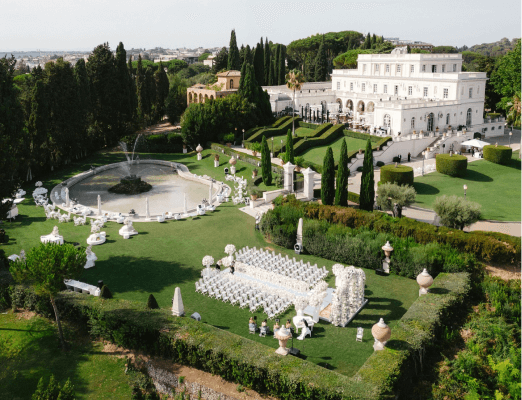
The fact that formal doesn't have to mean stiff is clearly shown by the palace weddings of 2027, with features such as boxwood mazes cut into exact geometric shapes, gravel pathways bordered by topiary that has taken decades to shape, and facades so elaborate that they appear to be decoration themselves before a single guest shows up. These settings possess a grandeur accumulated over centuries, something that a newly built venue could never fake, including wrought iron balconies from which a couple could appear above a garden full of guests waiting below, and staircases wide enough for the entire wedding party to come down in formation. It is the kind of backdrop that turns even a fairly simple ceremony into a real historical event, and the journey from car to altar also becomes part of the display here, with guests splitting along a gravel path originally designed centuries ago for a procession just like this.
Bordeaux has in a way become a personal goal for Cassiopée Elodie Villemus weddings, who describes it as “the ultimate expression of French art de vivre” when it comes to wine regions. "No other destination on earth conveys the prestige of its wine the way that Bordeaux does," she says, referring to famous names such as Saint-Émilion and Margaux, which "set the tone of a celebration before a single glass has been poured". She adds that couples getting married there can plan their whole weekend around a famous wine château, combining private tastings and cellar dinners with the ceremony itself. According to ÈCLAT, Austria offers a completely different version of the same formal grandeur, and singles out Vienna specifically. "Vienna in particular offers an extraordinary concentration of imperial palaces, historic architecture, magnificent ballrooms and centuries of culture," notes the planner, "yet it is still far less known internationally as a wedding destination than Italy or France". Between the vineyard prestige of Bordeaux and the imperial ballrooms of Vienna, this category alone shows that formal grandeur can genuinely take on different forms depending on the country's history that a couple would like to have behind them.
| Region | Signature Detail | Best For |
|---|---|---|
| Bordeaux, France | Legendary wine château, private cellar tastings | Couples building a weekend around wine culture |
| Vienna, Austria | Imperial palaces, historic ballrooms | Couples chasing European grandeur, still underrated internationally |
| Piedmont, Italy | Aristocratic estates, understated sophistication | Couples wanting grandeur without the Tuscany crowds |
Piedmont should also be included in this discussion, even though it is seldom mentioned alongside Bordeaux or Vienna. As Centorose e un tulipano puts it, "Few areas in Italy manage to combine aristocratic grandeur, monumental architecture and a quiet sophistication in quite the same way," and she goes on to say that the region's historic houses "have great potential for destination weddings and yet still seem surprisingly little known." Although the three regions appear very different on the surface, they share something in common - a real architectural solidity that has taken centuries to achieve, a kind of grandeur that no amount of hired decoration could realistically reproduce in just one afternoon.
Mexico and Its Overgrown Courtyards
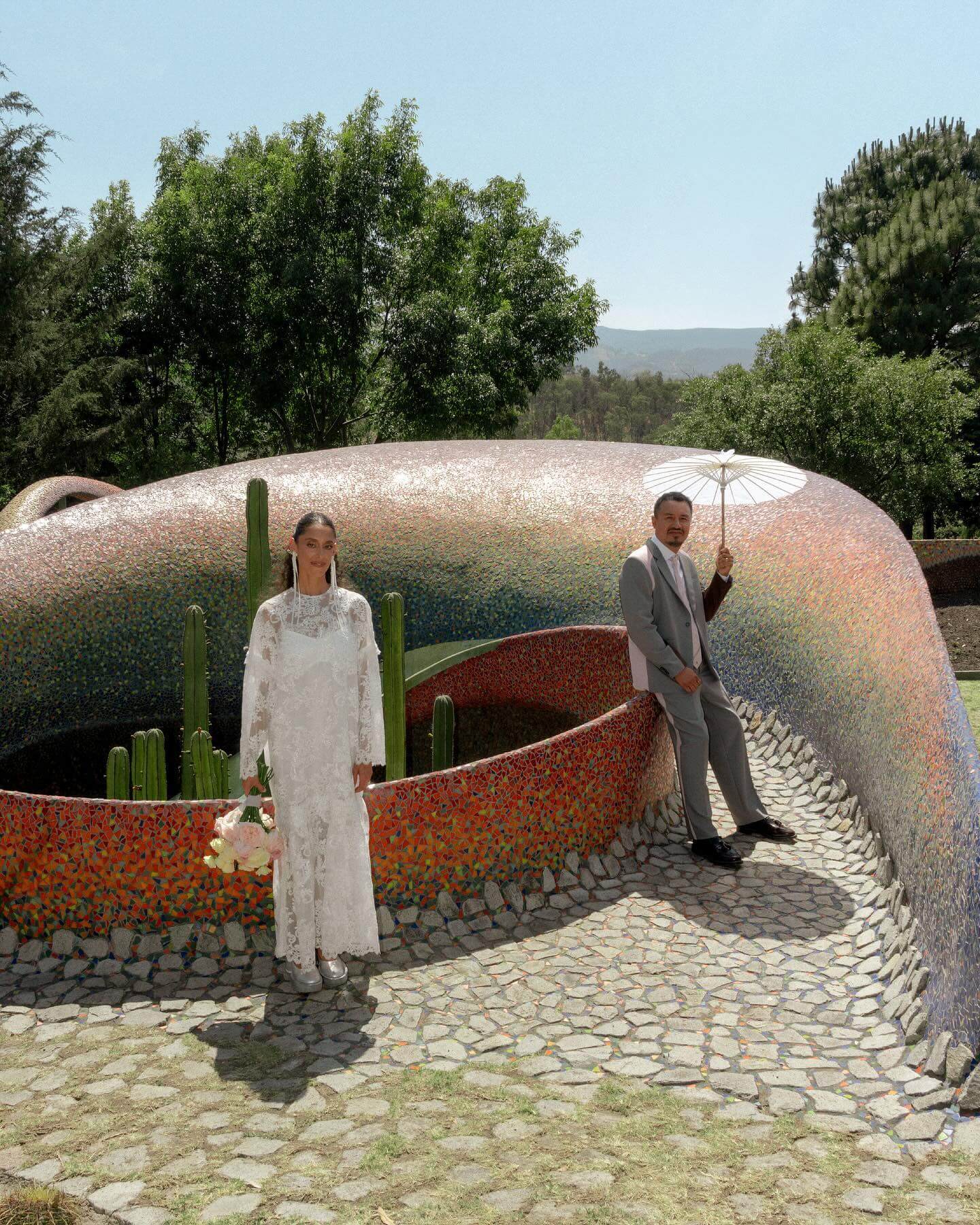
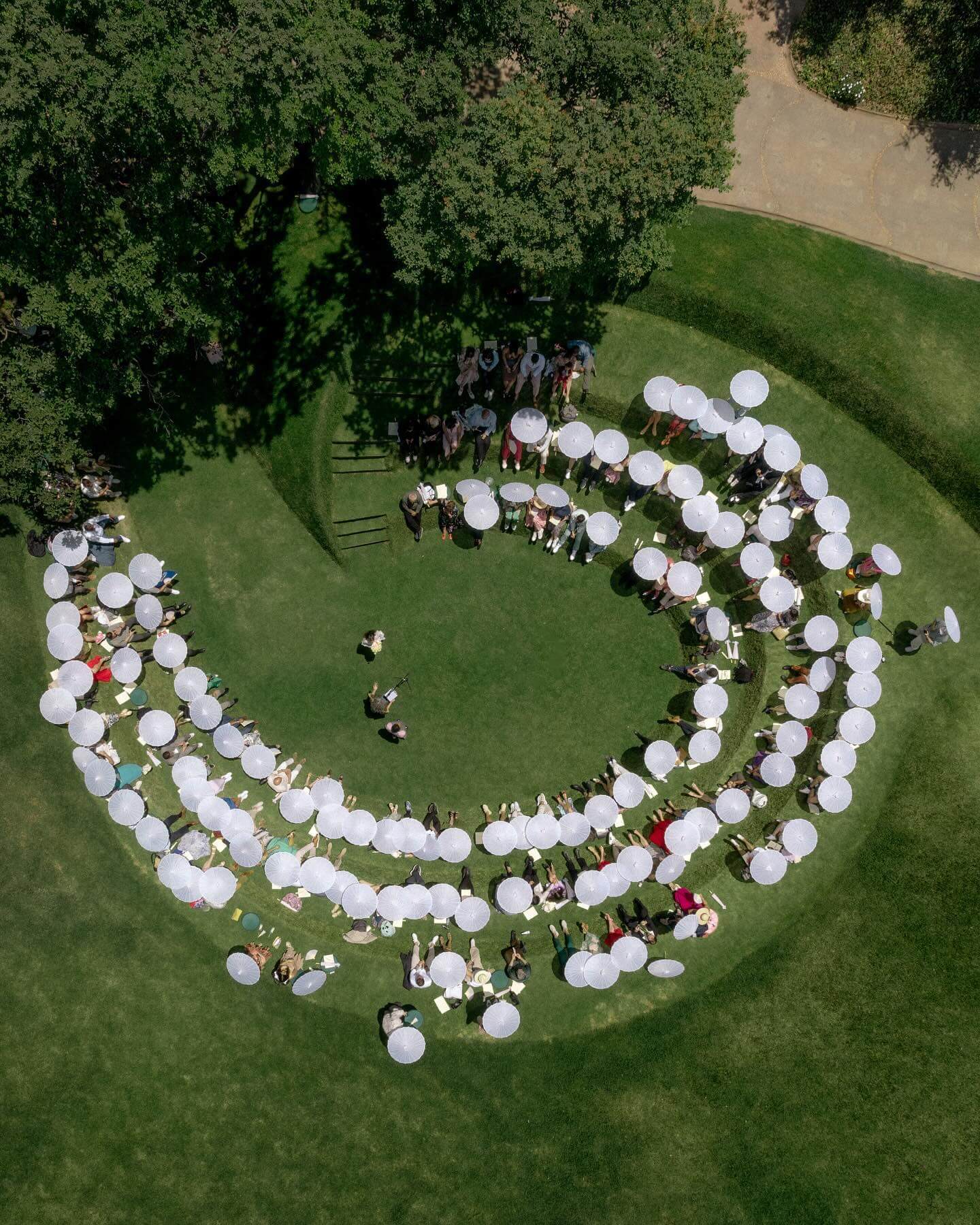
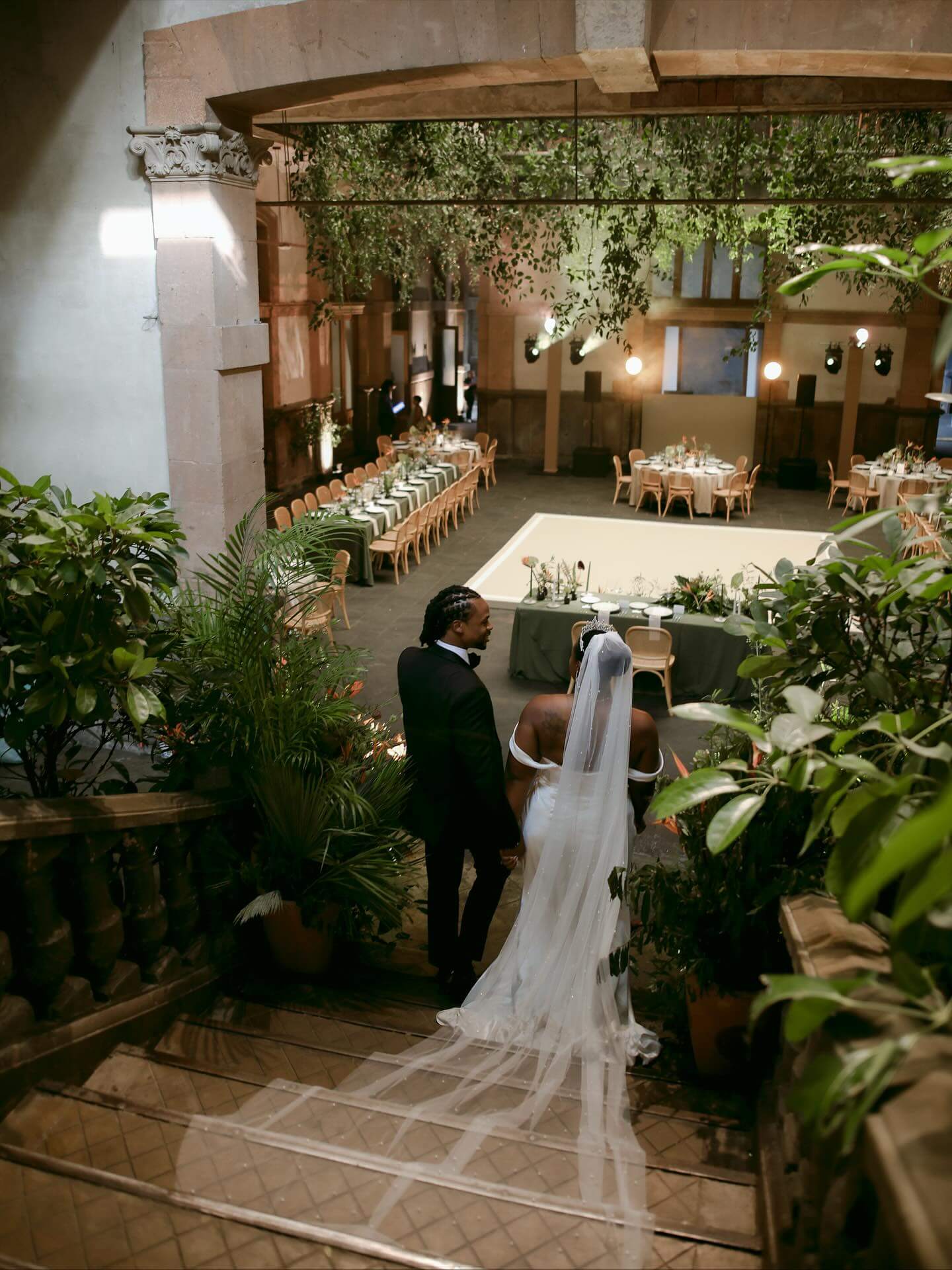
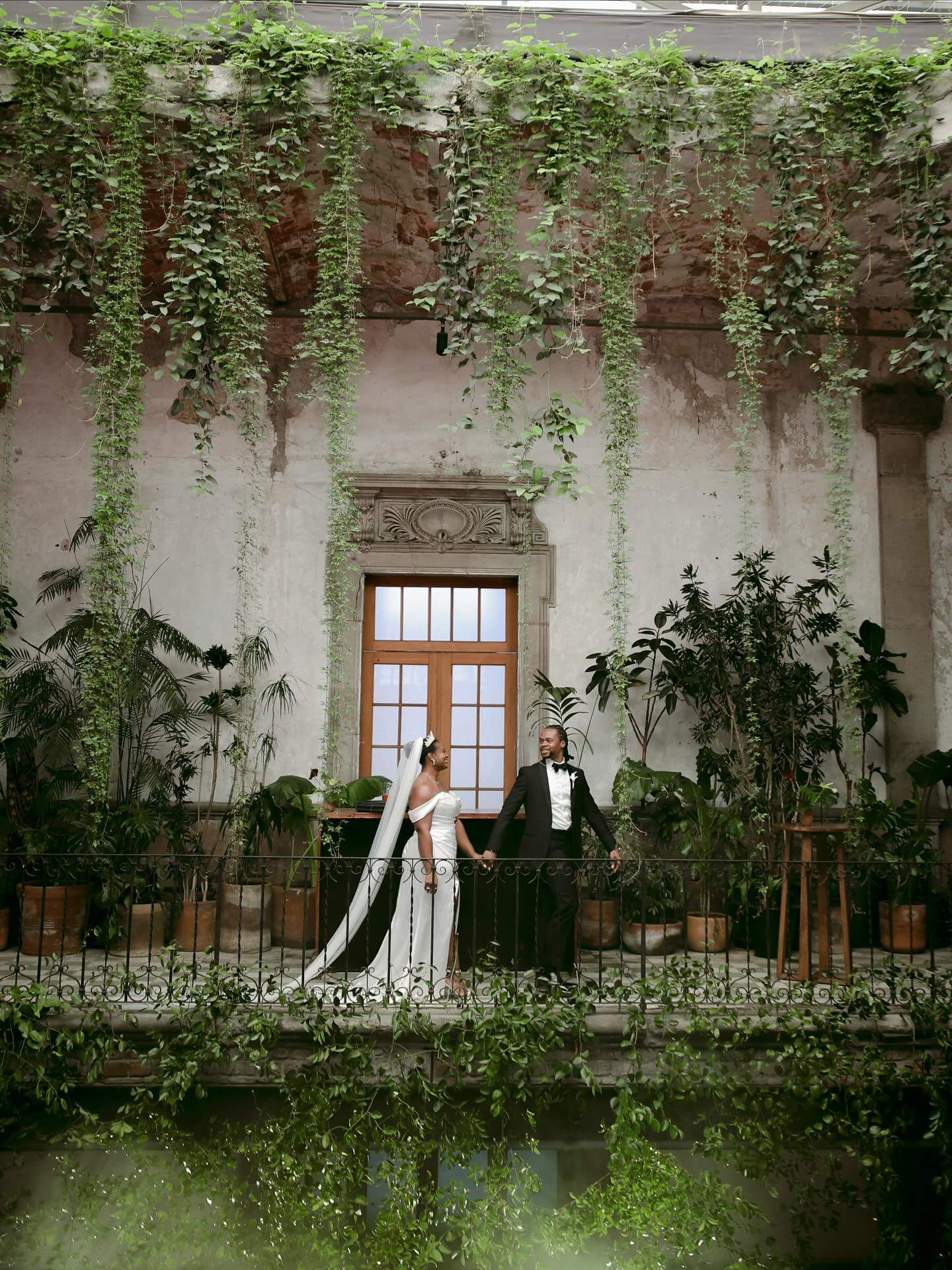
In 2027, the way weddings are styled in Mexico places a strong emphasis on texture, with terracotta walls draped over by climbing vines, and courtyards in which cacti and tropical plants grow in intentional, slightly wild patterns, the color schemes appearing to be taken directly from the local landscape rather than being forced upon it. Restored haciendas in the Yucatán bring their centuries of history into the celebrations themselves, with thick stone walls and arched doorways doing most of the design work before any single centerpiece is arranged. This style has an intentional roughness, not an accident: courtyards are left a bit overgrown on purpose, and the architecture looks as if it has been genuinely used rather than put together for the event. The whole thing doesn't seem over-tended, and that is exactly the aim, because a courtyard that looks too neatly cared for stops feeling like it belongs to the place.
“Bacalar, Mexico” is the destination Lupita Tirado keeps returning to for 2027, “thanks to its lagoon of seven colors that brings the color palette built right into the landscape.” She is also drawn to the broader restoration of the country's architecture, explaining that "the restored haciendas in Yucatán" are precisely the type of venue where "the decoration can remain simple so that the venue itself can speak". This same principle - letting the natural colors and textures of a place guide all other choices - applies to almost all of the recommendations she makes to couples. Mandy Marie Events, on the other hand, selects a completely different part of the country for 2027, naming Riviera Nayarit as her top choice for that year because it offers "hospitality, a growing infrastructure, a sense of discovery, and wildness which makes the experience exciting and personal".
A handful of details tend to separate the strongest Mexico weddings from ones that simply borrow the aesthetic without the substance:
- Restored haciendas over newly built resorts, since centuries-old stone architecture carries a weight no modern construction can fake
- Landscape-driven color palettes, pulling directly from a location like Bacalar’s lagoon instead of an imported mood board
- Local craftsmanship woven throughout: Oaxacan textiles, regional ceramics, details that connect the wedding to the specific region instead of Mexico in the abstract
- Multi-day pacing, treating the wedding as one part of a longer, slower weekend instead of the entire event
Lupita's final piece of advice captures the entire method. "The decor should be shaped by the destination, not the other way around," she says, whether it's the lagoon at Bacalar or the color and texture of a Yucatán courtyard; "the color scheme, the materials, and indeed the menu should all seem appropriate to the place."
Coastlines, Wild Grass and Ocean-Facing Ceremonies
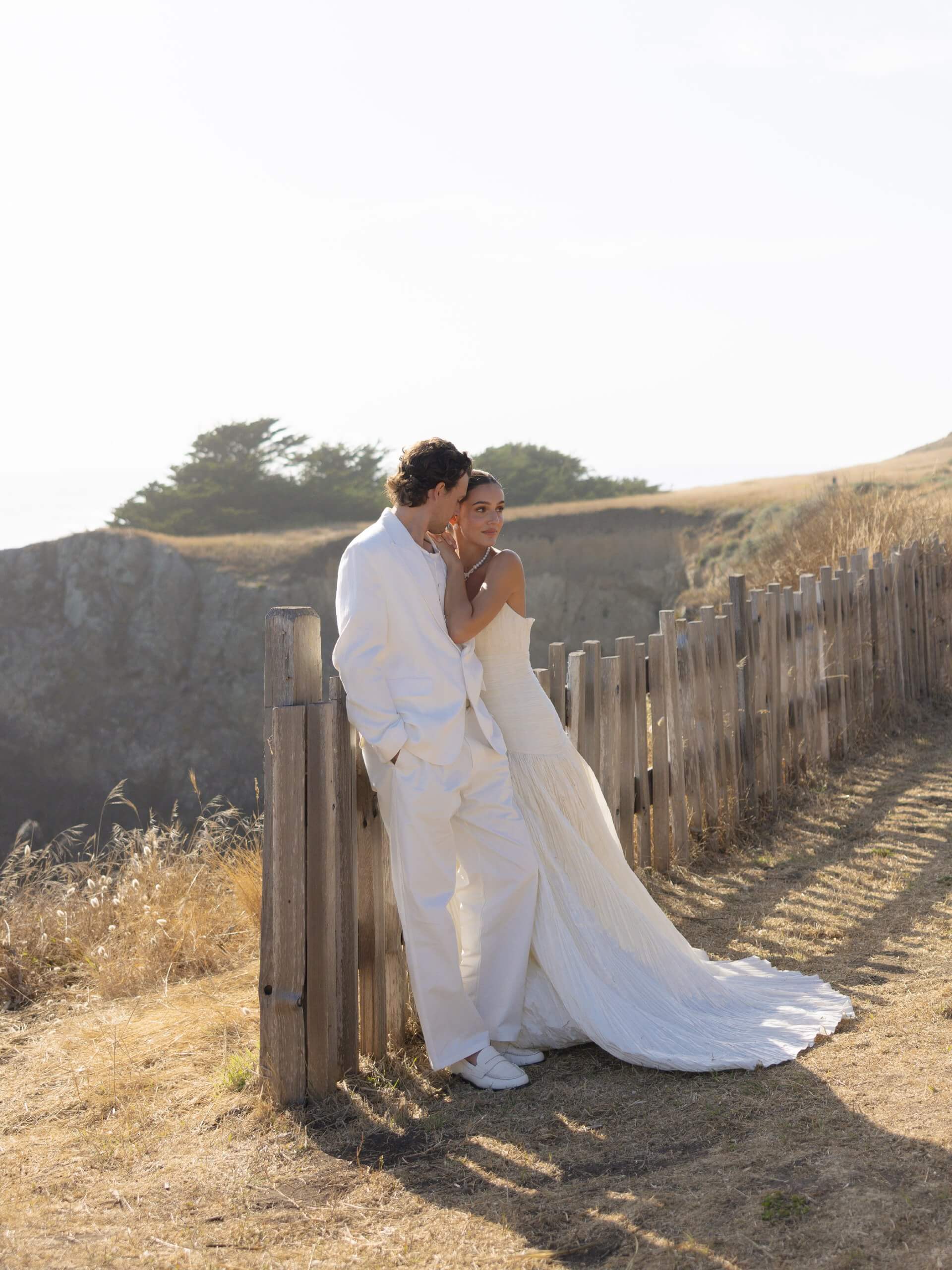
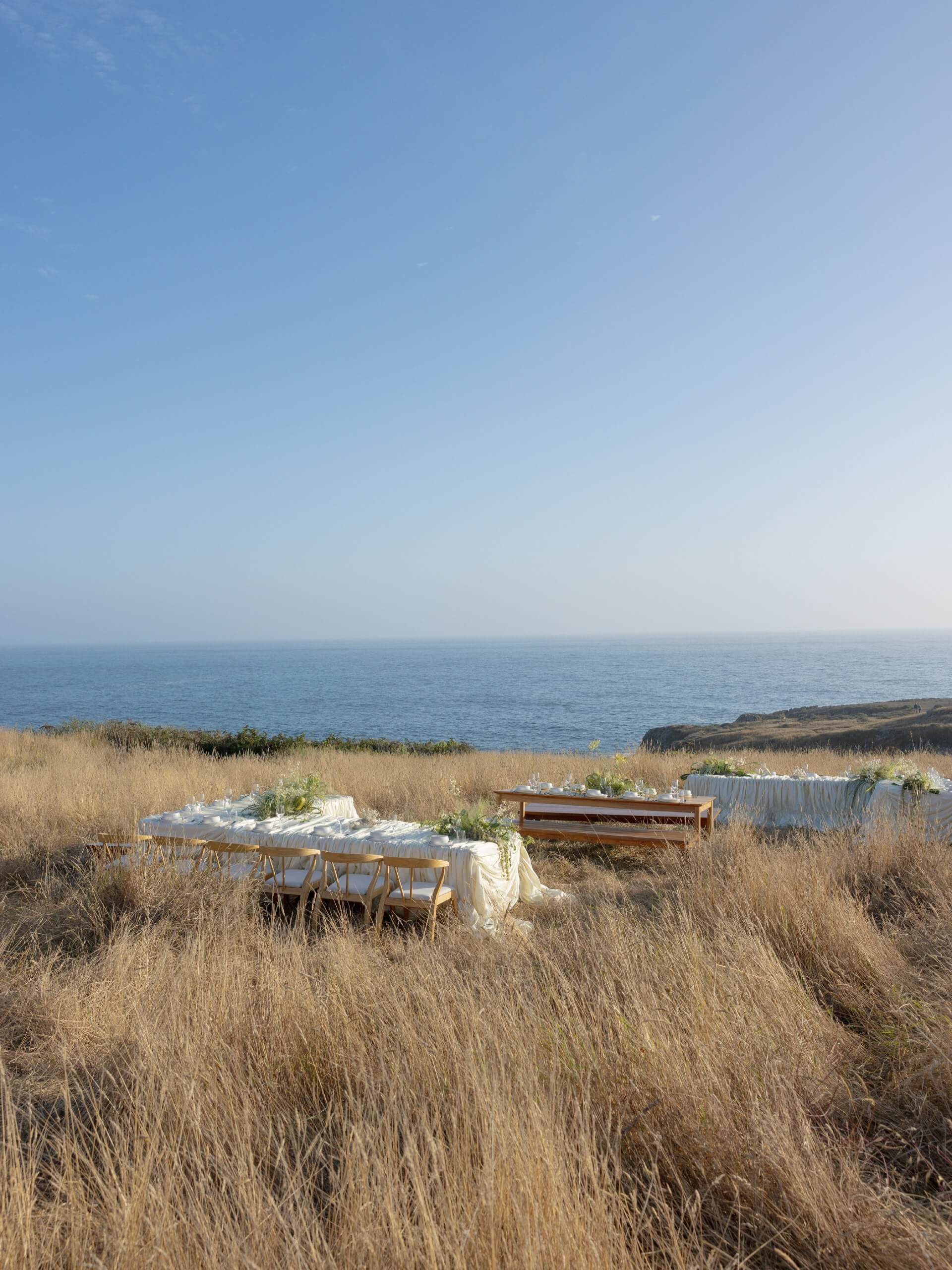
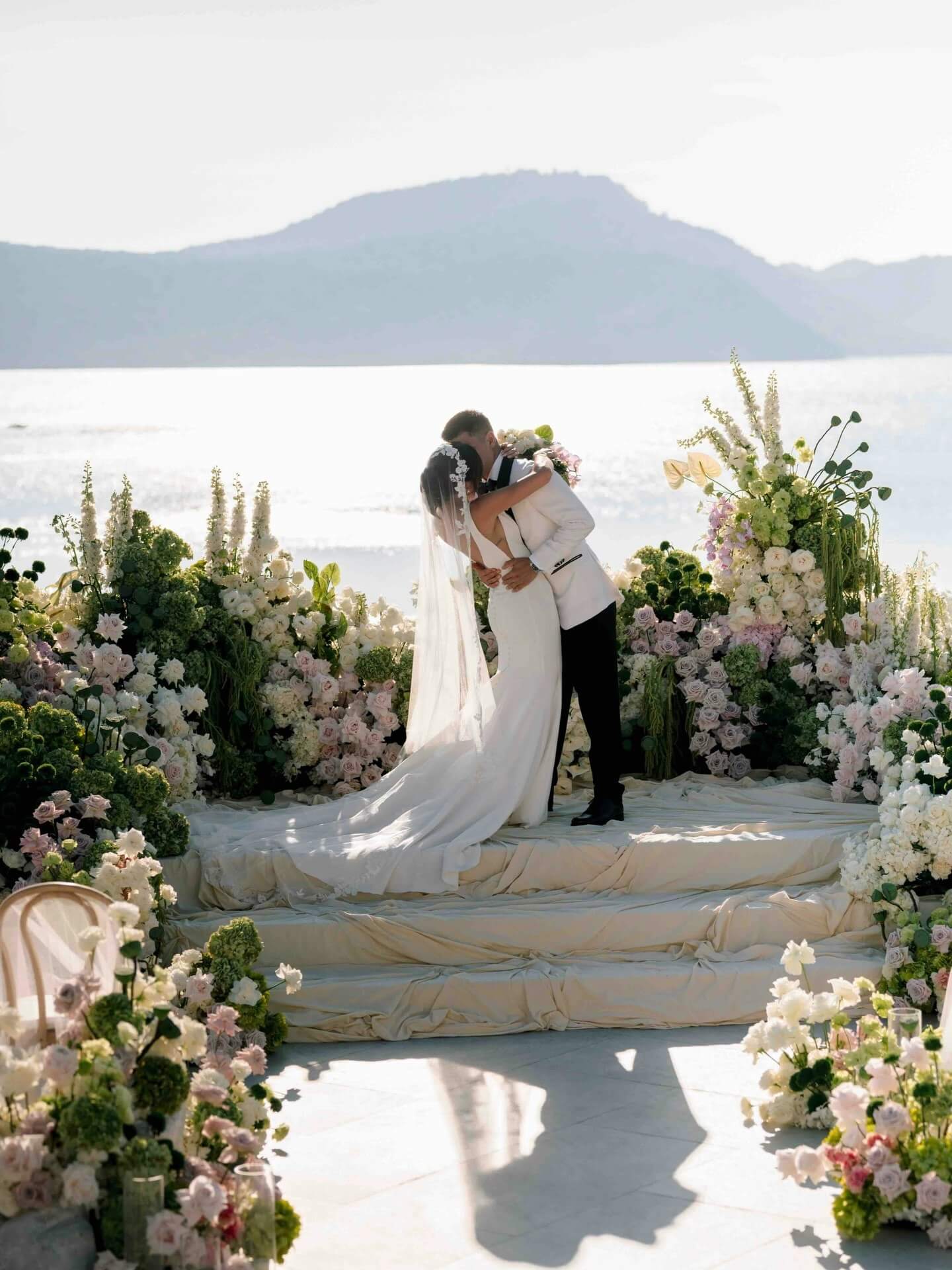
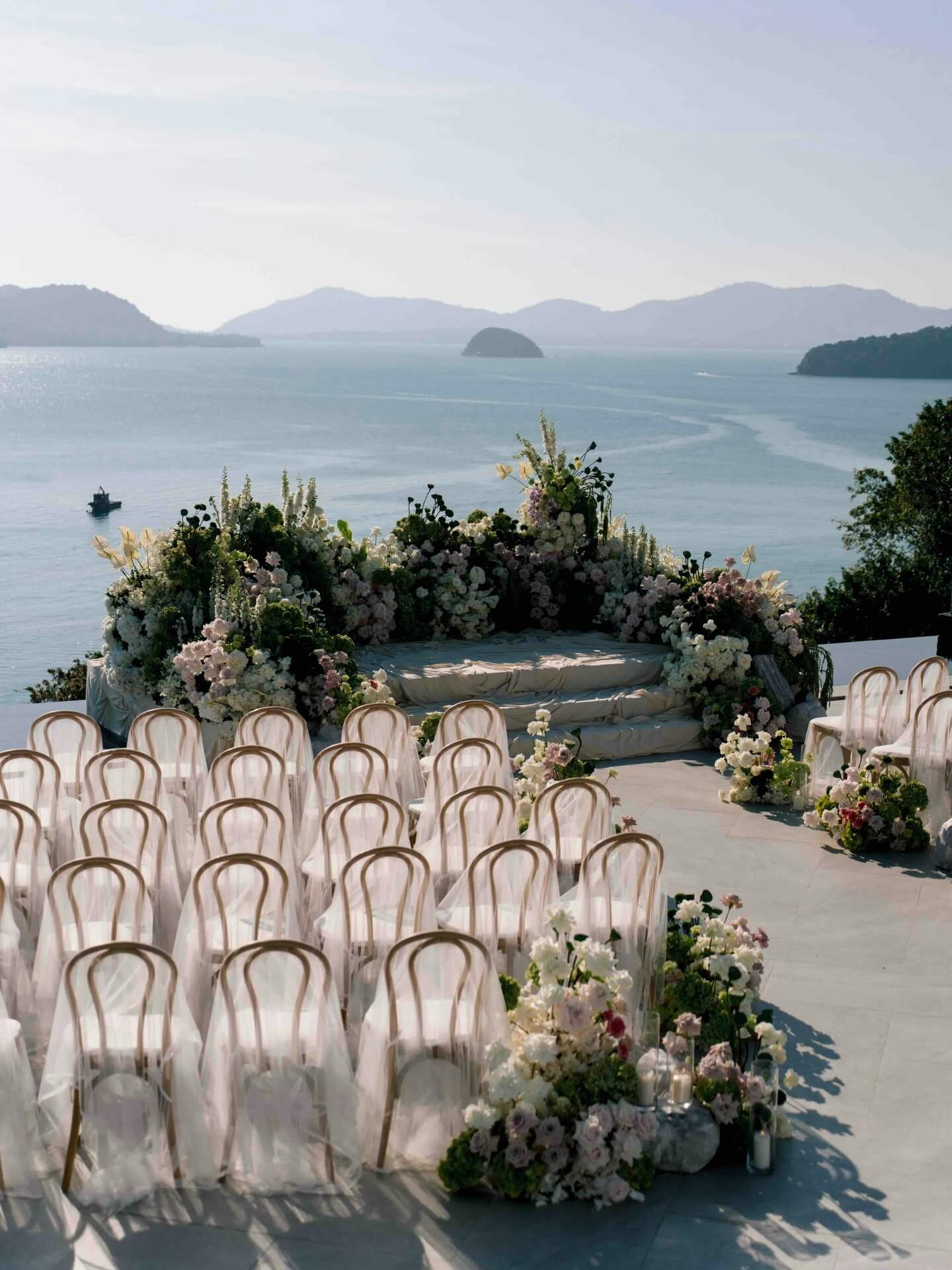
The simplest entry on this list is perhaps also the one that is most subtly demanding: dried wild grass swaying against a wooden fence, a long table placed directly into an open field with nothing but the ocean beyond, ceremony sites so stripped down that the landscape itself becomes the only decoration that is needed. This style trades the polished look of a carefully kept venue for something more rugged and genuinely honest, using weathered wood instead of white linen, tall grass instead of neatly cut lawns, and a coastline that looks just as wild in photographs as it does in person. It photographs so well because nothing about it appears arranged; the guests sit among grass that had already been growing there long before anyone decided to have a wedding on this part of the coast. Achieving that effect requires real self-restraint, since the temptation to add even one more decorative detail ruins the illusion of an untouched landscape.
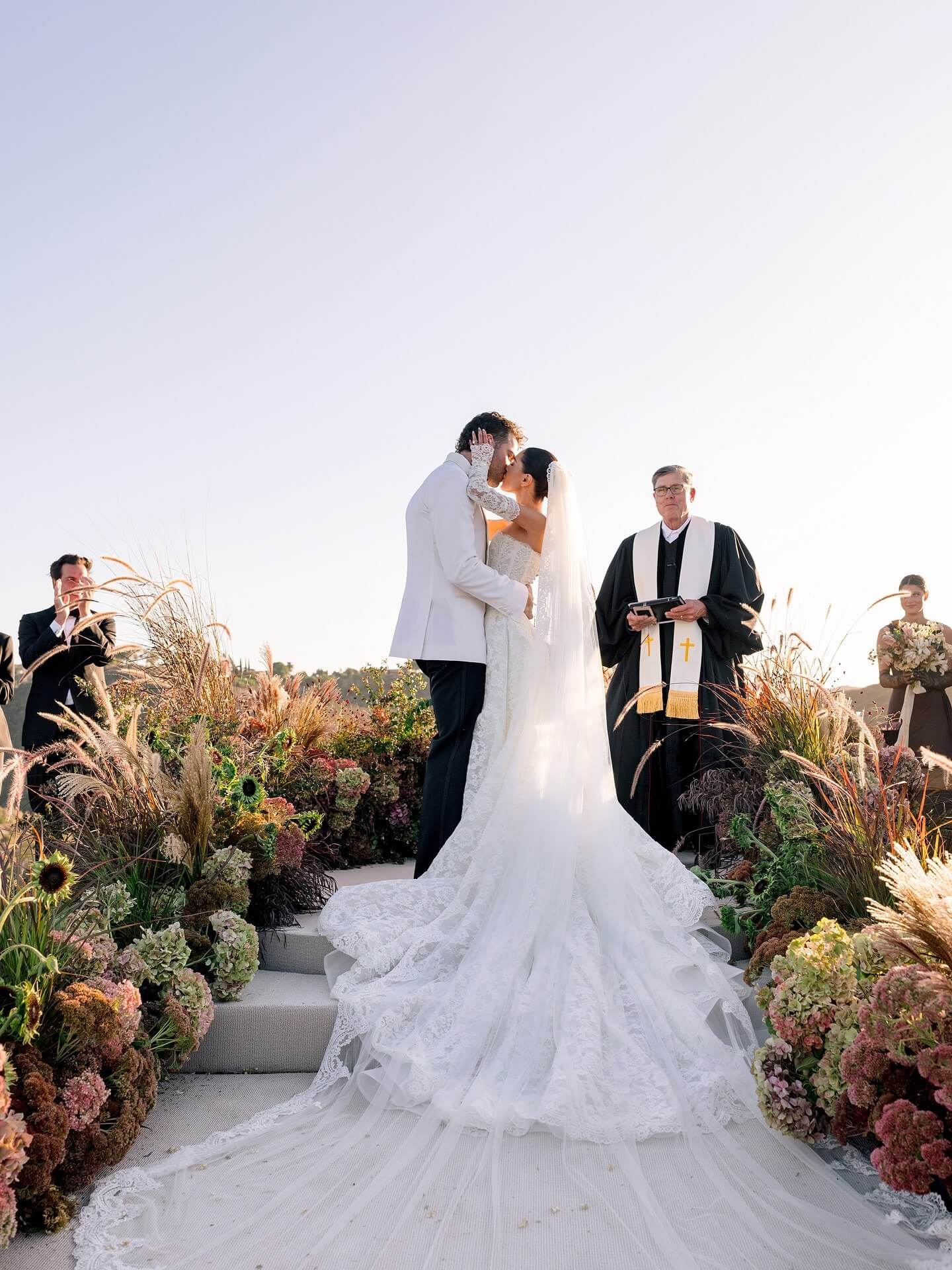
The preference for experience over showmanship appears in almost every conversation we had as part of this report. "The age of assessing luxury in terms of flower walls and extravagant decoration is over by 2027," says Cassiopée, highlighting a move toward weddings based on feeling rather than display. Wedding venues situated by the coastline, with their wild grass and open horizon, express this approach as directly as any setting can, since there is no place for excessive decoration to go once the ocean itself carries most of the visual role. A couple opting for this style isn't giving up on drama; they're simply relying on a wilder, less carefully arranged form of it.
These seven options don't require a couple to choose between beauty and meaning, since they're designed so that choice isn't necessary. A quarry doesn't need to be persuaded to look dramatic, and a lagoon doesn't need a stylist to choose its colors; the task is to pick the kind of landscape that already speaks the language a couple wants their wedding to convey. Wezoree's inspiration section continues this search well beyond the seven directions, including real weddings taken in each of the locations mentioned here, venue guides for couples who are still deciding between a quarry and a château, and the kind of planning details that transform a single impressive photo into an experience that guests will talk about for years.

FAQ
What are the biggest destination wedding trends heading into 2027?
Popular destination wedding trends for 2027 point to a shift toward experiences over extravagant displays, with couples choosing private estates and unusual locations such as quarries, haciendas, and carved stone chambers, letting the site's character do most of the work in shaping the event. People in many countries have identified the same basic shift: today, couples want their celebrations to have a clear link to a specific place rather than adopting a general luxury style that can be replicated anywhere.
What are some popular destination wedding trends for multi-day celebrations?
The welcome party and the final celebration are now among the most populardestination wedding trends and have become almost as important as the ceremony itself, seen as separate parts of a longer weekend rather than merely an afterthought. Many wedding planners have arranged full weekends this way, offering a welcome dinner, the wedding day, and a farewell brunch or pool party, each with its own atmosphere and level of formality.
Which destinations are trending for 2027 weddings specifically?
The planners looked at a wide range of trends for 2027 destination wedding trends, for example choosing Bordeaux and Piedmont for the grandeur of the wine regions, Vienna because of its overlooked imperial architecture, and Bacalar and Riviera Nayarit in Mexico for the color and texture of the landscape. Sicily, the southern part of Italy, and mountain areas such as the Swiss Riviera were also mentioned as places that offer more variety and authenticity than more saturated alternatives.
How are couples incorporating local culture into destination weddings?
The vast majority of the planners we spoke with said they had adopted genuine cultural immersion, incorporating local wine, regional food, traditional music, and artisanal crafts directly into the wedding rather than using them as superficial themes. It was obvious in each place we visited that authenticity had come before decoration, and that couples want their wedding to feel like it could only have happened in that specific location.
What type of venue is becoming more desirable for destination weddings?
Private estates and properties that were available only to customers ranked highly on every planner's list, as they let couples take possession of the whole site for several days rather than reserving a single evening at a conventional venue. Today, instead of traditional ballrooms, people prefer unusual locations such as quarries and restored haciendas, as well as palaces never originally intended for events, because they offer a sense of place that a standard venue cannot match.
What’s the single most important piece of advice for couples planning a destination wedding in 2027?
Across every planner interviewed, one piece of advice repeated in different words: choose the destination and the experience first, then let those decisions shape the design, instead of starting with a mood board and searching for a location to match it. As one planner put it directly, the destination should influence everything: the rhythm, the food, even the guest list, so the wedding ends up feeling specific to that place instead of simply beautiful in the abstract.