Outdoor Wedding Guide: How to Plan a Beautiful Open-Air Celebration


- Choosing the Right Outdoor Wedding Location
- Timing Matters More Than Couples Expect
- Outdoor Wedding Logistics: What Happens Behind the Scenes
- Weather is the One Variable You Cannot Control
- Designing an Outdoor Wedding That Feels Intentional
- Guest Comfort Should Always Be a Priority
- What to Wear to an Outdoor Wedding
- Lighting Transforms Outdoor Weddings After Sunset
- Why Outdoor Weddings Are Especially Powerful for Photography
- Common Mistakes Couples Make When Planning an Outdoor Wedding
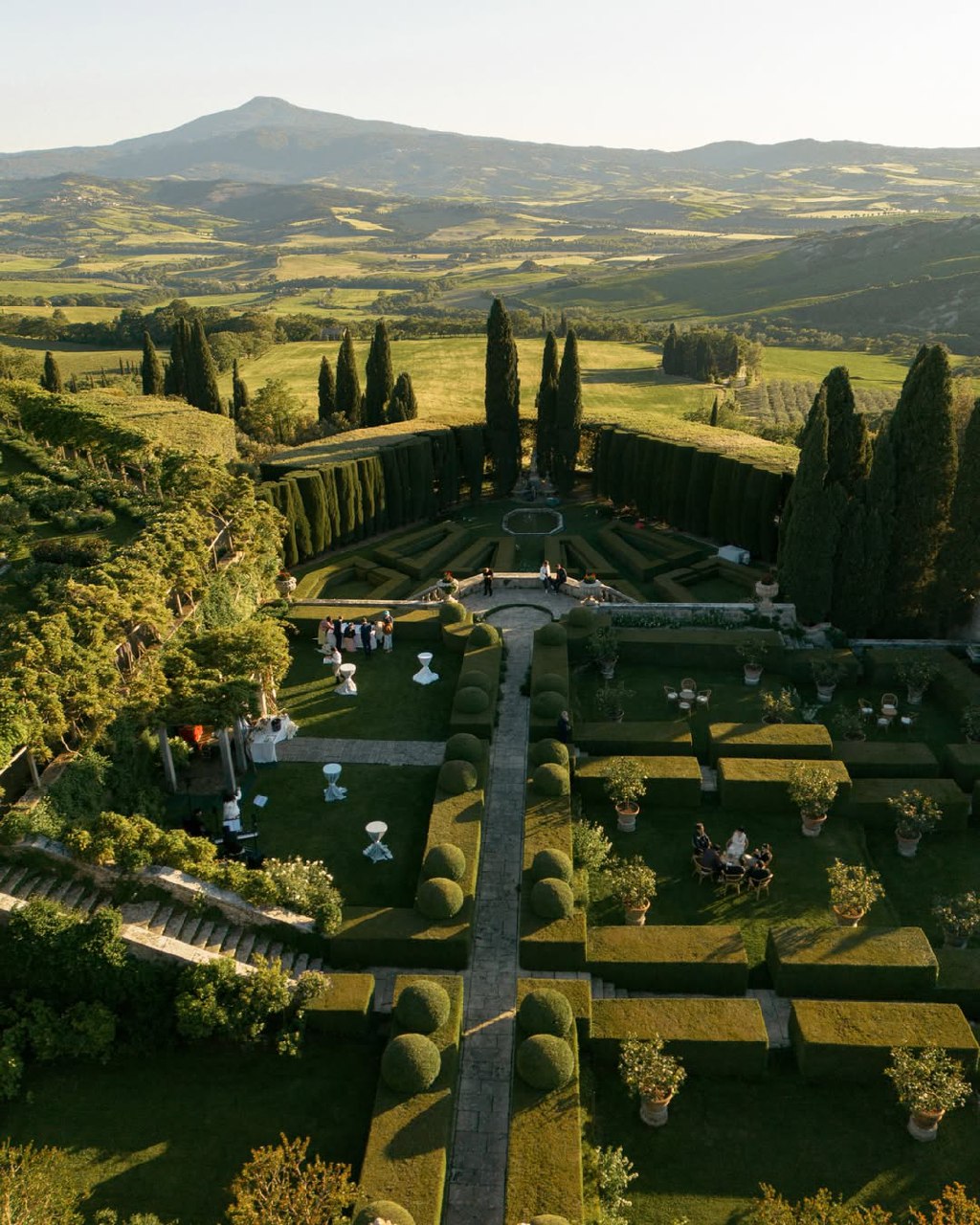
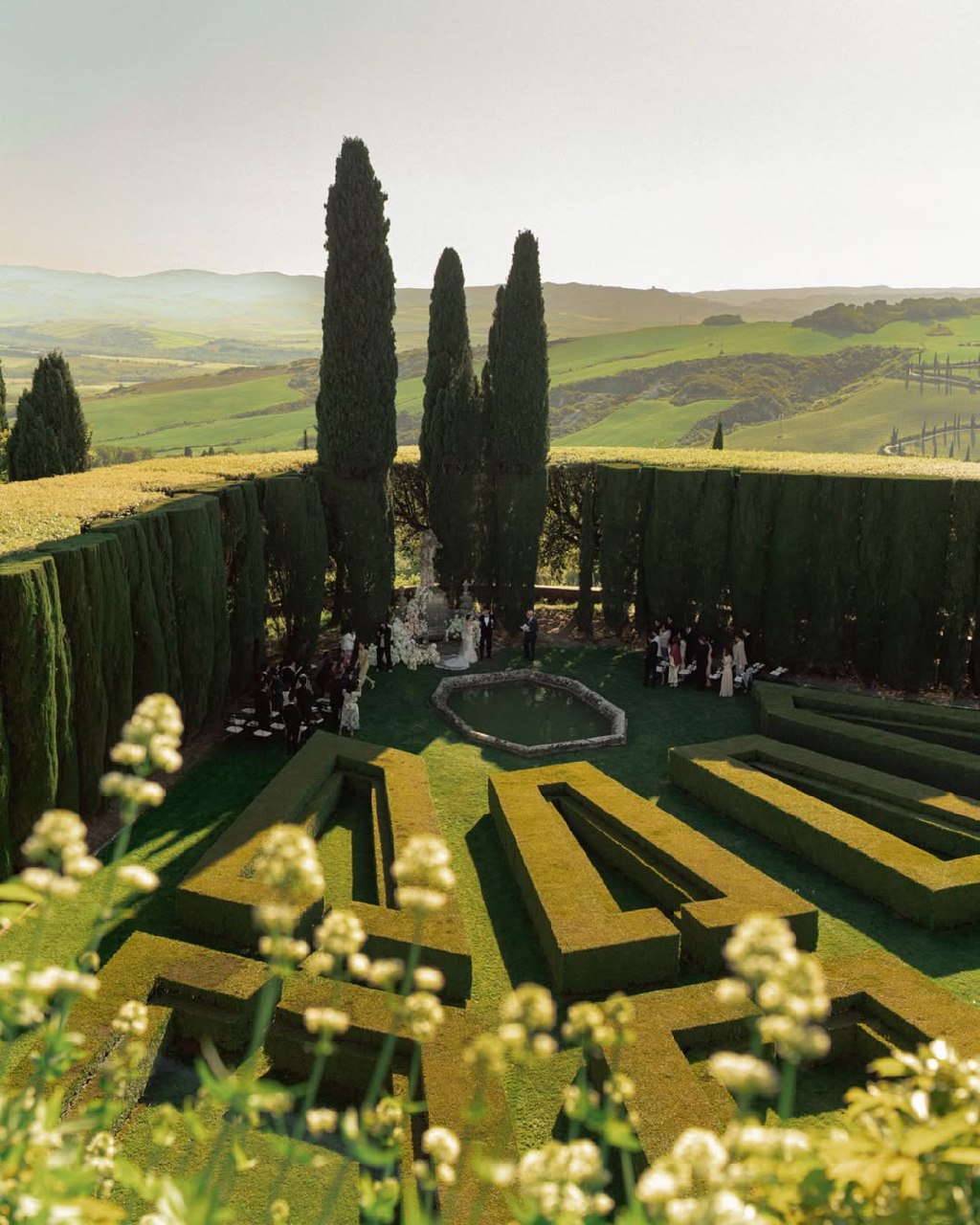
Outdoor weddings offer a unique sense of freedom you won't find in ballrooms with set layouts and venue coordinators enforcing rules. Outside, space expands rather than confines. Your ceremony isn't competing with chandeliers or carpets chosen decades ago by someone else; it's framed by the sky, trees, water, or mountains that existed long before the wedding industry started dictating how celebrations should look. The light changes throughout the day in ways that artificial lighting cannot replicate, creating images where the golden-hour glow or dappled shade achieves a greater aesthetic effect than any decorator could with fabric and flowers.
The guest experience is transformed when walls disappear, and the atmosphere becomes participatory rather than observed. People move more naturally, conversations flow differently, and there's an ease to the celebration when you're not confined to four walls in a carefully controlled climate. The connection to nature — whether that's an ocean breeze, mountain air, or simply the feel of grass underfoot instead of parquet flooring — creates a sensory memory that ballroom weddings cannot duplicate. Outdoor wedding ideas work because they tap into the way humans have celebrated for millennia: gathering outside under the open sky in places that feel significant beyond their function as event spaces.
Find Your Perfect Wedding Vendors


Choosing the Right Outdoor Wedding Location
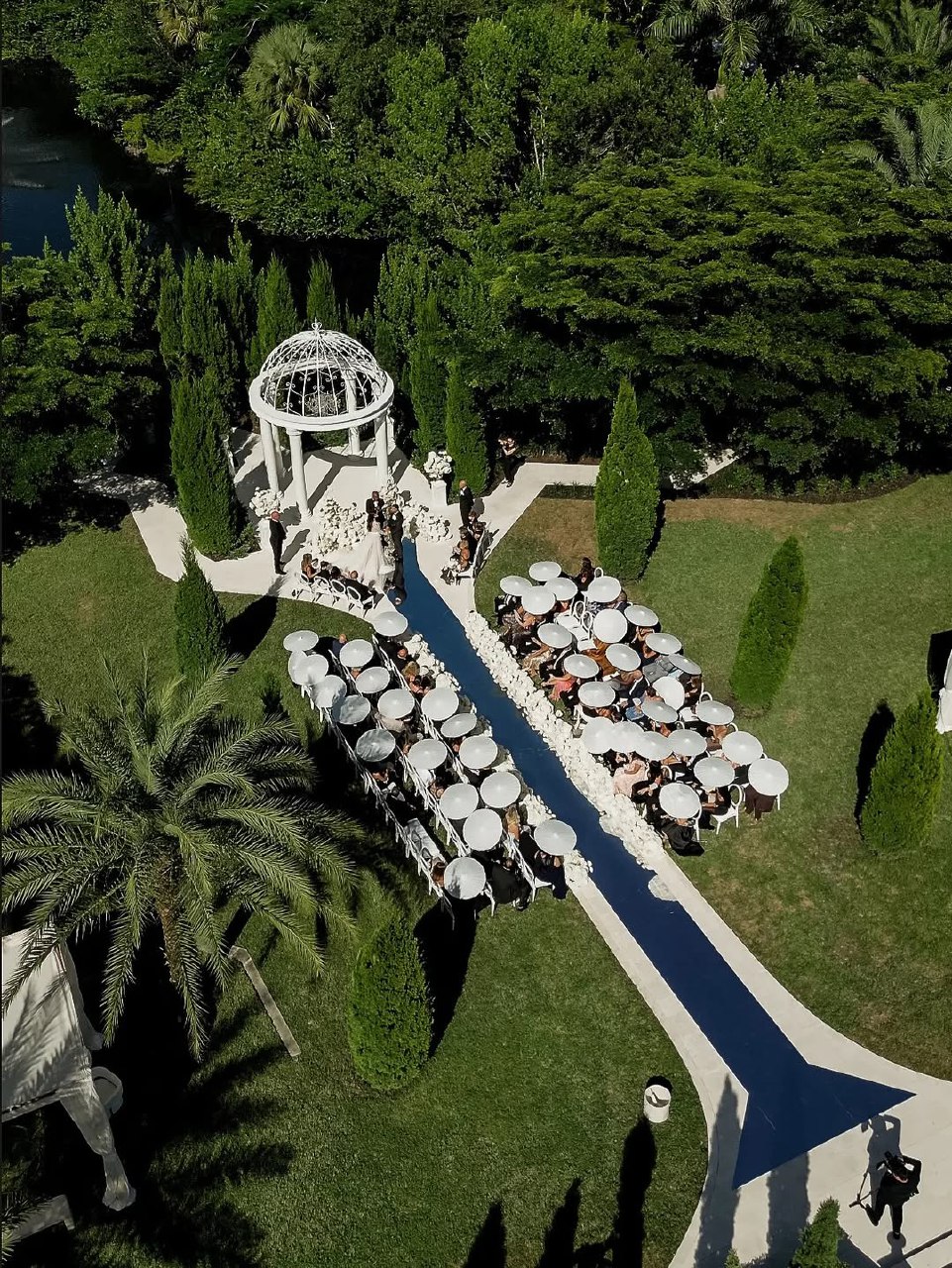
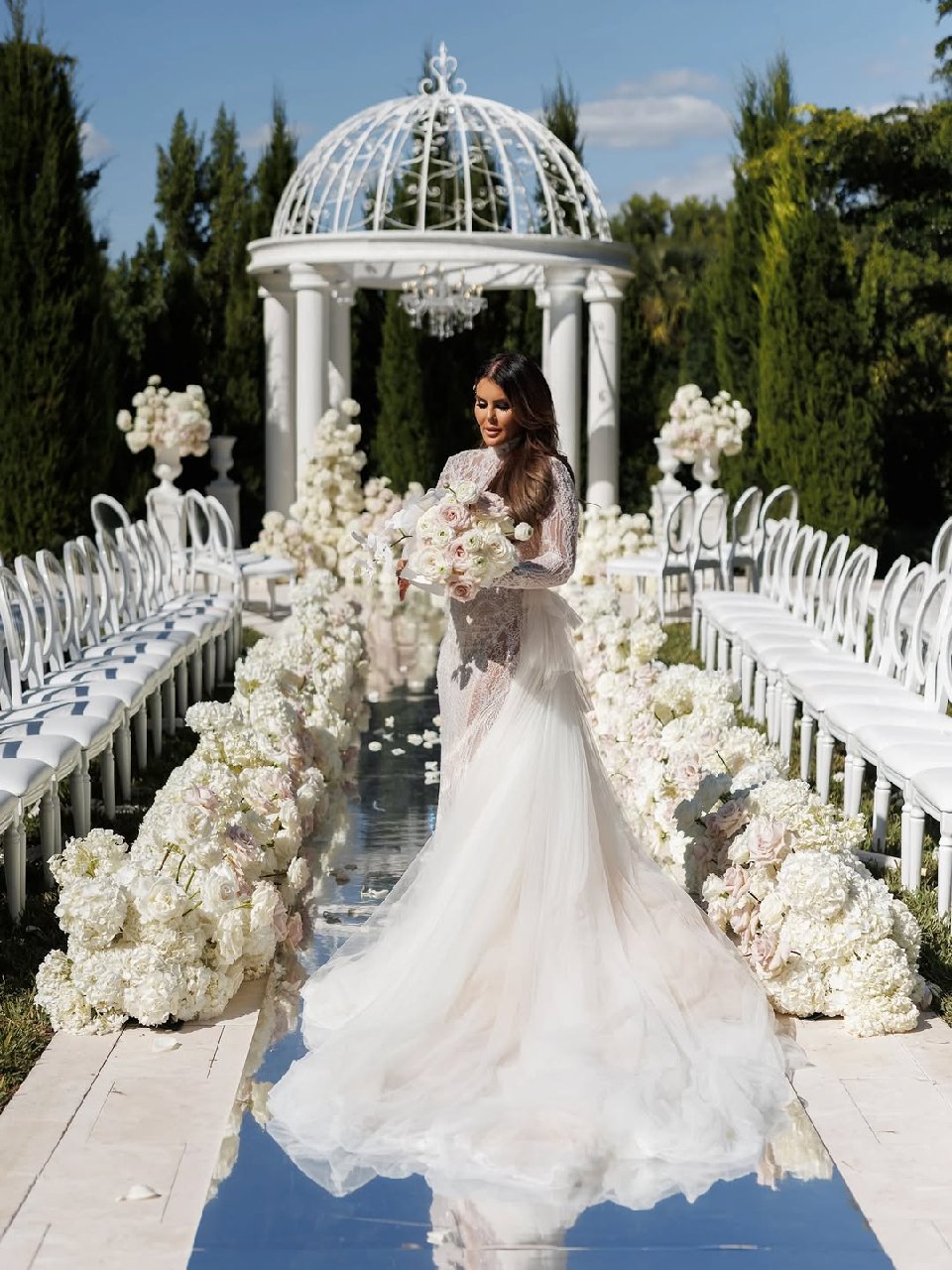
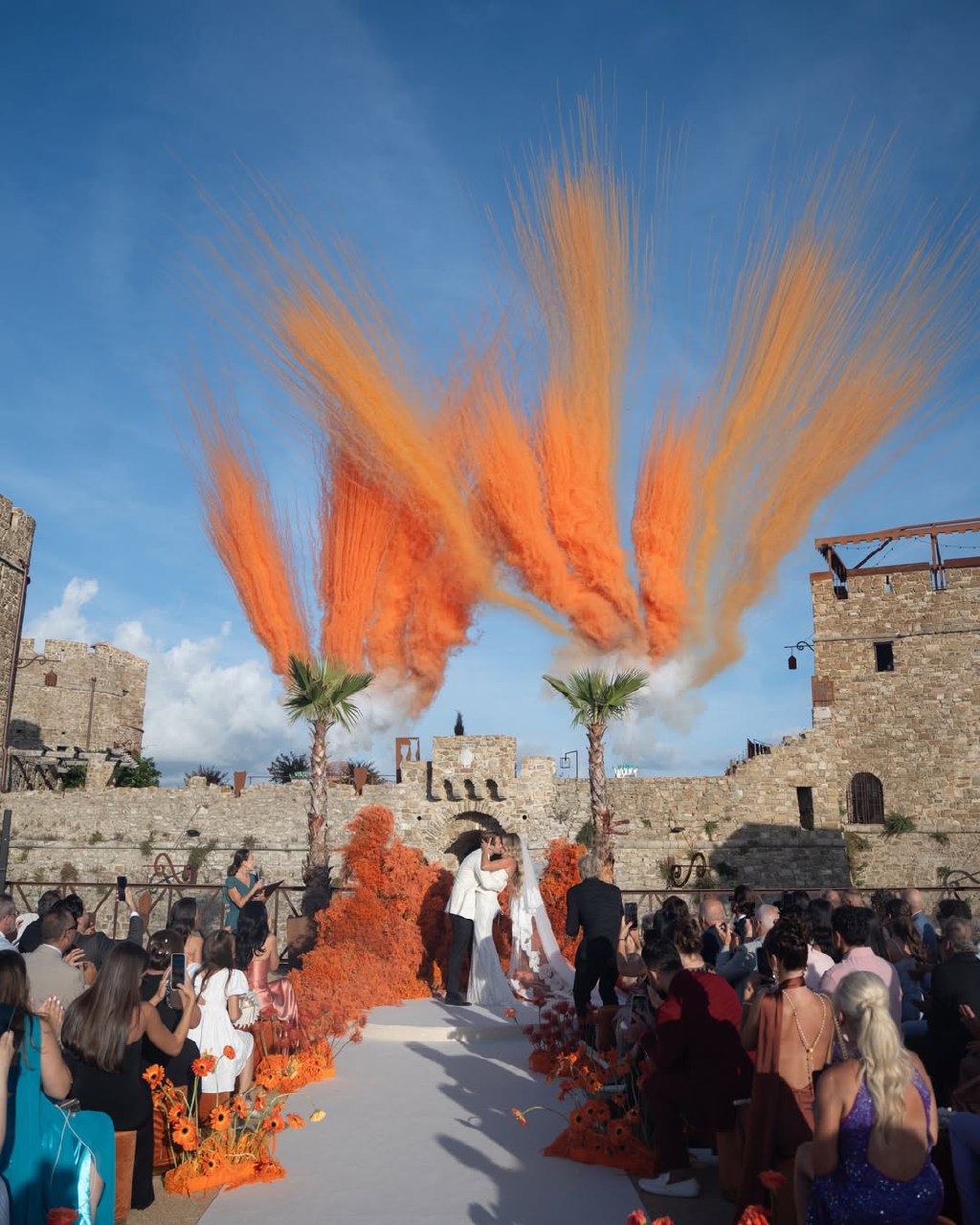

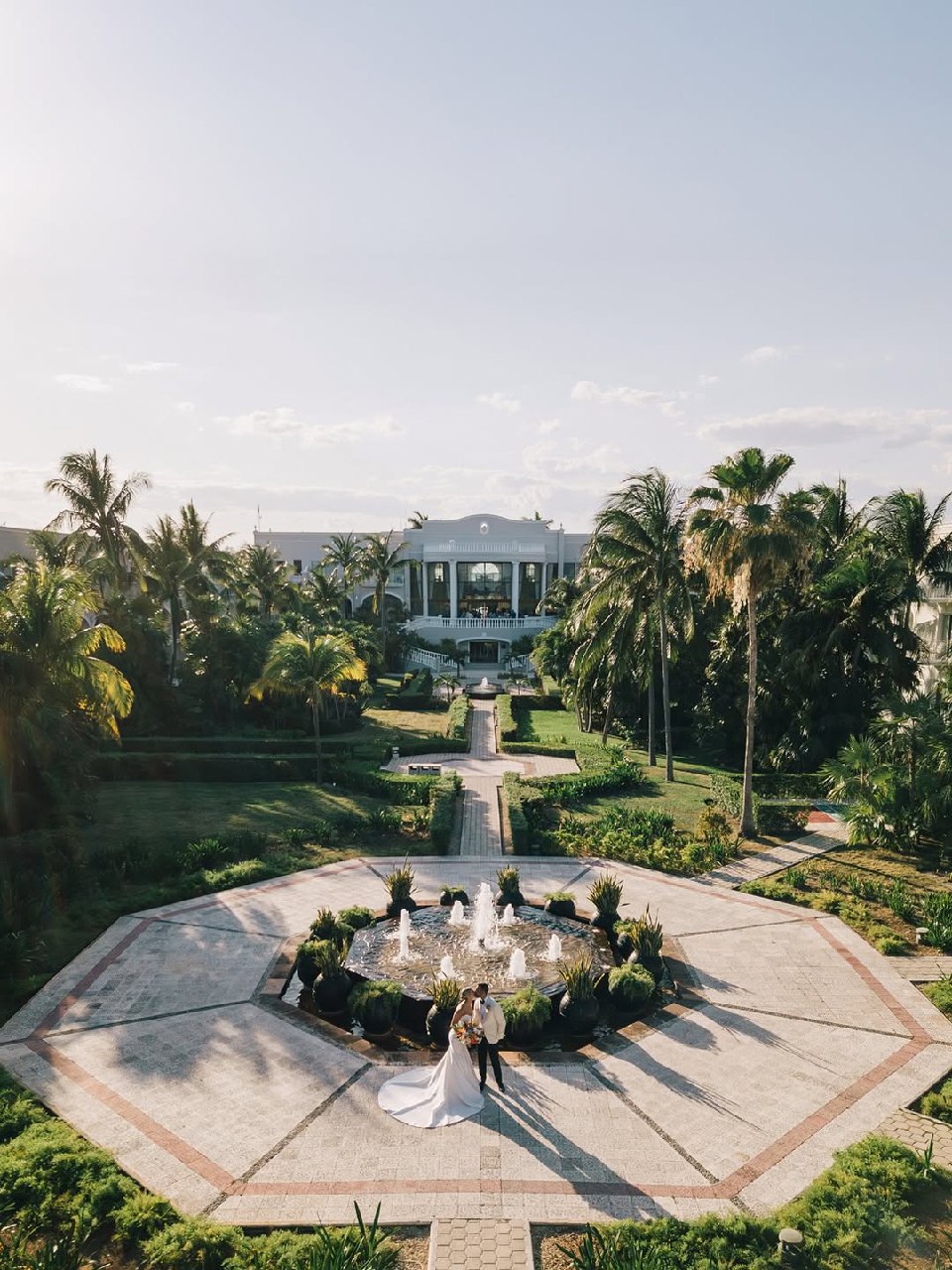
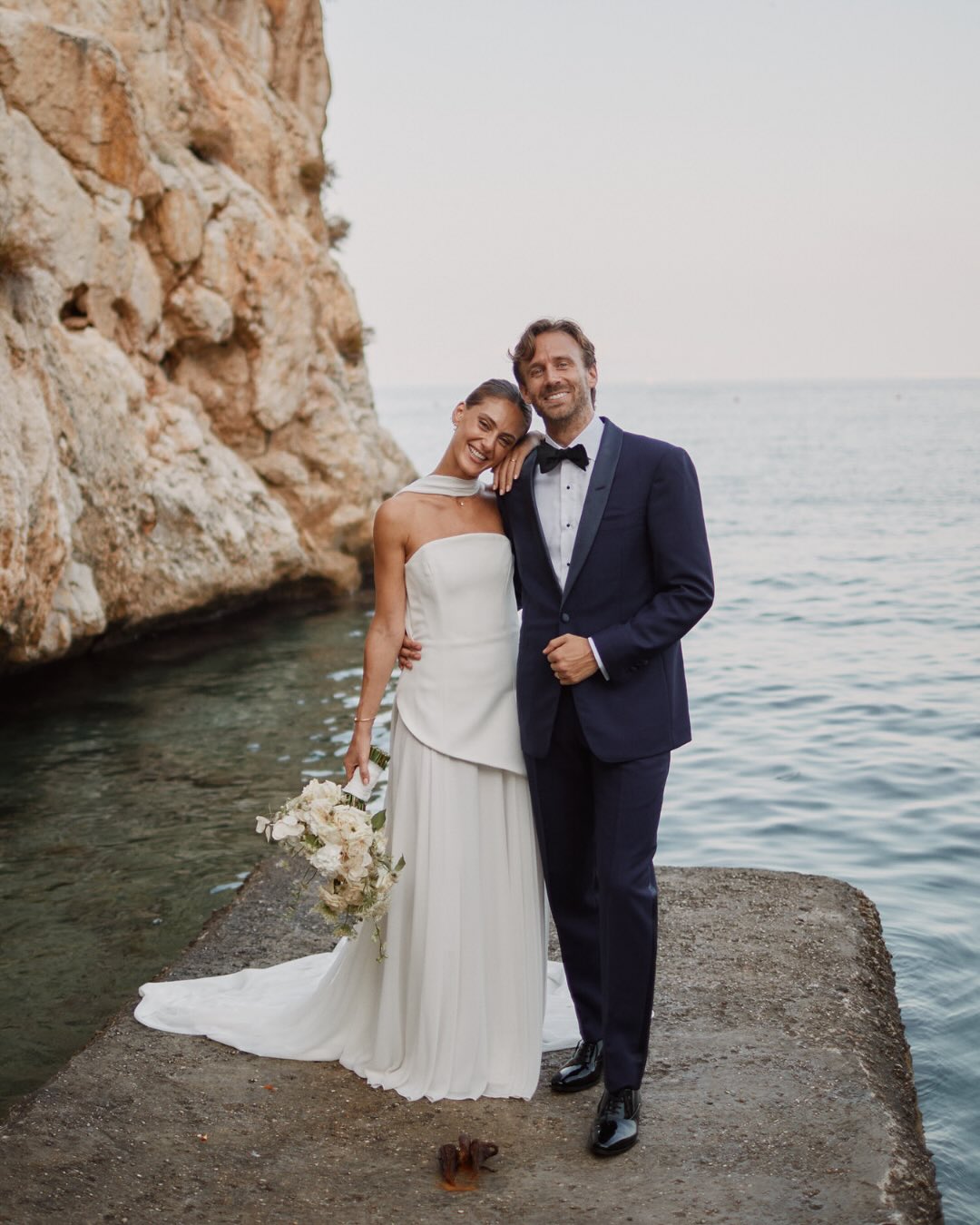
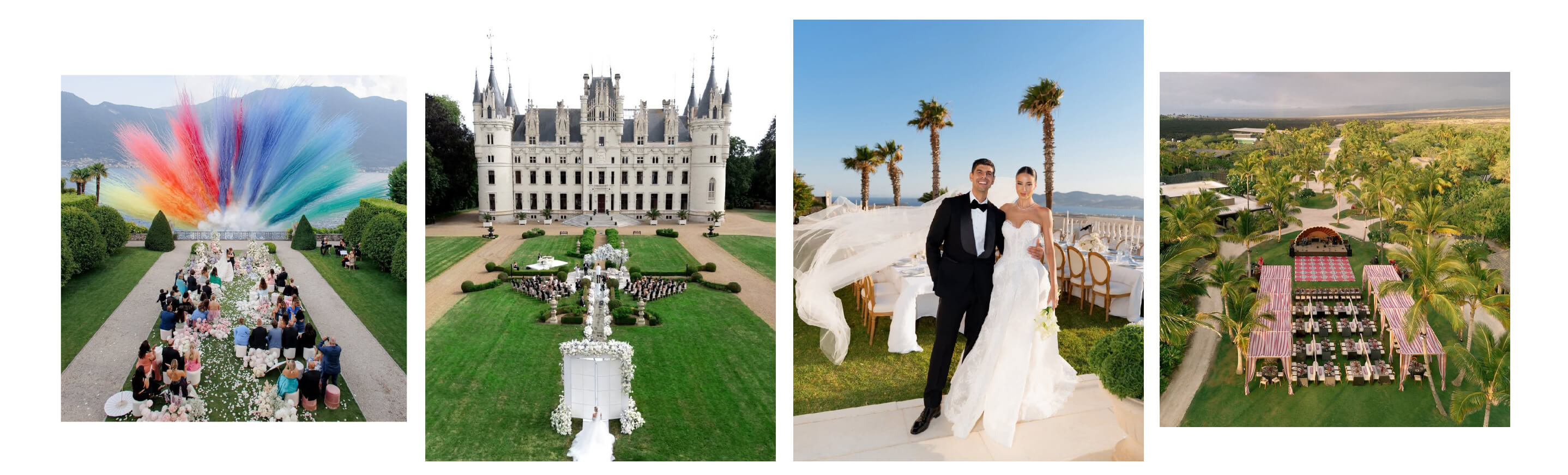
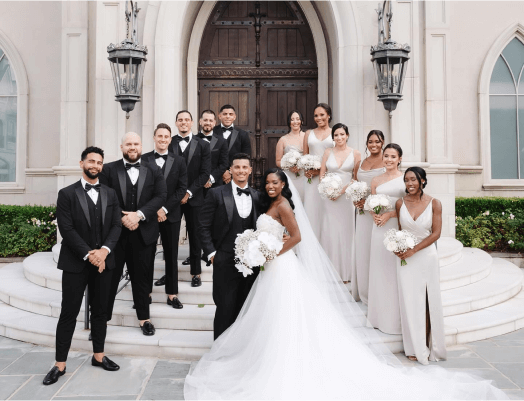
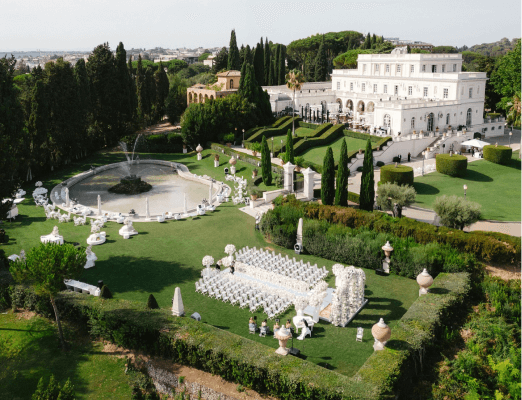
With this in mind, choosing the right outdoor wedding locationbecomes crucial. Not all venues are created equal. A successful celebration often depends on making an informed choice, not just booking the most attractive option. Private estates and villas offer creative control, free from municipal restrictions. This gives you the freedom to design your celebration exactly as you envision it. Gardens and botanical venues offer timeless elegance and built-in beauty. They require minimal decoration, as nature has already provided the aesthetic work. Beaches set the scene for relaxed destination weddings. Here, formality gives way to natural ease. Mountain and forest venues offer dramatic scenery, perfect for photography. Terraces and courtyards provide an open-air atmosphere with urban sophistication. They combine city refinement with the freedom of an outdoor wedding celebration.
Obviously, the view matters, but logistics matter more than couples initially realise. Can vendors easily access the site for setup? Is there adequate parking for guests who aren't staying on-site? Does the outdoor wedding venue provide the necessary infrastructure, such as electricity, water access, and restroom facilities, or will you need to provide everything from scratch? Beautiful locations with poor logistics create stress that no amount of scenic beauty can compensate for. Choose a venue that combines visual appeal with practical function, not just whichever option looks best in photographs.
Timing Matters More Than Couples Expect
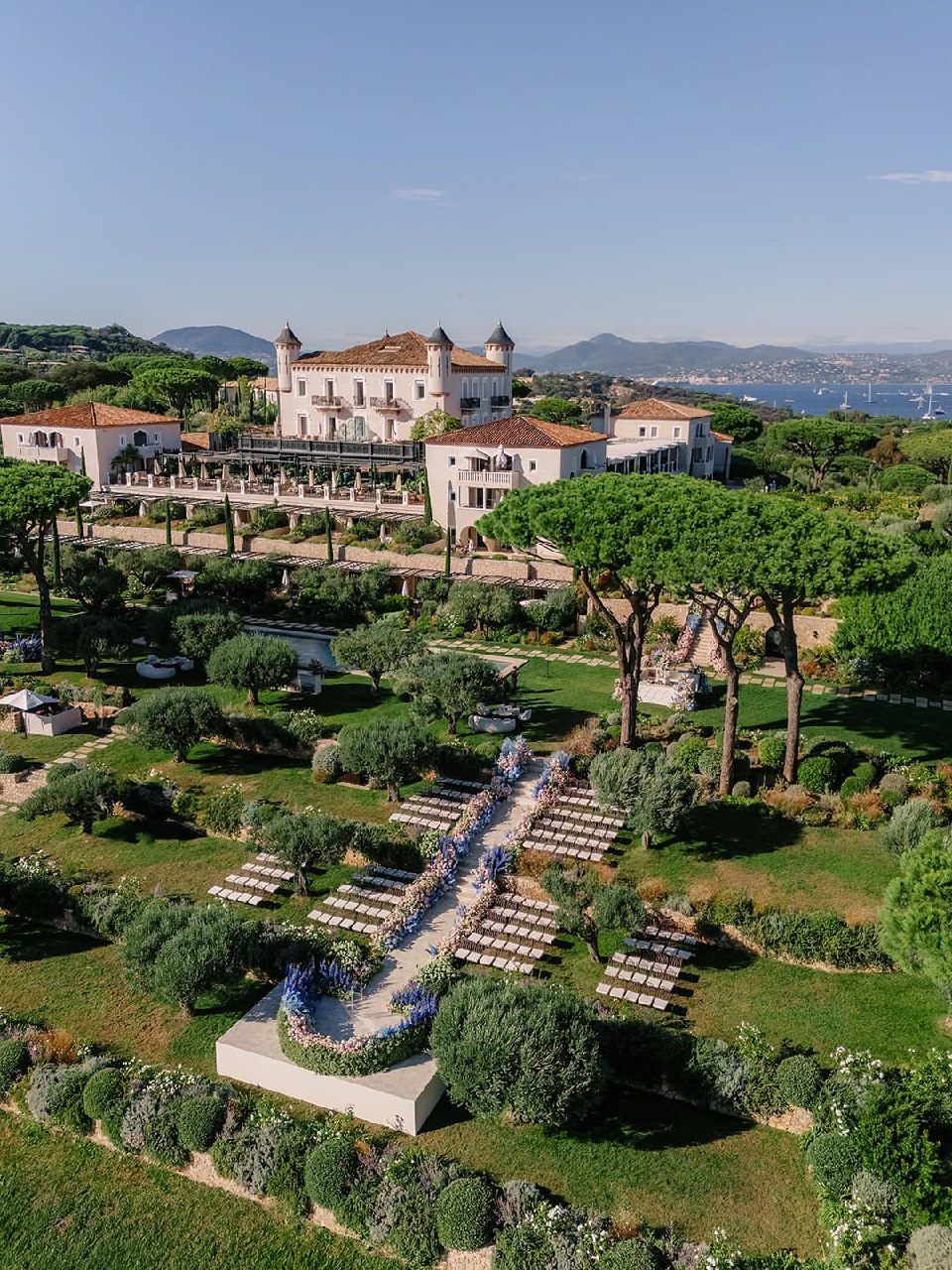
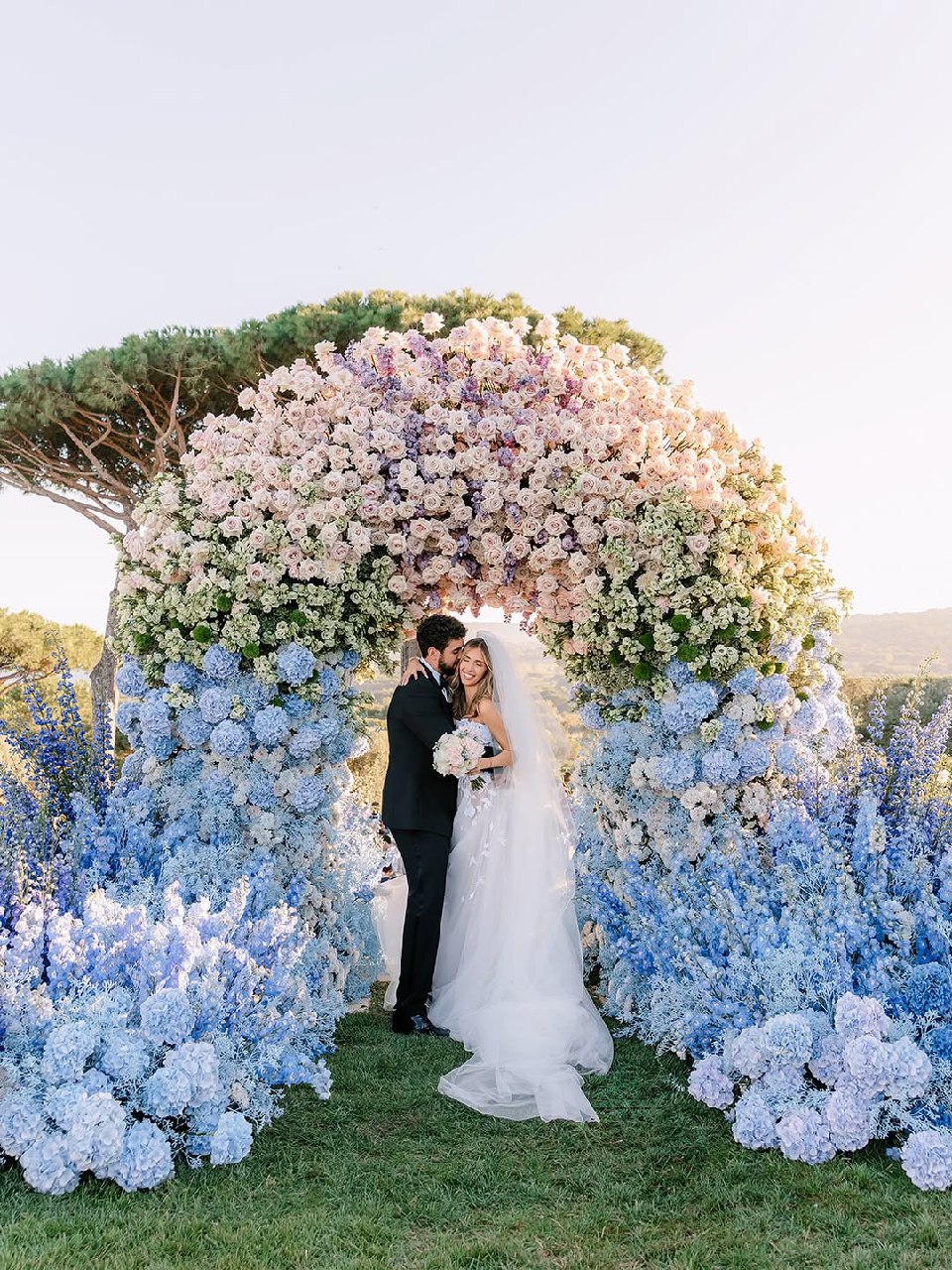
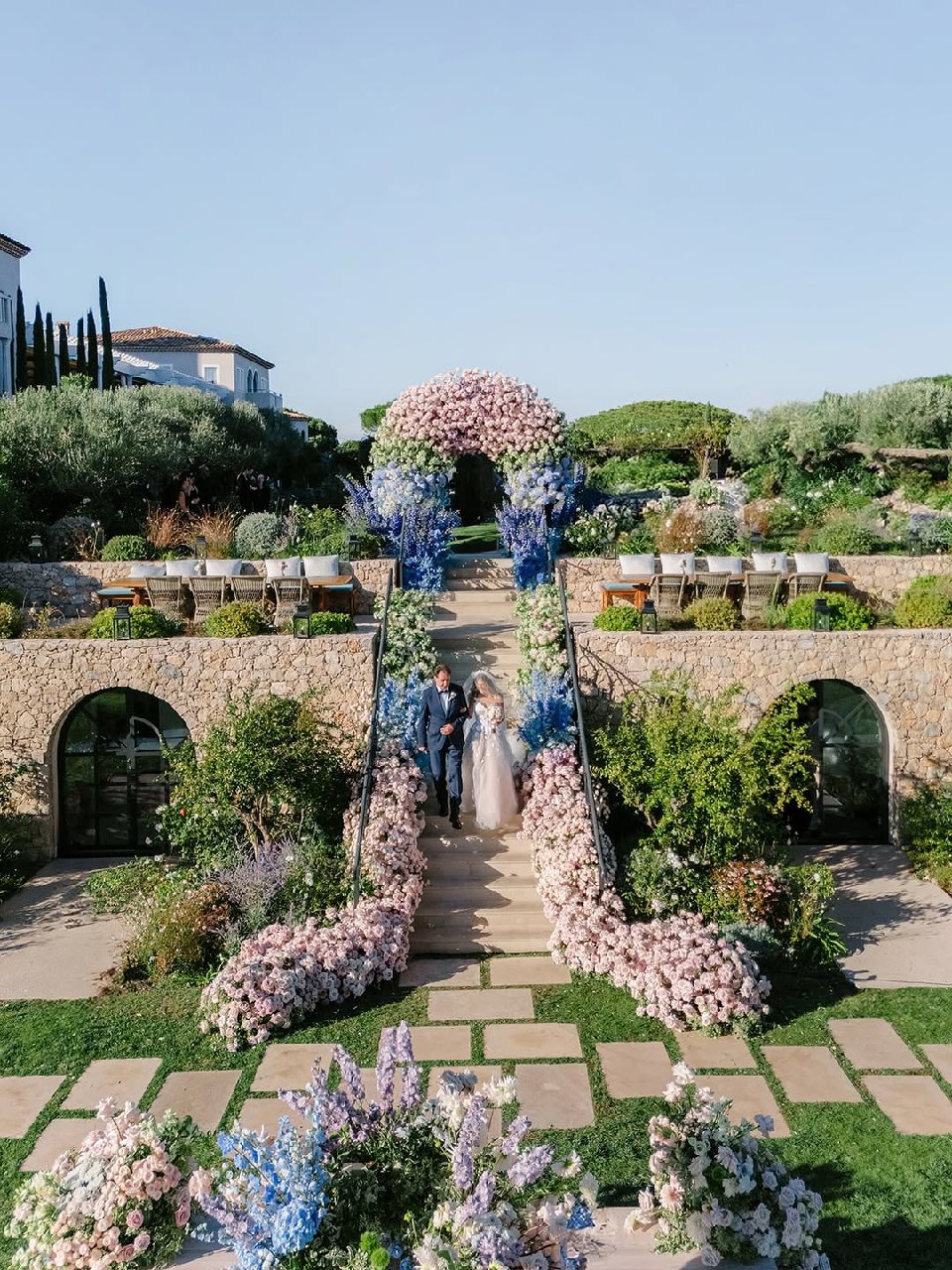
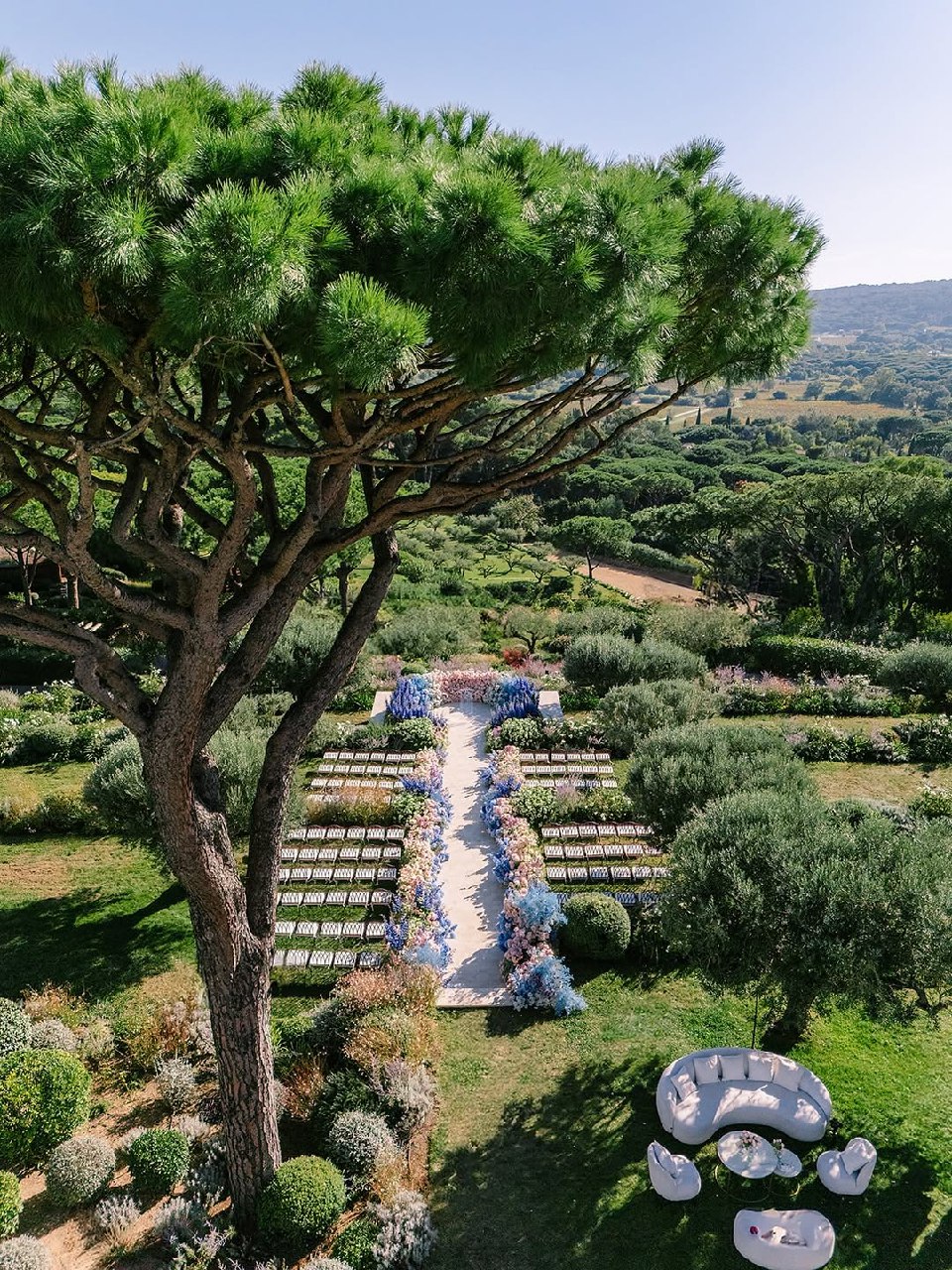
The difference between a comfortable, beautiful outdoor wedding ceremony and one where your guests squint into the harsh sun, wishing they had brought better sunscreen, often comes down to the time of day you schedule it. Midday summer ceremonies may seem appealing, but at 2 pm in July, the sun is at its most intense, creating unflattering shadows, guests wilting visibly in the heat, and photographers struggling to get the exposure right, with either blown-out skies or underexposed subjects. While the light is technically the brightest, it is the least comfortable for humans and the worst for photography.
Golden hour, about an hour before sunset, creates ideal conditions for wedding photos. Skin tones glow rather than wash out, and backgrounds are bathed in warm light without overexposure. Temperatures also drop from the midday high. Late afternoon ceremonies—around 4–5 pm, depending on season and location—balance daylight with tolerable heat. Early evening works well for summer celebrations with late sunsets. A 7 pm ceremony can still benefit from beautiful natural light, sparing guests the hottest part of the day.
Best ceremony timing options:
- Golden hour (most recommended for photo quality and guest comfort)
- Late afternoon (4-5 PM balances light and temperature)
- Early evening (summer only, when sunset is sufficiently late)
Consider not just your preference but your guests' experience. Elderly relatives and young children are more susceptible to heat exposure than healthy adults. If your celebration falls during peak summer and midday timing is unavoidable, the location needs to provide adequate shade, and you need to build in cooling strategies beyond just having water available.
Outdoor Wedding Logistics: What Happens Behind the Scenes
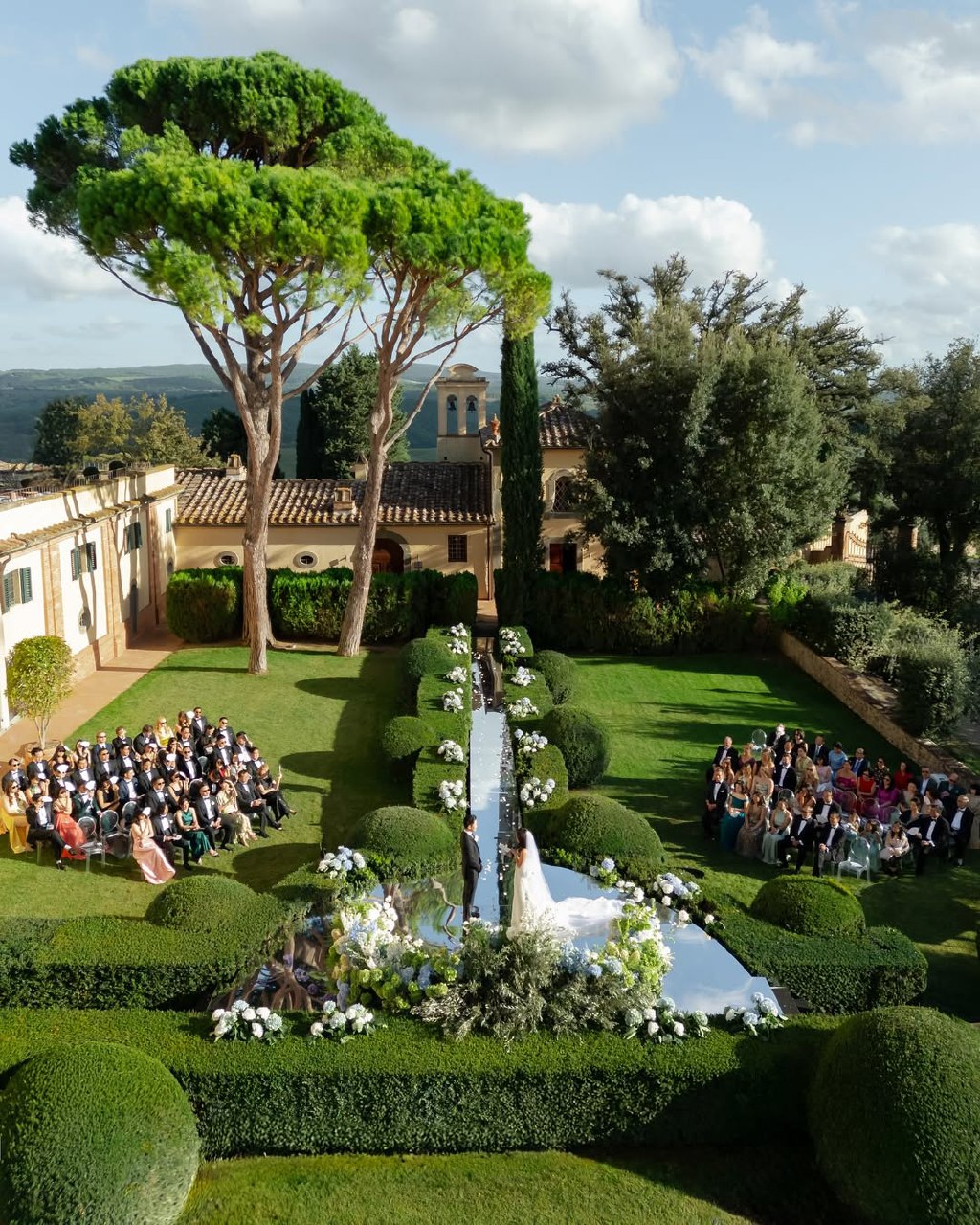
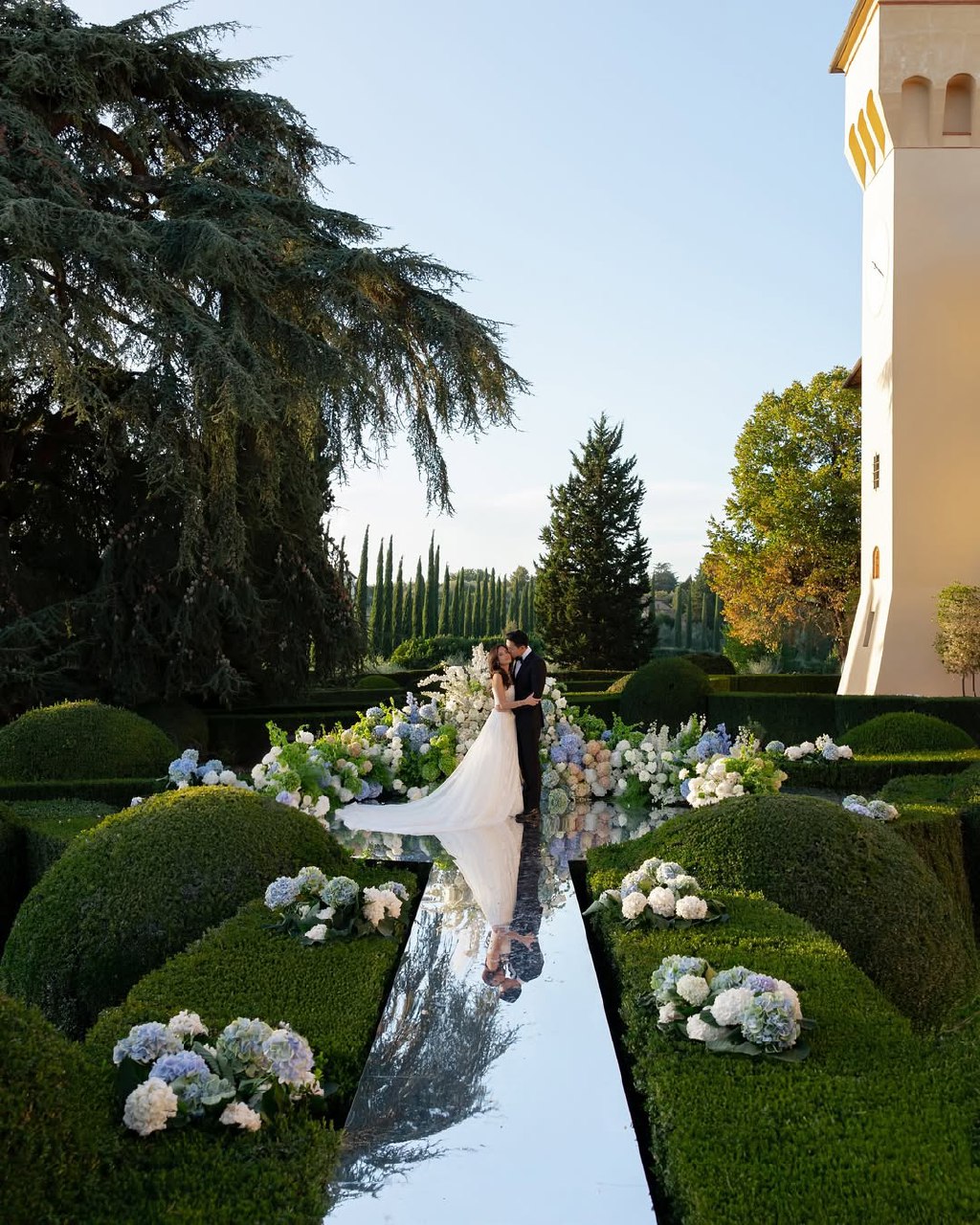
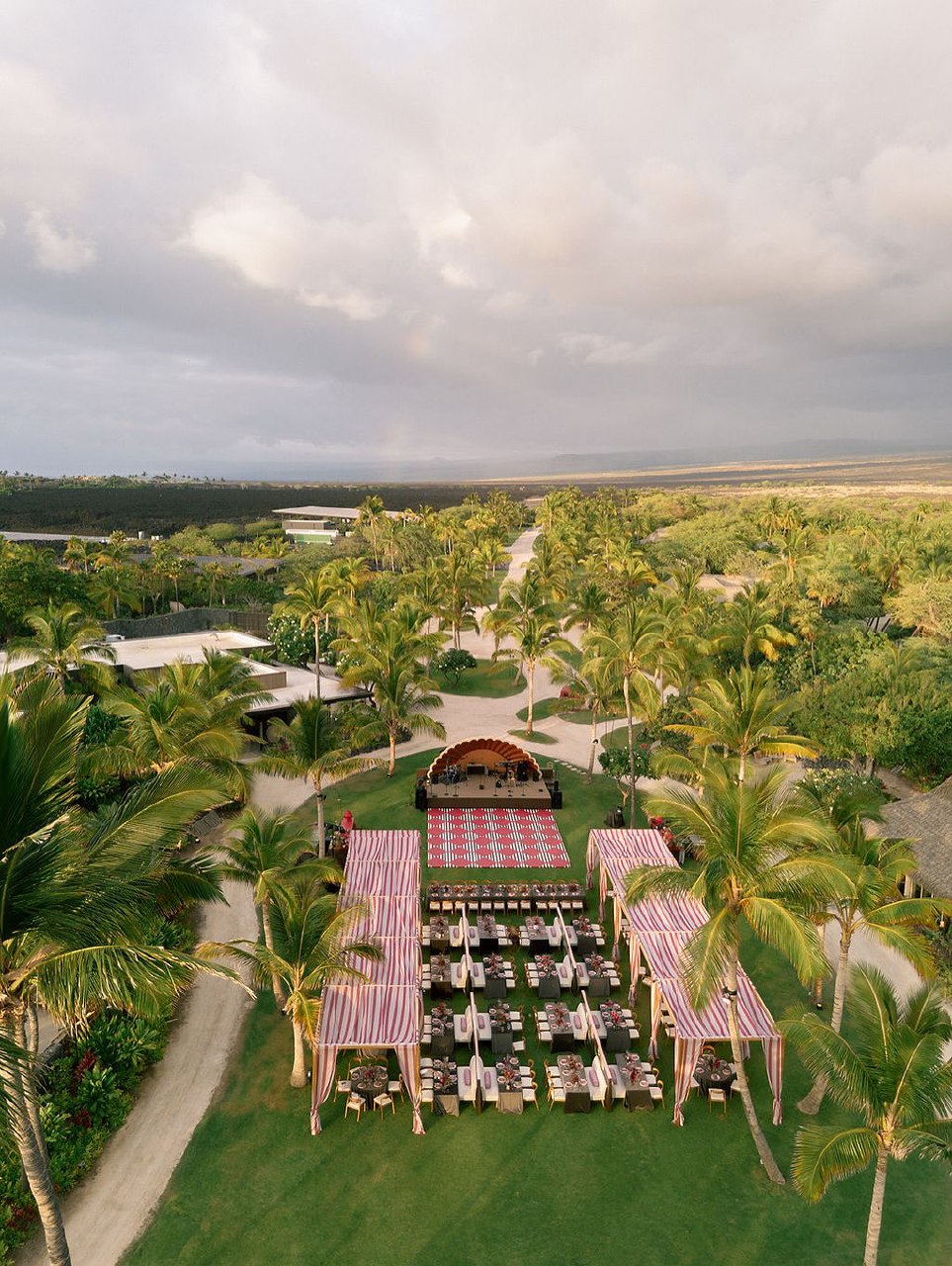
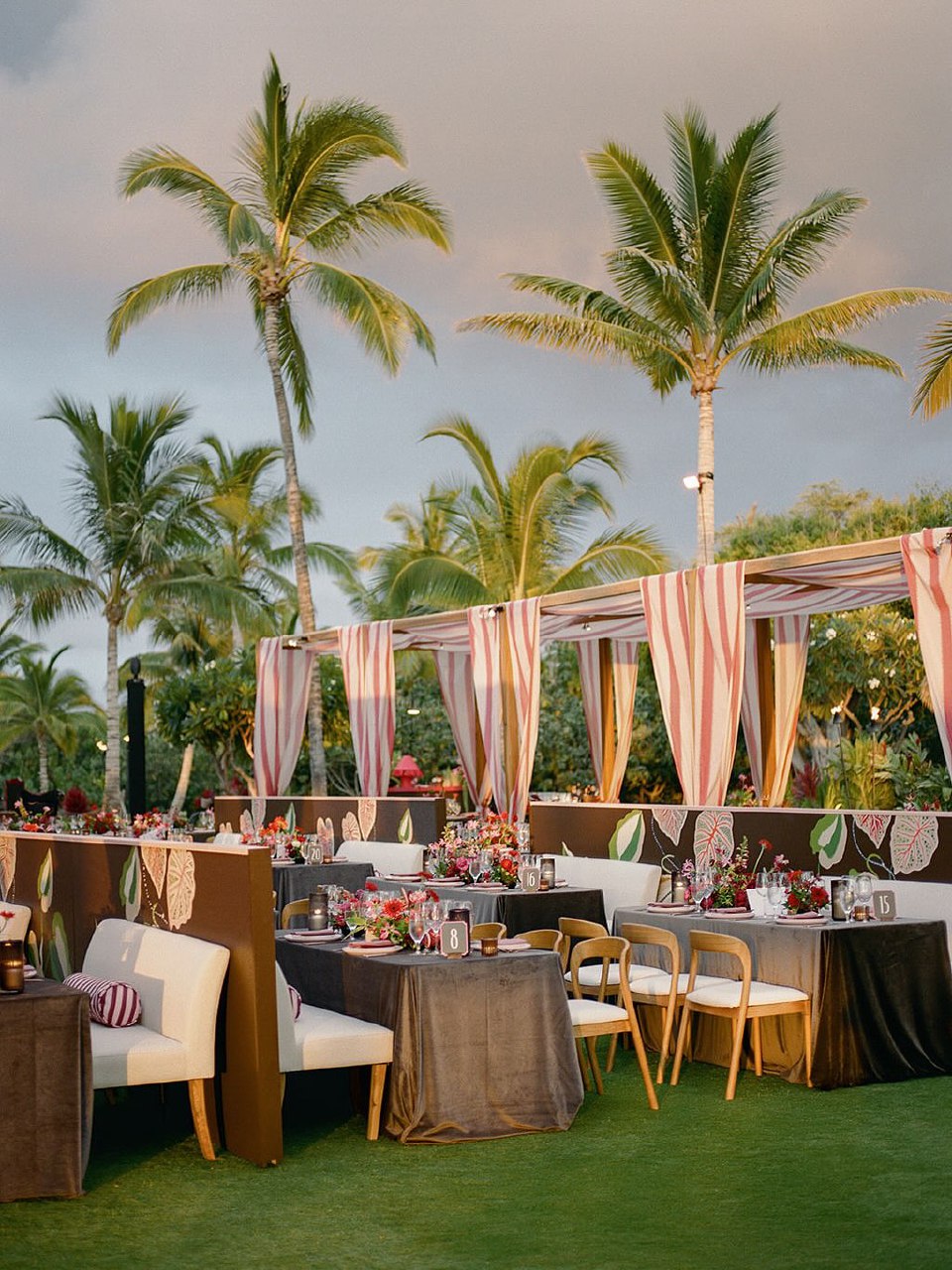
Managing logistics is another critical consideration for outdoor weddings.Althoughoutdoor venues near meoften have stunning properties, they don't explain how couples need to create functional celebration spaces. Unlike hotels or established venues with built-in systems, outdoor locations require you to consider elements that happen automatically indoors.
Key logistics to plan early:
- Electricity and lighting infrastructure: Where does power come from for catering equipment, sound systems, and lighting after dark? Generator rental? Existing electrical access?
- Restroom access: Portable luxury restrooms for sites without facilities, or confirmation that existing bathrooms can handle your guest count
- Vendor setup access: Can caterers, florists, and rental companies access the site hours before guests arrive? Are there load-in restrictions?
- Guest transportation and parking: How do people get to the location? Is parking adequate, or do you need shuttles from nearby hotels?
- Noise restrictions: Does the municipality or property have curfews on amplified music? This affects the reception timeline significantly.
- Weather protection: What's the backup plan, and does implementing it require additional rental equipment?
The more remote or undeveloped your outdoor wedding venue, the more infrastructure you must provide. Estates with event experience often have these systems in place. Raw land or private properties hosting a first celebration require more planning and are typically more expensive to make event-ready. Factor this in when deciding. The venue rental may be cheaper, but the total cost after adding all needed infrastructure could exceed that of a more expensive, fully equipped location.

Weather is the One Variable You Cannot Control
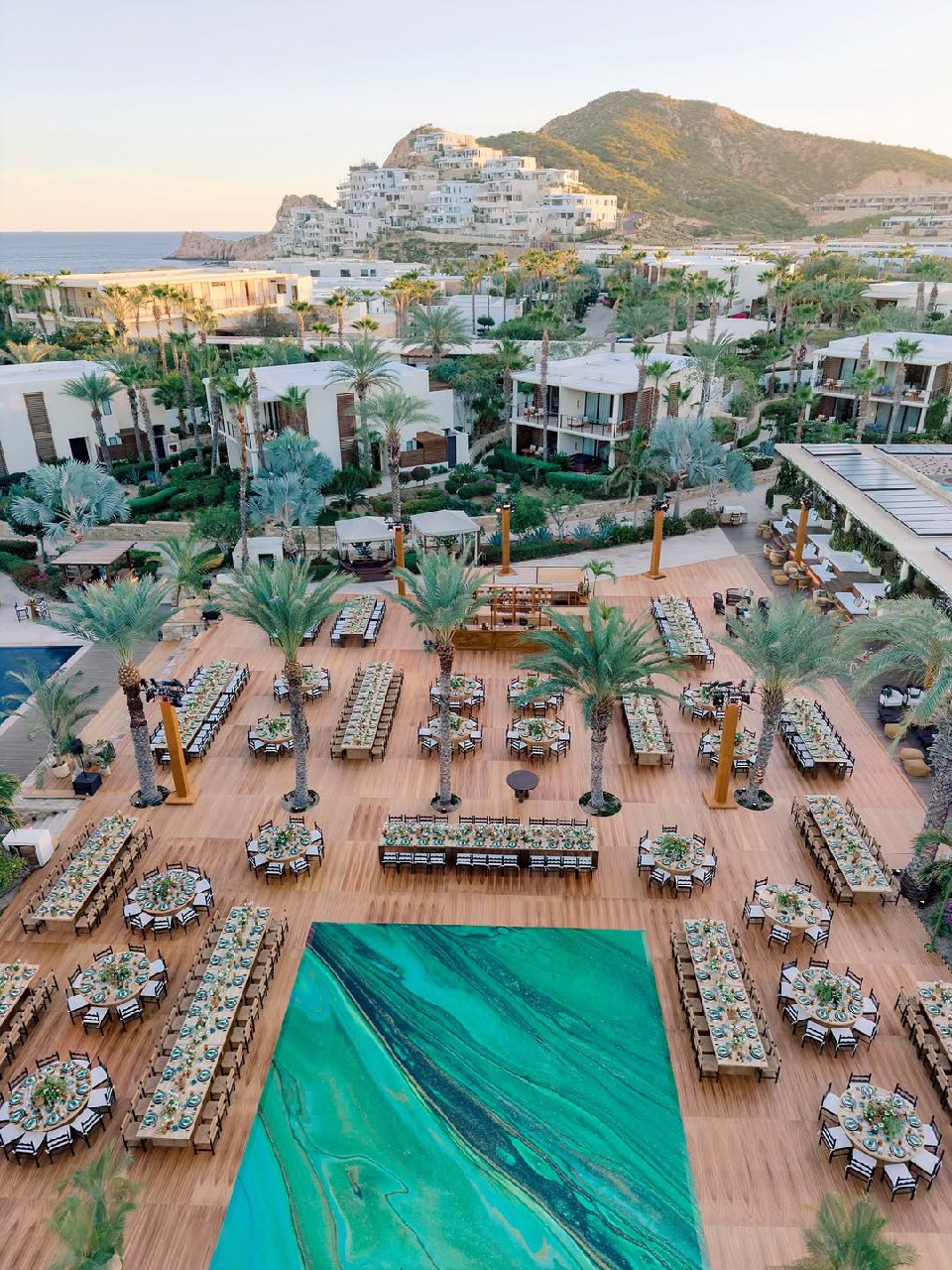
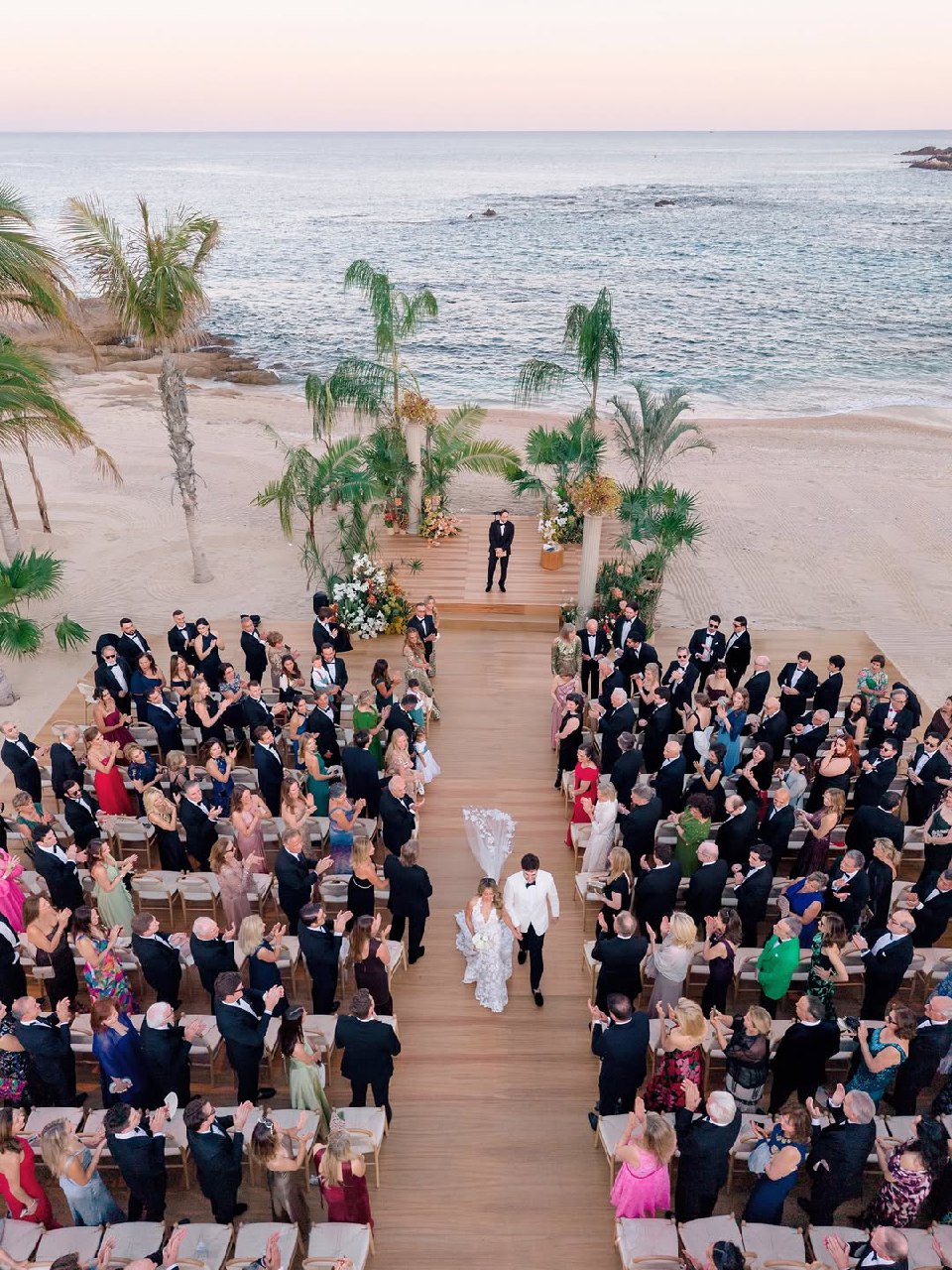
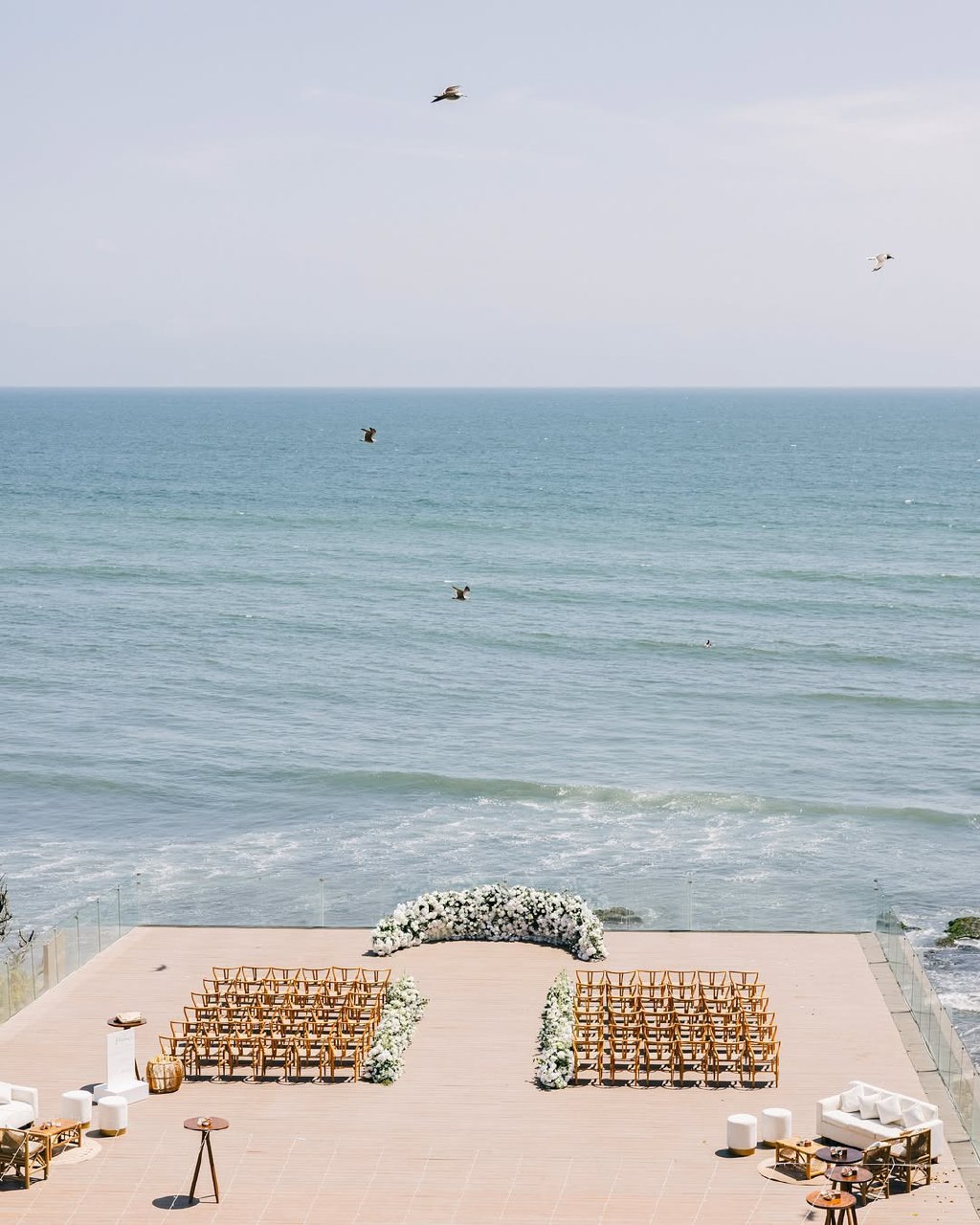
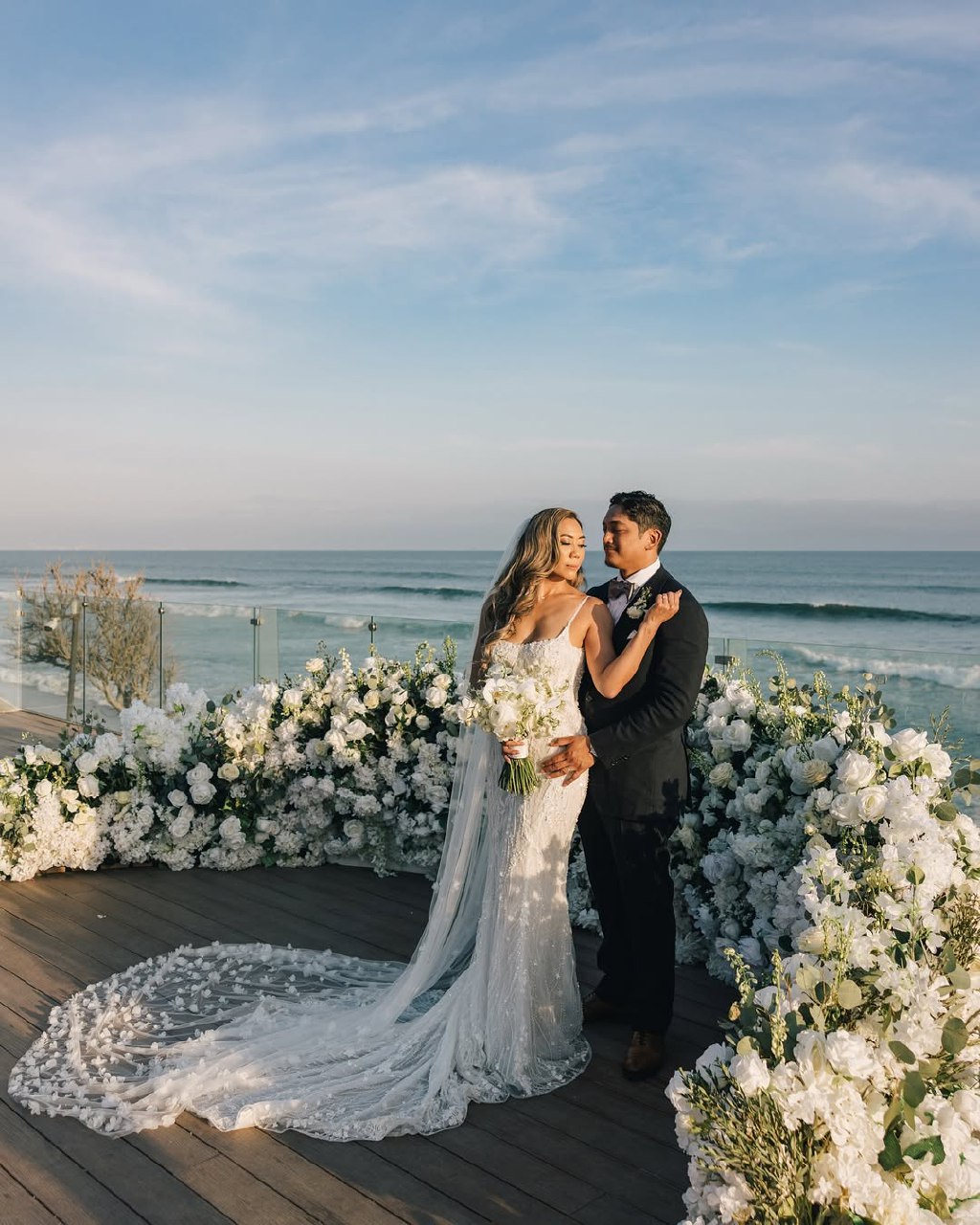
Every outdoor wedding needs a weather strategy that goes beyond just hoping for the best. While optimism is lovely, it's impractical when you have 150 guests and thousands of pounds in vendor costs, not to mention a 60% chance of rain in the forecast. The question isn't whether to have a backup plan, but which one actually works for your situation.
Rain isn't the only weather challenge that outdoor celebrations face. Wind can blow out candles and ruin carefully styled hair and fabric. Unexpected heatwaves can pose genuine health risks to guests sitting in the sun during the ceremony. Cold snaps in shoulder seasons leave everyone shivering through cocktail hour. Celebrations still happen regardless of the weather, so plans need to accommodate whatever the weather brings.
Sailcloth tents provide an elegant covered space that maintains the outdoor atmosphere while offering protection. Clear tents protect from rain while preserving views and a sense of openness. Having indoor backup space on the same property eliminates transportation issues when changing from the original plan. Flexible timings allow the ceremony to be moved earlier or later to avoid the worst weather. The decision between a tent and an indoor backup space often comes down to budget and property capabilities. Quality outdoor wedding tent installations that don't look like camping shelters cost between $5,000 and $20,000 or more, depending on size and specifications. Properties with beautiful indoor spaces provide a cheaper backup option, but the space must actually be beautiful rather than just 'technically indoors'. It is important to communicate clearly with your venue and planner about decision timelines, as most require you to commit to a tent or backup plan 48–72 hours before the event, rather than on the morning of the event when the weather is more certain.
| Location Type | Natural Beauty | Infrastructure | Weather Flexibility | Guest Comfort | Best Season |
|---|---|---|---|---|---|
| Private Estate | High (depends on property) | Variable—often needs building | Excellent (usually has backup) | Can be controlled | Spring/Fall |
| Garden/ Botanical | Excellent (designed beauty) | Good (established venues) | Good (some covered areas) | Moderate (limited climate control) | Spring/Summer |
| Beach | Excellent (natural drama) | Low (requires building) | Challenging (weather dependent) | Variable (sun/wind exposure) | Summer/Early Fall |
| Mountain/ Forest | Exceptional (dramatic views) | Very Low (remote locations) | Challenging (weather unpredictable) | Depends on elevation/season | Summer |
| Terrace/ Courtyard | Good (architectural) | Excellent (urban infrastructure) | Excellent (often has indoor) | Excellent (climate control nearby) | Any |
Designing an Outdoor Wedding That Feels Intentional
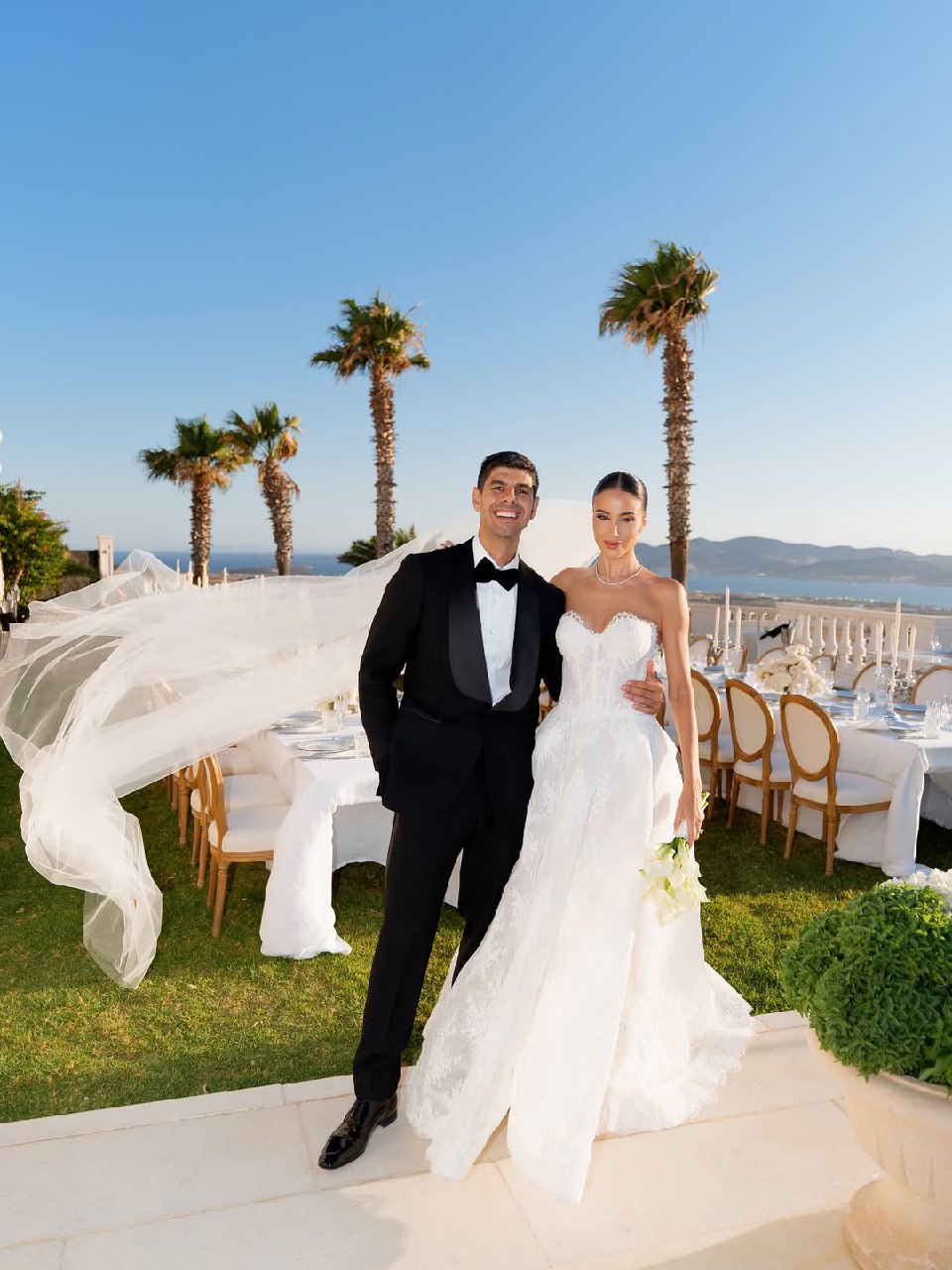
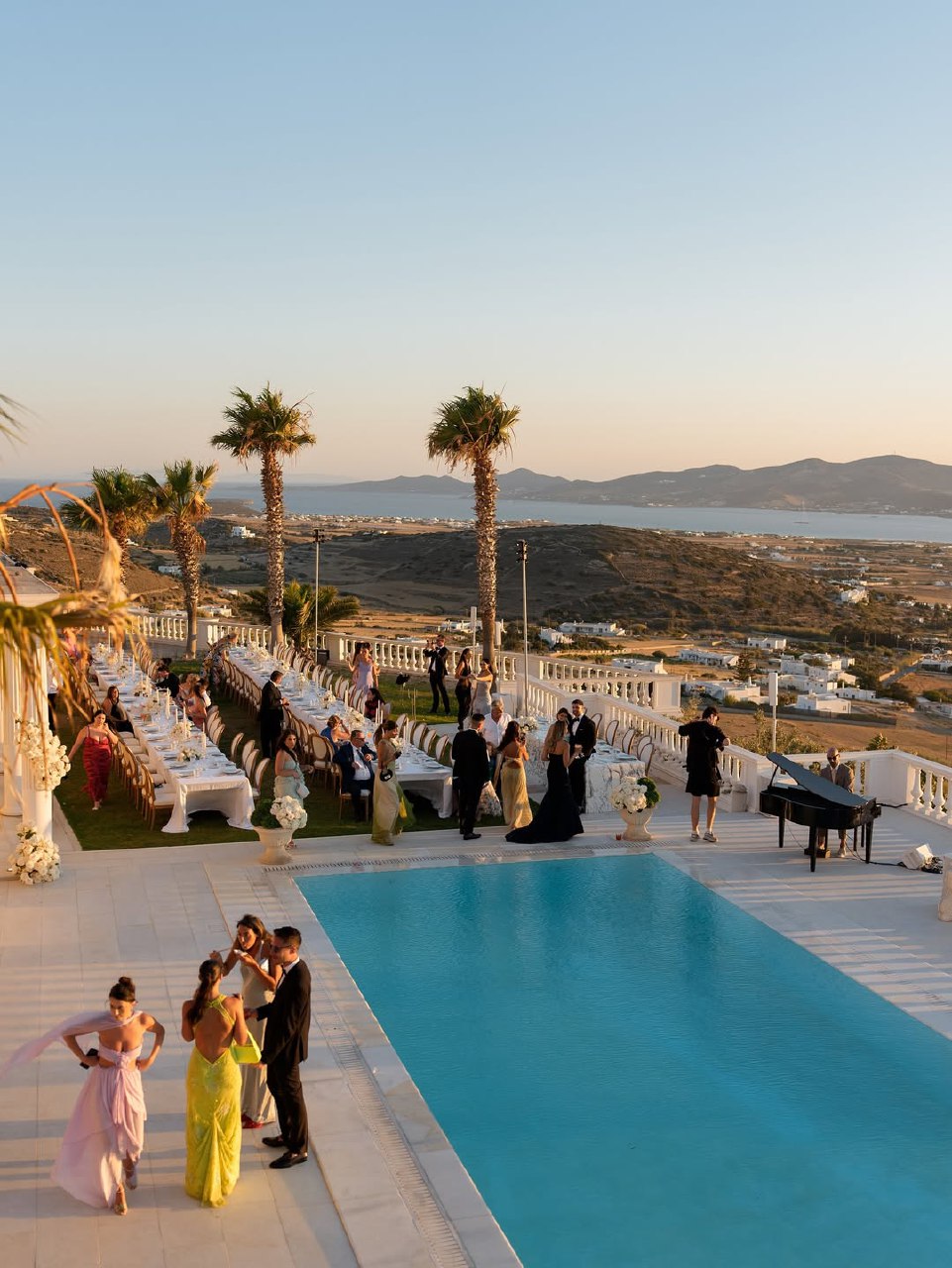
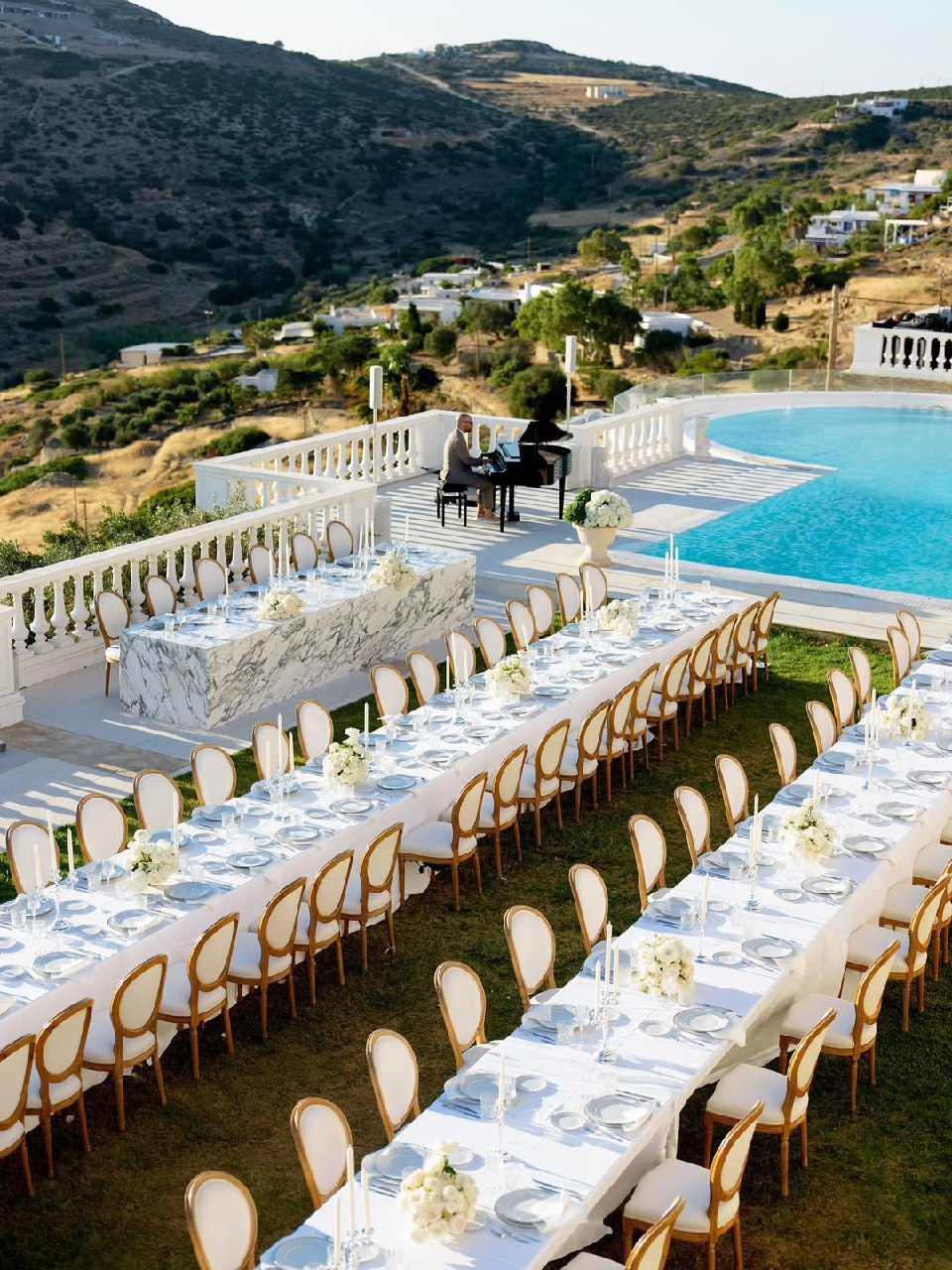
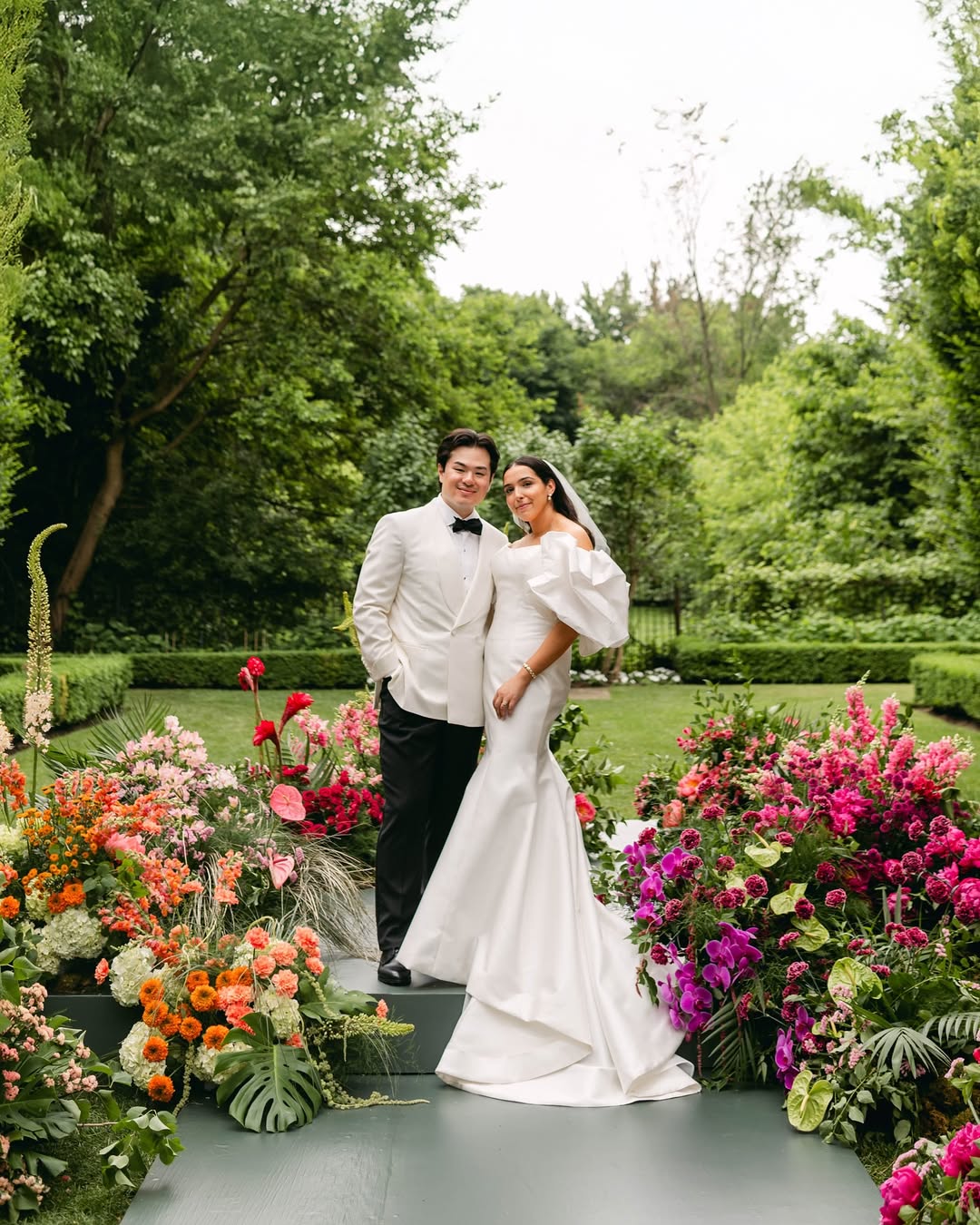
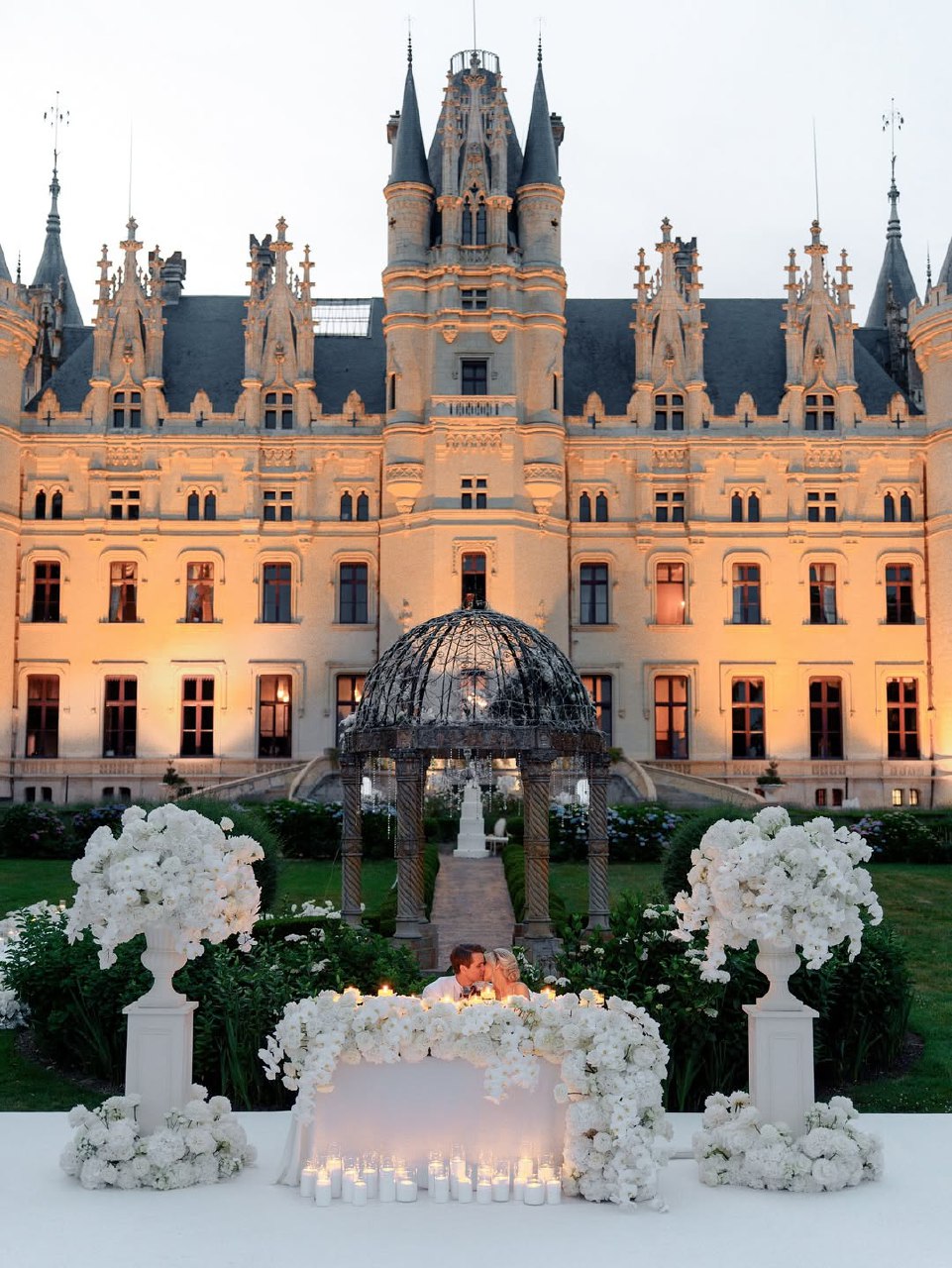
The best outdoor wedding decorations complement the setting. If you chose your location for natural beauty, design to enhance, not compete with it. Too much decoration creates visual chaos, making it hard to focus on the view or styling.
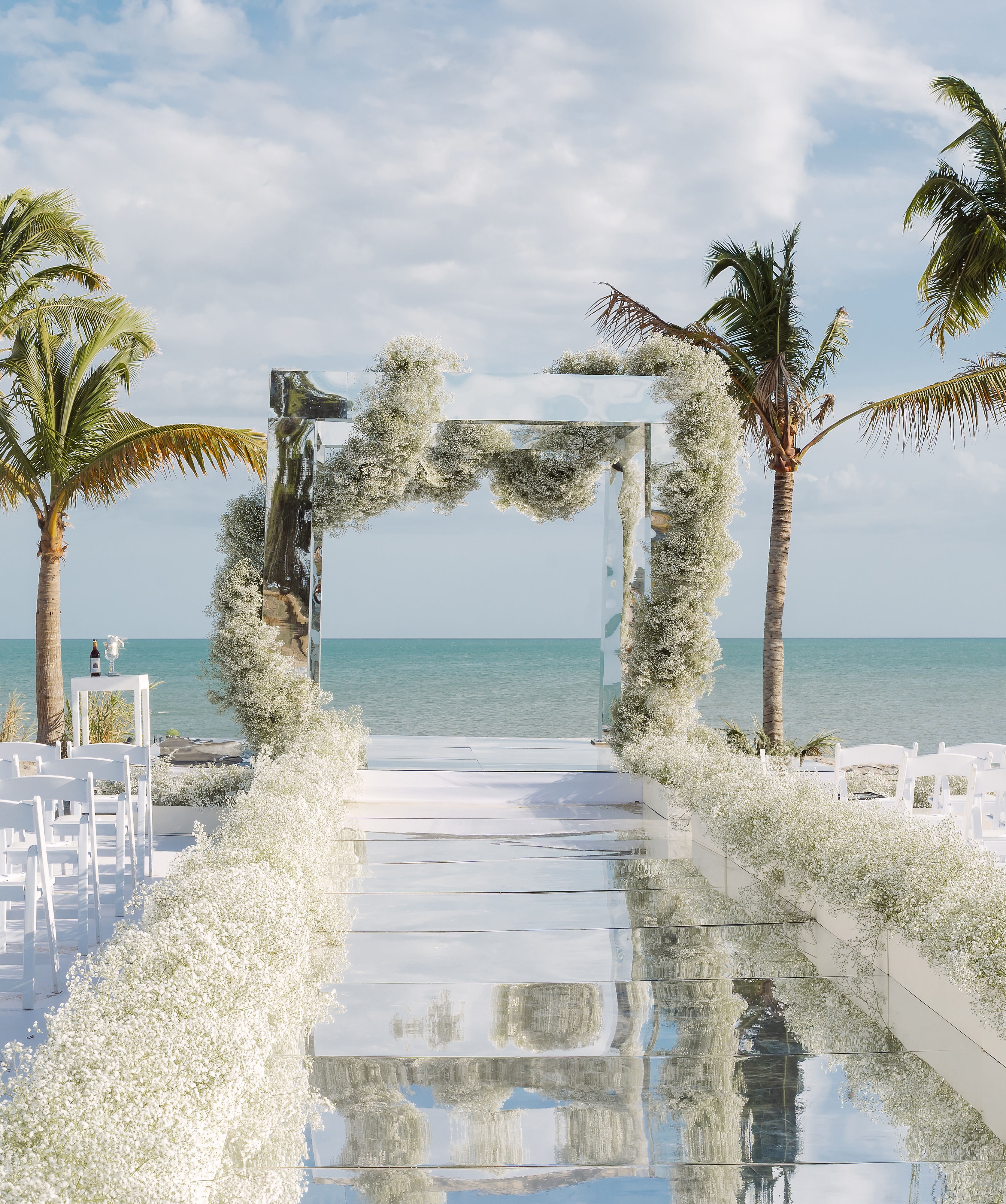
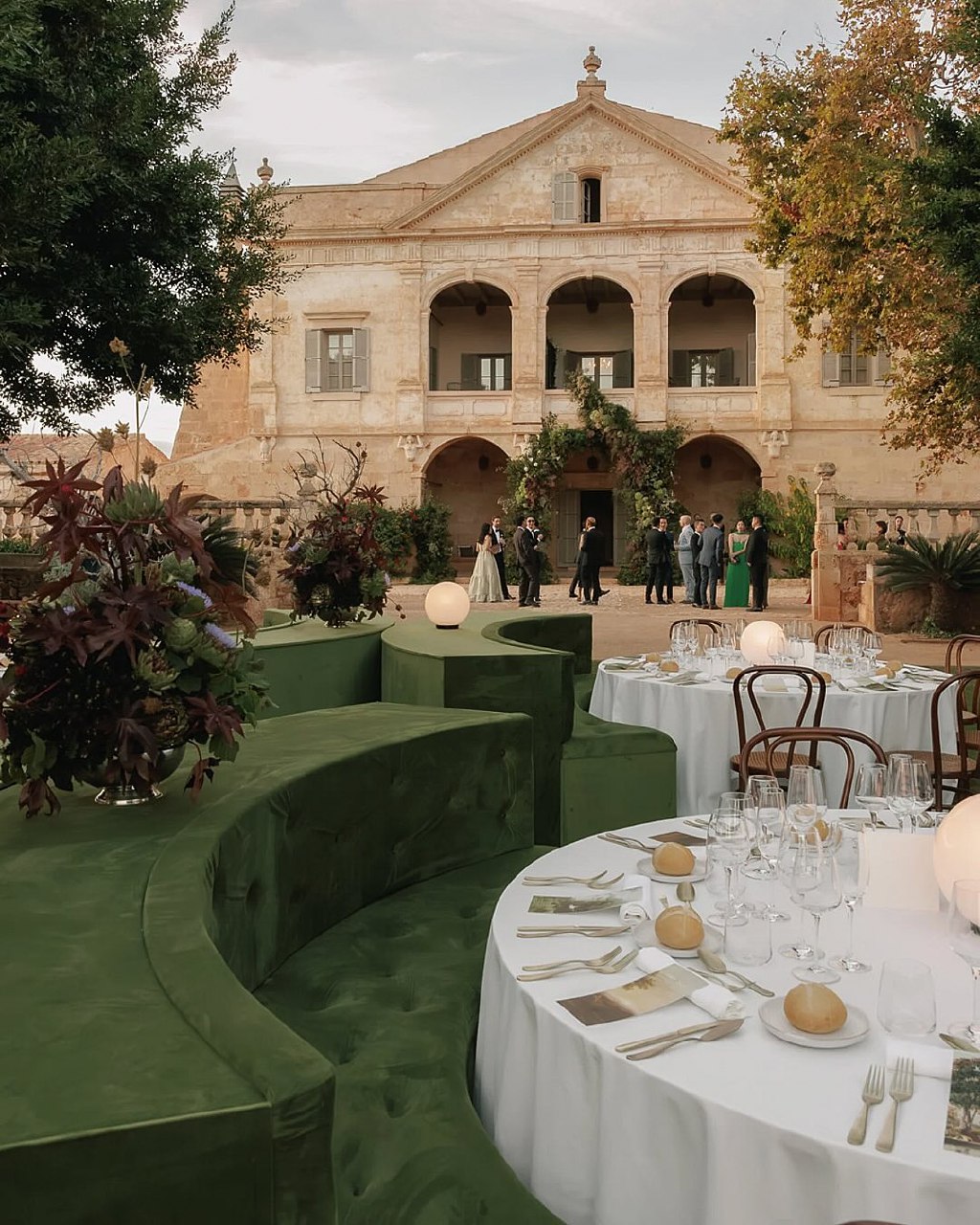
Ceremony structures should frame the landscape rather than block it. Positioning an arch or chuppah to frame mountain views or an ocean horizon in the background creates a focal point for the ceremony while maintaining the environmental context that drew you to this location in the first place. Consider not only the seating arrangement's symmetry but also what guests will actually see. Don't position the chairs so they face the couple's backs if it means everyone's view is of the lovely ceremony backdrop rather than the couple. Layered lighting creates an evening atmosphere — string lights, lanterns, and candles — and provides ambience as the natural light fades without overwhelming the space. Thoughtful lounge areas offer guests comfortable spaces to gather beyond assigned seating, while refined tablescapes complement the setting rather than compete with it.
The most successful outdoor wedding décor follows the rule of enhancement: if removing an element would improve the space's appearance, it isn't necessary. Every flower arrangement, fabric choice, and lighting decision should serve a clear purpose rather than simply exist because weddings need decorations. Outdoor wedding ideas on a budget often work better than expensive ones because restraint serves outdoor aesthetics well — letting the location do the heavy lifting while your styling adds polish.
Guest Comfort Should Always Be a Priority
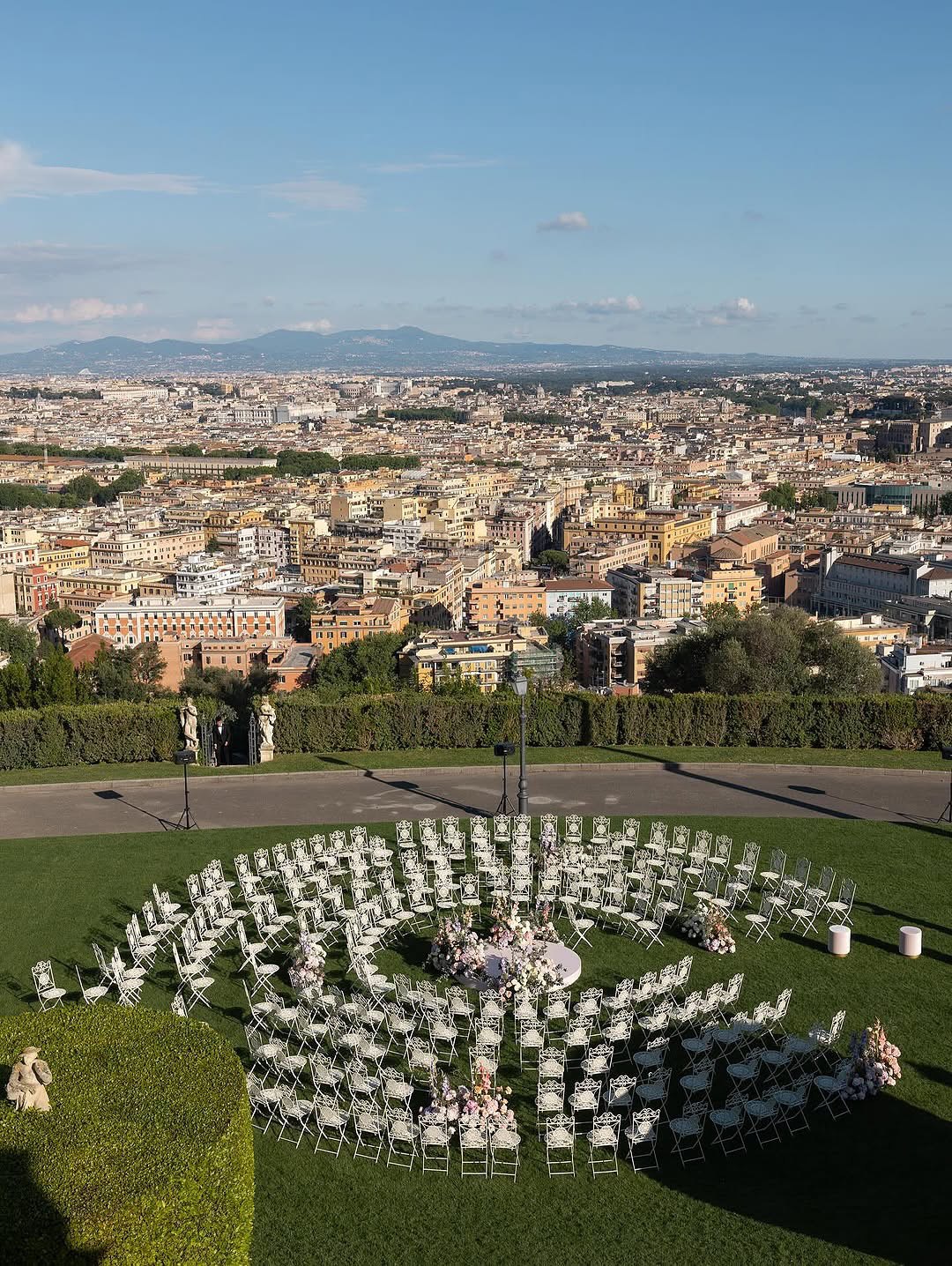
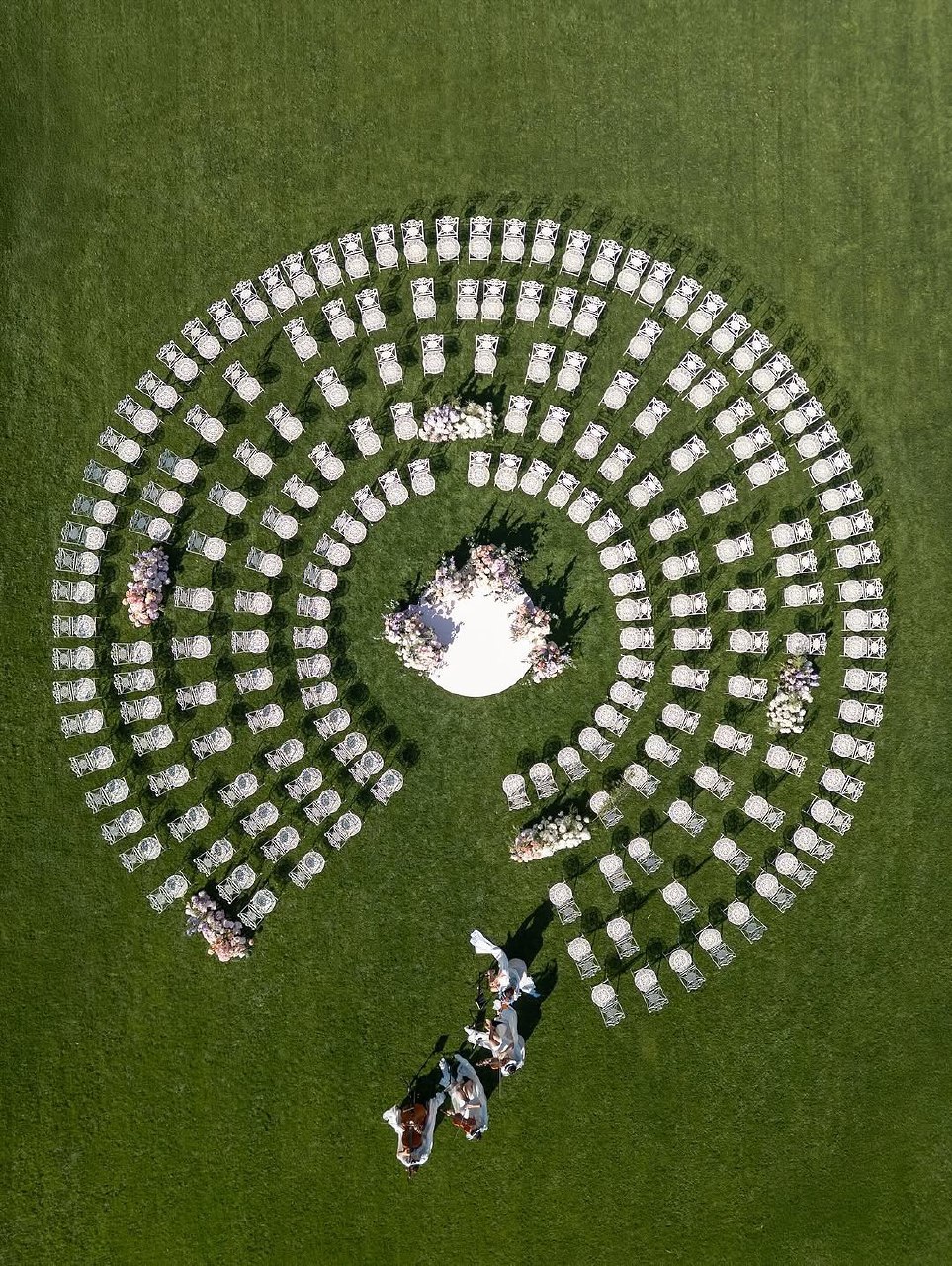
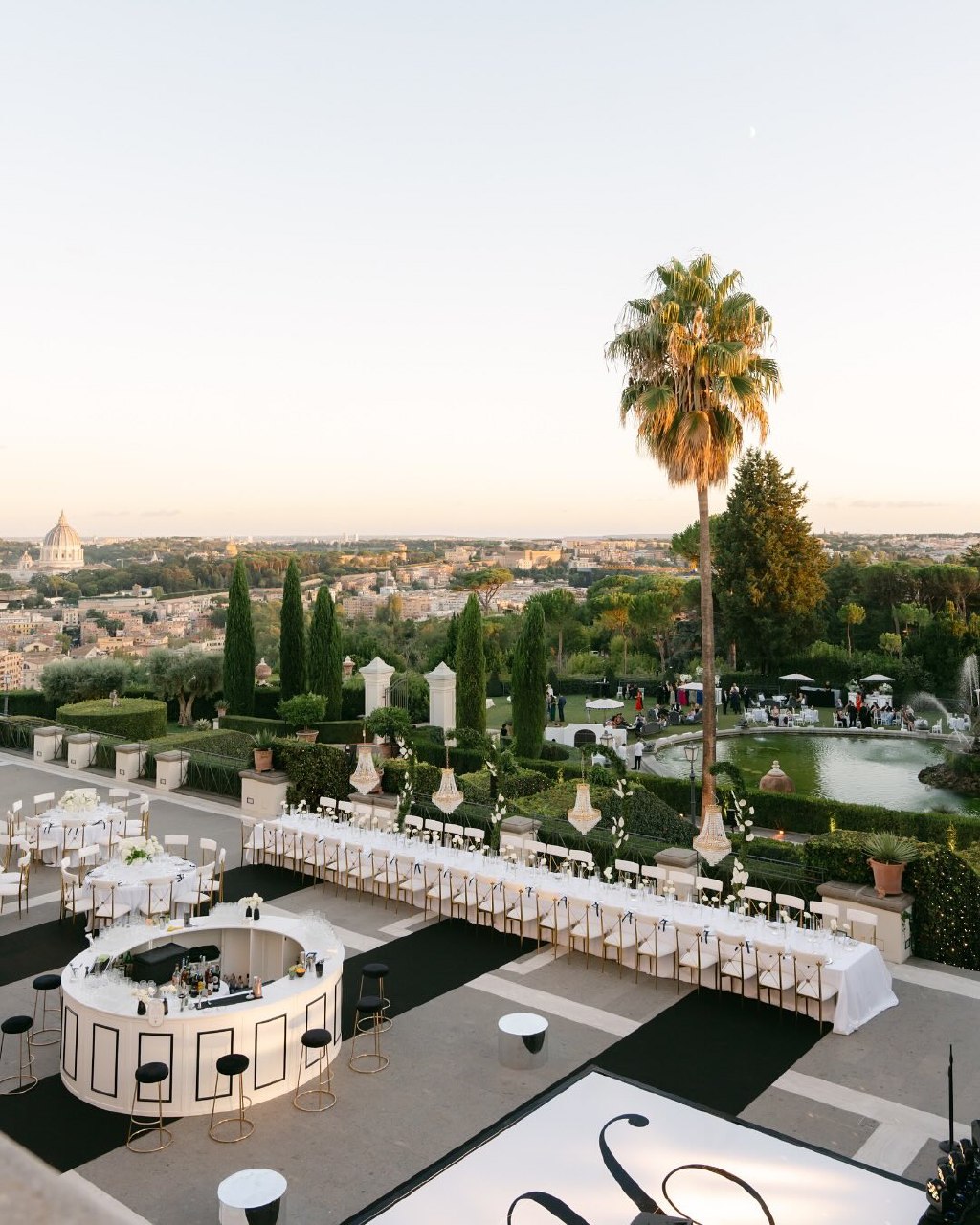
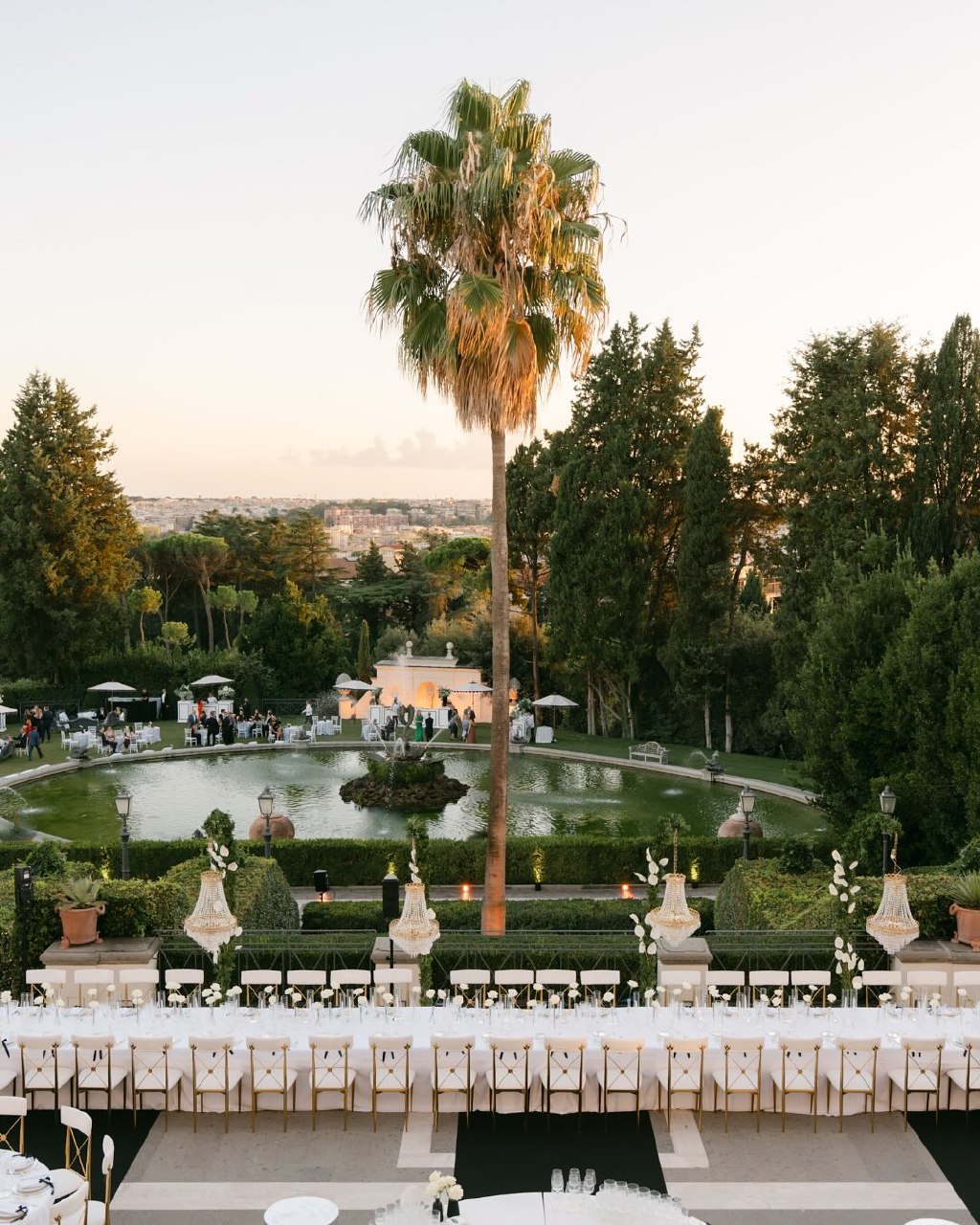
Guests rememberbeautiful outdoor weddings fondly when physical comfort is considered as carefully as aesthetics. Even if you have the most stunning ceremony location in the world, if your guests are miserable because they are too hot, too cold, or too uncomfortable, that's what they'll remember and mention in every conversation about your wedding afterwards.
Small details make a major difference:
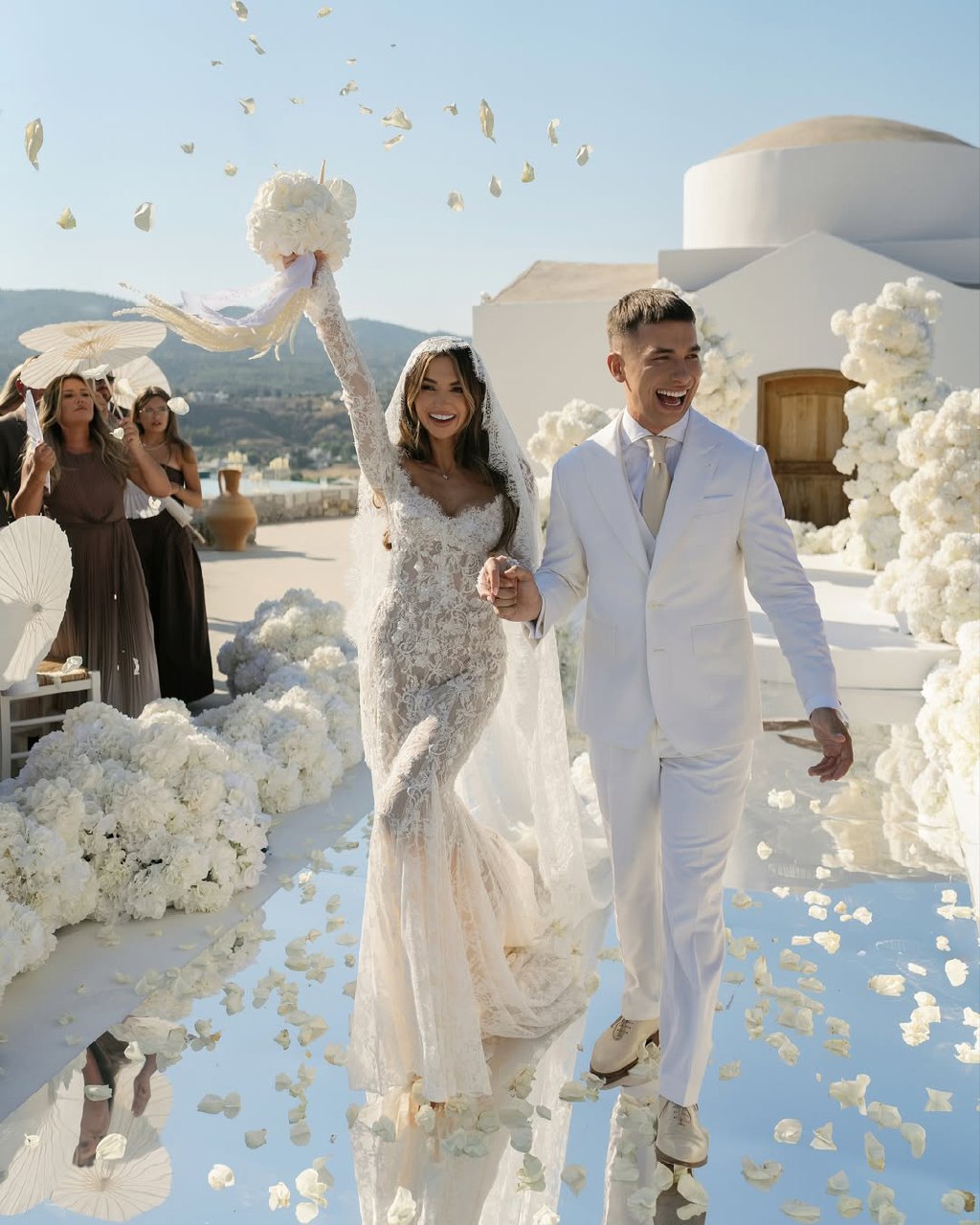
- Providing shade or cover during the ceremony (parasols for guests, strategically positioned ceremony time to use natural shade, tent coverage for extreme heat)
- Offering blankets or heaters when needed for evening celebrations or cooler seasons where the temperature drops significantly after sunset
- Ensuring appropriate footwear works with terrain (heel protectors for grass, noting in invitation if hiking to the ceremony location requires different shoes than the reception)
- Providing hydration stations beyond just bar service—water readily available throughout the celebration, not just at designated times
The smaller your celebration, the more flexibility you have in providing comfort. For example, small outdoor weddingsof 30–50 people can provide personalised care, such as blankets at each chair and welcome bags containing sunscreen and insect repellent, which would be logistically complex for 150+ guests. Adjust your comfort provisions based on the number of guests, ensuring basic needs are met regardless of the celebration's size.
What to Wear to an Outdoor Wedding
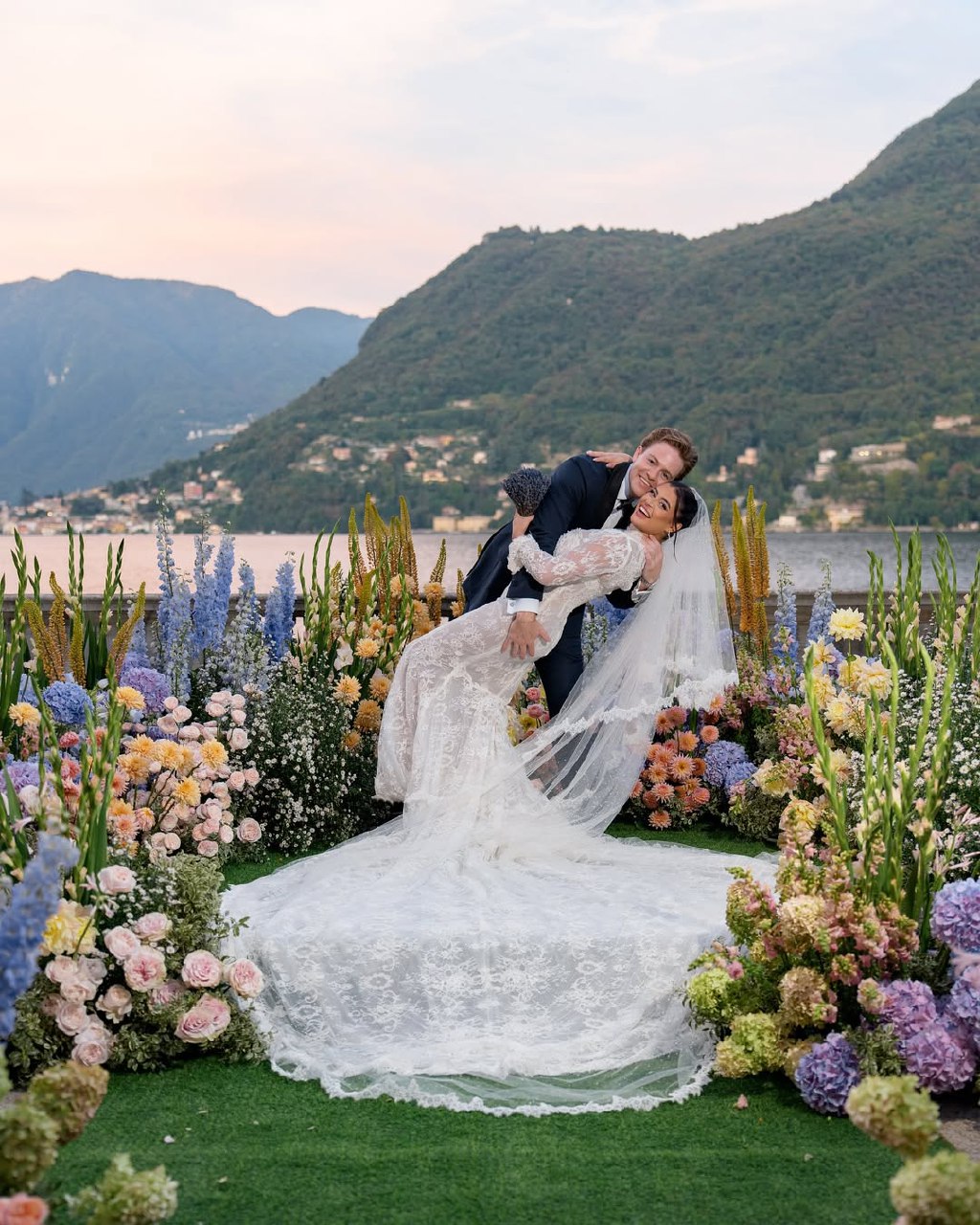
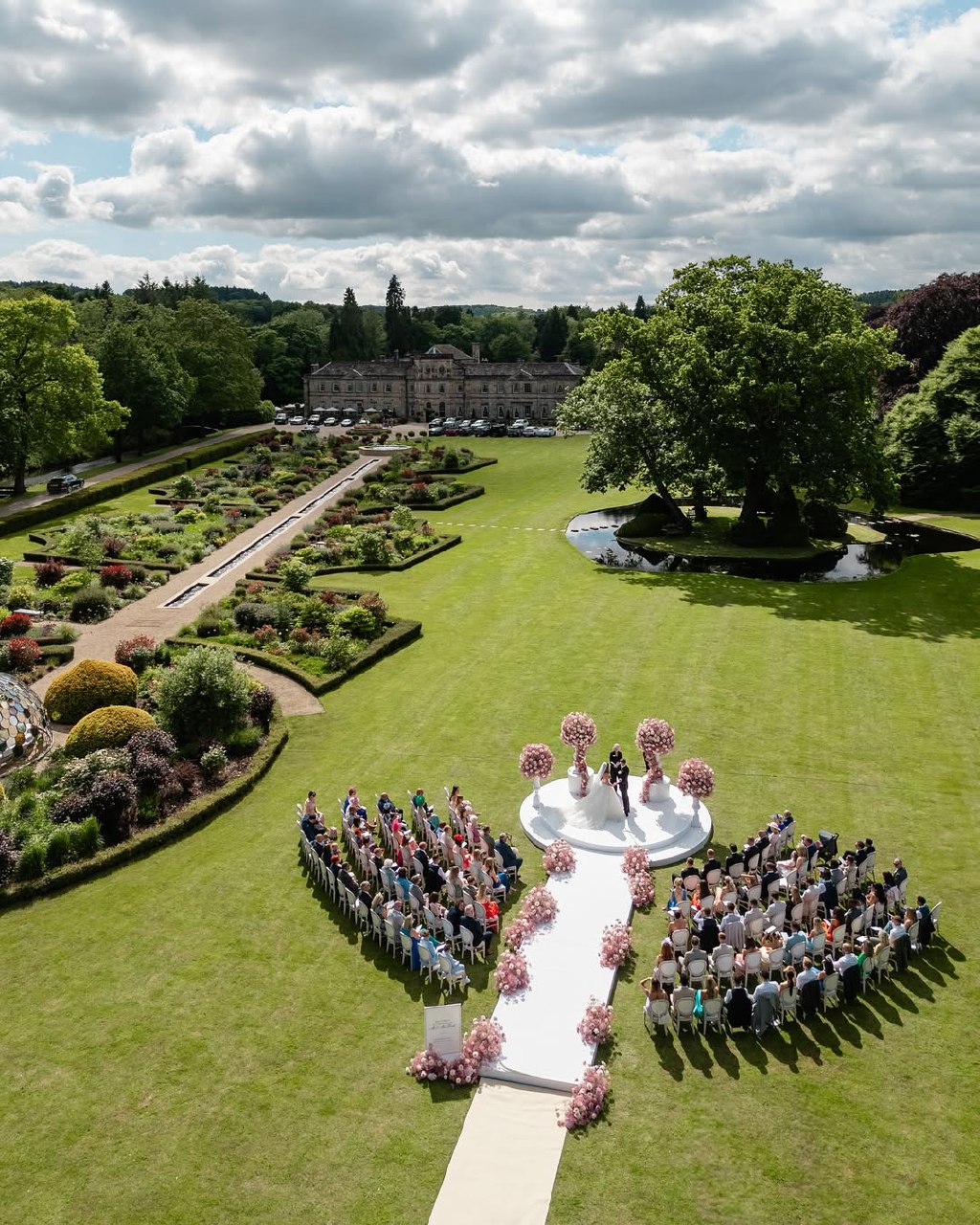
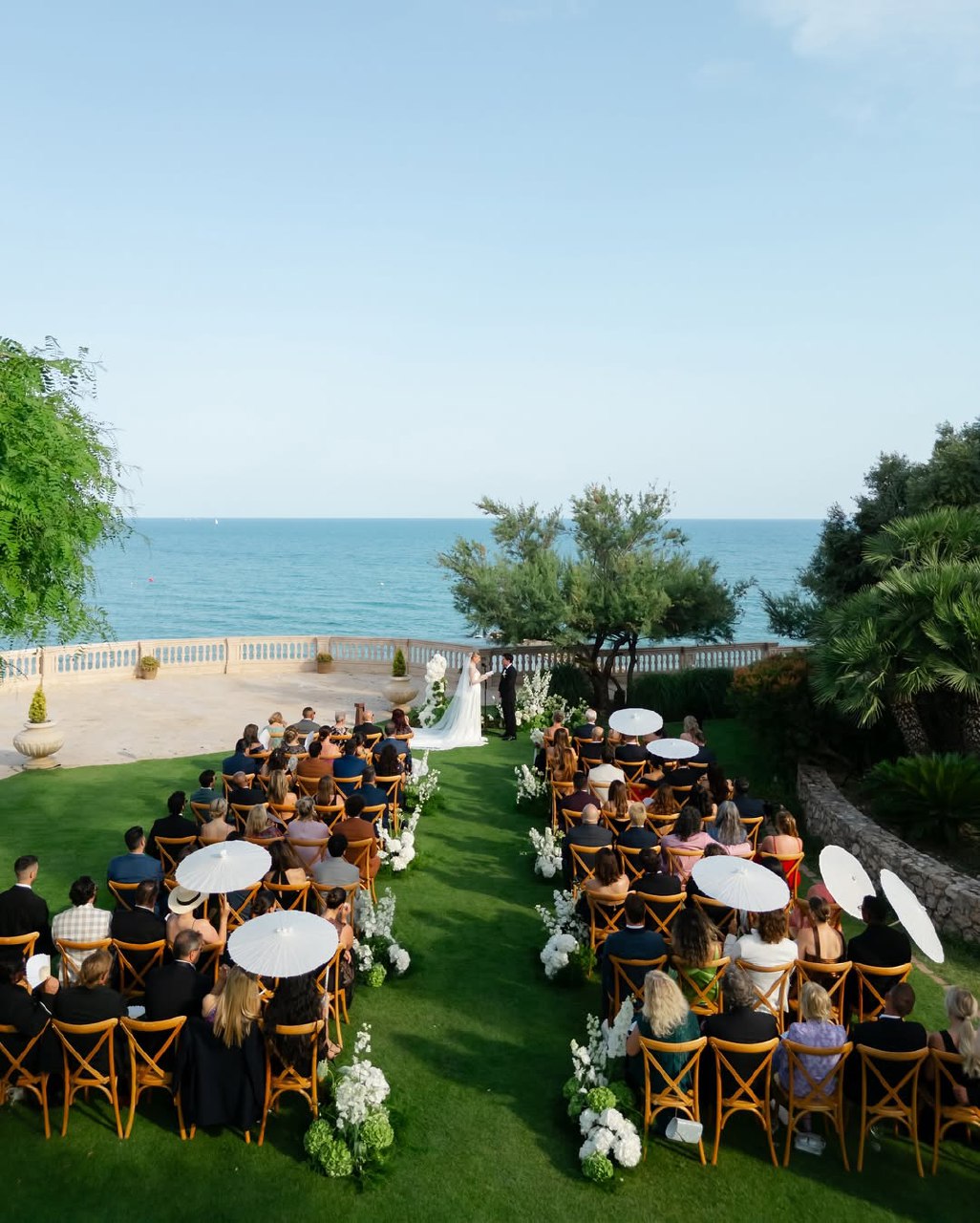
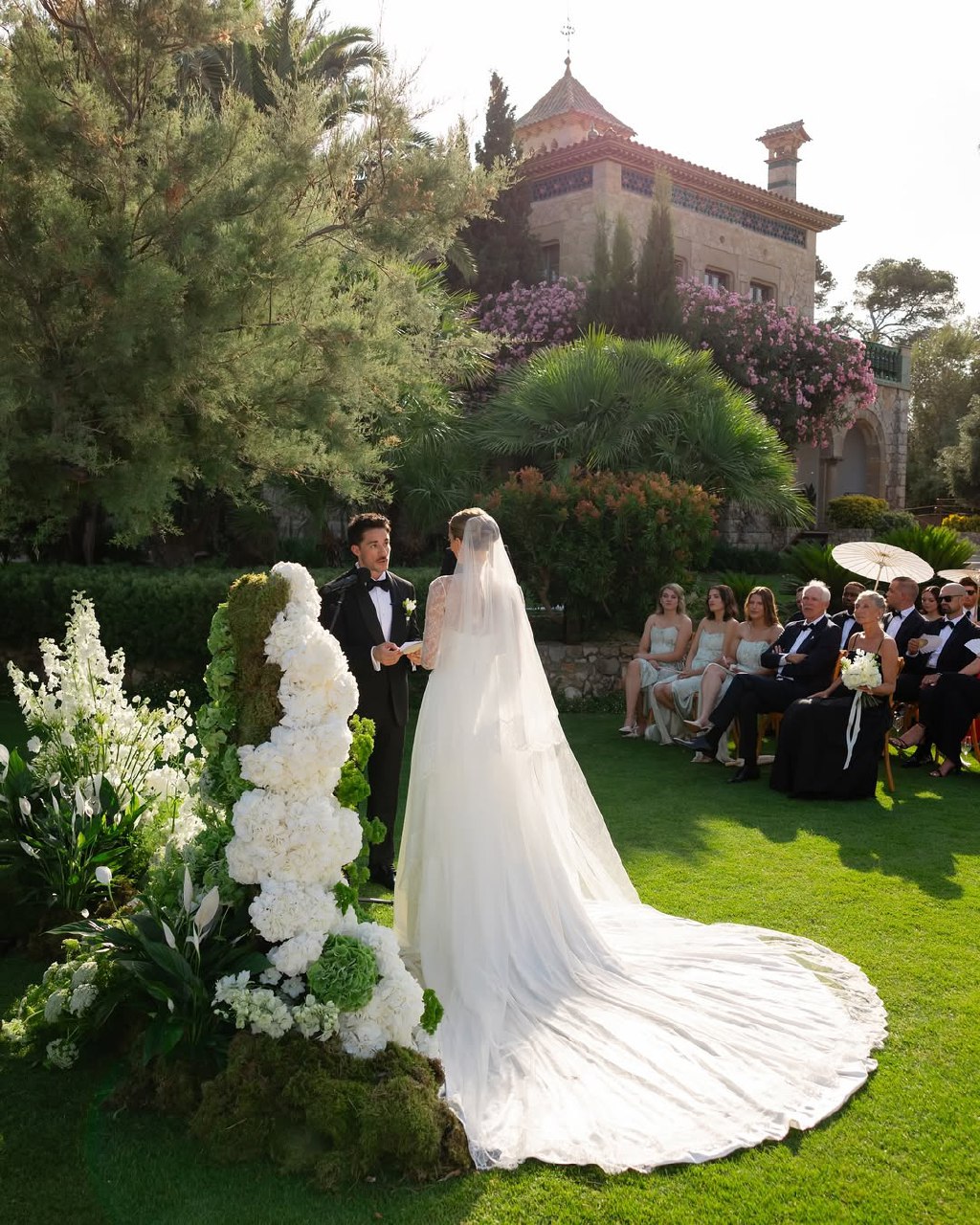
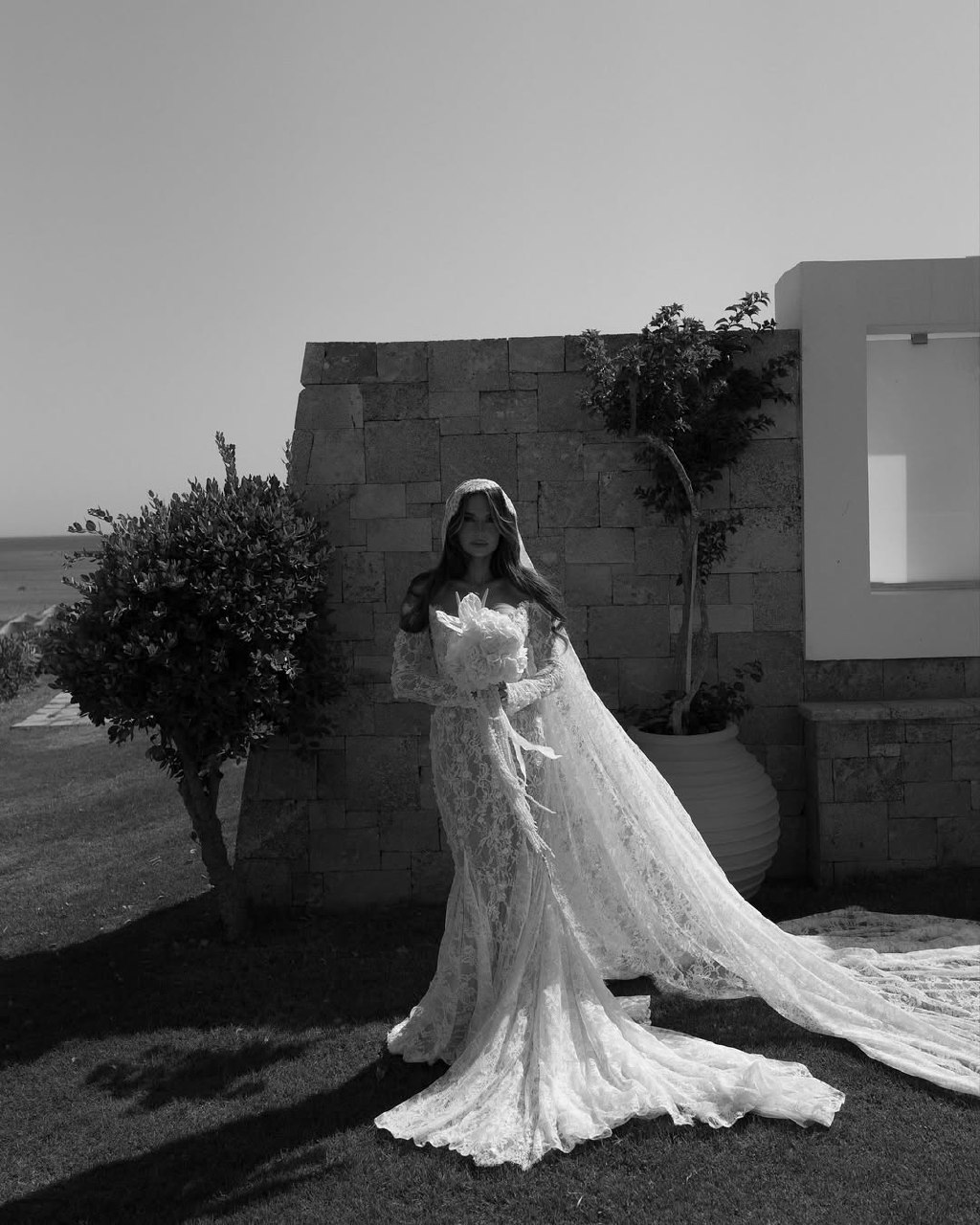
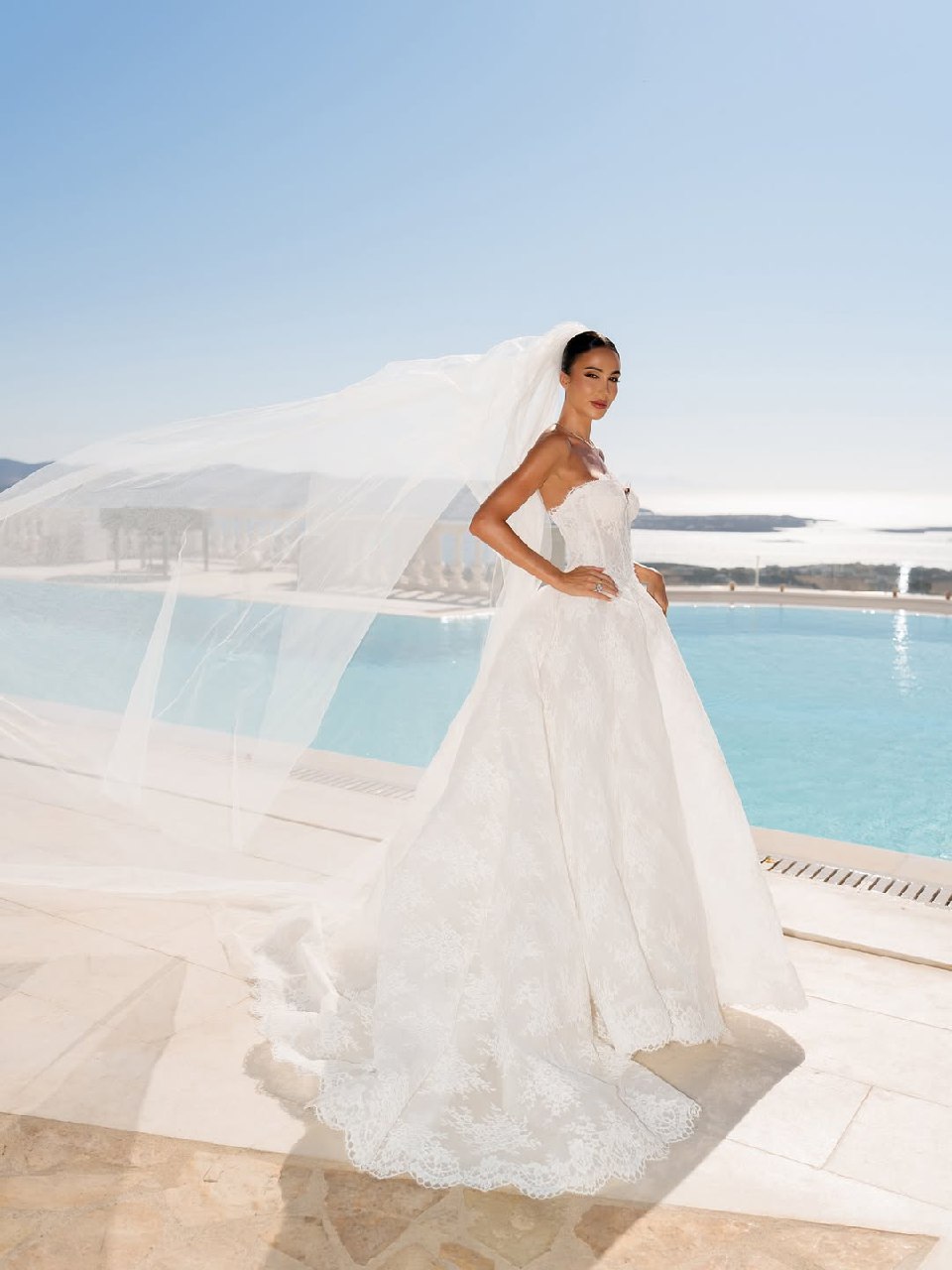
Outdoor wedding attire requires different considerations than indoor celebrations, where climate control and flat flooring are guaranteed. The bride's dress needs to be functional in conditions that traditional bridal gowns weren't designed for, such as uneven terrain, wind that can catch fabric, temperature fluctuations, and the fact that hemlines will come into contact with grass, dirt, or sand.
The choice of fabric matters enormously. Heavy mikado or thick satin, which looks beautiful in photographs indoors, can feel oppressive in summer heat and doesn't move naturally in a breeze. Lightweight, breathable fabrics are better suited to outdoor wedding ceremonies.
Fabrics performing best outdoors:
- Silk (breathable, moves beautifully, photographs well in natural light)
- Chiffon (lightweight, catches breeze without looking sloppy)
- Linen (casual elegance, extremely breathable for heat)
- Lightweight wool (surprisingly good for cooler outdoor celebrations)
What to wear to an outdoor wedding as a guest follows similar principles: consider the terrain (heels sink in grass, so wedges or flats are better), prepare for temperature changes (evenings can be cool, even if the afternoon was warm), and dress according to the level of formality communicated by the couple, while acknowledging that you're celebrating outside. Dresses for outdoor summer weddingsshould be comfortable in the heat while remaining appropriate for the occasion. For evening celebrations, outdoor wedding guest dresses need to account for temperature drops after sunset.
It is the couple's responsibility to clearly communicate in the invitations what type of outdoor setting guests should prepare for. 'Garden celebration' requires different footwear and attire than 'beach ceremony' or 'mountain venue'. Provide your guests with the information they need to dress appropriately for your specific location and season.
Lighting Transforms Outdoor Weddings After Sunset
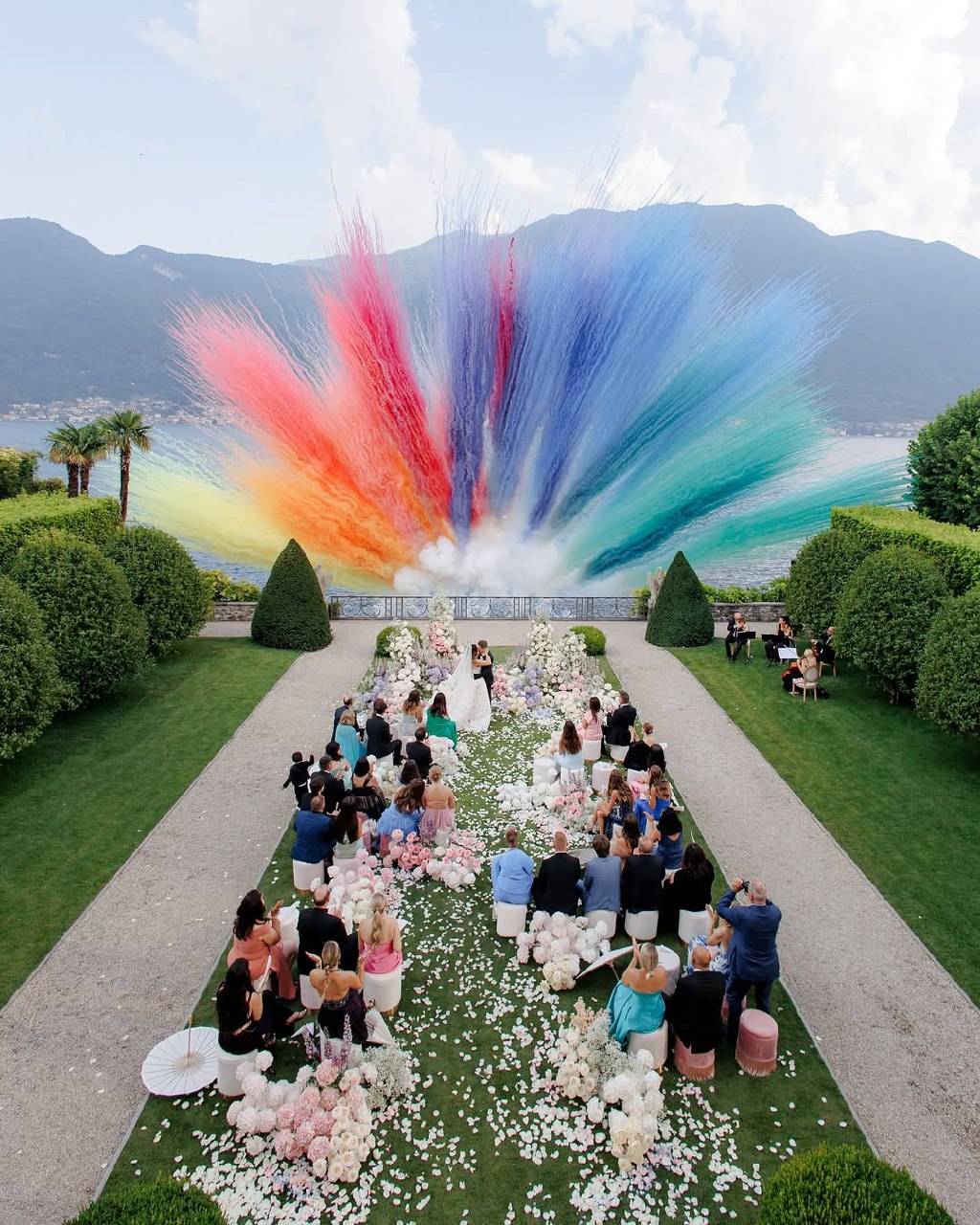
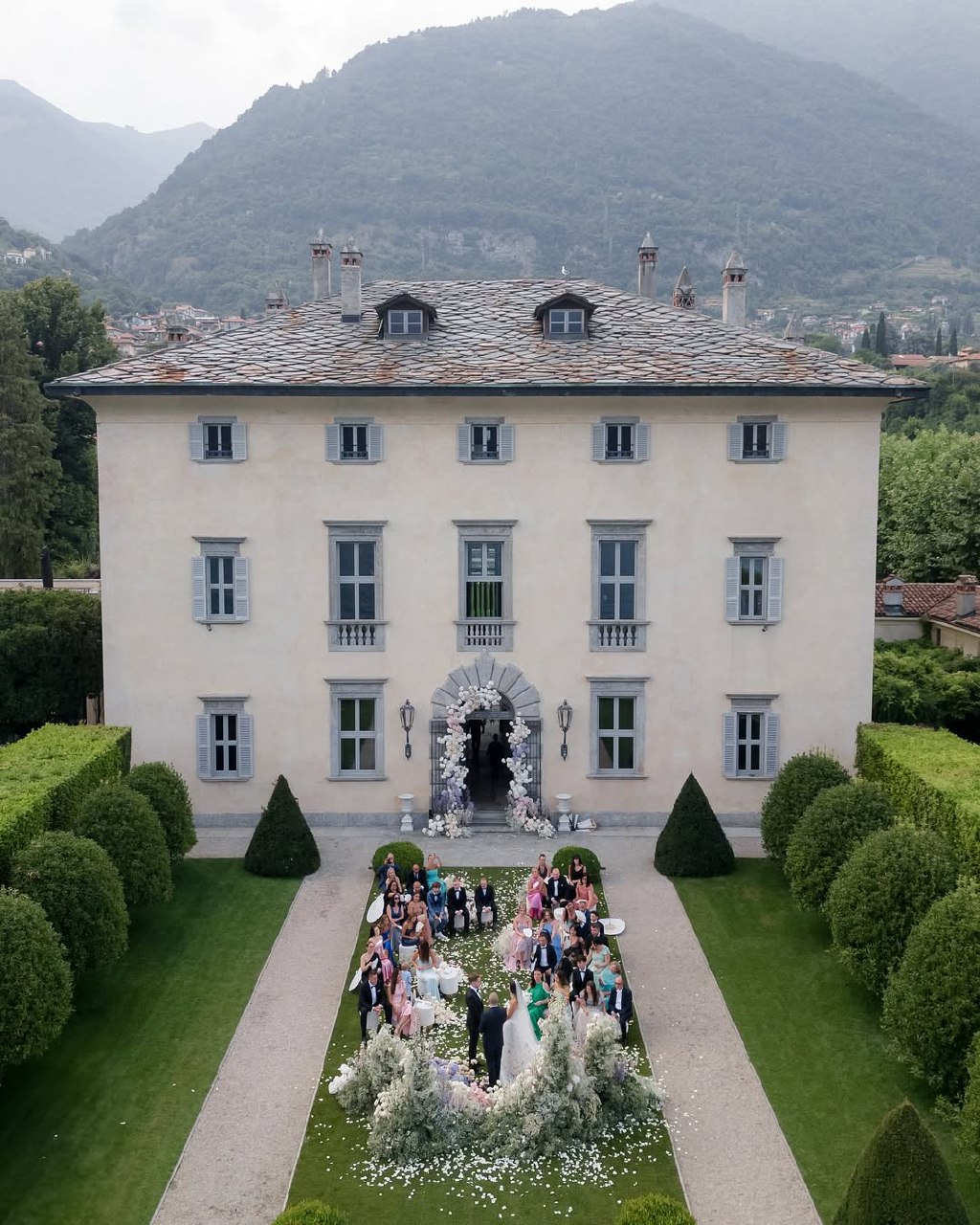
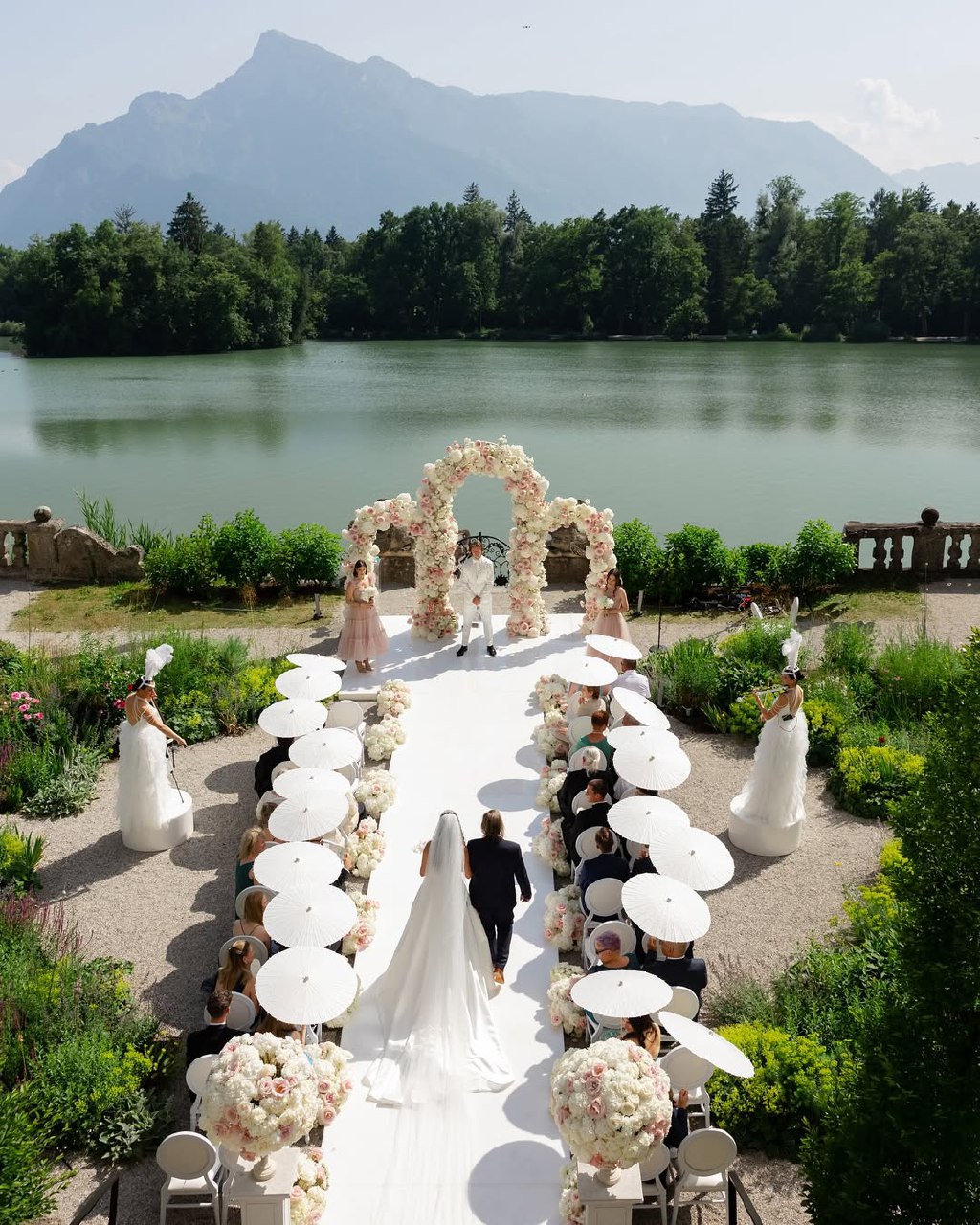

Outdoor wedding lighting decoration becomes essential as the transition from daylight to evening begins. Without intentional artificial lighting, natural light fades, and your celebration moves from a beautiful outdoor setting to guests straining to see in the dark. The aim is not to replicate daylight, but to create a warm, ambient illumination that maintains the atmosphere while providing adequate visibility.
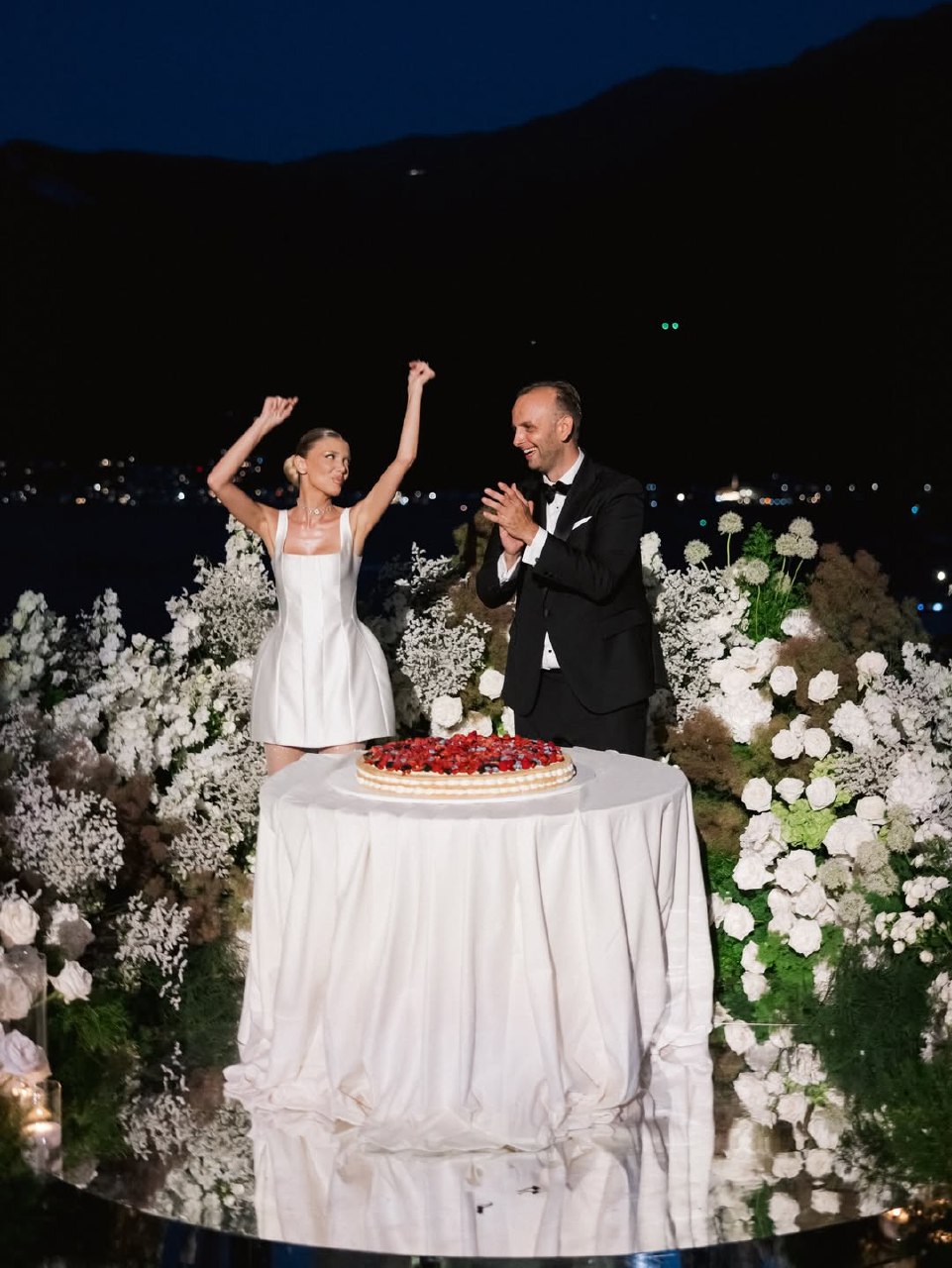
String lights overhead create a warm, café-style glow without any harsh brightness. Hundreds of votives and pillars filled with candles provide a romantic ambience and a soft, flattering light. Hanging and ground-placed lanterns illuminate pathways and gathering areas while adding visual interest. Uplighting on trees, structures, or venue buildings adds dimension and drama that flat overhead lighting cannot achieve. Outdoor wedding lighting works in layers rather than with single sources. Ambient lighting provides baseline visibility, while task lighting ensures functionality at bars and buffet areas. Accent lighting creates visual interest and depth. Together, they create an environment that's adequately lit without making it feel as though you've installed stadium lighting, which would destroy the outdoor evening atmosphere you wanted.
The timing of your outdoor wedding reception relative to sunset determines how much of the celebration will be in natural versus artificial light. Starting the reception at sunset means that the cocktail hour is in natural light, transitioning to dinner in mixed light, and then dancing in fully artificial light. This progression feels natural, allowing the lighting to evolve with the celebration rather than switching suddenly from day to night.
Why Outdoor Weddings Are Especially Powerful for Photography
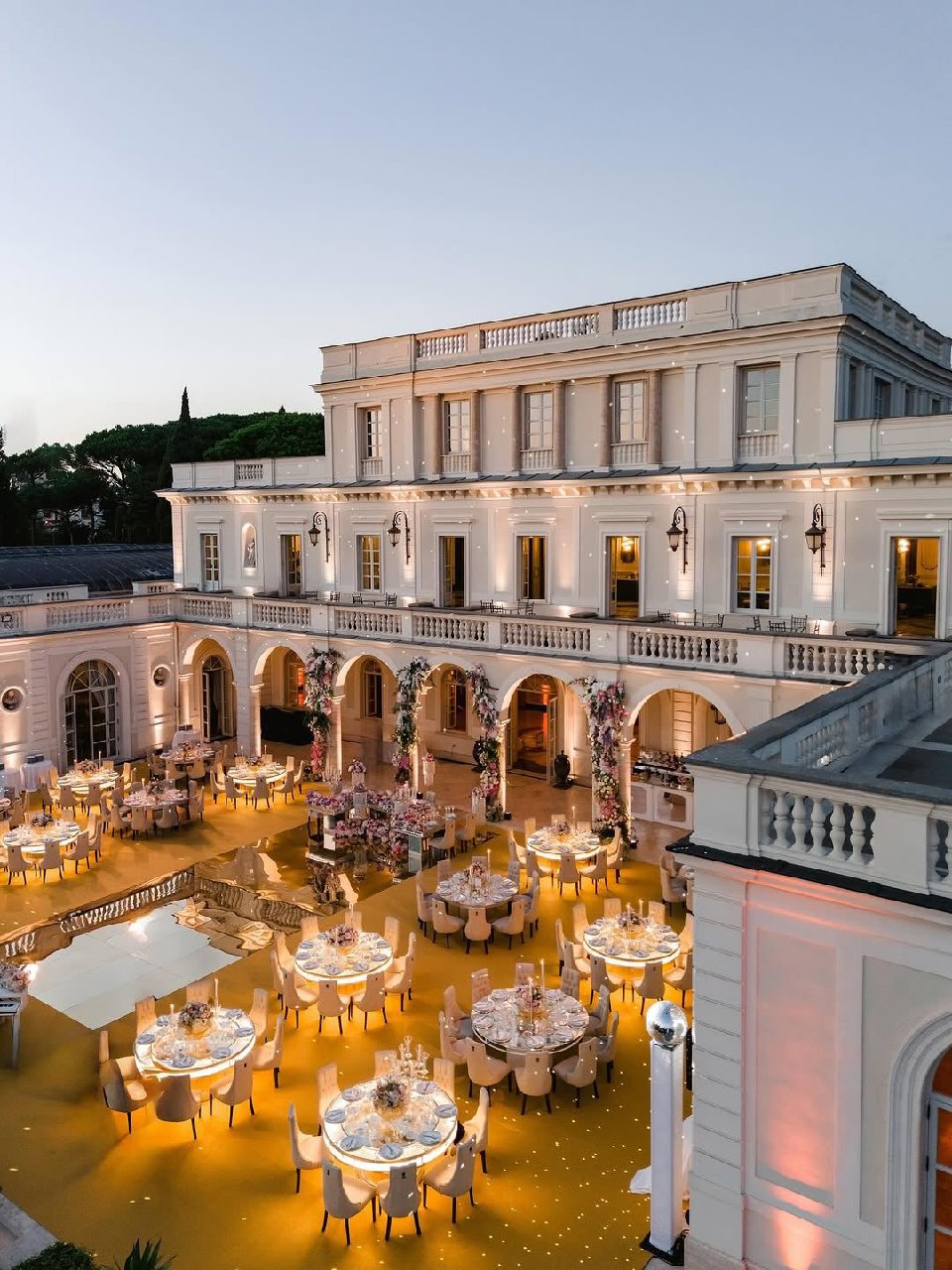
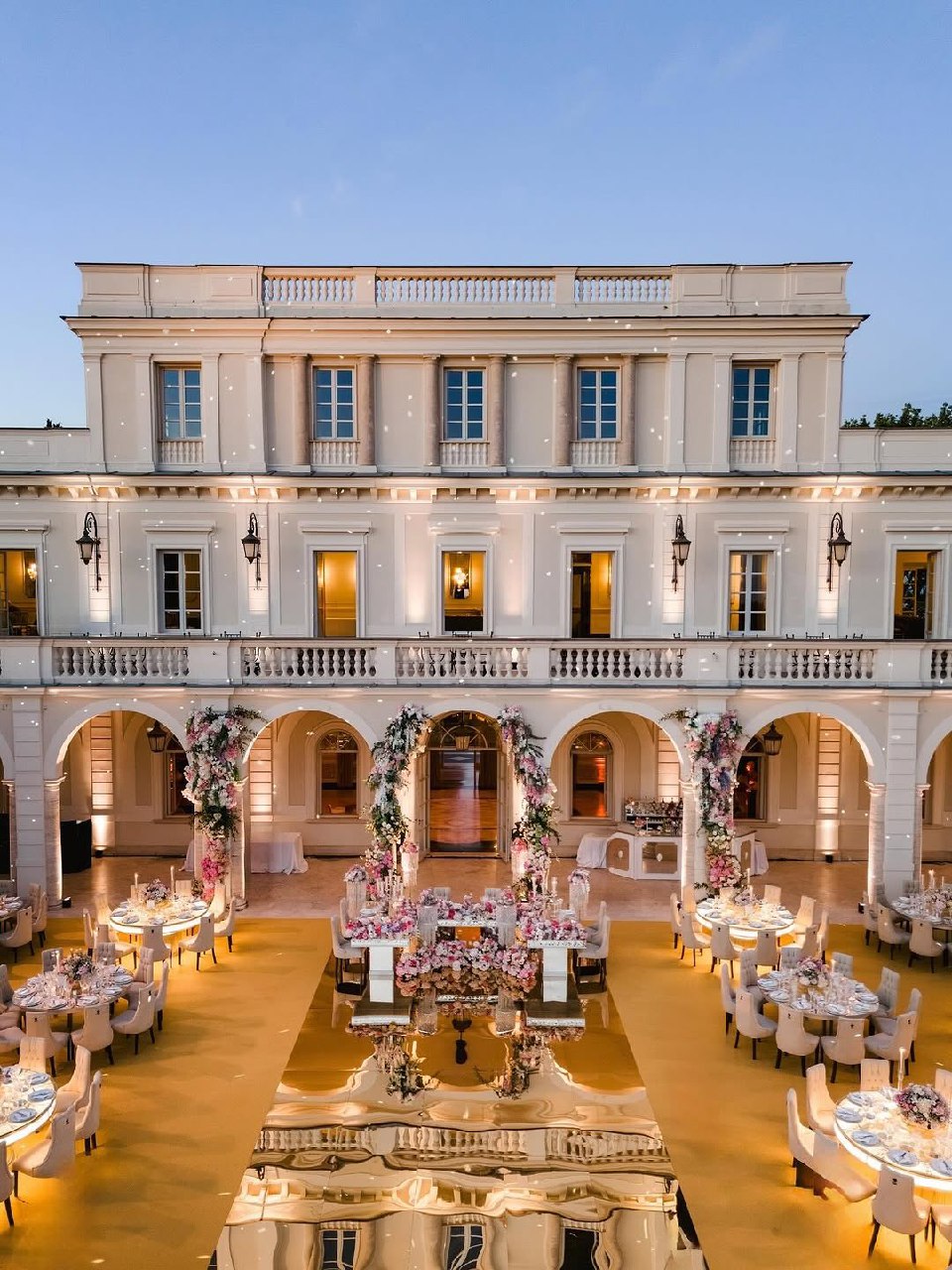
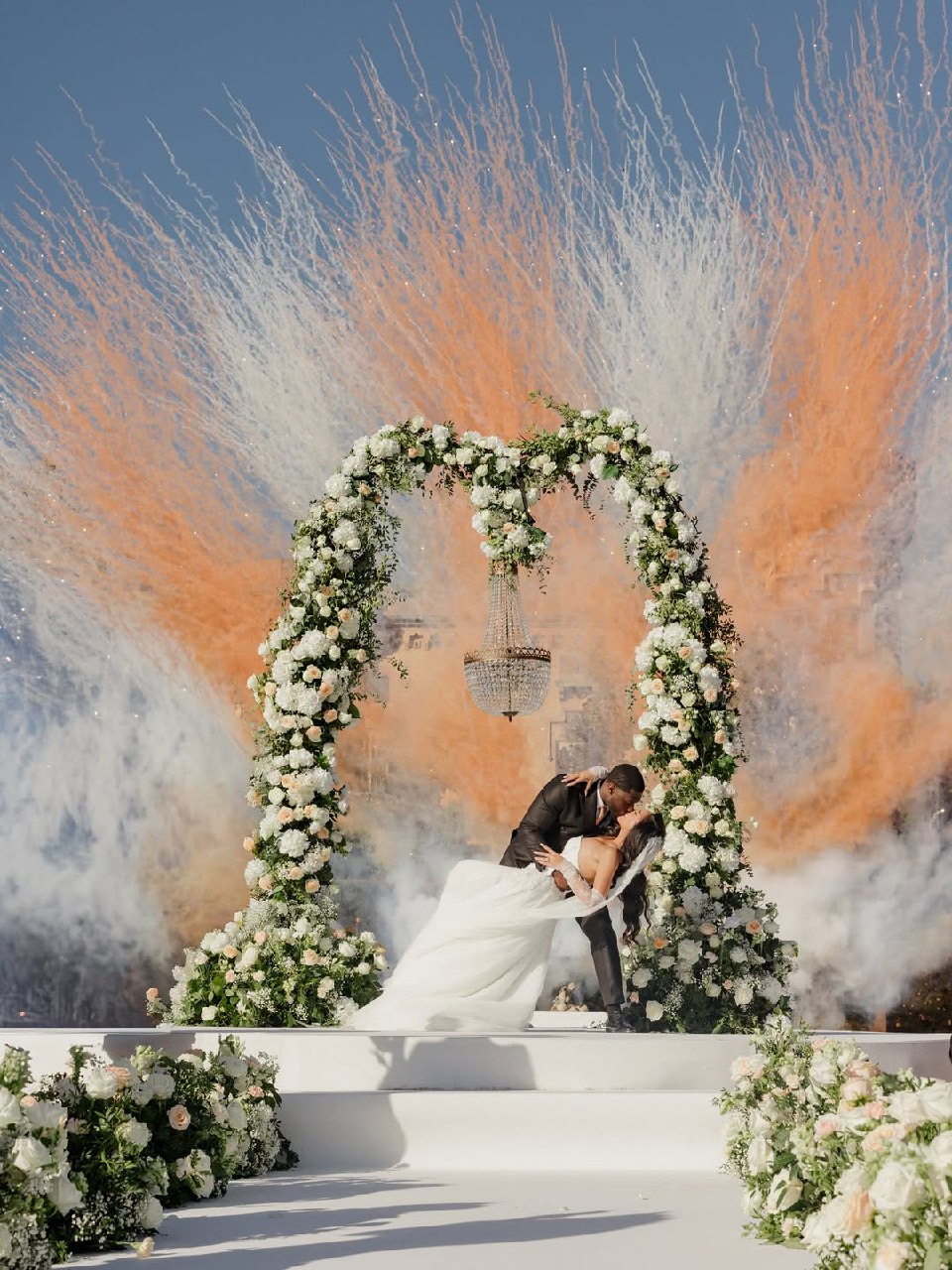
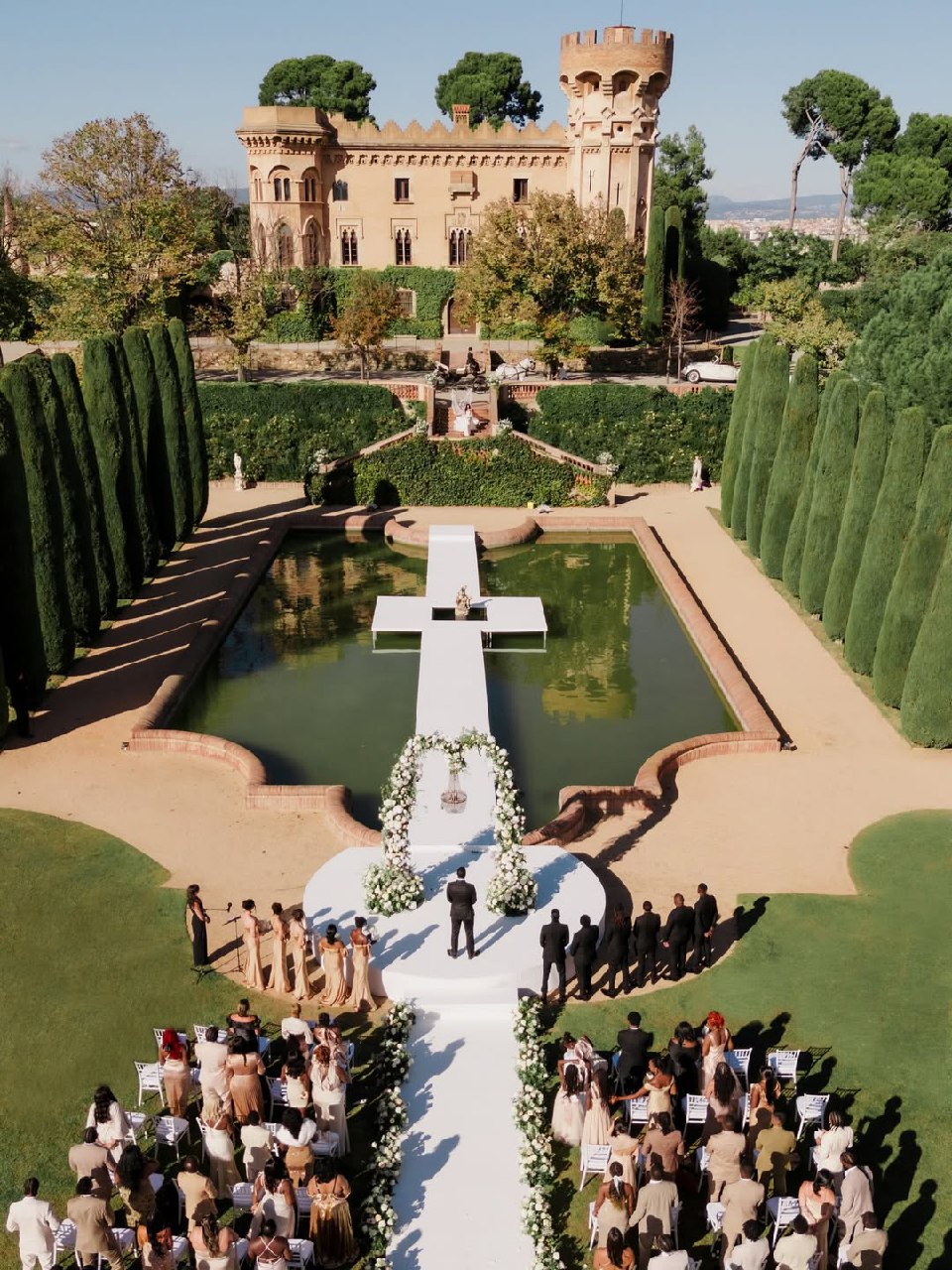
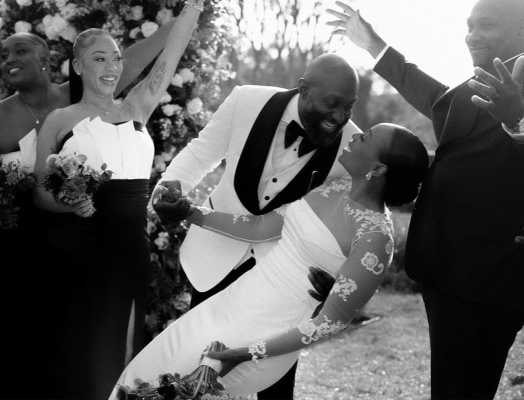
Outdoor weddings offer a unique advantage from a photography perspective because they combine natural light, dimensional space, and authentic surroundings, making images feel immersive rather than staged. Unlike indoor venues that rely on fixed artificial lighting, outdoor settings provide constantly evolving natural light that enhances skin tones, adds softness, and creates gentle shadows that bring depth and realism to every frame. Golden hour, in particular, produces warm, directional light that photographers value for its flattering, cinematic quality, while even overcast skies act as natural diffusers, creating soft, romantic imagery without harsh contrast.
Equally important is the sense of spatial depth that outdoor environments naturally provide. Landscapes such as gardens, coastlines, mountains, or open fields allow photographers to work with foreground, middle ground, and background, creating layered compositions that feel dynamic and alive. These natural backdrops also have a timeless quality—unlike interior décor, which can quickly reflect trends of a specific era, nature remains consistently elegant and relevant. As a result, outdoor wedding photography often feels more organic, emotional, and enduring, preserving not just how the celebration looked, but the atmosphere and energy that surrounded it.

Common Mistakes Couples Make When Planning an Outdoor Wedding
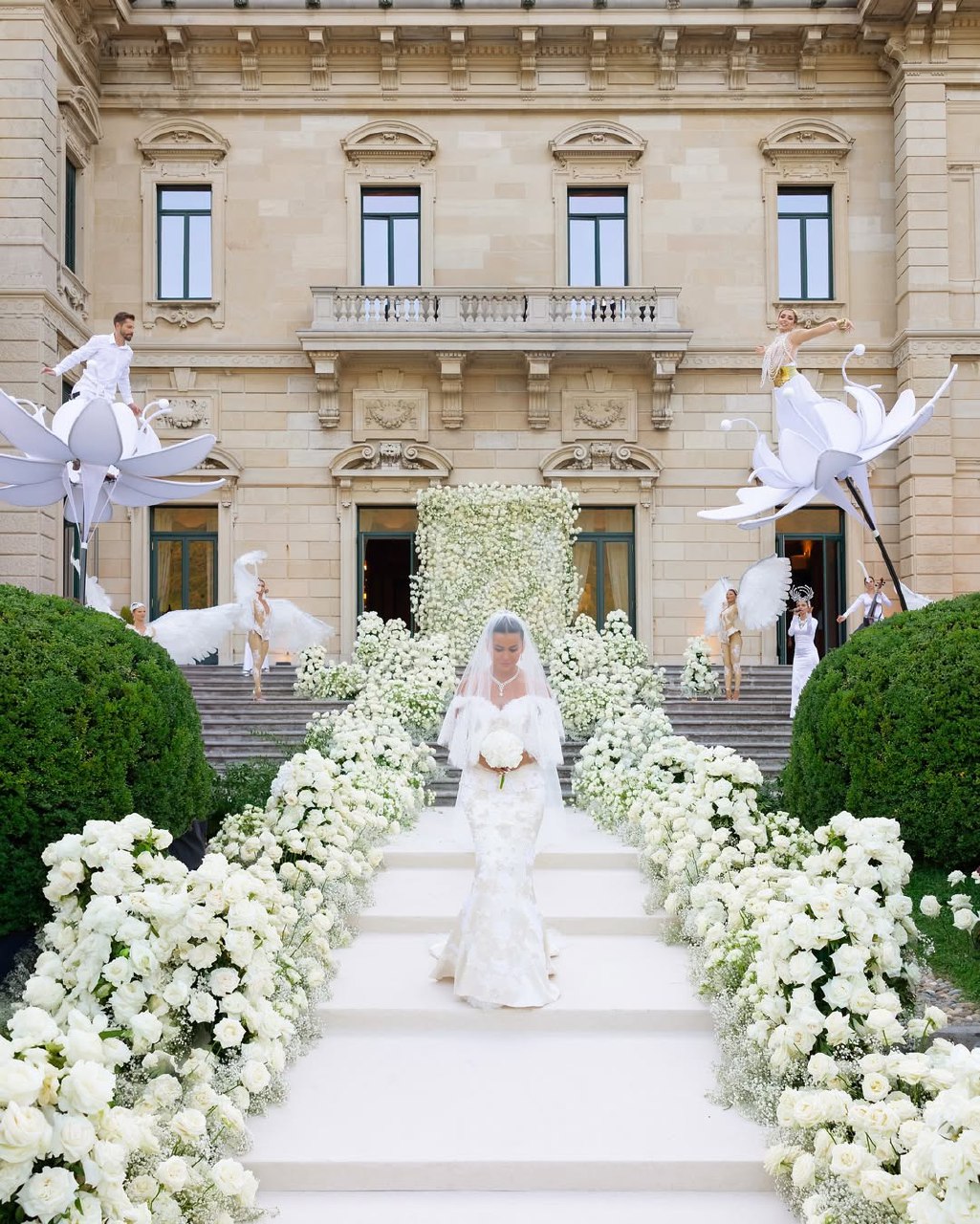
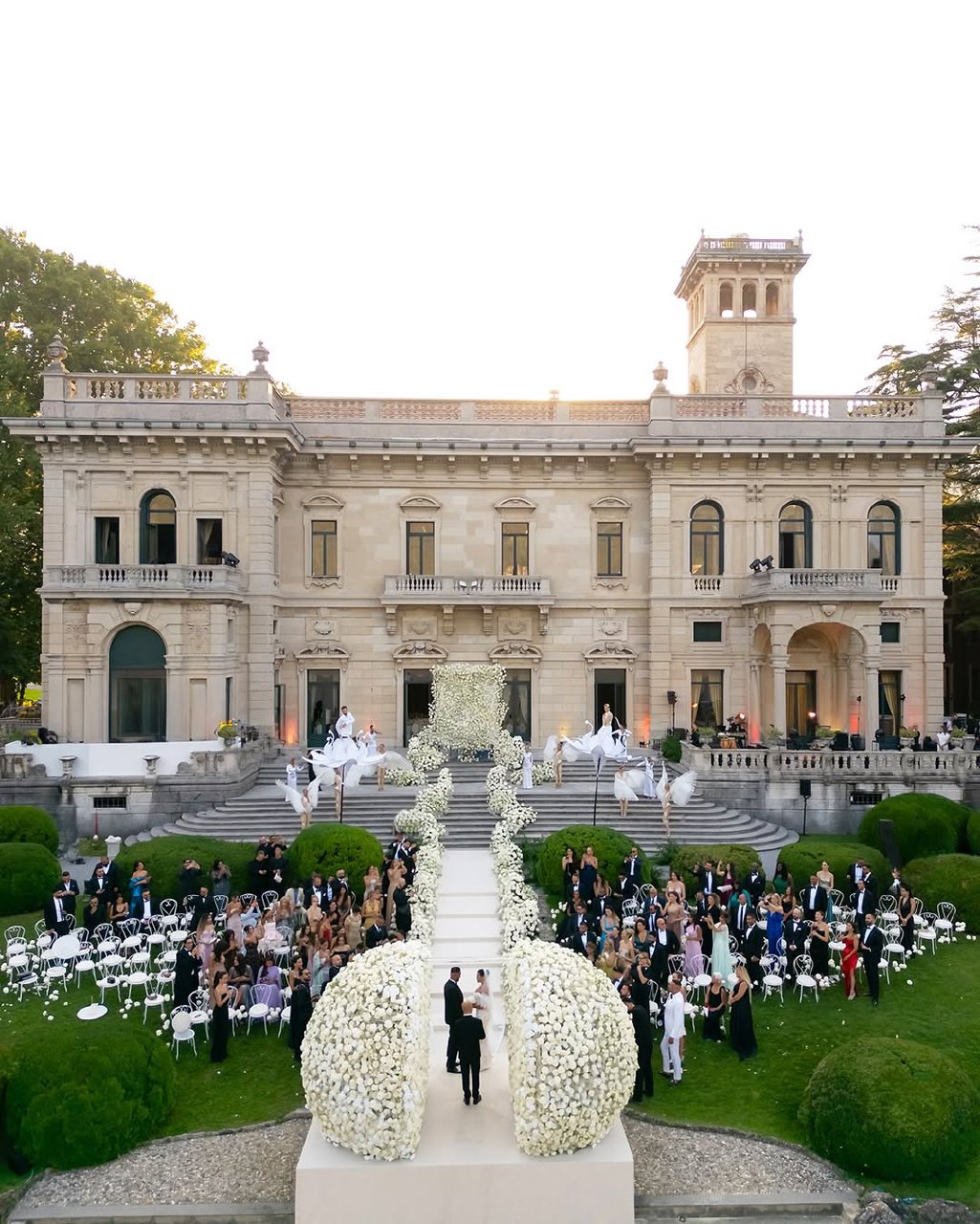
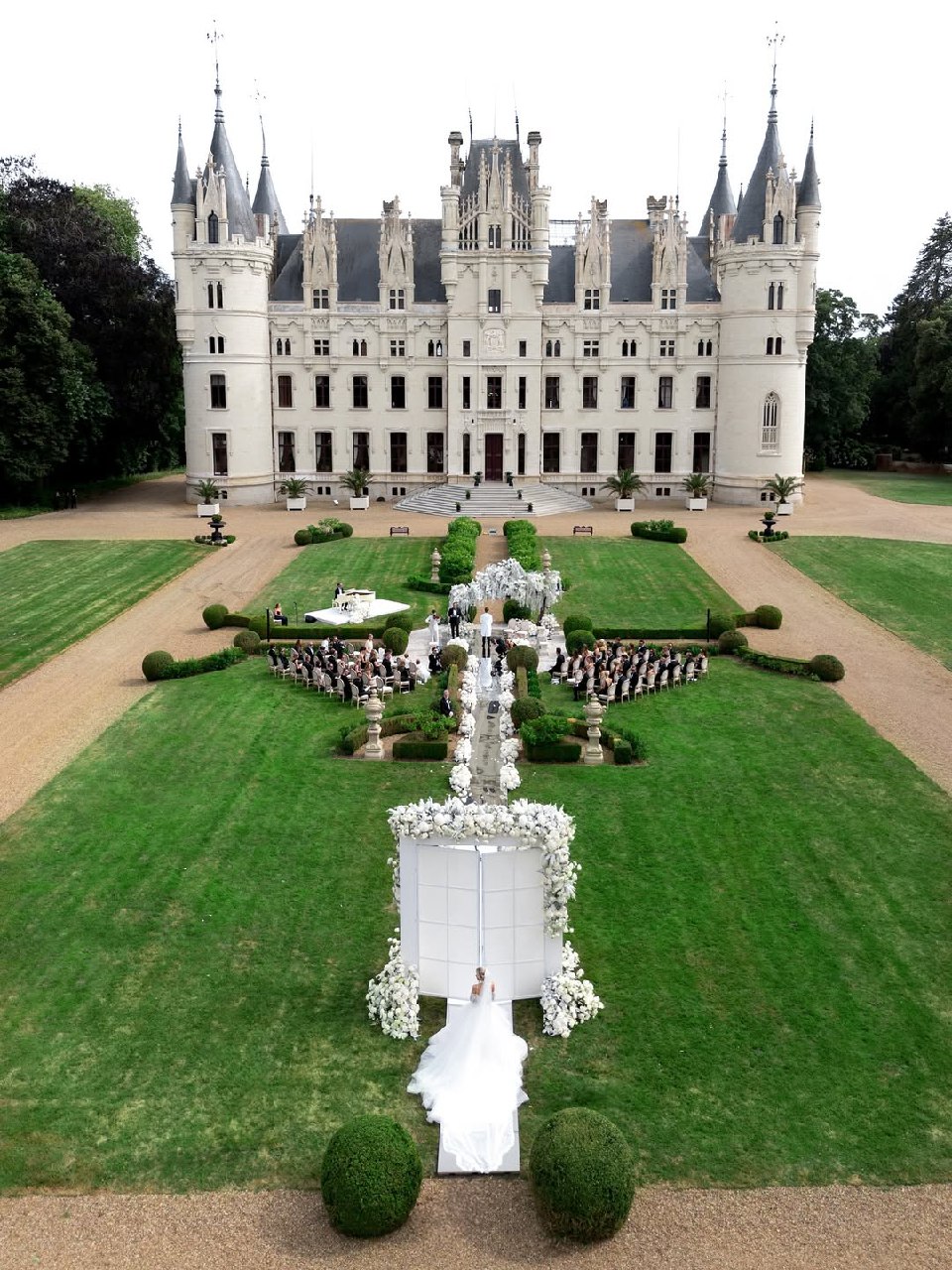
Learning from others' mistakes can save you from costly, stressful errors that compromise the quality of your celebration. The logistics of outdoor wedding venues can be deceptively challenging, as nature doesn't provide the infrastructure that indoor venues include in their rental fees.
Most common mistakes include:
- Not having a genuine backup plan (hoping for good weather isn't a plan, and deciding day-of creates chaos)
- Ignoring guest comfort (prioritizing aesthetic over basic human needs creates miserable guests, regardless of how pretty everything looks)
- Underestimating lighting needs (what looks adequately lit to your eyes becomes too dark for photography and guest comfort)
- Poor timeline planning (not accounting for natural light changes, temperature fluctuations, or how long setup actually takes in locations without built-in infrastructure)
- Inadequate sound system (outdoor acoustics differ completely from indoor, and an underpowered sound system means guests can't hear the ceremony or the toasts)
- Forgetting permits (many public and some private outdoor spaces require permits for events, and discovering this late causes problems)
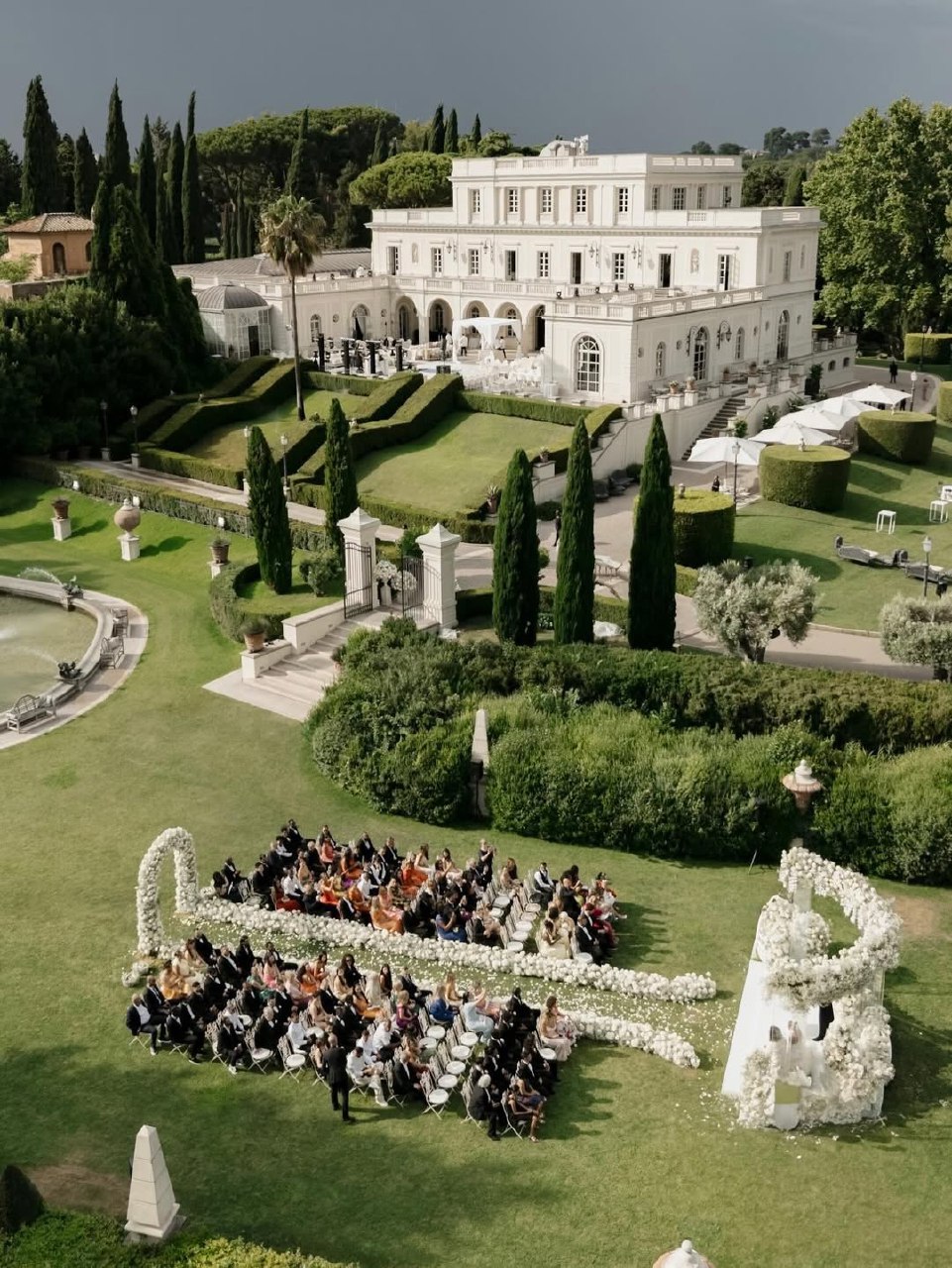
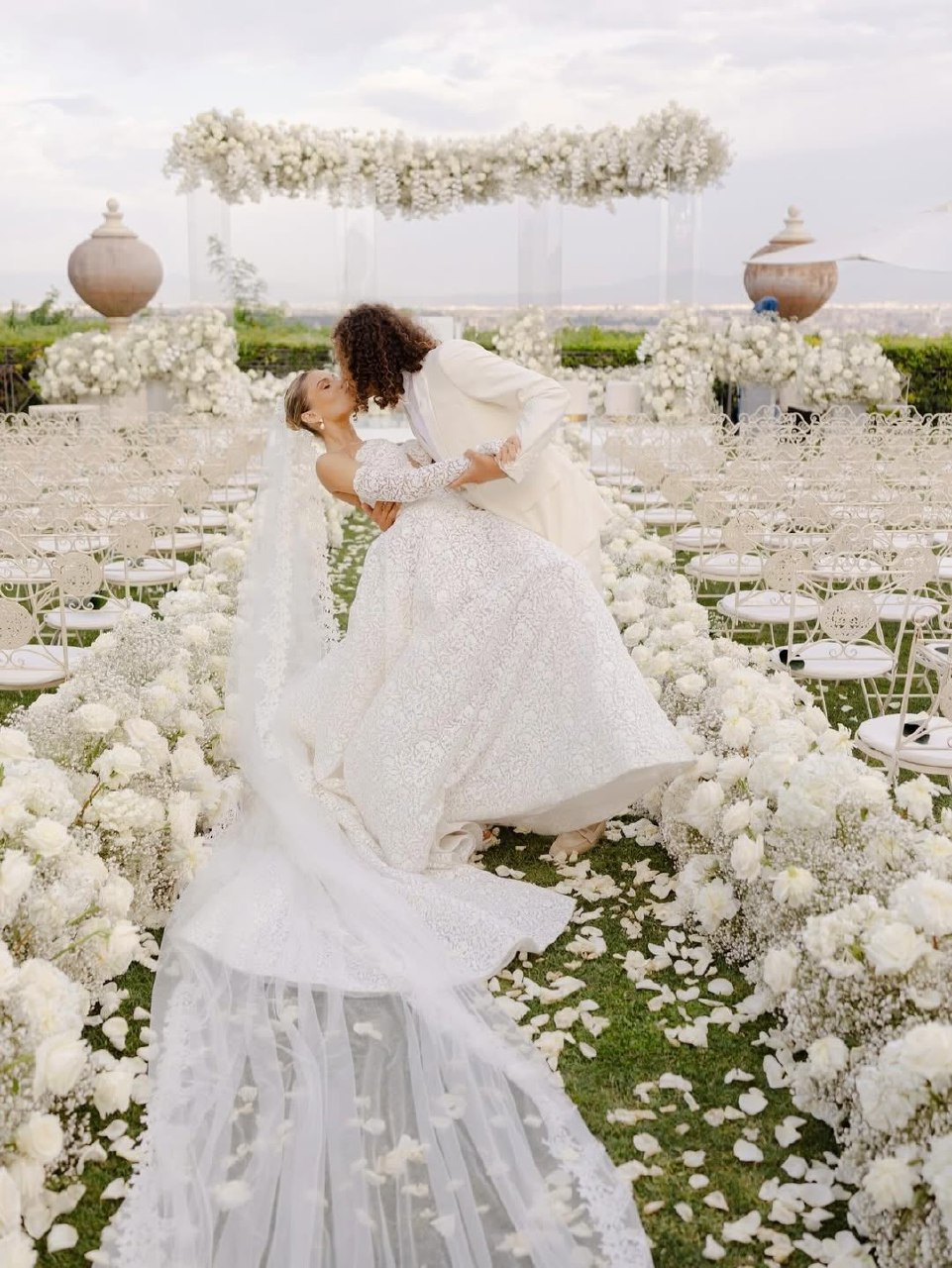
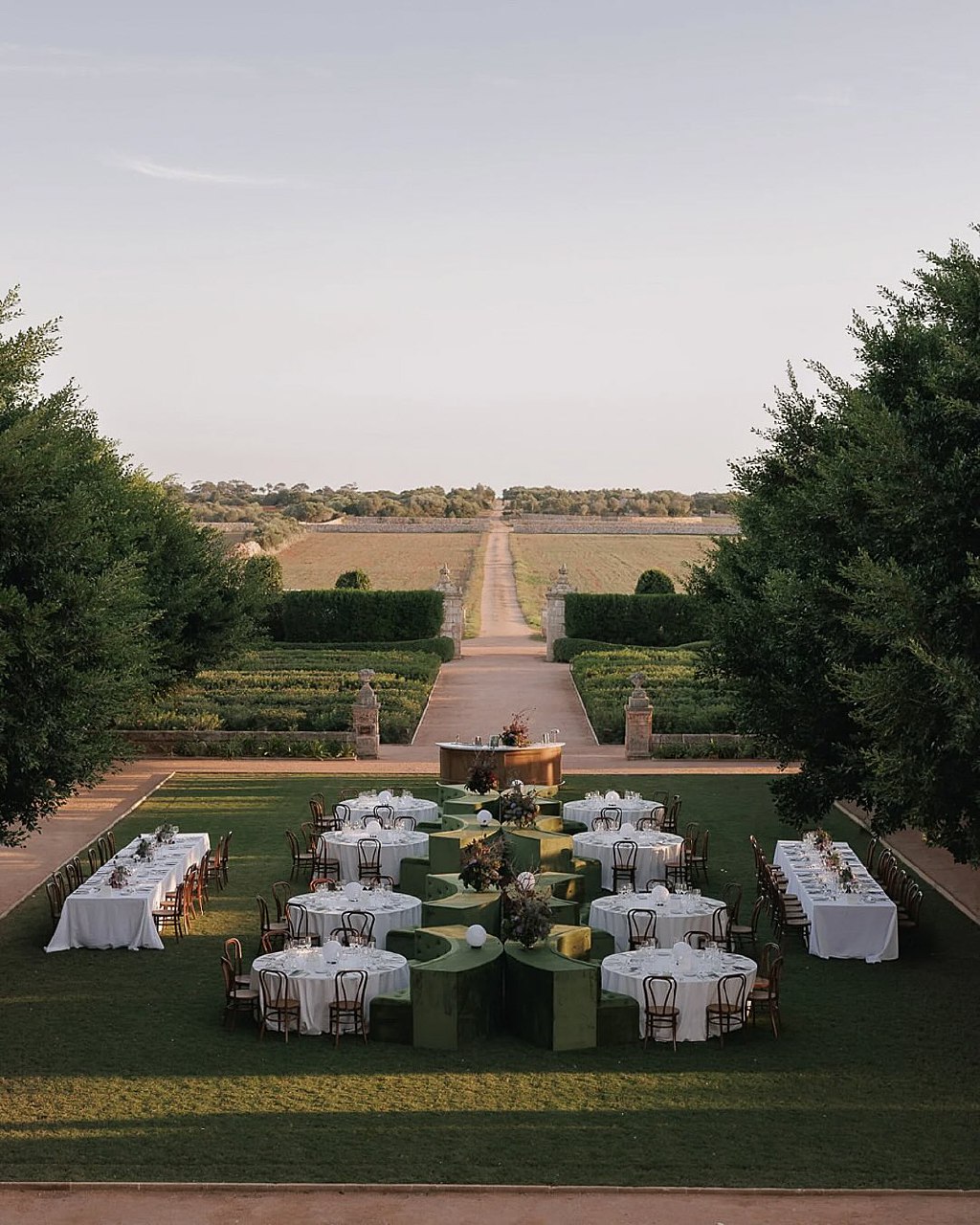
The common factor in most failed outdoor weddings is underestimating the complexity involved. What may seem simple, such as a ceremony in a field followed by dinner under the stars, requires significant infrastructure and planning to execute well. Outdoor barn weddings and similar rustic celebrations may look effortlessly beautiful in photos, but they require hours of professional planning to ensure that electricity, restrooms, lighting, and weather protection all function invisibly.
Whether it's an outdoor wedding near me or a destination celebration, one thing is certain: they require more planning than traditional venue weddings. However, they offer experiences that go beyond what four walls and air conditioning can provide. The freedom, connection to nature, and the way light, air, and space transform a celebration into an experience justify the additional complexity of celebrating outside. Your wedding won't be held in a ballroom that has hosted 10,000 identical celebrations. It's happening in a specific place, at a specific moment, under the open sky, in conditions that will never be exactly the same again. This is not a liability requiring perfect control; it's the whole point. It's the imperfection that makes it yours.