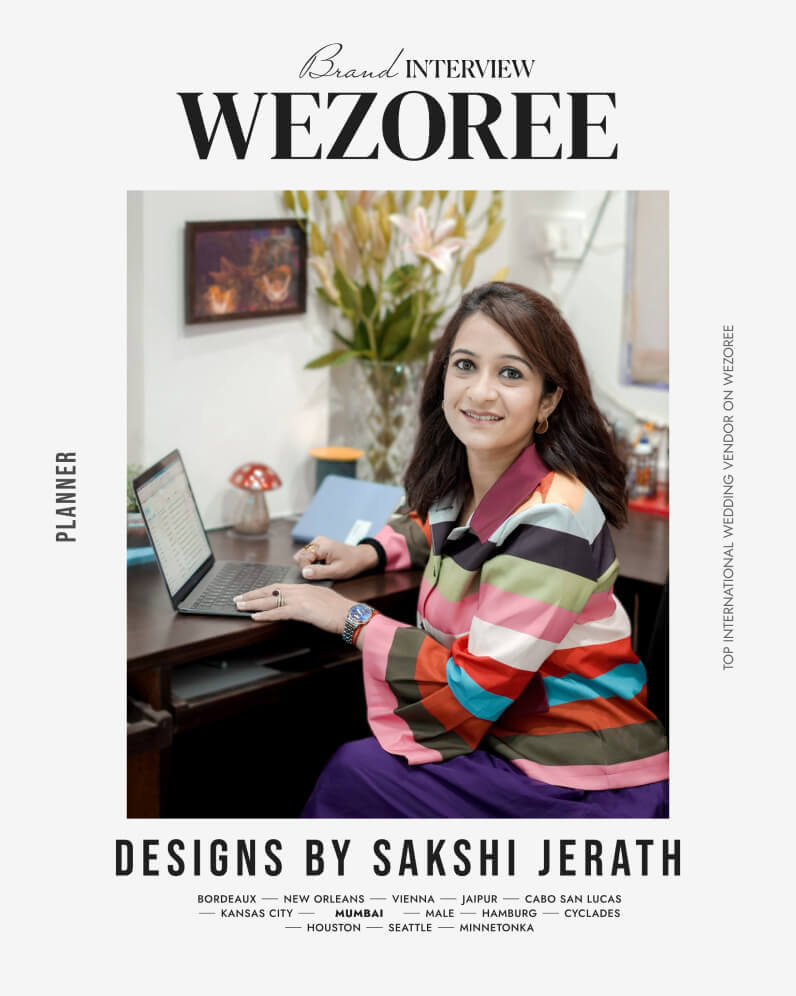
Sakshi Jerath on Building Weddings That Can Survive Any Storm
AUTHOR: Natali Grace Levine
READING TIME: 5m 15s
PUBLICATION DATE: 08/07/2026
UPDATED: 08/07/2026
AUTHOR: Natali Grace Levine
READING TIME: 5m 15s
PUBLICATION DATE: 08/07/2026
UPDATED: 08/07/2026
The night before one of her biggest weddings, Sakshi Jerath watched thirteen years of dry Udaipur weather break in a single downpour - the kind that grounded flights and forced guests to drive in instead. What happened over the next twelve hours says more about how she works than any mission statement could. Based in Mumbai and running Designs by Sakshi Jerath, she's spent over a decade building some of India's most architecturally ambitious weddings, planning 15 to 20 a year for some of the country's most influential families.
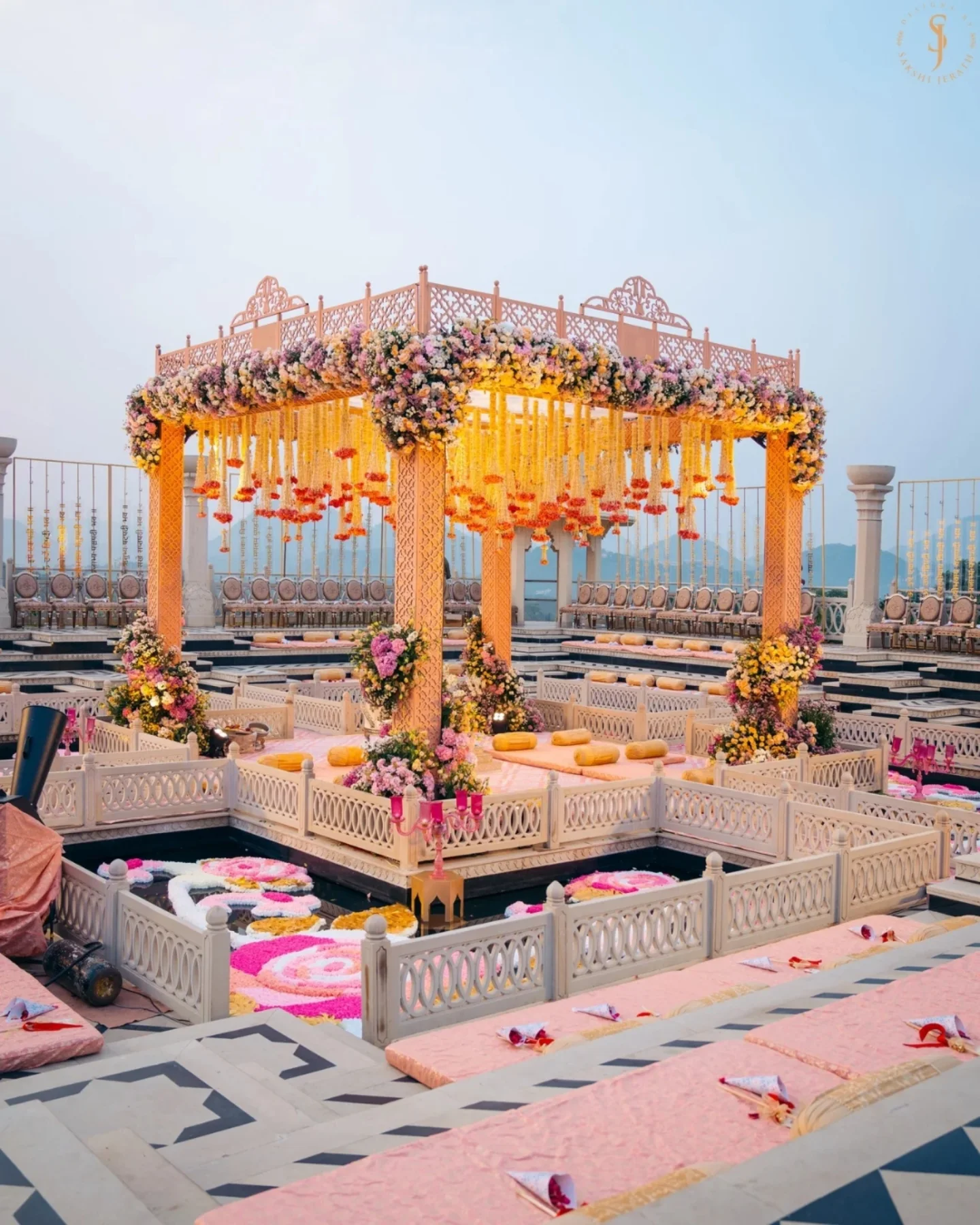
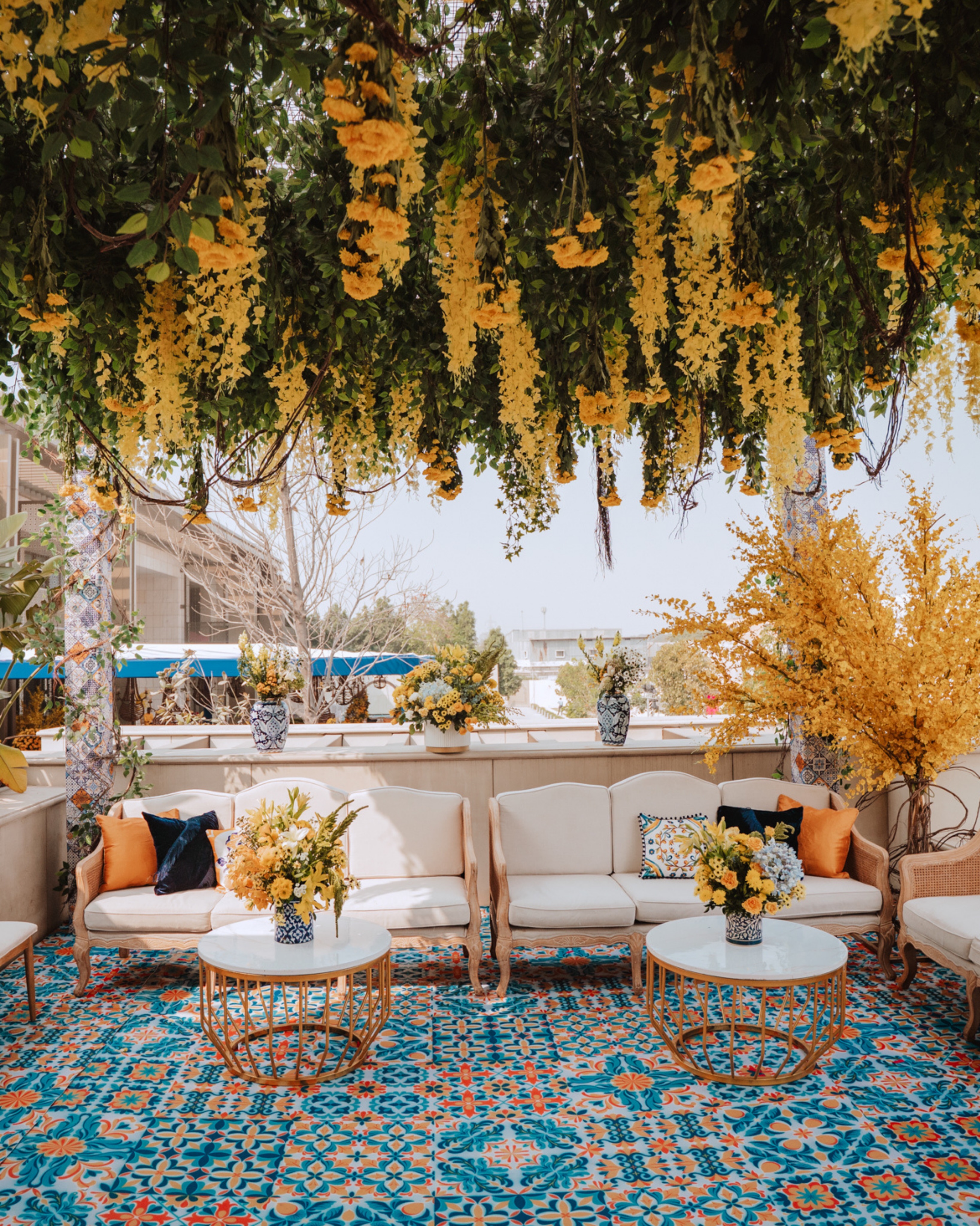
Sakshi didn't start out planning weddings. "My journey into wedding planning began around 2010, at a time when the industry was truly coming into its own," she says. "Coming from a fashion design background, I was always drawn to creativity, scale, detailing, but I found my canvas too small. The wedding and events industry changed that completely. It gave my creativity the scale it had always been looking for, and once I experienced it up close, there was no looking back."
A move and a chance meeting turned that shift into a business. "In 2015, after my marriage, I moved from Delhi to Mumbai," she recalls. "Shortly after, I met my first client, someone who was looking for fresh ideas and trusted me with their son's wedding at NSCI, one of Mumbai's largest venues. That became the first wedding I designed, and it marked the beginning of DSJ."
More than ten years later, the appeal hasn't worn off. "What I love most is that no two weddings are ever the same," she reflects. "Every family comes with their own story, their own vision, and their own emotion, and my job is to translate all of that into something tangible and beautiful. There is something incredibly fulfilling about taking an idea that exists only in someone's mind and bringing it to life in a space, in a moment, in a way that stays with them forever."
Ask Sakshi what kind of weddings she likes to plan most, and the answer isn't about a color palette.
"We have a very distinct design philosophy that makes our weddings stand out," she explains.
 We are known for our work on India's most ambitious wedding projects. Our team specializes in architectural design at private estates and elite locations for some of India's most influential families, and we plan and design every aspect of the wedding.
Asked which wedding she remembers most, Sakshi doesn't hesitate - though the reason has almost nothing to do with how it looked.
"Without a doubt, it was a recent wedding at Raffles Udaipur," she recalls. "Every detail was planned in close collaboration with the father of the groom. We spent weeks in Udaipur, meeting vendors, refining every element, and building something we were both deeply invested in."
Then the weather turned. "Then, the day before the wedding, it rained," she says. "Not a passing shower, a downpour of the kind Udaipur hadn't seen in 13 years. Flights were diverted to Ahmedabad, the bride, groom, and their families couldn't arrive as planned, and guests had to drive down instead. Almost everything we had meticulously put together had to be rethought overnight."
What followed tested the entire team at once. "What followed was one of the most intense nights of my career," she recounts. "Vendors re-fabricated damaged structures through the rain, my team moved materials through waterlogged areas, venues were swapped at the last minute, the indoor reception became the sangeet space, and the original outdoor sangeet venue was repurposed for the final day reception. Every decision had to be made fast, and there was no room for error."
By the next evening, none of that scrambling was visible. "But everything came together," she says. "And when it did, it felt like more than just a successful event. It felt like a testament to what a great team, a trusting client, and genuine commitment to the work can pull off under the worst possible circumstances. That wedding will stay with me for a long time."
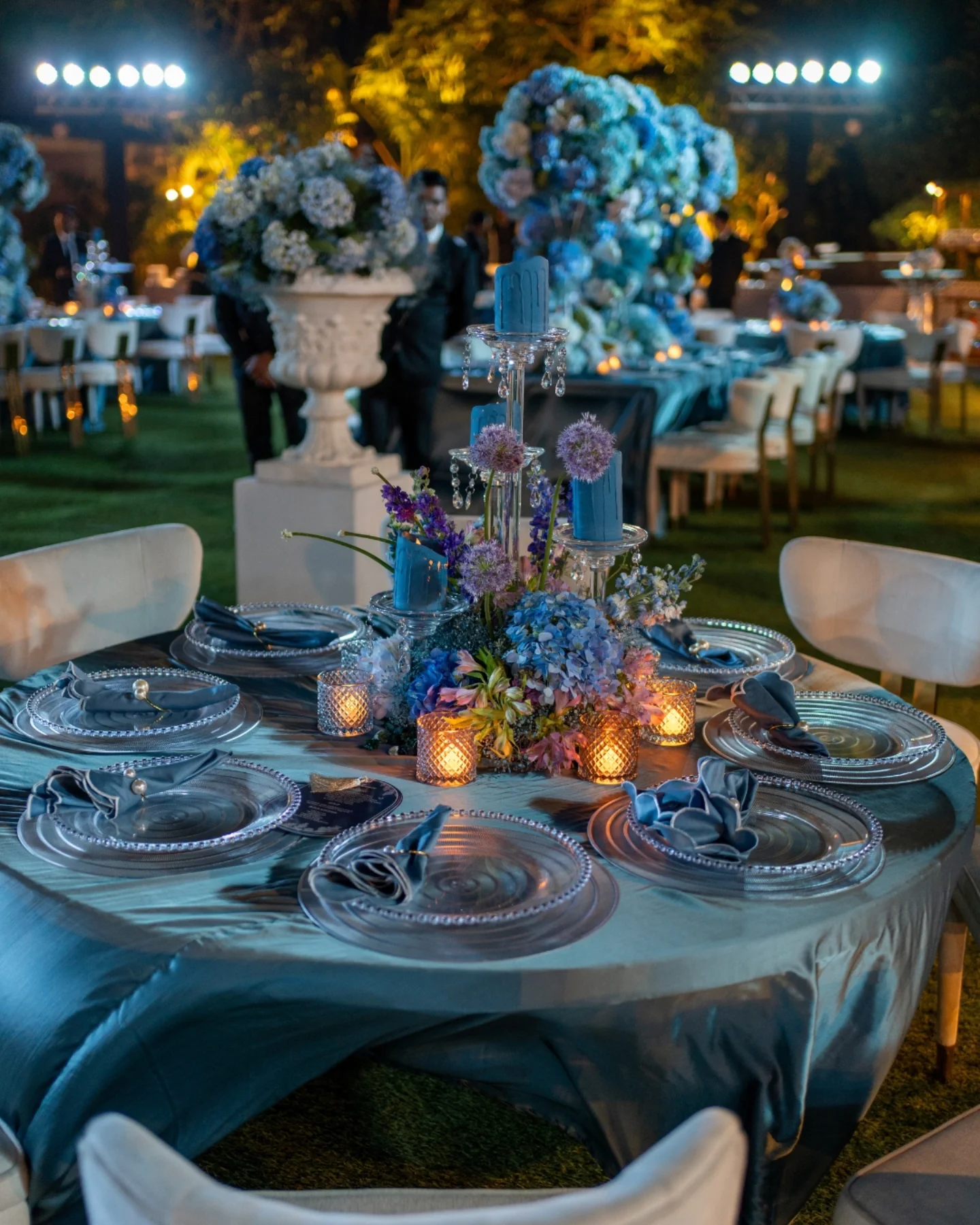
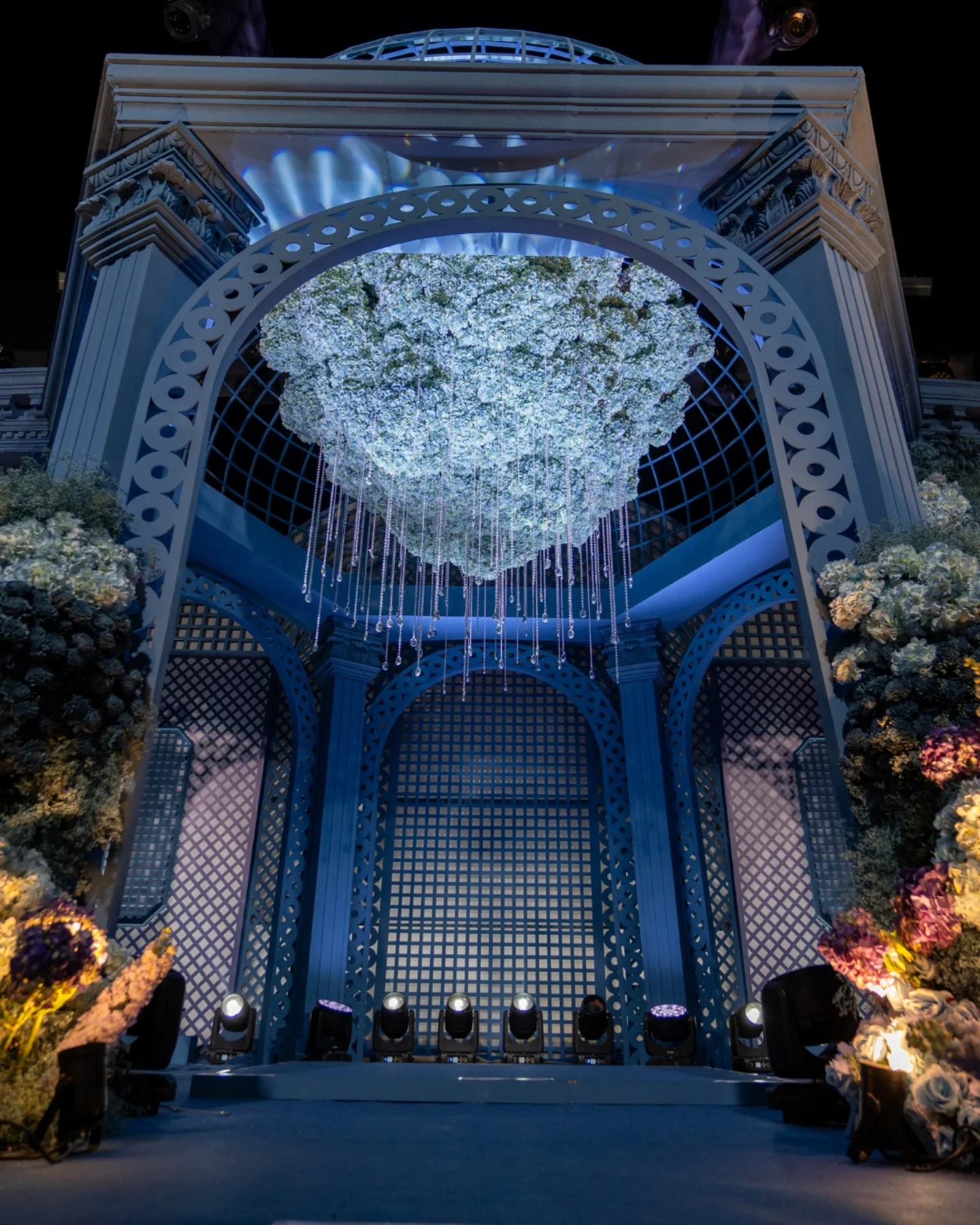
Before any concept gets built, Sakshi's process starts somewhere quieter. "It always starts with listening," she explains. "Before we bring a single idea to the table, we immerse ourselves completely in the client's vision around the event. Only once we truly understand what they're looking for do we begin translating that into concepts."
Nothing after that stays abstract for long. "From there, we work through detailed mood boards, 3D visualizations of the venue, decor references, lighting, sound, linen, florals - every element is presented visually so the client can see exactly what their wedding will look and feel like before a single thing is built," she notes. "Nothing is left to imagination or assumption."
The budget comes only once the direction is locked. "Once the creative direction is locked and every detail has been discussed and refined, we arrive at a budget that reflects the actual scope of work," she adds.
It's a process built on transparency, precision, and trust, and it's what allows us to deliver not just what the client asked for, but something that genuinely exceeds their expectations.
Running weddings at this scale means holding a lot of moving pieces at once. "The biggest challenge is holding everything together simultaneously - creativity, emotions, expectations, logistics, and budgets - while making sure the client's vision lands exactly as imagined," Sakshi says. "Every wedding is deeply personal, and every family arrives with their own priorities, their own dynamics, and their own idea of what perfection looks like. Navigating all of that while also managing vendors, timelines, production, permissions, and the inevitable last-minute curveballs is no small thing."
None of that, though, is the part she still finds hardest. "The real challenge, the one that never gets easier, is staying calm and solution-oriented when things don't go as planned," she reflects. "In this industry, there are no retakes. Everything has to come together at the right time, in the right way, no matter what's happening behind the scenes. Because at the end of the day, it's that one day for the bride, the groom, and their families. And that responsibility is something I take very seriously."
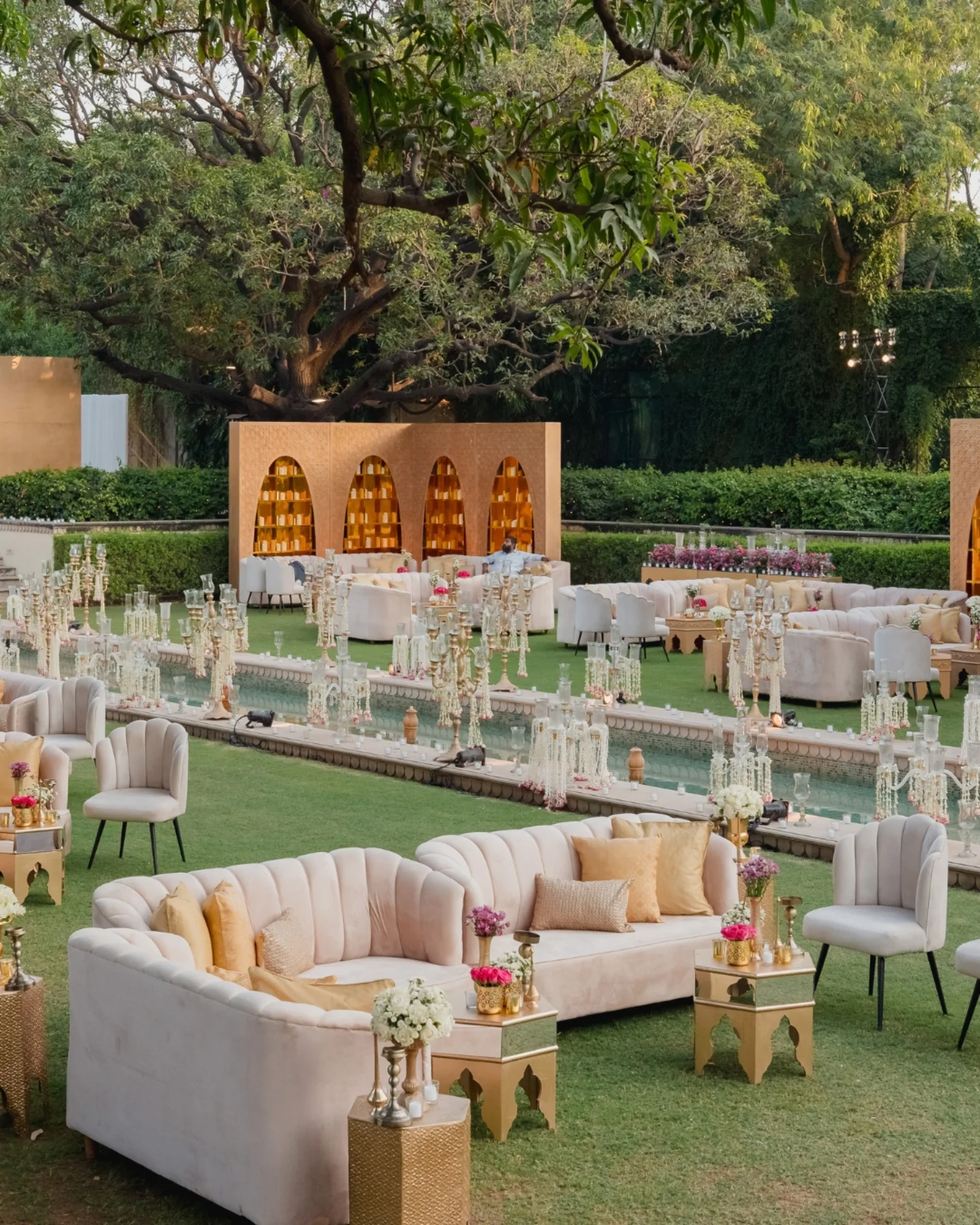
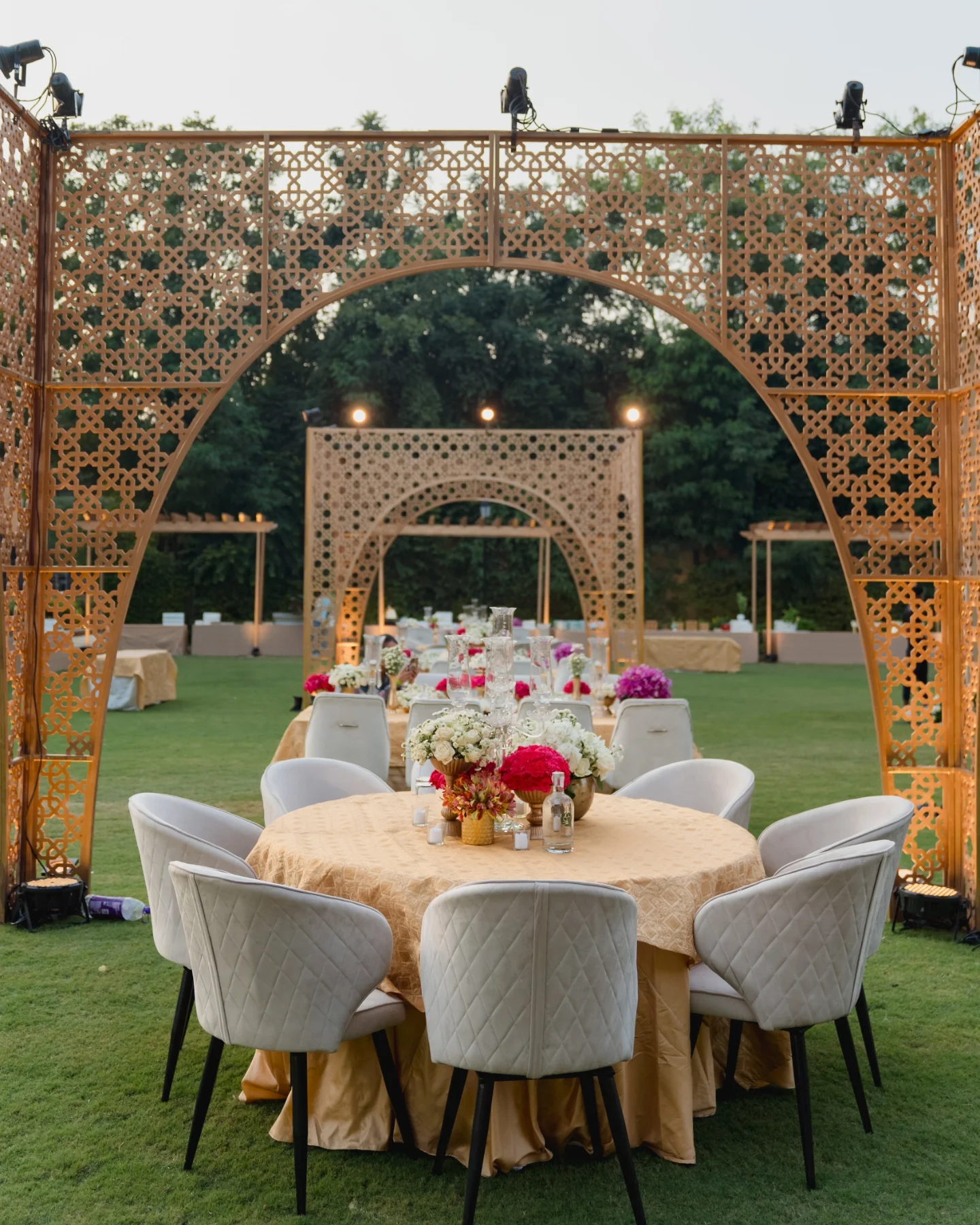
Sakshi's approach to budget starts with a conversation most planners skip past. "The best way to help a couple stay on budget is to first understand their priorities very clearly," she explains. "Once those priorities are clear, we can guide them on where to spend and where to be more practical. It is important to create a realistic budget from the beginning." Honesty, in her view, does more than a bigger budget ever could. "I feel transparency is very important," she notes.
As wedding planners, we should be honest about what is possible within a certain budget and suggest smart alternatives that still look beautiful without compromising the overall experience. At the end of the day, it is not always about spending more, it is about spending wisely and making sure the couple's money is used in the areas that truly matter to them.
Her advice to couples currently planning follows the same logic. "Be honest about your budget from day one, and find a designer who will be equally honest with you about what's achievable within it," she says. "The goal was never to spend the most, it's to spend wisely, on the things that will actually make your day feel like yours. And finally, trust your team. Once you've chosen the right people, let them do their job."
Asked what she'd tell herself at the very start of her career, her answer is just as short. "Trust the process and don't be afraid to start small," she says.