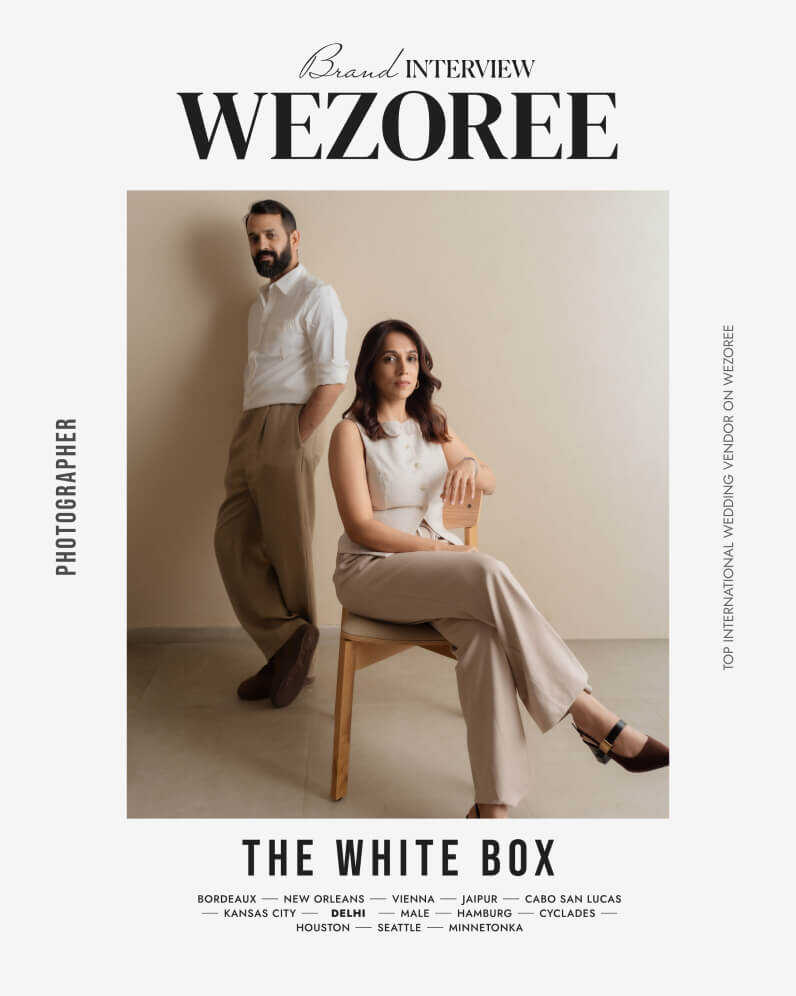
The White Box: A Painter’s Eye, a Filmmaker’s Sense of Time
AUTHOR: Natali Grace Levine
READING TIME: 3m 3s
PUBLICATION DATE: 08/24/2026
UPDATED: 08/24/2026
AUTHOR: Natali Grace Levine
READING TIME: 3m 3s
PUBLICATION DATE: 08/24/2026
UPDATED: 08/24/2026
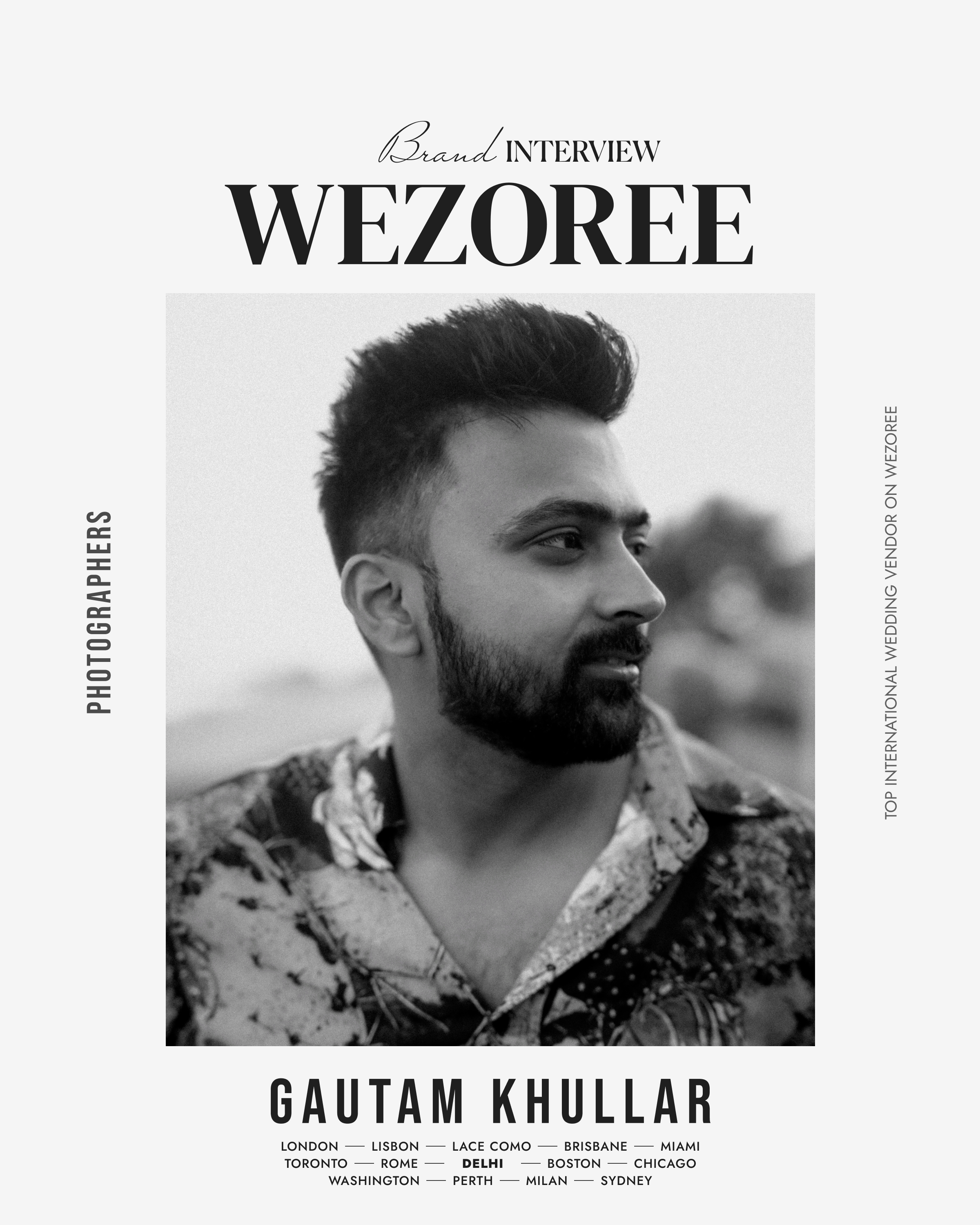
One of them spent years working on Hollywood productions - Life of Pi, 300, Alvin and the Chipmunks - long before a single wedding was ever on the schedule. The other trained in fine art in the UK, learning to read a frame the way a painter reads a canvas. In 2017, Sumit Bhardwaj and Jituli Punjabi brought those two backgrounds together and founded The White Box, a boutique wedding photography and film collective based between Delhi and Mumbai. Nine years and roughly forty weddings a year later, across India, Thailand, Europe, Australia, and Dubai, that original pairing of cinema and fine art still shapes how they work.
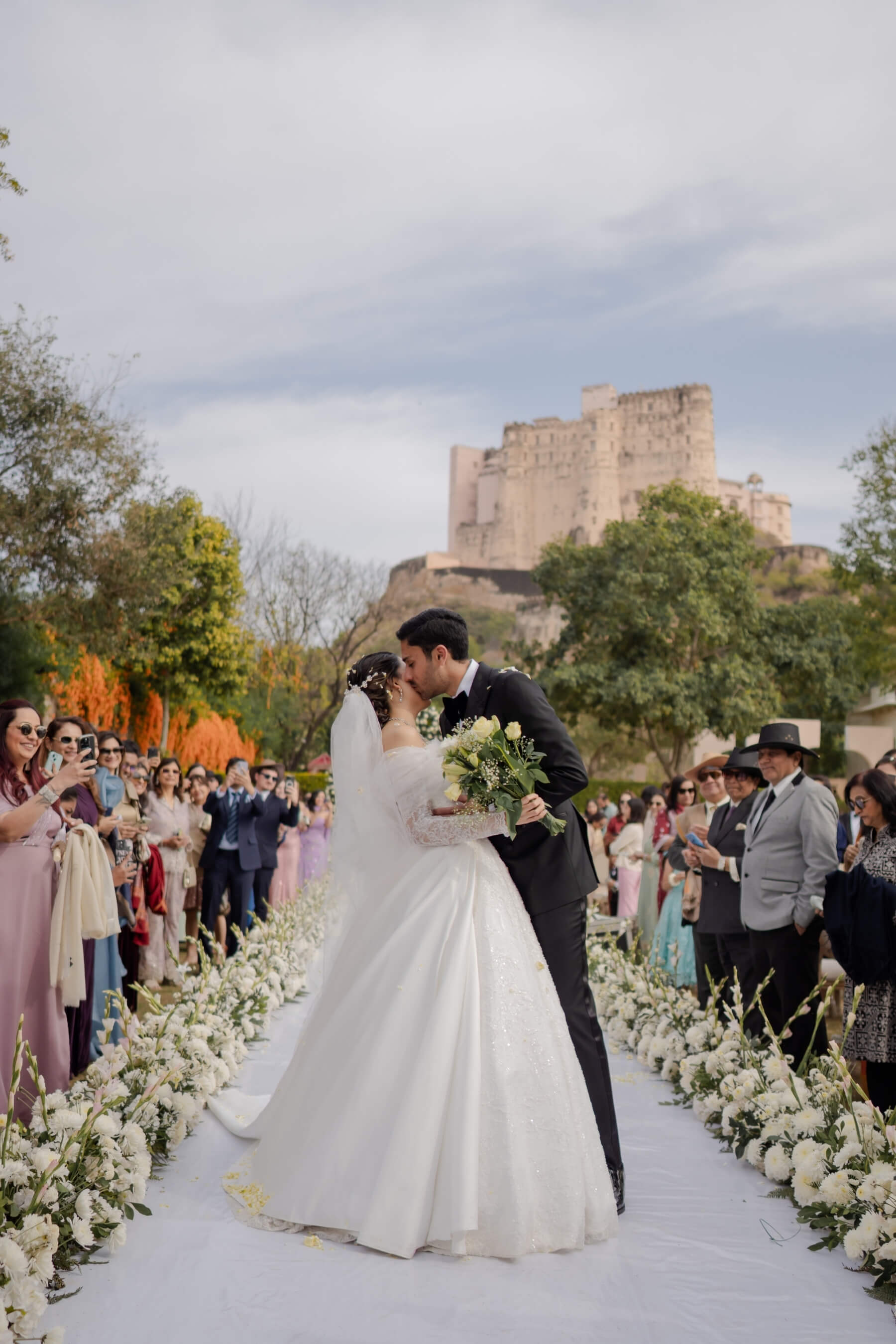
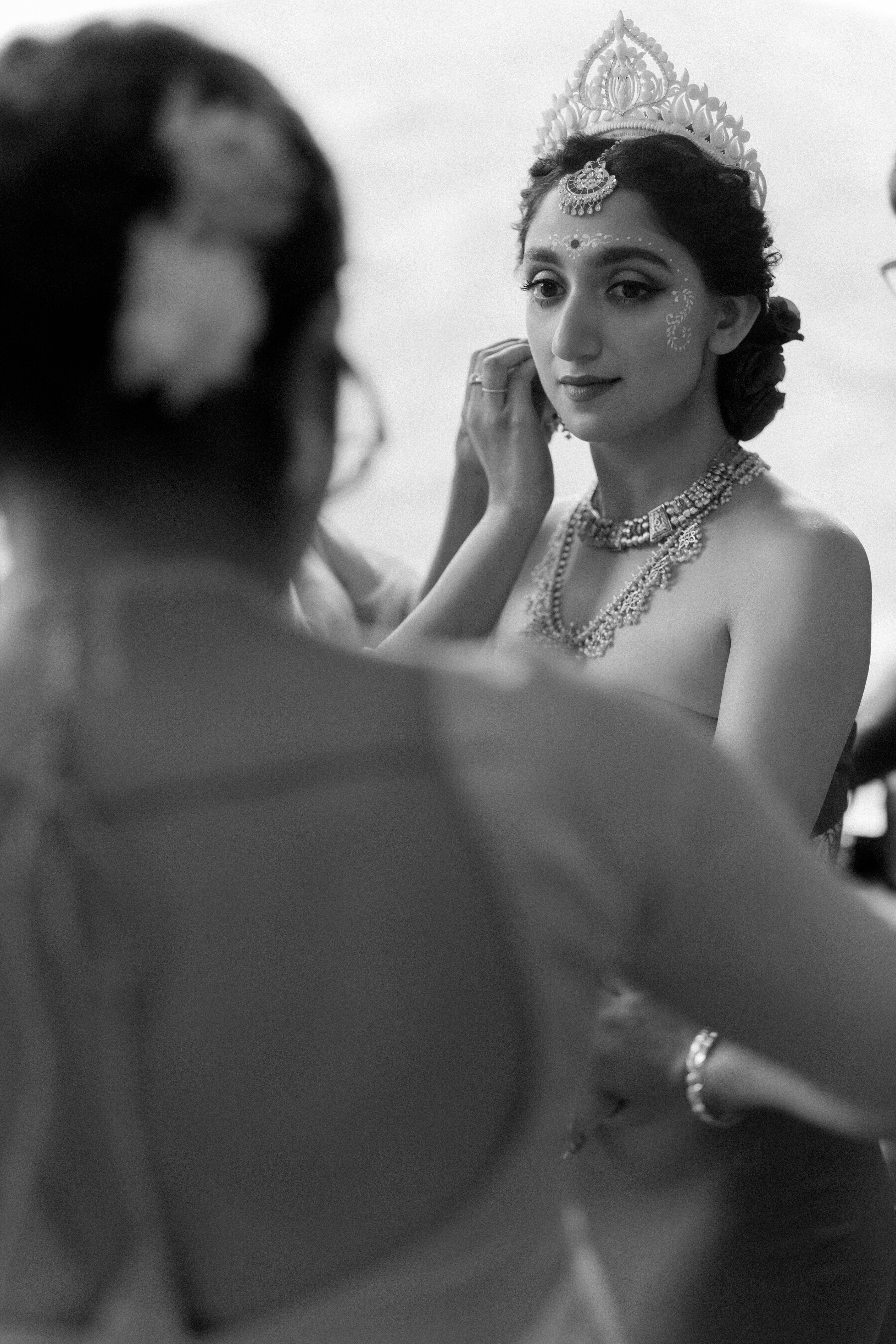
"The White Box was founded in 2017 by us, Jituli and Sumit, with a shared belief that weddings deserve to be documented with the same intention and artistry as cinema and fine art," the pair explains. Each partner brought something the other didn't have.
"Our backgrounds naturally complement one another. Sumit brings cinematic expertise shaped by his work on Hollywood productions such as Life of Pi, 300, and Alvin and the Chipmunks, while Jituli brings a Fine Art foundation from the UK, approaching every frame with an artist's eye for composition, light, and emotion."
That combination eventually became something bigger than the two of them. "Over the years, we have built The White Box into a boutique collective of filmmakers, photographers, and creatives who share the same philosophy," they explain.
 We intentionally work with only a select number of couples each year because we believe every love story deserves our complete attention. This allows us to move beyond conventional wedding coverage and create photographs and films that feel deeply personal, emotionally honest, and timeless.
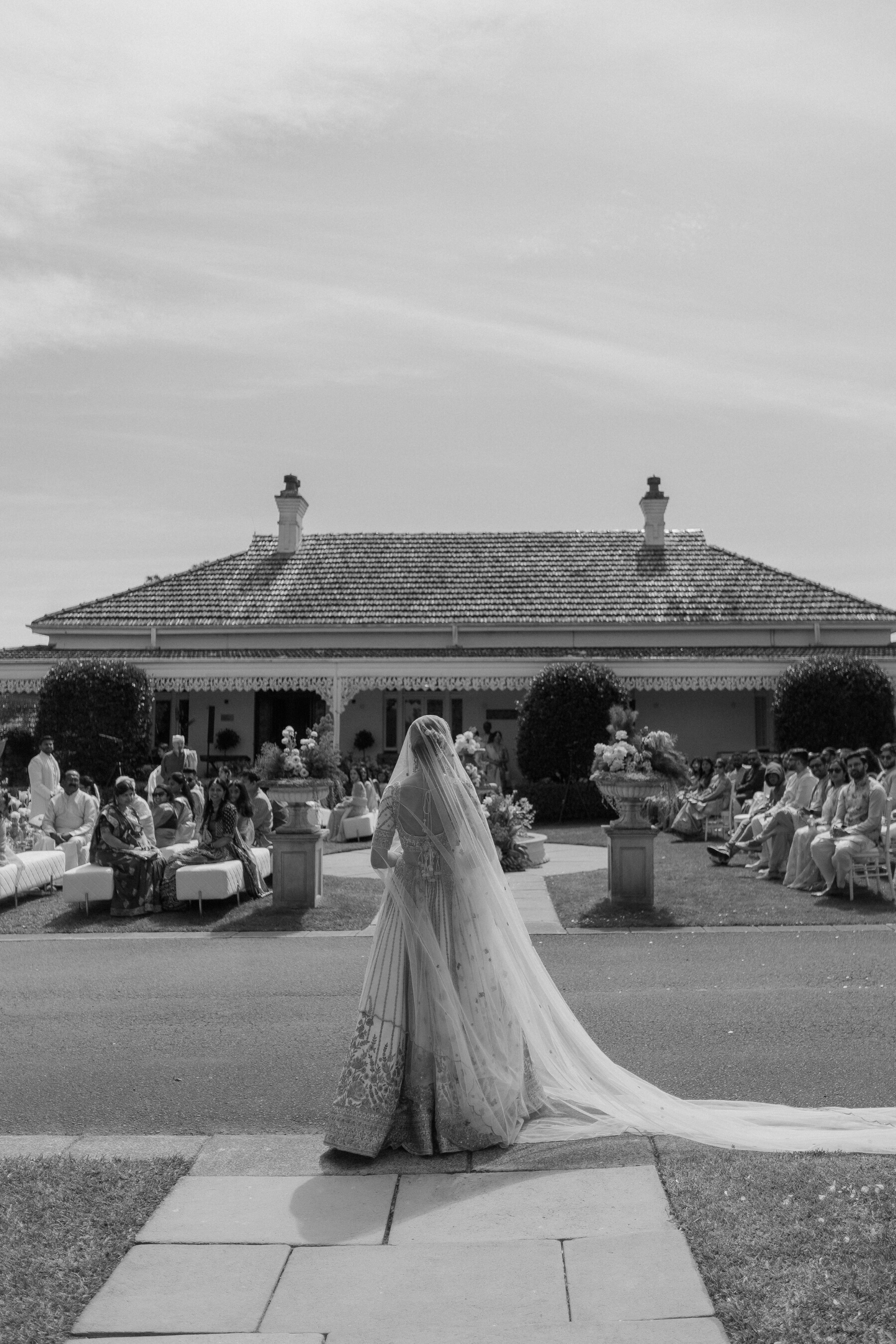
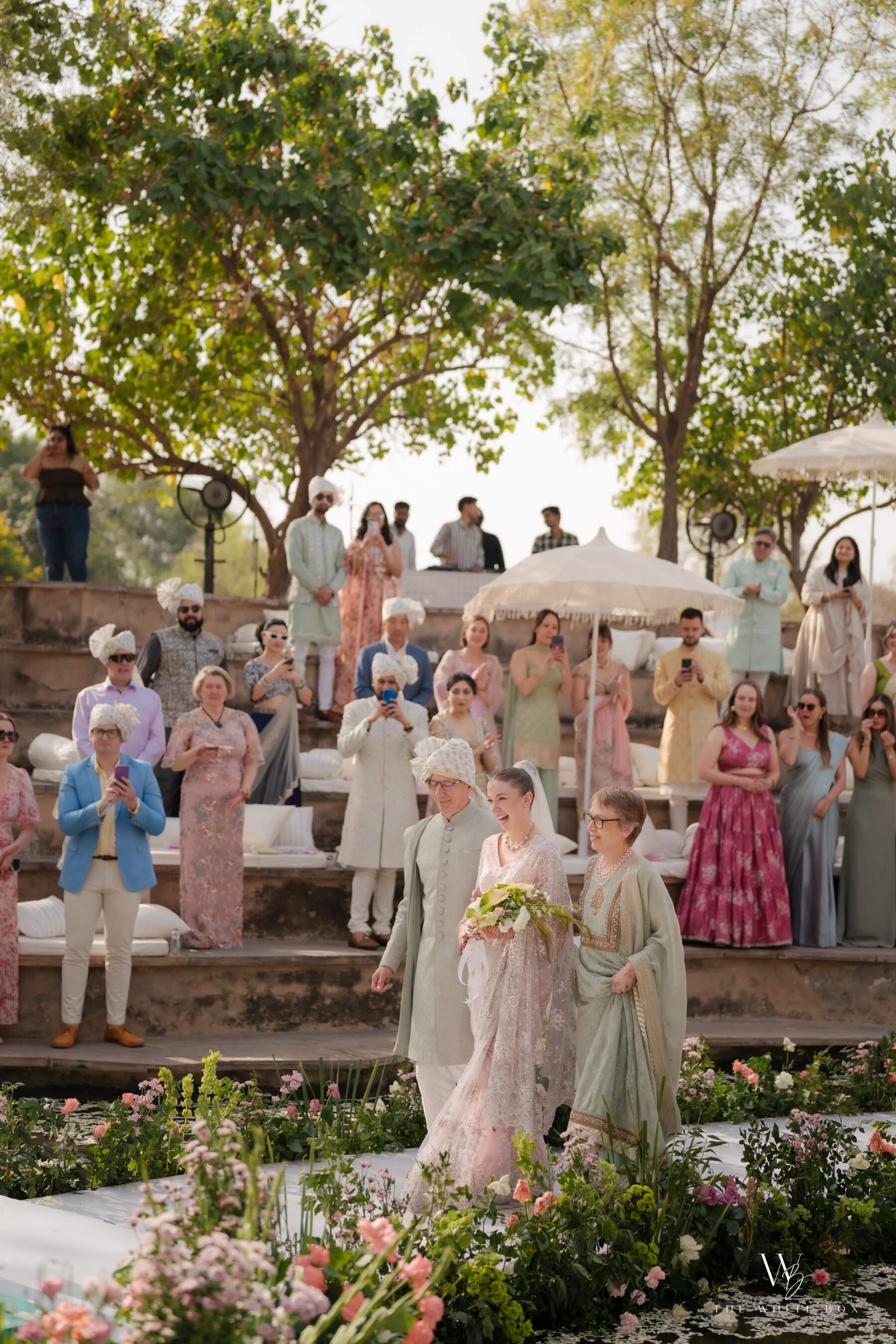
Forty weddings a year is a substantial number for a team that describes itself as boutique - but the selectivity, as Jituli and Sumit tell it, happens at the level of which couples they take on, not how many. Their work now stretches well beyond Delhi and Mumbai, into Punjab, Thailand, Europe, Australia, and Dubai, and they're available worldwide beyond that.
That much travel isn't incidental to the job - it's part of what keeps the work interesting after nine years.
What continues to inspire us most is the opportunity to witness the quiet essence of human relationships beyond the spectacle of a wedding day,
they reflect.
"Through our lens, we discover the moments that reveal who people truly are, while travelling across the world allows us to experience the many ways different cultures celebrate love, family, and belonging. Every story leaves us with a deeper appreciation for the universality of human connection, and that sense of discovery continues to shape the way we photograph every celebration with honesty, intention, and heart."
Some questions get a paragraph from this pair. Others get a sentence. Asked for their most unforgettable wedding location, the answer is simply "Marbella, Spain." Asked what keeps inspiring them after so many years of photographing weddings, it's just as concise: "The simplicity and complexity of love in a relationship."
Asked which wedding has stayed with them most, though, Jituli and Sumit point to a celebration built entirely around a couple's values rather than aesthetics. "Sanya and Rahil reminded us that weddings can become a powerful expression of personal values," they recall.
"Their celebration was designed to minimise its environmental impact through conscious choices, including a completely vegan menu and planting a tree in every guest's name. Their love for animals and genuine commitment to sustainability shaped every aspect of the day, creating a celebration that was as thoughtful as it was beautiful. More than anything, they wanted to show that love can inspire positive change beyond the wedding itself."

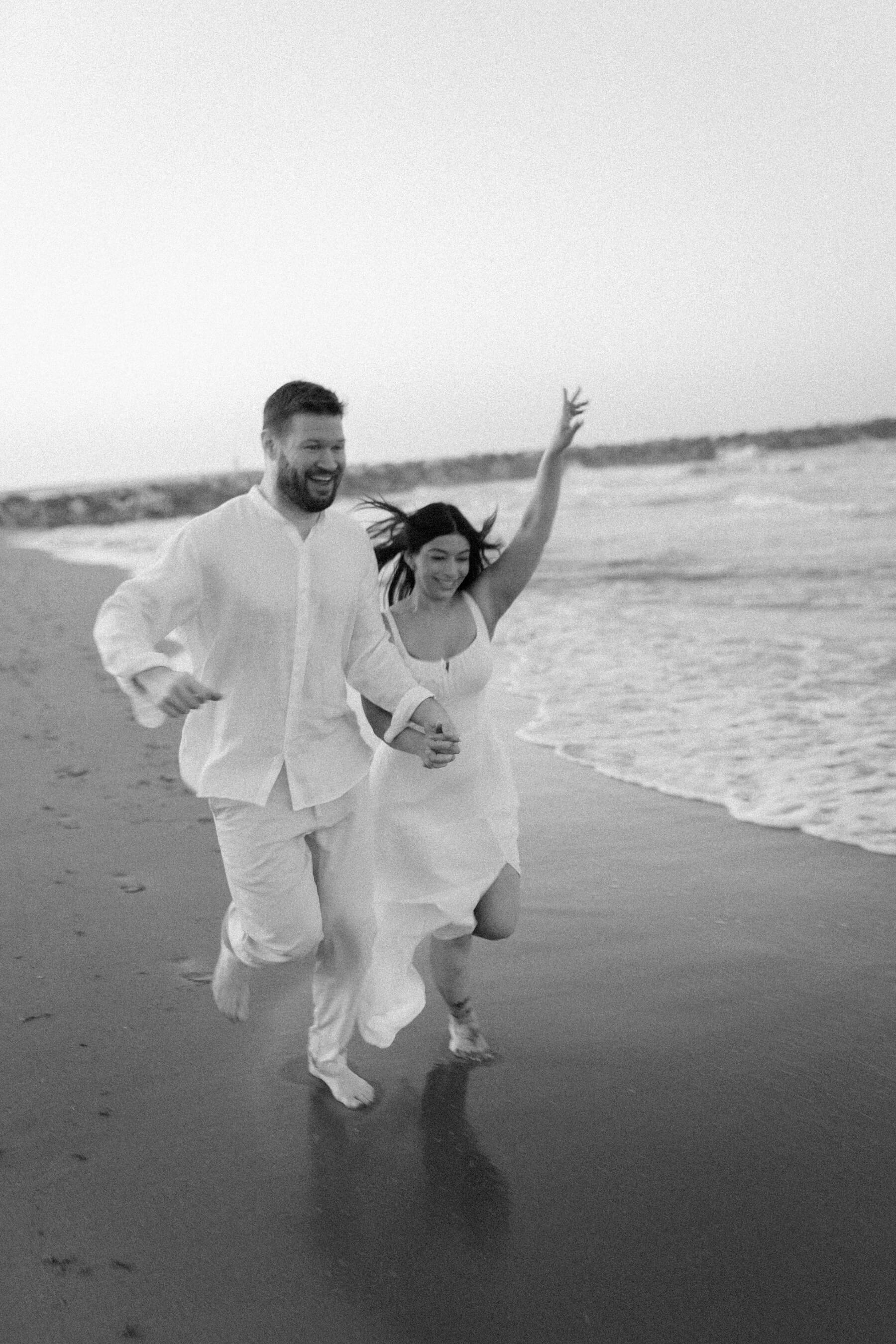
Beyond the technical partnership between cinema and fine art, there's a quieter influence on how Jituli and Sumit actually work on the day itself.
"Our interest in spirituality has deeply influenced both our lives and our work," they say.
As facilitators of The Art of Living program, we have come to appreciate the importance of presence, empathy, and authentic human connection. That perspective naturally extends into the way we photograph.
In practice, that means spending real time with couples before the cameras are even part of the picture. "We spend time understanding our couples beyond the wedding itself, creating an environment where they feel safe, understood, and completely at ease," they explain. "Once that trust is established, the camera quietly disappears, allowing genuine emotion to unfold without performance."