Sabareesh Sankar and the Family Business He Had to Leave First
AUTHOR: Natali Grace Levine
READING TIME: 4m 54s
PUBLICATION DATE: 09/24/2026
UPDATED: 09/24/2026
AUTHOR: Natali Grace Levine
READING TIME: 4m 54s
PUBLICATION DATE: 09/24/2026
UPDATED: 09/24/2026
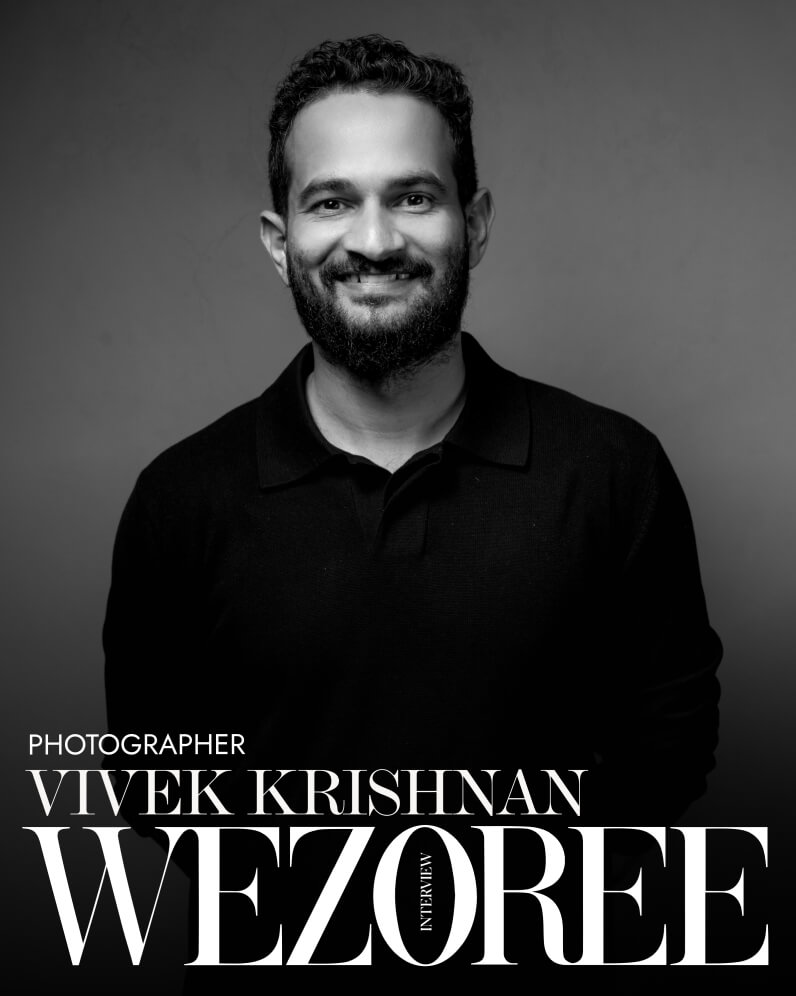
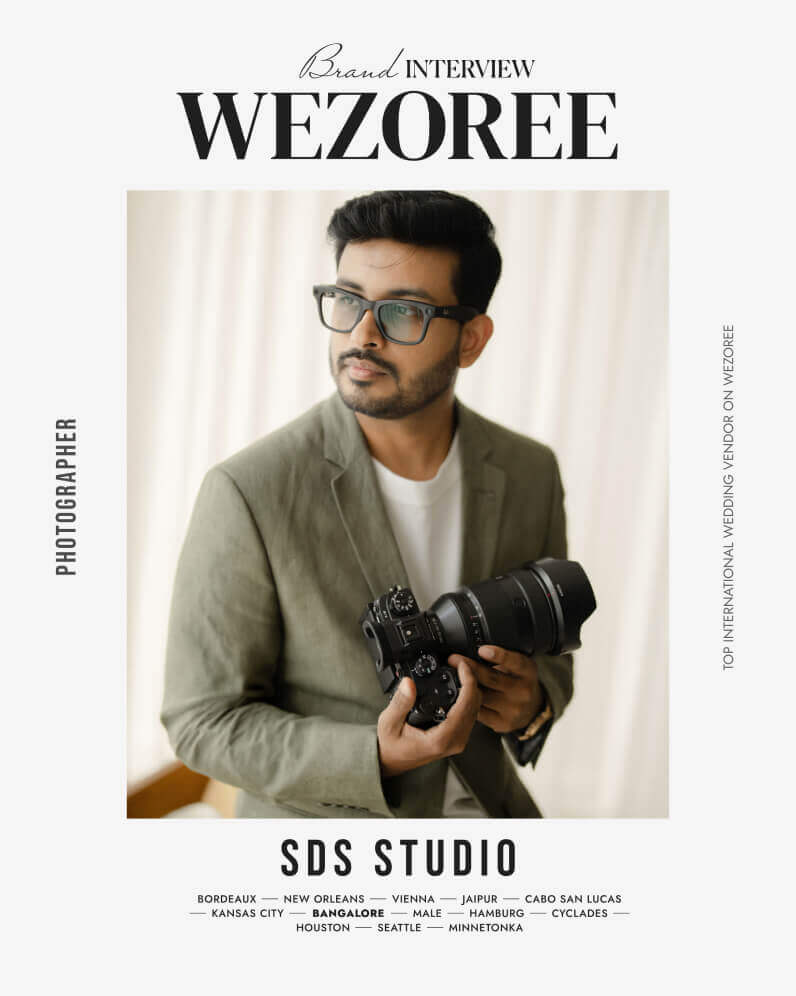
Sabareesh Sankar trained as a Chemical Engineer and spent three and a half years at Infosys before he ever called himself a photographer professionally - even though he'd grown up inside a photography studio his father founded in Kerala back in 1983.
It took helping out on weekends, almost by accident, for him to realize what actually drew him to the work wasn't the camera at all. Today, as Creative Director and Lead Photographer at SDS Studio, based between Bangalore and Mumbai, he's documented more than 500 weddings across India and internationally, shooting around 40 a year.
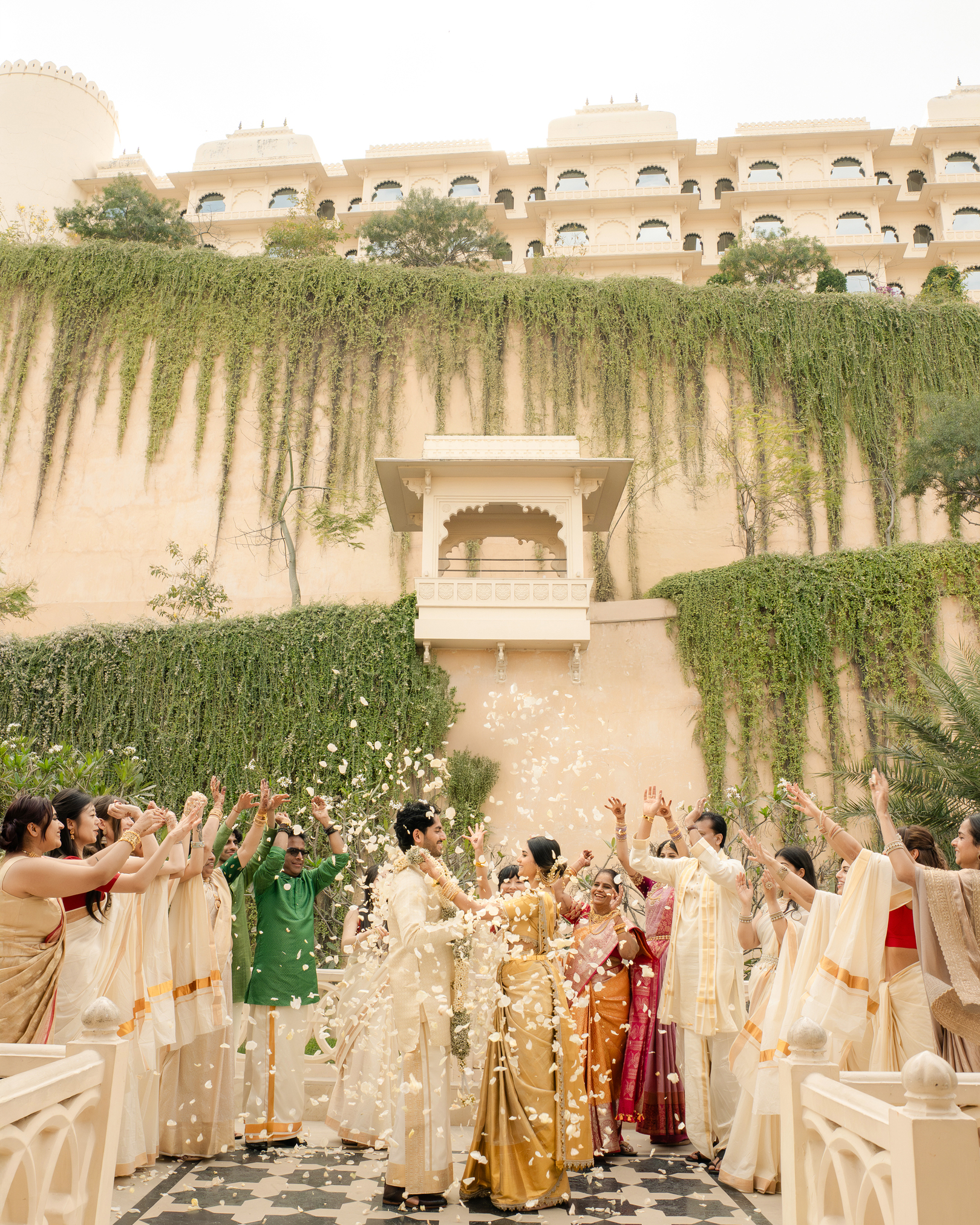
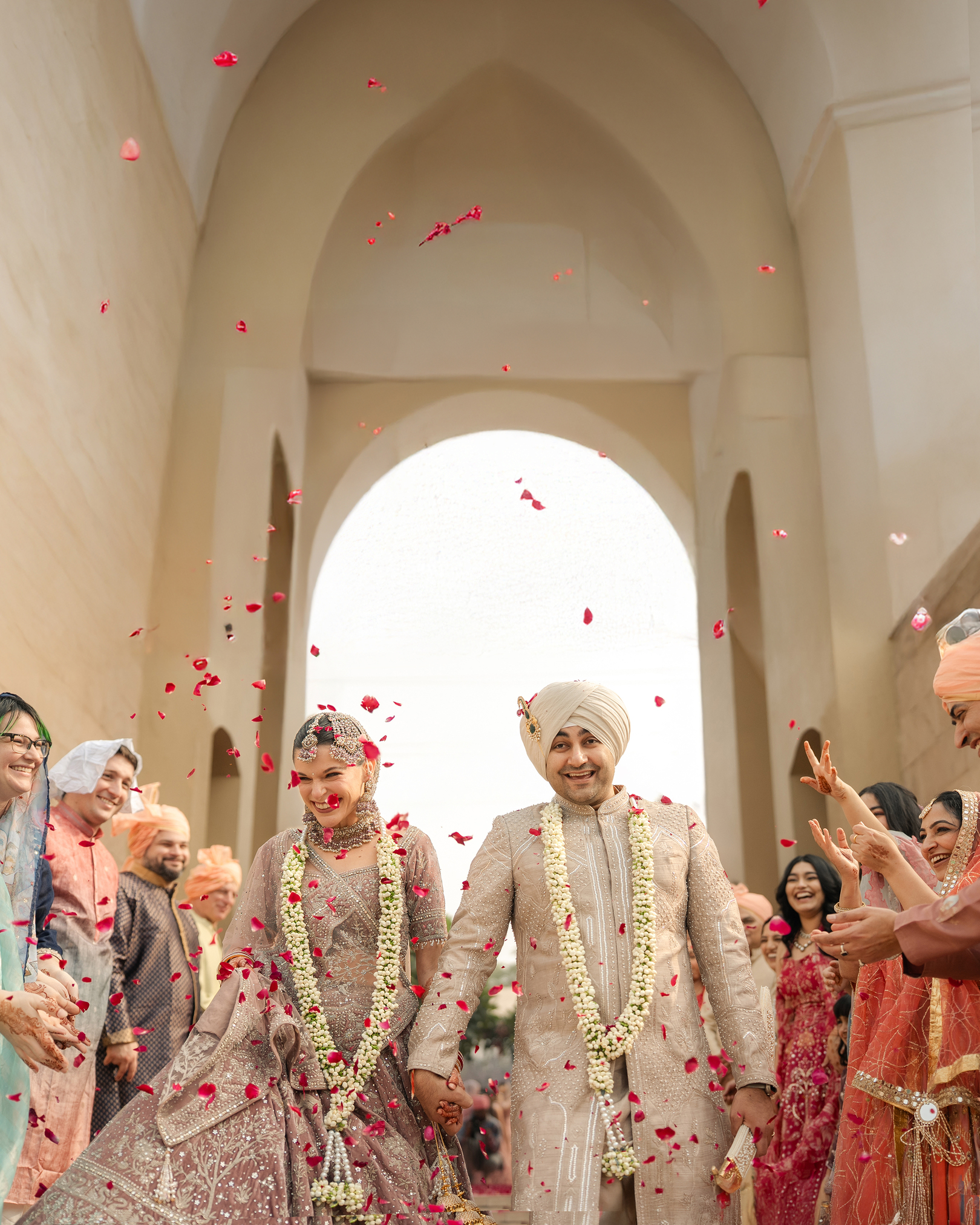
"I come from a family that has been in photography for over four decades. My father started our studio in Kerala in 1983, and I essentially grew up around cameras, photographs, and the stories of the families who came through our doors. So, in many ways, photography was always a part of my life, even though I never initially imagined it would become my profession."
His actual career started somewhere else entirely. "I trained as a Chemical Engineer and later worked at Infosys for about three and a half years. During that time, I continued helping my father with the studio on weekends, and gradually I realised that what drew me to photography wasn't the technology or the camera itself, but the people and the stories behind the images."
The decision to change course came in 2017. "I made the decision to leave my corporate career and join the family business full-time. That became a turning point for me and for the studio," he says. "Over time, I began shaping SDS Studio into what it is today - a team focused on wedding photography and films that combine an editorial sensibility with a very observational and human approach to storytelling."
That phrase is Sabareesh's own, and it sums up his entire approach. "I've always felt that the camera is just a medium," he reflects.
 What really interests me is understanding people - their relationships, their personalities, the little things that make their story unique - and then finding a visual language that reflects that honestly.
What draws him to the work day to day follows the same logic. "What I enjoy most about being a photographer is the opportunity to understand people and tell their stories through the little moments that often go unnoticed," Sabareesh explains.
"A wedding brings together so many layers of emotion - relationships, personalities, family dynamics, anticipation, chaos, joy and everything in between. I love being able to observe all of that without constantly intervening, and then find those fleeting moments that genuinely say something about the people involved. For me, the most rewarding part is when a photograph goes beyond looking beautiful and actually makes someone feel something," he notes.
"Years later, if an image can take a couple or their family back to a particular moment, a feeling, or a person who was there, that's when I feel I've done my job well."
"I'm based out of Bangalore and Mumbai, and I specialise in intimate luxury destination weddings," Sabareesh says. "I'm particularly drawn to destination celebrations across India and internationally, where I can create a more personal, editorial, and immersive visual experience," and he's available worldwide beyond that footprint.
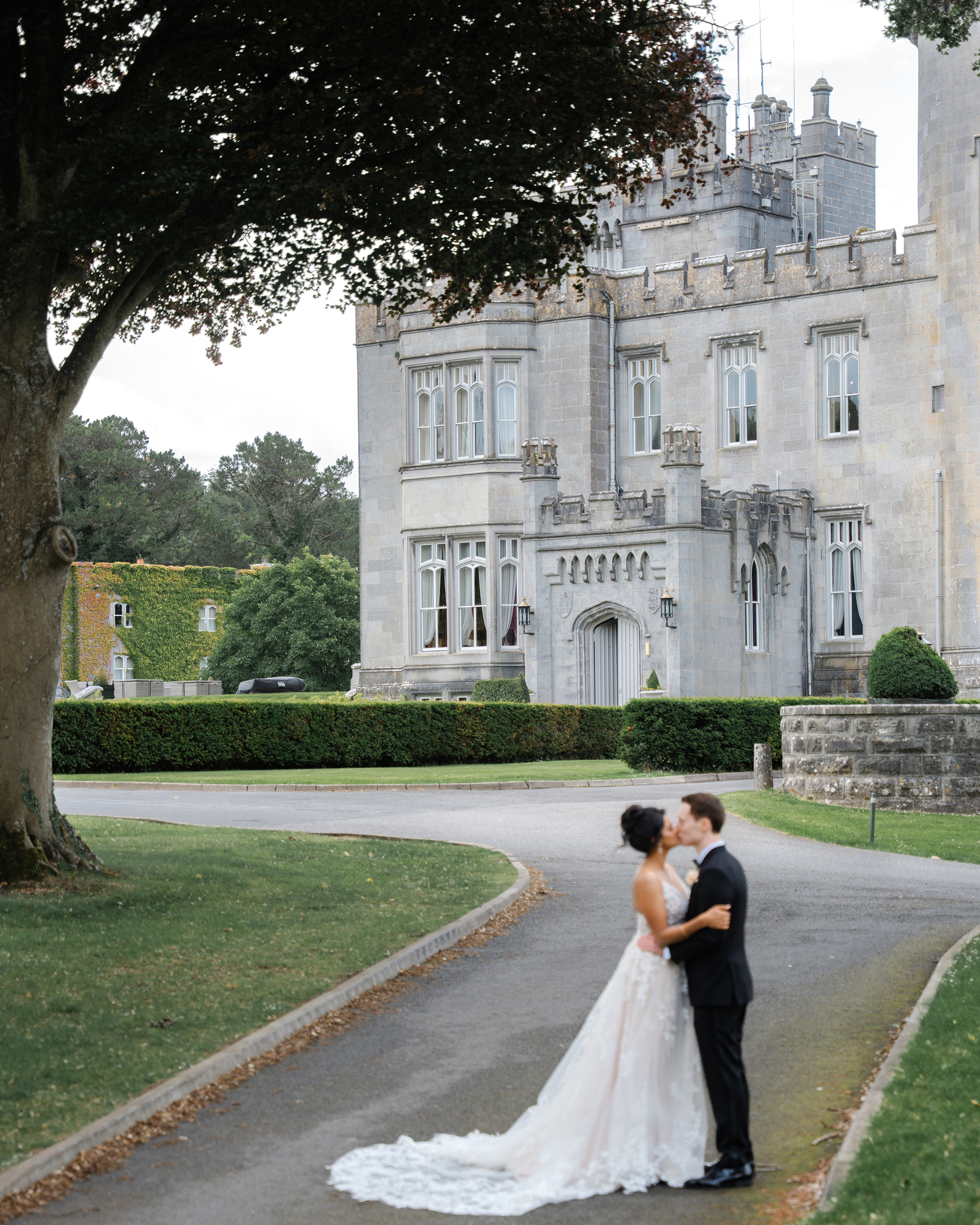
A specific type of setting keeps pulling him back. "Dromoland Castle, Ireland. I'm particularly drawn to venues with a rich architectural and visual character - Indian palaces with their heritage, grandeur, and intricate details, as well as distinctive international destinations like Lake Como," he adds.
"These kinds of settings naturally lend themselves to the kind of editorial and cinematic storytelling I enjoy creating."
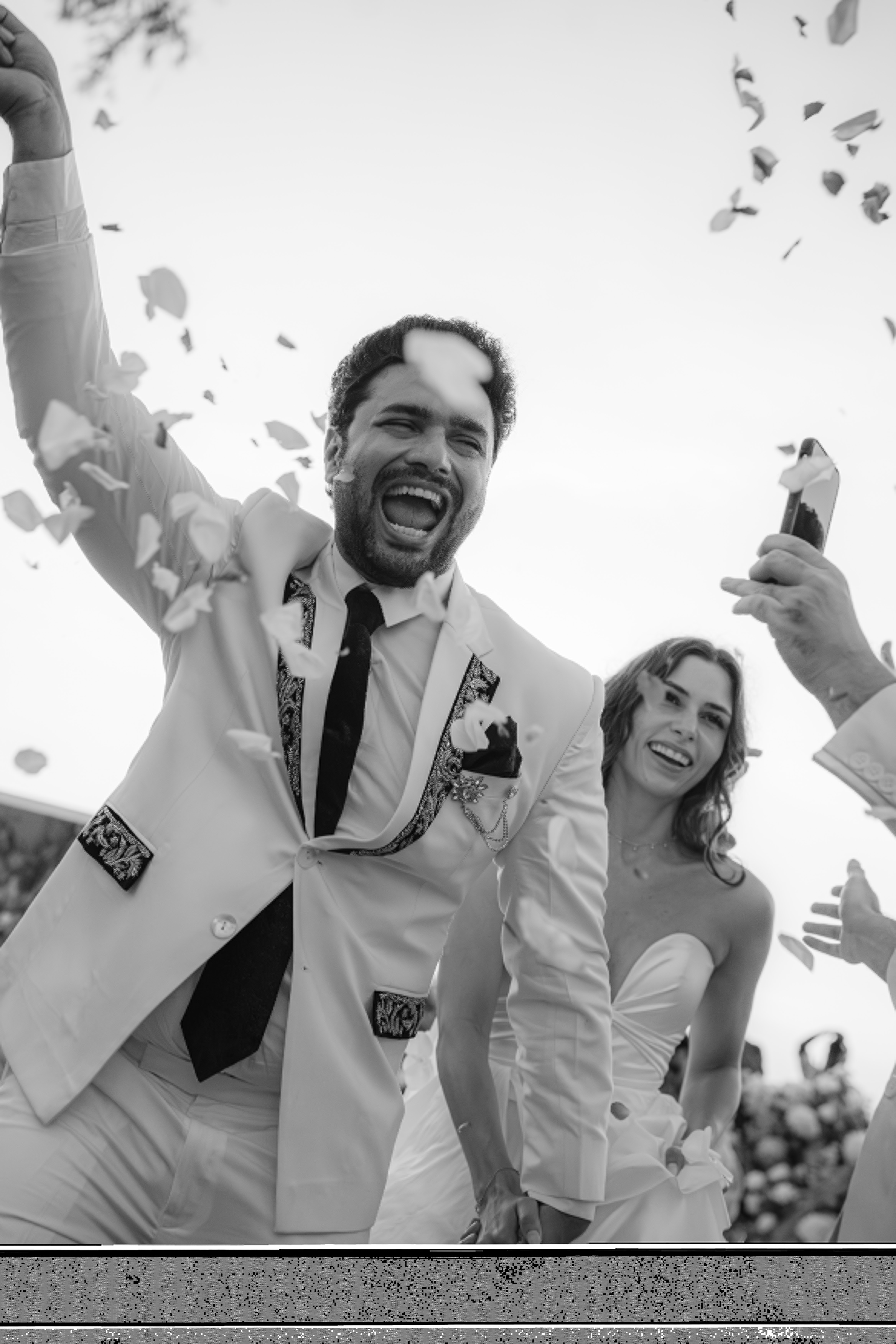
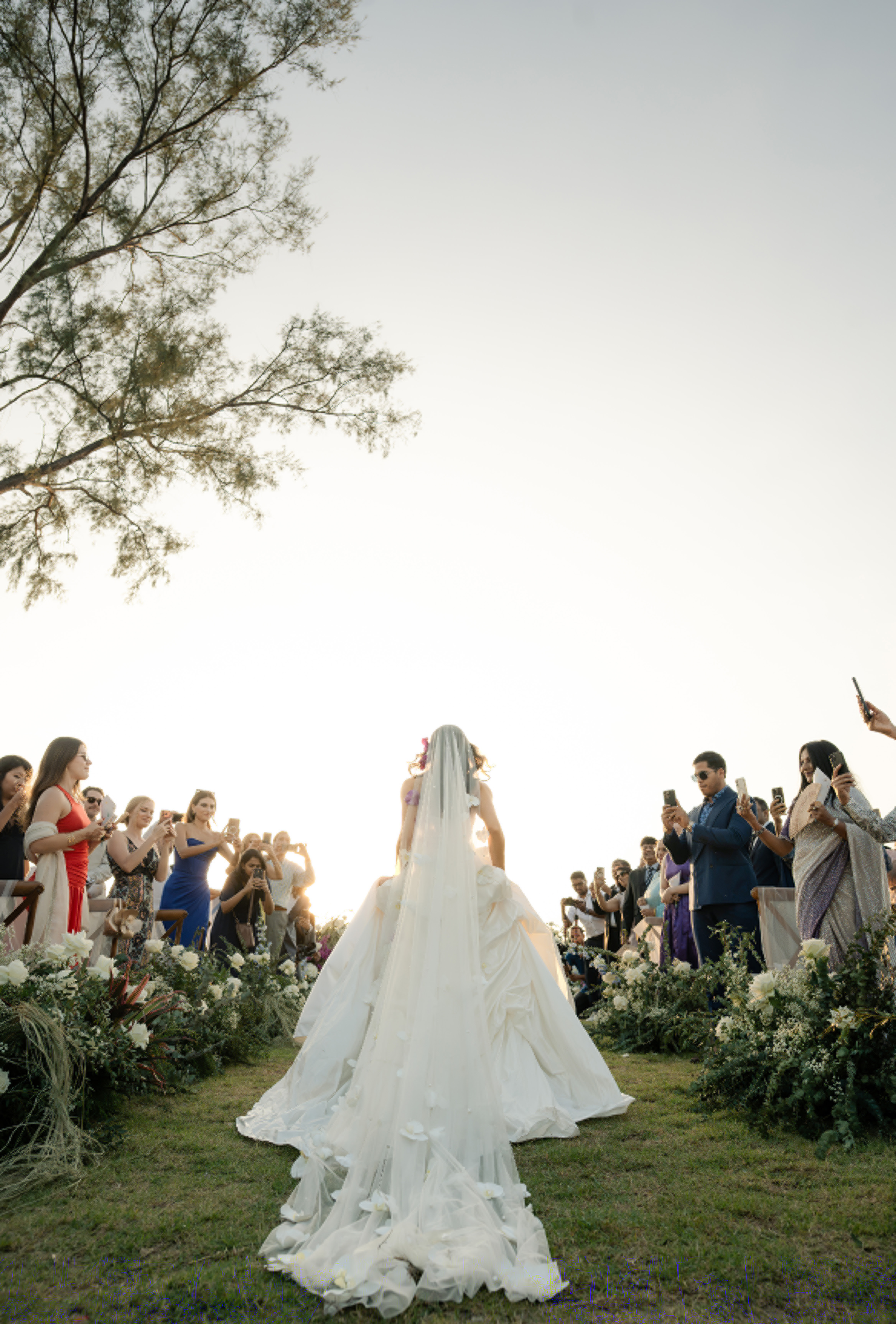
After documenting more than 500 weddings, Sabareesh says the sameness he might have expected never actually arrived.
What keeps me inspired is that no two weddings are ever truly the same. Even after photographing hundreds of weddings, I'm still meeting new people, experiencing different cultures, discovering new places, and seeing relationships unfold in ways I haven't seen before.
Part of that comes from treating each wedding as its own visual problem to solve. "I'm especially inspired by the challenge of finding a fresh visual language for every story," he explains. "The venue, the light, the architecture, the way a family interacts, the energy of the celebrations - all of these elements can completely change how I approach a wedding."
In the end, though, it circles back to people.
"It's the people that keep me going. When I'm able to understand what makes a couple and their families unique and translate that into photographs and films that feel personal rather than formulaic, it still excites me. I think that curiosity - wanting to see, feel and tell each story differently - is what keeps the work fresh for me."
Asked which wedding has stayed with him most, Sabareesh points to one where the timeline extended well beyond the wedding day itself. "It's difficult to choose just one because every wedding leaves behind something different. But the weddings that stay with me the longest are usually not necessarily the grandest ones - they're the ones where I've felt a genuine connection with the couple and their families."
"One that particularly stayed with me was a destination wedding where I had the opportunity to spend several days with the family before the main celebrations. By the time the wedding arrived, I wasn't just documenting a couple getting married; I had begun to understand the relationships, personalities and history within the family."
That familiarity changed what he actually photographed. "That changed the way I photographed the wedding. I found myself paying much more attention to the quieter moments - a parent watching their child, an old friendship, a grandmother's reaction, or a couple simply finding a moment together amidst all the celebrations," he recalls.
Those are the weddings I remember most. Not because of how elaborate they were, but because I felt like I was genuinely preserving a piece of someone's life. And years later, when I look back at those photographs, I can still remember the people and the feeling of being there. That, to me, is what makes a wedding stay with you.
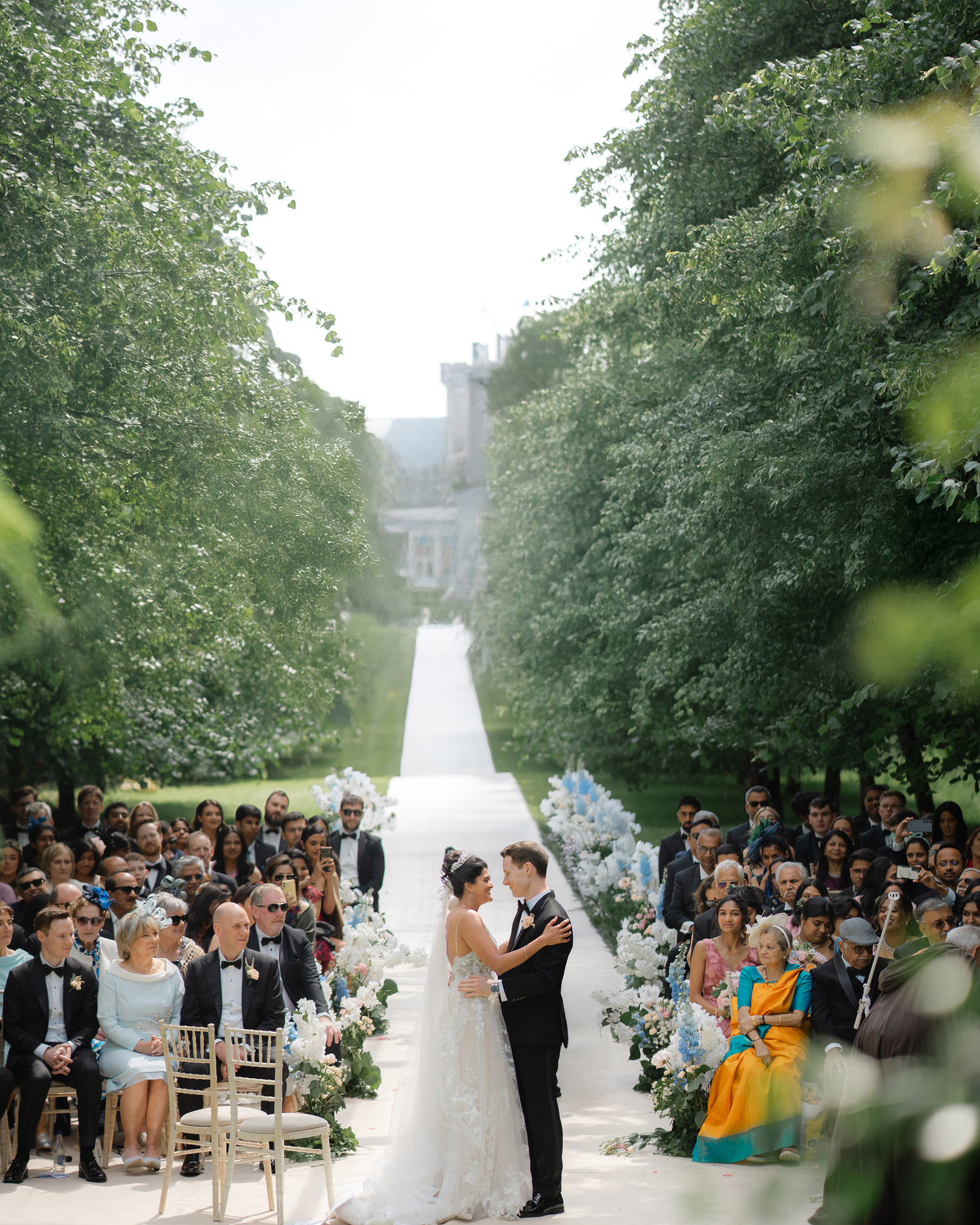
That same conviction shapes how he thinks about the craft as a whole. "Wedding photography is not really about creating beautiful images. It's about creating something that can hold a memory," he reflects.
Trends change, aesthetics change, and the way we photograph weddings will continue to evolve. But emotions, relationships and the way people feel about each other remain timeless.
It also comes with a specific responsibility, as he sees it. "As photographers, we have a responsibility to leave space for a wedding to breathe. Not everything needs to be directed or perfected. Sometimes the most meaningful photographs happen when we simply step back and allow people to be themselves."
That responsibility, in the end, is what Sabareesh measures his own work against. "Ultimately, I hope that the work we create at SDS Studio becomes something families return to years from now - not simply to see how their wedding looked, but to remember how it felt to be there."