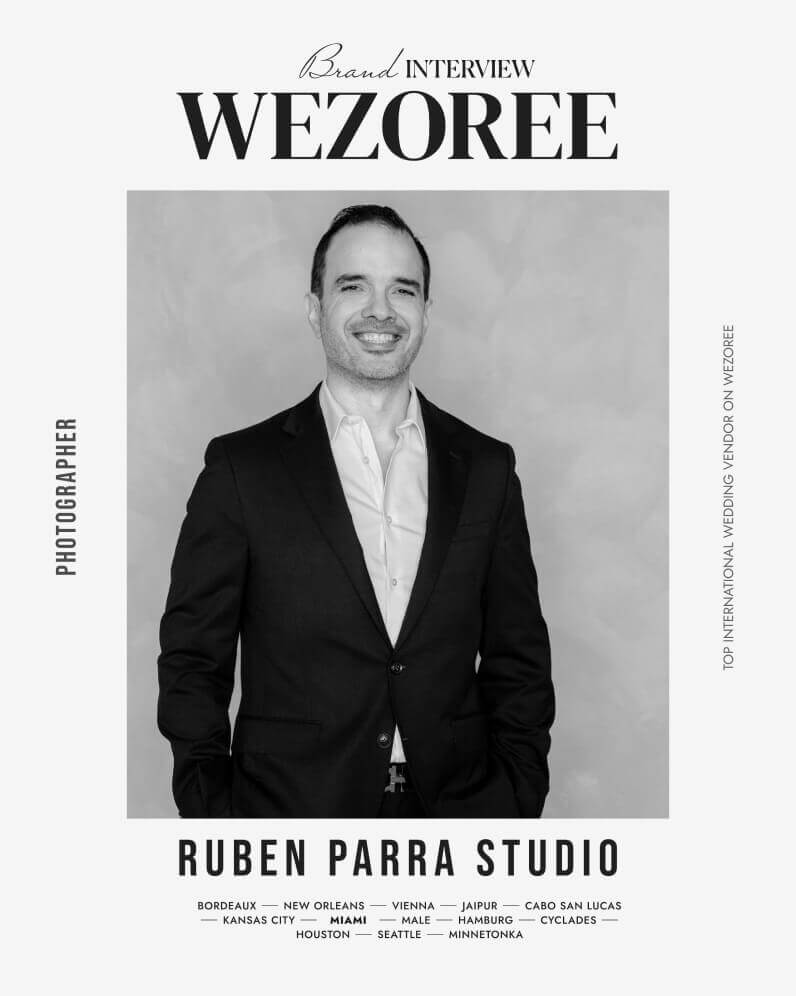
Rubén Parra: The Place Belongs in the Photograph Too
AUTHOR: Natali Grace Levine
READING TIME: 2m 10s
PUBLICATION DATE: 10/06/2026
UPDATED: 10/06/2026
AUTHOR: Natali Grace Levine
READING TIME: 2m 10s
PUBLICATION DATE: 10/06/2026
UPDATED: 10/06/2026
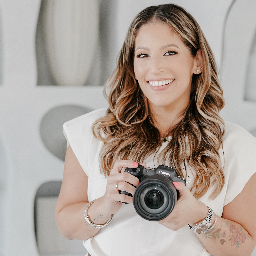
Rubén Parra has been photographing weddings for almost 20 years - longer than most photographers in this business get to say - and he's spent that entire span working out of Panama City rather than the usual circuit of European or North American hubs. From there, his work has expanded steadily outward: across Latin America first, then an increasingly regular presence in Miami and the U.S., then Europe and beyond.
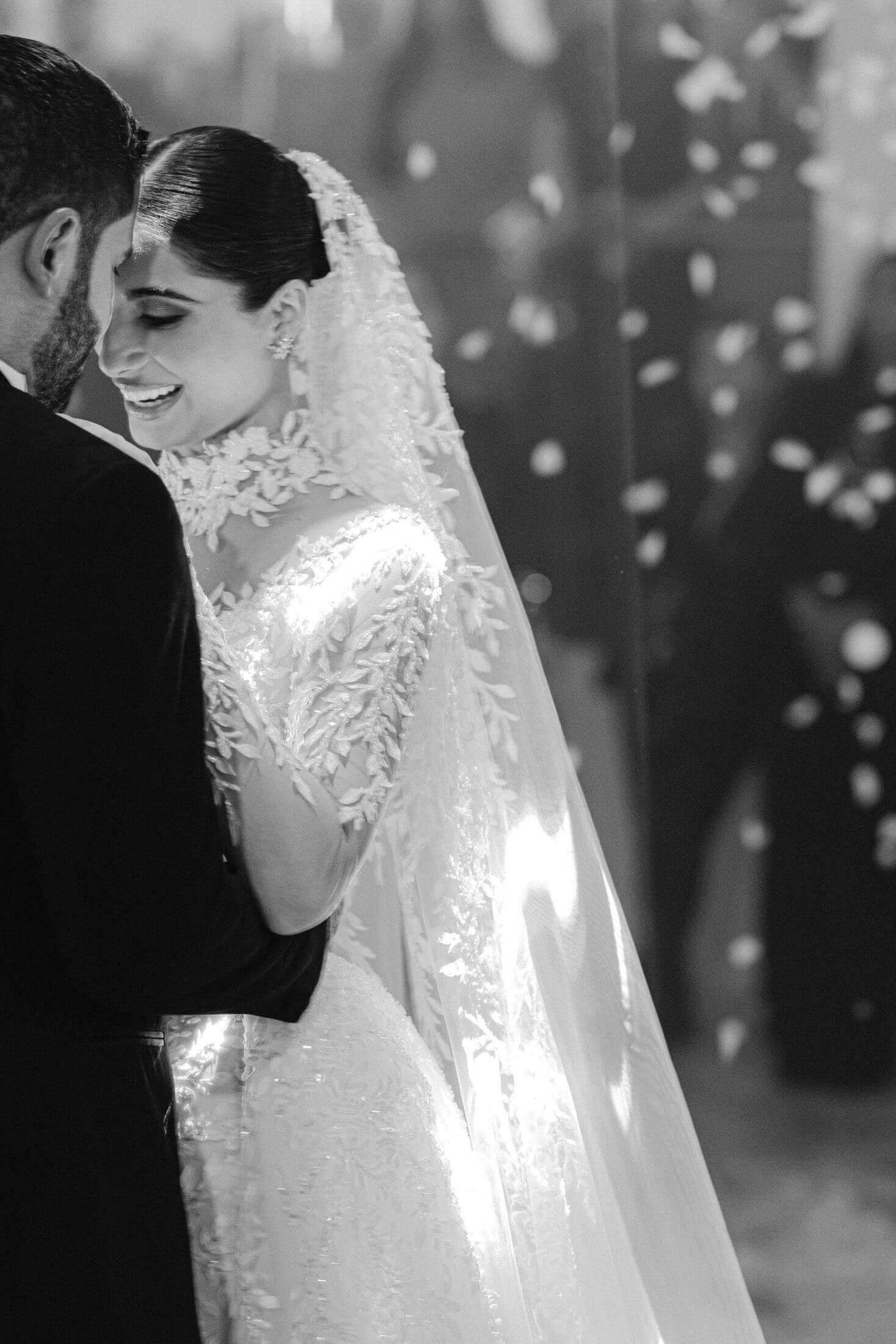
"I'm based in Panama City, and that's still home base, but I work throughout Latin America and increasingly in the U.S. and Europe," Rubén explains. His most frequent territory has a specific shape to it.
"Panama, with an expanding presence in Miami and destination weddings across the Americas," he notes - and he's open to going wherever a wedding takes him. "I travel worldwide for destination weddings."
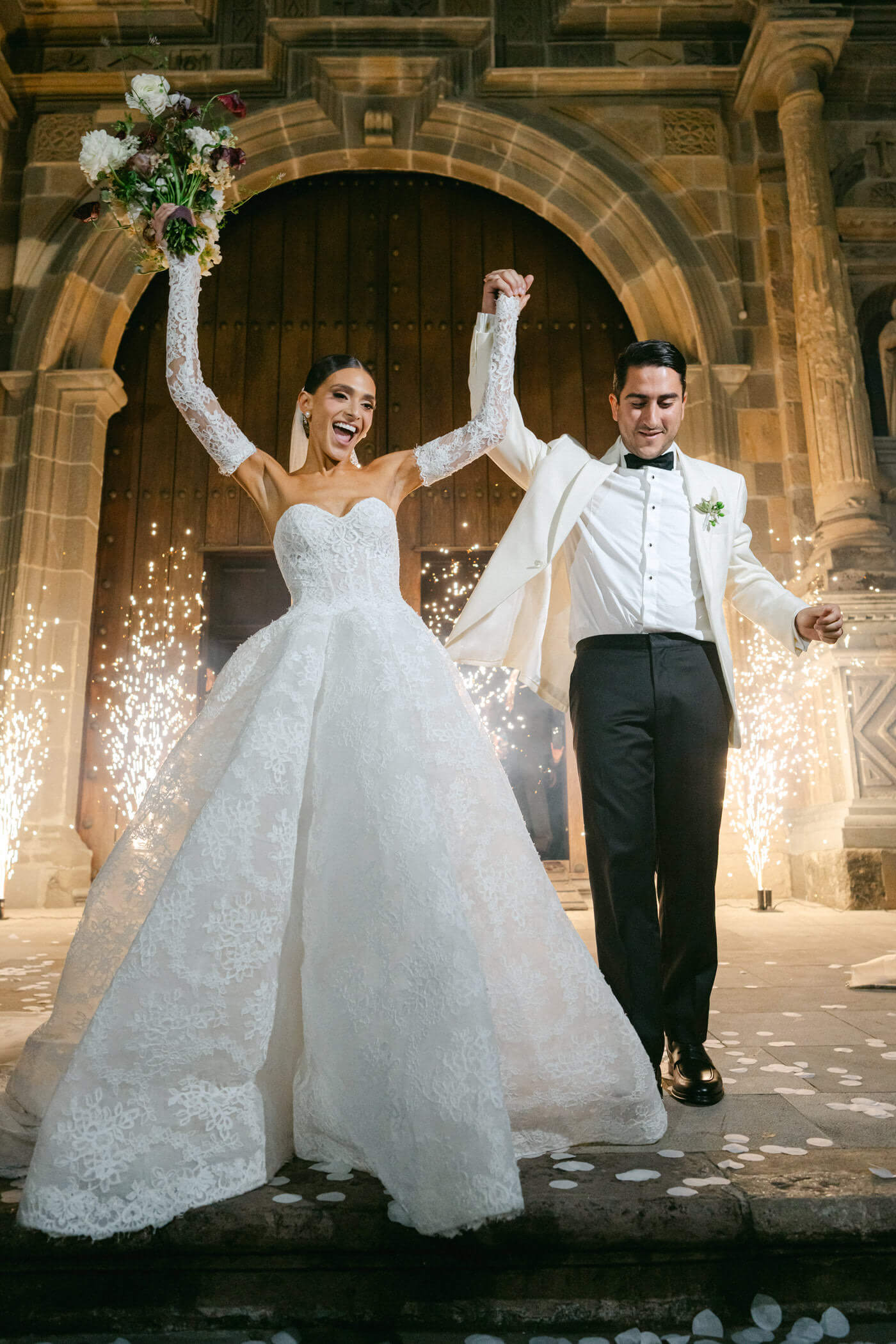
Asked for his most unforgettable wedding location, Rubén names a place that changed how he actually works, not just what he photographed. "Italy," he says.
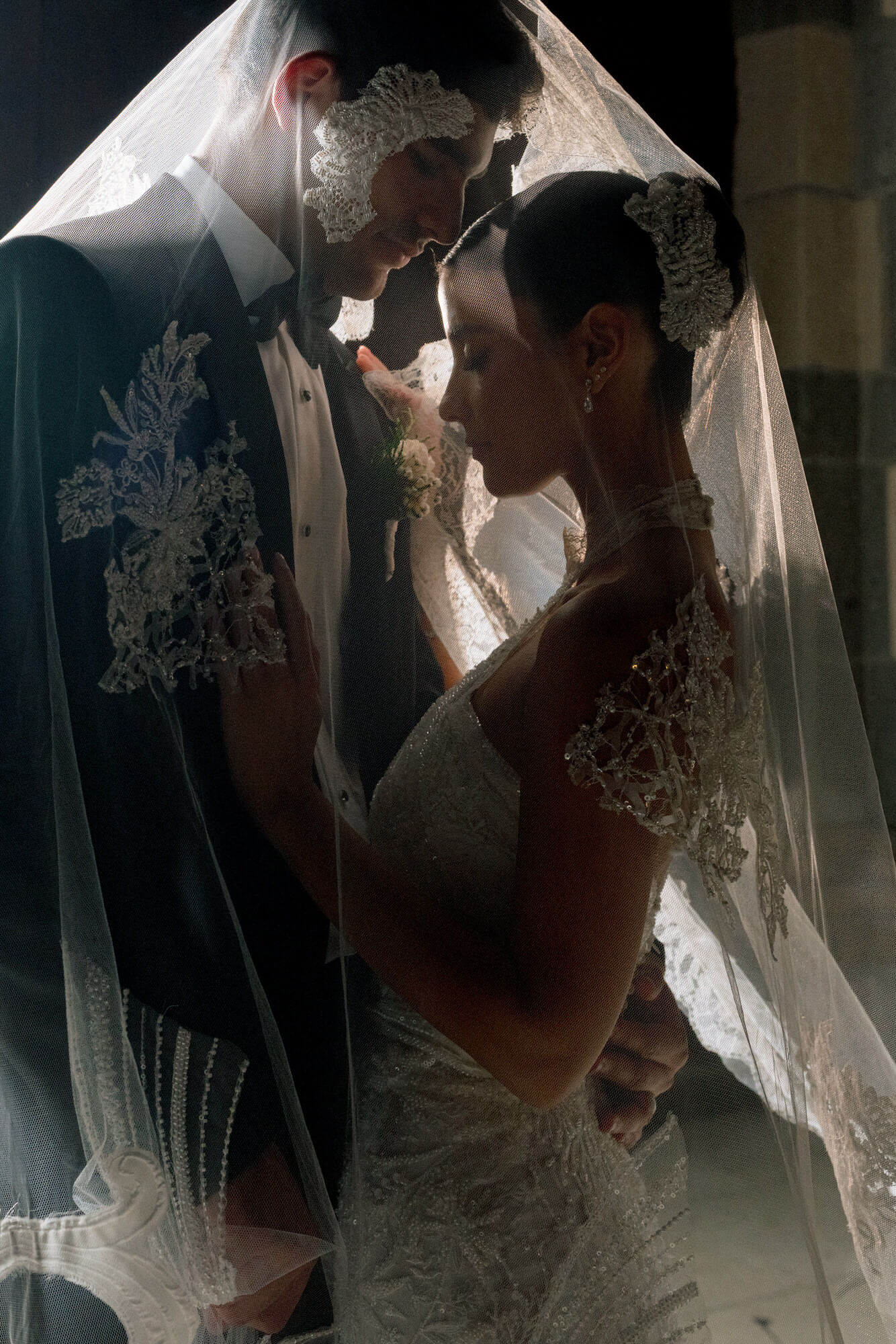
"There's something about the architecture, the history, and the way everything has aged that completely changes how you photograph. You're not just photographing the wedding - you're constantly thinking about how the people fit within the architecture and the atmosphere around them."
The effect went beyond that one trip. "It made me want to step back, observe more, and let the place become part of the story," he reflects.
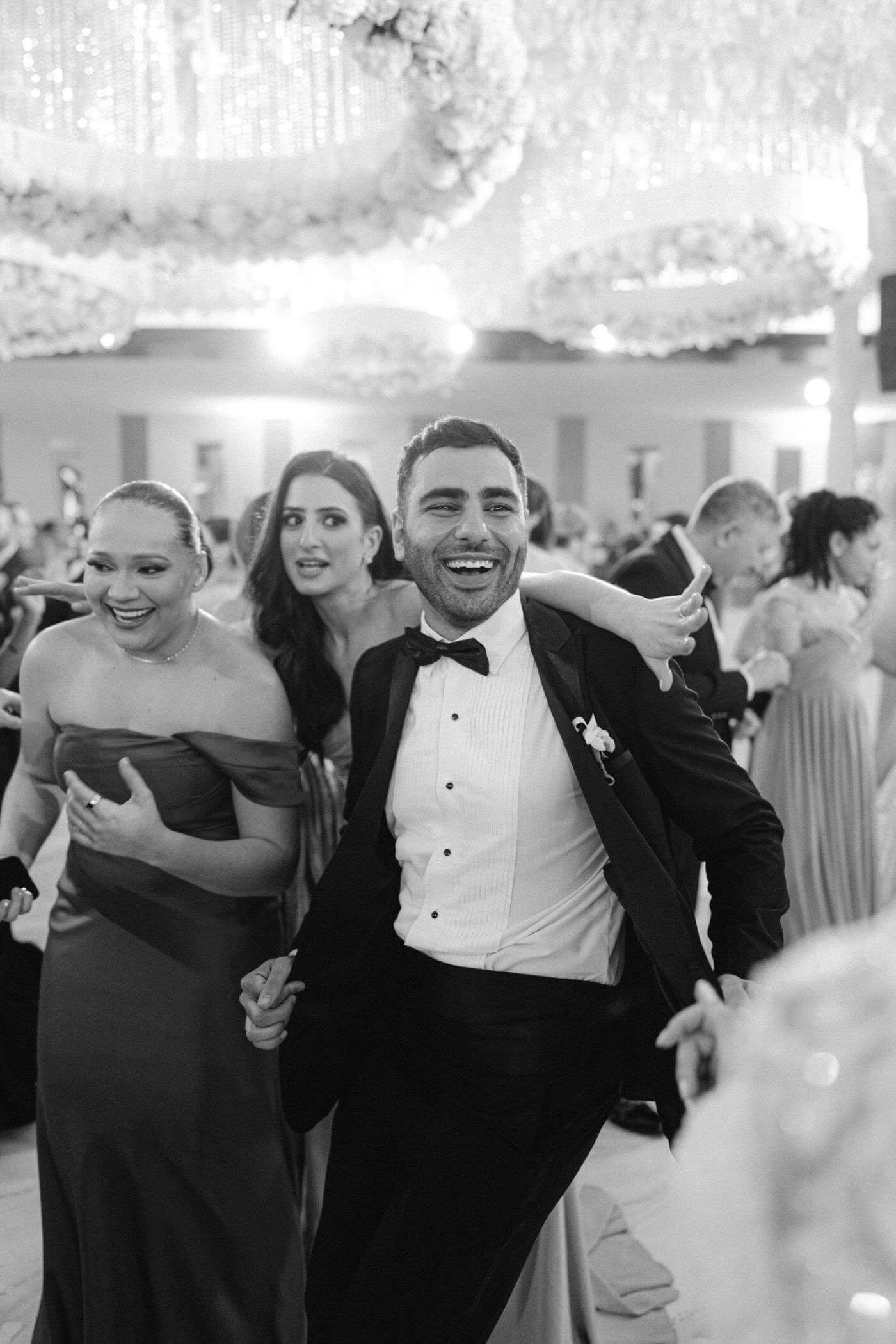
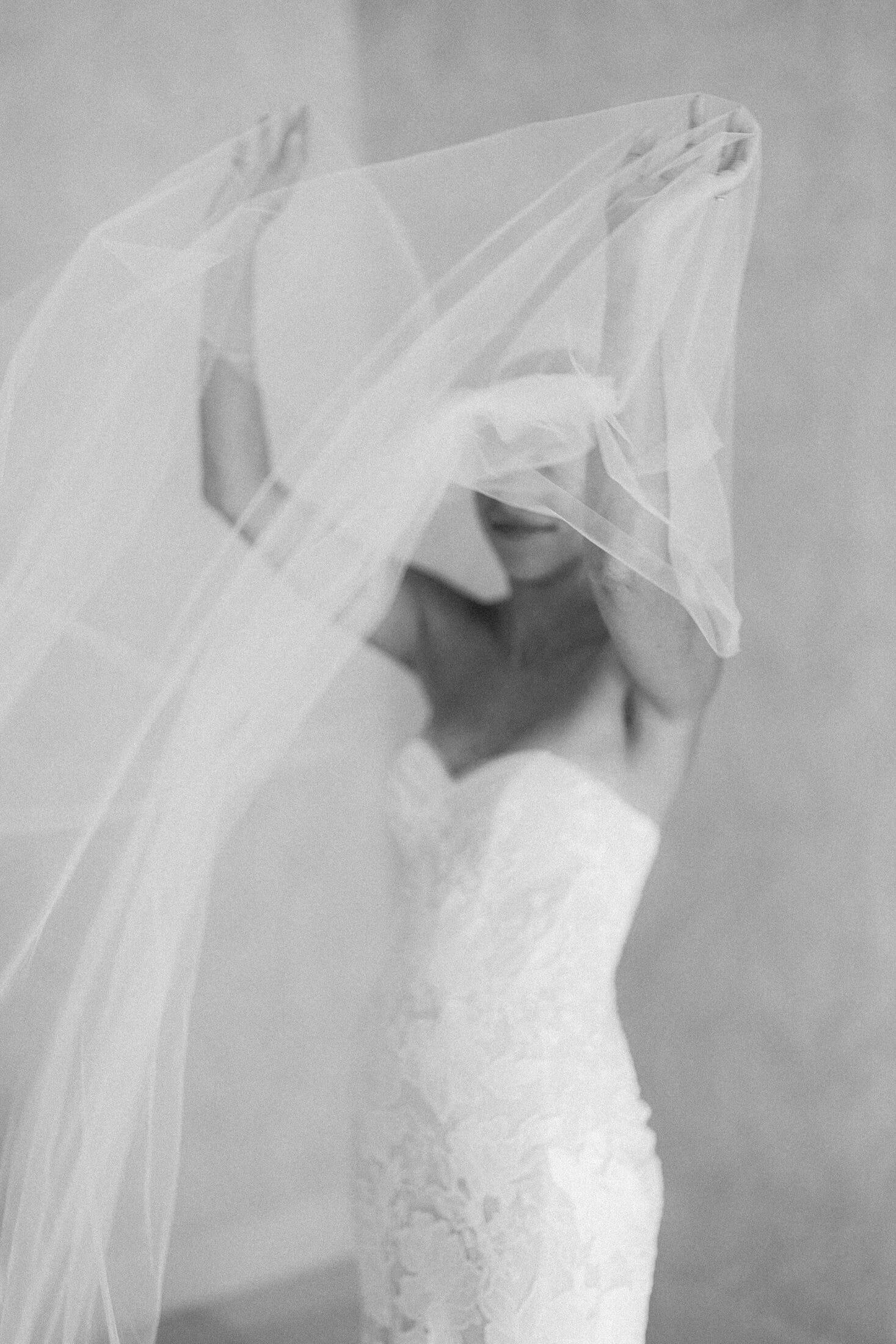
What Rubén says he's after has never been only the obvious moments.
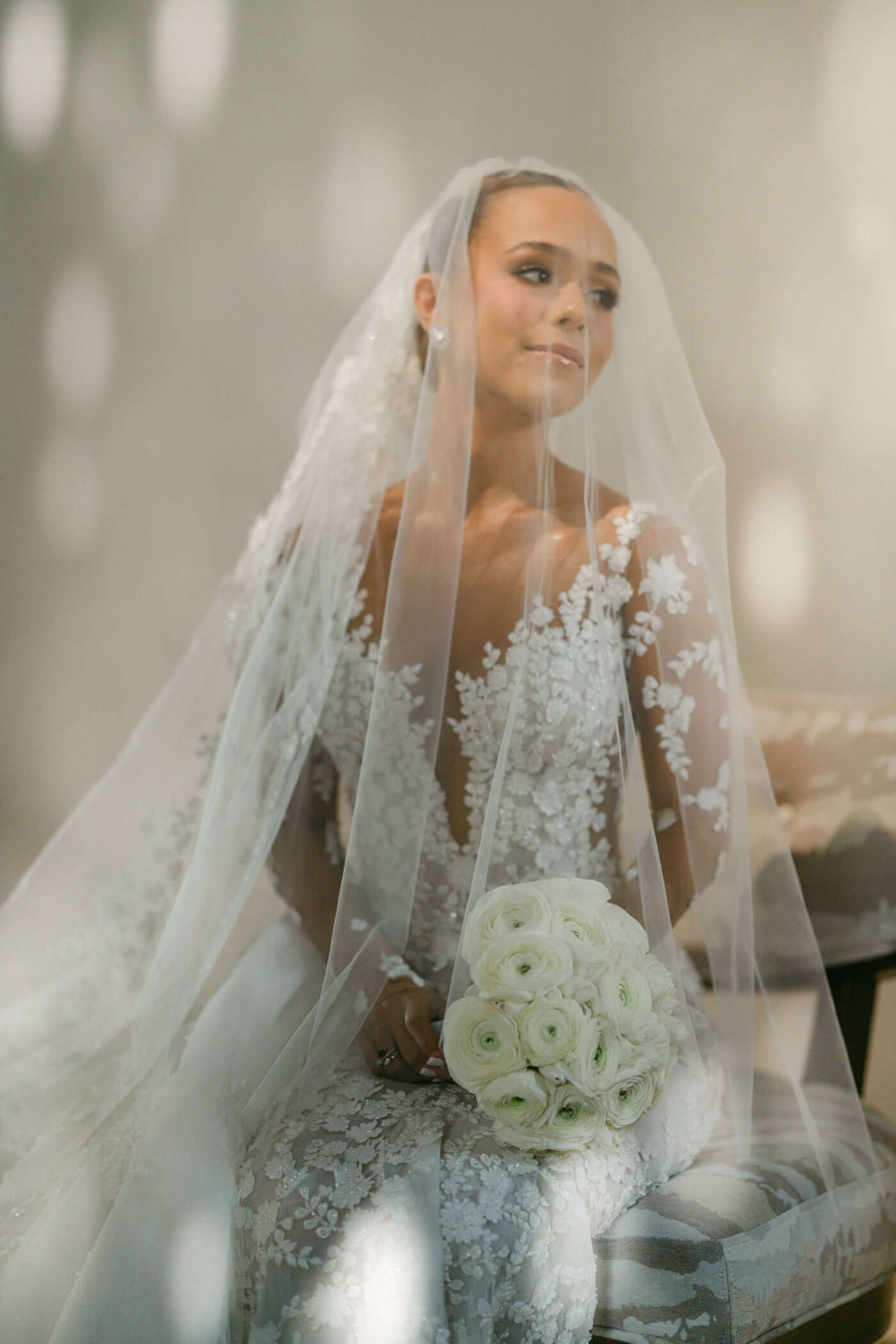
 What I'm chasing isn't always the big, obvious moments - it's what I think of as the invisible ones. The small things that might not seem important when they're happening, but years later become part of a family's history.
That instinct shapes the range of styles he moves between on any given day. "My work moves between editorial, cinematic, and documentary, depending on what the story in front of me needs," he adds.
He keeps his own bookings to around 20 to 25 weddings a year, "a number that allows me to stay creatively present and give each celebration the attention it deserves." Within that range, sameness still hasn't caught up with him after two decades.
No two families are the same. The wedding itself might follow a familiar shape, but the people inside it never repeat. That's what keeps it interesting after almost 20 years.
Asked which wedding has stayed with him most, Rubén doesn't single one out - the moments he returns to are smaller than any one celebration. "What stays with me are usually very small things - a father seeing his daughter in her dress for the first time, grandparents dancing, or someone quietly watching from the edge of the room," he recalls.
"Years later, those photographs can become much more important than any of us understood when I took them."
That delayed significance, in his view, is something couples rarely anticipate.
Couples sometimes underestimate how much photography becomes part of the memory itself. Years later, you don't remember every detail of the day. The photographs bring those details - and the people, emotions, and relationships around them - back to you.