Rémi Dupac: Photography Begins Where Memory Starts to Fail
AUTHOR: Natali Grace Levine
READING TIME: 6m 9s
PUBLICATION DATE: 09/08/2026
UPDATED: 09/08/2026
AUTHOR: Natali Grace Levine
READING TIME: 6m 9s
PUBLICATION DATE: 09/08/2026
UPDATED: 09/08/2026
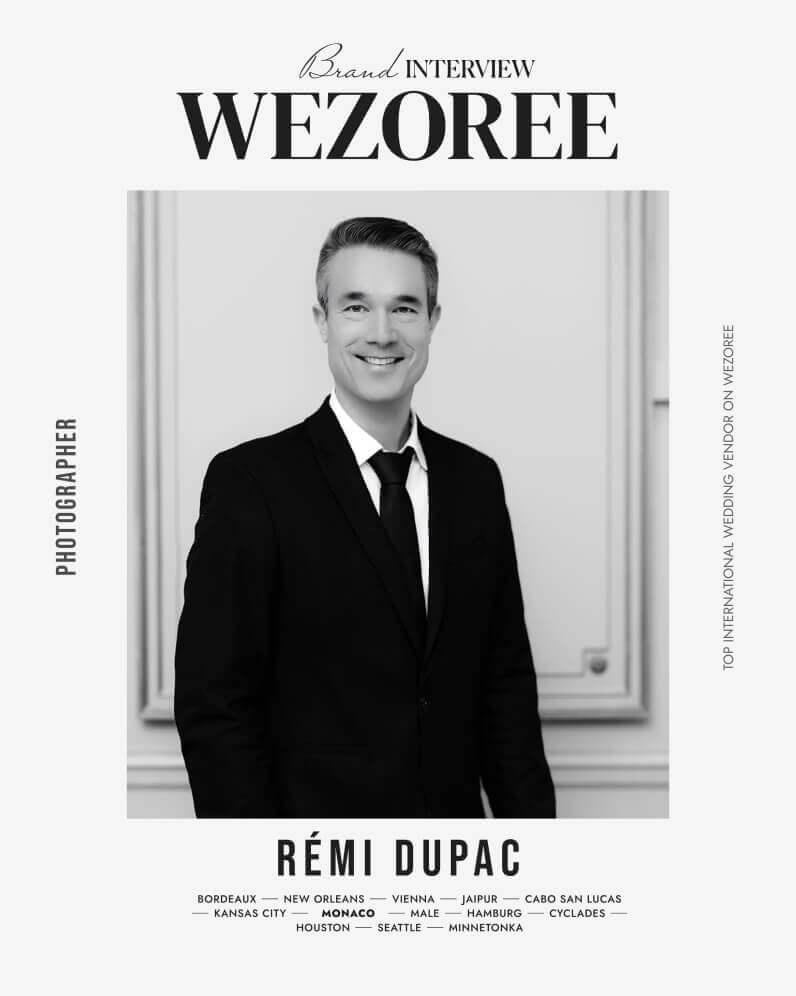
Rémi Dupac was seven years old when his father gave him his first camera, and he photographed almost everything after that, compulsively. He didn't see his father as often as he wanted to as a child, so when they were together, he took pictures - constantly, without any real technique, just to hold onto the time.
"At the time, most of those pictures probably had very little photographic value. Today, they are priceless to me. They are fragments of my childhood that would otherwise exist only in my memory."
Fifteen years into a career photographing weddings across the South of France, Paris, and increasingly beyond, that instinct - to use a camera to hold onto something that's disappearing - is still, in his words, at the heart of what photography means to him.
"My relationship with photography started very early," Rémi explains.
 My father gave me my first camera when I was seven years old, and from that moment I photographed absolutely everything, almost compulsively.
Only later did he understand what he'd actually been doing. "I think I was already using photography as a way of holding onto things," he reflects. "It is fascinating to realise that, all these years later, this is still at the heart of what photography means to me."
Before any of that turned into a career, music came first. "Before becoming a photographer, music was a huge part of my life. I was a musician, primarily a drummer, and I think that still influences the way I experience a wedding. I am very sensitive to rhythm, energy, intensity and timing. Photography, like music, is often about feeling the exact moment when something happens."
Wedding photography itself came later, and for a reason that had little to do with romance. "I eventually came to wedding photography for a very practical reason: I needed to make a living from photography. But I quickly realised that weddings gave me something else I needed too. They put me among people, in real life, at moments of incredible intensity."
Asked which wedding has stayed with him most, Rémi doesn't reach for the most spectacular one. "I could name spectacular weddings or extraordinary destinations, but strangely, that is not where my mind goes when I think about this question," he says. "Over fifteen years, I have unfortunately photographed people who are no longer here today."
What that's taught him has reshaped how he thinks about his own work. "Sometimes I have looked again at an image years after making it, perhaps a smile, an embrace or somebody simply sitting at a dinner table, and realised that the photograph now carries a significance I could never have understood when I pressed the shutter. Those experiences changed my understanding of what I do."
It's led him to a specific idea about what a wedding photograph actually is. "I think wedding photographs have two lives."
"There is the life they have when I deliver them, when the wedding is still vivid and everyone is discovering the images for the first time. Then there is another life, ten, twenty or fifty years later, when everything around those photographs has changed. As photographers, we can think about the first life. We have absolutely no idea what the second will become. That is one of the most powerful things photography has taught me."
Ask Rémi what he loves most about the work, and the answer comes in three words. "Being inside life. That is probably the simplest answer," he says.
Wedding photography puts me incredibly close to people at moments when everything feels more intense than usual. Love, friendship, family, beauty, nervousness, joy, nostalgia, complete chaos sometimes. All of it can exist within a few hours
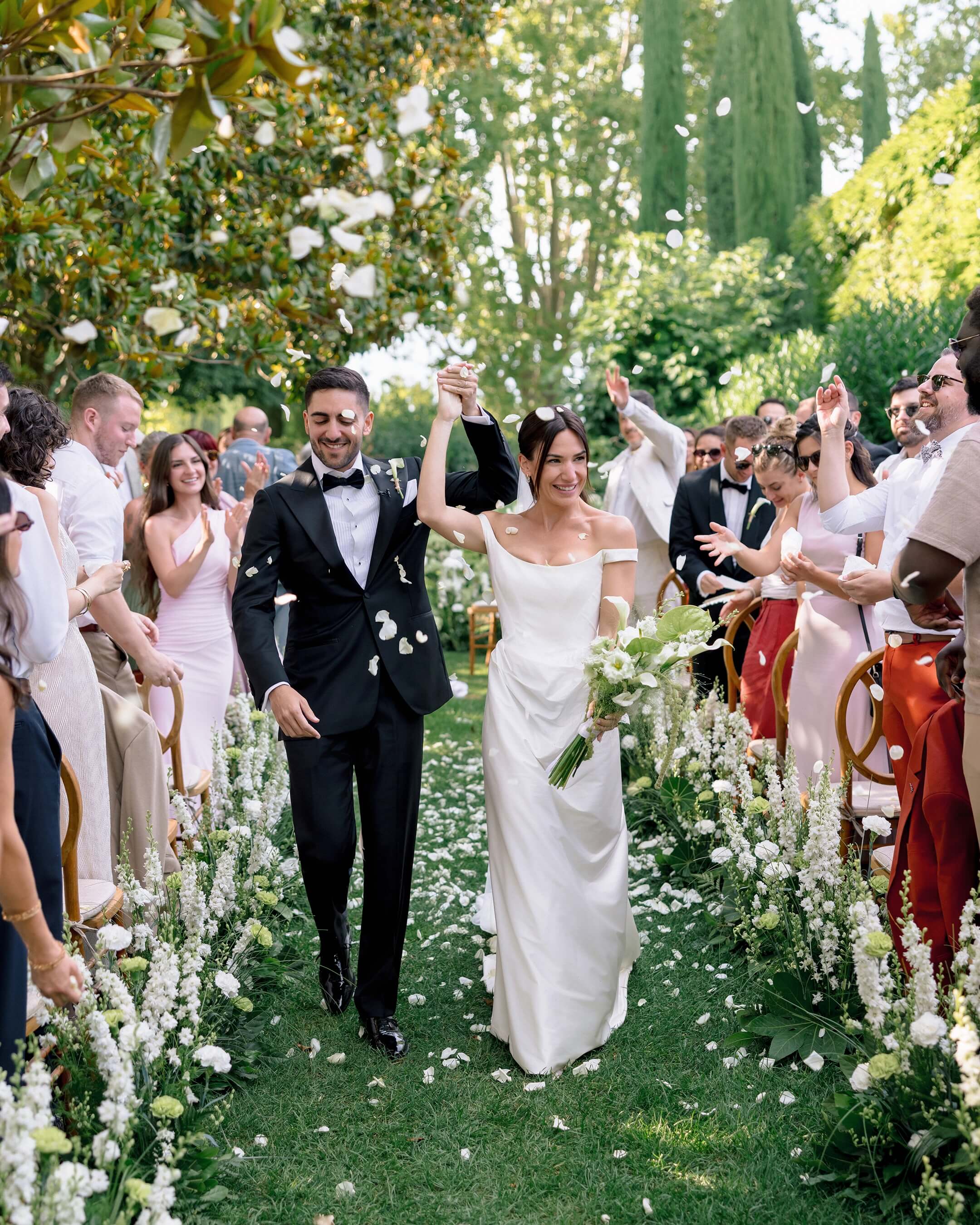
What he's actually chasing in those hours is often over before it can be named. "What I am looking for is often incredibly brief. Sometimes it is literally a fraction of a second when the light, the gesture, the expression and the energy all come together. You feel it before you have time to intellectualise it," Rémi explains.
"That feeling is still addictive to me. Photography does something extraordinary with that fraction of a second. It takes something that disappeared immediately and allows it to exist for decades. Perhaps that is why, after all these years, I still find the medium itself quite magical."
Asked for his most unforgettable wedding location, Rémi resists naming just one. "It is almost impossible for me to choose one," he says. "The French Riviera continues to surprise me even after photographing it for so many years. There is a moment late in the day when the Mediterranean light becomes softer, the colours change and a place you thought you knew suddenly looks completely different."
Two specific memories stand out regardless. "I remember the first time I photographed at Château de la Chèvre d'Or in Èze. At one point, I had five minutes to sit down and eat while looking across the entire Riviera. I remember thinking how extraordinary it was that photography had somehow brought me there," he recalls.
The other is stranger still. "I once found myself alone on a sea marker off Cannes, standing in the middle of the Mediterranean with my camera and a walkie-talkie connecting me to the captain of my clients' yacht. I remember looking around and thinking: how exactly did my life bring me here? Those moments of beauty, adventure and slight absurdity are part of why I still love destination photography so much."
Rémi shoots noticeably fewer weddings today than he once did. "Around fifteen to twenty weddings per year feels right for me," he explains.
Earlier in my career, I photographed considerably more. Today, photographing fewer celebrations is a deliberate choice because I want to remain personally involved and creatively hungry for every one of them.
The reasoning is entirely practical. "I want enough time to understand what matters to my couples, collaborate closely with the planners and creative teams involved, and give each celebration the attention it deserves before, during and after the wedding," he says. "I have become much more interested in depth than volume."
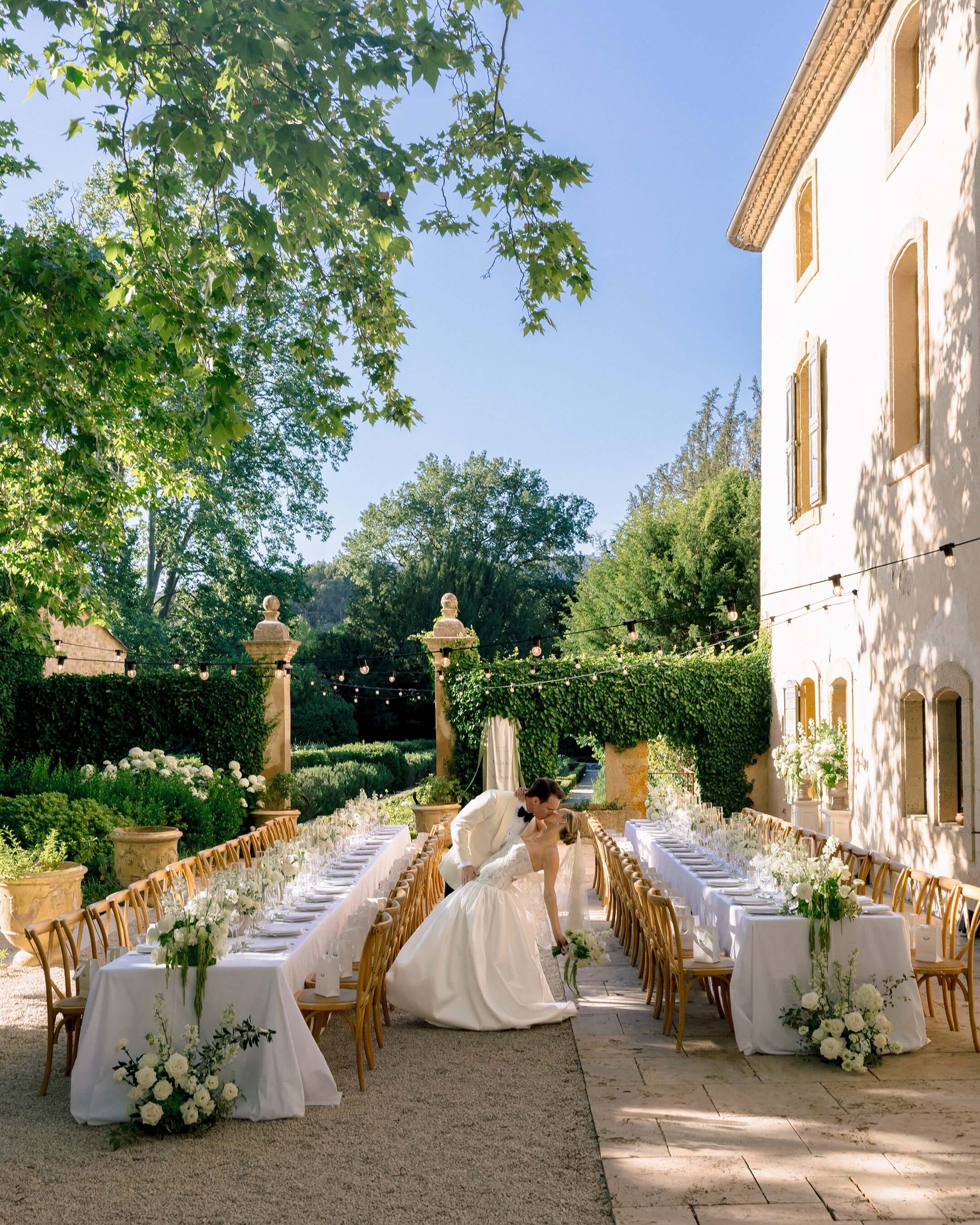
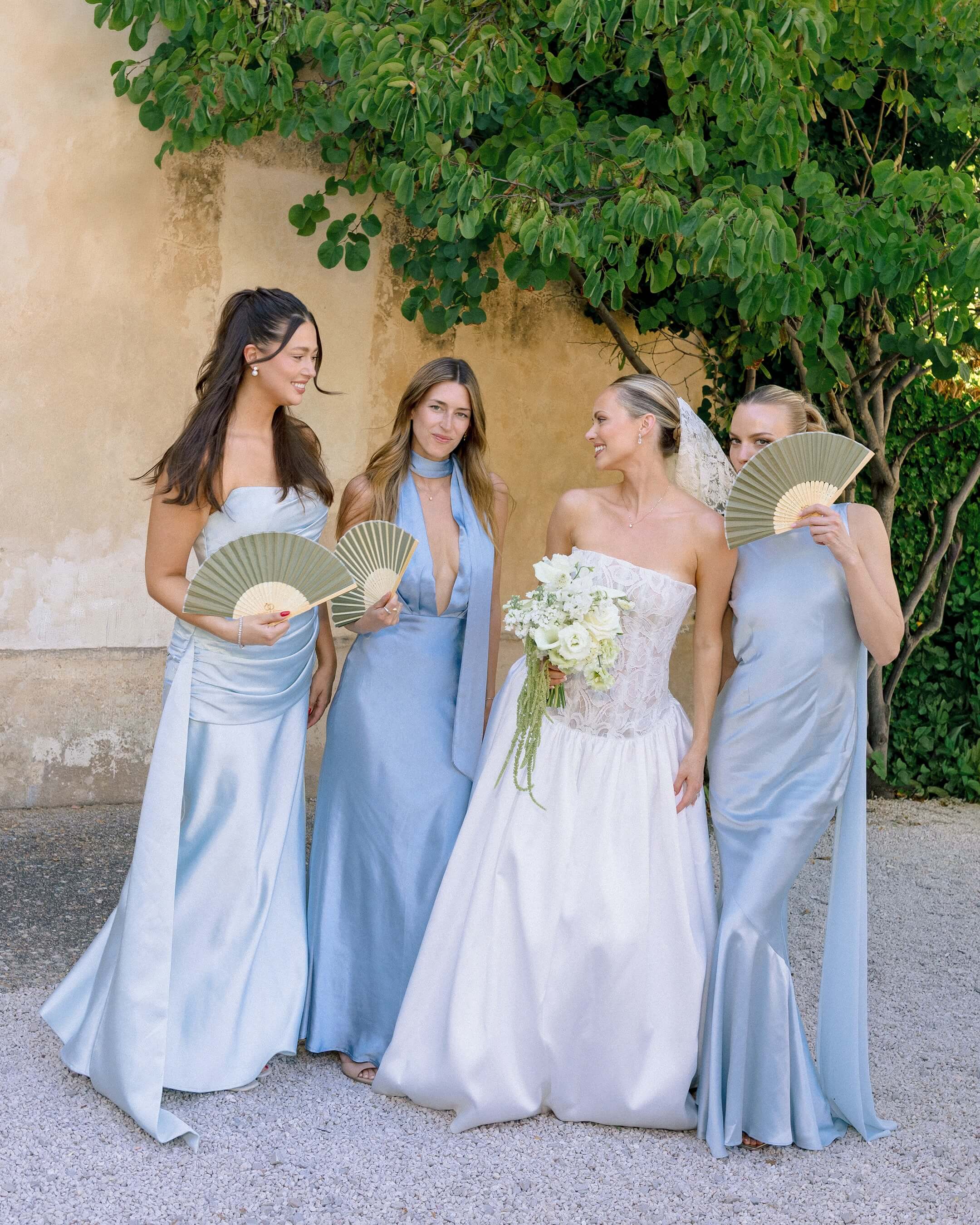
"I am primarily based in the South of France, close to the Mediterranean, with a secondary base in Paris," Rémi explains.
The French Riviera and Provence naturally represent an important part of my work, while Paris has always had a special place in both my personal and professional life.
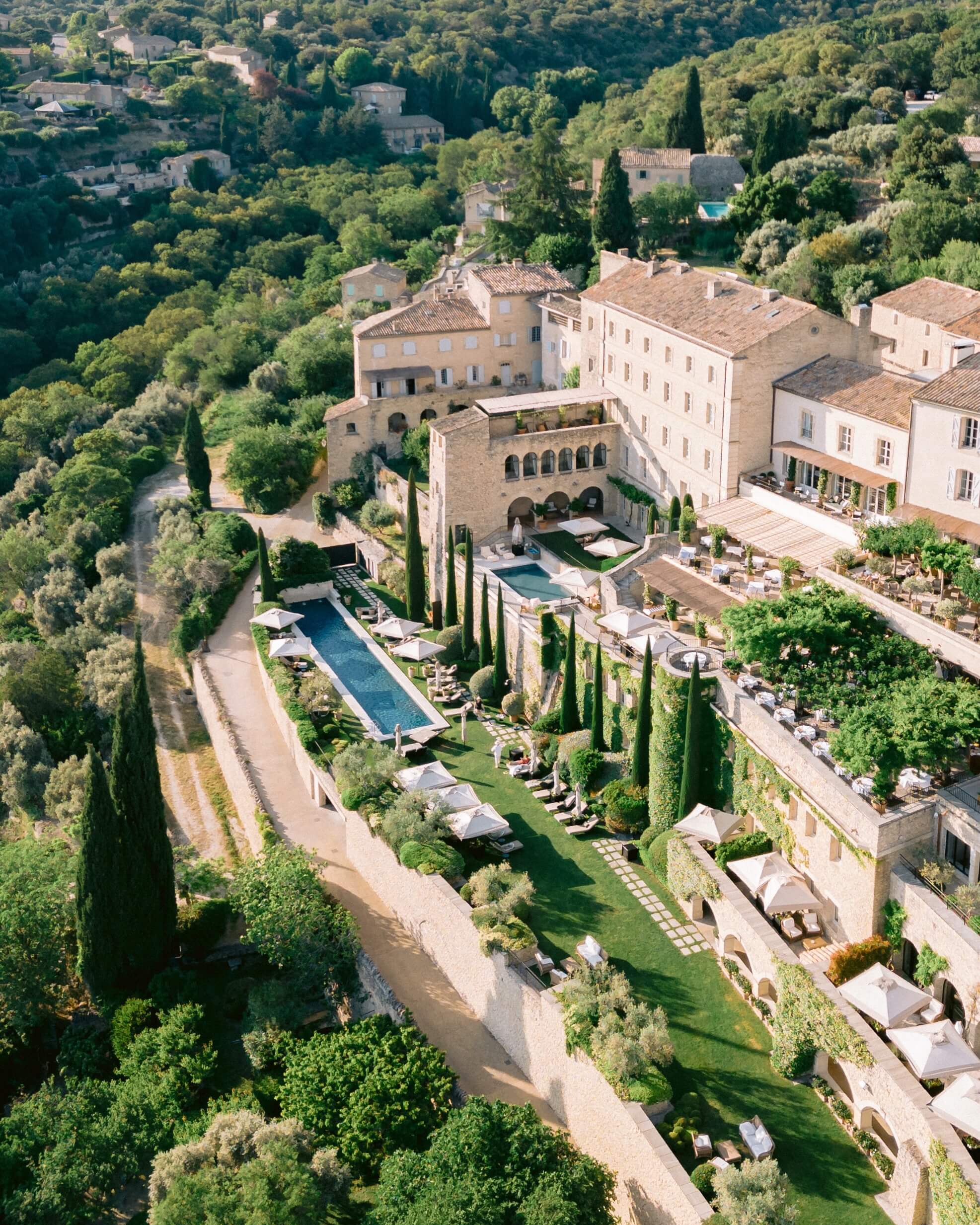
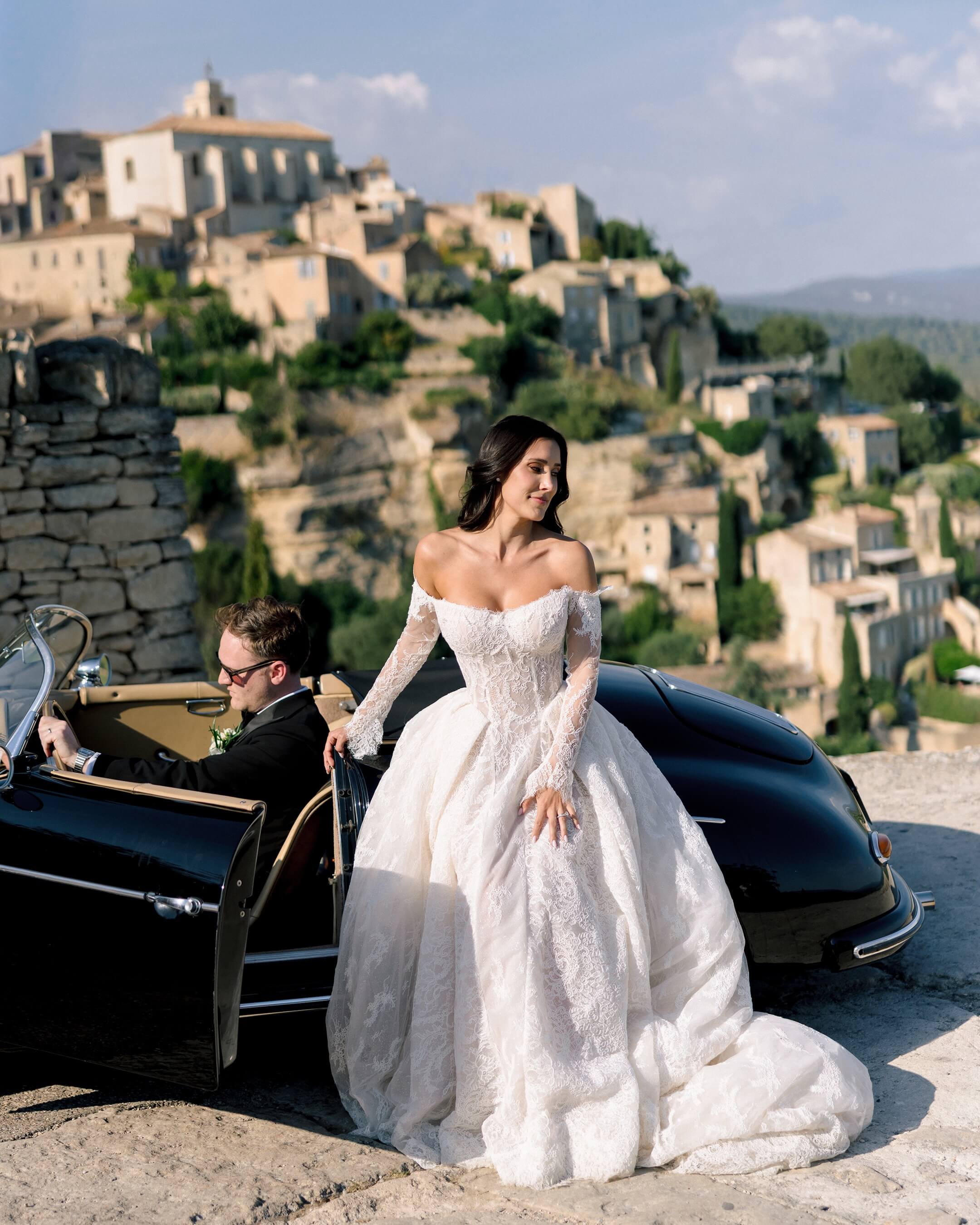
His most frequent locations include Saint-Jean-Cap-Ferrat, Cannes, Cap d'Antibes, Èze, Monaco, Gordes, and the Luberon, alongside regular work in Paris itself. What he looks for in a destination goes beyond scenery. "I am particularly attracted to places with a real identity. I want to be able to feel where I was when I look at a photograph years later," he notes. "The destination should not simply provide a beautiful background. It should become part of the visual memory of the celebration."
That search for identity also draws him to work further afield. "I am available for weddings and celebrations worldwide," he confirms.
"I particularly enjoy celebrations that bring people together from different parts of the world for several days. There is something special about entering that kind of temporary universe. For a few days, everyone is removed from ordinary life and completely immersed in the experience. As a photographer, that gives you an incredible amount to observe and photograph."
Rémi is candid about the moment wedding photography currently finds itself in. "There has never been more visual inspiration available to couples, and weddings themselves have become incredibly sophisticated," he reflects.
"I love photographing that world. I love ambitious celebrations and collaborating with talented planners and creative teams who care deeply about every detail. But I also think there is a danger in creating a wedding primarily for the image of the wedding," he cautions. "The celebrations that excite me most are highly considered but still deeply personal. They can be extraordinarily beautiful, but they feel lived rather than performed."
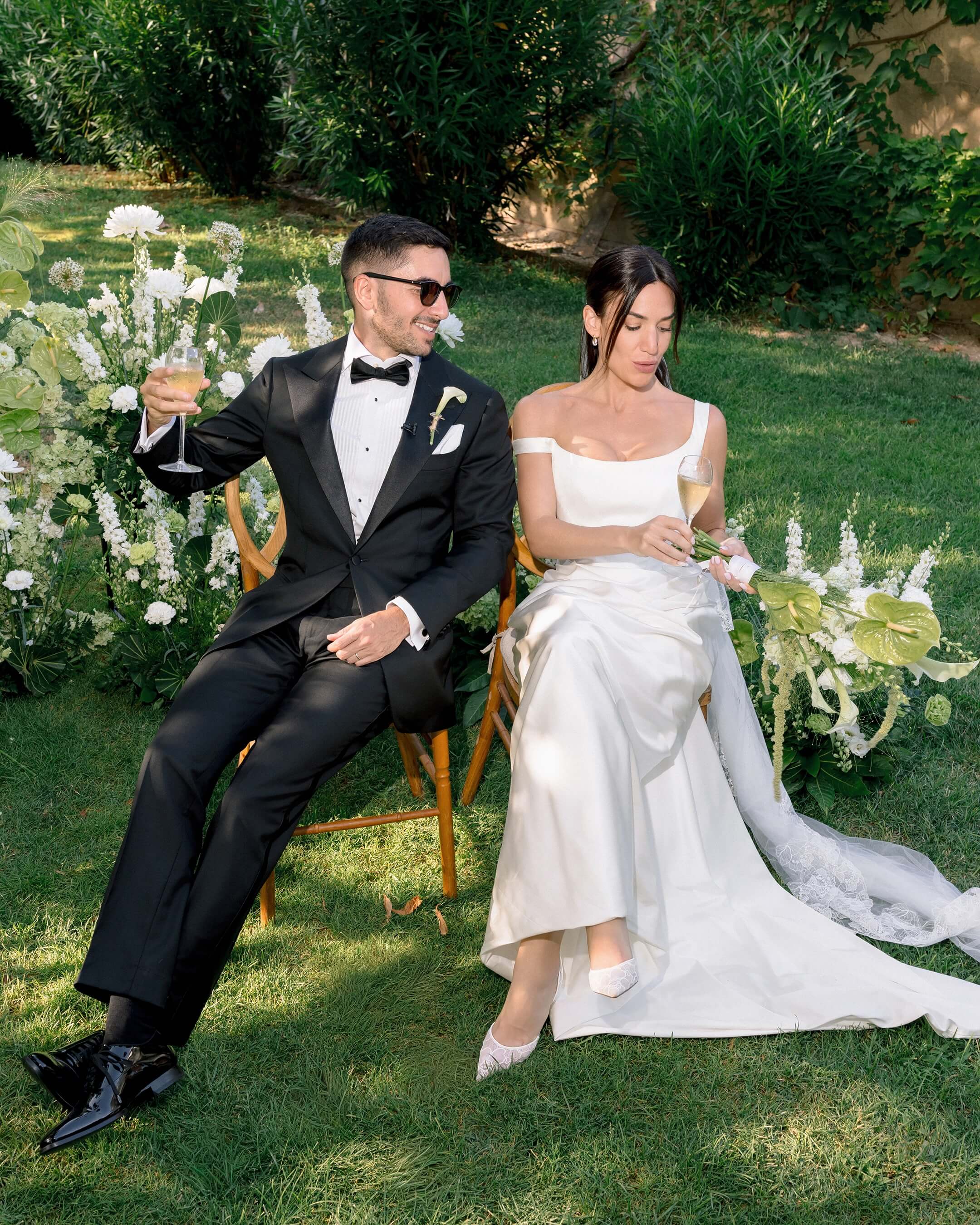
That tension defines how he sees his own role on the day itself. "Sometimes I need to intervene. I will find the light, refine a composition, give direction and create an image that would not otherwise exist," Rémi explains. "Five minutes later, my job might be the exact opposite. Something real is unfolding and any intervention from me would make it less interesting. Knowing when to create and when to disappear is probably one of the things fifteen years of experience has taught me most."
What he wants his photographs to survive is, in the end, everything around them. "I want my photographs to have visual ambition. I want them to feel sophisticated, contemporary and alive. But I also want the people in them to recognise their own lives," he says.
Because ultimately, the photograph has to survive everything else - the trends, the flowers, the dress, the place, even our memory of the day. And if I have done my job well, something human will still be there.