Immortal Arts Builds the Story in More Than One Dimension
AUTHOR: Natali Grace Levine
READING TIME: 4m 48s
PUBLICATION DATE: 10/29/2026
UPDATED: 10/29/2026
AUTHOR: Natali Grace Levine
READING TIME: 4m 48s
PUBLICATION DATE: 10/29/2026
UPDATED: 10/29/2026
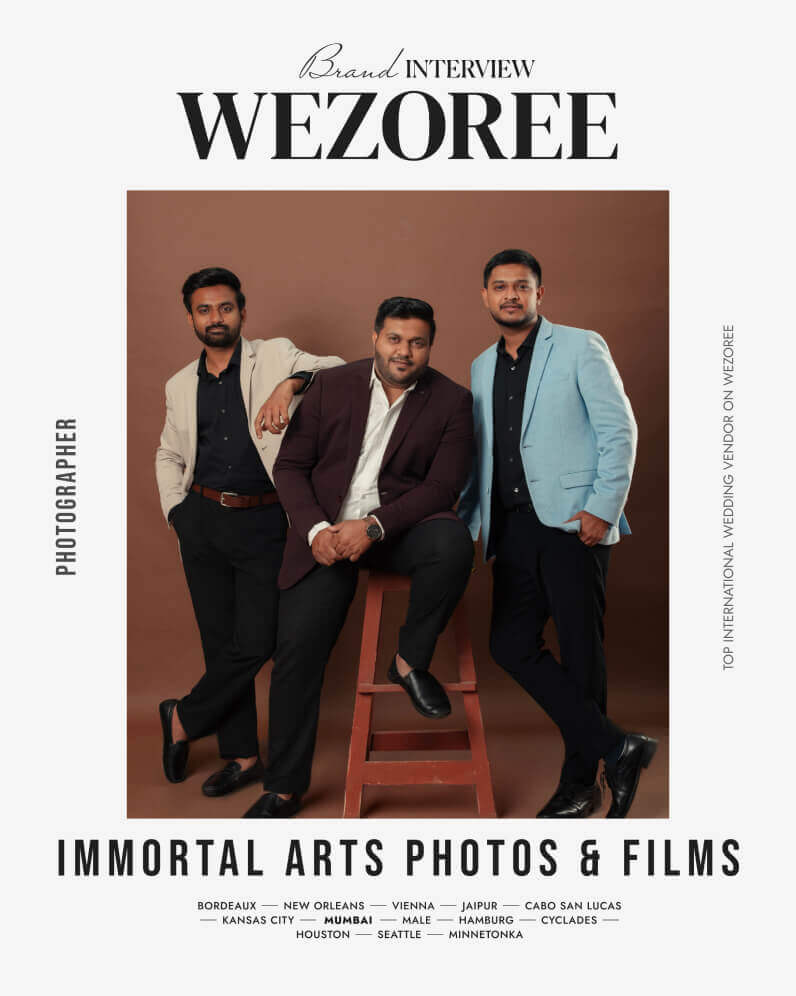
Immortal Arts works in two mediums, photography and film, and treats them as parts of one emotional story. The Pune-based company was founded in 2019 by three friends, Sagar Sakhare, Rohit Jagtap, and Mandar Bhoir, and began as a passion project built on the belief that weddings are stories to be experienced and preserved, not just events to be photographed.
The team works from Pune and Mumbai, mostly across India, with a documentary sensibility and an intentional visual language, and keeps its calendar intentionally curated. Behind the approach is a simple interest in people and what they do when they forget the camera is there.
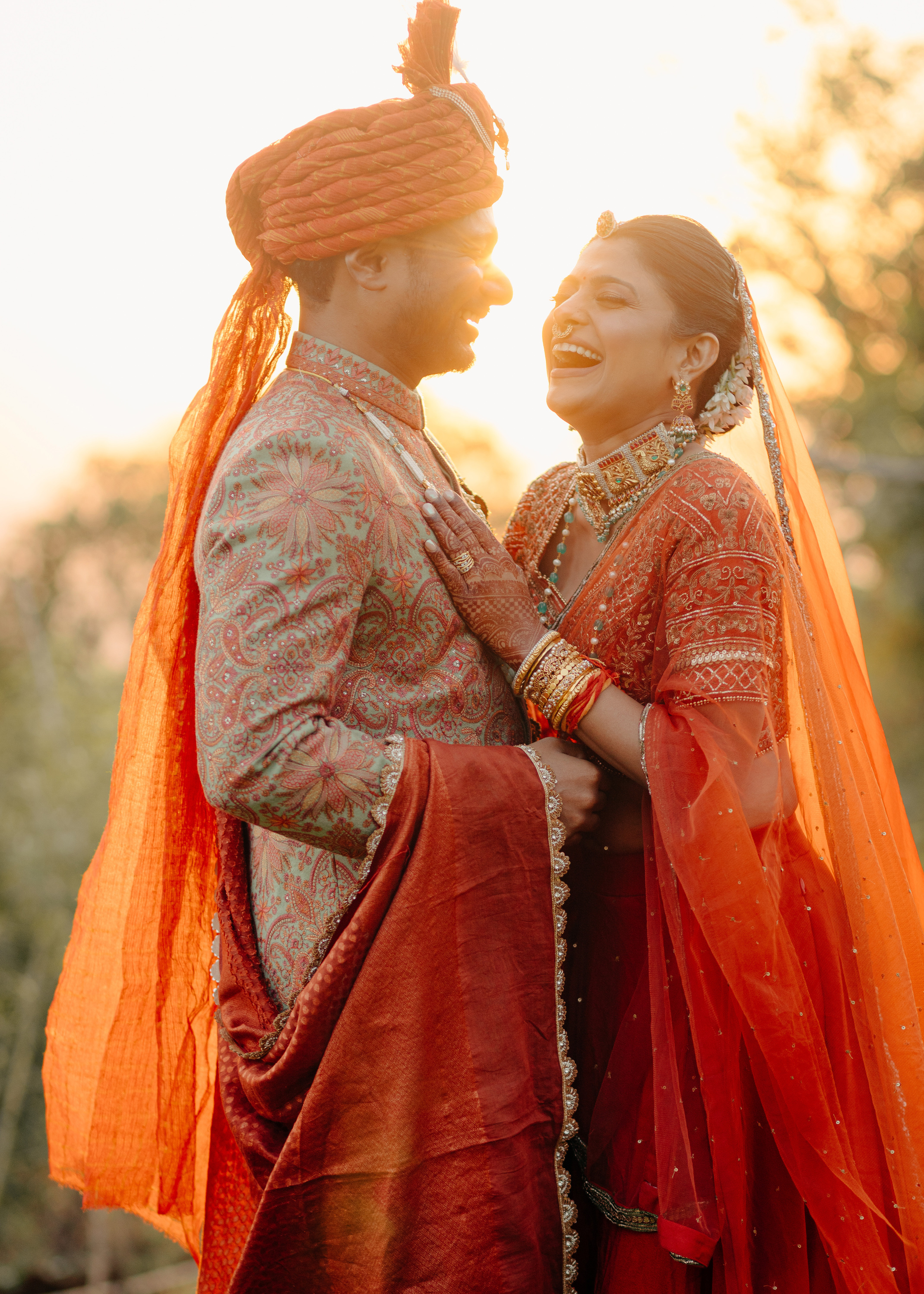
The founders trace the company back to one idea. "What began as a passion project grew from a simple belief: weddings are not just events to be photographed, but stories to be experienced and preserved," the team explains. The growth was gradual.
 We have been working in the wedding industry since 2019, when Immortal Arts began as a passion project and gradually evolved into a full-fledged photography and filmmaking company.
The approach changed along the way. "Over the years, our approach has evolved around human connection, honest observation and emotional storytelling. We work across photography and filmmaking, blending a documentary sensibility with an intentional visual language. For us, the camera is not just a tool to create beautiful imagery, it is a way of witnessing people, relationships and the fleeting moments that make each wedding uniquely theirs."
Asked what they enjoy most, the team answers in one sentence. "For us, it is the privilege of witnessing people when they are completely themselves," they say. The best frames, in their view, are often not the planned ones.
"A wedding has hundreds of planned moments, but some of the most meaningful photographs happen in between them: a parent looking at their child, a friend quietly holding back tears, a couple forgetting the camera is there, or a family sharing a moment that may never happen in quite the same way again."
Their role is to notice.
We enjoy being present enough to recognise those moments without interrupting them. And because we work with both photography and films, we also love seeing how a single moment can become part of a larger emotional story.
For the team, inspiration starts with a single word. "People," they say.
"Every wedding reminds us that even though the rituals may look familiar, the relationships behind them are never the same. We keep getting inspired by family dynamics, cultures, personalities, unexpected moments and the little details that make one story completely different from another."
The influences go beyond weddings. "Cinema, photography, art, architecture and human behaviour continue to influence the way we see and tell stories," they note. The aim is to avoid a formula.
The goal is not to repeat what worked at the last wedding, but to remain curious enough to see something new at the next one.
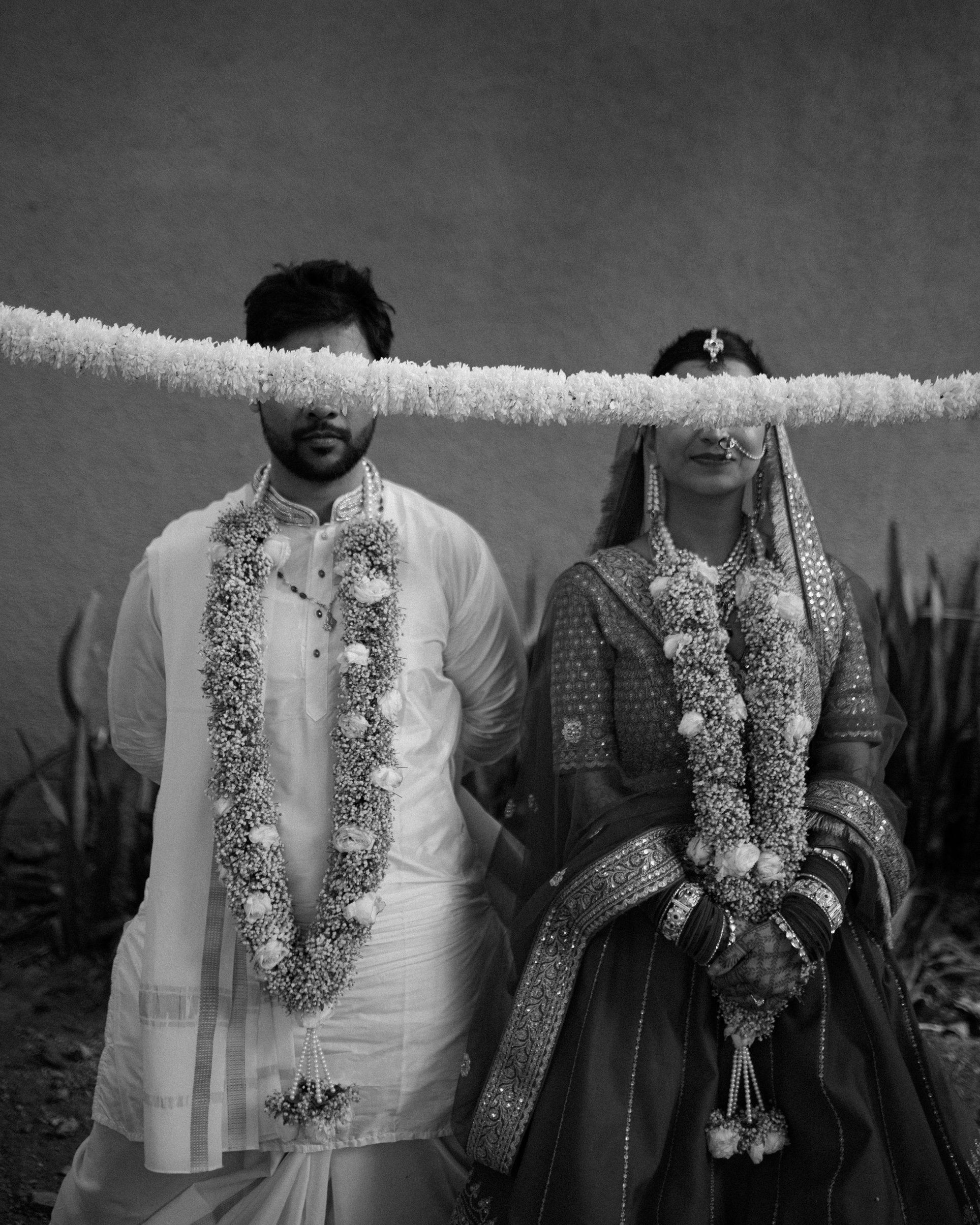
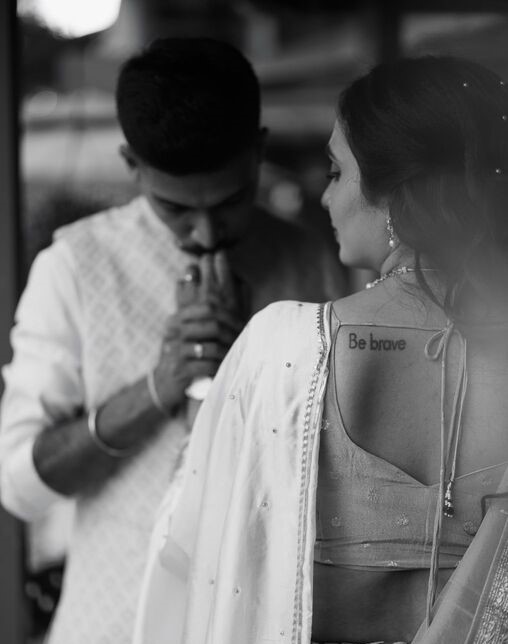
One wedding in Pune has stayed with the team above all others. "Ananya and Vignesh's wedding in Pune, a wedding that brought together two people with Down Syndrome and their families, has stayed with us deeply," they say. What made it meaningful went back years before the day itself.
"What made it particularly meaningful for us was not simply the significance of their story, but everything that had led to that wedding day; the years of effort their families had put into helping them become independent, the patience and love of their parents, and the coming together of two families and cultures."
Once the team arrived, something shifted. "Once we were there, the headline disappeared. We saw Ananya and Vignesh simply as a bride and groom laughing, dancing, celebrating and experiencing the same overwhelming emotions that make any wedding meaningful," they recall.
We were photographing more than a wedding day. We were photographing years of love, patience, effort and belief arriving at one moment.
The lesson stayed. "That experience continues to influence the way we approach storytelling: to look beyond what makes a story remarkable on paper, and pay attention to the people who make it meaningful in real life."
Pune and Mumbai are home, and India is the main stage. "We are based in Pune & Mumbai, Maharashtra, India, and primarily work across India. Being based in Pune gives us a strong connection to Maharashtra, but weddings have taken us to different cities and destinations across the country," the team explains. Maharashtra, Gujarat, Rajasthan, and other destinations across India come up most often. Distance is not a barrier either.
"We are also comfortable travelling wherever the story takes us."
That includes weddings abroad. "Yes. We are available for weddings worldwide. We love destination weddings because a new place often brings a different rhythm, culture and visual language to the story."
The calendar, though, is kept selective by choice. "We prefer to keep our wedding calendar intentionally curated rather than taking on a high volume of weddings. This allows us to give every project the creative attention, preparation and personal involvement it deserves," the team adds.
For us, the quality of the relationship and the depth of the story matter more than simply increasing the number of weddings we photograph each year.
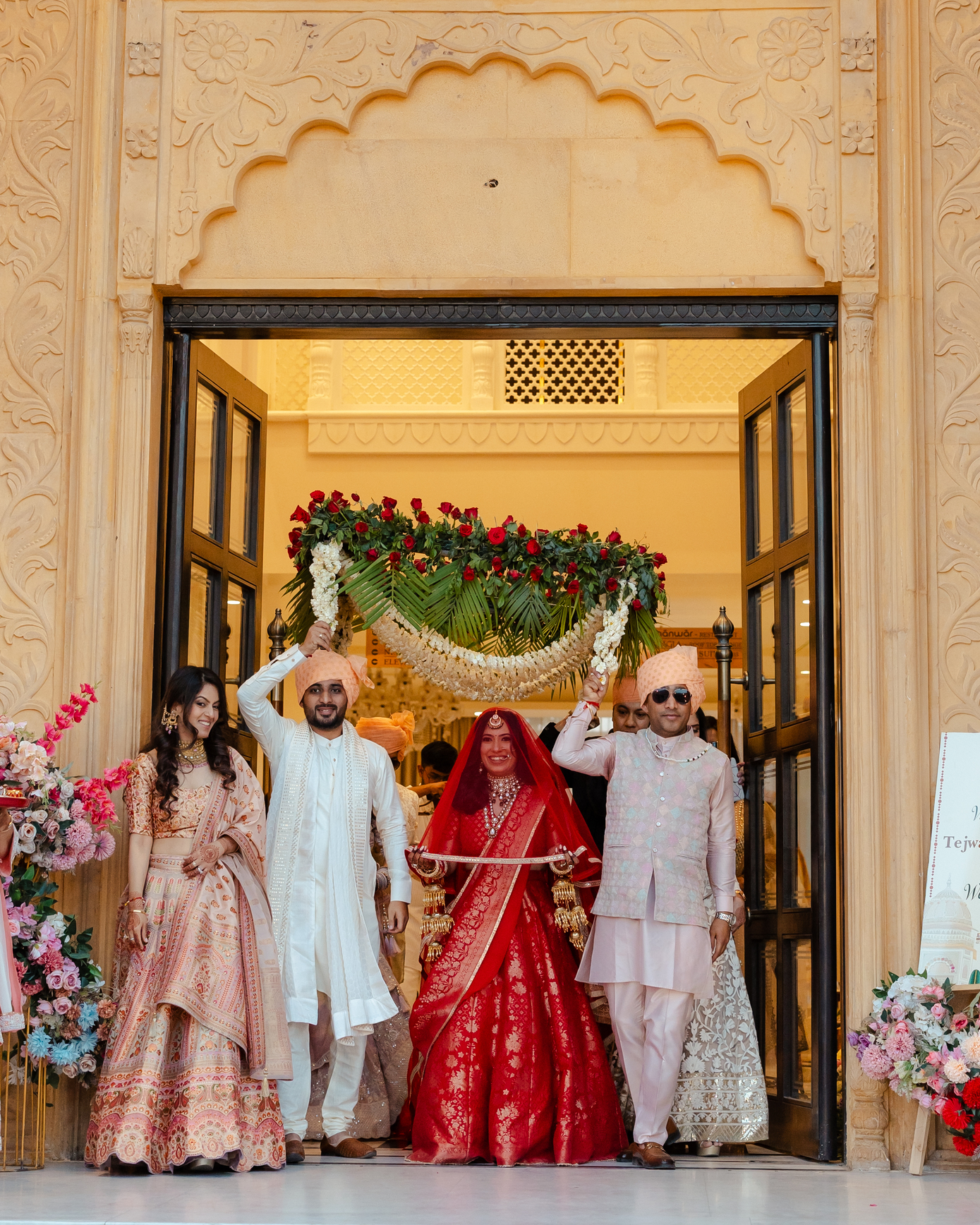
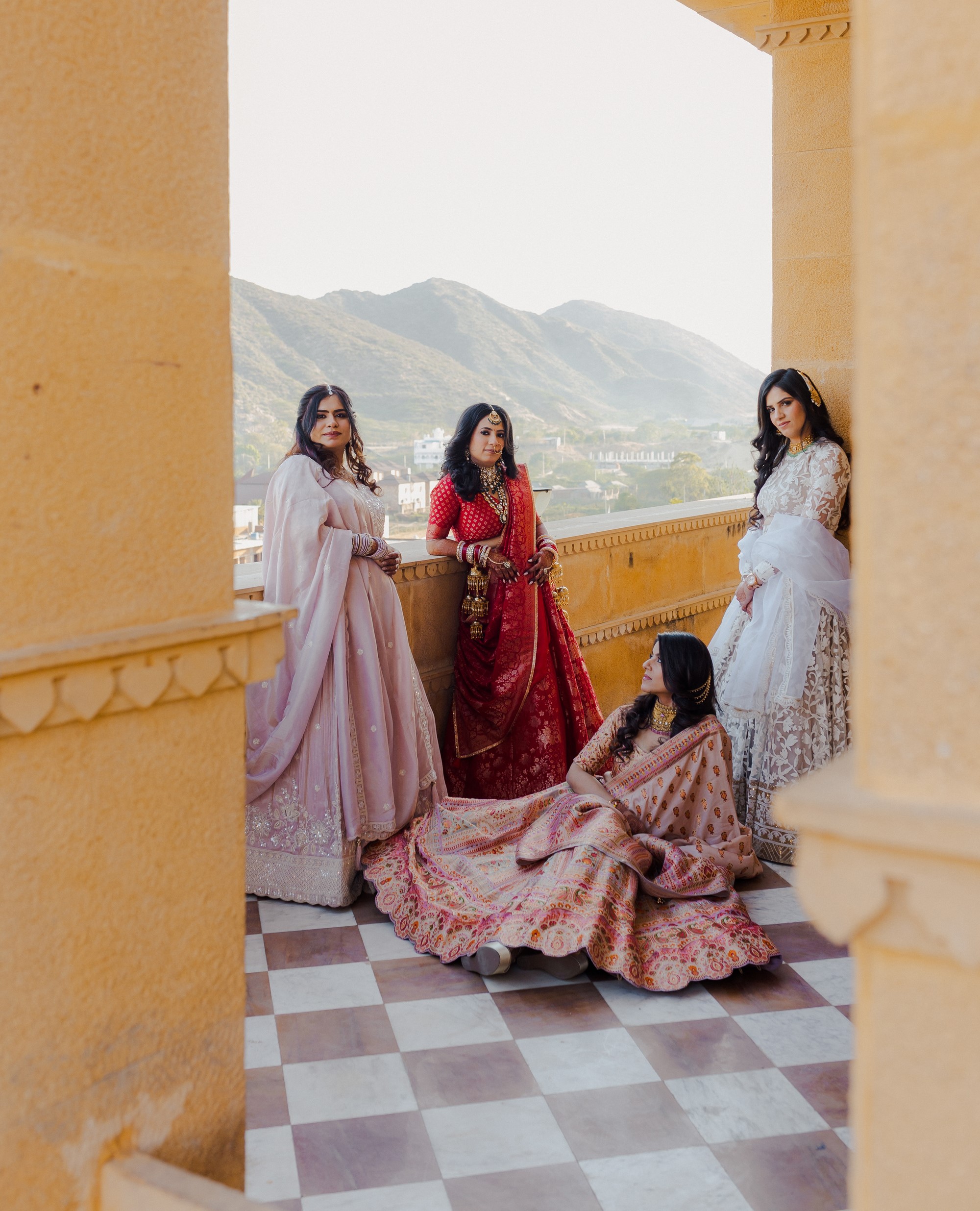
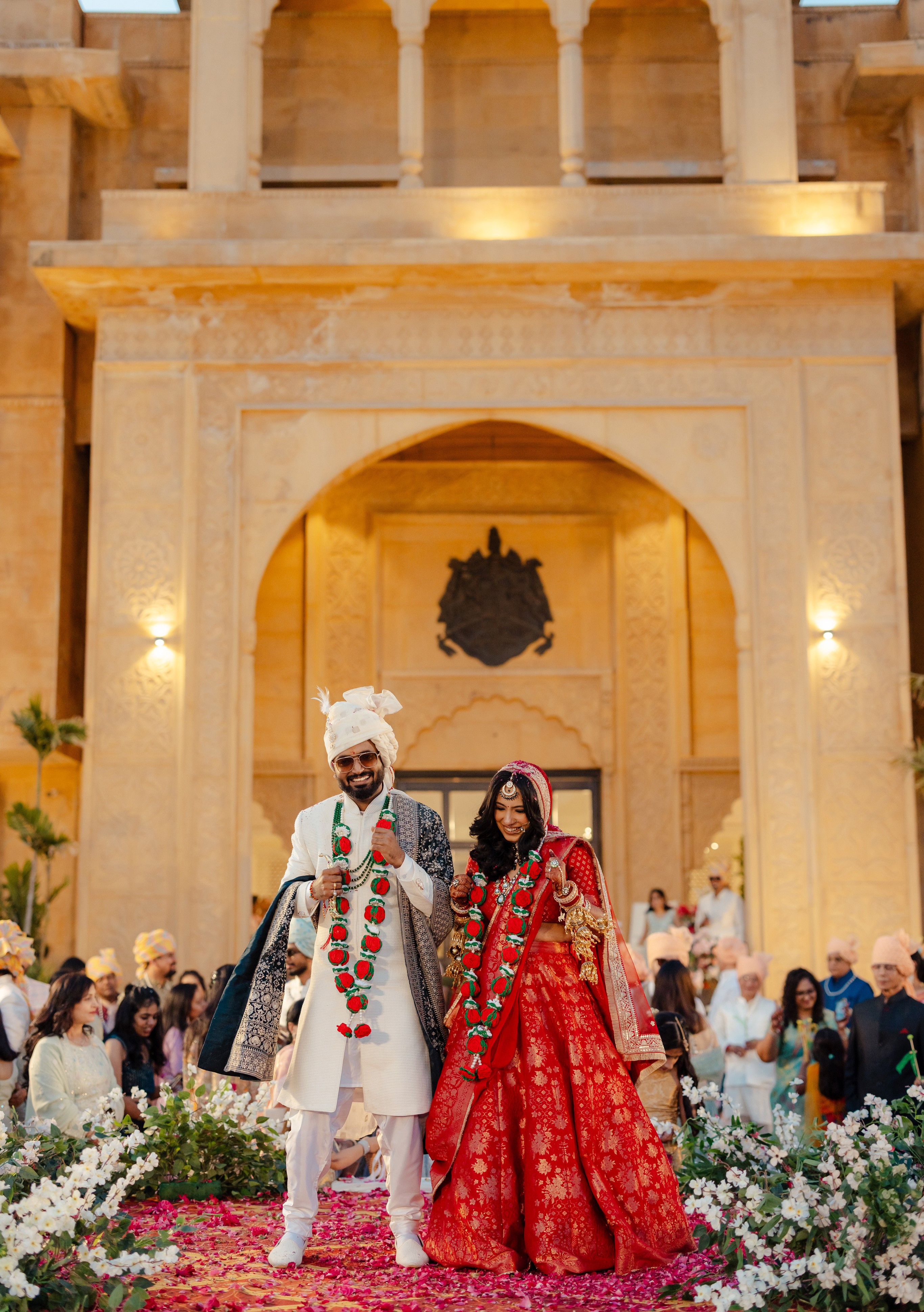
Among all the locations, one in Rajasthan comes first. "One of the most unforgettable wedding locations we've worked at is Sahdev Bagh in Pushkar, Rajasthan," the team says. The place suits their way of working.
"There's something incredibly cinematic about the place, the heritage architecture, courtyards, textures, open spaces and the character of Rajasthan itself. It gives you so much to observe and work with visually, without having to force the frame."
What stayed longest was how the setting joined the day. "What stayed with us most, though, was how naturally the location became part of the wedding story. The architecture, the light, the movement of people and the cultural atmosphere all came together to create a sense of place that felt deeply connected to the celebration." The team's view of memorable places is not about scale.
For us, the most memorable locations are not necessarily the grandest ones. They are the ones where the place, the people and the story begin to feel like one frame.
The team ends with how it would like to be remembered. "Perhaps the most important thing about Immortal Arts is that we don't want to be remembered simply as the people who photographed someone's wedding. We want to be remembered as the people who understood the story behind it."
The two mediums each add something.
"Photography gives us a frame. Filmmaking gives us movement, sound and time. But the real material we work with is human connection," they explain. Everything comes back to what a couple is left with.
Our aim is to create photographs and films that don't just remind couples of how their wedding looked, but make them feel what it was like to be there. For us, that is what makes a wedding memory truly immortal.