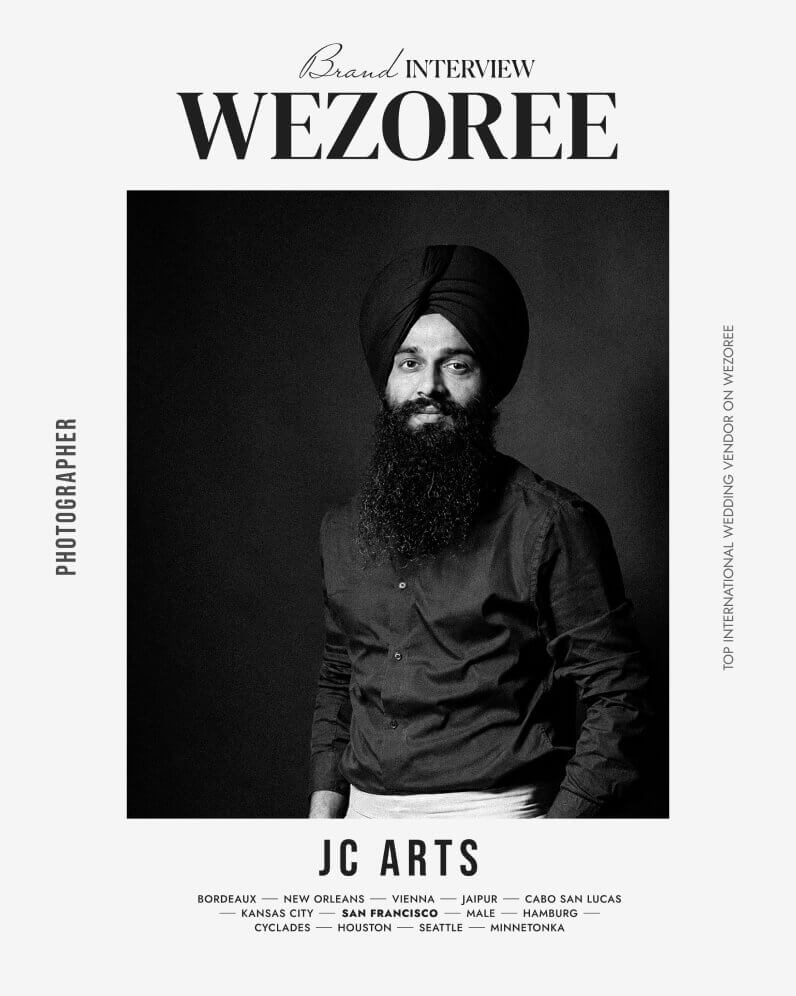
From Wildlife to Weddings: The Vision of JC Arts Photography
AUTHOR: Natali Grace Levine
READING TIME: 4m 18s
PUBLICATION DATE: 08/28/2026
UPDATED: 09/03/2026
AUTHOR: Natali Grace Levine
READING TIME: 4m 18s
PUBLICATION DATE: 08/28/2026
UPDATED: 09/03/2026
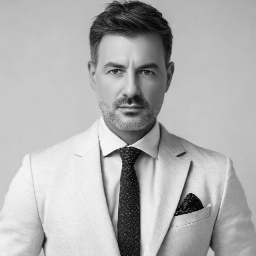
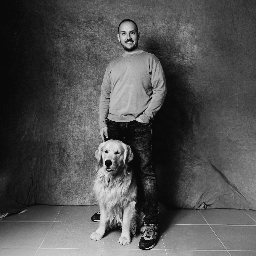
Spend five minutes talking to Jagdeep Singh about his work and you'll notice something: he doesn't talk about photography the way most wedding photographers do. He talks about patience. About reading an environment. About the specific discipline of being completely ready for something that may or may not happen, and staying that way for hours. These are not instincts that come from shooting weddings. They come from somewhere much less predictable — years of street photography, wildlife tracking, and chasing owls through forests at midnight with a camera and no guarantee of anything.
Jagdeep is the creative lead at JC Arts Photography, which he founded in 2011. He's been in the industry for fifteen years, shoots between 30 and 35 weddings a year, works worldwide, and has built a practice that sits at the intersection of fine art and documentary — cinematic in feel, editorial in precision, and technically rooted in a background that most photographers simply don't have.
Jagdeep's career started not behind a camera but in front of a monitor, doing professional photo editing for major firms in India. It was painstaking, technical work — the kind that forces you to understand what a digital image actually is at its most fundamental level, how light behaves in a file, what color really means, how texture either holds or falls apart under pressure. Most photographers learn this slowly, through trial and error, years into their careers. Jagdeep learned it first, before he'd shot a single frame professionally, and that sequence changed everything about how he eventually approached the camera.
"This phase taught me the 'DNA' of a digital image: how to master light, color, and texture to achieve perfection before the shutter is even pressed," he says.
From the edit suite he moved to the streets, then to remote villages, then to forests — spending what he describes as countless hours chasing subjects that offered no cooperation and no second chances. Fast-moving street life, owls mid-flight, bats in darkness. The technical demands of that work — difficult exposures, unconventional lighting, split-second timing — became the foundation of everything he does today in ballrooms and palaces and ceremony spaces around the world.
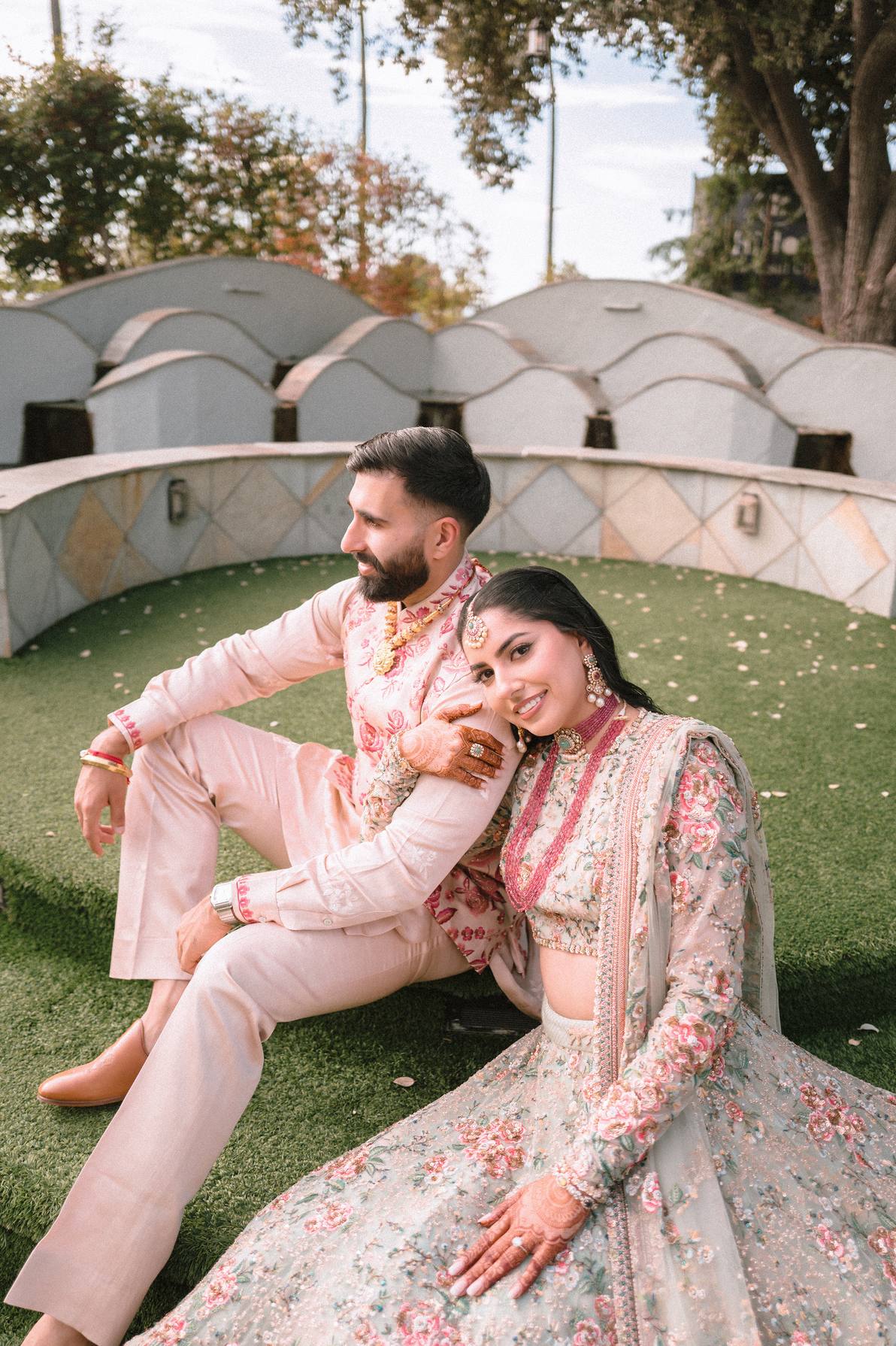
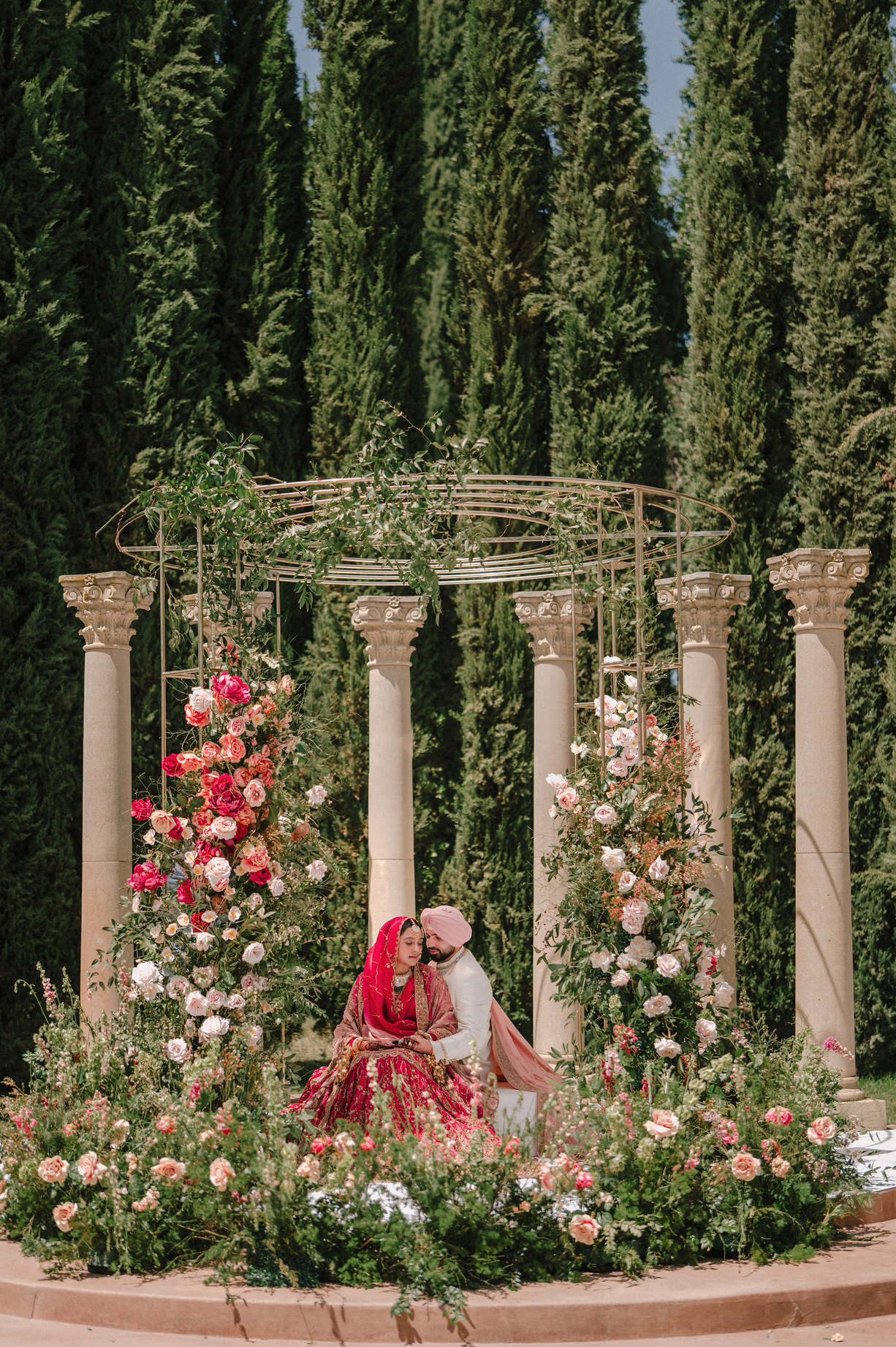
Jagdeep describes his style as "Fine Art and Fearless," and the pairing is deliberate. Fine art speaks to the compositional seriousness he brings to every frame — the dramatic lighting, the bold color, the sense that each image was considered rather than grabbed. Fearless speaks to the wildlife instinct underneath it all: the willingness to be in the wrong place, physically, in pursuit of the right moment emotionally.
His editing reflects the same duality.
 My editing is clean, timeless, and true-to-life, but with a cinematic "pop." I focus on color grading that enhances the vibrancy of traditional attire (especially important in South Asian weddings) while maintaining natural skin tones and a high-fashion finish,
he shares.
Jagdeep shoots primarily on Canon and Leica mirrorless systems, chosen for their reliability and performance across the extreme lighting conditions that weddings — particularly long, multi-event cultural weddings — consistently produce.
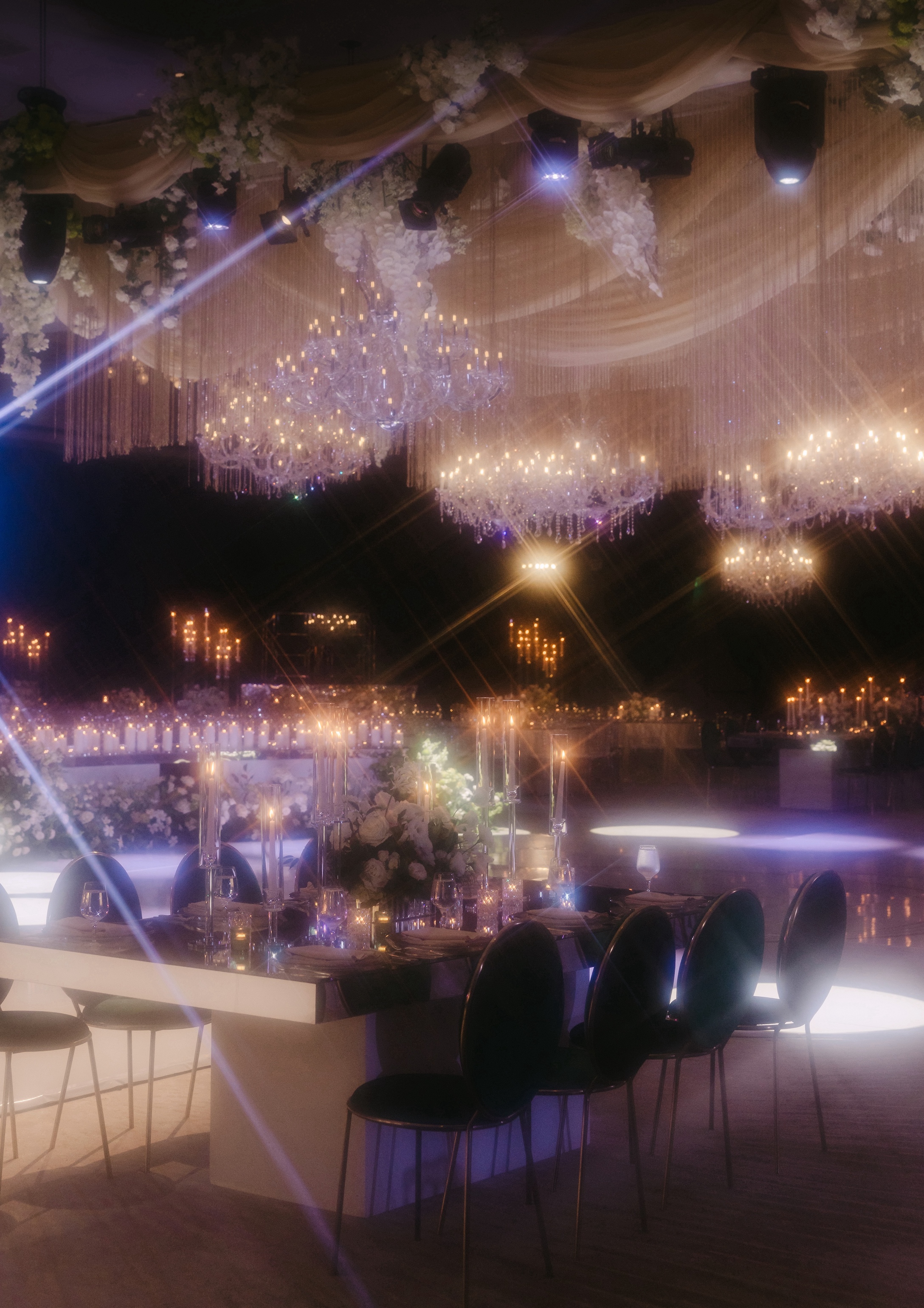
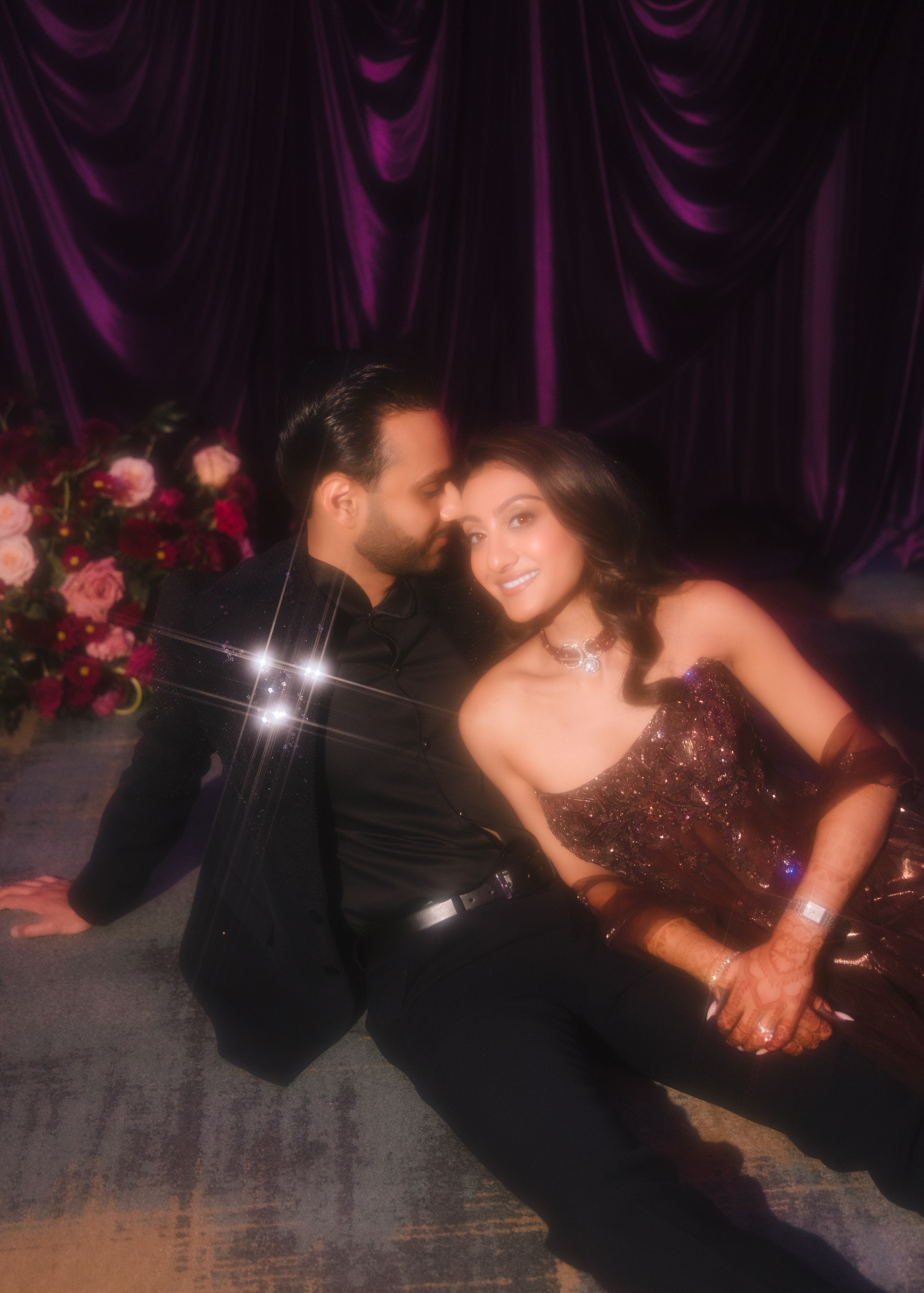
Jagdeep talks about the energy of a wedding day with a specificity that suggests he hasn't stopped noticing it. "There is a specific "hum" to a wedding day — the nervous excitement of the morning, the sacred silence of the vows, and the explosive joy of the reception," he says. "Being the one trusted to bottle that energy up for a couple to revisit 50 years from now is an incredible honor."
What keeps him curious across fifteen years and hundreds of weddings is something he's watched shift gradually over time. "I love seeing how modern couples take ancestral rituals and put their own unique, contemporary spin on them. Every wedding feels like a new chapter of a story I’ve been reading for 15 years, and I’m always excited to see how the next one ends." The weddings that stay with him longest share a common quality that has nothing to do with scale or budget — they're the ones where the emotion was completely unfiltered, where nothing felt staged, where the connection between the couple and their families was simply present in the room and his job was to be ready for it.
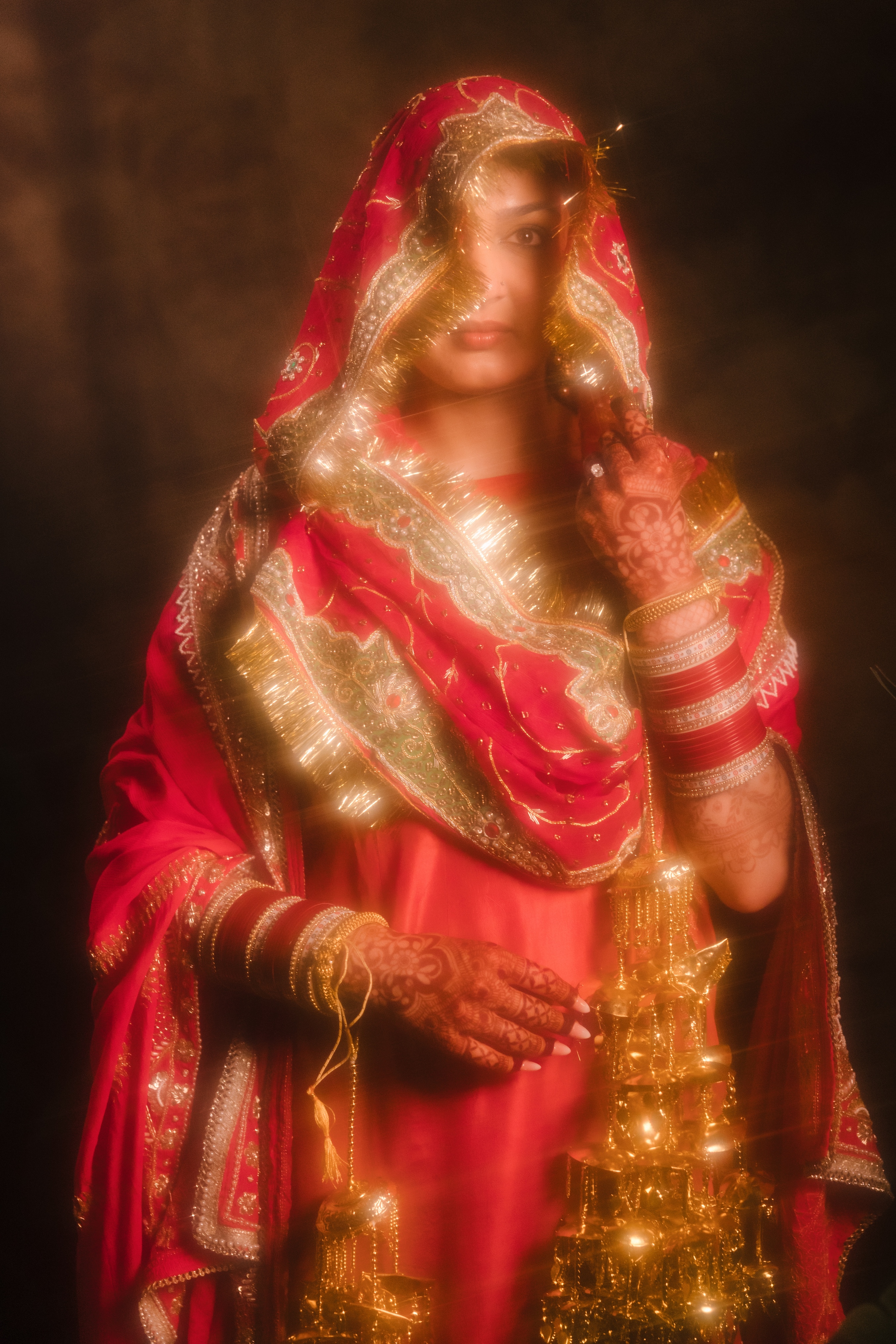
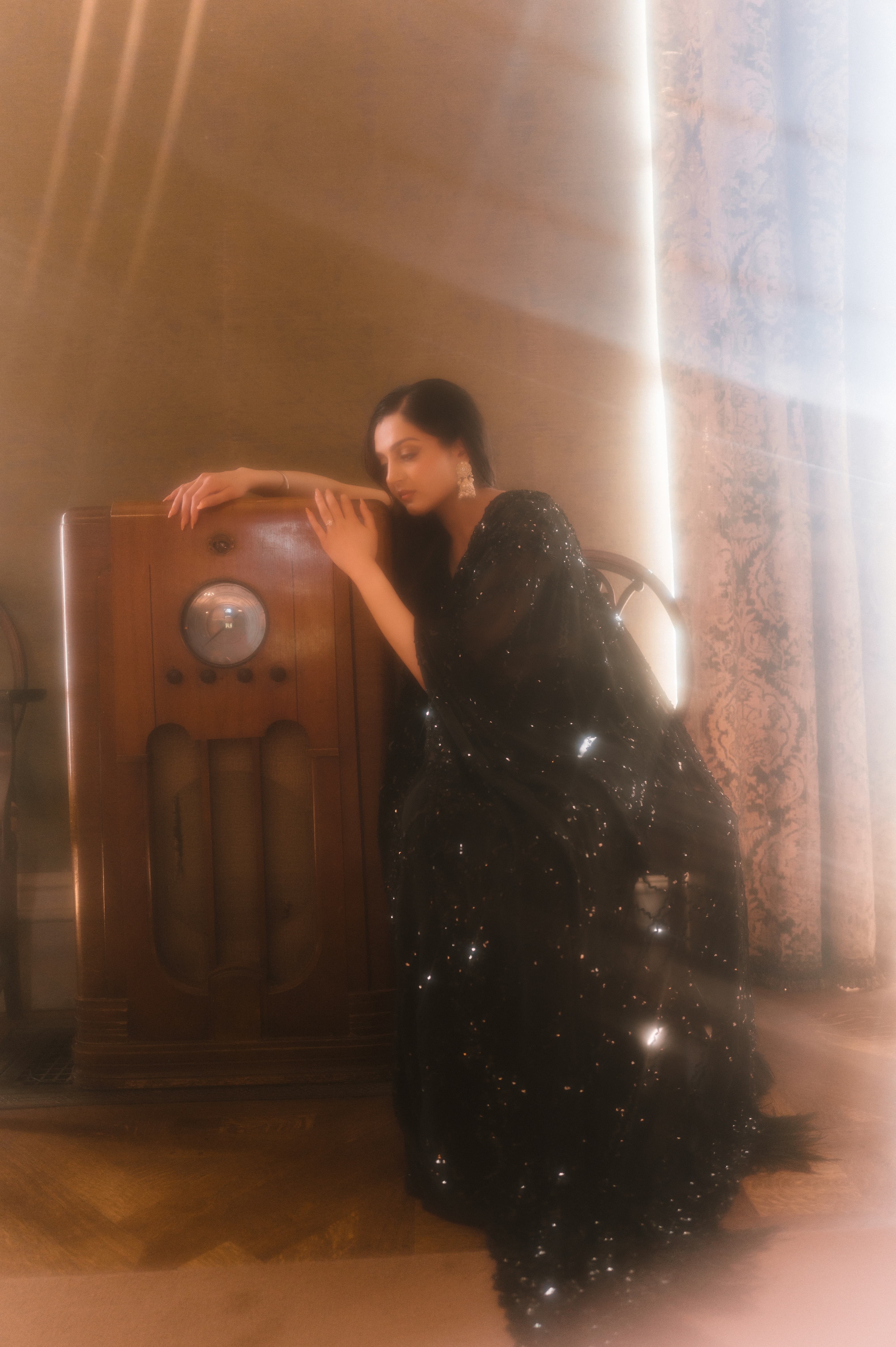
Jagdeep works worldwide and covers a wide range of wedding formats — most of his luxury collections start at ten to twelve hours, but for multi-day cultural celebrations, he regularly provides twenty or more hours of coverage spread across pre-wedding rituals and the main event. His packages are tailored to each couple.“Every wedding is unique, so I offer tailored packages designed to align with each couple’s specific vision and requirements,” he says
His favourite destination is Rajasthan.
The architecture and scale of weddings there provide an unparalleled backdrop for cinematic photography.
He loves the California coast too — he's based there — but Rajasthan is where his fine art instincts and his documentary background seem to find the most room to operate simultaneously.
On the practical side, Jagdeep is direct about what consistently undermines wedding photography before he's taken a single shot: time and lighting, both of which couples routinely underestimate. The logistics of moving between locations, gathering family members, transitioning between parts of the day — all of it takes longer than anyone anticipates, and the difference between a timeline with breathing room and one without shows up directly in the quality of the portraits. Golden hour in particular requires a schedule built around it, not one that treats it as optional. His advice to every couple is the same regardless of how elaborate their wedding is: “Trust your photographer, build a realistic timeline, and allow yourself to be present. The most meaningful images come from genuine moments, not forced ones.”
Jagdeep closes every conversation about his work by coming back to the same idea, and after fifteen years it clearly hasn't become a formality for him.
For me, photography goes beyond aesthetics—it’s about creating a visual legacy. These images are not just for today, but for generations to come.
The grandchildren who will one day look at these photographs and form their understanding of who their grandparents were on this particular day — that's the audience Jagdeep is ultimately working for. It's a longer view than most photographers take, and it's visible in the seriousness with which he approaches every single frame.