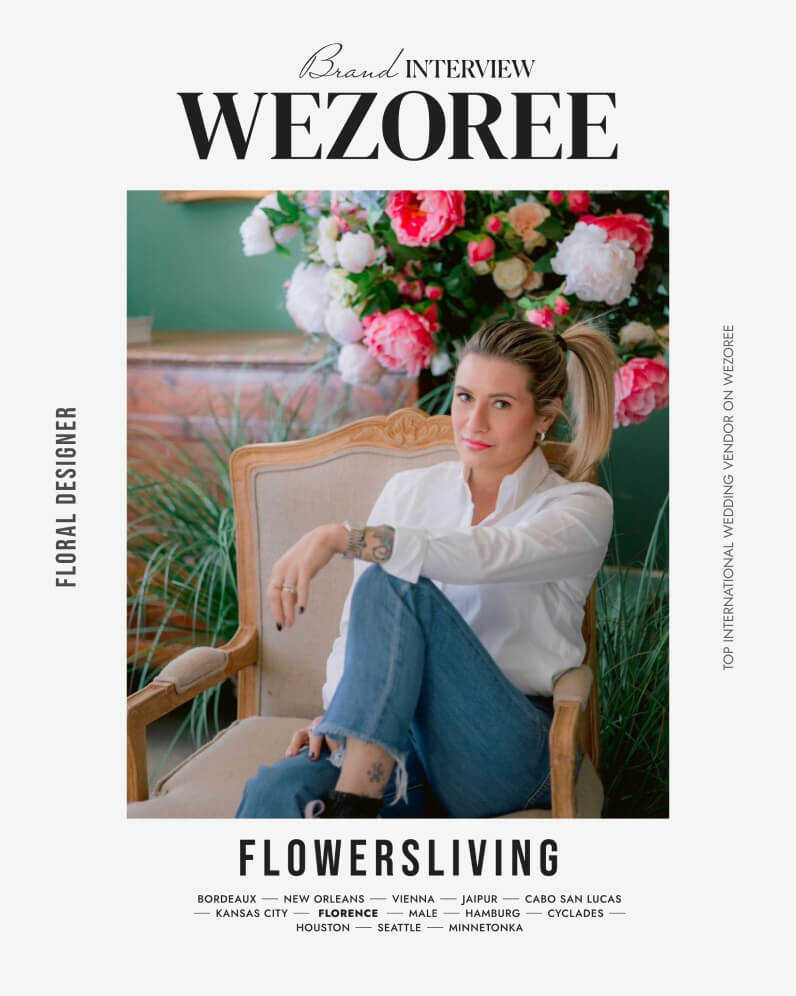
Flowersliving: Where Floral Design Becomes Part of a Couple’s Story
AUTHOR: Natali Grace Levine
READING TIME: 7m 19s
PUBLICATION DATE: 08/03/2026
UPDATED: 08/03/2026
AUTHOR: Natali Grace Levine
READING TIME: 7m 19s
PUBLICATION DATE: 08/03/2026
UPDATED: 08/03/2026
Marta Petrioli is the founder and creative director of Flowersliving, a floral design studio specializing in weddings and events. Her work is rooted in a deep appreciation for nature, seasonality, and the emotional weight that flowers carry inside meaningful celebrations. The style she has built over the years is garden-inspired, refined, and deliberately connected to the landscape around each event - flowers that feel like they grew there, not flowers that were brought in.
She works with couples and planners from around the world on destination weddings, and the philosophy behind every project is the same: flowers as storytelling, not decoration.
Marta's path into floristry followed the pull of a genuine passion rather than a deliberate plan. "My journey into wedding floristry grew naturally from a deep appreciation for nature, aesthetics, and the emotional power that flowers hold within meaningful celebrations. What began as a personal passion gradually evolved into a profession, leading me to explore floral design as a form of storytelling."
The idea that flowers can do narrative work - not just aesthetic work - became central to how Flowersliving operates.
 I have always been drawn to the idea that flowers can shape an atmosphere and elevate a moment, especially in weddings where every detail contributes to a couple's unique narrative.
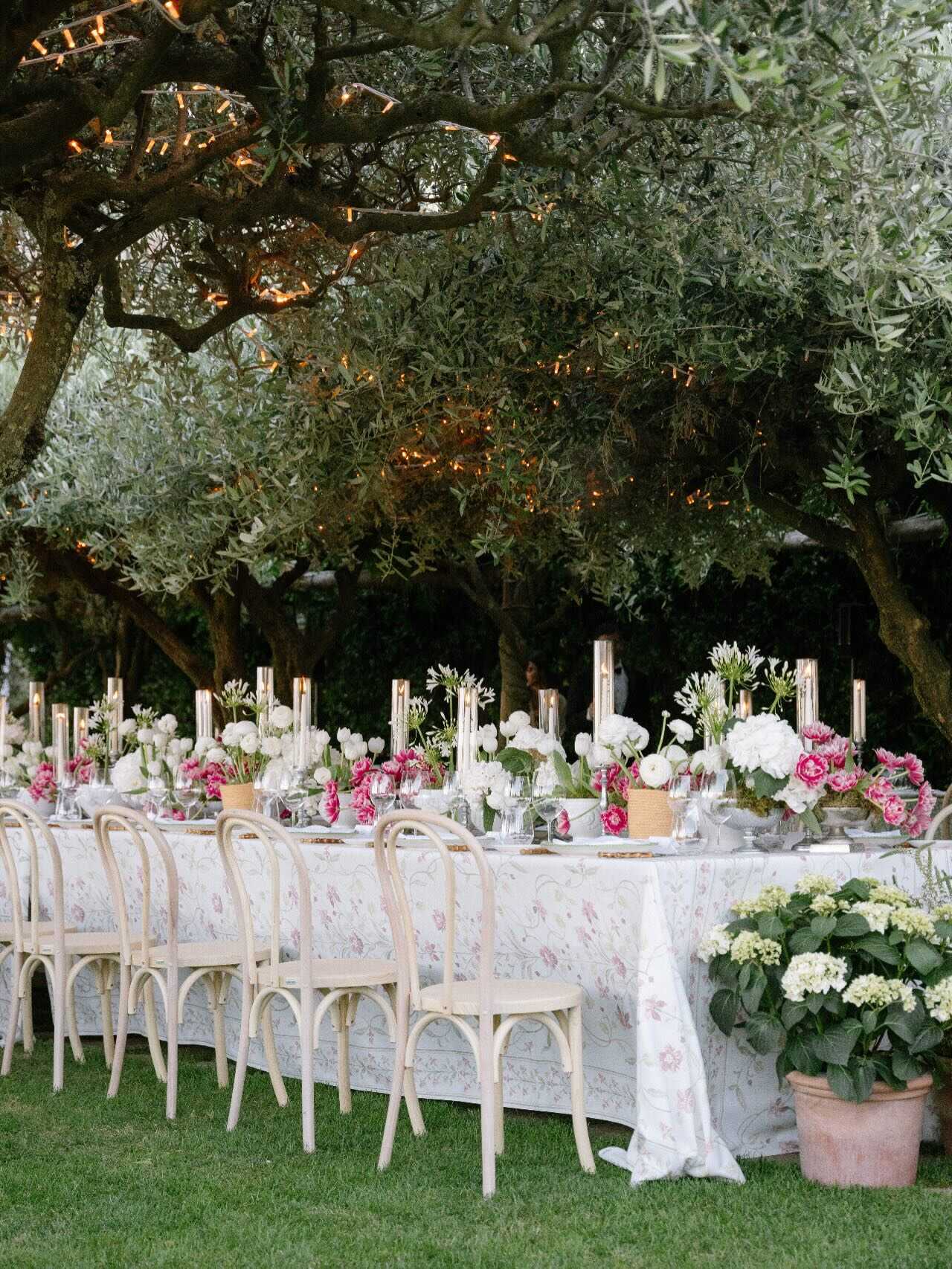
Over time, that instinct crystallized into a signature approach. "I would describe it as timeless and refined, inspired by natural landscapes, seasonality, and an effortless sense of elegance. My approach combines a garden-inspired aesthetic with careful attention to composition, texture, and movement, creating floral designs that feel both contemporary and enduring."
Marta's first wedding was a winter celebration, just days before Christmas. "The atmosphere felt incredibly magical. The season itself added a special warmth to the celebration, with that quiet, festive feeling that only those days of the year seem to have."
What stayed with her was less about the flowers themselves and more about what happened when they were in place. "What stayed with me most was the emotion of seeing the space come together and realizing that something I had imagined was now real. In that moment, I understood how powerful flowers can be in shaping a setting and creating a feeling."
She looks back on it as the moment everything shifted. "It was the moment when my passion for flowers started to become something more - a path dedicated to creating floral designs that feel timeless, natural, and deeply connected to the atmosphere of each celebration."
The moment Marta returns to most when asked about the rewards of this work is a specific one - always the same.
"The most special moment is when the couple first walks into the space and sees everything for the first time. The colors, textures, scents, and natural movement of the flowers all come together to create an atmosphere that feels authentic to them. In that instant, the project I had envisioned in my mind becomes real, and the emotional connection to the work becomes very powerful."
The full arc of a project matters to her just as much as that final reveal.
I find great joy in guiding that creative journey - from the initial inspiration and design process to the final installation - carefully composing every detail so that the floral design feels effortless, timeless, and deeply connected to the setting.
At its core, the satisfaction is about transformation. "Being able to turn an idea, a feeling, or a story into a real environment that people can experience and remember is what makes this work so rewarding."
Among all the weddings Marta has designed, one stands out - not for how it looked at the end, but for what it took to get there. The venue was a small terrace carved into the cliffs of the Italian coastline, reachable only by a narrow stone path. No vehicles could access it. Every bucket of flowers, every piece of equipment, every element of the installation had to be carried there by hand.
"Early in the morning, our team began the journey on foot, walking up and down the path several times with buckets of flowers, mechanics, and materials. It was physically demanding - especially under the summer sun - but at the same time, there was something incredibly special about that process. Each step felt like part of the story we were building for the couple."
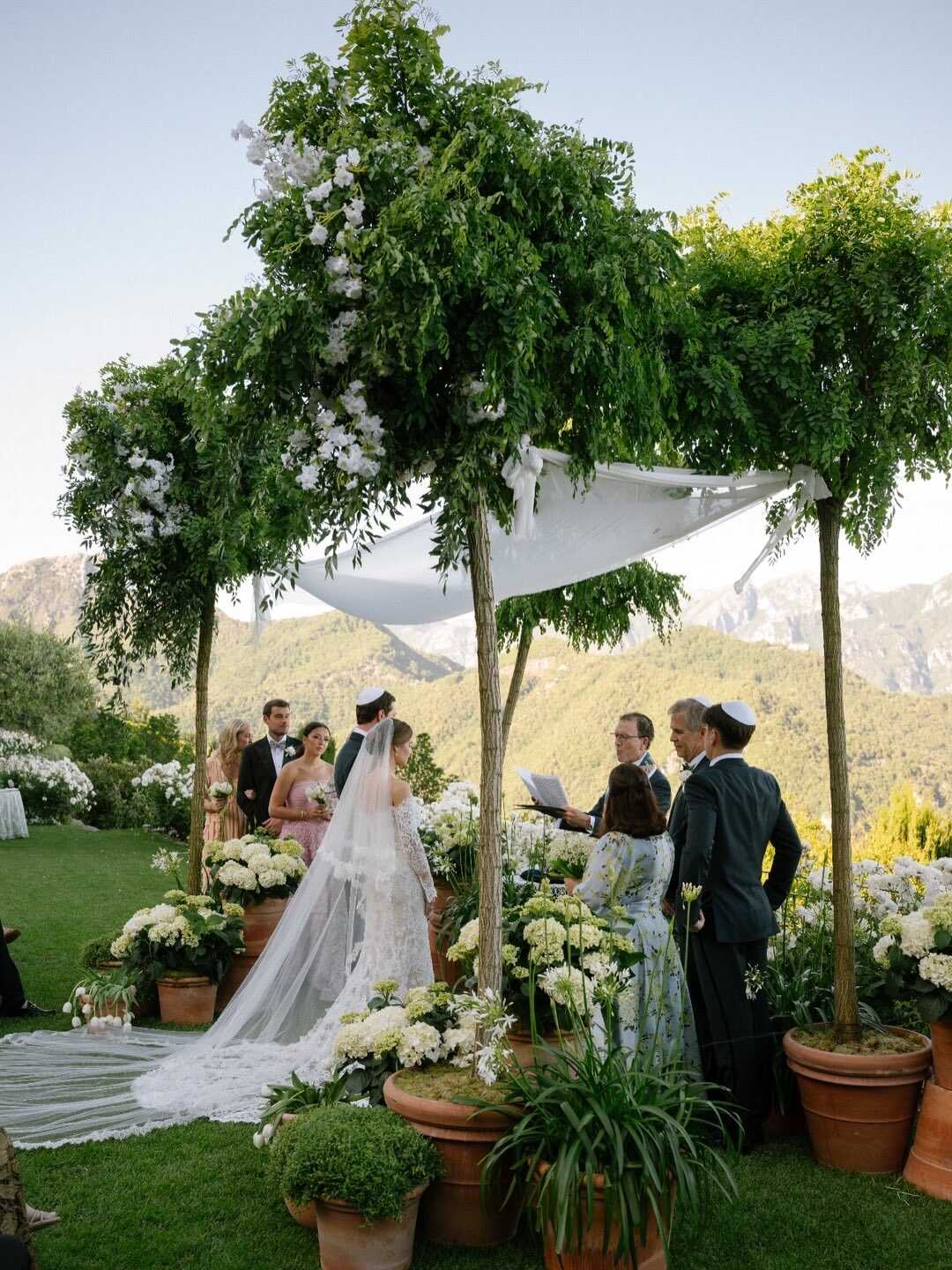
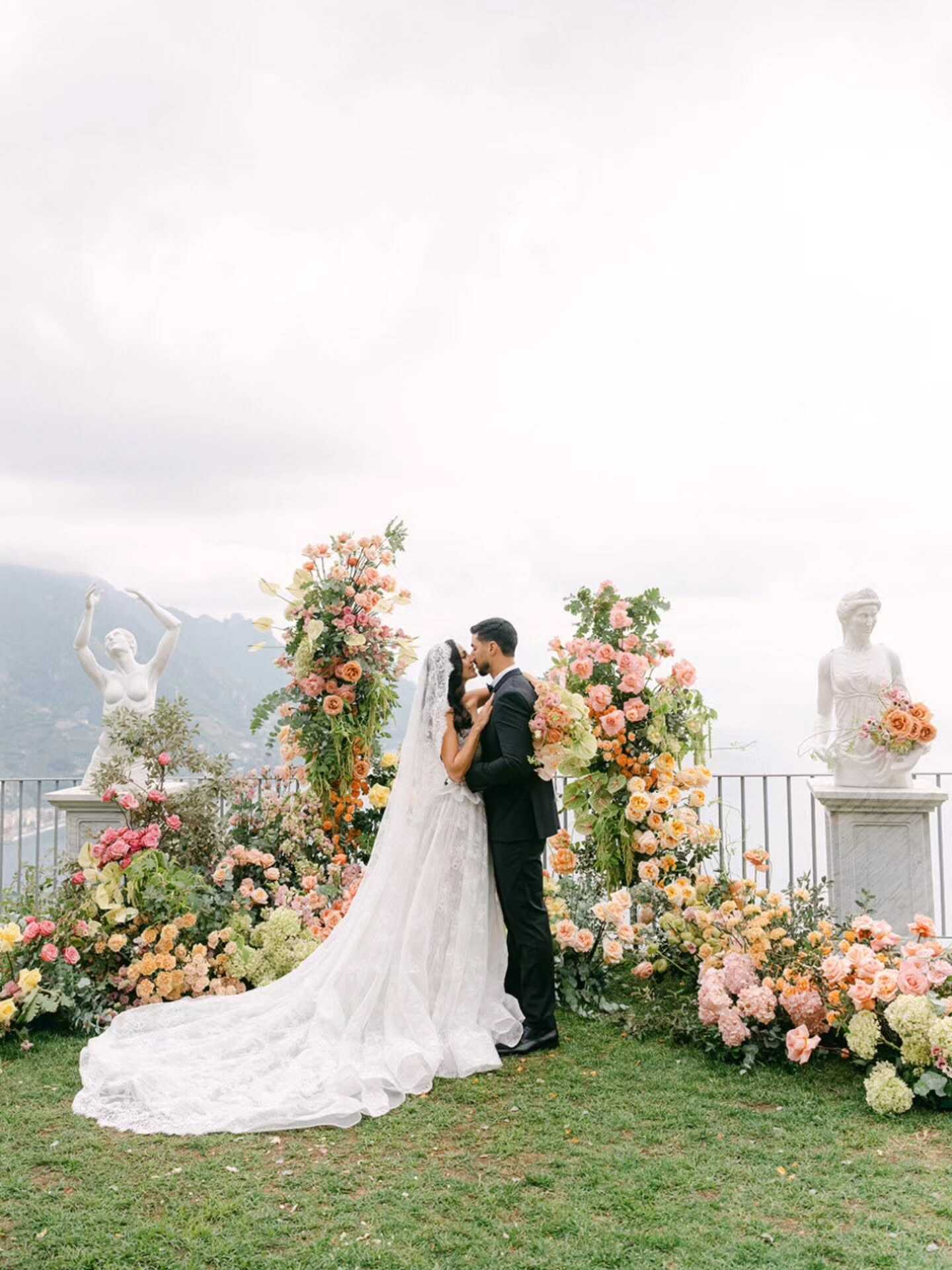
The design was shaped by the setting around it. "The design was intentionally light and organic, using delicate garden roses, airy seasonal blooms, olive branches, and soft textures that moved naturally with the sea breeze. We wanted the flowers to feel as though they belonged to the landscape rather than being placed there."
After the hours of carrying and building, the installation was finally complete. "The light was beginning to soften, the sea was completely calm, and the floral arrangements seemed to blend effortlessly with the cliffs and the horizon. Seeing the couple arrive and experience that space made every effort worthwhile."
That wedding reminded me that behind the beauty of floral design there is often an incredible amount of dedication and physical work - but when the vision finally comes to life in such a breathtaking setting, it becomes something truly unforgettable.
Over the years Marta has worked with couples who bring genuinely original ideas to their florals. One brief stands apart. A couple asked her to design a bouquet that could be dismantled during the reception. Rather than one traditional bouquet, they wanted it constructed from many small mini-bouquets tied together - so the bride could untie them one by one throughout the evening and give a small bunch of flowers to guests, family members, and staff who had been part of the day.
"It was quite challenging because the bouquet still had to look like one cohesive design while hiding all the small bundles inside. Structurally, it took a lot of planning."
When the moment came, the idea landed exactly as intended. "When she started handing out the flowers one by one, it became such a beautiful and emotional gesture." A structural challenge became one of the most personal moments of the entire celebration.
A bride once asked Marta to do something that required a different kind of skill entirely - guiding her through making her own bouquet on the morning of the wedding.
"It was challenging because we had to work quite quickly and make sure the bouquet still had the right balance, structure, and elegance for such an important moment. At the same time, it was incredibly special and emotional. Watching her choose each stem and build the bouquet herself made it much more personal and meaningful." The result was something neither purely designed nor purely improvised. "In the end, it wasn't just a bouquet - it became a memory and part of her wedding story. It was a truly fun, emotional, and unforgettable experience."
Marta's favourite flowers to work with reveal the same logic that runs through her broader design approach - a balance between presence and lightness.
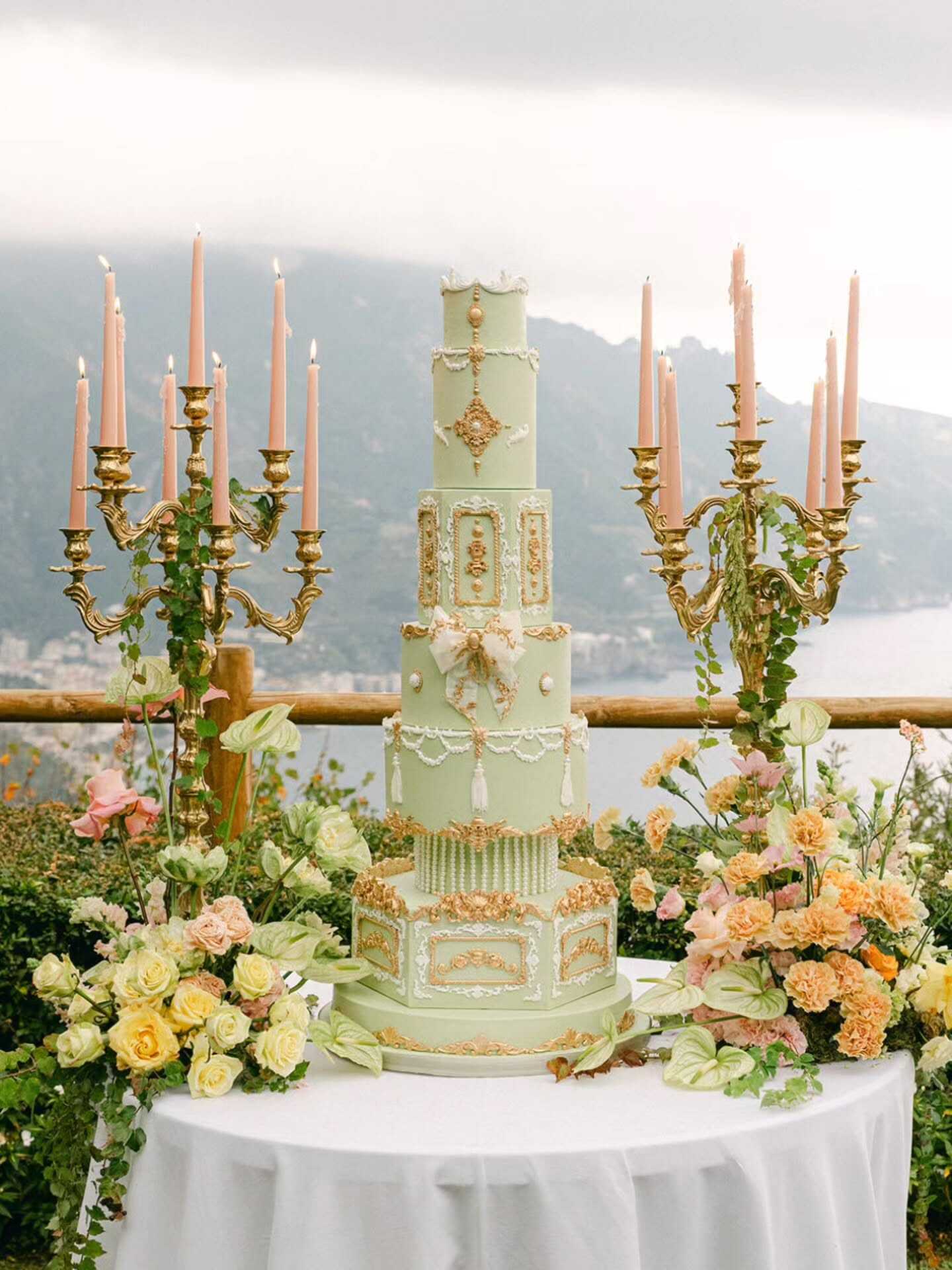
"I'm especially drawn to statement flowers like garden roses, hydrangeas, and ranunculus. They have such beautiful presence in a floral arrangement - they're full, elegant, and create a strong focal point. Garden roses are incredibly romantic, hydrangeas add volume and softness, and ranunculus have those delicate layers of petals that bring so much texture."
Against those anchors, she layers something more delicate. "I love balancing these bold flowers with more wild and airy elements like cosmos, poppies, and scabiosa. These flowers add movement and a natural, almost effortless feeling to the arrangement."
The most beautiful bouquets come from this balance: strong statement flowers combined with delicate, airy ones that give the design a natural flow and personality.
Marta's position on unconventional materials in floral design is open but grounded. "I believe that incorporating non-traditional elements into wedding floral design can be a beautiful way to add depth, personality, and a sense of uniqueness to the overall composition. Flowers will always remain at the heart of my work, but thoughtfully introducing unexpected materials can bring an additional layer of texture, movement, and visual interest."
Natural elements - branches, herbs, berries, dried botanicals, sculptural foliage - are her preferred route into that territory. "Sometimes these details reflect the landscape surrounding the venue, which makes the arrangements feel even more connected to the setting."
The standard she holds, regardless of what goes into the design, stays constant. "Even when working with unconventional elements, the design should still feel refined, timeless, and cohesive with the overall aesthetic of the wedding. When used with intention, these unexpected touches can elevate the floral design and transform it into something truly memorable."
On current trends, Marta points to a few clear directions. Natural, garden-inspired arrangements that feel loose and organic are strongly in demand. Monochrome palettes - different flowers within the same colour family, layered for texture and depth - are equally popular. Floral design is also becoming more artistic and sculptural overall, and sustainability is increasingly central, with seasonal and locally sourced flowers becoming a priority rather than a preference.
When couples arrive uncertain about their floral direction, Marta's starting point is deliberately not about flowers. "I always suggest starting with the overall feeling they want for their wedding rather than the flowers themselves. Think about the atmosphere: romantic, modern, natural, elegant, or playful. The floral style should support that mood."
Visual research helps move things forward. "I recommend looking for inspiration together - Pinterest boards, magazines, or photos from weddings they love. Often, couples notice a pattern in the images they choose, which makes it easier to identify their style."
Practical context does a lot of the work, too. "I also recommend considering the season, the venue, and the color palette of the wedding. These elements naturally guide the floral design and help create a cohesive look."
And ultimately, there's a point where trust takes over.
Trust your florist's guidance. A good florist can translate ideas, preferences, and even emotions into a floral design that feels personal and unique.
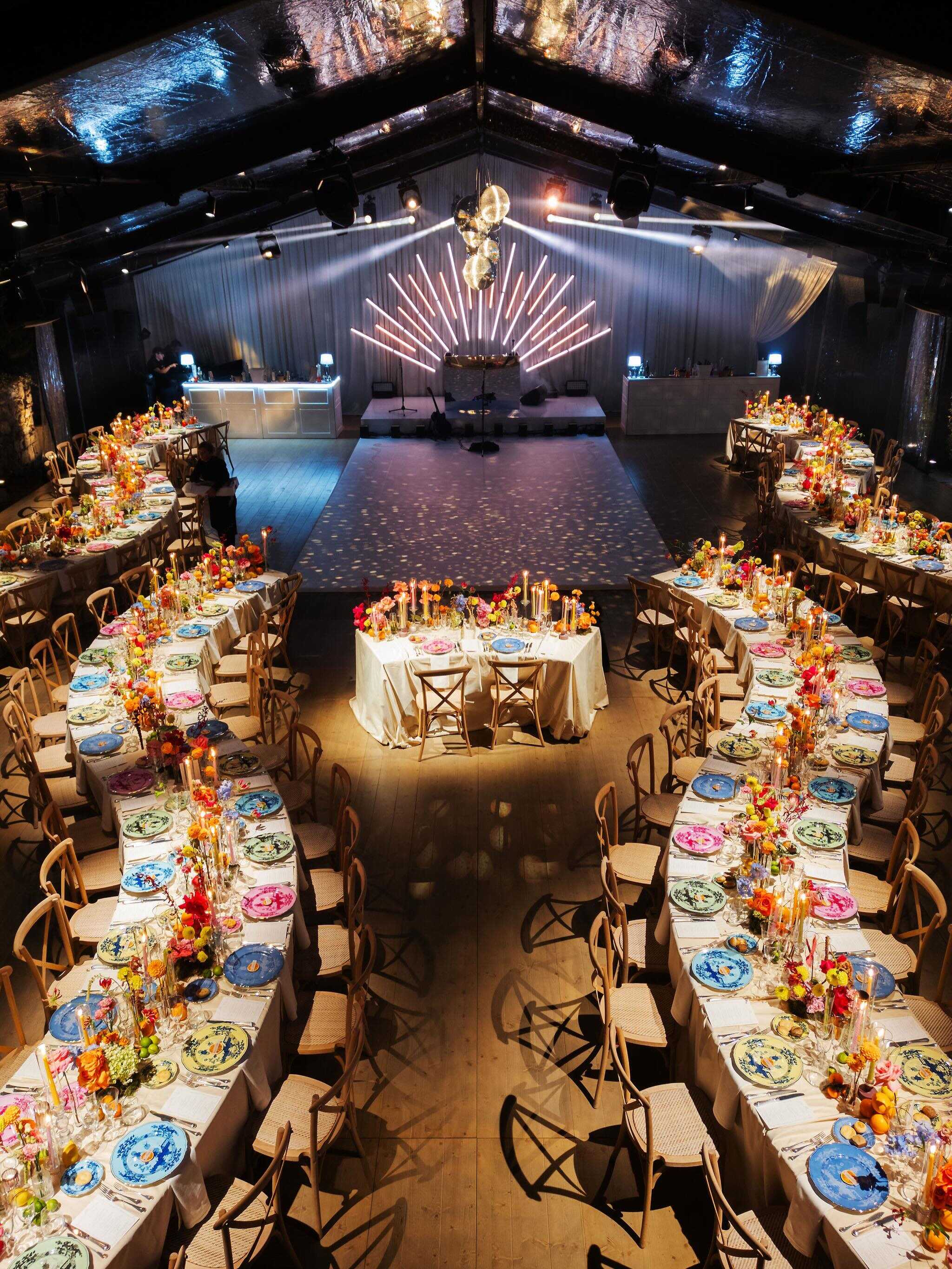
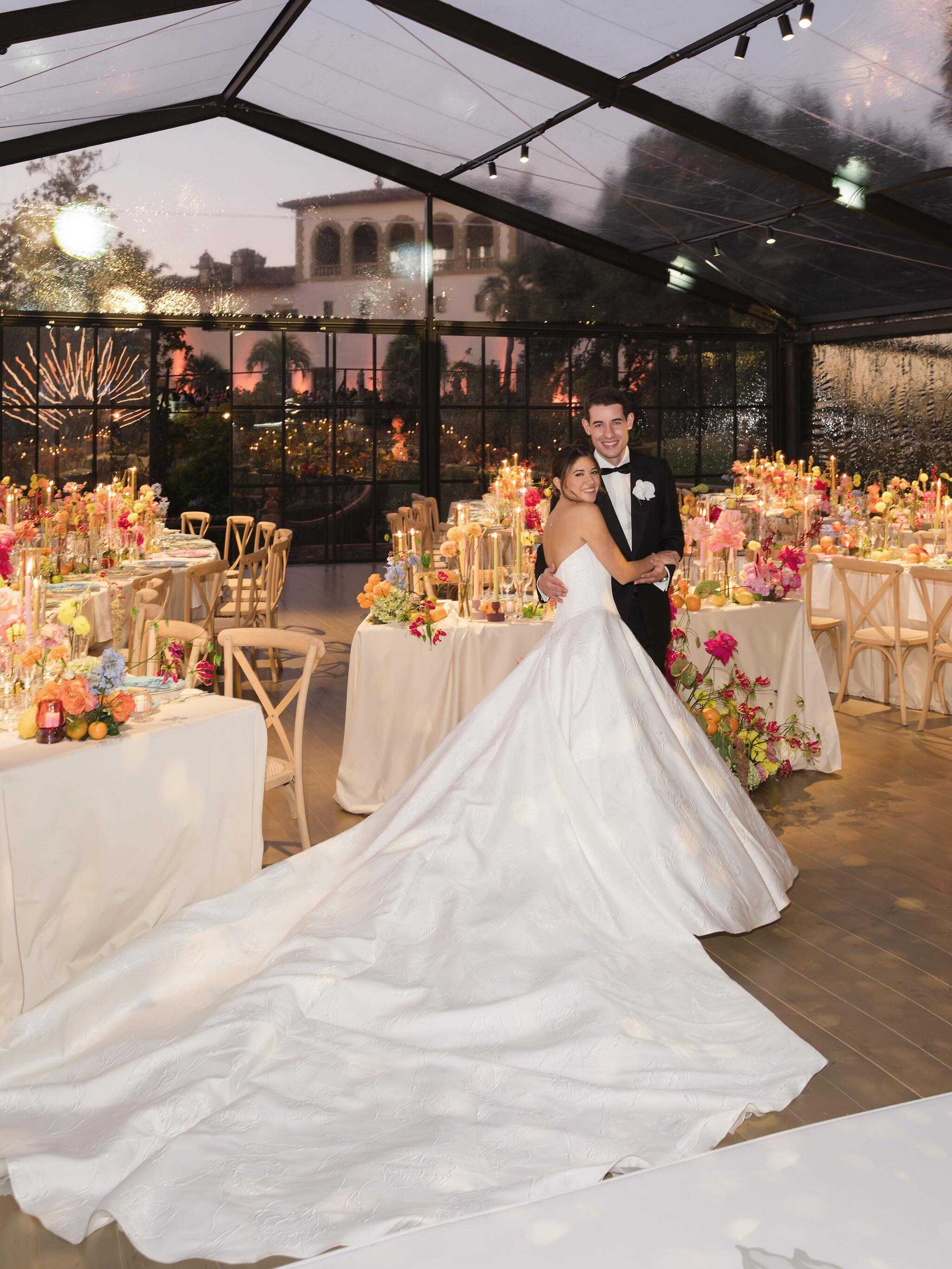
Marta is clear about what sits underneath all the design work. "One thing that is very important to me in my work is creating floral designs that feel personal and meaningful for each couple. I always try to understand their story, their style, and the atmosphere they want to create for their wedding, so the flowers become part of that narrative rather than just decoration."
For me, floristry is not only about aesthetics but also about emotion. Flowers have the ability to create memories and transform a space, and being part of such meaningful moments is what I enjoy the most about my work.