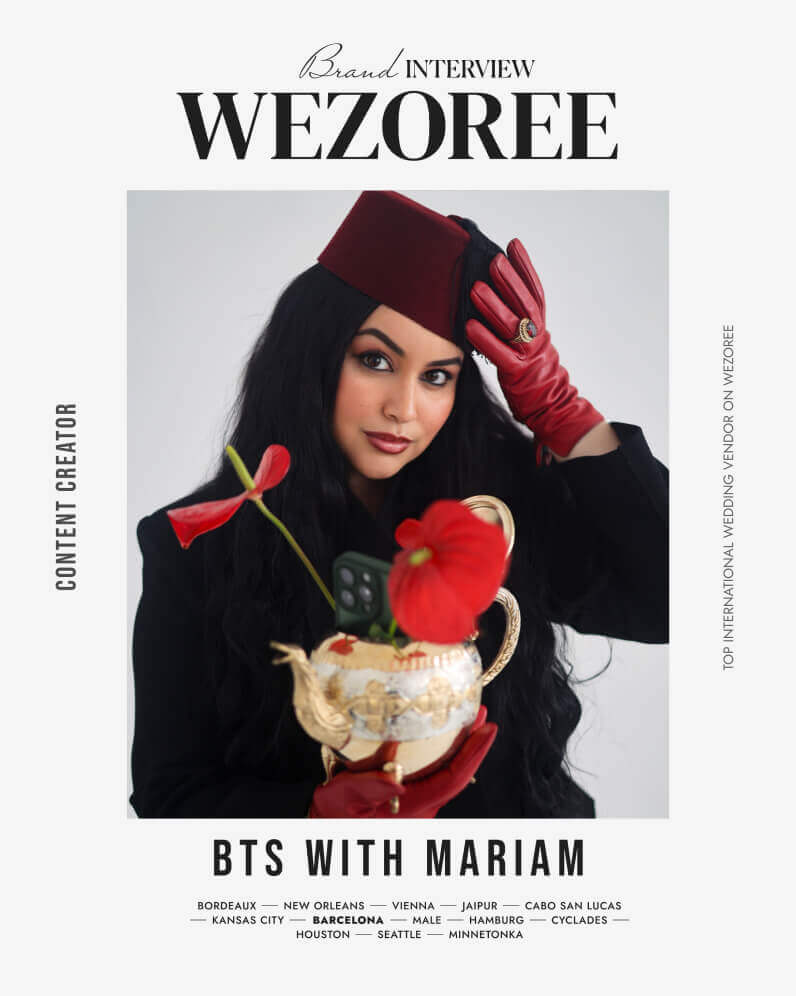
BTS WITH MARIAM: Wedding Content Creation Built on Moments Nobody Plans
AUTHOR: Natali Grace Levine
READING TIME: 8m 25s
PUBLICATION DATE: 10/14/2026
UPDATED: 10/14/2026
AUTHOR: Natali Grace Levine
READING TIME: 8m 25s
PUBLICATION DATE: 10/14/2026
UPDATED: 10/14/2026
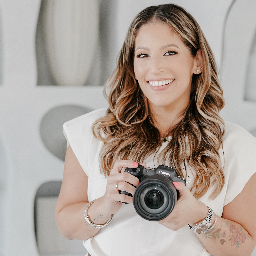
Mariam started BTS WITH MARIAM because she sensed that something was missing in how weddings were being documented. Her destination wedding content studio is based in Barcelona and works across Spain, Morocco, and Europe, from Marrakech and Mallorca to Lake Como and Tuscany, and she is available worldwide.
As a wedding content creator, she builds everything around one split she holds for every wedding: she films instinctively and edits intentionally. What she is looking for are the few-second moments that nobody plans and nobody can ask for again.
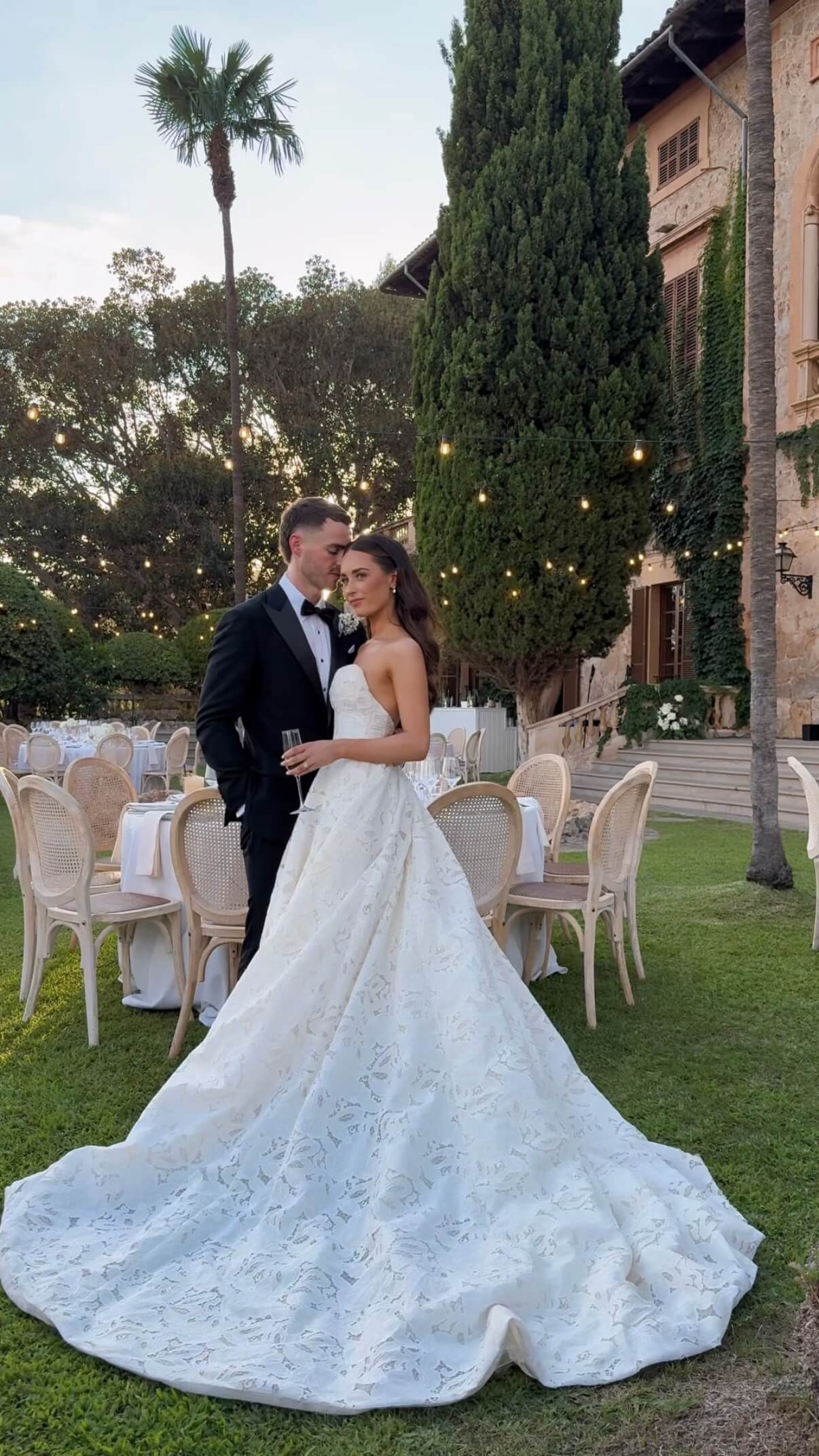
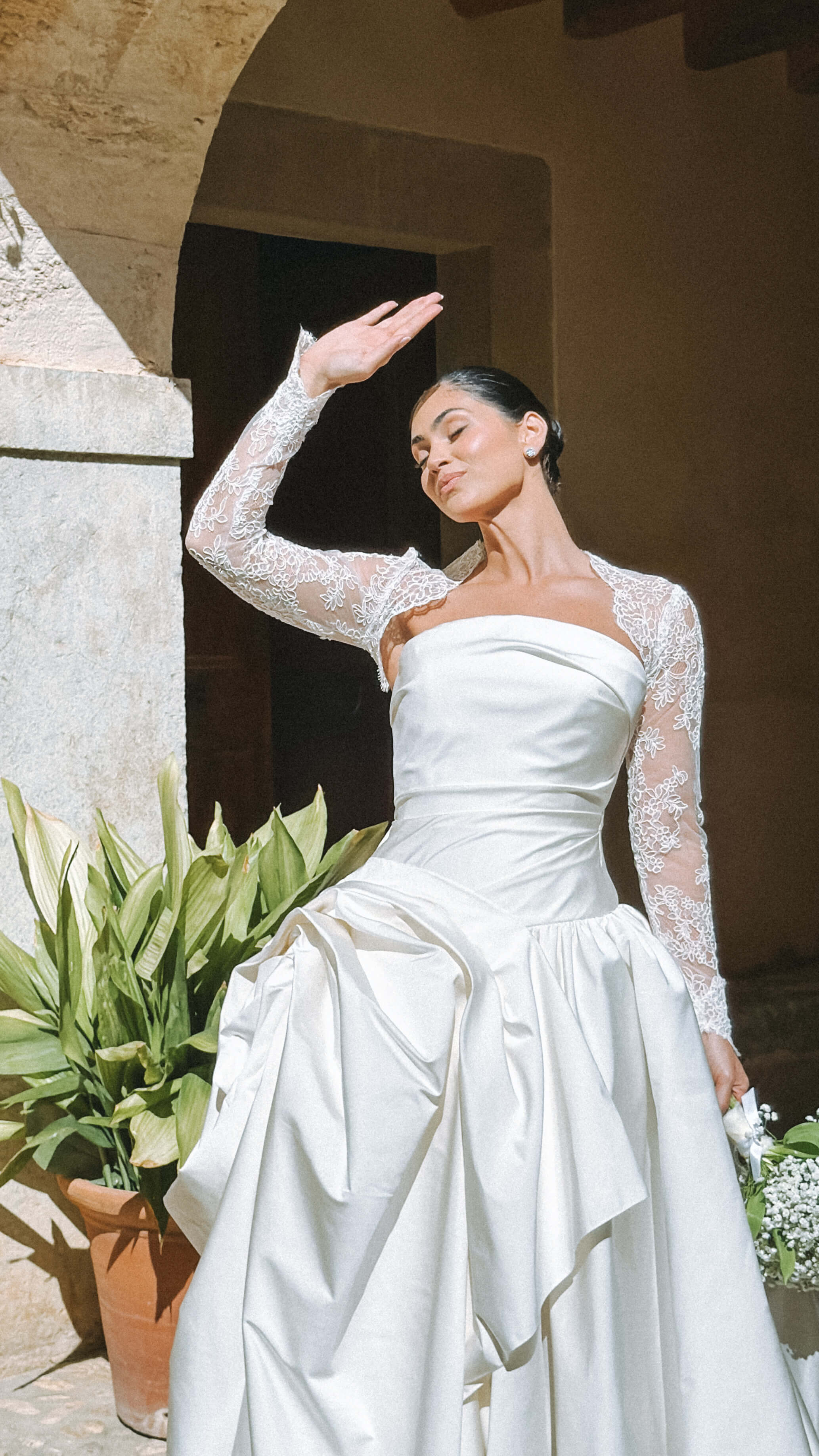
"BTS WITH MARIAM began with a feeling that something was missing from the way weddings were being documented. So much attention was given to the moments everyone expected to see, while the ones that felt most intimate, most human, were often happening quietly in between."
She became fixated on what she found in those gaps.
 I became obsessed with those moments. The ones you could never plan or recreate. A glance held across a crowded room, a hand instinctively reaching for another, the shift in someone's expression just before the tears come.
They don't last, and that is the point. "They exist for only a few seconds. There is no direction, no second take. You either notice them or they disappear," she says. "That philosophy became the heart of BTS WITH MARIAM."
Couples tend to come with two wishes. "Couples often want both worlds: the immediacy of reels, fashion moments and trends, but also the candid moments they never get to see themselves," Mariam says. The second half is what excites her most.
"That's what excites me most. The nervous energy before the ceremony, a reaction just outside the frame, a chaotic dance floor, or a three-second interaction that somehow says everything."
Her work rests on a distinction she returns to often. "I film instinctively, but I edit intentionally. Candid doesn't mean accidental. The rhythm, music and smallest details shape how a memory feels," she explains. In her telling, the editing starts while she is still filming.
Even while capturing a moment, I'm thinking about movement, sound, rhythm and the small connections that will eventually shape the story.
She is, in effect, editing in her head as she goes, with the bigger picture always in view. The finished edit is where it pays off. "Filming is only the beginning. The edit is where those fragments become a memory, and the best editing should make you feel something without making you think about the edit itself."
That split shapes the wedding day itself. "The day begins long before I arrive. By the wedding morning, I already know the couple, the timeline, what matters to them and what to look out for. When I arrive, I read the room first. I want to understand the energy before I start capturing it."
What comes next can't be scripted. "I never know what the final shot will be, and I love that. Sometimes the smallest, most unexpected moment says everything. I arrive knowing the schedule. I leave knowing the wedding."
Much of that ease is created long before the wedding day. "Couples often book me a year or more before their wedding, so by the time the day arrives, we have already spent months talking, exchanging ideas and getting to know each other. There is already a familiarity and trust there," Mariam says. "I understand their personalities, what makes them comfortable and often what they don't want before they even have to say it."
It matters most for couples who say they don't like being filmed. In Mariam's view, they don't need to learn a thing. "They simply need to forget it's there. That's when they become themselves, and that's always the moment I'm waiting for," she says. She doesn't direct them. "I rarely ask couples to perform."
Mariam embraces the digital side of weddings.
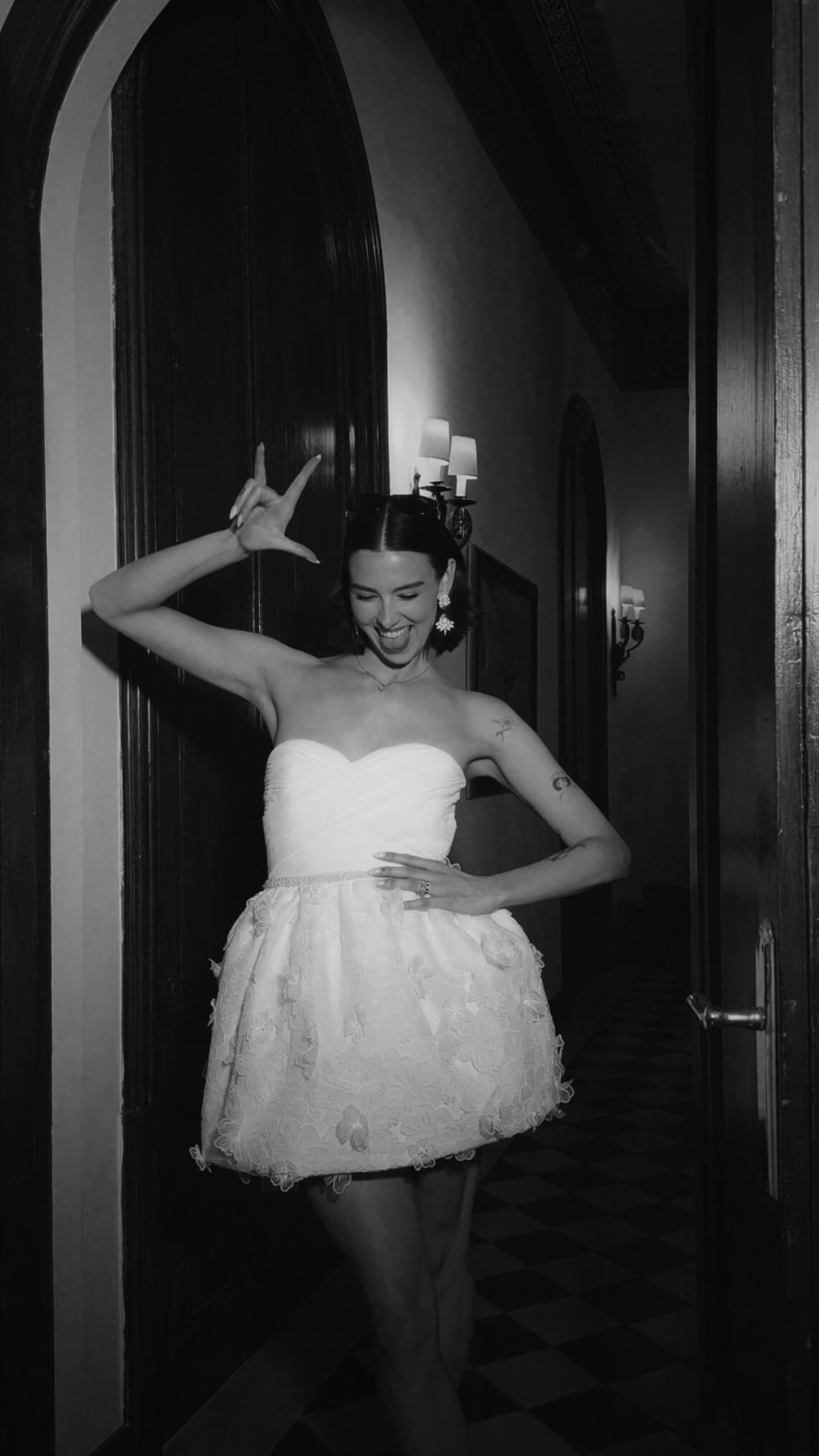
"Weddings exist in a very digital world, and I love embracing that. I'm drawn to trends that reveal something genuine about the couple, especially those that celebrate individuality and empowerment. I love seeing someone step into a second or third look and completely own it. There's something powerful about feeling unapologetically yourself, surrounded by everyone you love."
She embraces a trend when it reveals something about the couple, celebrates their individuality, and becomes part of the memory rather than content for its own sake.
For me, good digital storytelling can feel current without feeling disposable. Candid will always be my instinct, but I love allowing the spontaneous and the intentional to coexist. Both should capture the same thing: who you were, how you loved and how it felt to fully own that moment.
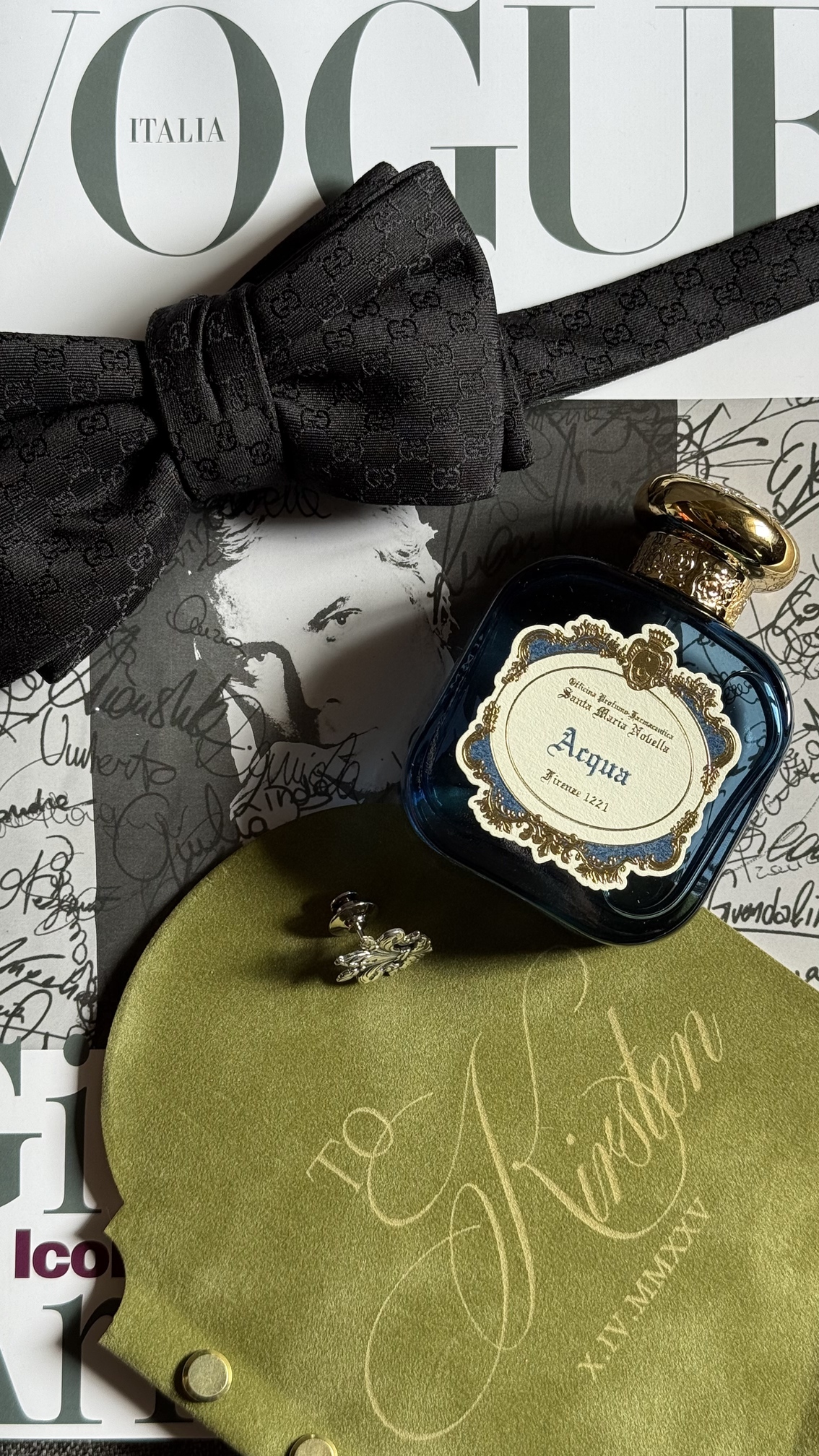
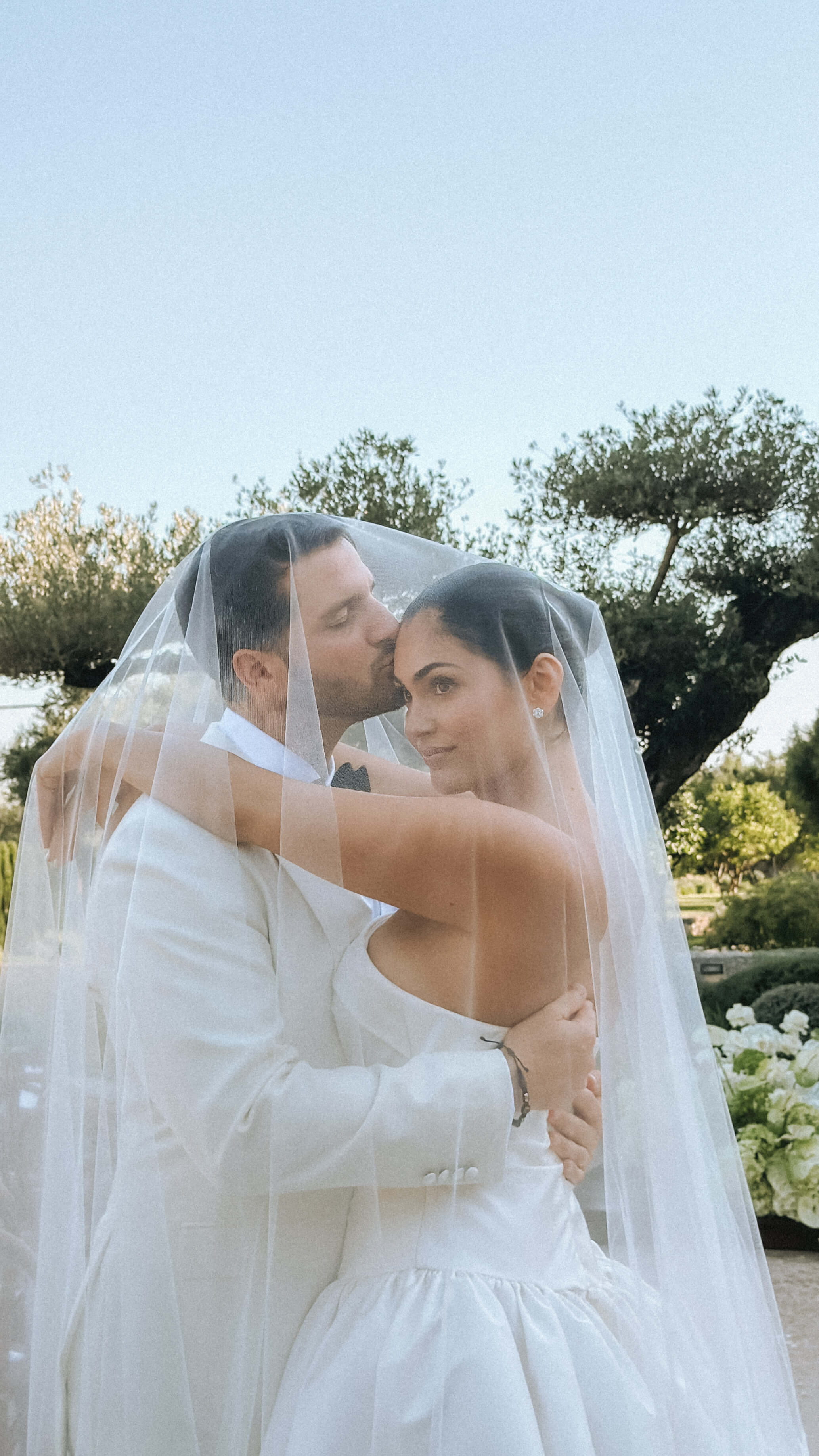
Asked whether any format is overused, Mariam doesn't name one. "I wouldn't say there's one particular format I'd like to see disappear. What I'd love to move away from is the idea that every wedding needs to produce the same content," she says.
The risk, as she sees it, comes from how much of it we see. "We consume so many beautiful weddings online that, almost without realising it, the same references, poses and formats begin to repeat themselves. At some point, you risk documenting what a wedding is supposed to look like rather than what this particular wedding actually felt like."
Her answer is a filter. "If a trend feels genuinely like them, I love it. If it doesn't, I would always rather miss the trend and capture something that could only have happened to them. What I'm loving right now is a return to content that feels more personal, instinctive and emotionally honest. Beautifully edited, yes, but never over-directed. I want to see personality, movement, voices, unexpected interactions, all the little imperfections that make one wedding impossible to confuse with another."
And she keeps one question in her back pocket. "I always come back to the same question: when the trend is gone, is there still something here you'll want to watch in twenty years? If the answer is yes, I'm interested."
Mariam's relationship to the work has shifted since she started. "At the beginning, I think I was fascinated by the beauty and energy of weddings. The places, the details, the fashion, the excitement of being inside these incredibly special days," she recalls. "I still love all of that, but the longer I do this, the more I realise that what stays with me is something much more human. It's the privilege of being allowed into a family's world for a day."
What she believes she's doing has changed along with it.
"I used to think I was documenting a wedding. Now I feel like I'm preserving a very specific moment in people's lives, with everyone they love gathered in one place. That's probably what I love most now. Knowing that something I noticed for three seconds might be something they treasure twenty years from now," she reflects.
The industry's biggest lesson follows from that same shift. "The most beautiful weddings are not necessarily the ones with the most beautiful things. They're the ones where people feel something. Coming from hospitality, I think I understood this instinctively, but working in weddings has made it even clearer."
Her takeaway is simple:
The wedding industry has taught me that beauty can create an impression, but feeling is what creates a memory.
Ask Mariam about the most unexpected moment she's captured, and her answer resists the dramatic. "The most unexpected moments are rarely the dramatic ones. They're usually the smallest," she says.
"It might be a parent watching quietly from the other side of the room, a grandparent suddenly joining the dance floor, a friend's reaction just outside the frame, or something completely chaotic happening at two in the morning. Sometimes I capture something almost instinctively, without knowing its significance at the time, and later the couple tells me, 'I can't believe you got that.' Those are probably my favourite moments because nobody asked for them, nobody planned them, and they could never happen in exactly the same way again."
That's why she watches the edges of a scene. "I'm always paying attention to what's happening around the obvious moment, not only in front of me. At a wedding, the story is rarely happening in just one place. The unexpected is usually somewhere in the background."
Her most-watched piece of content follows a similar logic at scale. "My most viral reel has over 1.1 million views, and I think it resonated because it captures the two sides of a wedding perfectly," she explains.
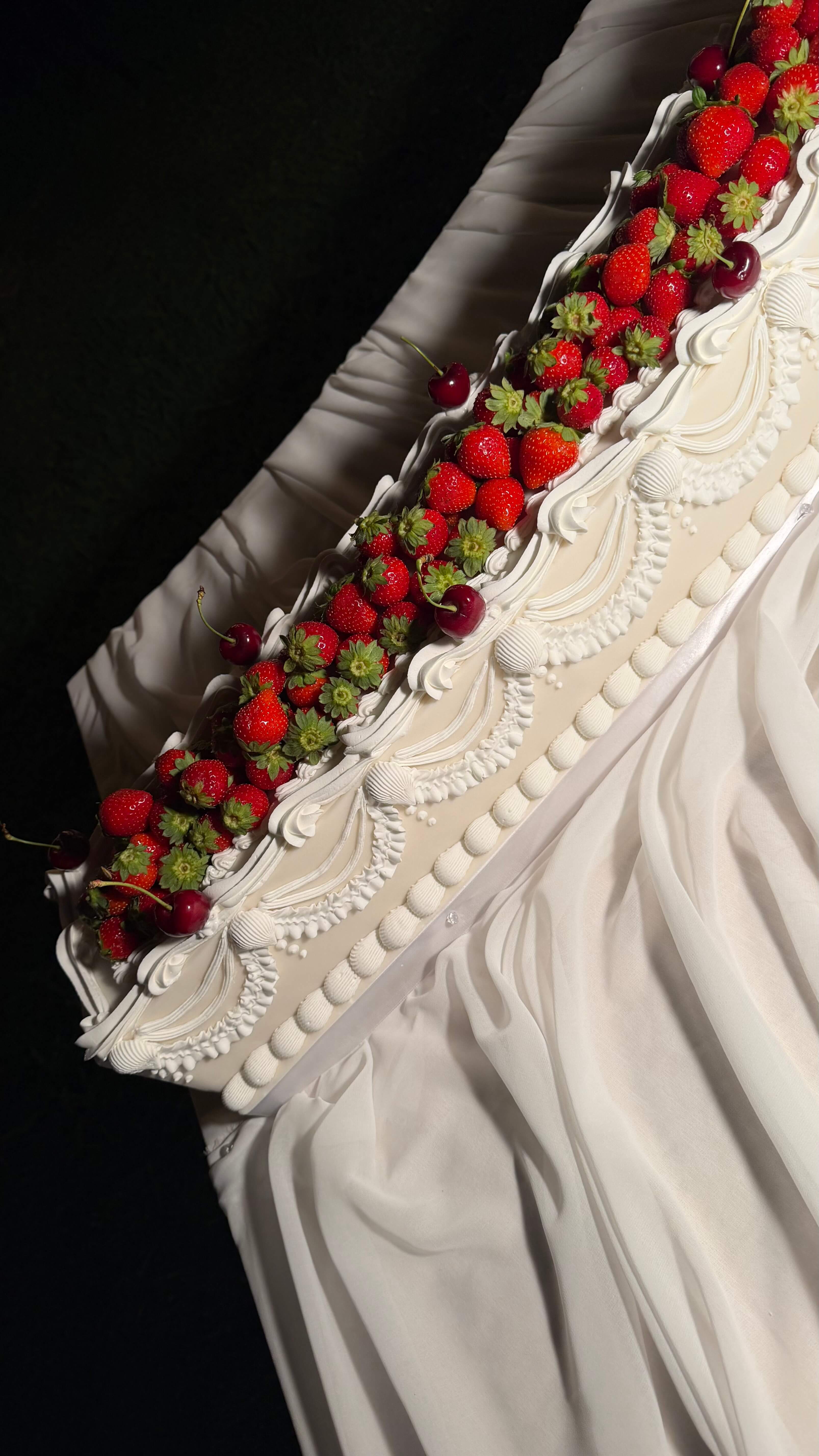
"It begins with an immaculate ceremony: beautiful, emotional and considered down to the smallest detail. Then comes the end of the night: shoes off, hair undone and complete, glorious chaos. I love that contrast. You spend months creating this beautiful world, and then the greatest luxury is forgetting about all of it and simply living it. That's when a wedding stops being perfect and starts being unforgettable."
"Growing up Moroccan and building my life in Spain taught me to move naturally between cultures and, perhaps more importantly, to notice what exists beneath the surface," Mariam explains.
Being Moroccan, living in Spain, and speaking Arabic, French, English and Spanish allows me to navigate those environments very naturally.
That background shapes how she reads a wedding once she's inside it.
"There is a cultural language behind it, from the way people welcome one another to the role of food, family, rituals and hospitality. I'm fascinated by those details and by how differently people can experience the same celebration."
Hospitality shaped her just as much. "My background in hospitality shaped that instinct even further. Years spent around hotels taught me to read a room, anticipate what people might need and understand how an experience feels from the other side. At a wedding, that means knowing when to step closer and, just as importantly, when to step back." An MBA in Hotel Management gave the instinct a business to build around.
"My MBA in Hotel Management gave me the foundation to build a business, but hospitality and my multicultural background shaped the way I see people. BTS WITH MARIAM became the natural meeting point of those worlds."
Not everything that makes a wedding memorable can be seen.
"Sound is something couples rarely think about, but for me, it's one of the most powerful ways back into a memory. A parent's voice before the ceremony, nervous laughter, a speech, everyone singing at the end of the night. These sounds feel ordinary in the moment, which is exactly what makes them special."
Sometimes the audio matters more than the picture. "Sometimes I'll keep a clip because of what you can hear, not what you can see. A few seconds of imperfect audio can hold the atmosphere of an entire room. Images show you how your wedding looked. Sound reminds you how it felt."
Mariam's advice to couples starts with letting go, not planning more. "Choose someone whose eye you trust, tell them what matters to you, and then give yourself permission to forget about the content. The more present you are, the more there is for me to document. And leave room for the unexpected, because often the moments you never planned become the ones you treasure most."
Your only job should be to have a wedding worth remembering, not to make sure it looks like one,
she adds.
The questions she wishes couples asked go beyond deliverables. "Couples naturally ask what they'll receive, but I think it's just as important to ask how those memories are made. It comes down to what they notice, what they keep, how they use sound and rhythm, and whether they adapt their storytelling to the personality of the wedding. So don't just ask a content creator what they shoot. Ask them what they see."
What keeps her going, after building a studio around unrepeatable seconds, is that the format itself is still taking shape.
"What motivates me most is that wedding content still feels like a language we're defining. I want to capture those timeless moments through a contemporary medium, becoming more intentional with sound, rhythm and storytelling while keeping the filming instinctive. Ultimately, I want the work to feel of its time, without being trapped by it."