Wuthering Heights Quotes: Love Lines by Emily Brontë


- Wuthering Heights Love Quotes That Define Catherine and Heathcliff
- Emily Brontë Quotes About Love: Foliage Versus Rocks
- Quotes From Wuthering Heights About Love Beyond Everything
- Wuthering Heights Quotes About Love at the Deathbed
- Love Quotes From Wuthering Heights After Catherine's Death
- Cathy and Hareton: A Gentler Kind of Love in Wuthering Heights
- Emily Brontë Love Quotes From the Final Pages
- Using Emily Brontë Quotes on Love in Vows, Cards and Readings
- FAQ
"Nelly, I am Heathcliff!" Catherine Earnshaw says to her housekeeper in the kitchen at Wuthering Heights, minutes after telling her that she has accepted Edgar Linton’s proposal. The man she is speaking of is no longer in the room. He'd only stayed long enough to hear her say marrying Edgar would degrade her, and he'd already slipped out before she got to the important part.
The speech goes on without him, and that's where its odd power really lies. It's a confession of love addressed to the wrong person, couched as an explanation of a mistake. In it, Catherine recounts a dream of heaven in which she was so miserable the angels threw her out onto the heath, and she woke up weeping with joy. If you search for Wuthering Heights quotes about love, you'll find the same few scenes cropping up again and again because this one conversation contains the entire argument of the book about love. The sections below follow the scenes in the novel, with the chapter, the speaker and the situation behind each line.
Find Your Perfect Wedding Vendors



Wuthering Heights Love Quotes That Define Catherine and Heathcliff
“Whatever our souls are made of, his and mine are the same,” Catherine says to Nelly Dean, the servant who tells most of the story, so the words reach us through Nelly's memory and carry the force of testimony. Nelly is not a particularly complimentary witness, as she is plainly against the match with Edgar and makes her disapproval clear. Every word Catherine speaks in that scene is therefore addressed to a listener trying to persuade her otherwise.
Moments later Catherine drops the comparison entirely. She explains why marrying Edgar is both right and wrong, and the explanation keeps coming back to the boy she grew up with. Images are no longer sufficient, and she sums it up in four words: "Nelly, I am Heathcliff!" After that there is nothing else to compare, because he is no longer outside her.
Three ideas run through this section of the speech, and wedding writers have borrowed each of them for generations. Brontë packs them into a few sentences, making them easy to quote and hard to improve on. If you read it slowly, the passage makes a very clear point about what Catherine means by love:
- Shared substance: her soul and his are of the same stuff, so nothing from the outside can pull them apart
- Identity: she does not say she loves him; she says she is him
- Inevitability: she speaks of Heathcliff as part of her own being, not as a choice she made
For anyone collecting Emily Brontë quotes love readers still copy, this is the first stop. The 'souls' line stands all by itself on a card; the second one needs its scene to be read as love and not as a riddle. There's a caveat underneath the romance, too: Catherine has already decided to marry someone else, and the book never lets you forget that.
Emily Brontë Quotes About Love: Foliage Versus Rocks
Nelly just goes to the heart of the matter. If her heart is with Heathcliff, why would she accept Edgar at all? Catherine's answer is, of course, pragmatic and a little self-deluding: Edgar is rich, gentle, and well-placed. Hindley has reduced Heathcliff to the status of a servant in the very house where they were both brought up. She intends to use her new position to help him. She then puts the two loves side by side: she says her feeling for Edgar is like the leaves in the woods; it will all change in the winter. Her feeling for Heathcliff is of a quite different order.
“My love for Heathcliff resembles the eternal rocks beneath: a source of little visible delight, but necessary.”
The comparison is far quieter than the outcries of the later chapters, and that quiet is what carries it beyond the novel. It separates the excitement of early romance from the reality of what holds two people together for decades. Anyone who's been through a long marriage will know which is the real work. Catherine never realizes she's describing her own error, convinced the rocks will remain where they are no matter what she does on top of them. The irony is in that very conviction.
A guest at an anniversary dinner might hear that line as praise for steadfastness, while a reader who knows the book hears the confession underneath. That's a lot to squeeze into a single toast, so a brief intro is useful: name the speaker, name the scene, and let the quote do the work. The same applies to a handwritten note, where the context lets the line carry both meanings without sounding careless.
Quotes From Wuthering Heights About Love Beyond Everything

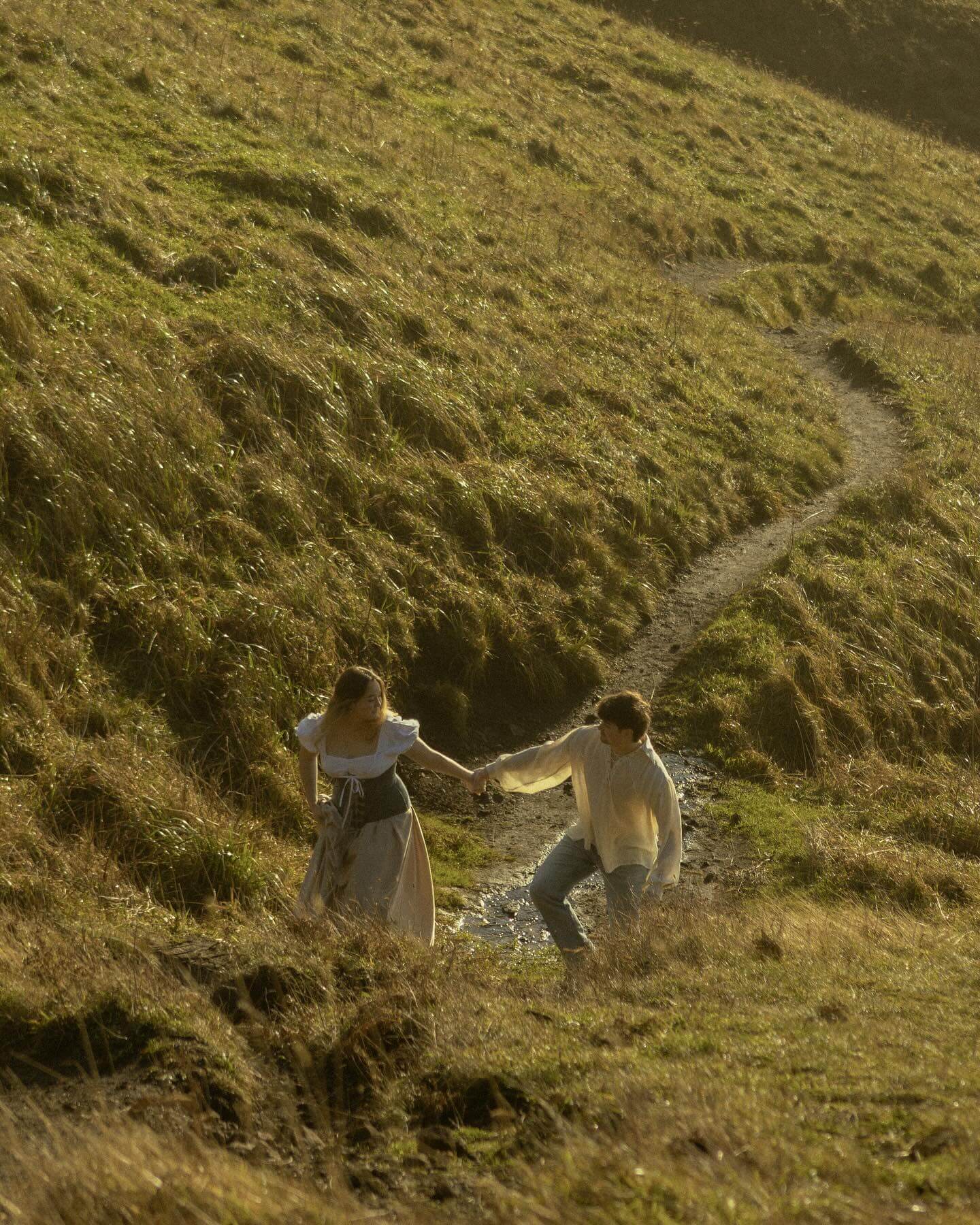
Chapter 9 also holds the line that goes furthest. Catherine imagines the world stripped away and sets out what would be left: “If all else perished, and he remained, I should still continue to be; and if all else remained, and he were annihilated, the universe would turn to a mighty stranger.” The sentence is long, yet its two halves are meant to be read as a pair: one about survival, one about loss. She speaks it as plain fact, without the hesitation Nelly's questions provoked earlier in the scene.
Taken apart, the first half is the gentler one. It says that a single person can be enough to hold a life together even if everything else falls away, and that is the idea couples reach for when they want a vow with some size to it. A short card can carry only the opening clause, credited to the novel, and nothing about the sense changes. Spoken aloud at a ceremony, the same clause gives an officiant or a friend a natural place to pause.
The second half turns darker, because it describes a world that becomes foreign the moment Heathcliff is gone. This sentence offers no halfway version of love, leaving little space for anything outside him, including the husband she has just chosen. Those who want the stakes at their highest will find them in the full sentence, while a calmer reading remains in the image of the rocks. The same passage can serve both moods, depending on how much you read.
Wuthering Heights Quotes About Love at the Deathbed
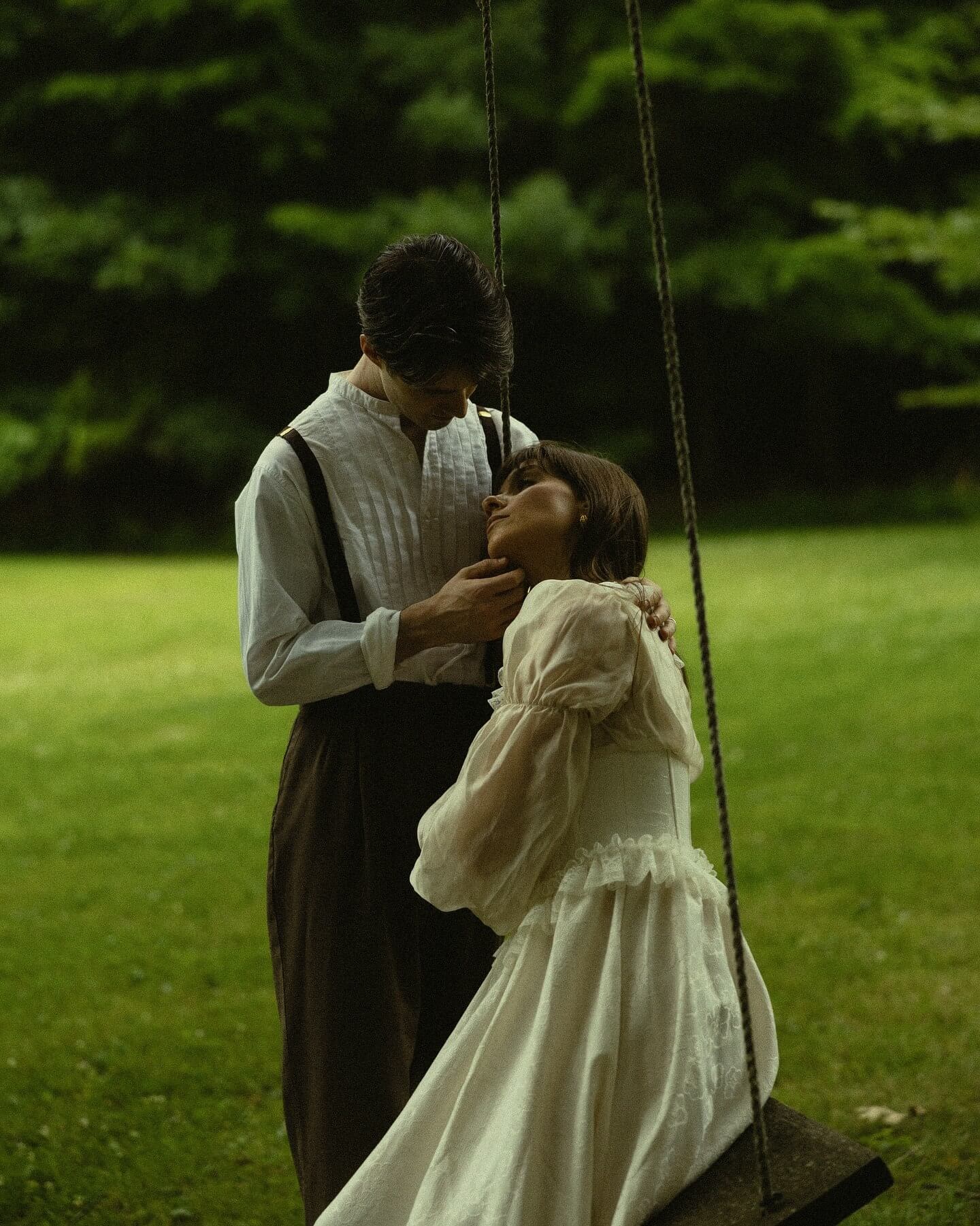
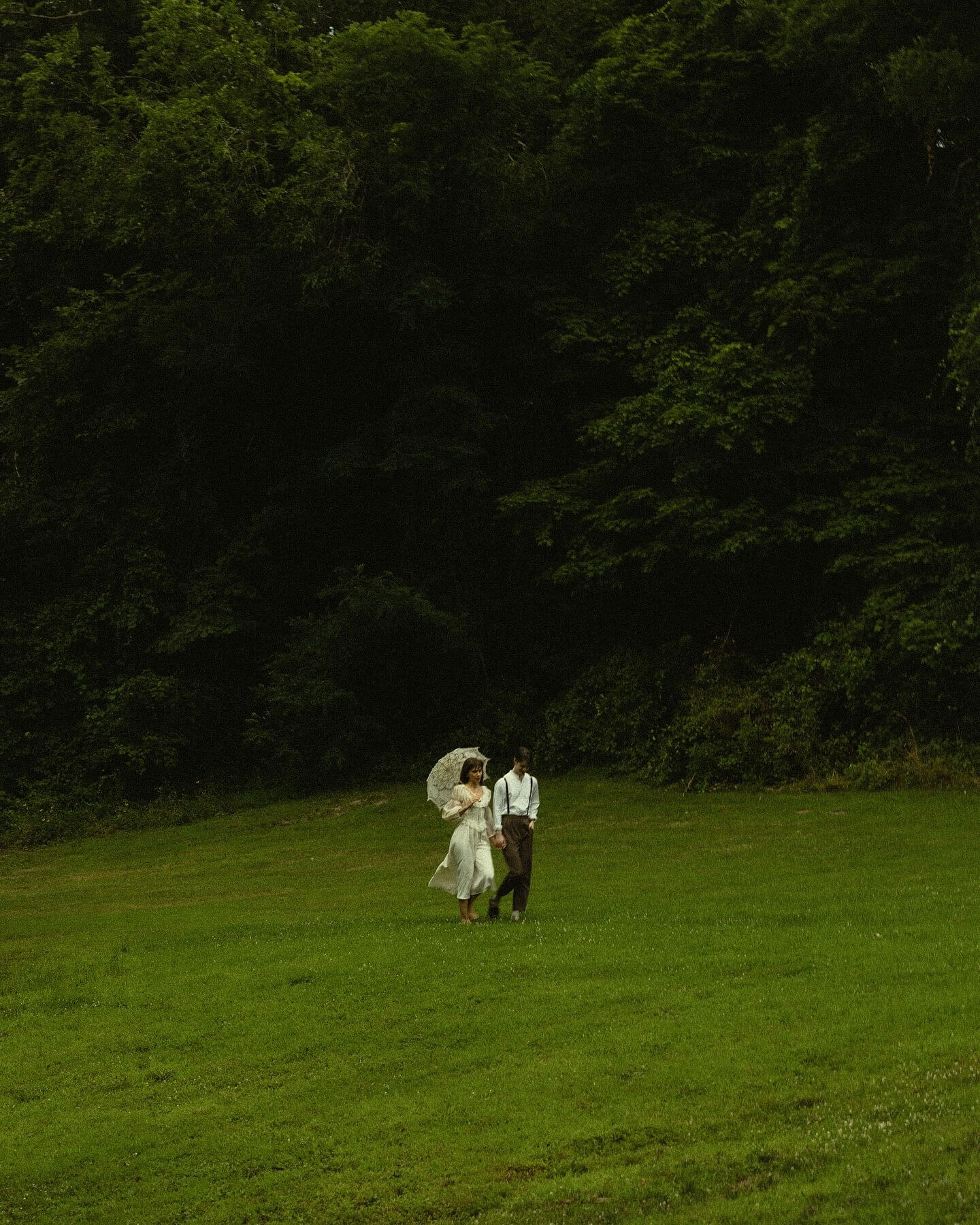
Chapter 15 changes the mood completely. Weeks of illness have left Catherine near death. Edgar goes to church, and Nelly lets Heathcliff in to see her. Each of them accuses the other of causing the pain, and each of them still clings to the other. The scene swings from accusation to tenderness and back within a few paragraphs. It is their last meeting, and they both seem to know it.
“I have not broken your heart - you have broken it; and in breaking it, you have broken mine.”
Heathcliff says it without the slightest softening of the tone, and the text gives neither of them a reprieve. Catherine has just accused both Heathcliff and Edgar of breaking her heart, and he simply throws the blame straight back at her. Neither person offers comfort, and the line becomes a verdict between two people who can't stop loving each other.
The scene ends with Edgar on his way home from church, so the lovers never actually get to the end of their argument. The whole thing is built on cruelty and attachment, and the tenderness that is present is inextricably mixed with accusation. If you are looking for love free of harm, you will not find it in that room.

Love Quotes From Wuthering Heights After Catherine's Death
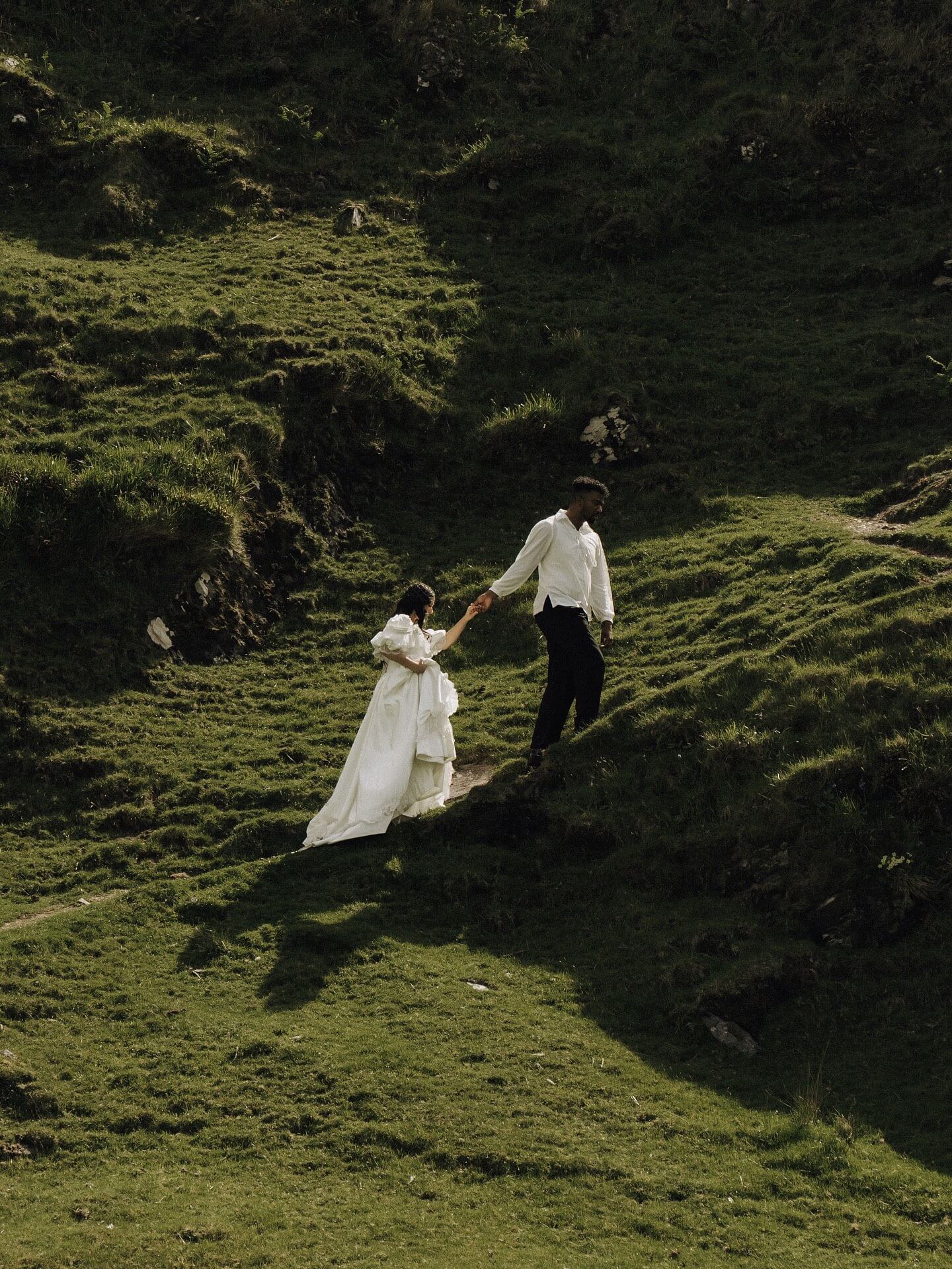
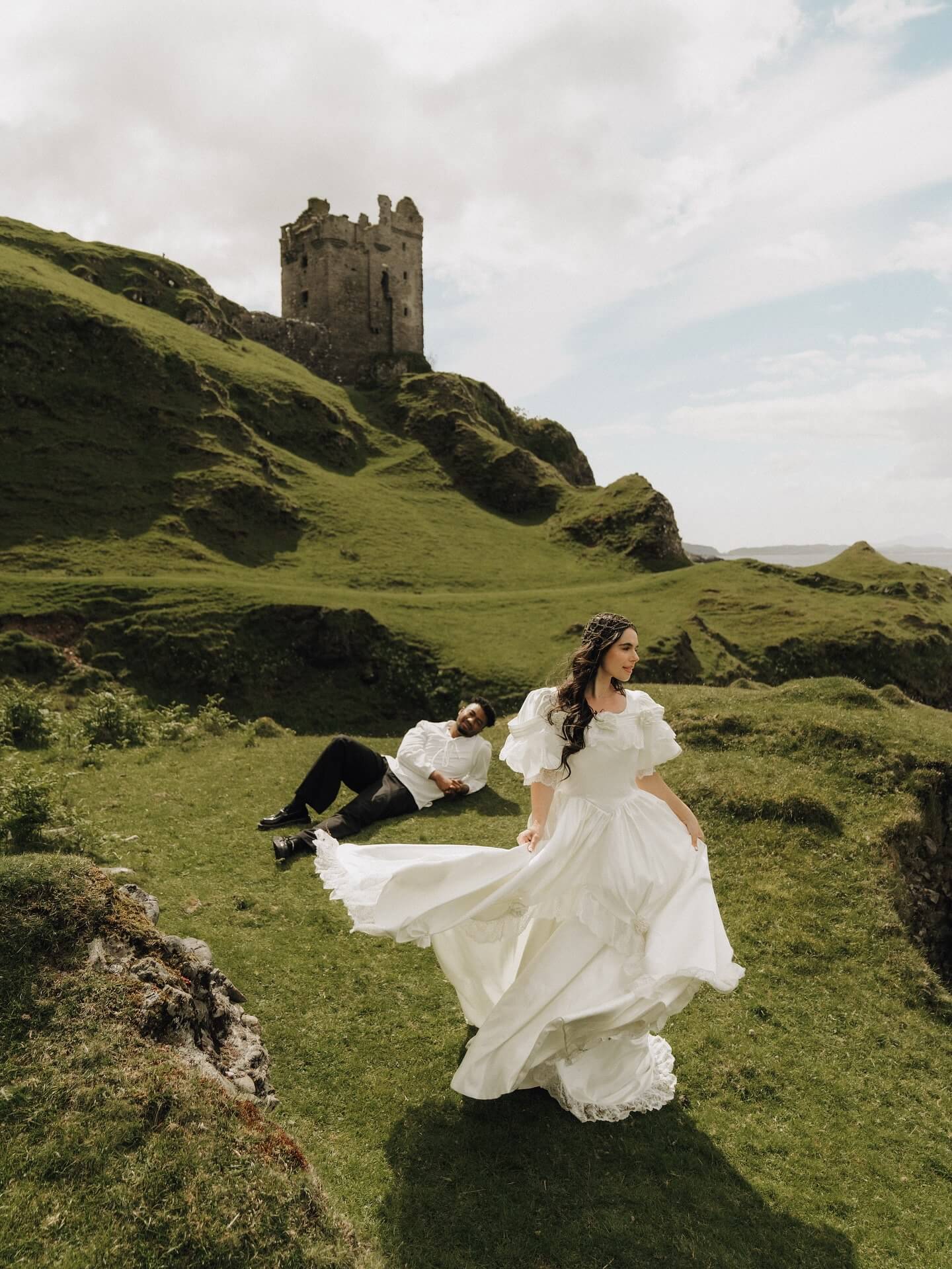
“Be with me always - take any form - drive me mad! only do not leave me in this abyss, where I cannot find you!” Heathcliff pleads in chapter 16, after learning that Catherine has died. She gave birth to her daughter only hours earlier and did not survive the night, so his grief arrives with almost no warning. He addresses the words to her ghost, not to Nelly, who stands right beside him.
The plea is the passage which gives the novel its gothic reputation. He is prepared to be haunted in any form, including madness, if that is the price of having her close to him, and the text leaves no room for reflection, only the speech itself. A few lines later the speech reaches its lowest point and turns plainer than anything before it: “I cannot live without my life! I cannot live without my soul!”
People are still arguing about this pair. Some see a great love story; others see it as two people who destroy each other and everyone around them, and the book offers quotes to support either view. Heathcliff feels pain and not peace, and the rest of the book shows what that pain does to the house and the next generation.
Cathy and Hareton: A Gentler Kind of Love in Wuthering Heights
The novel doesn't linger on the old couple's grief. In chapter 32, the story shifts to the next generation. Cathy is Catherine's daughter, and Hareton is the son of Catherine’s brother Hindley, and Heathcliff raised him as a farmhand and never gave the chance to learn to read. When they first share a roof, Cathy laughs at his illiteracy, and he responds with surly pride. She then starts to teach him, and Nelly, who has been watching the old couple with real concern, reports on them in a completely different tone.
Nelly's account isn't a speech by either of them; it's her own summation of what she sees as they sit together over the books. She's often quite sharp with the older generation, so the warmth of her phrasing is striking. It's a sentence built as a pair, one half for each of them:
“...one loving and desiring to esteem, and the other loving and desiring to be esteemed...”
Read closely, it describes love as a two-way effort. Hareton wants to be worthy of Cathy's good opinion, Cathy wants to give him reasons for it, and neither asks the other to disappear into a shared identity, as Catherine does with Heathcliff. That respect does not arrive at once, because it grows out of mockery, wounded pride, and an eventual truce. Nothing in the sentence is dramatic, and the love it describes is built from what the two of them do for each other in ordinary hours.
The same chapter gives them a lighter moment too. Cathy has been teaching Hareton, who was denied schooling for years, and the lessons are finally beginning to take hold. He has learned his task well, and he claims his reward in the plainest words he has: “And now, kiss me, for minding so well.”
Both lines suit a wedding far better than the cries of chapter 16. By the end of the book, Nelly reports that the pair intend to marry on New Year's Day, leaving theirs as the only wedding still ahead when the story closes. A couple looking for a reading with a hopeful note can start here, using the line about esteem in a vow and the kiss line in a toast or a playful card.
Emily Brontë Love Quotes From the Final Pages
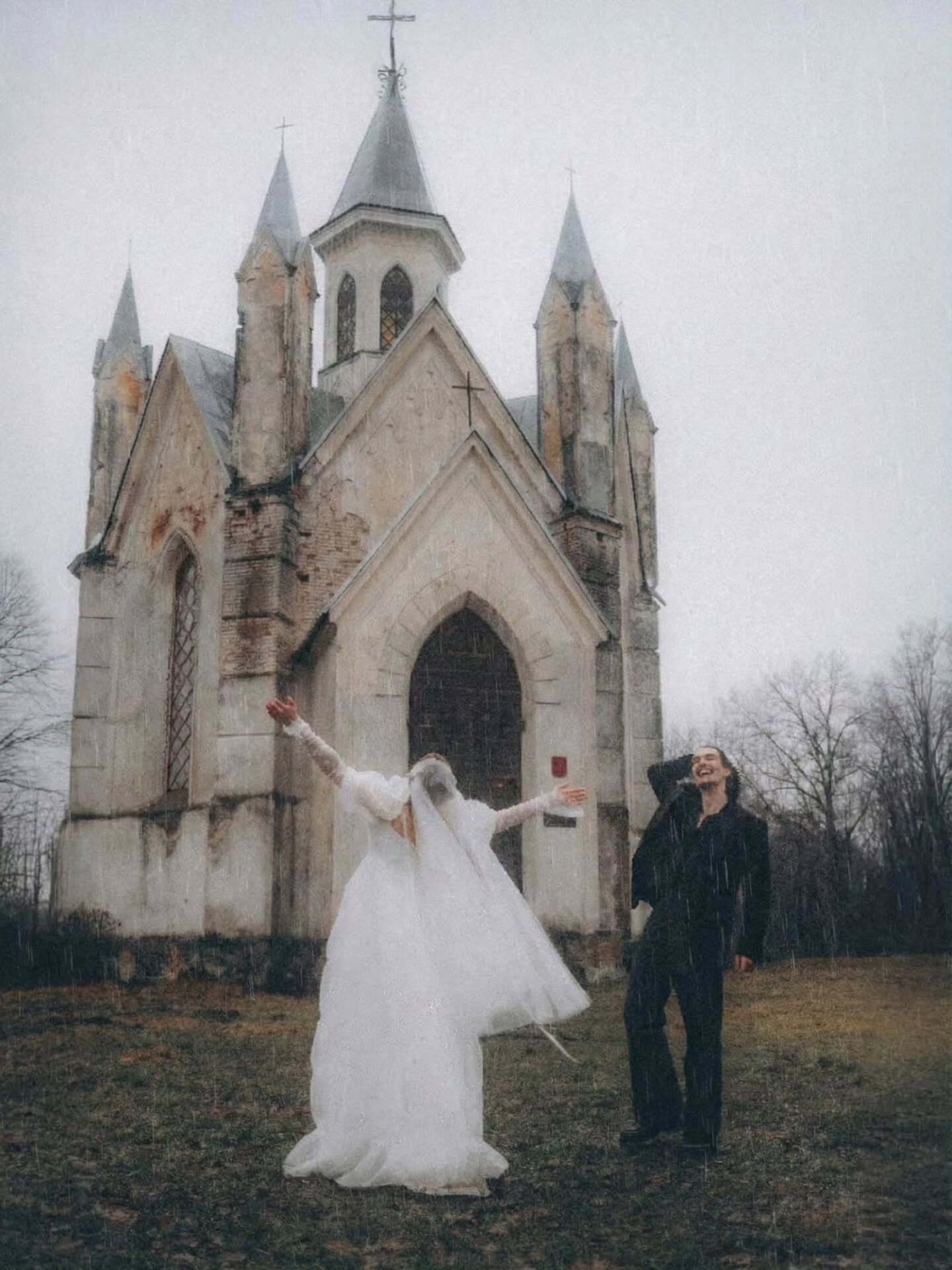
The book ends without Catherine or Heathcliff. Lockwood, the outsider who opens the story, stands at the edge of the moor in chapter 34, where he finds the three headstones: Catherine, Edgar, and Heathcliff. He stays with them a while, watching moths over the heath and listening to the wind in the grass, and the novel ends as he leaves.
“…wondered how any one could ever imagine unquiet slumbers for the sleepers in that quiet earth.”
The sentence says nothing about love at all. All the clamor of the middle chapters has subsided, and the moor is at rest. The reader can feel the long, turbulent tale finally coming to an end. The words are Lockwood's. He'd only met Heathcliff briefly as his tenant, and most of what he knows comes from Nelly’s account. It is the peace of the outsider looking in at the grass, not the peace of the lovers.
The stillness is not unbroken. Just before Lockwood's walk, Nelly tells us a shepherd boy came up and said he had seen Heathcliff and a woman on the moor. The reader is left with Lockwood's calm and the boy's story in equal measure, and Brontë gives us no indication of which to believe.
Using Emily Brontë Quotes on Love in Vows, Cards and Readings
Brontë wrote these lines for a gothic novel about obsession, so choosing the right one for a wedding means looking at what each scene is doing. The table below sorts the ten passages from the sections above by where they work best. Treat it as a short guide to which lines work in public and which should stay on the bookshelf. If two or three of them appeal to you, read the surrounding pages before deciding, because the context changes how each line sounds.
| Where it works | Passages | Why |
|---|---|---|
| Vows and cards | Souls made of the same substance (ch. 9); loving and wanting to be esteemed (ch. 32) | Short, warm and already close to a promise |
| Toasts and anniversary notes | Foliage versus rocks (ch. 9); if everything else vanished (ch. 9); a kiss for minding so well (ch. 32); "I am Heathcliff" (ch. 9) | Land best with a sentence of context in front |
| Closing words and guest books | Quiet earth (ch. 34) | Peaceful and gentle, with no declaration to explain |
| Better left in the book | Broken hearts (ch. 15); haunt me and cannot live without a soul (ch. 16) | Grief, blame and obsession |
Not every love quote Wuthering Heights offers suits a ceremony. The chapter 32 lines are the easiest to use, since they describe a couple on the way to a wedding, and the chapter 9 lines follow close behind because they are about love and not about loss. Brontë's wording is already close to a vow, so couples can use a shortened version on a card without changing the sense. Before printing anything, check the exact wording against a reliable edition of the novel, because many quote pages online alter or shorten the lines. A printed card with a slipped word is hard to fix once you've ordered the stationery.
A reading from Wuthering Heights works best when the speaker says where it comes from. Two sentences of context, who is talking and what has just happened, turn a dark gothic passage into a story guests can follow, and the ones who know the book will lean in. Wezoree lists wedding officiants who build ceremonies around readings like this one, and their profiles are the place to find someone whose style fits yours. Choose the line first, shortlist the officiants whose voice sounds like the two of you, and bring the passage to your first conversation so the reading can be shaped around it.
For more ideas on vows, readings and the small details that give a ceremony its voice, the Wezoree inspiration section brings together articles on wedding styles, traditions and every other part of the day, so you can keep exploring until the whole celebration starts to sound like the two of you.

FAQ
What are the best Wuthering Heights quotes about love for a wedding?
The chapter 32 bits on Cathy and Hareton are by far the easiest to use, as they focus on respect and affection without any of the grief associated with the older couple. The chapter 9 lines come next: the one about Catherine’s soul and Heathcliff’s being made of the same thing works on a card, and the comparison between foliage and rocks suits an anniversary speech. The chapter 15 and 16 bits are all about grief and are best left in the book.
Did Emily Brontë write other love poems besides the novel?
Yes, she did write poetry during her short life, and some of it is very much about love and devotion. The various lists of Emily Brontë quotes on love you'll find online are generally a mix of quotes from the novel and from her poetry, so be careful where you get them and check the source before you print one onto a card. The novel was published in 1847 under the pen name Ellis Bell, and she died the following year.


Are Emily Brontë's love quotes to Heathcliff and Catherine romantic?
They're very passionate, just not always in a comfortable manner. The shared-soul moments read as genuine devotion, whereas the deathbed scenes and aftermath read as obsession and grief. The scenes between Cathy and Hareton are the picture of gentle companionship, and for those familiar with Emily Brontë's love quotes, the contrast between the two couples makes the book's quiet case for love easy to grasp.
Is it better to quote a line exactly or shorten it?
A short passage works best when it is quoted exactly and credited to the novel, with the chapter if there is room. Many quotes online are shortened or reworded, so a card with a slightly different version of a famous line can look careless to guests who know the book. If space is tight, use the first sentence of a passage and leave out the rest, and avoid changing words in the middle.