Ultimate Guide To Planning a Sintra Wedding


- Why Choose Sintra for Your Wedding
- Best Time to Get Married in Sintra
- Seasonal Weather Comparison
- Legal Requirements for Getting Married in Portugal
- Setting Your Sintra Wedding Budget
- Choosing the Perfect Venue
- Hiring Local Vendors
- Wedding Design & Style Inspiration
- Accommodation & Guest Experience
- Wedding Day Timeline
- Photography & Best Locations for Photos
- Tips for a Stress-Free Sintra Wedding
- Common Mistakes to Avoid
- Final Checklist for Planning Your Sintra Wedding
Picture this: exchanging vows beneath palace walls, surrounded by misty gardens once walked by royalty, and basking in golden afternoon light with your loved ones. A Sintra wedding is not just a change of venue—it's stepping into a real-life fairytale.
This guide will walk you through the key steps of planning a wedding in Sintra: defining your vision, choosing storybook venues, understanding the weather, preparing necessary paperwork, and creating timelines mindful of mountain roads. Whether you dream of an intimate garden ceremony or a grand palace celebration, you'll find practical advice based on what works in this unique corner of Portugal.
This guide is ideal for couples planning destination weddings who want a solid foundation of practical information, including honest budget breakdowns, tips on avoiding common mistakes, and details on how to transform a beautiful location into a seamlessly executed celebration.
Find Your Perfect Wedding Vendors




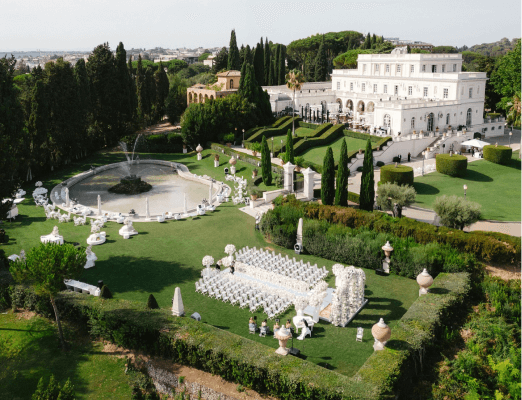
Why Choose Sintra for Your Wedding
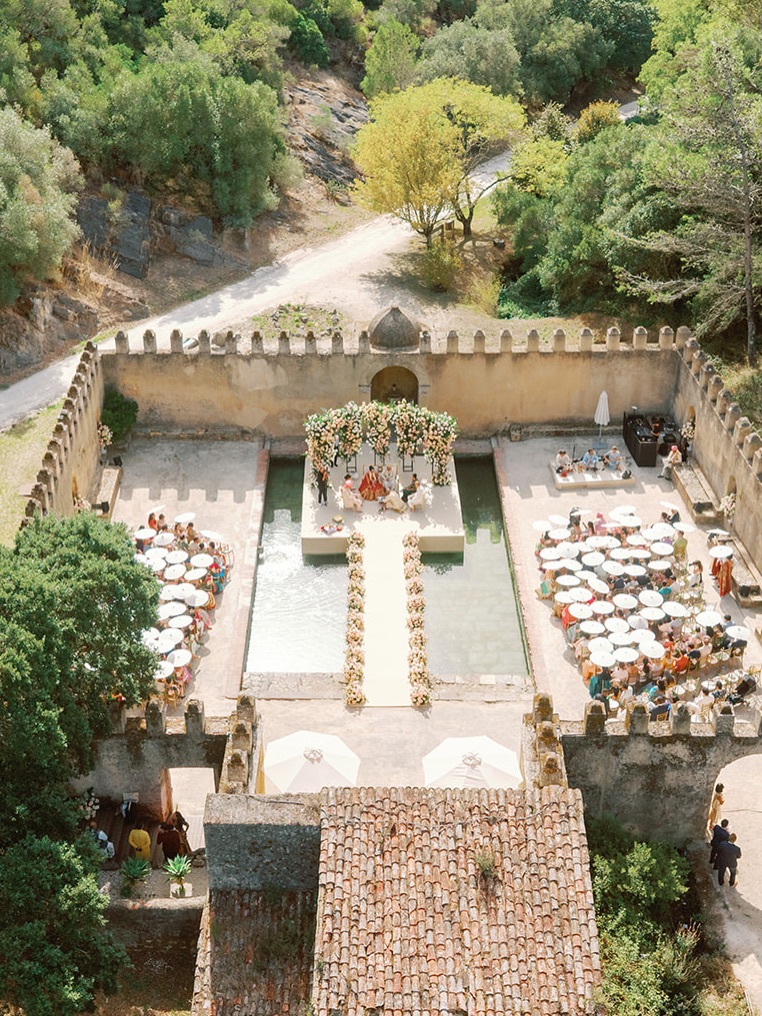
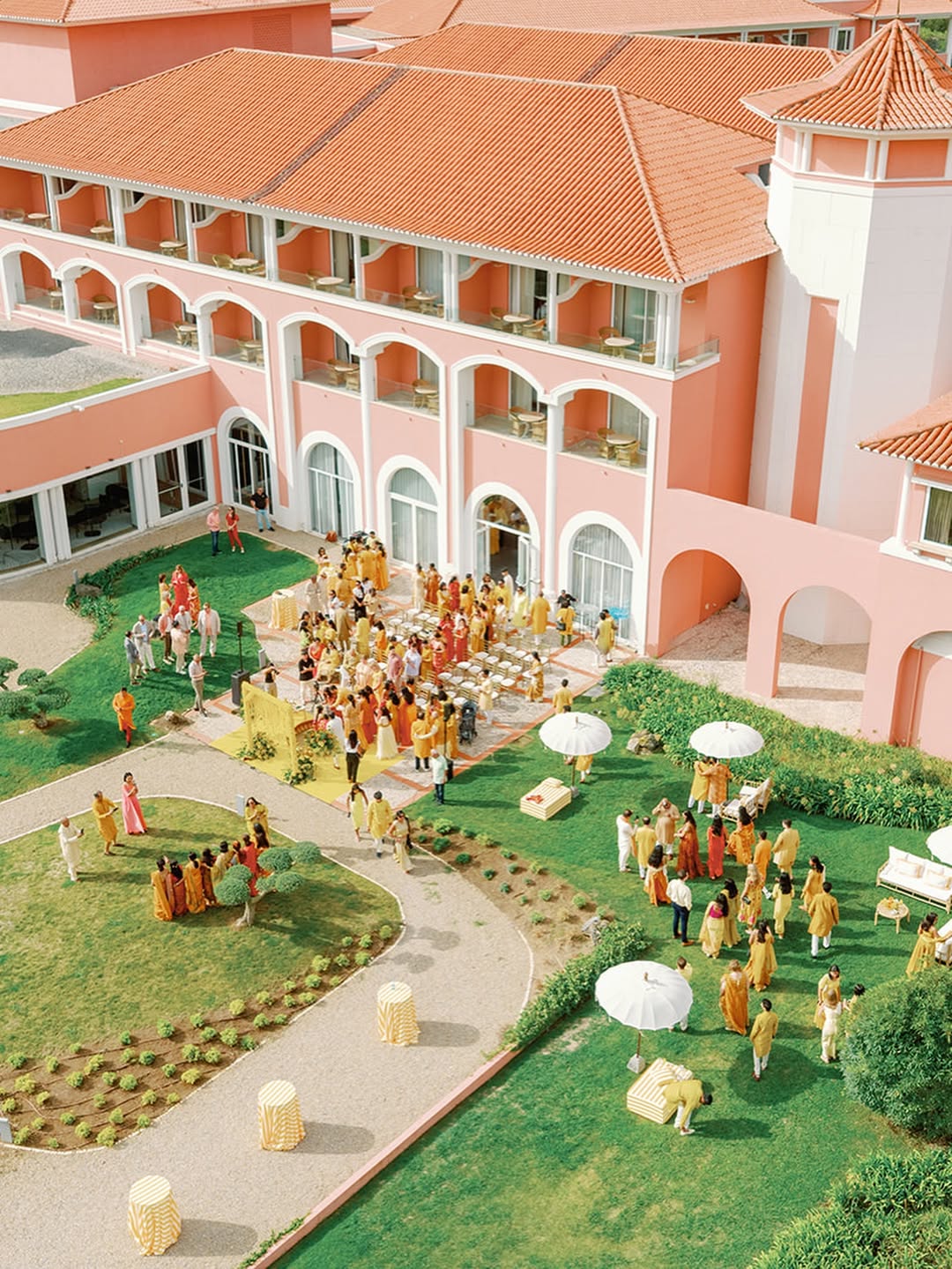
Sintra occupies a rare category: places that are so atmospheric they don't need enhancement. This UNESCO World Heritage town is nestled in the hills to the northwest of Lisbon, where microclimates create perpetual mist and lush vegetation thrives year-round. Romantic-era palaces emerge from the forests as if they were born of the collective imagination.
The aesthetic here isn't manufactured. The candy-coloured towers of Pena Palace, the Moorish arches of Monserrate, and the mysterious gardens of Quinta da Regaleira are cultural landmarks that happen to host weddings, not wedding venues that happen to be historic. That distinction matters. Your celebration will unfold in spaces with genuine stories, architectural significance, and visual drama that exist whether you are there or not.
What makes Sintra practically appealing:
- Proximity to Lisbon: 30 minutes by car, making international travel manageable for guests
- Accommodation range: From budget guesthouses to luxury quintas, options exist for varied guest needs
- Established wedding infrastructure: Vendors experienced with destination couples and multilingual coordination
- Multiple venue styles: Palace formality, garden intimacy, villa exclusivity, or historic estate grandeur
- Natural beauty: Forests, mountains, ocean views—backdrops that require minimal styling
The climate plays a significant role in shaping Sintra's character. Cool temperatures, frequent mist, and microclimate variations create a moody and romantic atmosphere. If you're drawn to soft light, dramatic skies, and a European atmosphere where the weather adds an air of mystery rather than just providing sunshine, then Sintra consistently delivers.
Best Time to Get Married in Sintra
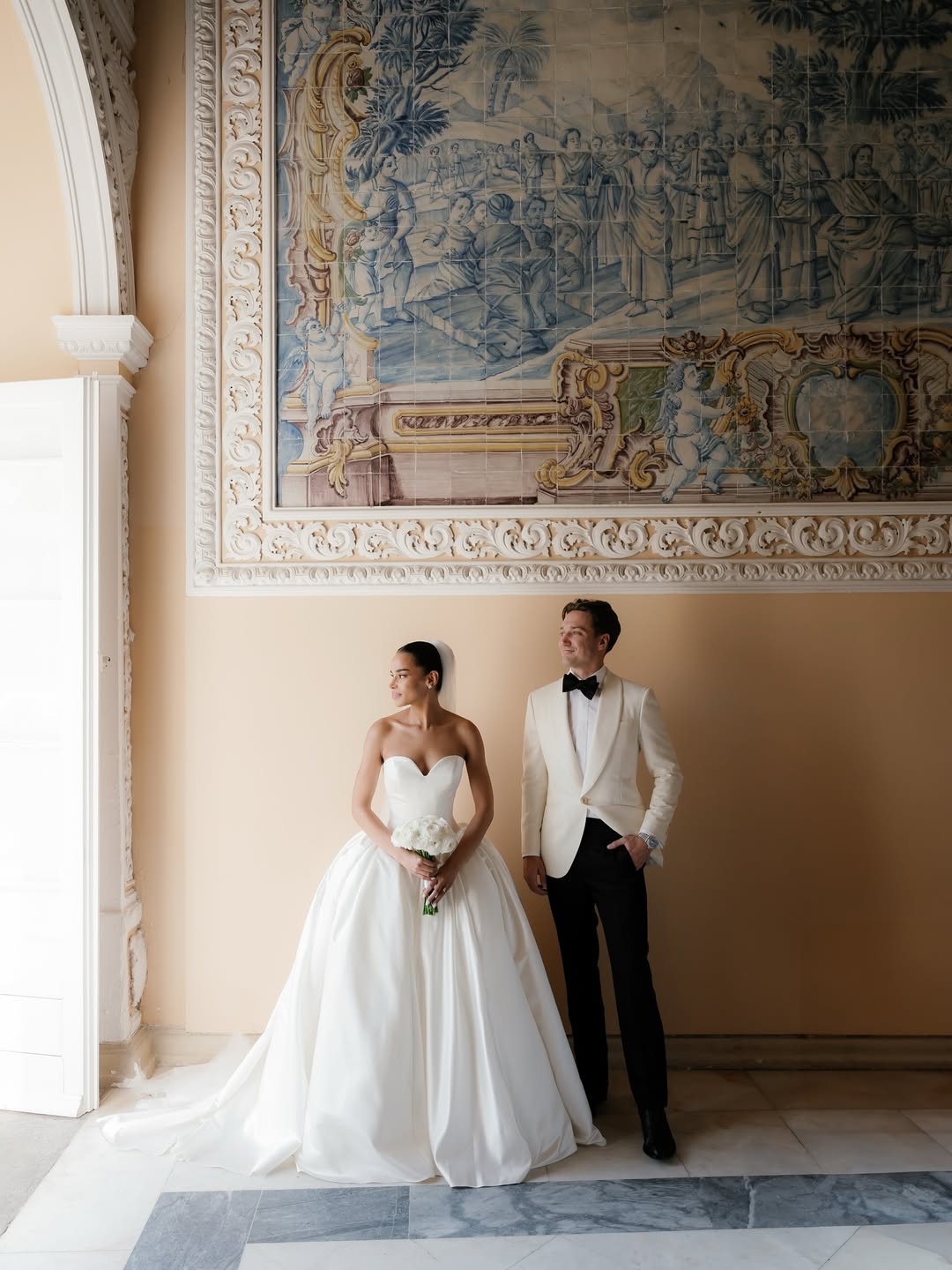
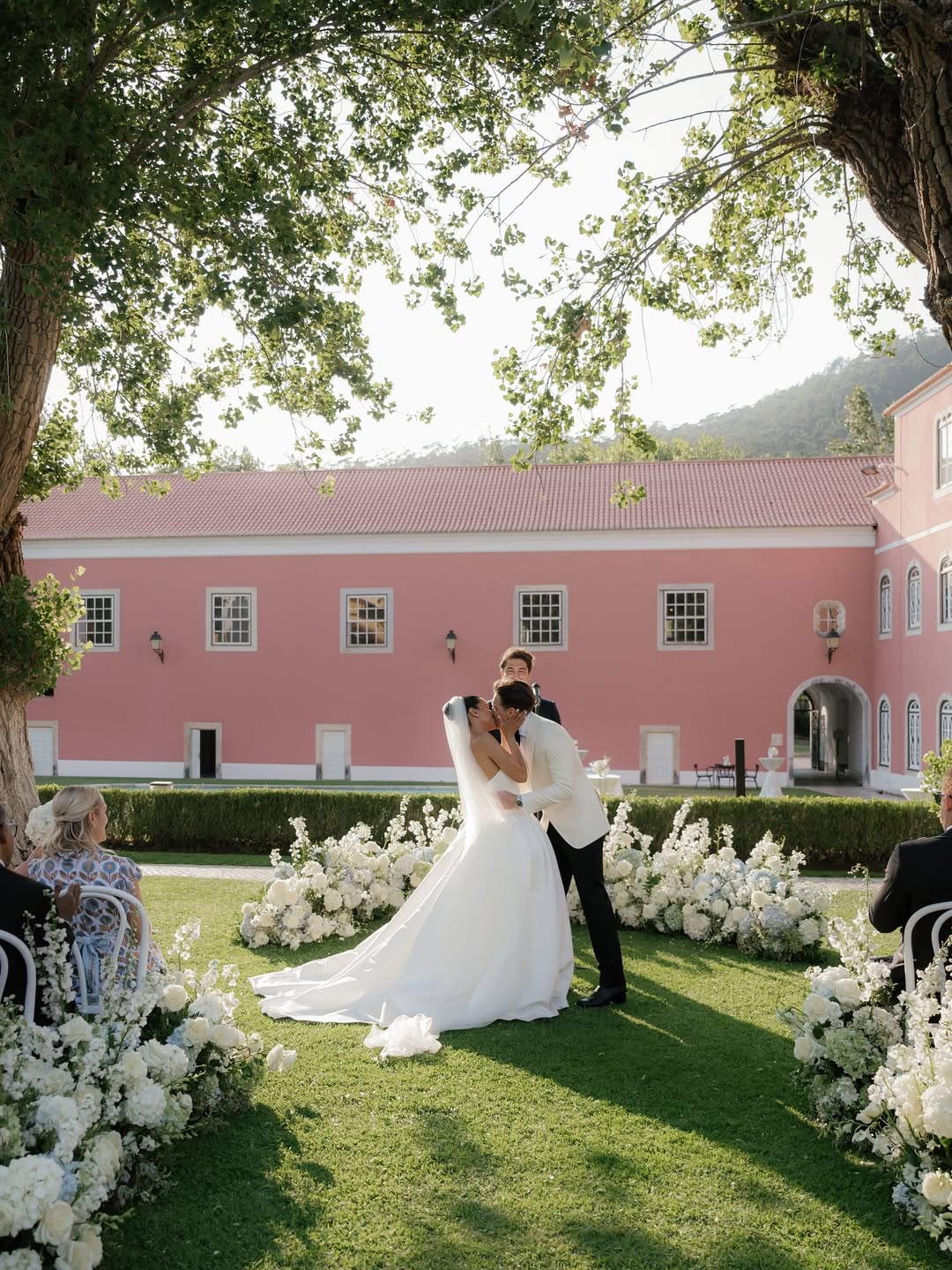
The timing of your wedding in Sintra, Portugal, will have a fundamental impact on your experience—not just on the weather, but also on crowd levels, vendor availability, and the appearance of the landscape itself.
Spring (April-June)
Spring sees Sintra's gardens reach their peak. Wisteria cascades over walls, roses bloom in the palace gardens, and wildflowers cover the hillsides. Temperatures range from 15 to 22°C (59 to 72°F), which is comfortable for outdoor ceremonies and avoids the summer heat.
- Advantages: Lush landscapes, moderate temperatures, and longer daylight hours as we approach the summer solstice.
- Disadvantages: April can bring rain. May and June are busy with events and see increasing tourist numbers.
Summer (July-August)
Peak season means consistently warm weather (68-82°F / 20-28°C) and a low probability of rain. The long days allow for extended celebrations and golden hour portraits late into the evening.
- Advantages: Reliable weather, maximum daylight, and full vendor availability.
- Challenges: Tourist crowds at popular venues, higher prices for accommodation and services, and the need to book 12–18 months in advance.
Autumn (September-October)
Many planners consider autumn to be Sintra's secret season. Temperatures cool to a comfortable 18–24 °C (64–75 °F), the summer crowds disperse, and the legendary Sintra mist intensifies, creating ideal conditions for photography.
- Advantages: Dramatic atmospheric conditions, fewer tourists, and often better vendor rates than in the peak summer season.
- Disadvantages: Rain is more likely, especially in October, and earlier sunset times require adjusted timelines.
Winter considerations: November to March brings cool temperatures (10–15 °C / 50–59 °F) and significant rainfall. Winter weddings are possible, but require solid indoor backup plans and a flexible approach to the weather. The upside? You'll have nearly empty venues and the lowest prices, and if you're lucky with the weather, you'll have iconic locations almost entirely to yourselves.

Seasonal Weather Comparison
| Season | Average Temp | Rain Probability | Crowds | Photography Light | Best For |
|---|---|---|---|---|---|
| Spring | 15-22°C | Medium | Moderate | Bright, fresh | Garden ceremonies, bloom lovers |
| Summer | 20-28°C | Low | High | Strong, warm | Reliable weather, evening events |
| Autumn | 18-24°C | Medium-High | Low | Moody, dramatic | Atmospheric photos, budget-conscious |
| Winter | 10-15°C | High | Very Low | Soft, grey | Intimate celebrations, off-season rates |
Legal Requirements for Getting Married in Portugal
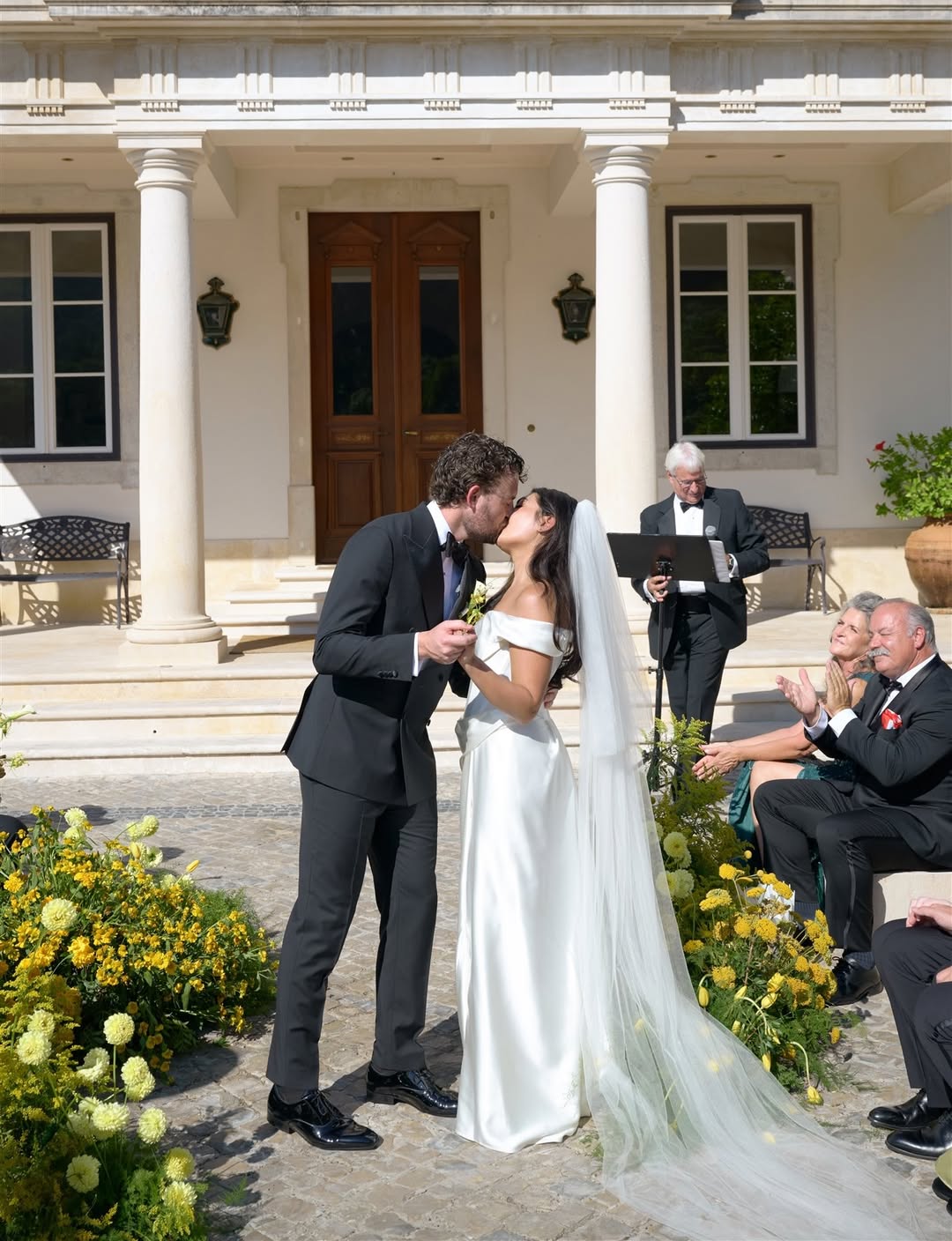
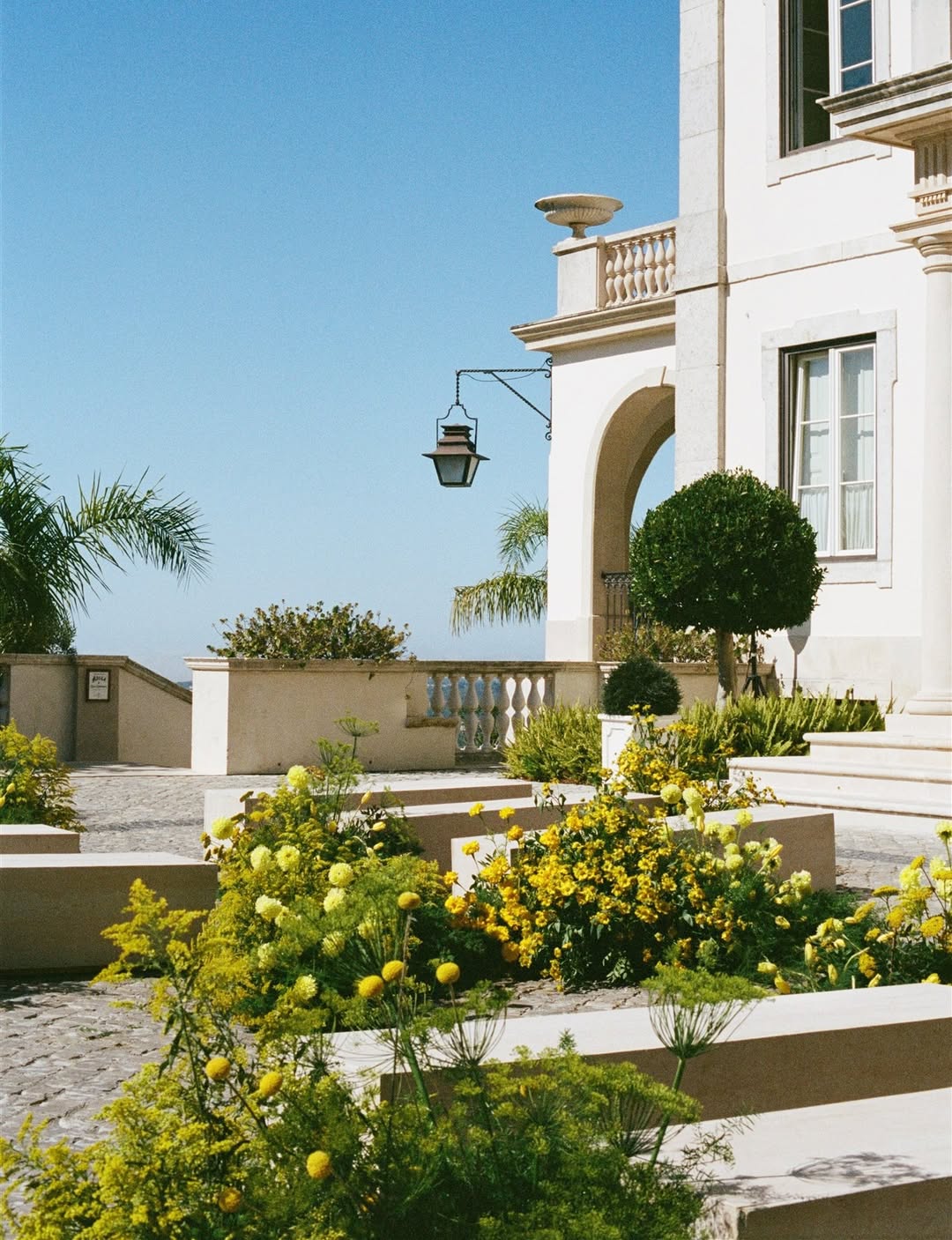
When planning their wedding celebrations in Sintra, couples can use their understanding of Portugal's marriage requirements to decide whether to have a legal or symbolic ceremony.
For legal marriage in Portugal, foreign nationals need:
- Valid passports
- Birth certificates (apostilled and translated to Portuguese)
- Certificate of No Impediment (CNI) from the home country
- Divorce decrees or death certificates if previously married (apostilled and translated)
- Proof of residency in Portugal for at least 30 days before the ceremony
The residency requirement is the primary obstacle. Most couples getting married abroad can't spend a month in Portugal beforehand, which makes legal ceremonies logistically complex. Symbolic ceremonies offer a simpler alternative. Although they carry no legal weight, they provide a full ceremony experience, including vows, rituals, and celebrations, without the need for documentation. Couples usually get married legally in their home country (either before or after Portugal) and then celebrate symbolically in Sintra. Catholic church weddings require additional documentation and both parties to be baptised Catholic. The process involves the local parish and takes a minimum of three to six months.
If you are pursuing legal marriage, it is invaluable to work with wedding planners who understand Portuguese bureaucracy. They know which documents require apostilles, which translators are certified, and how to navigate the requirements of municipal offices, which vary by jurisdiction.
Setting Your Sintra Wedding Budget
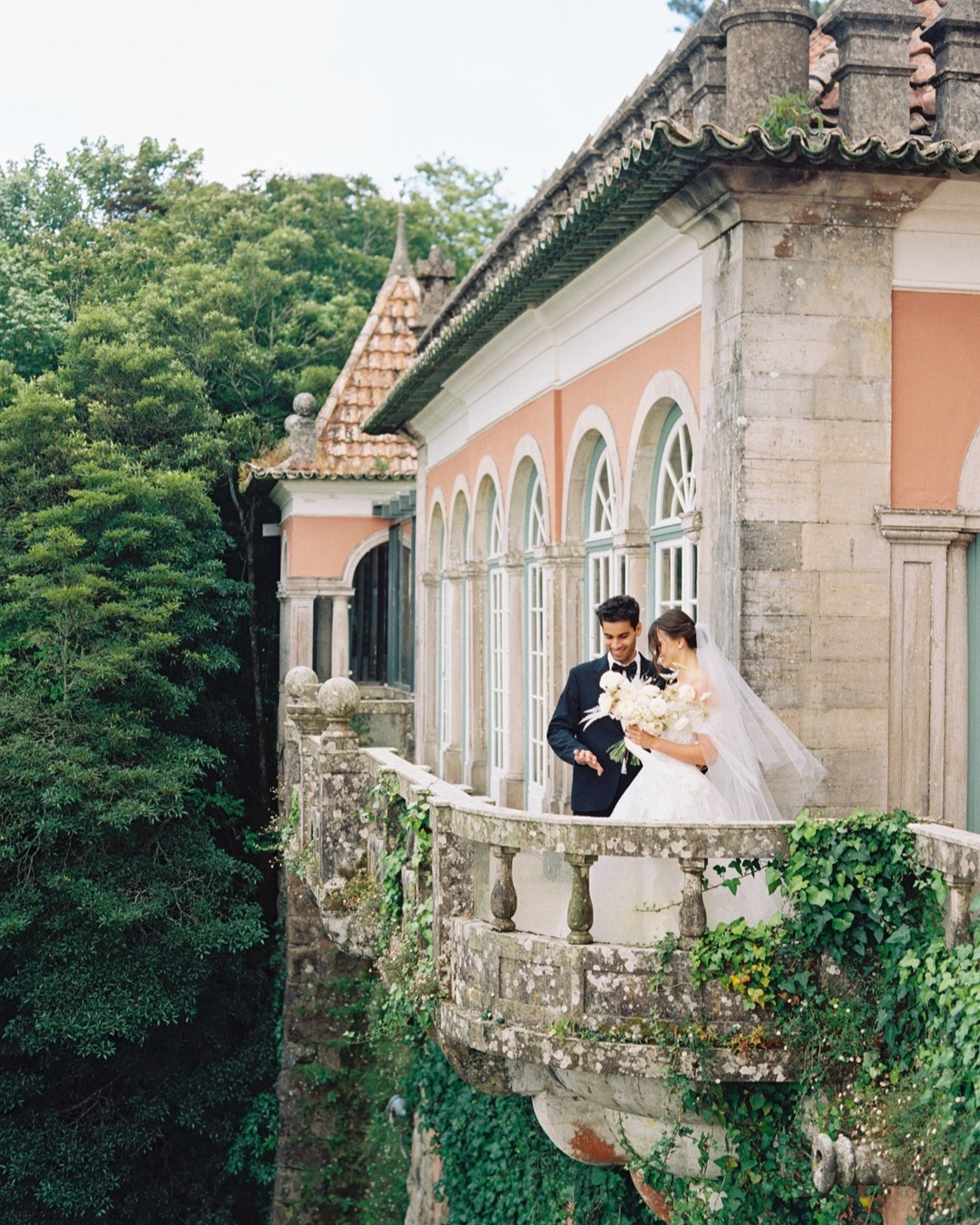
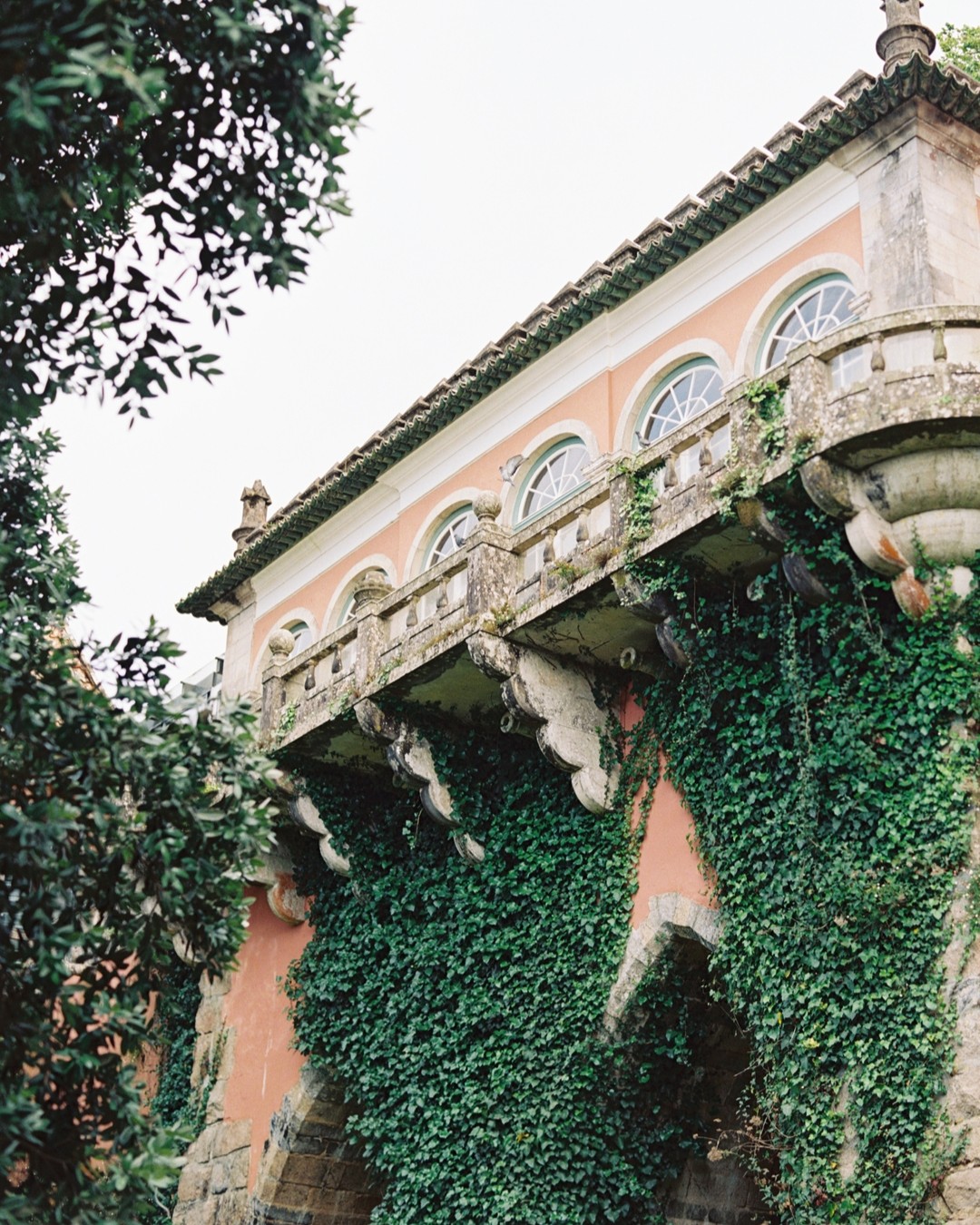
Sintra wedding budgets vary dramatically based on guest count, venue choice, and service levels, but understanding typical ranges helps realistic planning.
Average budget breakdown for 80-100 guests:
- Venue rental: €3,000-€10,000 (historic sites command premium pricing)
- Catering: €80-€150 per person (food, beverages, service)
- Photography/Videography: €3,000-€8,000 (experienced destination wedding photographers)
- Floral design & décor: €3,000-€8,000 (depends heavily on season and scope)
- Wedding planner: €3,500-€7,000 (full planning and coordination)
- Music/Entertainment: €1,500-€4,000 (DJ, band, or traditional Portuguese musicians)
- Transportation: €800-€2,000 (guest shuttles, couple's vehicle)
Typical range: €25,000- €55,000 for comprehensive celebrations. Intimate weddings (20-40 guests) with simpler styling start around €15,000. Luxury productions with 150+ guests at premium venues can exceed €80,000.
Where couples often save:
The guest count is the most powerful tool for managing the budget. A celebration for 50 people costs dramatically less than one for 150 people across every category, including catering, rentals, favours, and invitations.
Off-peak dates (November–March) often secure reductions of 20–30% on venues and vendors. Mid-week weddings also offer savings, albeit less dramatic.
Prioritising vendor categories is important. Invest heavily in photography (these images last forever), catering (exceptional food is memorable), and planning (smooth execution reduces stress). Save money on elements that guests barely notice, such as elaborate favours, multiple flower varieties, and premium linens that look identical to standard options in photographs.
Choosing the Perfect Venue
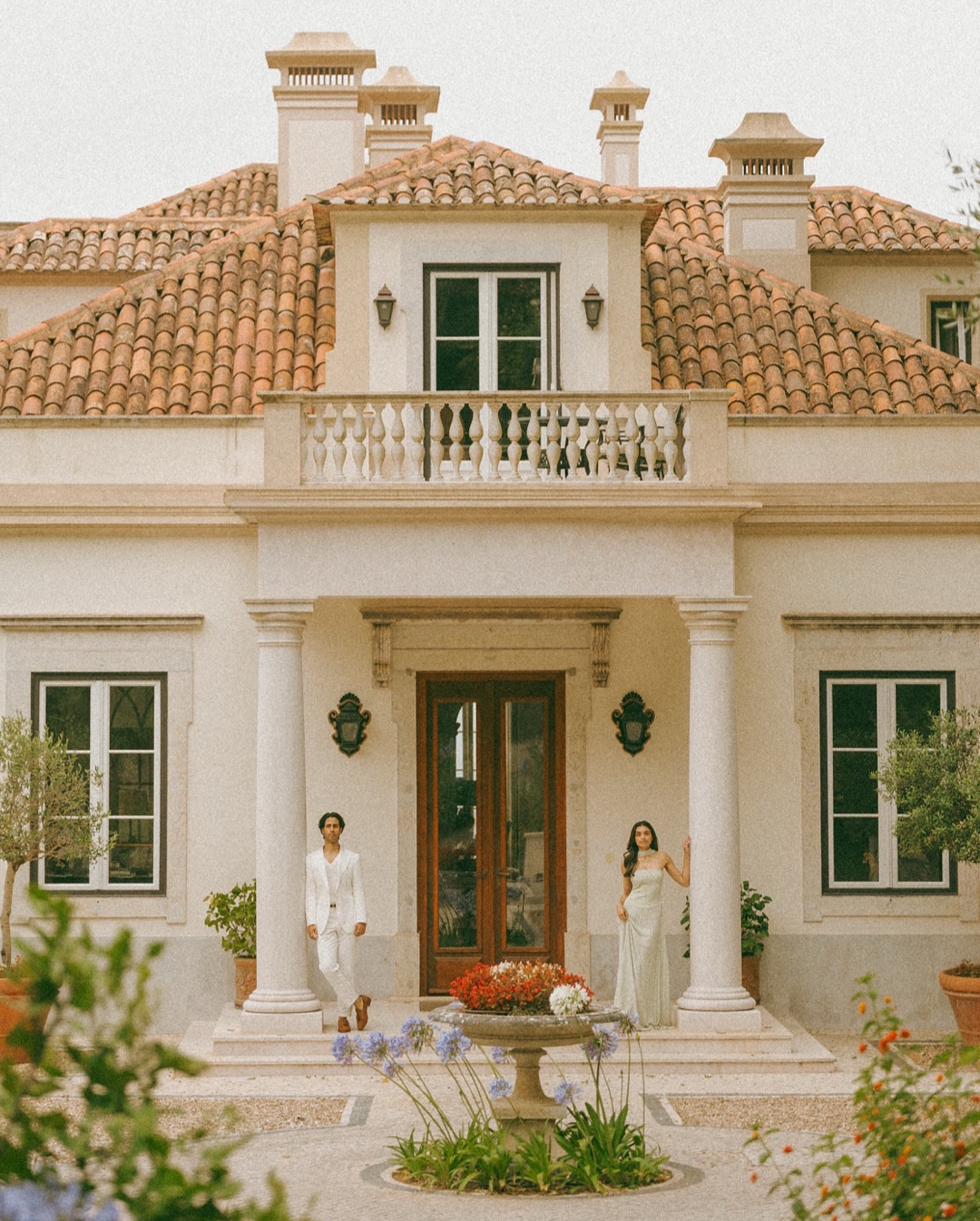
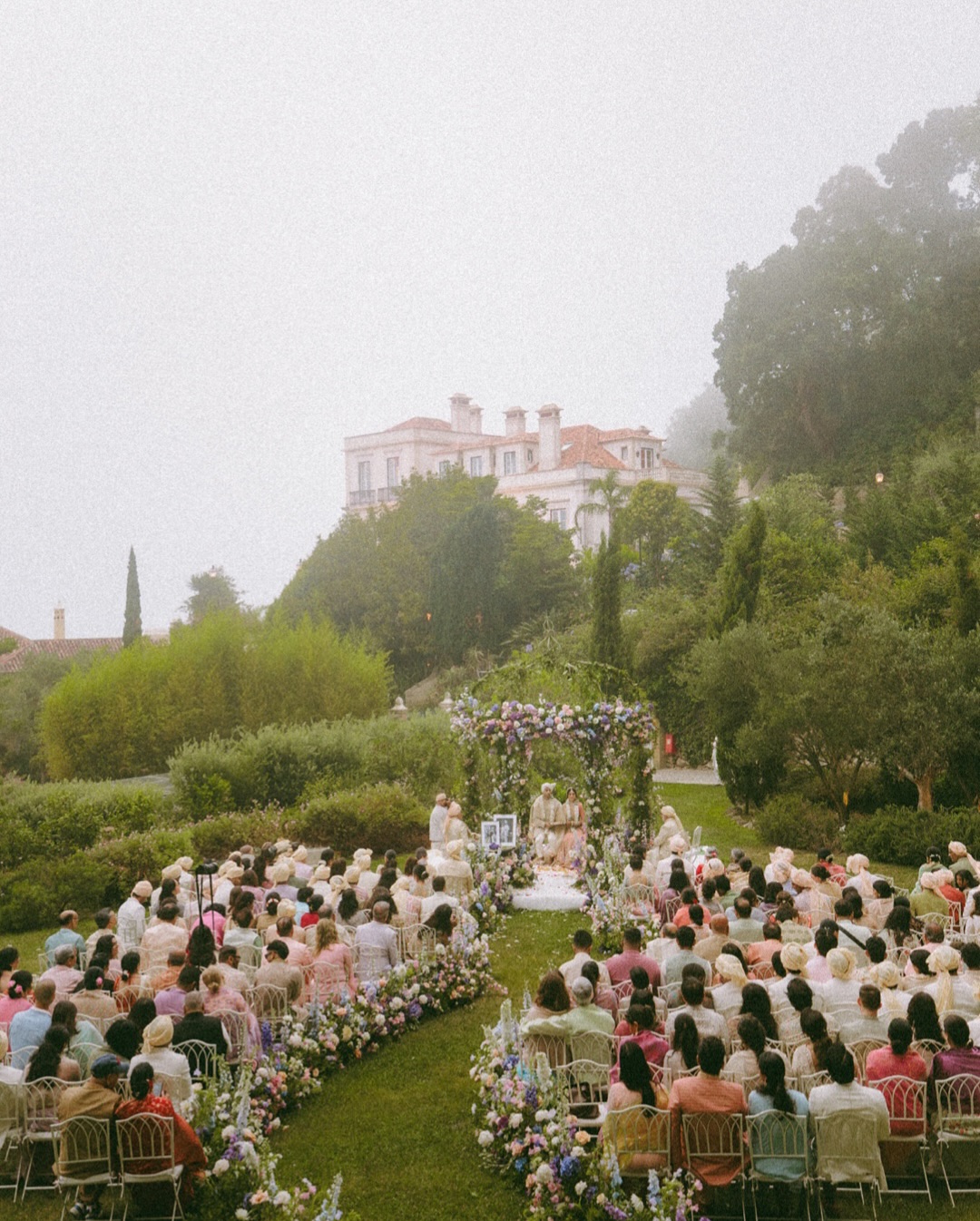
The venue you choose will fundamentally shape your wedding in Sintra experience. The town offers remarkable diversity, from UNESCO World Heritage palaces to intimate private gardens.
Sintra wedding venues generally fall into one of these two categories:
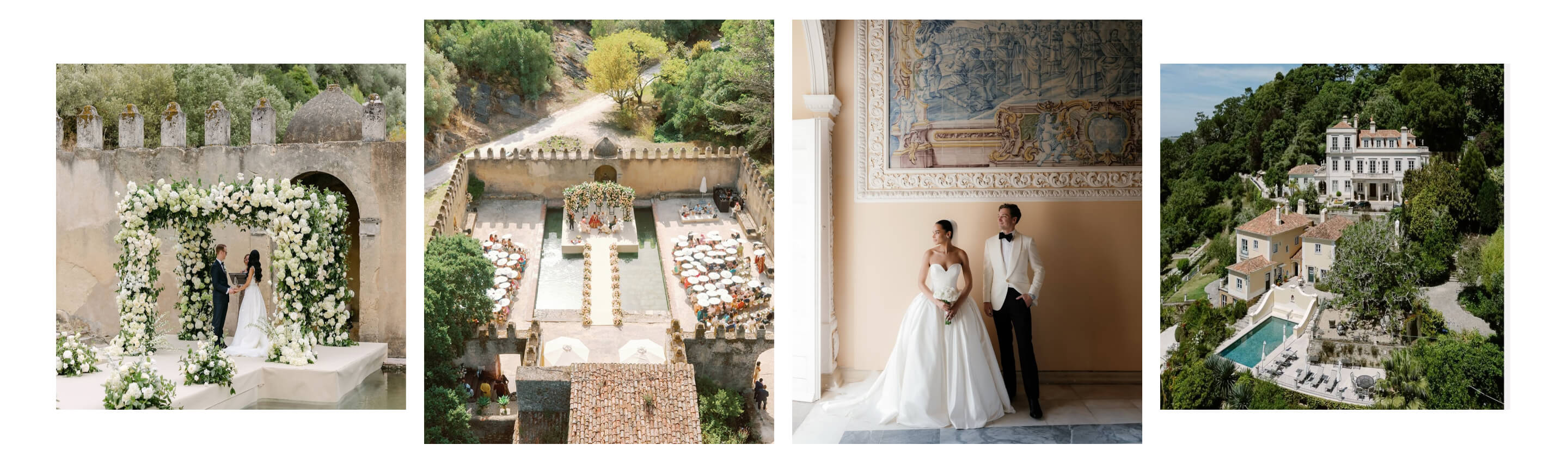
Historic Palaces: The Pena Palace, the Monserrate Palace, and the Seteais Palace all offer architectural grandeur and instant recognition. These venues provide dramatic backdrops that require minimal decoration — the buildings themselves create the atmosphere. However, expect higher rental fees, tourist presence during certain hours, and strict preservation rules about what is permitted.
Private Quintas and Villas: Properties such as Quinta da Regaleira and private estates offer greater exclusivity and flexibility. You won't be sharing space with day tourists, you'll have more flexibility with timing, and you'll have a wider range of customisation options. These properties are particularly well-suited to multi-day celebrations or couples seeking complete privacy.
Garden Venues: The Camellia Gardens and other intimate spaces are ideal for smaller celebrations of 20–60 guests. They provide natural beauty and a romantic atmosphere, and are often more affordable than palaces. However, weather backup becomes critical, as most garden venues have limited indoor options.
All-Inclusive Properties: Some venues offer all-inclusive Sintra wedding packages that bundle the venue, catering, coordination, and accommodation. These packages simplify the planning process, particularly for international couples who manage logistics remotely. The downside is that there is less scope for customisation than with à la carte planning.
To explore detailed venue comparisons, including capacity, aesthetics, and the unique features of each space, take a look at our comprehensive guide: Sintra Wedding Venues: Palaces, Gardens and Historic Estates.
Venue selection timeline: Book 12–18 months ahead for summer dates at popular locations. Spring and autumn offer slightly more flexibility with 8–12 months' notice, though desirable venues still fill up quickly.
Hiring Local Vendors
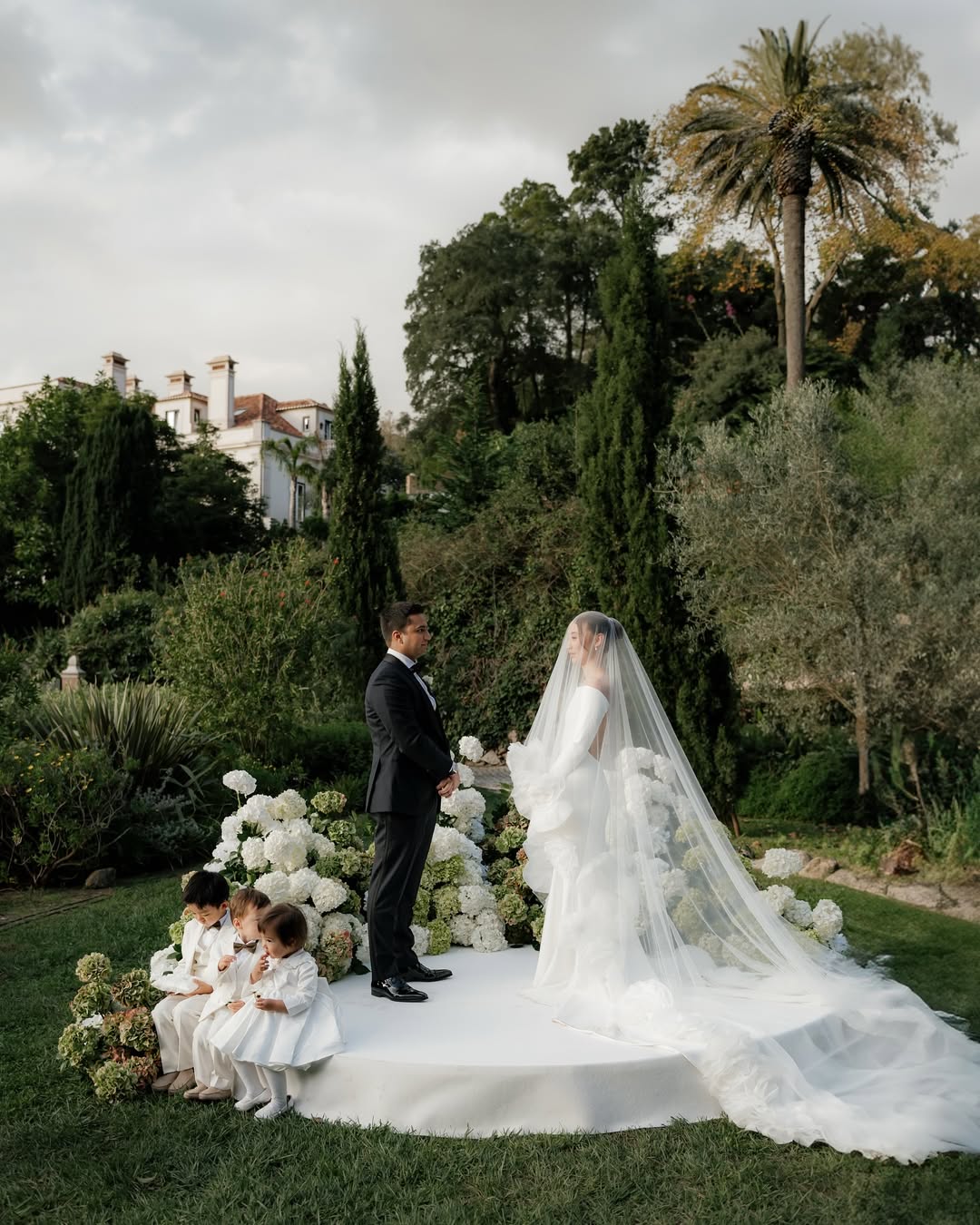
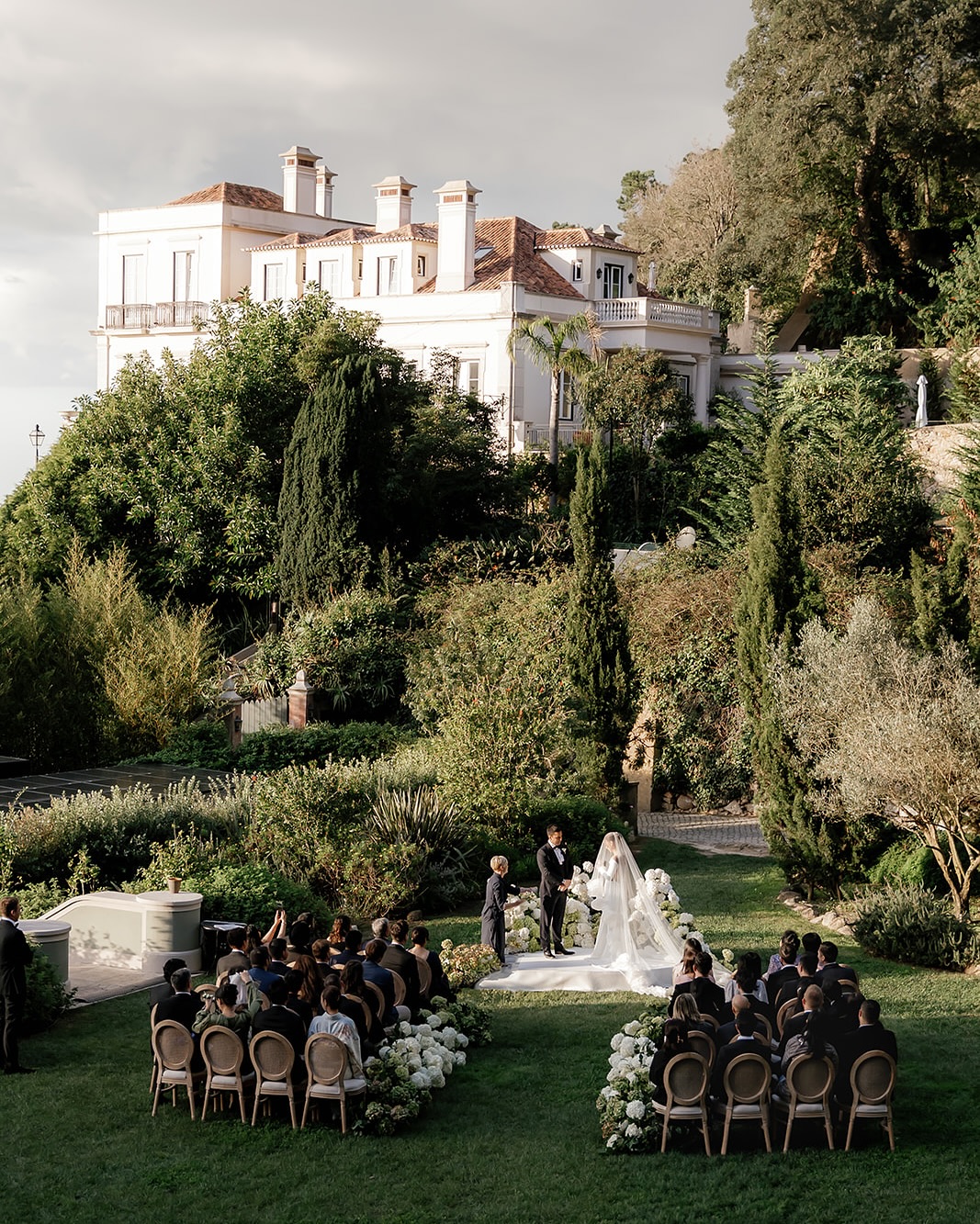
Working with experienced Sintra Portugal wedding vendors makes the logistically complex process of planning a destination wedding more manageable.
Wedding Planner
When it comes to destination weddings, planners aren't a luxury — they're essential. Local planners know which vendors deliver reliably, understand Portuguese vendor culture and communication styles, can navigate language barriers, handle on-the-ground logistics you can't manage remotely, and provide day-of coordination to ensure smooth execution.
What to ask potential planners:
- How many Sintra weddings do you coordinate annually?
- Can you provide references from international couples?
- What's your relationship with our preferred venue?
- How do you handle communication across time zones?
- What's included in your fee, and what are the additional charges?
Photographer and Videographer
Selecting a Sintra wedding photographer requires significant research. The unique light in Sintra — the perpetual mist, the filtered forest light, and the dramatic skies — requires photographers who understand the location intimately.
Look for portfolios showing Sintra-specific work. Can they handle low-light conditions? Do they know which locations offer the best light at certain times of day? Have they shot at your specific venue before? Experience matters enormously when working with historic properties that have specific rules about where photographers can position themselves.
Florists and Décor
Sintra's aesthetic is naturally romantic and organic. The best floral designers work with this, incorporating local botanicals and understanding seasonal availability to create designs that complement the venue's architecture rather than compete with it.
Catering
Portuguese cuisine is incredibly rich, offering fresh seafood, robust wines, artisanal cheeses, and traditional pastries. To ensure food quality, proper service timing, and menu flexibility for dietary restrictions, it is best to work with caterers experienced in wedding service (not just restaurant cooking).
Music and Entertainment
Consider incorporating traditional Portuguese elements, such as fado singers during the cocktail hour or an acoustic guitarist during the ceremony. Alternatively, you could hire a band to play a mix of international favourites and local music. While DJs are ideal for reception dancing, live music creates a memorable atmosphere during the earlier stages of the celebration.
Wedding Design & Style Inspiration
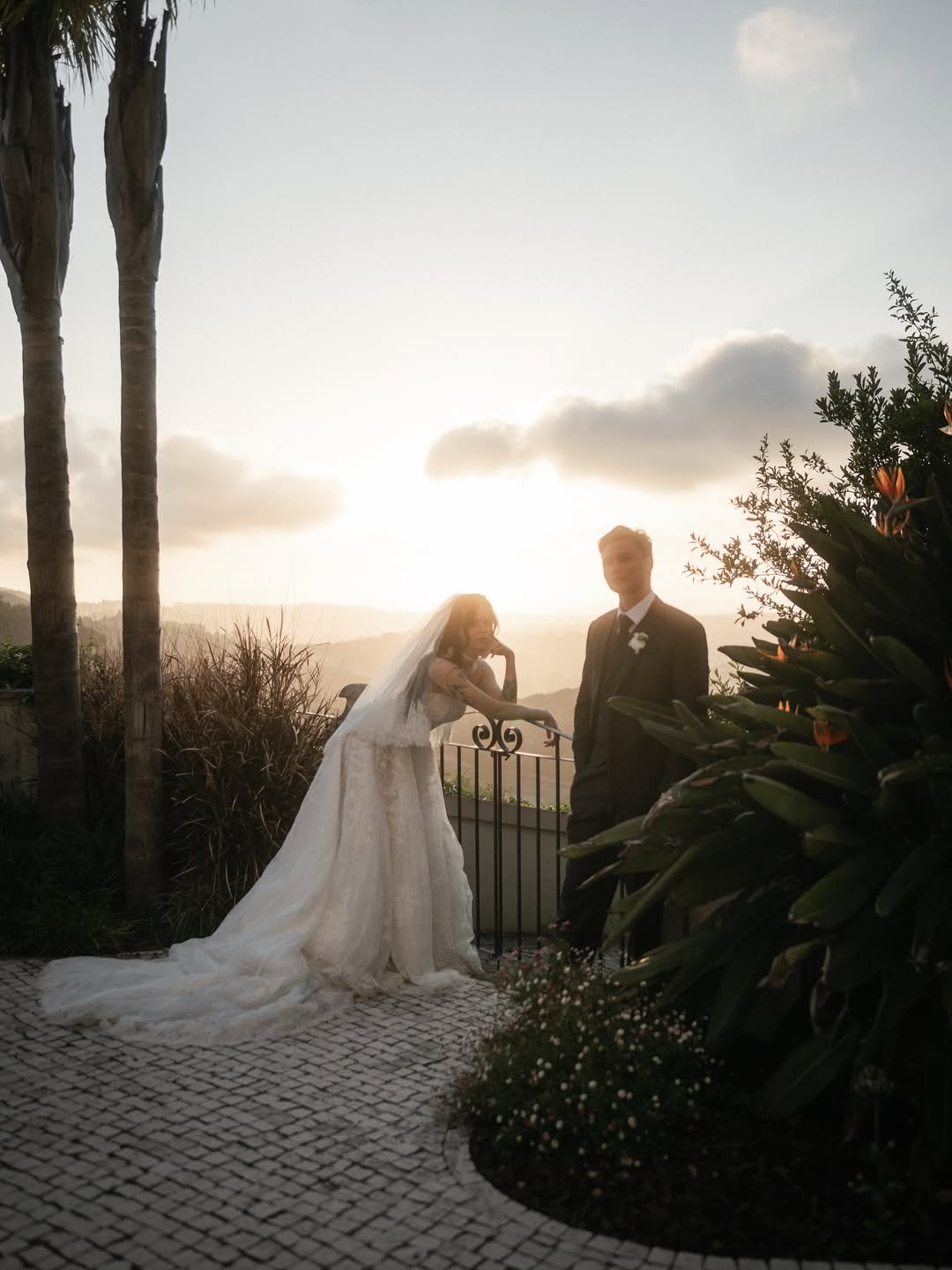
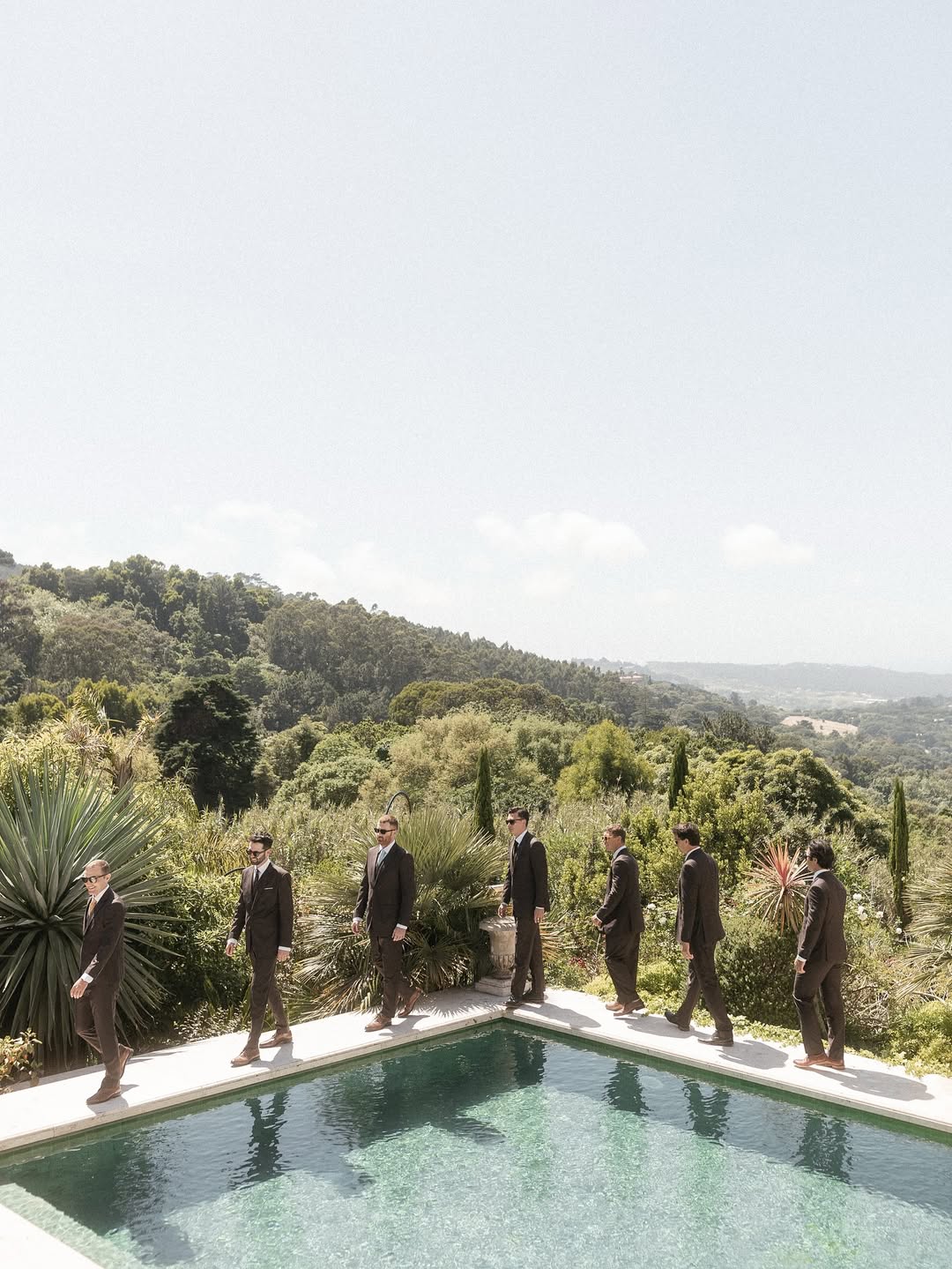
Sintra wedding design works best when it honors rather than obscures the location's inherent character, which is essential to ensuring the event is a success.
Popular aesthetic directions:
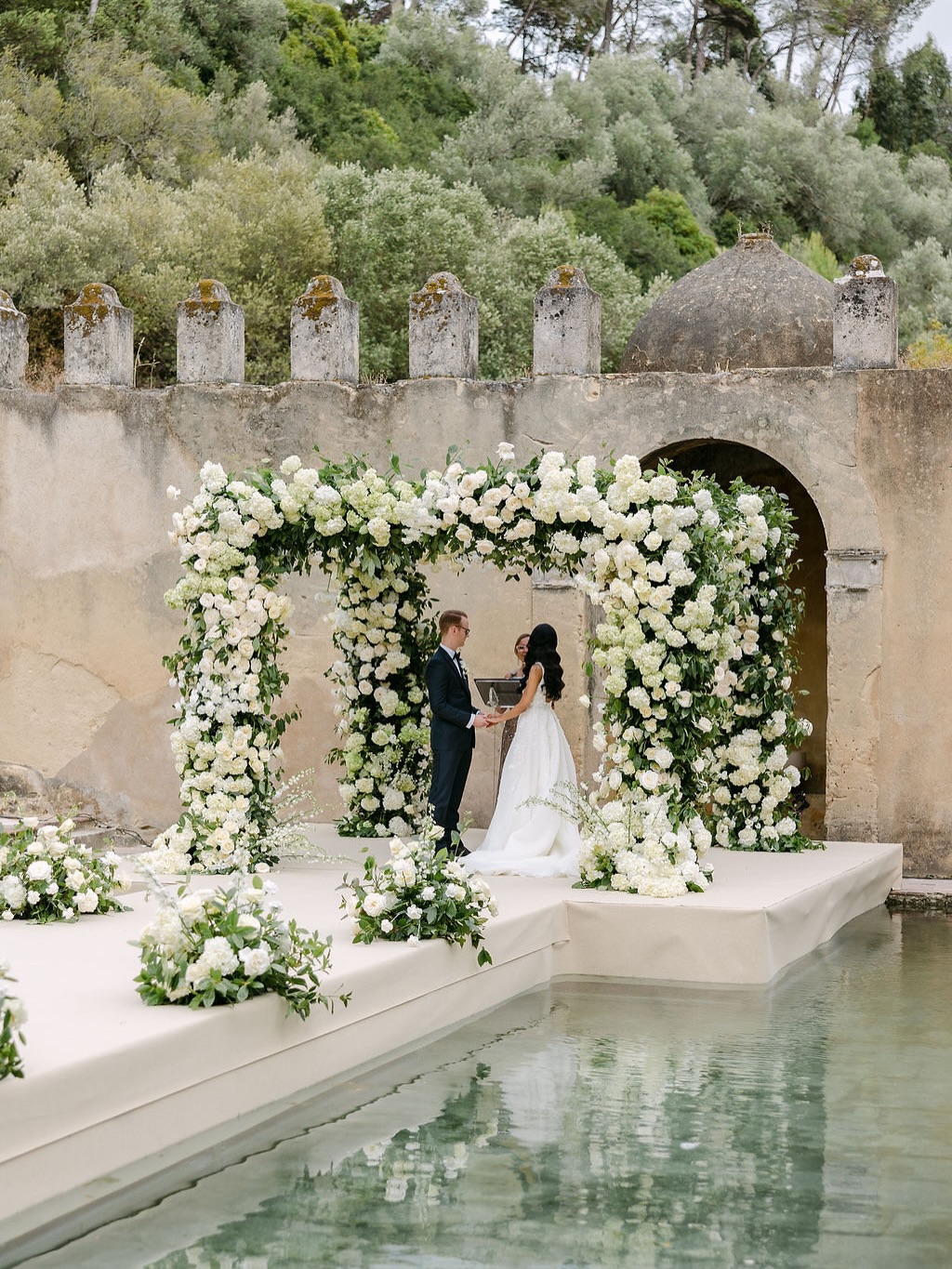
- Fairytale Romance: Embrace the storybook quality of Sintra with flowing fabrics, candlelight, soft colour palettes (blush, ivory, and sage), and organic floral installations. This style works beautifully in palace venues, where the architecture provides the drama.
- European Elegance: Clean lines, sophisticated colour blocking (navy and gold, burgundy and cream), structured florals and refined details. It suits formal venues and couples who prefer a polished aesthetic to a whimsical one.
- Organic Luxury: Natural textures, earth tones, abundant greenery, wooden elements, and artisanal details. This style is particularly effective at garden venues and rustic quintas, where it complements the natural surroundings.
Color palette considerations:
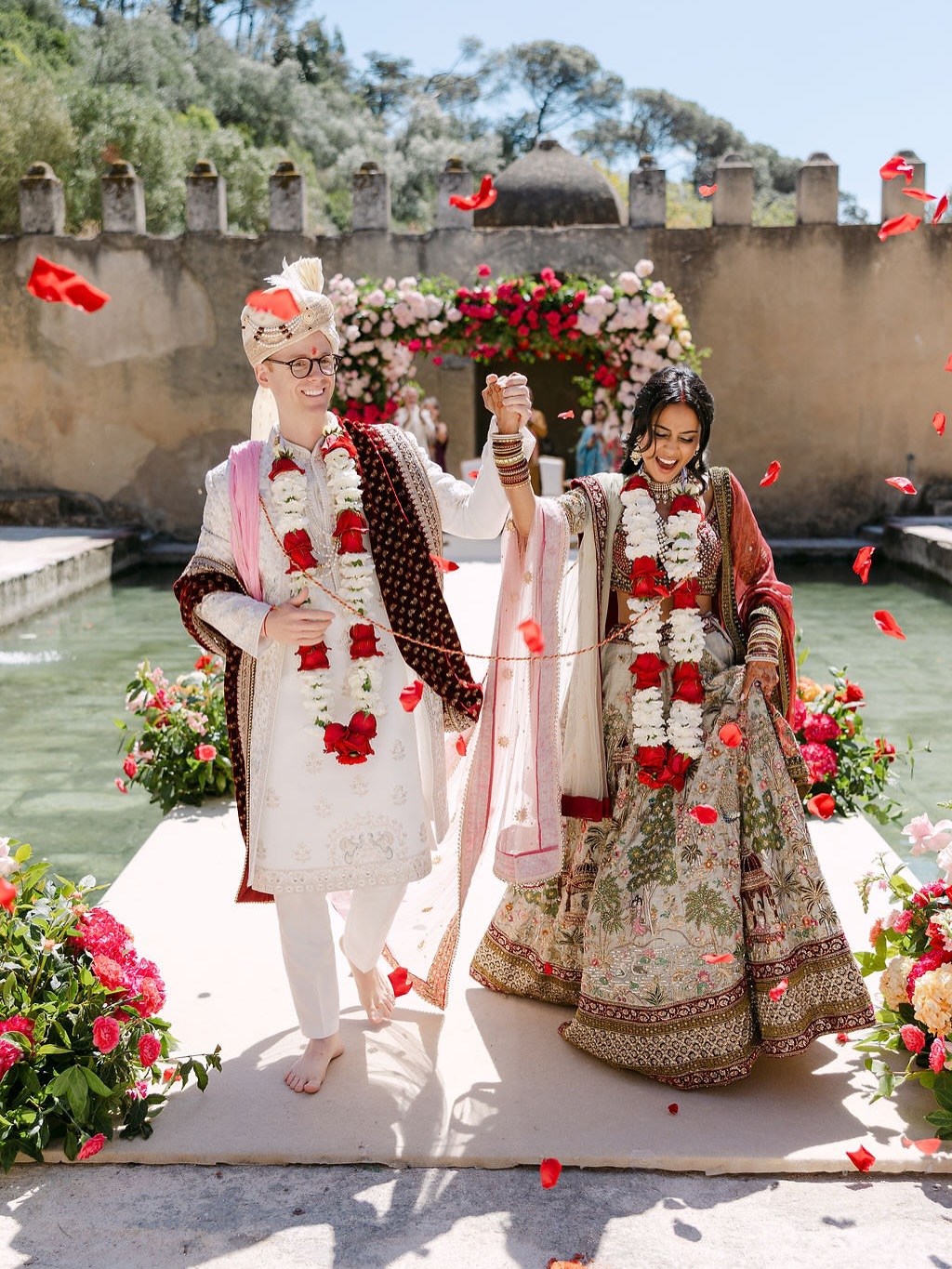
Sintra's lush greenery and frequently grey-blue skies provide beautiful natural backdrops. Colours that photograph particularly well here include dusty rose, terracotta, deep burgundy, sage green, and champagne tones. These colours complement the landscape rather than competing with it.
Avoid clashing with the location's mood. Bright tropical colours or stark modern minimalism can seem out of place against Sintra's romantic European atmosphere. Work with what the setting offers naturally.
Accommodation & Guest Experience
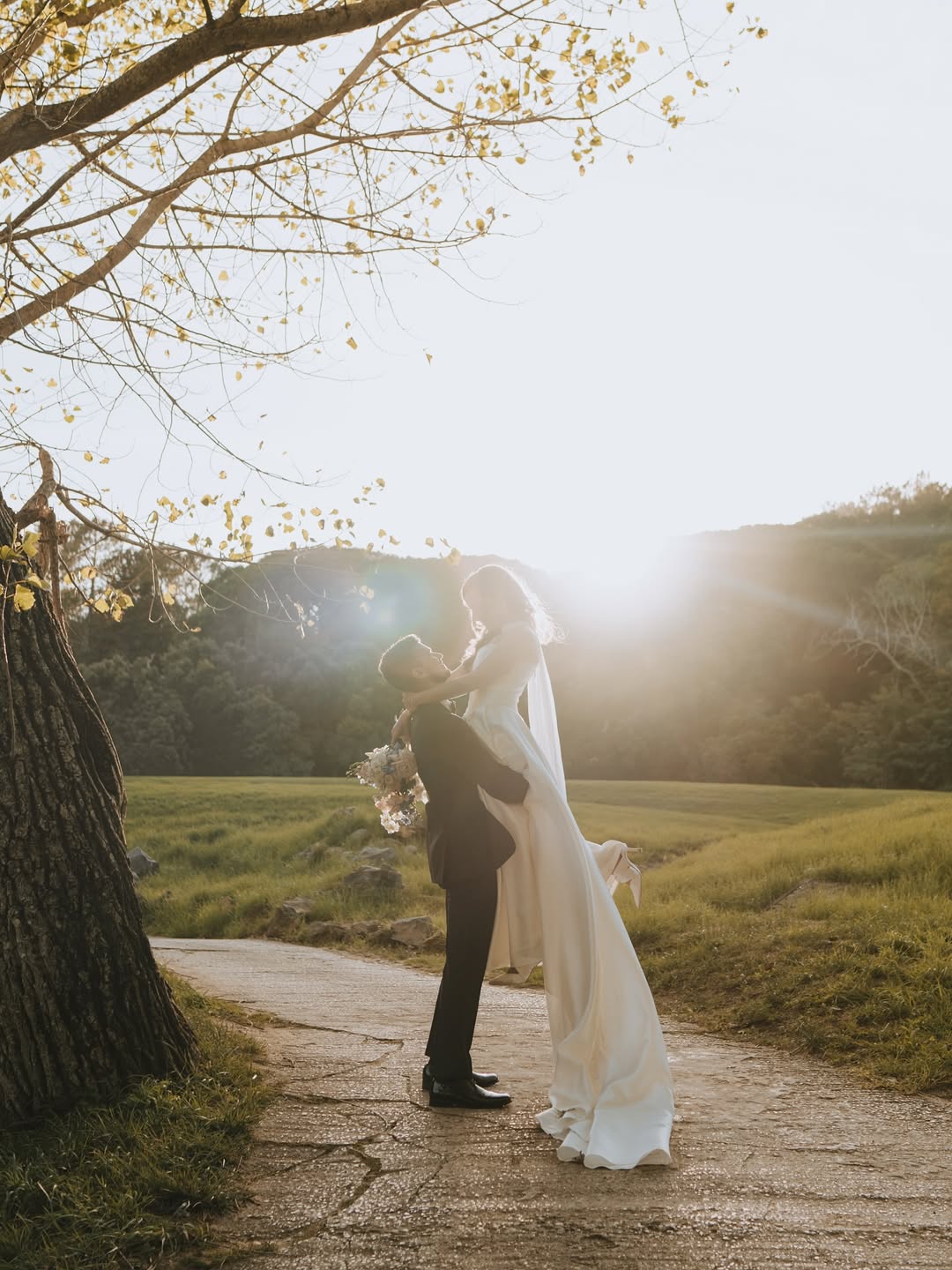
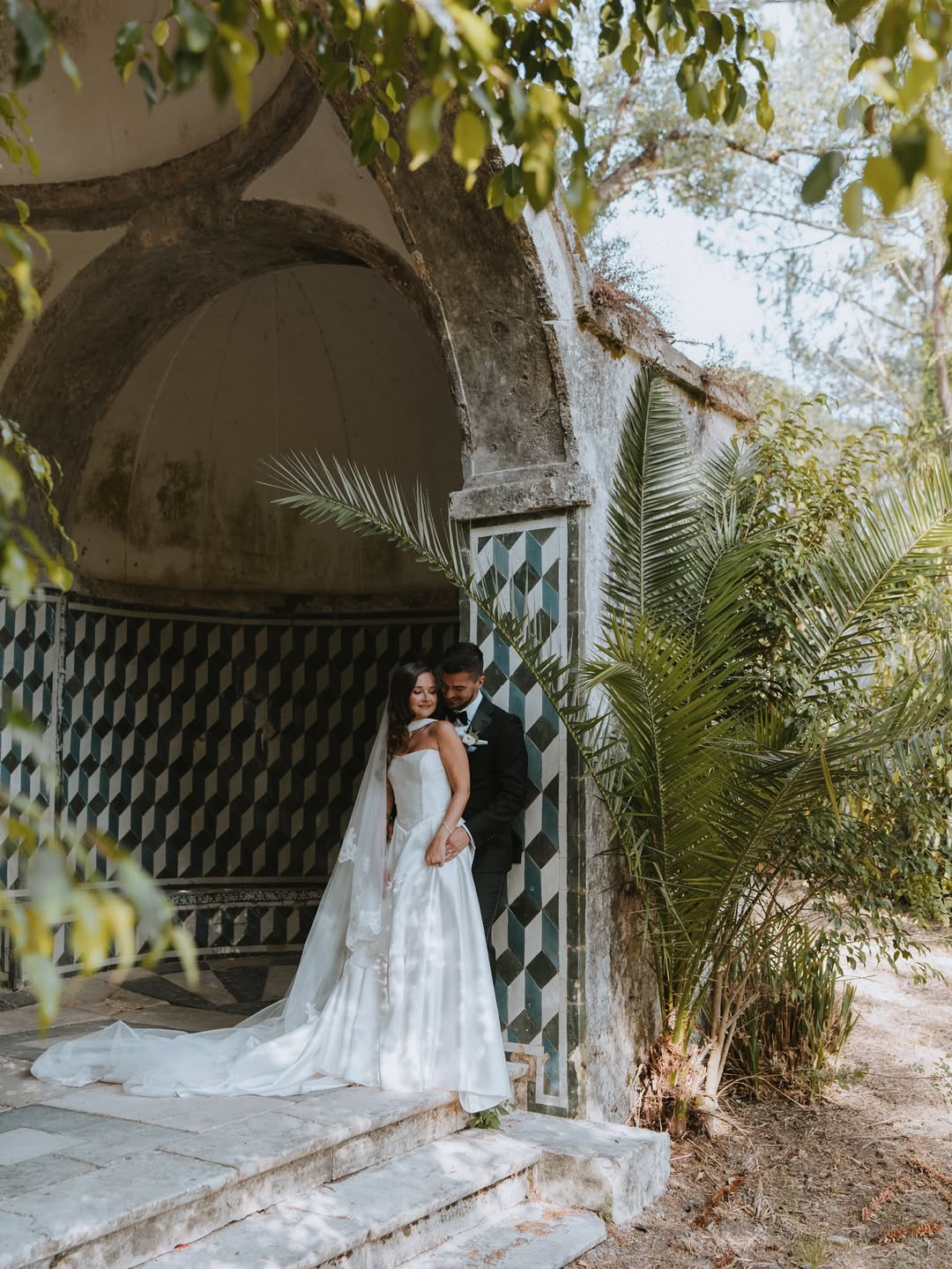
Thoughtful accommodation planning and guest logistics are required to create comfortable wedding experiences in Sintra, Portugal.
Where to house guests:
In Sintra itself: There are limited options directly in town, including several boutique hotels, historic guesthouses, and holiday rentals. Booking early is essential as there is less accommodation available than in Lisbon.
If you're basing yourself in Lisbon and need transport: Many couples house guests in Lisbon, which is 30 minutes away, where the variety and availability of accommodation are much greater. This requires guests to coordinate their own transport, but offers easier access to the international airport and more evening activity options.
Venue accommodation: Some quintas and estates offer on-site lodging for a limited number of guests, which is ideal for intimate weddings or for accommodating wedding parties.
Transport logistics: Arrange group shuttles between Lisbon and Sintra for the ceremony and reception. Guests unfamiliar with European driving can find navigating winding mountain roads stressful and delay travel.
Guest experience elements:
- Welcome dinner: An evening gathering for international guests, held the night before the wedding. A casual dinner at a Portuguese tavern works beautifully and helps everyone acclimatise.
- Day-after brunch: This extends the celebration and allows for more casual goodbyes. It also gives guests who flew long distances the opportunity to spend meaningful time together beyond just the wedding.
- Activity suggestions: Provide information on exploring Sintra (palaces, gardens, and beaches), day trips to Lisbon, and local restaurant recommendations for guests who are extending their stay.
Wedding Day Timeline
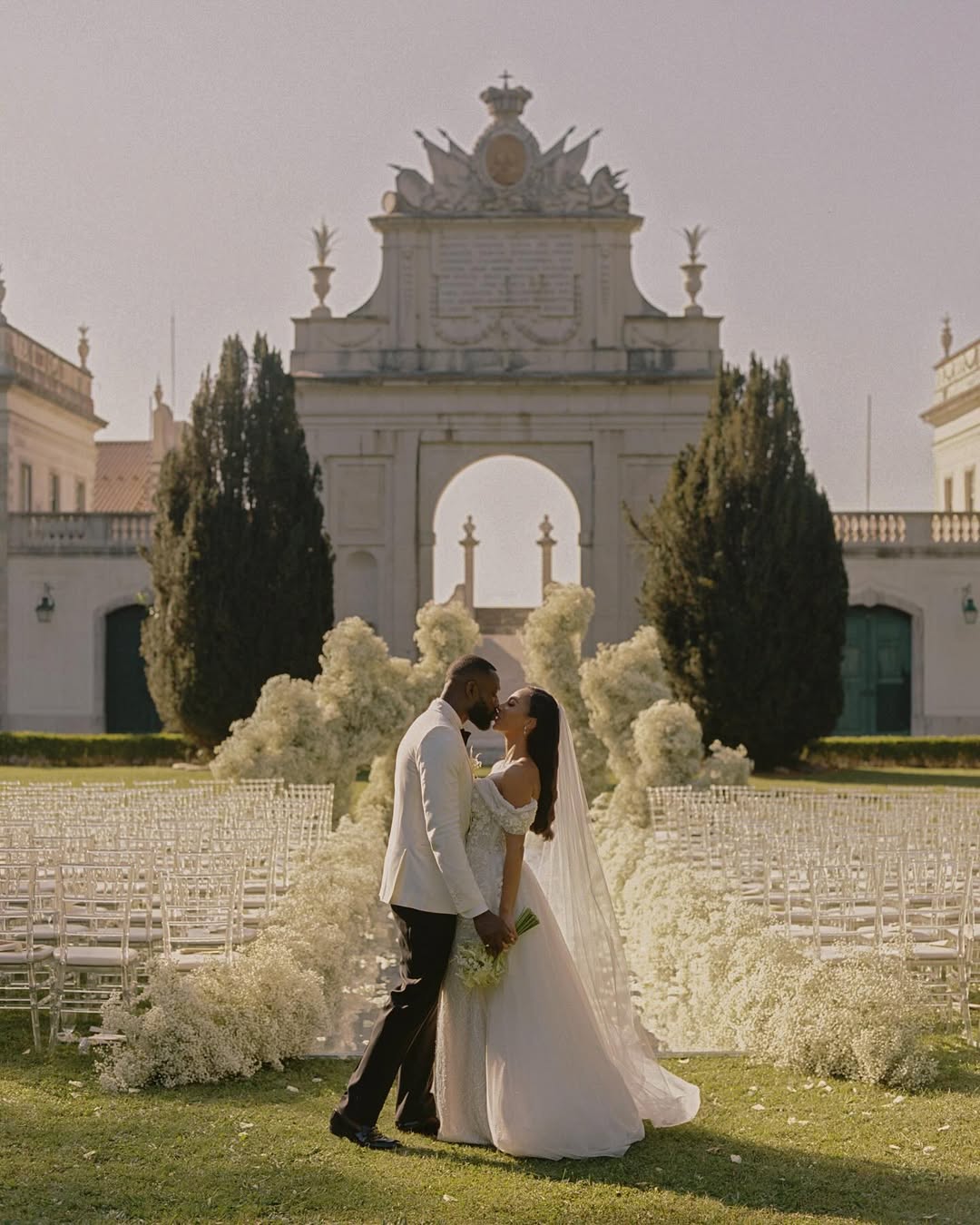
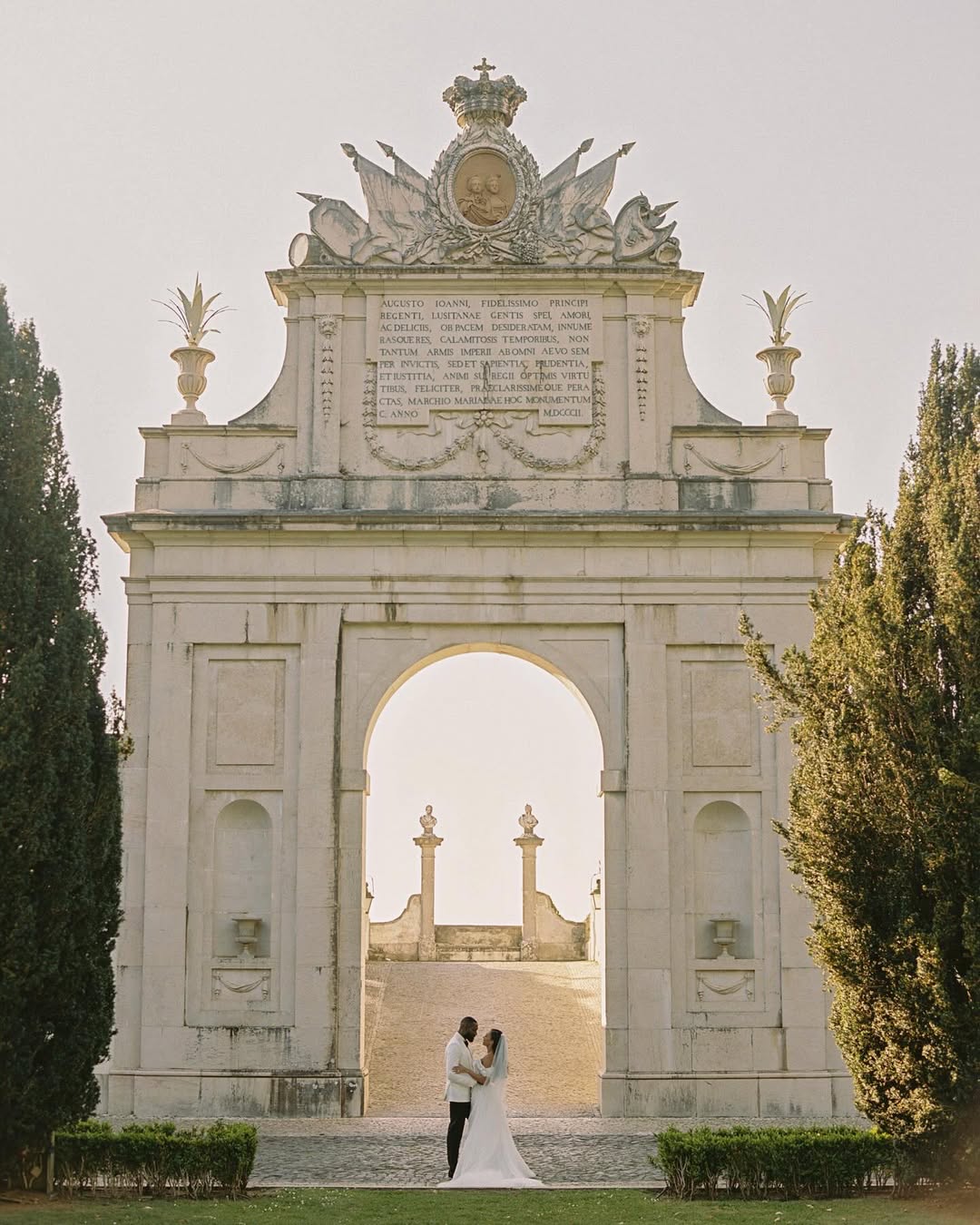
Creating realistic Sintra wedding timelines requires accounting for the town's unique geographical and logistical realities.
Sample timeline for garden ceremony and villa reception:
- 2:00 PM - Bride and groom preparations begin (separate locations)
- 4:00 PM - Photographer captures getting-ready moments
- 5:00 PM - Guest transportation departs Lisbon
- 5:45 PM - Guests arrive at the ceremony venue, cocktails served
- 6:30 PM - Ceremony begins (golden hour approaching)
- 7:00 PM - Ceremony concludes, couple portraits
- 7:45 PM - Cocktail hour continues while a couple of photographs are taken
- 8:30 PM - Reception dinner begins
- 10:00 PM - First dance and dancing
- 12:00 AM - Send-off or party continuation
- 12:30 AM - Guest transportation to accommodations
Sintra-specific timing considerations:
The roads between venues may be narrower and more winding than the GPS estimates suggest, so allow extra time. Allow an extra 15–20% time for transportation. Mist and fog, characteristic of Sintra, can appear suddenly and affect both photography and driving conditions. Flexible timelines can accommodate weather shifts. Historic venues often have specific access windows. Pena Palace, for example, has tourist opening hours that determine when spaces can be used. Confirm the exact availability windows when booking.
Buffer time is essential. Nothing in Sintra happens quickly, including transportation, vendor setup, and guest movement between spaces. Couples who try to fit too much into tight time slots will inevitably run late and create stress. Allowing for generous timing enables you to enjoy moments rather than race through them.
Photography & Best Locations for Photos
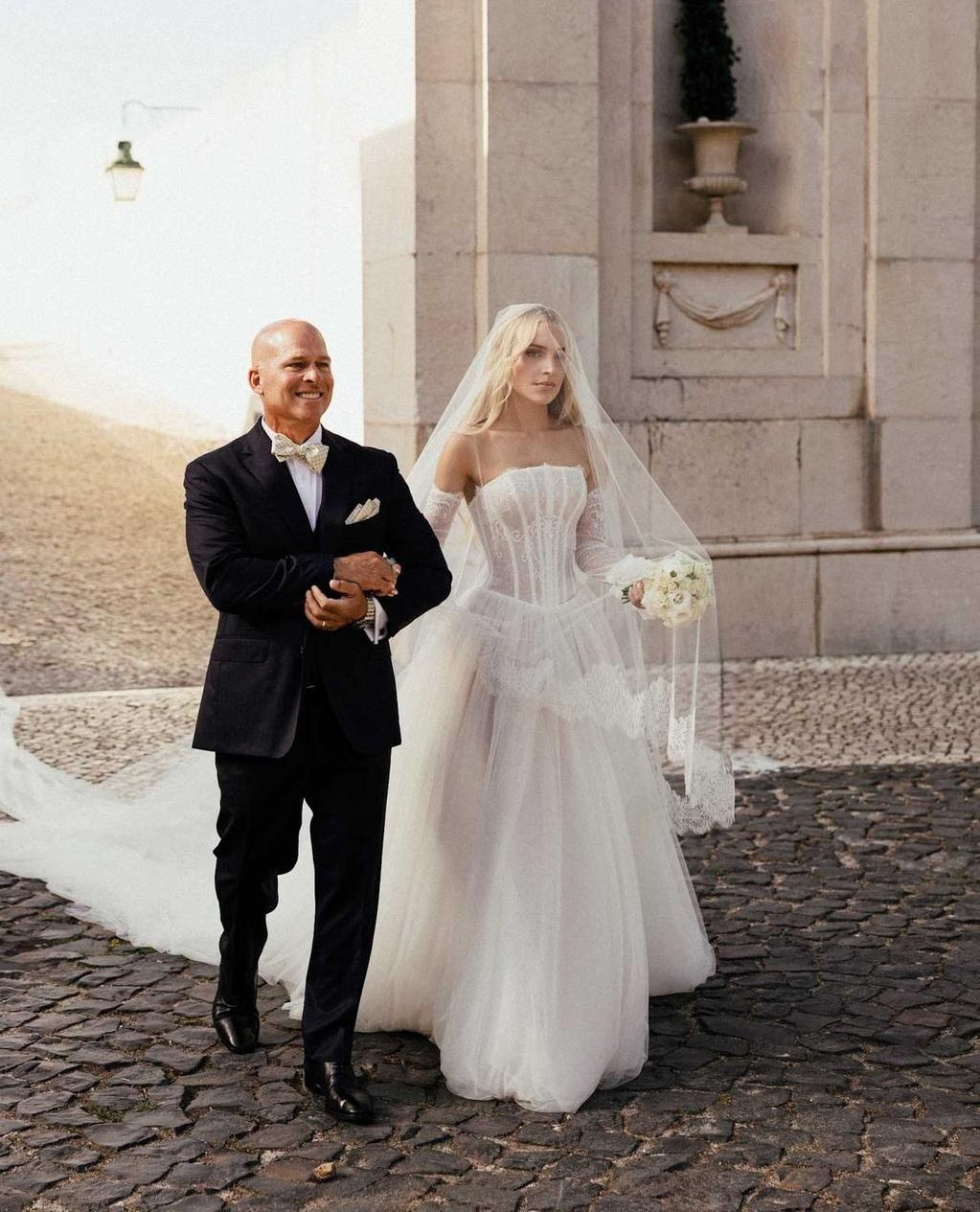
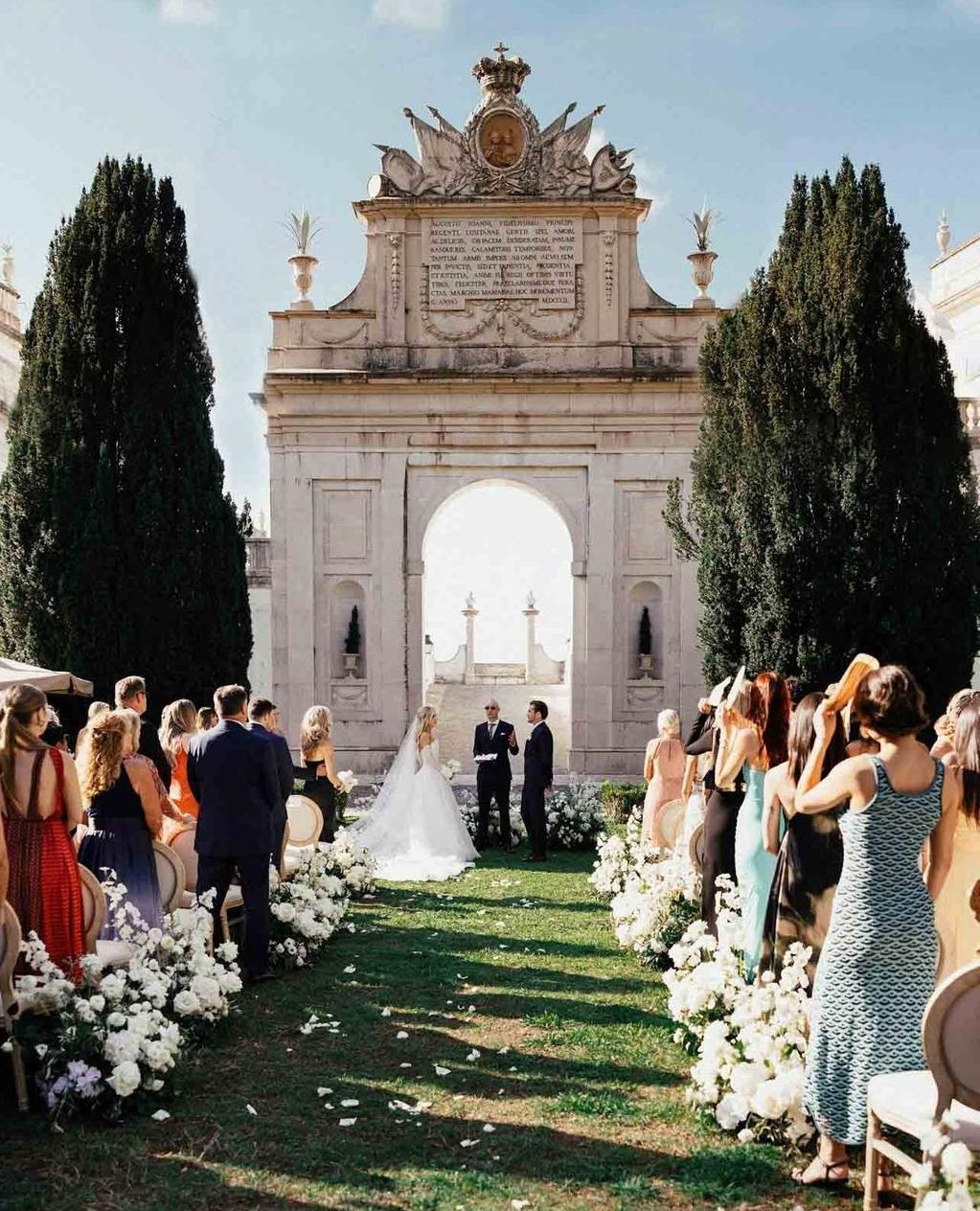
When it comes to a Sintra wedding photographer, working with an experienced professional ensures you'll capture the location's enchantment while navigating the practical aspects.
Iconic photo locations:
- Pena Palace terraces - Dramatic architecture and sweeping valley views
- Monserrate Palace gardens - Lush vegetation, romantic arches, diverse landscape zones
- Quinta da Regaleira - Mysterious wells, Gothic architecture, hidden grottos
- Seteais Palace gardens - Manicured formal gardens, mountain backdrops
- Sintra forest paths - Ethereal mist, ancient trees, fairy-tale atmosphere
Timing and light:
The mist in Sintra creates soft, diffused light, ideal for portraits, as there are no harsh shadows or need to squint. However, this also means that the golden hour is less dramatic than in sunnier locations. The light here is gentle, romantic, and flattering throughout the day. The late afternoon (4–7 pm, depending on the season) offers the warmest tones. Early morning provides the emptiest venues and often the thickest, most photogenic mist.
Permission requirements:
Many historic sites require advance permission for professional photography and may charge fees. Your planner or photographer should handle these permits, but you should confirm who is responsible and ensure that the paperwork is submitted in good time.
Some locations restrict where photographers can stand, whether they can use flash, and which areas are accessible during tourist hours. Experienced local photographers are familiar with these rules and can work within the constraints without compromising the quality of the photographs.

Tips for a Stress-Free Sintra Wedding
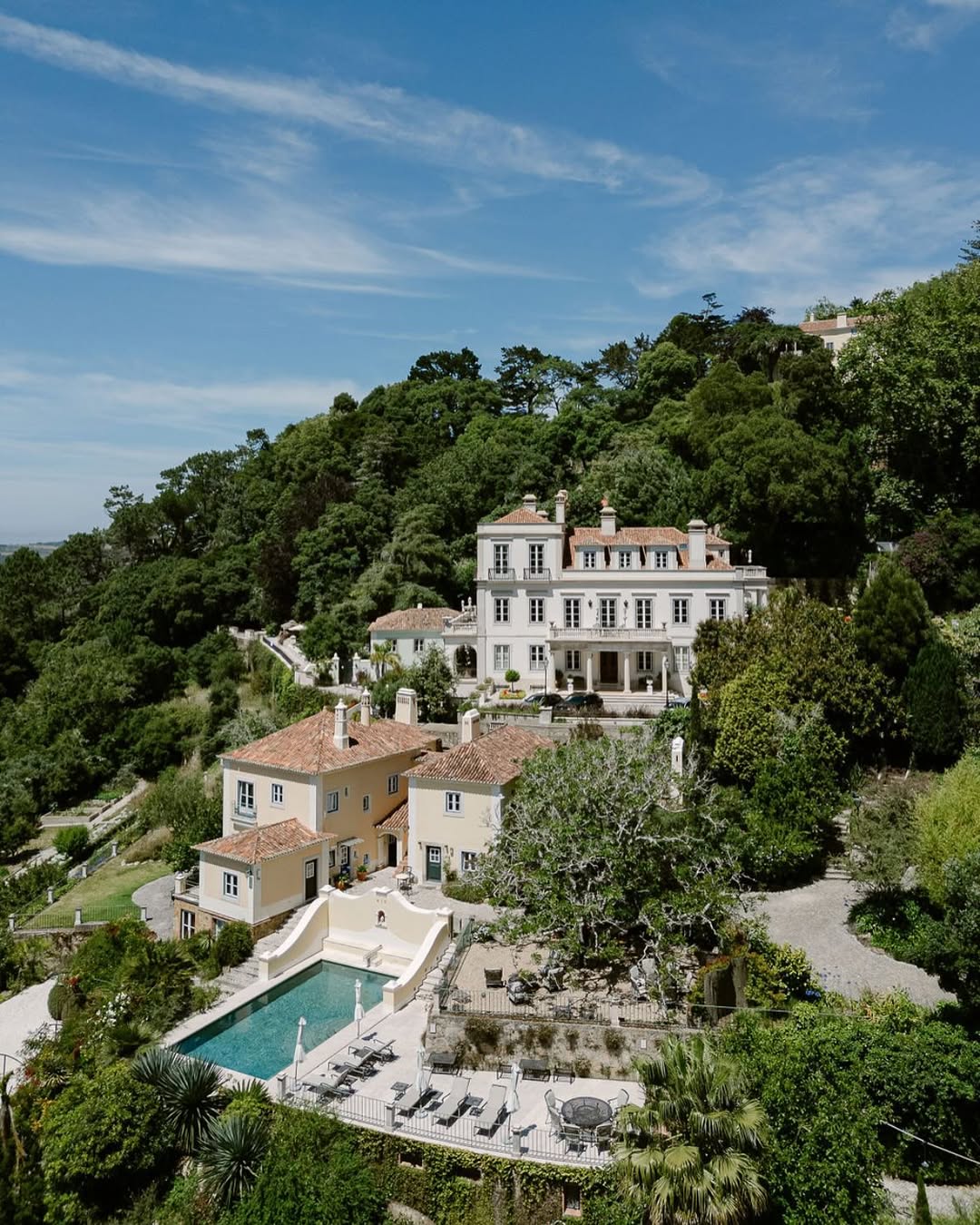
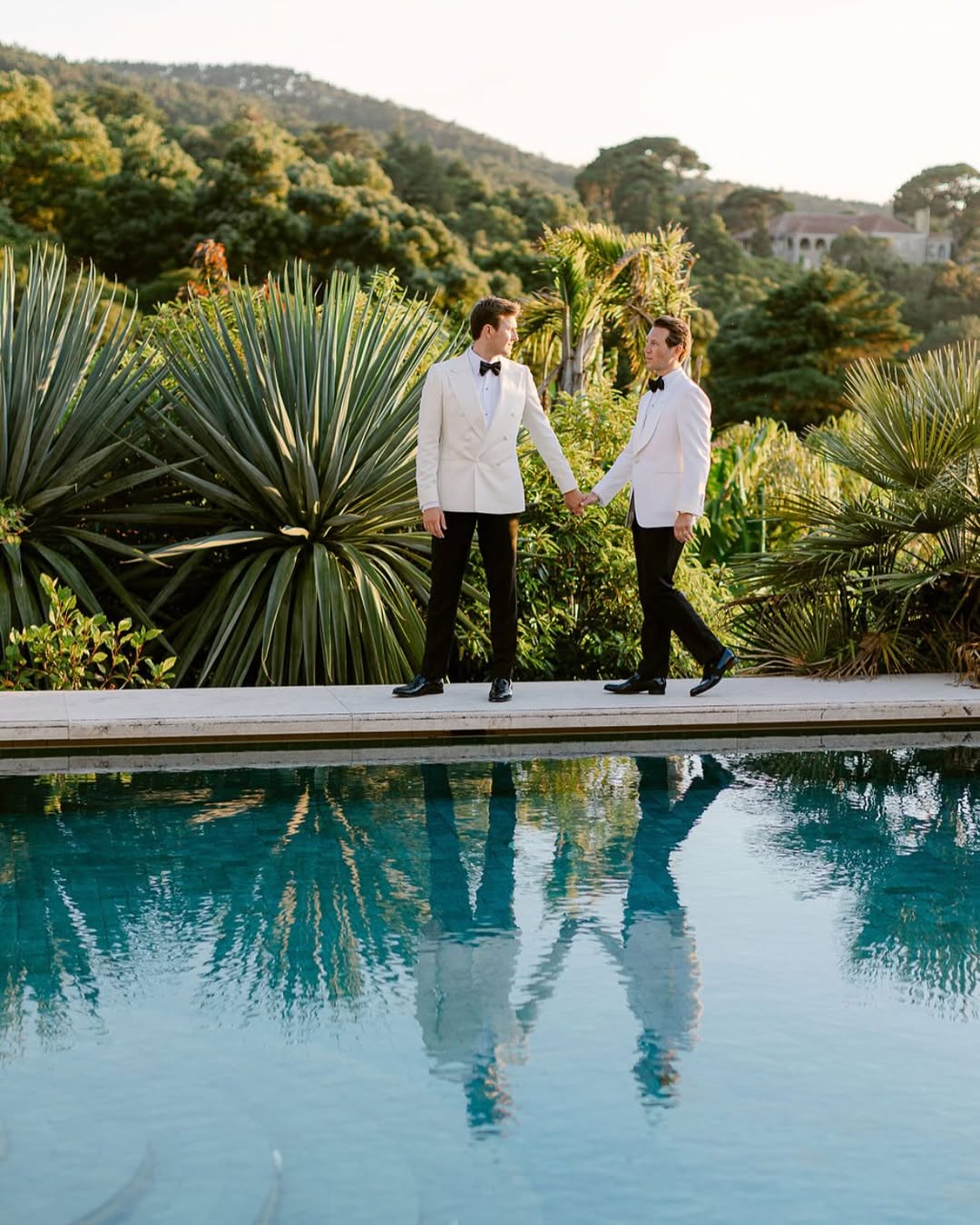
Planning a wedding in Sintra celebration from abroad requires strategies that account for distance and cultural differences.
- Work with local experts: Attempting to coordinate Portuguese vendors remotely without local representation can create unnecessary challenges. Wedding planners who are fluent in both your language and Portuguese vendor culture can bridge communication gaps and ensure that nothing gets lost in translation.
- Visit before finalizing: If possible, visit Sintra before making a decision. Photos never capture how spaces feel, how light moves through venues, or how locations connect logistically. Even a brief visit can dramatically improve your confidence in your decision-making.
- Weather backup plans: For outdoor elements, have legitimate indoor alternatives — not just 'we'll figure it out if it rains'. Know exactly where the ceremony will take place, how quickly the transition will happen, and ensure that the backup space can comfortably accommodate your guest count.
- Build timeline buffers: Sintra operates on relaxed Portuguese timing rather than rushed American scheduling. Vendors sometimes arrive fashionably late, roads can take longer than expected, and mist can slow everything down. Timelines that account for this reality will prevent stress.
- Communication systems: Establish clear channels of communication with your planner and key vendors. WhatsApp is widely used in Portugal and is a more convenient way to communicate internationally than email or phone calls.
- Vendor contracts in English: Ensure all agreements are written in English (or your language) to avoid misunderstandings about what is included, timing, payment schedules, and cancellation policies.
Common Mistakes to Avoid
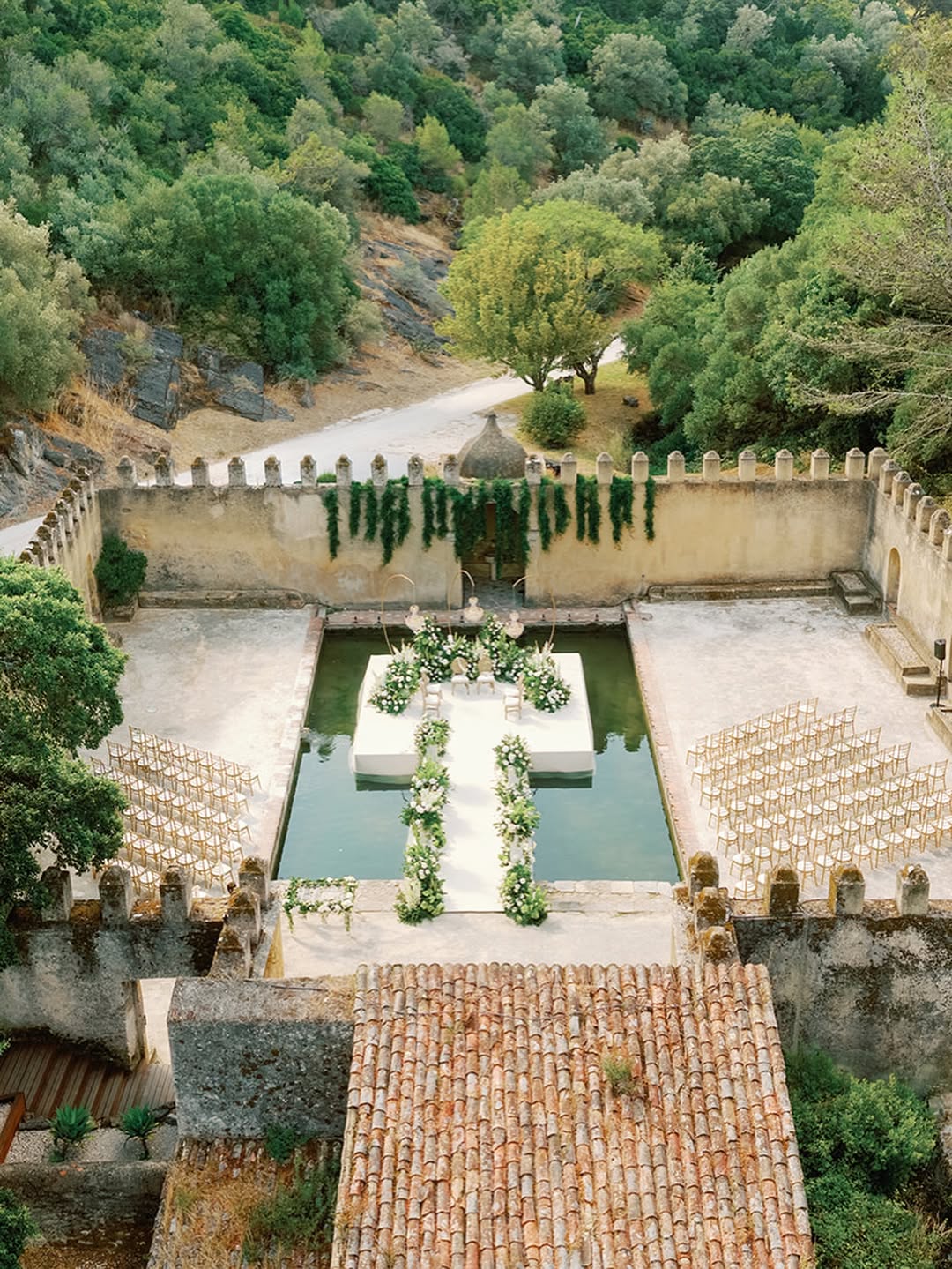

Learning from others' Sintra wedding challenges prevents the recurrence of preventable problems.
- Underestimating weather impact: Sintra isn't the sunny, Mediterranean Portugal you might expect. It's often misty and cool, and it rains year-round. Couples expecting reliable sunshine may be disappointed. Either embrace the atmospheric weather or choose summer dates with the lowest probability of rain.
- Overly tight timelines: Rushing through a wedding in Sintra would spoil the magic of the location. The point is to savour the romantic atmosphere, not to tick things off a rushed schedule. Allow plenty of time for portraits, mingling with guests, and simply experiencing your surroundings.
- Inadequate transportation planning: assuming guests can navigate mountain roads independently can cause problems. It is best to coordinate group transport, especially for evening receptions where wine is served, and unfamiliar winding roads can become genuinely dangerous.
- Late venue booking: The most popular venues (such as Pena Palace and Monserrate, as well as the more well-known quintas) are booked 12–18 months in advance for the peak season. Couples who start planning six months before their summer wedding will find that the best venues are unavailable.
- Ignoring vendor meal planning: Your photographer, videographer, and planner work long days, often 8–12 hours. Providing proper meals (rather than just vendor snacks) will ensure they perform at their best and demonstrate basic professionalism and respect.
- Neglecting guest comfort: International travel can be tiring. Providing clear information, coordinating arrivals, and creating spaces for guests to rest and refresh shows consideration that they will remember and appreciate.
Final Checklist for Planning Your Sintra Wedding
12 months before:
- Set budget and guest count
- Book venue
- Hire a wedding planner
- Reserve photographer/videographer
- Send save-the-dates
6 months before:
- Finalize vendor team (florist, caterer, entertainment, transportation)
- Book accommodation blocks
- Begin dress/suit shopping
- Plan ceremony details
- Arrange marriage legalities (if pursuing a legal ceremony)
3 months before:
- Finalize menu and bar selections
- Confirm floral designs
- Create a detailed timeline
- Send formal invitations
- Plan hair/makeup trials
1 month before:
- Provide the final guest count to vendors
- Confirm all vendor timing and details
- Arrange final payments
- Create an emergency contact list
- Finalize the ceremony script
1 week before:
- Confirm the weather forecast and backup plans
- Pack emergency kit (safety pins, stain remover, pain relievers)
- Confirm transportation schedules
- Review timeline with planner
- Breathe and trust your team
A wedding in Sintra, Portugal, offers something increasingly rare in destination celebrations: a location whose inherent magic requires no embellishment, only appreciation. The mist-shrouded palaces, ancient forest paths, and gardens where Portuguese royalty once strolled provide backdrops that elevate your celebration rather than merely hosting it.
Planning from abroad requires trust: in local professionals who know the town intimately; in processes that initially feel foreign but work reliably; and in weather that adds character rather than merely cooperating. Couples who love their Sintra wedding the most are those who embrace the location's personality rather than fighting it; those who build generous timelines that allow them to savor the moments; and those who remember that perfect company matters far more than perfect weather.
Your wedding here becomes part of Sintra's ongoing story — one more celebration of love in a place that has witnessed centuries of such moments. The palaces will stand long after your day is over, the mist will continue rolling through the gardens, and the forests will keep growing. But the memories you create, the photographs you treasure, and the experience you share with your loved ones? Those belong entirely to you.