Ultimate Guide to Planning a Crete Wedding


- Why Choose Crete for Your Wedding
- Best Time to Get Married in Crete
- Legal vs Symbolic Ceremony in Crete
- Best Wedding Venues in Crete
- How Much Does a Crete Wedding Cost
- Wedding Planners and Vendors in Crete
- How to Plan a Crete Wedding from Abroad
- Planning Timeline for a Crete Destination Wedding
- Wedding Design & Style Inspiration for Crete
- Guest Experience & Travel Tips
- Weather, Logistics & Things to Know
- Pros and Cons of a Crete Wedding
- Tips for a Stress-Free Crete Wedding
There is something about Crete that makes everything feel more alive. The light is different here — warmer, more generous, lasting longer into the evening than you expect. The sea shifts between a dozen shades of blue depending on the hour. The food is grown in the same soil where the ceremony will take place. And the people have a way of making celebration feel entirely natural, as though they have been doing it for thousands of years — which, of course, they have. For couples considering a wedding in Crete, this guide covers everything you need—from choosing a venue and understanding the legal process to building your vendor team and making the experience genuinely memorable for everyone who travels to be there.
Find Your Perfect Wedding Vendors




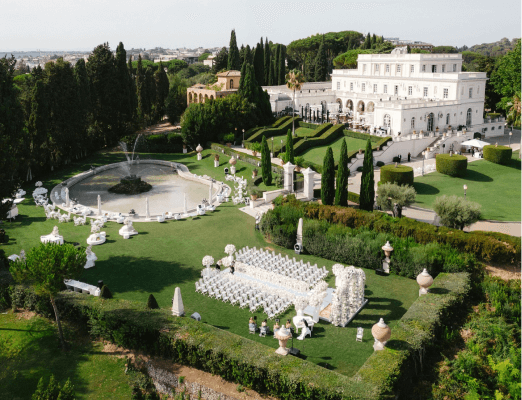
Why Choose Crete for Your Wedding
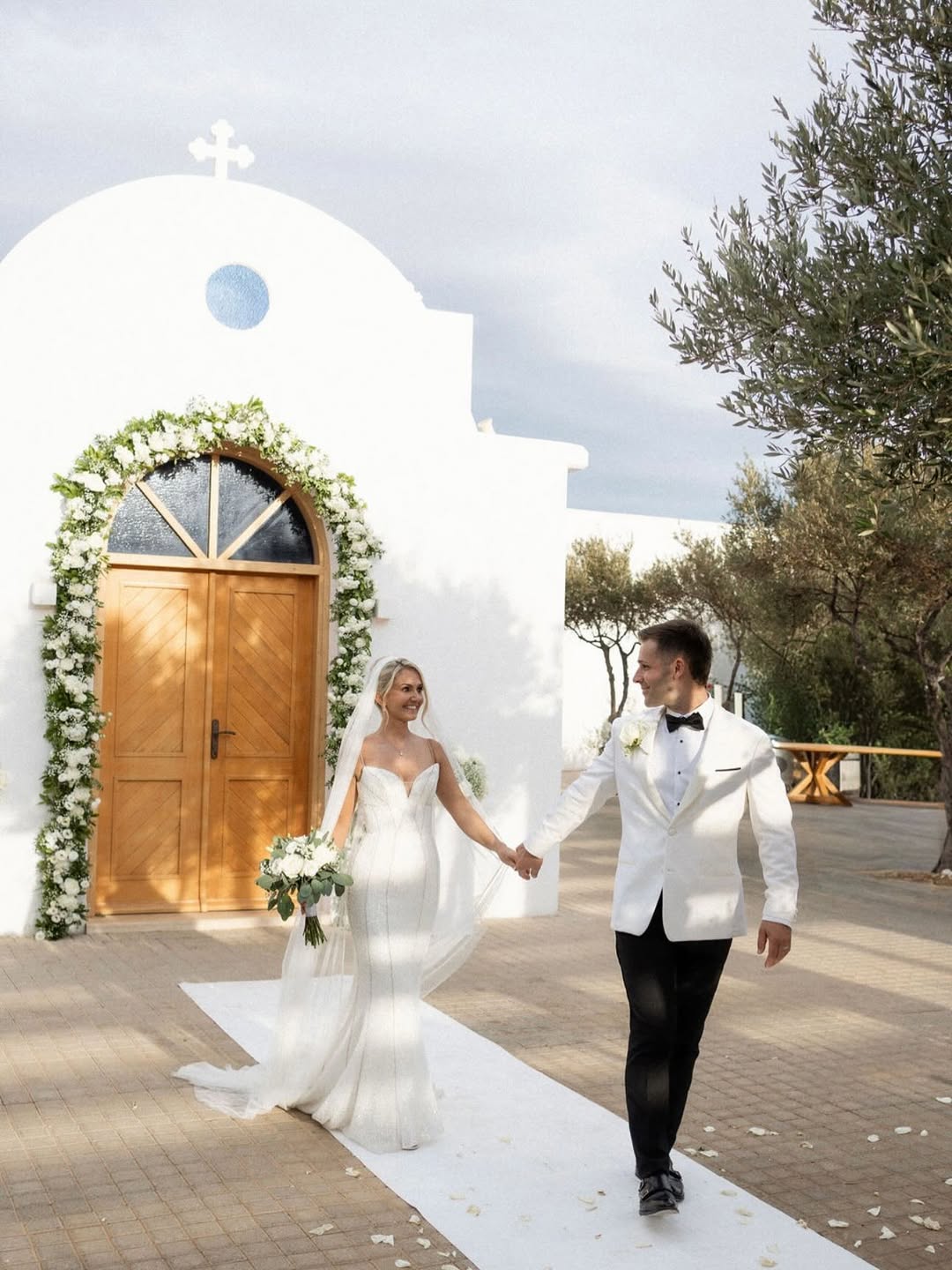
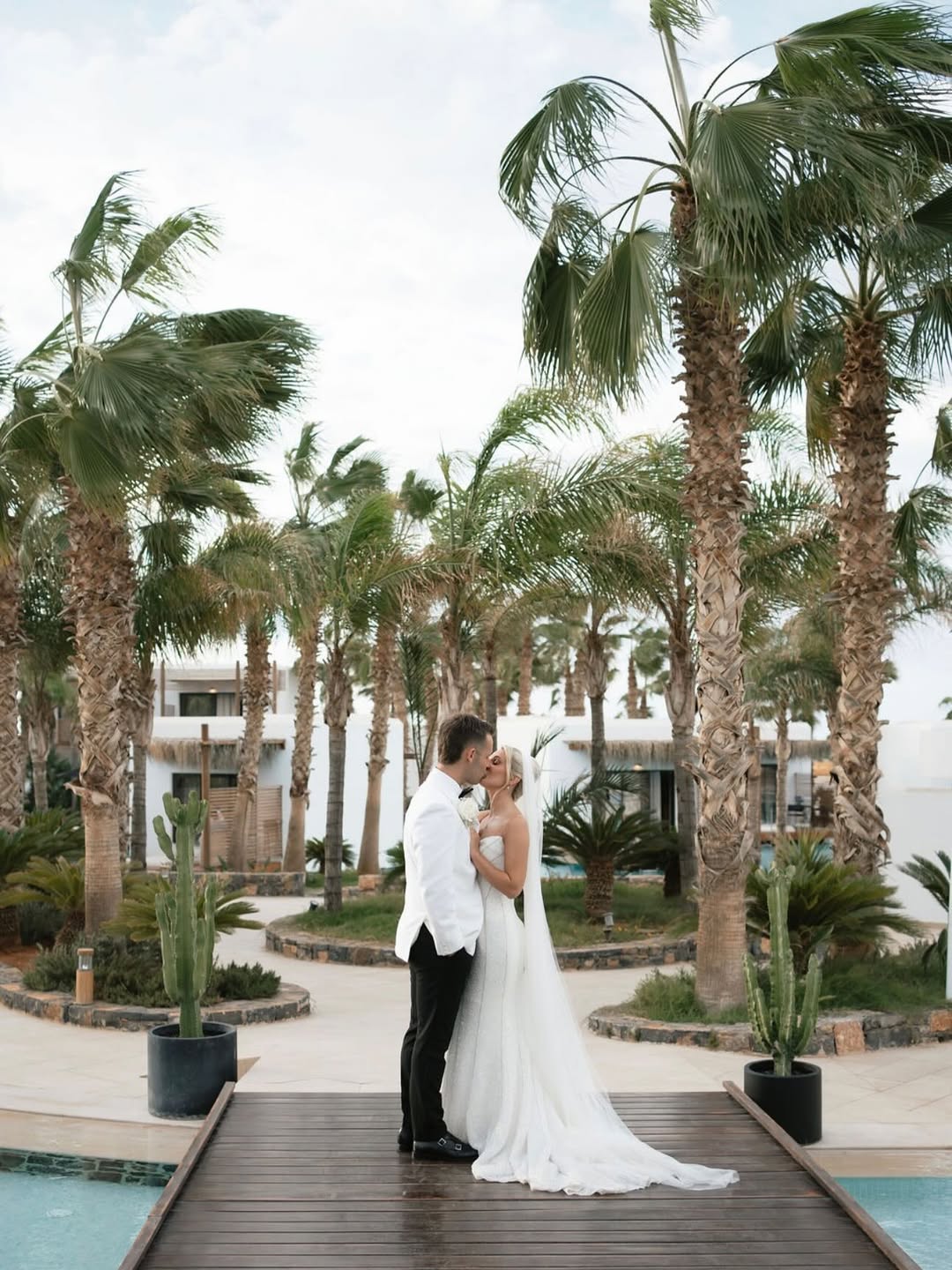
Crete is the largest of the Greek islands, and that scale gives it something the smaller islands cannot always offer: variety. Within a single island, you can find dramatic clifftop venues overlooking the Aegean, ancient Venetian estates in the heart of historic towns, olive groves so old they predate the Renaissance, and beachfront terraces where the ceremony ends, and the sea begins. There is no single aesthetic to a Crete wedding — there are dozens, and that flexibility is one of its greatest strengths as a wedding destination.
What separates Crete from Santorini or Mykonos is texture. The famous caldera views and whitewashed minimalism of Santorini are extraordinary, but they belong to a very specific visual language. Crete is richer, more layered, more rooted. The island has a strong local identity — in its food, music, architecture, and people — and weddings here tend to absorb that identity, making them feel genuinely at home rather than merely Mediterranean.
It suits couples who want beauty without uniformity, intimacy without isolation, and a destination that rewards guests who take the time to explore it properly. With those qualities in mind, timing your wedding in Crete becomes the next key consideration.
Best Time to Get Married in Crete


Crete enjoys one of the longest warm seasons in Europe, which means the wedding window here is genuinely broad. Understanding the differences between months, however, makes a significant difference to the experience — for the couple and for the guests.
The peak Crete wedding season runs from May through October. Within that window, May, June, and September are widely considered the sweet spot: warm and sunny without the intense heat of July and August, less crowded than the height of summer, and still reliably beautiful for outdoor ceremonies and photography. October has become increasingly popular for couples who want golden light, quieter venues, and slightly cooler evenings — it photographs exceptionally well.
July and August are the hottest months, with temperatures regularly exceeding 35°C inland. Ceremonies need to be timed carefully — late afternoon or early evening is essential — and guests arriving from cooler climates will need time to adjust. Prices during these months are also at their peak.
Pros and cons by season:
- May – June: ideal temperatures, long days, pre-peak pricing, excellent availability
- July – August: peak season, highest prices, intense midday heat, very lively atmosphere
- September: warm, quieter, stunning light, one of the best months overall
- October: golden tones, cooler evenings, lower prices, fewer tourists — increasingly popular
- November – April: shoulder season, limited vendor availability, occasional rain, significant savings
Legal vs Symbolic Ceremony in Crete
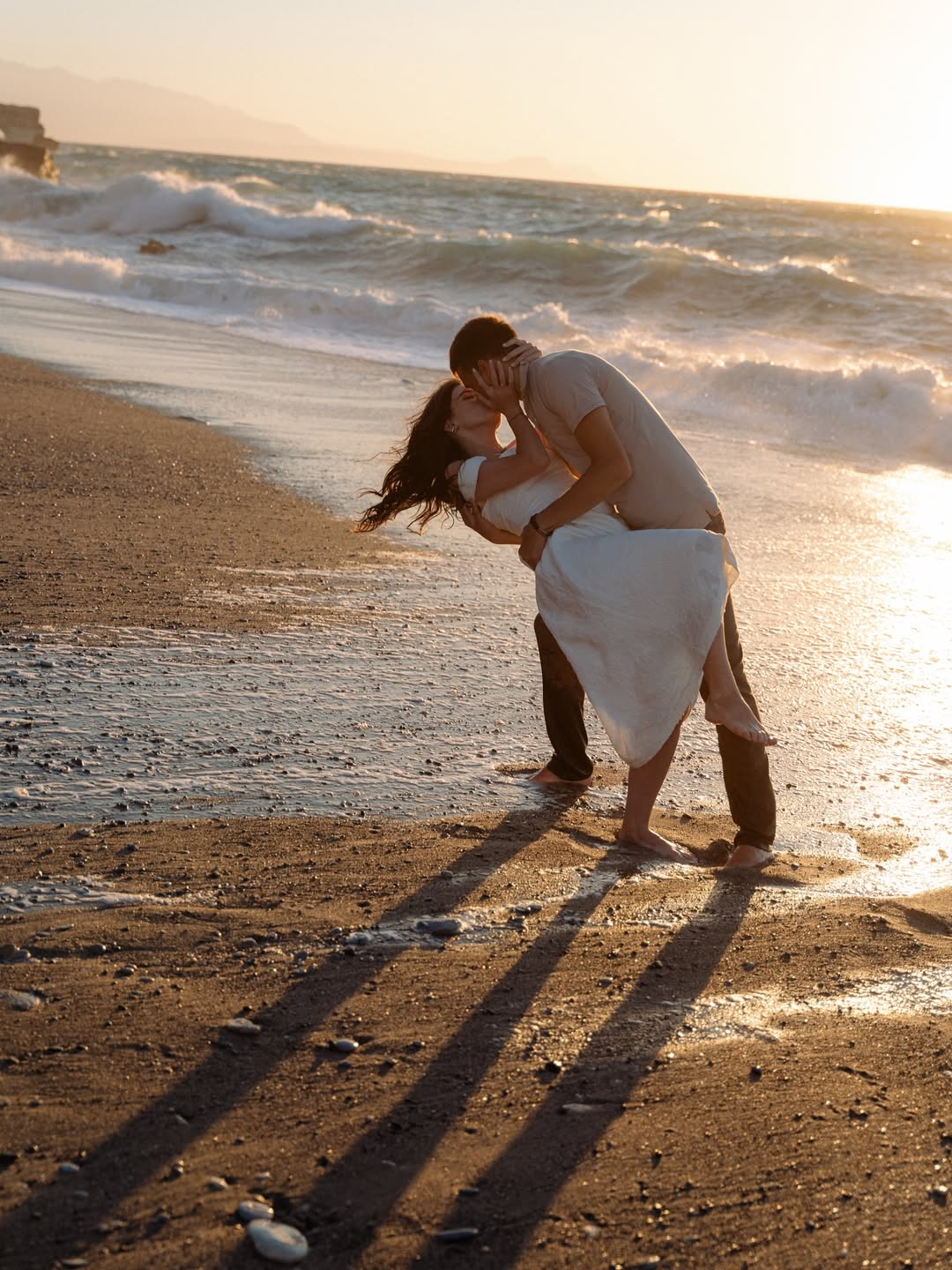
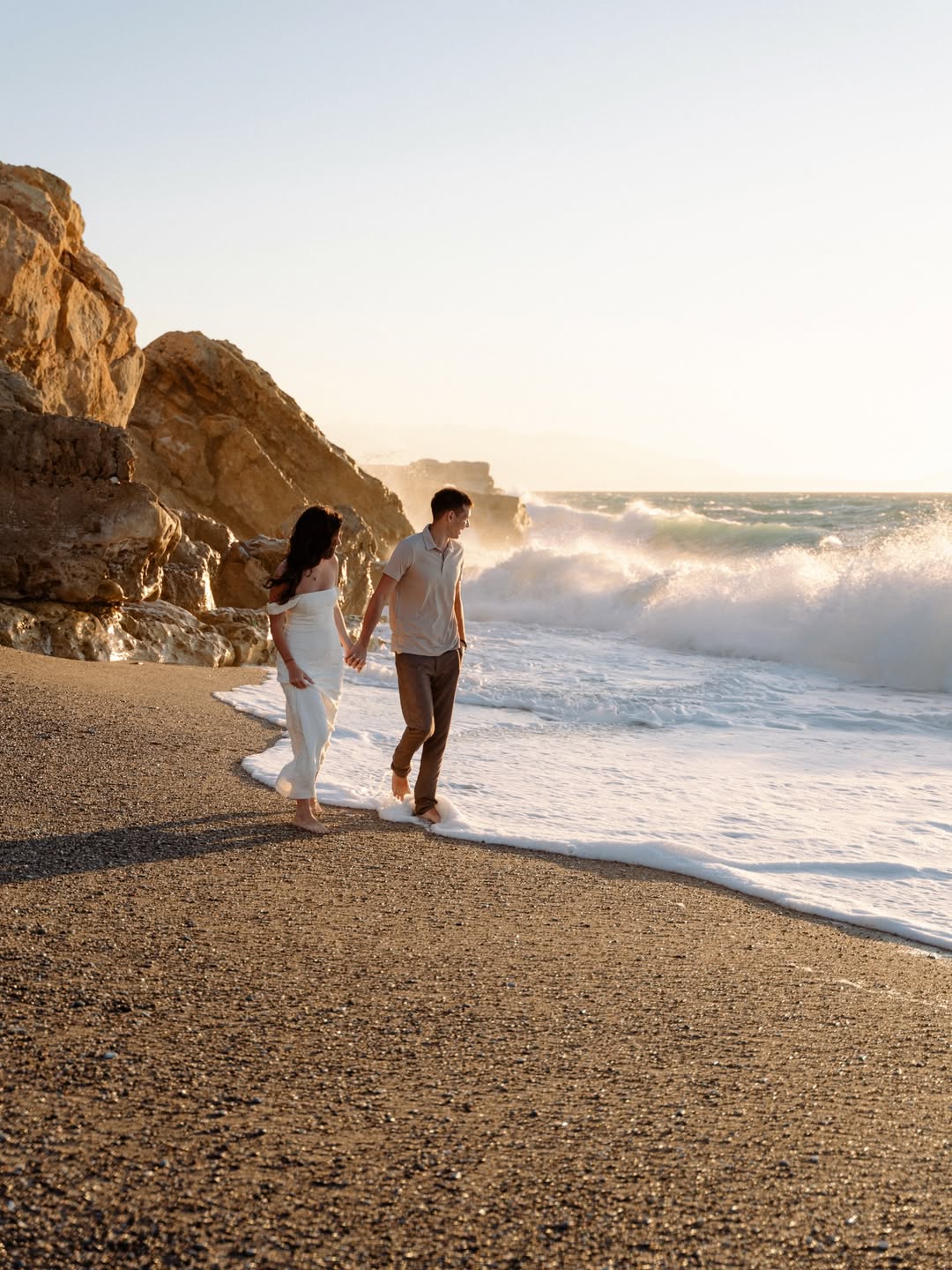
For international couples, understanding the legal landscape early on saves significant confusion later. Greece does allow civil marriages for foreign nationals, but the process involves a specific set of document requirements — including certified and apostilled paperwork from your home country, translations, and coordination with the local municipality — all of which takes time and careful navigation.
The majority of Crete destination weddingcouples choose a symbolic ceremony instead, legally marrying at home before or after the wedding. This is by far the more straightforward path, and it has no impact on the ceremony’s meaningfulness or beauty. A symbolic ceremony in Crete can be as personal, as spiritual, and as elaborate as you wish — conducted by an officiant in your language, shaped entirely around your relationship, and held in any venue that speaks to you.
If a legal Greek marriage matters to you, it is entirely achievable — but engage a wedding planner in Crete with direct experience of the process, begin at least eight months in advance, and expect to invest real time in the paperwork. Once you've made this decision, the next step is to find the perfect venue that reflects your vision for the day.
Best Wedding Venues in Crete
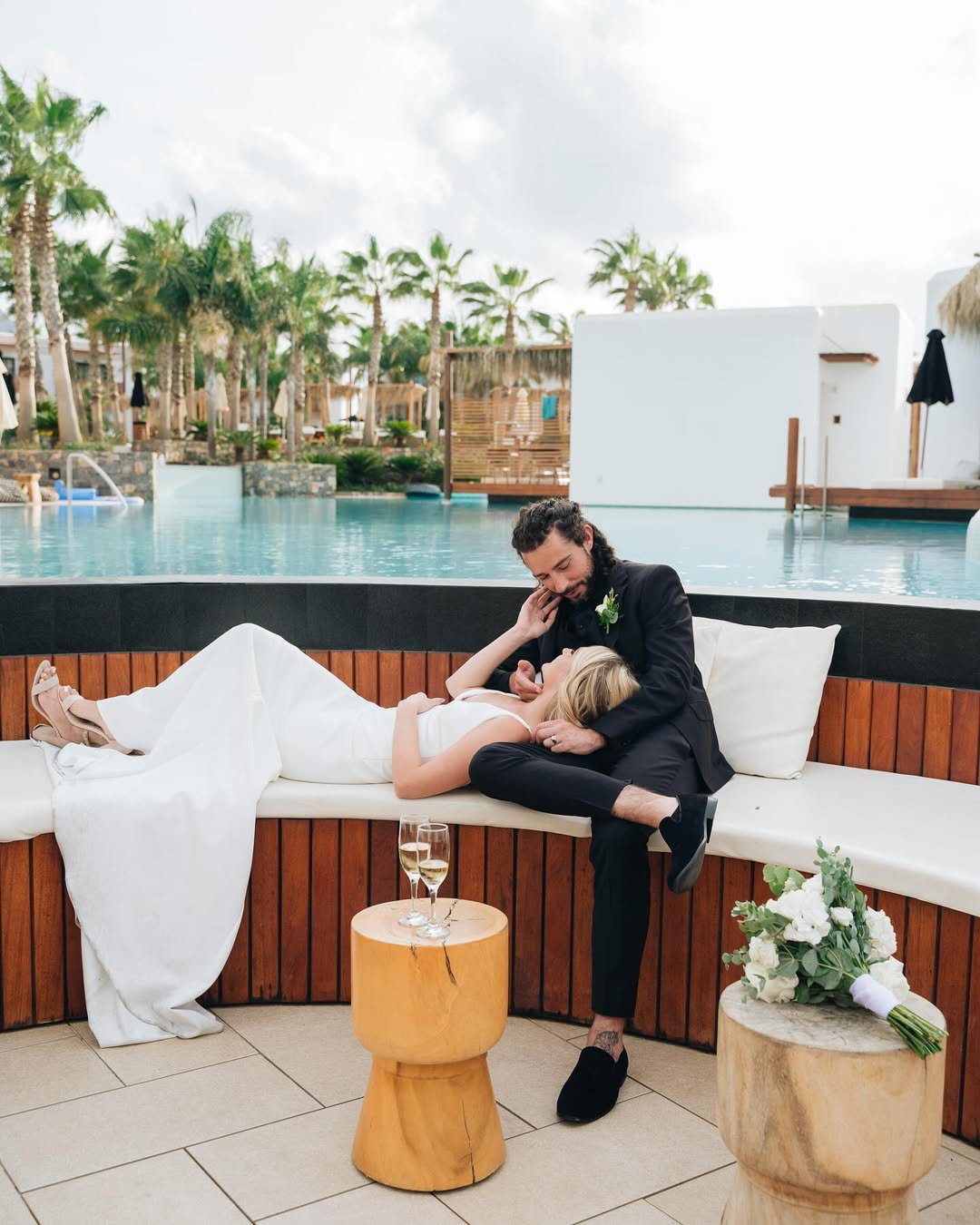
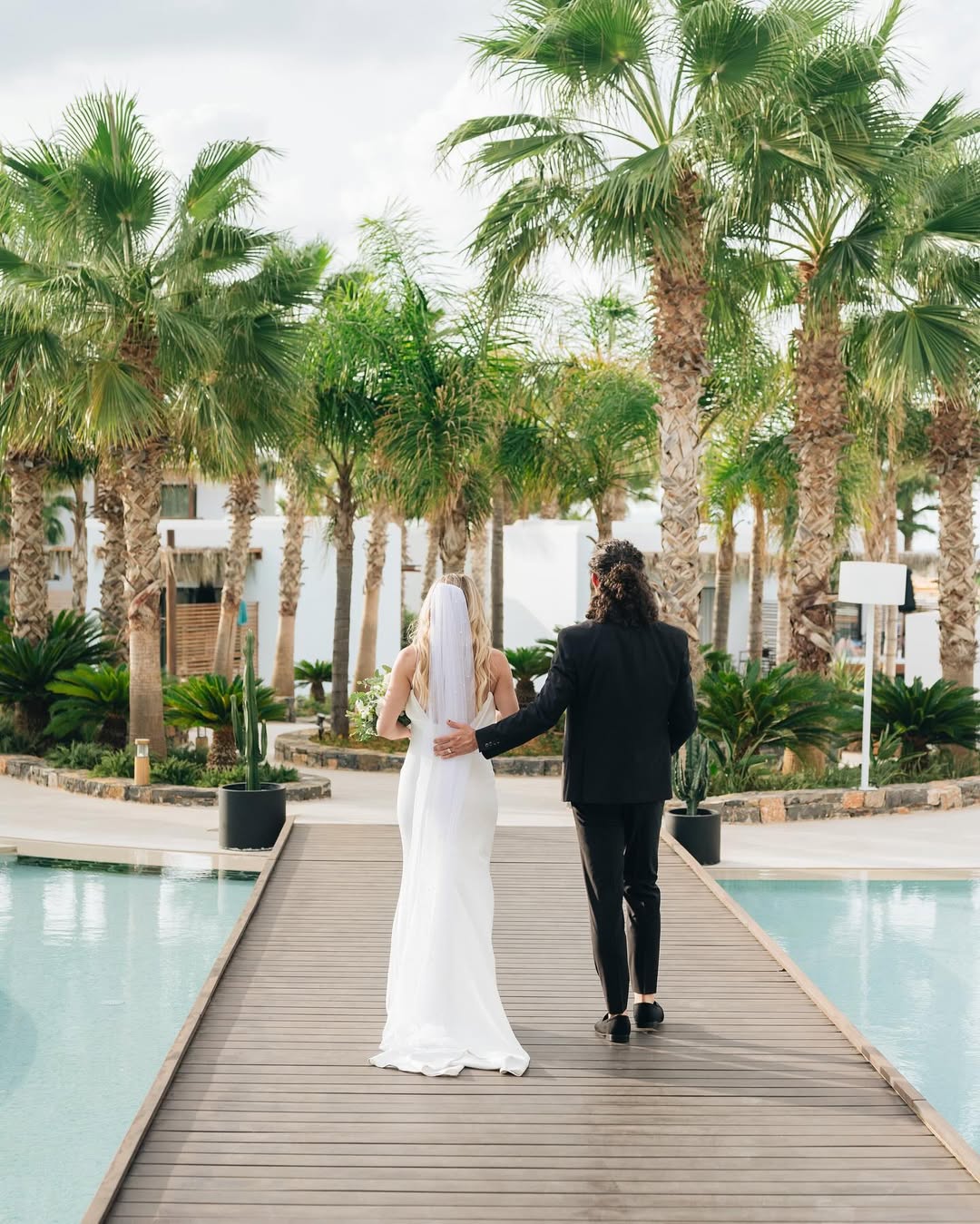
Crete’s venue landscape is among the most diverse of any Greek island, ranging from ancient estates to contemporary luxury hotels to hidden cliff terraces that feel as if they were built for exactly this purpose. The right venue depends entirely on the scale, aesthetic, and atmosphere you are after — and the island has something genuine to offer in every category.
Before exploring the options, decide on two things first: how many guests you are hosting and what kind of visual world you want to inhabit for the day. These choices set the parameters for your search. With these criteria in mind, let's look at some of the key venue types available across Crete.
Luxury Beachfront Villas
A beach wedding in Crete at a private beachfront villa offers the most complete and immersive wedding experience on the island. You rent the property exclusively, the sea is steps away, and every element of the day — from the ceremony setup to the dinner layout — is built entirely around your vision. These properties tend to combine architectural beauty with genuine privacy, and the combination of indoor and outdoor spaces gives the day a natural flow that larger, more formal venues sometimes lack. Expect high investment but also high return in terms of atmosphere and exclusivity.
Historic Venetian Estates & Manors
Crete’s history under Venetian rule left behind a remarkable architectural legacy, and several of these estates have been preserved and opened for private events. Stone archways, internal courtyards, centuries of character built into every wall — these venues carry a weight of history that no amount of decoration can replicate. They suit couples drawn to old Europe aesthetics, to texture and patina, to the feeling of celebrating somewhere that has witnessed centuries of human story before yours.
Boutique Hotels & Clifftop Terraces
For couples who prefer a more managed, hotel-coordinated experience — or who want a venue that handles catering and logistics in-house — Crete’s boutique hotel scene is exceptional. Properties such as Amirandes Crete wedding venues and Stella Island Crete wedding settings have become sought after precisely because their design sensibility means the visual work is largely completed before any flowers arrive. These venues work particularly well for intimate to mid-size weddings where simplicity and service matter as much as spectacle.
Olive Grove & Vineyard Venues
Among the most distinctive and increasingly sought-after options on the island are the agricultural estates — olive groves and vineyards that have been cultivating the same land for generations. Ceremonies held beneath ancient olive trees, with dappled light and the scent of the grove in the air, have a quality that is entirely their own: rooted, organic, and deeply Cretan. These venues tend to suit couples who want their wedding to feel like the place rather than feel like it's being placed within it.

How Much Does a Crete Wedding Cost
Wedding in Crete prices vary enormously depending on guest count, venue category, season, and how much of the vendor team you source locally versus bring in from abroad. As a general orientation, Crete offers strong value compared to equivalent destination weddings in Western Europe — but the costs of a well-executed event here are real.
For a reliable starting point on vendor pricing, venue costs, and service rates, you can browse listings and approximate prices directly on Wezoree.com — it is a useful way to get a feel for what different services cost before you begin formal conversations. That said, the most accurate pricing always comes from direct communication with vendors themselves. Rates vary depending on date, season, availability, local holidays, and the specific scope of your requirements — including Crete wedding cost, which depends heavily on the level of service, the scale of the event, and the planner’s experience. Use online resources to orient yourself, then go directly to the source to get real numbers.
| Tier | Guest Count | Estimated Budget | What’s Included |
|---|---|---|---|
| Intimate | Up to 30 | €15,000 – €30,000 | venue, catering, basic florals, photography |
| Mid-range | 30–80 | €30,000 – €70,000 | full vendor team, décor, planner |
| Luxury | 80–150+ | €70,000 – €150,000+ | premium venue, full production, destination vendors |
The largest variables within any budget are venue exclusivity fees, catering per head costs, and floral and décor investment. A local wedding planner in Crete will help you understand where the money goes and where there is room to make different choices without compromising the overall experience. After working through budget considerations, connecting with the right planners and vendors becomes essential for a seamless wedding day.
Wedding Planners and Vendors in Crete
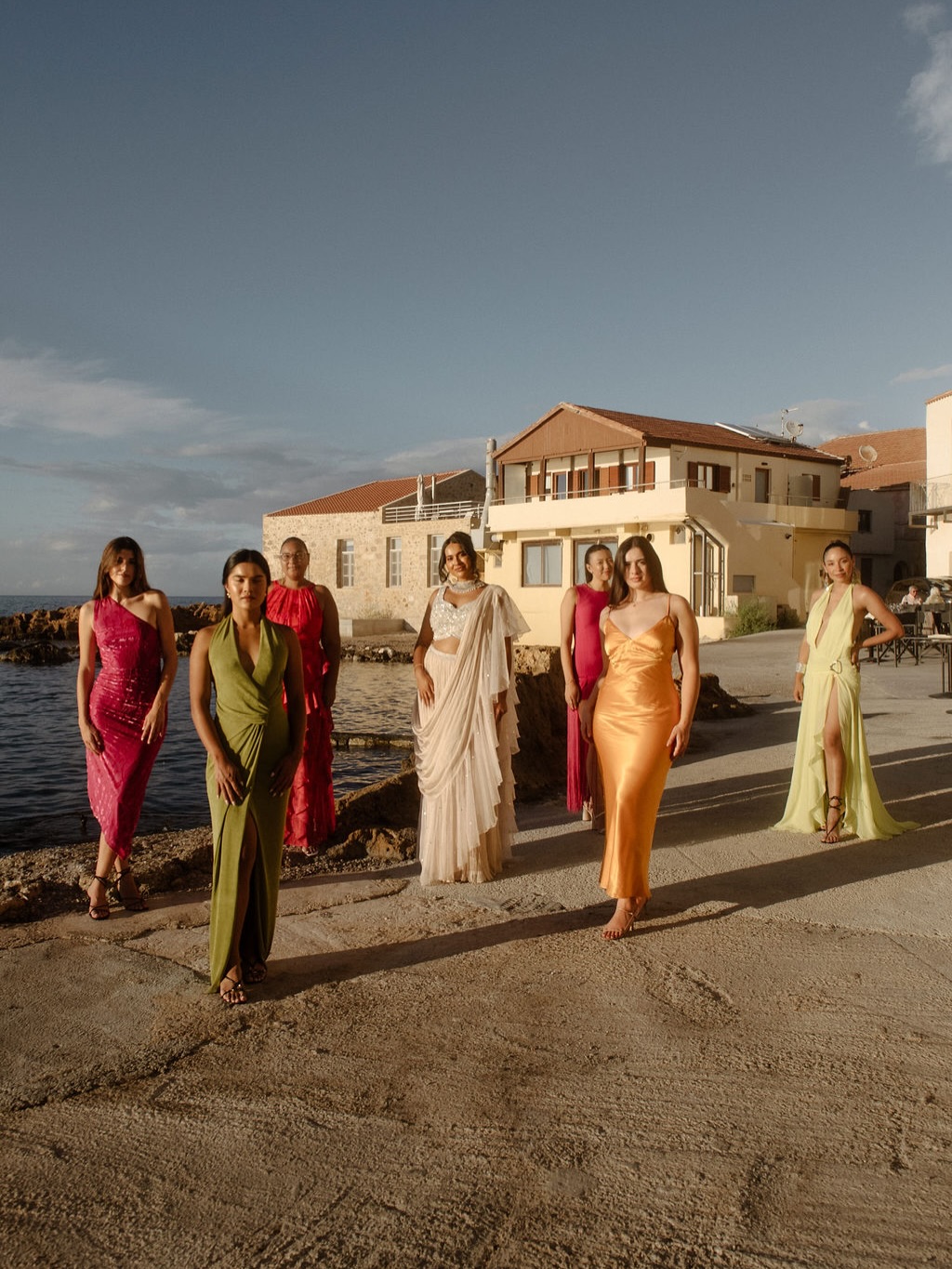
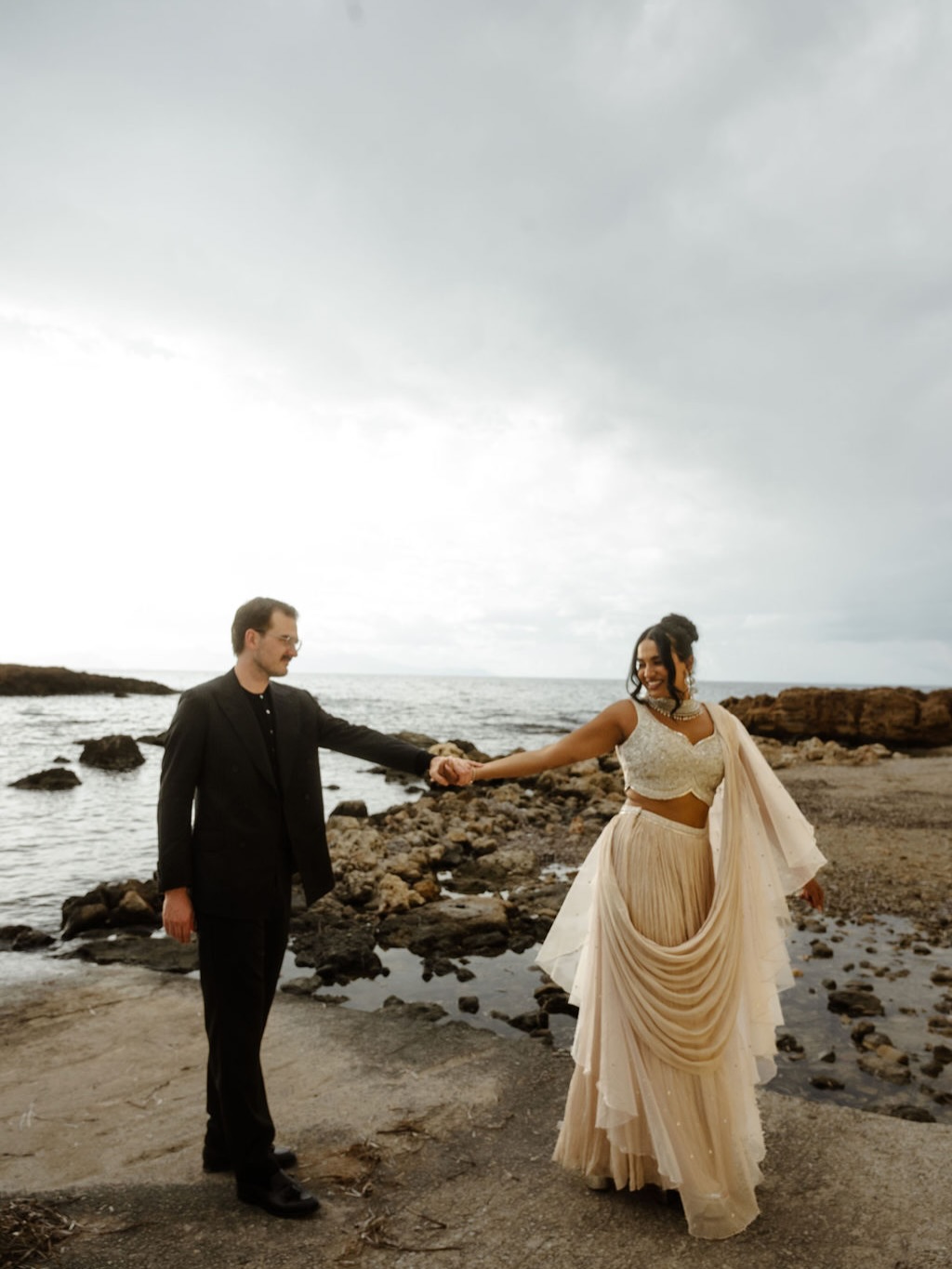
The local vendor community in Crete has grown significantly over the past decade, shaped by a consistent flow of destination weddings and a genuine culture of hospitality that runs deep on the island. For most categories, working with local professionals is not just practical — it is actively advantageous. They know the venues, the light, the logistics, and the unwritten rules that make a wedding day run smoothly in this specific place in a way that no amount of remote research can replicate.
The decision between local and destination vendors is worth careful consideration before you start booking. Bringing in someone from abroad can make sense if their specific aesthetic is central to your vision and no local equivalent exists — but it adds real cost and removes the local knowledge advantage. For most couples, a combination works well: a trusted local planner at the center, with selective outside vendors brought in where it genuinely matters.
Wedding planners are the single most important hire for any destination couple. The best Crete wedding planners bring vendor relationships, venue knowledge, bilingual coordination, and on-the-ground problem-solving that cannot be replicated from a distance. The difference between a planner who has done fifty weddings on the island and one who has done five is felt at every single stage of the process.
A wedding photographer in Crete who works regularly on the island will know exactly where the light falls at six in the evening and how to move through a venue they already know. When reviewing portfolios, look specifically for work shot in Crete or similar Mediterranean environments — the ability to read this particular light is a skill in itself.
Florists work with regional flowers and Mediterranean botanicals — bougainvillea, olive branches, citrus, anemones, local wildflowers — sourced at prices that reflect the proximity of the supply chain. The best local designers work fluently across every aesthetic, and they bring an instinctive understanding of which flowers belong in this landscape.
Caterers in Crete have a particular advantage that goes beyond logistics: they work within one of the finest food cultures in the Mediterranean. Cretan cuisine — olive oil, fresh seafood, slow-cooked lamb, local cheeses, wild herbs — is an extraordinary raw material, and a wedding dinner here, when done well, becomes its own reason guests remember the day.
Musicians and DJs range from live Greek ensembles that bring genuine cultural texture to the celebration, to international DJs who carry a reception through to the early hours. Live music — particularly traditional Cretan lyra or a contemporary Mediterranean band — adds a layer of place and atmosphere that no playlist can replicate. Before booking, always confirm sound restrictions and end times directly with your venue.
How to Plan a Crete Wedding from Abroad
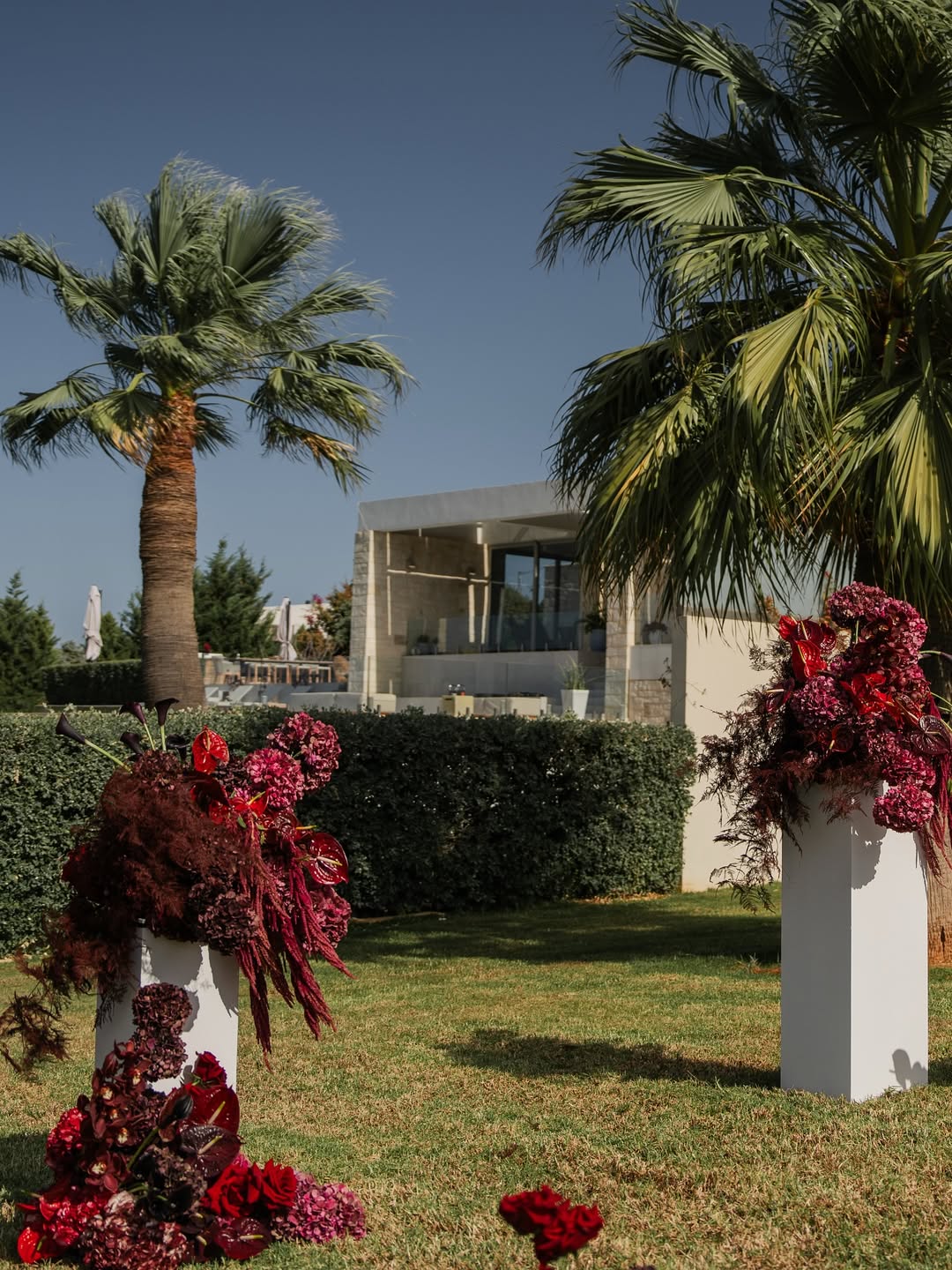
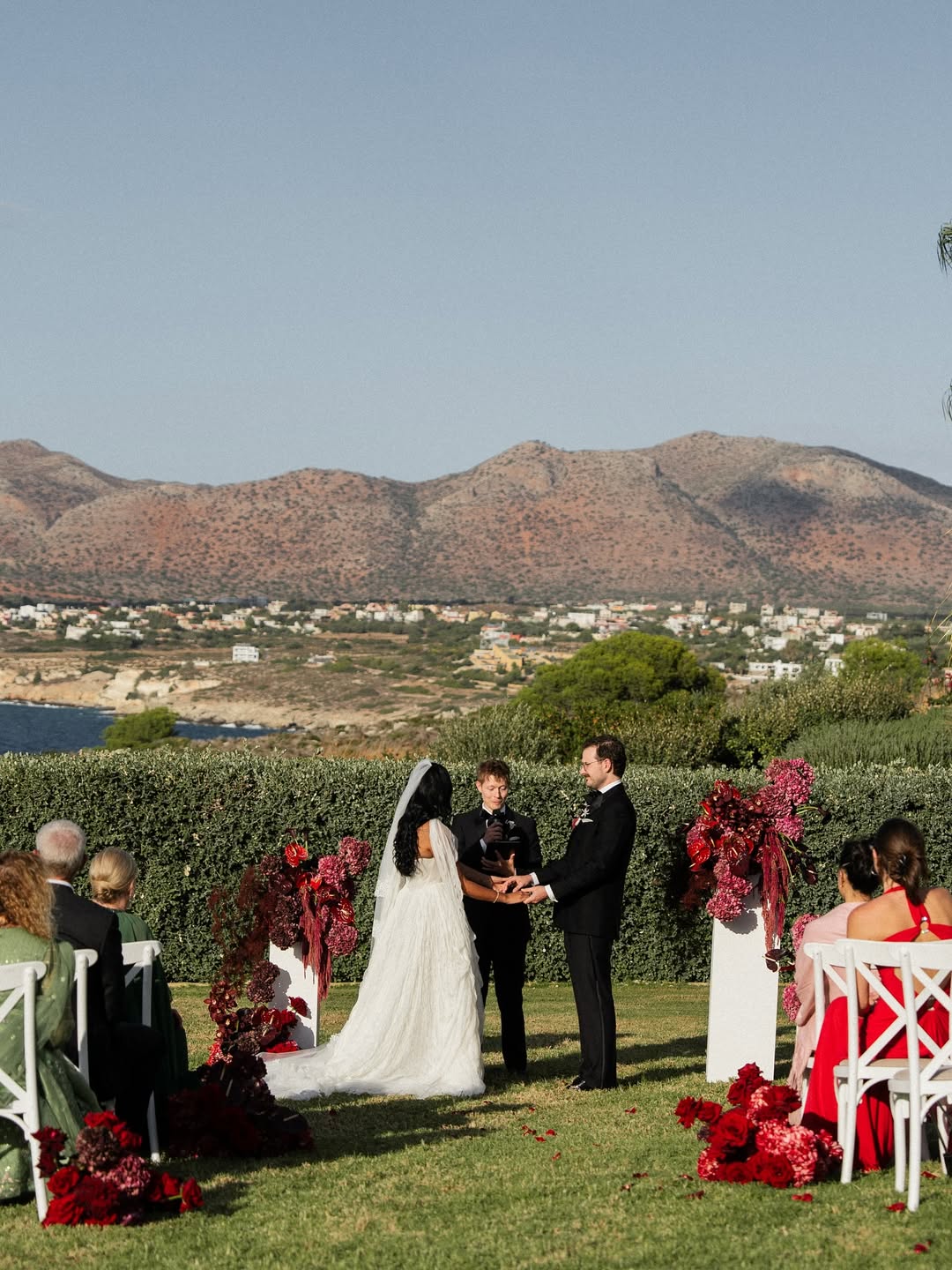
The majority of couples who marry in Crete are planning from another country entirely — which means the logistics of distance are a real part of the process, not an afterthought. The good news is that planning a wedding in Crete from abroad is entirely normal here, and the local industry is well-equipped to support it.
The single most important decision you can make is engaging wedding planners in Crete early — not a destination wedding planner based in your home country who works internationally, but someone physically present on the island with established vendor relationships and venue knowledge. That person becomes your eyes, your translator, and your problem-solver on the ground.
Beyond the planner, plan for at least one site visit — ideally 8 to 12 months before the wedding. Seeing venues in person, meeting key vendors face to face, and experiencing the light and atmosphere of your chosen location at the right time of year is irreplaceable. Everything else can be managed through video calls and email, but that one visit tends to crystallize decisions that would otherwise take months of back-and-forth to resolve.
Planning Timeline for a Crete Destination Wedding
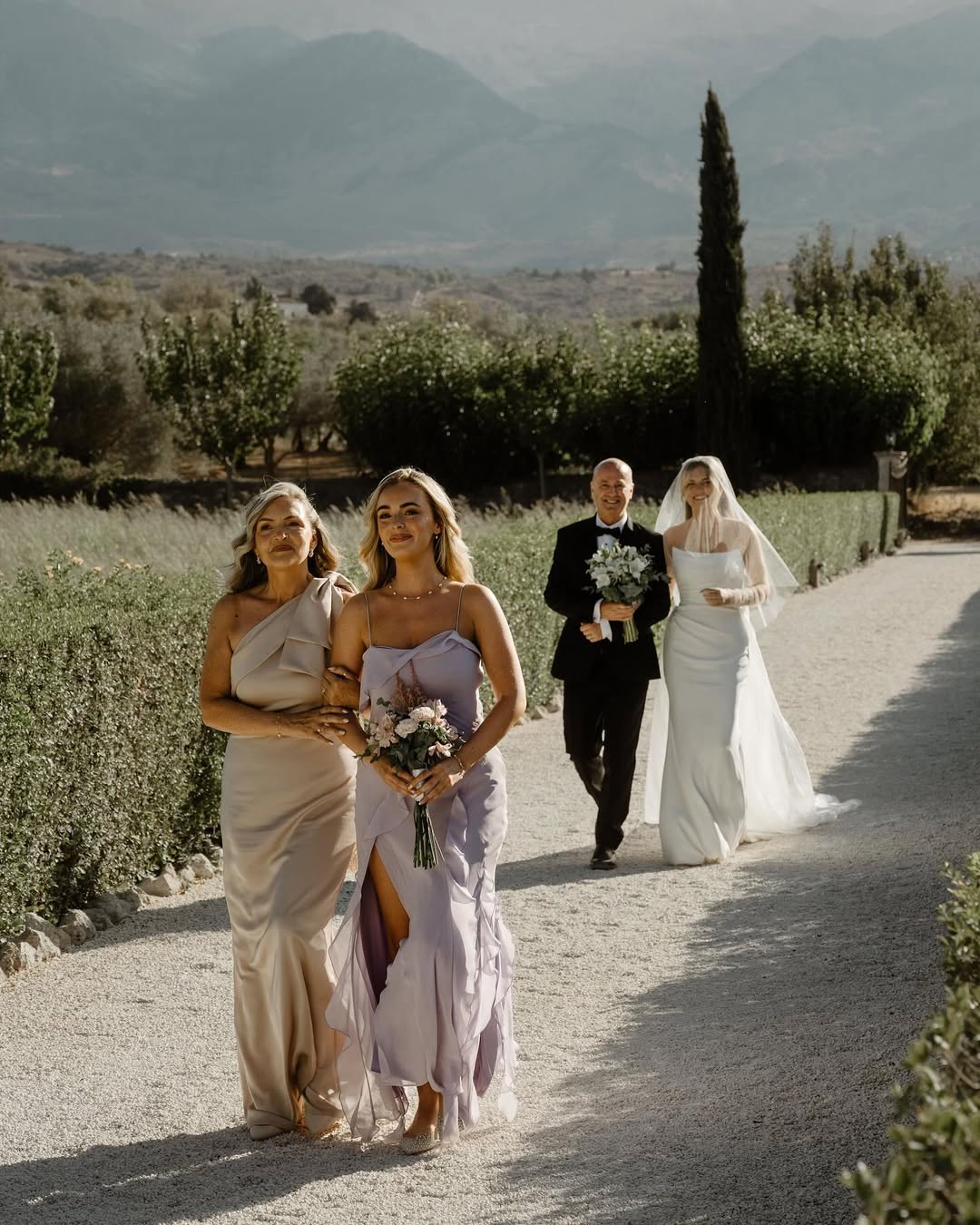
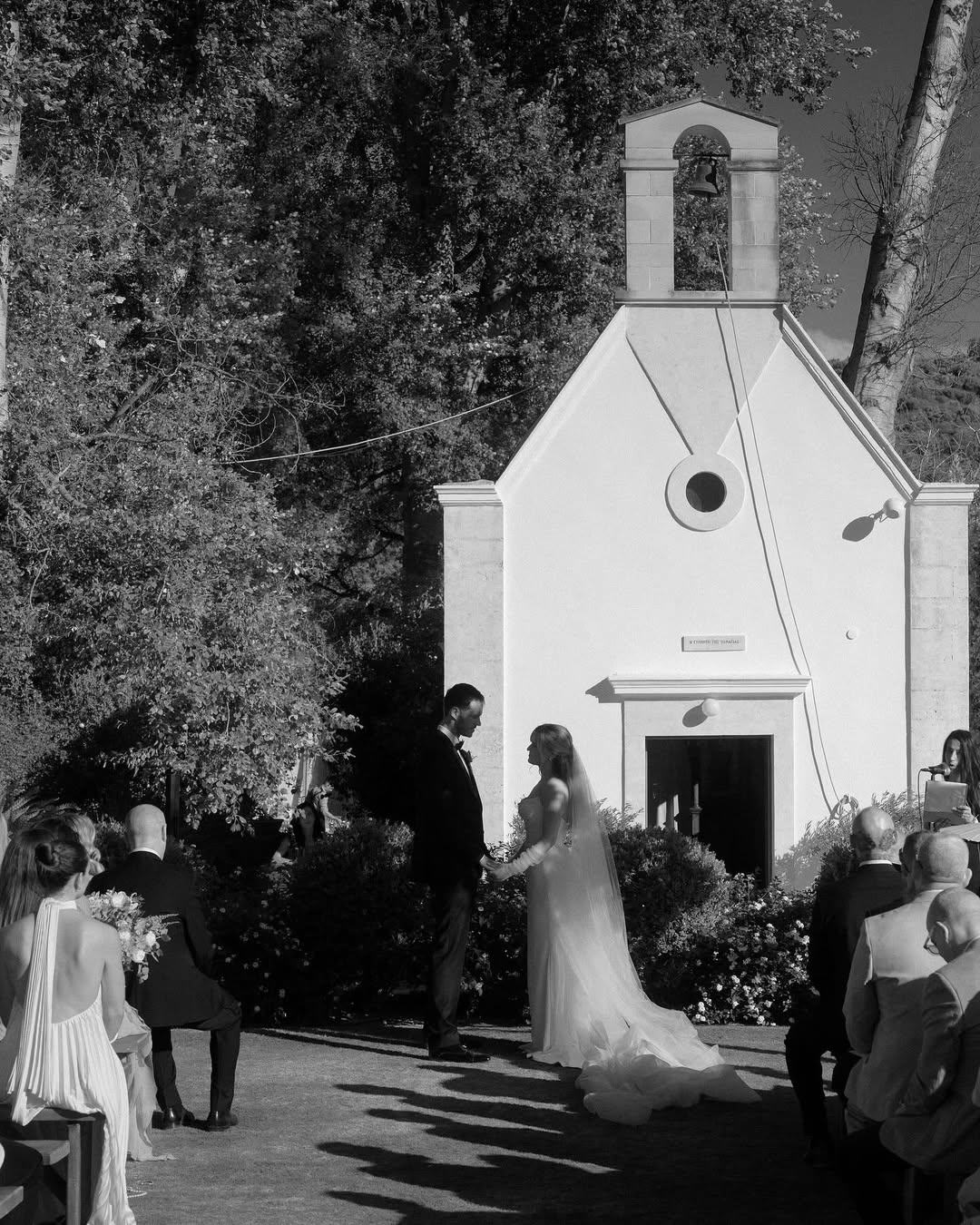
- 12+ months: set the date, define the budget, begin venue research, and engage your wedding planner
- 9–12 months: confirm and contract the venue, begin photographer and videographer conversations, send save-the-dates
- 6–9 months: book all primary vendors, finalize ceremony format and legal requirements if applicable, begin guest accommodation research
- 3–6 months: confirm all vendor contracts and details, plan welcome dinner and guest activities, begin design and floral conversations, arrange guest transport options
- 6–8 weeks: final vendor confirmations, share detailed day timeline with planner, finalize menu and logistics
- Final two weeks: hand the timeline entirely to your planner, confirm everything in writing, and begin enjoying what is about to happen

Wedding Design & Style Inspiration for Crete
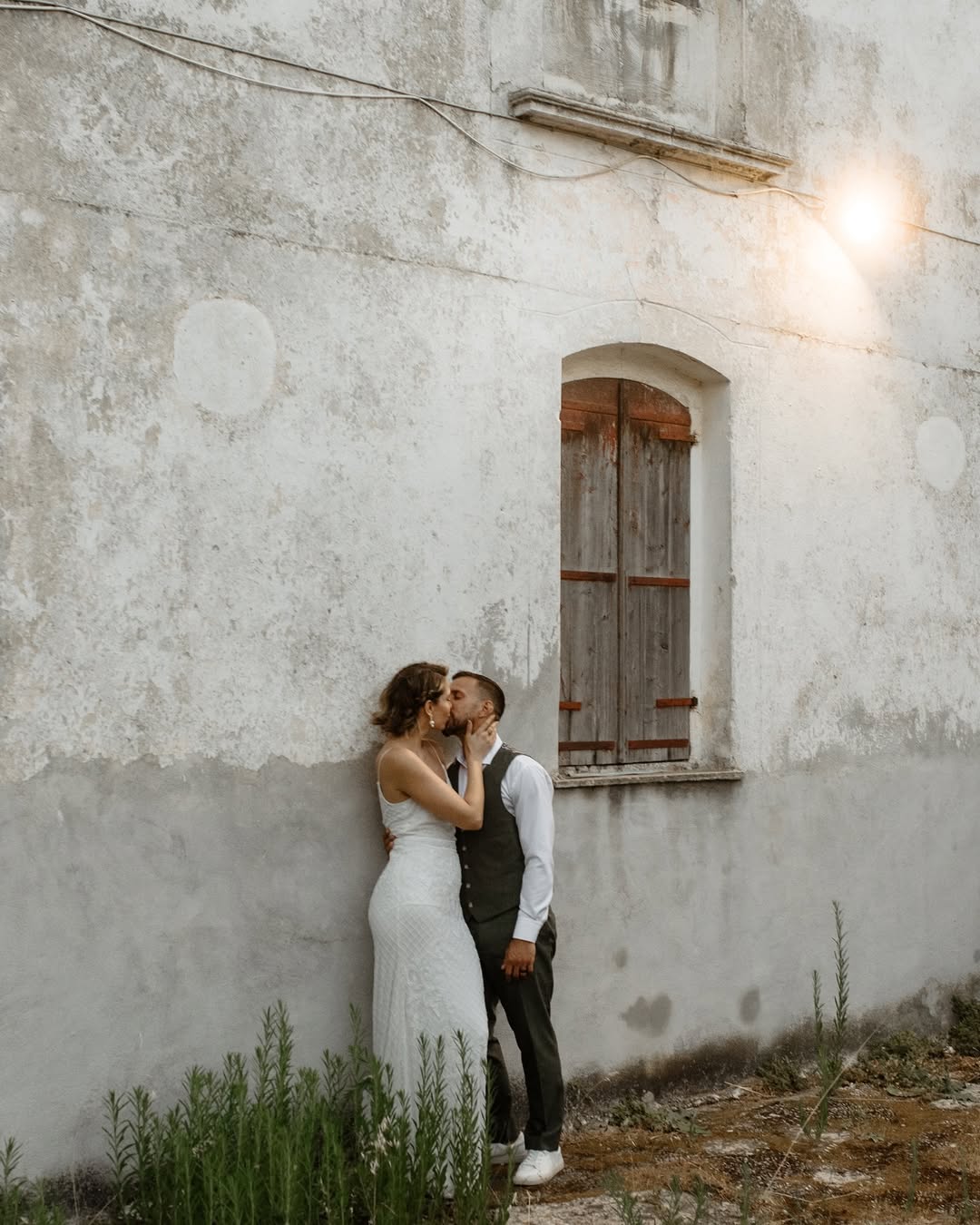
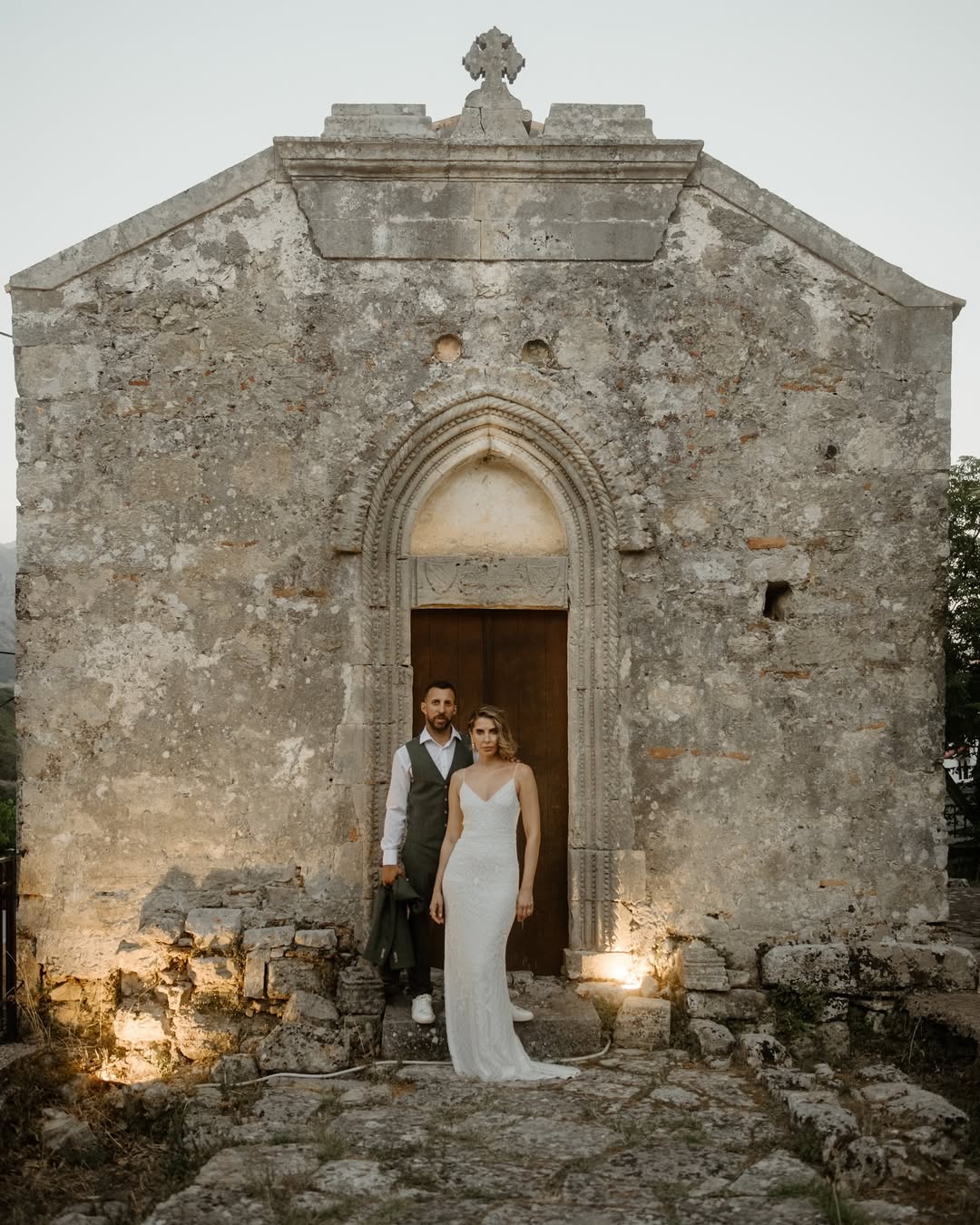
Crete rewards couples who design with the island rather than against it. The landscape, the light, the architecture — all of it is already so visually generous that the most successful wedding aesthetics here tend to draw from what already exists rather than trying to impose something entirely foreign onto it.
The island accommodates a genuinely wide range of styles, which is part of what makes it so versatile as a destination. The key is identifying which visual direction feels most authentically yours — and then finding the venue and vendor team that can bring it to life within Crete’s specific context.
Styles that translate beautifully here:
- Greek Island Romantic — white and blue, bougainvillea, terracotta, candles at every height; timeless and deeply of the place
- Modern Mediterranean — clean lines, natural linen, olive branches, restrained color palette with warm stone; elegant without being stiff
- Boho & Natural — pampas, dried botanicals, organic textures, loose garden florals; works especially well in olive grove and vineyard venues
- Luxury Editorial — structured florals, architectural installations, fashion-forward styling; best suited to high-end villa or clifftop hotel settings
Whatever direction you choose, the textures the island already offers — hand-painted ceramics, woven textiles, aged stone, terracotta — are among the most beautiful decorative raw materials available anywhere in the world.
Guest Experience & Travel Tips
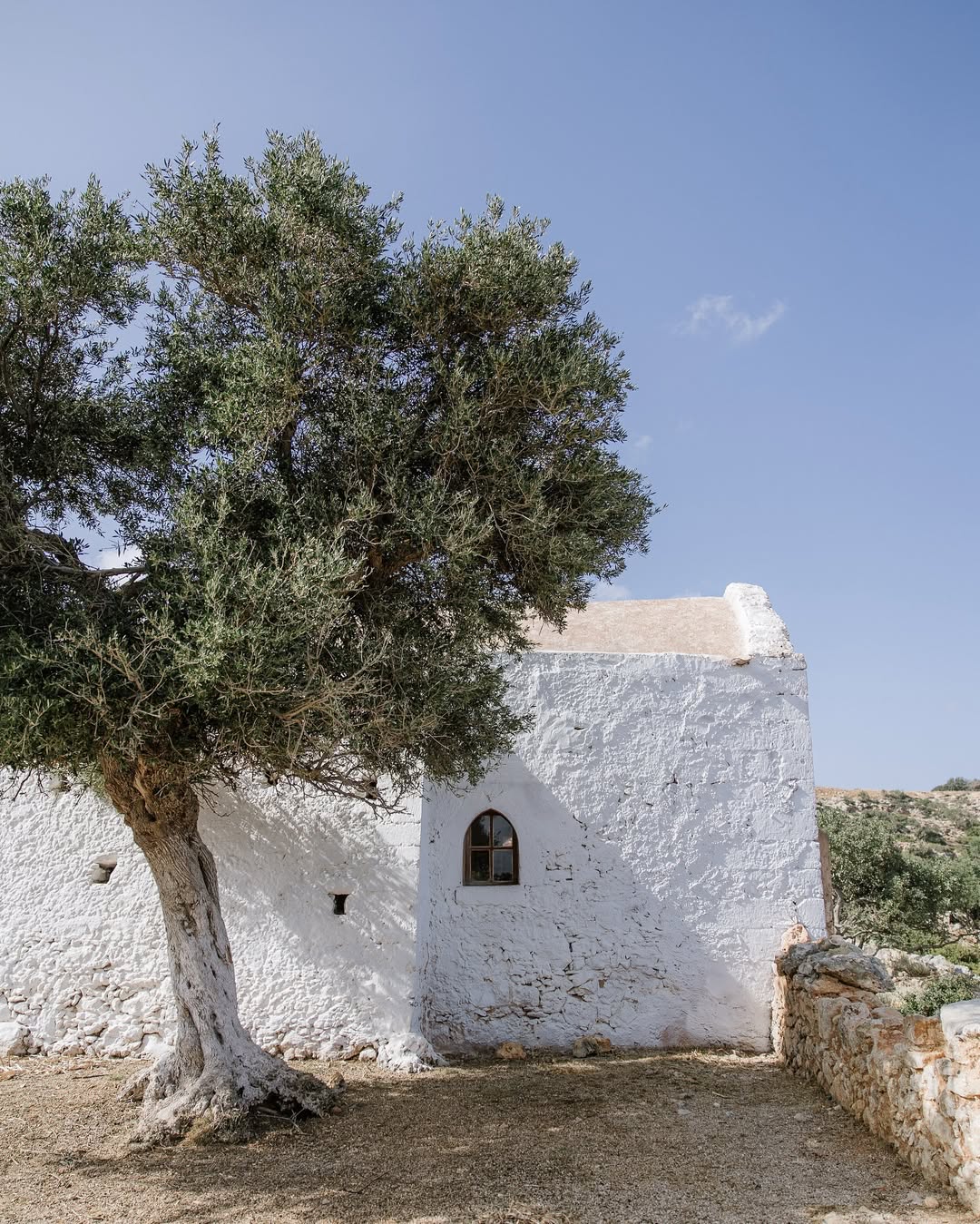
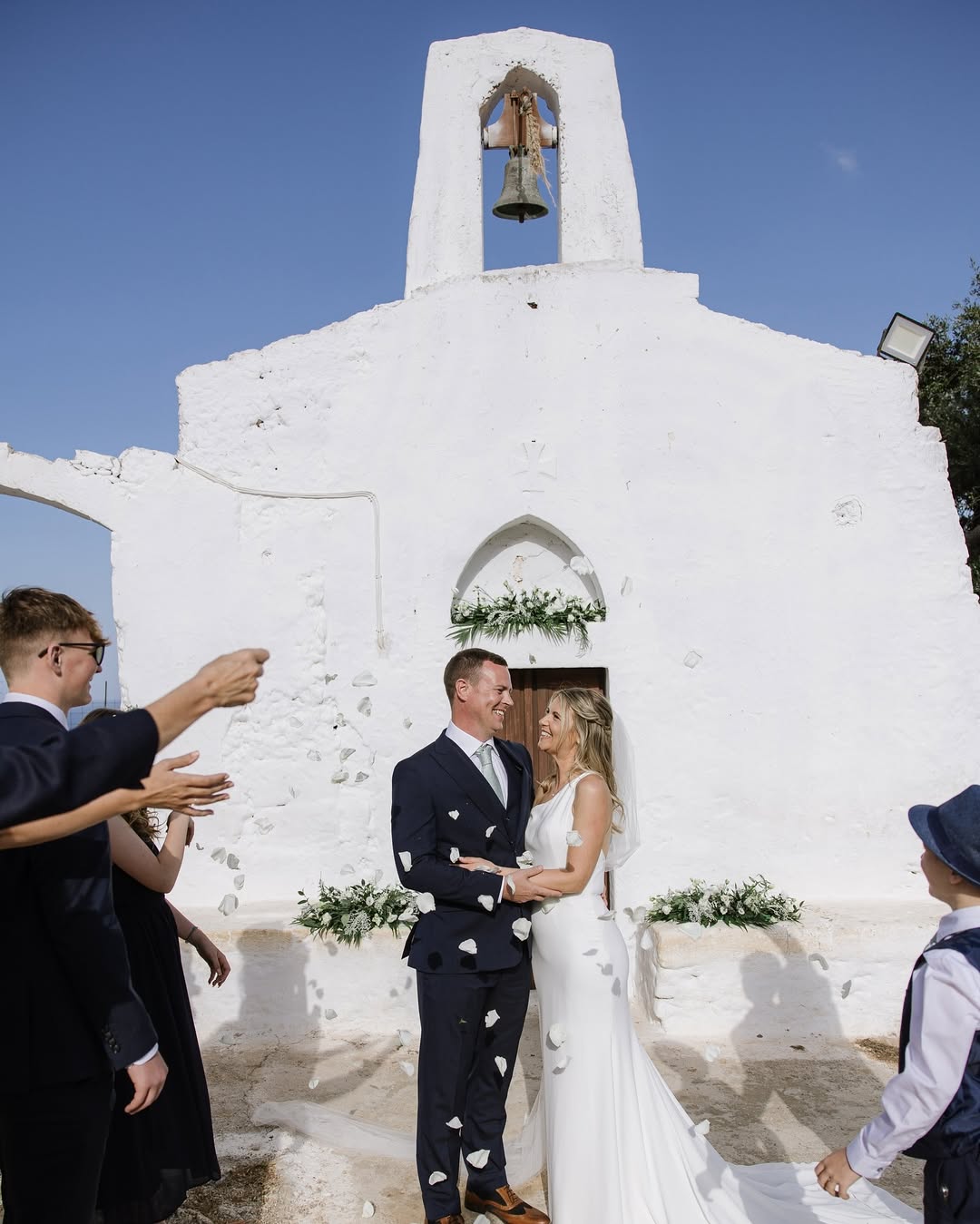
Crete is well connected internationally, with two main airports serving the island: Heraklion in the center-north and Chania in the west. Most major European cities have direct flights in season, and connecting flights via Athens are available year-round. Communicating clearly to guests which airport to use — and how far it is from the wedding location — saves significant confusion, particularly for guests less familiar with Greek geography.
Once on the island, Crete is large enough that location matters. Guests staying in Heraklion will have a very different experience from those staying in Chania or Rethymno, and the distances between regions can be longer than they appear on a map. Pre-blocking rooms at two or three properties at different price points — ideally within a reasonable distance of the venue — is the most guest-friendly approach and removes the accommodation decision from people who would rather not make it.
A welcome dinner the evening before the wedding is almost universally appreciated at destination events — it gives guests who have traveled a chance to relax, connect, and settle into the rhythm of the place before the main day. Building in one or two optional activities — a boat trip, a local food tour, a visit to an archaeological site — gives guests a reason to arrive early and explore, which tends to significantly boost the overall energy of the wedding weekend.
Weather, Logistics & Things to Know
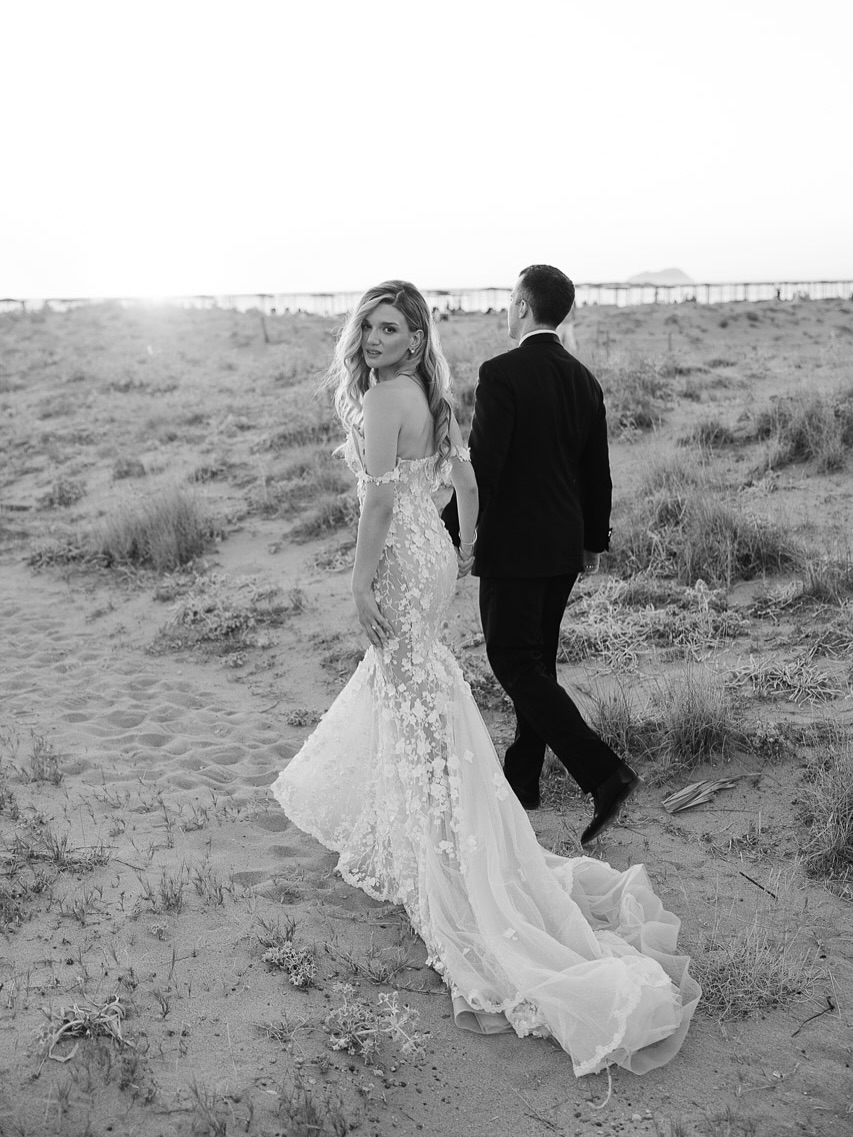
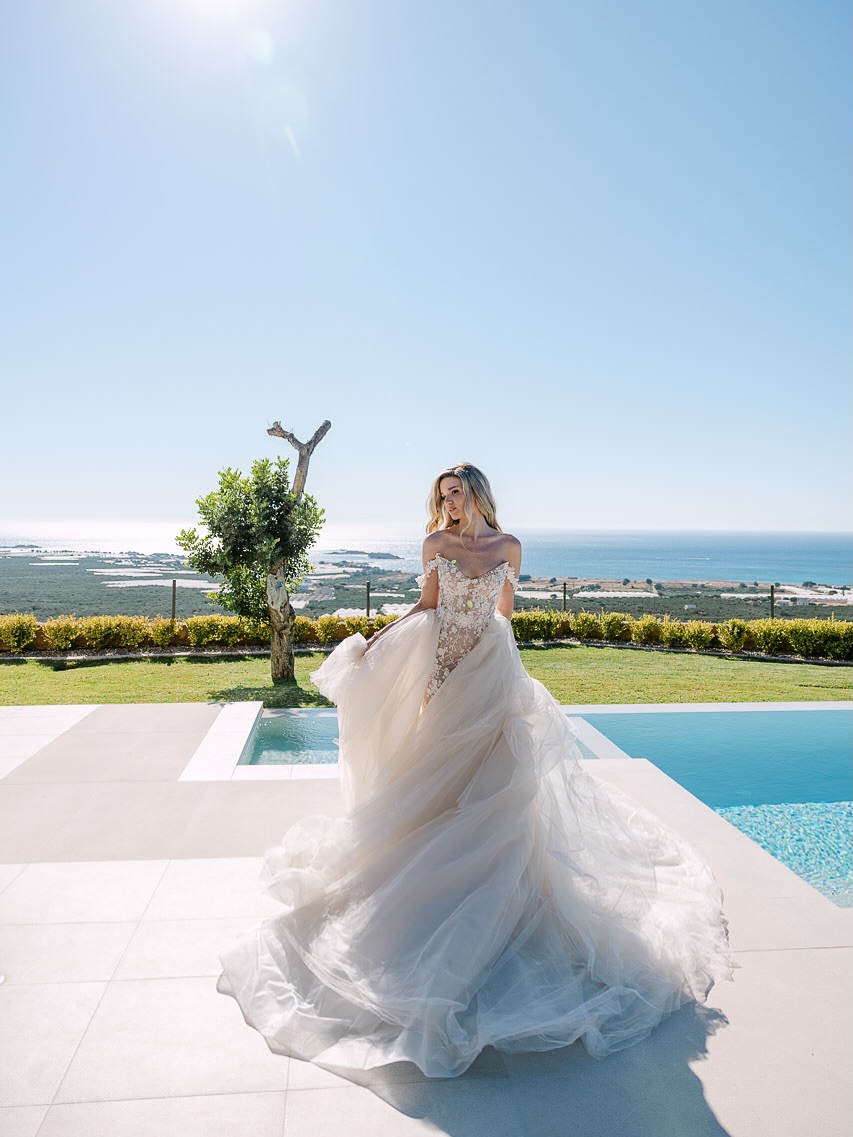
The Cretan summer sun is serious, and it deserves serious planning. Outdoor ceremonies during the peak heat of the day — anything between noon and four in the afternoon in July and August — are genuinely uncomfortable for guests and challenging for photographers. Late afternoon ceremonies, beginning around five or six, allow the heat to soften, make the most of golden hour light, and align naturally with a dinner that flows into the evening.
On logistics: the island is larger than most guests expect, and transport coordination requires attention. Many venues are accessed via narrow or winding roads that limit vehicle size, and distances between towns can take longer than the GPS suggests in high season. Your planner will navigate this, but factor it into the timeline and communicate clearly to guests about transfers.
Sound restrictions apply at most Cretan venues, with music typically required to stop between eleven and midnight, depending on location and local ordinance. This is not a limitation unique to Crete — it is standard across Greece — and a well-timed day that begins at the right hour will give you a full and natural evening without feeling cut short.
Pros and Cons of a Crete Wedding
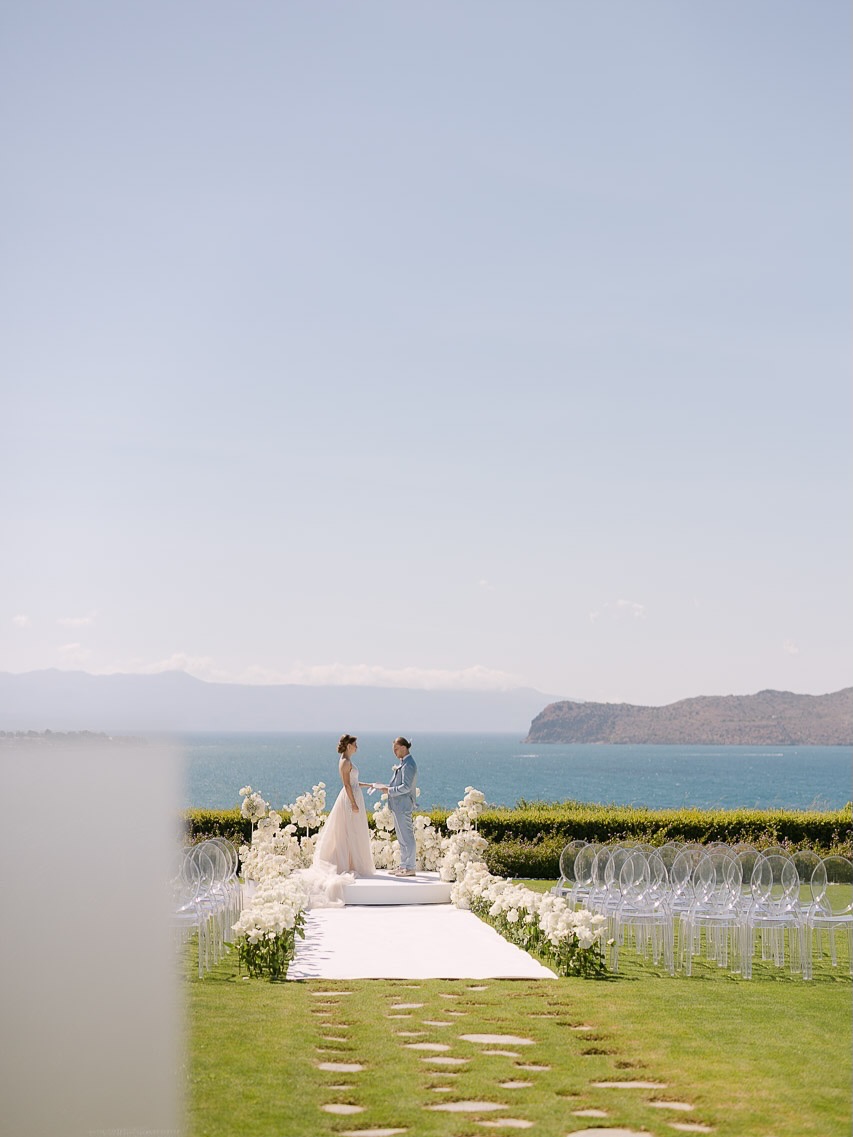
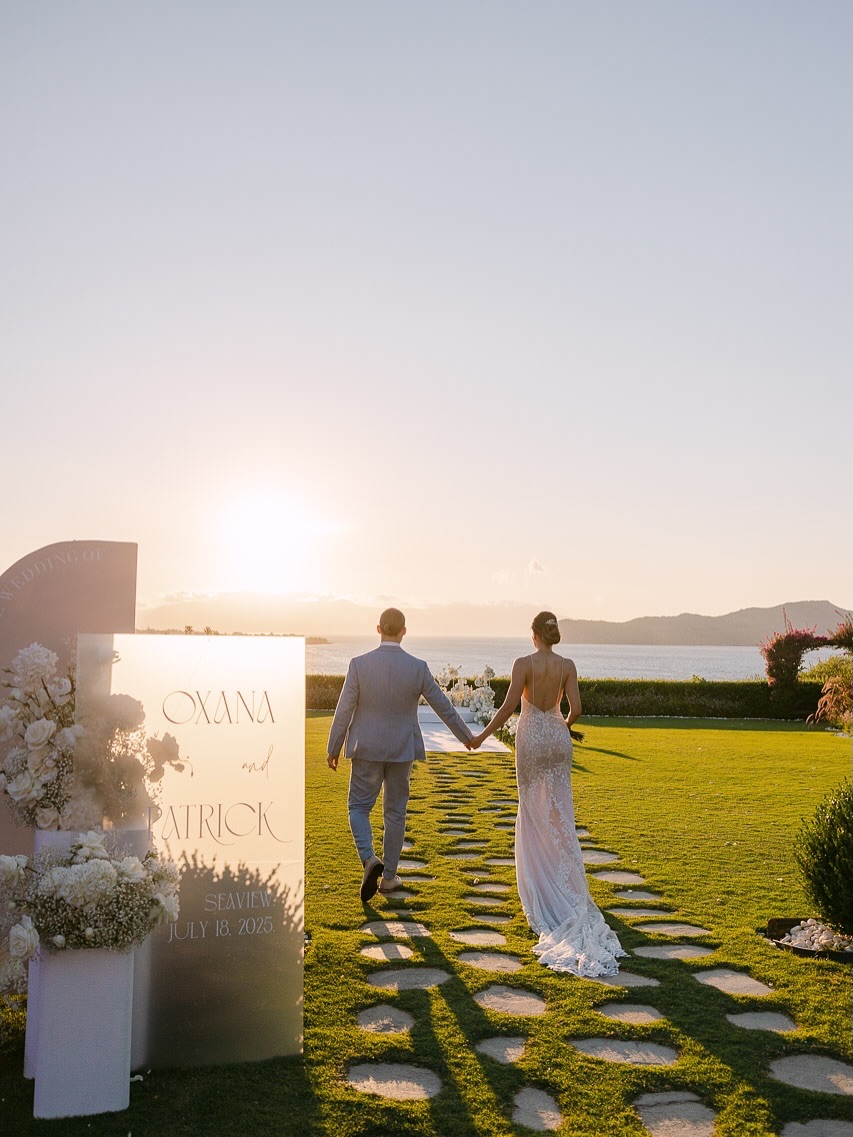
What makes Crete exceptional:
- Natural beauty that operates at a scale and variety few islands can match
- Architectural richness — Venetian, Ottoman, Minoan — that gives venues genuine historical depth
- A compact enough wedding community that local vendors are genuinely invested in each event
- Cretan gastronomy, which is among the finest in the Mediterranean, elevates every reception
- Long days and consistent light make photography and outdoor celebrations a genuine pleasure
The nuances worth knowing:
- The island is large, and guests without a car will need transport coordination between locations
- Peak season pricing is real — July and August command significant premiums across venues and vendors
- Heat management during summer ceremonies requires thoughtful timing and guest communication
- Language navigation with some local suppliers occasionally requires planner support, particularly outside the main tourist areas
Tips for a Stress-Free Crete Wedding
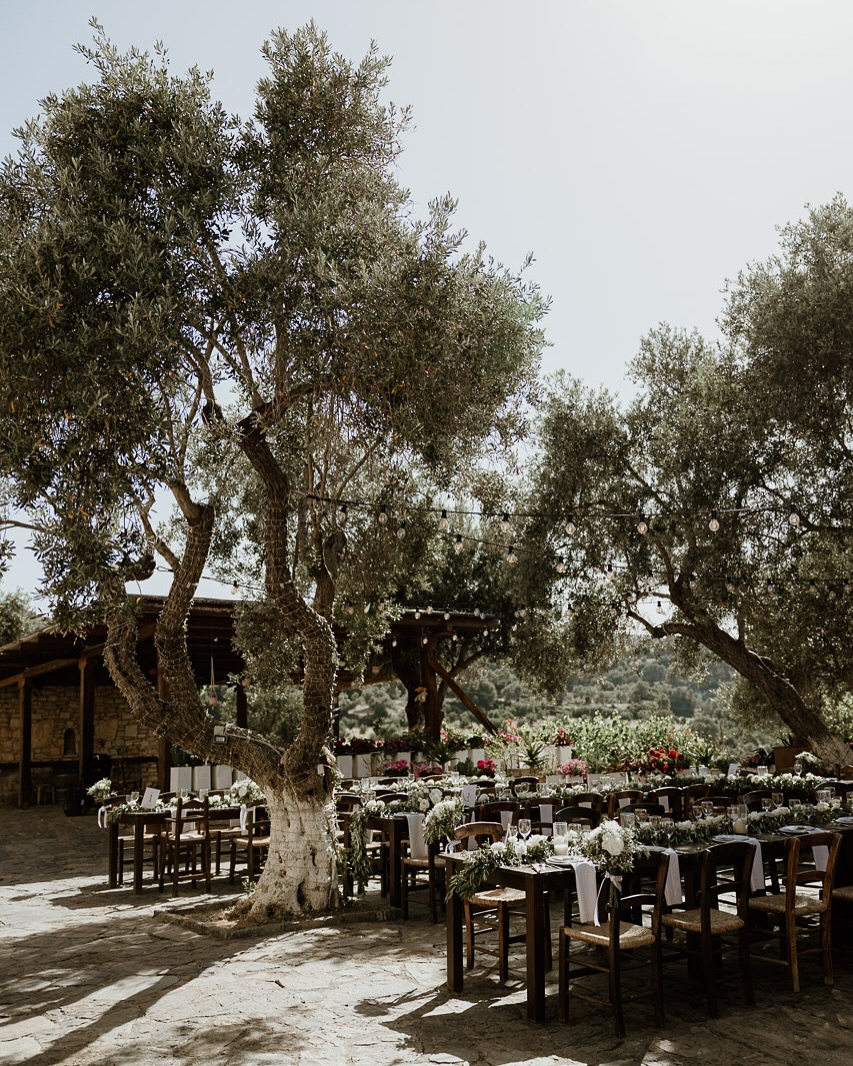
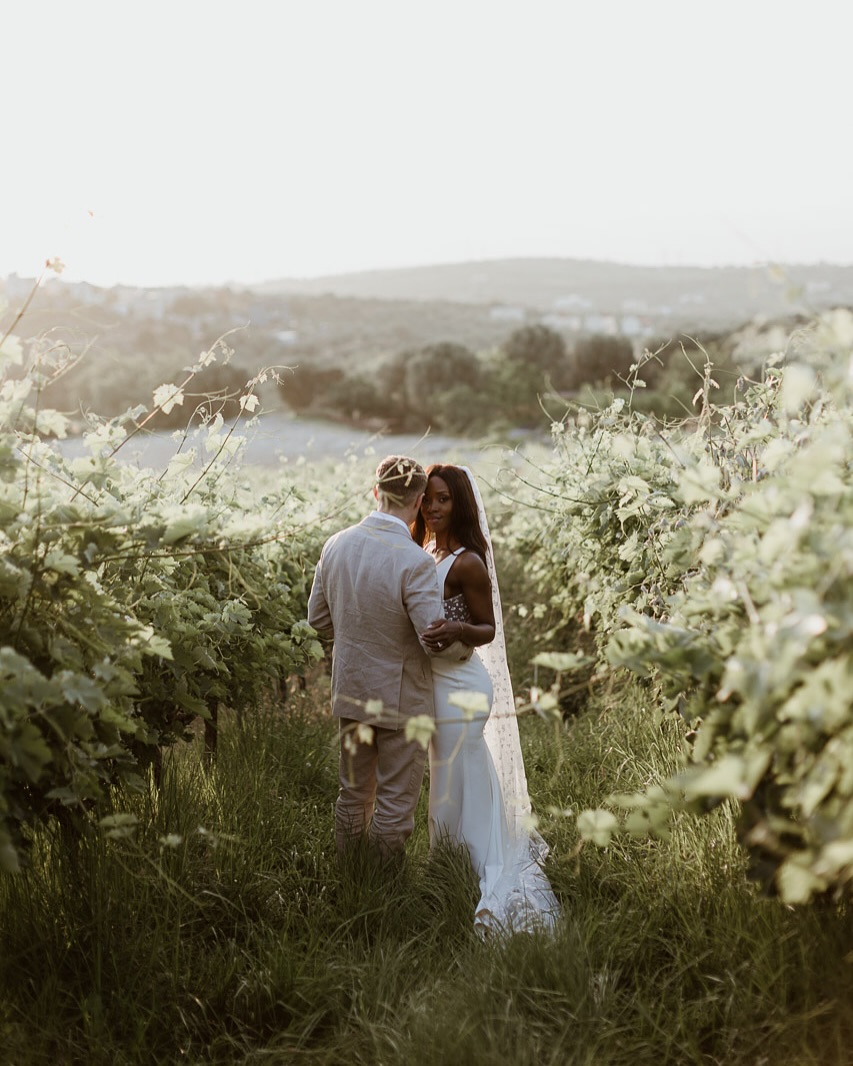
The foundation of a stress-free destination wedding anywhere is local expertise — and in Crete, that means engaging wedding planners in Crete who know the island specifically, not just destination weddings in general. The relationships they bring, the venues they know, the problems they have already solved for other couples — all of it translates directly into a smoother experience for you.
Book early. The best Crete wedding planners — along with the best venues and photographers — fill their calendars well in advance of peak season, and waiting until six months before the wedding significantly narrows your options. If you have a date and a location in mind, the time to act is now.
Do not overprogram the weekend. The most memorable destination weddings leave room for the unexpected — for guests to wander, for the couple to breathe, for the place itself to work its magic without a schedule pressing against every moment. A welcome dinner, the wedding day, and one optional group activity are usually enough. More than that, the weekend begins to feel managed rather than experienced.
And on the day itself — hand the timeline to your planner, trust the team you have built, and be present. You planned this carefully. Now let it happen.
A Crete, Greece wedding is not the simplest destination to plan, and it is not always the least expensive — but for the couples it suits, it offers something genuinely rare: beauty, history, and warmth combined in a way that makes the day feel not just memorable, but alive. The ancient olive trees, the light at seven in the evening, the long table that nobody wants to leave — it all conspires into something that resort destinations rarely achieve. Find the right luxury wedding planners in Crete to bring that vision to life, and the rest tends to fall into place exactly as it should.
If that is what you are looking for, Crete is waiting.