Top 15 Florists in Europe


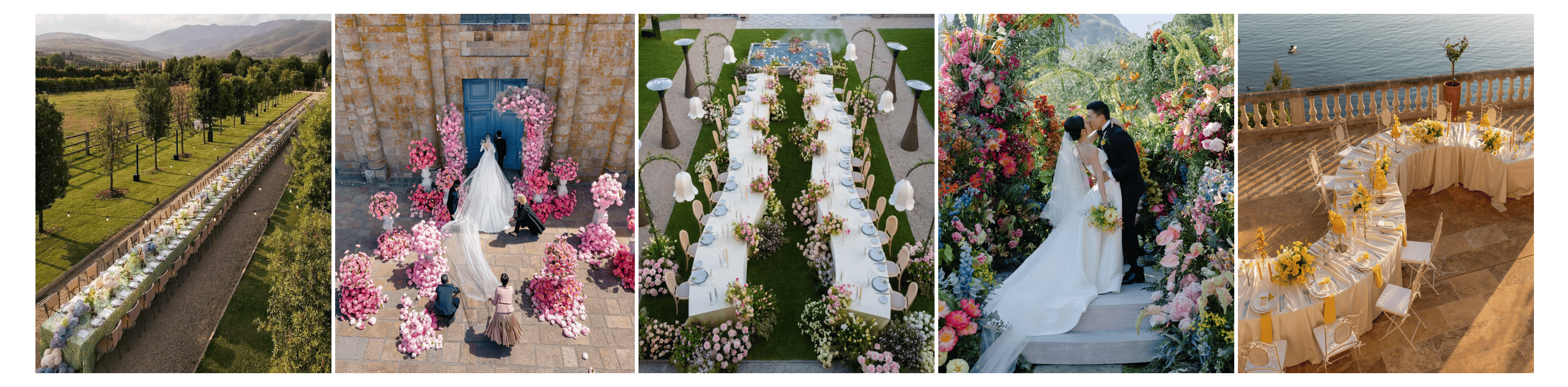
European floristry is no longer just about bouquets and centrepieces, and the florists on this list are the reason why. Some trained as architects or fashion designers before ever touching a stem; others built their entire studios around a specific philosophy, whether that be quiet, seasonal restraint or full sculptural spectacle. This group has incorporated fruit, metal, textiles and even live rabbits into wedding installations, and each florist insists that the unexpected detail must have meaning. Here are fifteen florists creating some of the most talked-about floral designs on the continent.
Find Your Perfect Wedding Vendors

Flowersliving
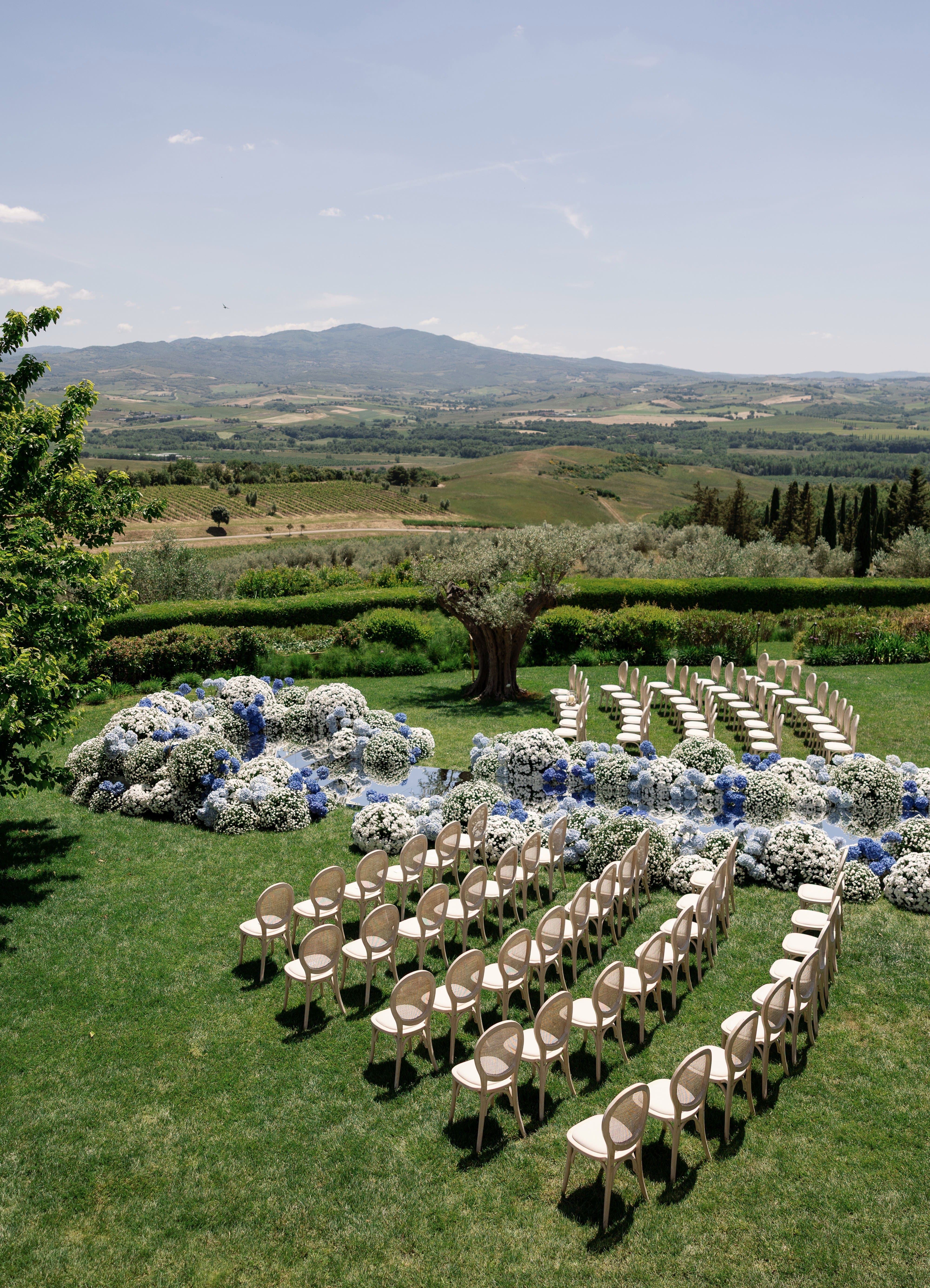
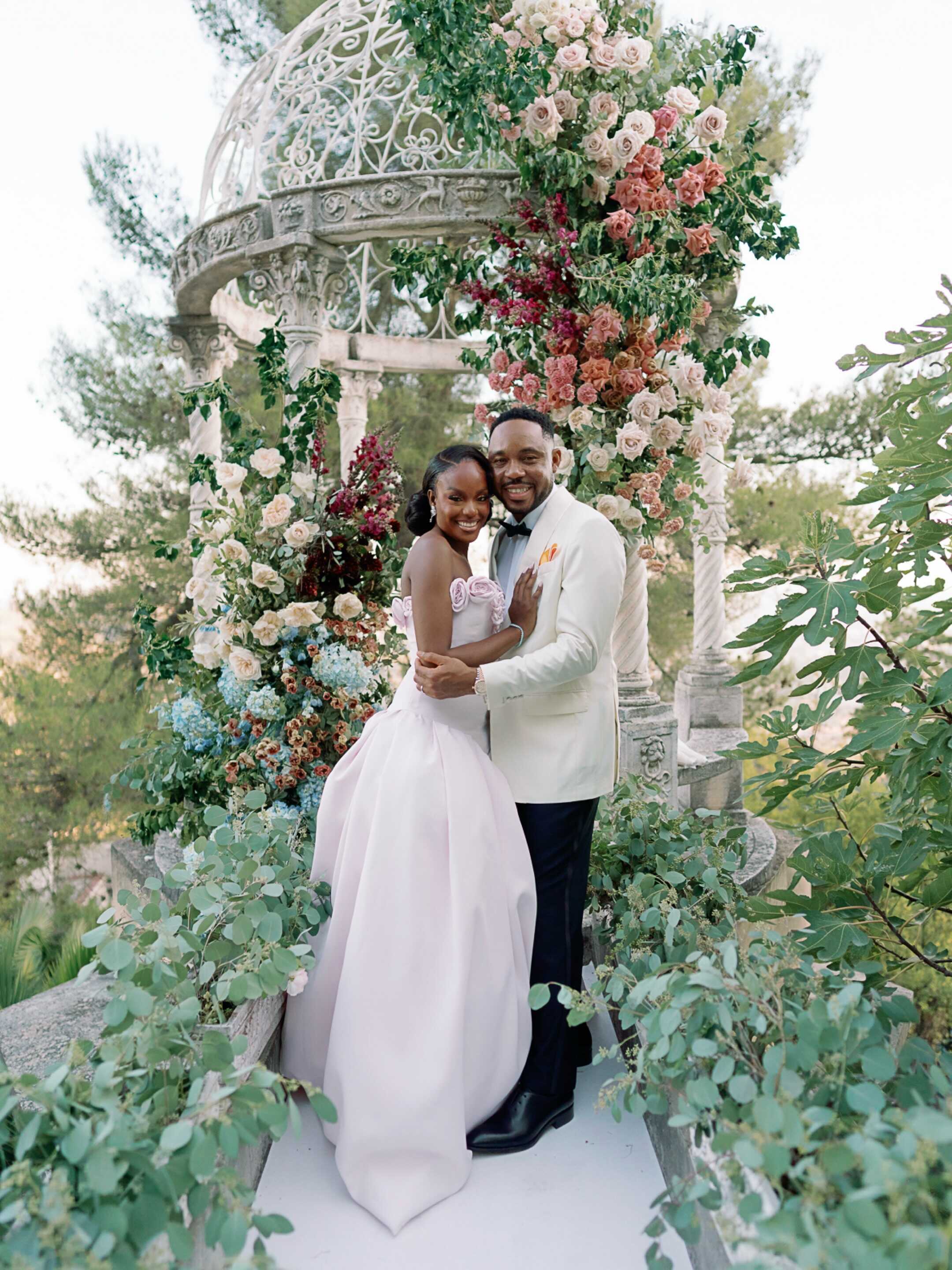
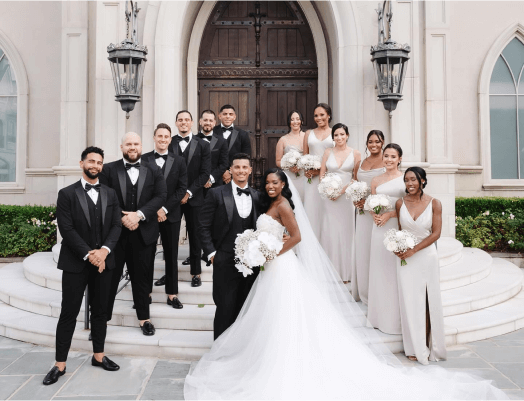
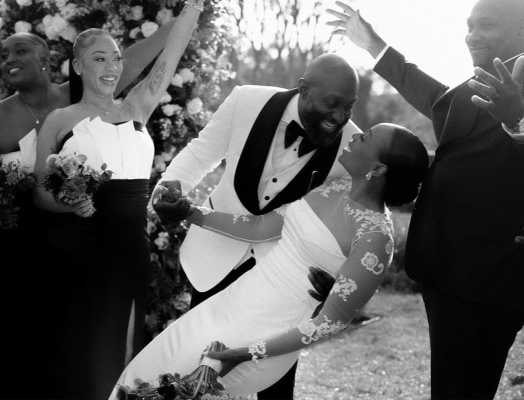
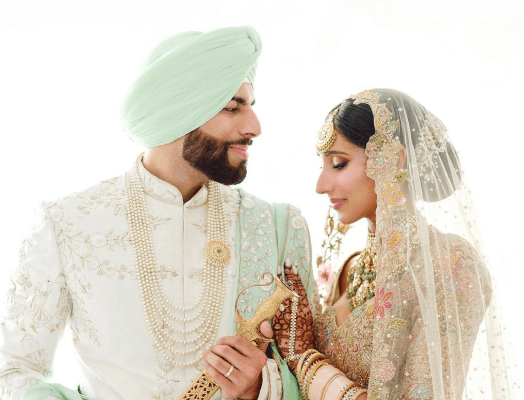
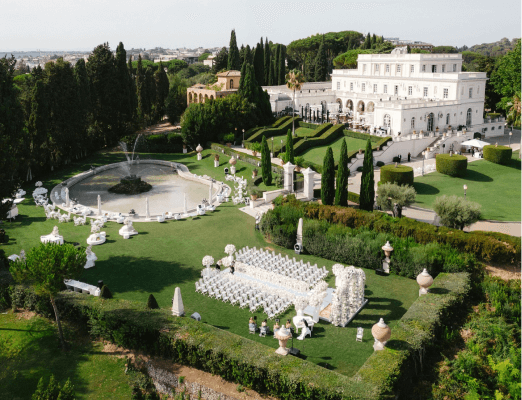
Marta Petrioli founded Flowersliving in Florence, driven by her passion for flowers, art and immersive aesthetics. She gradually transformed her creative pursuit into a full-service studio specialising in destination weddings across Italy. "For me, it's not just about flowers; it's about creating beauty, emotion and meaningful experiences through design," she says.
One of her most memorable projects involved transforming a countryside venue into a fully immersive floral environment built around sculptural arrangements, candlelight and unexpected botanical elements woven into the tablescape. "Floral design is not just decoration," she says. "It is about creating emotion, storytelling, and lasting memories through beauty." Her favourite flowers to work with are garden roses, ranunculus and peonies. She says that each one brings "its own personality and emotional language into the design".
Florésie
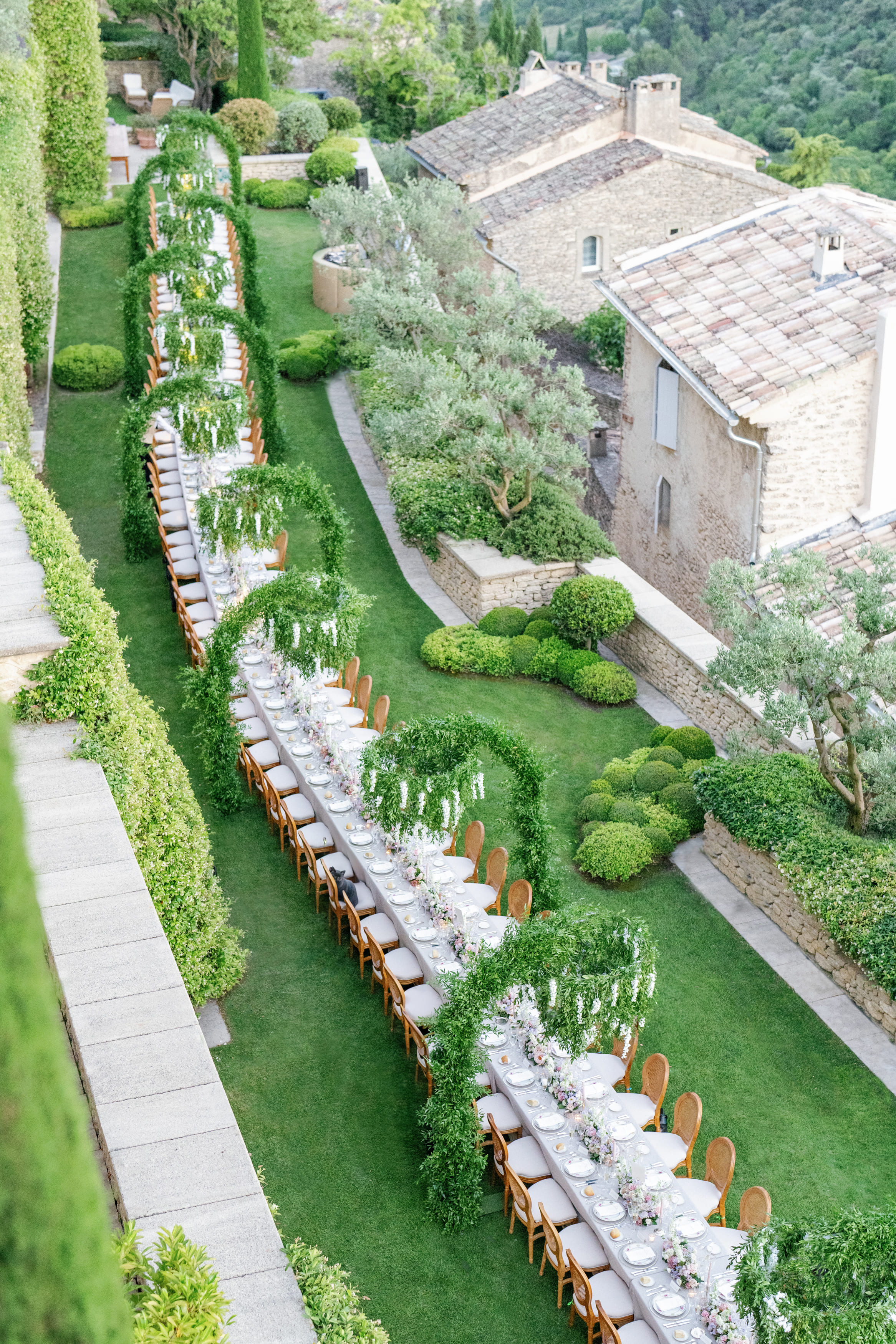
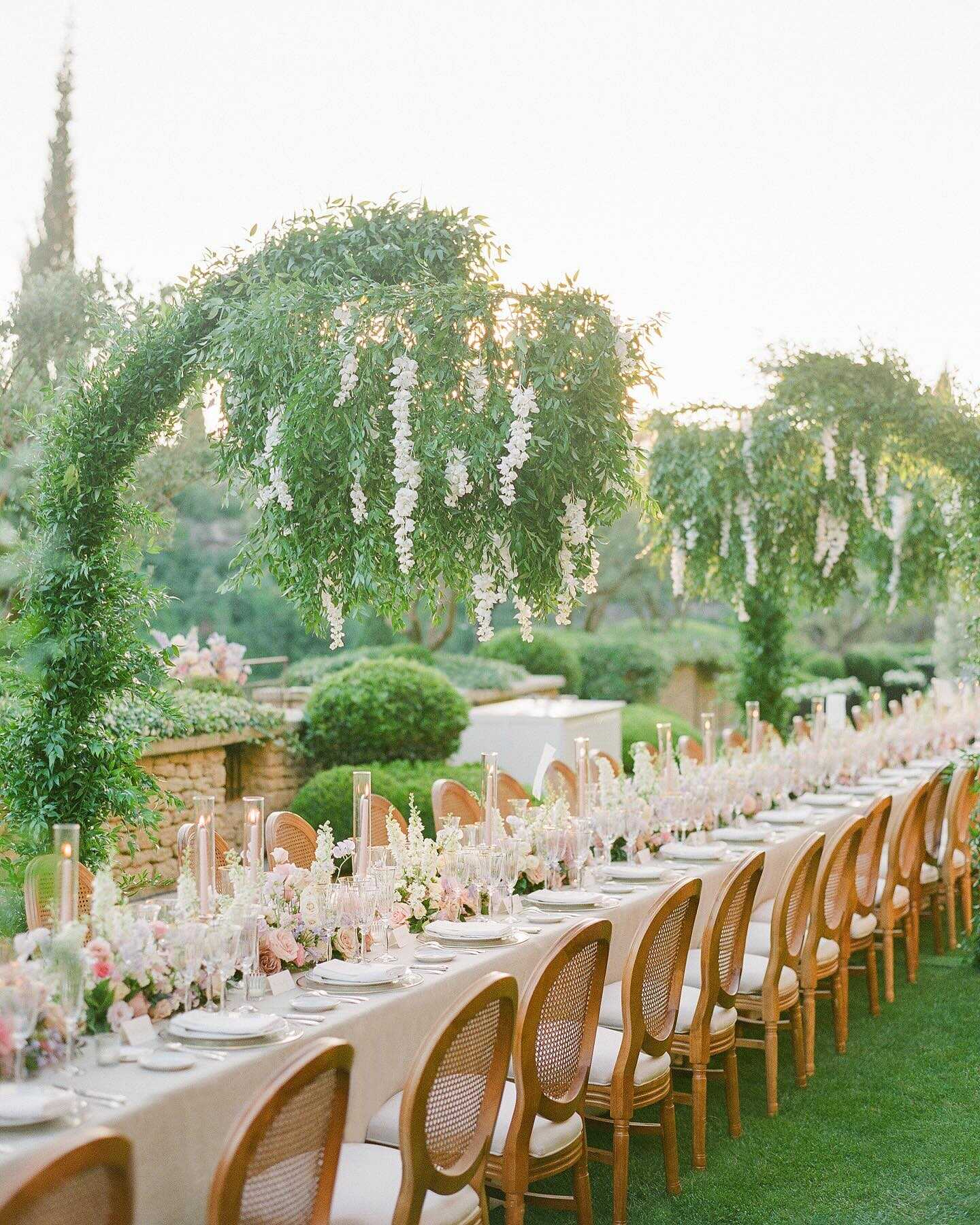
Laetitia Mayor left her career in engineering to enrol in a one-month programme at a florist school in Paris in 2010. This decision would lead her to establish Florésie two years later. Based in Burgundy and surrounded by old stone villages and centuries-old vineyards, her work remains closely tied to her local landscape. "One of the most rewarding parts is that very short moment just before we hand over the décor to our clients," she says, describing the stillness right before a space comes alive with guests.
She treats non-traditional materials such as branches, textiles and metal structures as tools rather than gimmicks. "They should never feel like a gimmick; they need to bring texture, movement, structure or meaning to the overall atmosphere." Her favourite flowers change with the calendar rather than due to personal attachment. "I love using flowers when they are at their best because that's when they feel the most natural, elegant, and alive."
Happy Day
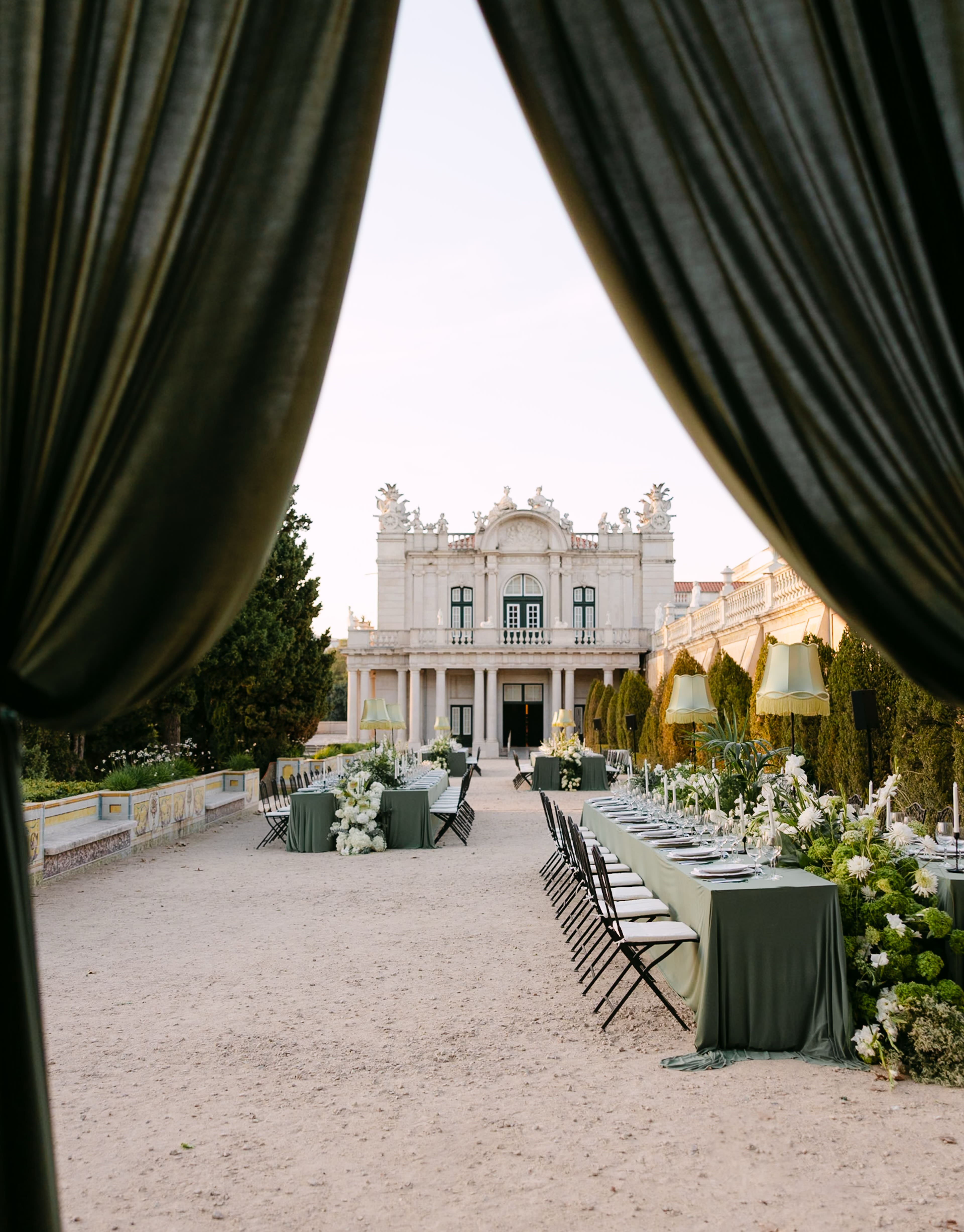
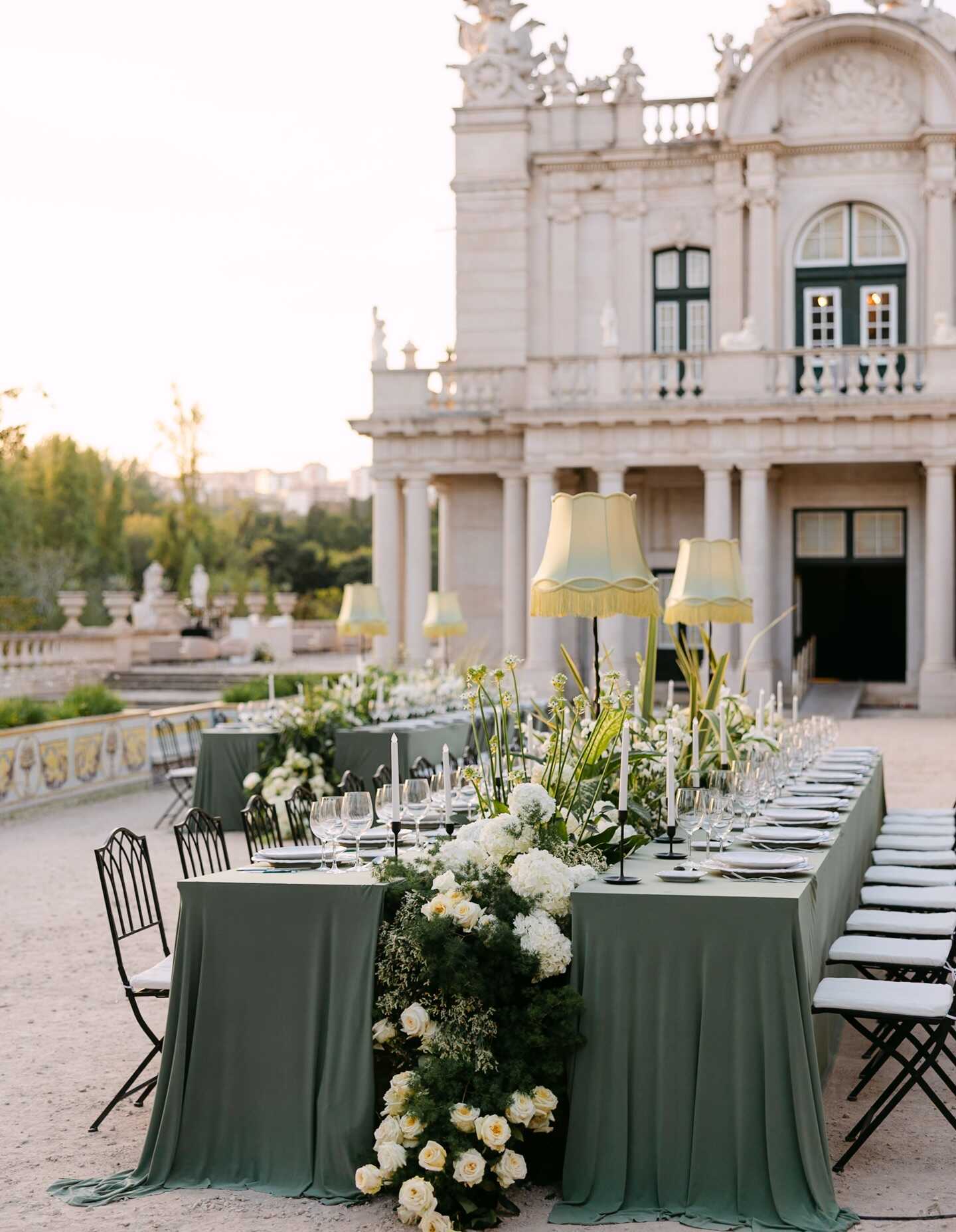
Eva Quaresma trained as an architect before founding the Happy Day Events in Lisbon in 2011. This change was sparked by her experience of planning her own wedding and struggling to find suppliers who understood her vision. "That experience revealed an opportunity for a more thoughtful, design-led approach in Portugal," she says of the studio's early days.
Her team specialises in sculptural, architectural floral work, incorporating mesh structures and metallic objects to "redefine how flowers interact with a space". She says that her most demanding projects have been ceiling installations and Indian weddings, as these "constantly push us to think beyond conventional solutions".
Molist Botanical Design
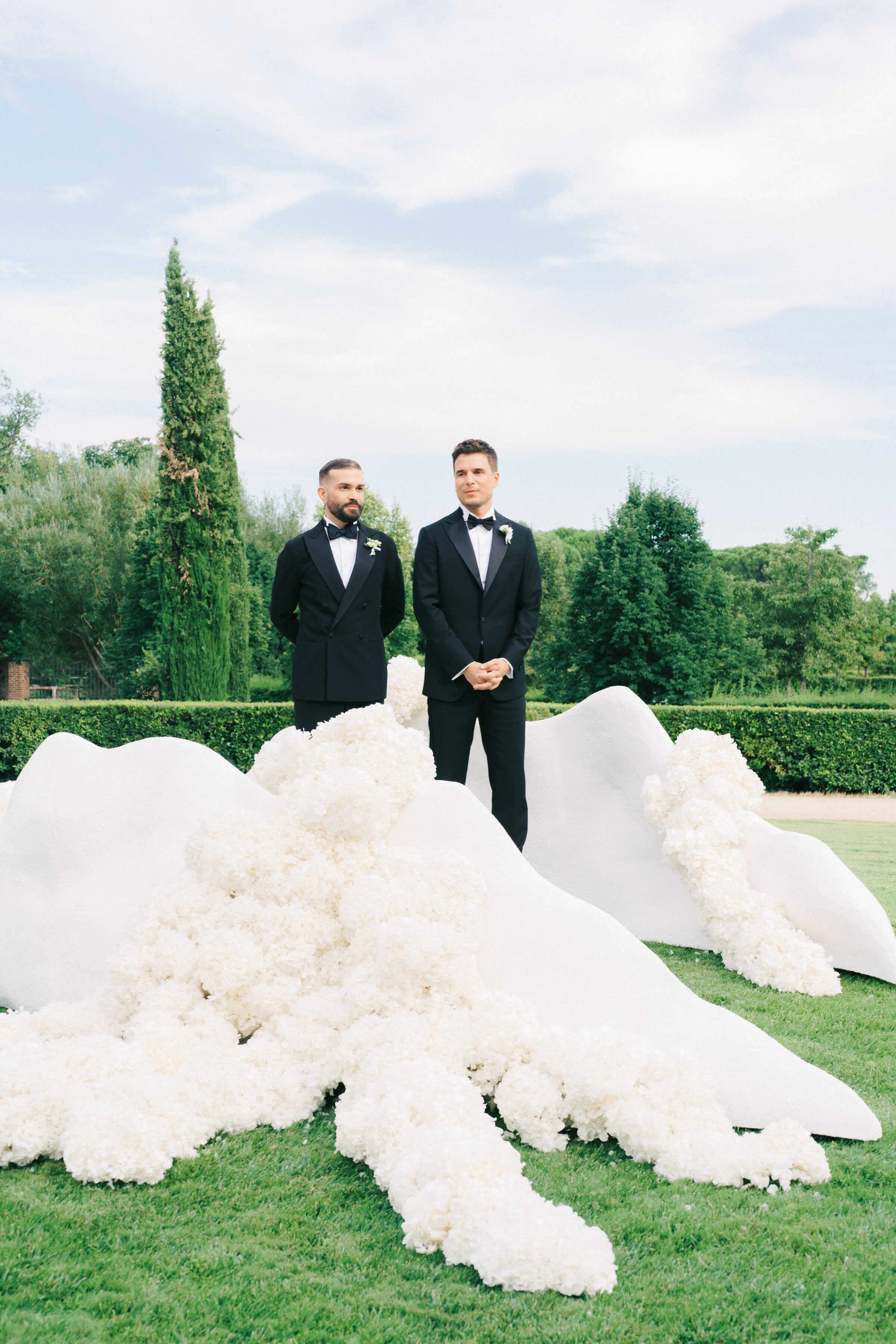
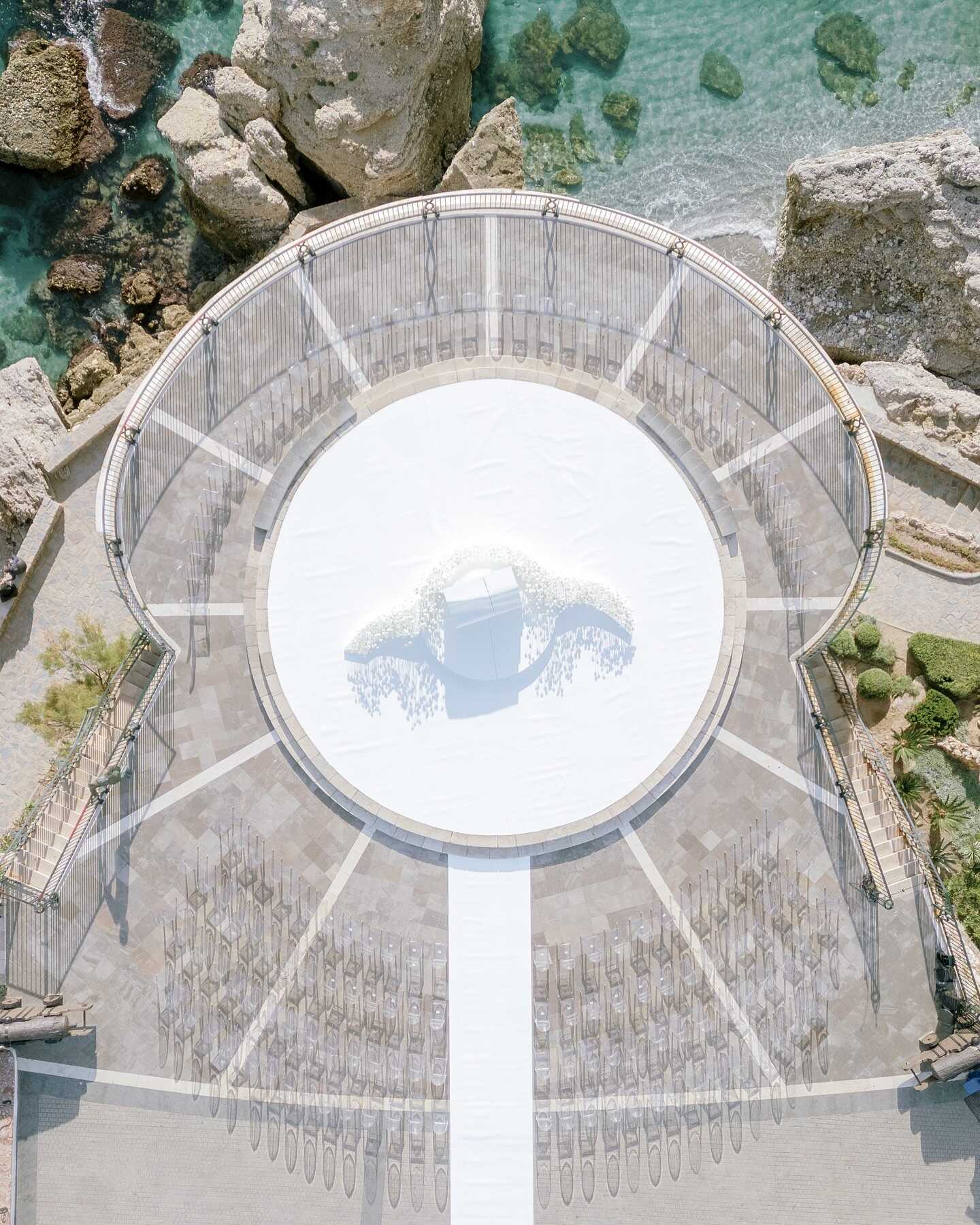
Ramon and Guida Bibiloni founded Molist in Barcelona in 2007. Today, however, their work reaches destination weddings across Europe rather than being confined to Barcelona. "Our journey into wedding floristry came naturally through our deep connection to flowers, art, fashion and spatial design," they say of the studio's origins.
A project in Paris marked a turning point for the studio when they transported thousands of flowers across countries to create a large-scale installation in just a few hours in the intense August heat. "The design felt unique and deeply emotional," they recall, "and the couple's gratitude and happiness made every challenge worthwhile." Their advice to couples starting out is simple: "trust the creative process."
Roni Floral Design
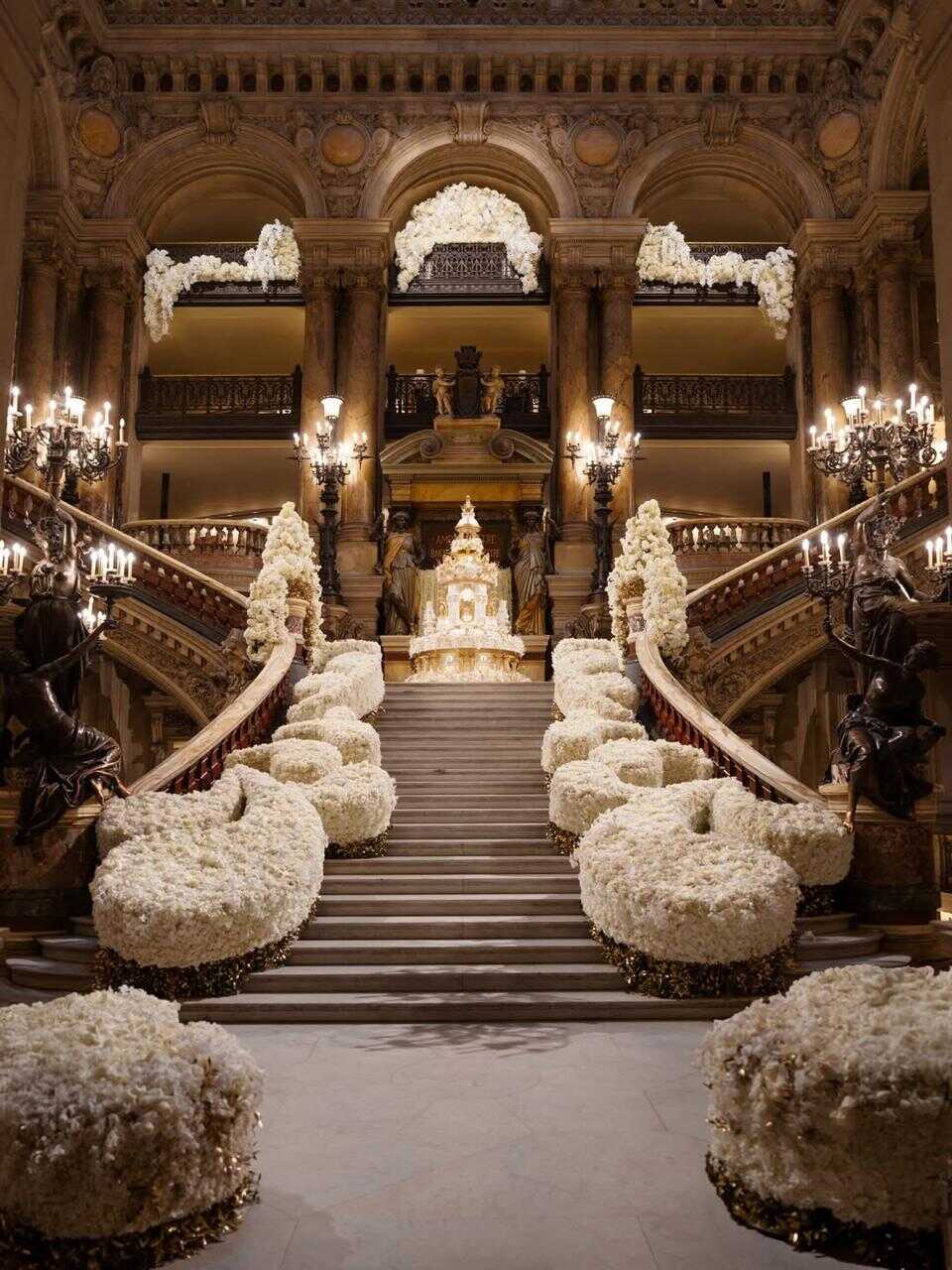
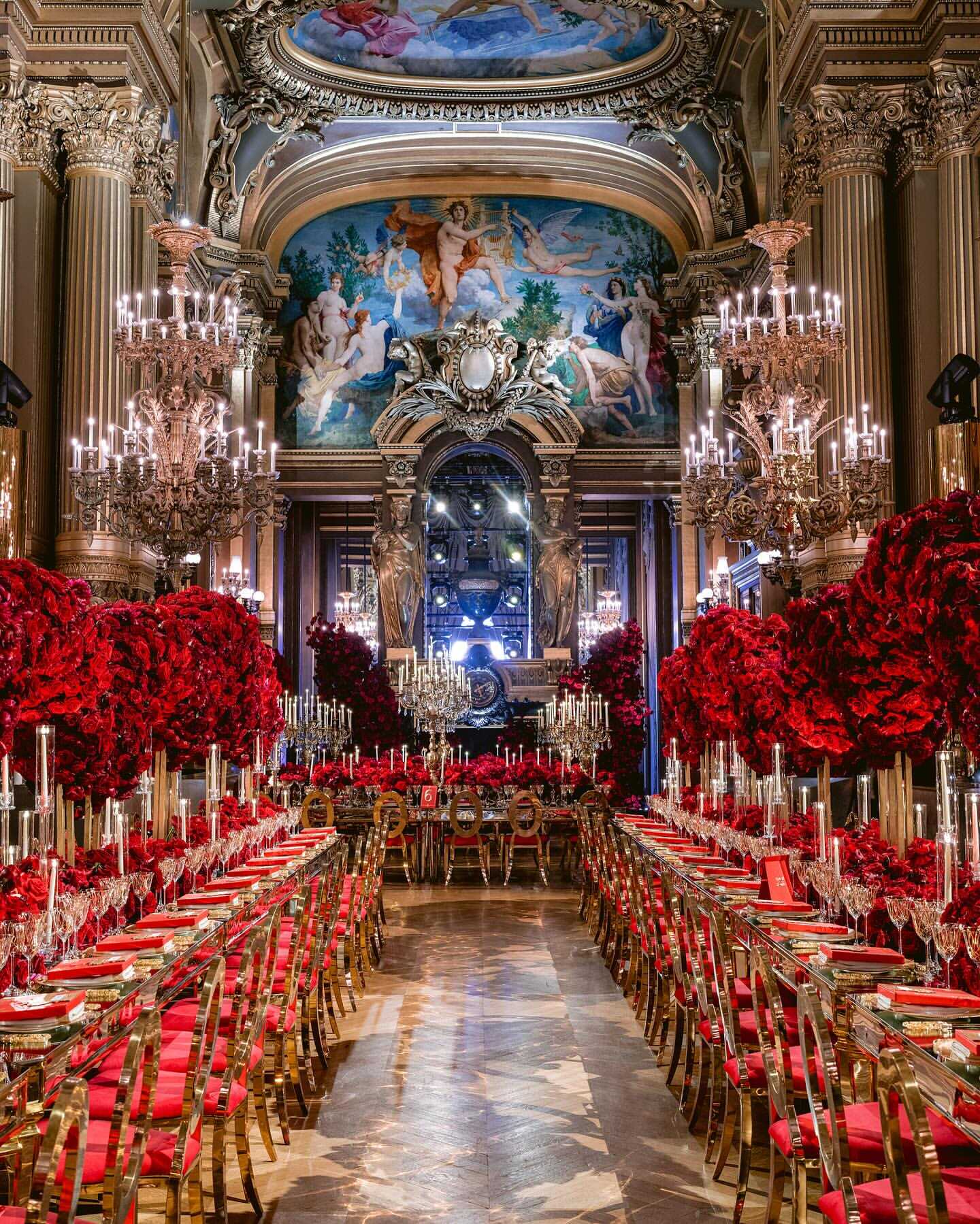
Nicolas has spent more than thirty years building Roni Floral Design in Cannes, working with an international clientele and treating floristry as a form of world-building rather than mere arrangement. "Our approach goes far beyond flowers. We create worlds, emotions and bespoke experiences inspired by design, architecture and haute couture," he says.
He is especially drawn to unconventional materials if they add character. "Metal, fabrics, plays of light, or even architectural structures allow us to add character and transform a floral setting into a truly immersive work of art." His advice to couples choosing a style is to skip the trends entirely. "Think about the emotion you want to evoke in your guests. The style will naturally emerge from this intention."
Floraison
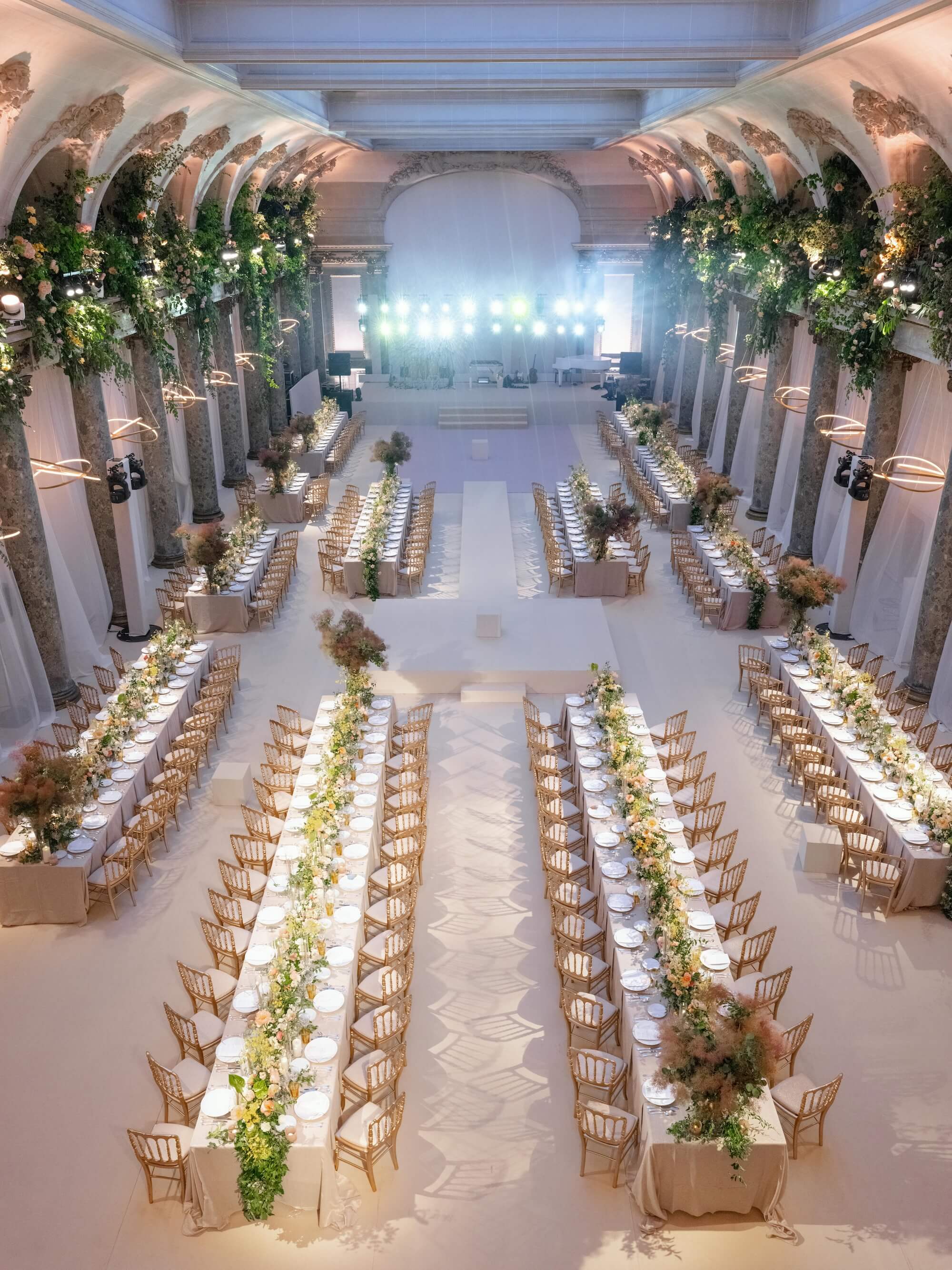
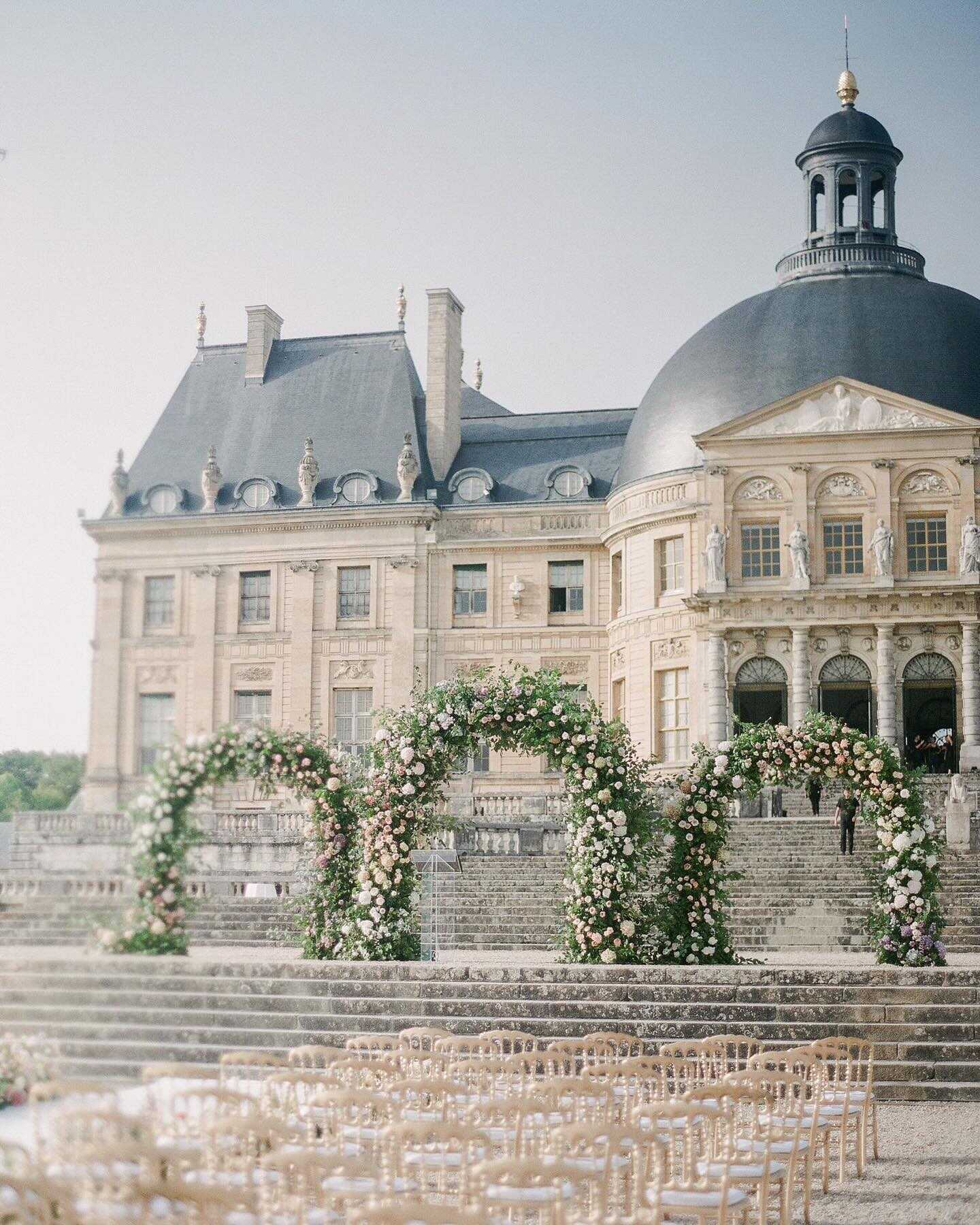
Akiko Kovacs became a floral designer in 2014 after moving to France, a decision sparked by planning her own wedding, and went on to found Floraison Paris in Paris. Of Japanese origin, she draws inspiration from two very different aesthetic traditions: "I draw inspiration from the Japanese appreciation for nature, harmony and simplicity, combined with the richness of French architecture, art, design and craftsmanship."
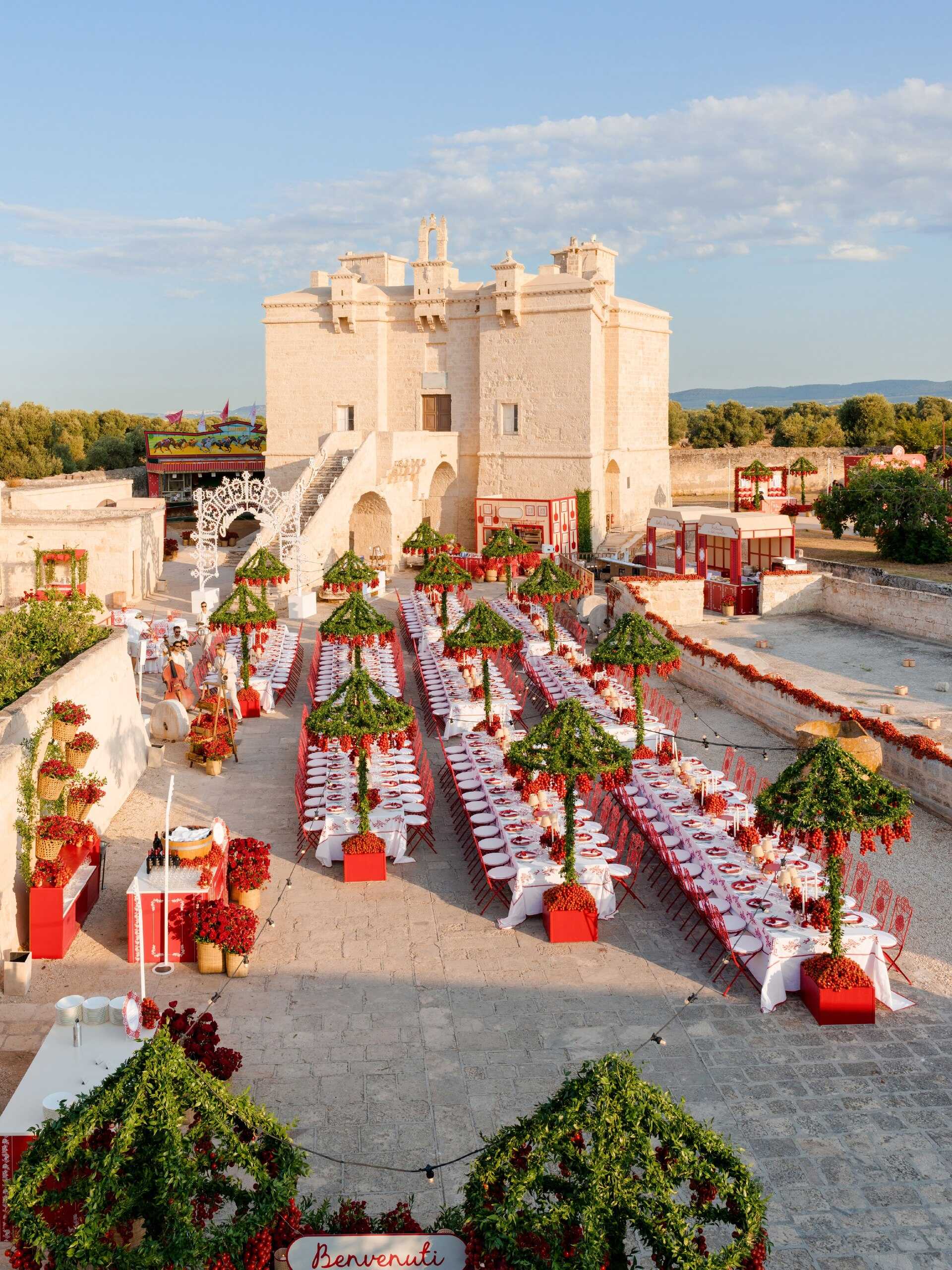
One of her favourite projects involved incorporating tomatoes and vegetables sourced from a local farm into a welcome event in Italy: "a fun and unexpected element that celebrated the region." Her advice to couples who are unsure of their style is to start somewhere concrete: "I always suggest starting with the venue."
Lettre à Élise
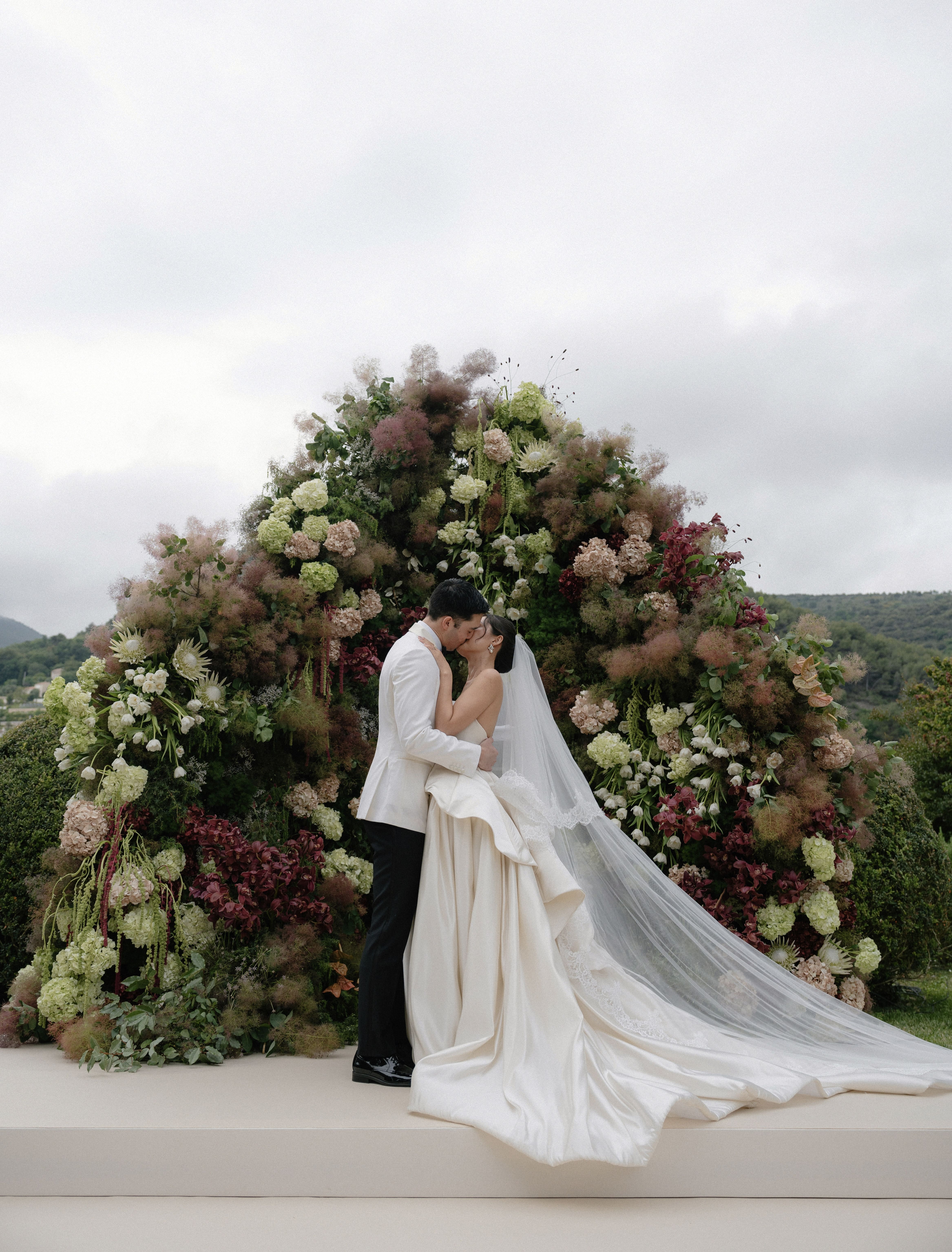
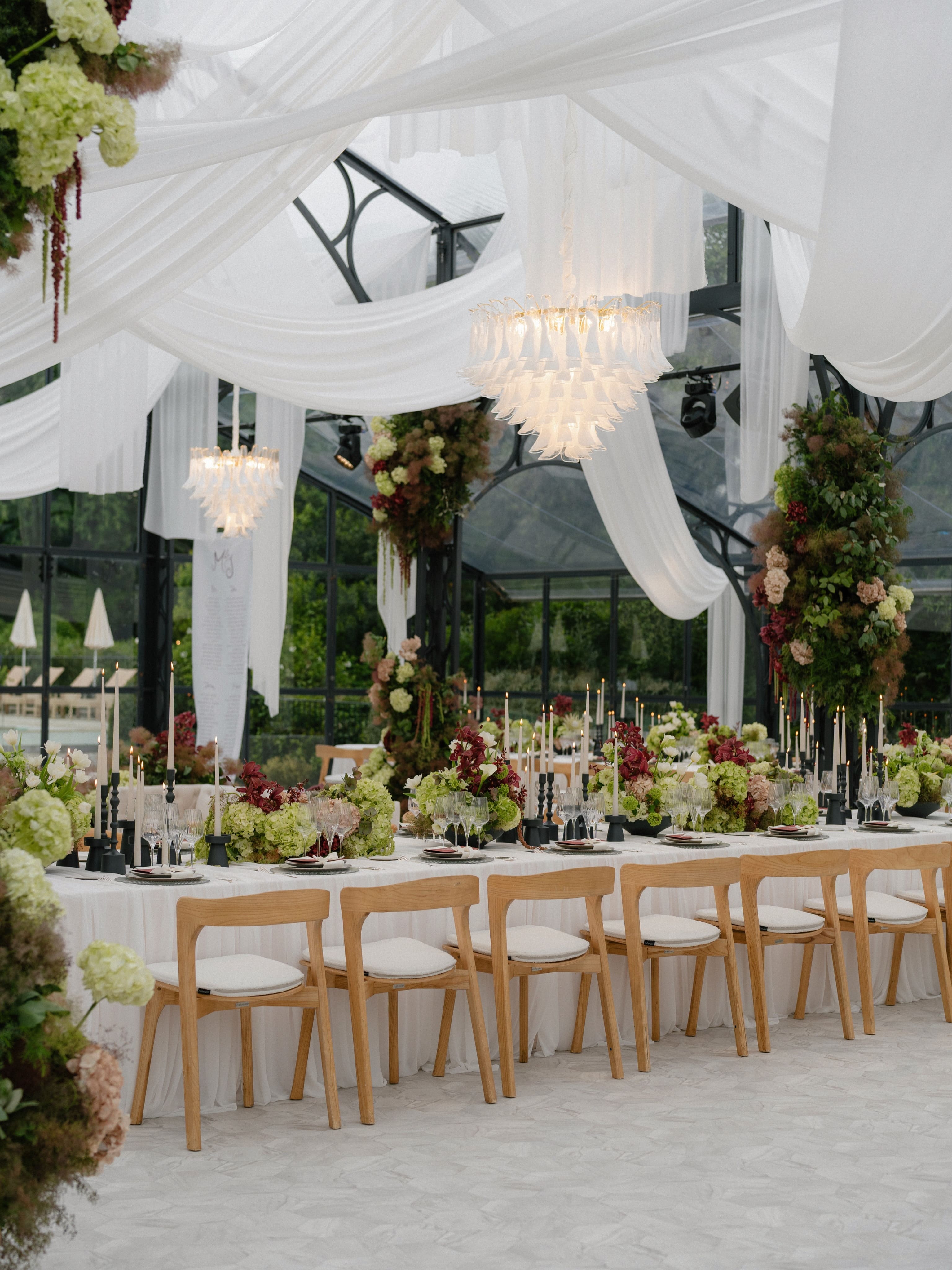
Elise and Sébastien founded Lettre à Elise in the south of France. Rather than creating simple centrepieces, they built a studio around large-scale floral environments. "What first attracted us to weddings was the opportunity to transform a place through flowers," they say.
One of their most memorable projects involved designing two completely different floral settings for the same couple during a two-day Indian and Christian wedding celebration. They describe the challenge as "designing two full celebrations back-to-back while maintaining a strong identity for each." They advise couples to resist defining a style too early: "think about how you would like your celebration to feel."

Amel Montel Design
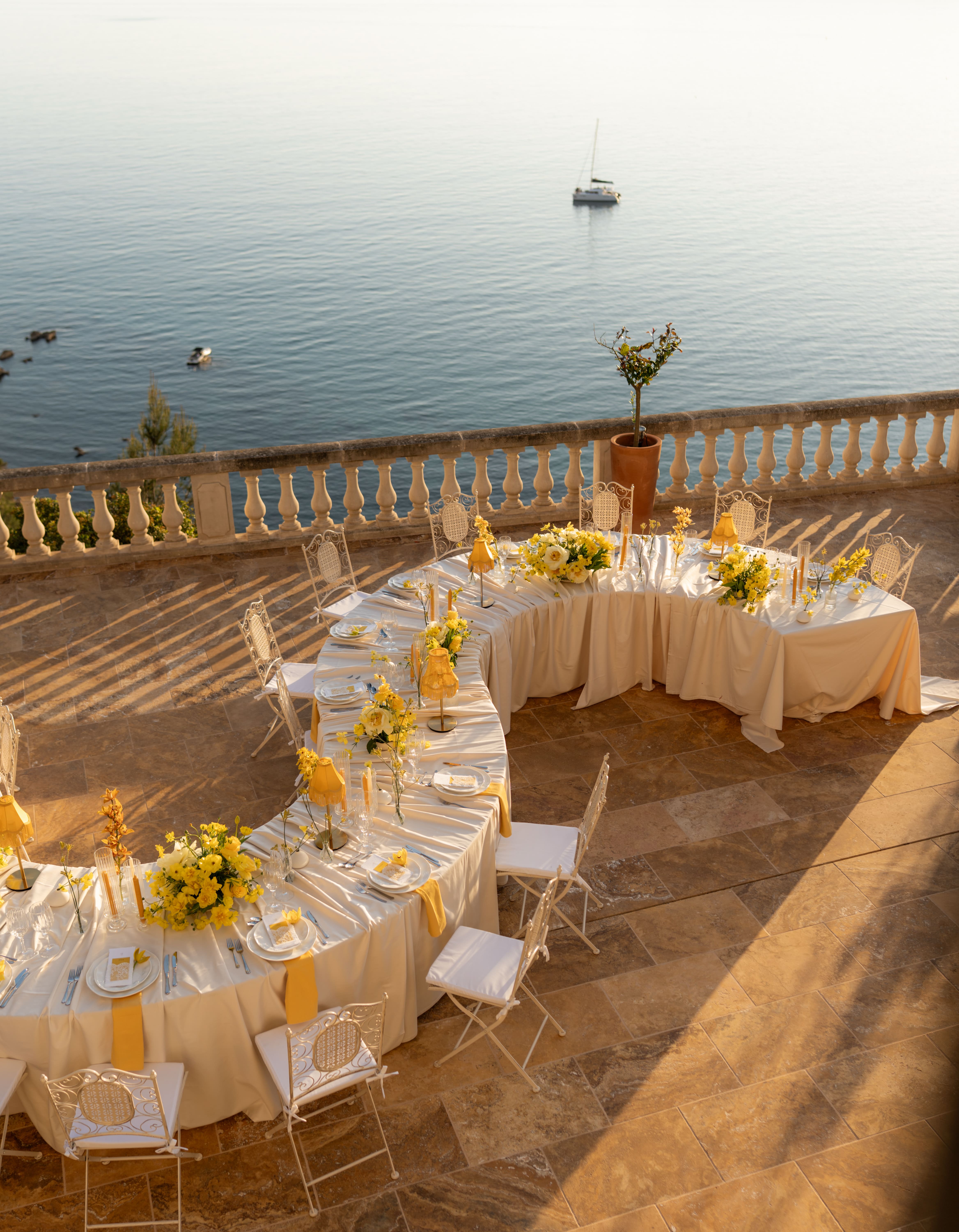
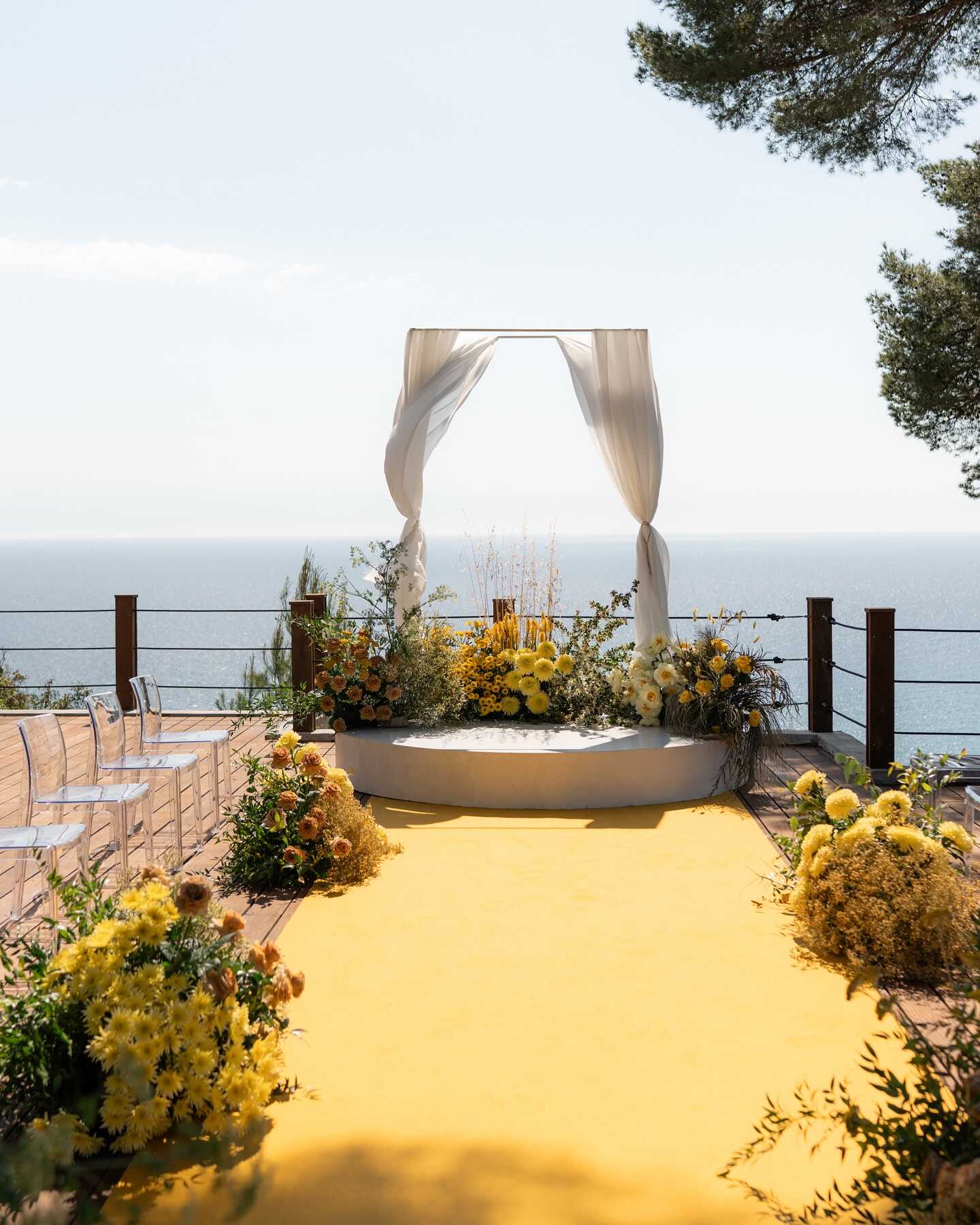
Amel Montel founded Amel Montel Design, her luxury floral and event design agency, in the south of France over thirteen years ago. She eventually expanded the business to offer scenography services combining florals, lighting, and architectural elements. "My journey began with a deep passion for design, aesthetics, and the emotional power of flowers," she says.
It was not the scale of a wedding that stayed with her, but a single sentence a bride once told her: "for years, we kept postponing our happiness, waiting for everything to be perfect. One day, we realised that life doesn't wait." She is especially drawn to the anthurium, describing it as a flower with "an incredibly strong visual identity" that can be "transformed into true design objects".
Larry Walshe Studios
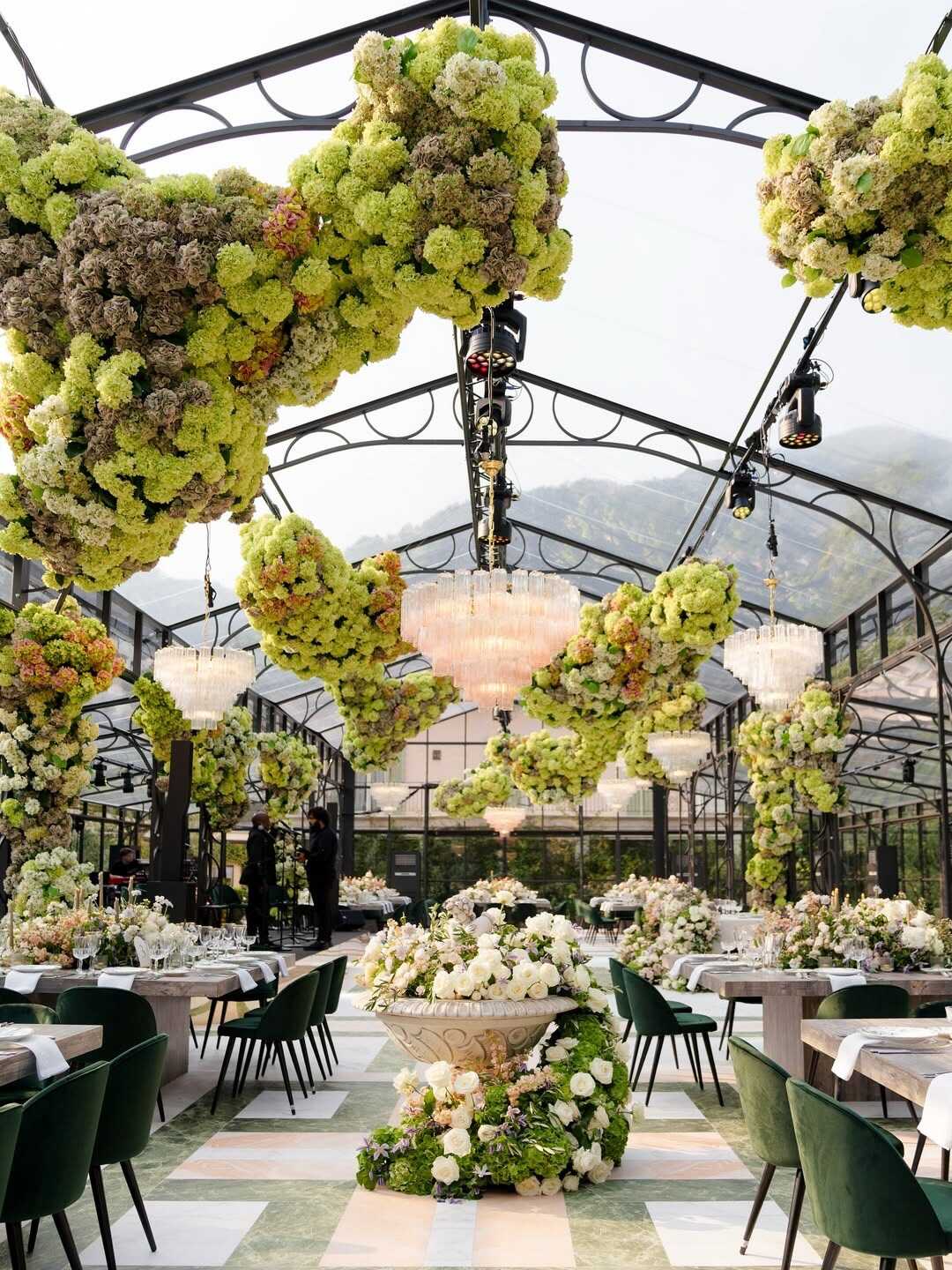
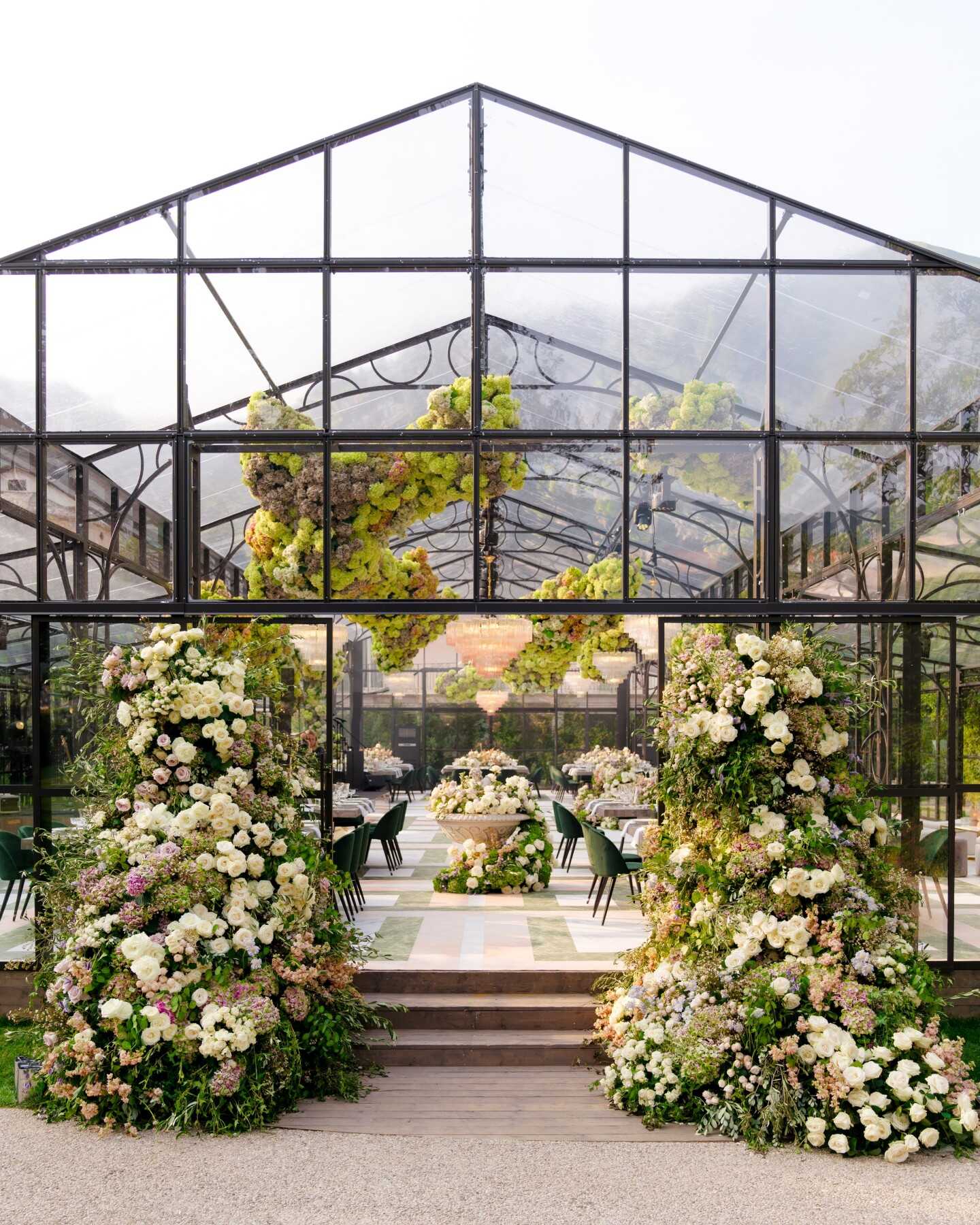
Larry Walshe trained in performing arts and dance before an injury redirected him towards floristry. He eventually launched Larry Walshe Studios from his dining table with just £500. The studio now has branches in London, New York, Lake Como and the Côte d'Azur.
"I love using non-traditional elements when they serve the overall design and bring more meaning to the setting," he says, treating floristry as part of a wider event design practice rather than as a standalone service. The advice he gave himself when starting out has stayed with him: "don't wait until everything feels perfect."
Wild at Heart
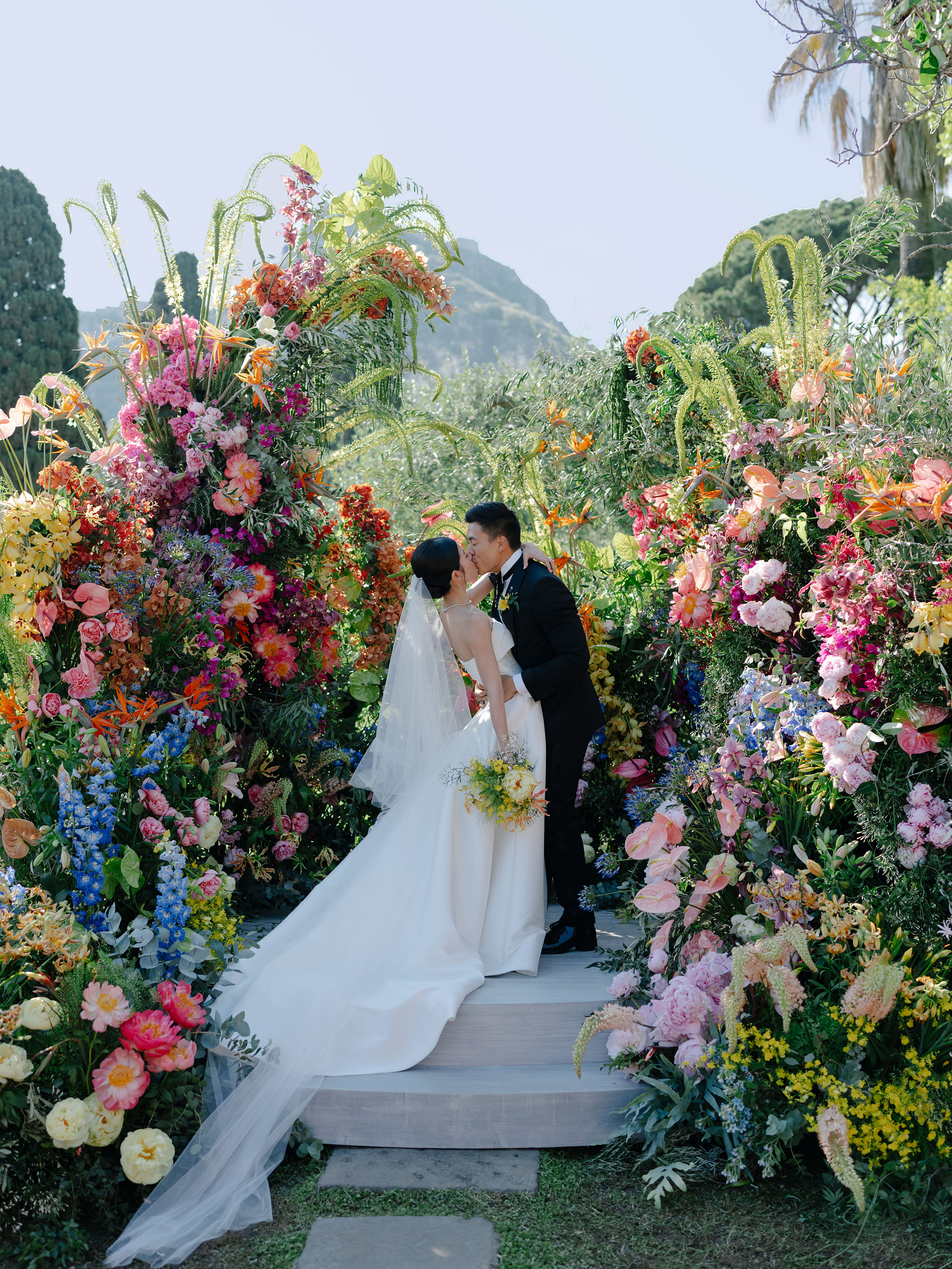
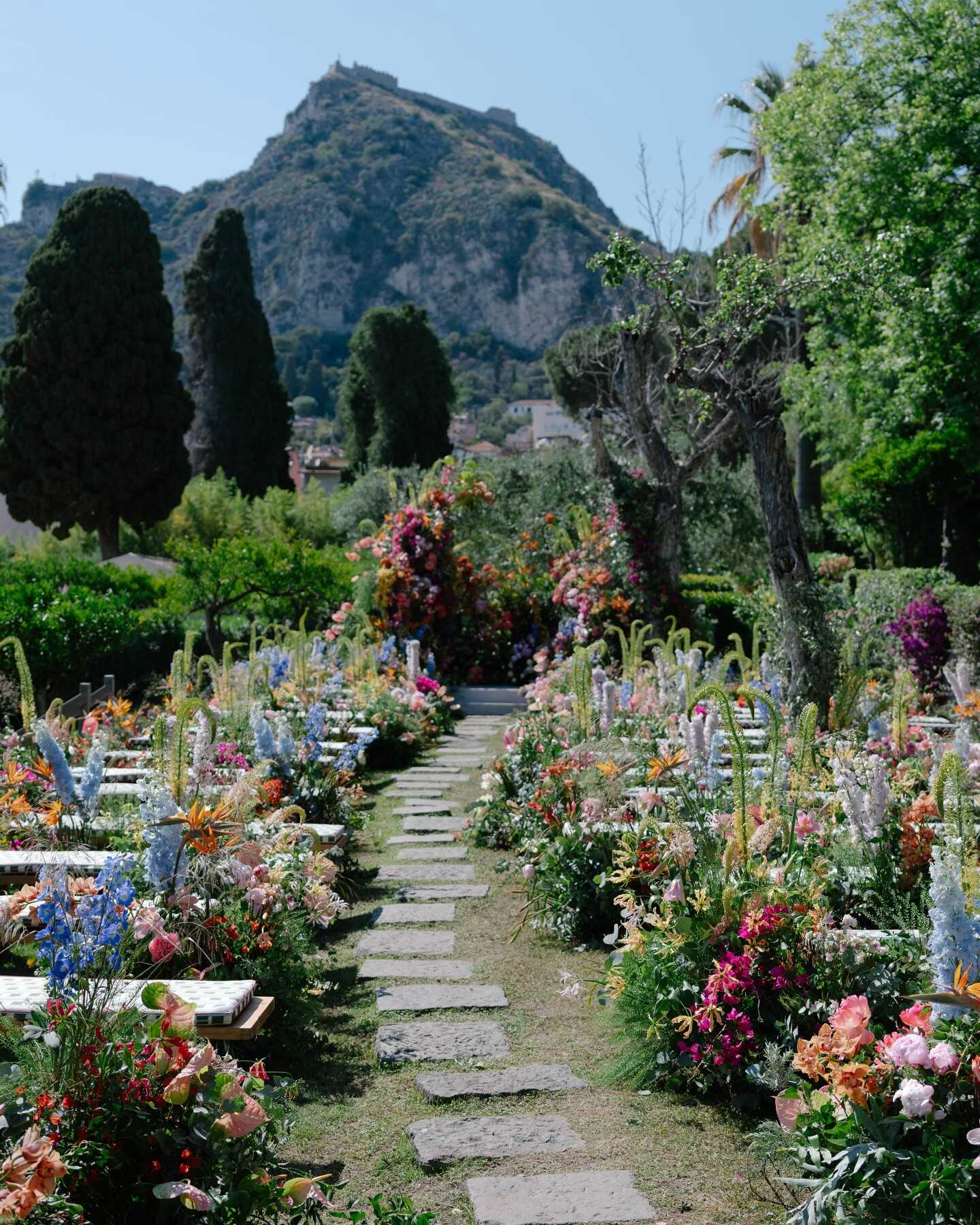
Nikki Tibbles started her career in advertising, but helping her colleagues with their wedding flowers eventually pulled her entirely towards floristry, leading her to found Wild at Heart in London. "I became insanely passionate about flowers, realised this was something I really wanted to do, gained experience in a local florist, and started my own business," she says.
One of her most memorable projects was creating a river of white hydrangeas flowing up the altar of Hallgrímskirkja, the landmark church in Reykjavik, for a couple who wanted a simple wedding. "We could never have competed with the scale and architecture," she says, "but we found a way to bring something deeply personal into it." Her advice to anyone starting out is straightforward: "don't be afraid to be different."
All for Love
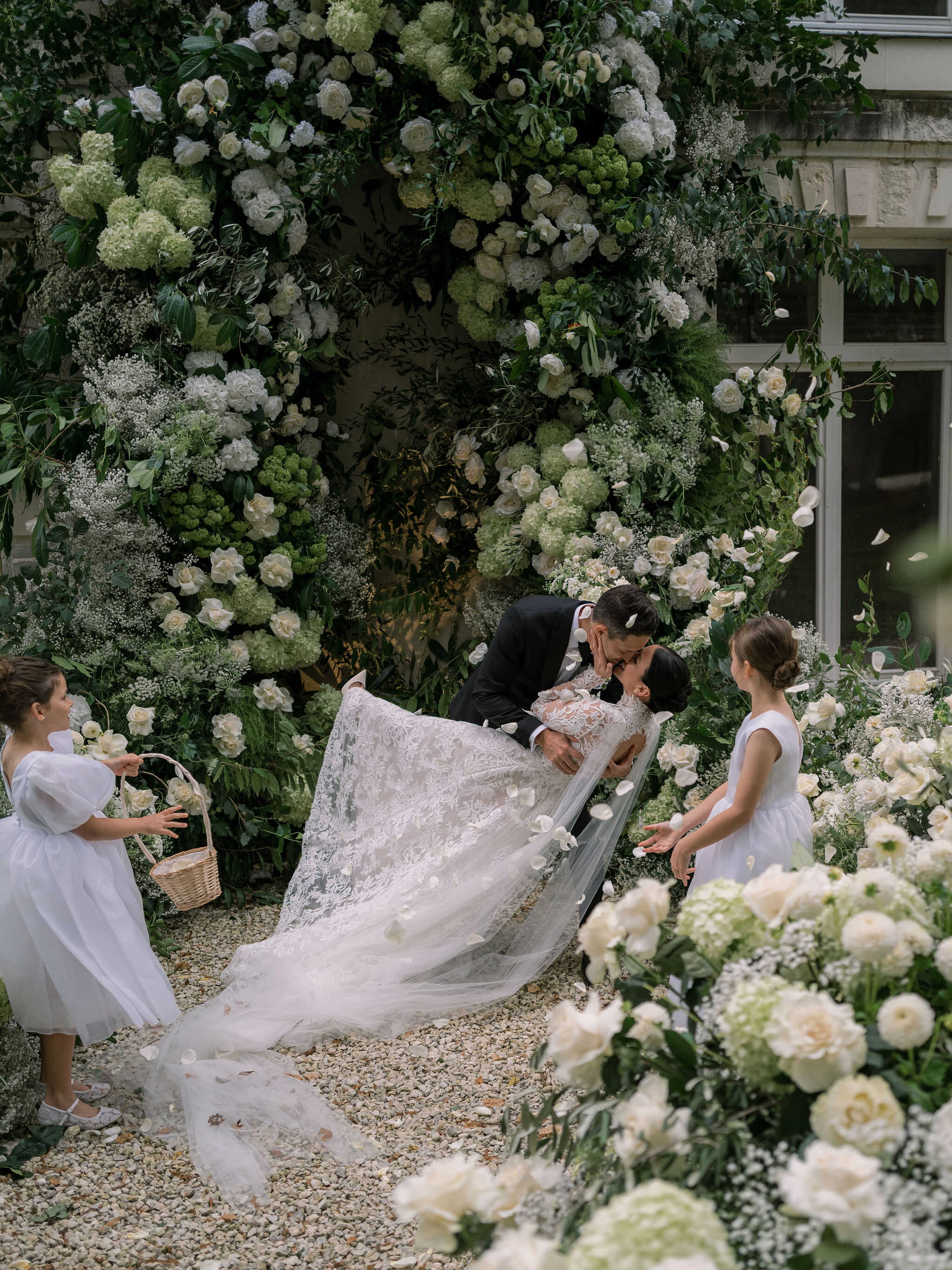
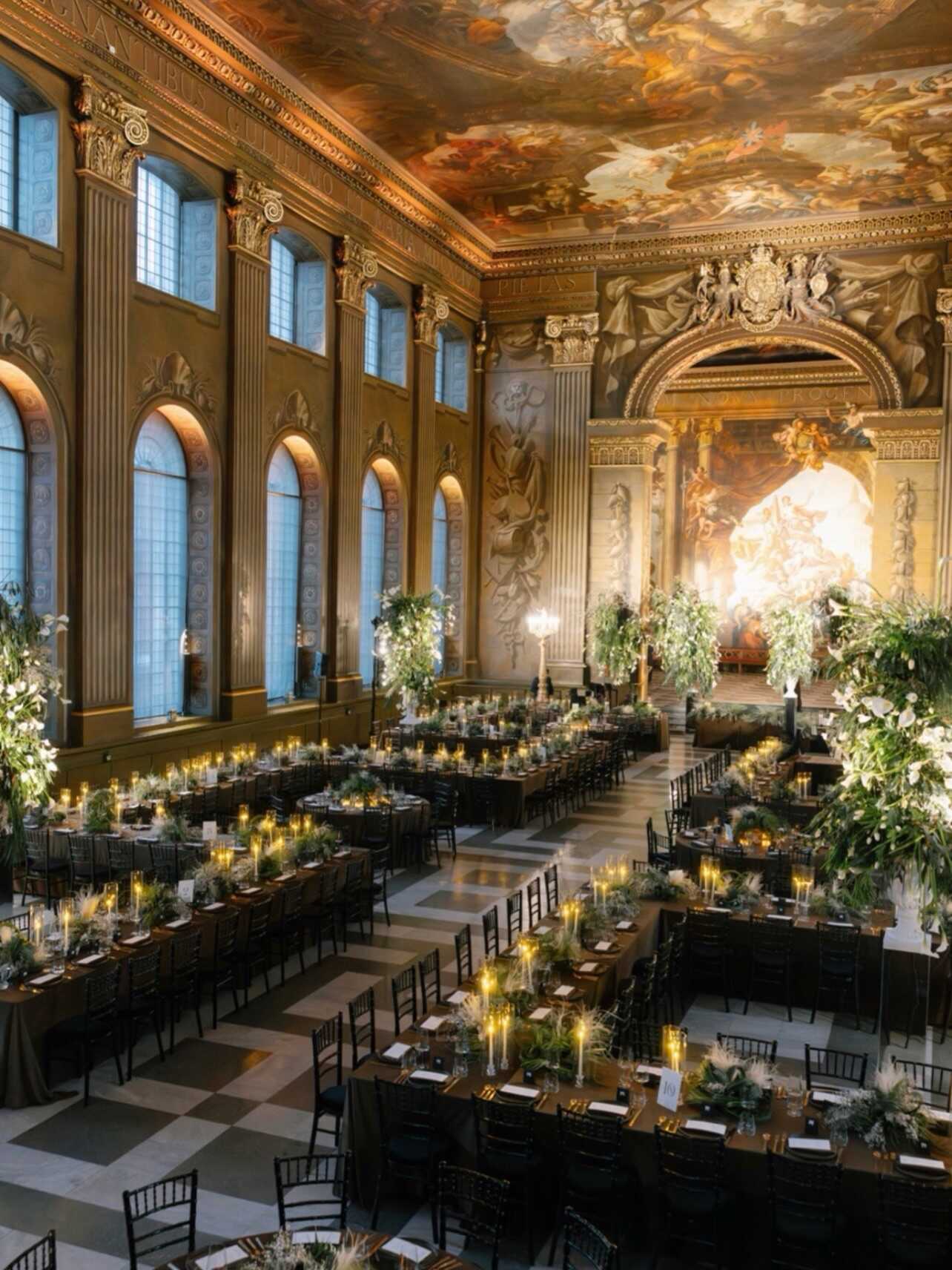
Ruth built All for Love in London from the ground up. Starting, in her words, "sweeping leaves and cutting cellophane", she eventually fell completely in love with wedding design. Sixteen years in the industry and eleven running her own studio later, she has become renowned for her large-scale floral sculptures and installations.
"The most rewarding part of my work is seeing the joy on our couples' faces when they first see their ceremony or dinner setup," she says. "Those moments, often filled with happy tears, mine included, are what make this job so special."
Tulipina
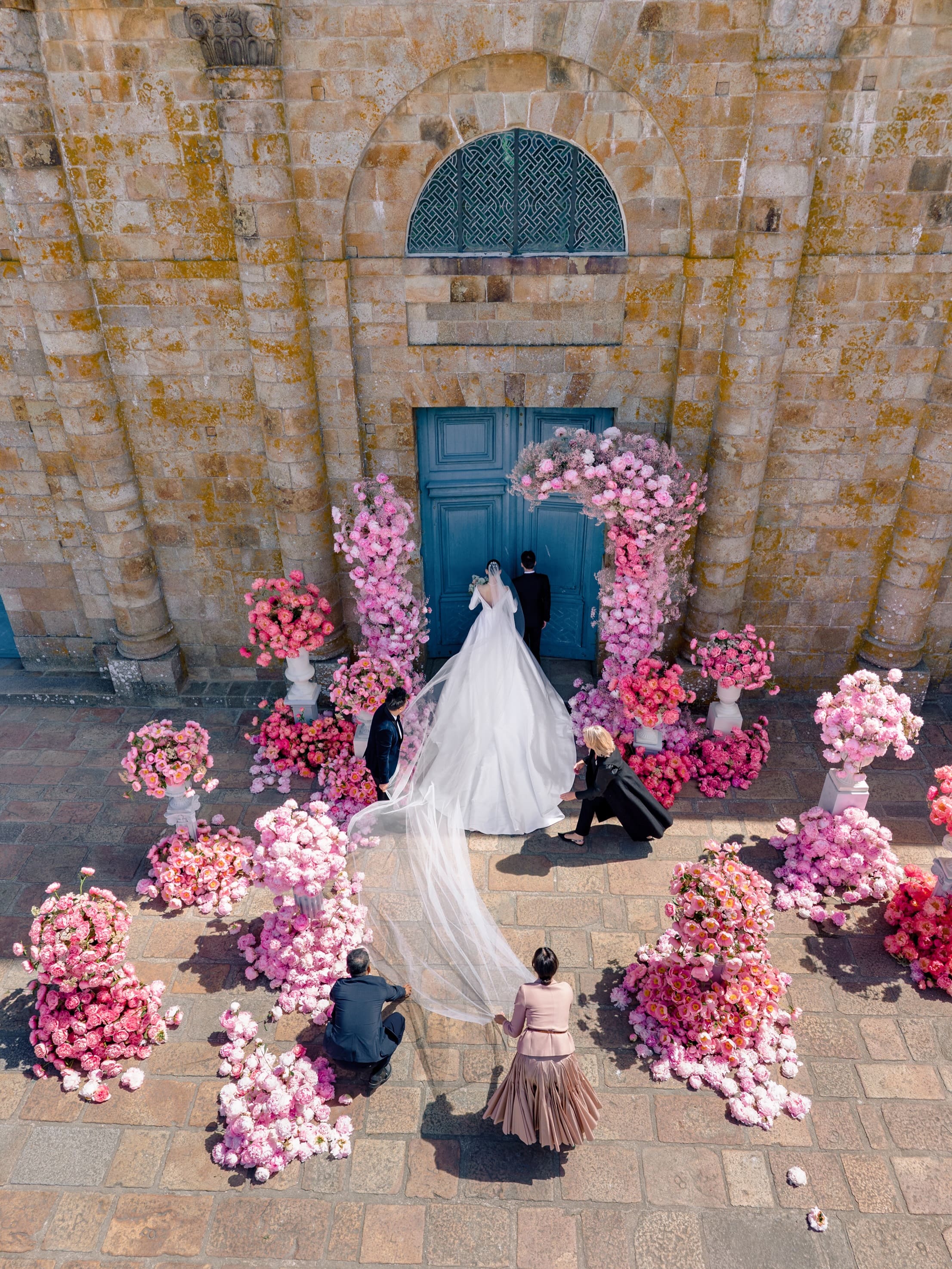
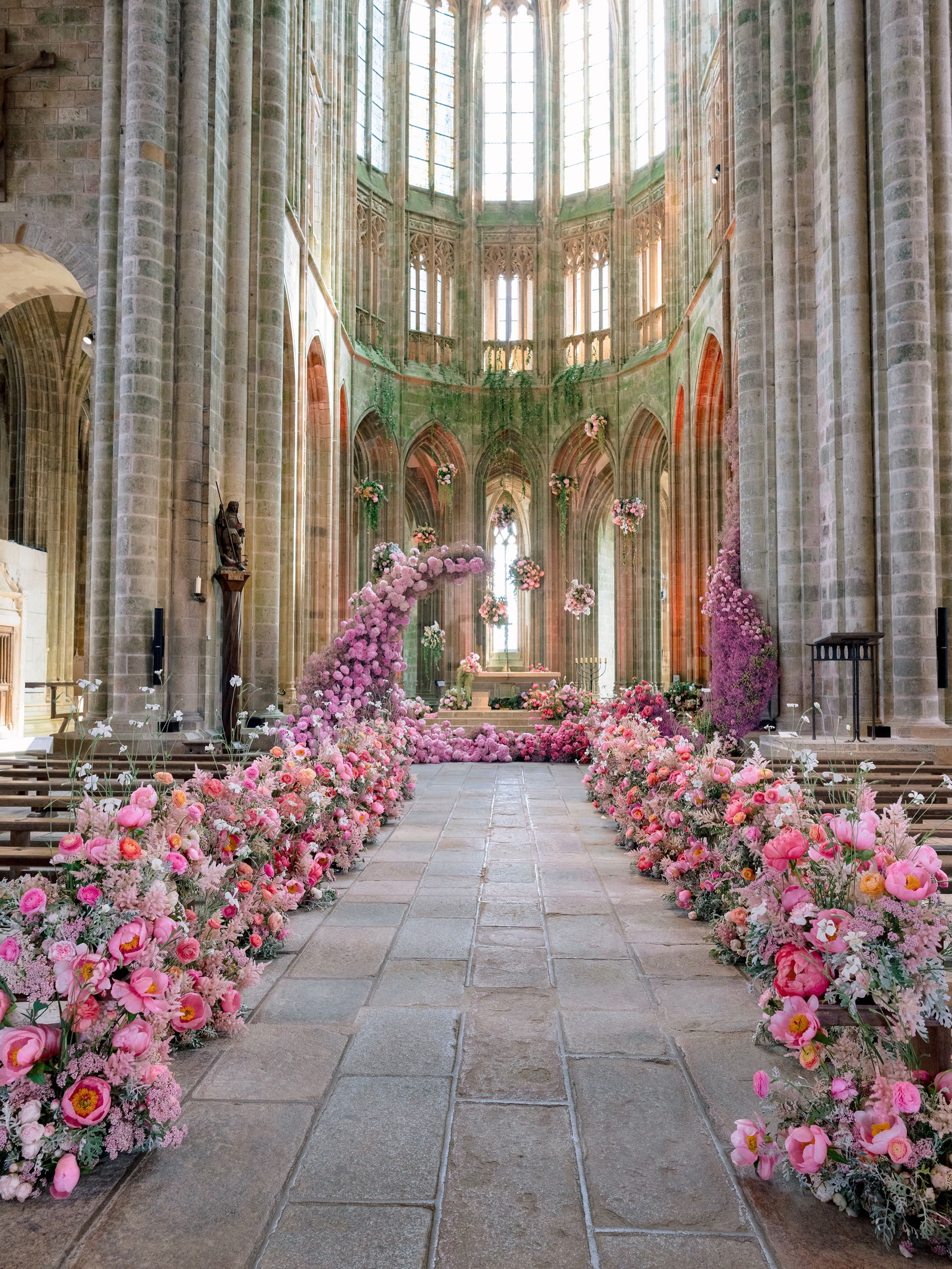
Kiana Underwood has built Tulipina into one of the industry's most recognisable names by treating flowers as a language rather than as mere decorations. "I'm very open to non-traditional elements, as long as they feel intentional and integrated into the overall design," says Kiana, who works across bridal and large-scale installation projects.
Rather than following floral trends, she is known for setting them. "I'm generally not one to chase trends. I find that I usually set trends myself. All I have to do is start using a particular variety in a large event, and soon enough, everyone starts to use it." When asked to name the flower that best defines romance for her, she doesn't hesitate. "If I had to choose one, it would be the gardenia."
White Pepper Studio
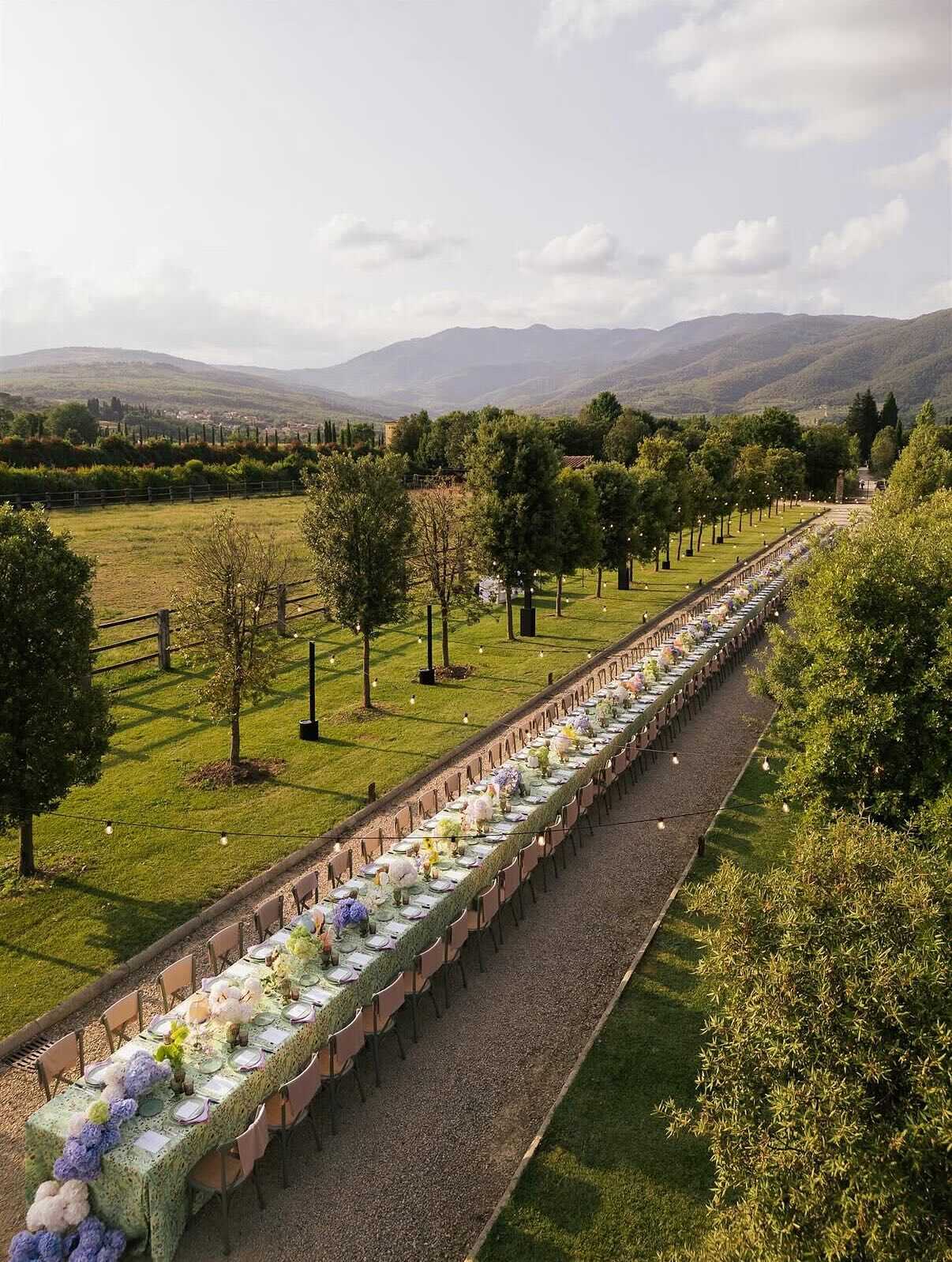
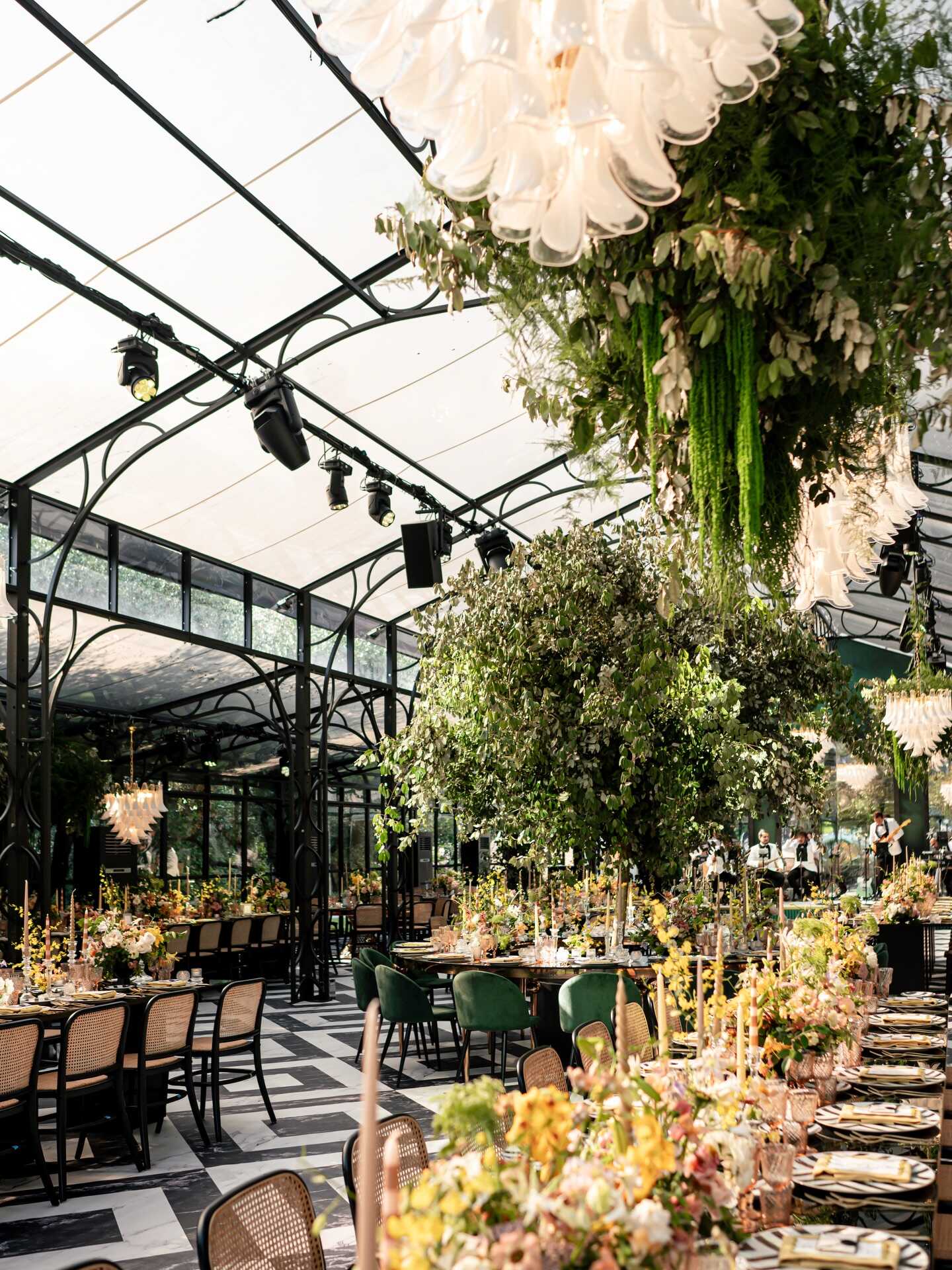
Cristina, Camilla and Lena founded White Pepper Studio in Milan. They bring together their experience in hospitality, fashion, event planning and scenography to create a practice centred on contemporary, unconventional floral design. "What we love about our wedding productions is that each one has its own unique design process, and seeing that process transform into reality is just so rewarding," says co-founder Lena.
One project in Portofino was challenging for the team when a storm caused them to abandon all their plans. "Seeing the newlyweds and their loved ones happily dancing on the tables in the pouring rain is an image we won't forget," the studio recalls. "Good vibes only." Their advice to couples choosing a style is simple: "it should reflect the couple's personalities and the atmosphere they want to create for their wedding."
Lake Como Florist
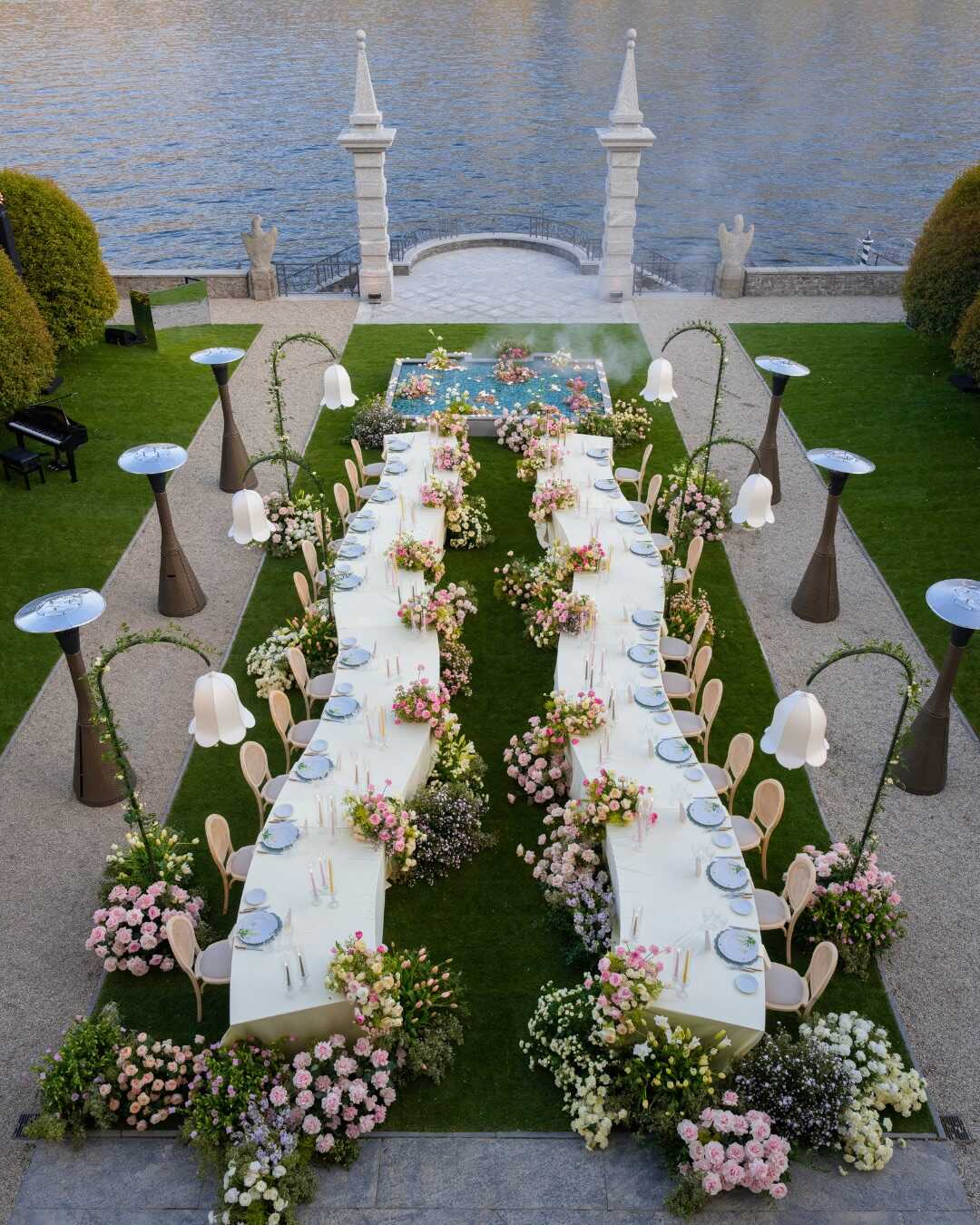
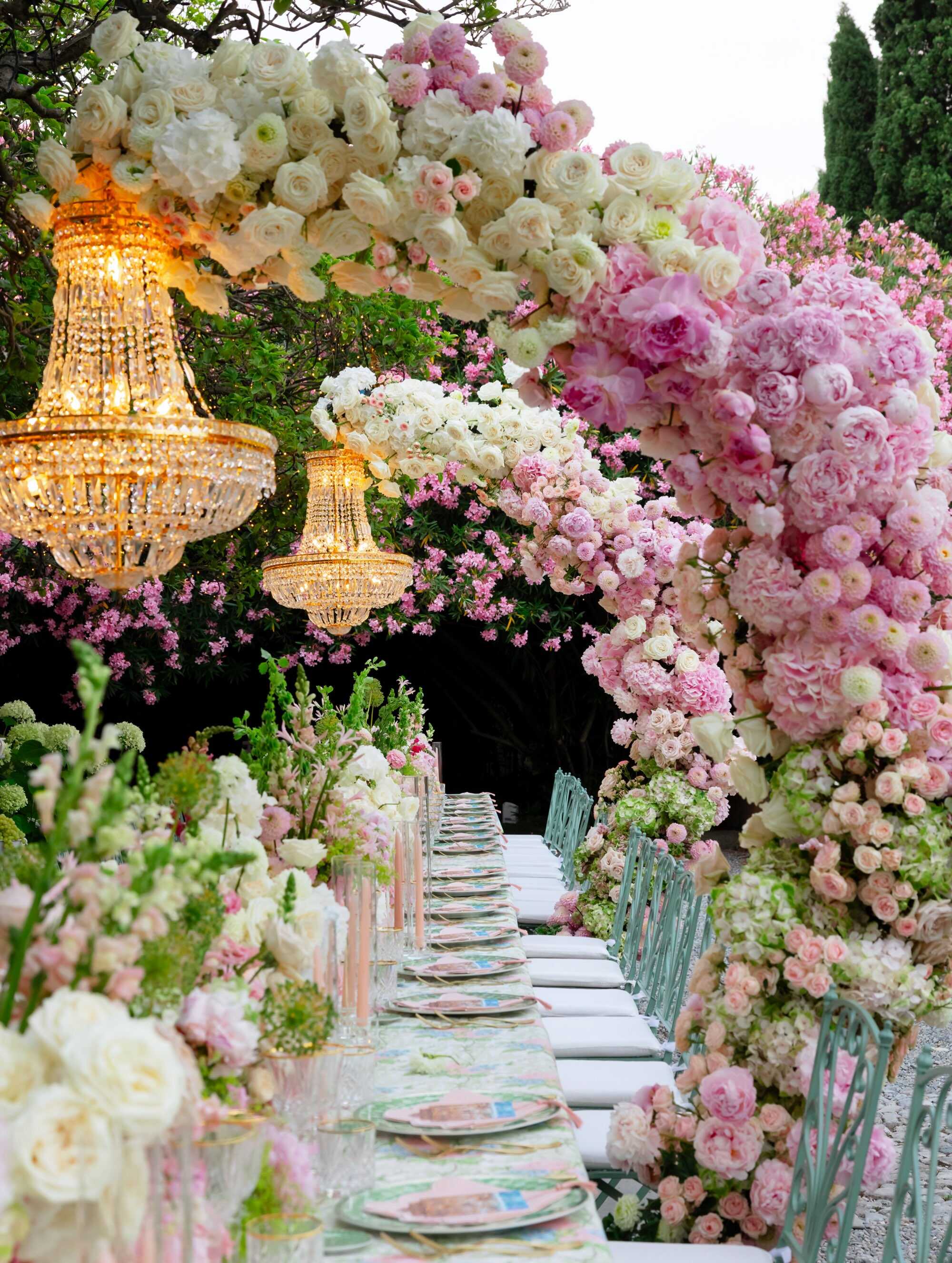
Margarita Casati spent ten years working as a wedding planner in Como, after which her growing passion for design led her to establish Lake Como Florist. "My love of art, design, architecture and flowers naturally led me to specialise in wedding floristry," she says.
She measures success by a specific reaction: "the most rewarding part of being a wedding florist is seeing the joy and amazement on a couple's faces when they first see their floral arrangements." Her team's advice to couples considering bolder design choices is straightforward: "don't be afraid to go bold."

Andrea Patrizi
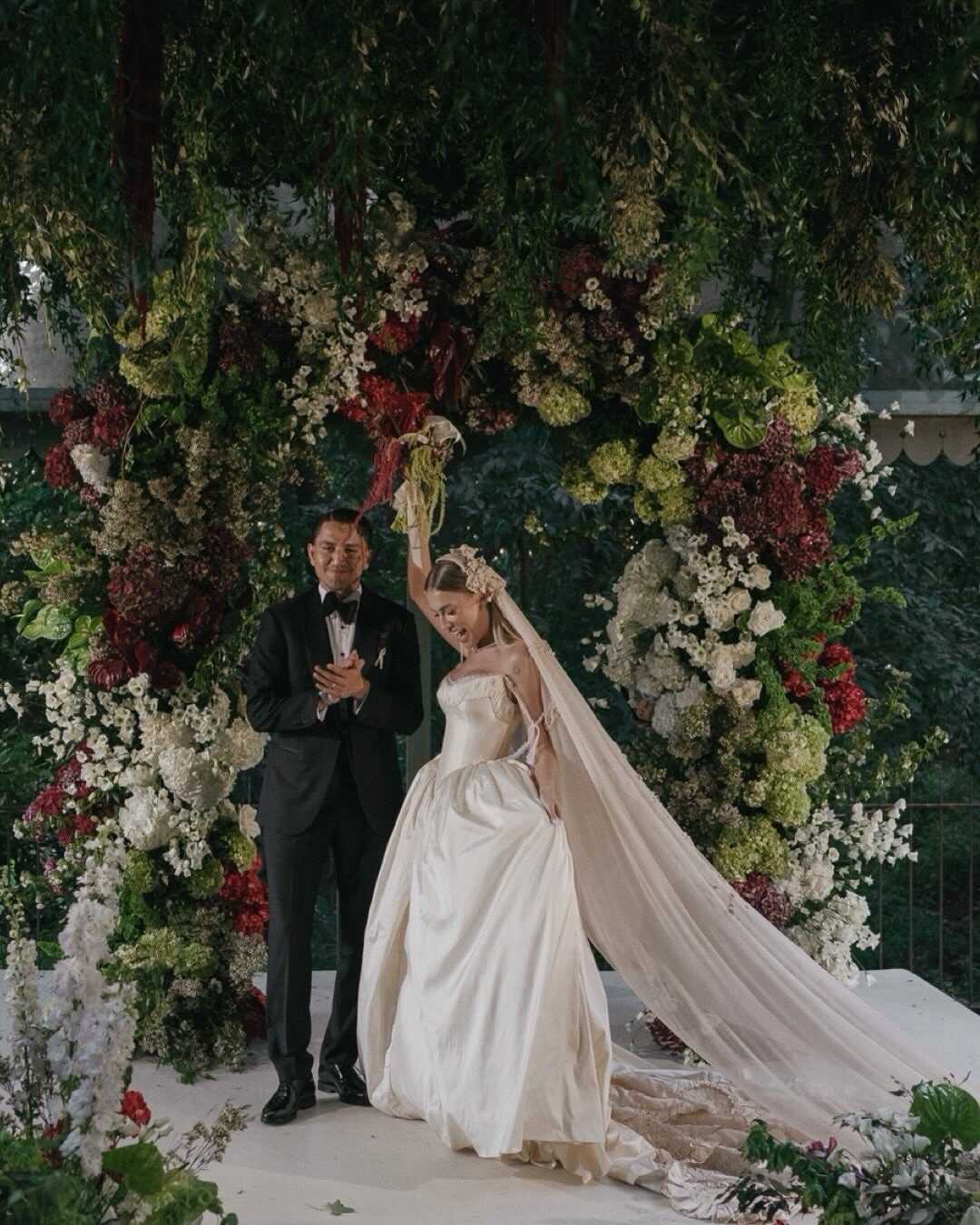
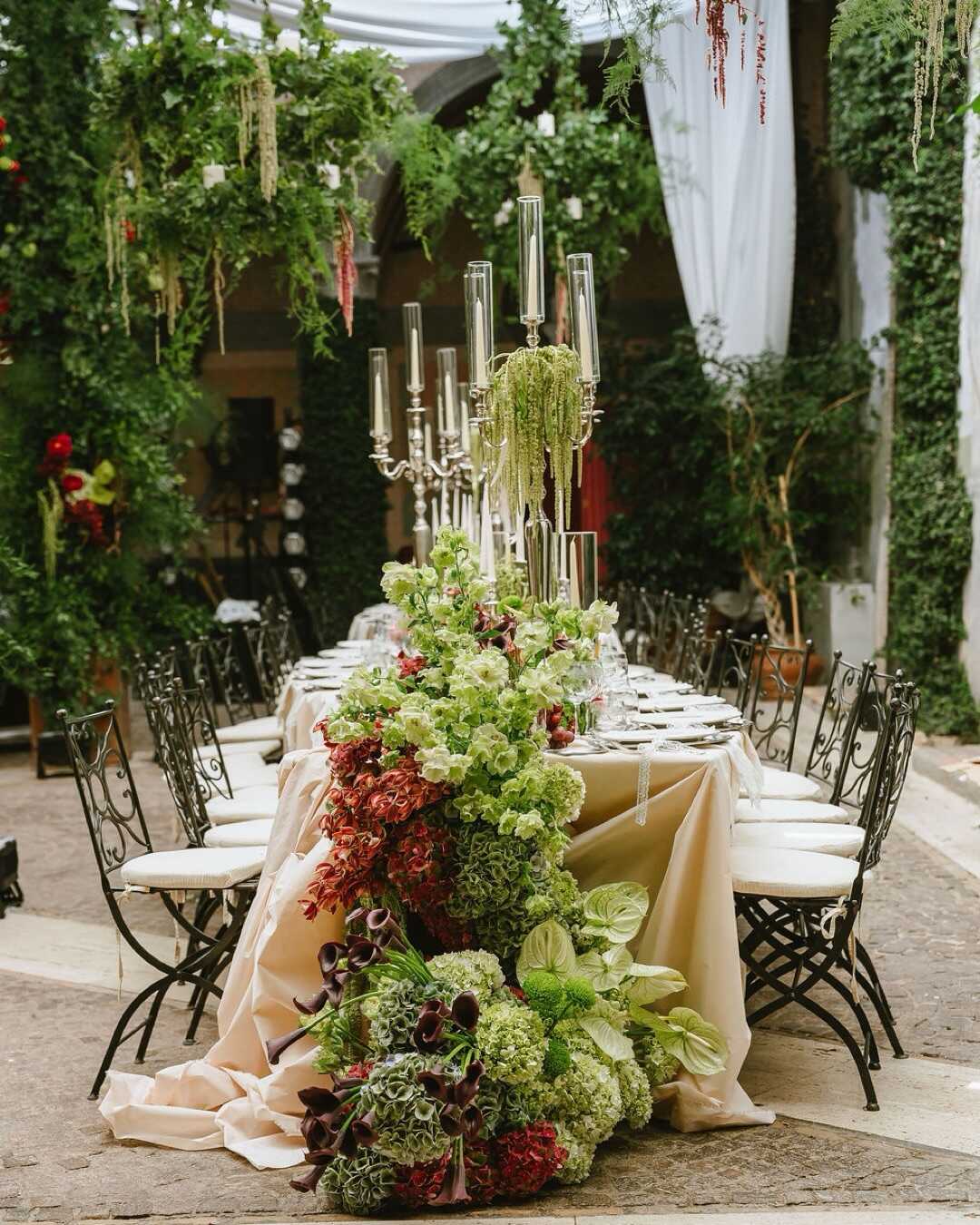
Andrea Patrizi was raised in Rome, surrounded by art, before working as a fashion designer for several major Italian fashion houses. He then turned to floristry in the early 1990s. After training at Peter Hess's Swiss school of floral design, he founded his own Rome studio, the Laboratorio d'Arte Floreale, in 1999.
More than two decades later, the studio remains one of the most well-known names in Roman wedding floristry and is renowned for its ability to transform historic venues, such as Bracciano Castle, into complete floral environments. His work continues to draw on the same instincts that shaped his early fashion career: precision, elegance and an eye for Rome's architecture and art.
There are fifteen studios, and barely two of them would describe their work in the same way. This list is held together not by a shared aesthetic, but by the conviction that flowers can do more than just decorate; they can create an atmosphere, tell a story and even survive a thunderstorm on the dance floor. Some focus on restraint and seasonality, while others focus on scale and spectacle. However, every one of them treats a wedding as an opportunity to create an entire atmosphere rather than just fill a few vases. Wezoree's directory is a good place to start browsing and reaching out to florists across Europe.
Cover Photo Credit: Bottega53