Post-Wedding Photoshoot Ideas: How to Turn Your Wedding Story into Art


- Epic Destination Boat & Water Shoots
- Adventure & Nature Escape Post-Wedding Shoots
- Post-Wedding Fashion Editorials
- Timeless Black & White Love Stories
- Architectural Elegance & Grand Interiors
- Intimate & Minimal Post-Wedding Moments
- Unconventional & Bold Post-Wedding Ideas
- How to Choose the Right Photographer for a Post-Wedding Shoot
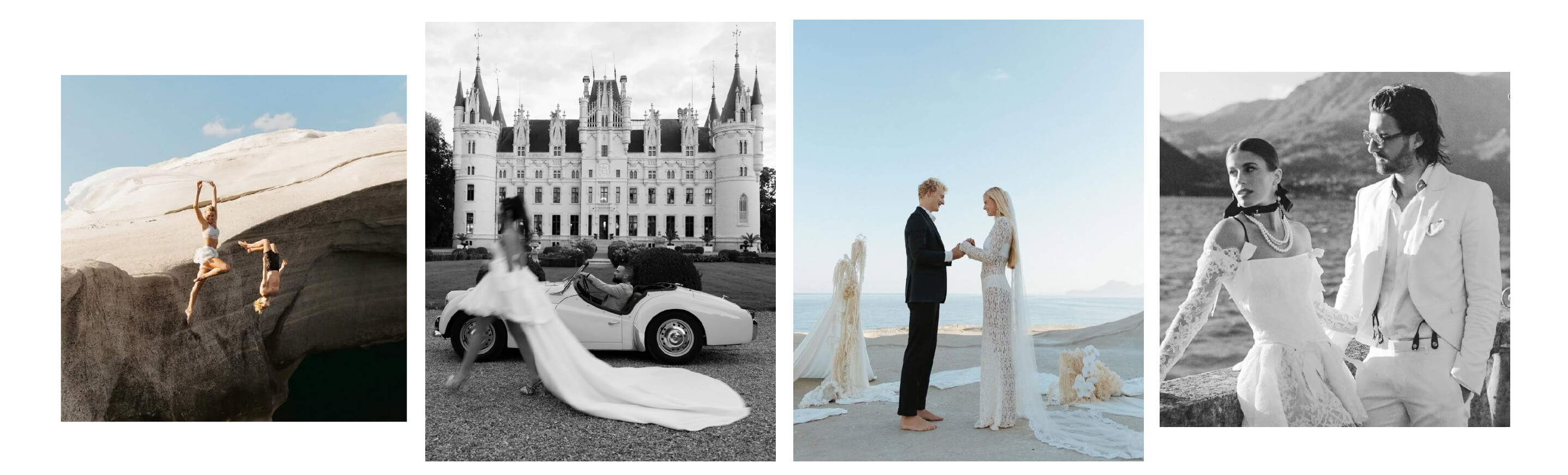
Thepost-wedding photoshoot exists in a different temporal space to your actual wedding day. Free from timeline pressures, vendor coordination and the beautiful chaos of managing 100 guests while trying to look relaxed in photos, it allows you to focus entirely on each other. This is photography at its best: unhurried and intentional, with the focus entirely on the couple and the story they want to tell. You can choose locations that would have been logistically impossible on the wedding day itself, wear dresses for the photoshoot that are too dramatic or delicate for a full reception, and take the time to create images that feel more like art than documentation. The best post-wedding photos don't try to recreate the wedding; they capture something entirely different, something that emerges when the performance is over and only the two of you and the connection that started everything remain.
Find Your Perfect Wedding Vendors

Epic Destination Boat & Water Shoots
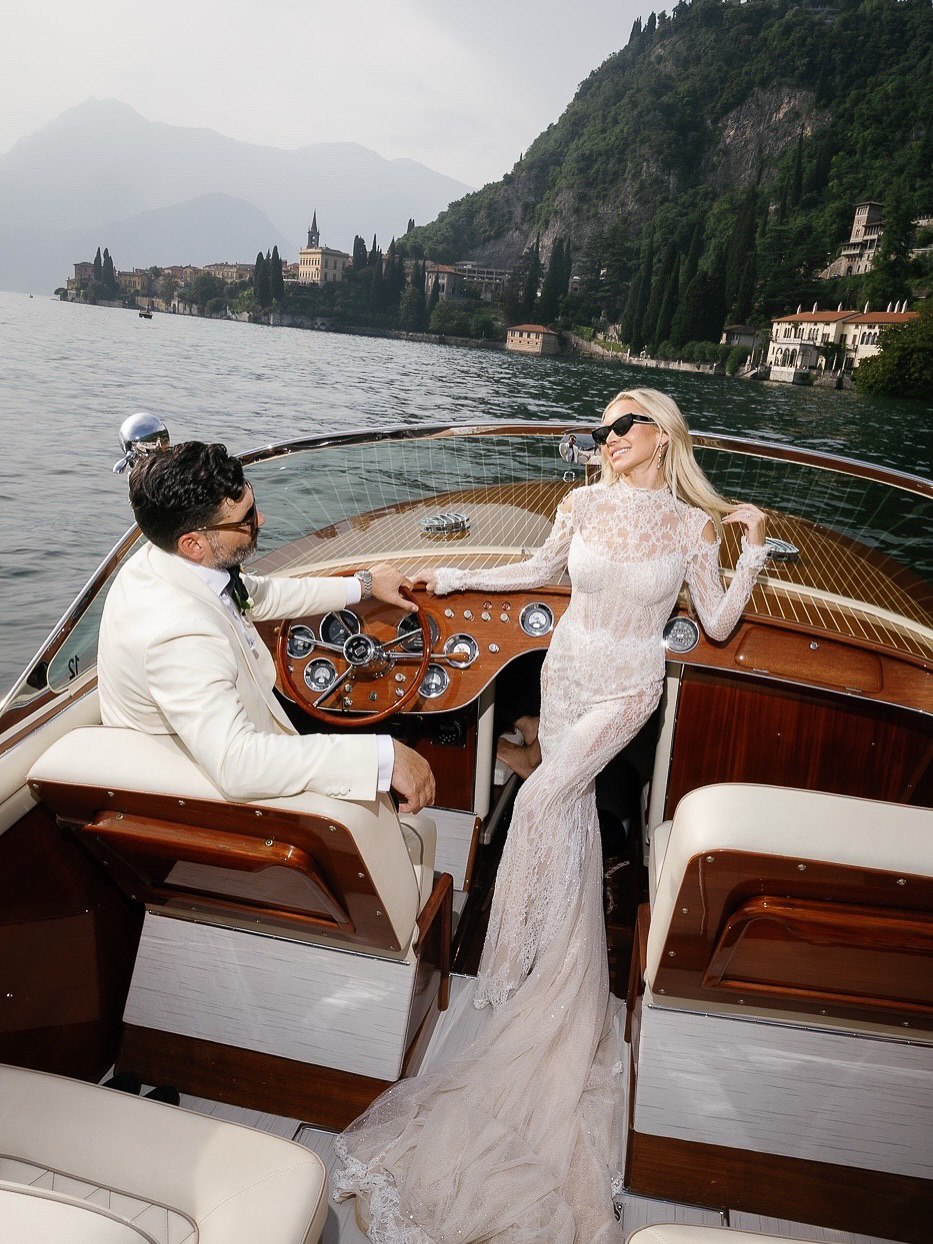
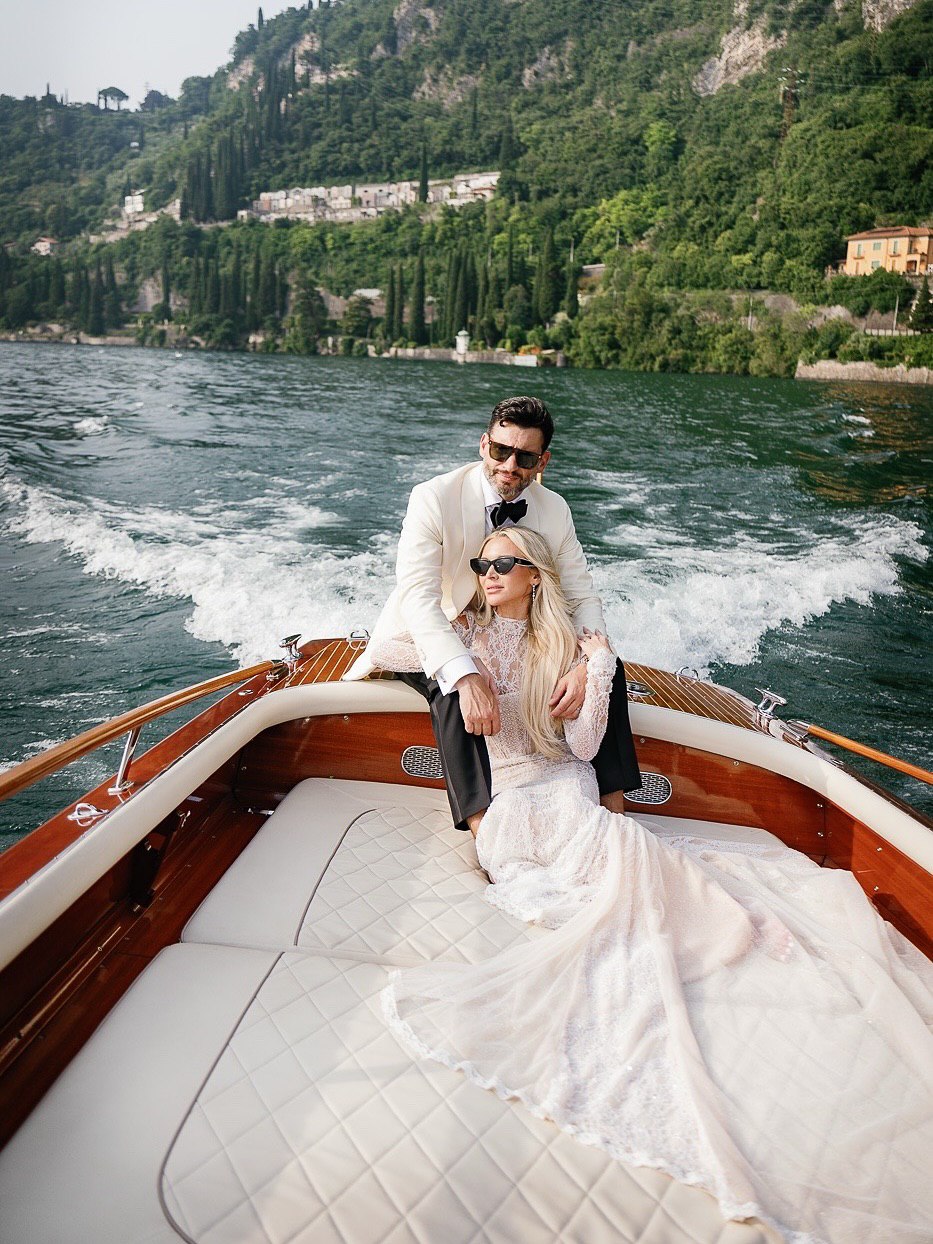
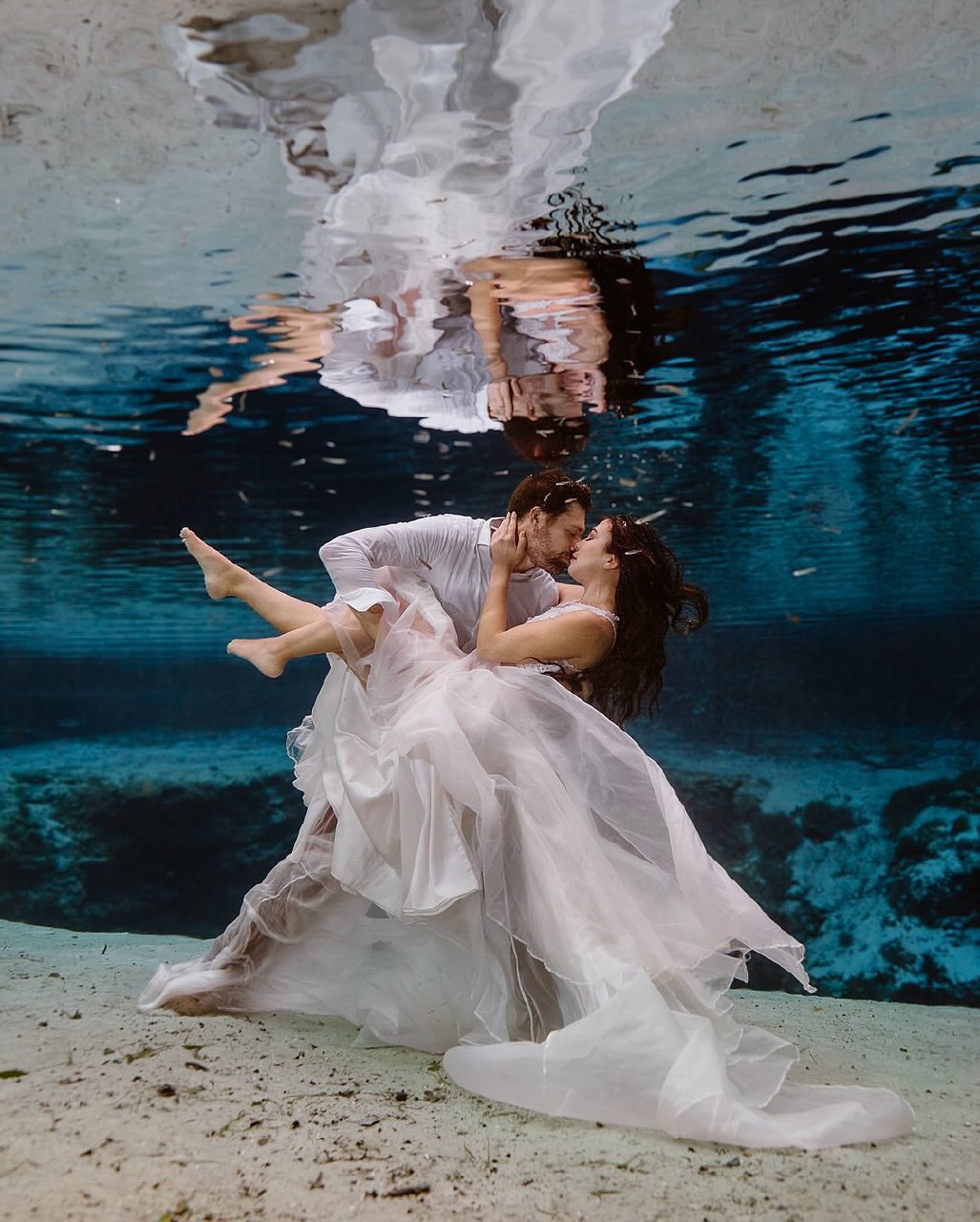
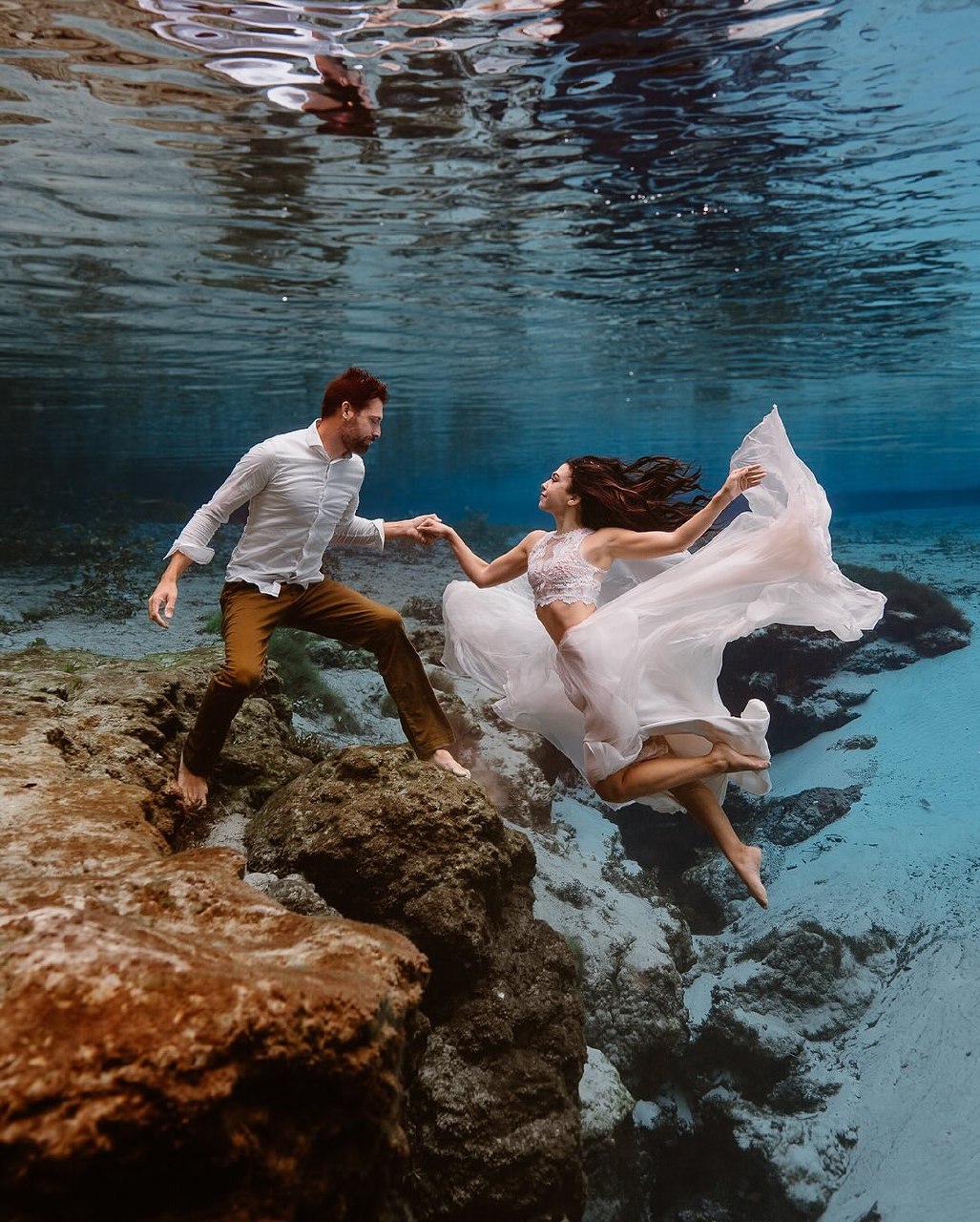
Water adds a sense of movement to scenes that solid ground simply can't provide. Wind coming across open water moves fabric dramatically and makes hair catch the light differently. There's also a sense of being unmoored from the everyday, which translates beautifully into images. Post wedding photoshoots centred on boats, yachts, lakes or seas always carry an element of cinematic drama — think of fashion editorials shot on sailboats or couples standing at the bow of a vintage yacht as the sun sets and paints everything gold. This visual appeal stems from the contrast between formal wedding attire and rugged nautical elements, the stillness of a couple and the constant motion of water, and the intimacy of two people against the vastness of the open sea. Boats become floating studios where light reflects off the water, creating natural fill lighting, and where the horizon seems to extend infinitely. This isolation creates images that feel both romantic and slightly adventurous. Rather than fighting each other, movement, wind and natural light work together — the wind that would have been annoying during the ceremony becomes the element that makes fabric billow and creates those magazine-cover moments.
The choice of outfit and fabric matters significantly more for underwater shoots than for shoots on land. Heavy fabrics don't move well in the wind, but lightweight silks, chiffons and other flowing materials look beautiful when they catch the breeze. If you're doing beach or shoreline work, consider how the dress will photograph when wet — some fabrics cling in unflattering ways, while others become almost sculptural. Timing is everything: the light on water is soft and cool-toned in the morning, midday light can be harsh unless you use the boat's cover creatively, and the golden hour transforms water into liquid gold that photographs with extraordinary warmth.
Weather can present both challenges and opportunities. Calm water creates mirror-like reflections that are perfect for serene and romantic images. Choppy water adds drama and movement, but careful timing is required to avoid a chaotic look. Overcast skies eliminate harsh shadows and create even, flattering light, which is often better for shooting than bright sunshine, which creates extreme contrasts on the water.
Adventure & Nature Escape Post-Wedding Shoots
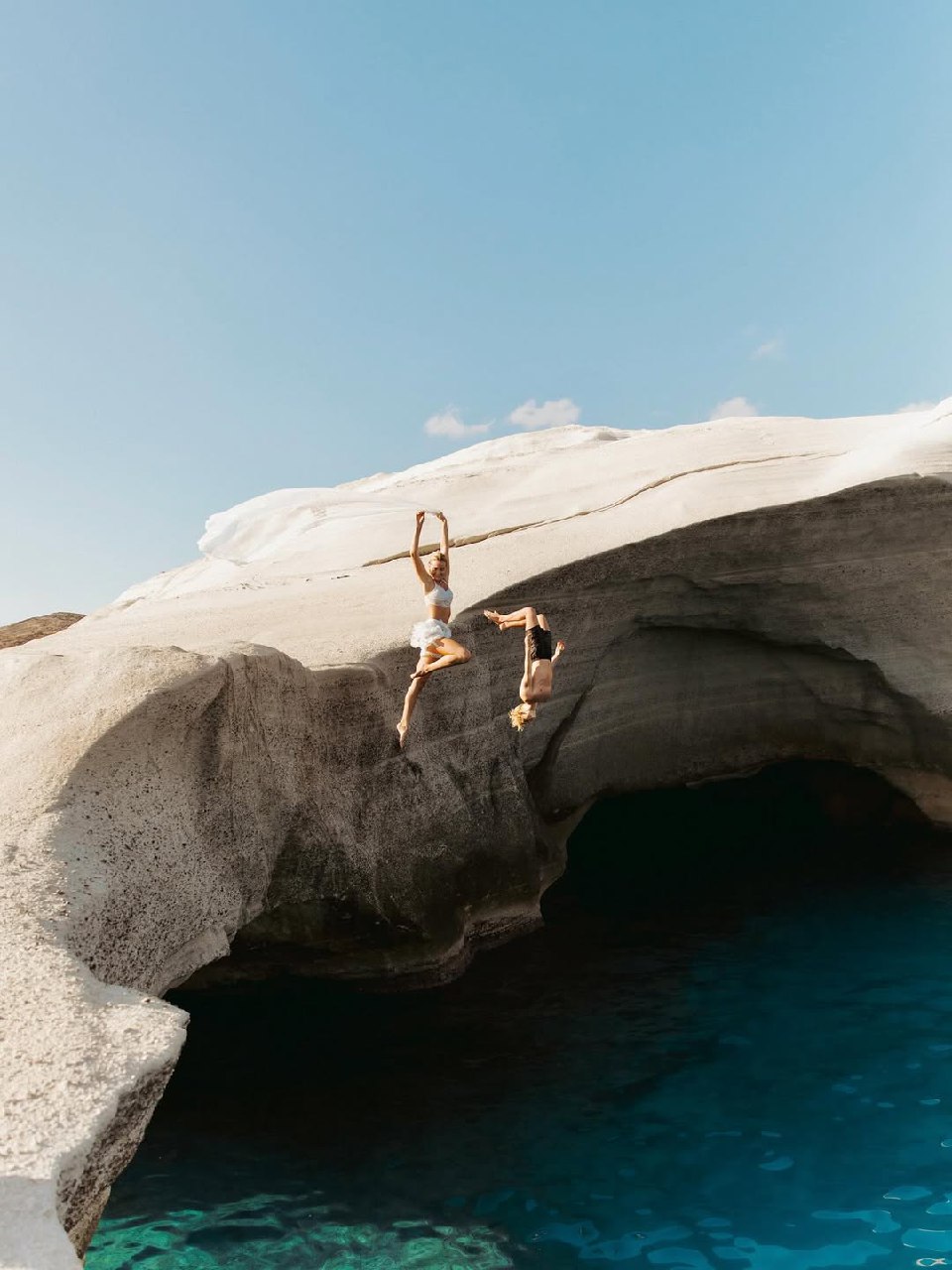
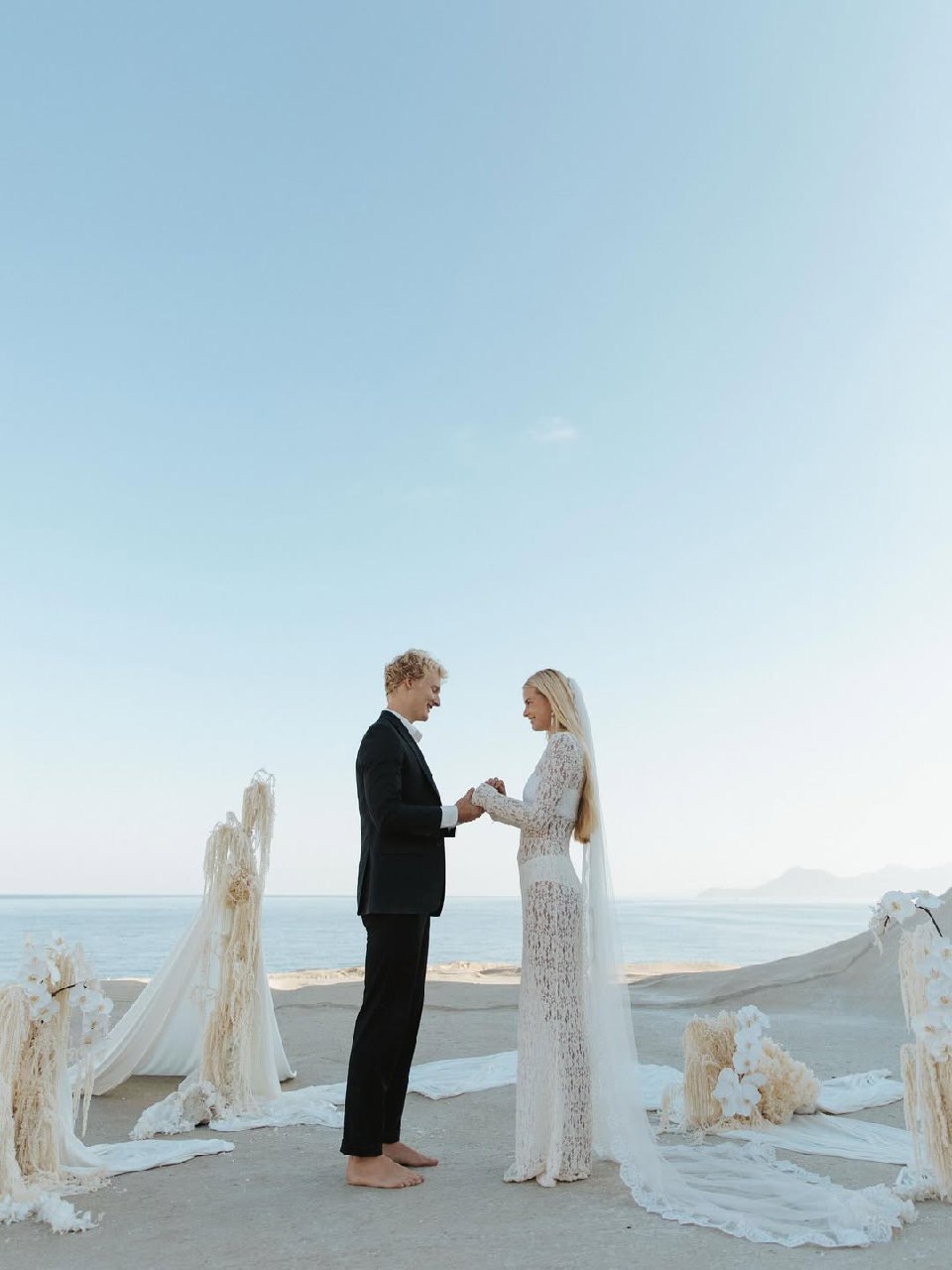
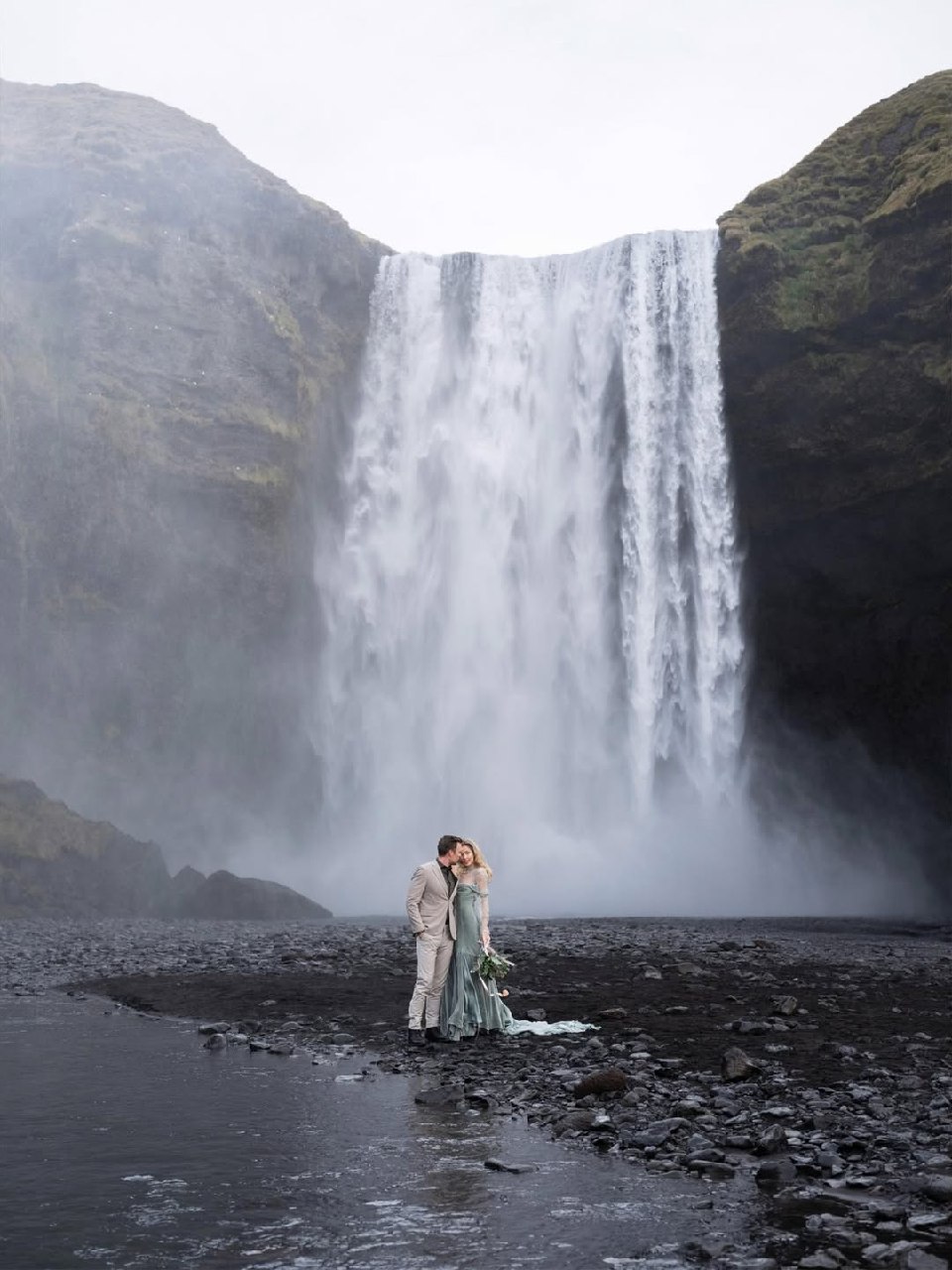
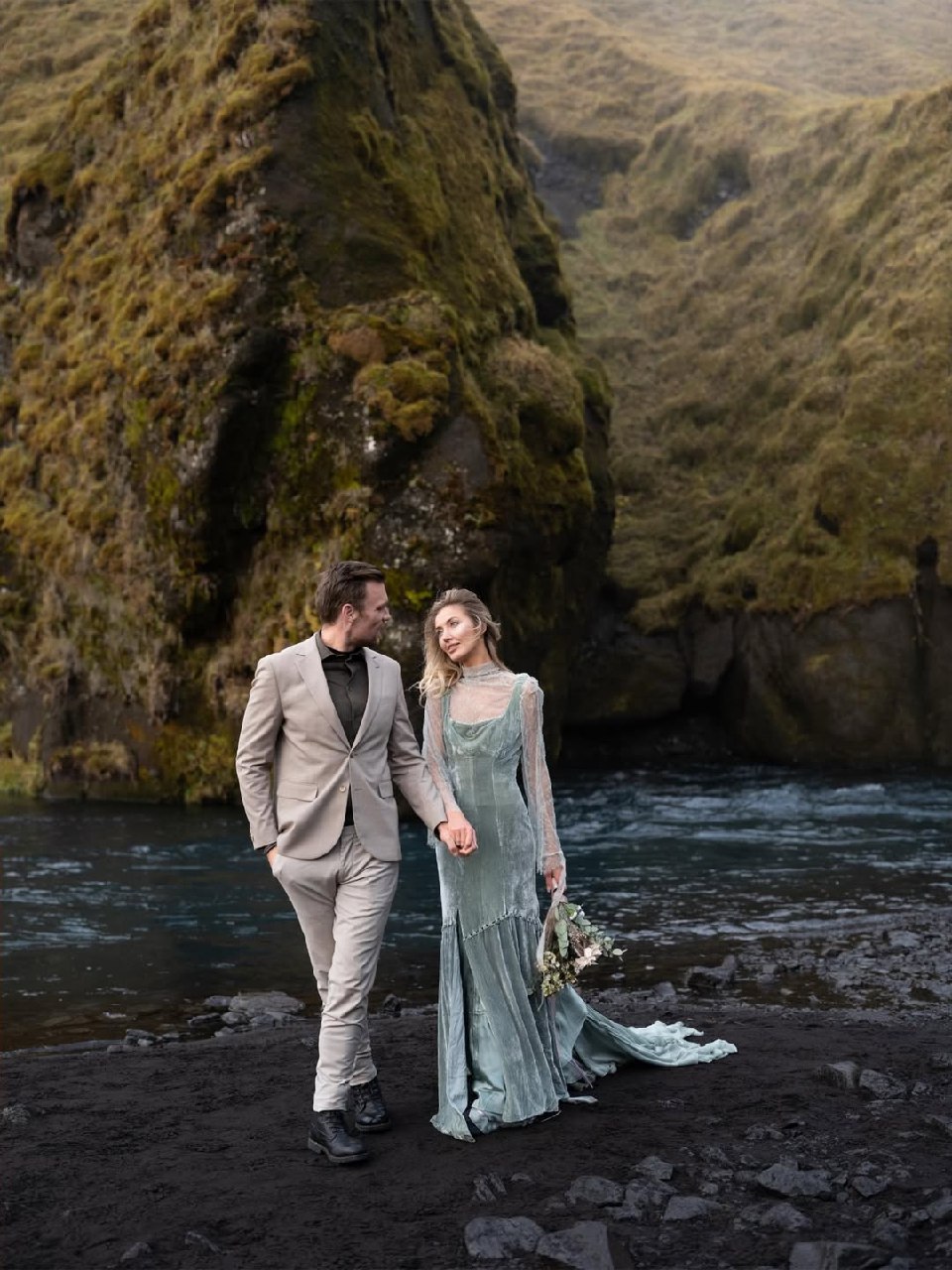
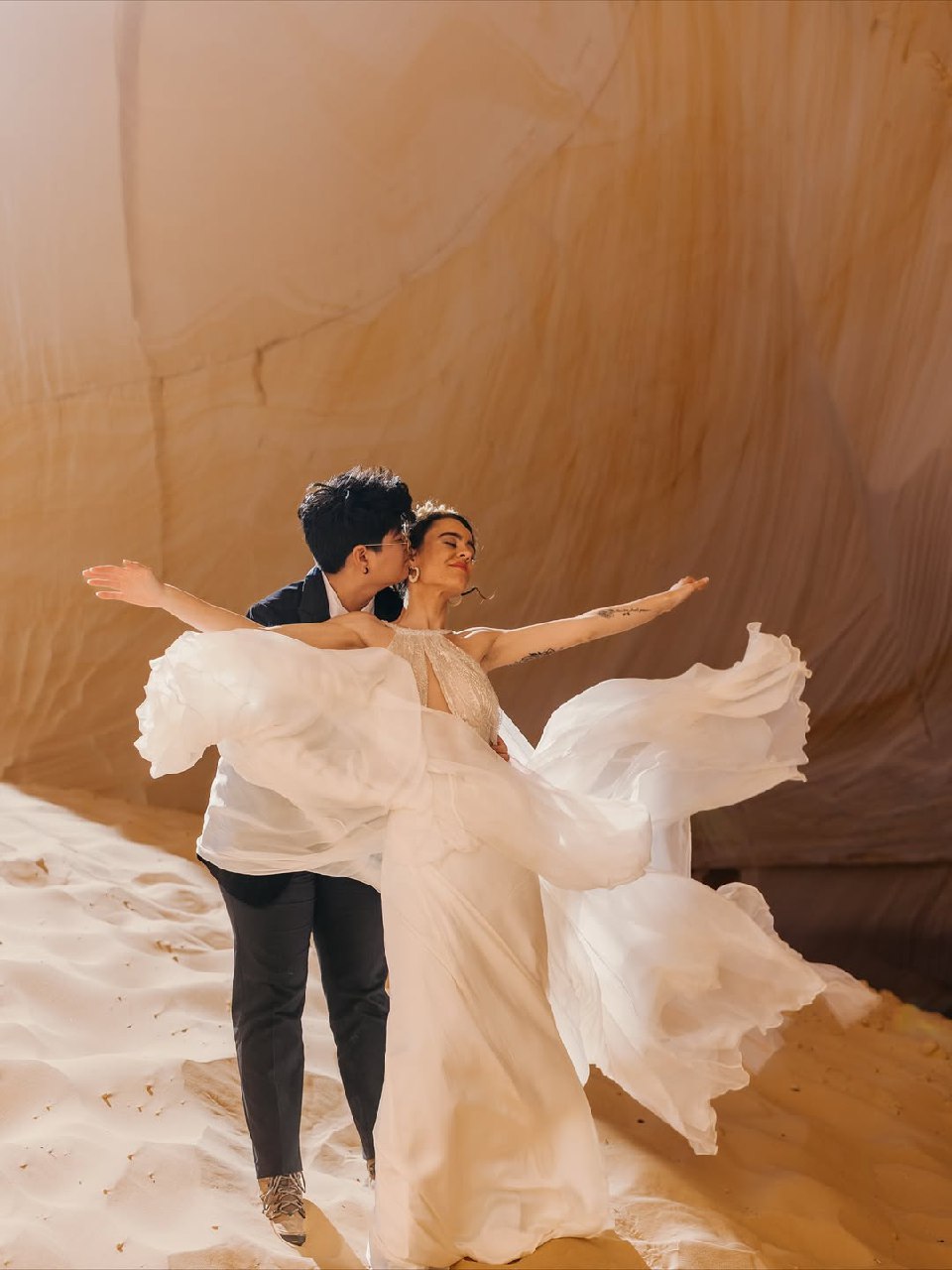
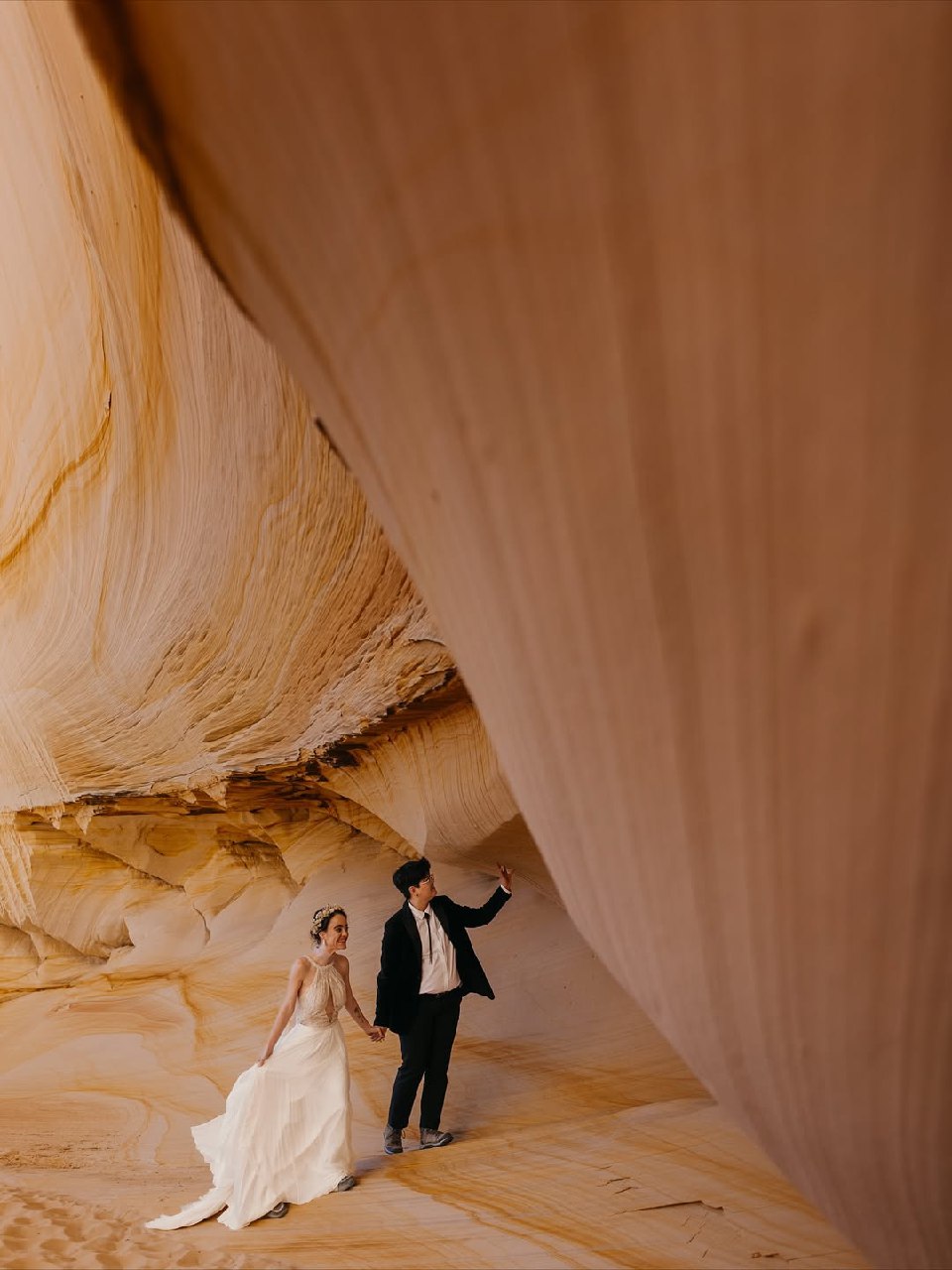
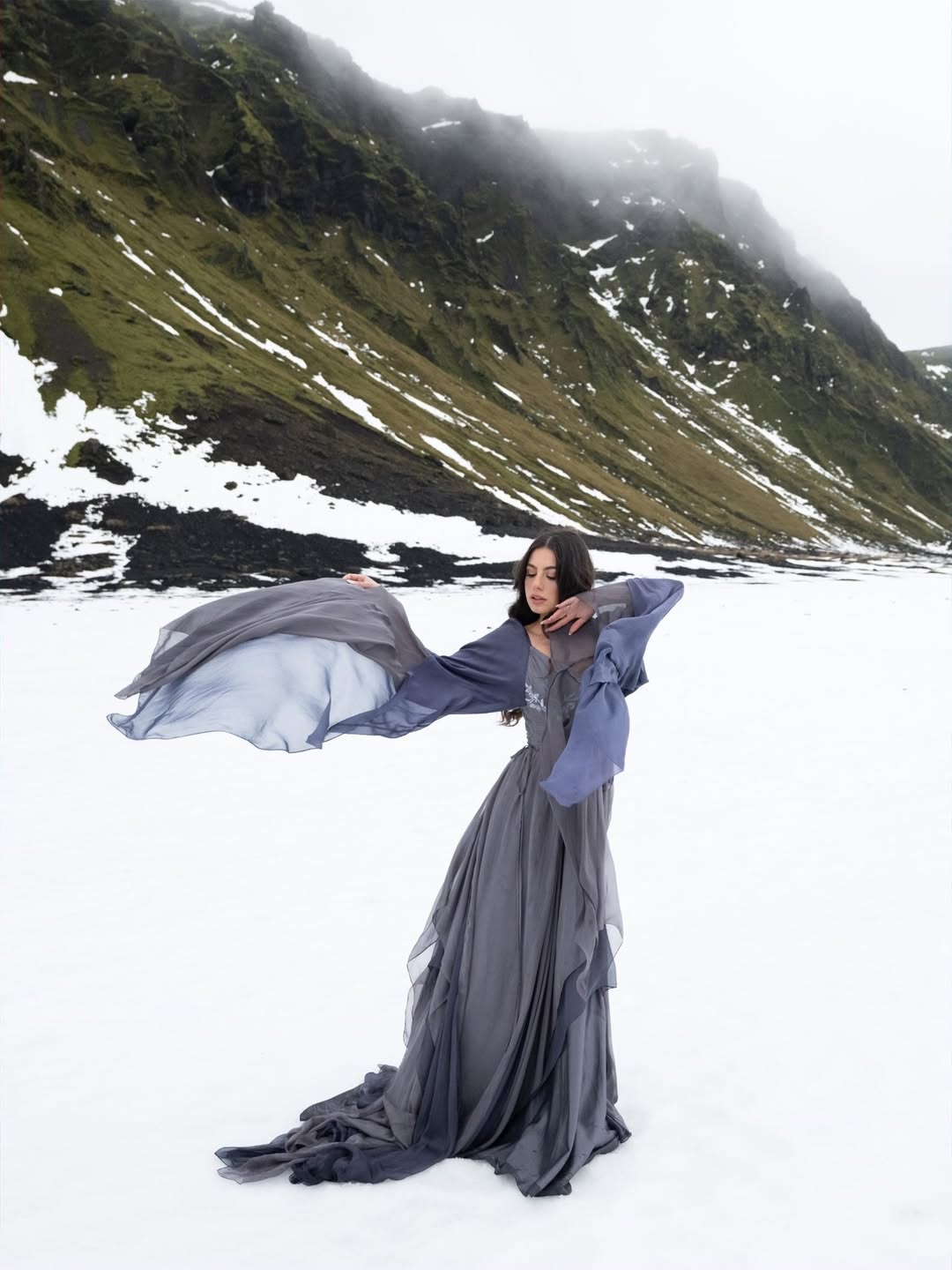
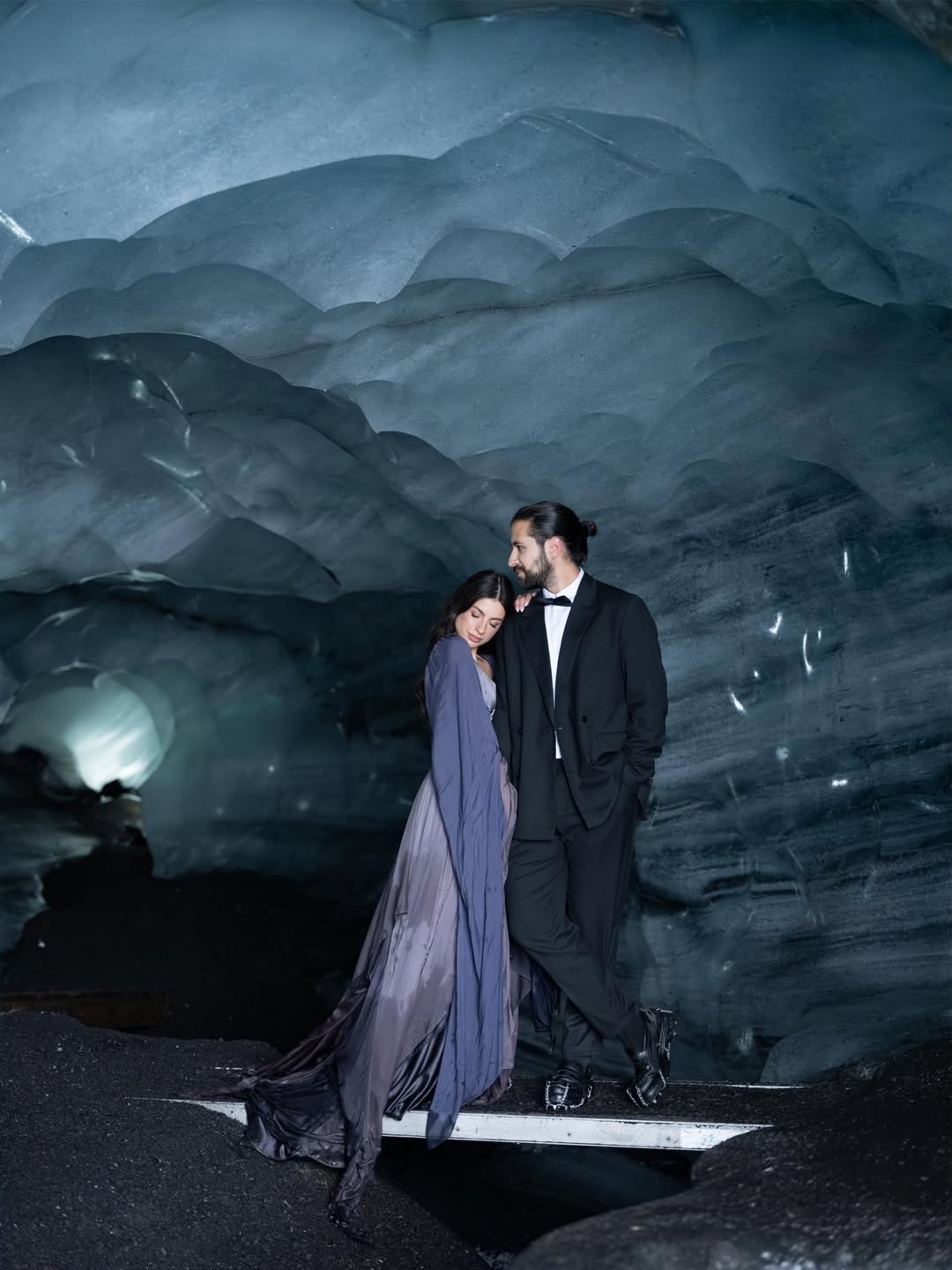
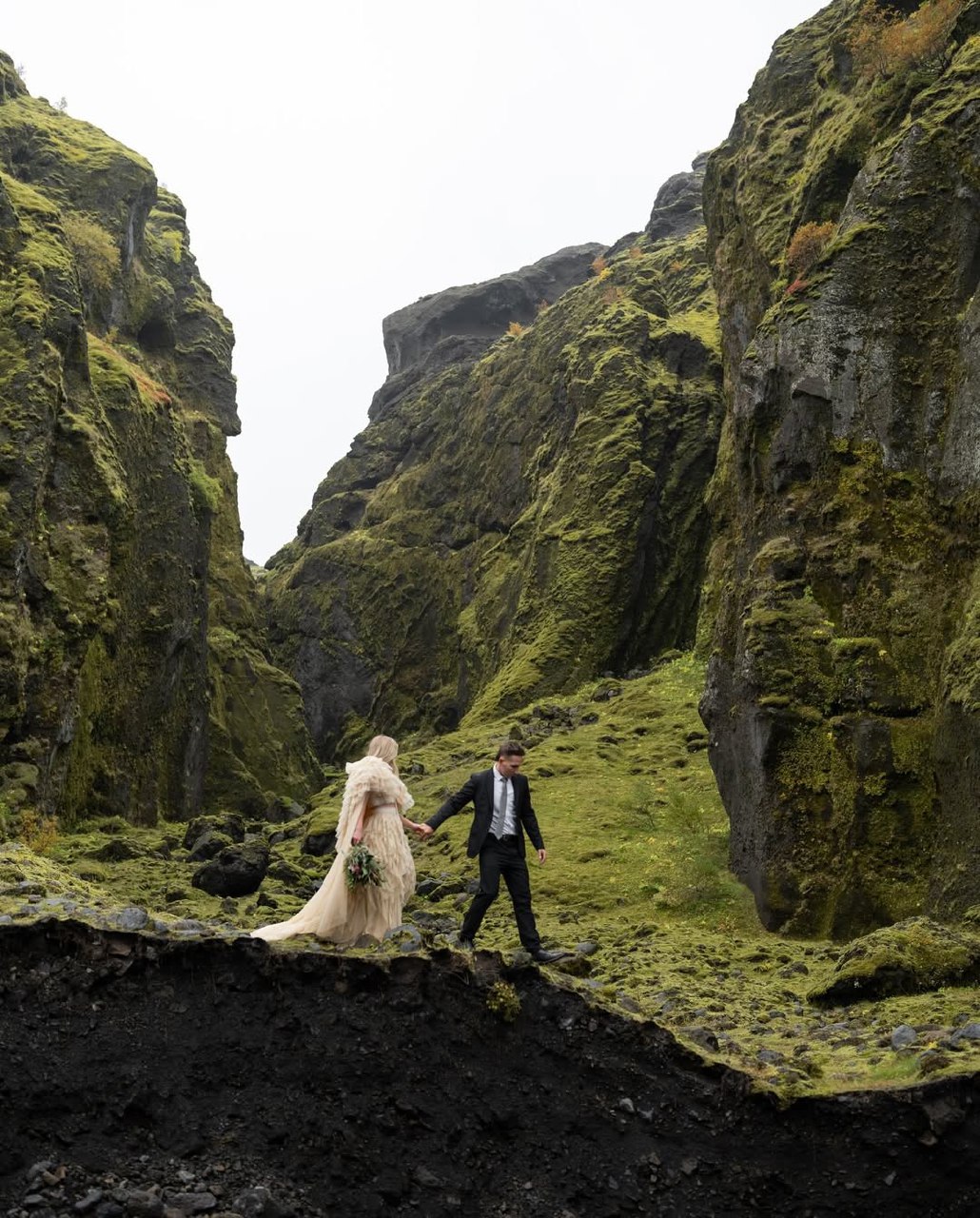
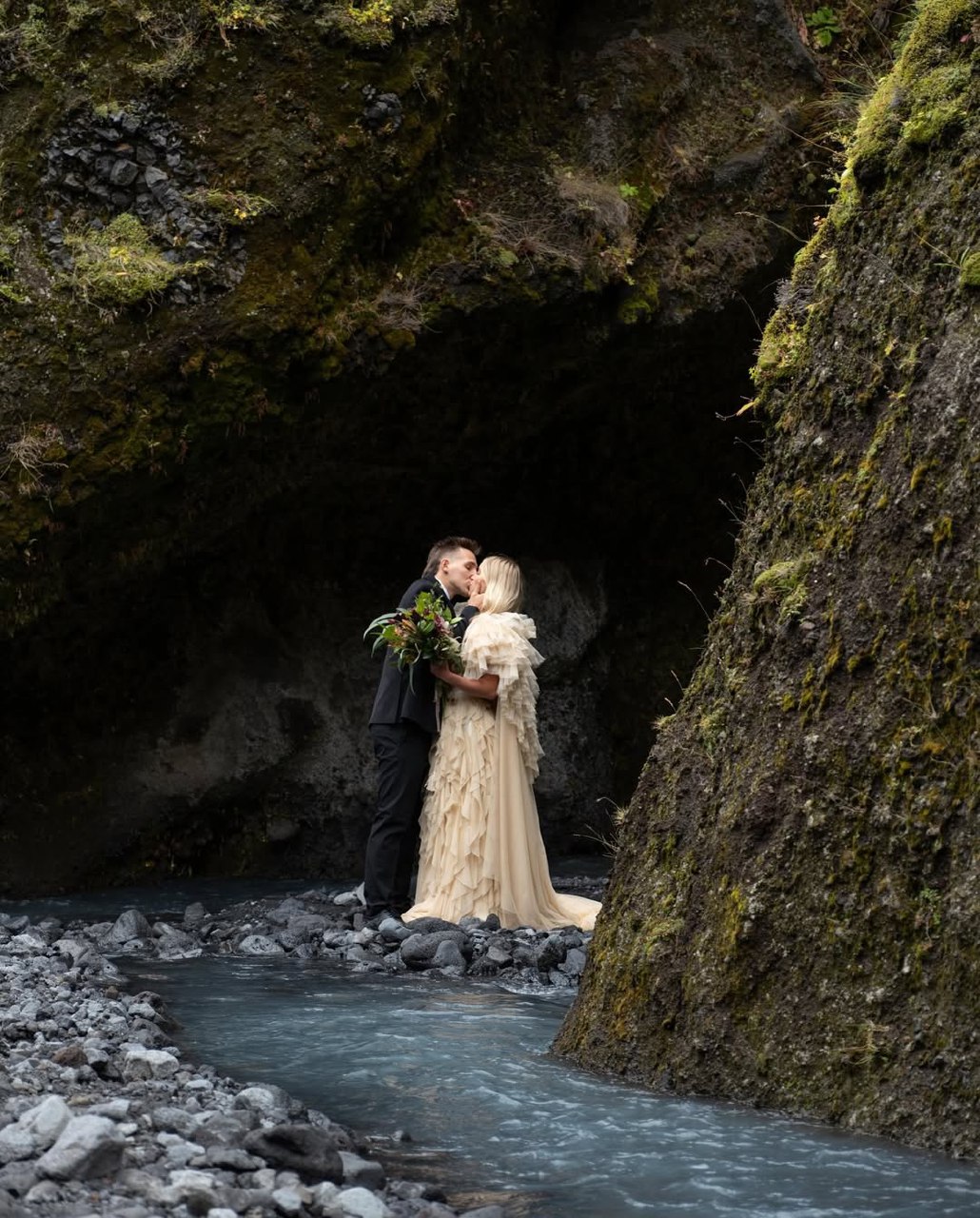
This format is ideal for couples who view the post-wedding photo shoot as an extension of their travels rather than a formal photography session. Nature becomes an active participant, not just a backdrop. The scale of mountains makes you look small yet brave, the power of waterfalls creates a particular energy and the stillness of deserts provides a minimalist grandeur that needs no additional styling. These shoots work because they capture couples in environments that dwarf them, creating images that reflect both the landscape and the love story.
When it comes to styling for extreme environments, it's important to strike a balance between practicality and aesthetics. For example, wedding dresses worn in the mountains need to be practical for hiking to the location. Consider shorter lengths or be prepared to carry the dress and change on location. Footwear is also very important (hiking boots don't photograph well, and delicate heels won't work in nature). Layering allows you to adapt to temperature changes while adding visual variety. The aim is to look beautiful without looking ridiculous — a full ball gown on a glacier looks costume-like, whereas a flowing slip dress or well-tailored separates can look both elegant and appropriate.
Who should choose this? Couples who have participated in a post-wedding photoshoot and who genuinely love the outdoors. Couples who value experience as much as images and who understand that perfect hair and makeup aren't the point when you're standing at the edge of a canyon or beside a waterfall. These shoots reward adventurous spirits and penalise those expecting comfortable, controlled conditions.
Post-Wedding Fashion Editorials
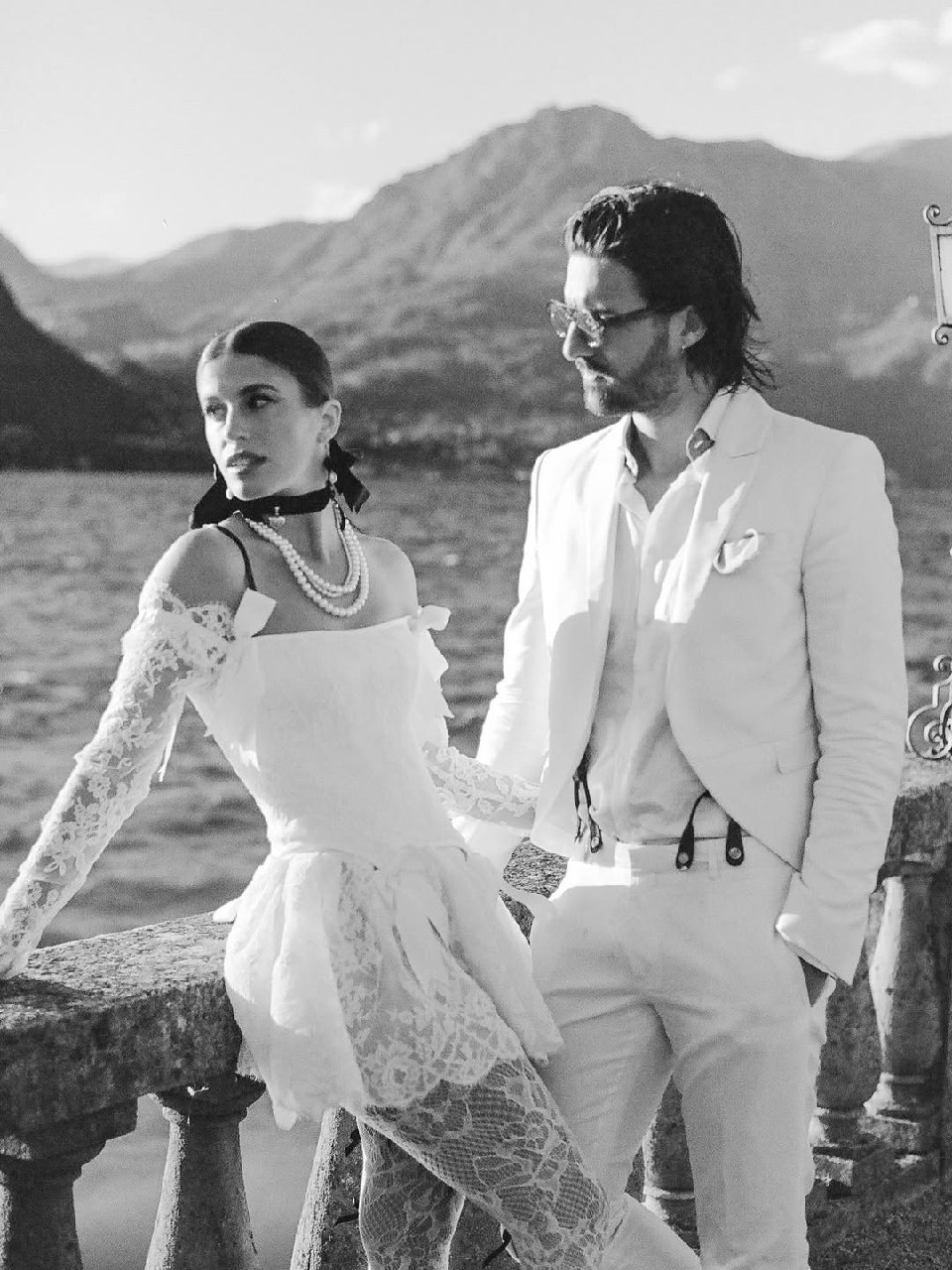
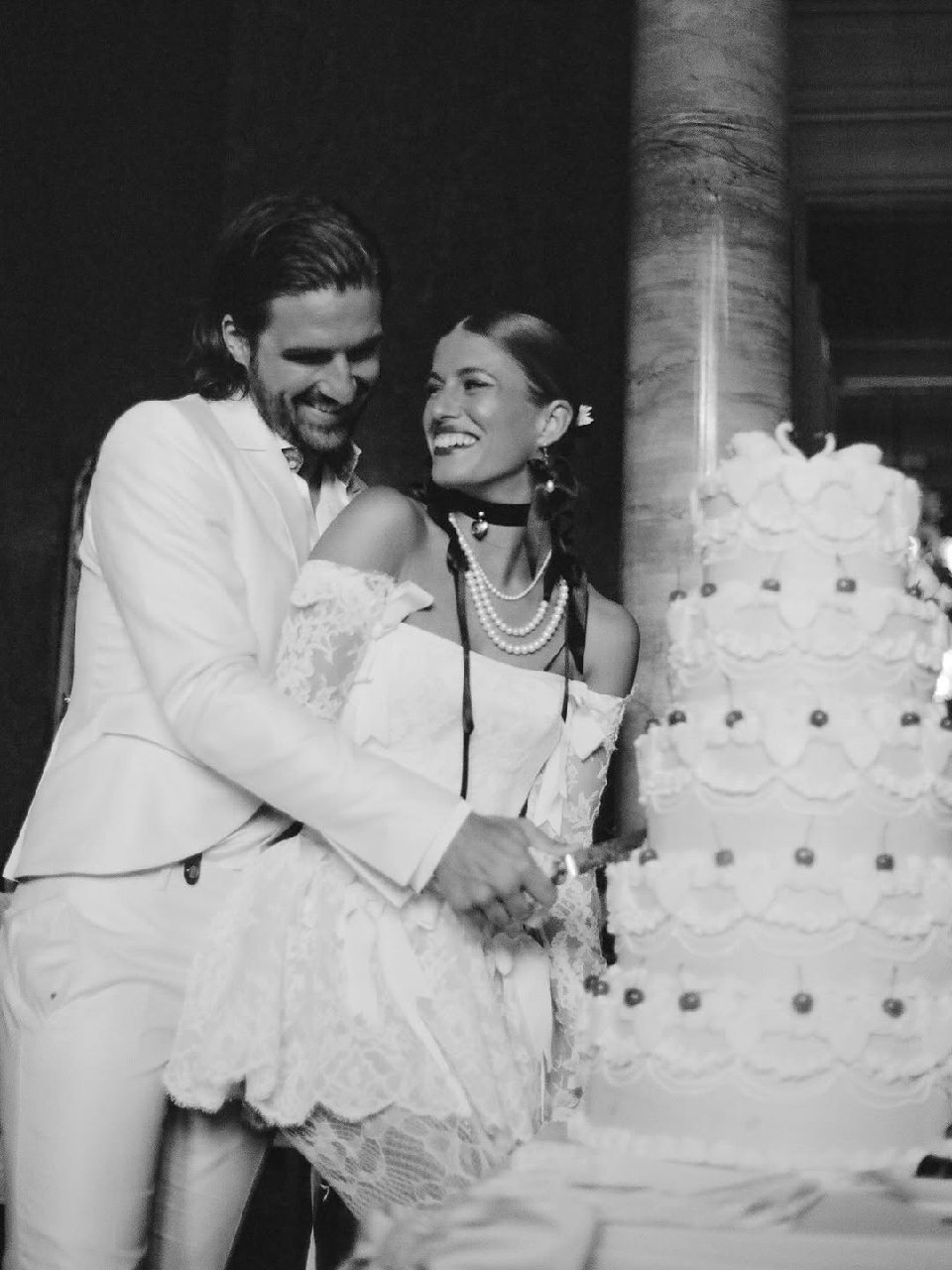
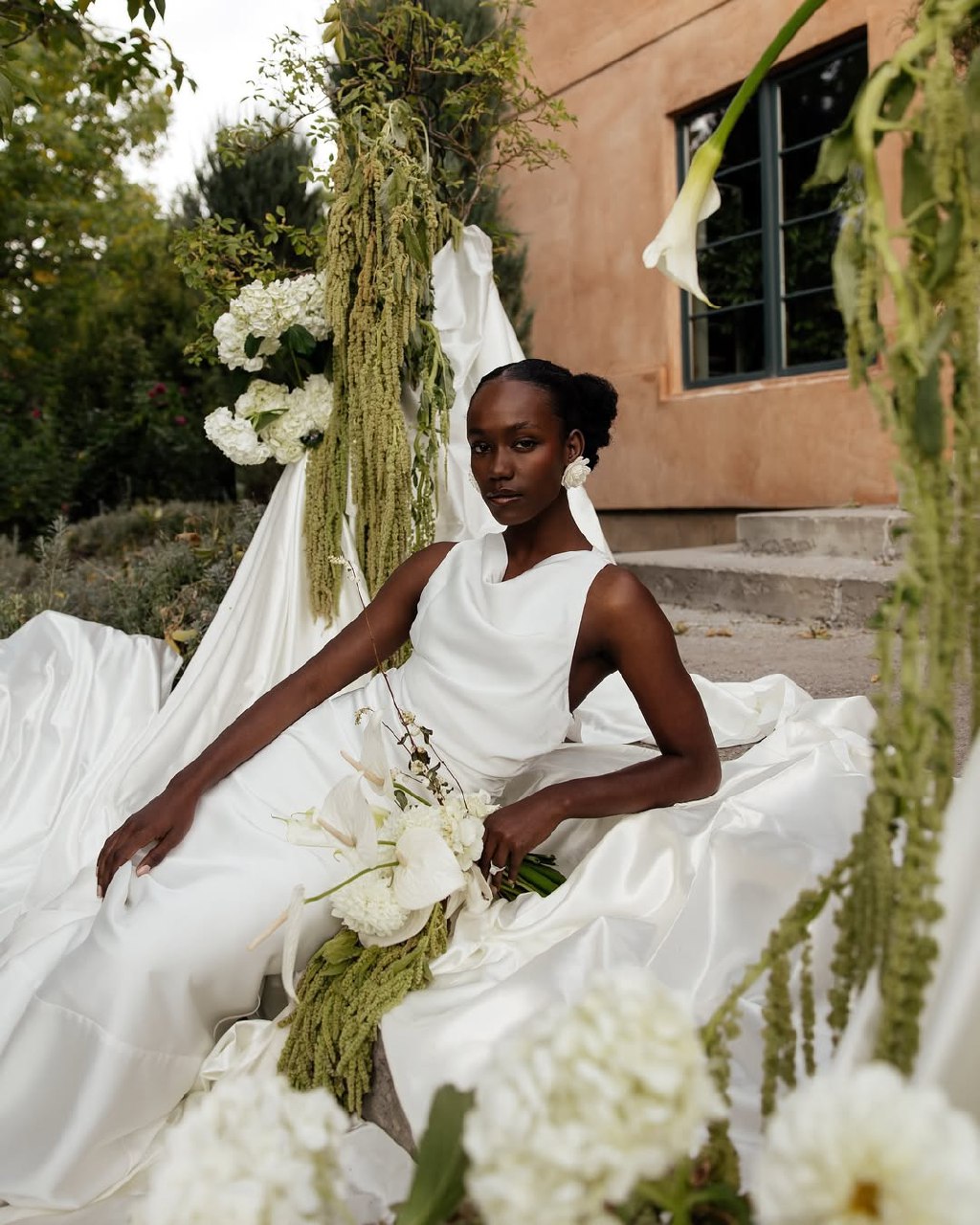
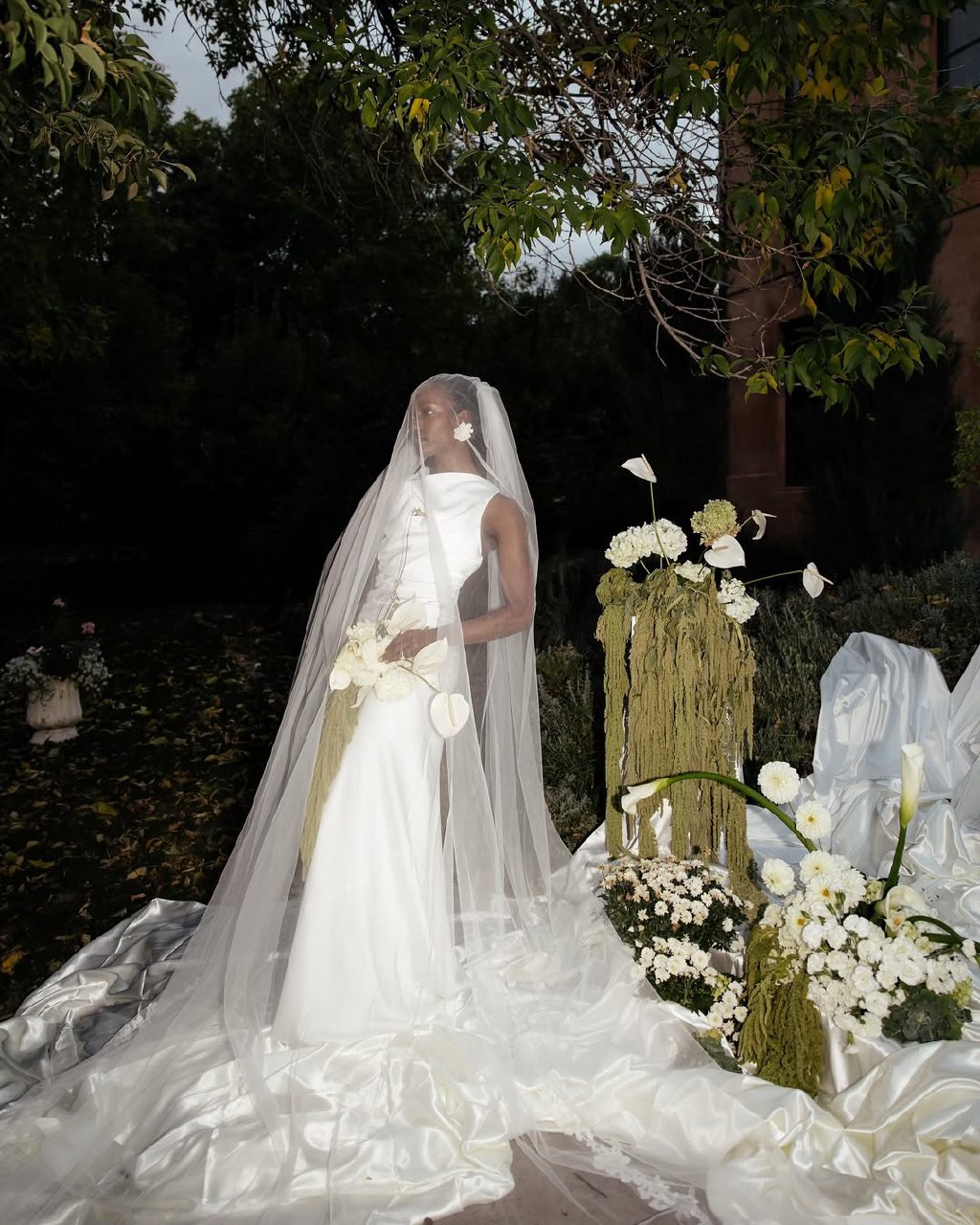
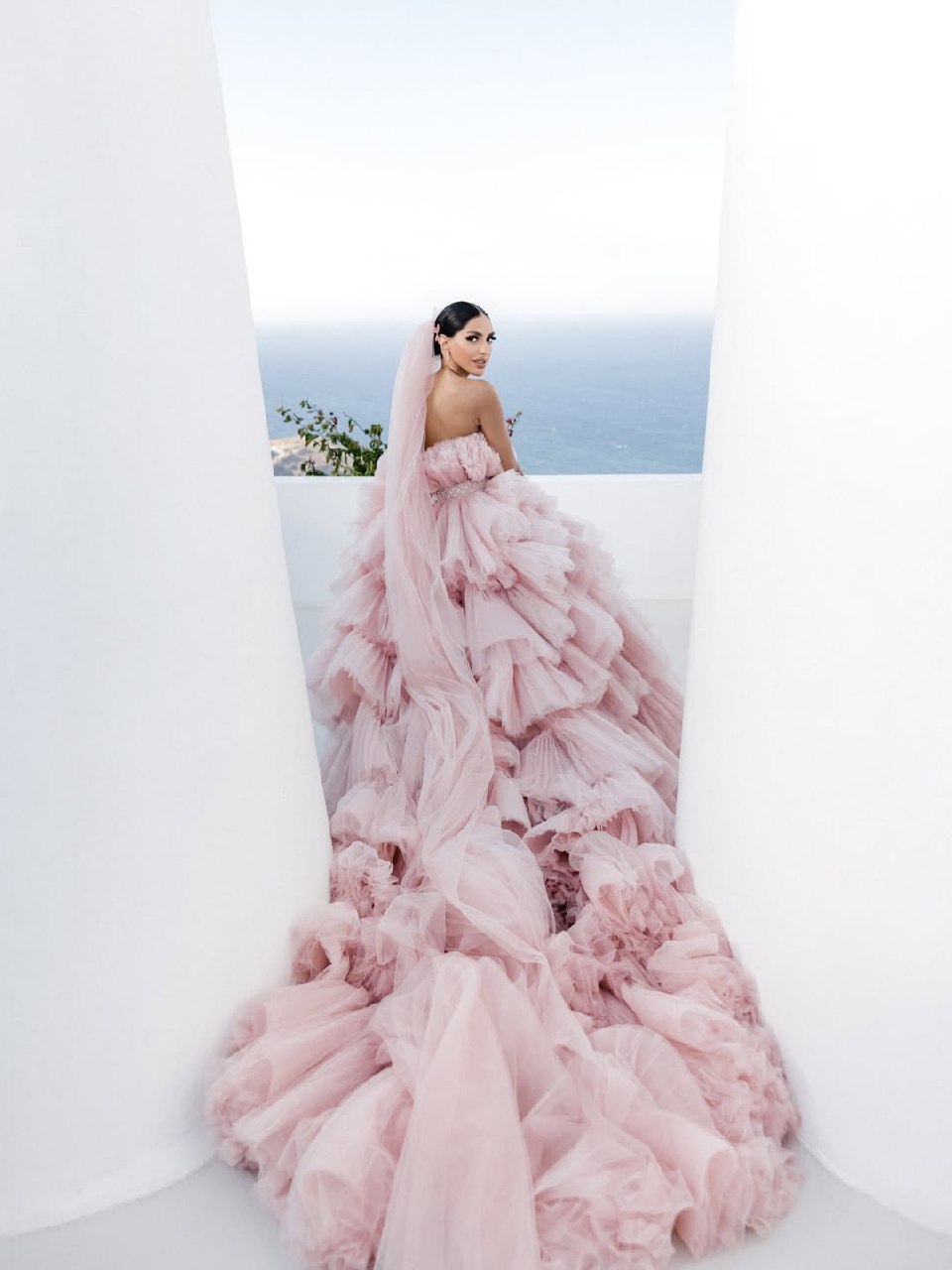
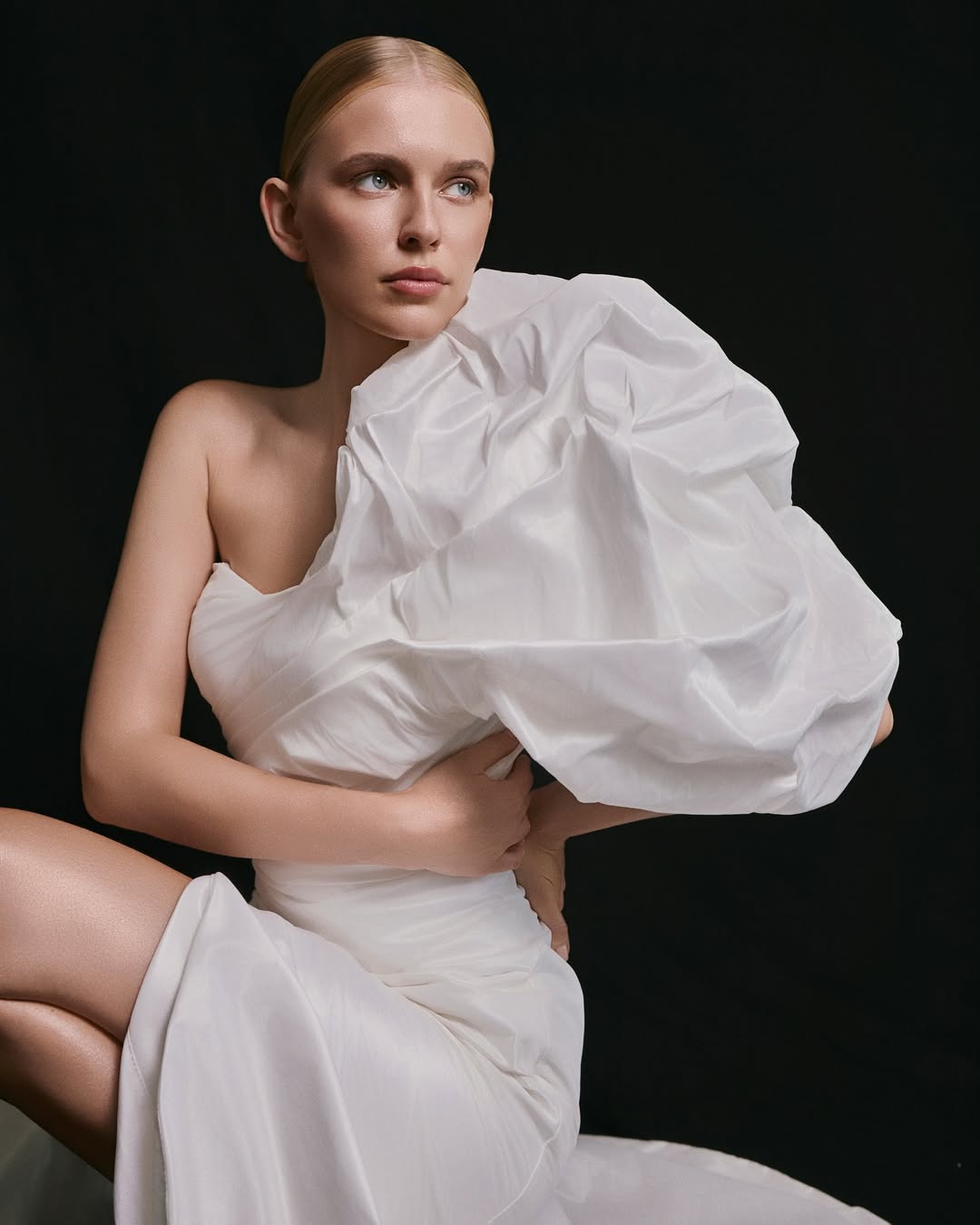
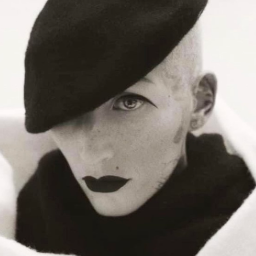
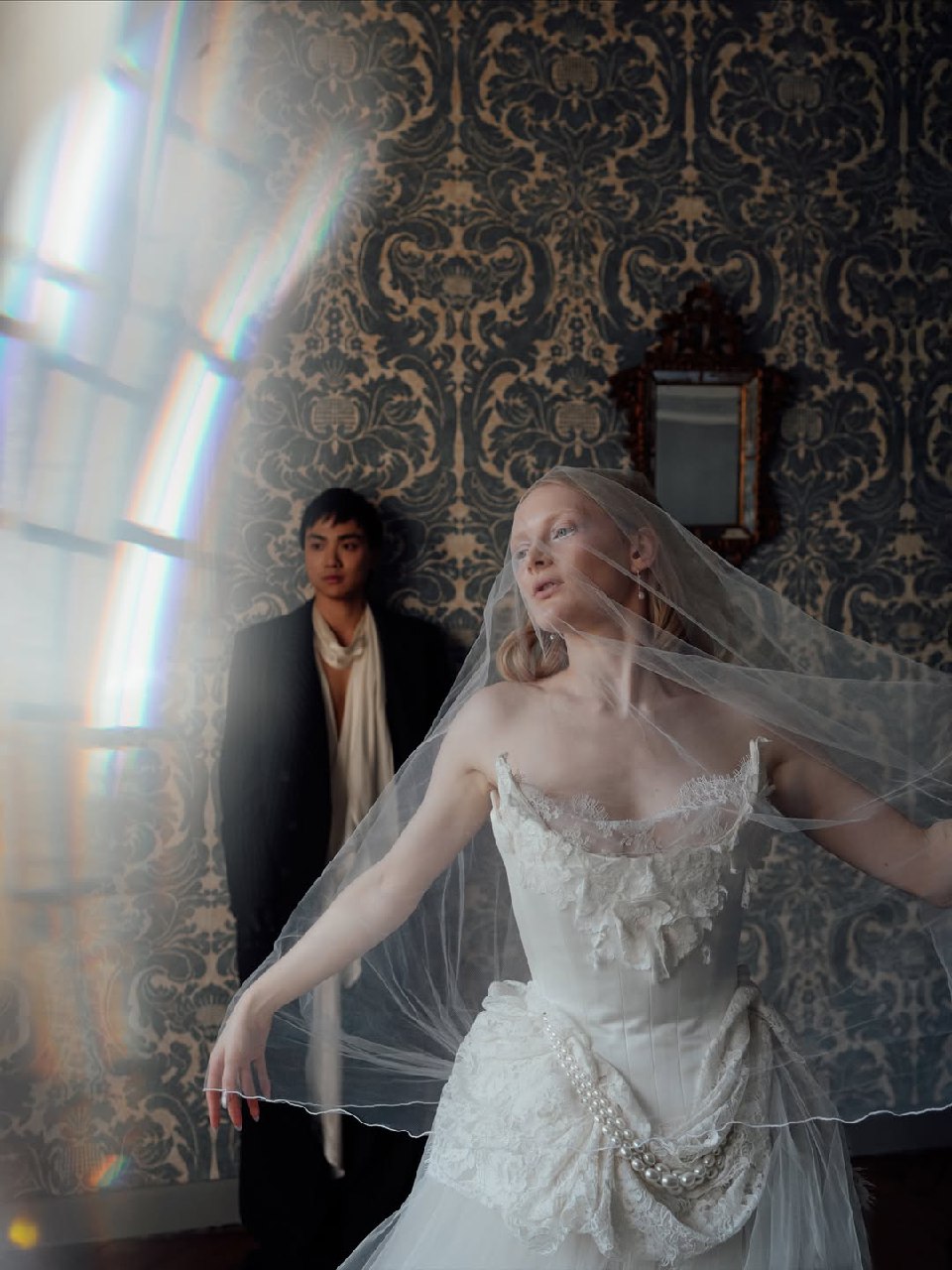
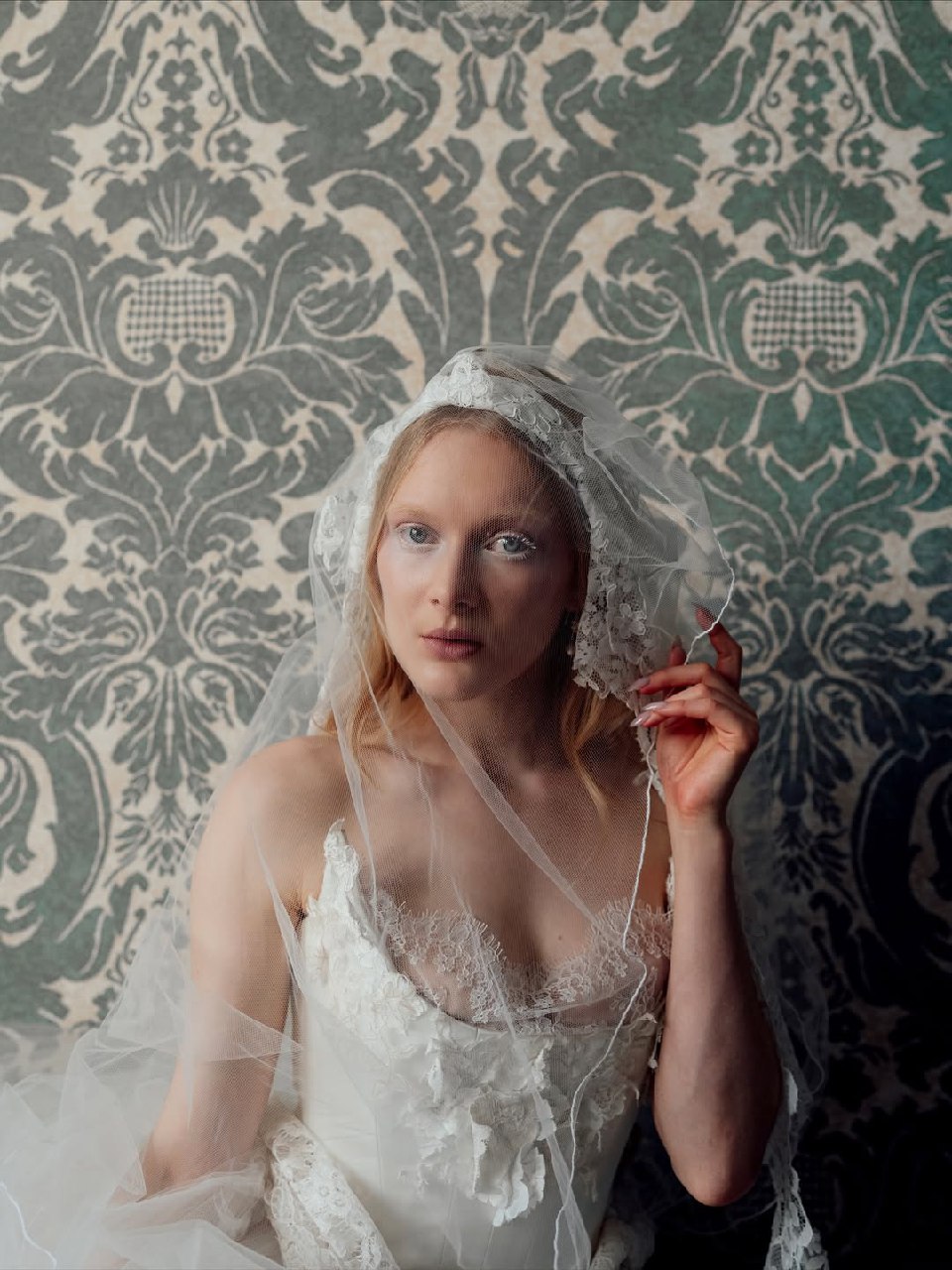
When post-wedding photography shifts into fashion storytelling, the goal is no longer to document reality but to create images with editorial weight — frames that could exist on magazine pages. Every element is intentional: pose, styling, light, expression. This isn’t about candid emotion or natural interaction; it’s about controlled visual perfection, where the couple becomes part of a carefully constructed aesthetic rather than the story itself.
Editorial post-wedding work prioritizes impact over comfort. Poses focus on lines, angles, negative space, and visual tension, often breaking traditional romantic conventions — couples may look away, face the camera directly, or exist independently within the frame. Dresses follow the same logic: sculptural silhouettes, couture details, unconventional textures or colors — pieces chosen for how they photograph, not how practical they are. Unlike wedding day photography, which centers emotion and narrative, editorial imagery is driven by aesthetics and presence. Different goals, different language, different results.
Timeless Black & White Love Stories
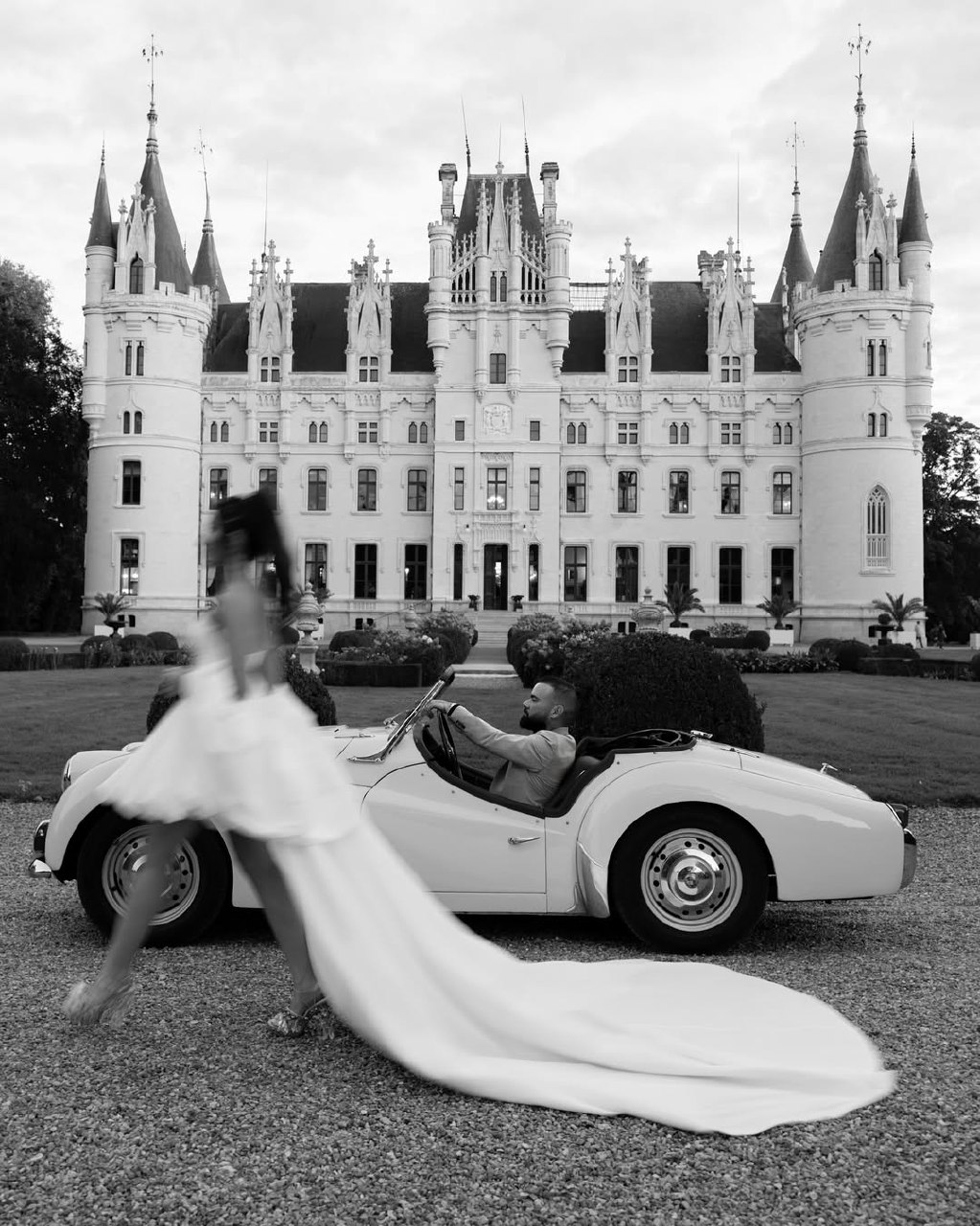
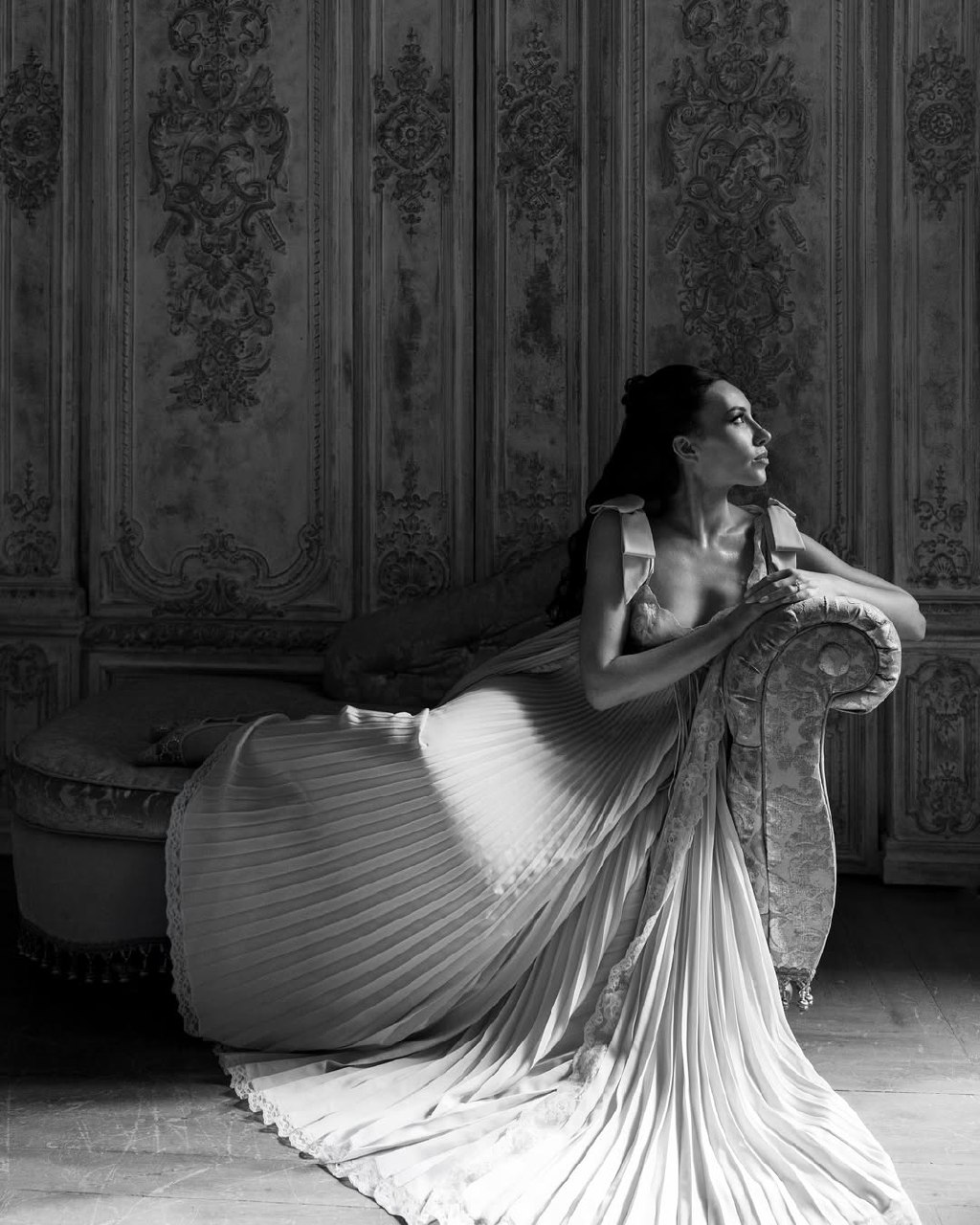
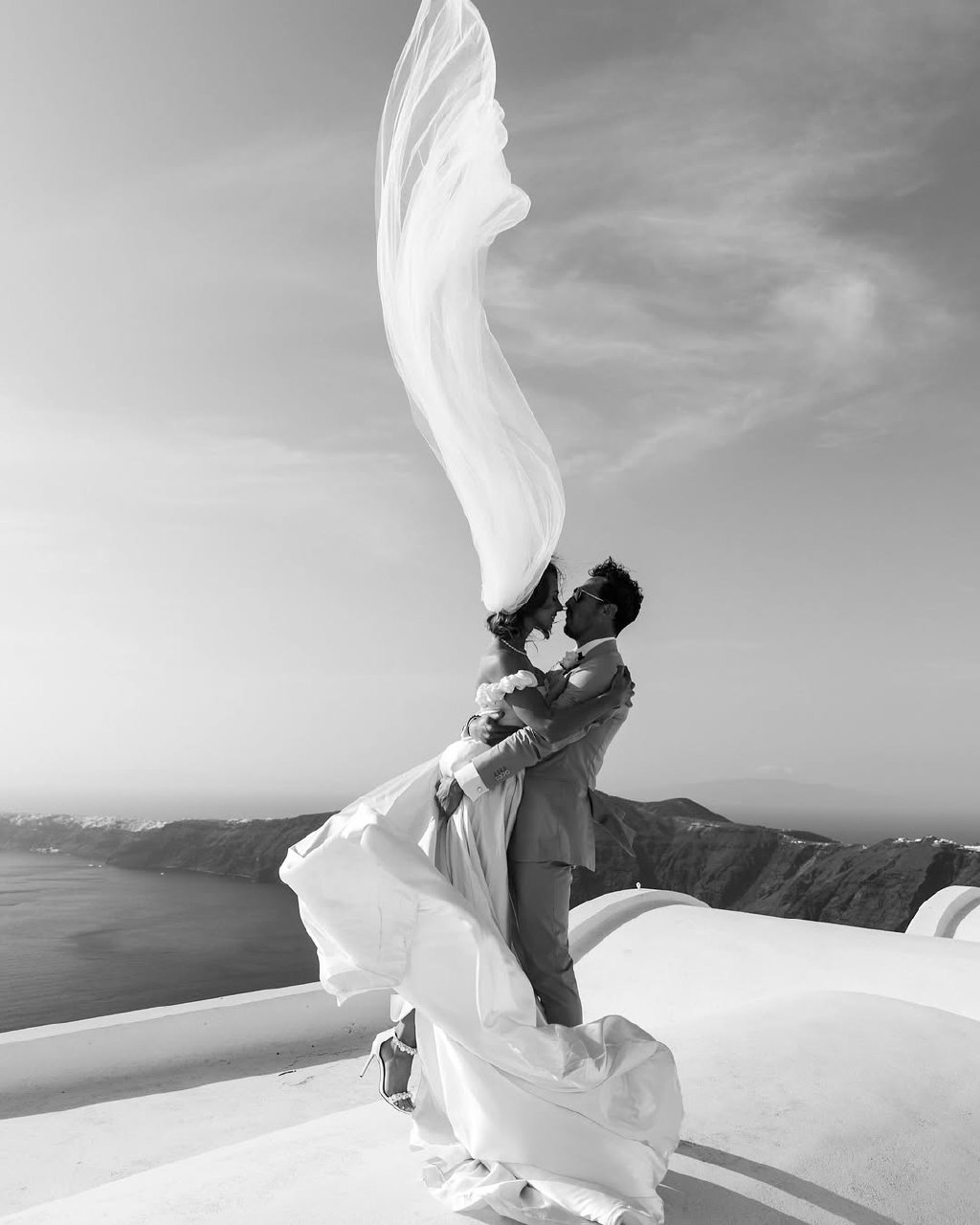
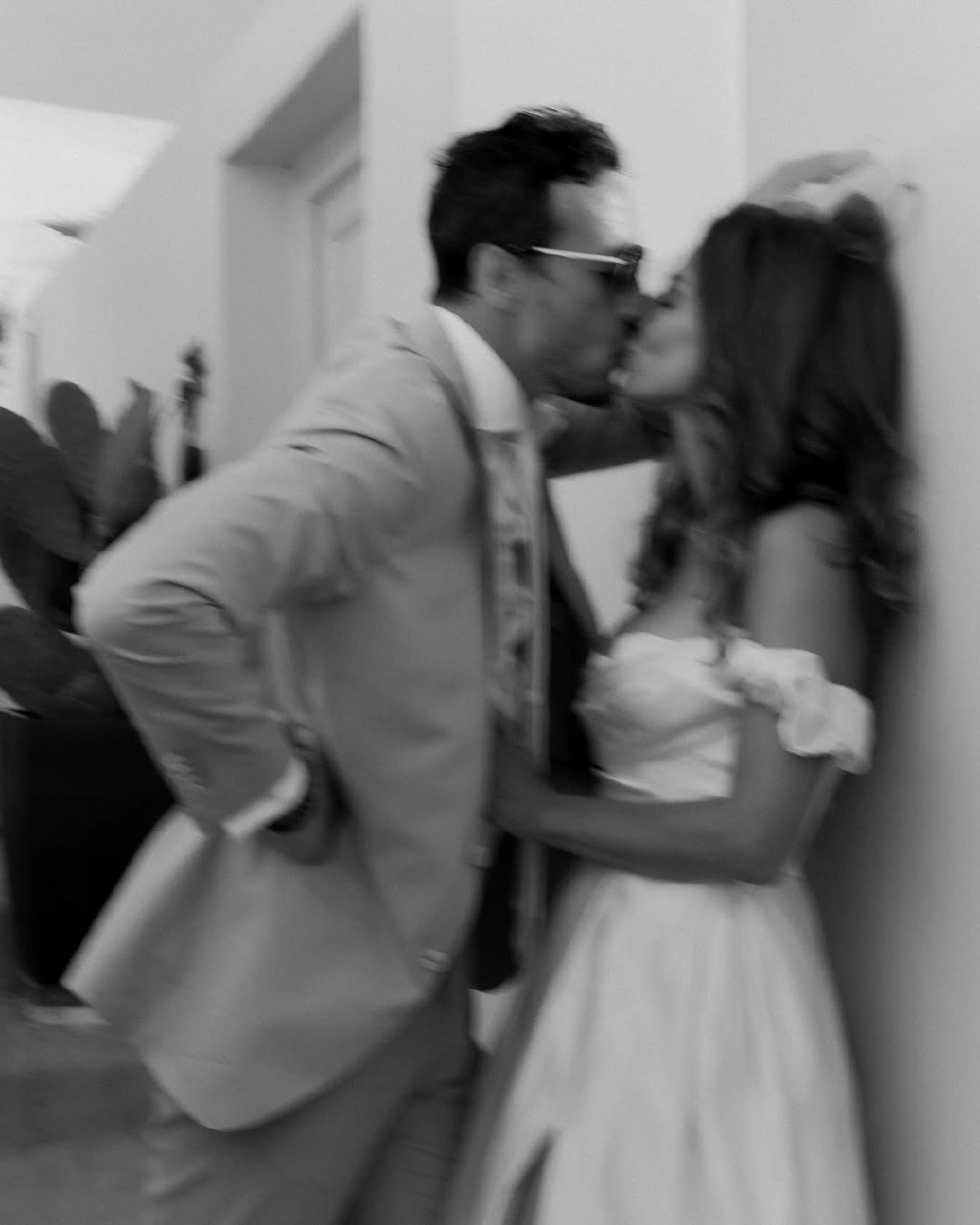
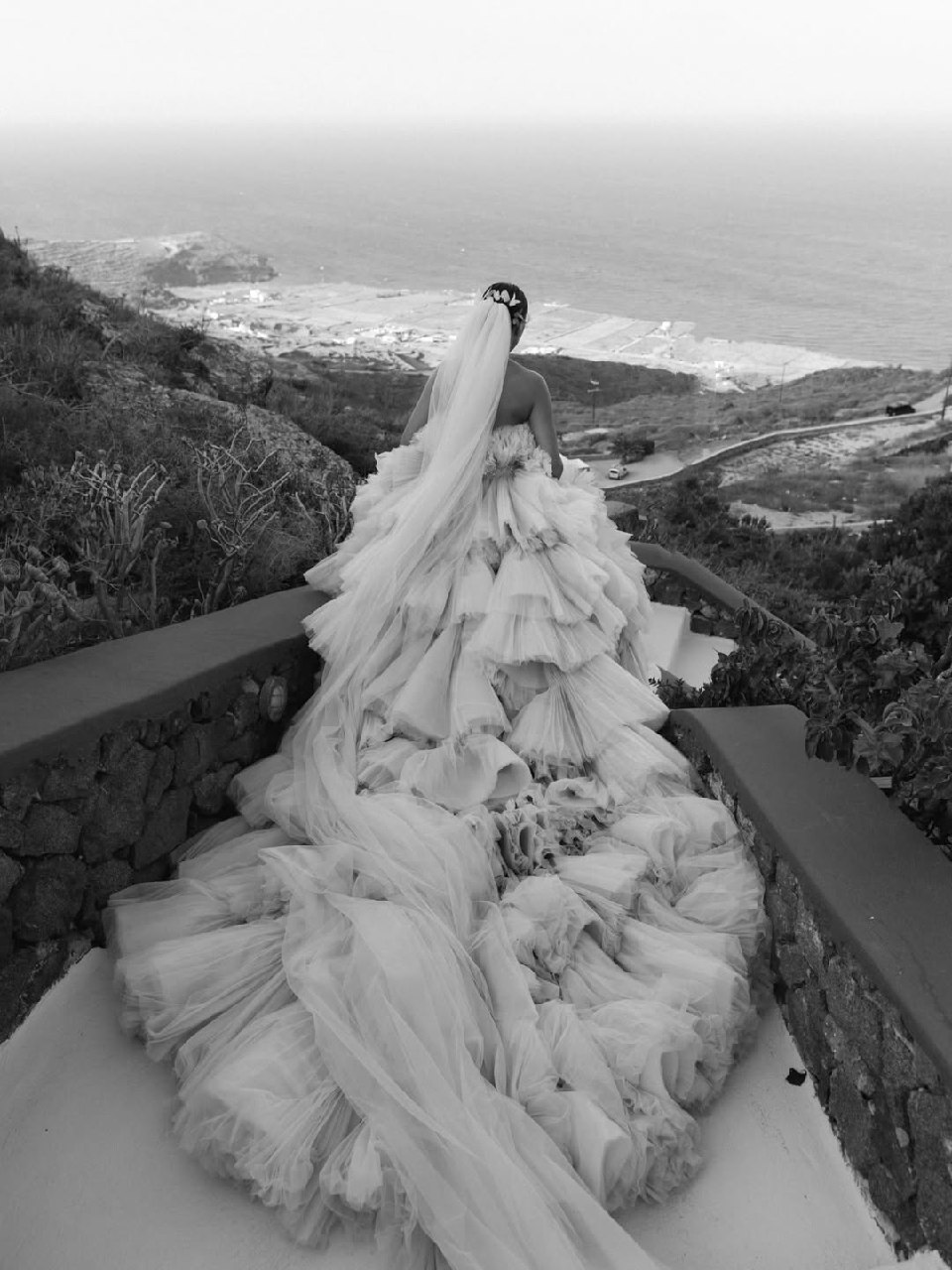
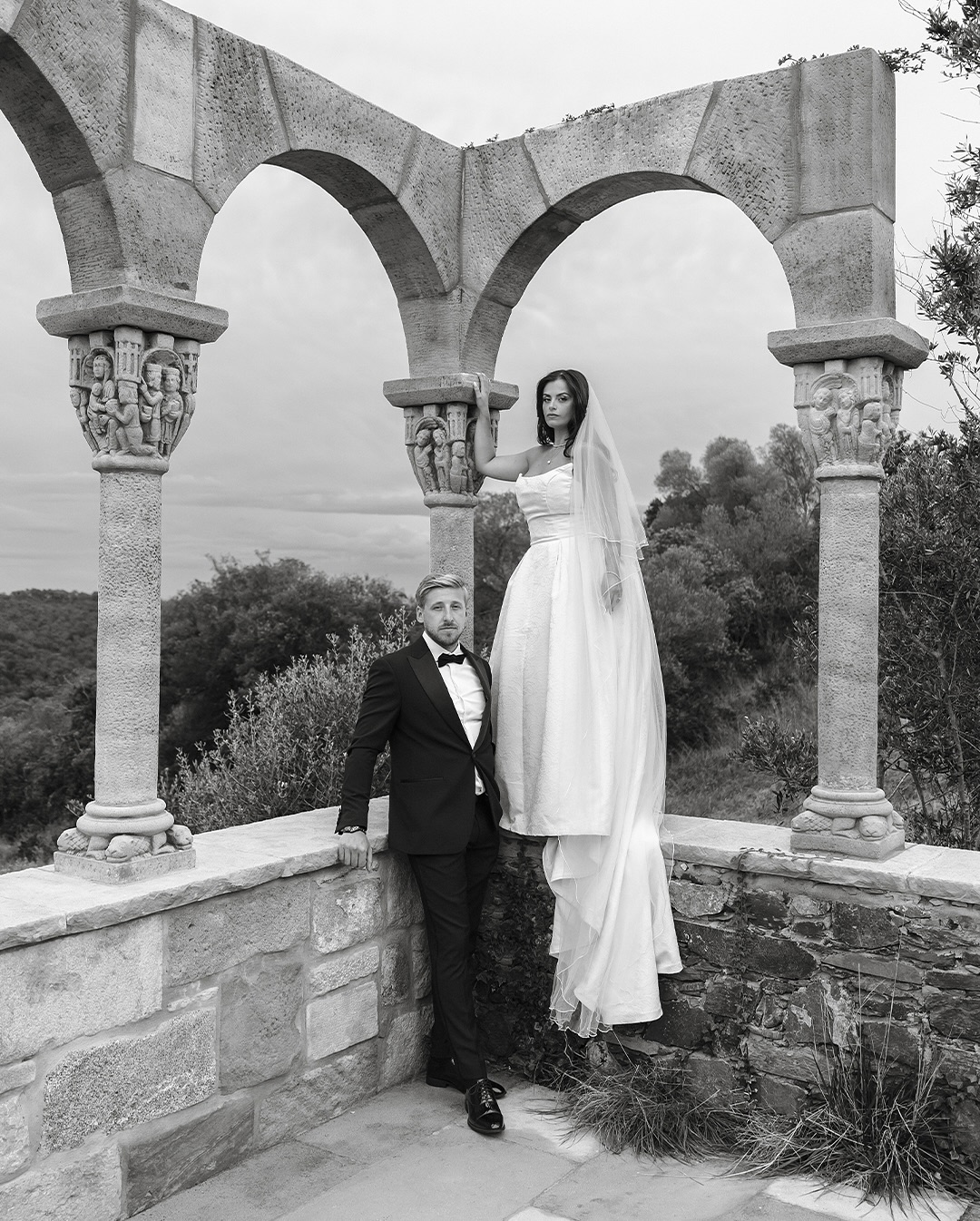
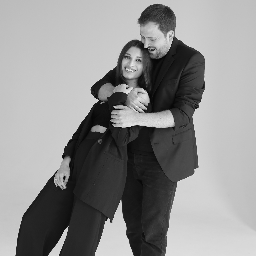
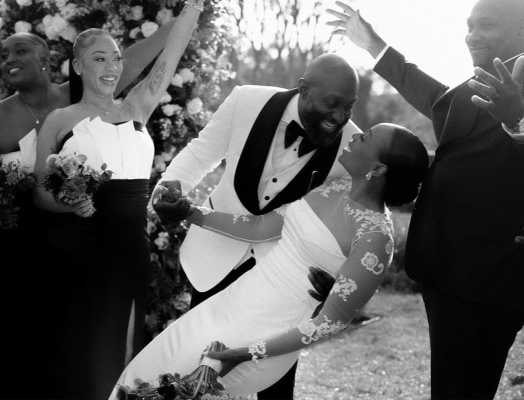
Monochrome post-wedding photos remove color to reveal what actually holds the image together: light, shadow, composition, texture, and emotion. Black and white creates a timeless quality — the kind where images feel detached from a specific year or trend, existing somewhere between past and present. That distance sharpens emotion rather than softens it: faces, gestures, negative space, and quiet tension become the focus. Monochrome works especially well for intimate close-ups, architectural settings, and scenes with strong natural light, where contrast and form carry the story. It’s a deliberate choice for couples who value depth over decoration, atmosphere over trend, and imagery that feels classic, restrained, and enduring rather than visually loud.

Architectural Elegance & Grand Interiors
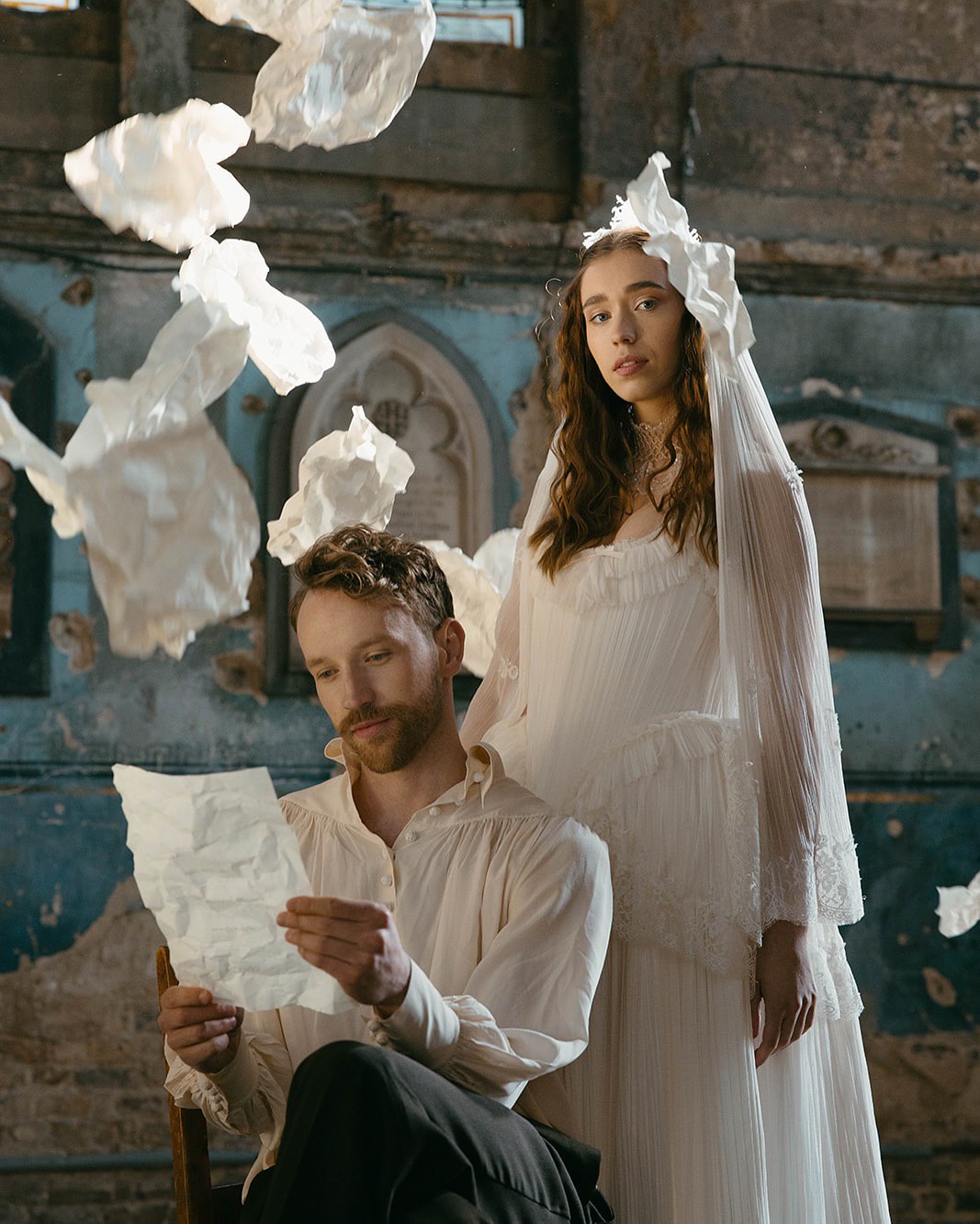
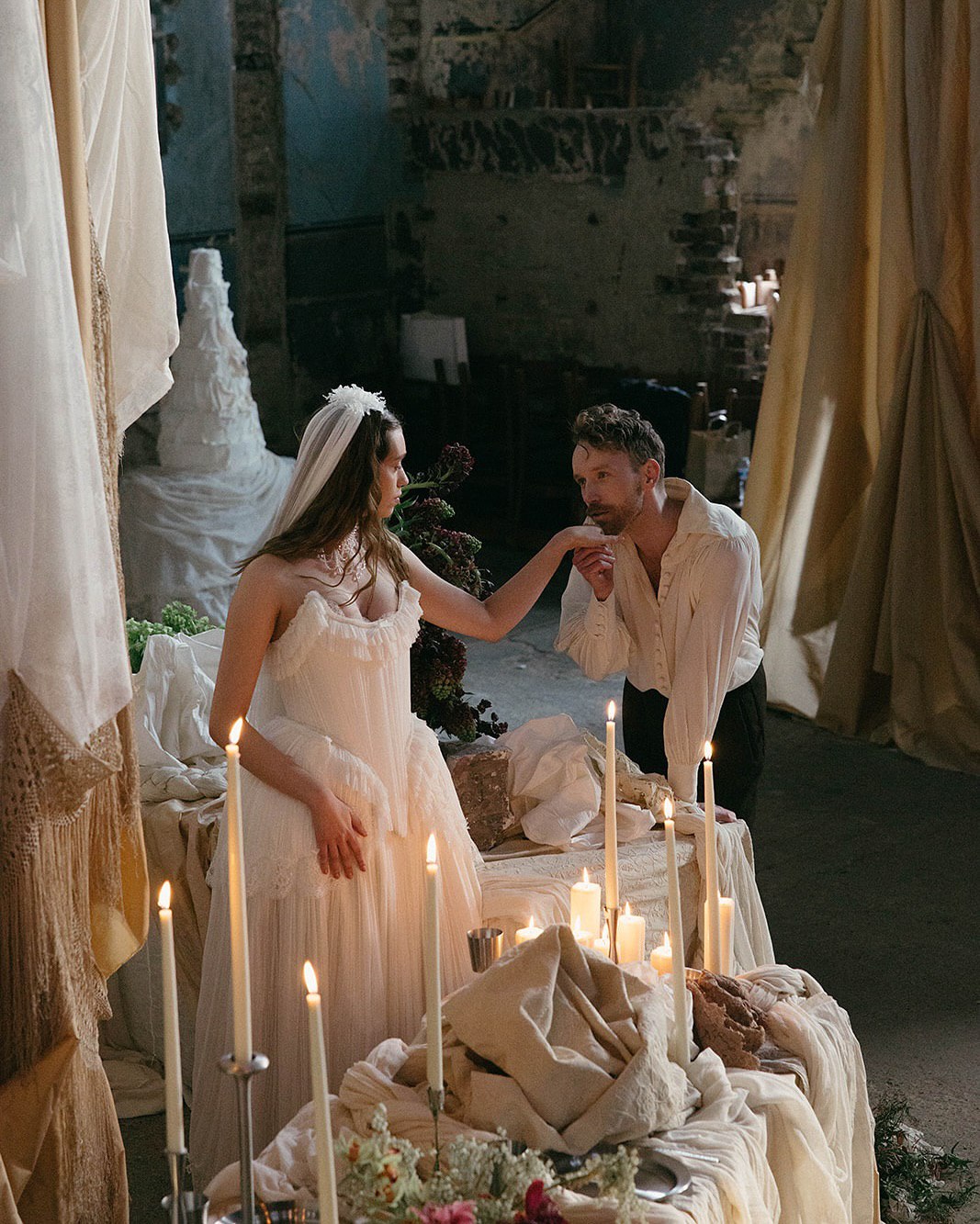
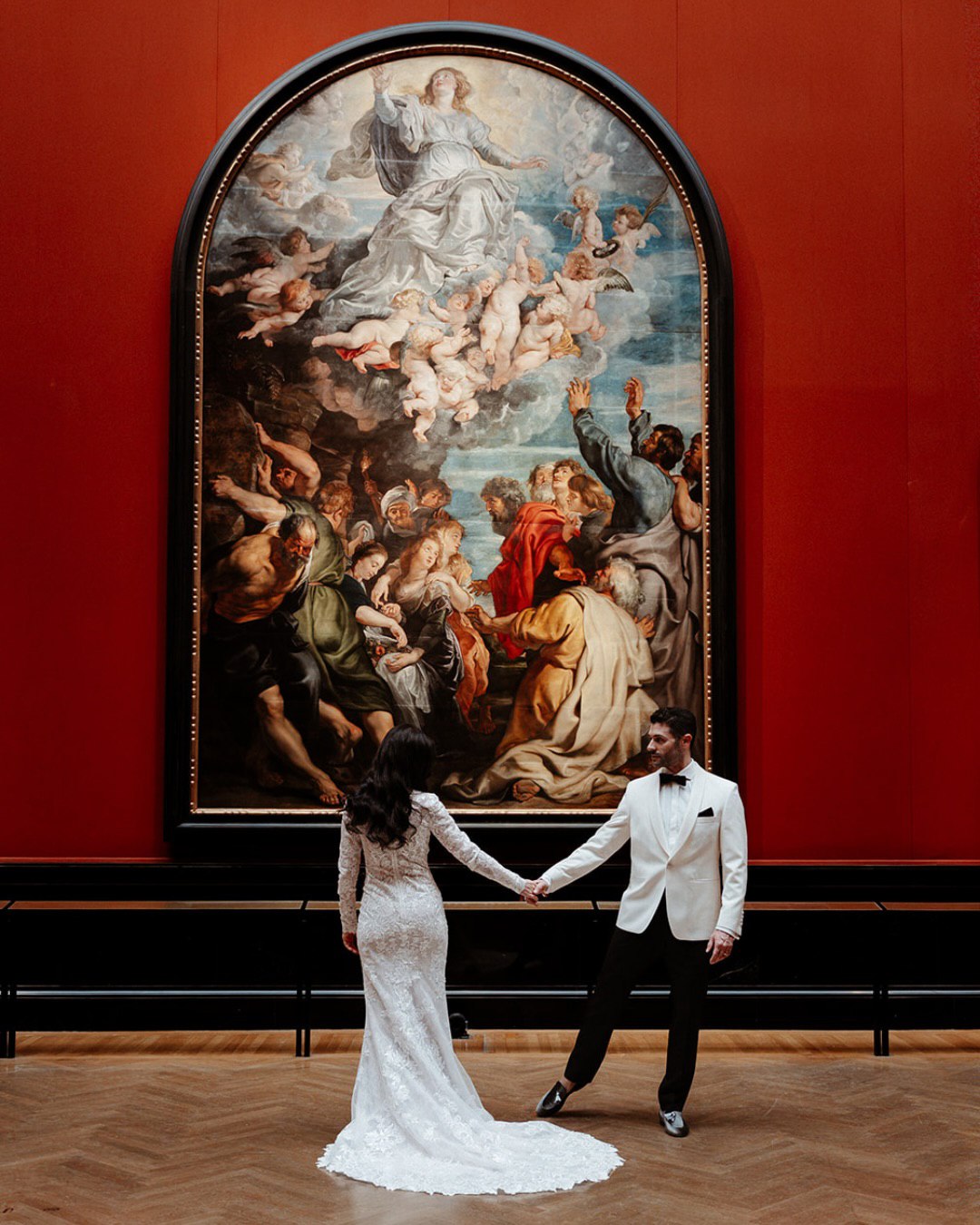
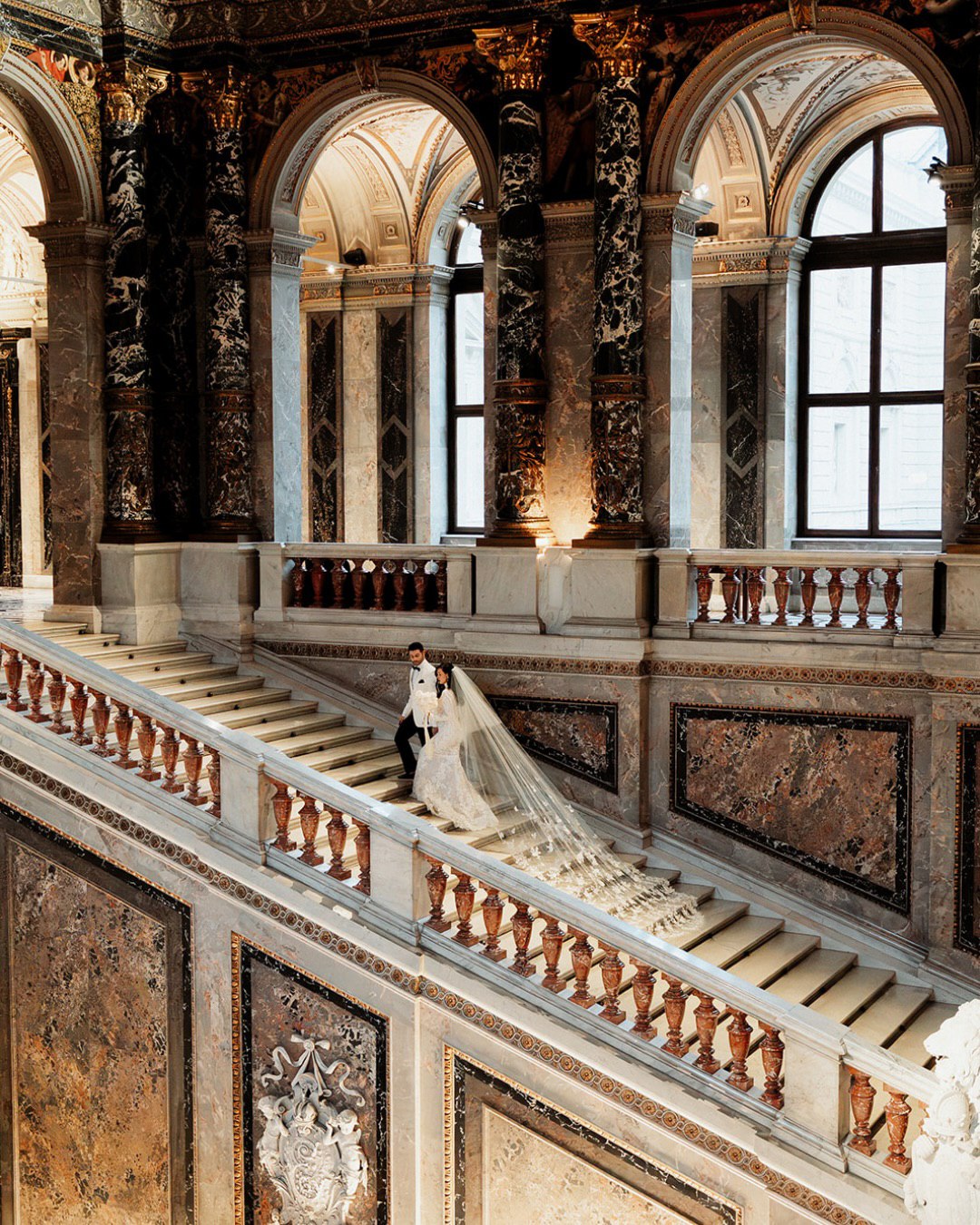
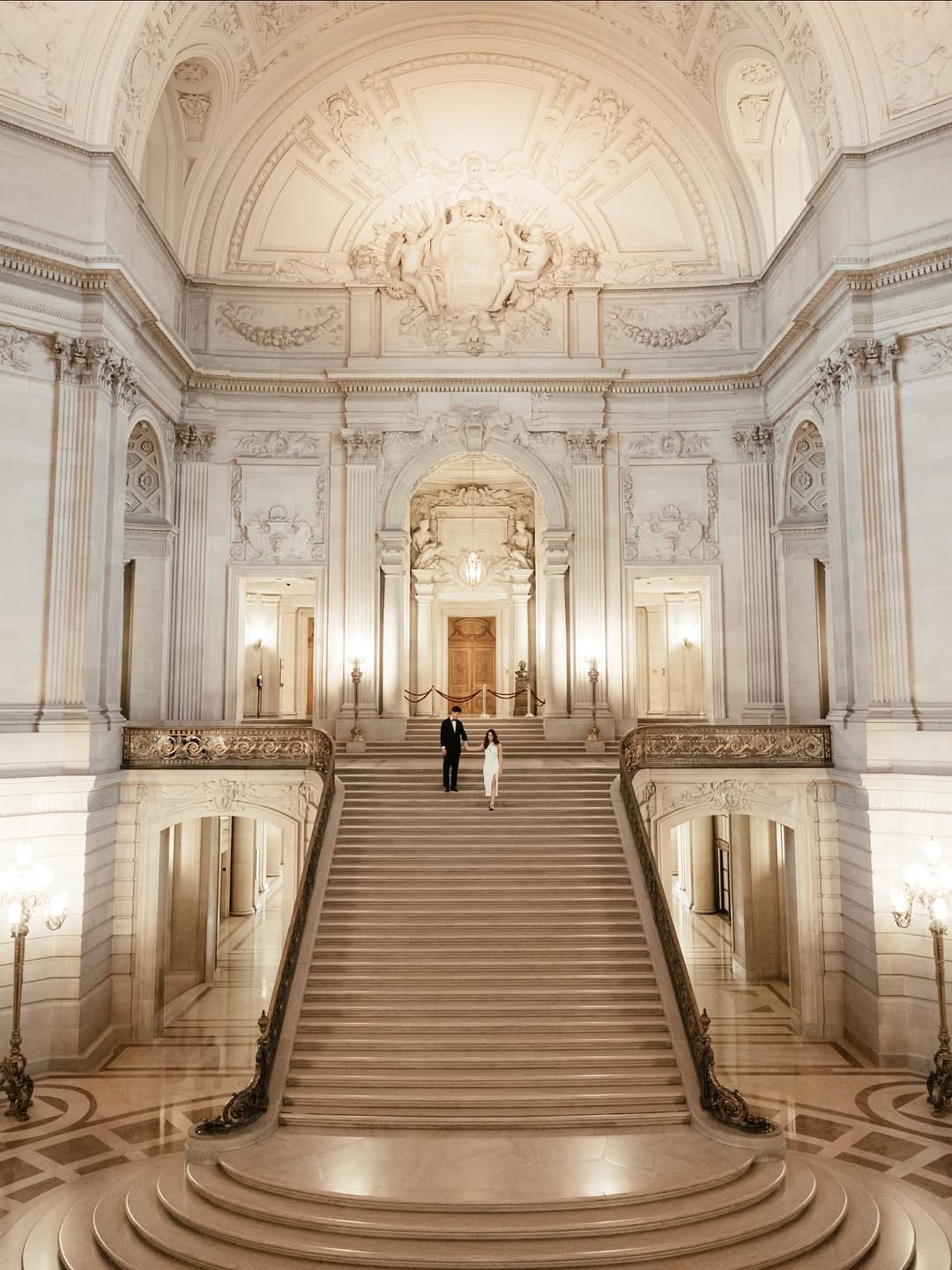
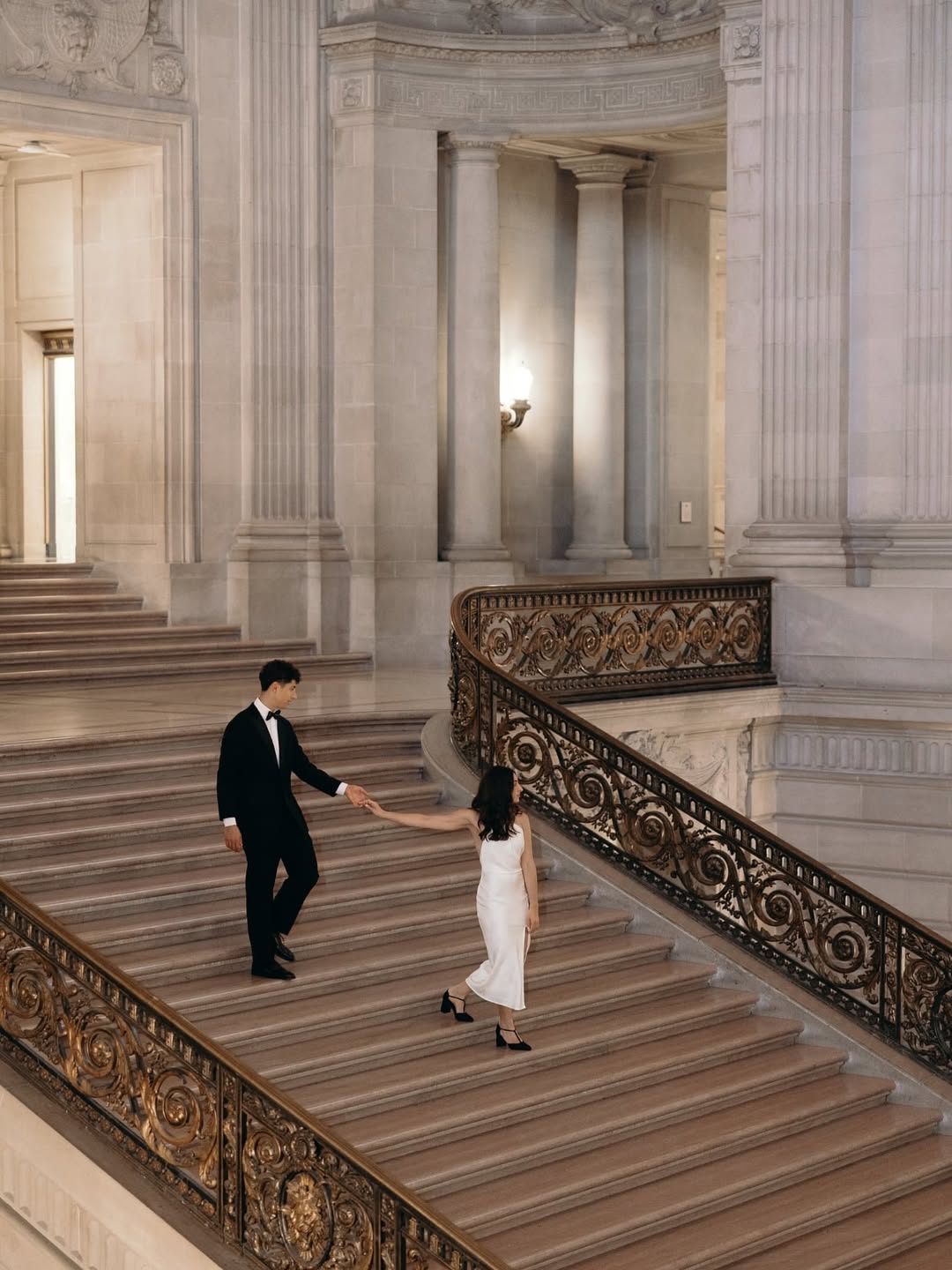
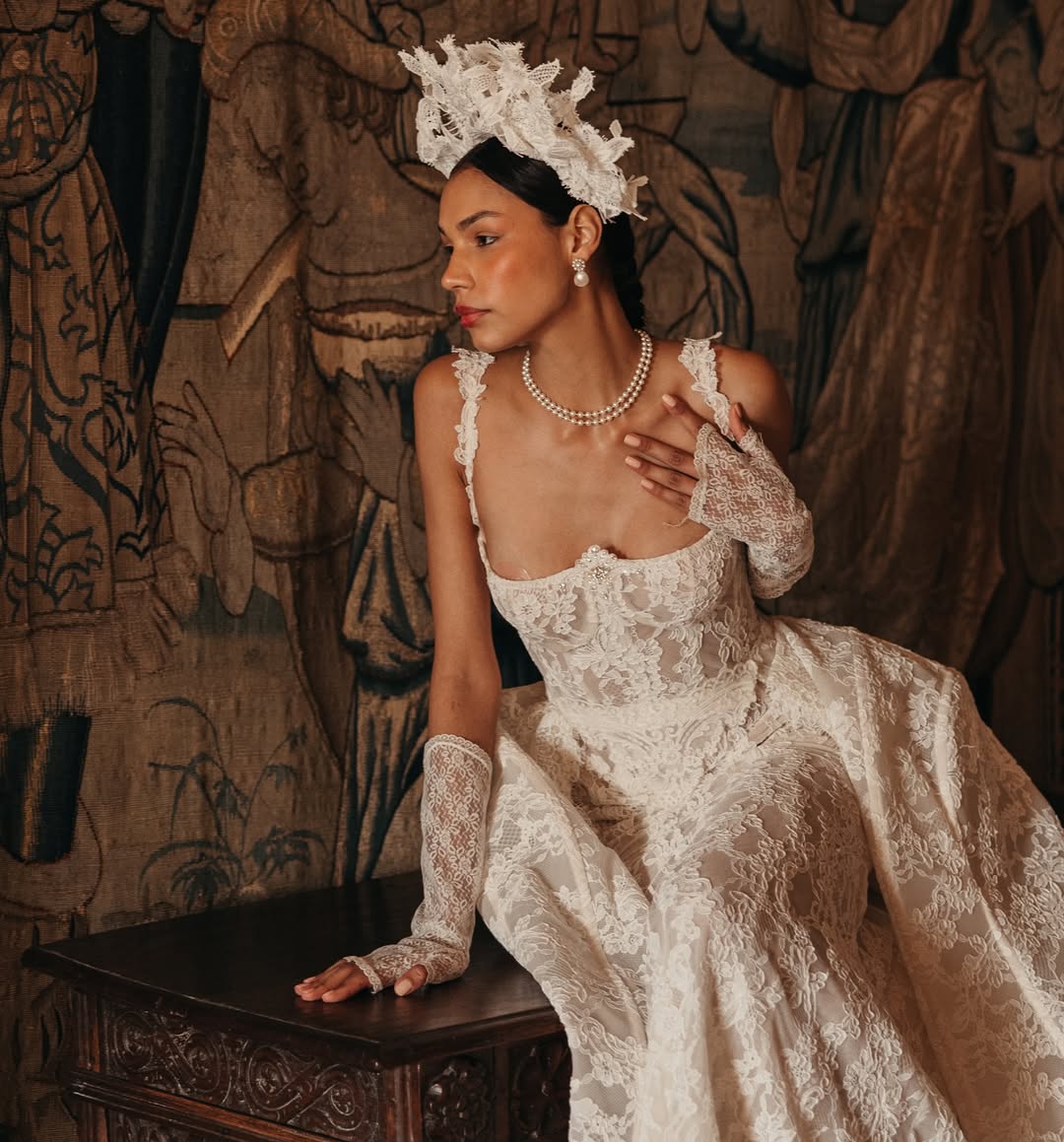
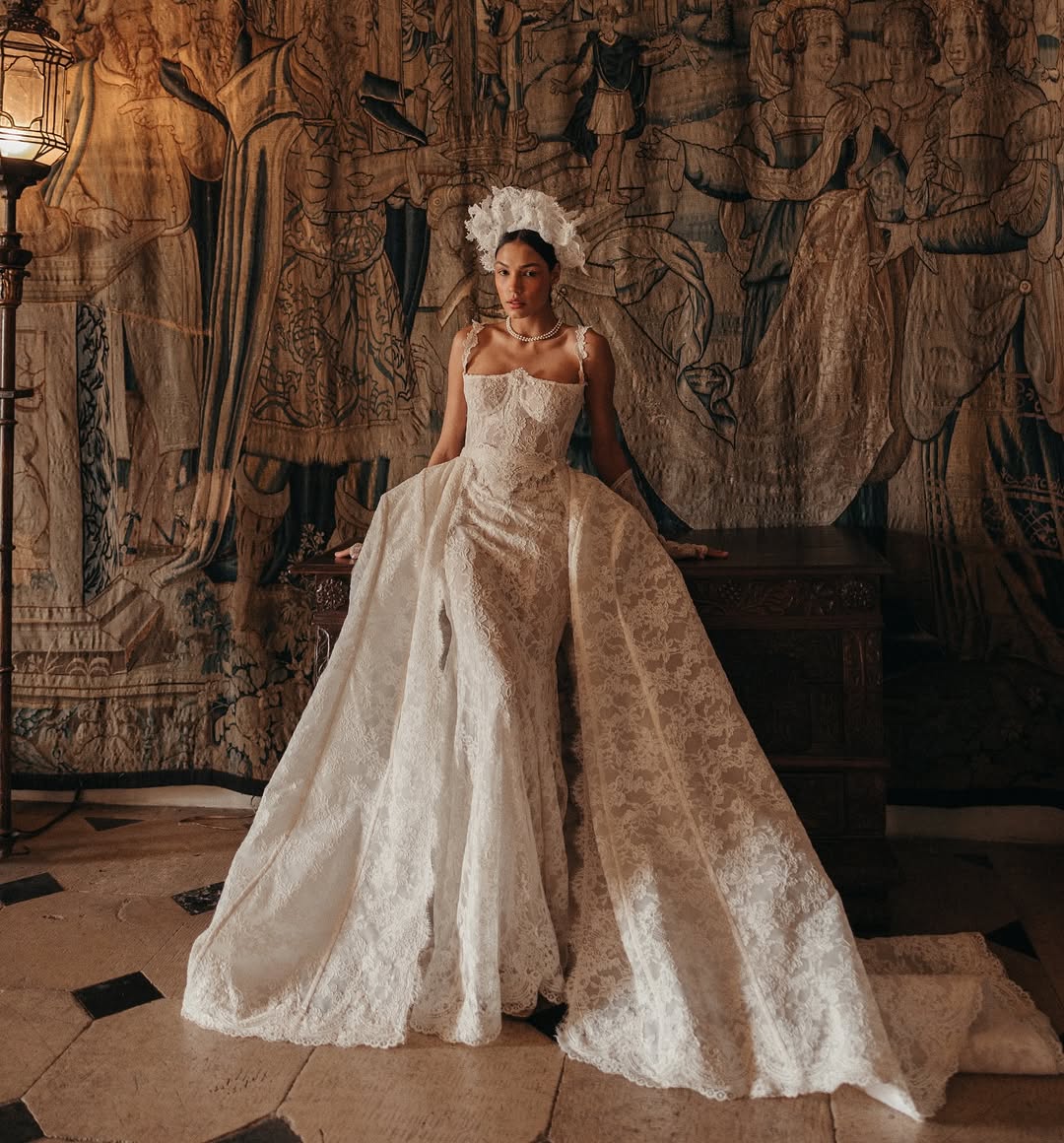
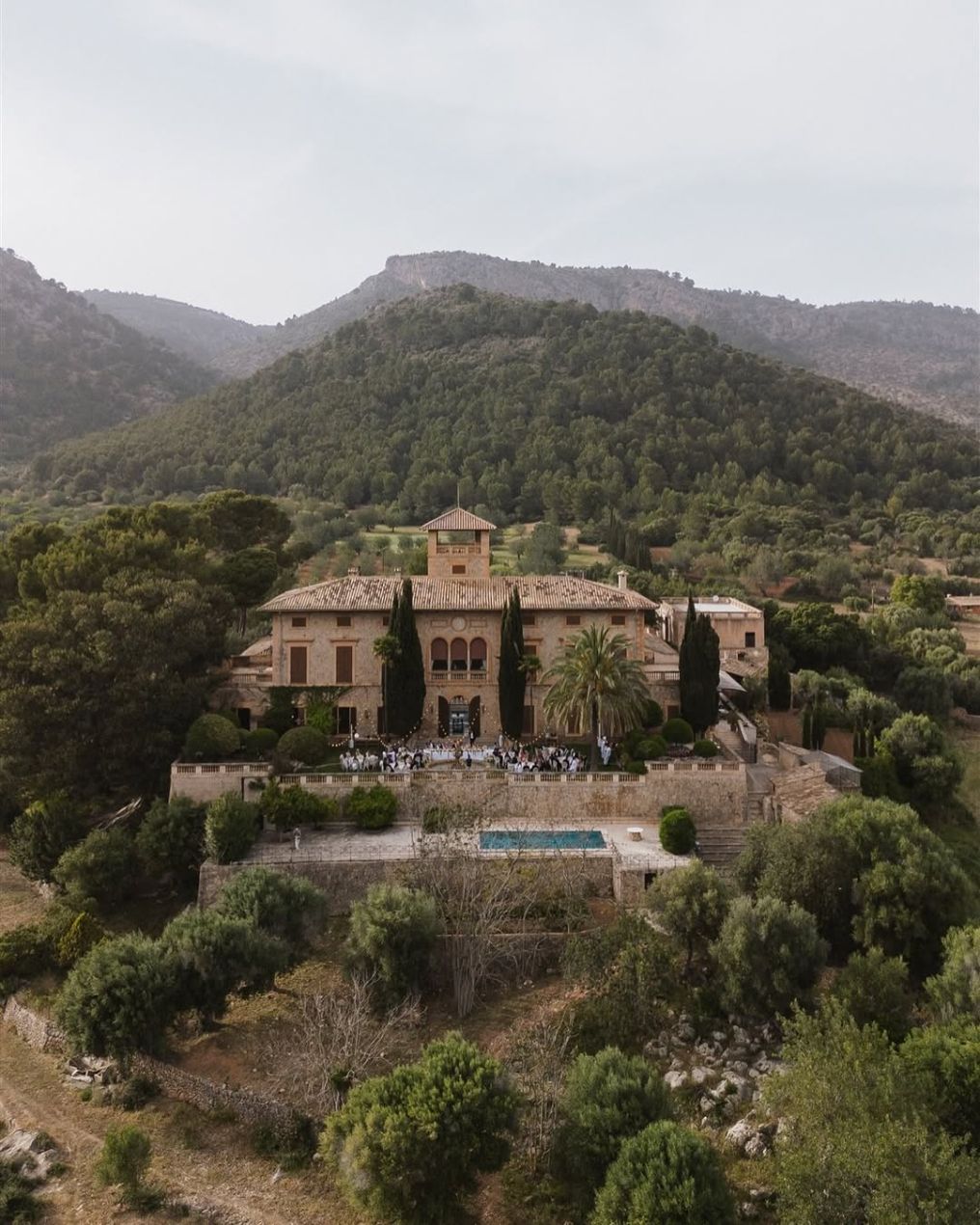
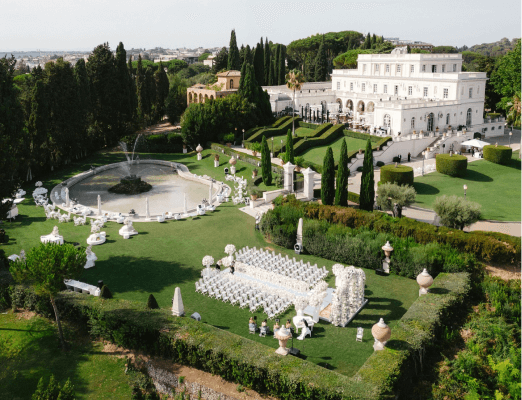
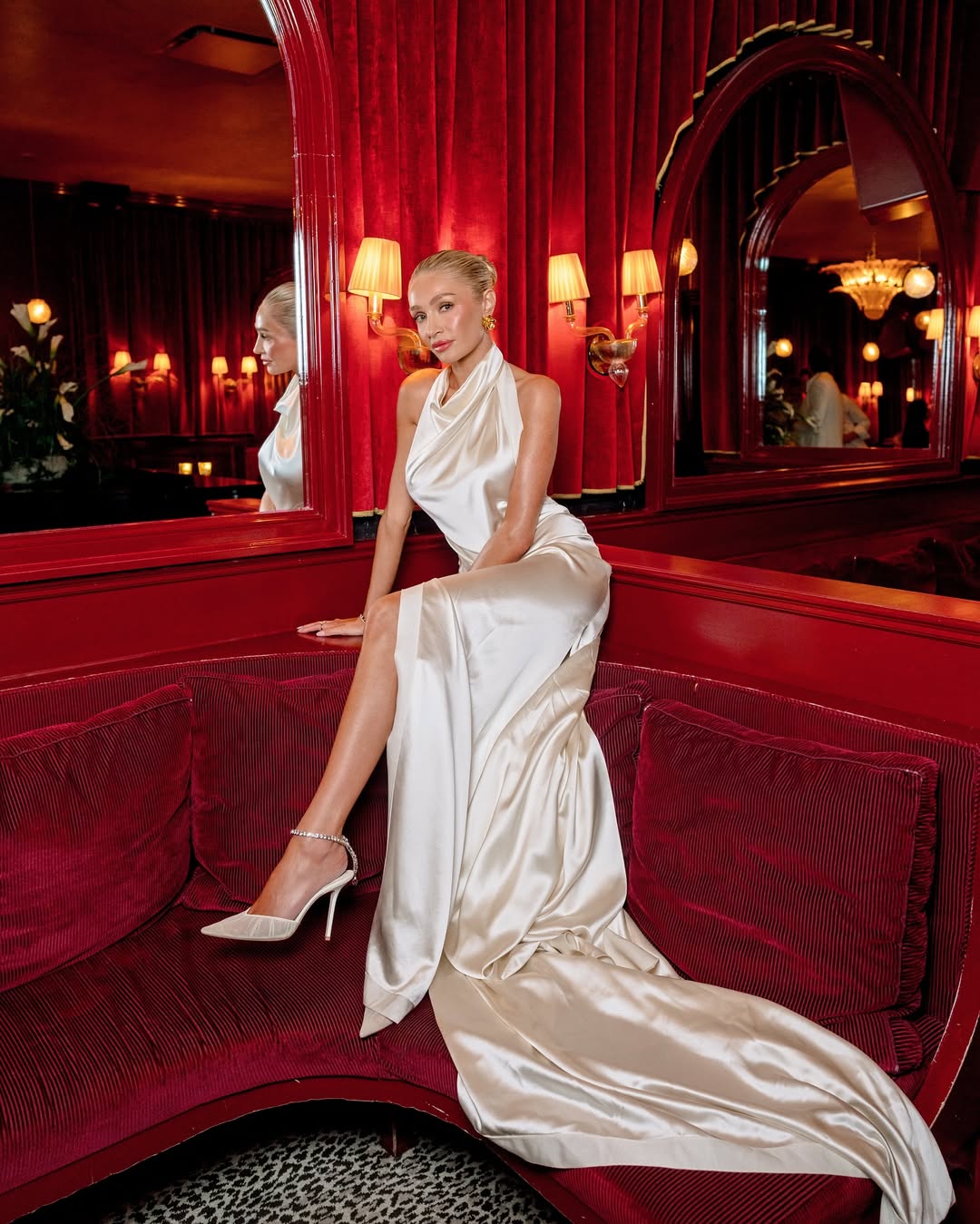
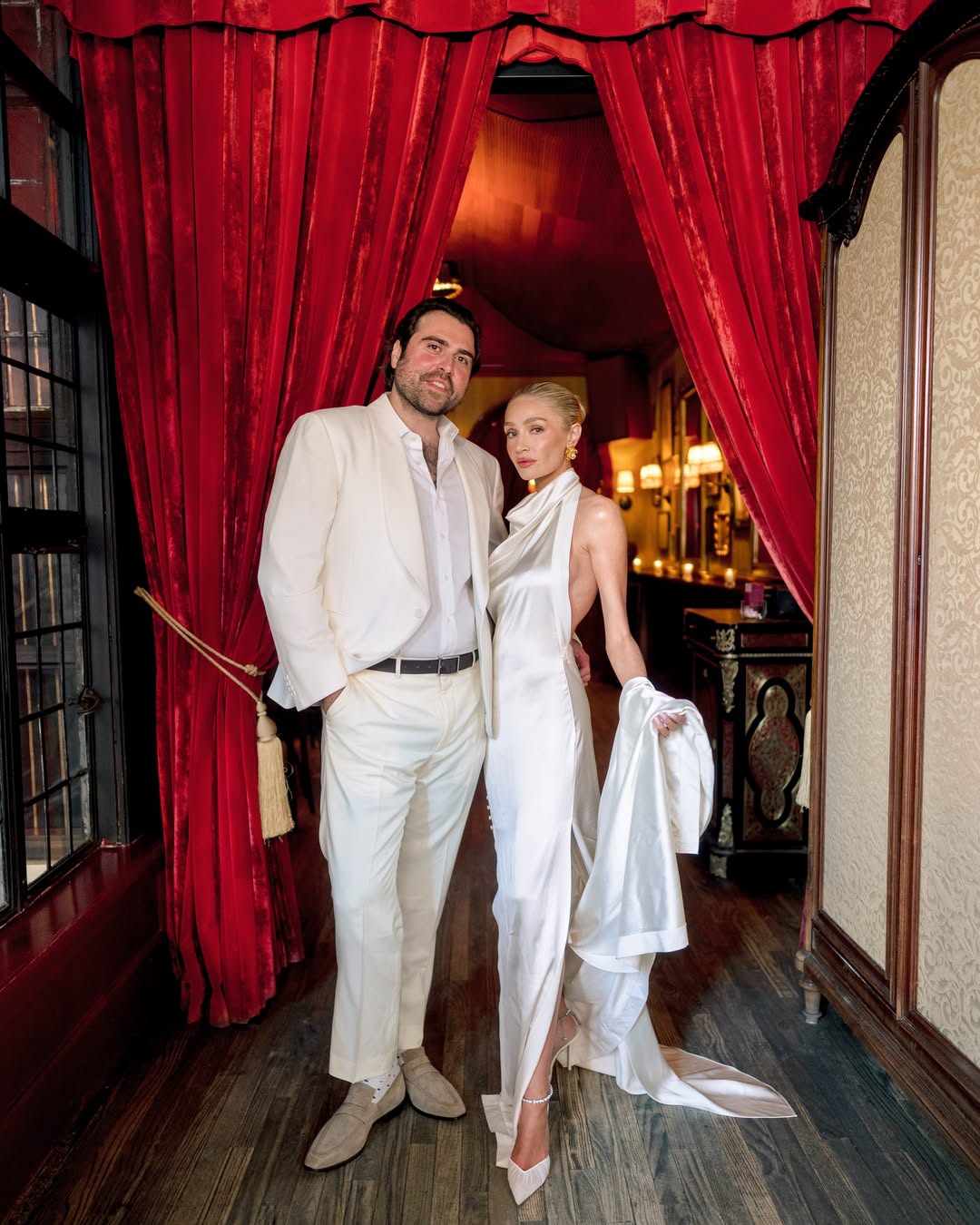
Historic interiors — palaces, museums, and classical buildings with soaring ceilings and ornate details — bring a sense of scale and gravitas that turns even the simplest portraits into something significant. Unlike outdoor post-wedding shoots, architectural spaces add historical depth, creating the feeling that your story unfolds inside places shaped by centuries of human presence. Symmetry, perspective, and proportion become key visual tools: grand staircases guide the eye, long corridors emphasize scale, and large windows frame the couple in soft, natural light.
Styling in such locations should support the space rather than compete with it. Clean silhouettes, classic tailoring, and restrained hair and makeup allow architectural details to remain dominant. European interiors — Parisian apartments, Italian palazzos, Viennese ballrooms — already carry visual authority, so the strongest post-wedding poses stay minimal, letting the setting deliver the drama while the couple brings intimacy and presence.
| Photoshoot Style | Best Locations | Ideal Dress Style | Mood & Energy | Planning Complexity |
|---|---|---|---|---|
| Epic Water Shoots | Boats, yachts, lakes, coastlines | Flowing fabrics, lightweight materials | Romantic, cinematic | Medium—weather dependent |
| Adventure & Nature | Mountains, waterfalls, deserts, canyons | Practical with beautiful details | Adventurous, dramatic | High—requires hiking/access |
| Fashion Editorial | Studios, minimalist locations | Couture, structural, dramatic | Polished, artistic | Medium—controlled environments |
| Black & White Stories | Any with strong light/shadow | Timeless silhouettes | Emotional, intimate | Low—focus on light |
| Architectural | Palaces, museums, grand buildings | Classic, elegant lines | Sophisticated, grand | Medium—permits often needed |
| Intimate & Minimal | Private homes, quiet spaces | Simple, understated | Authentic, calm | Low—small locations work |
Intimate & Minimal Post-Wedding Moments
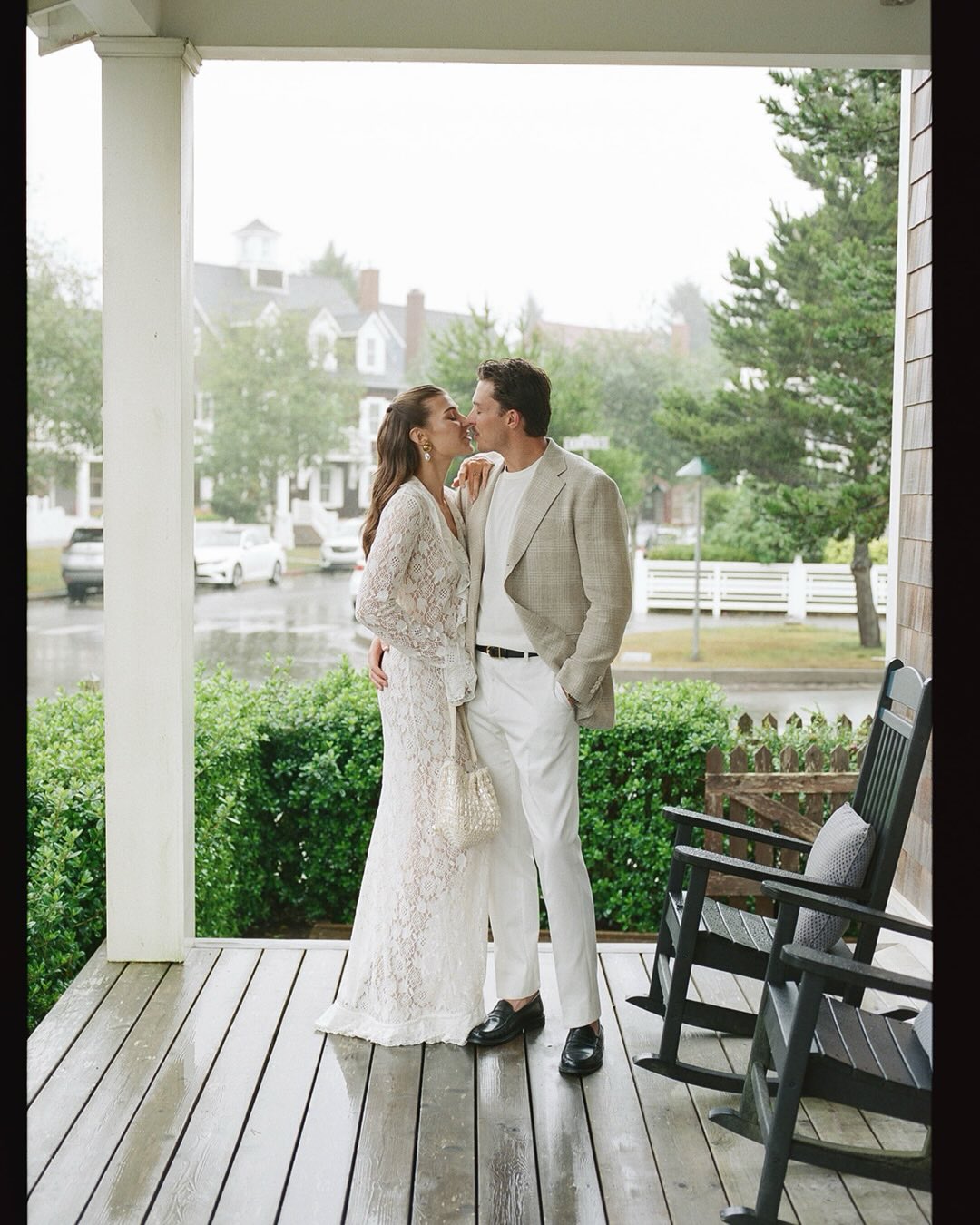
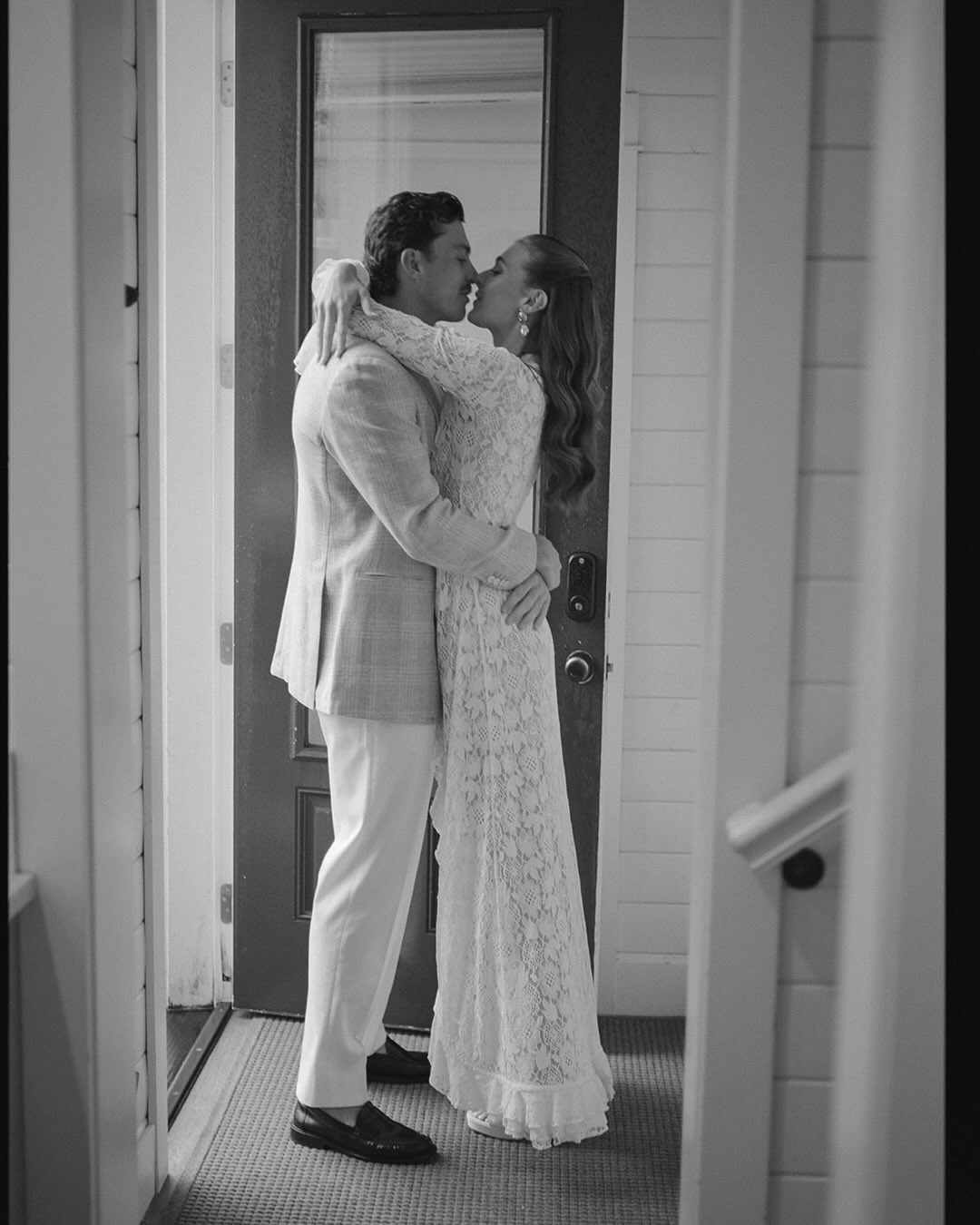
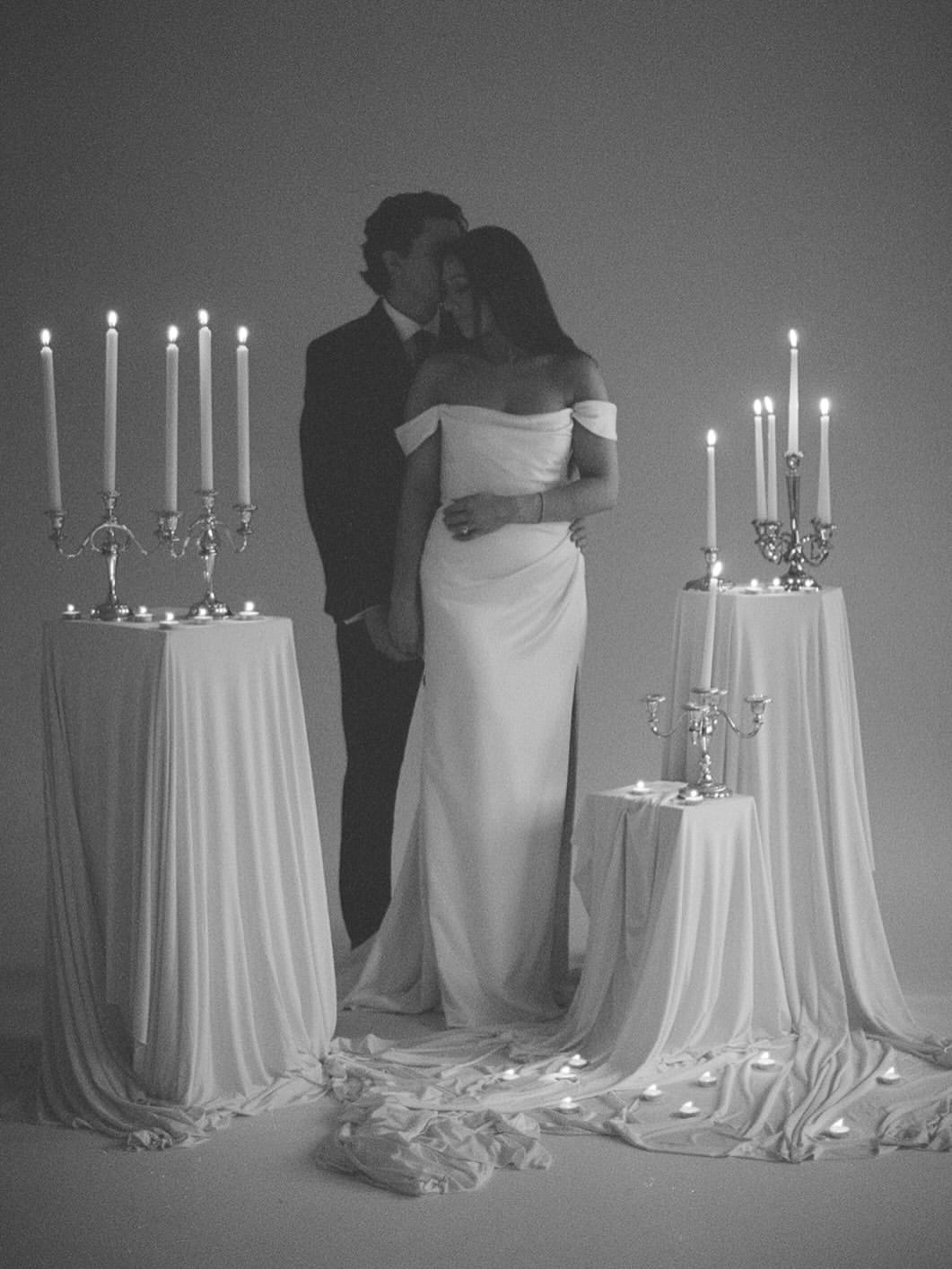
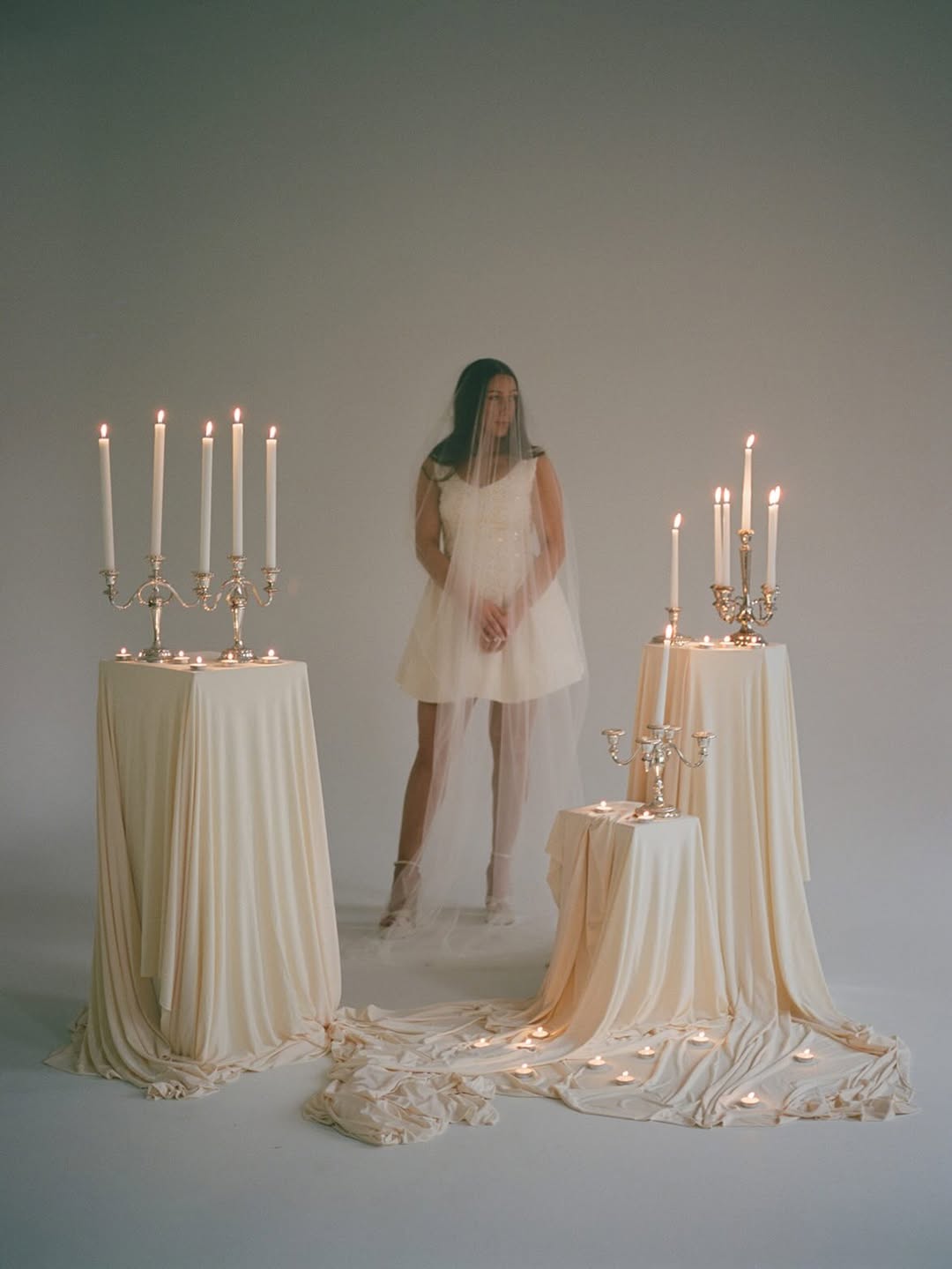
Sometimes, the most powerful images emerge from quiet moments rather than spectacles. Post-wedding photo shootsall around the world are increasingly embracing minimalism — home-like locations with a calm atmosphere, natural light streaming through windows, and couples simply being together without any performance or pretence. This approach is ideal for those who value authenticity and connection over aesthetics and composition.
Minimal décor and natural light ensure that the focus remains entirely on the couple. A room with beautiful window light and little else. A simple bed with white linens. A doorway framing two people. The absence of visual complexity forces viewers to focus on what matters: the way two people look at each other, the comfort of being close and the small gestures that reveal intimacy.
This style is distinguished by emotional connection over poses. Rather than directing specific poses, photographers capture what happens when couples forget the camera is there. These sessions often feel more like documentary work than traditional portraiture — less "stand here and do this" and more "be together and I'll observe". While the resulting images lack the polish of editorial work, they gain something arguably more valuable: genuine feeling.
Unconventional & Bold Post-Wedding Ideas
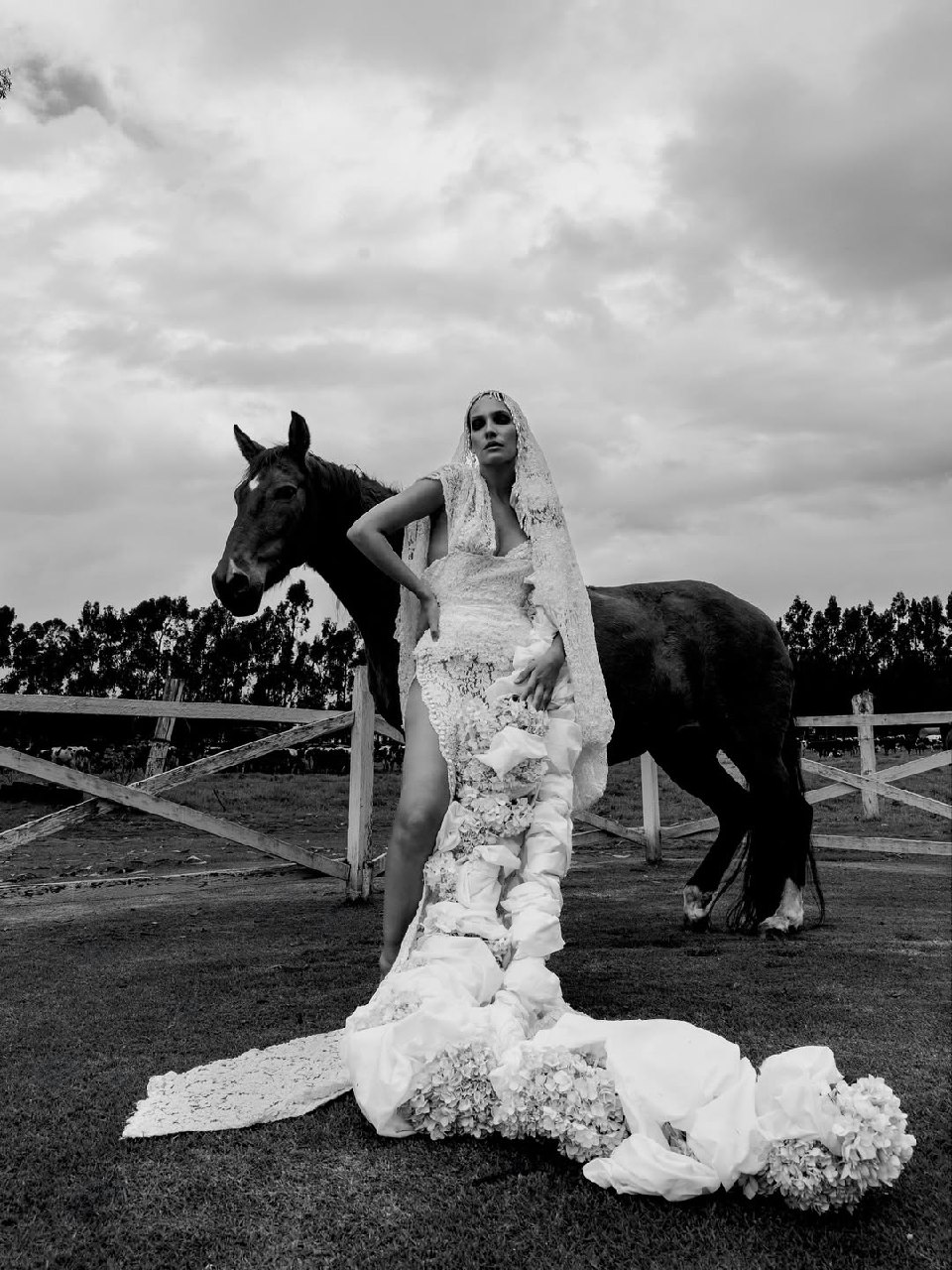
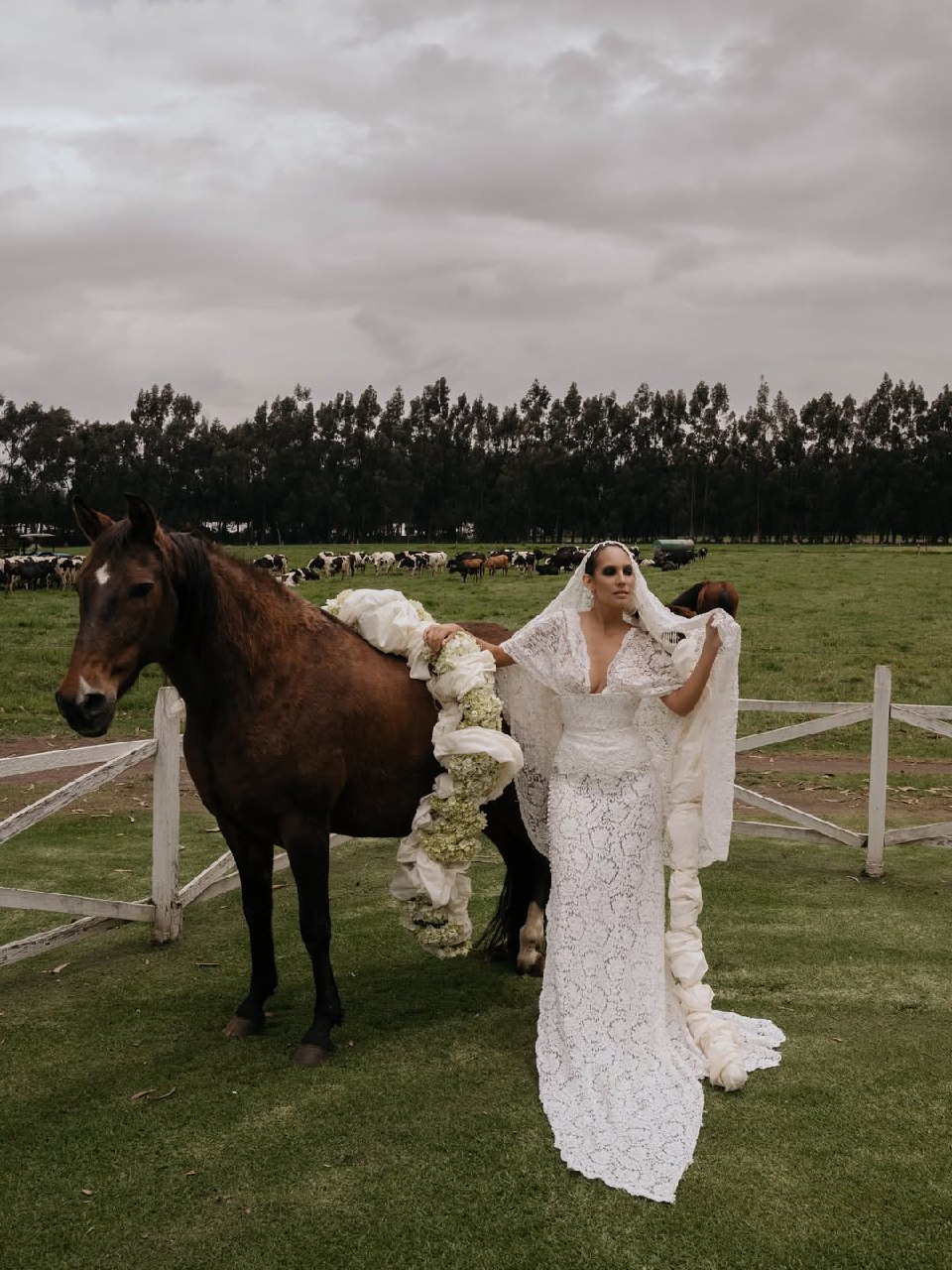
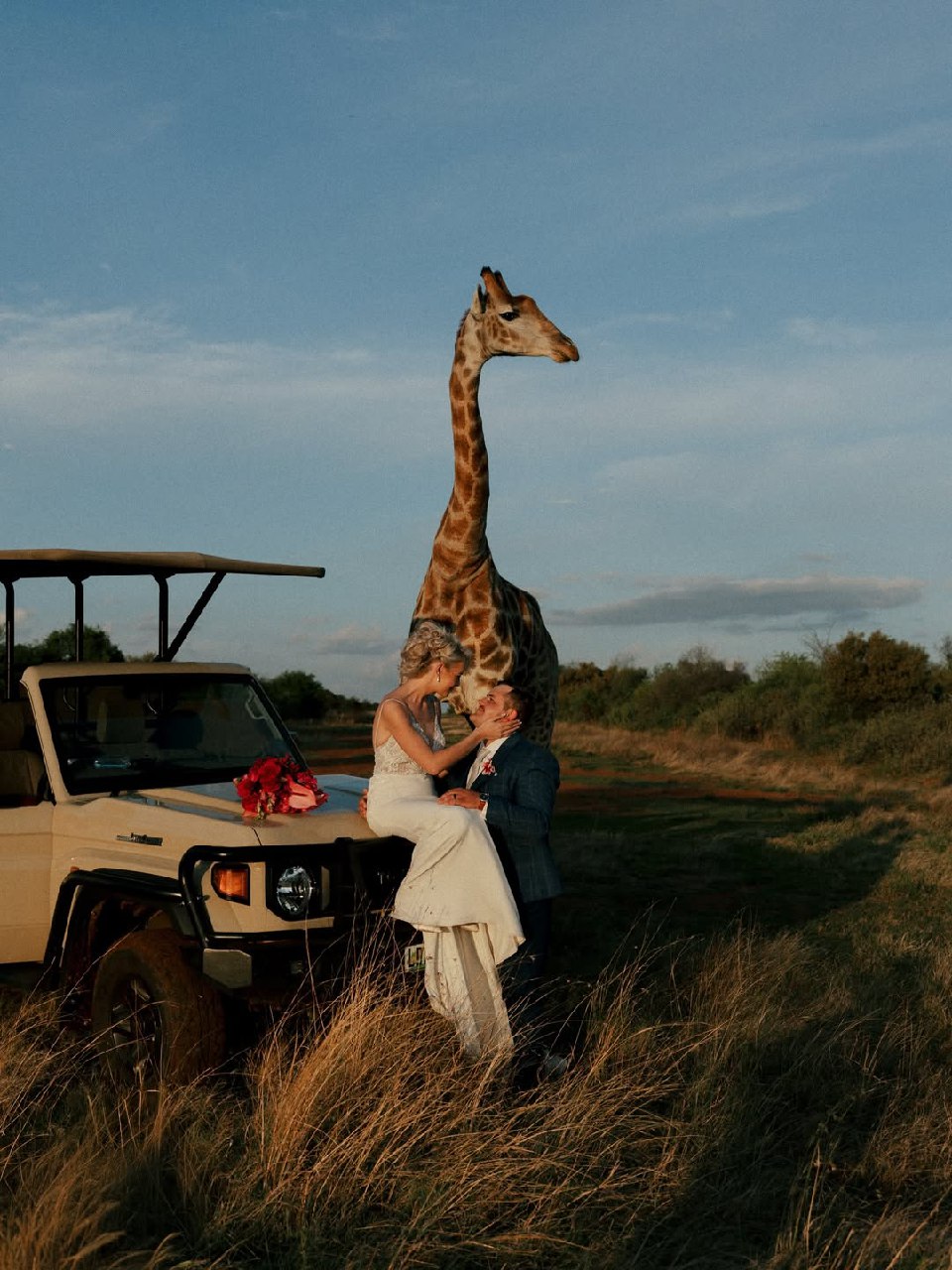
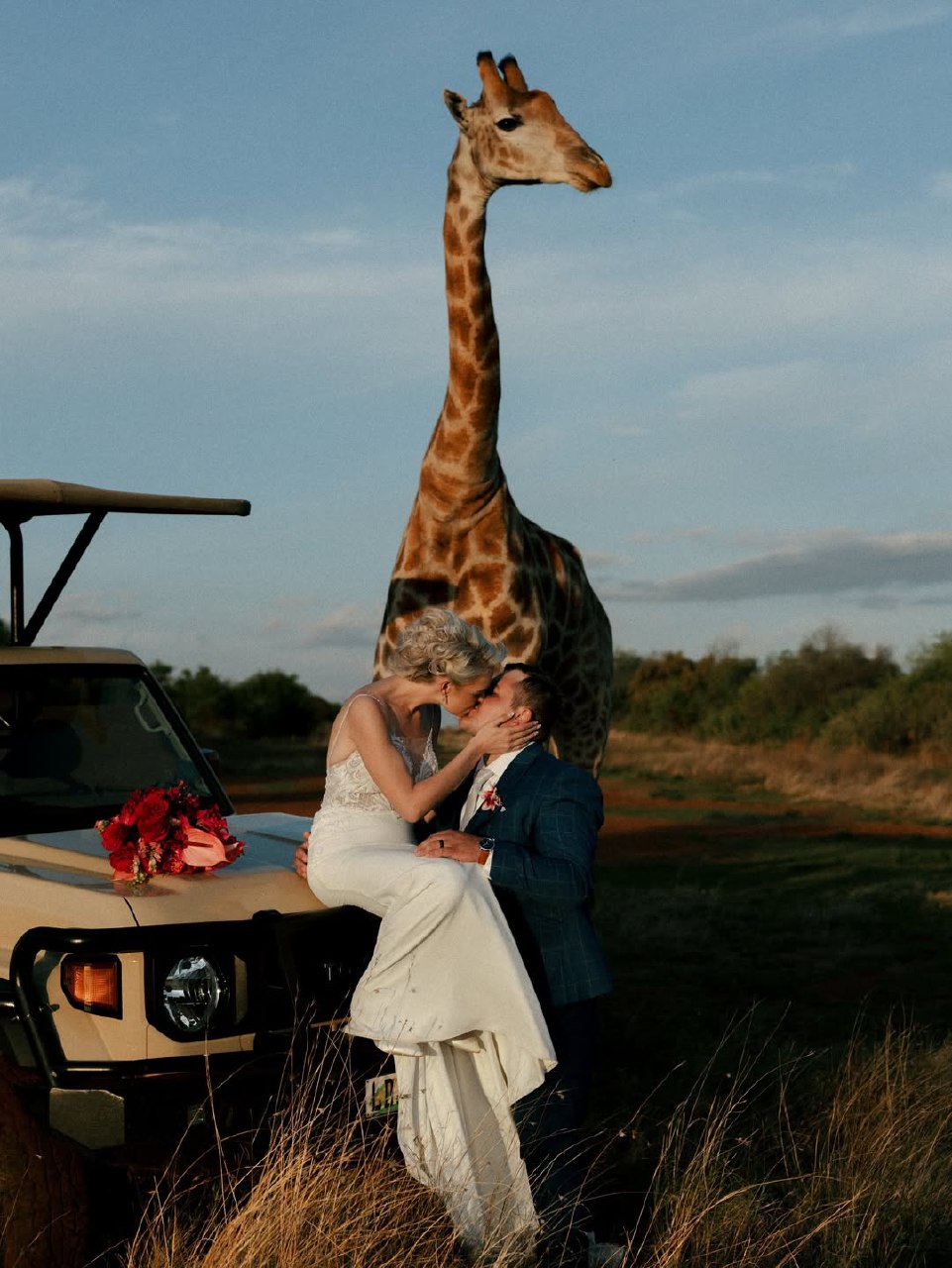
For couples who reject traditional bridal aesthetics entirely, post-wedding photoshoots can become a space for true experimentation. Animals in the frame, surreal compositions that distort scale or perspective, bold styling that would never suit a real wedding day, unconventional dresses in shades far from white or ivory — this is photography as creative expression rather than documentation. Motorcycles replace carriages, urban textures replace manicured gardens, dramatic makeup replaces natural beauty, and the goal shifts to creating images that challenge expectations and linger in memory. The key is balance: pushing boundaries without tipping into costume or camp, guided by a strong shared vision between the couple and the photographer, thoughtful concept development, and a willingness to take risks that may not appeal to everyone but feel deeply authentic to those in the frame.

How to Choose the Right Photographer for a Post-Wedding Shoot
- Experience with destination and post-wedding shoots is important because the approach differs fundamentally from that of wedding day photography. Look for portfolios showing editorial work and concept-driven images, as well as evidence that they can create strong visuals without the built-in emotion of an actual wedding day.
- An ability to work with concepts and moods is what separates good photographers from great ones when it comes to executing post-wedding photo shoot ideas. Can they articulate a creative vision? Do they know how to create a cohesive series rather than just individual attractive images? Can they adapt their style to match your specific aesthetic?
- A consistent portfolio reveals whether a photographer has a defined point of view or just gets lucky occasionally. You want someone whose work you recognise across different shoots, whose aesthetic aligns with your vision and whose technical skill is evident in every image they share.
- Effective communication and creative collaboration are key to ensuring that the investment you make in a post-wedding photoshoot yields images you'll treasure, rather than just additional wedding photos that don't add much to your existing collection. The best photographers listen to your vision, contribute their expertise and produce results that exceed what either of you could have achieved alone.
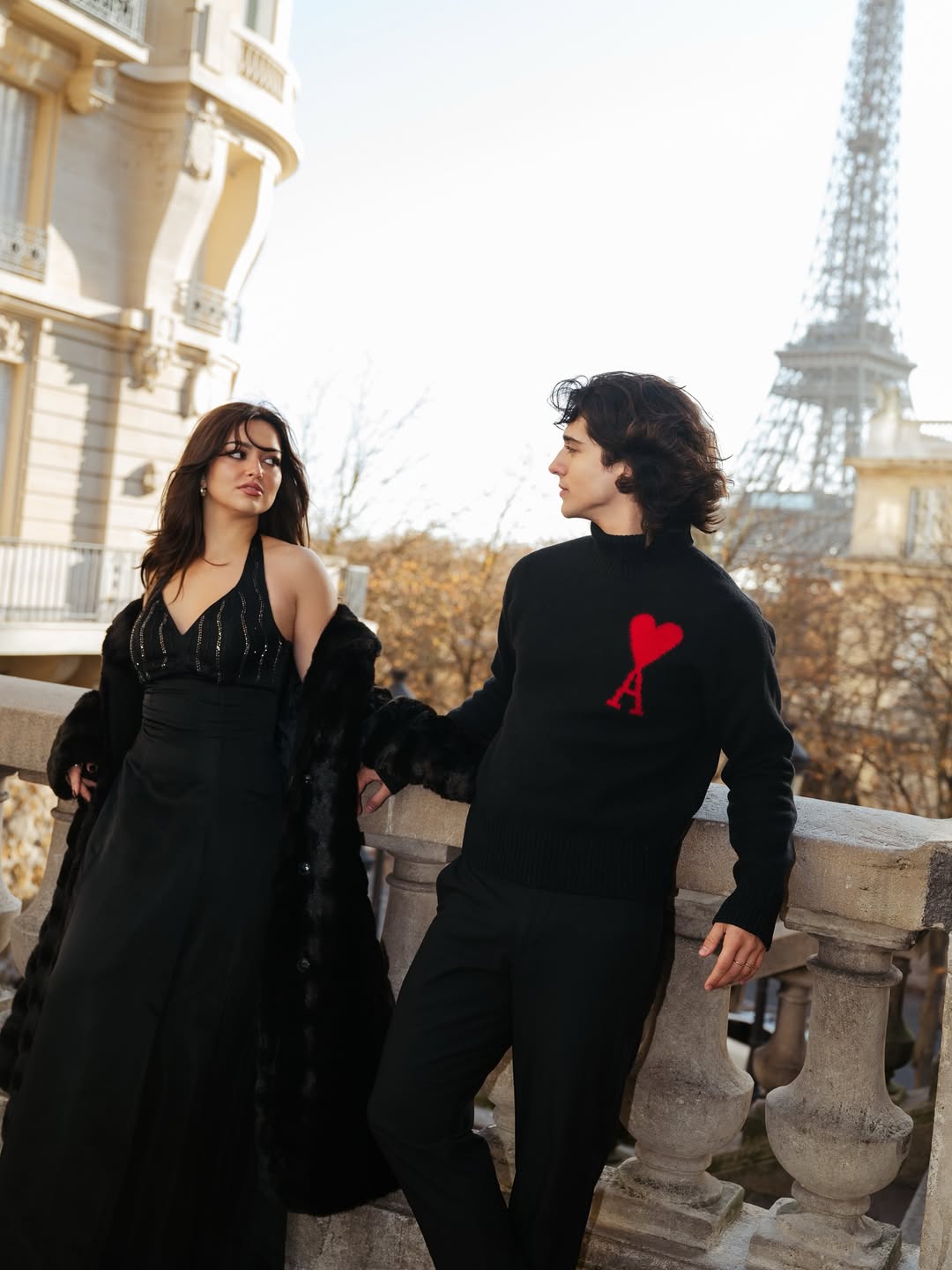
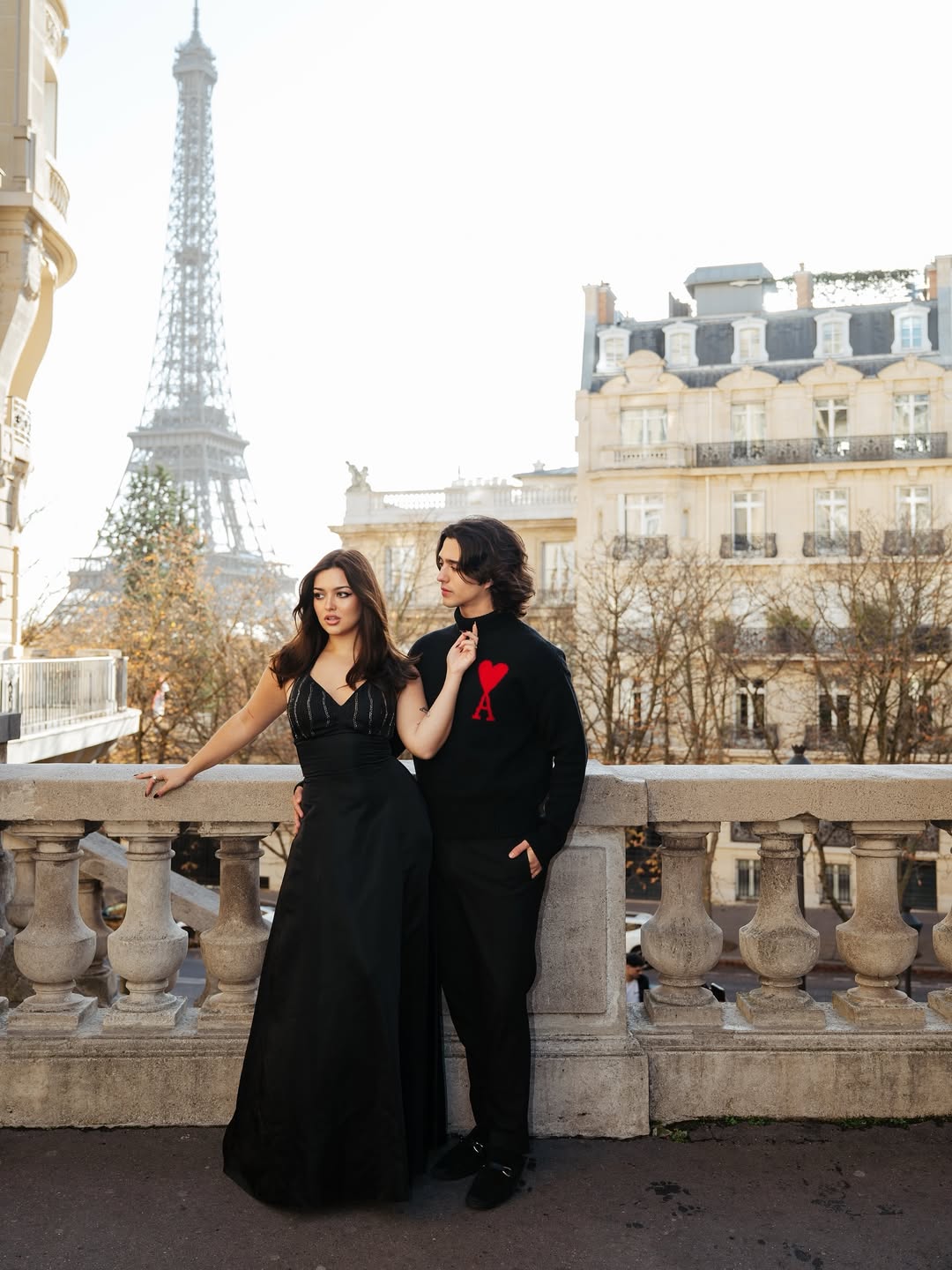
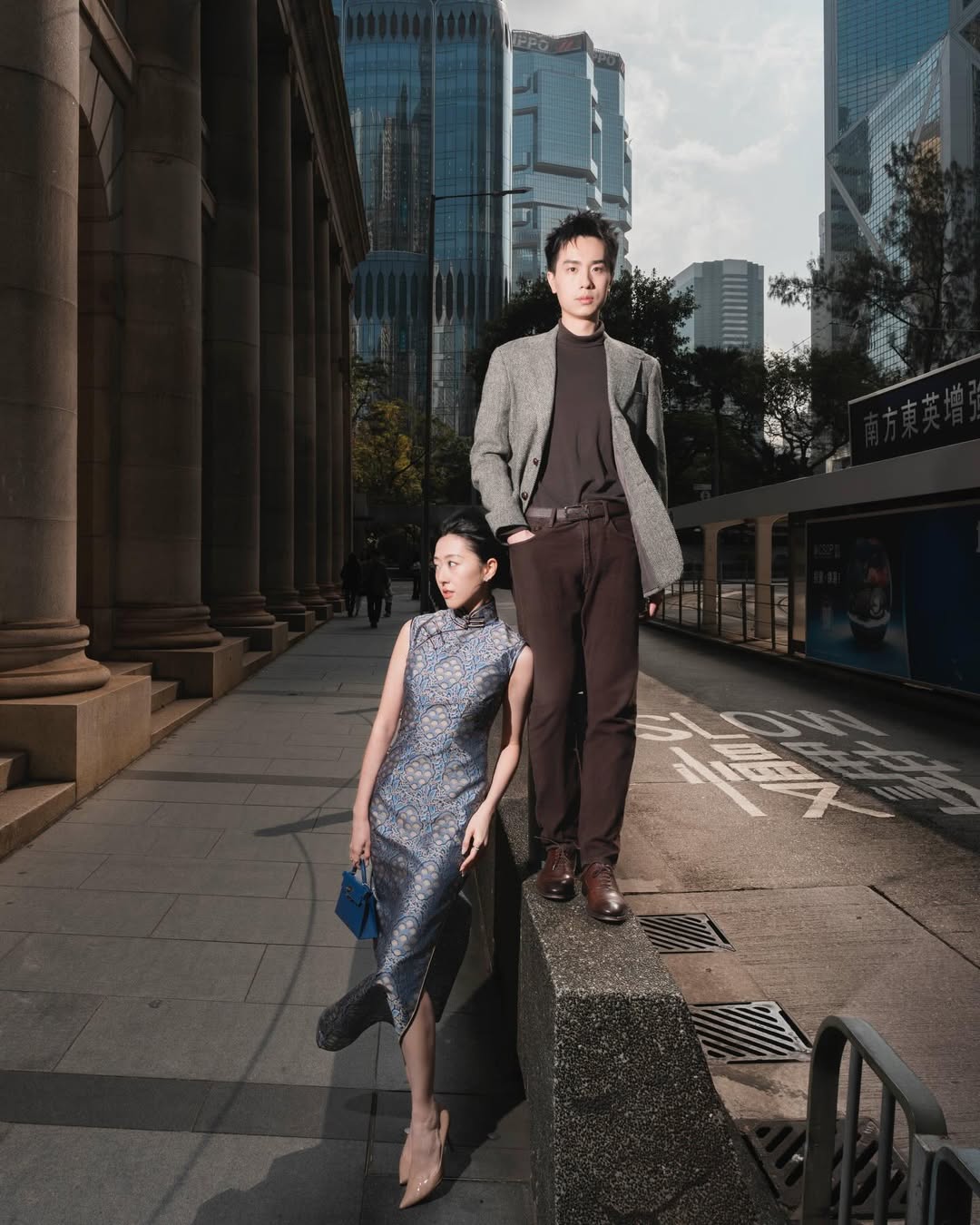
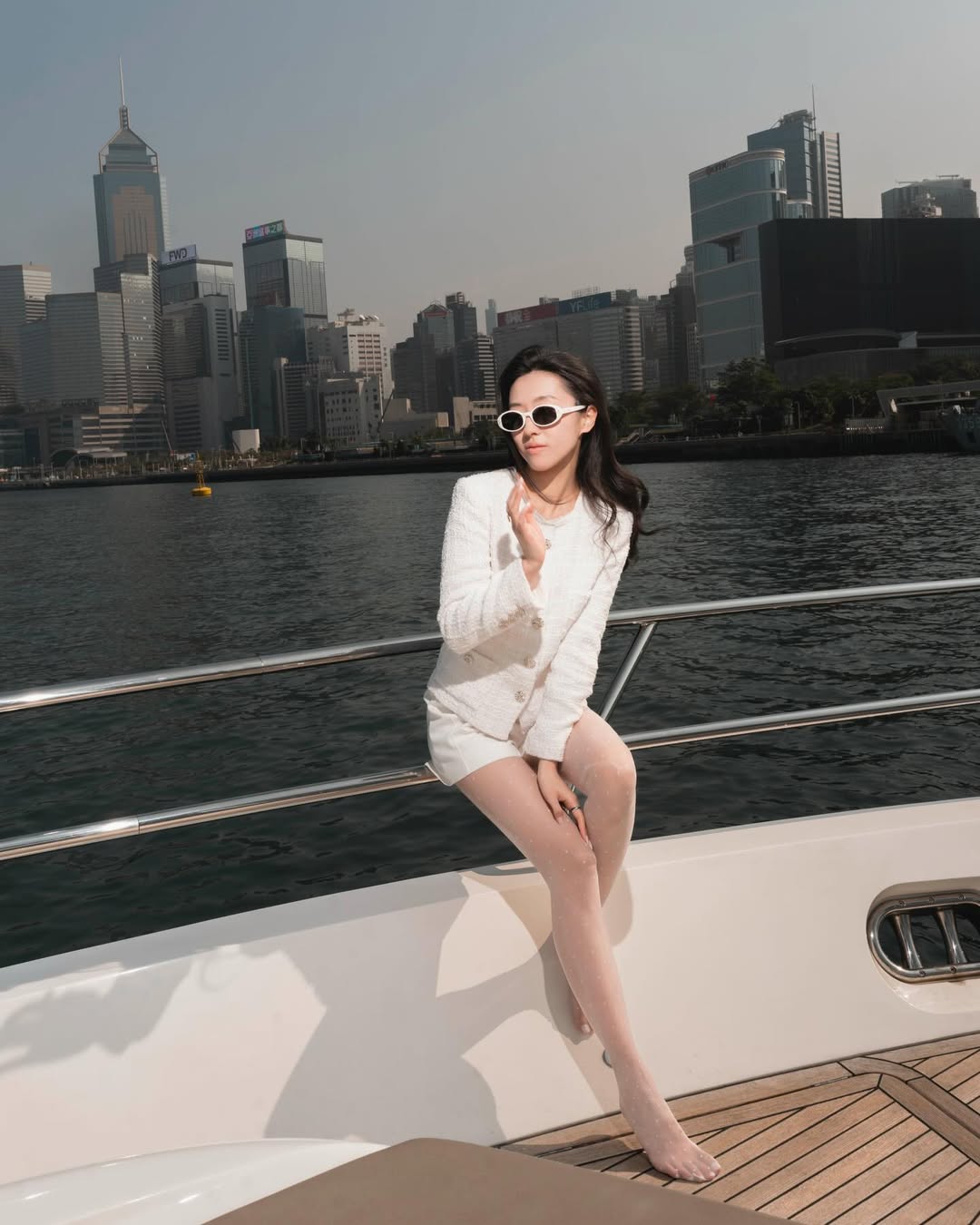
A post-wedding photoshoot isn't "after" — it's "again, but differently". It's an opportunity to take photos that aren't constrained by timelines, logistics or the beautiful chaos of your wedding day. Whether you choose water, wilderness, architecture, minimalism or pure creative expression, these shoots transform your wedding story into something that transcends a single day. The photos become art that you have collaborated on, memories that you have intentionally crafted, and images that remind you not just of how your wedding looked, but also of who you are together when all the performance falls away, leaving simply the two of you and the love that started it all.