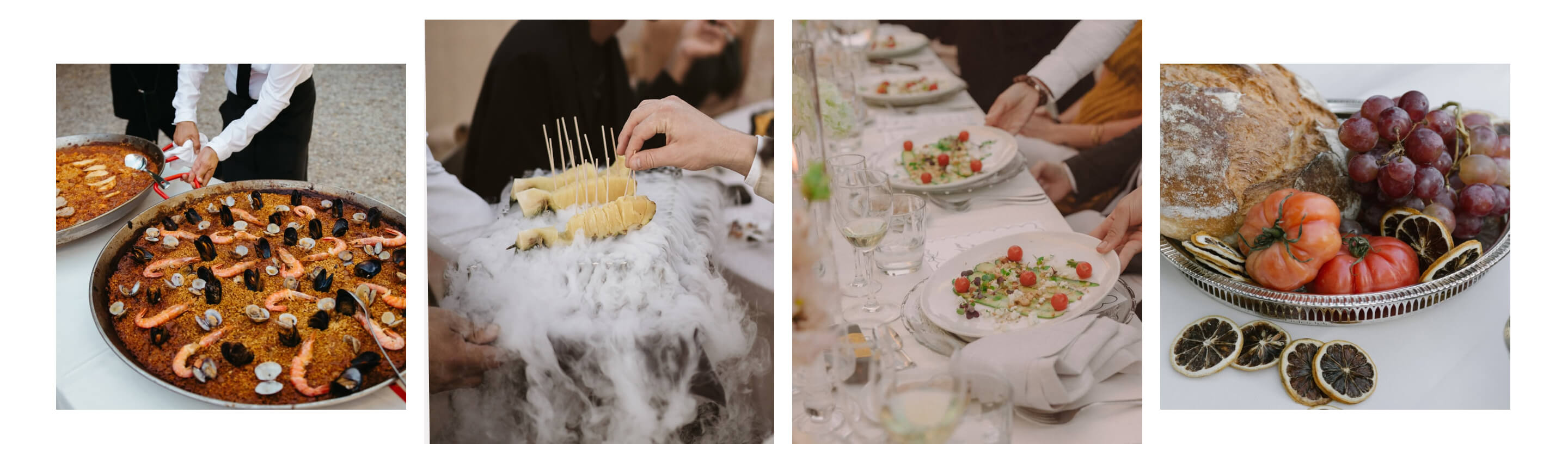
Mediterranean Diet: The Wedding Menu Guide
- Author: Natali Grace Levine
- Reading time: 9 min 10 sec
- Publication date: 06/09/2026
- Updated: 06/25/2026


- Why the Mediterranean Diet Is Having a Wedding Moment
- The Mediterranean Table Philosophy — What It Actually Means for a Wedding
- Mediterranean Wedding Food Course by Course: From Aperitivo to Dessert
- Mediterranean Wedding Cake and Desserts Worth Knowing About
- Mediterranean Wedding Catering: How to Find the Right Team
- FAQs
The Mediterranean diet has been named the world’s healthiest eating pattern by US News & World Report for seven consecutive years, and it's easy to see why. It is not a diet in the traditional sense — there is no calorie counting, no elimination phases and no guilt. It is a philosophy: eat fresh food, share good food, and savour every bite. For weddings, this translates into something truly special. A table built around the Mediterranean diet is not only beautiful to look at. The food makes guests linger, pairs naturally with wine and conversation, and feels luxurious without being heavy.
At Wezoree, we have featured hundreds of weddings from across the Mediterranean region. The receptions that guests talk about the longest are almost never those with the most elaborate menus. They are the ones built around simplicity, seasonality and the particular generosity of a Mediterranean table. The reason is not complexity, but philosophy.
This guide is for couples who want their reception to be as carefully planned as their venue and as memorable as the day itself.
Find Your Perfect Wedding Vendors


Why the Mediterranean Diet Is Having a Wedding Moment
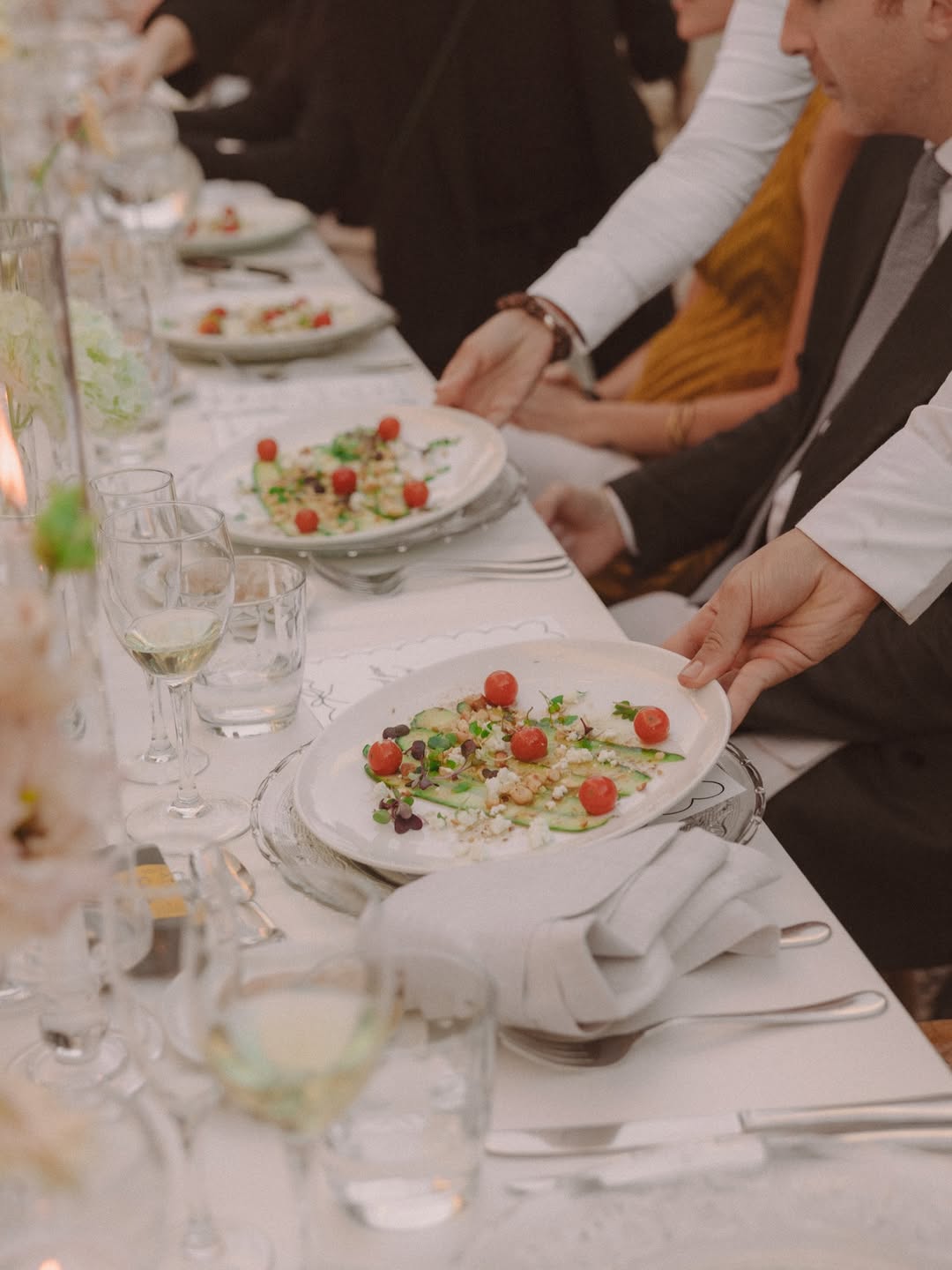
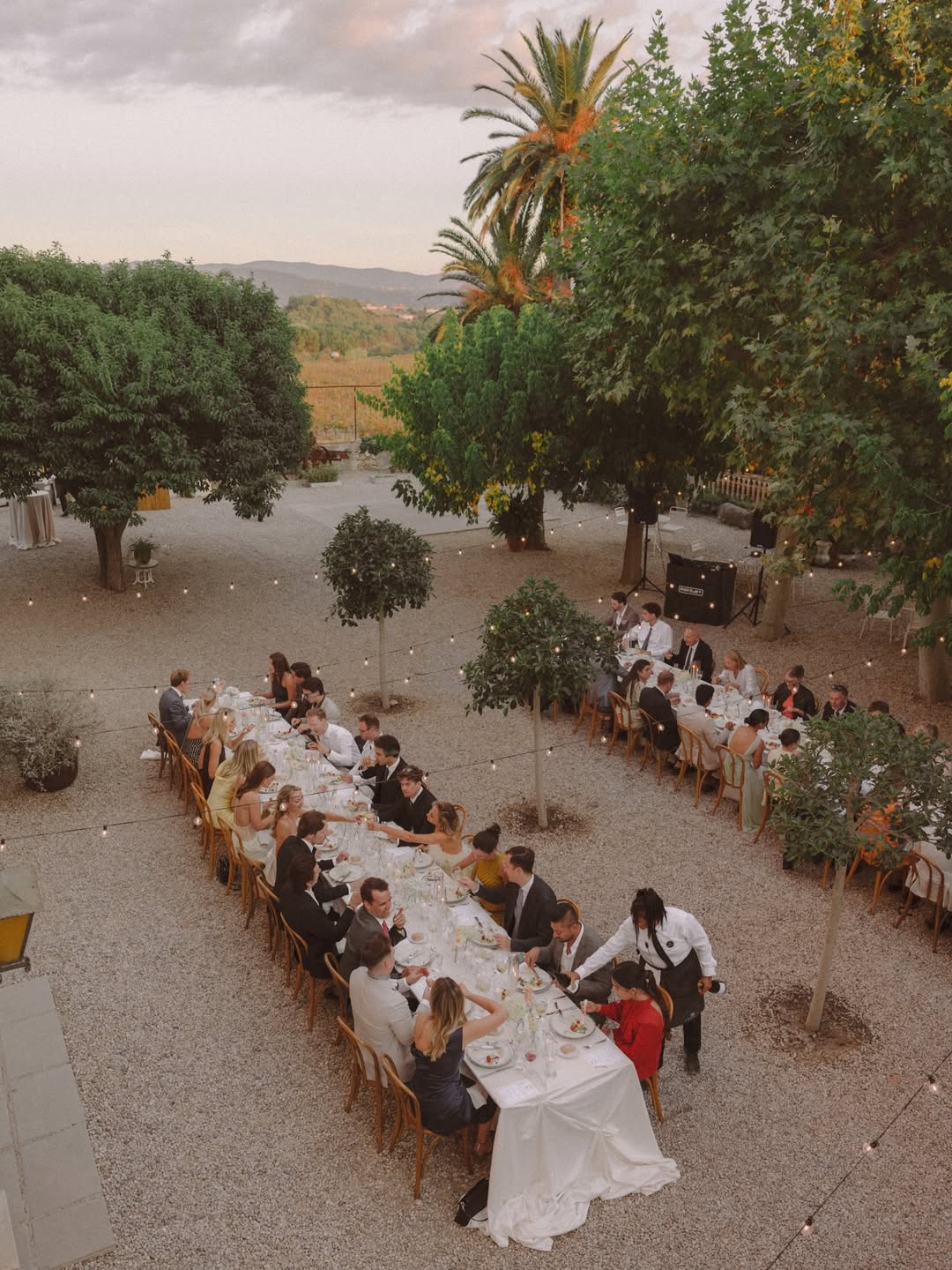
So, what is the Mediterranean diet, exactly? It is the traditional dietary pattern of countries bordering the Mediterranean Sea, such as Greece, Italy, Spain, Lebanon and Morocco, and has been documented and studied since the 1950s. This was when researchers first noticed that populations in southern Europe had significantly lower rates of heart disease than those in the United States.
At its core, the Mediterranean-style diet is based on a few key principles.
- Plants first: vegetables, legumes, whole grains and fruit form the basis of every meal.
- Olive oil as the primary fat: not butter or vegetable oil, but cold-pressed extra virgin olive oil.
- Fish and seafood regularly: two to three times per week, as traditionally eaten.
- Meat in moderation: poultry occasionally and red meat rarely.
- Dairy in small amount-s: mostly cheese and yoghurt, and rarely in large quantities.
- Wine with meals: typically one glass with food and never on its own.
- Herbs and spices instead of salt: oregano, thyme, rosemary, za’atar and sumac.
- Eating slowly and together: the social aspect is considered an integral part of the diet.
For weddings, this translates into shareable, visually stunning menus suited to long evenings of conversation. The Mediterranean diet is not suited to rushed, solitary meals, which is precisely why it belongs at a wedding.
The Mediterranean Table Philosophy — What It Actually Means for a Wedding
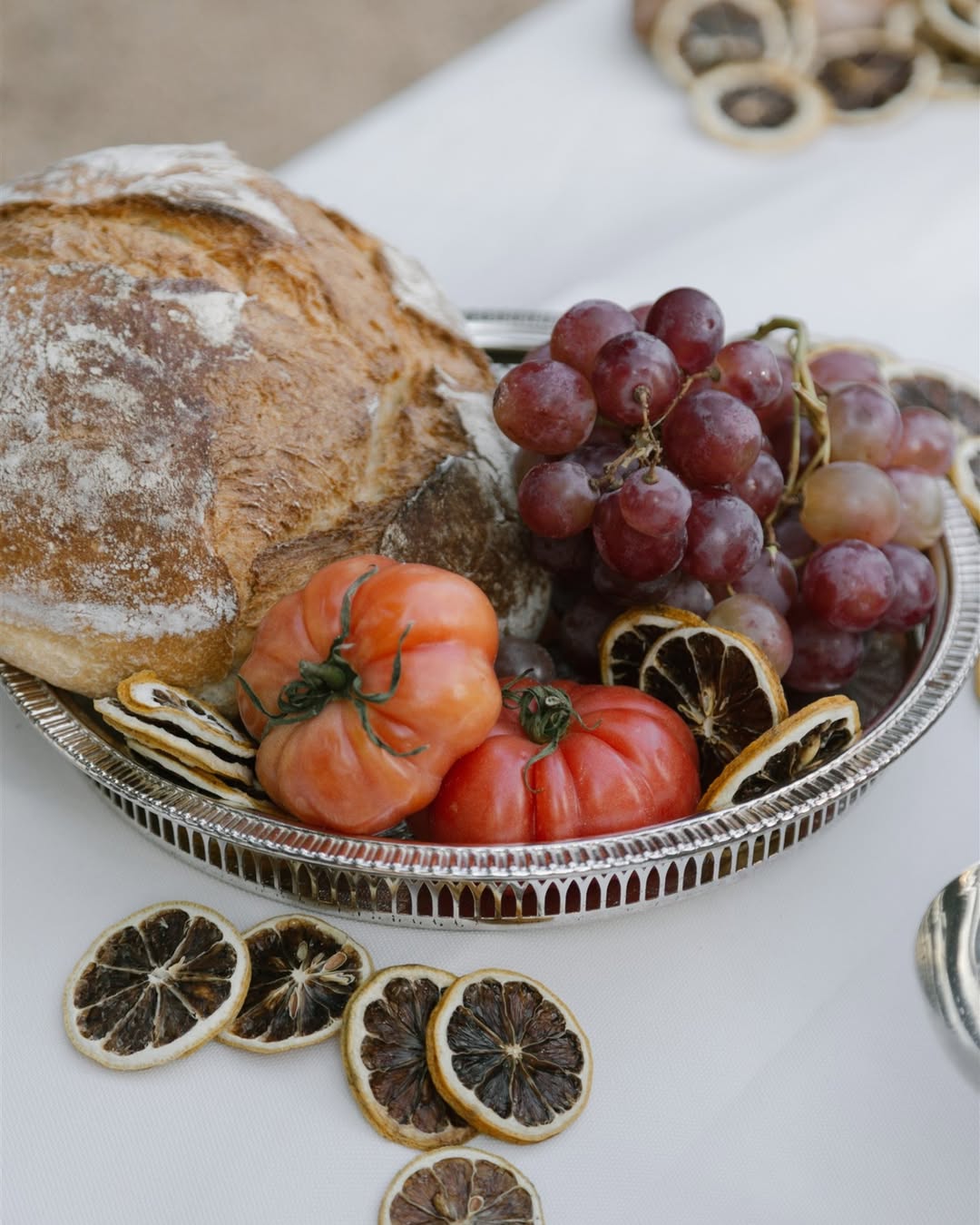
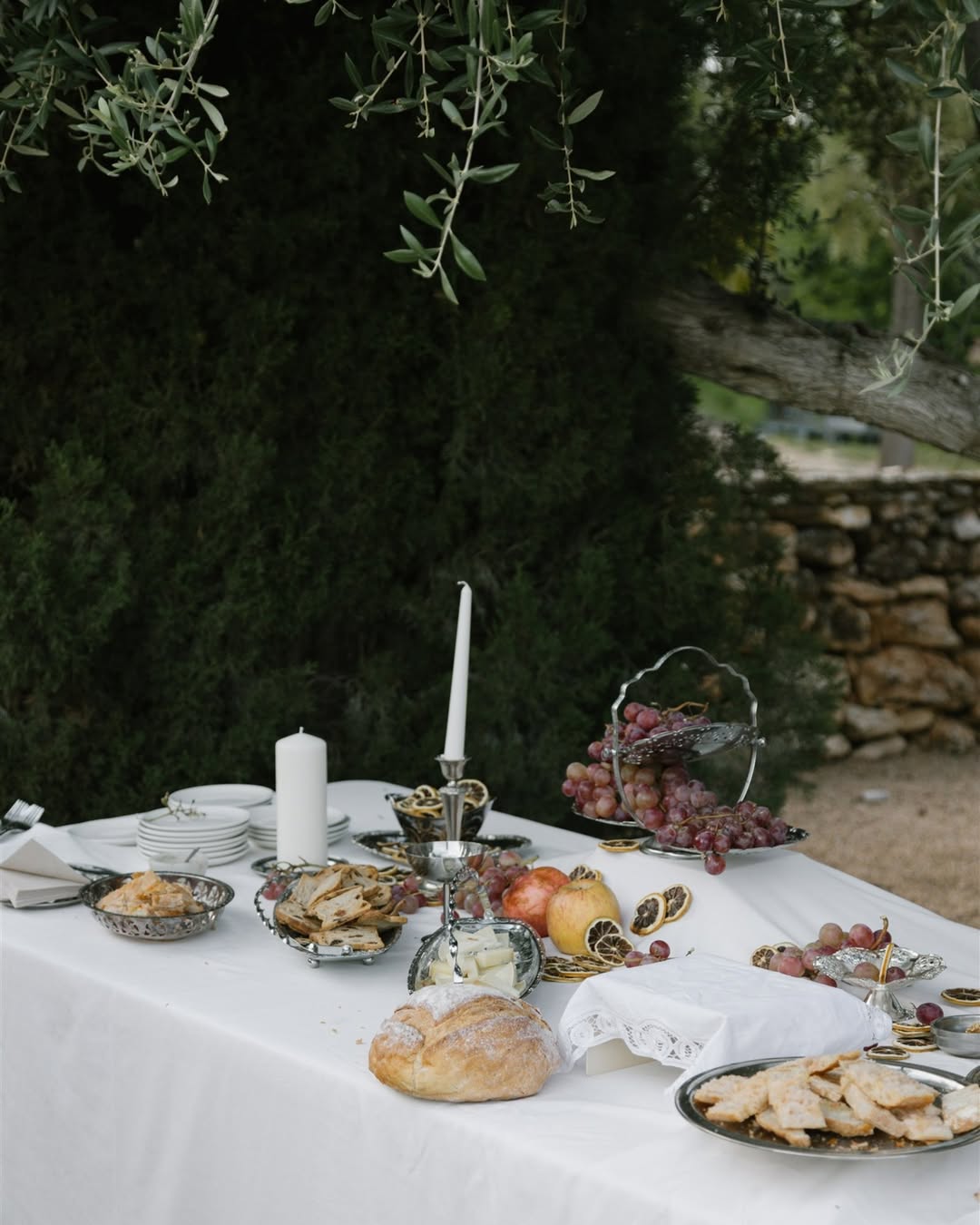
Most wedding menus are designed around the capabilities of the caterer. However, a Mediterranean diet menu for a wedding should be based on the season, location, and purpose. This distinction matters. Conventional catering tends towards universality, with dishes chosen to offend no one, proteins selected for ease of large-scale preparation, and sauces designed to survive a warming tray. In contrast, Mediterranean catering tends towards specificity: a particular variety of tomato at its ripest, a fish caught locally that morning, and a cheese produced within twenty kilometres of the venue.
This is not about exclusivity or expense. It's about the difference between food that is merely present, and food that genuinely forms part of the experience.
The three principles that define a Mediterranean wedding menu are:
- Prioritize seasonality over convention.
A Mediterranean table in September looks nothing like one in March. Autumn brings figs, pomegranates, late-season tomatoes and the first pressing of olive oil. Spring, on the other hand, brings asparagus, artichokes, fresh peas and young cheeses. Couples who plan their menu around the available produce will always have a more successful wedding than those who request specific dishes regardless of the season.
- Sharing VS plating
The meze tradition — where small dishes are passed around a table, refilled as needed and eaten at a communal pace — is one of the most elegant formats for a wedding reception. It encourages conversation, accommodates different appetites and creates a sense of abundance that individual plating rarely achieves. Even at a formal seated dinner, shared elements during the aperitif or between courses can transform the atmosphere of the room.
- Quality over quantity
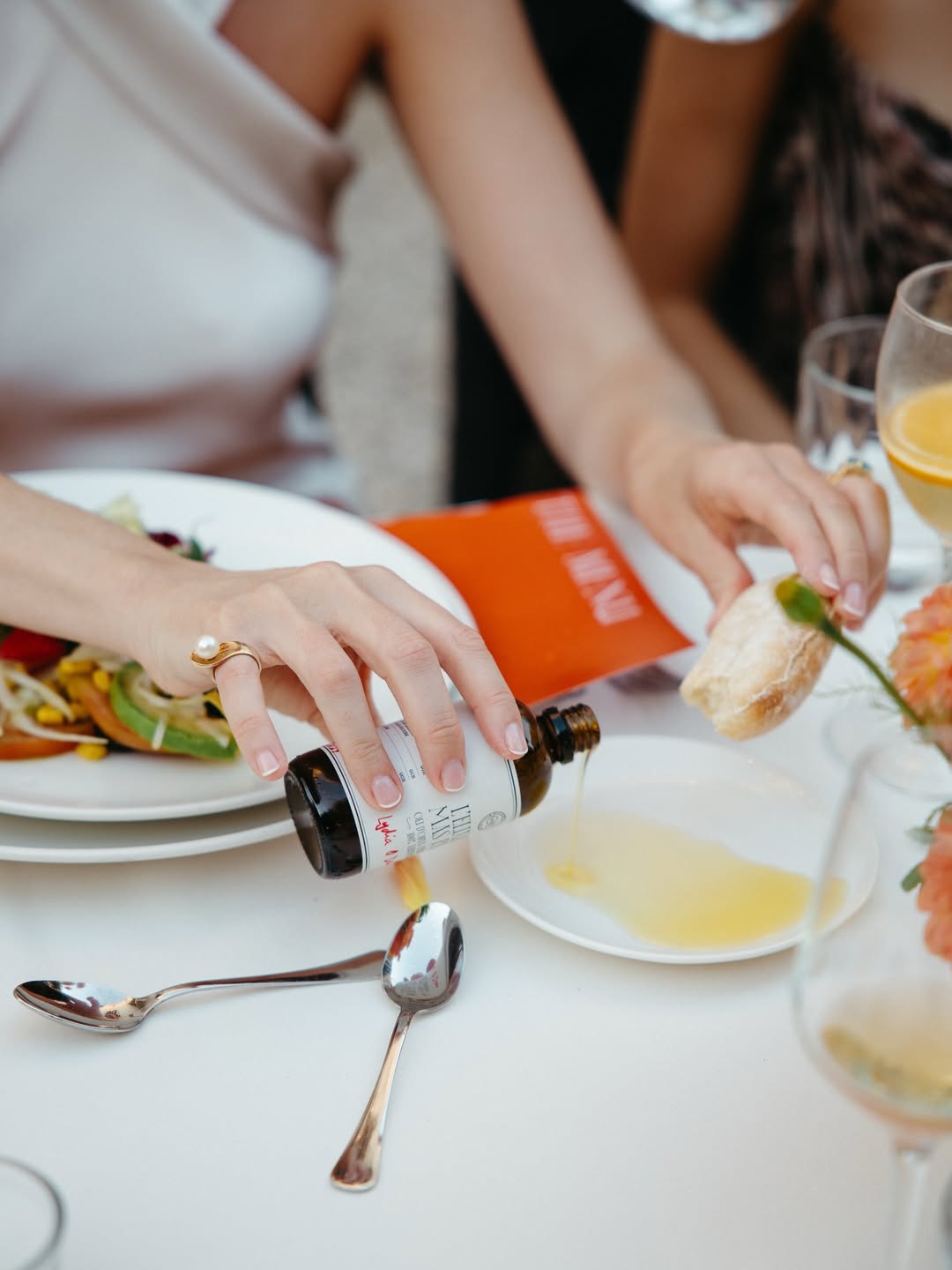
A short menu that is executed brilliantly outperforms a long menu that is executed adequately. This is the Mediterranean way: fewer ingredients that are better sourced and prepared with more care. For couples worried that their guests won't be satisfied, the answer is almost always more olive oil and better bread, rather than more courses.
A short menu executed brilliantly outperforms a long menu executed adequately. This is the Mediterranean way: fewer ingredients that are better sourced and prepared with more care. For couples worried about their guests' satisfaction, the answer is almost always more olive oil and better bread, not more courses.

Mediterranean Wedding Food Course by Course: From Aperitivo to Dessert
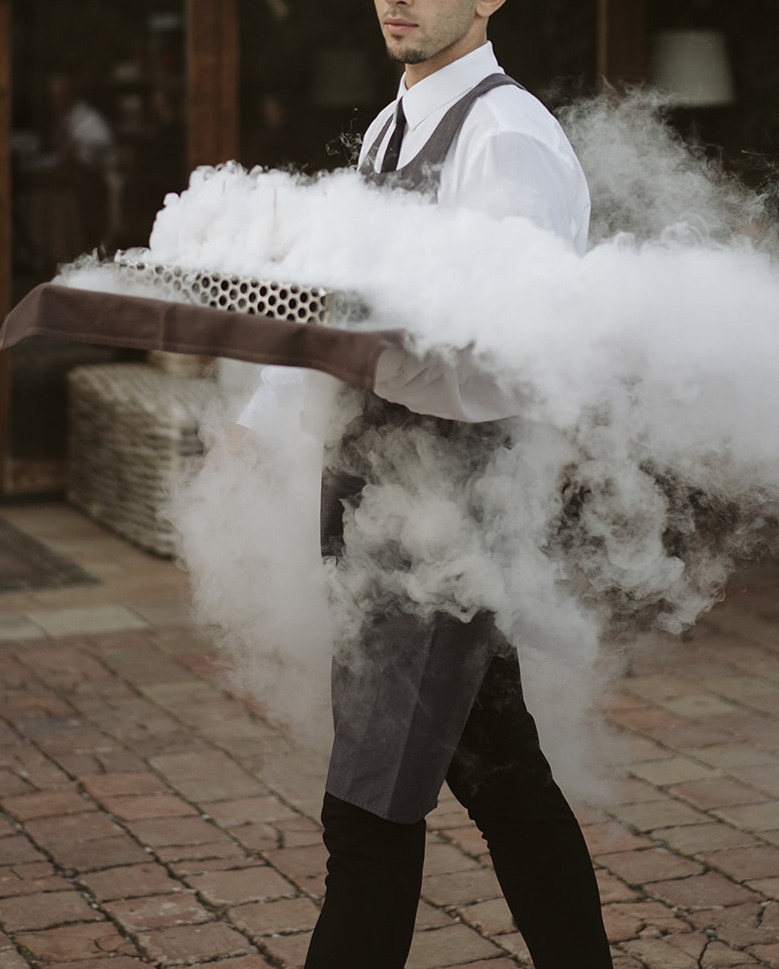
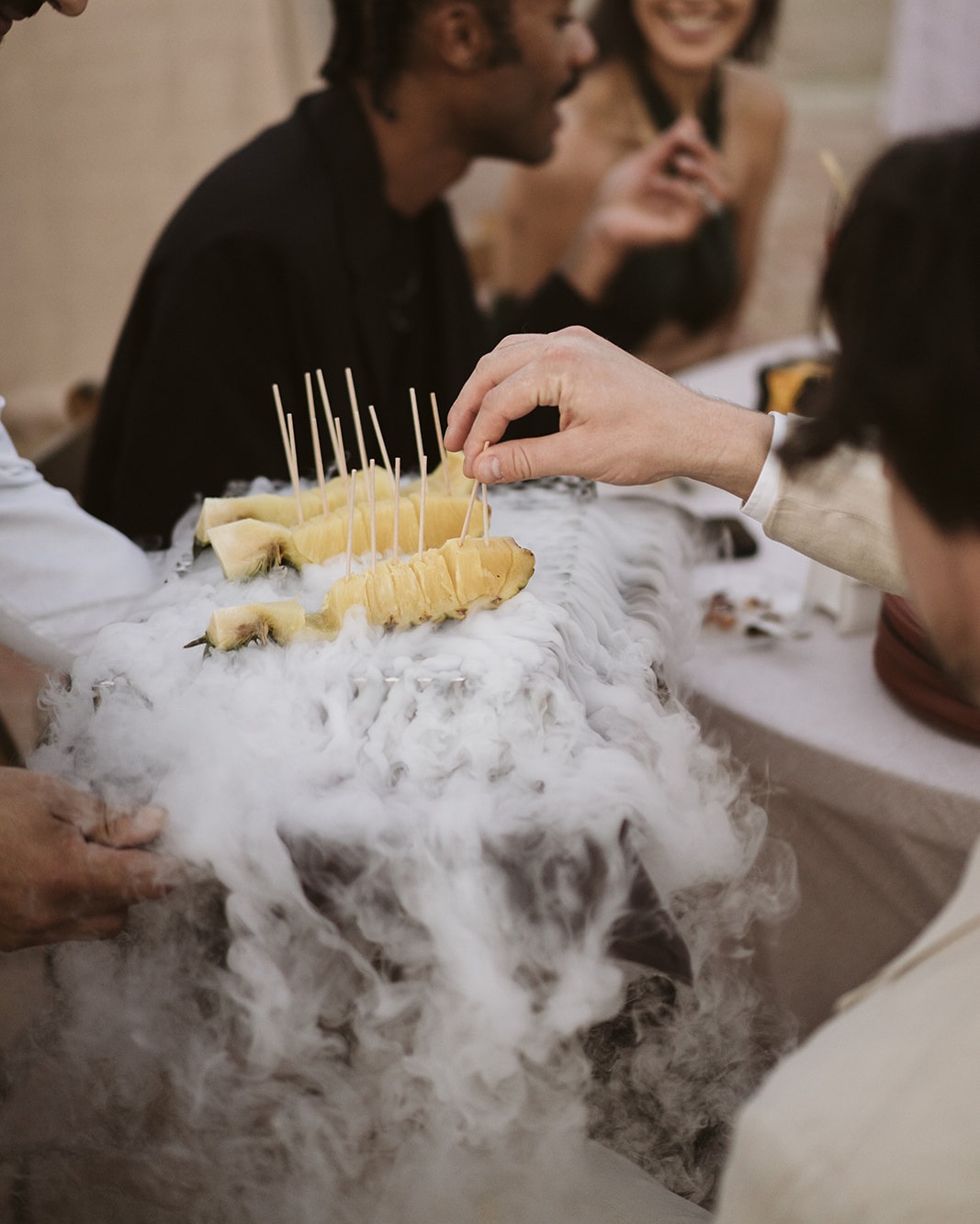
A well-planned Mediterranean wedding feast unfolds over the course of the evening, with each course having its own distinct pace and purpose.
| Course | Mediterranean Approach | Key Ingredients |
|---|---|---|
| Aperitivo | Passed bites, light and bright | Olives, bruschetta, stuffed peppers, feta crostini |
| First course | Shared plates, vegetable-forward | Burrata, fattoush, grilled halloumi, hummus |
| Main course | One protein, seasonal sides | Sea bass, lamb, whole-roasted vegetables |
| Cheese course | Small selection, local where possible | Manchego, pecorino, labneh, honeycomb |
| Dessert | Light, fruit-forward, not overly sweet | Baklava, panna cotta, fresh figs, citrus tart |
Aperitivo - the opening of a Mediterranean wedding menu ideas should make guests feel as though they have arrived somewhere warm. The passed bites should be small enough to eat in one or two mouthfuls and stimulating enough to whet the appetite without filling it. Examples include marinated olives, whipped feta on toasted bread and small skewers of grilled halloumi with honey. These are not appetisers in the conventional sense. They are the overture.
The first course - is where Mediterranean diet meal ideas translate most directly to a wedding table. Burrata with heirloom tomatoes and basil oil, for example. A fattoush salad with pomegranate and sumac. Grilled octopus with lemon and capers. These dishes are visually striking and naturally shareable. They achieve something that most first courses at weddings do not: they make guests genuinely excited for what comes next.
The main course - is where the restraint of the Mediterranean diet is its strength. A single well-chosen protein, such as a whole roasted sea bass, slow-cooked lamb shoulder or a platter of grilled prawns, served alongside seasonal vegetables and good bread, achieves more than four proteins ever could. At their best, Mediterranean diet dinners are about the quality of a single thing, not the quantity of many things.
The cheese course - is often skipped at weddings and almost always regretted. A small selection of regional cheeses, such as manchego with quince paste, pecorino with honey or labneh rolled in za’atar, served before dessert, naturally extends the evening and gives guests something to enjoy while the couple disappears for photographs.
Desserts - in the Mediterranean diet tend to be light: fruit tarts, citrus-soaked cakes, honey-drenched pastries and fresh figs with mascarpone. The goal is satisfaction, not sedation — guests should leave the table feeling celebrated, not weighed down.
Mediterranean Wedding Cake and Desserts Worth Knowing About
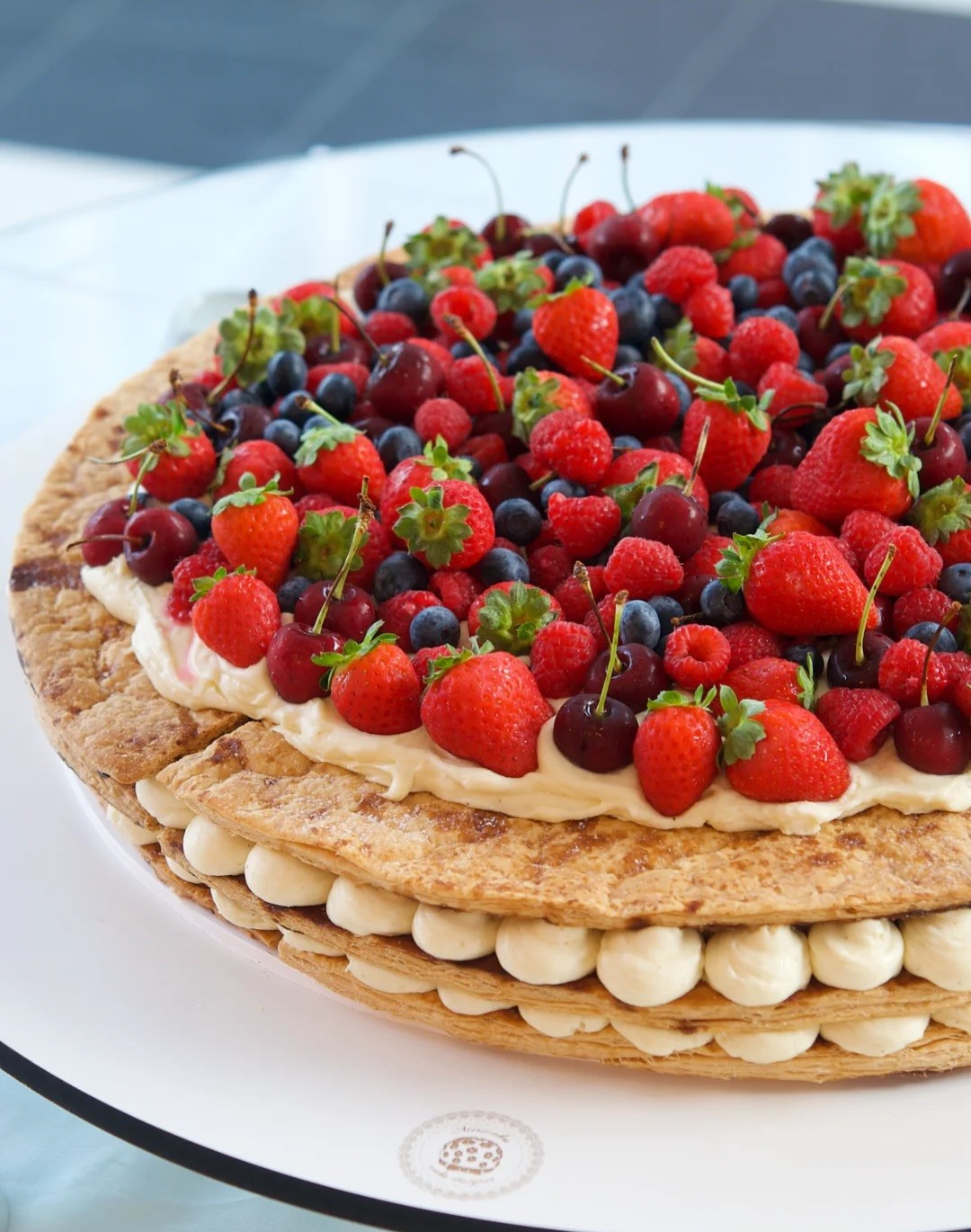
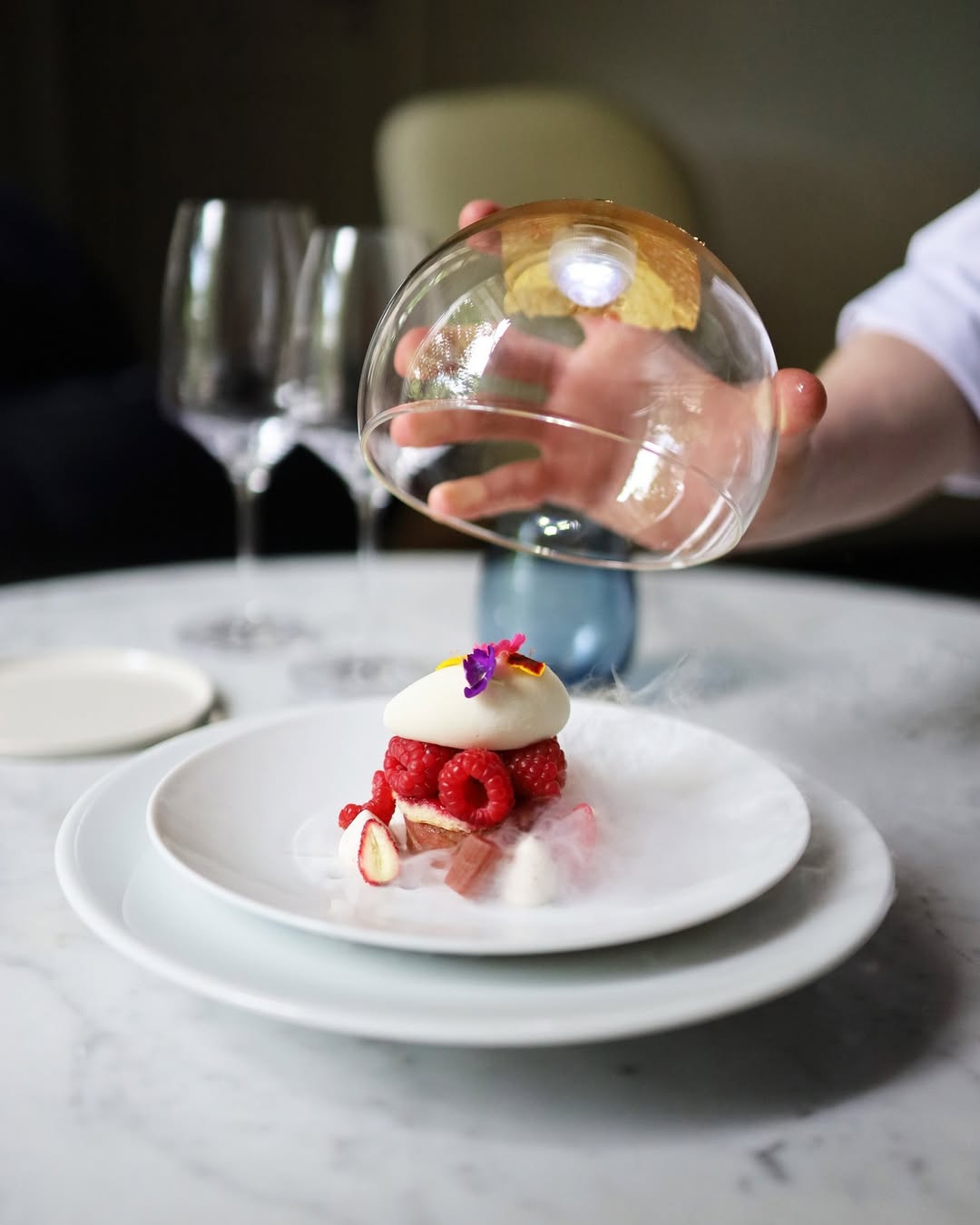
The Mediterranean wedding cake is having a moment — and it looks nothing like the fondant-covered tiers that have dominated wedding photography for the past two decades. Couples opting for a Mediterranean-inspired dessert table are increasingly drawn to:
- Naked or semi-naked cakes with layers of olive oil sponge or honey cake, lightly frosted with mascarpone or yoghurt cream and decorated with fresh figs, dried roses or pomegranate seeds;
- Citrus tarts with a thin pastry shell and barely sweet curd filling, such as lemon, orange or blood orange;
- Baklava towers, which are particularly popular at Greek and Lebanese-influenced receptions and are served either in individual portions or as a shared centrepiece;
- Panna cotta stations with individual portions flavoured with lavender, honey or rose water and served with seasonal fruit compote;
- Cheese and honey for dessert, which is a growing trend at intimate receptions where a beautifully styled cheese board with honeycomb, nuts and dried fruit replaces the cake entirely.
For couples who want a cake but are wary of the high sugar content of traditional options, an olive oil cake with orange zest and yoghurt frosting is the perfect choice: it is visually beautiful, genuinely delicious and light enough that guests will enjoy eating it.
One suggestion for Mediterranean diet snacks to serve late in the evening is to set up a small station with warmed flatbreads and dips, spiced nuts and fresh fruit. This will keep guests energised without the jarring contrast of a midnight burger station.
Mediterranean Wedding Catering: How to Find the Right Team
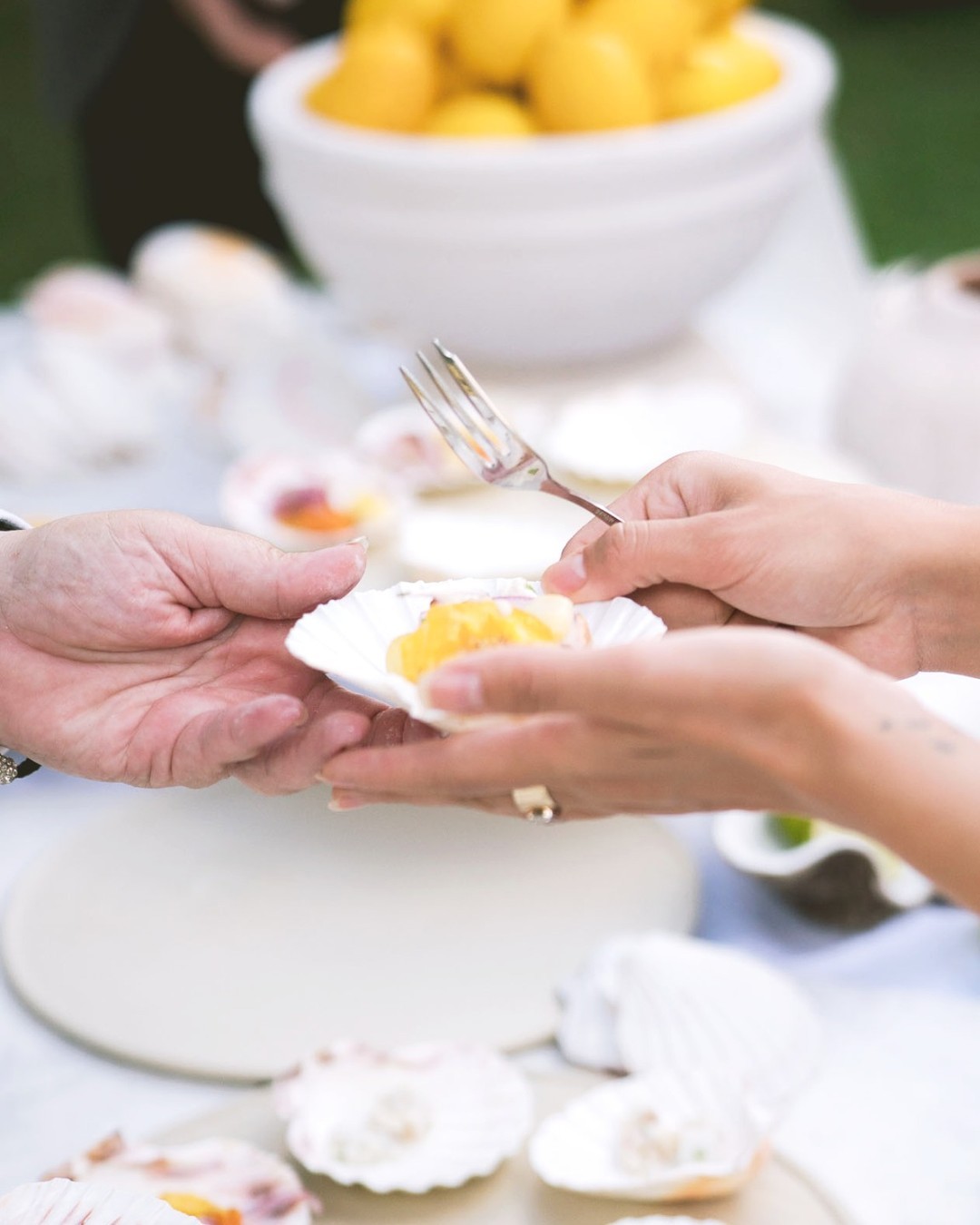
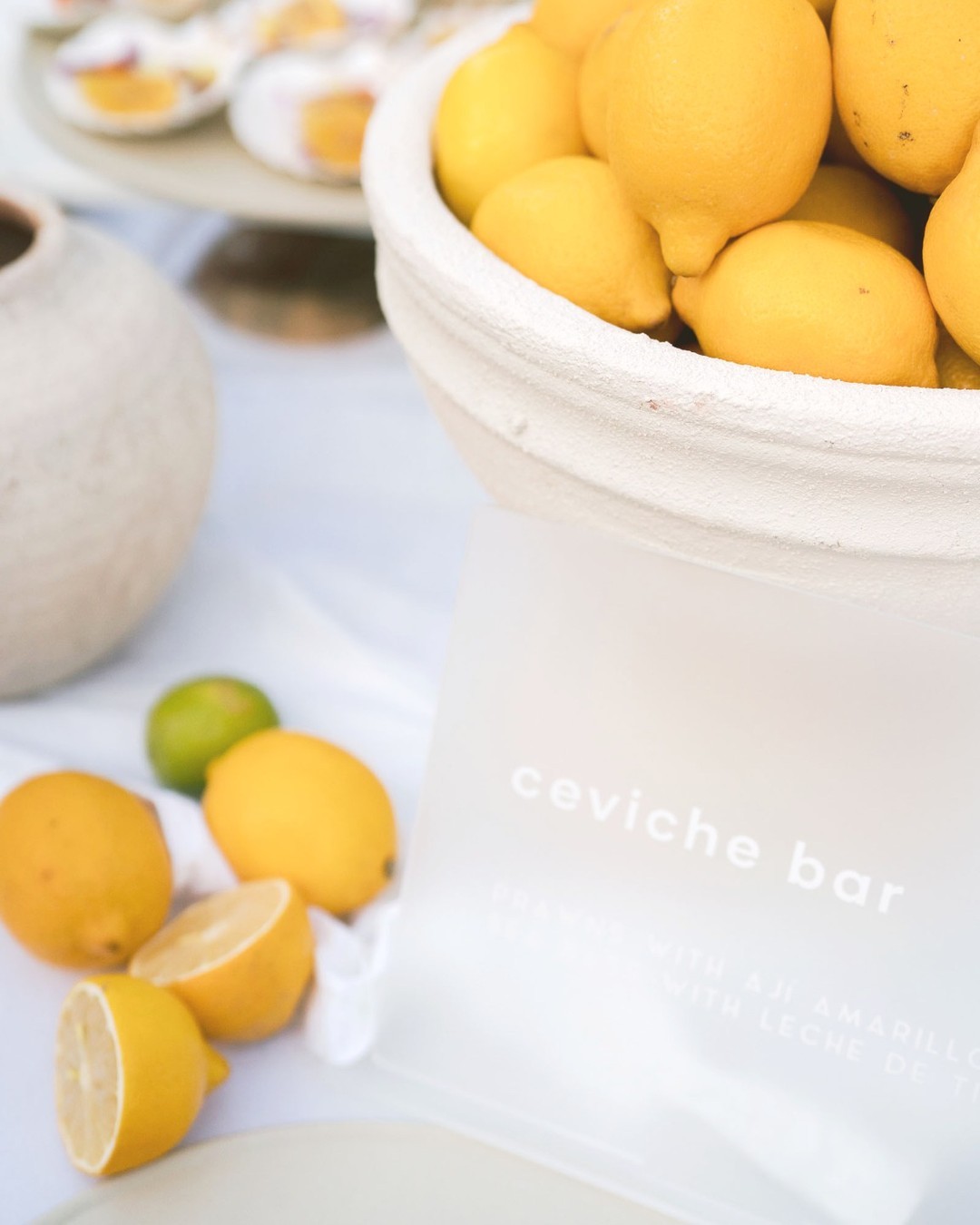
There is a significant difference between a caterer who can execute a Mediterranean wedding catering brief and one who genuinely understands it, and this is not always obvious from a tasting menu.
Here are some questions worth asking before you book:
- Where do you source your produce, and does that change seasonally?
- Have you worked with shared dining formats, such as meze, family-style service and grazing tables?
- Can I see examples of Mediterranean menus that you have actually prepared, rather than just proposed?
- How do you handle dietary restrictions within a Mediterranean framework?
- Do you work with local suppliers, or do you source everything yourself?
- What will your team look like on the day, including chefs and servers, and how will they be briefed?
Red flags to watch out for:
- A caterer who offers 'Mediterranean' alongside Italian, Asian and American options — this suggests a lack of genuine knowledge
- Menus built around dishes that do not travel well, such as arancini fried hours in advance or grilled fish that was last seen alive on Tuesday
- No mention of olive oil, seasonal produce or local sourcing in the proposal
- An inability to explain how their Mediterranean wedding catering differs from their standard menu
Green flags that suggest genuine expertise:
- Menus that change quarterly or seasonally
- Specific references to the producers, farms or fishmongers they work with
- Experience of organising destination weddings in Mediterranean countries
- A willingness to plan a wedding reception menu based on seasonal produce rather than specific requests
Looking for more inspiration? Explore our Inspiration blog, where you'll find articles on wedding design, destination venues, food and catering, and wedding trends. These are the choices that couples make for their celebrations, redefining what a wedding can look and taste like — all in one place. The best weddings are about more than just one day. They are about a whole host of ideas that lead up to it.
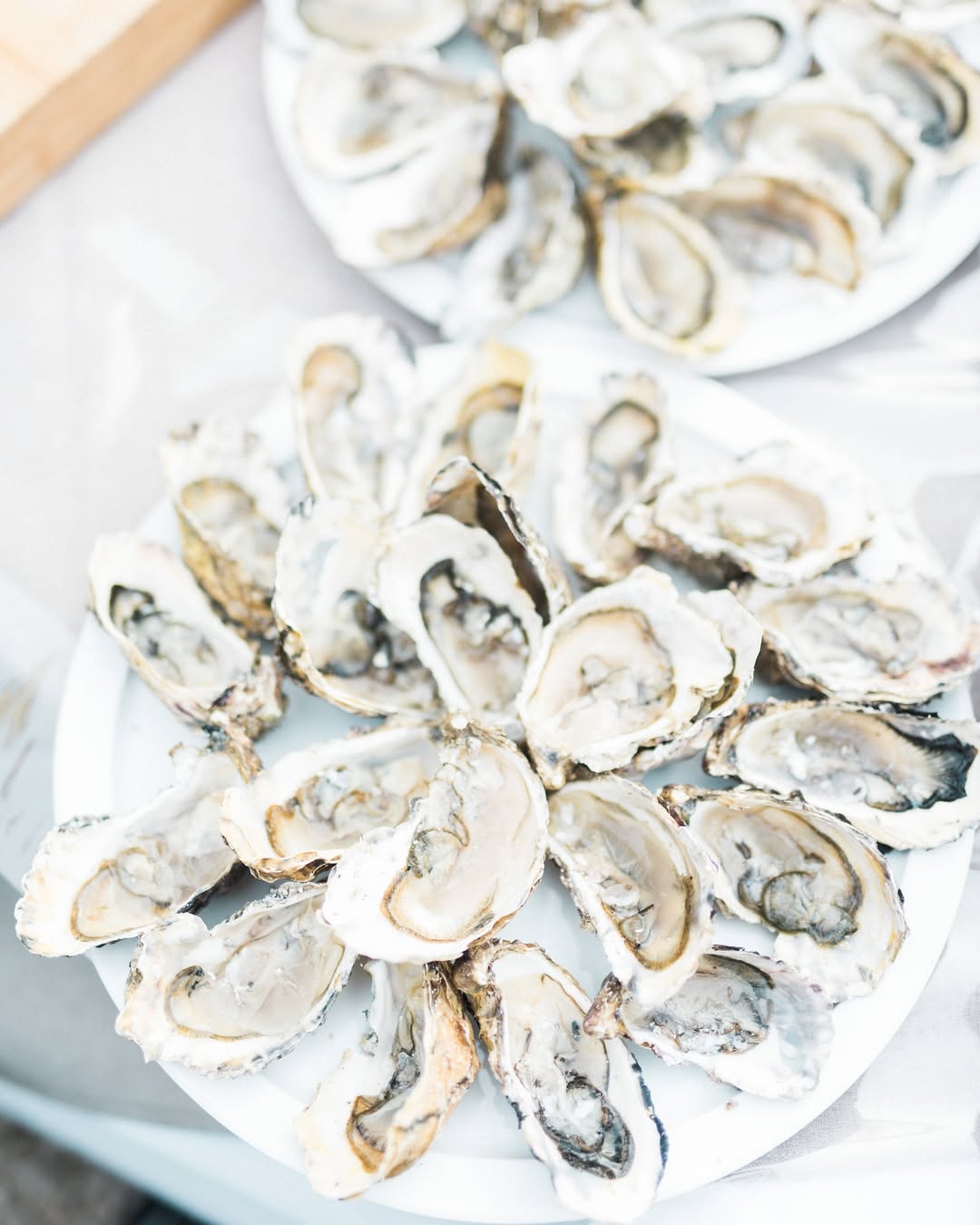
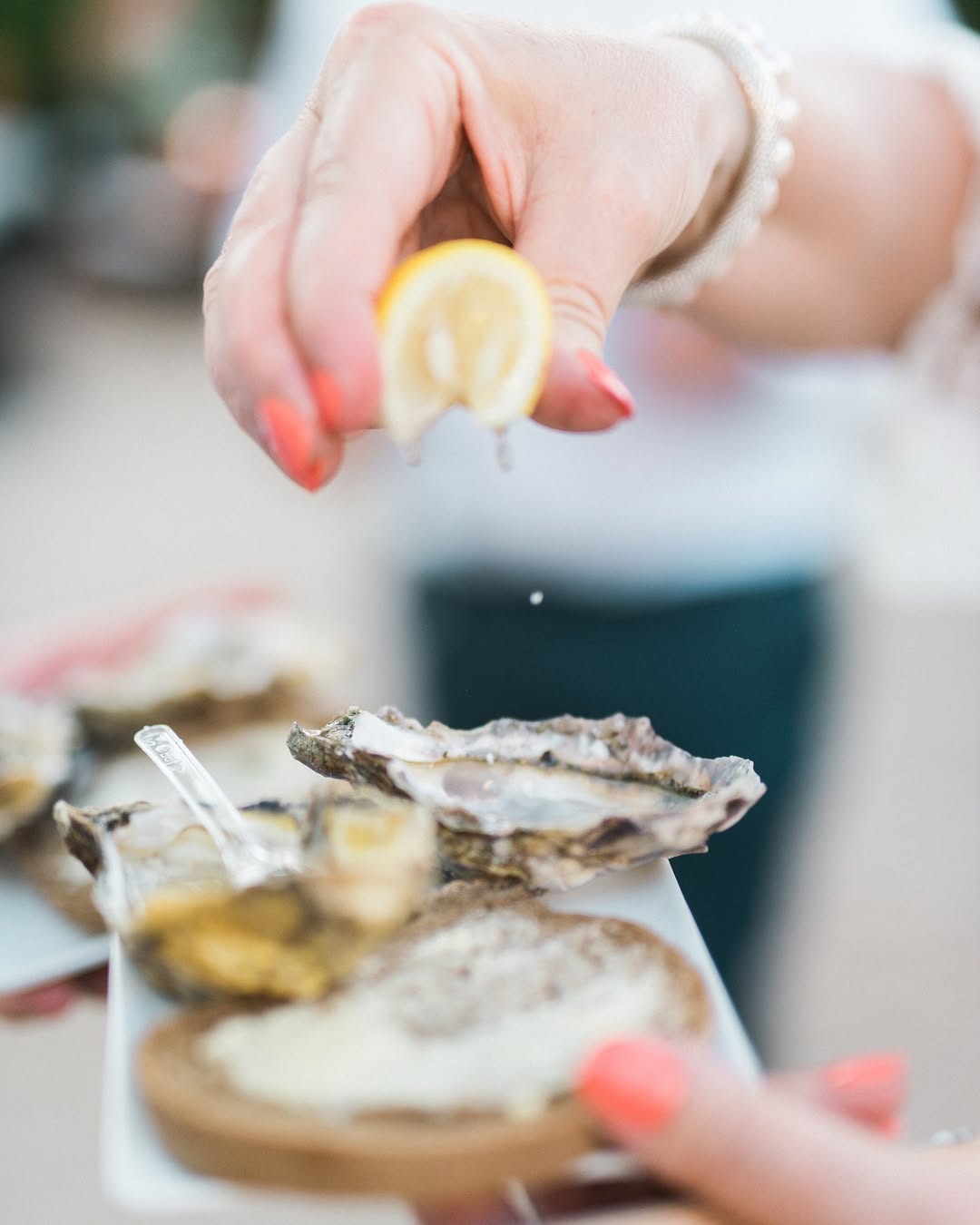

FAQs
Is catering for a wedding based on the Mediterranean diet expensive?
Not necessarily — this is one of the most common misconceptions about catering for a Mediterranean wedding. The Mediterranean philosophy prioritises simplicity and quality over complexity and quantity, so a well-executed Mediterranean menu can actually cost less than a traditional multi-course wedding dinner. However, the cost of ingredients such as high-quality olive oil, fresh seafood and seasonal produce can be higher than supermarket equivalents. However, because the Mediterranean diet favours fewer ingredients that are prepared with more care, the overall food cost per person is often comparable to — and sometimes lower than — that of a traditional plated dinner of the same perceived quality.
Could a Mediterranean wedding menu work for a large number of guests?
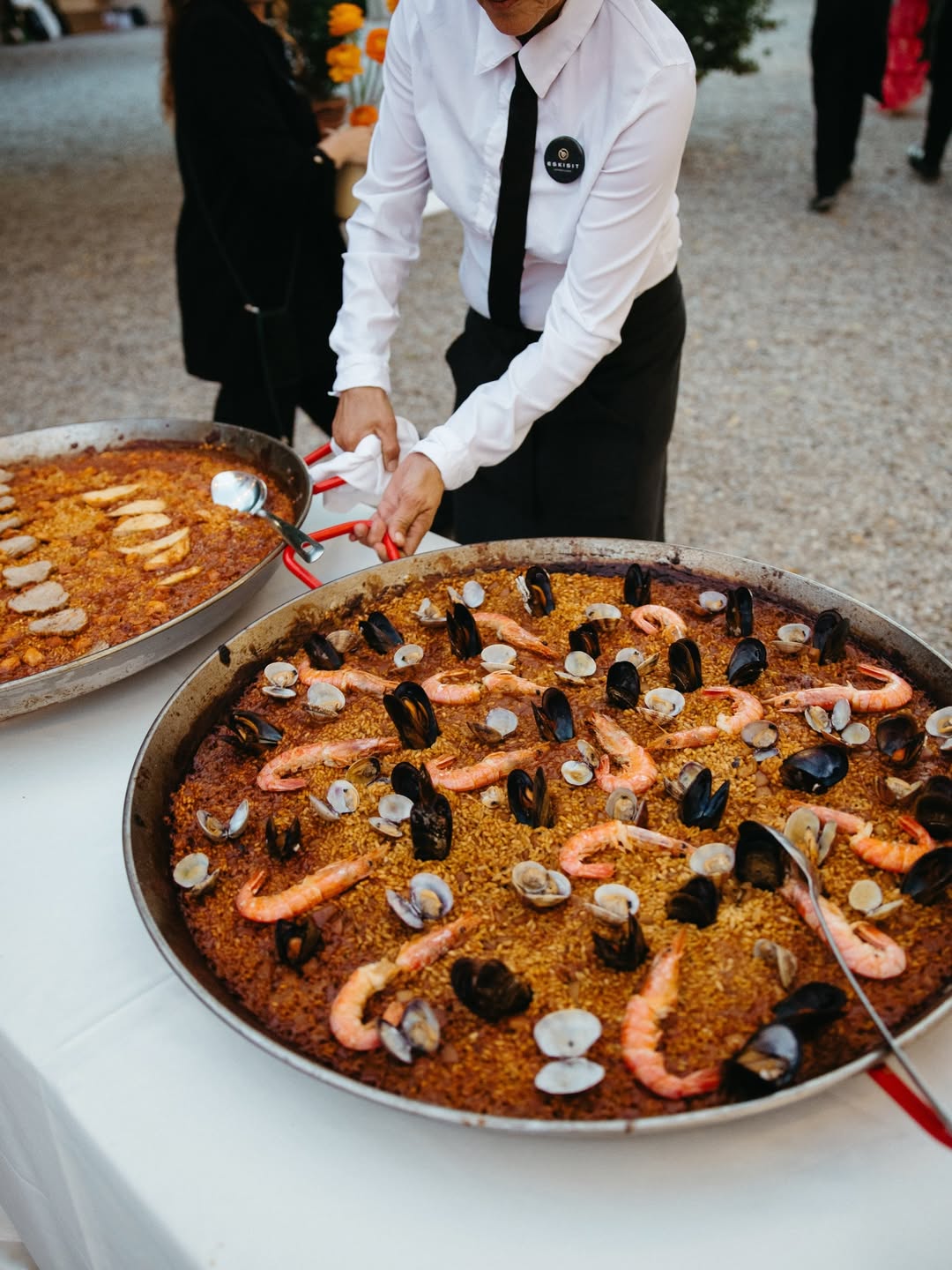
Yes — in fact, it works better at scale than conventional plating. The meze and sharing format that characterises Mediterranean wedding food is inherently flexible: dishes can be replenished as required, and portions naturally adapt to appetite. Furthermore, the communal style of service becomes increasingly vibrant as the number of guests increases. The key is to work with a caterer who has experience of managing shared dining for large groups — keeping shared dishes warm, replenished and visually appealing for 150 guests requires different skills to plating individual portions in a kitchen.
What are the differences between a Mediterranean menu and those of Italian and Greek weddings?
An Italian or Greek wedding menu is a specific expression of one country's culinary tradition. By contrast, a Mediterranean menu draws from a broader region and might include Lebanese mezze alongside Spanish jamón, Greek labneh next to Moroccan-spiced lamb and a Sicilian citrus tart to finish. The Mediterranean diet is a philosophy shared by many cultures, belonging to none of them. A well-designed Mediterranean wedding menu capitalises on this diversity, creating a coherent and intentional spread rather than a random assortment of dishes from various countries.
How far in advance should we discuss the Mediterranean menu with our caterer?
Earlier than most couples expect — ideally during the initial consultation, rather than the final one. This is because a traditional Mediterranean wedding menu is built around seasonal produce, so the time of year is very important. For example, a caterer who knows the wedding is in October can plan a menu featuring figs, pomegranates and new olive oil. If they find out in September, they have far less room to work with. The most successful Mediterranean wedding menus are those where the couple provided the caterer with a season and a philosophy early on, and then trusted them to plan accordingly.
Does Mediterranean wedding food work indoors, or does it need an outdoor setting?
While the Mediterranean diet is associated with outdoor dining — terraces, sea views and evening warmth — the food itself translates beautifully to indoor settings. It's the atmosphere that changes, not the menu. Indoors, candlelight, linen and the warmth of the service style play a more important role in creating the feeling of a Mediterranean table. The same effect can be achieved in a ballroom as on a hillside in Santorini with a long communal table dressed with olive branches, ceramic bowls of mezze and good wine in simple glasses. The philosophy travels. The terrace does not.