How to Choose the Right Vendors for Your Provence Wedding


- Understanding the Provence Wedding Vendor Landscape
- Essential Vendor Categories and Timeline
- Starting With Venue-Preferred Vendors
- Evaluating Vendor Experience and Specialization
- Language Capabilities and Communication Style
- Budget Considerations and Hidden Costs
- The Vendor Comparison Framework
- Reference Checks That Actually Reveal Information
- Contract Essentials and Red Flags
- Building Vendor Relationships for Success
- Final Vendor Selections and Confirmations
If you are planning a destination wedding in Provence, you must carefully select your vendors to ensure your celebration runs smoothly in an unfamiliar location. Here at Wezoree, we match couples with the finest wedding suppliers across the globe. Our success in doing so has made it clear that choosing the right vendor is key to an unforgettable wedding day. Our platform has helped thousands of couples find reliable vendor teams all over the world, and we've figured out what it takes to get exceptional results.
Find Your Perfect Wedding Vendors



Understanding the Provence Wedding Vendor Landscape


Vendors in Provence have a different ecosystem than in other wedding destinations. Rather than working for large companies, many talented professionals opt to run their own small, boutique businesses. This does, however, mean that a more thorough vetting process is required. The selection of a vendor is influenced by a number of factors, including language barriers, regional availability, and seasonal demand patterns.
Most Provence wedding vendors book 12-18 months in advance for peak season, which runs from May through September. When it comes to weddings, the off-season (October through April) is all about flexibility and often better rates, although be aware that some vendors may close completely during the winter months.
Essential Vendor Categories and Timeline


Securing your preferred professionals and avoiding scheduling conflicts can be achieved by knowing which vendors to book and when. Timing is everything when it comes to vendor availability and pricing.
When choosing a vendor, it is important to follow a strategic timeline. Availability is typically the first factor considered when booking venues and accommodation, as it dictates your date. The next step is Provence wedding photographer and videographer, as the best professionals get snapped up quickly. Services such as catering, floristry and entertainment require booking six to nine months in advance, while smaller services like transportation and beauty can usually be secured three to six months before your date.
Starting With Venue-Preferred Vendors


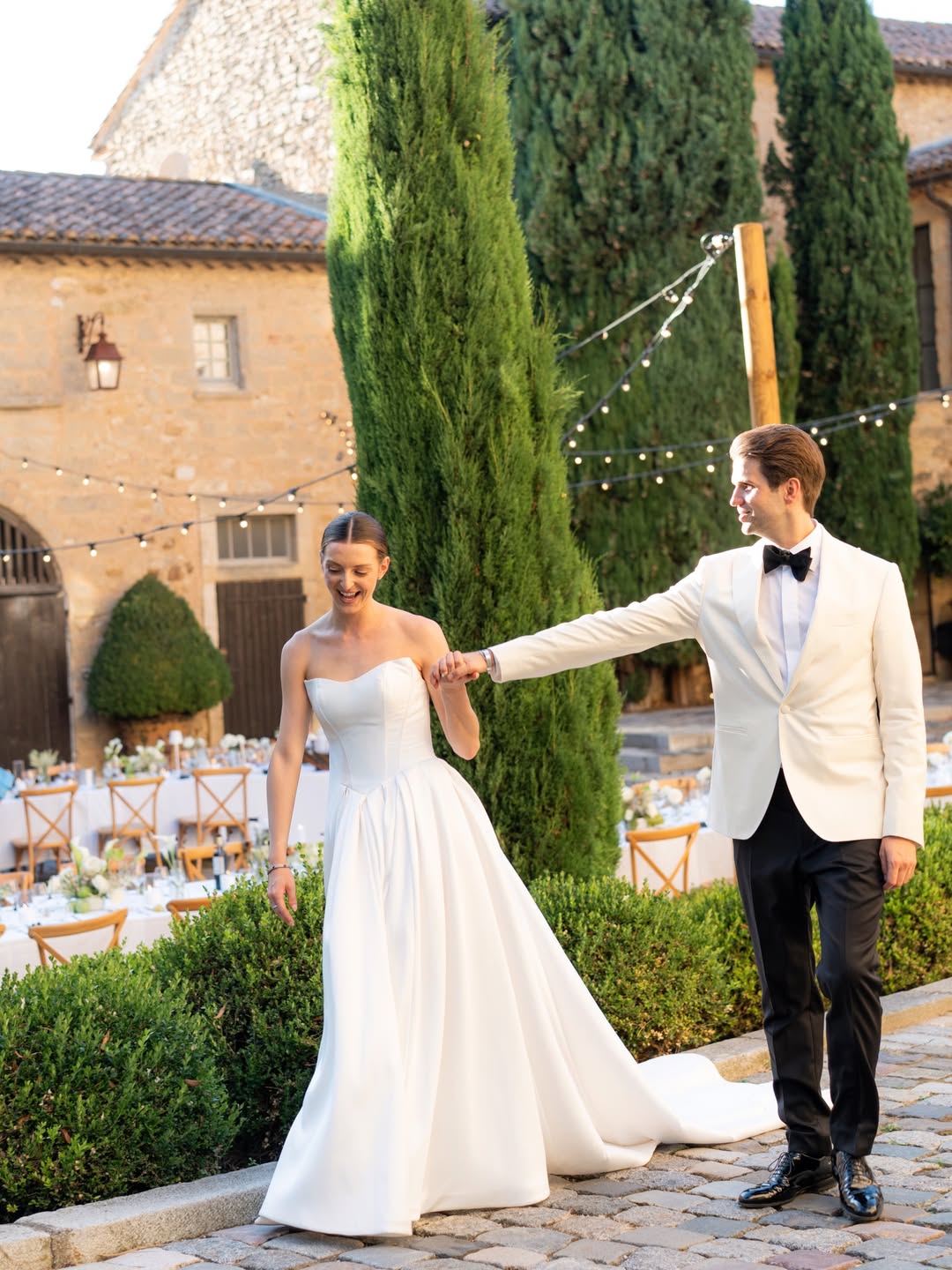

Many Provence wedding venues have a list of preferred vendors. There are good reasons why these relationships exist: vendors know the property intimately, understand its logistics, and have proven track records there. However, "preferred" does not necessarily mean "exclusive".
Get in touch with venues directly: Are these vendors required or recommended? Certain caterers are mandated by some properties because of the kitchen facilities or insurance requirements. Others just suggest companies they've worked with.
We've found that working with caterers that the venue prefers is particularly valuable, especially in Provence. They understand the limitations of the kitchen, know exactly how long everything will take, and have good relationships with the staff at the venue, so that there are no logistical conflicts. However, we often advise couples to find their own florists and wedding photographers in Provence and florists in order to achieve the specific aesthetic vision they have in mind.
Evaluating Vendor Experience and Specialization
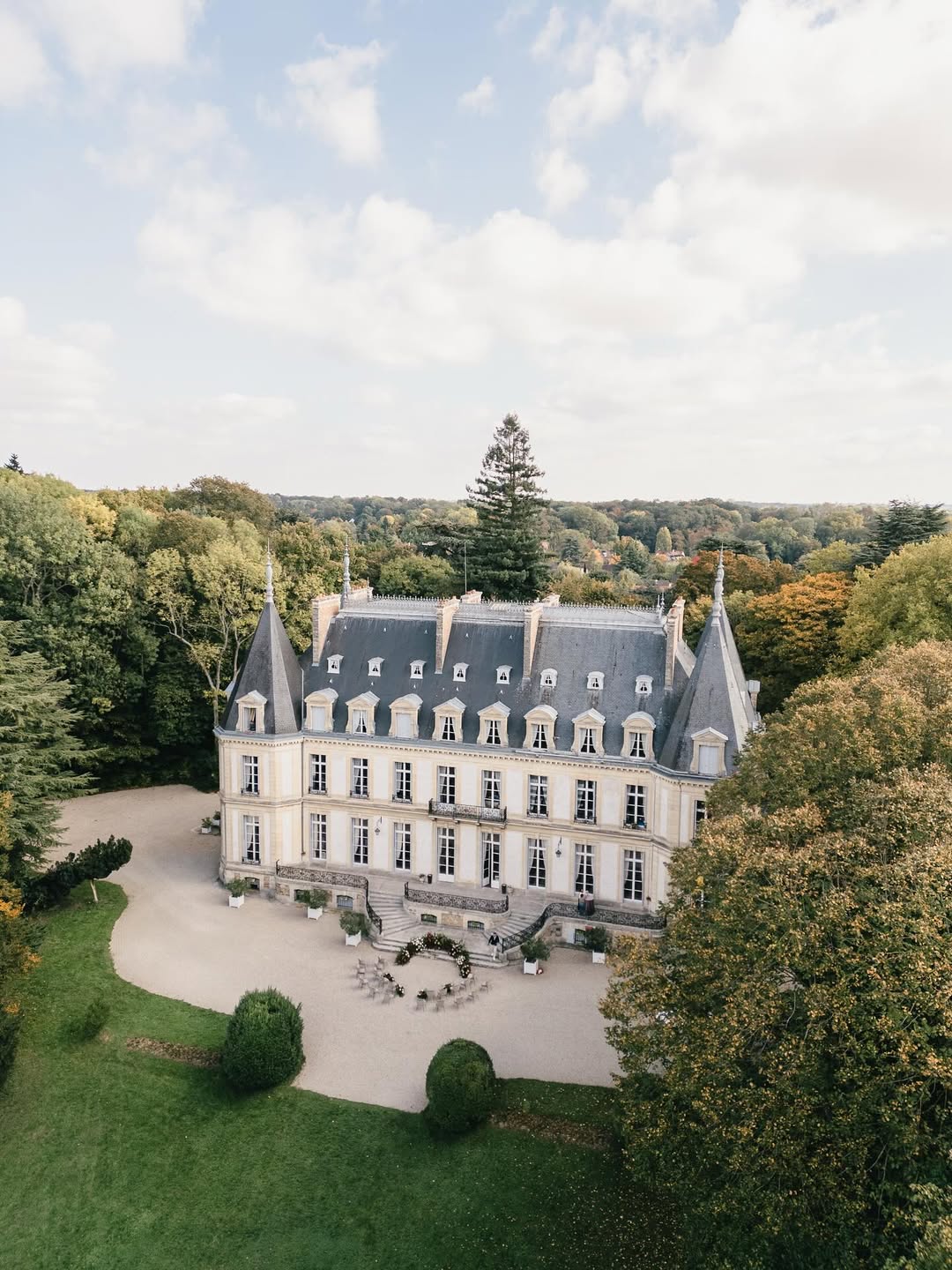
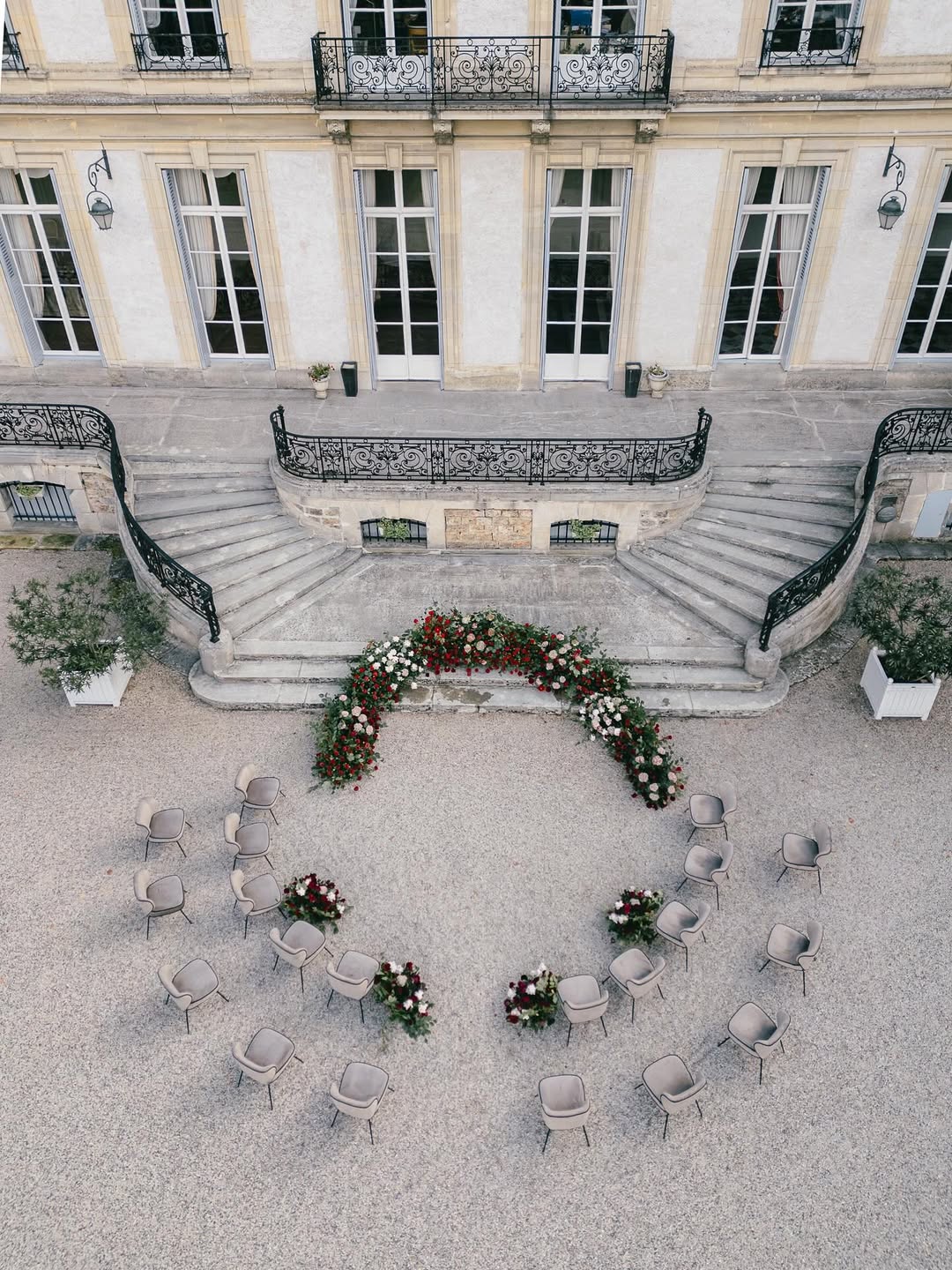
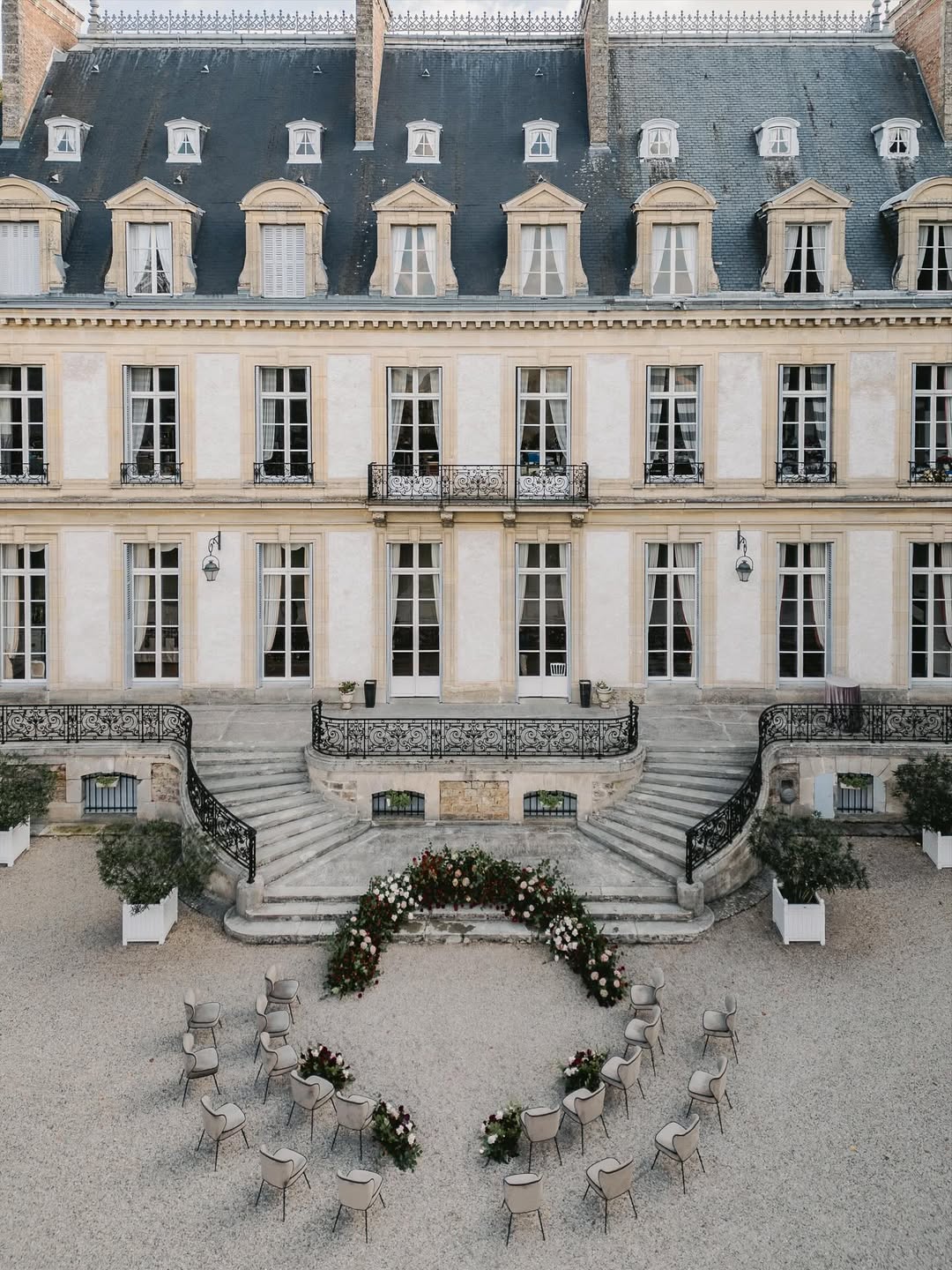
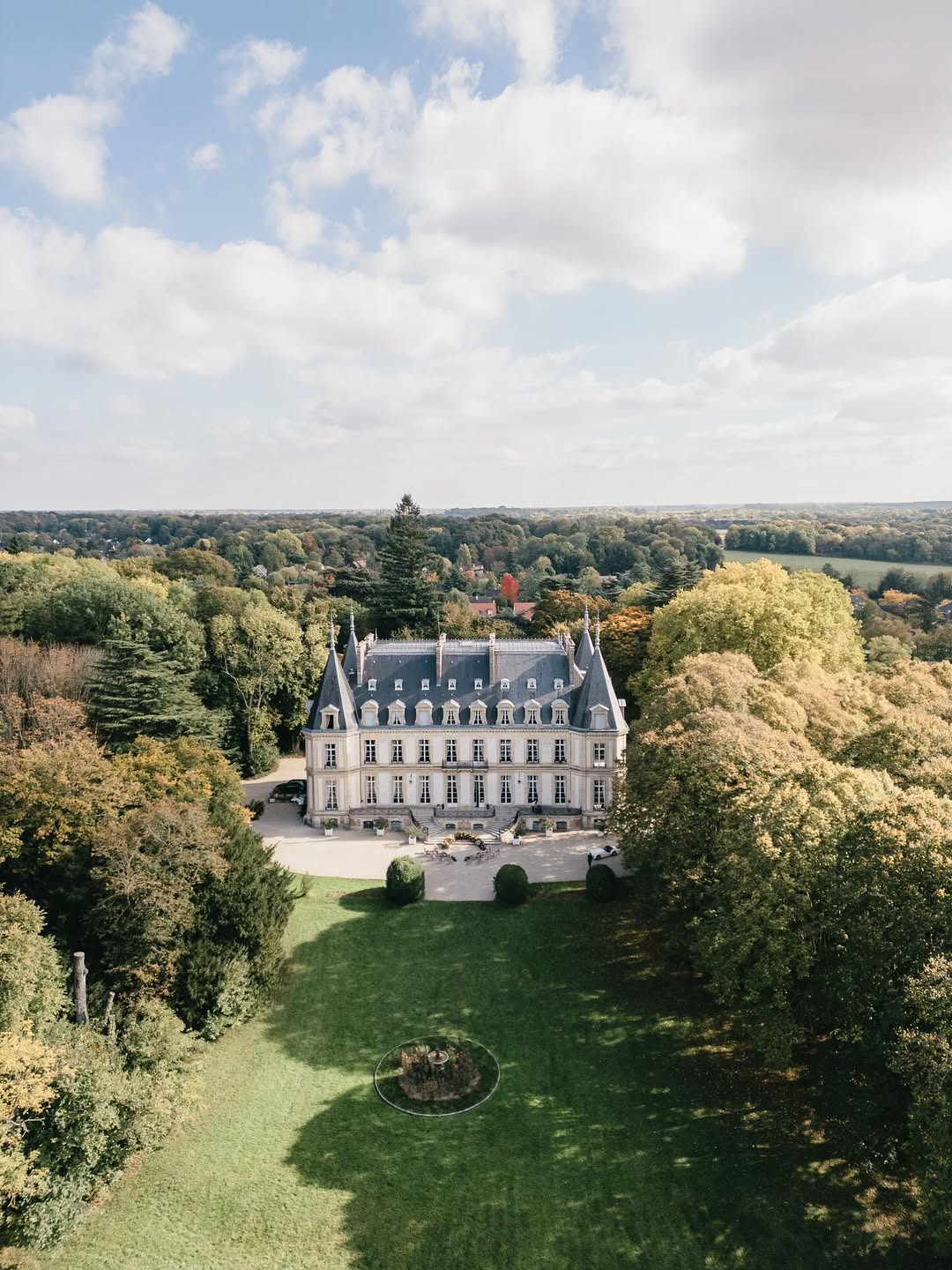
Not all talented professionals are equally suited for weddings, and regional expertise matters enormously in Provence. Here's how to assess whether a vendor has the right background for your celebration.
Wedding-Specific Expertise
Not all event vendors are familiar with the specific requirements of weddings. The timing demands of a four-course plated dinner for 120 guests can be a challenge for any restaurant caterer, no matter how excellent. Similarly, a talented portrait photographer may lack experience with wedding day timelines and group coordination.
Ask for examples of their work that show the full range of their services, not just a short selection of highlights. Galleries showing the full range of wedding photos demonstrate the uniformity of the coverage, highlight any gaps in the coverage, and provide an overall picture of how vendors perform over the course of a day. For photographers and videographers, it is important to review at least three complete galleries to assess their range and reliability.
Ask detailed questions about their wedding experience:
- How many weddings do you work on each year?
- How many events have you hosted at this venue?
- What is your backup plan if you are ill or have an emergency?
- Do you have liability insurance for wedding work?
Regional Knowledge
When it comes to Provence, experience that is specific to the region is incredibly important. Vendors who regularly work in the region are familiar with the local supplier networks and regional regulations, as well as the mistral wind patterns that affect outdoor setups. They have backup plans for common challenges such as sudden temperature drops in early September or intense heat in July.
International vendors who fly in for your wedding may offer appealing portfolios, but they may lack crucial local knowledge. They won't have existing relationships with French suppliers for emergency equipment rentals, they won't know which flowers grow locally and they may struggle with language barriers when coordinating with Provence wedding venue staff.

Language Capabilities and Communication Style
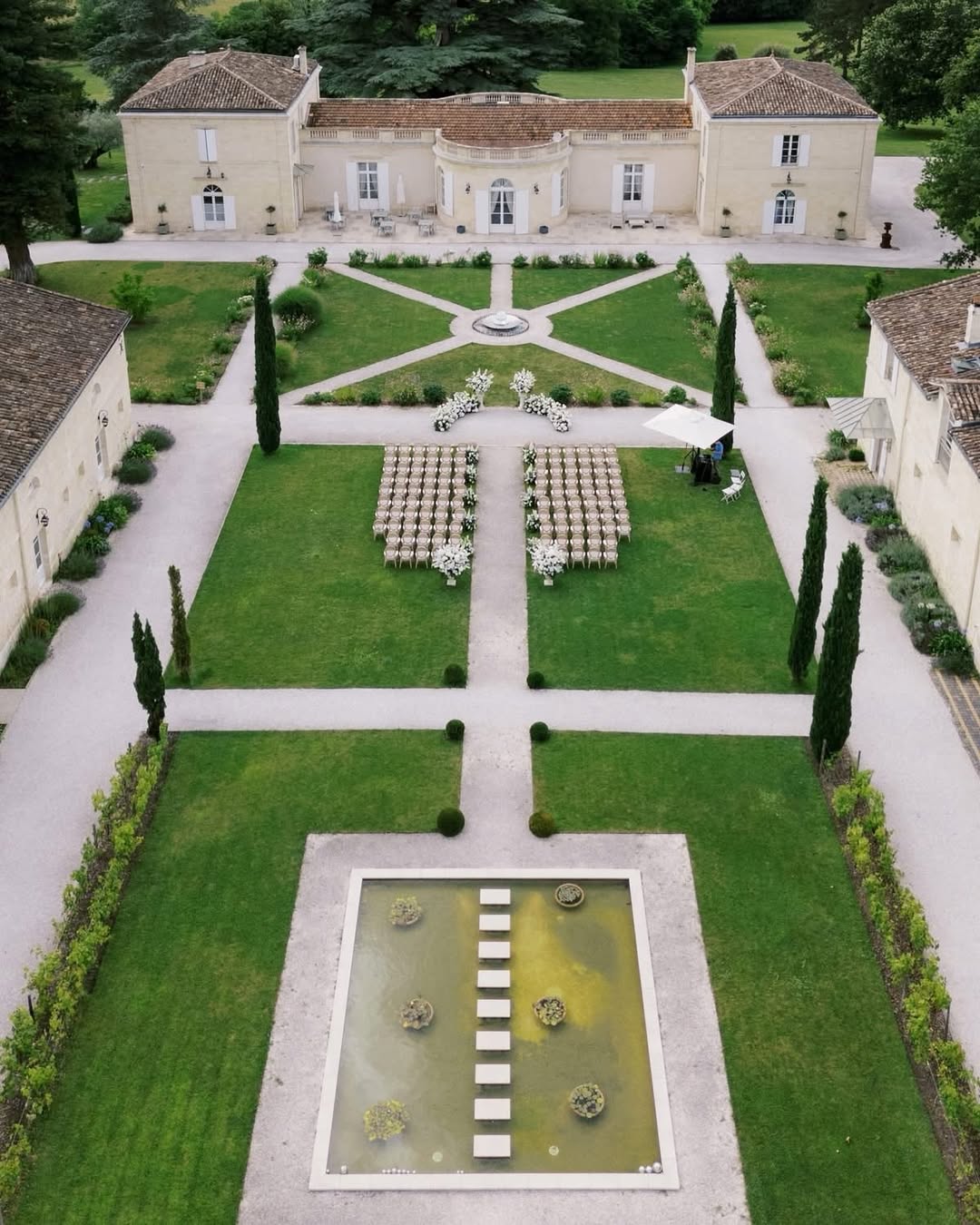
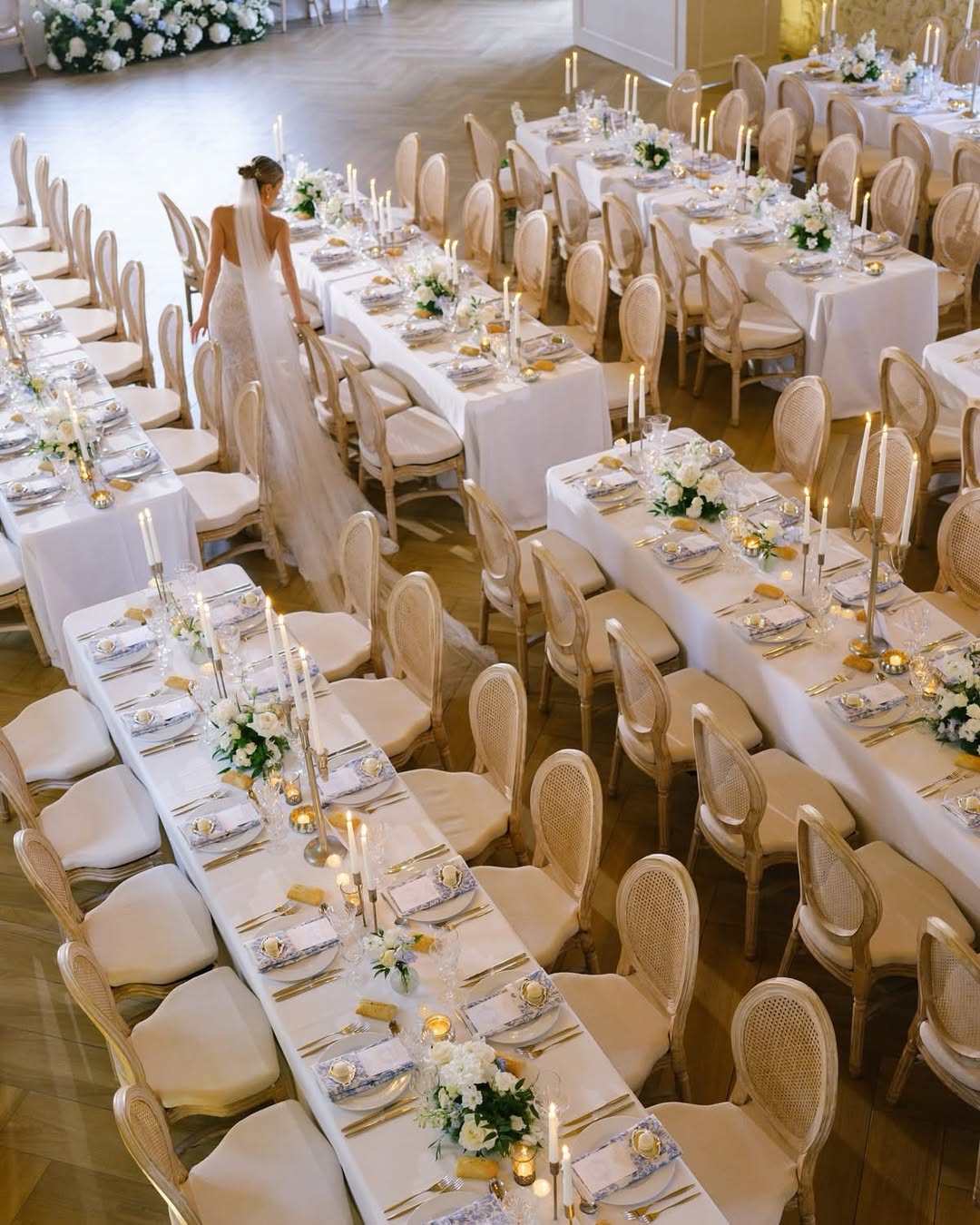
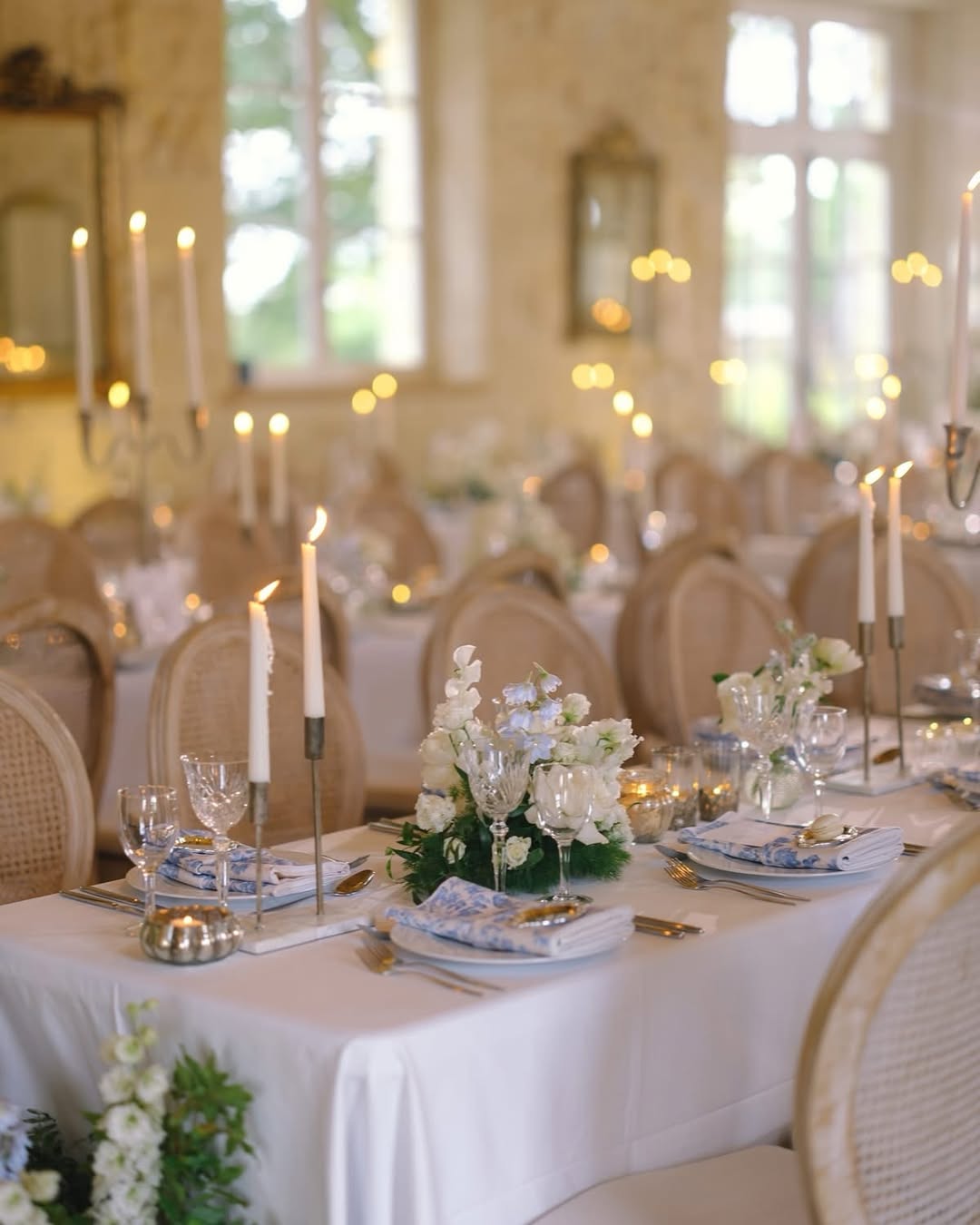
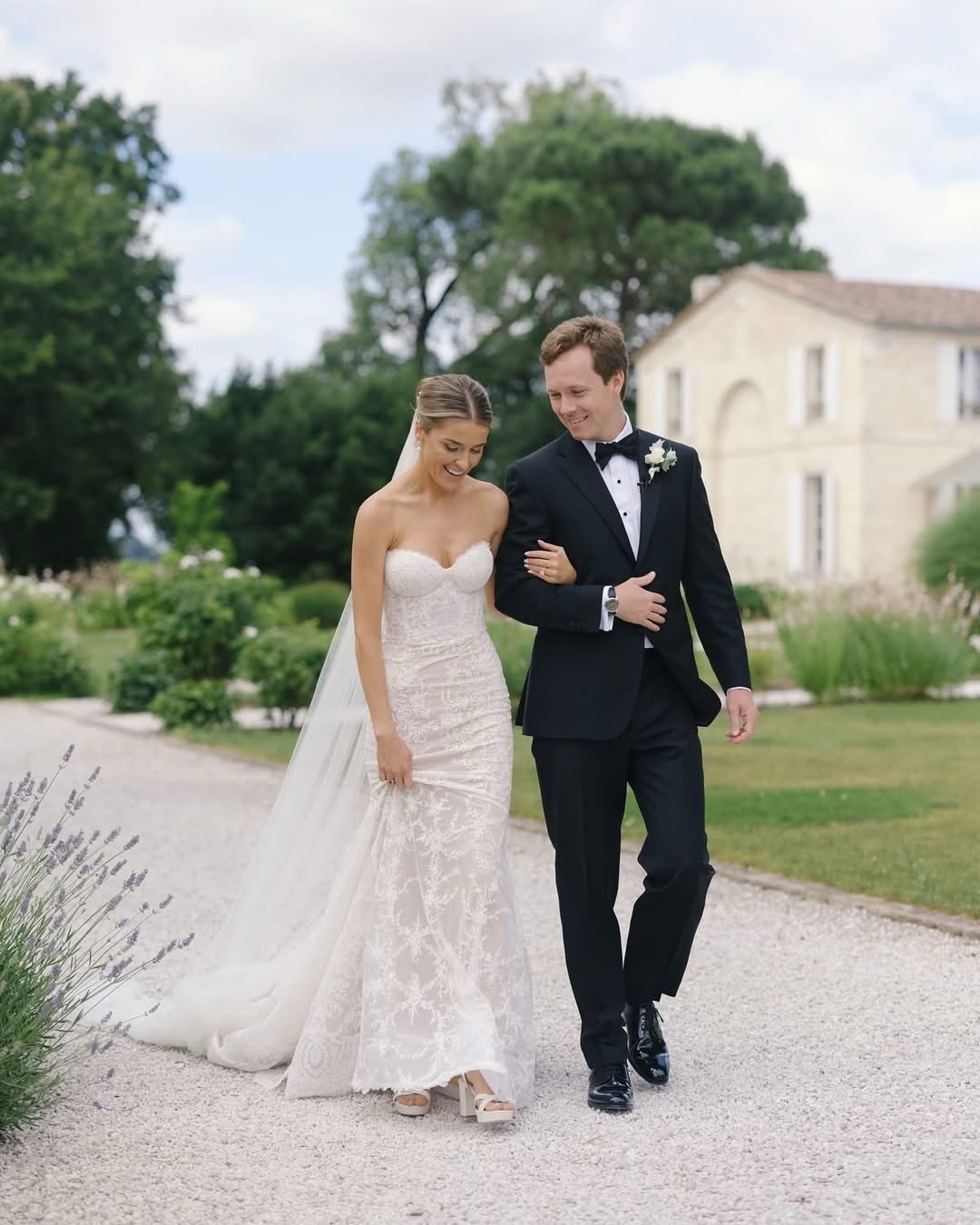
Working with a wedding planner in Provence can significantly improve communication with local vendors, especially when planning a destination celebration from abroad. Clear, consistent communication is essential for building strong vendor relationships, as even well-organized weddings can be affected by misunderstandings related to logistics, styling, or timing.
Your experience of planning and on the day of your wedding will be impacted by your language proficiency. While many French vendors have a basic grasp of English, subtle misunderstandings about timing, quantities or setup details can cause major problems.
Honesty is key when assessing each vendor's English fluency during the initial consultation. Can they explain complex logistics in a way that's easy to understand? Do they understand requests with a lot of detail about styling or timing? If there are language barriers, find out if there are bilingual team members or if you'll need translation assistance.
Responsiveness in communication is something that should be evaluated beyond language. Vendors should reply to emails within two days during the planning season. Those who are slow to communicate during the planning phase are unlikely to improve under wedding day pressure. If a vendor takes weeks to send a proposal or answer questions, they are likely to be unreliable, regardless of the quality of their work.
Budget Considerations and Hidden Costs
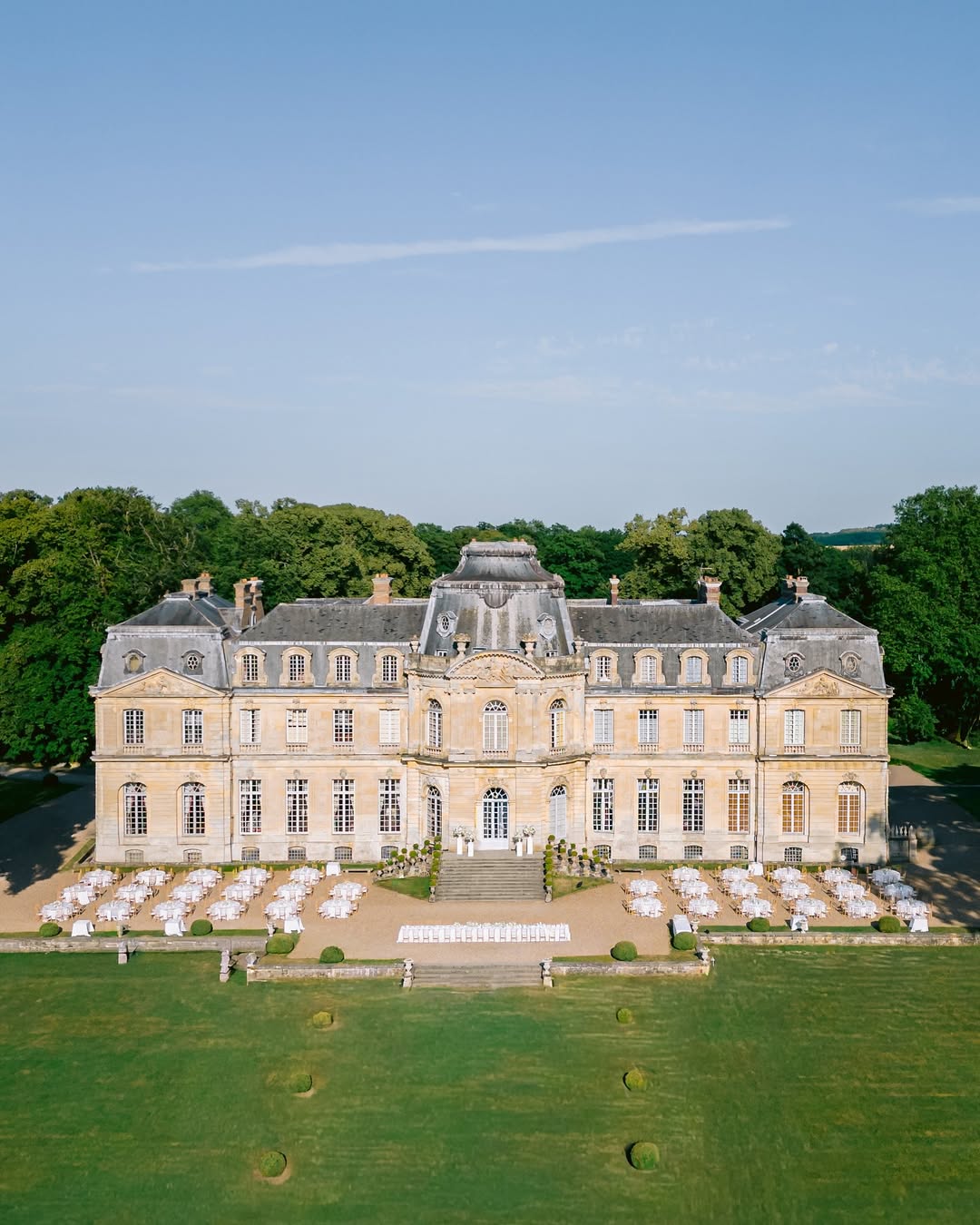


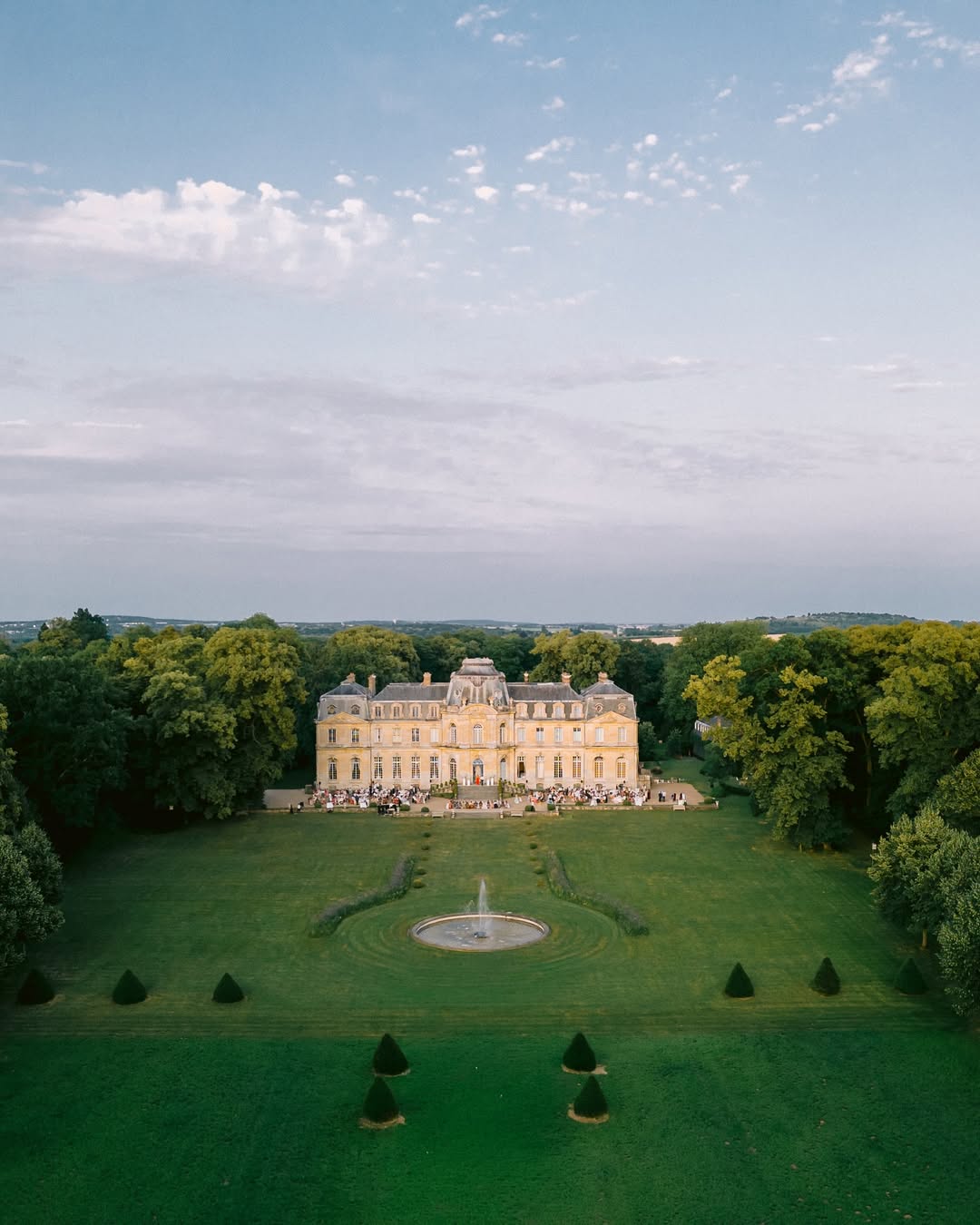
To avoid budget overruns and unpleasant surprises, it is important to understand the full cost of each vendor. International couples should be aware that French pricing structures often differ from what they are used to, so it is essential that they make detailed inquiries.
Vendors in Provence tend to set their prices differently than in Anglo-American markets. It is customary for French caterers to quote prices per person, though they may impose an additional surcharge for service staff beyond the basic ratio. When florists quote prices for centrepieces, they tend to list rental costs for vases separately, as well as delivery and installation charges. Asking specific questions is the only way to understand the complete, final costs.
The following are the key budget questions that must be answered for each vendor category:
- Catering: Does your per-person rate include service staff, linens, glassware and crockery? What is the ratio of service staff to guests? Are there any fees for cutting the cake or corkage charges if we provide our own wine?
- Photography: How many hours of coverage is included in your package? At what point does overtime commence and what is its associated cost? Do the travel costs within Provence come with the package? Is there a charge for a second shooter?
- Floristry: Can you confirm whether your quote includes delivery, setup and removal? Are vessel rentals included? Or are they additional? Following the wedding, what is the best way to dispose of the flowers? Could we donate them to a local hospital?
- Music/entertainment: Is sound equipment and lighting included in the price? How many breaks do you take, and will you play music during them? In the event of adverse weather, what is your policy for cancelled events?
The Vendor Comparison Framework
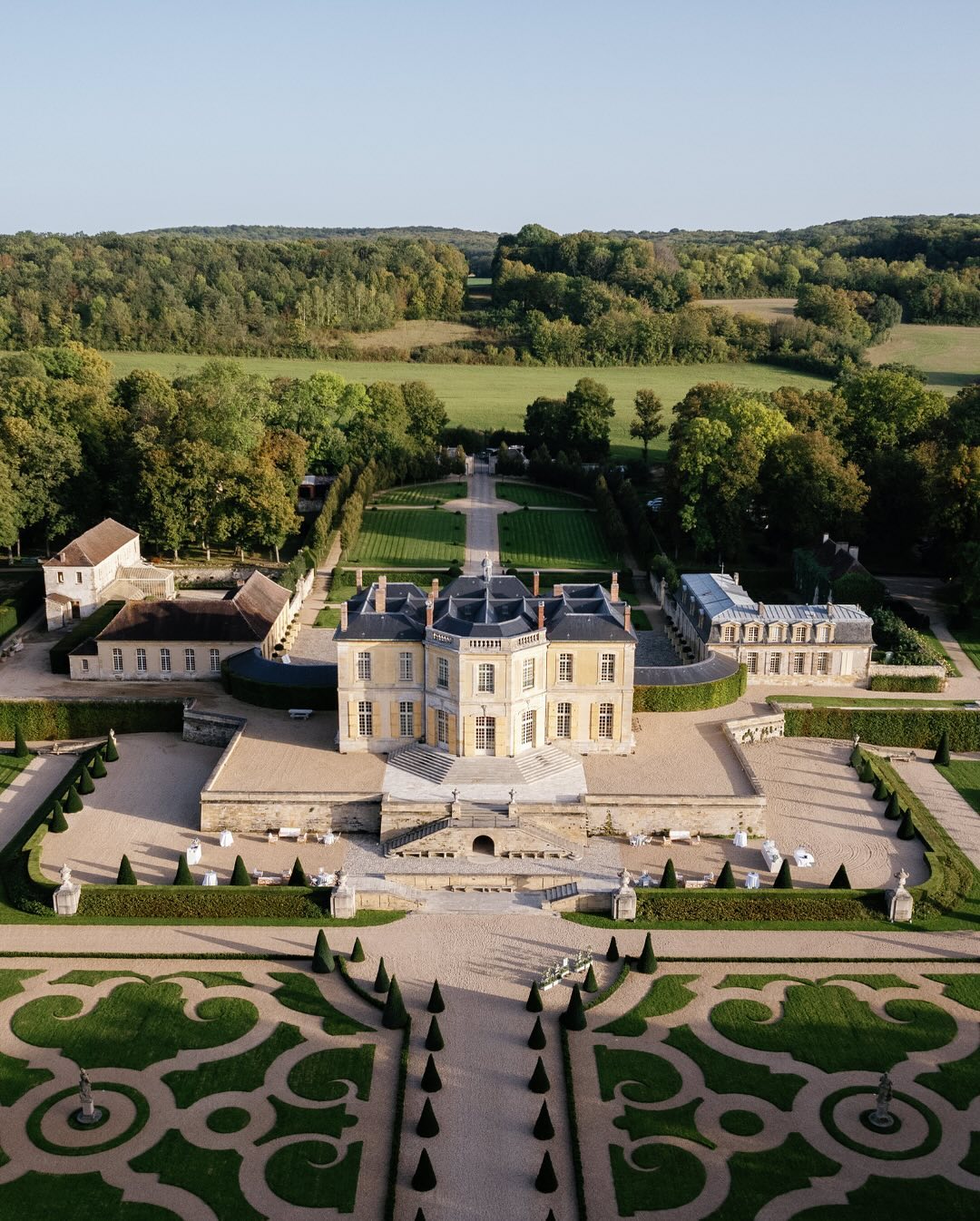
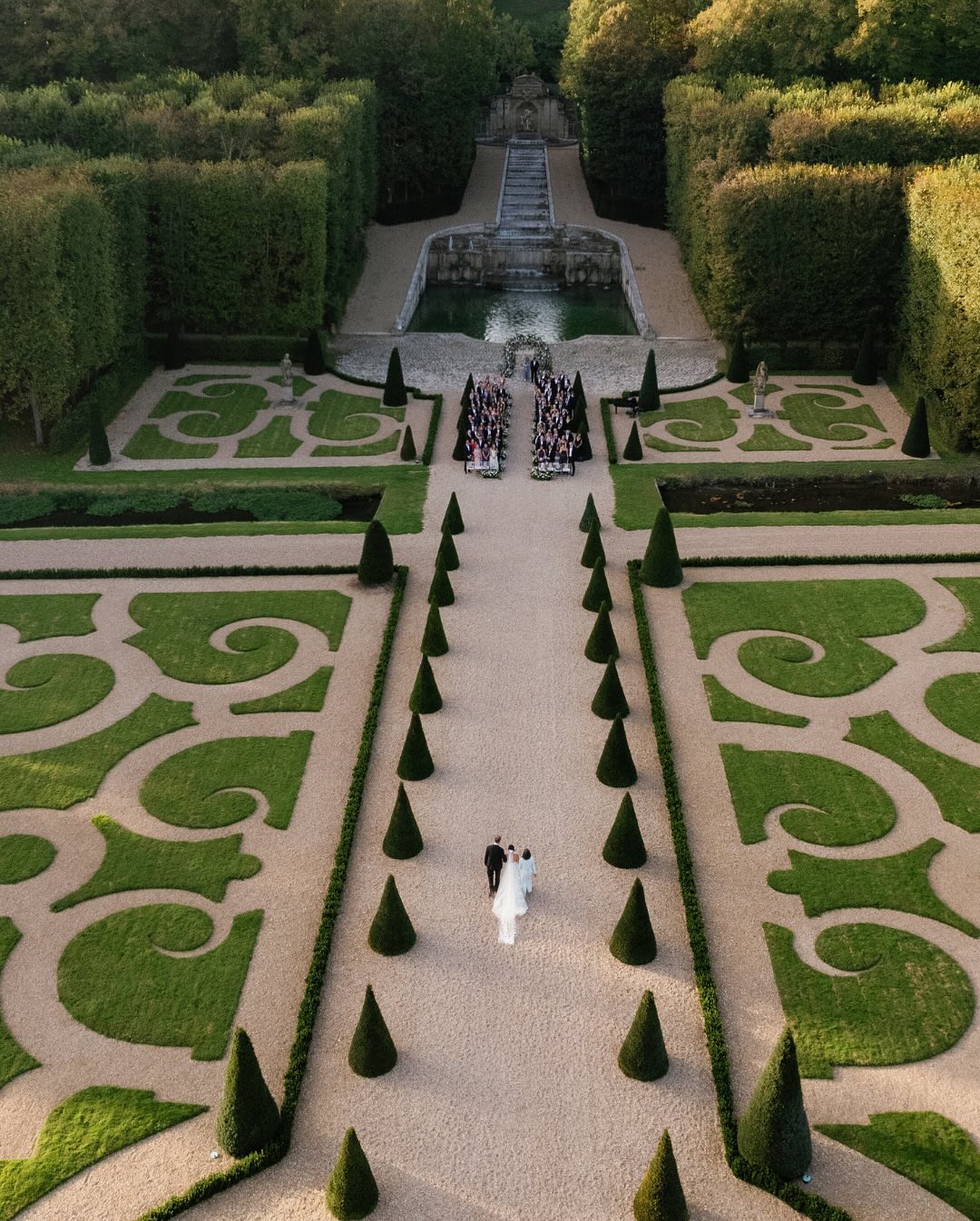
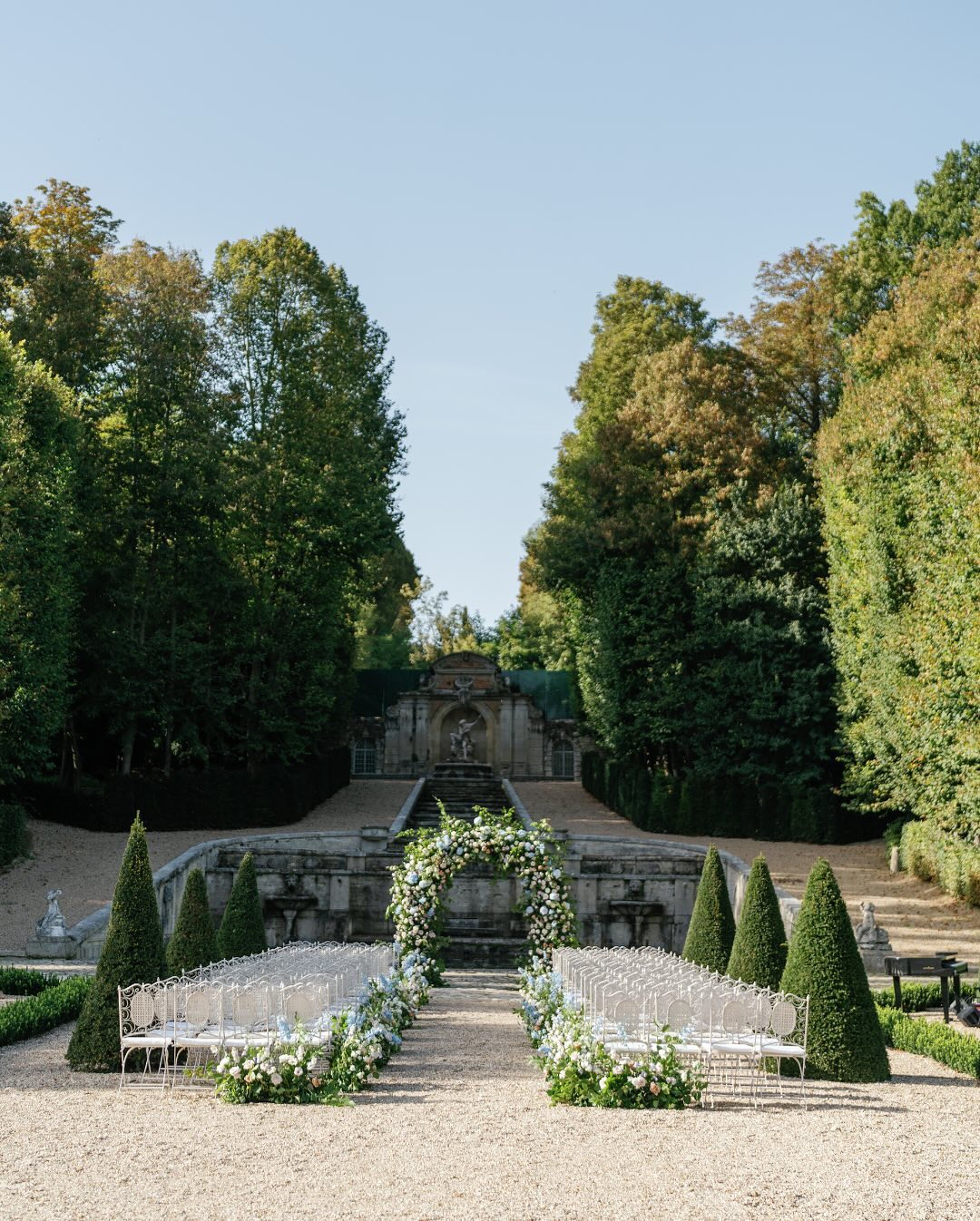

Taking an objective rather than an emotional approach to comparing vendors helps you to make confident decisions that balance aesthetics, reliability and budget. A structured evaluation system makes sure you're considering all the relevant factors.
Use a standardised comparison spreadsheet to evaluate vendors objectively. It is important to consider emotional responses to portfolios, but it is equally important to make systematic comparisons to prevent costly mistakes.
| Evaluation Criteria | Vendor A | Vendor B | Vendor C | Weight (1-5) |
|---|---|---|---|---|
| Portfolio quality | Rating | Rating | Rating | 5 |
| Regional experience | Years/weddings | Years/weddings | Years/weddings | 4 |
| Venue familiarity | Yes/No | Yes/No | Yes/No | 3 |
| Language proficiency | Level | Level | Level | 4 |
| Response time | Hours/days | Hours/days | Hours/days | 3 |
| References quality | Score | Score | Score | 5 |
| Backup plans | Details | Details | Details | 4 |
| Price vs. budget | Amount | Amount | Amount | 3 |
| Contract clarity | Score | Score | Score | 4 |
| Personal rapport | Score | Score | Score | 3 |
Rate each criterion, multiply by your personal weighting, then add up the scores. This framework ensures that practical concerns are not overlooked while aesthetic appeal is being considered, and helps to justify decisions to partners or family members.
Reference Checks That Actually Reveal Information




Potential problems are rarely uncovered by generic reference checks. Information about a vendor's reliability, professionalism and problem-solving abilities can be revealed by asking the right questions of past clients.
However, most couples either skip thorough reference checks or ask generic questions that yield polite but unhelpful responses. Specific, targeted questions that reveal potential problems are required for effective reference checks.
It is important to get in touch with at least two recent clients for each vendor. When looking for information about weddings in Provence, don't just rely on the reviews that are provided. Search for independent reviews on Wezoree or Facebook groups that are focused on weddings in Provence. Vendor quality can change with staff turnover or business growth, so recent reviews are more important than testimonials from years ago.
When asking references these specific questions, bear in mind:
- Reliability: Did they get there at the right time? Was everything promised delivered? Were there any unexpected fees or charges?
- Problem-solving: What issues did they encounter that they didn't expect, and how did they deal with them? How did they react when you asked for changes or voiced concerns?
- Team dynamics: How well did they work together with your other vendors? How would you describe the team members in terms of their experience and professionalism?
- Value assessment: In retrospect, do you think their service was worth the money? Would you book them again or recommend them without hesitation?
If references are hesitant or give only tepid answers, it's important to delve deeper. Phrases such as "they were fine" or "it worked out in the end" often signal unspoken problems, as does a pause before answering.
Contract Essentials and Red Flags

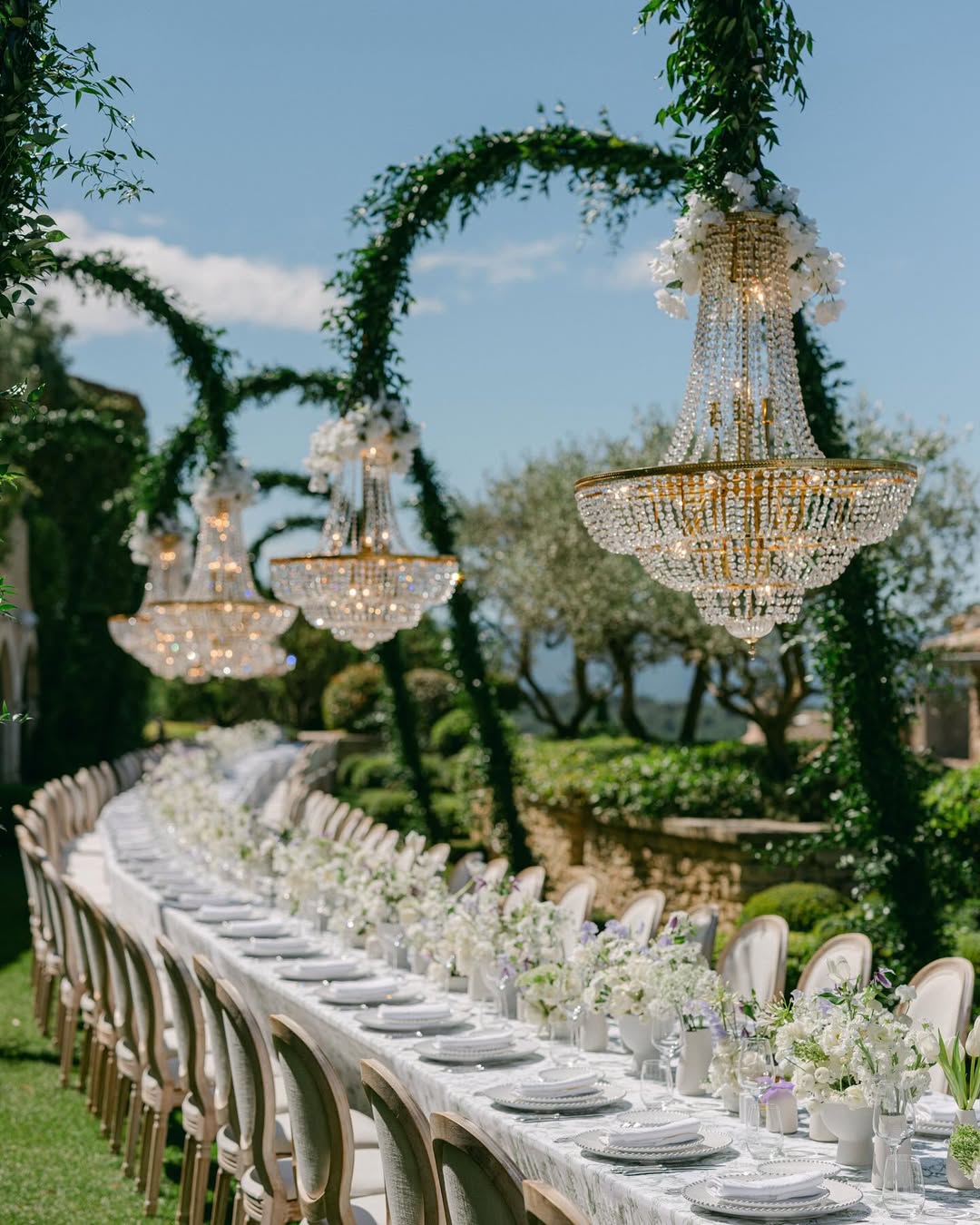


It is important to have solid contracts in place, as these clearly define expectations and responsibilities, protecting both you and your vendors. Dispute prevention and accountability are both best achieved by understanding what should be included in written records.
Contrary to American and British contracts, French wedding vendor contracts tend to be less detailed. While this isn't necessarily problematic, certain elements must be included to protect both parties.
Each contract should include the following details: a list of the exact services that will be provided, the costs broken down into separate items, the schedule for paying, the rules for cancelling the contract, plans for what to do if the vendor gets sick or there is an emergency, the timing of the setup and breakdown, and confirmation of the insurance that will cover any liabilities.
Typically, payment schedules in France require deposits of 30-50% of the total cost to secure the date, with the remaining balance due 2-4 weeks before the wedding. Don't pay the full balance months in advance. If a vendor insists on full payment more than 30 days before your wedding, treat it as a warning sign.
It is important that cancellation policies work both ways. What are the implications of cancelling, as opposed to the other party cancelling? Reasonable policies allow for partial refunds if cancellations are made far in advance, and full refunds in cases where obligations cannot be fulfilled. Vendors who keep entire deposits should be treated with caution, regardless of when or why a cancellation occurs.
Building Vendor Relationships for Success

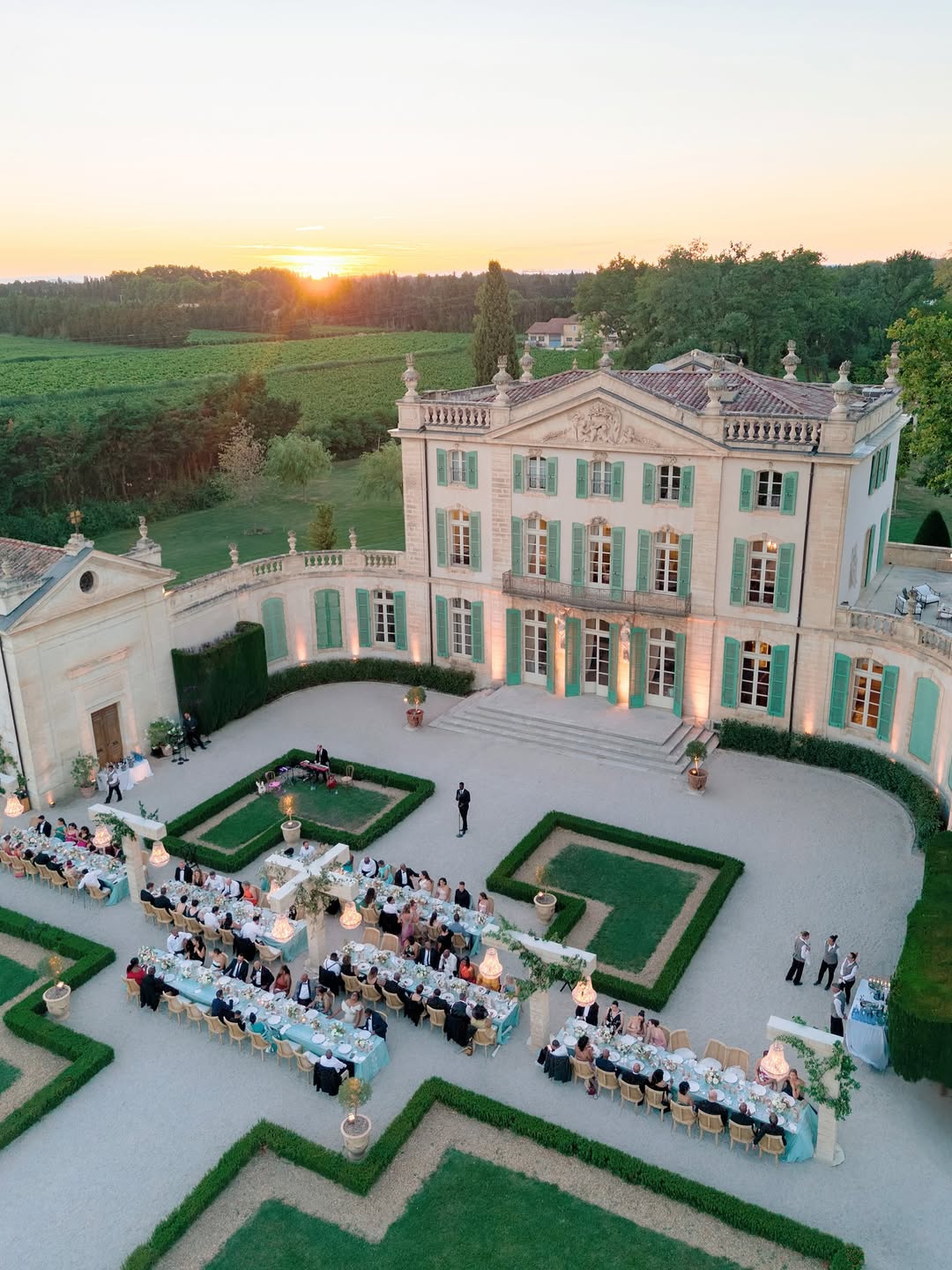
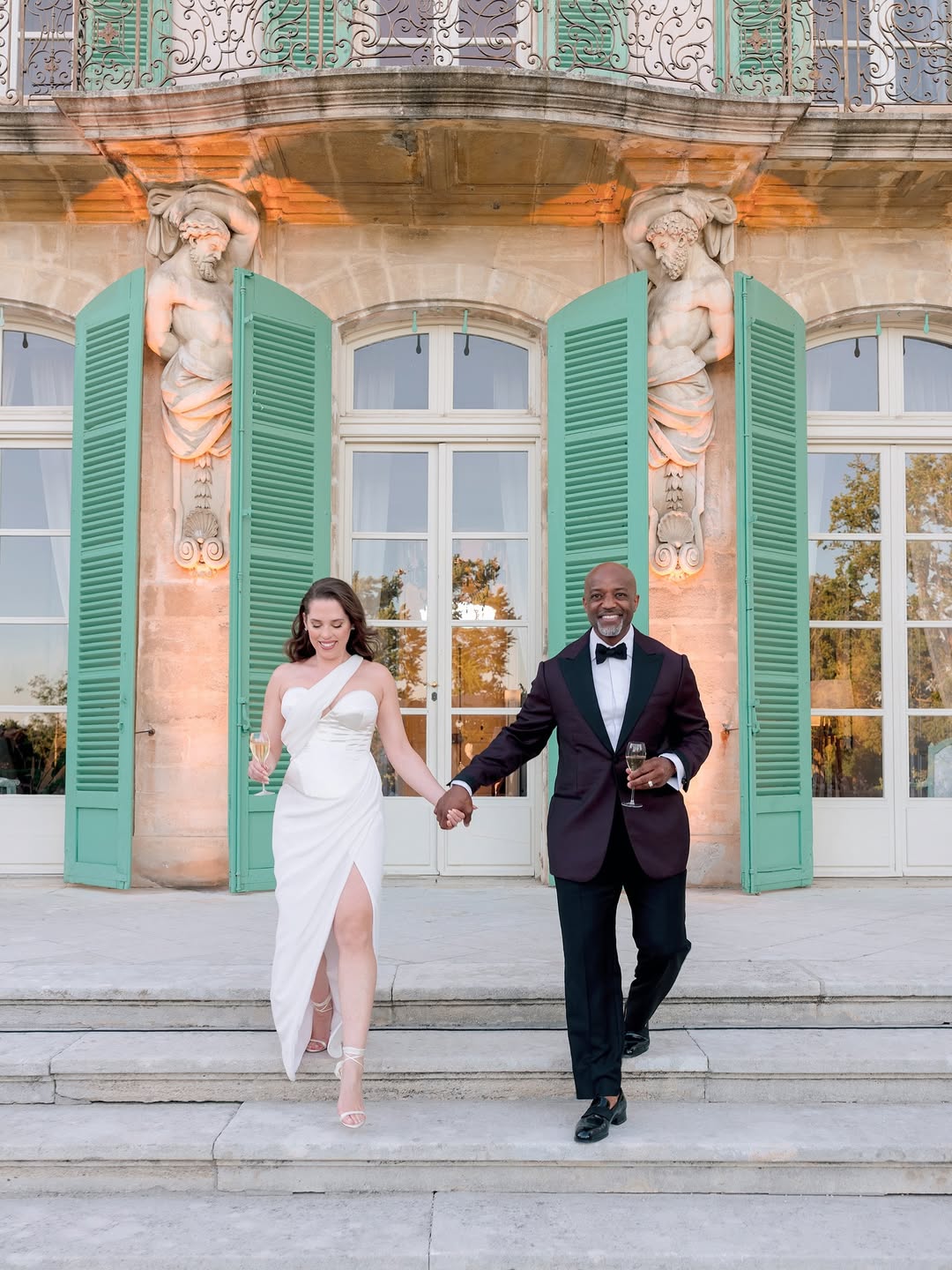

When you treat your vendors as creative partners rather than service providers, you will get better results every time. Vendors are motivated to go the extra mile for your celebration when they have strong working relationships.
The most successful vendor relationships are not just about making a sale. Vendors who feel respected and valued as creative partners will deliver superior results.
It is important to share your complete vision at the earliest opportunity. Mood boards, colour palettes and style references should be provided so that vendors can understand your aesthetic goals. Describe the importance of specific elements – this background information will help them make better decisions when unexpected adjustments are needed.
Their expertise must be respected, while your priorities must be maintained. For example, when an experienced florist suggests that peonies won't survive the August heat outdoors in Provence, listen to them. When they recommend local alternatives that will achieve your desired look, trust their regional knowledge. However, if a core element is non-negotiable, this should be communicated clearly and they should be asked to problem-solve with you rather than refusal being simply issued.
Introduce your team via email and share contact information to facilitate vendor coordination. Think about making a shared planning document with a timeline, venue layouts and style specifications that all the vendors can look at. This means that nobody has to ask the same question more than once, and everybody works from the same information.

Final Vendor Selections and Confirmations

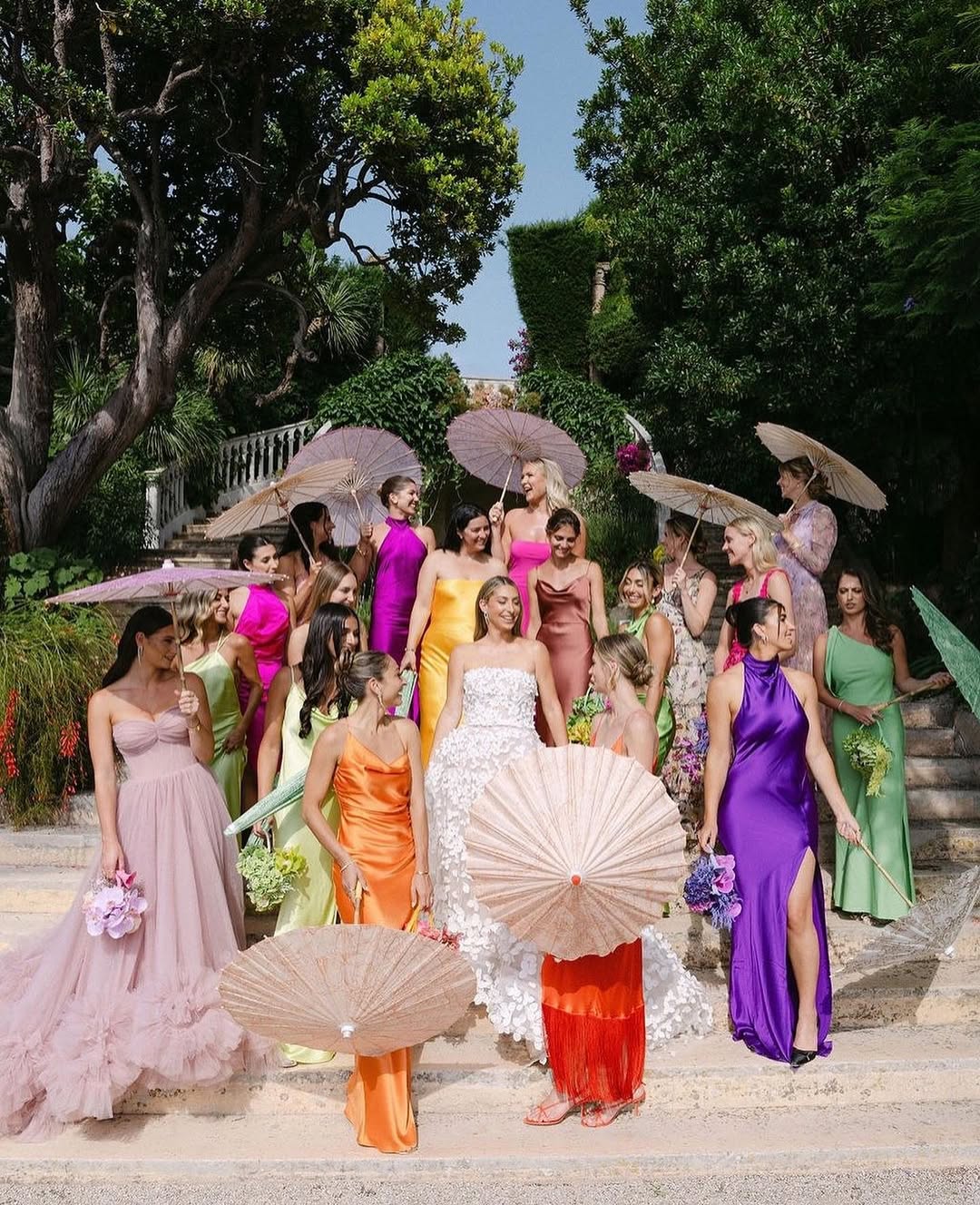


With the big day coming up, it's essential to keep track of all the details. This helps to avoid any last-minute chaos and makes sure everyone is on the same page.
Once you have selected your vendors, confirm everything in writing 4–6 weeks before the wedding. Each vendor should be sent a detailed document confirming:
- Exact date and location
- Arrival and setup times
- Specific services contracted
- Final guest count (where applicable)
- Primary contact person and phone number for wedding day
- Locations of key elements (ceremony site, cocktail area, reception location)
Ask them to confirm in writing that they have received and reviewed this information. These confirmations stop any last-minute misunderstandings and make sure everyone's accountable.
Send a brief reminder message to each vendor the week before your wedding. A straightforward "Looking forward to seeing you on Saturday at Château..." will ensure your wedding remains at the forefront of their mind, encouraging them to voice any concerns there is still time to address.