French Alps Wedding: A Complete Guide to Mountain & Winter Weddings


- Why Choose the French Alps for Your Wedding
- Best Wedding Locations in the French Alps
- Mountain vs Winter Wedding: What to Choose
- Legal Requirements & Marriage Options
- Best Time of Year to Get Married in the French Alps
- Wedding Venues & Accommodation
- Wedding Style & Decor in the Alps
- Wedding Attire for Mountain & Winter Weddings
- Photography & Videography in the Alps
- Guest Experience & Activities
- Wedding Budget: What to Expect
- Planning Timeline & Tips
- Why Work with a Local Wedding Planner
- Common Mistakes to Avoid
- Is a French Alps Wedding Right for You?
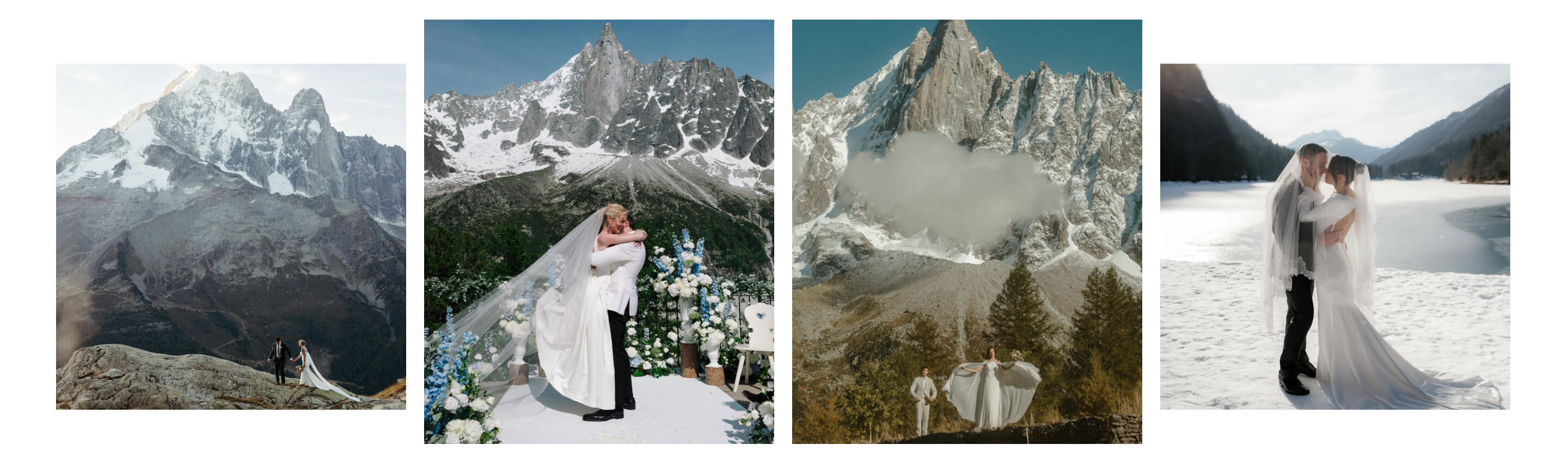
There's a particular kind of magic that happens when you get married surrounded by mountains. The Alps' vast scale — peaks that seem to touch the sky, valleys carved by glaciers over millennia, and light that shifts from blinding white snow to a soft alpine glow — creates a backdrop that doesn't just frame your wedding; it becomes part of the story. A wedding in the French Alps isn't about bringing mountain aesthetics to a venue; it's about letting the landscape dictate the mood, the timeline, and the entire experience. Whether you're drawn to the wildflower-filled meadows of summer with snow-capped peaks in the distance, or the serene beauty of a winter ceremony blanketed in fresh snow, the Alps offer something that cities and plains simply can't: the sensation of being completely removed from everyday life and elevated — both literally and figuratively — into something extraordinary.
Find Your Perfect Wedding Vendors

Why Choose the French Alps for Your Wedding
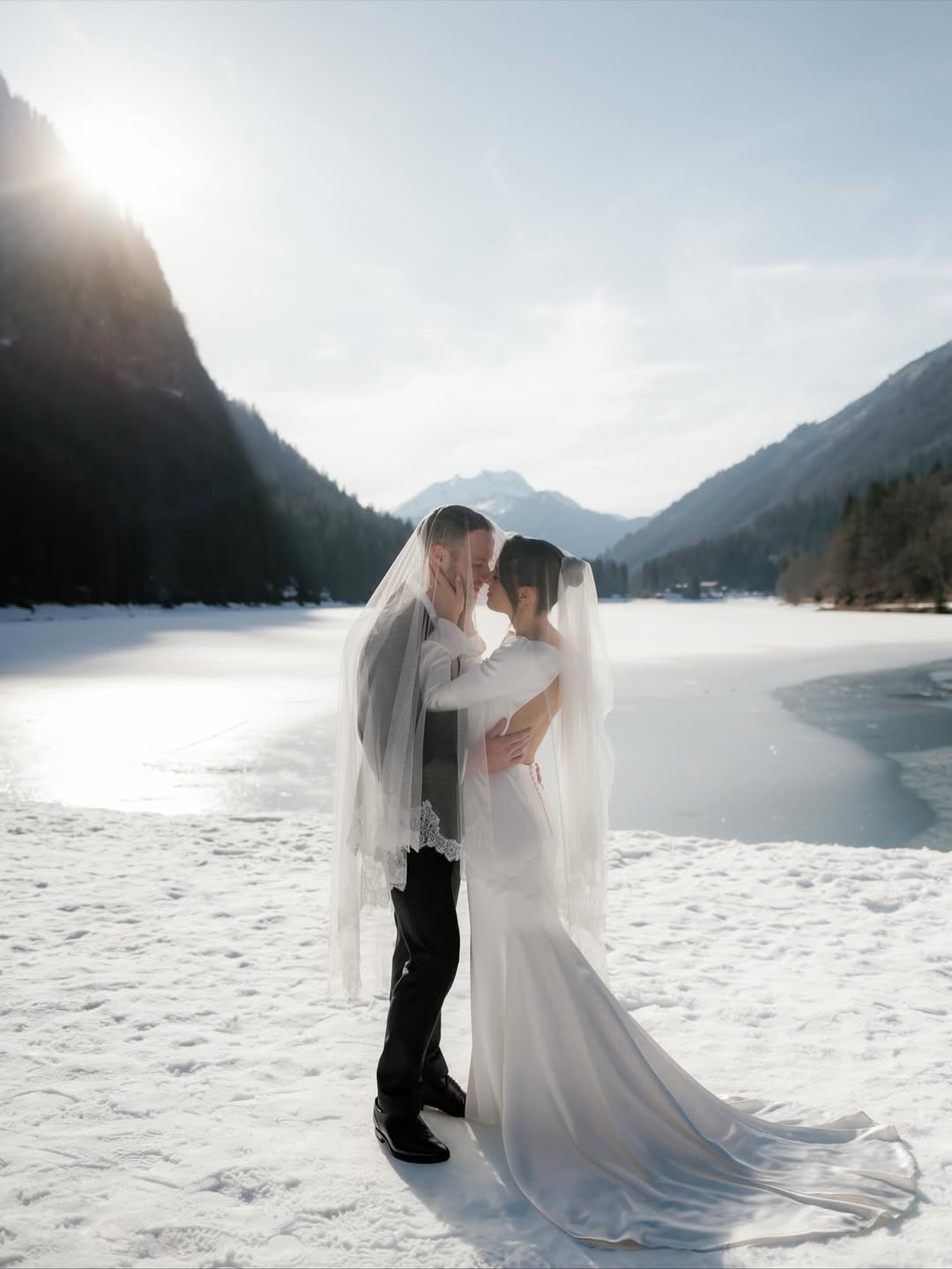
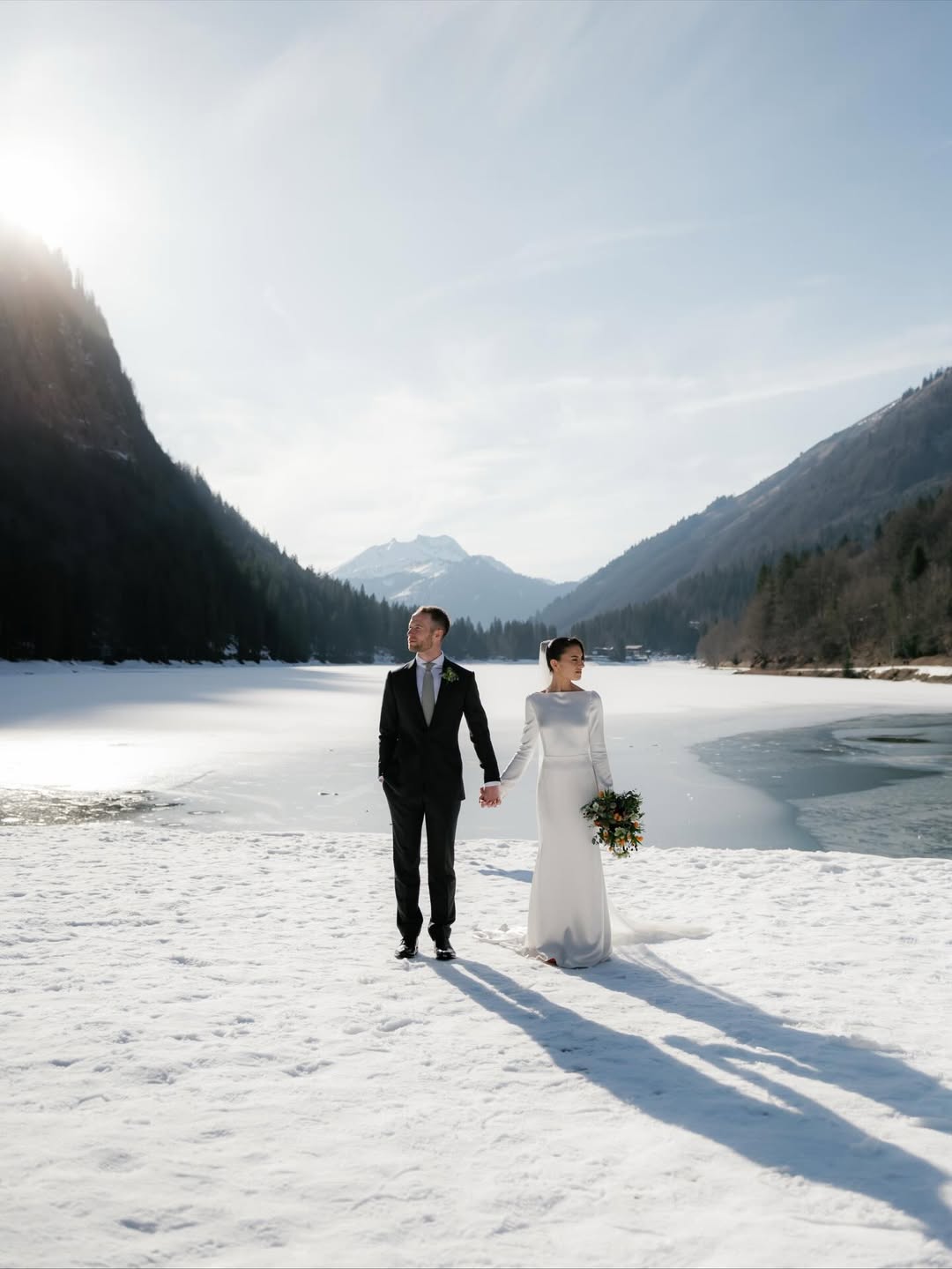
The atmosphere here is unbeatable—mountains and snow create effortless drama. Alpine villages offer rustic charm with unpretentious luxury, making celebrations in the French Alps feel significant due to the setting's inherent uniqueness.
This setting suits couples seeking intimacy or adventure. The mountains offer grandeur for elopements and destination weddings, appealing to those who value experience over strict tradition and want an unforgettable escape, understanding that sometimes less is more.
Summer and winter weddings in the French Alps offer distinct experiences. Summer means easier travel, hiking, wildflowers, long daylight, and outdoor ceremonies. Winter delivers Alpine romance with fresh snow, cosy fireside gatherings, skiing, and crystalline mountain light. Summer features green mountains and the freedom to explore. Winter may bring travel disruptions and cold, but it provides an unmatched atmosphere for those drawn to its unique aesthetic.
Best Wedding Locations in the French Alps
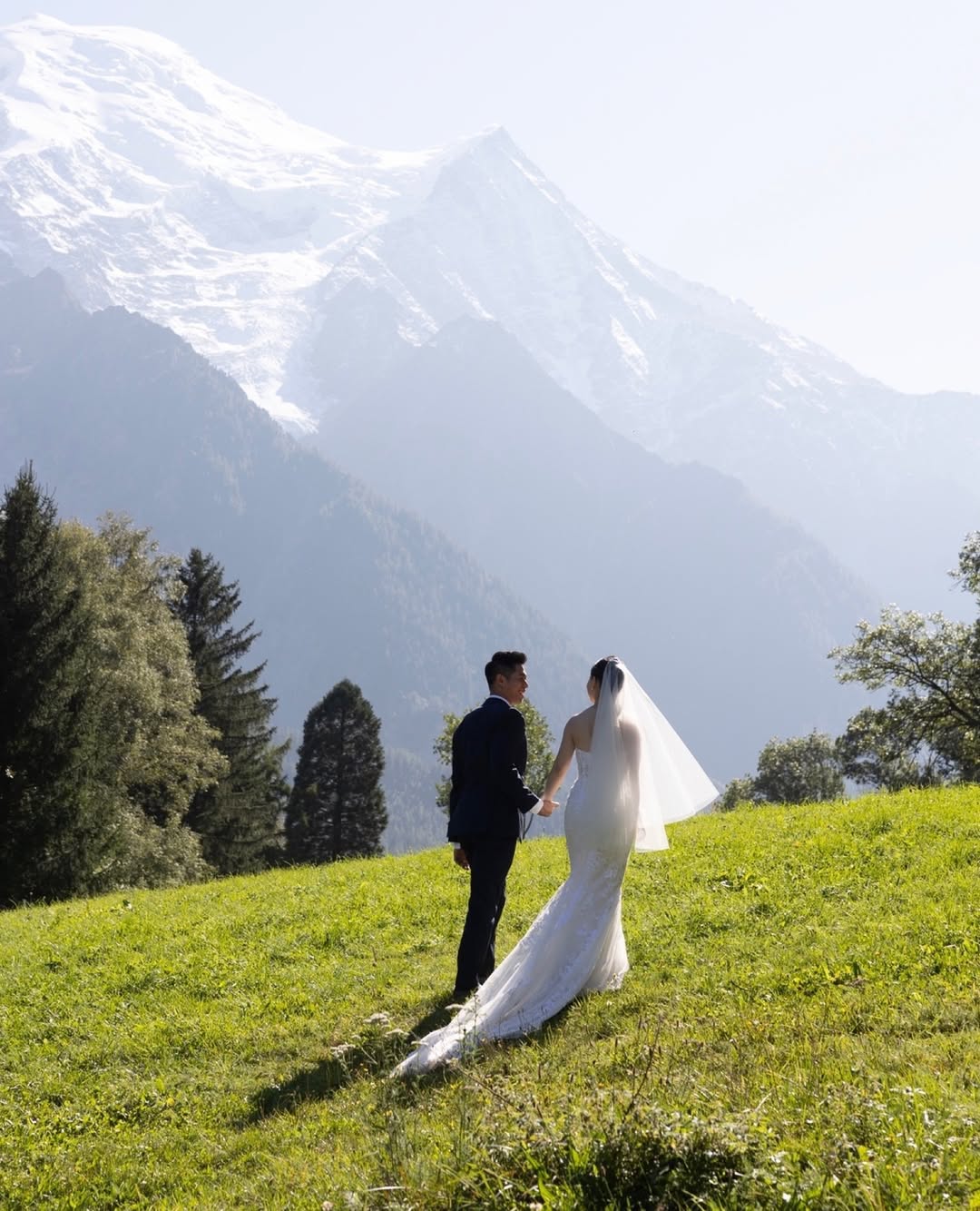
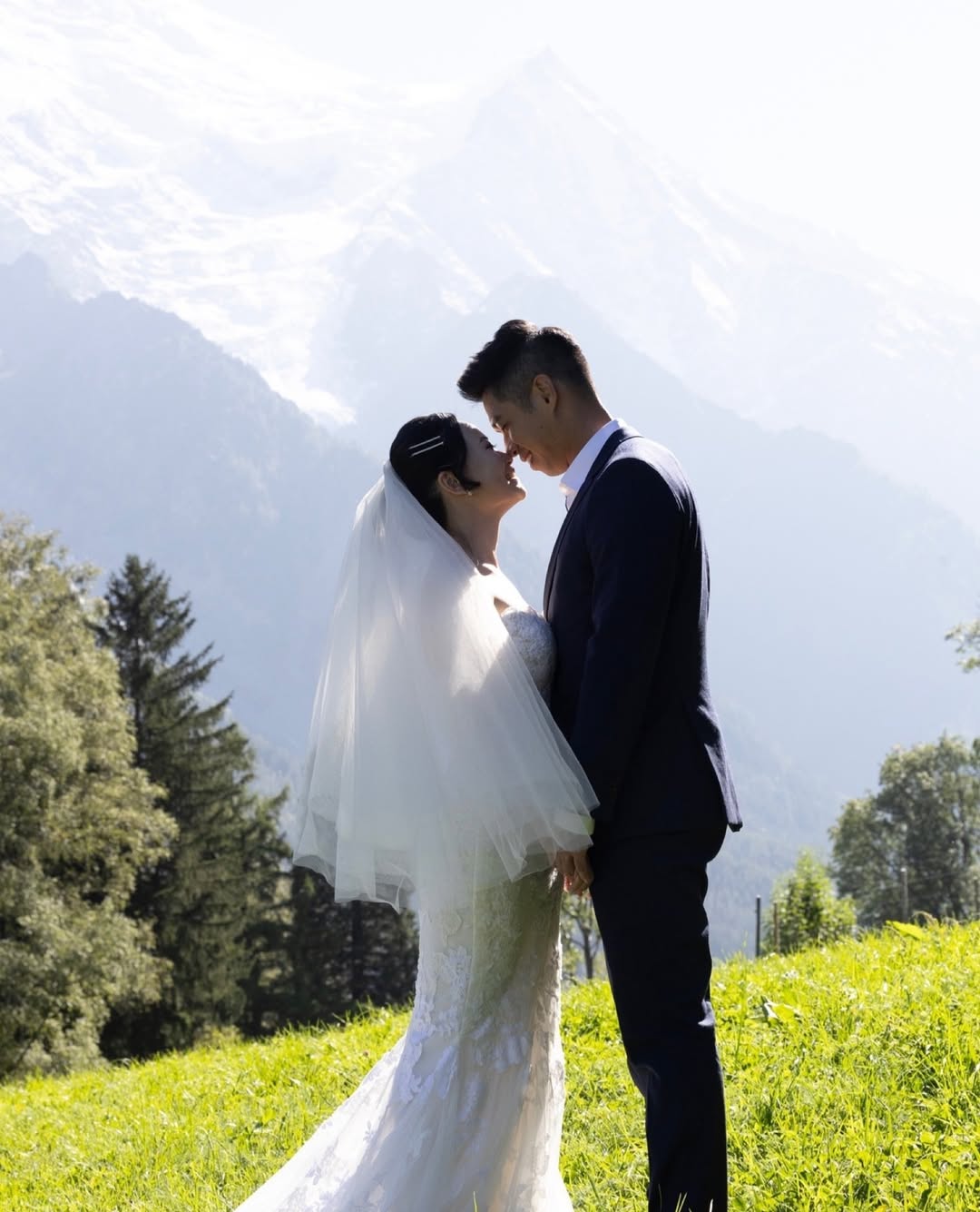
Nestled in the shadow of Mont Blanc, Chamonix boasts the most dramatic mountain backdrop in the Alps. The town itself is charming yet unpretentious, combining traditional Alpine architecture with a contemporary mountain lifestyle. Accommodation options range from historic hotels to contemporary mountain lodges, and access to glaciers, cable cars, and high-altitude viewpoints provides visitors with genuinely unique photographic opportunities. As the most famous of the French mountain towns, it offers more vendor options, but also attracts more tourists and has higher prices.
Megève, on the other hand, delivers refined Alpine elegance. French aristocrats built their mountain chalets here in the early 20th century, and the town's polished aesthetic reflects that heritage. Expect cobblestone streets, horse-drawn carriages in winter, Michelin-starred restaurants, and French Alps wedding venues that lean towards luxury rather than rusticity. It's perfect for couples who want mountain beauty, sophistication, and high-end service. The vibe is less extreme sports and adventure and more après-ski and champagne.
Courchevel takes luxury even further. This is the Three Valleys ski area — one of the world's most exclusive winter destinations. Wedding venues here are often five-star hotels and private chalets. Prices reflect that exclusivity. If you want helicopter arrivals, private chefs, and accommodation to rival top city hotels, all surrounded by the Alps, Courchevel is for you. It's almost exclusively a winter destination, with a quieter, less developed summer than in other Alpine regions.
Rather than pure mountains, Annecy offers lakeside Alps. The medieval old town, crystal-clear lake, and mountain backdrop form a unique setting. It's still Alpine, but softer and more accessible. Wedding venues here include lakeside estates, châteaux, and other waterfront sites. These offer mountain views without the need for high-altitude logistics. This makes Annecy ideal for couples seeking Alpine scenery, milder weather, and easy access for guests.
Val d'Isère offers an authentic ski village experience. Less polished than Megève and less extreme than Chamonix, it's a working ski town that is also incredibly beautiful. Venues tend to be mountain lodges and renovated chalets rather than luxury hotels. This makes it perfect for couples who actually ski and want their wedding to feel connected to the culture of mountain sports rather than just using the mountains as a backdrop.
Planning considerations differ between mountain resorts and lakeside venues. Mountain resorts offer dramatic elevations, direct ski and hiking trail access, and unique high-altitude light and scenery. However, they may have difficult access in bad weather, altitude issues for some guests, and be remote from airports. Lakeside locations such as Annecy offer easier logistics and milder weather. They also combine mountain and water activities and typically offer more vendor options due to their proximity to larger towns. The trade-off is a less dramatic mountain presence—you view the peaks instead of standing among them.
Venue types span a wide range. Private chalets offer complete privacy and control. You rent the entire property, which often includes on-site accommodation. You can plan the weekend exactly as you wish. Luxury mountain hotels provide unmatched service, infrastructure, and amenities. They feature professional kitchens, spa facilities, multiple event spaces, and experienced staff. Open panoramic platforms and mountain refuges deliver spectacular views but require serious planning. Guest access, weather contingencies, and catering at altitude are key concerns. Each venue type suits different wedding styles and priorities.
Mountain vs Winter Wedding: What to Choose
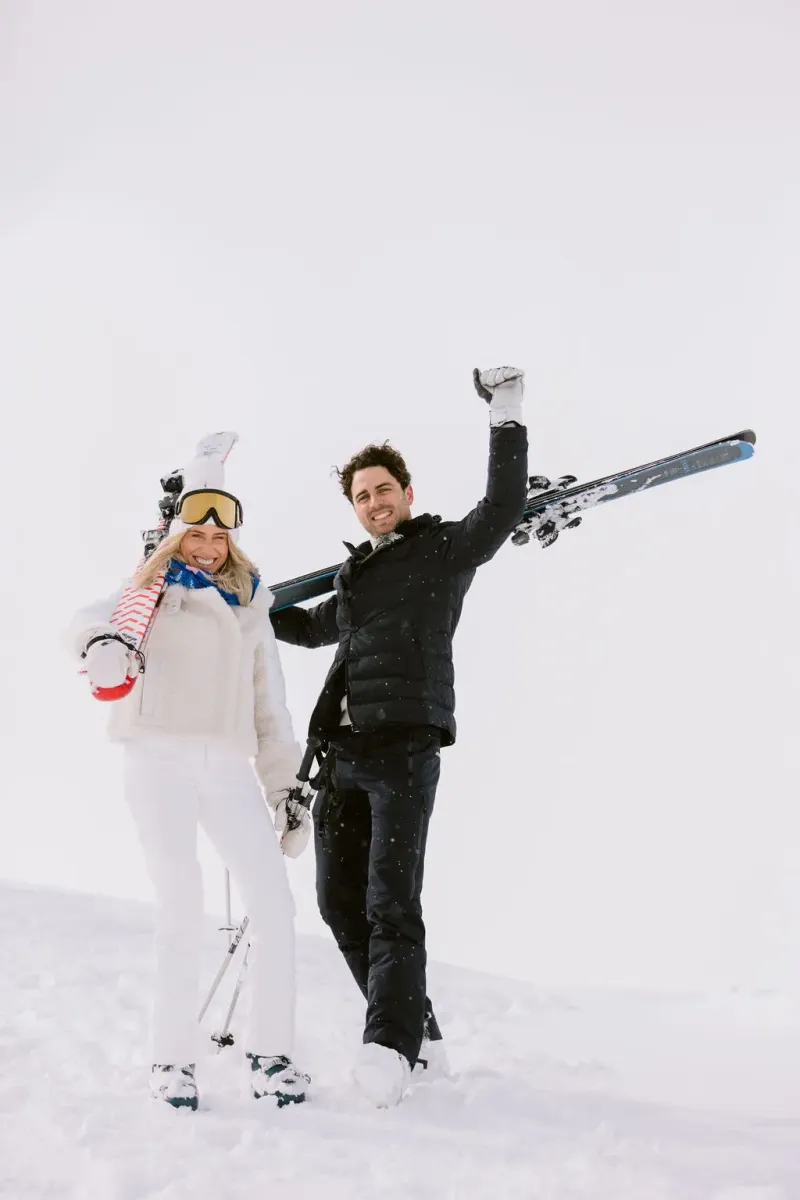
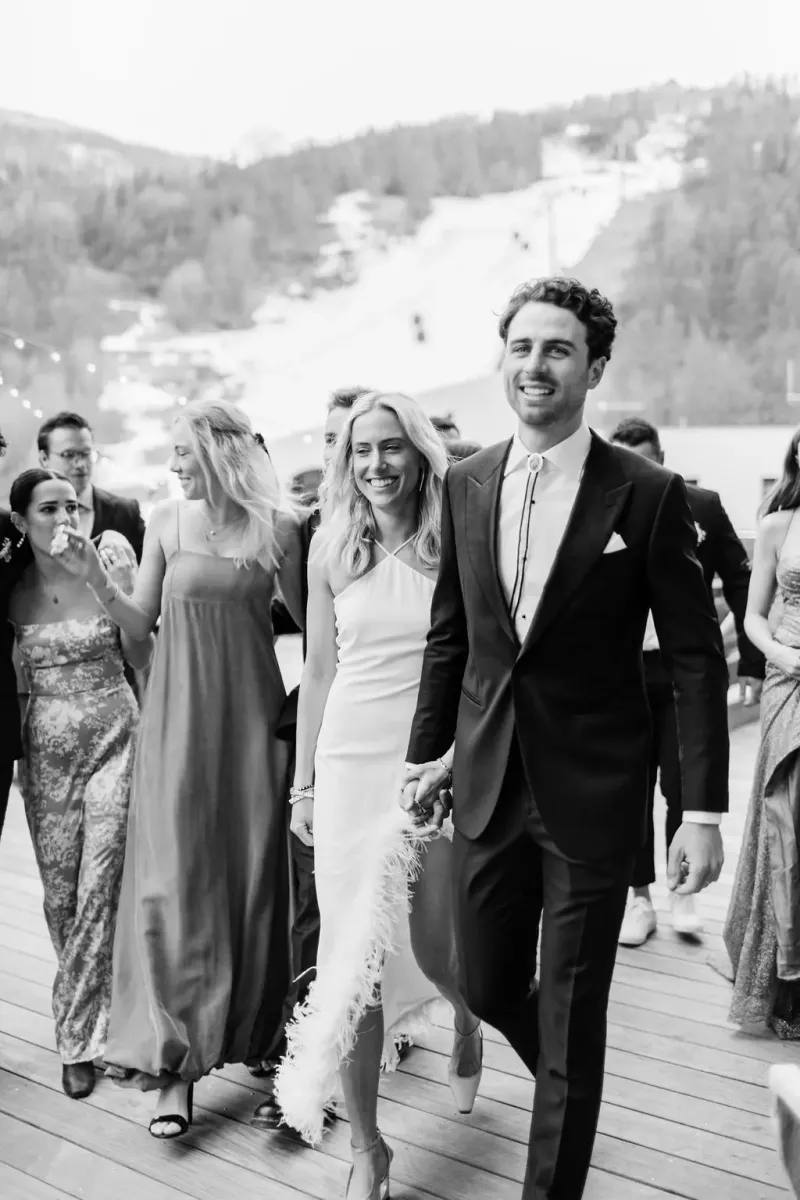
Summer weddings in the French Alps take place from June to September, with July and August offering the warmest and most stable weather. The advantages are that outdoor ceremonies are realistic, hiking and mountain activities are accessible to all fitness levels, the wildflower season creates natural beauty that requires minimal decoration, and the longer daylight hours (sunset can be at 9 pm or later) provide an extended golden hour. The mountains are green and lush, the trails are clear of snow, and the weather is generally good. Logistics are simpler, with no need to worry about passable roads or stranded guests.
The aesthetic leans towards natural, organic beauty. There are wildflowers, fresh greenery, and outdoor mountain air, and ceremonies can be held in meadows with panoramic views. The mood is adventurous and vibrant. Guests can explore by taking cable cars, hiking to alpine lakes, or biking along mountain trails, creating genuine mountain experiences beyond the ceremony.
Winter French Alps weddings take place from December to March. January and February offer the most reliable snow. The aesthetic is entirely different: fresh powder, frosted trees, fairy-tale mountains, and winter light that produces ethereal photographs. The romance is undeniable: arriving as snow falls, ceremonies by fireplaces, and receptions that start with outdoor activities and move to warm indoor celebrations.
Be aware of practical considerations: weather can disrupt travel, and cold means brief outdoor ceremonies or heavy guest outfitting. Days are short; in December, sunset is at 4:30 pm. More coordination is needed for guest clothing and gear. For couples drawn to winter’s magic, these constraints foster intimacy. Weather challenges become stories. The winter look is so stunning that it justifies the extra planning.
| Category | Typical Cost | Key Notes | Seasonal Considerations | Tips to Optimize |
|---|---|---|---|---|
| Venue Rental | €3,000–€15,000+ | Luxury hotels higher; private chalets vary; shoulder season cheaper | Winter ski peak expensive; summer high demand | Venue Rental |
| Accommodation | €150–€500+/ night | Can be bundled with chalet; multi-night minimums | Winter peaks; summer high demand | Accommodation |
| Catering | €100–€300+/ person | Remote or high-altitude venues cost more | Summer easier logistics; winter menu may rise | Catering |
| Photography & Videography | €3,000–€10,000+ | Mountain specialists; travel fees possible | Light & snow conditions vary | Photography & Videography |
| Planning Services | €3,000–€12,000+ | Regional planner recommended | Winter requires ski-season expertise | Planning Services |
| Florals & Décor | €2,000–€10,000+ | Winter: greenery; summer: peak flowers | Minimal styling saves costs | Florals & Décor |
| Guest Transportation | €1,000–€5,000+ | Shuttles, cable cars, or private cars | Winter slightly more complex; summer easier | Guest Transportation |
Legal Requirements & Marriage Options
Getting legally married in France as a non-resident is complex and time-consuming. You must establish local residency at least 2 weeks in advance. You need to collect official documents. You must establish local residency at least 2 weeks before the law, and provide proof of residency. All documents must be translated and apostilled. The process also involves meetings at the local mairie, publication of wedding banns, and navigating a strict, bureaucratic system that is rarely English-friendly.
Most international couples choose a symbolic ceremony instead. They do legal paperwork at home, then celebrate in the Alps however they wish. You can pick any location, officiant, and ceremony format. Symbolic weddings feel just as special as legal ones. They avoid restrictions of French civil law, making them the most practical choice for destination mountain weddings.
Best Time of Year to Get Married in the French Alps
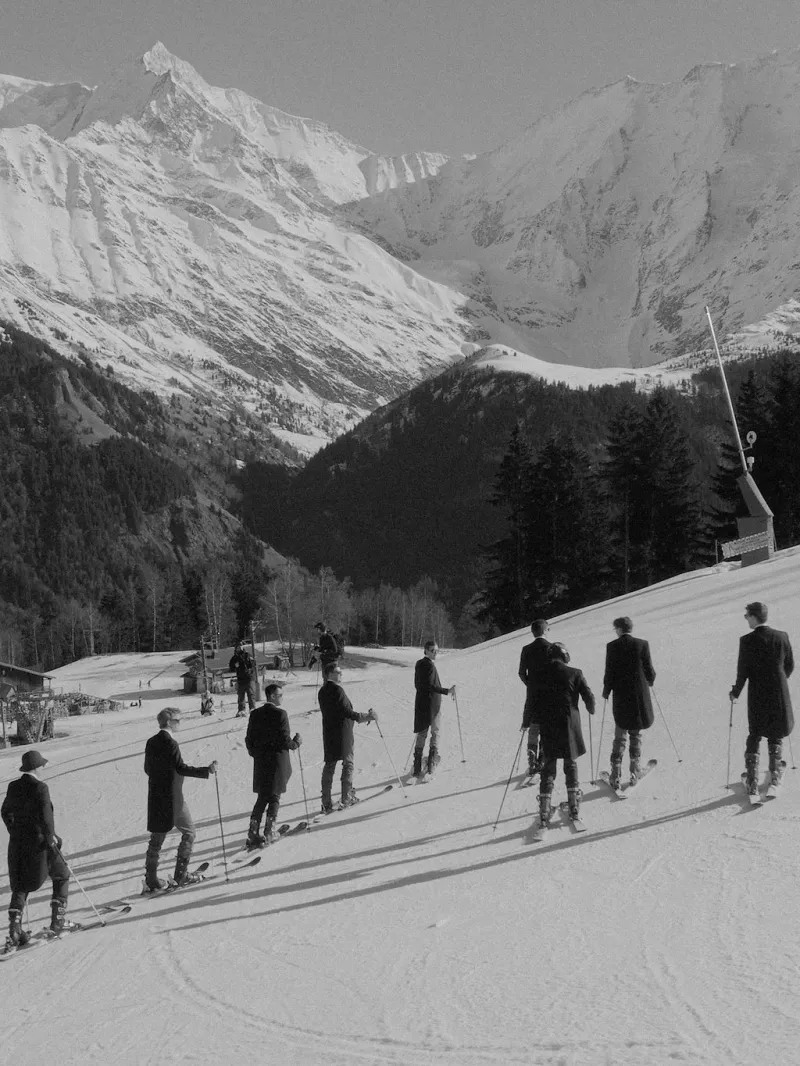
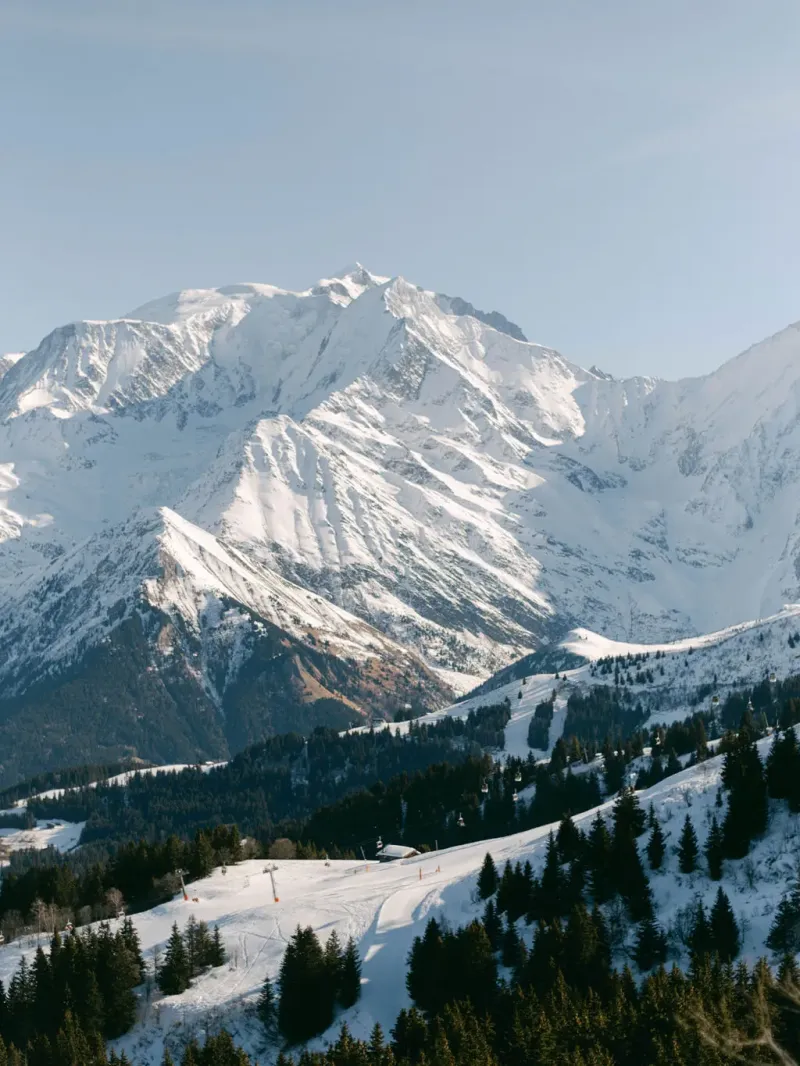
If you're planning a summerwedding in the French Alps, July and August offer the warmest temperatures (15-25°C) and the most stable weather. You can also be sure of snow-free access to high-altitude venues. The mountains are in full bloom, all the lifts are operating, and the outdoor conditions are reliable. However, it is the peak tourist season, so prices are higher and venues are booked far in advance. June brings the wildflower season and fewer crowds, but more variable weather. September offers autumn colours, pleasant temperatures, and fewer tourists, but the weather becomes less reliable.
Winter weddings have a narrower window. January and February offer the most reliable snow, the coldest temperatures (which paradoxically mean drier, clearer weather), and the full winter experience. December can be beautiful, but the weather is unpredictable and early-season snow isn't guaranteed. Holiday crowds also drive up prices. March brings longer days and warmer temperatures, but also heavier, wetter snow and spring thaw conditions.
The shoulder seasons of April–May and October–November are the riskiest. You might get gorgeous conditions or challenging weather. Many venues and facilities close during these periods. Prices drop by 30–50%, but you're gambling on the weather and accepting limited services. This option is ideal for adventurous couples with flexible expectations and a small guest list.
Peak seasons (December–February and July–August) command premium rates, but offer full services. Shoulder seasons offer significant savings, but with reduced service and a higher risk of adverse weather. If you accept the trade-offs, off-season booking can dramatically reduce the cost of a French Alps wedding package.
Wedding Venues & Accommodation
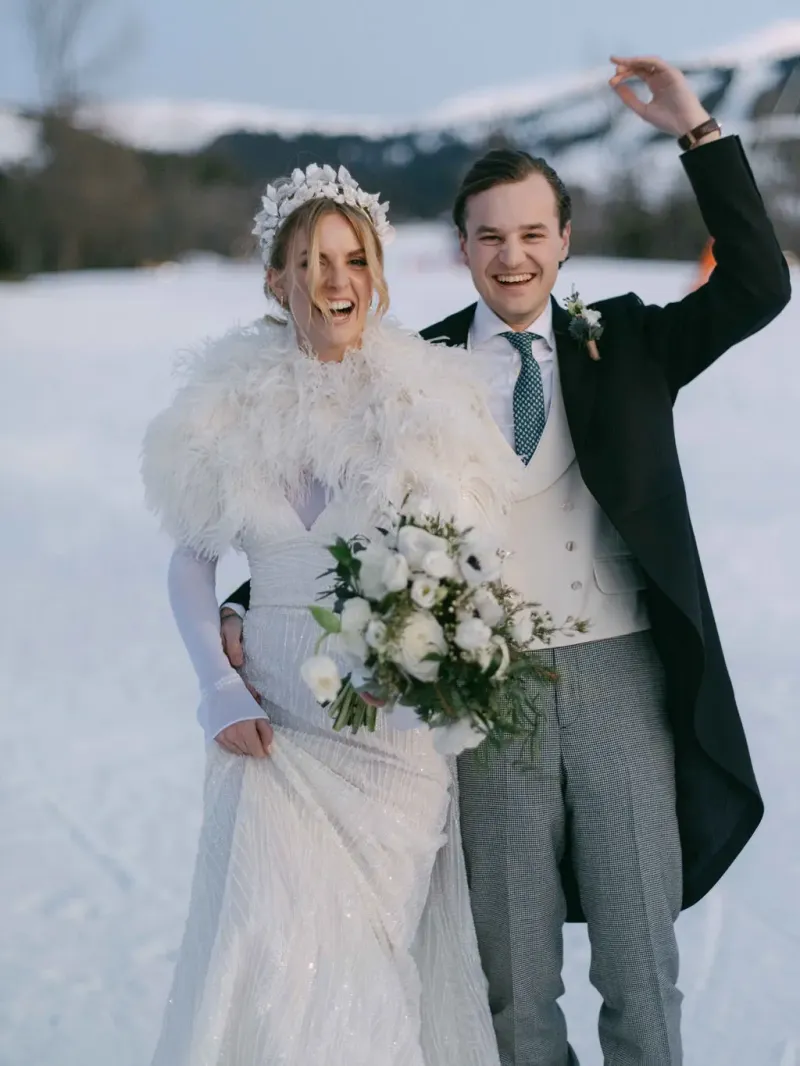
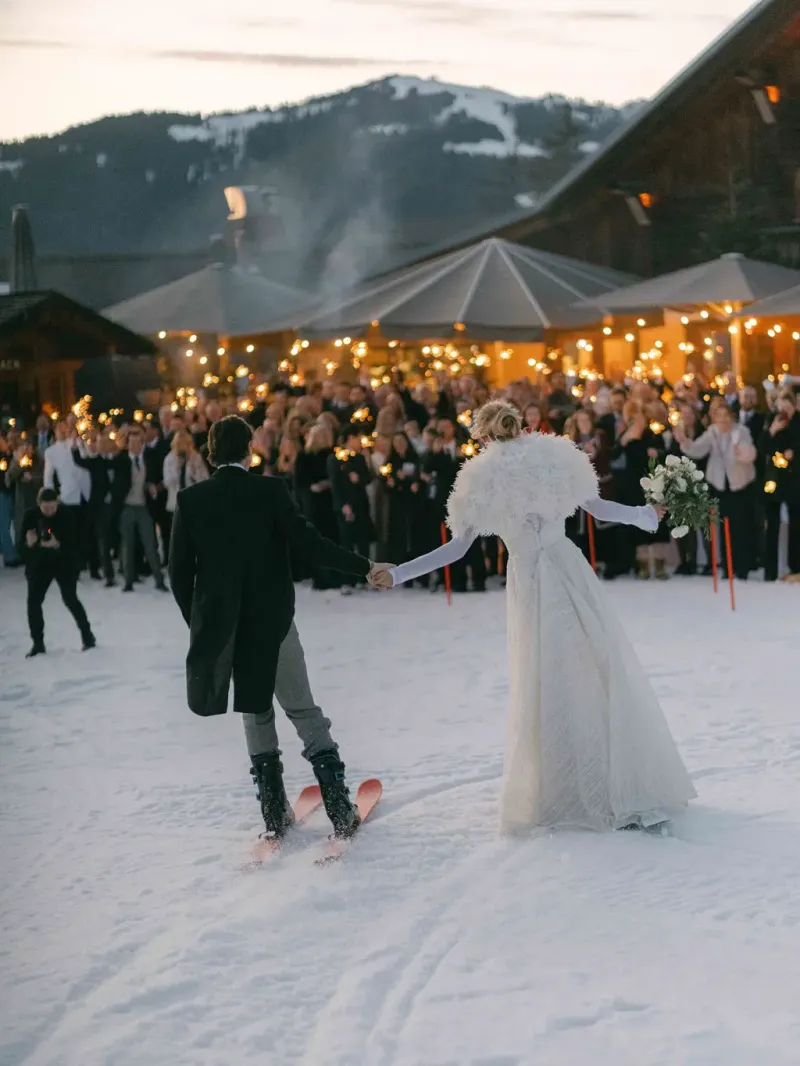
Chalets and luxury mountain hotels offer two distinct wedding experiences in the French Alps. A private chalet provides unmatched intimacy and privacy, turning the wedding into a shared, homely experience where guests can stay on-site together—ideal for smaller celebrations. However, it requires external catering, full setup and breakdown, and adherence to occupancy limits. In contrast, luxury mountain hotels such as Le K2 in Courchevel or the Four Seasons in Megève offer a seamless, full-service experience, combining venue hire, accommodation, catering, and event planning support. This is ideal for couples who want a mountain setting without the hassle of managing the logistics themselves, though it comes at the cost of a more commercial feel. Strategic guest accommodation planning is essential, whether that means booking a single venue, arranging nearby hotels with shuttle service, or offering curated options at different price points. Newlyweds typically stay at the wedding venue or the finest nearby property to minimise movement and ensure a smooth wedding day.
Wedding Style & Decor in the Alps
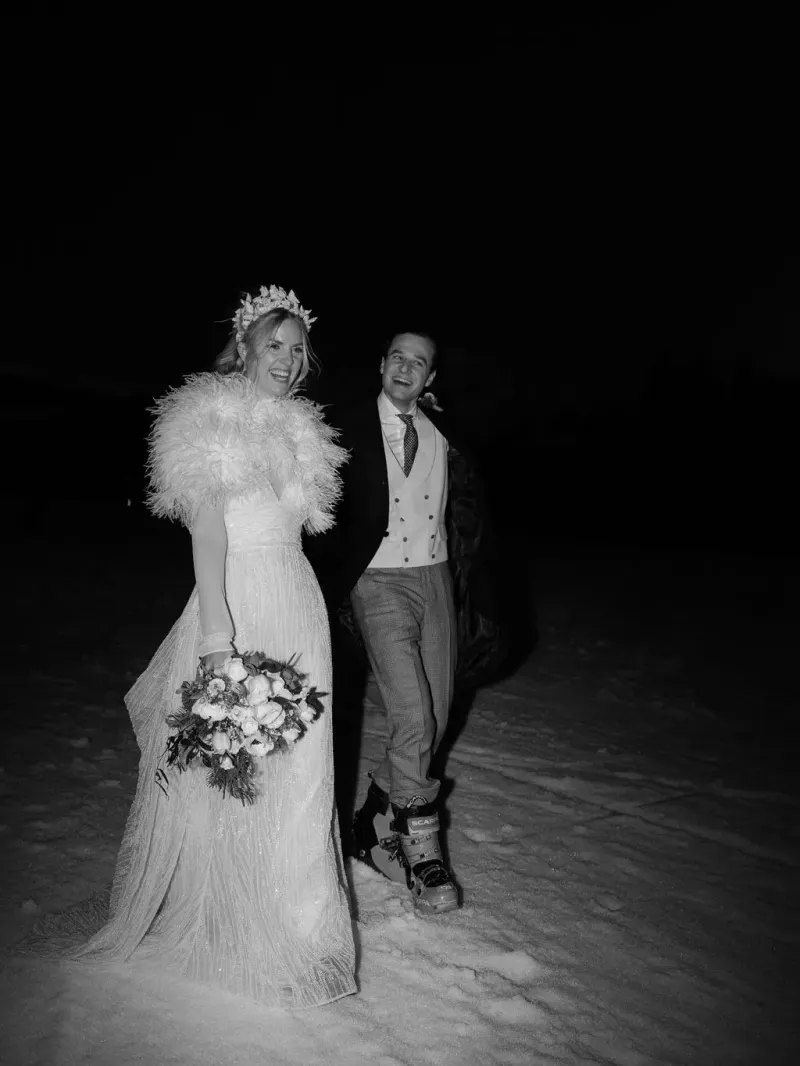
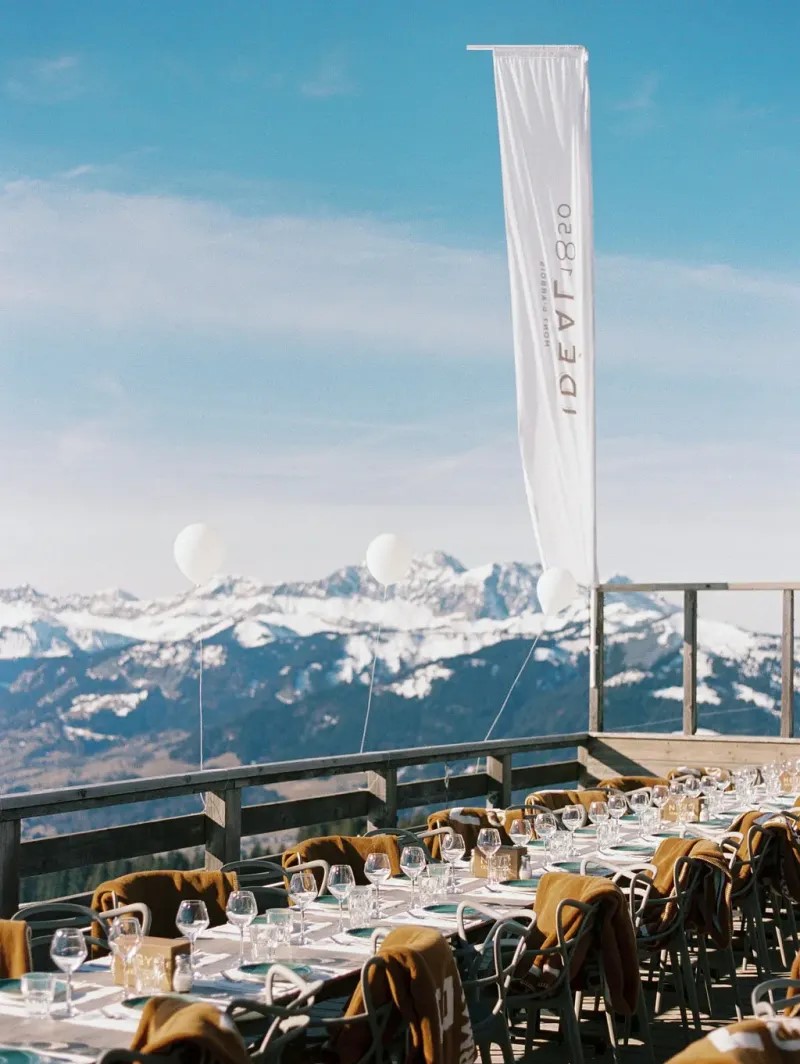
A French Alps wedding is shaped by its breathtaking surroundings, so the wisest design choice is to let nature take center stage. No matter the season, the mountains offer a dramatic canvas—whether dusted with snow or blanketed in vibrant green. The rustic wooden interiors found in many venues add warmth and charm, making elaborate decorations unnecessary. The most memorable styling highlights these natural elements, favoring wood, stone, and the soft glow of candlelight over flashy lighting, and choosing subtle floral arrangements that let the venue’s unique character glow.
Winter Décor: Cozy Mountain Luxury
A winter wedding in the French Alps is a celebration of contrasts: the embrace of warmth and intimacy set against the sweeping, icy grandeur outside. Here, luxury whispers through texture rather than opulence. Imagine fur throws draped over chairs, lanterns and hurricanes glowing with candlelight, and fireplaces drawing guests together as natural gathering spots. Dark wood tables are softened with hints of greenery, while copper and bronze accents add a gentle gleam. Sheepskin, wool, and cashmere invite guests to sink into comfort, creating an atmosphere that feels both refined and effortlessly welcoming. This style is a favorite in the region’s resorts and high-end chalets, where the focus is on comfort, elegance, and mood rather than ornate décor.
Summer Styling: Effortless and Organic
Summer weddings in the French Alps embrace a breezy, effortless charm. Picture wildflowers spilling from unassuming vases, linen runners draped over rustic tables, and the warmth of natural wood under open skies. Outdoor celebrations here are all about soaking in the views and breathing in the crisp mountain air, creating a scene that feels lovingly gathered, never forced. Couples are drawn to this style because it suits every mountain setting, from cozy chalets to sparkling lakesides, and it photographs with an easy elegance that seasoned French Alps wedding photographers know is essential.
Minimalist vs. Luxury Mountain Style
There is no single formula for a French Alps weddingaesthetic. Minimalist Alpine celebrations let the landscape shine, with crisp lines, soft whites and creams, and subtle wood accents that seem to melt into the scenery. On the other hand, luxury mountain weddings revel in opulence, featuring lush florals, sumptuous linens, glowing layers of light, and a sense of grandeur that feels right at home in the region’s most iconic winter venues. Ultimately, your perfect style depends on your personality, the season, your chosen venue, and whether you dream of an elegant mountain retreat or a lavish celebration in the heart of the Alps.

Wedding Attire for Mountain & Winter Weddings
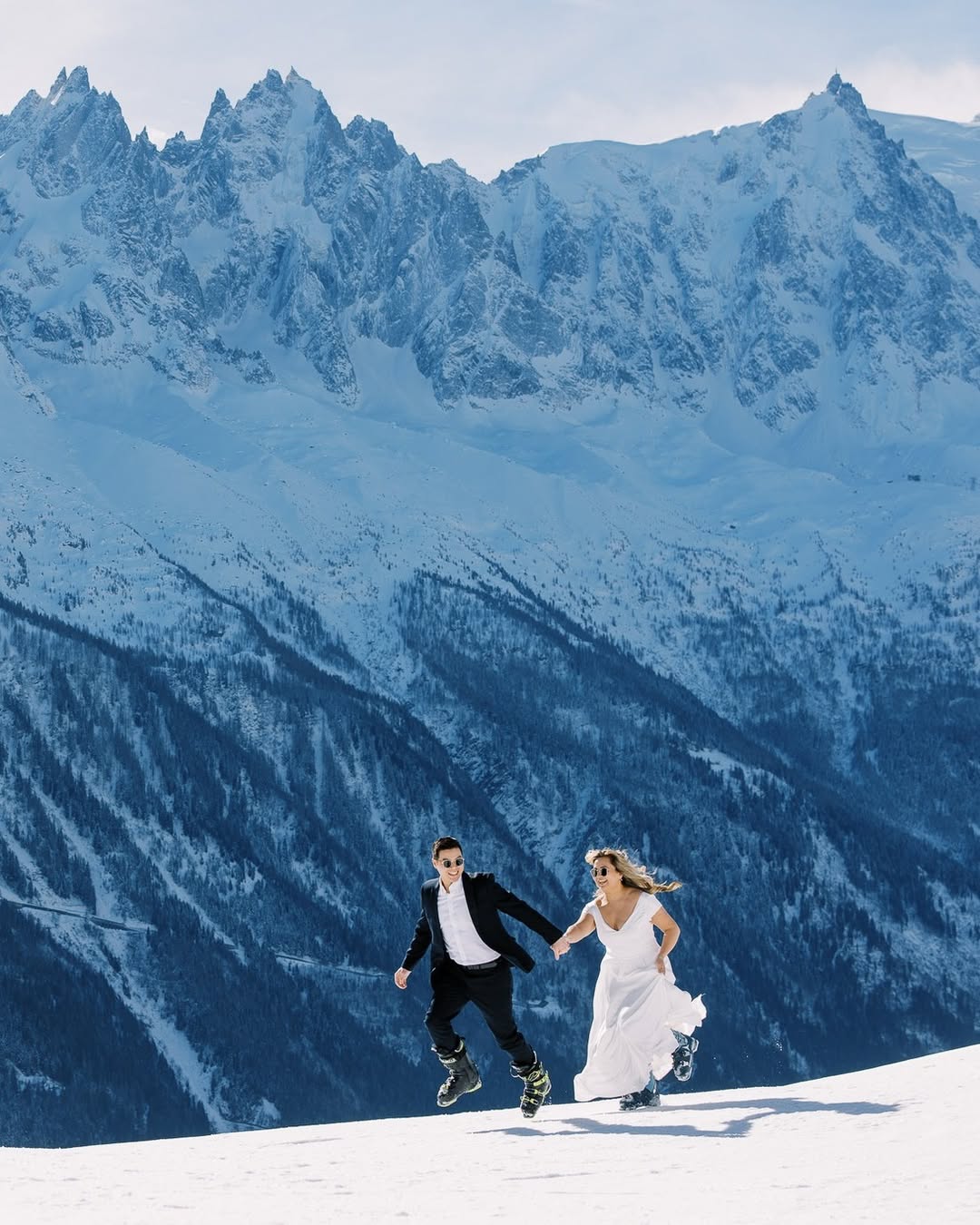
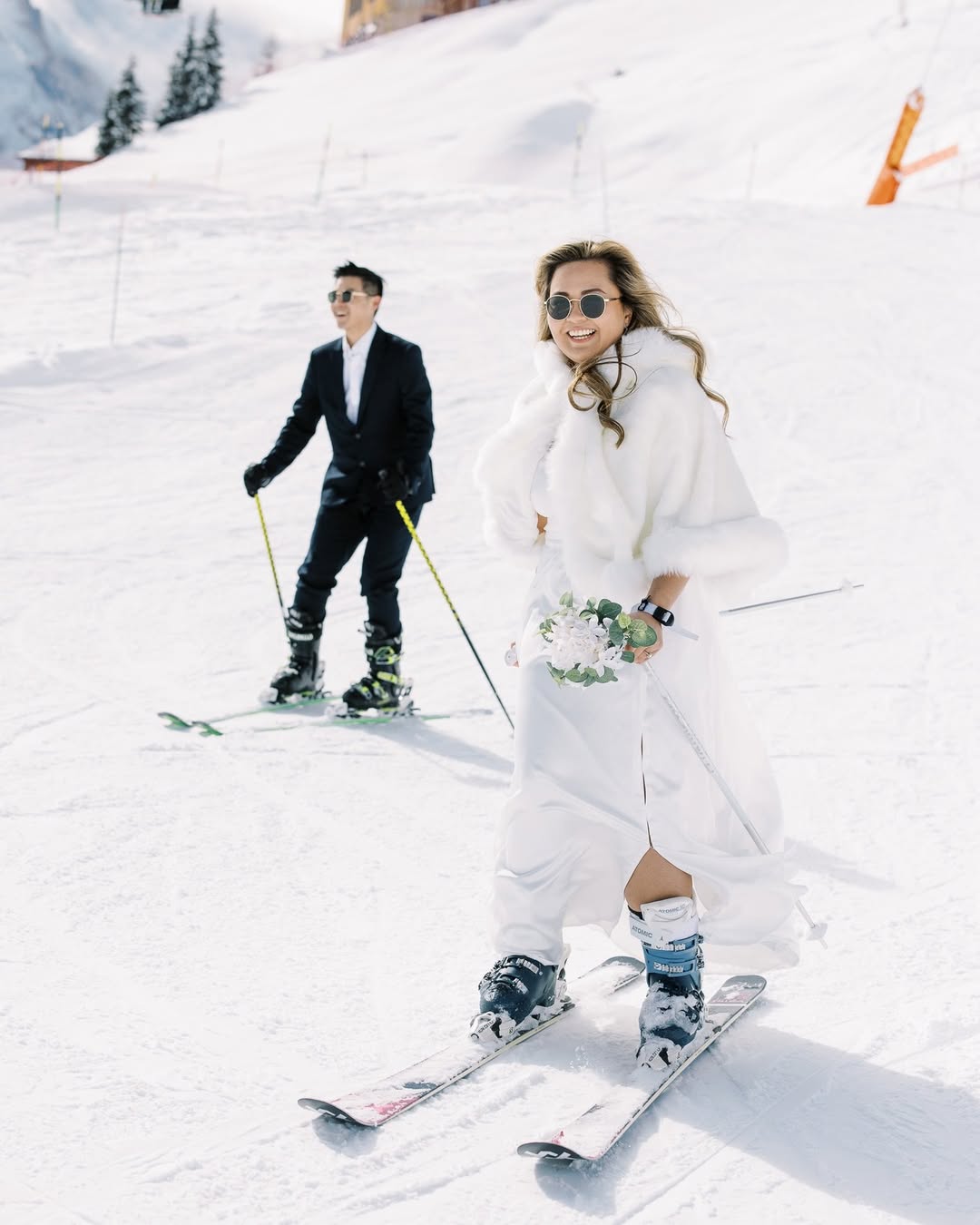
Bridal dresses for weddings in the French Alps need to be both beautiful and practical. Heavy ball gowns with long trains are impractical outdoors — trains drag through the snow, the volume restricts movement, and the fabric shows every speck. Lightweight A-line or sheath silhouettes made from silk, crepe, or chiffon are a better option. If you're spending a lot of time outdoors, consider tea-length or midi dresses — they photograph beautifully and won't get ruined by the elements. For winter weddings, think layers and warmth. Opt for long sleeves, thicker fabrics, and gorgeous coats, capes, or fur wraps that complement the overall look. White cashmere coats, vintage fur stoles, or custom capes will keep you both warm and beautiful. Elegant leather boots or tasteful snow boots are a better option for outdoor photos than navigating ice in heels.
Groom attire offers creative freedom. Tailored wool suits in rich textures such as tweed and flannel are appropriate choices. Colours beyond black and navy, such as charcoal, deep green, and burgundy, photograph beautifully against the mountains. Layering is important: vests, overcoats, scarves, and leather gloves add visual interest while serving a practical purpose.
Footwear requires careful consideration. Heels in snow can be impractical or even dangerous. Options include elegant low-heeled boots for brides and leather dress boots for grooms, or planning to change shoes between the indoor ceremony (for appearance) and the outdoor photo shoot (for practicality). Many couples wear smart shoes for the indoor ceremony and change into hiking boots for the outdoor photos. Accessories can also be used for warmth, such as blankets as photo props, fur stoles, elegant gloves, and stylish hats. Providing baskets of blankets or hand warmers for guests is a thoughtful touch that will be appreciated and look good in photos.
Photography & Videography in the Alps
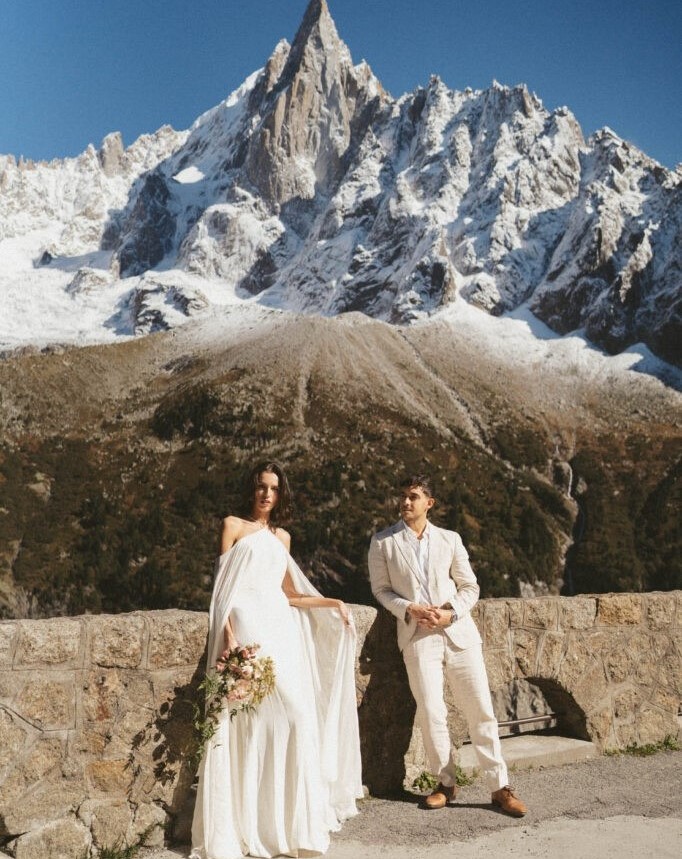
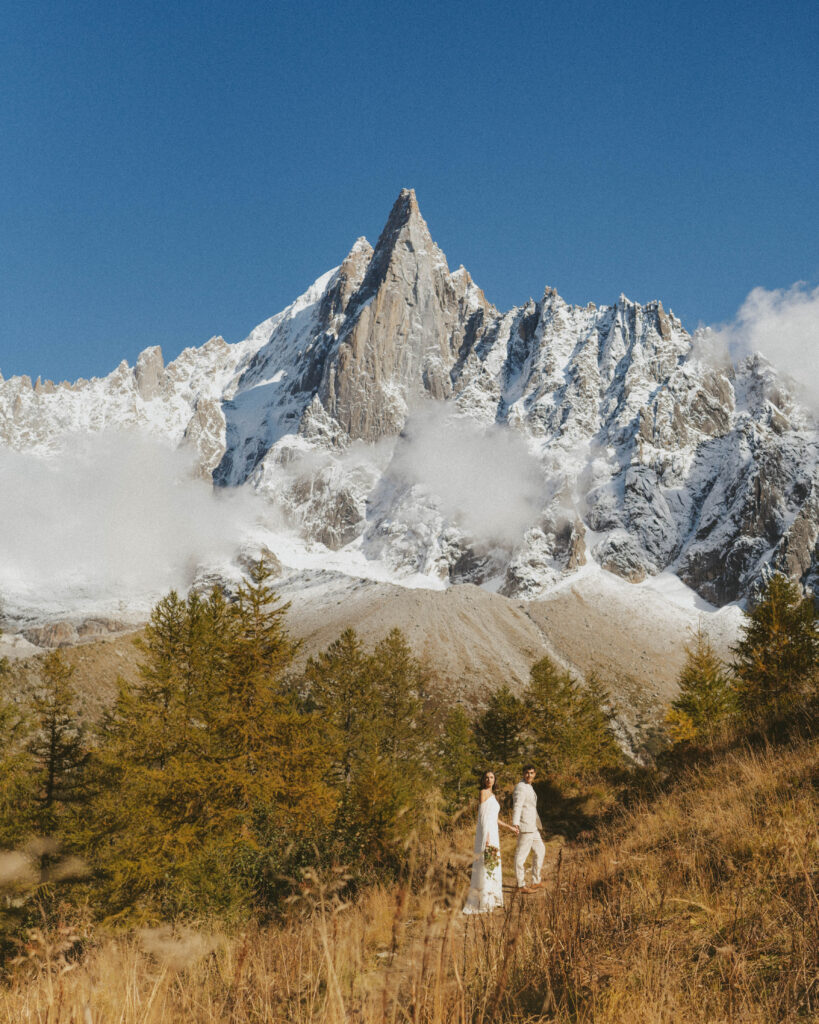
Light in the Alps is brighter, clearer, and more dramatic than at sea level, with snow reflecting and amplifying it to create natural fill and extended golden hours that transform every shot. For a French Alps wedding photographer, these conditions offer exceptional opportunities for images with vivid color, depth, and clarity, turning the mountains into a character in the story rather than just a backdrop. The vast scale of the landscape requires careful composition to ensure the couple remains the emotional focus while the mountains provide context and drama. Sunrise delivers soft, cool-toned light in quiet, uncrowded conditions, while sunset offers warm, golden tones and easier scheduling, though it may attract crowds and face variable weather. Choosing a local photographer who knows the region is essential—they understand the best locations for light at any time of year, which cable cars and lifts operate when, how to access dramatic viewpoints without excessive hiking, and how to adapt quickly to rapidly changing mountain conditions, ensuring that your weddings in the French Alps are captured beautifully, effortlessly, and memorably.
Guest Experience & Activities
Celebrating your wedding in the French Alps isn’t just about the ceremony—it’s about creating a full mountain experience for you and your guests. Activities can be tailored to the season, skill level, and style of your wedding, ensuring everyone enjoys memorable moments from arrival to departure. From adventurous sports to relaxing indulgences, Alpine weddings make the surrounding landscape part of the celebration.
Winter Weddings Activities
- Skiing & snowboarding: group lessons for beginners or lift tickets for experienced guests.
- Snowshoeing: adventurous yet accessible for all skill levels.
- Spa treatments: relaxation between outdoor activities.
- Horse-drawn sleigh rides: romantic, low-key experiences through snowy valleys.
- Ice skating: playful, seasonal fun.
- Après-ski gatherings: 4–7 PM socializing in mountain bars, enjoying wine, snacks, and authentic local culture.
Summer Weddings Activities
- Guided hikes to alpine lakes for all levels.
- Mountain biking or paragliding for the adventurous.
- Cable car rides to high-altitude restaurants.
- Yoga or wellness sessions on mountain terraces.
- Leisurely enjoyment of fresh air, panoramic views, and relaxed outdoor gatherings.
Guest Experience & Weekend Format
- Welcome dinners set the tone: winter — fondue or raclette; summer — outdoor barbecues or terrace cocktails.
- Weekend schedule: arrival on Friday, welcome dinner, wedding on Saturday, recovery brunch on Sunday.
- Option to extend: frame the wedding as the centerpiece of a longer mountain vacation.
Wedding Budget: What to Expect
Major cost categories for a French Alps wedding include:
| Category | Typical Cost | Key Notes | Seasonal Considerations | Tips to Optimize |
|---|---|---|---|---|
| Venue Rental | €3,000–€15,000+ | Luxury hotels higher; private chalets vary; shoulder season cheaper | Winter ski peak expensive; summer high demand | Venue Rental |
| Accommodation | €150–€500+/ night | Can be bundled with chalet; multi-night minimums | Winter peaks; summer high demand | Accommodation |
| Catering | €100–€300+/ person | Remote or high-altitude venues cost more | Summer easier logistics; winter menu may rise | Catering |
| Photography & Videography | €3,000–€10,000+ | Mountain specialists; travel fees possible | Light & snow conditions vary | Photography & Videography |
| Planning Services | €3,000–€12,000+ | Regional planner recommended | Winter requires ski-season expertise | Planning Services |
| Florals & Décor | €2,000–€10,000+ | Winter: greenery; summer: peak flowers | Minimal styling saves costs | Florals & Décor |
| Guest Transportation | €1,000–€5,000+ | Shuttles, cable cars, or private cars | Winter slightly more complex; summer easier | Guest Transportation |
Total budgets typically range:
- intimate elopement (2-10 people): €10,000-€25,000;
- small wedding (20-40 guests): €30,000-€60,000;
- mid-size celebration (50-80 guests): €60,000-€100,000+;
- larger destination wedding: €100,000-€200,000+.
Summer versus winter budget differences are nuanced. Winter accommodation and venue rates can be higher during peak ski season (Christmas-February), but décor might cost less if you're embracing a minimal mountain aesthetic. Summer brings higher demand and pricing during July-August, potentially higher floral costs (peak season for flowers), but easier logistics that might reduce transportation and planning expenses. Shoulder seasons offer 20-40% savings across most categories but come with weather uncertainty and reduced vendor availability.
Budget optimization strategies include: choosing shoulder season dates, limiting guest count (fewer people means smaller venue, less catering, reduced transportation), booking venues that include accommodation to consolidate costs, embracing the natural mountain aesthetic to minimize décor needs, and considering French Alps wedding package deals from hotels that bundle venue, catering, and accommodation at better rates than sourcing separately.
Planning Timeline & Tips
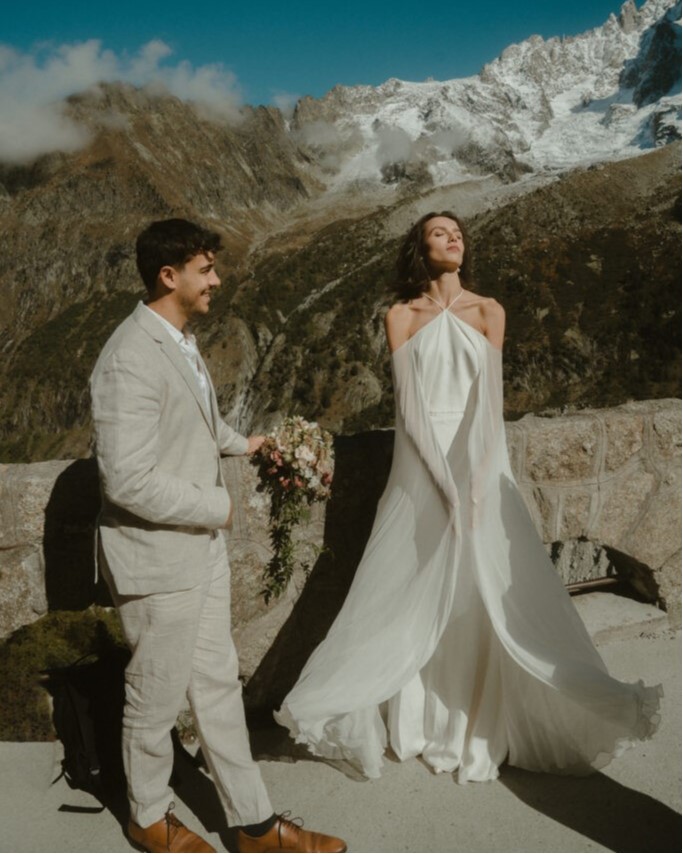
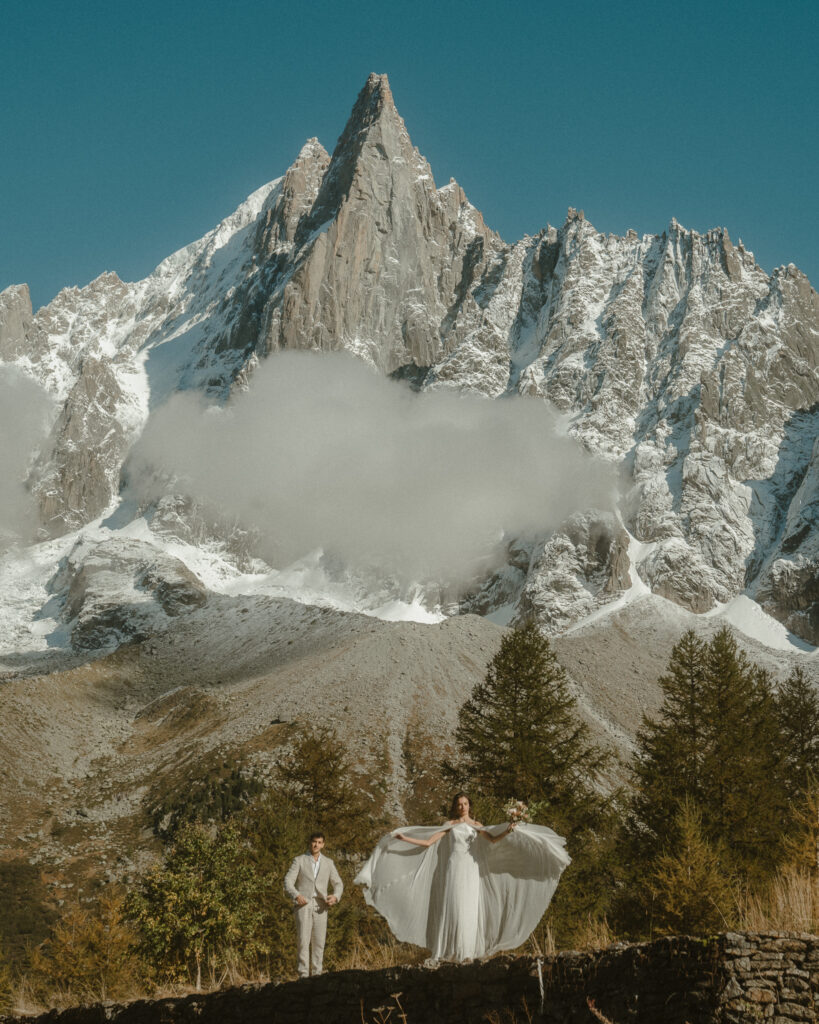
12-18 months before is ideal for starting French Alps wedding planning, especially for peak season dates (July-August or January-February). Popular venues book a year or more in advance. Begin by selecting your planner if you're using one, choosing your primary venue, and blocking accommodation. Research legal requirements if you're considering an official marriage in France.
9-12 months out, focus on securing key vendors: photographer, caterer (if venue doesn't provide), florist, transportation, and any specialized services (harpist, officiant, etc.). Book accommodation blocks at hotels. Start communicating with guests about dates and basic logistics so they can begin travel planning. If you're having a winter wedding, this is when to start planning guest ski rental arrangements and coordinating mountain activities.
6-9 months before nail down design elements: color palette, floral direction, décor style. Finalize menu and bar selections. Plan the ceremony structure and write vows if you're doing a symbolic ceremony. Book any special activities for guests (group ski lessons, guided hikes, etc.). Start thinking about attire and what layers/accessories you'll need for mountain conditions.
3-6 months out is detail time: seating arrangements, timeline development, vendor coordination and confirmations, guest communication about what to pack and expect, and creating backup plans for weather. This is also when you handle any remaining legal paperwork if you are having an official ceremony.
1-3 months before finalizing everything: final guest count to vendors, confirm all bookings and transportation, create a detailed day-of schedule, pack and prepare, and mentally shift from planning to experience mode.
Local nuances and logistics include: many Alpine venues require vehicle chains in winter (rental cars should include these), some mountain locations are only accessible by cable car or gondola with limited operating hours, altitude affects some people (arrive a day early to acclimate if your venue is above 1,800m), and mountain weather can change rapidly—always have indoor backup plans even for summer weddings. Communication with vendors benefits from French-language skills or a planner who can translate; many Alpine vendors speak English, but detailed planning conversations work better in French.
Why Work with a Local Wedding Planner
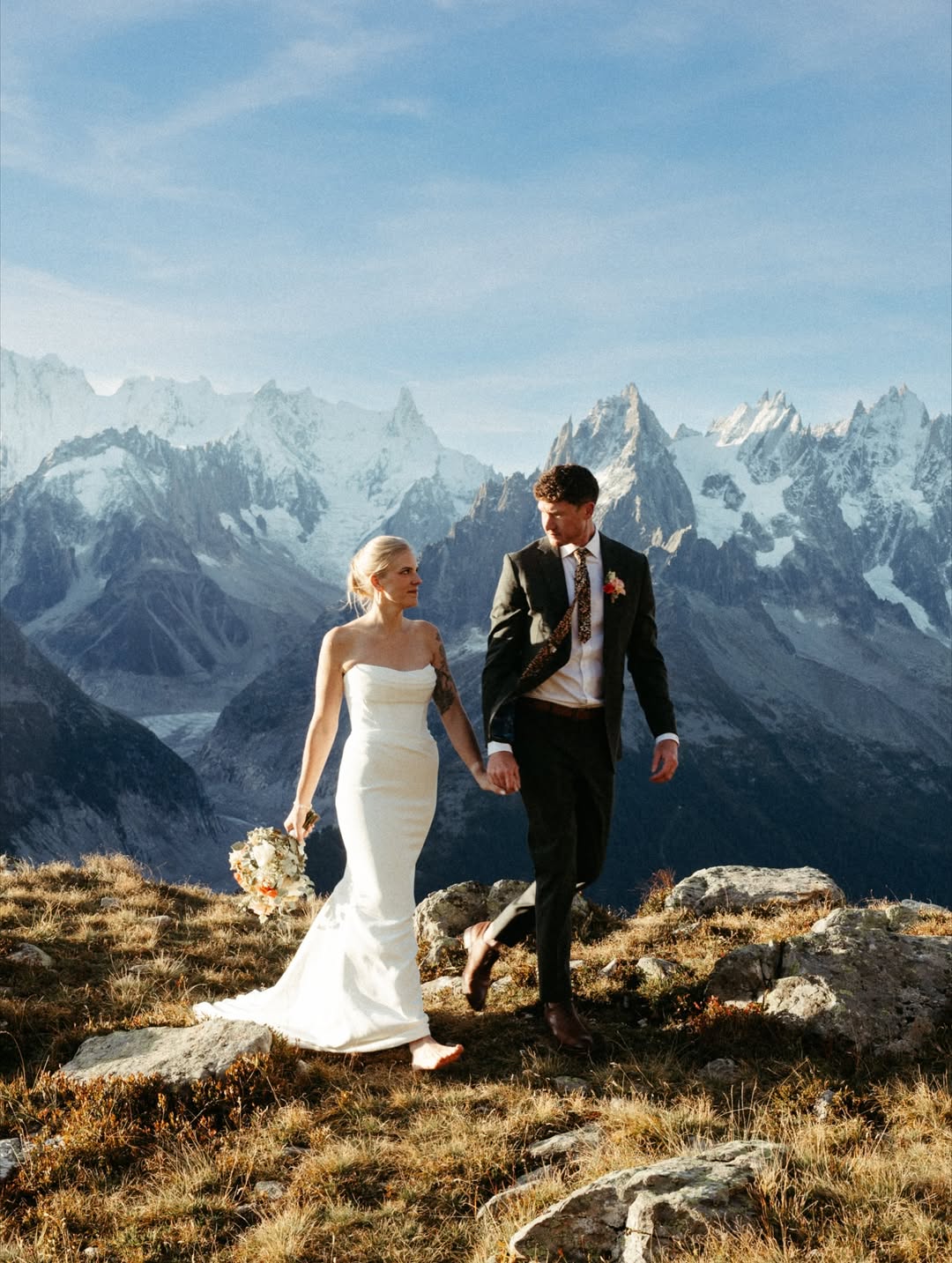
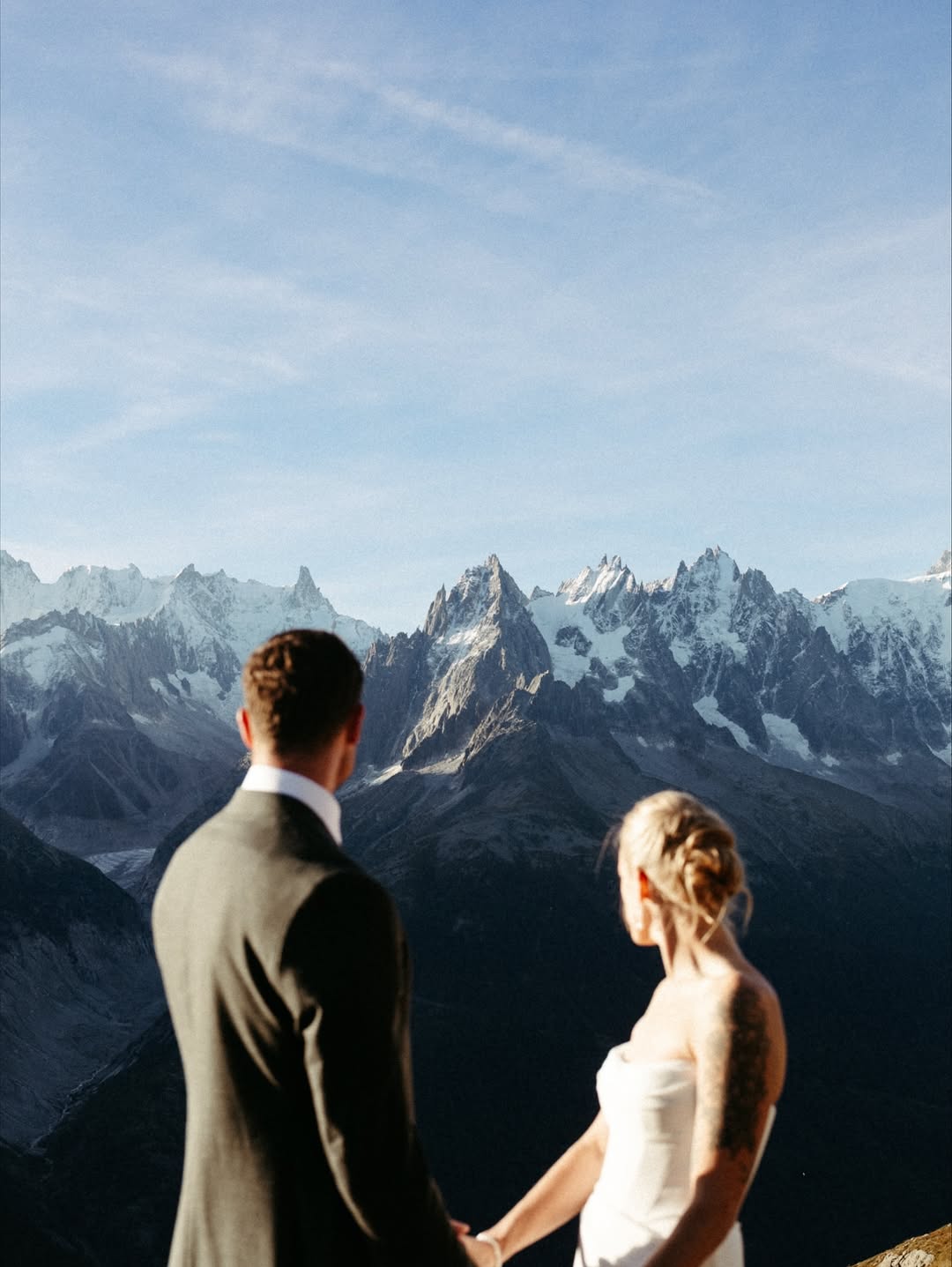
Local knowledge is invaluable for French Alps wedding planners. They know which venues have reliable winter road access, which photographers have actual mountain experience rather than just a willingness to travel, which caterers can handle altitude and remote locations, and which seasons bring what challenges. They have observed weather patterns over the years and know that early September in Chamonix can be beautiful or bring the first snowfall, that December in Megève may have perfect powder or be brown and waiting for snow, and how to plan around these realities.
Working with mountain weather and terrain requires experience that general destination wedding planners lack. Mountain planners build multiple contingencies into every plan. They know which venues have covered outdoor spaces for cocktails in case of rain, while still allowing you to enjoy the outdoors. They know how long it actually takes to transport guests by cable car to a high-altitude venue (hint: longer than you think). They can provide snowshoes for guests who want to reach a ceremony location that is inaccessible by vehicle. They also know when the sun sets behind specific peaks, which affects the timing of the golden hour differently from standard sunset calculations.
Perhaps the biggest values are stress reduction and risk mitigation. Mountain weddings introduce variables that beach or city destinations don't, such as weather that can close roads, venues at high altitudes that require special logistics, ensuring guest safety on snow and ice, and the fact that you can't just "figure it out" when you arrive, as mountain infrastructure doesn't allow for the same level of improvisation as urban venues. A planner who has done this repeatedly can remove the uncertainty and handle problems that you wouldn't even know to anticipate.
Common Mistakes to Avoid
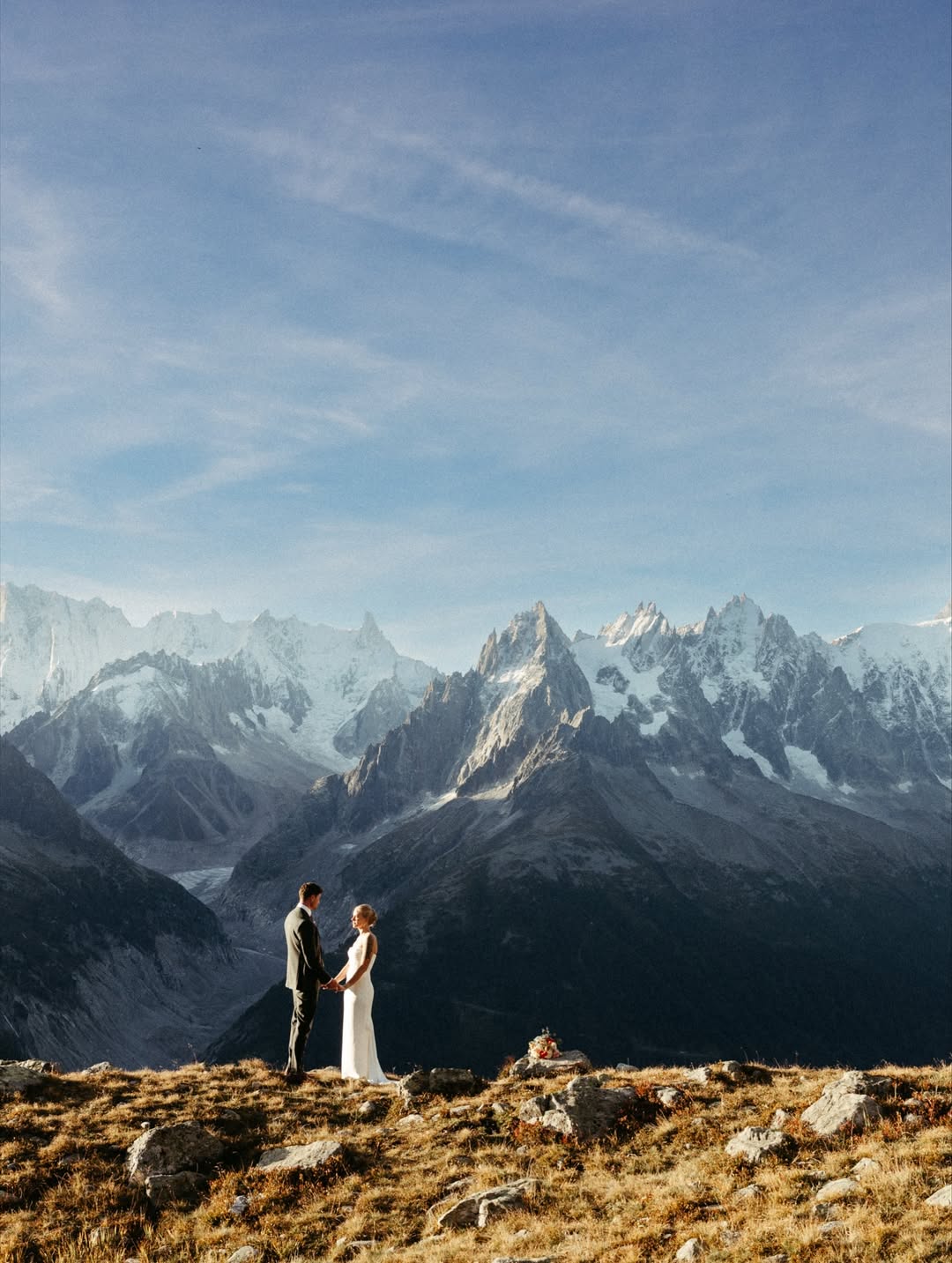
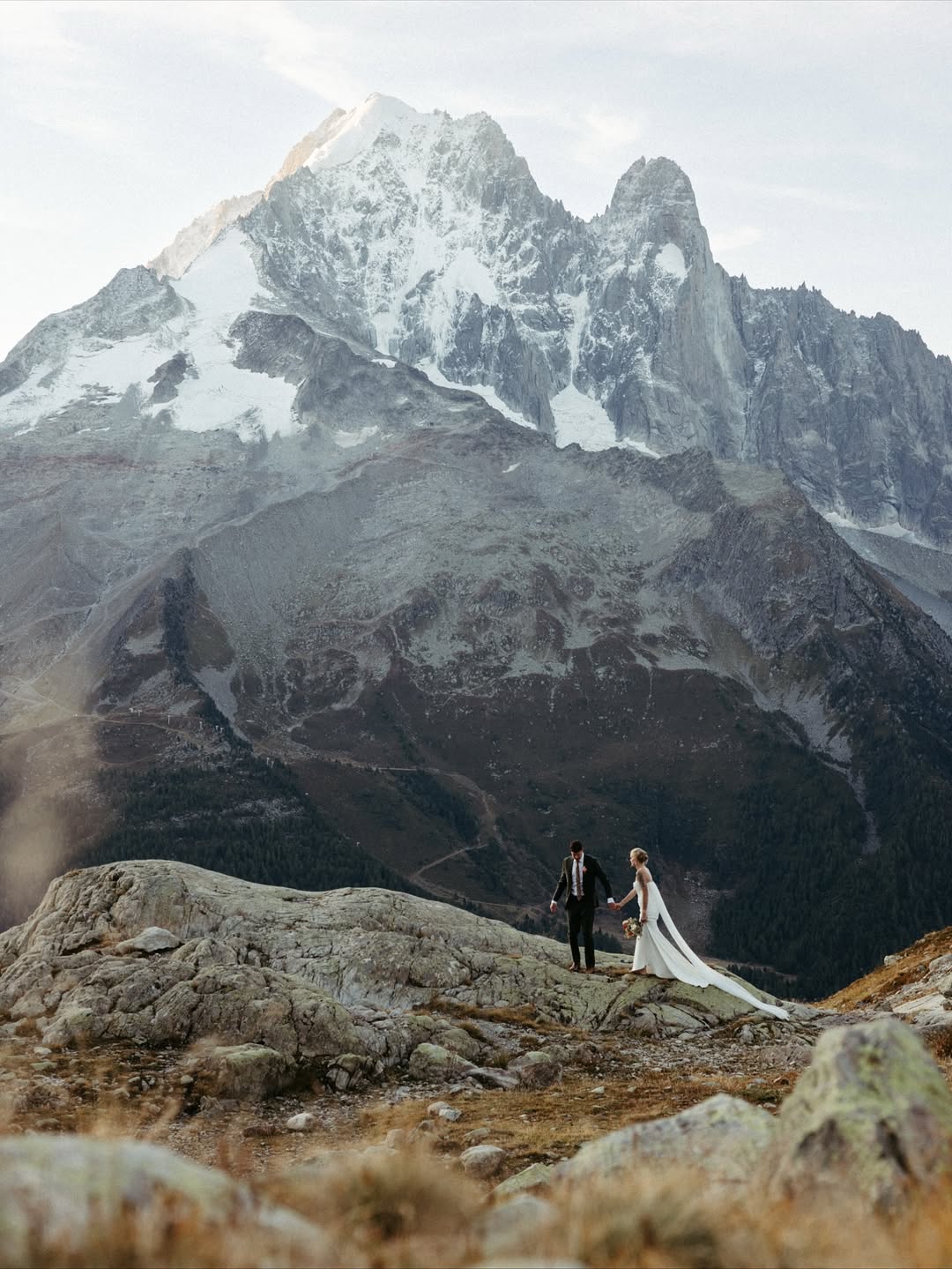
Underestimating the weather is the classic Alpine error. Couples assume good weather, plan everything outdoors, then get caught by reality: summer thunderstorms, winter snowfall closing roads, spring avalanche danger. Solution: build proper backup plans. Have indoor ceremony options. Prepare guests for weather variability. Don't structure the entire day around outdoor photography, which may not be possible.
Guest logistics get complicated in the mountains. Distances that look short take much longer on mountain roads. Some guests have never driven in the mountains. Winter roads require chains or winter tires. Provide detailed transportation information, arrange shuttles when possible, and don't assume confident mountain driving.
Lack of plan B means lacking multiple contingencies. Mountain weddings need backups for weather (indoor ceremony space, a covered cocktail area), transportation (what if roads close or cable cars stop running), and activities (if ski conditions are poor or weather makes hiking dangerous).
Altitude affects some guests above 2,000 meters. Warn people to arrive early, stay hydrated, and take it easy the first day. Don't schedule vigorous activities immediately upon arrival at elevation.
Mountain timing realities: summer sunsets at 9 PM mean late dinners. Winter daylight ends by 4:30 PM, limiting photography. Mountain restaurants and lifts operate on fixed schedules. Work with these realities rather than against them.

Is a French Alps Wedding Right for You?
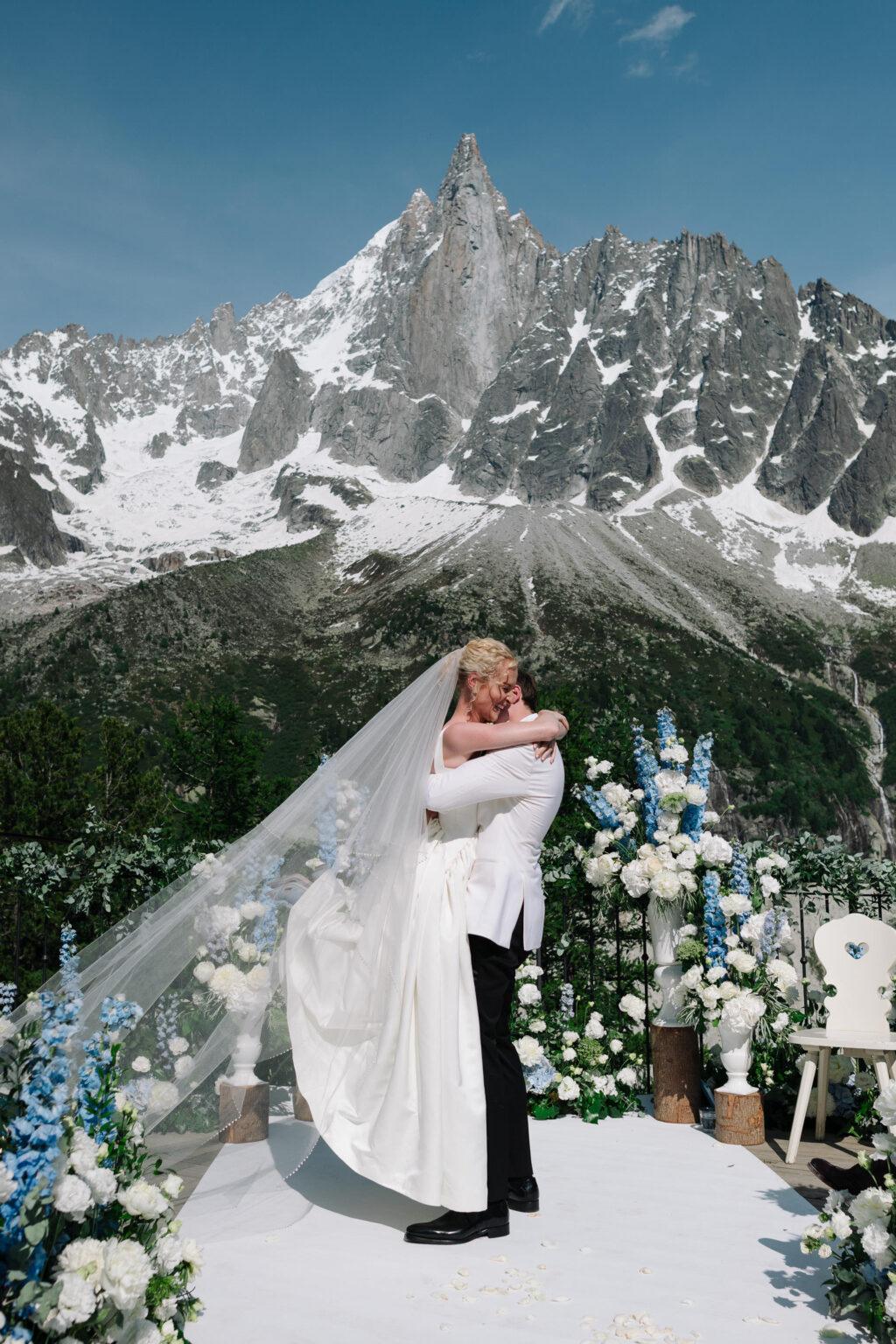
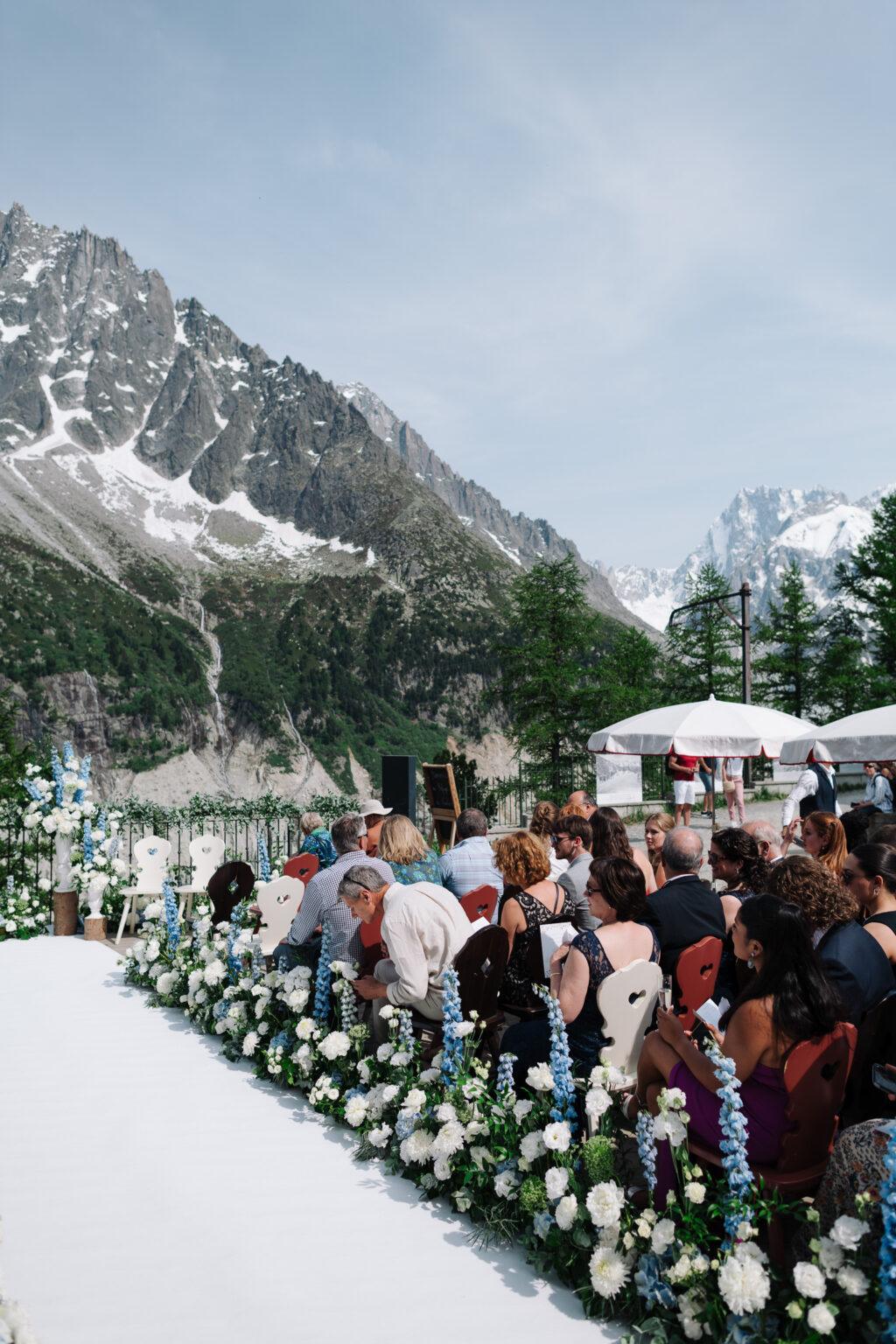
A French Alps wedding is perfect for adventurous couples who value experience over tradition and dream of a unique, intimate celebration in a stunning mountain setting. It works best for small guest counts—20 to 50 people—or just the two of you, as logistics and costs rise sharply with larger groups. Flexibility is essential: couples who embrace changing weather, trust vendors, and enjoy nature’s unpredictability will be rewarded with unforgettable moments. Budget is also a key consideration, as Alpine weddings involve travel, accommodation, and venue expenses, but for those with the resources, the investment creates memories that are truly irreplaceable. Finally, consider your guests—the celebration shines when everyone is excited about the adventure, willing to travel, and ready to enjoy all the unique activities a wedding in the French Alps offers.
A wedding in the French Alps requires you to trust the mountains to play their part. You just need to bring love, commitment, and people who matter. The Alps provide the drama and beauty that make ordinary moments feel extraordinary. Whether you're drawn to the sight of summer wildflowers against a backdrop of snow-capped peaks or the hushed magic of fresh powder and firelight, these mountains provide settings that require no embellishment. All they need is couples brave enough to build their wedding around natural grandeur rather than constructed perfection — and the result is celebrations that feel as vast and profound as the landscape itself.