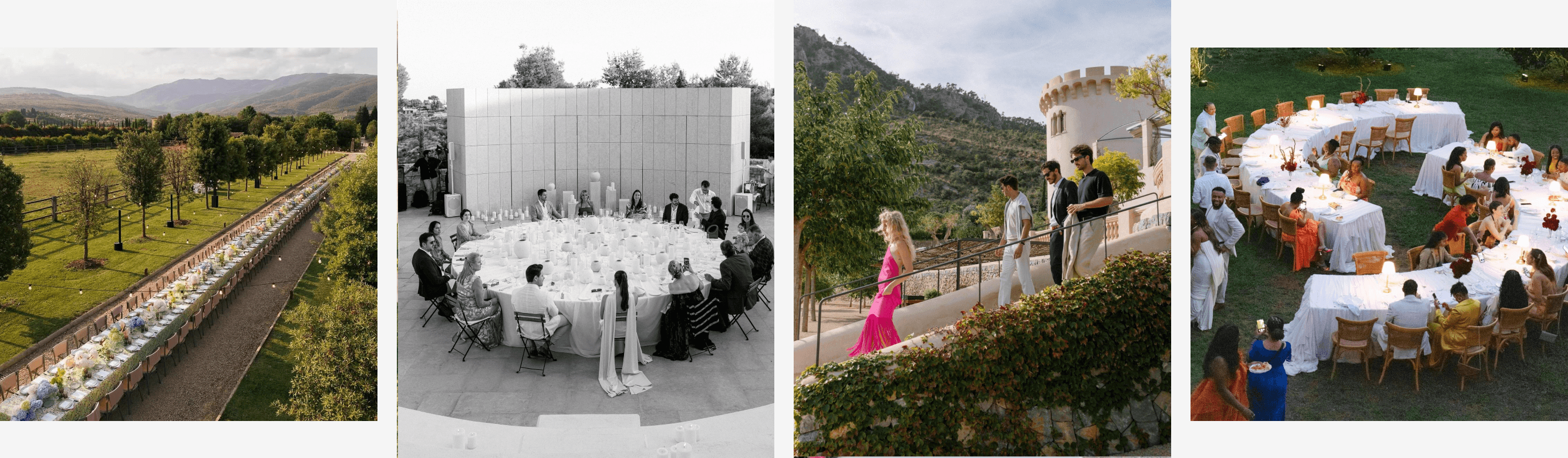
What Is a Wedding Rehearsal Dinner? Everything You Need to Know


- What a Rehearsal Dinner Is (And What It Isn't)
- Where This Tradition Came From
- Who's Supposed to Pay for It
- Who Gets Invited (This Is Where Most Couples Mess Up)
- How the Evening Usually Unfolds
- The Toasts: Who Should Speak, and What They Should Say
- What to Wear to a Rehearsal Dinner
- Rehearsal Dinner Mistakes Worth Avoiding
- What These Dinners Really Cost
- FAQ
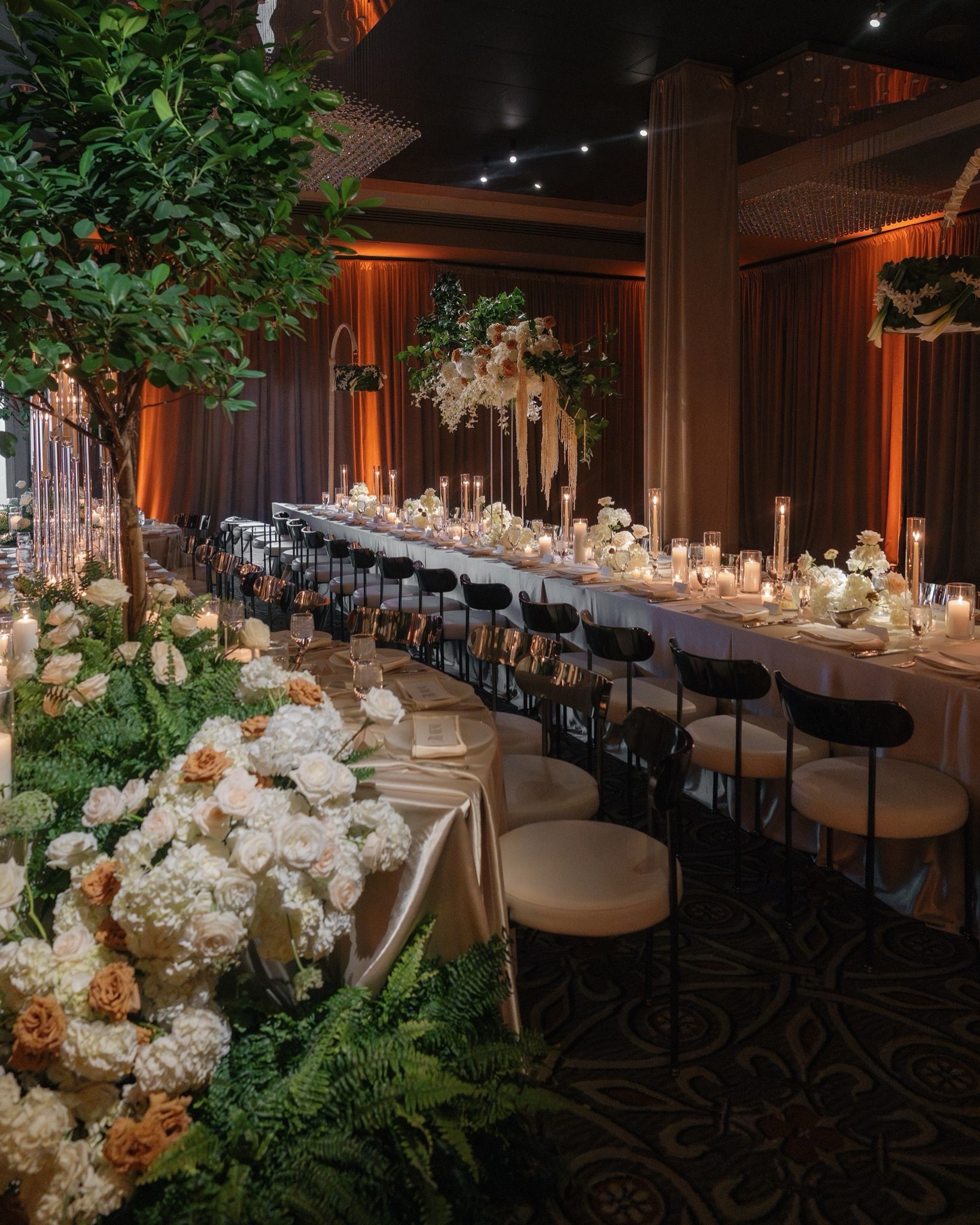
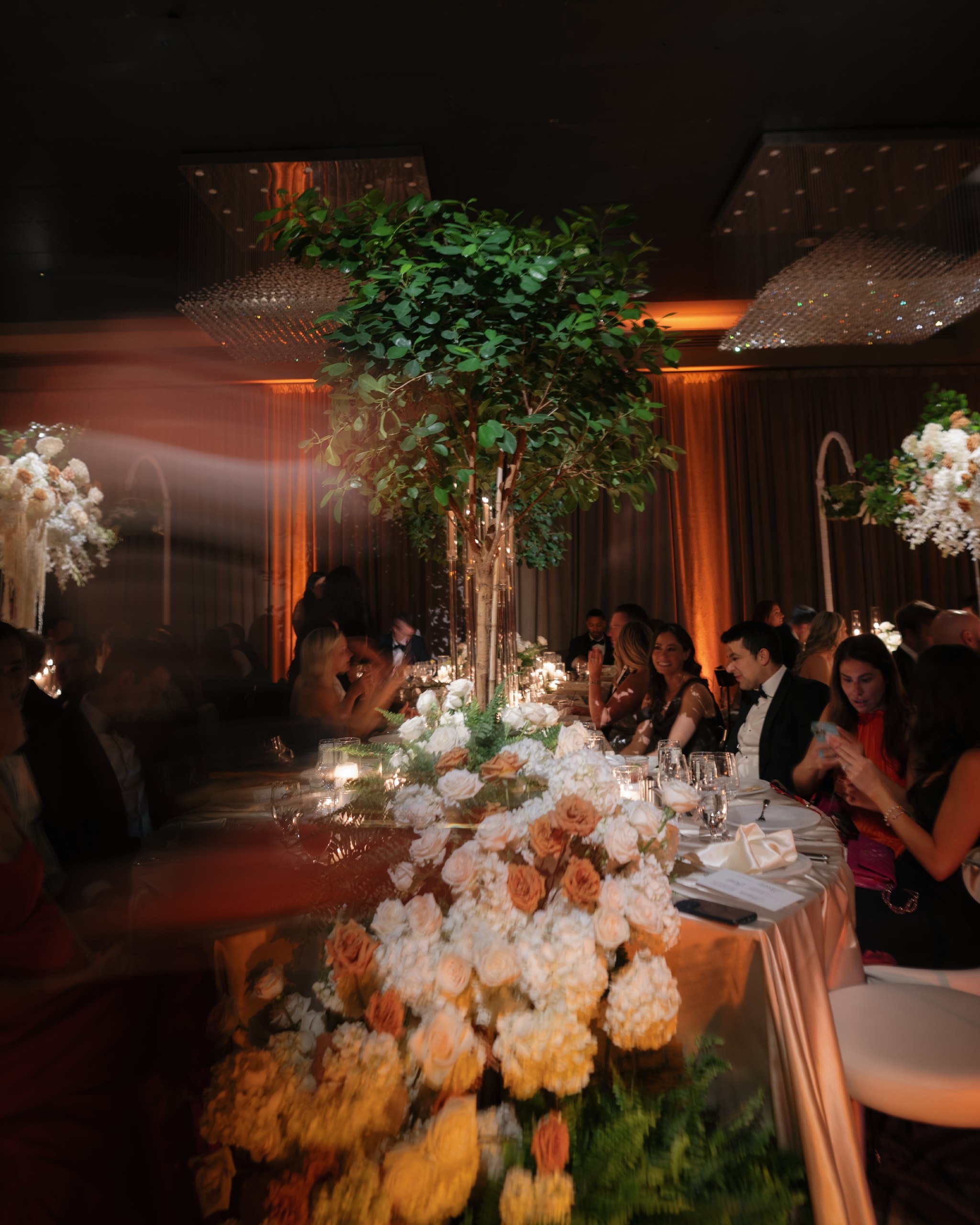
At some point between reserving the venue and choosing the cake flavour, all couples come to the same quiet understanding: they realise they are meant to be arranging a wedding rehearsal dinner, even though no one has actually explained what that entails. Is it a small, family-style affair? Does the groom's side pay, as all the grandmothers seem to insist? Who is invited and who is left out without anyone noticing? Half the couples we speak to treat the rehearsal dinner as something of an afterthought right up until the week before it is due, and only then do they rush to make decisions that ought to have been made months earlier. There are more unwritten rules associated with the rehearsal dinner than with almost any other aspect of the wedding weekend - even though its origins are in fact quite recent and practical.
Find Your Perfect Wedding Vendors


What a Rehearsal Dinner Is (And What It Isn't)
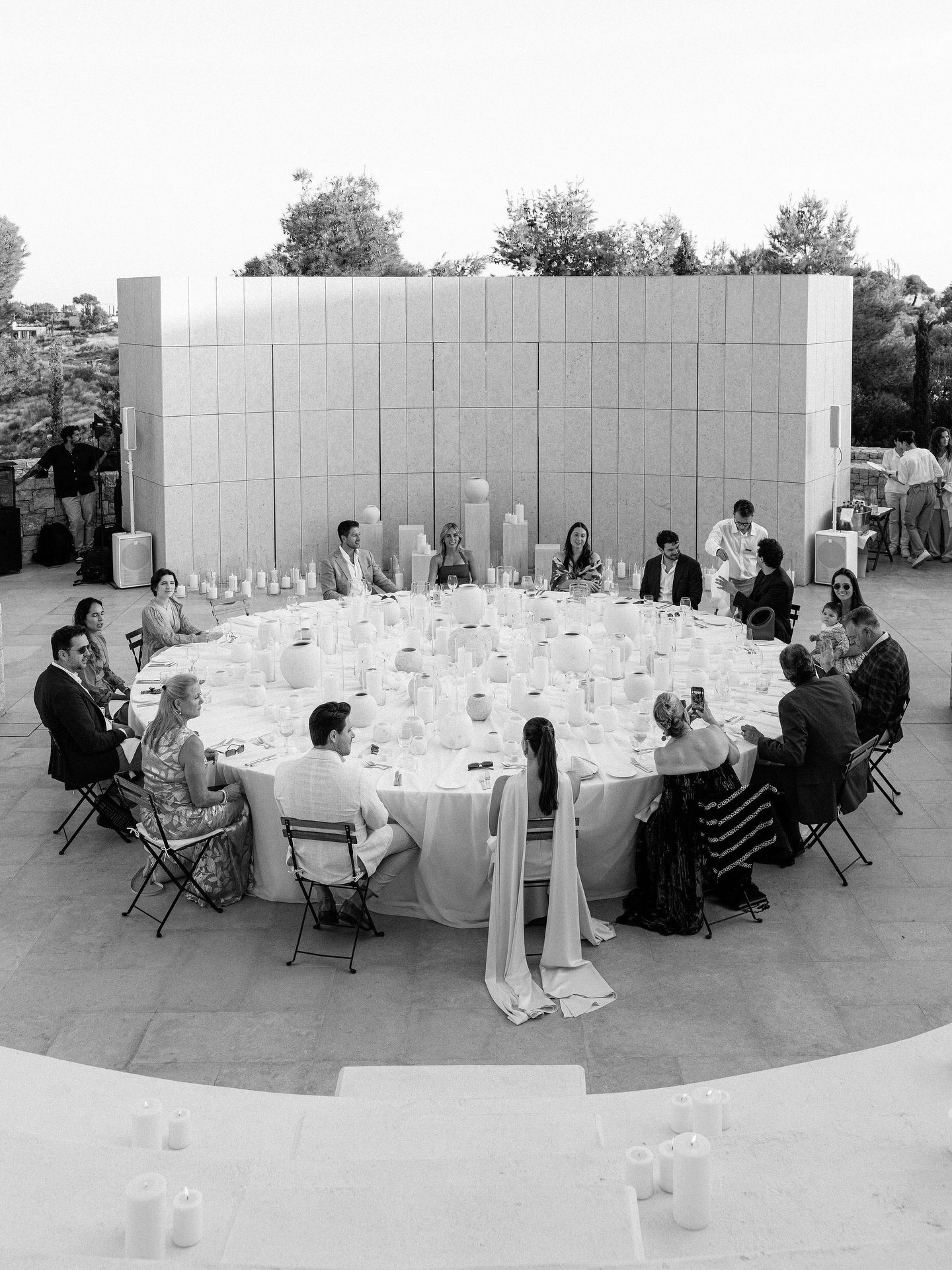
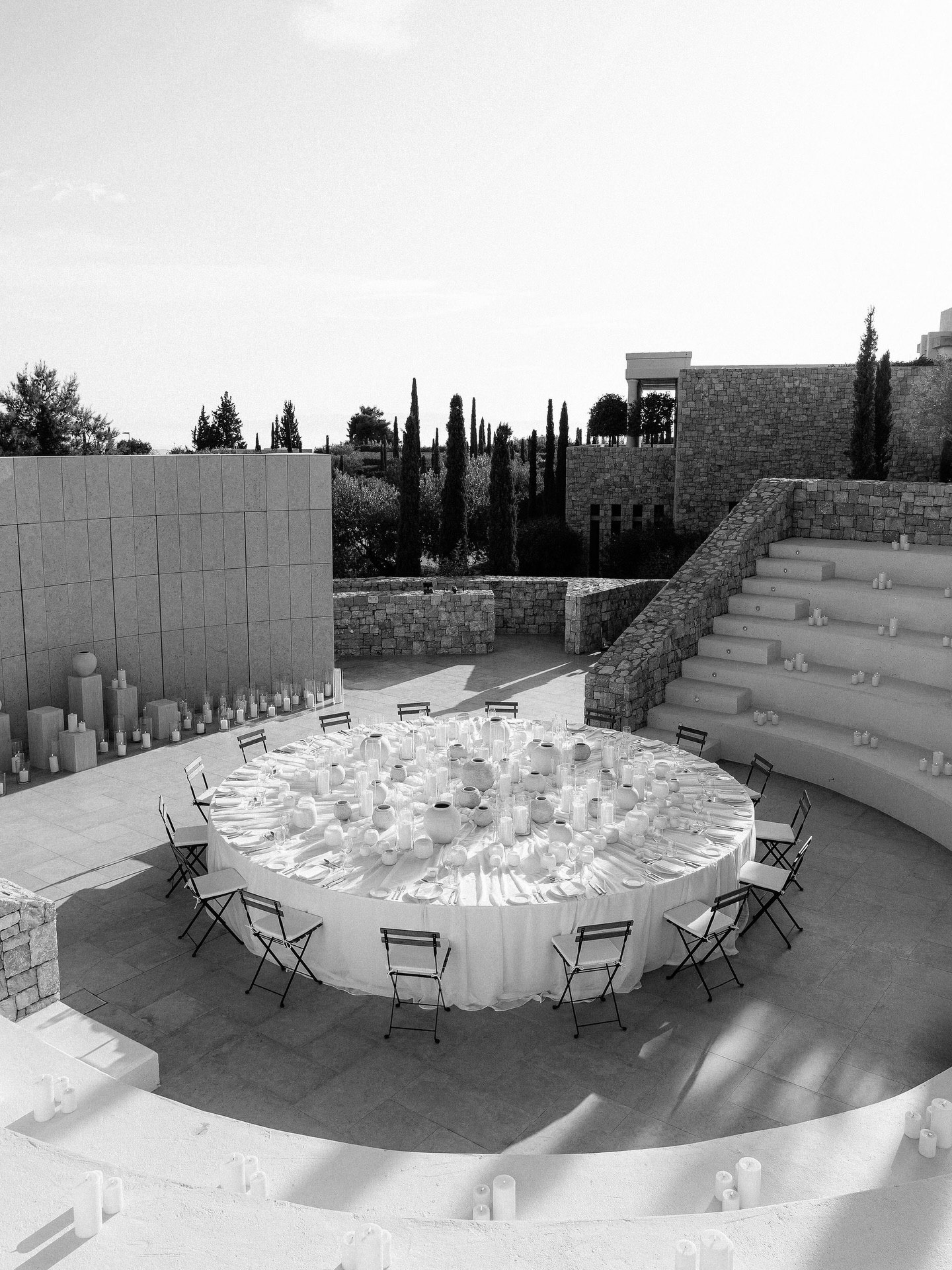
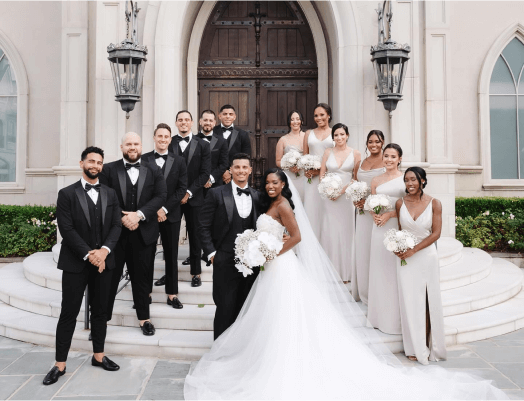
At its core, a rehearsal dinner is simply a meal that takes place after the ceremony walkthrough, an event which is usually arranged in the evening prior to the wedding. The wedding party carries out the actual sequence - determining who walks when, where each person is to stand and how the processional works - and then all the people involved sit down together afterwards. That is the fundamental concept of a rehearsal dinner, and it's considerably more limited in scope than most people realise when they first come across the term.
The confusion arises because other pre-wedding events are beginning to blend together. A welcome party is a distinct, typically larger event intended for all guests who have come to the wedding, not just those taking part in the ceremony. An engagement party takes place months or years before and has nothing at all to do with the wedding weekend arrangements. In the end, what exactly a wedding rehearsal dinner is falls into its own category: it is smaller, more intimate, and directly connected to the people who will actually be standing at the altar with you the following day.
Where This Tradition Came From
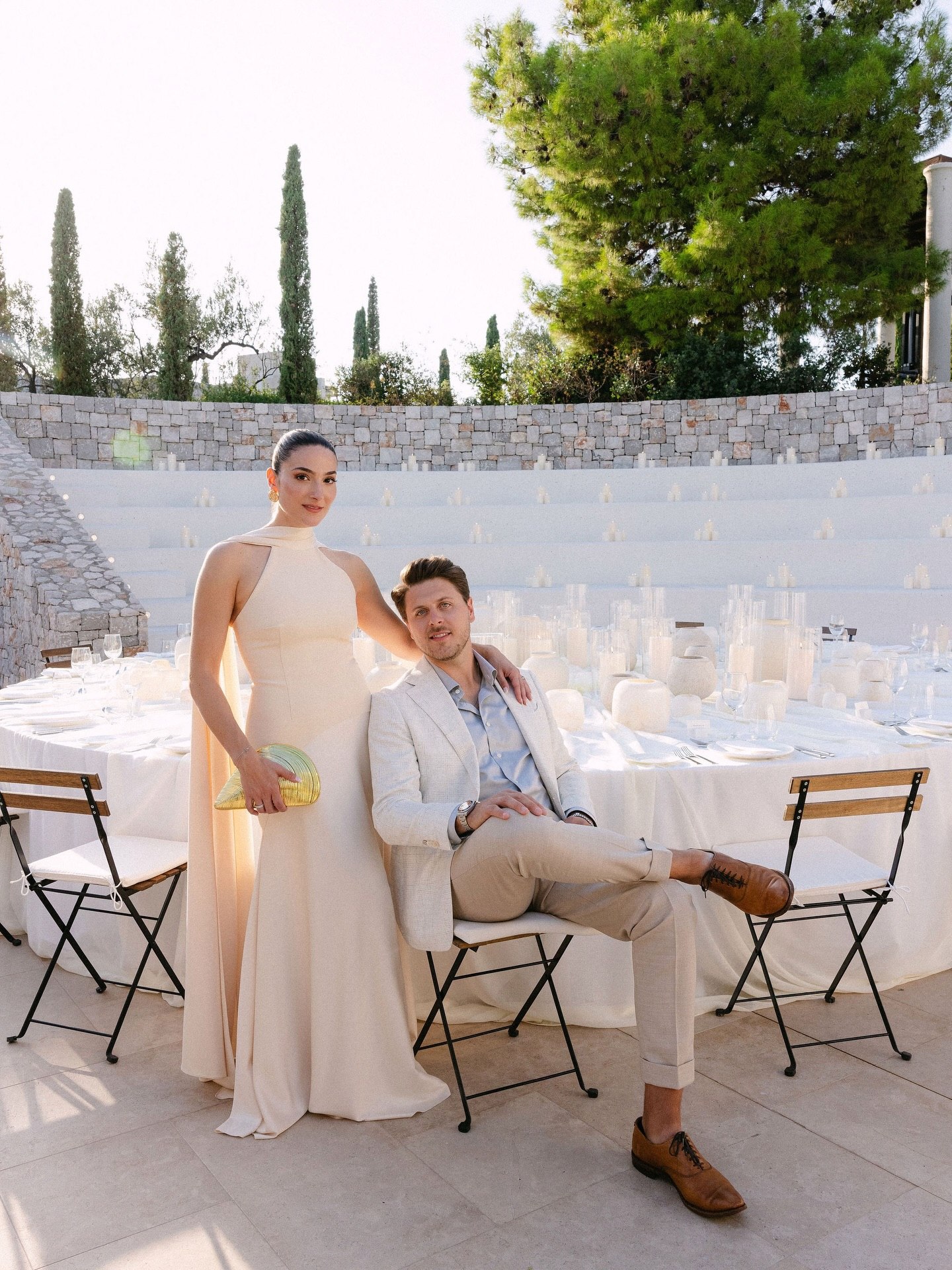

Although it seems to have become a well-established element of wedding customs, the rehearsal dinner is in fact an idea that is uniquely American and one that is relatively recent. It first appeared in the late 1800s during the Gilded Age, a time when weddings shifted from simple ceremonies held at home to more elaborate and meticulously organized events held in churches and large halls. Since the wedding ceremony itself became more theatrical, couples started to have a real rehearsal beforehand so as to avoid making a mistake in front of an audience – and the dinner then developed out of that rehearsal because everyone was already assembled in the same place.
The financial arrangement involved was intended to be practical, not symbolic. As it had traditionally been the bride's family who had paid for the wedding ceremony and reception, the groom's family agreed to take charge of hosting the rehearsal dinner - this was not an indication of hierarchy but rather a way of dividing up the tasks between the two families sharing the cost of what had become an ever more elaborate event. The 'tradition' that people nowadays refer to isn't some ancient custom passed down through the centuries; it is a financial arrangement from the 19th century which simply outlasted the reasons for which it had originally been established.
Who's Supposed to Pay for It
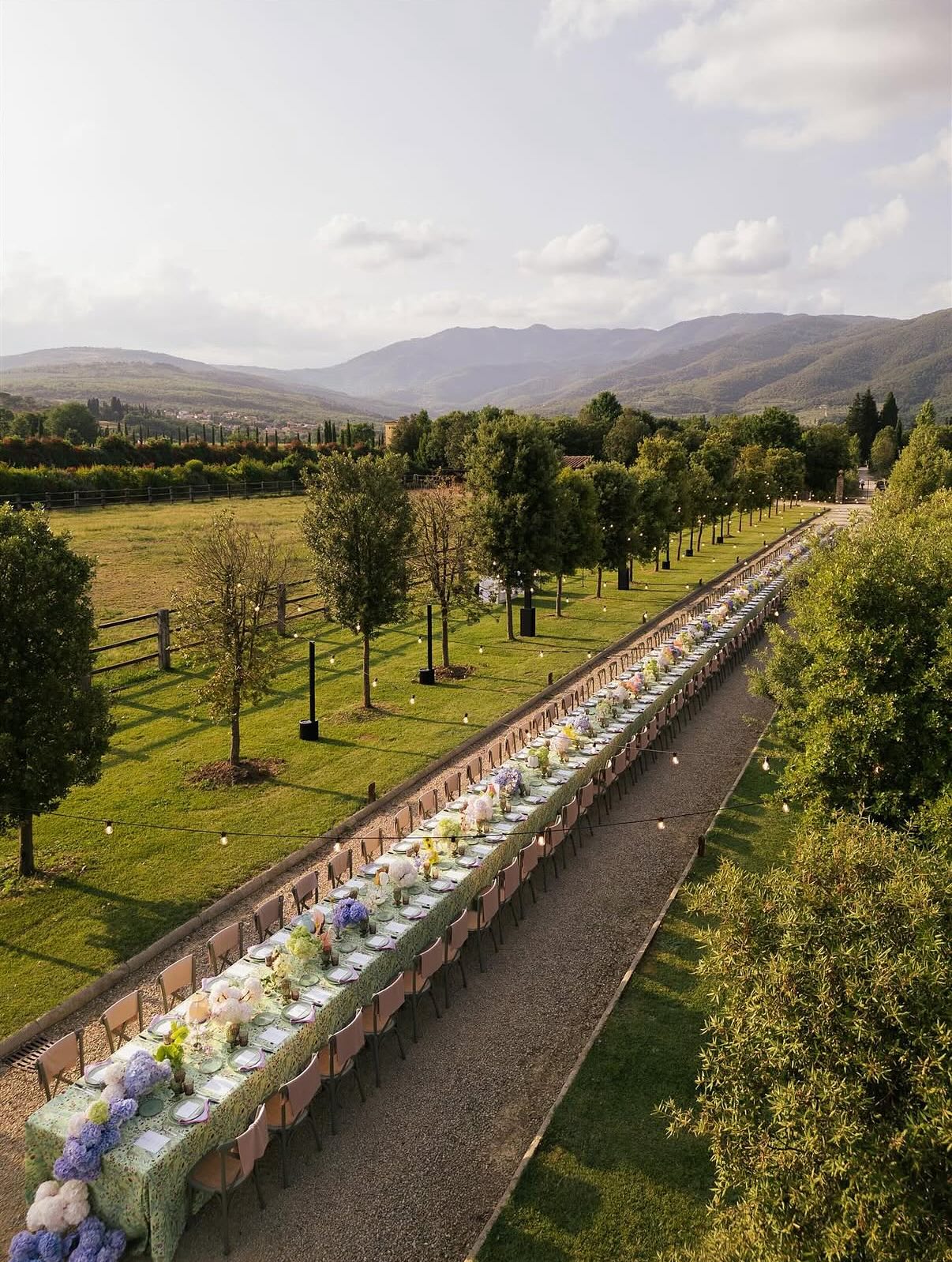
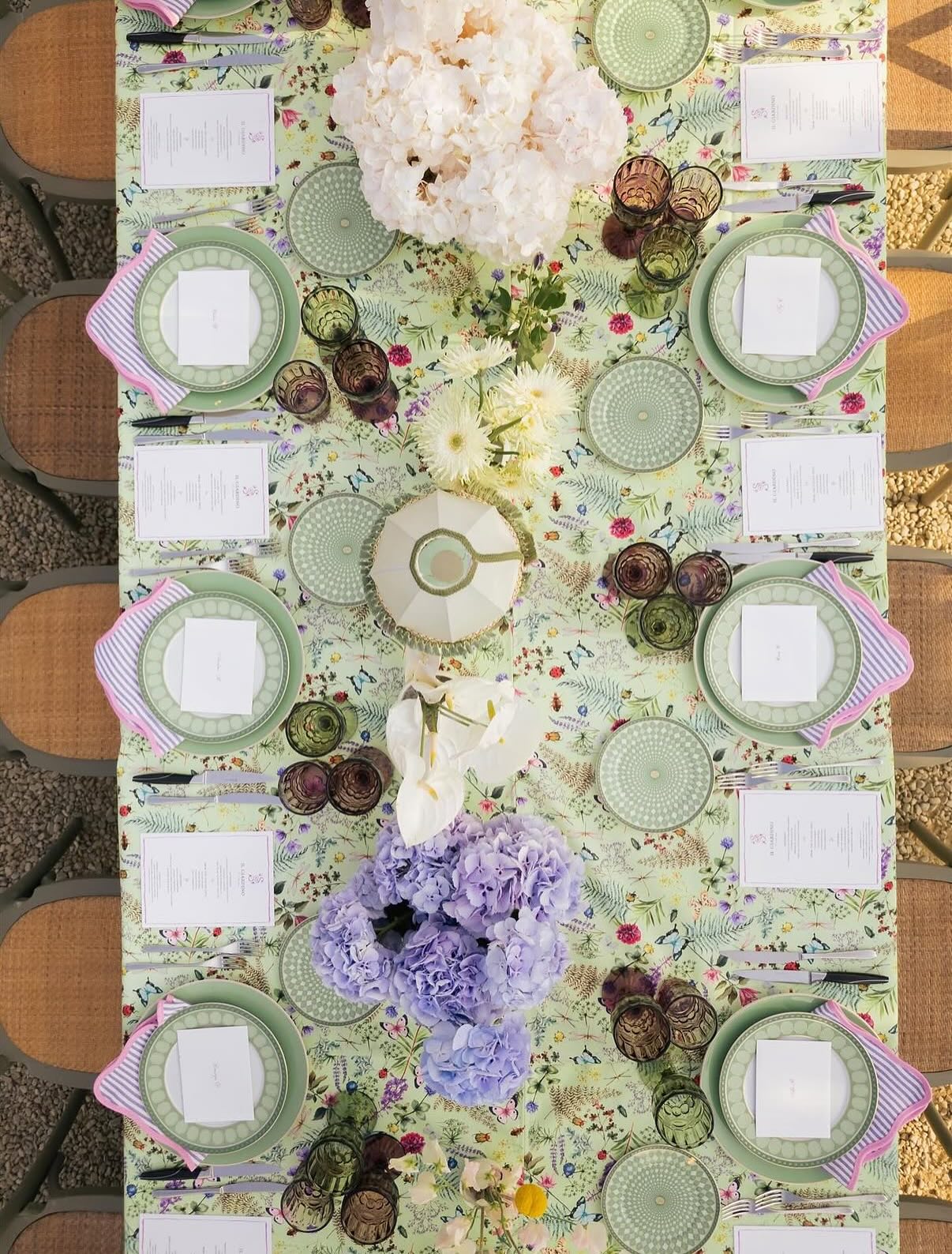
The old rule was straightforward: the groom's parents were responsible for hosting and paying, period. In 2026, that rule is nearly gone. About half of couples still follow it; the rest split the cost between both families, pay for it themselves, or - more often than anyone wants to admit — leave it unresolved until an actual bill turns up with no name attached. Who pays for the wedding rehearsal dinner costs is genuinely one of the most common points of confusion couples run into during planning.
One of the reasons why the old system has broken down is that the fundamental assumption upon which it was based is no longer valid. Because only about 13% of couples these days pay for their whole wedding without any contribution from their families, the simple notion that "her family covers this and his family covers that" seldom matches the way weddings are actually financed. The clear and modern approach to deciding who will pay for therehearsal dinner at a wedding isn't to bring back the old rule or to come up with a new one - it's to have the financial discussion early on, preferably as soon as the venue is booked, so that people don't find out who is paying by seeing who isn't.
Who Gets Invited (This Is Where Most Couples Mess Up)
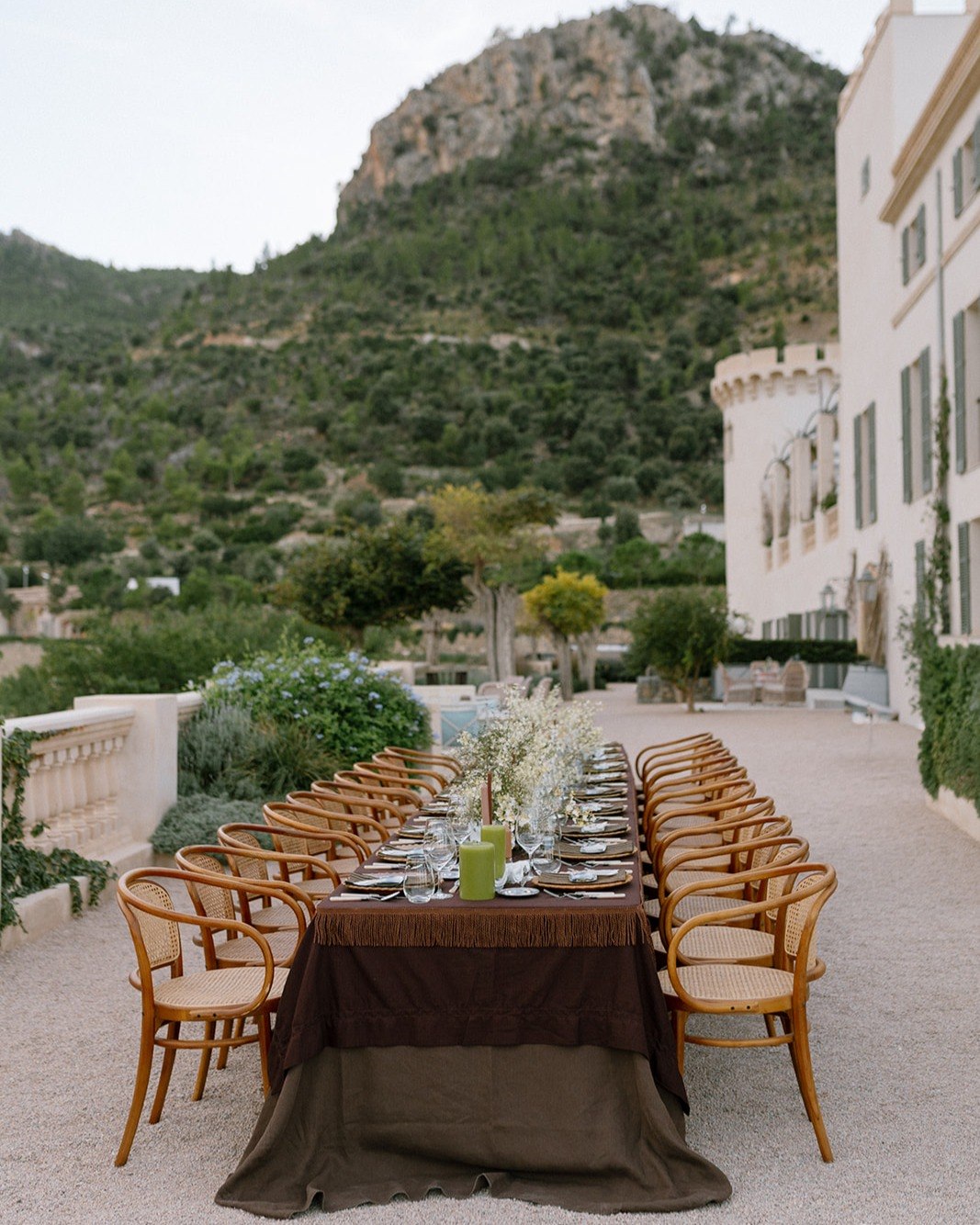
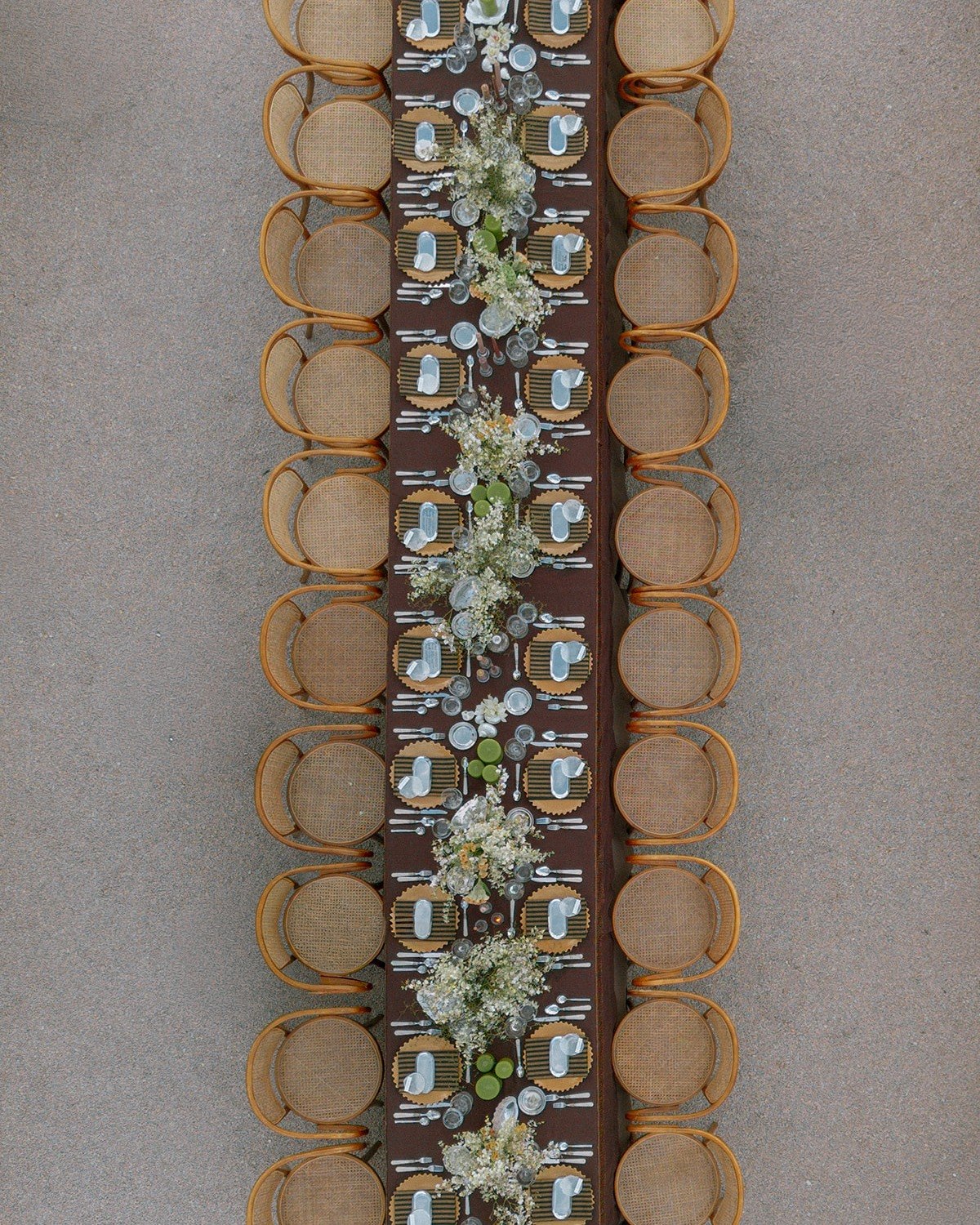
Figuring out who is invited to rehearsal dinner trips up more couples than almost any other planning decision, and the mistakes are almost always omissions rather than excesses. Couples tend to default to "wedding party plus parents" and stop there, forgetting a handful of people who genuinely should be in the room.
- Out-of-town guests who've traveled specifically for the wedding, even if they're not officially in the bridal party
- The officiant, who's about to run the actual ceremony, and benefits from seeing the room the night before
- Parents and step-parents on both sides, including anyone in a blended family situation, who needs a little extra thoughtfulness
- Plus-ones for wedding party members, particularly if they're also traveling in from elsewhere
- Any readers, musicians, or ceremony participants who actually need to walk through their role
The guest list at the majority of rehearsal dinners usually ends up consisting of between 20 and 40 people once all the arrangements have been taken into account - fewer in number than a reception but more than most people suppose when they first hear the term 'rehearsal'. It is precisely because of the difference between what is expected and what actually turns out to be the case that the guest list should be the subject of an open and honest discussion right from the start, rather than being put together at the last minute by selecting whoever happens to come to mind.
How the Evening Usually Unfolds
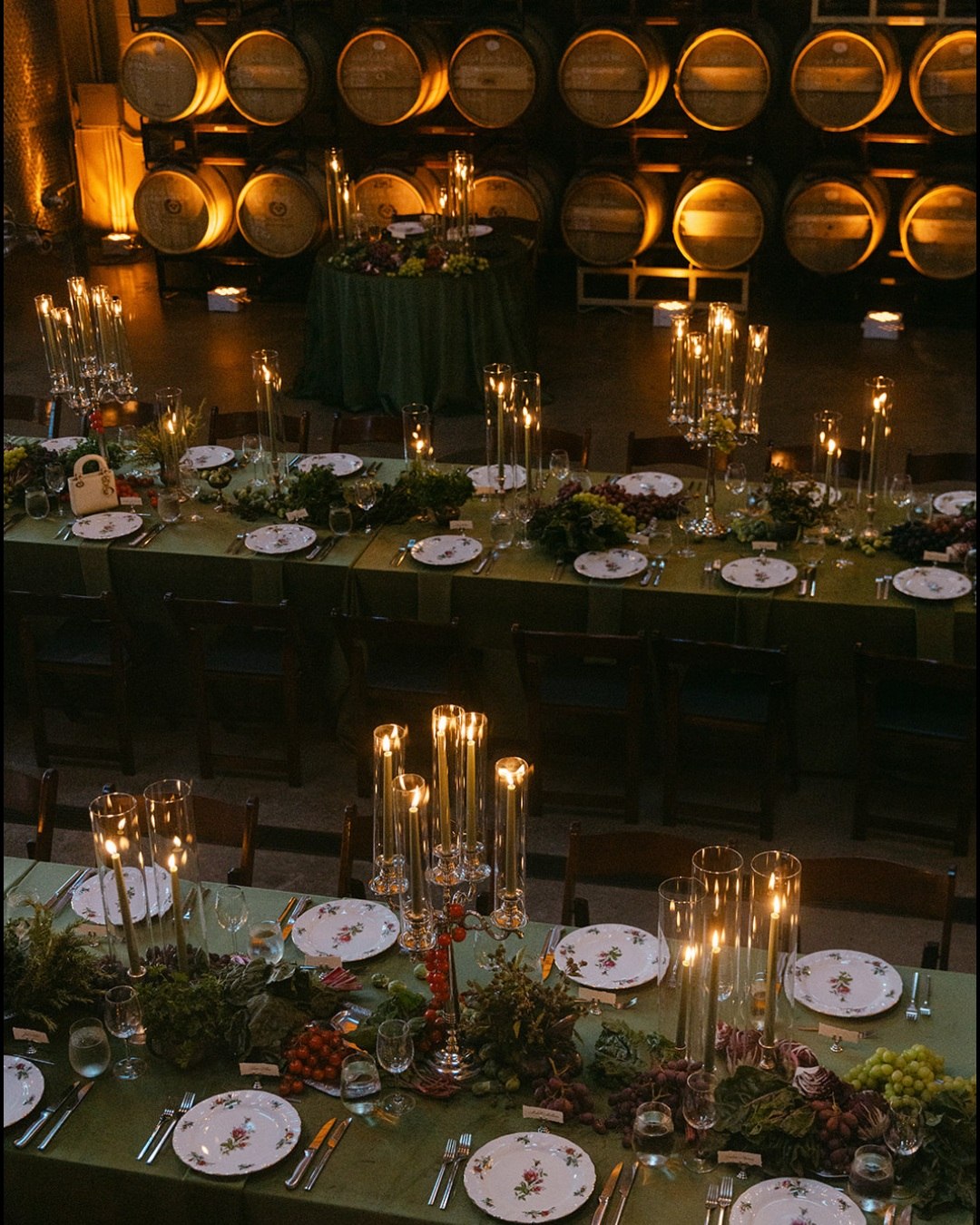
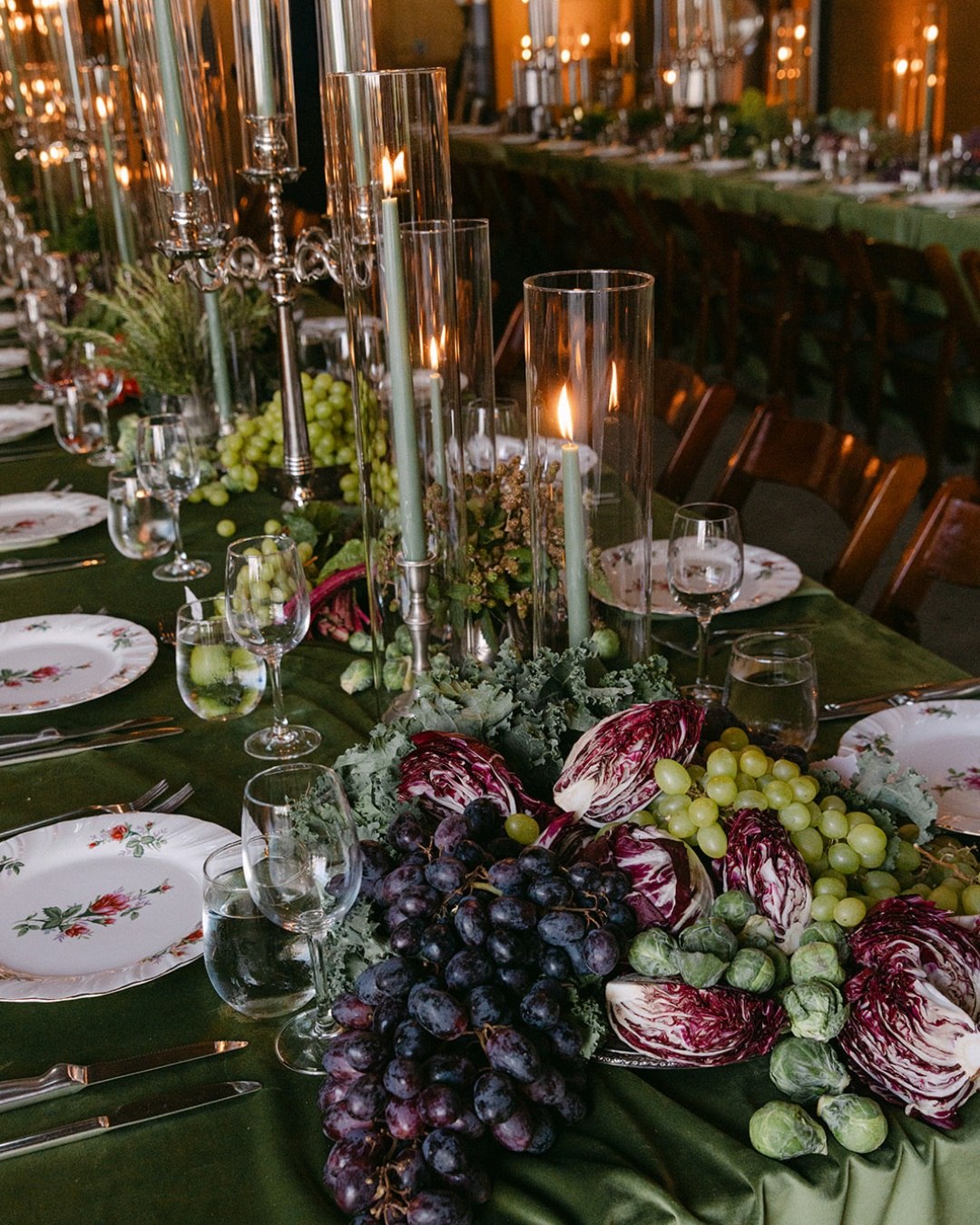
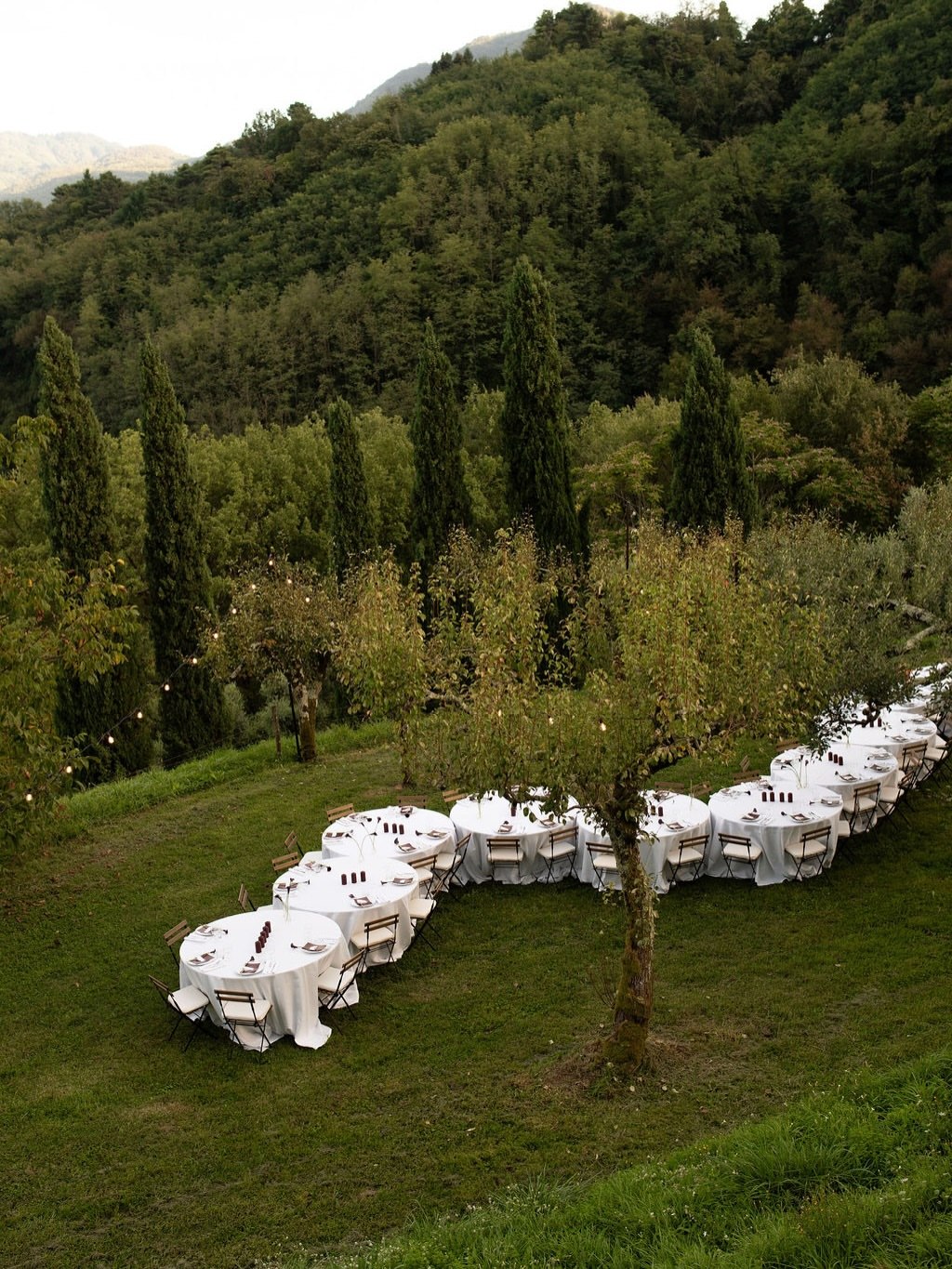
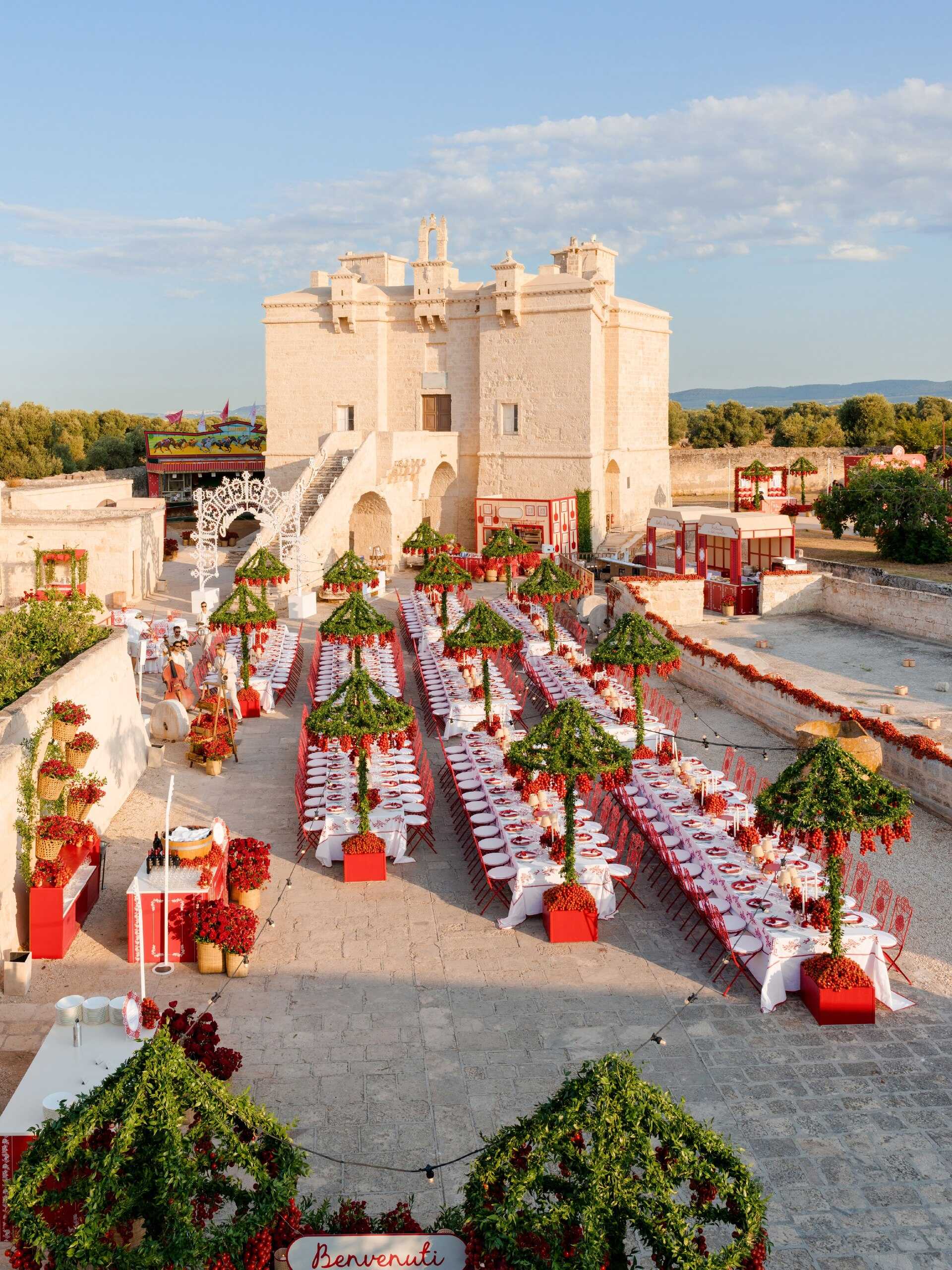
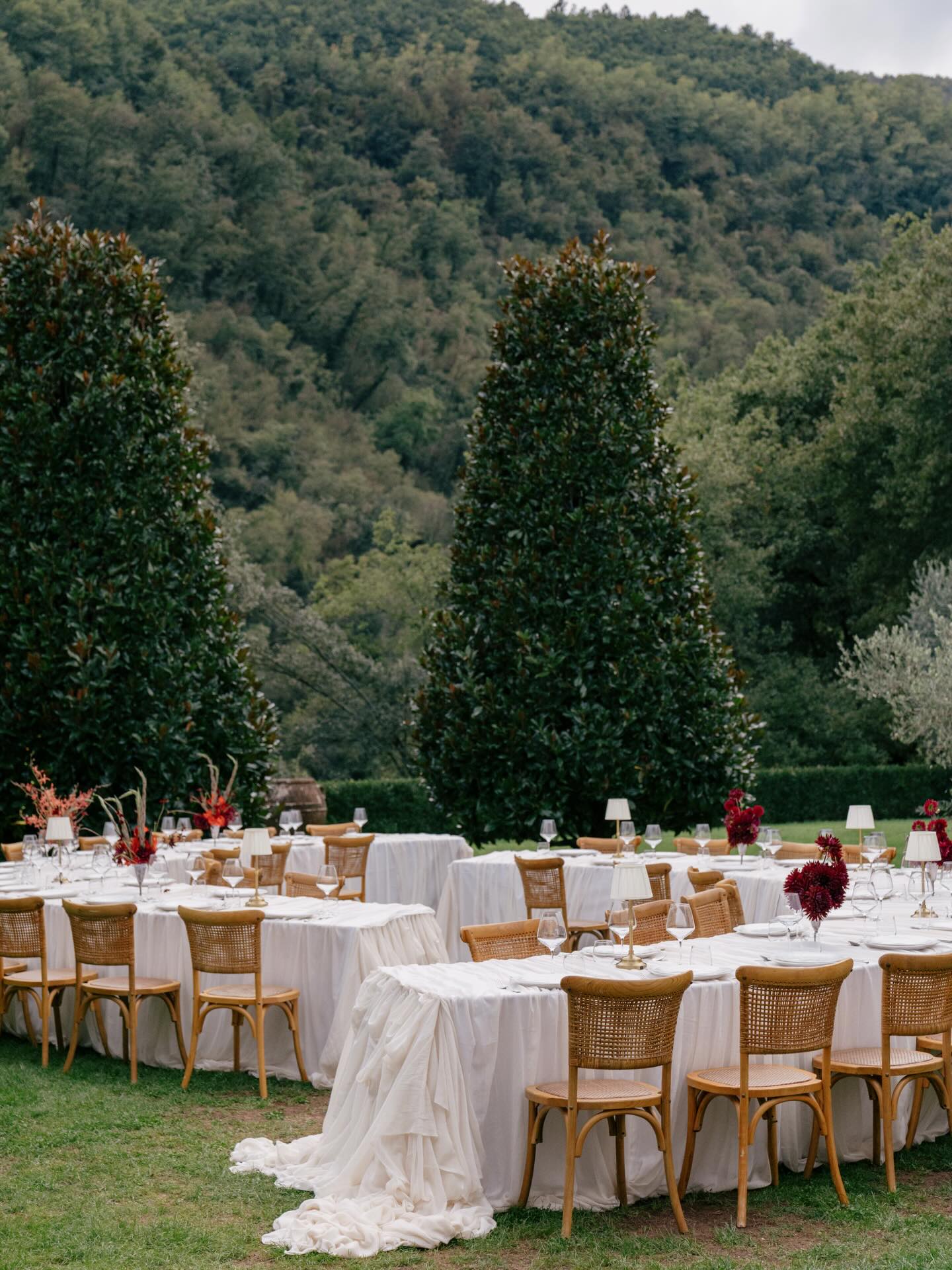
In recent years, the format has loosened considerably, and there's no longer one single correct way to answer what happens at a rehearsal dinner. A formal, plated multi-course dinner at a private venue is still common, but it now sits alongside backyard barbecues, taco trucks, and full brewery buyouts as equally valid choices - almost half of rehearsal dinners for weddings under 150 guests skip the formal sit-down entirely, leaning on more casual wedding rehearsal dinner ideas instead.
No matter what the format is the basic timetable for the rehearsal dinner remains the same: the tour of the ceremony comes first, after which the guests arrive and then go on to eat the food a short time later, and the toasts take place at some point in the middle to later part of the evening, once everybody has had a couple of drinks and the atmosphere in the room has become warm rather than stiff. If there is a presentation of gifts to the wedding party, this usually happens at about the same time as the toasts and not as a separate event.
Even in the most relaxed version of the event, the walkthrough should be taken seriously. It doesn't have to be a full theatrical performance - most officiants limit it to fifteen or twenty minutes, simply enough time for all present to know their cue, where they are to stand, and how fast they should go down the aisle - yet entirely skipping it is usually the first link in a chain of minor mistakes that turn up the day after. Regardless of the format, that brief rehearsal is actually the only essential element of the evening; all the other parts, from the menu to the toasts, are truly something the couple can arrange in the way they please.

The Toasts: Who Should Speak, and What They Should Say
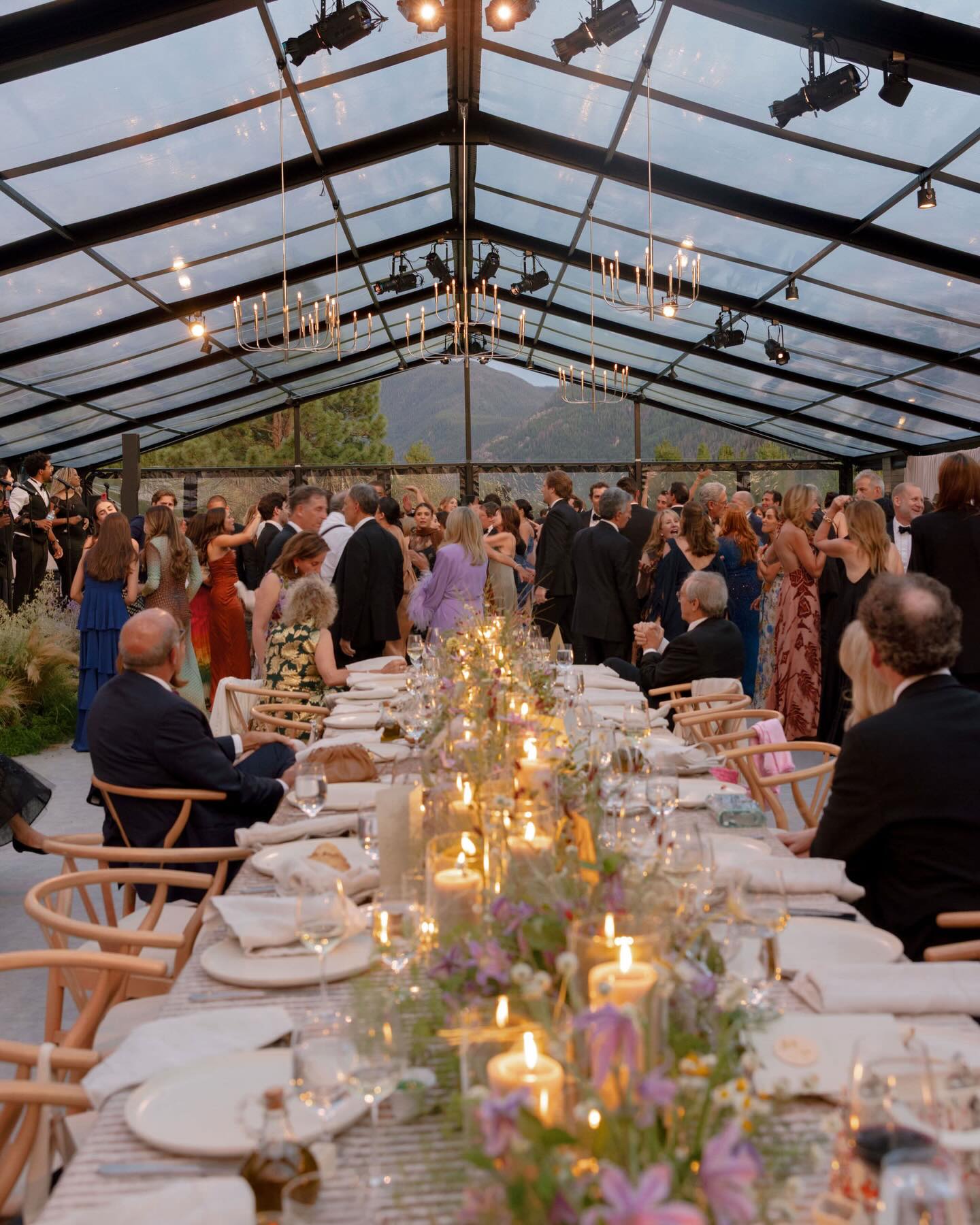
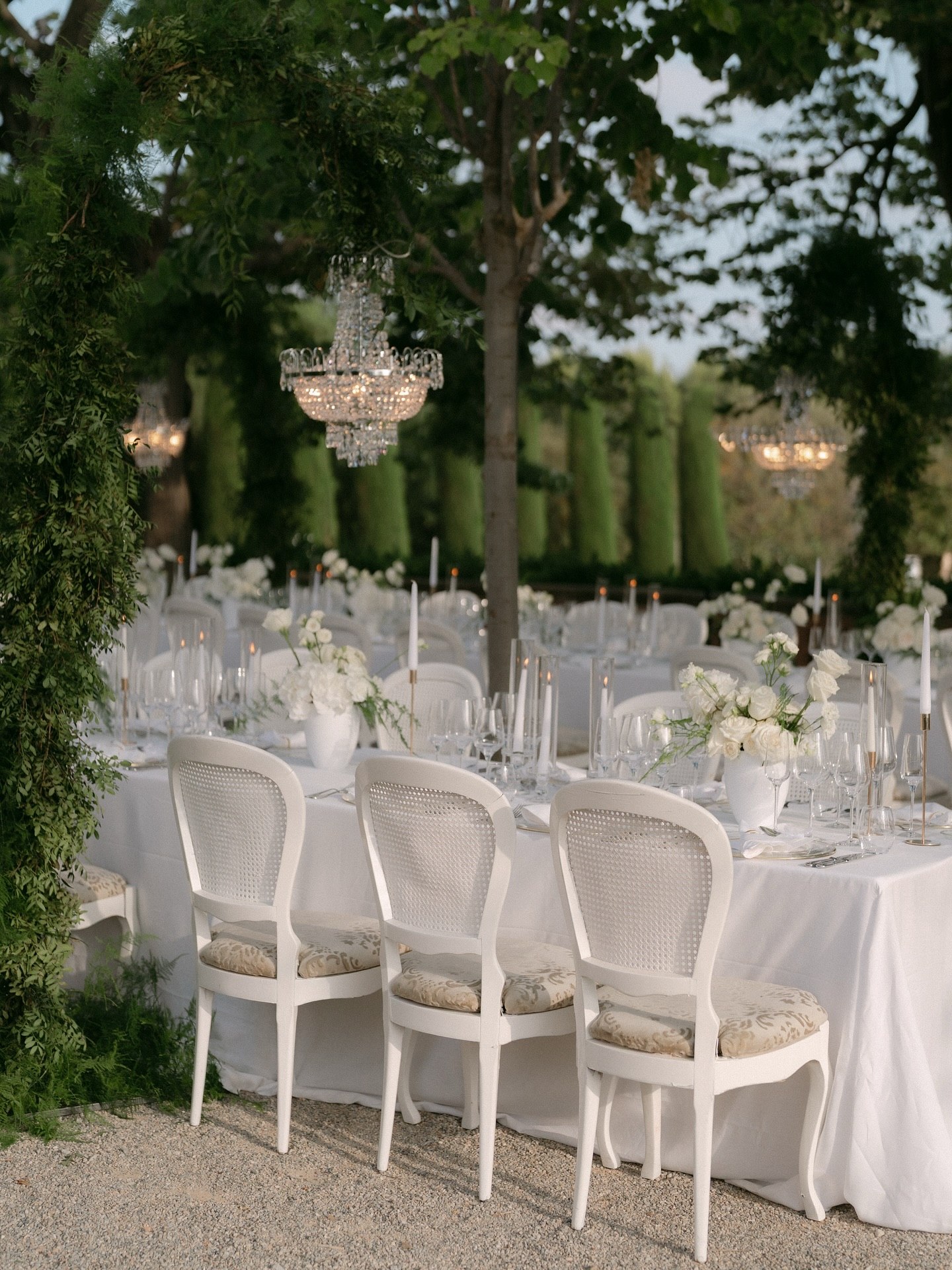
Unlike the reception, where the best man and maid of honor traditionally carry the toasting duties, who gives speeches at rehearsal dinner events tends to be a longer, more flexible list - and often a more emotionally layered one, since the room is smaller and people tend to speak more personally. There's no strict program to follow here the way there often is at the reception; the order below is a loose guide rather than a script, and plenty of couples skip a category entirely if it doesn't fit their family.
| Speaker | When | Tone |
|---|---|---|
| Parents (host family first) | Early in the evening | Welcoming, sets the tone for the night |
| The other set of parents | Shortly after | Reciprocal warmth, often a thank-you |
| Siblings or close family | Mid-evening | Personal, can lean sentimental or funny |
| Best man / maid of honor | Later in the evening | Warmer and more informal than their reception toast |
| The couple themselves | Near the end | A joint or individual thank-you to both families |
Any wedding rehearsal dinner speech can go a little further into personal or even embarrassing territory than a reception toast, since the room is smaller and more forgiving - but it should still close on something sincere rather than ending on the joke. It's also worth deciding ahead of time whether speeches are welcome from anyone who wants to say something, or limited to the people listed above; an open floor can turn a tight, warm hour into a much longer evening if nobody sets that expectation early.
What to Wear to a Rehearsal Dinner
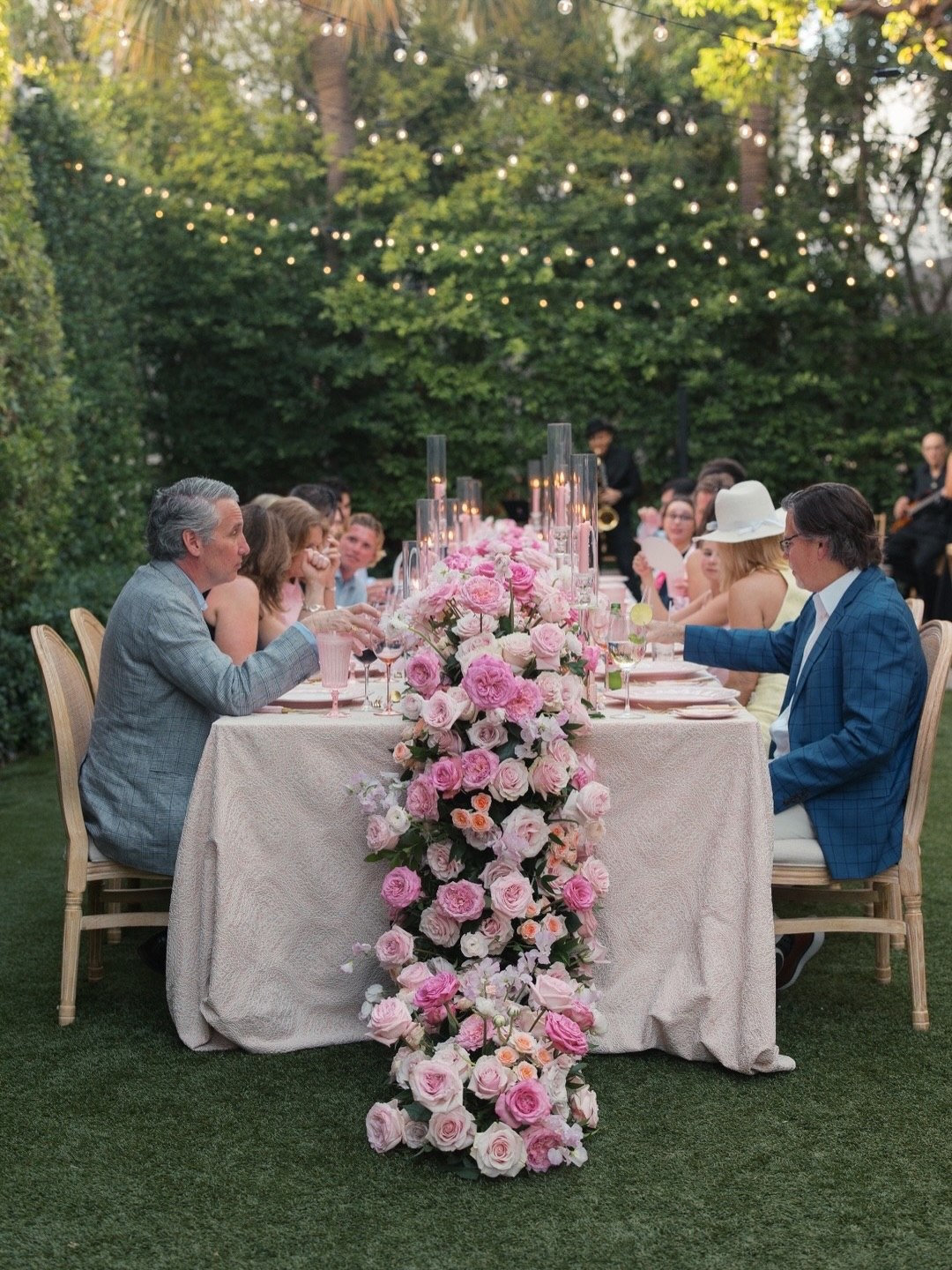
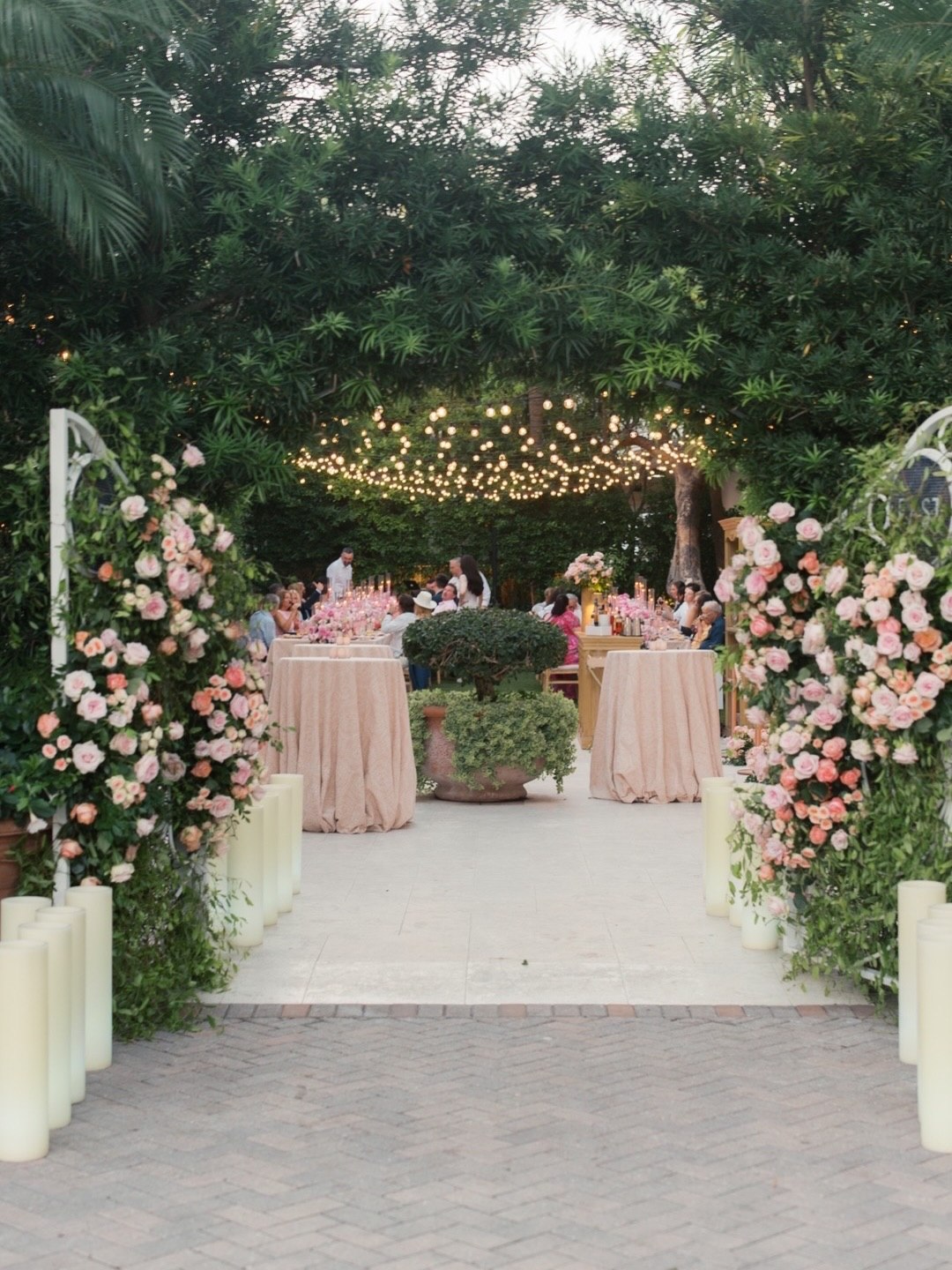
What to wear to a wedding rehearsal dinner is one of the most common questions couples field in the weeks before the wedding, mostly because the answer genuinely depends on the format chosen for the evening. There's no single universal rule - but there is a reliable shortcut: whatever you'd wear should sit one notch below what you'd wear to the wedding itself, not equal to it.
- Backyard BBQ or casual gathering - relaxed, comfortable clothing; sundresses, chinos, or nice separates work well, and jeans are usually fine unless the invitation says otherwise
- Casual restaurant or brewery buyout - smart-casual; a step up from backyard attire, but still no need for cocktail dresses or suits
- Private dining room, plated dinner - cocktail attire is the safe default; think what you'd wear to a nice dinner out, not a black-tie event
- Country club or upscale venue - leans more formal, often close to what guests would wear to the ceremony itself, just slightly less elevated
If the invitation doesn't specify a dress code directly, checking with the couple or a member of the wedding party is always a safer bet than guessing. Wedding guest rehearsal dinner dress should generally err on the side of understated - it's better to be slightly underdressed at a rehearsal dinner than to accidentally outshine the wedding the next day.
Rehearsal Dinner Mistakes Worth Avoiding
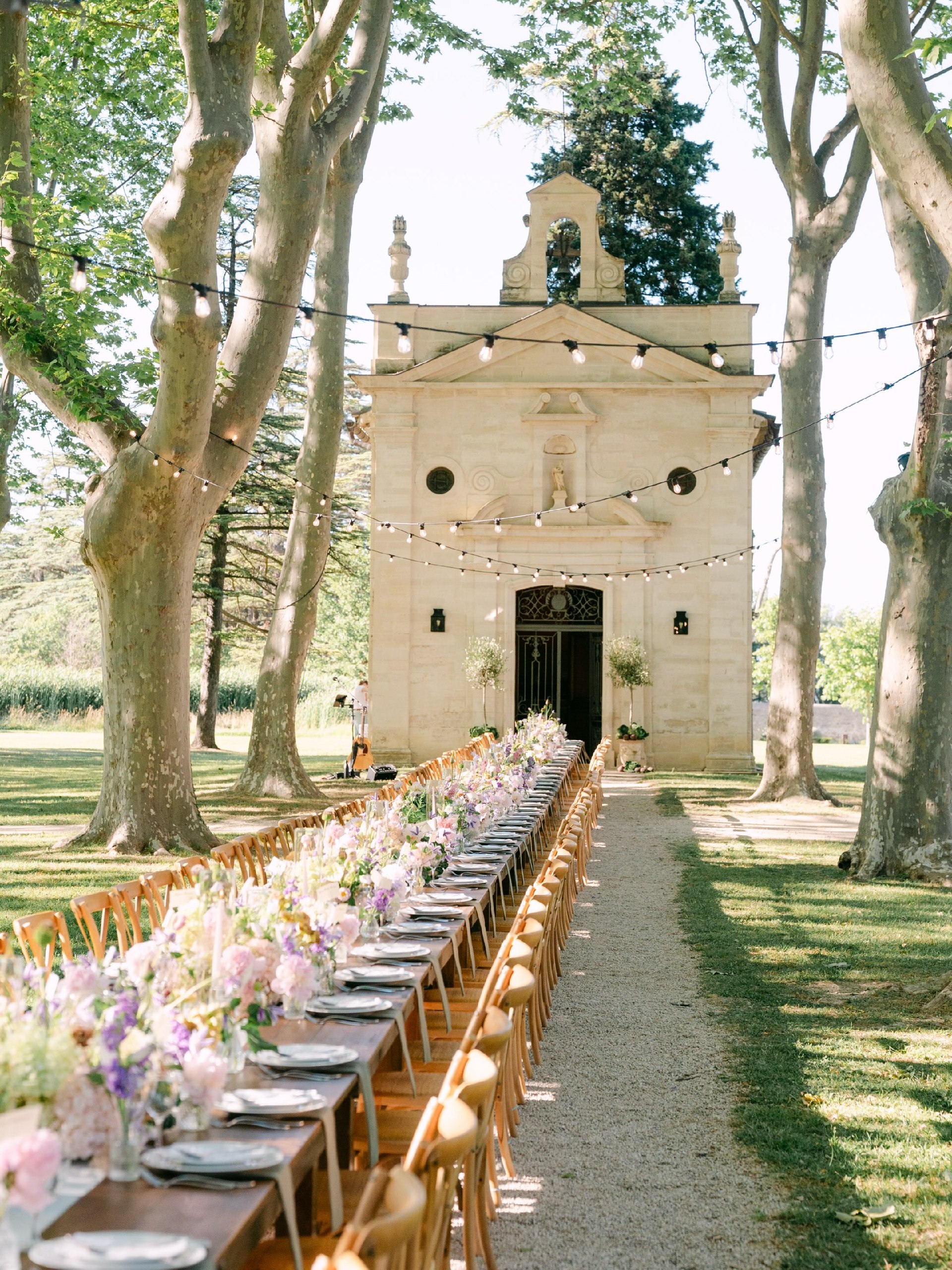
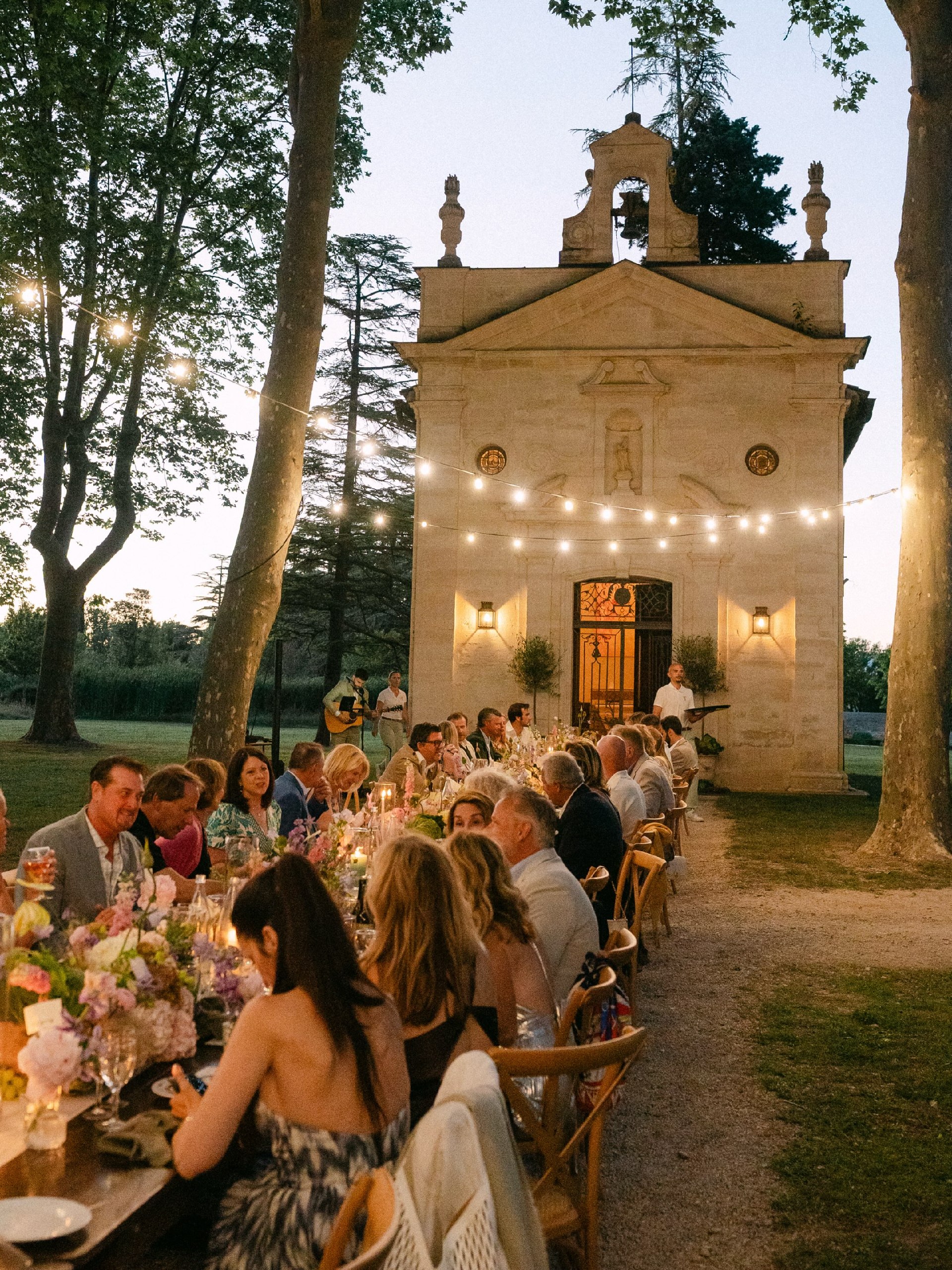
A handful of avoidable missteps come up again and again, and most of them trace back to assumptions nobody bothered to confirm out loud. None of these are dramatic on their own, but stacked together, they're usually what turns an easy, low-key evening into a stressful one for whoever's hosting.
- Not deciding who's paying until the bill actually arrives
- Inviting the full wedding party but forgetting their plus-ones, especially if those partners are traveling from out of town
- Scheduling it too late the night before, leaving the wedding party exhausted the next morning
- Assuming a formal sit-down dinner is required, when a casual format often fits the couple's actual personality better
- Skipping the ceremony walkthrough entirely because "everyone already knows what to do"
The vast majority of these problems can be completely avoided by having one brief talk many months in advance of the event - although this kind of planning is rarely carried out until it's already too late. The good point is that correcting each individual one of them only takes a few minutes, not the time required for a complete re-planning; all that is needed is to raise the issue early enough so that nobody is forced to improvise the night before.
What These Dinners Really Cost


The average cost of a rehearsal dinner is about $2,700, but the actual cost can vary widely depending on the venue, guest count, and service. For example, a gathering in a backyard for 30 people and a plated dinner held at a country club could both be described as a "rehearsal dinner," yet can cost thousands of dollars more or less - this is precisely the reason why it is generally advisable to choose a format before deciding on a budget rather than doing it the other way around.
| Format | Cost Per Person | Total for 30–50 Guests |
|---|---|---|
| Backyard BBQ / casual home gathering | $40–$48 | Under $1,500–$2,000 |
| Casual restaurant, buffet or family-style | $55–$71 | $1,650–$3,550 |
| Private dining room, plated | $85–$107 | $2,550–$5,350 |
| Country club or upscale venue | $130–$150+ | $3,900–$7,500+ |
The number of guests has a more predictable effect on the total than almost anything else, which is why some couples are choosing to give up the traditional small dinner and instead having a larger "welcome party" which includes all the guests coming from outside the area - distributing the same budget among more people at a lower cost per person rather than arranging an intimate dinner for thirty and a separate cocktail hour for everybody else.
If you're deep in the planning weeds already, you're not the first couple to realize the rehearsal dinner needed more thought than it first seemed to. Wezoree's Inspiration section has plenty more to help, from here, toast-writing guides, real rehearsal dinner stories from couples who've already lived through the planning, and ideas for every other event quietly stacking up before the big day itself.


FAQ
Do we actually need a rehearsal dinner, or can we skip it?
No rule requires one, and plenty of couples skip it entirely, particularly for smaller or destination weddings where the ceremony rehearsal happens earlier in the day and rolls straight into a shared meal. About 78% of couples currently host some version of it, but that still leaves a meaningful share who go without, with no real downside beyond a slightly less formal walkthrough.
When is the rehearsal dinner held, and what time does it usually start?
The rehearsal dinner associated with a wedding is nearly always held in the evening immediately before the ceremony, right after the wedding party has gone through the sequence of events. Although the specific time at which rehearsal dinners are held depends on the format, most of them begin between 6 and 7:30 p.m., so that everyone can get home by a reasonable hour having had a full day of wedding-related activities ahead of them.
How far in advance should the rehearsal dinner be scheduled?
Talk about who is going to be hosting and who is going to be paying should take place a lot earlier than the event itself, preferably six to nine months in advance, so that the person who is paying can plan their budget before the venues and the number of guests are finalized.

Is it rude to have a small rehearsal dinner and not invite extended family?
Not at all, a tight guest list is the norm, not an exception. The traditional guest list covers the wedding party, immediate family, the officiant, and out-of-town guests specifically, which naturally excludes most extended family and local friends who'll already be at the wedding itself the next day.
What should we do if both families want to pay for the rehearsal dinner?
Splitting the cost has become increasingly common, particularly when both families are already contributing to the wedding overall. The most straightforward approach is to agree on a total budget together first, then deciding whether to split it evenly or proportionally based on how many guests each side is bringing.
Can the rehearsal dinner double as a welcome party for all our guests?
Yes, and it's becoming a popular alternative, especially for destination weddings where most guests have traveled long distances. In this format, a smaller family-only dinner often precedes a larger gathering that opens to every guest, spreading the hosting budget differently than a traditional single dinner would.