Chicago Wedding Planning: The Ultimate Guide for Couples


- Before You Book Anything: Five Decisions That Shape Your Chicago Wedding
- Choosing the Right Chicago Wedding Venue
- How Much Does a Wedding in Chicago Cost?
- When Is the Best Time to Get Married in Chicago?
- Do You Need a Chicago Wedding Planner?
- The Chicago Wedding Weekend: Make the City Part of the Celebration
- Wedding Photography in Chicago: The City as Your Backdrop
- The Chicago Wedding Logistics You Shouldn't Overlook
- Your Chicago Wedding Planning Timeline
- Getting Legally Married in Chicago
- FAQ
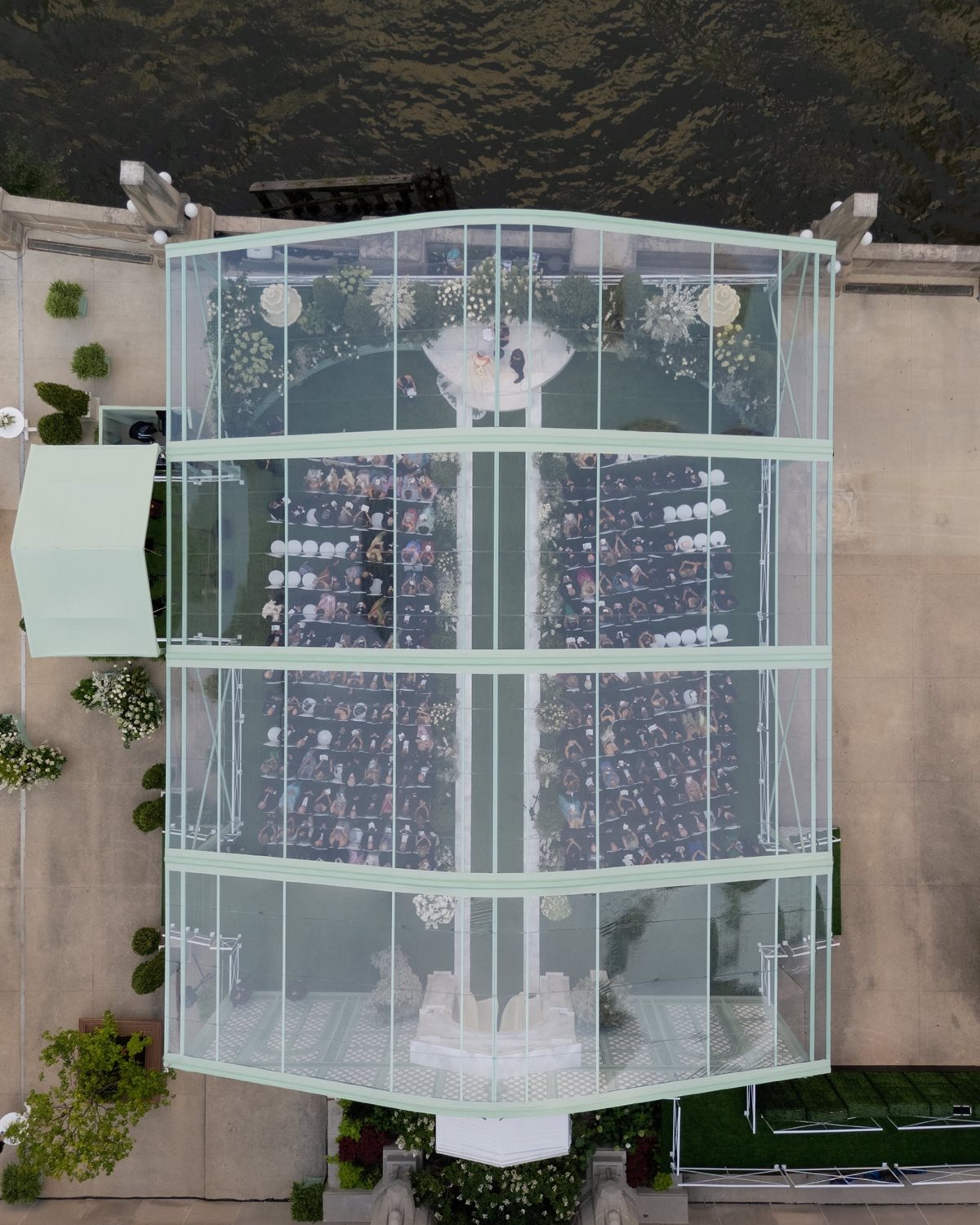
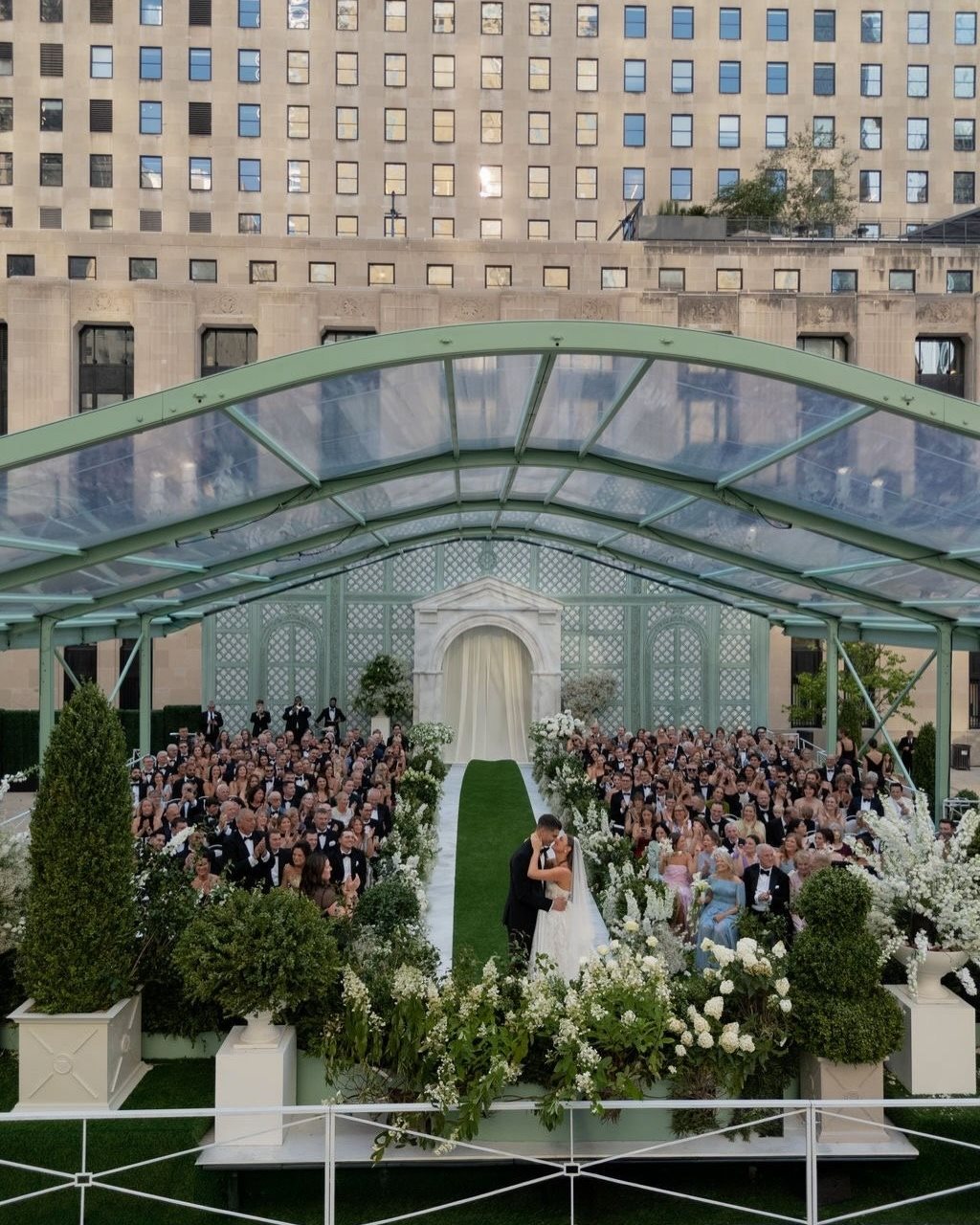
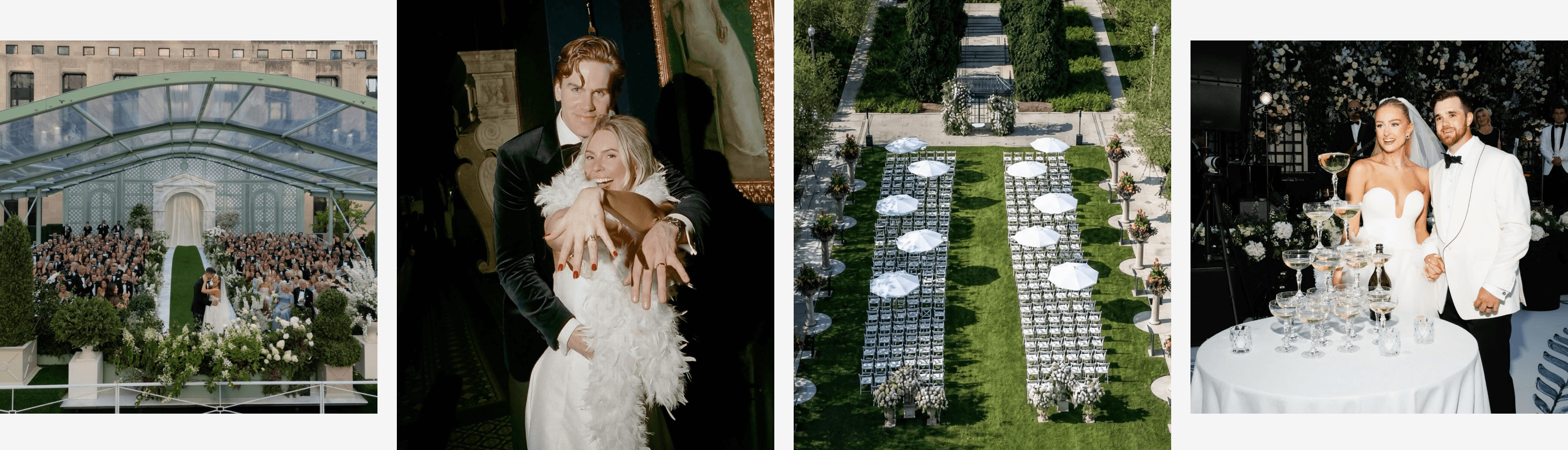
A Chicago wedding has its own distinct feel. Think of the portraits against the carved stone and glass of the Loop, the vows being said right at the edge of Lake Michigan with the wind in the veil, or a reception where the skyline turns gold at dusk. A West Loop loft with its exposed brick and long tables can do the job just as well. There are more venues in the city than most couples could visit in a weekend, which is why Chicago wedding planning needs a plan before you even have a mood board.
Planning here has its own set of rules. The neighborhood, the season, the wind off the lake, the traffic around city events, the permits for photos in the parks, and how a quote adds up all affect what the day actually looks and feels like. This guide takes them in the order they come up, from the first table of options through to the marriage license, so you can plan with a clear picture of what Chicago asks of you for a wedding and what it gives you in return.
Find Your Perfect Wedding Vendors

Before You Book Anything: Five Decisions That Shape Your Chicago Wedding
When you're planning a wedding in Chicago, five early decisions shape everything that follows, and it's helpful to get them sorted before you even start choosing a color scheme or a dress. The table below is a useful first checklist, short enough to save as a screenshot and take with you on your very first venue tour.
| First Decision | Why It Matters in Chicago | What to Settle Early |
|---|---|---|
| Guest count | Shapes venue capacity, catering and the budget | A realistic range, not an exact list |
| City or suburbs | Sets the venue style and the transportation plan | A preferred area and a drive time guests can accept |
| Wedding season | Weather changes outdoor plans, light and photographs | A date window and a backup plan |
| Overall budget | Venue fees, taxes, service charges and vendor costs add up | A realistic total with a reserve |
| Planning support | Decides who coordinates the decisions and the vendors | Full-service, partial planning or day-of coordination |
Every row depends on the others, so you'd settle all five together. Guest numbers dictate the venue list, the venue dictates the risks of the season, and the budget determines how much help you can afford. We'd also keep a reserve in the budget, so that the first change of plan doesn't become a crisis.
Choosing the Right Chicago Wedding Venue
The best way to look at Chicago venues is by character first and name second. In such a varied city, you end up with a handful of distinct wedding types, and once you know which one you're looking for, your search is much shorter. The four that come up most frequently are:
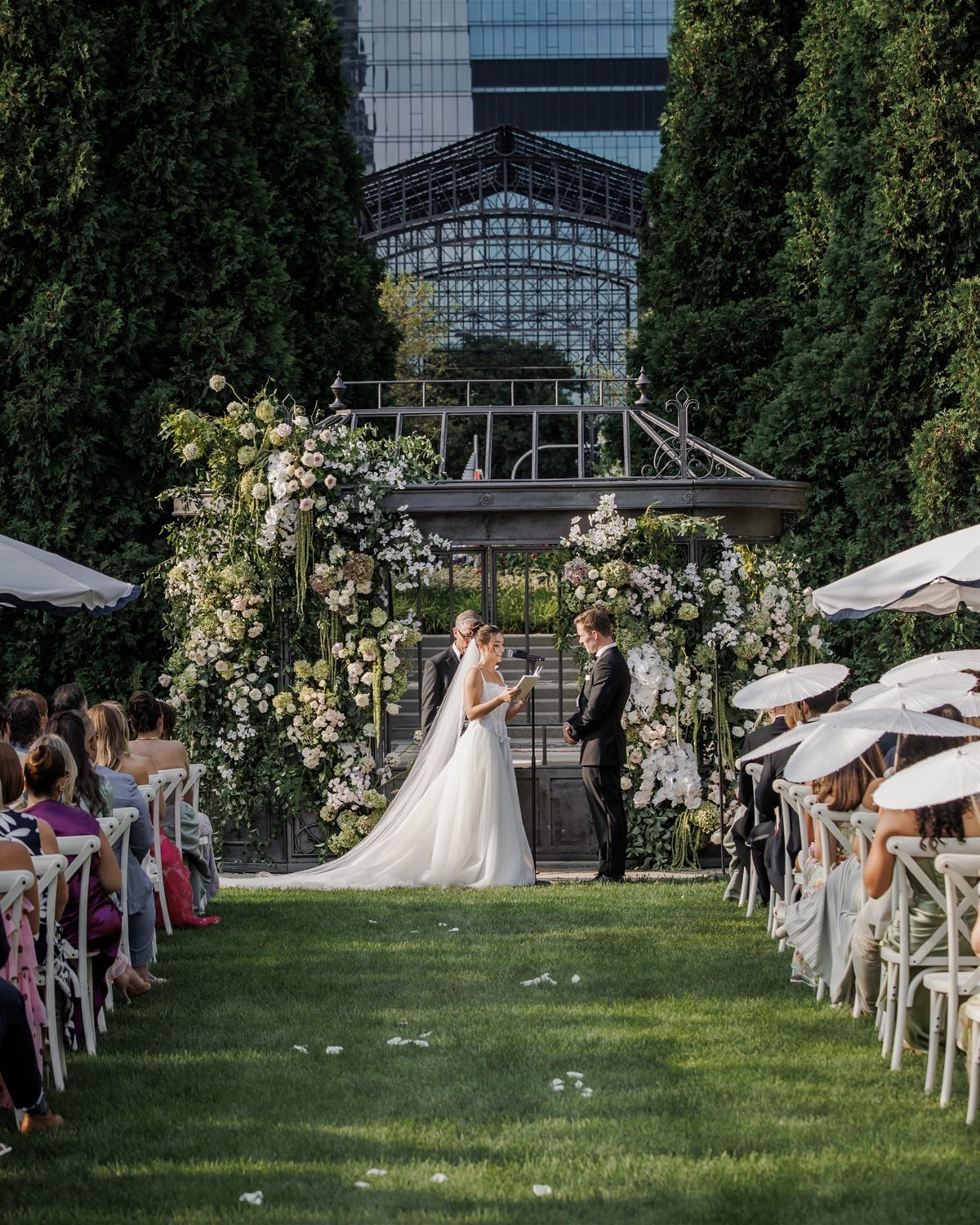
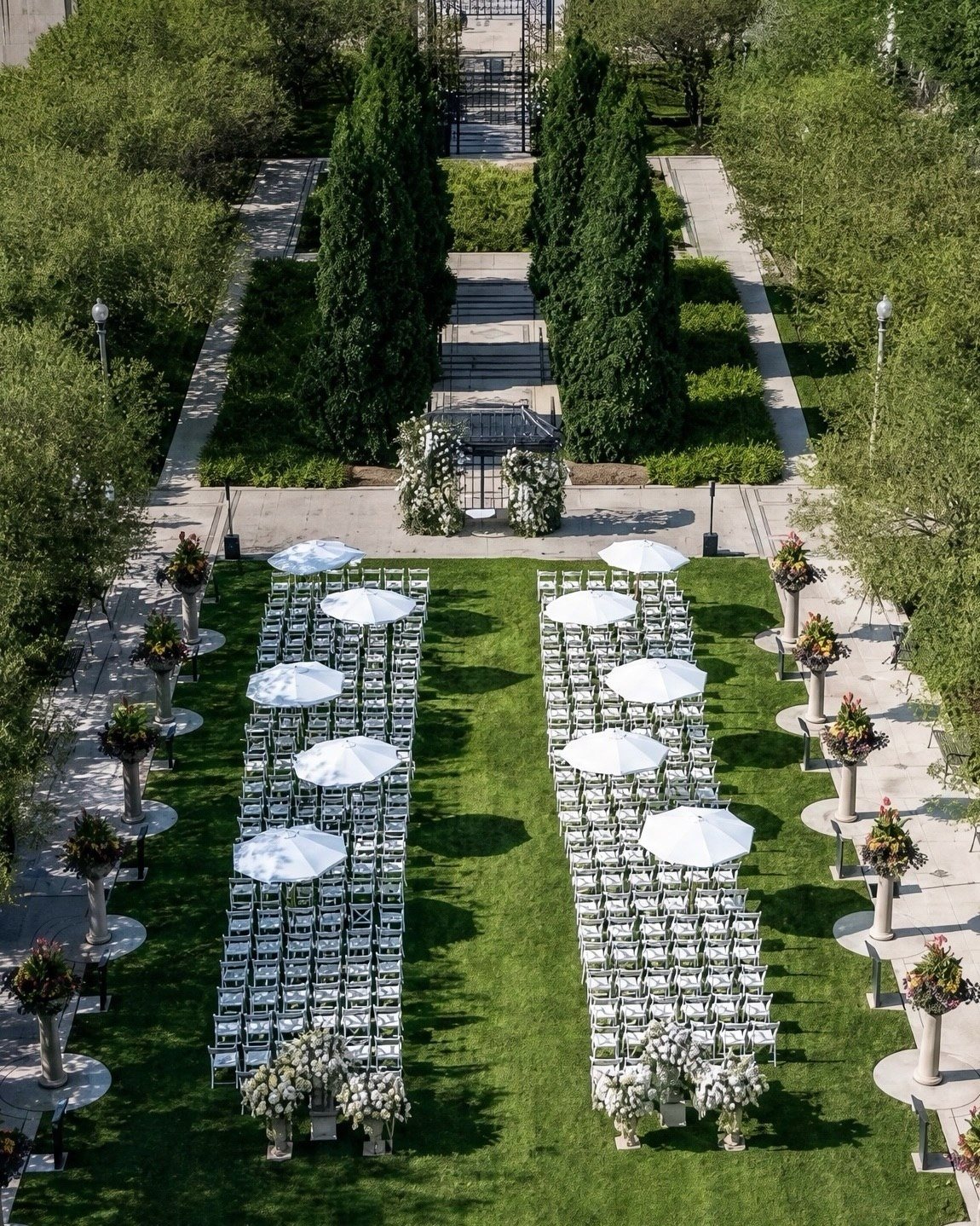
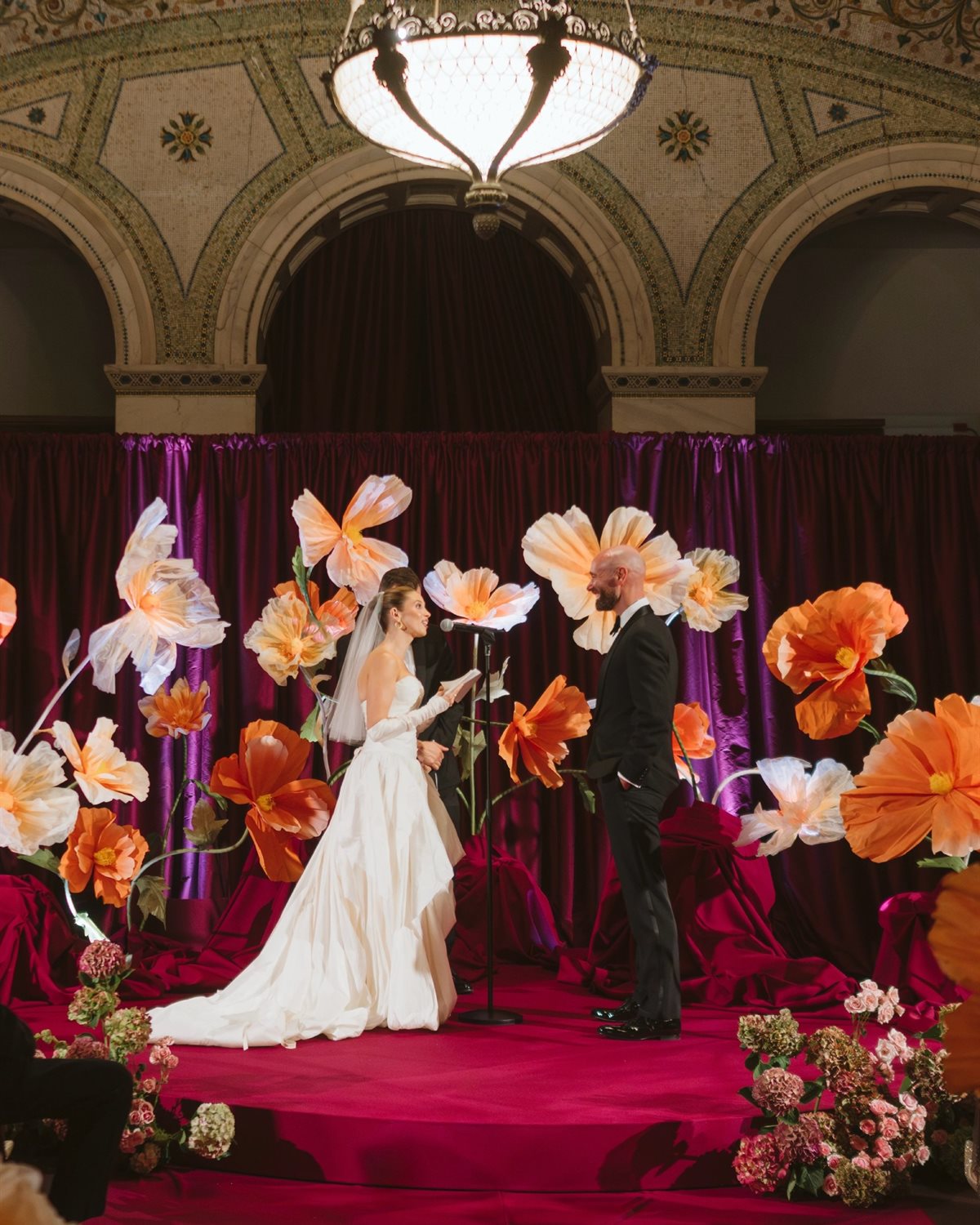
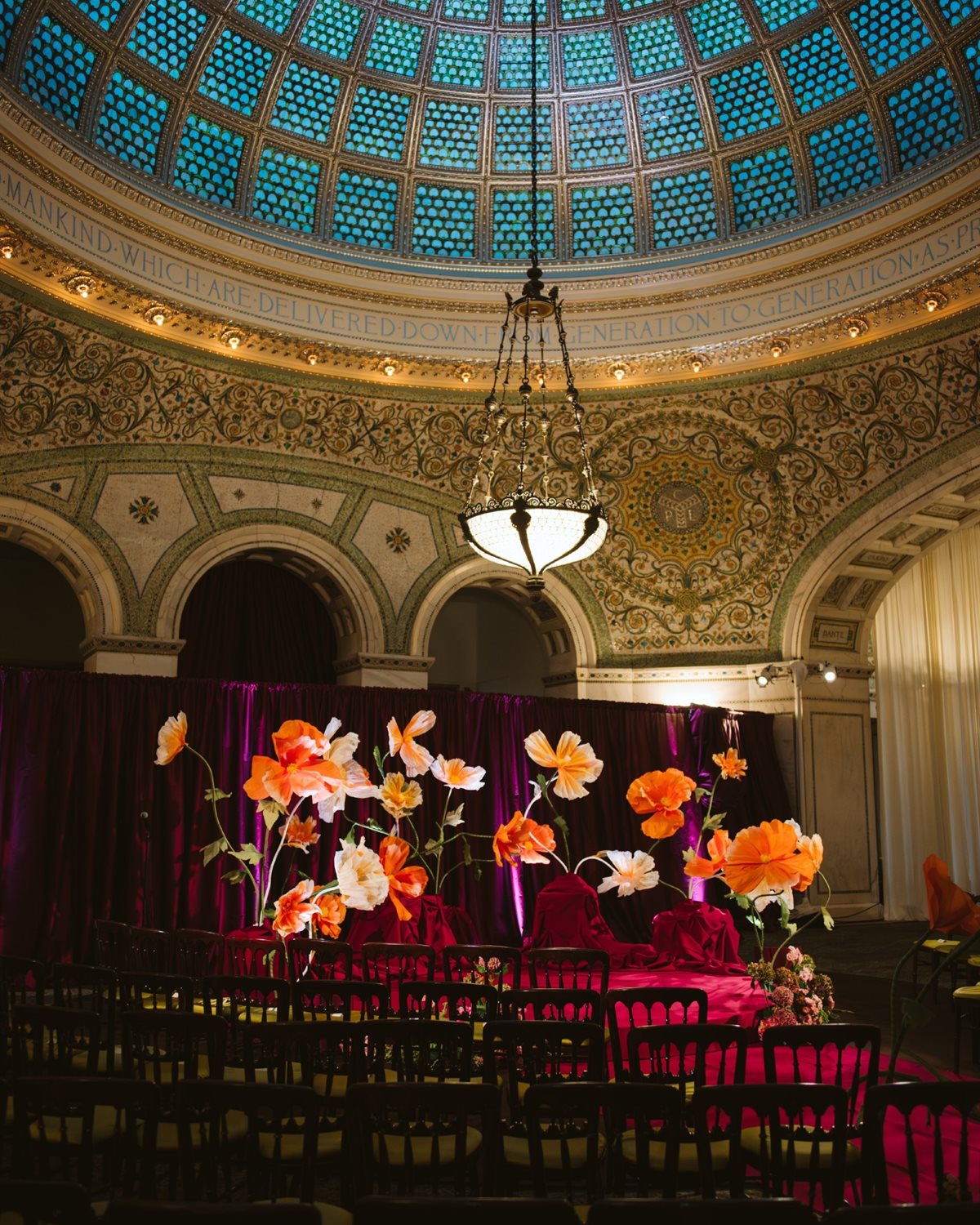
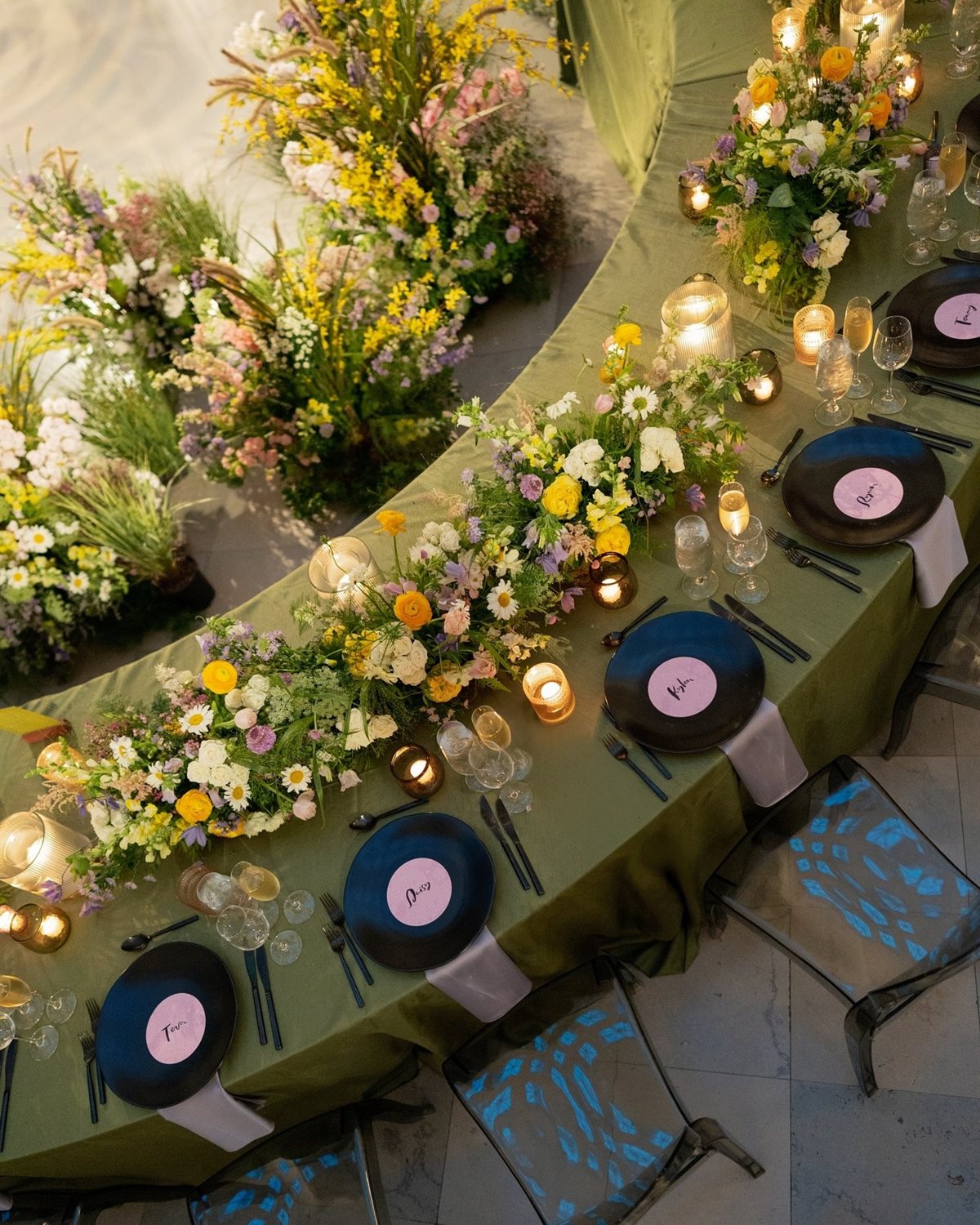
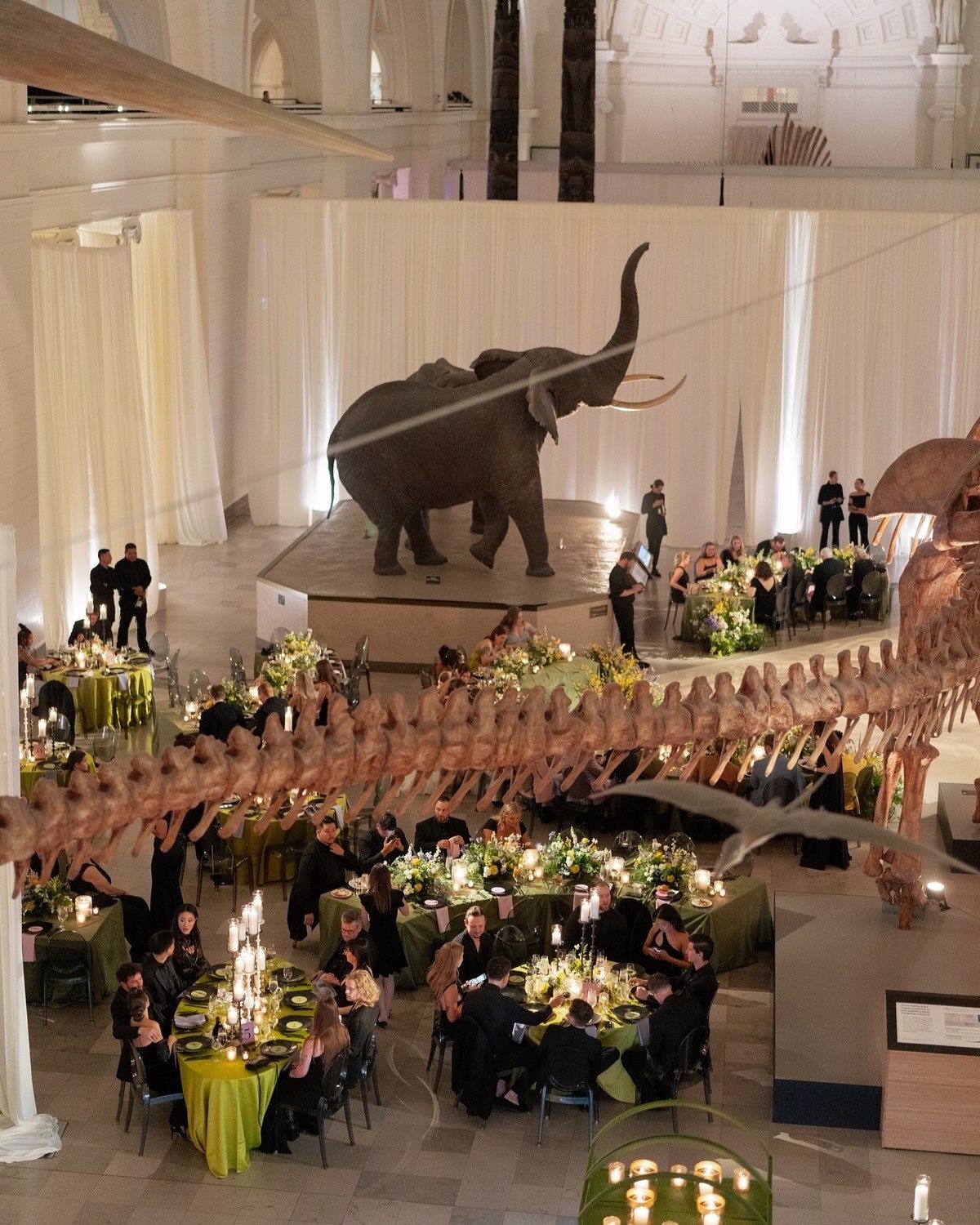
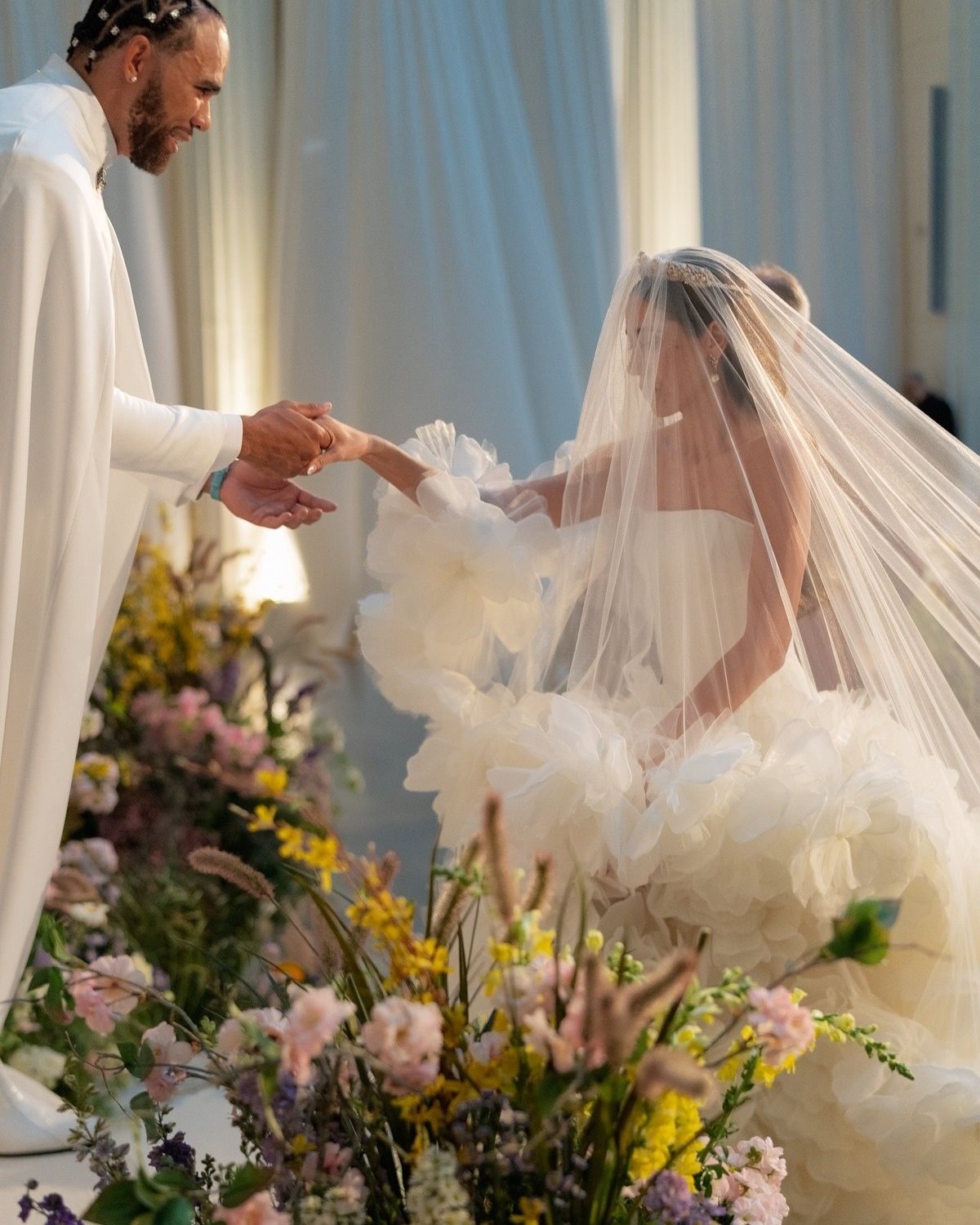
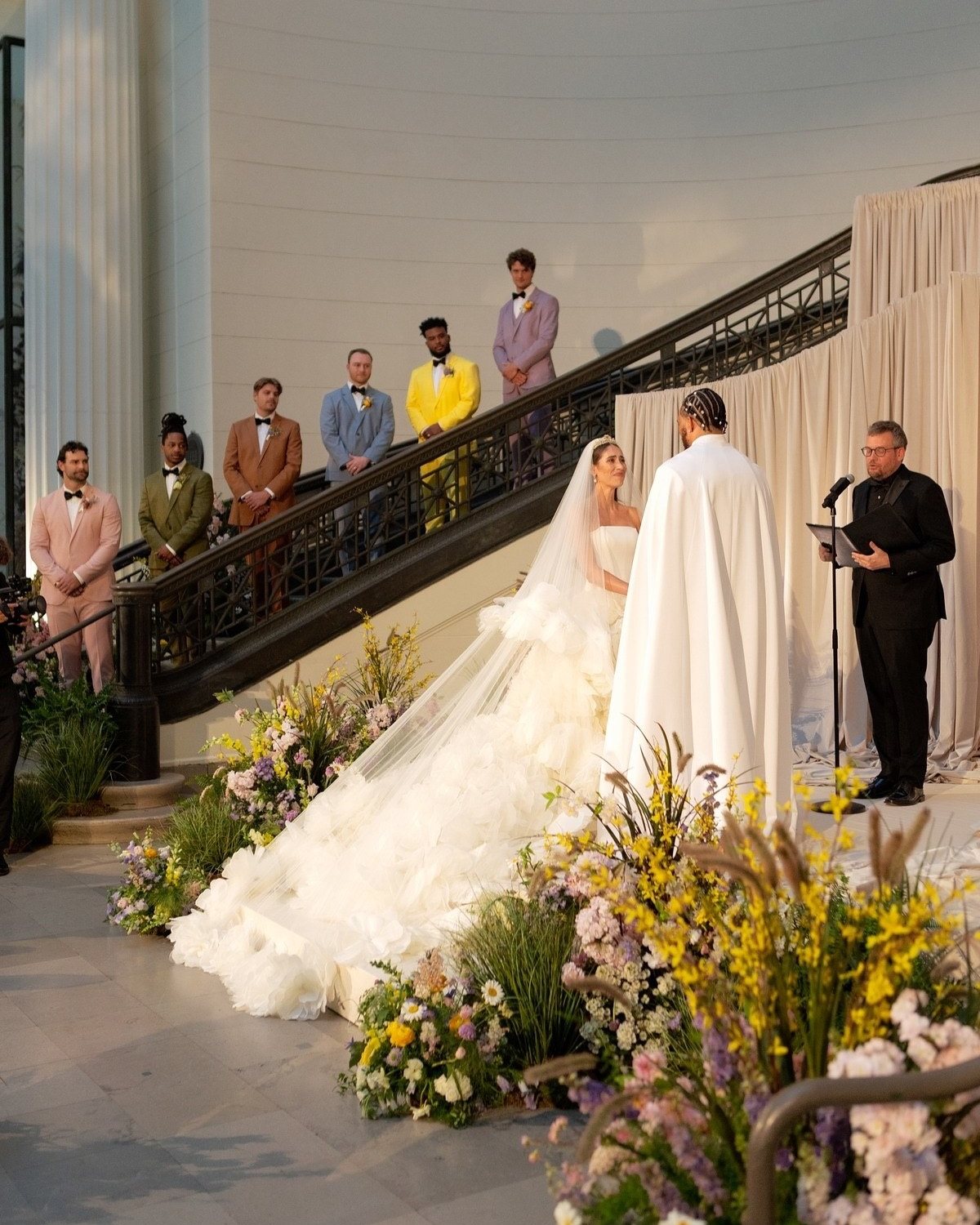
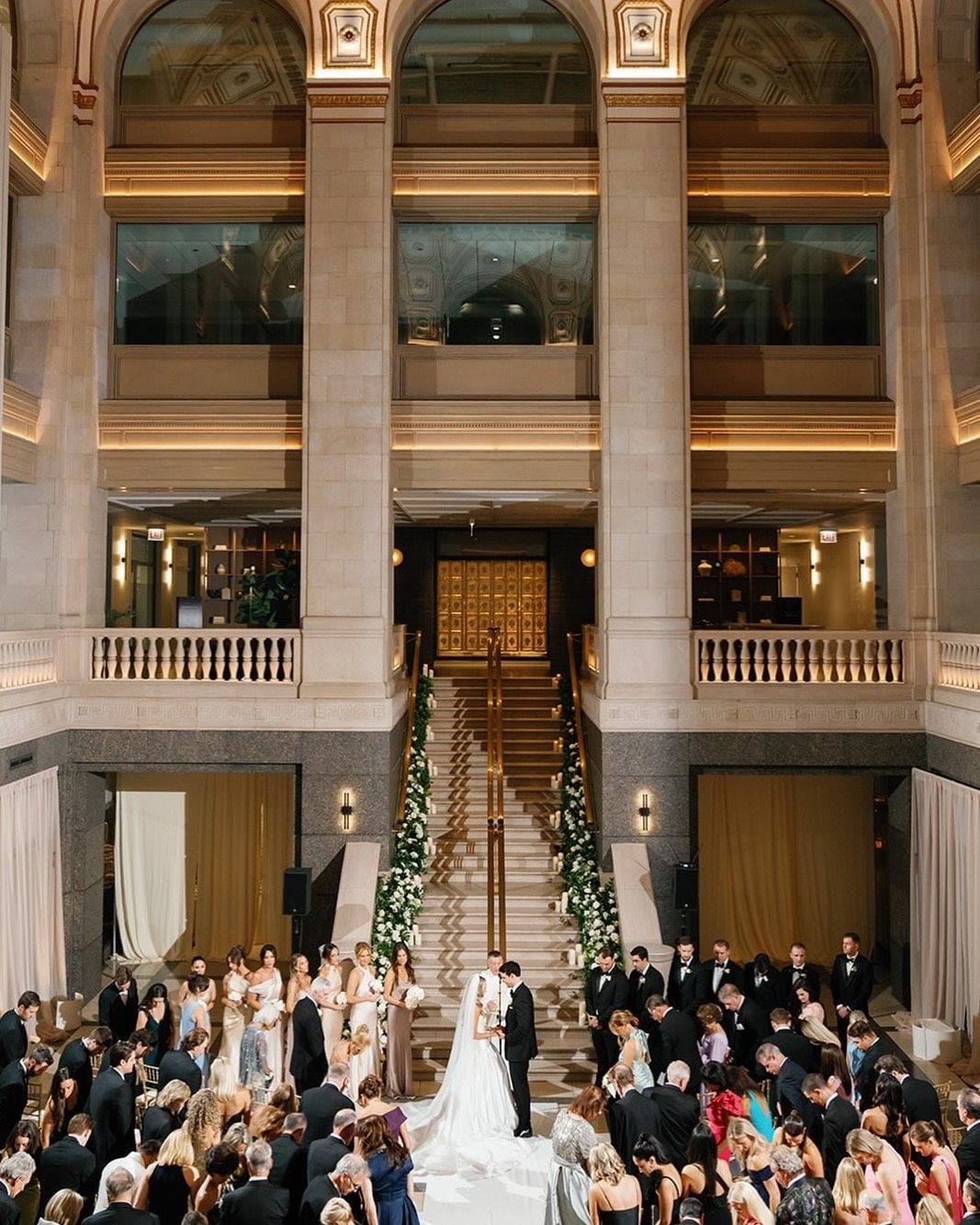
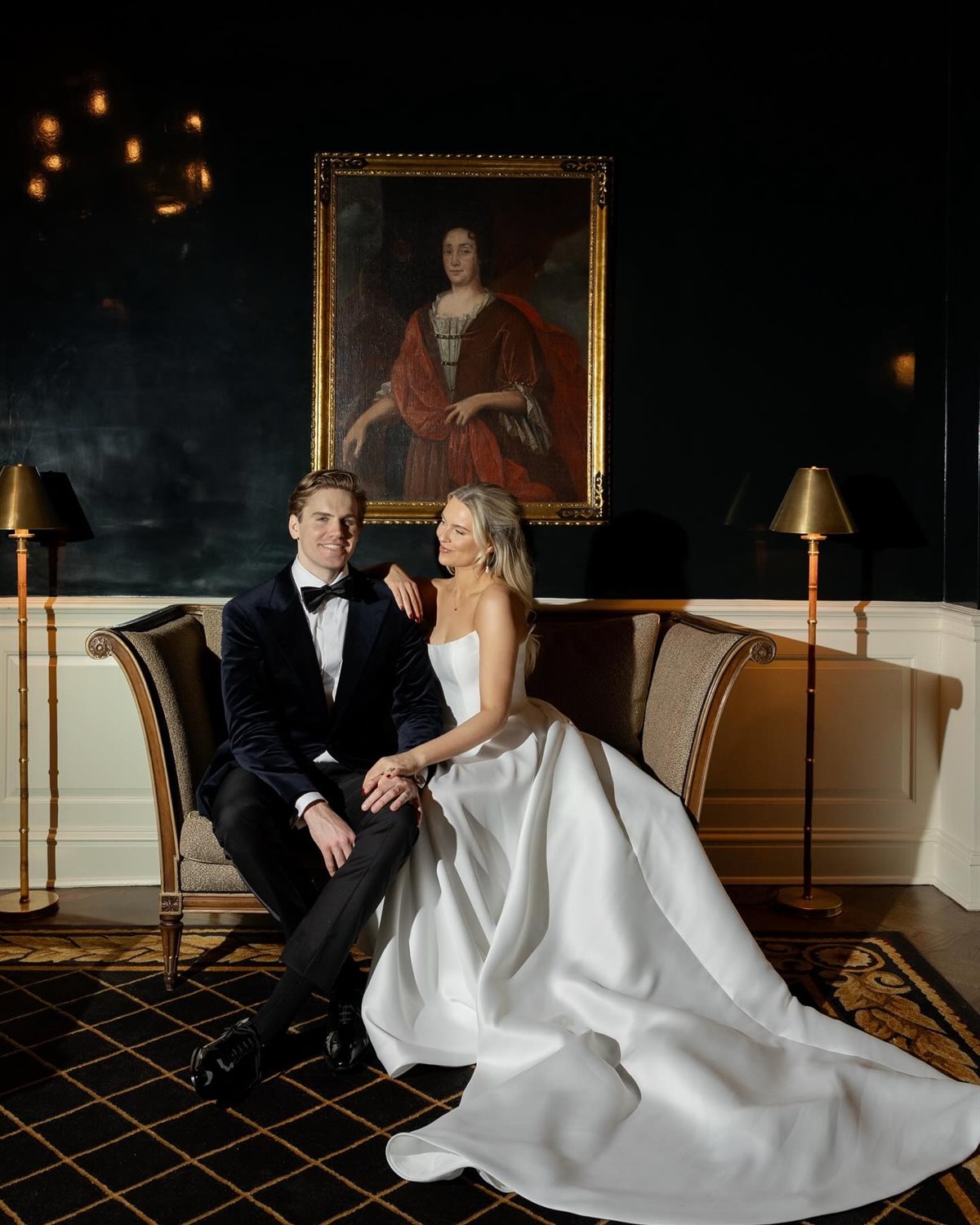
- Classic Chicago elegance. Historic hotels, grand ballrooms, and the like are perfect for a formal or black-tie affair, and this real wedding at the Chicago History Museum shows how a historic setting can feel personal.
- Modern industrial romance. Plenty of lofts, warehouses, and exposed brick in the West Loop, Fulton Market, and River West areas give contemporary designers room to build their own look.
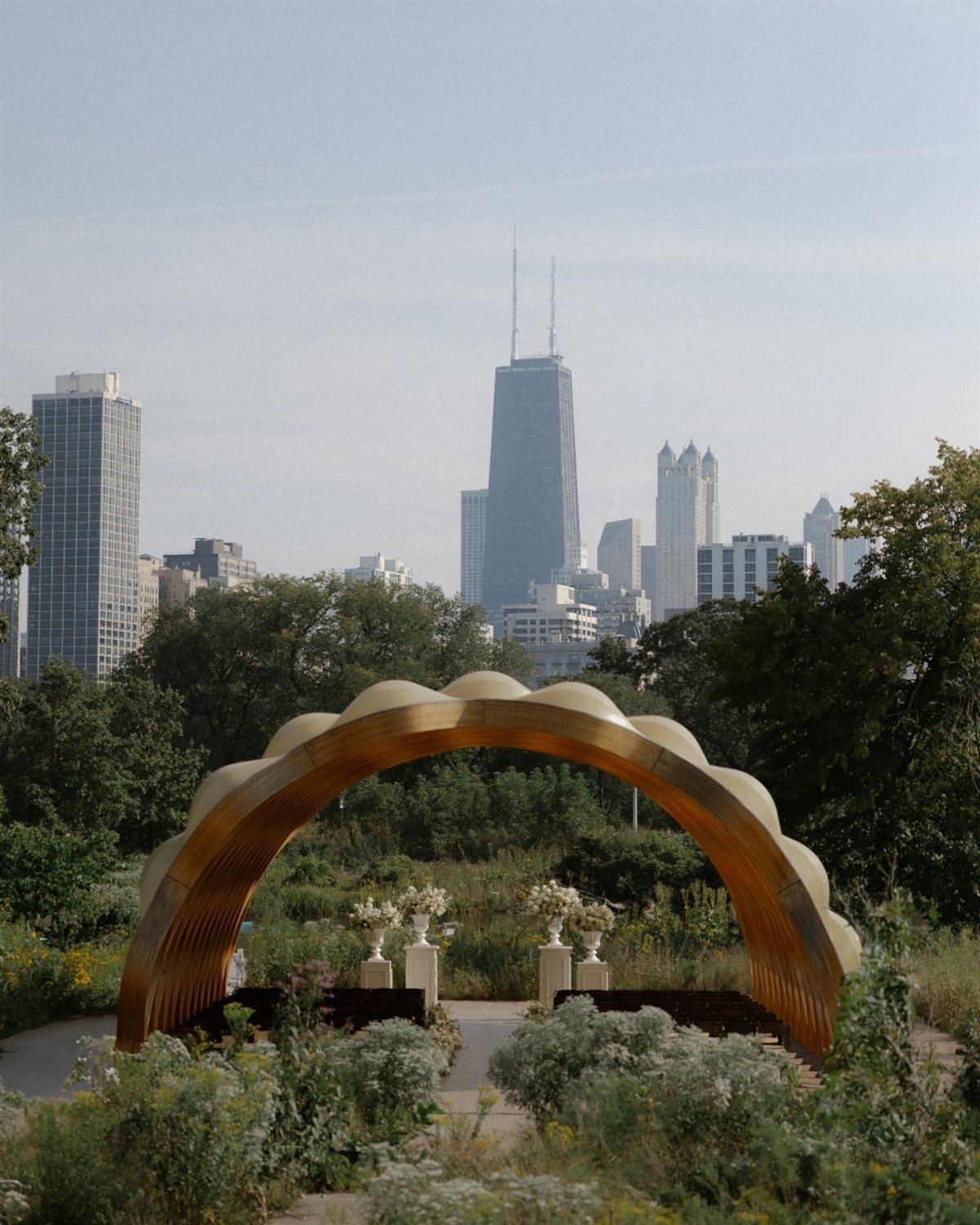
- Lakefront and skyline weddings. Rooftops, terraces, and waterfront venues put the city in every frame, and the wind makes an indoor backup a necessity.
- Garden and suburban escapes. Conservatories, garden venues, and suburban estates all provide a much quieter atmosphere and much more space to work with.
A downtown venue is obviously very convenient for those staying in hotels, though you do need to plan your transport and parking carefully. A suburban venue offers more space and obviously changes the dynamics of your transfers. The right choice depends heavily on where your guests are sleeping. You can explore the different styles and areas of Chicago wedding venues on Wezoree before you book your tours. Take the same five questions with you to every venue:
- What's the all-in quote? Ask for the rental, the food and beverage minimum, service charges, and taxes in one written sum.
- What's the rain-and-wind plan? Which indoor venue is the backup, and who makes the call?
- Which vendors can work on site? Some venues have a preferred supplier list, and others allow outside teams.
- When does setup begin and when does teardown end? Load-in hours change what your florist and caterer can do.
- What are the sound limits? Ask when the music must stop and whether the limit applies indoors or outdoors.
Ask every venue the same five questions in writing and keep the answers alongside them. The difference in setup hours or sound limits is often more important on the night than the difference in the rental fee, and having written answers before you book makes the subsequent planning calls a lot easier.
How Much Does a Wedding in Chicago Cost?
There's no single "right" figure for a Chicago wedding, but there is a useful benchmark in the form of recent industry data which puts the average cost of a wedding ceremony and reception at around $54,000. That's an average across the board, so a luxury wedding, a much smaller wedding, or a wedding that spans several days will be very far from that figure. It's a useful point of reference to start from when you're asking questions rather than a budget in itself. What's far more important is how that total is put together, as the venue rental is just one element in a much longer list:
- Venue rental and food & beverage minimum. Some venues price the space and the menu separately; others set a minimum spend that the rental is subject to.
- Catering and bar. Per-head pricing, staffing, and gratuities vary depending on the number of guests and the style of service.
- Creative vendors. Photography, videography, florals, entertainment, and a planner all have their own fee structures.
- Taxes and service charges. These are frequently added to the quote, so check whether the figure is before or after them.
- Extras. Rentals, overtime, transport, and guest hotels are all outside the venue fee and can add up quickly.
Imagine two venues that quote very different rental fees. One is cheaper, but it adds a service charge, taxes, rentals, and a much longer setup window. The other is more expensive and includes the tables, chairs and staff in the rental. Once you've got both quotes all in for the same number of guests and the same date, you can quite easily reverse the order. Get the same written all-in quote from each venue and then compare the totals, not the headline fees. Guest count and season are the two biggest factors in determining the final price, and an experienced planner can review those quotes much faster than the average couple.
When Is the Best Time to Get Married in Chicago?
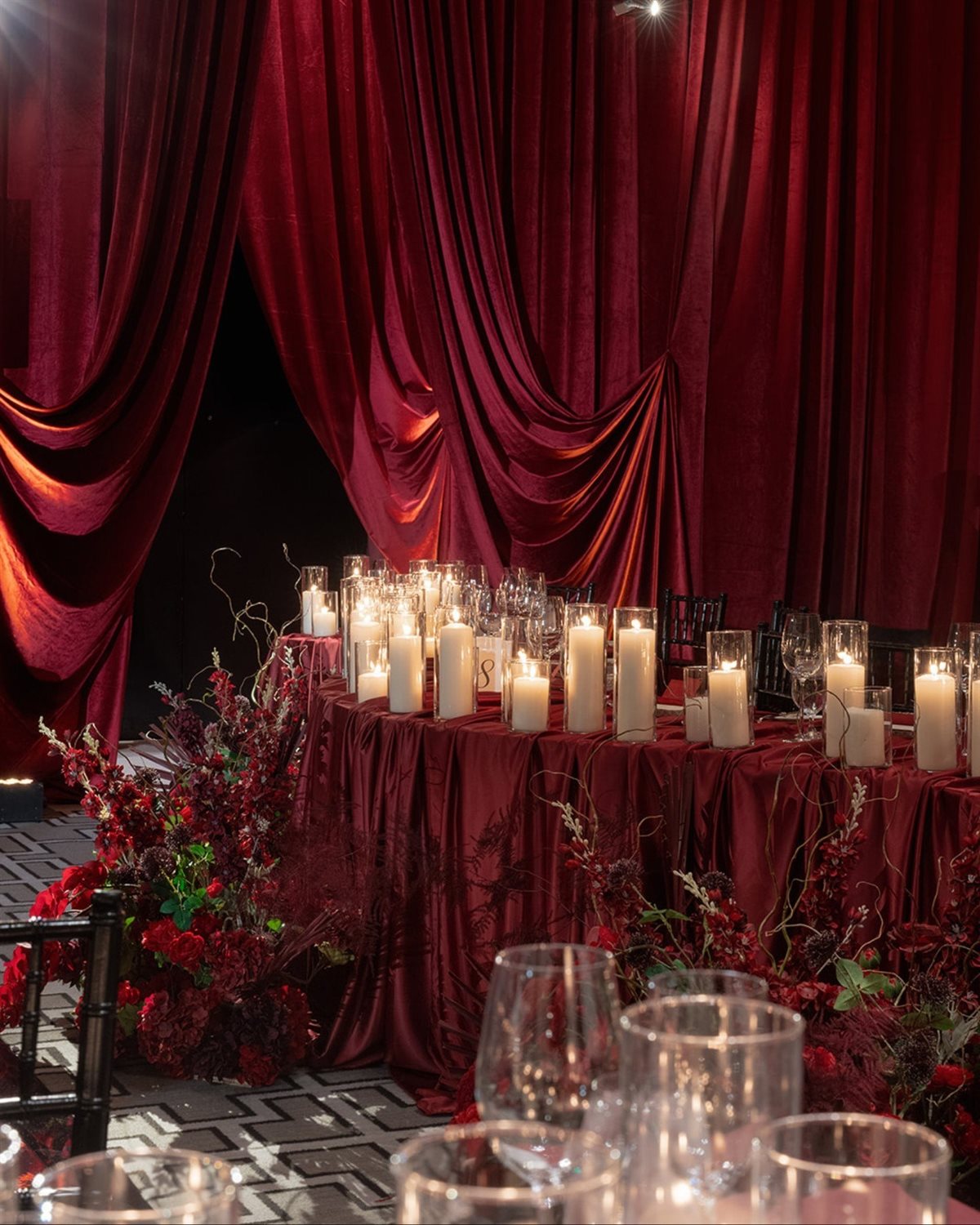
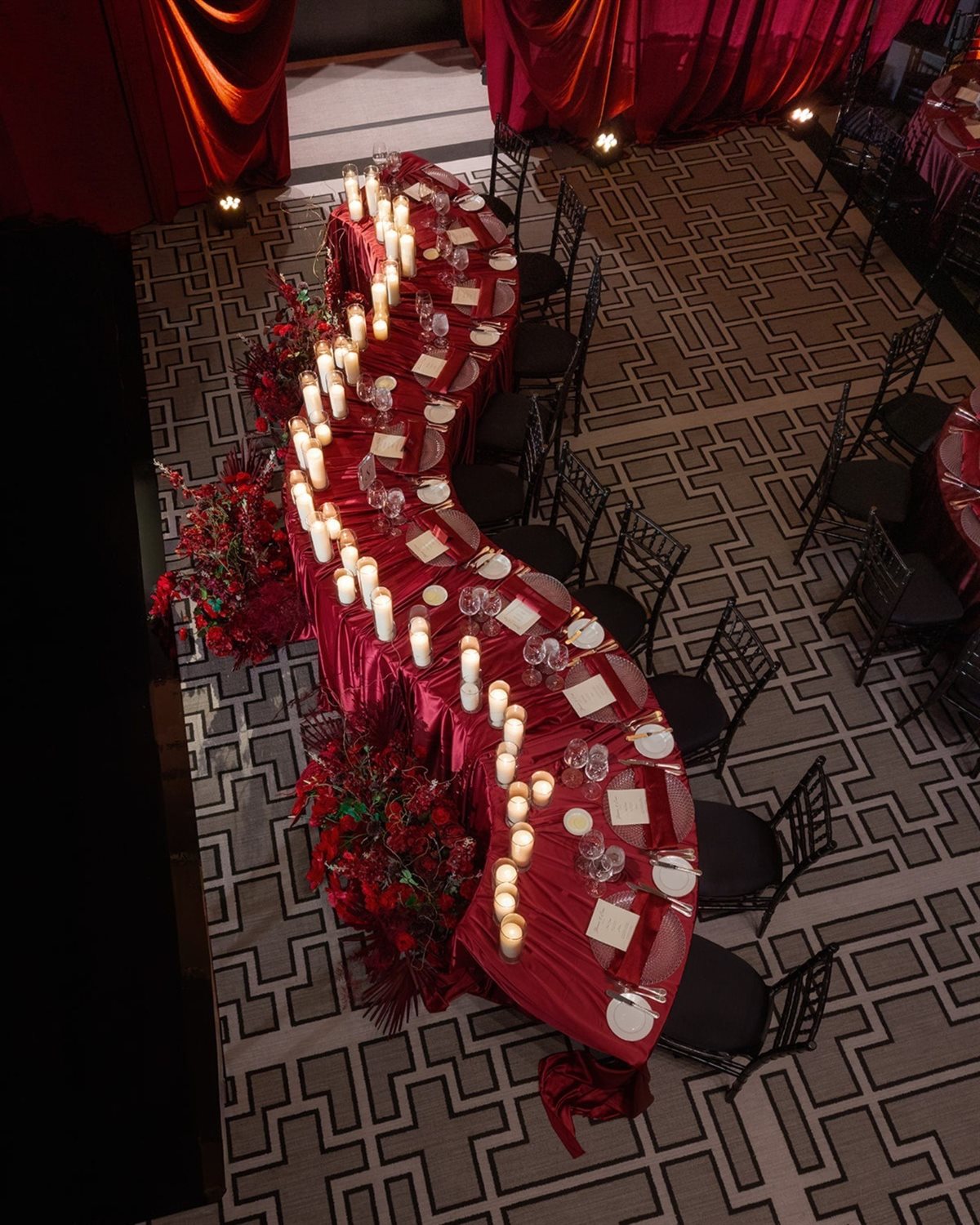
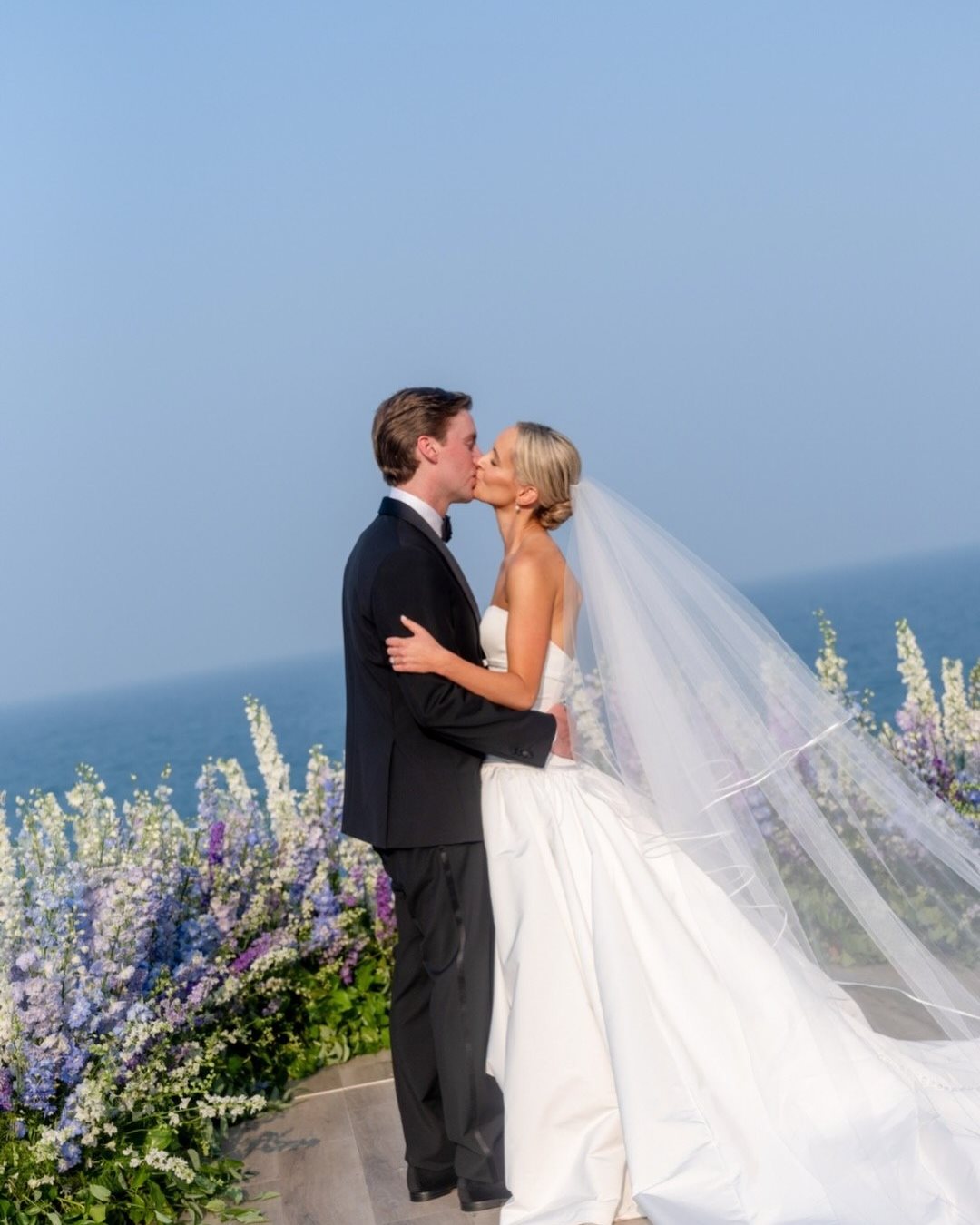
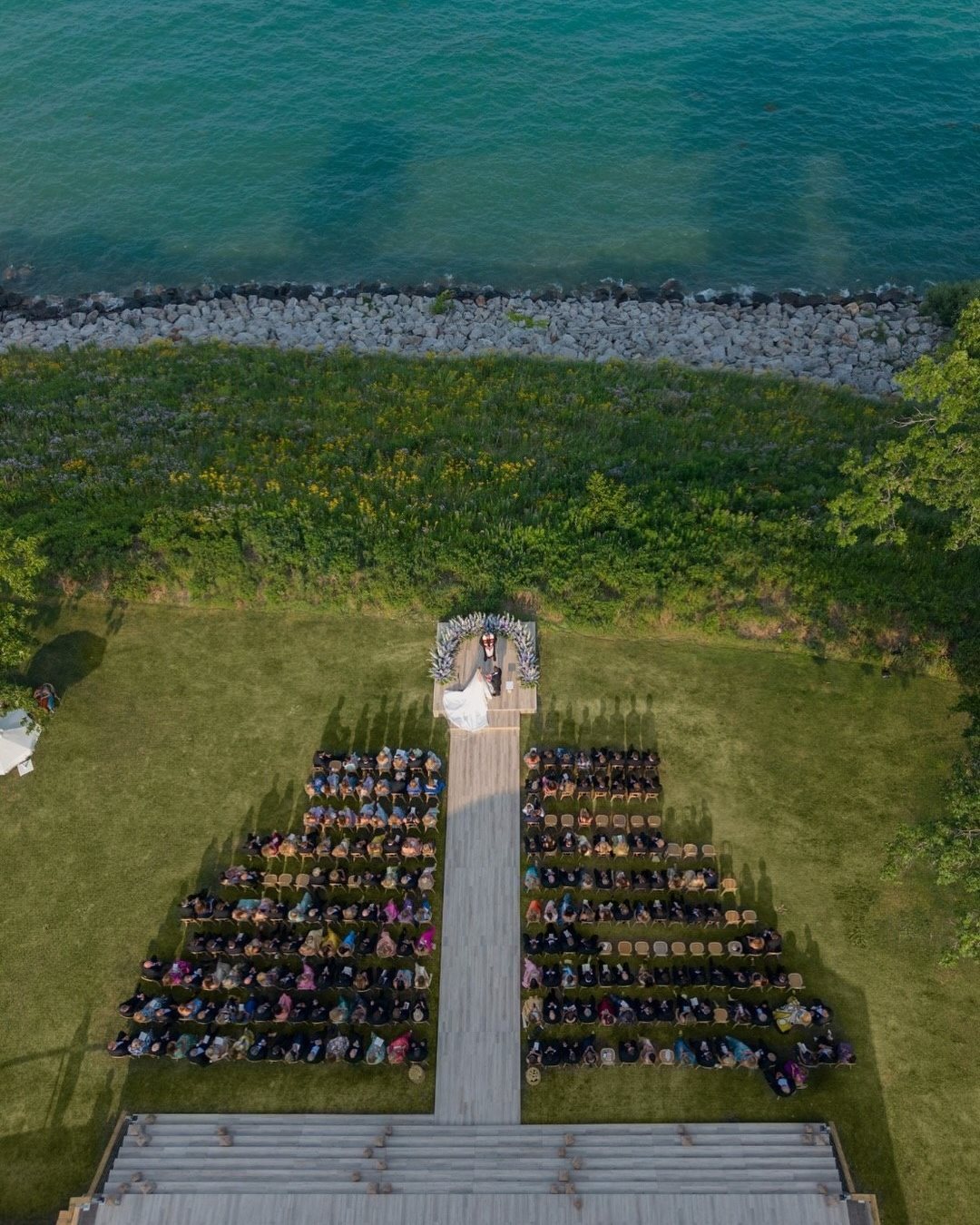
Chicago changes character with the season, and each one favors a different kind of wedding. Spring and summer see the gardens, the terraces, and the lakefront come alive with long summer evenings and lots of green-though there's also the potential for all sorts of spring weather, summer heat, and thunderstorms. Fall is all about the color, the classic city romance, and the ability to have indoor or outdoor receptions. The downside, of course, is that the sun sets earlier and evenings cool off quickly, so a plan for warmth matters. Winter offers architectural beauty and the potential for a very elegant, candlelit black-tie event in a historic interior, but snow and cold can make guest travel and photos real logistical decisions.
The city's own calendar is just as important as the weather. Major festivals, conferences, and the Chicago Marathon in October all affect hotel availability, pricing, and road closures. Check your date against the city's event schedule as well as the season. There's no one month that's right for everybody; it really comes down to what you're after. Do you want lots of outdoor light? Milder temperatures? A quieter city? Or simply a city that's free on the date you want?

Do You Need a Chicago Wedding Planner?
A planner brings the coordination of the team, the budget, the design decisions, and, above all, your time. The right level of help depends entirely on what you want to hand over. Chicago wedding planning services generally fall into four categories, each offering a different level of support, responsibility, and involvement:
- Full-service planning. Budget, venue search, vendor selection, design, logistics, and production through the wedding weekend.
- Partial planning. Advice on specific decisions once you've sorted out part of the wedding yourself.
- Wedding management, also known as month-of coordination. Covers the final timeline, vendor communication, and control of the wedding day.
- Venue coordinator. Manages the venue and doesn't run the whole celebration on your behalf.
A good planner is absolutely vital if you've got a complex production, multiple locations, lots of out-of-town guests, cultural wedding traditions, or it's a luxury weekend. Chicago wedding planning packages are typically designed around these factors, so it's important to review what each package includes and what it costs. Before you commit, find out who will actually be leading the planning, how many weddings the team will be doing at any one time, how they work on the day, and what's outside the package. You can browse Chicago wedding planners on Wezoree to compare teams by style and the services they provide.
The Chicago Wedding Weekend: Make the City Part of the Celebration
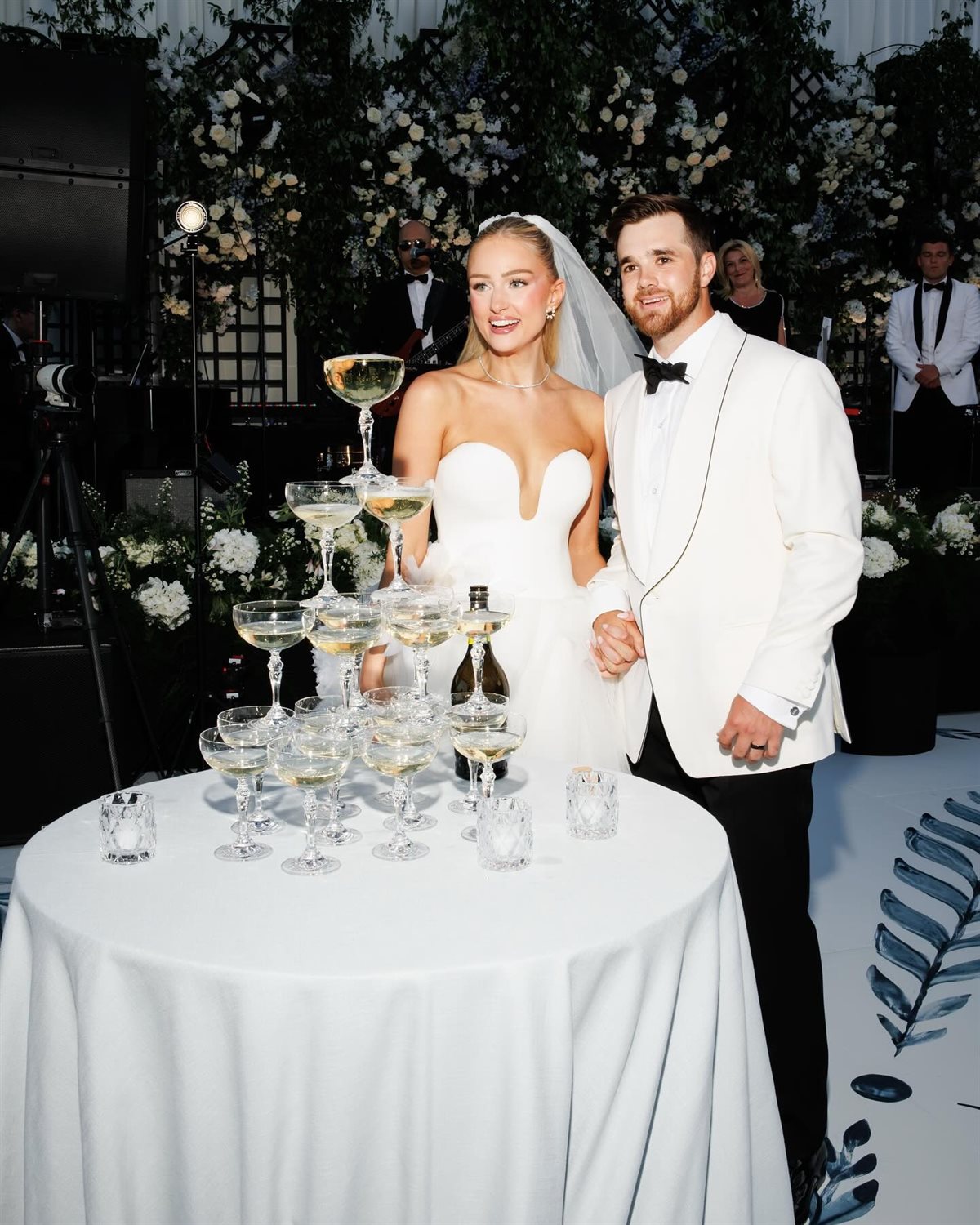
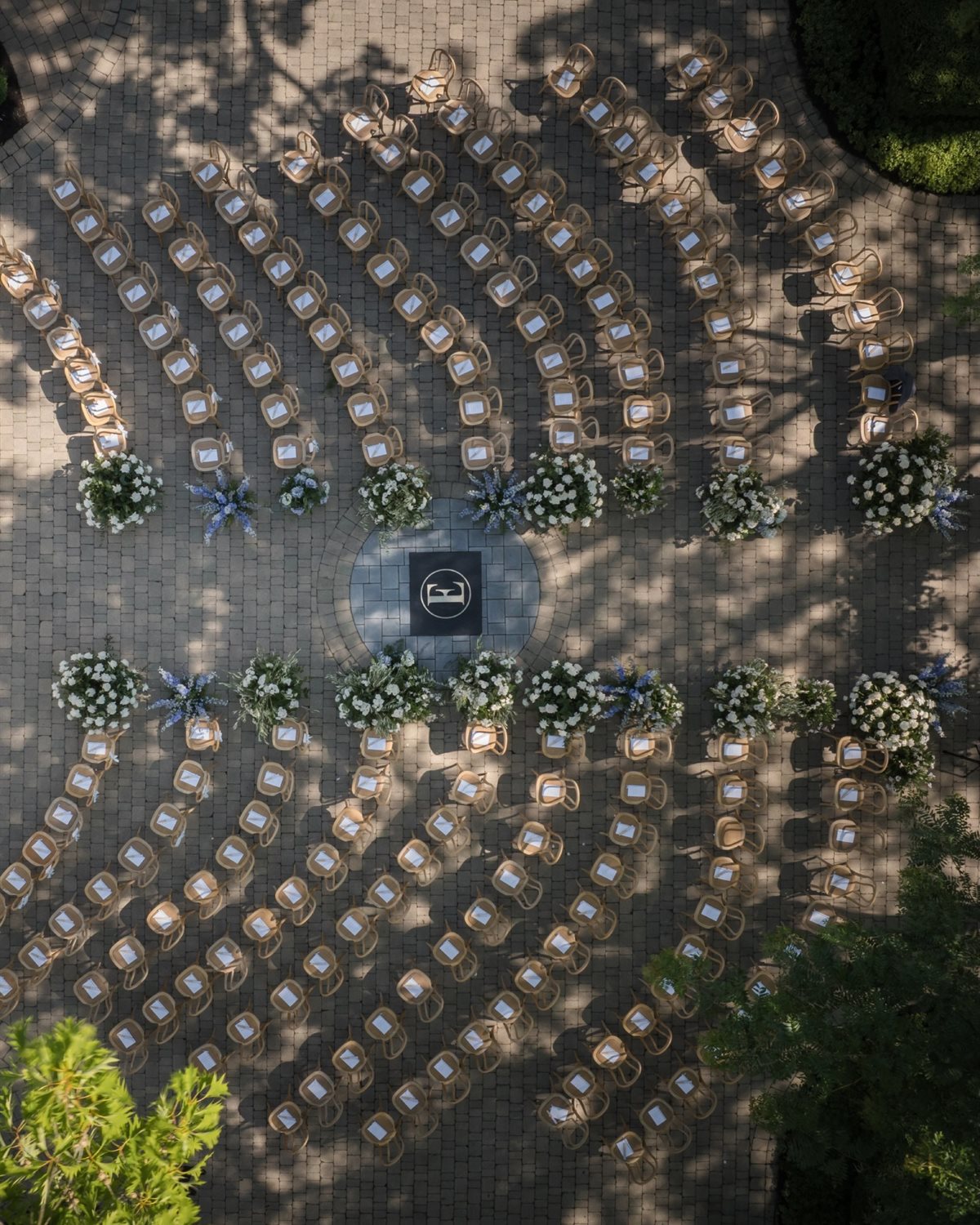
Chicago gives a wedding weekend a few things most cities can't: a skyline, a river, and a host of architectural landmarks for guests to enjoy between events. Welcome drinks over the Chicago River, a rehearsal dinner at a restaurant with some real Chicago character, and a brunch in the West Loop can turn a wedding weekend into a proper stay in the city. A Chicago Architecture Center river cruise is a great option for guests who have been there for several days. A weekend doesn't have to be three very expensive events, and in our opinion, a good welcome dinner and a decent brunch do far more for the guests than a very full program. One possible flow would be:
- Friday: welcome drinks around the hotel.
- Saturday: ceremony, portraits and reception.
- Sunday: a relaxed farewell brunch.
Plan the activities around the venue and the hotel block so that nobody has to cross the city again and again. Guests staying near the events arrive rested and on time, and the couple spends less of the weekend on transport and more of it with the people who come to celebrate.
Wedding Photography in Chicago: The City as Your Backdrop
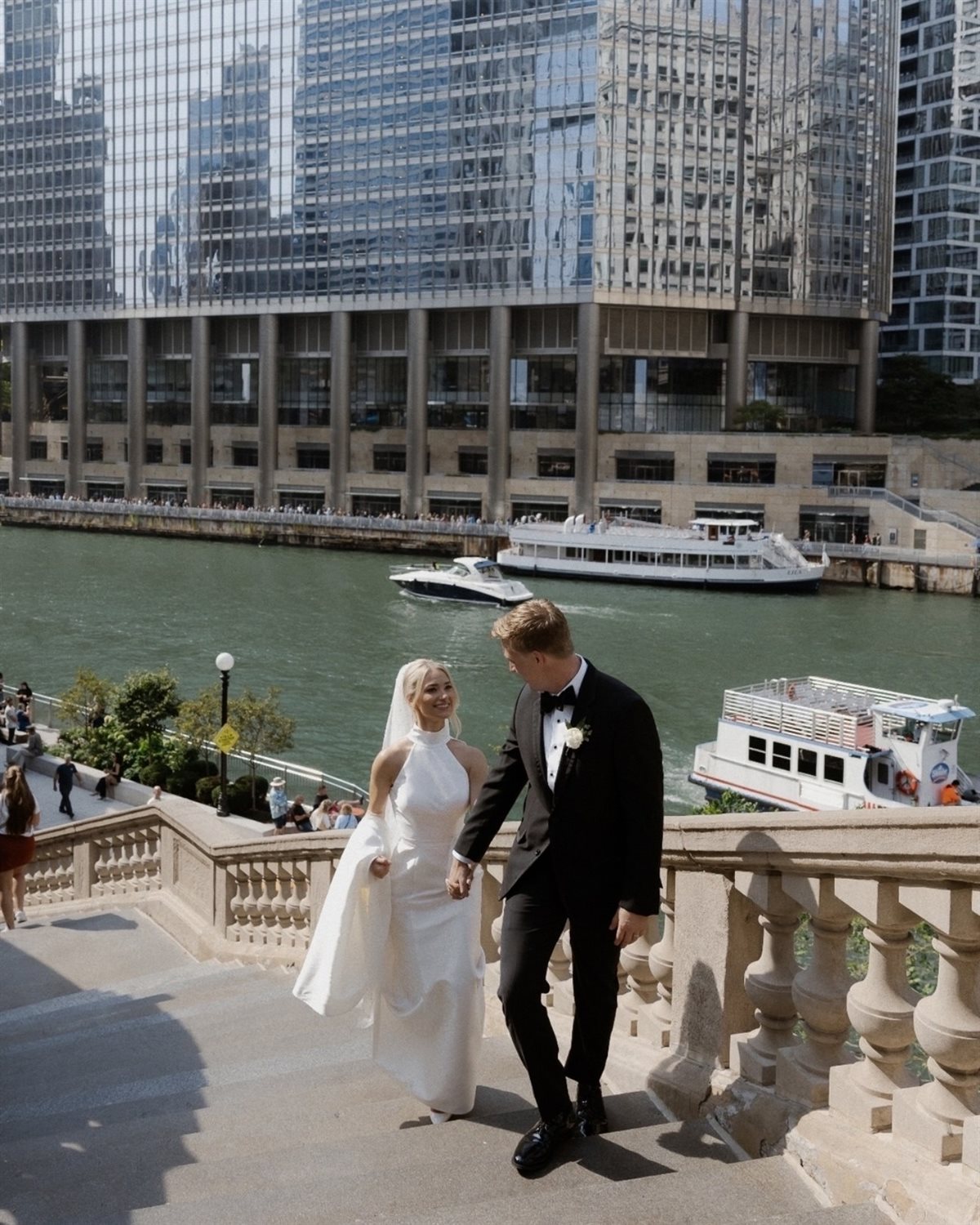
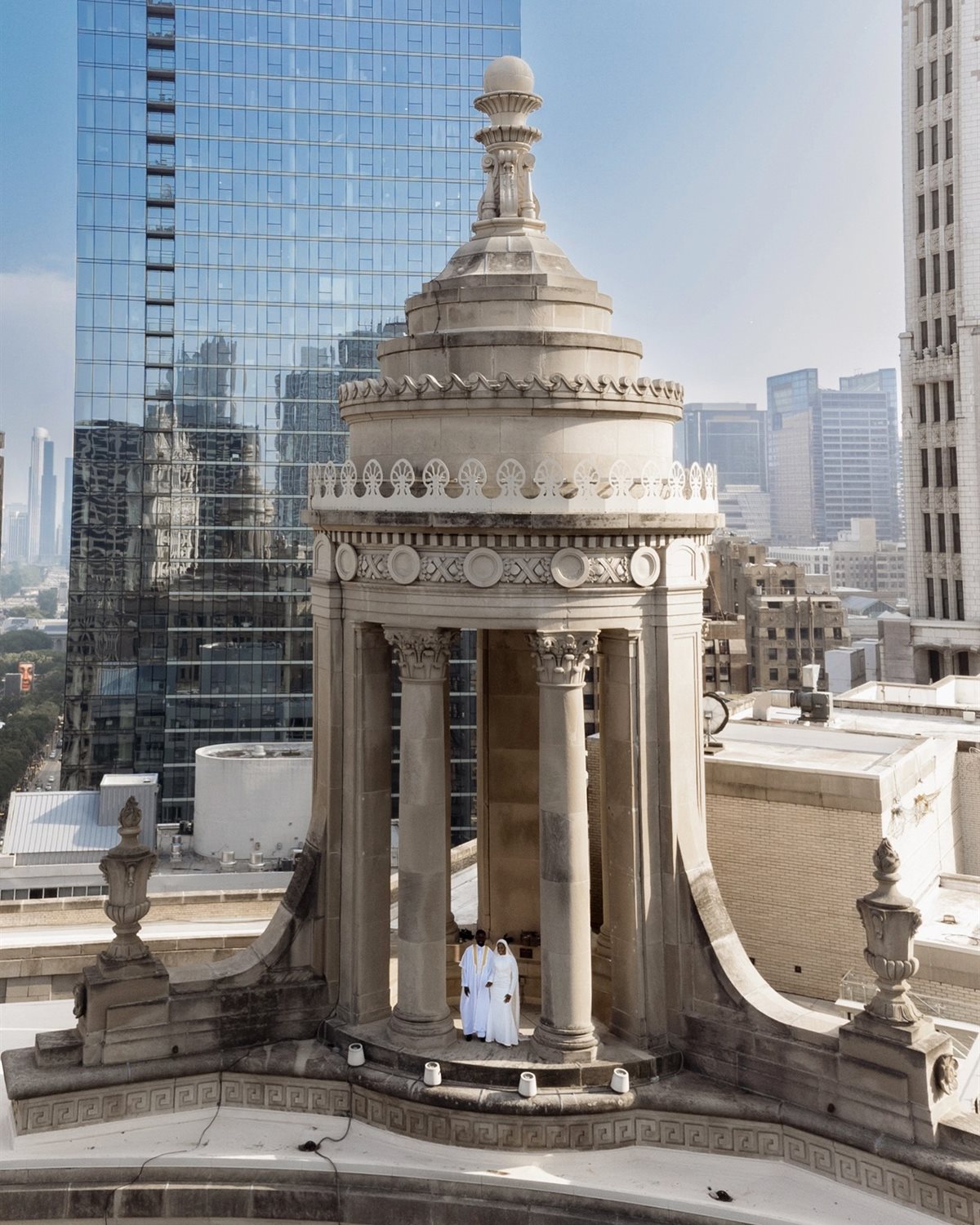
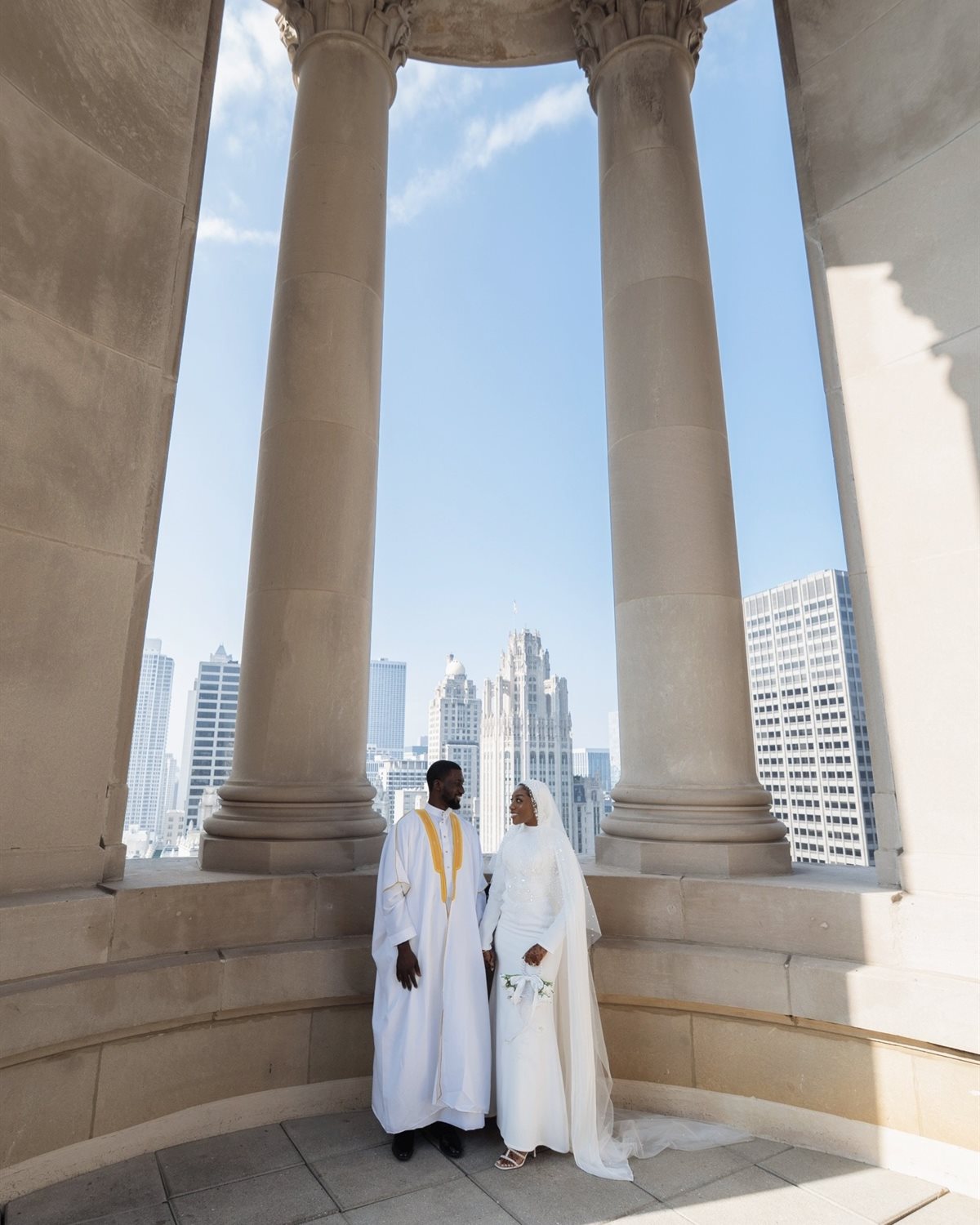
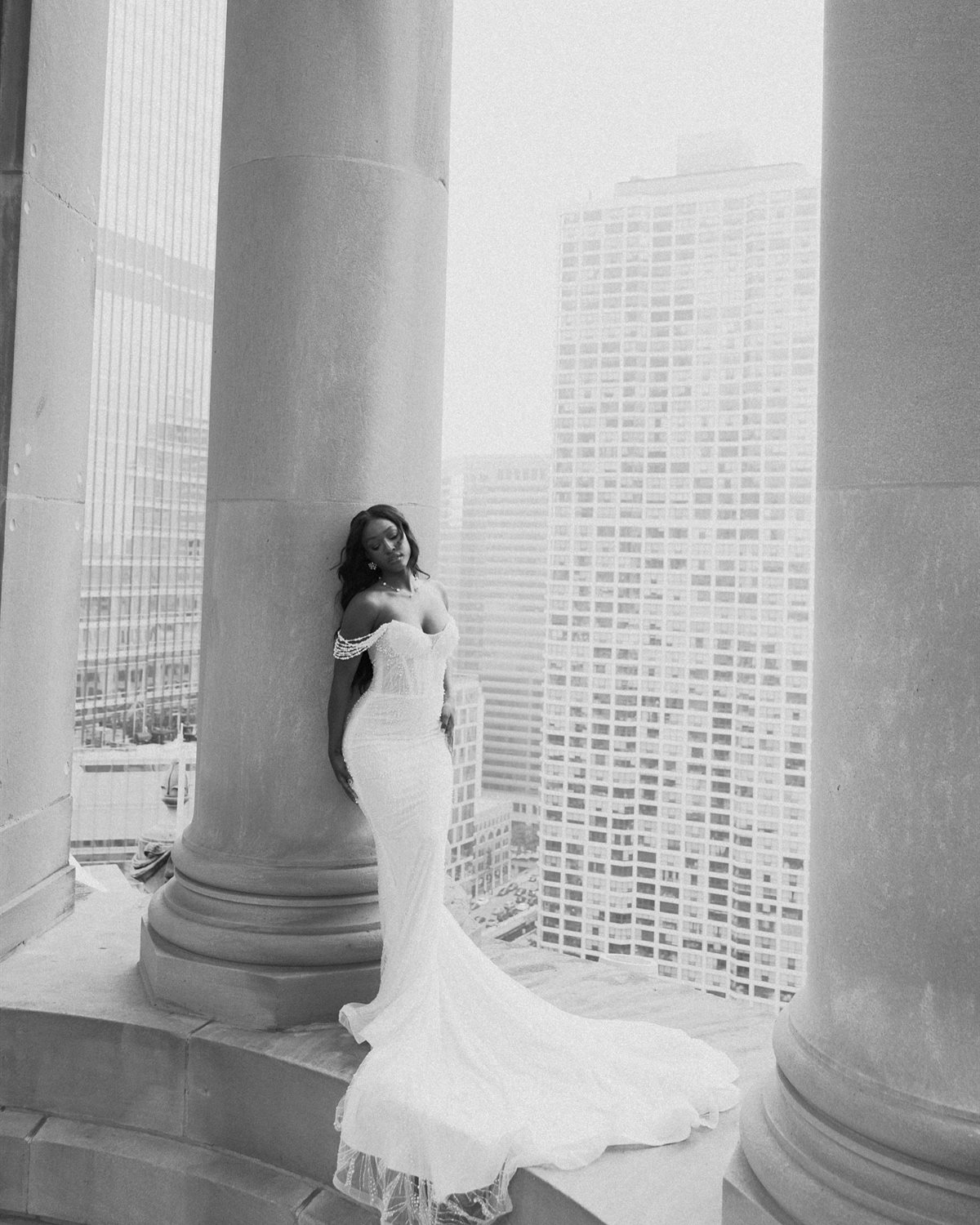
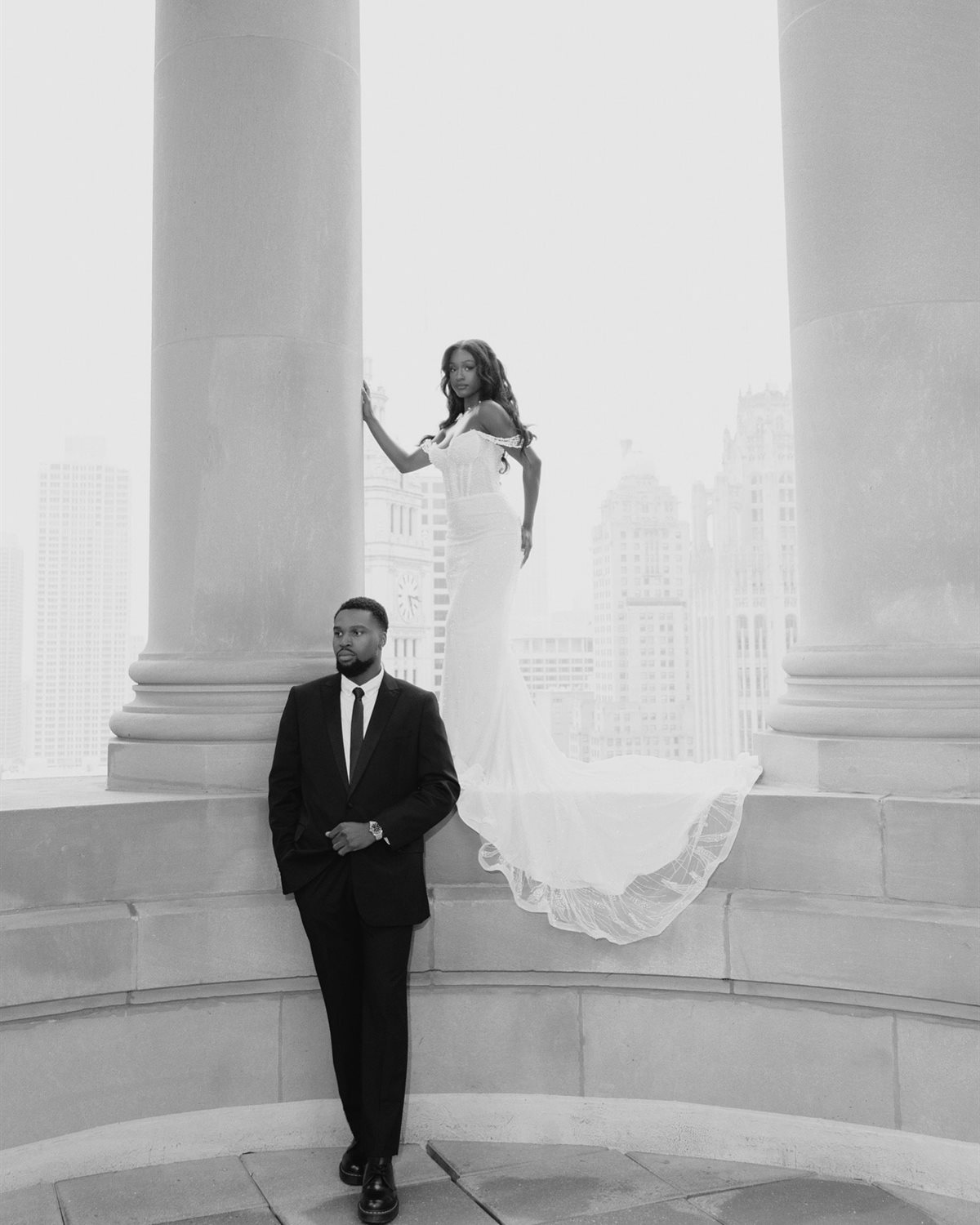
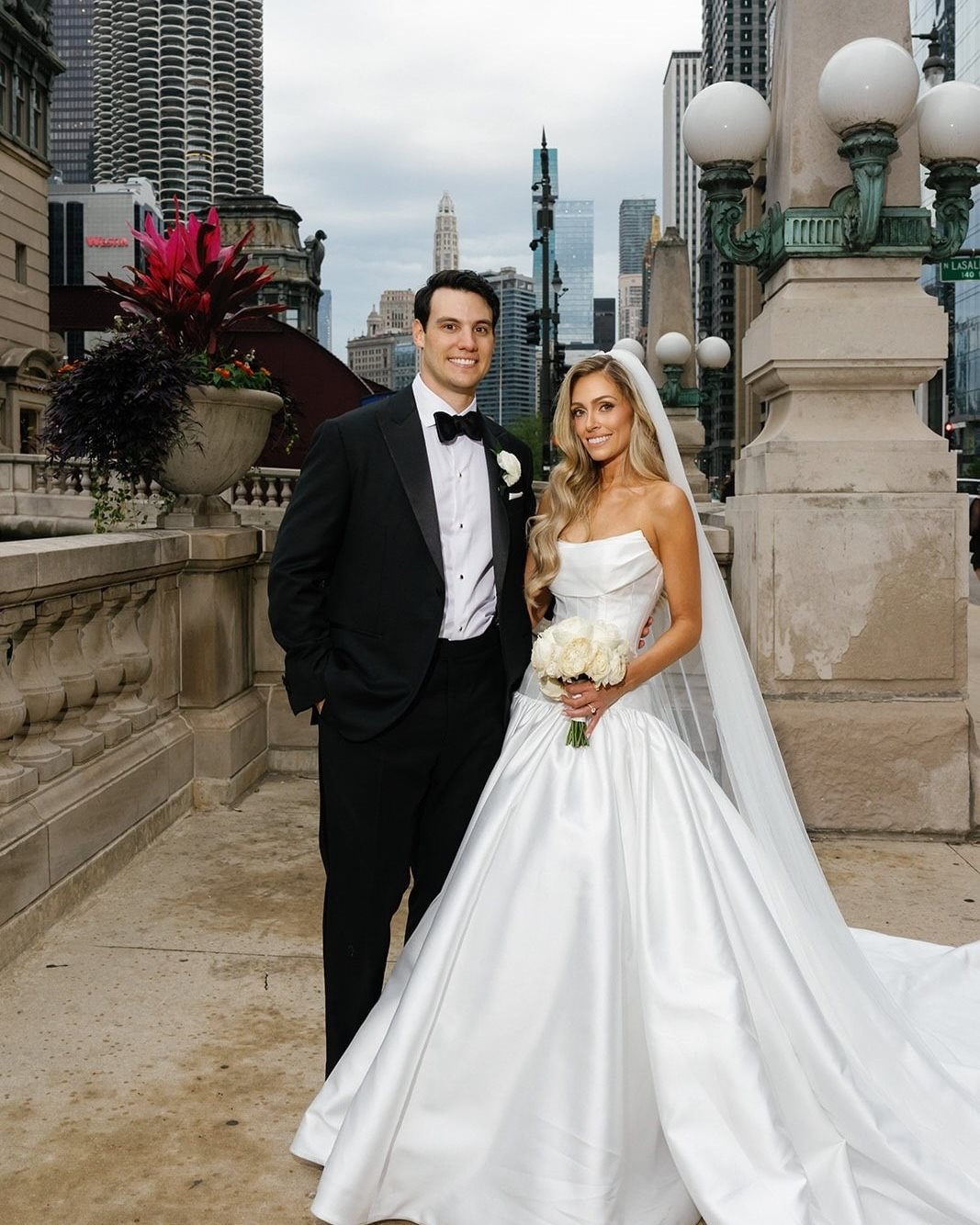
The best photo locations depend on your wedding style, so choose them based on character rather than popularity. The Chicago Riverwalk brings architecture and city atmosphere; Millennium Park offers an iconic urban setting; Lincoln Park provides greenery and the city skyline; the Museum Campus opens onto the lakefront and a wide horizon. You can get some real variety with historic interiors and architectural detail in the heart of the city if you're after portraits without having to leave the building. Four or five locations with a genuine route will give you far more than a long list you can't reach.
Permits deserve early attention. The Chicago Park District requires a photography permit for engagement and wedding photography in their parks and a special event permit for outdoor ceremonies in gardens or on beaches. Some well-known sites, including Millennium Park, Maggie Daley Park, the Alfred Caldwell Lily Pool, Lincoln Park Zoo, and Olive Park, are run independently, so you'll need to check with each one directly rather than assume the same rules apply. Conservatories also require an entry reservation, which opens 30 days in advance. The permit process and booking windows differ by location, so check the requirements in each case before you finalize your photography schedule.
Choose your portrait times with regard to light, transport, privacy, and weather: early morning gives quieter locations, late afternoon gives softer light, and a short drive between locations helps protect the schedule. A Chicago wedding photographer who knows the city's permit rules can actually work the timeline around them.
The Chicago Wedding Logistics You Shouldn't Overlook
Logistics will determine whether a brilliant plan actually works on the day, and in such a large venue, the details proliferate from airport arrivals to the very last shuttle home. There are seven checks that cover the ground on the things that are easy to overlook, and each one has to be settled before the invitations go out:
- Airport arrivals. O'Hare and Midway send guests in different directions, which in turn affects hotel and transportation choices.
- Hotel blocks. Get guests as close as possible to the events so that nobody has a long journey home.
- City traffic. Allow for rush hours, road closures, festivals, and the marathon weekend.
- Vendor load-in and parking. Plan access separately for decorators, caterers, and technical crews.
- Weather backup. For rooftop, garden, and lakefront events, keep a real indoor plan, not just a tent.
- Accessibility. Check elevators, stairs, transport, and access for all areas guests will use.
- Event timing. Confirm sound limits, end of party, overtime, and teardown time.
Send guests a one-page guide with the airports, the hotel block, shuttle times, and a note about the weather. A clear guest guide reduces the number of questions you get answered in the final weeks and is very useful for out-of-town guests in terms of working out what to pack and when to arrive.
Your Chicago Wedding Planning Timeline
A long checklist is easy to skip, so this timeline is built around the choices that move the plan forward at each stage. The ranges are just a guide, not a rule. Popular dates, luxury weekends, and multi-day celebrations often require you to start earlier, and your pace may be different:
- 12 to 18 months in advance: secure the foundations. Budget, approximate guest numbers, planner, date, venue, and the principal vendors.
- 8 to 12 months prior: build the experience. Catering, photography, entertainment, floral design, guest accommodations, and transportation.
- 4 to 6 months prior: iron out the details. Invitations, the ceremony format, the design, the rain plan, and the weekend activities.
- 1 to 3 months prior: finalize the logistics. Vendor confirmations, RSVP tracking and guest list updates, the day-of timeline, transport, permits and final production meetings.
- Final weeks: let the plan work. Final fittings, seating, timeline distribution, weather checks, and the marriage license, which takes effect the day after it is issued and is valid for 60 days.
We'd start with the venue and the planner, as those two things will dictate the dates and the budget for everything else. If your timeline is shorter than the first stage, don't panic; couples can absolutely plan a good wedding in less time by being flexible on date and venue and deciding quickly.
Getting Legally Married in Chicago
Marriage licenses for Chicago and suburban Cook County are issued by the Cook County Clerk. Both partners appear together at one of the clerk's locations with valid photo ID, and the application can be started online but finished only in person. The fee is $60. The license becomes effective the day after it is issued and is valid for 60 days, only for ceremonies held in Chicago or suburban Cook County, so check the dates printed on yours. After the ceremony, the officiant completes the license and returns it to the clerk within ten days. Illinois doesn't require officiants to register, but fees and requirements can change, so confirm the latest details with the Cook County Clerk before your ceremony.
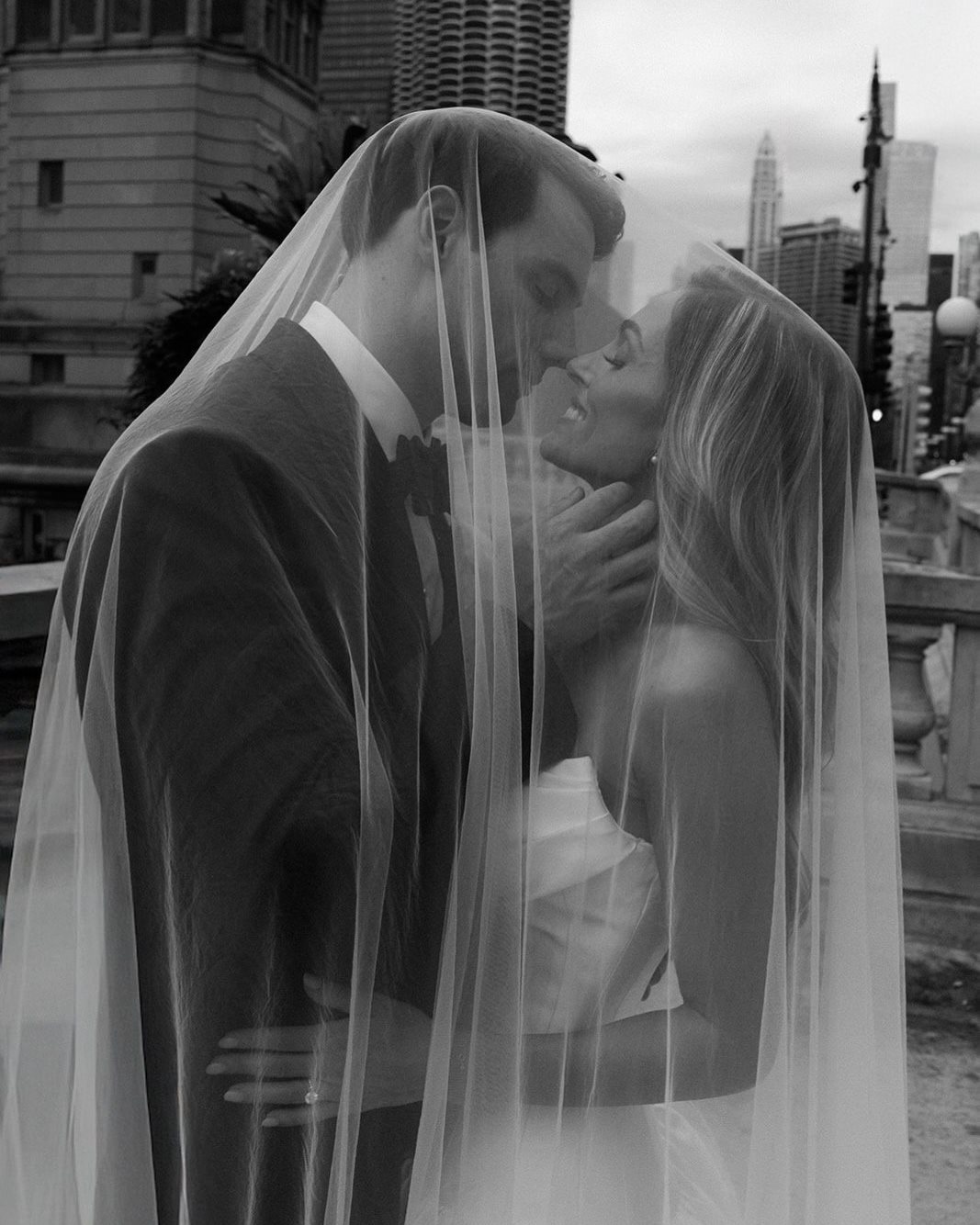
A Chicago wedding is at its best when the character of the city meets what matters to the two of you. The architecture, the lake and the skyline are all there to borrow, and a clear plan lets you decide how much of each to use. Start with the decisions in this guide, then explore wedding planning services in Chicago, venues and photographers on the Wezoree Chicago vendor page and send your date and guest count to the teams that feel right.

FAQ
How far in advance should you start planning a wedding in Chicago?
A typical starting point is 12 to 18 months out, and of course you'll need to start earlier if it's a peak-season weekend, a particularly popular venue, a large guest list, or a multi-day event. You can use shorter timescales if you're happy with the date and venue. Start with the budget, guest count, and a shortlist of venues, as those decisions will help you book everything else.
How much does a Chicago wedding planner cost?
Fees vary based on the level of service, team size, number of guests, and scope of the celebration. Wedding planning companies in Chicago may offer full-service planning, partial planning, or wedding management, each with different levels of responsibility and fee structures. Always ask for a full proposal that clearly delineates what is and isn't included, then compare proposals.
Is it cheaper to get married in Chicago or the suburbs?
Not necessarily. A suburban venue may be the better value per head, but you have to take into account transport costs, guest hotels, catering minimums, and vendor travel. A city venue may well come out on top in the end when you factor in all of those other costs. Always compare the all-in quotes for both venues on the same date and for the same number of guests, with transport included.
What's the best month for an outdoor wedding in Chicago?
No month is right for everyone. Late spring and early autumn are popular for more moderate temperatures, though the weather can be all over the place in both seasons, and summer brings long evenings, as well as heat and thunderstorms. Sunset time, guest comfort, and the availability of city events all play their part. Whatever month you choose, book a venue with a real indoor alternative and ask how the team makes the weather call.
Do you need a permit for wedding photography in Chicago?
In Chicago Park District locations, yes, engagement and wedding photography requires a permit, and outdoor ceremonies in gardens and on beaches require a special event permit. Some parks, such as Millennium Park, set their own rules, and private venues do too. You need to find out which locations are on the plan with your photographer, then check each site's requirements individually.
Can you plan a luxury wedding in Chicago without having a full service planner?
It's realistic if you have the time and a clear plan, but the work doesn't disappear. Many couples do partial planning themselves and then bring in a month of coordination, keeping the design and vendor decisions themselves. The more locations, the more guests, and the more production there is on a wedding, the more a full-service team protects your time, so decide right at the outset what you'll do yourself.
What should out of town guests know before attending a Chicago wedding?
Share the airport options, O'Hare and Midway, the hotel block and the transport plan as well as the weather and a note on any major city events that weekend. Recommend layers, as lakefront evenings are cool, and allow extra travel time for traffic. A one-page guest guide makes the weekend much easier for everyone.