Wedding Date: How to Choose the Perfect Day for Your Celebration
- Author: Natali Grace Levine
- Reading time: 5 min 27 sec
- Publication date: 03/06/2026
- Updated: 07/15/2026


Often, choosing your wedding date feels like the first major decision of the planning process — and one of the most complex. With venue availability, guest schedules, budget constraints, and personal preferences to consider, the number of factors quickly multiplies. Unlike other wedding decisions, which can be adjusted later, your date sets the tone for everything else: vendor bookings, travel arrangements, seasonal décor, and even your budget. This guide explains how to choose a wedding date that aligns with your priorities, budget, and vision, while avoiding feeling overwhelmed.
Find Your Perfect Wedding Vendors



Start With Your Non-Negotiables

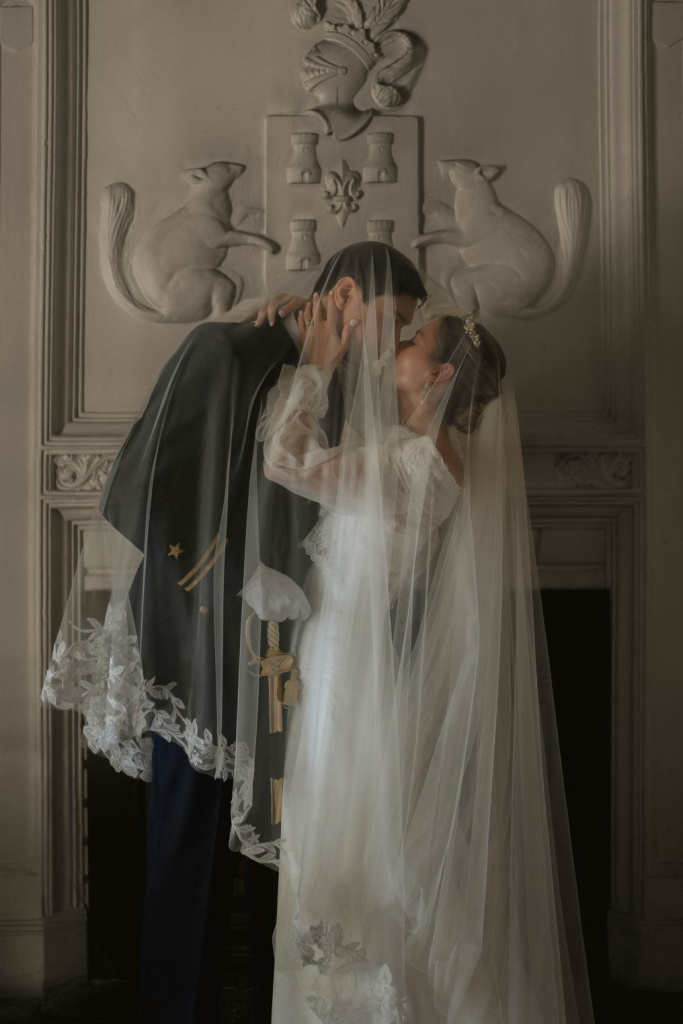
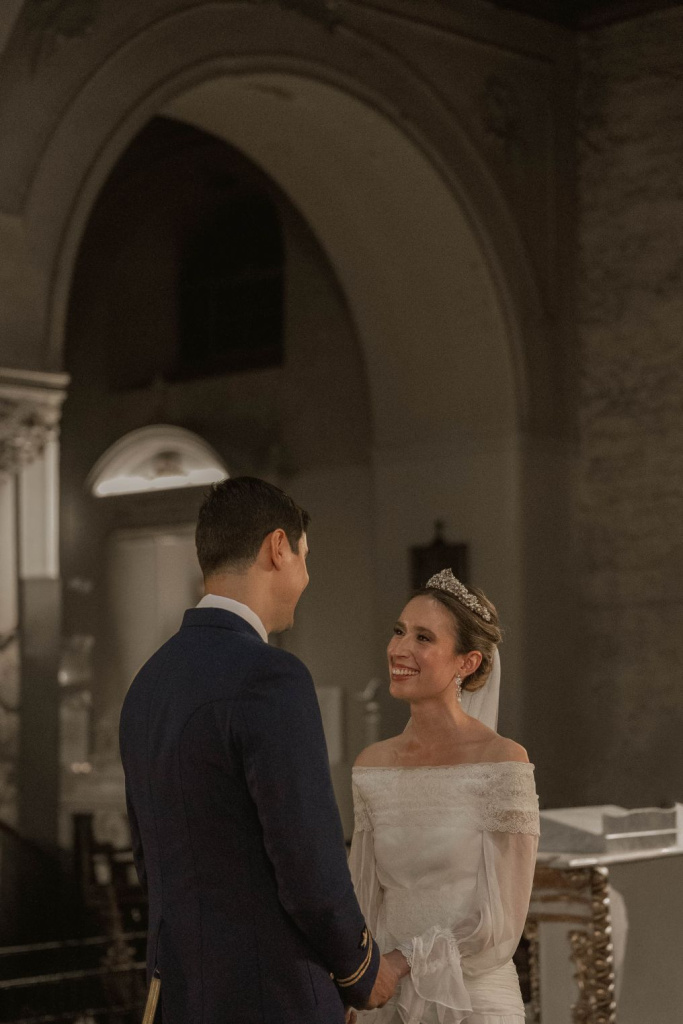
Before you start looking at venue calendars or considering the pros and cons of different seasons, identify the factors that absolutely must influence your date. These non-negotiable factors will form the basis of your decision when other factors compete for attention. For example, elderly relatives may be unable to travel during the winter months, or your faith tradition may designate specific seasons for marriage. Maybe you're honouring a meaningful anniversary, or a sibling's wedding in October, which means you need time between celebrations.
Write these down. When the process of choosing a wedding date becomes overwhelming — and it will — these hard boundaries will clarify what is actually flexible and what isn't. Be honest about what qualifies as non-negotiable versus simply preferred. The difference matters when compromise becomes necessary.
Understanding Wedding Seasons
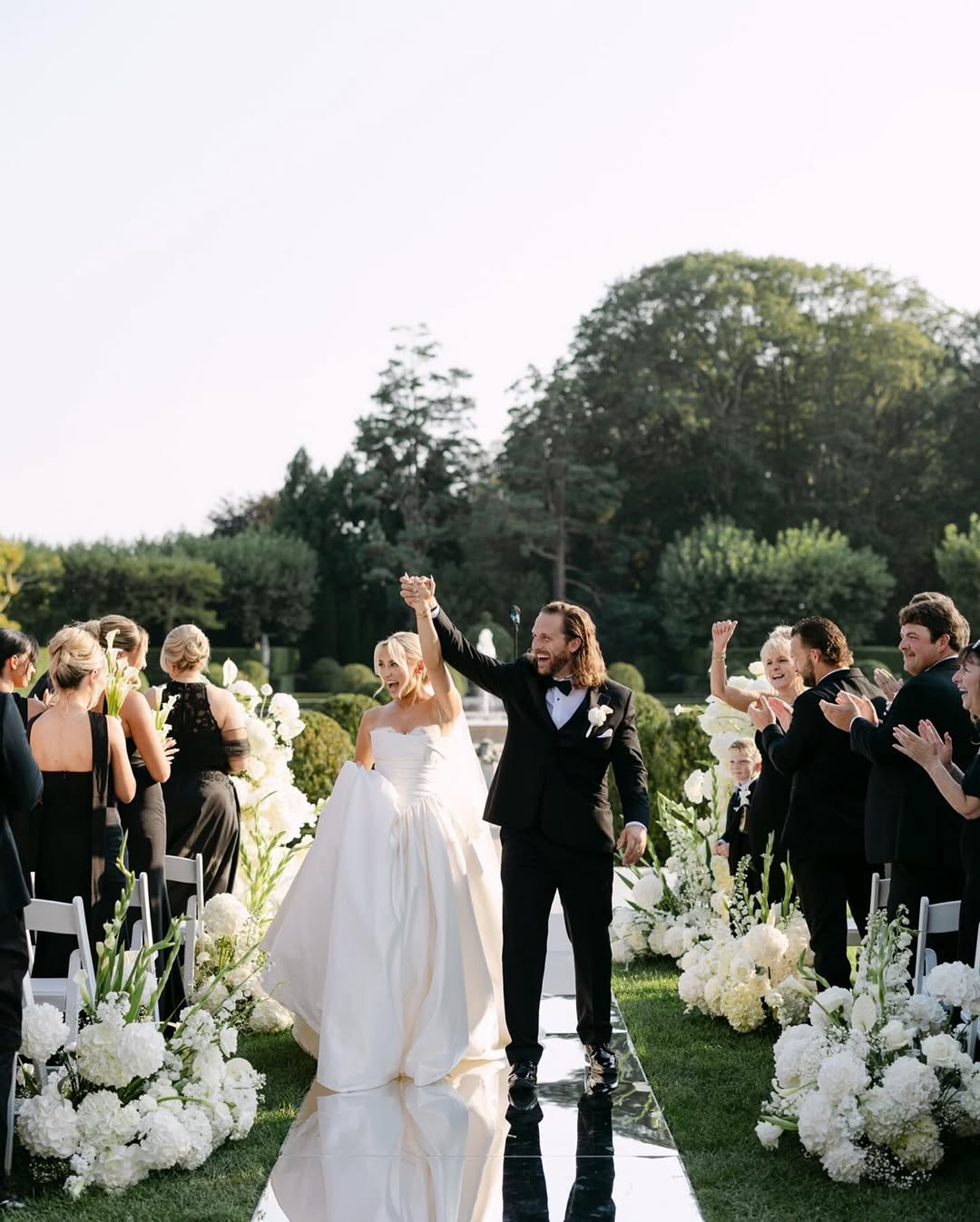
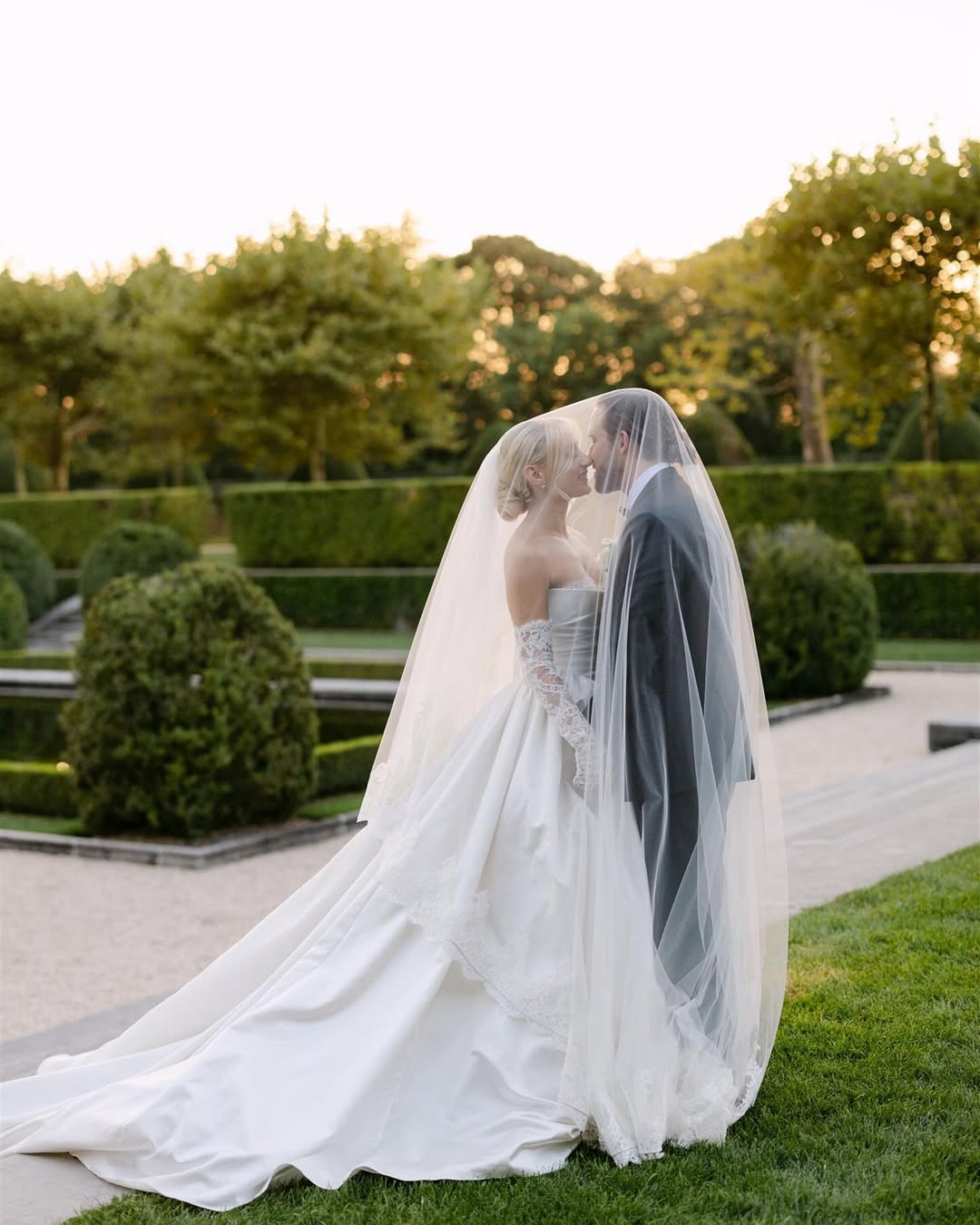
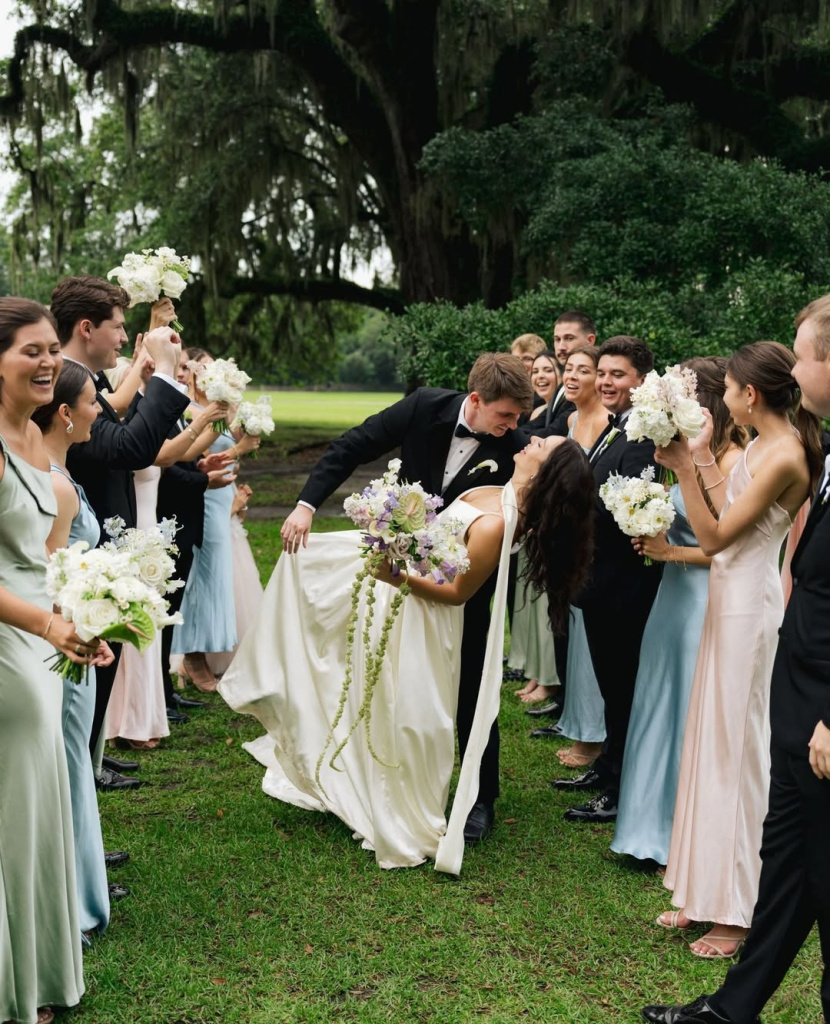
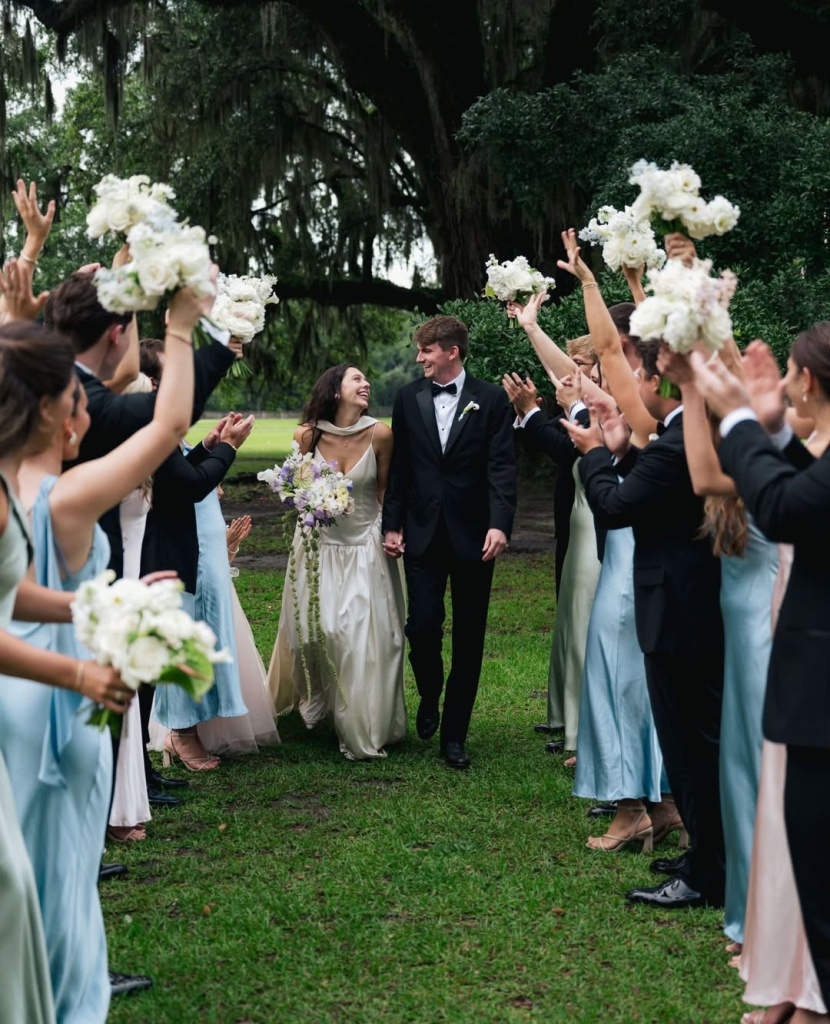
The first step in choosing a wedding date is to understand what each season offers — and how much it costs. Spring brings moderate temperatures and blossoming landscapes, but unpredictable weather and high demand push prices up. Summer offers long daylight hours and vacation-friendly timing, but extreme heat and peak pricing can strain budgets. Autumn strikes a balance between comfortable weather and dramatic foliage, but remains the second busiest season, with coastal hurricane risks and approaching holiday conflicts. Winter offers budget advantages and vendor availability, but adverse weather conditions can make travel difficult and compete with holiday traditions.
Seasonal Wedding Comparison:
| Season | Pros | Cons | Best For |
|---|---|---|---|
| Spring | Mild weather, blooming florals, moderate availability | Unpredictable rain, high demand, increasing prices | Couples prioritizing natural beauty and moderate temps |
| Summer | Long daylight hours, warm weather, vacation-friendly | Peak pricing, extreme heat, guest travel conflicts | Those wanting outdoor celebrations and extended golden hour |
| Fall | Beautiful foliage, comfortable temps, dramatic photography | Second-busiest season, hurricane risk (coastal), holiday conflicts | Couples seeking rich color palettes and moderate weather |
| Winter | Budget-friendly, dramatic décor opportunities, vendor availability | Weather/travel risks, holiday competition, shorter daylight | Budget-conscious couples or those wanting cozy, intimate vibes |
Key takeaway: Select your wedding date based on which seasonal trade-offs best align with your personal priorities, rather than relying solely on the time of year.
Budget Considerations Beyond the Venue

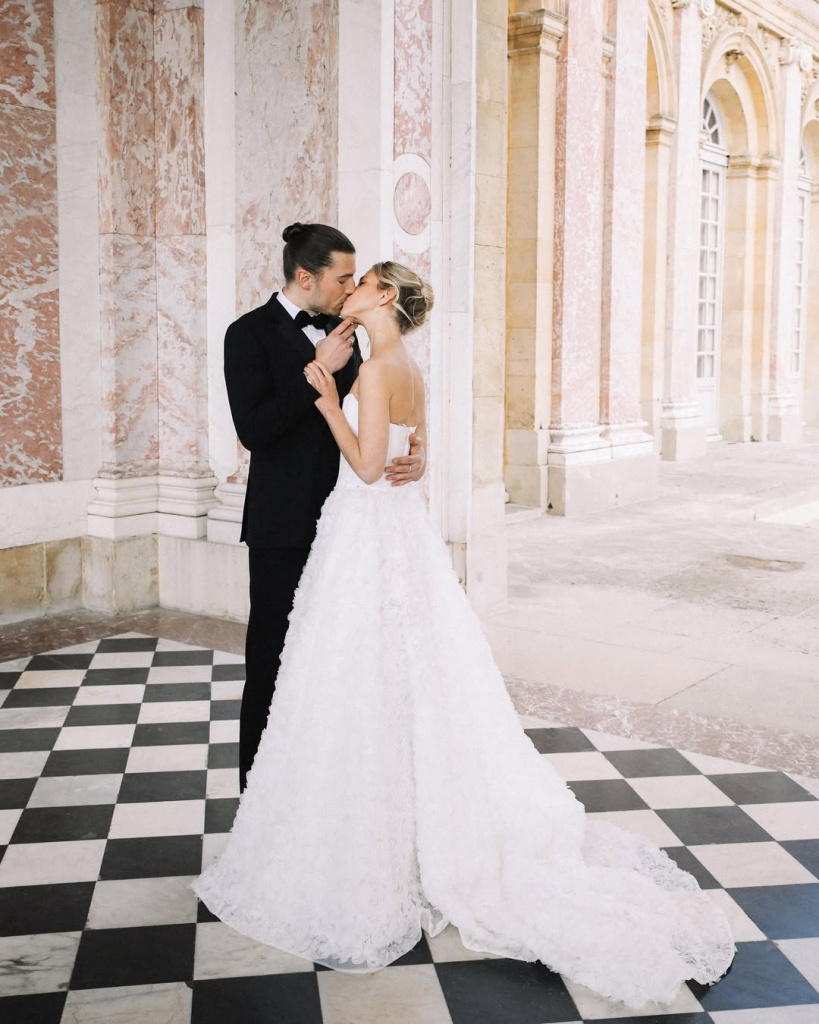
Your wedding date directly affects costs in every category. For example, Saturday weddings during peak season can cost 40–60% more than Friday or Sunday celebrations in off-peak months — a difference of thousands of pounds that could fund your honeymoon or a deposit on a house. However, the budget impact extends beyond your own expenses.
Consider what you're asking your guests to pay financially. Key takeaways: summer weddings may cost guests their own holidays; winter dates could mean expensive, delay-prone flights; holiday weekends often bring higher hotel prices. Check your city's event calendar for major festivals, conferences, or sports events that could take place during your preferred weekend, as these will drive up accommodation costs and complicate logistics for travelling guests. Choosing a wedding date partly involves balancing your budget with the guest experience, finding the sweet spot where the celebration remains feasible for everyone who matters most.

Guest Experience Factors
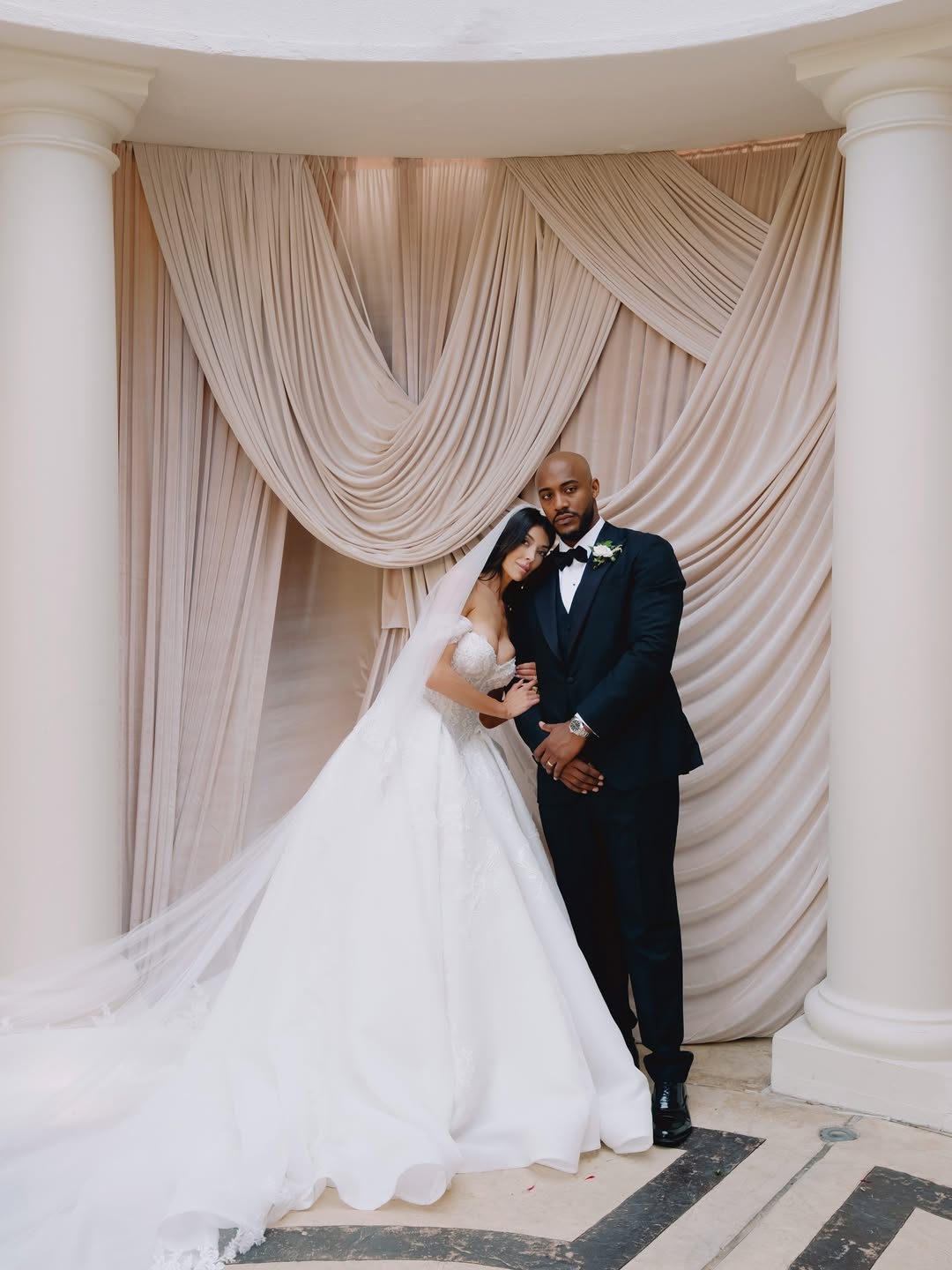
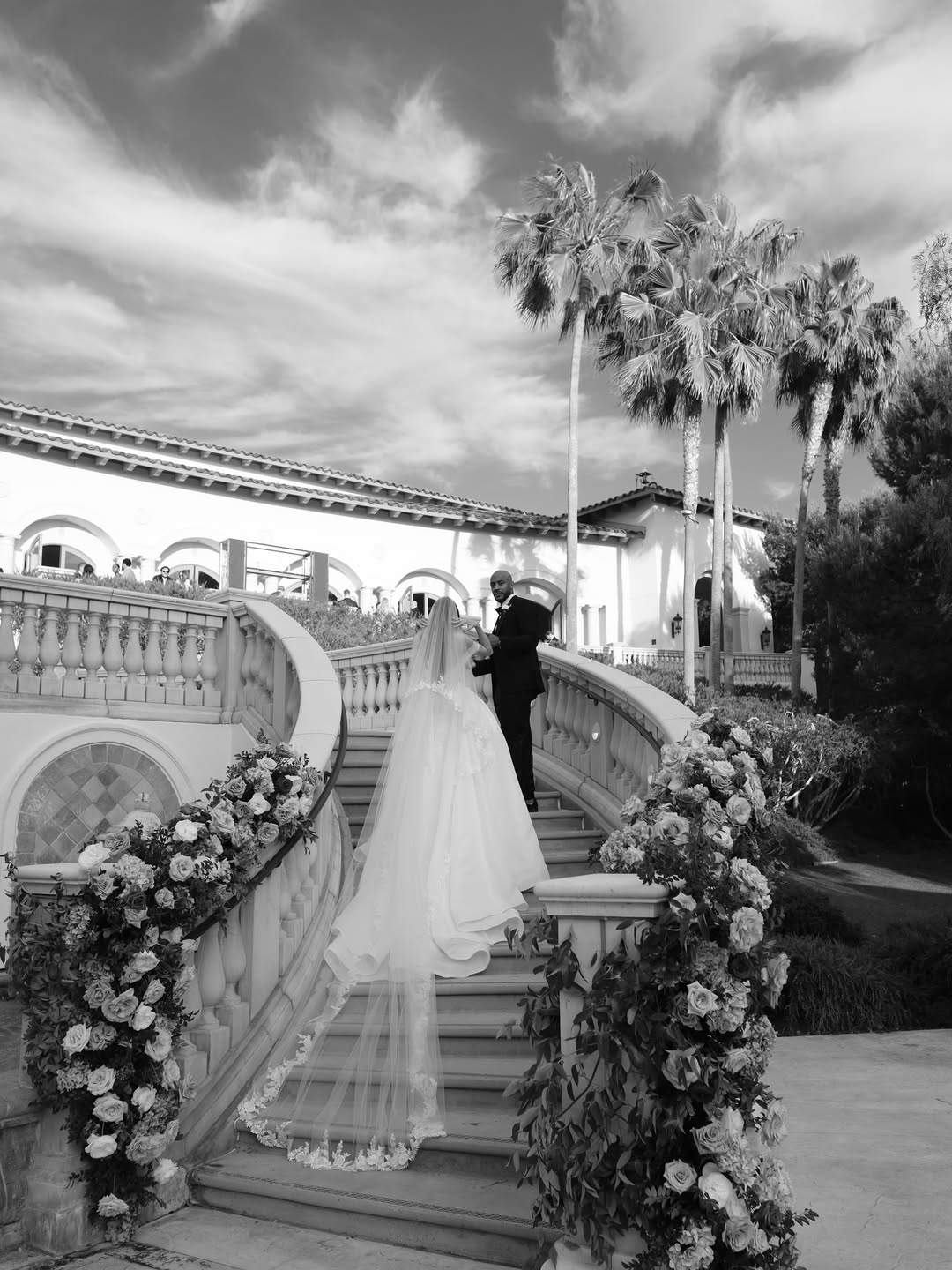
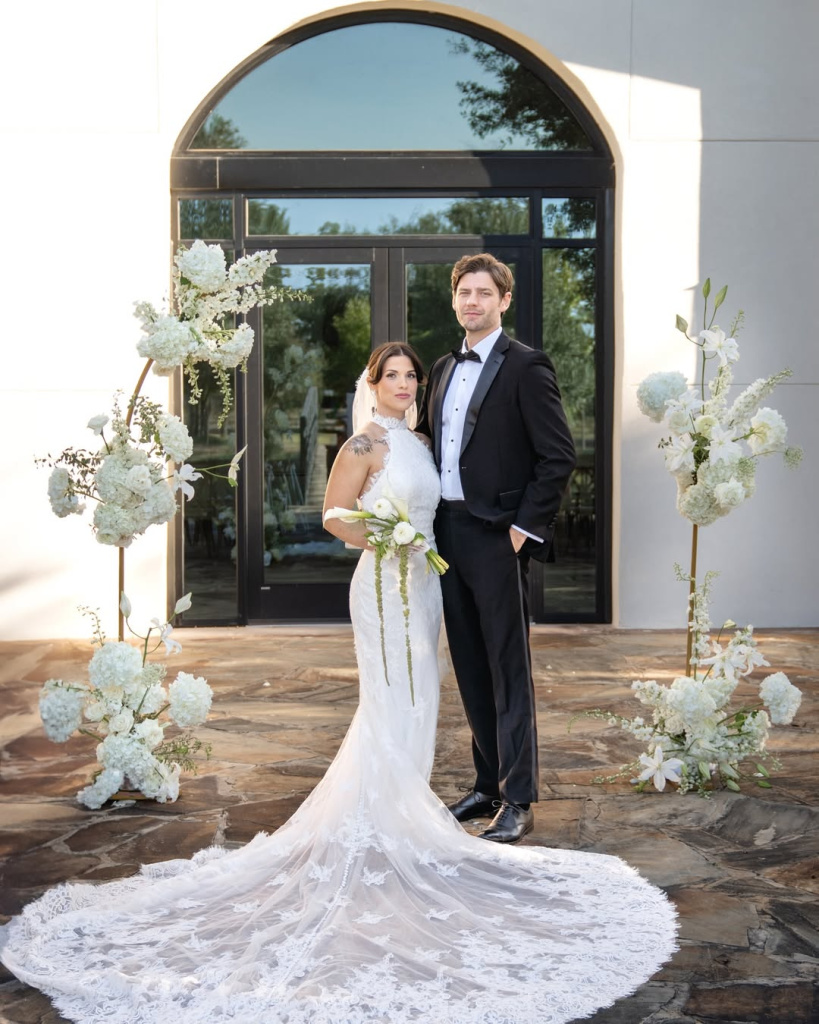
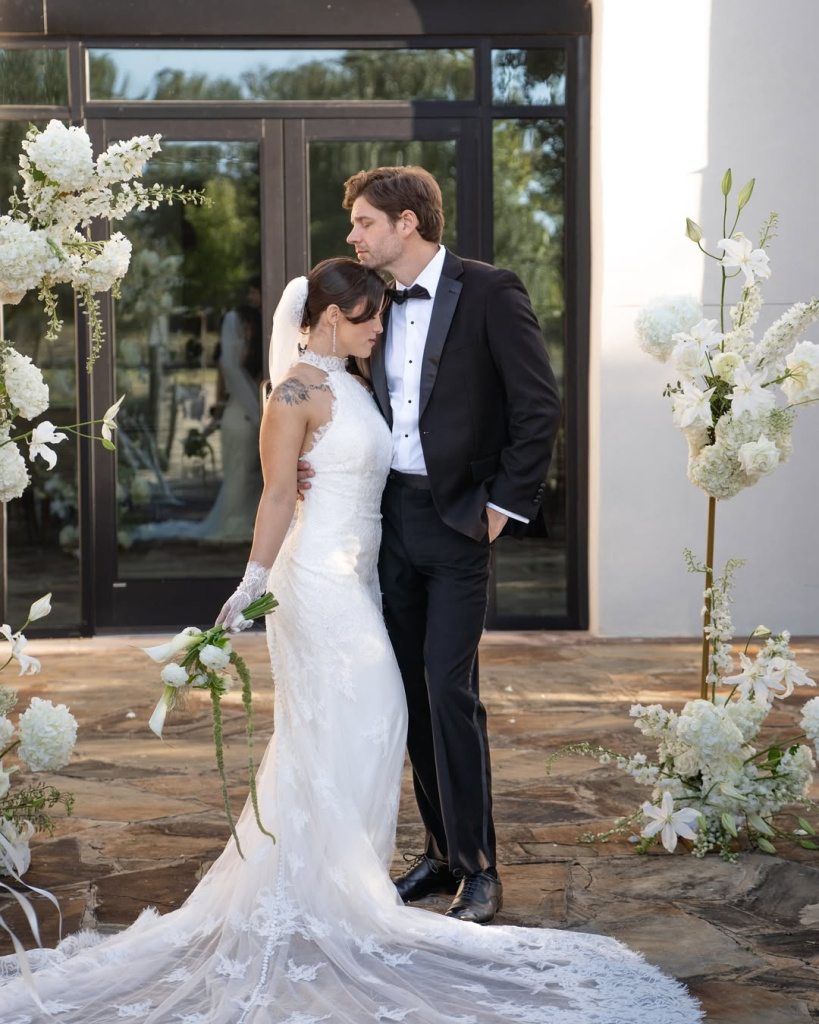
How do you pick a wedding date that suits your guests? Start by analysing who's coming. Teachers and parents with school-age children have drastically different availability than childless professionals. Elderly relatives or guests with mobility issues may find extreme weather more concerning, so beach weddings may not be ideal in July when great-aunts have to navigate the sand, and mountain venues may be stressful in winter when snowy roads could be dangerous for guests who are not used to driving in snow.
Demographics shape timing:
- Young professionals - Often prefer summer or fall dates aligned with vacation time, though budget-conscious friends may struggle with peak-season travel costs
- Families with children - School breaks (summer, winter holidays) offer easier attendance, but compete with family vacation plans
- Older relatives - Moderate weather months reduce health and travel risks; extreme heat or cold creates legitimate barriers
- Destination-heavy guest lists - Require longer advance notice and benefit from off-peak pricing when flight costs drop significantly
The date that aligns best logically isn't always the one that resonates emotionally, but considering your actual guest composition prevents choices that inadvertently exclude people you genuinely want present.
Venue and Vendor Availability


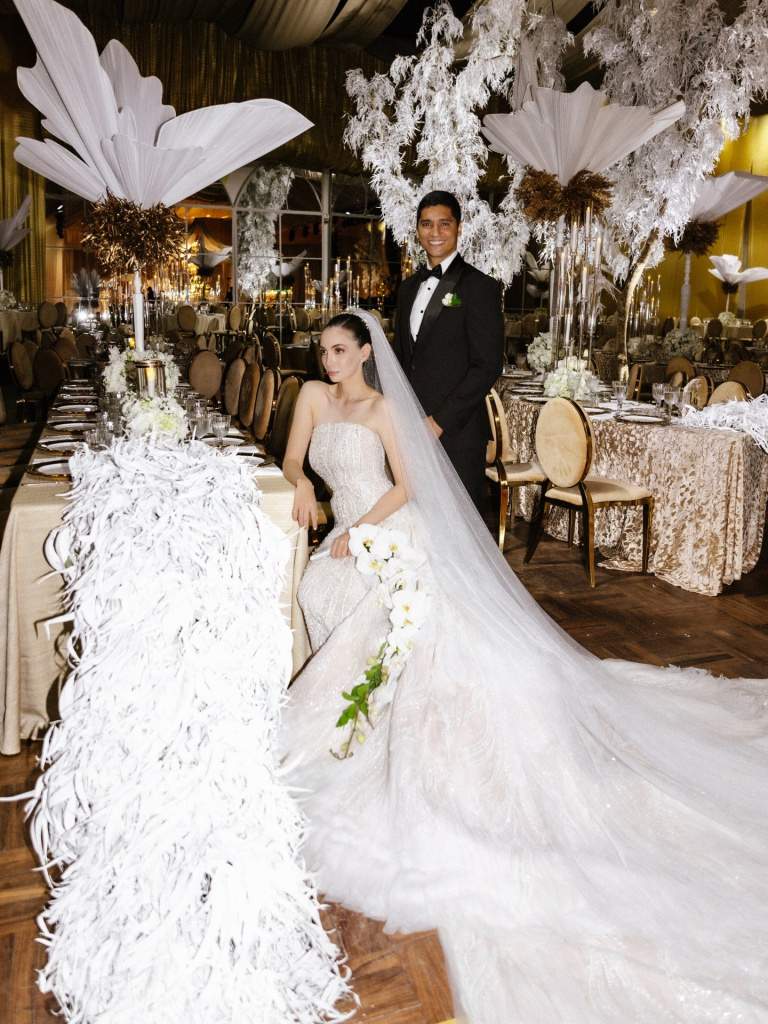
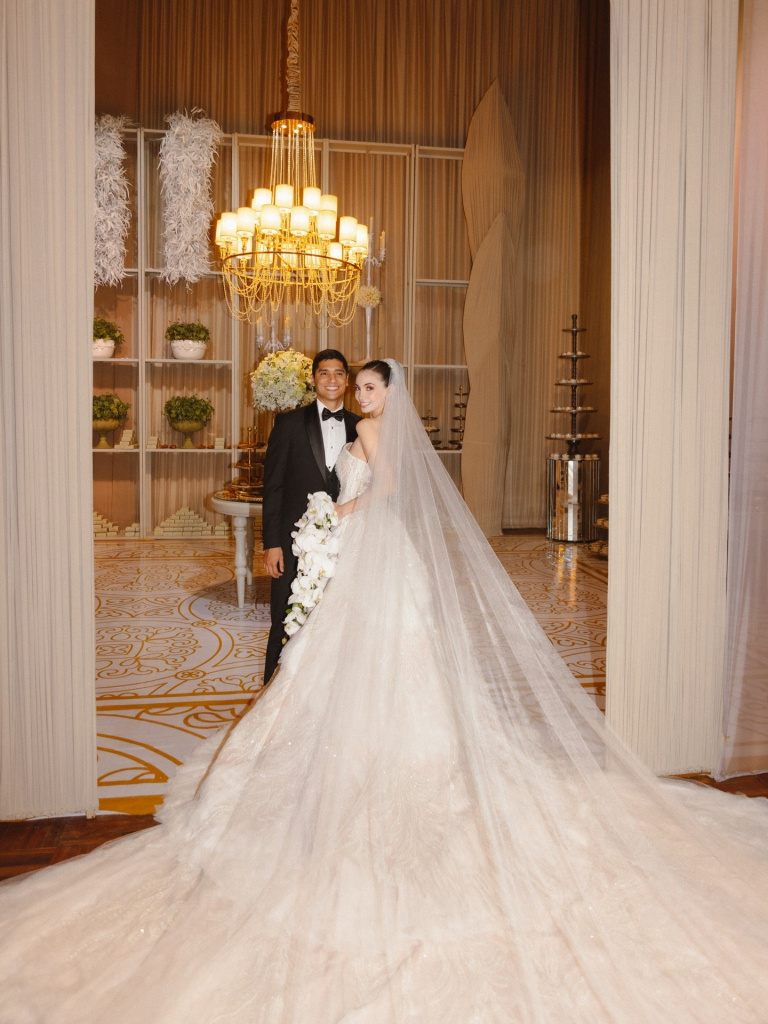
Choosing your wedding date usually starts with checking venue availability, as everything else follows this choice. Popular places book weekend dates 12–18 months in advance during peak season. Being flexible gives more options. Demand shifts by location: beach venues are priciest in summer, mountain lodges in autumn, and urban spaces during corporate event seasons.
When contacting vendors, ask about availability across your entire flexible date range rather than a specific day. Key takeaways: Vendors may offer package deals for less popular dates, suggest alternatives based on their experience with lighting or weather, and can provide insights that affect your budget. Considering their input when choosing your wedding date can reveal unexpected advantages.
Modern Considerations
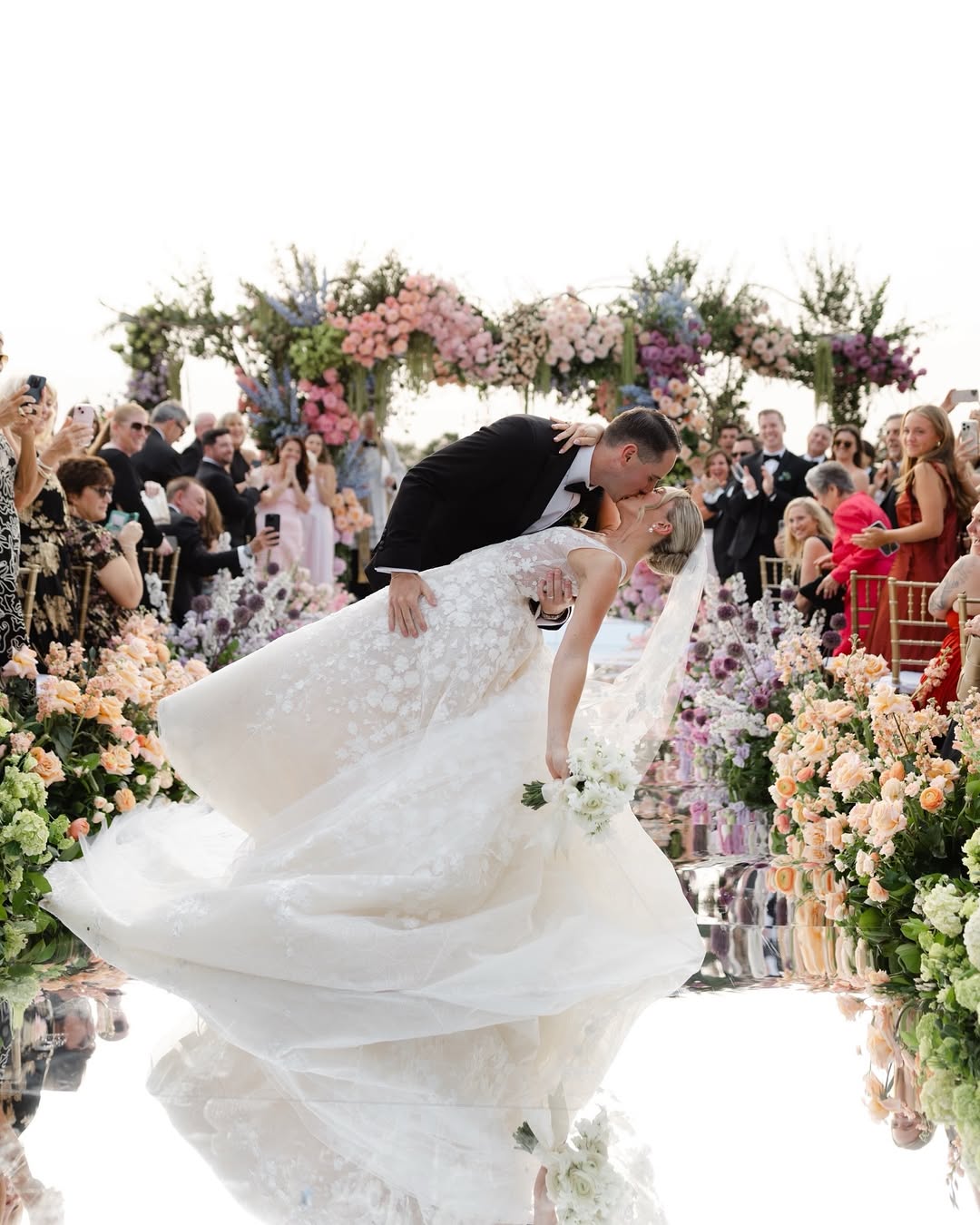
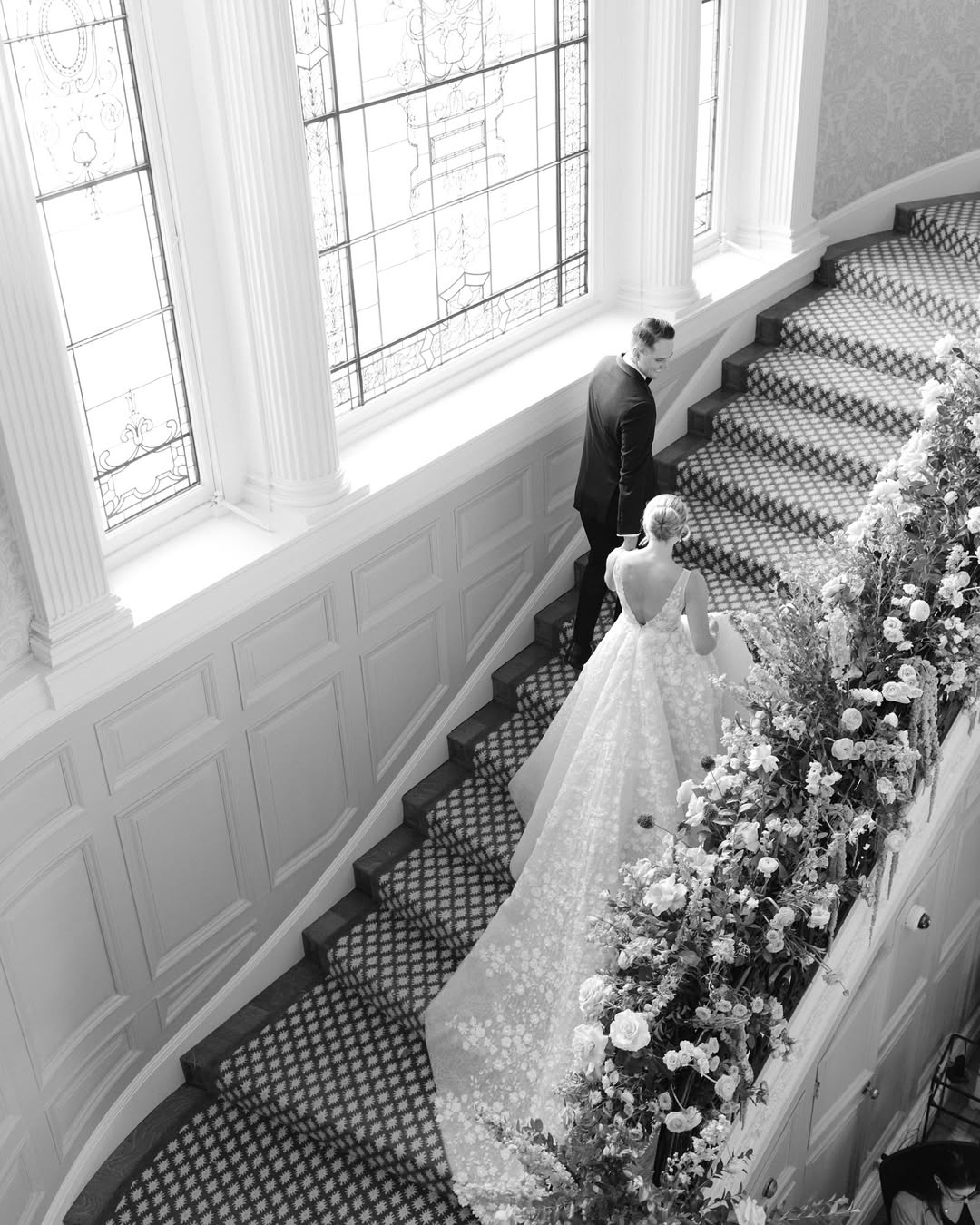
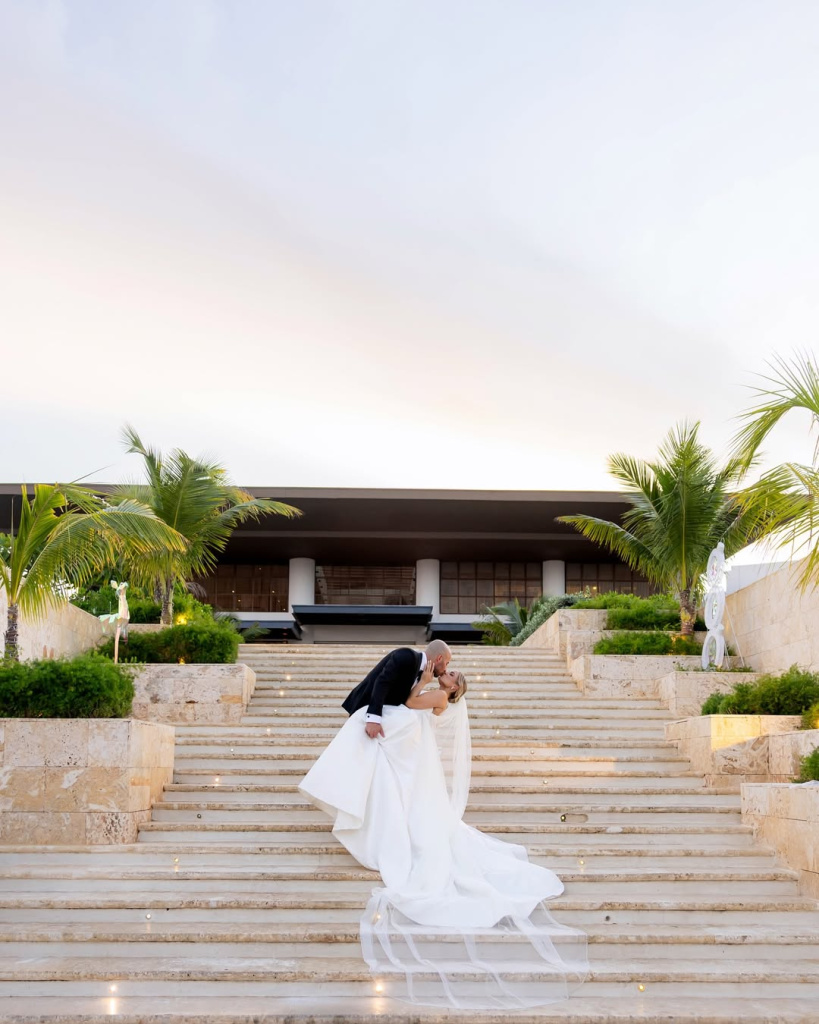
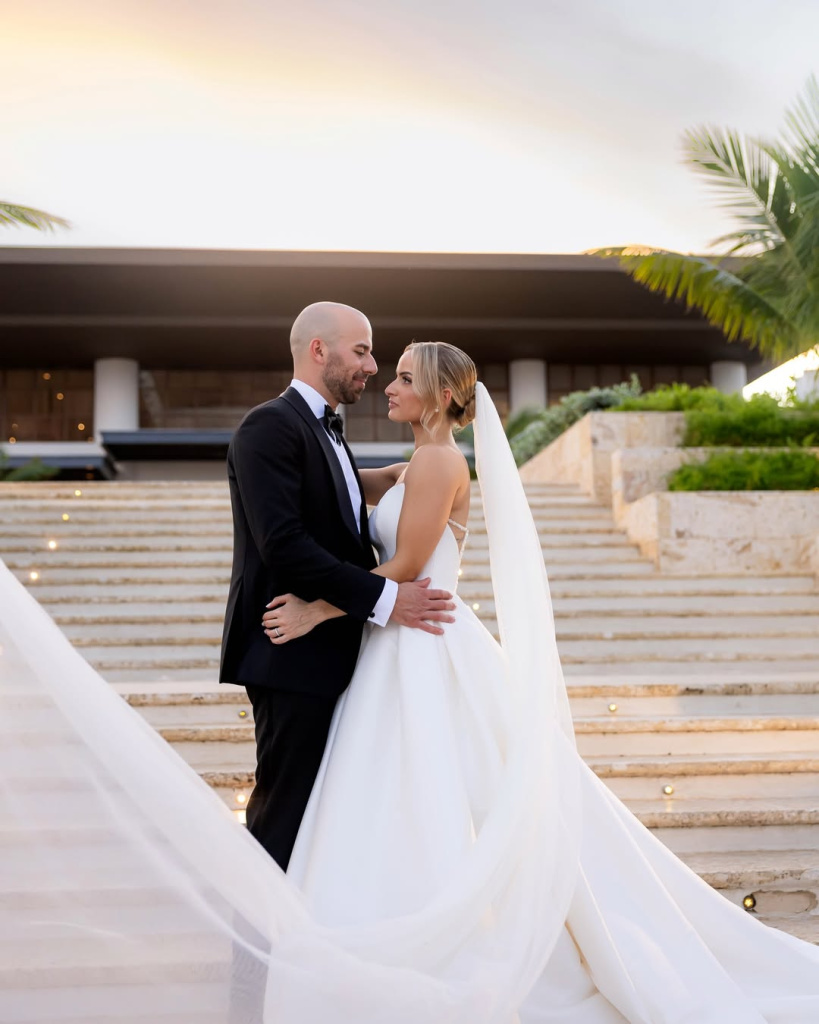
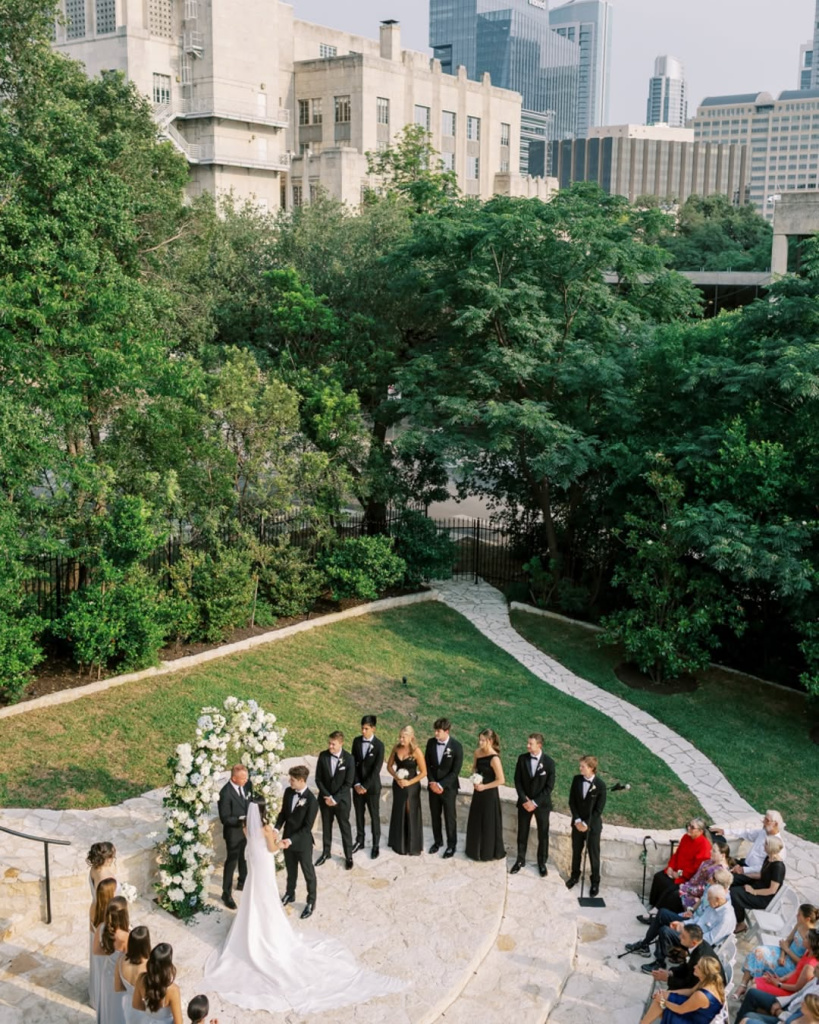
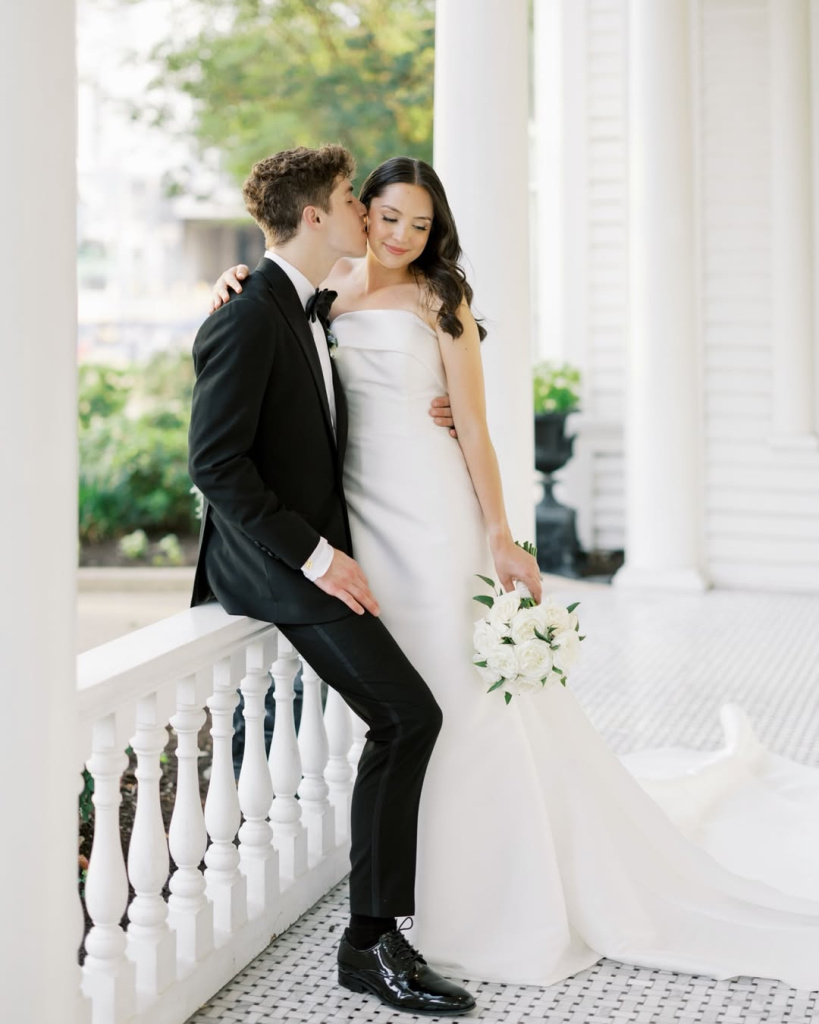
Unpredictable weather has changed how we pick wedding dates. Extreme weather is now common, so backup plans are essential year-round. Even in stable months, outdoor ceremonies need indoor alternatives. Flexibility is now standard, as postponing or adjusting plans is often necessary. The balance between capacity and intimacy has shifted. Couples now prioritise meaningful guest experiences over large guest lists. This shift affects date selection. Smaller celebrations offer more weekend flexibility. Venues that once couldn't fit 200 guests now book 50-person events on premium dates. Micro-weddings and intimate gatherings have changed what fills a "full" venue calendar, creating new opportunities for smaller guest counts.
Cultural and Religious Timing
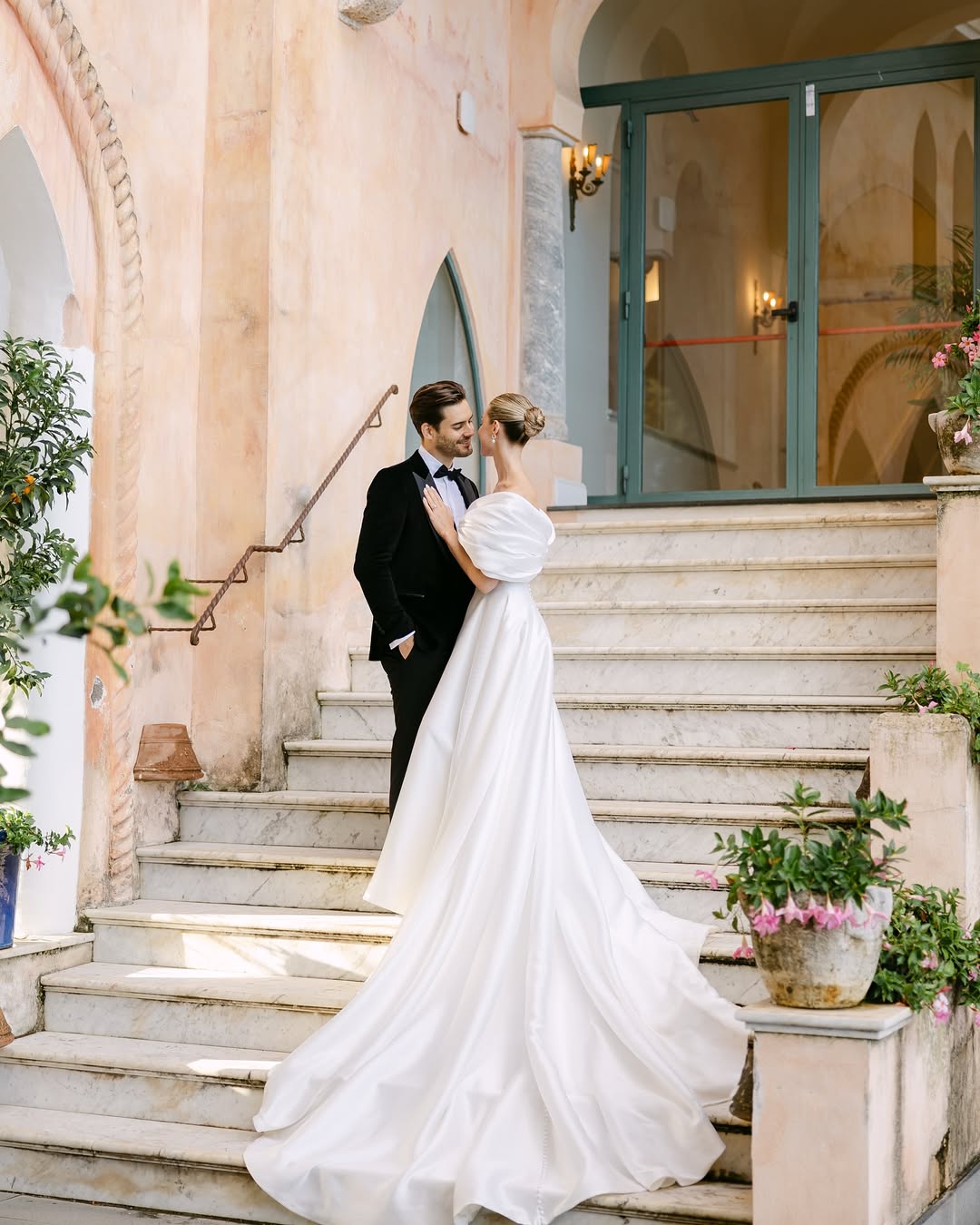

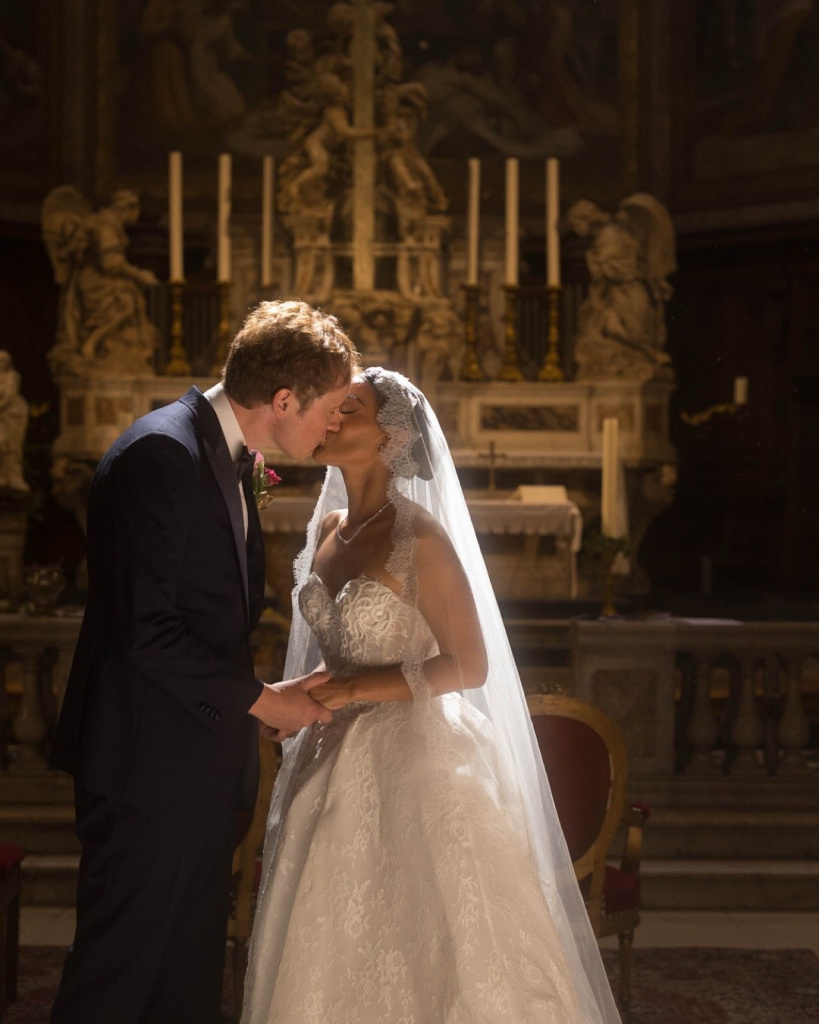
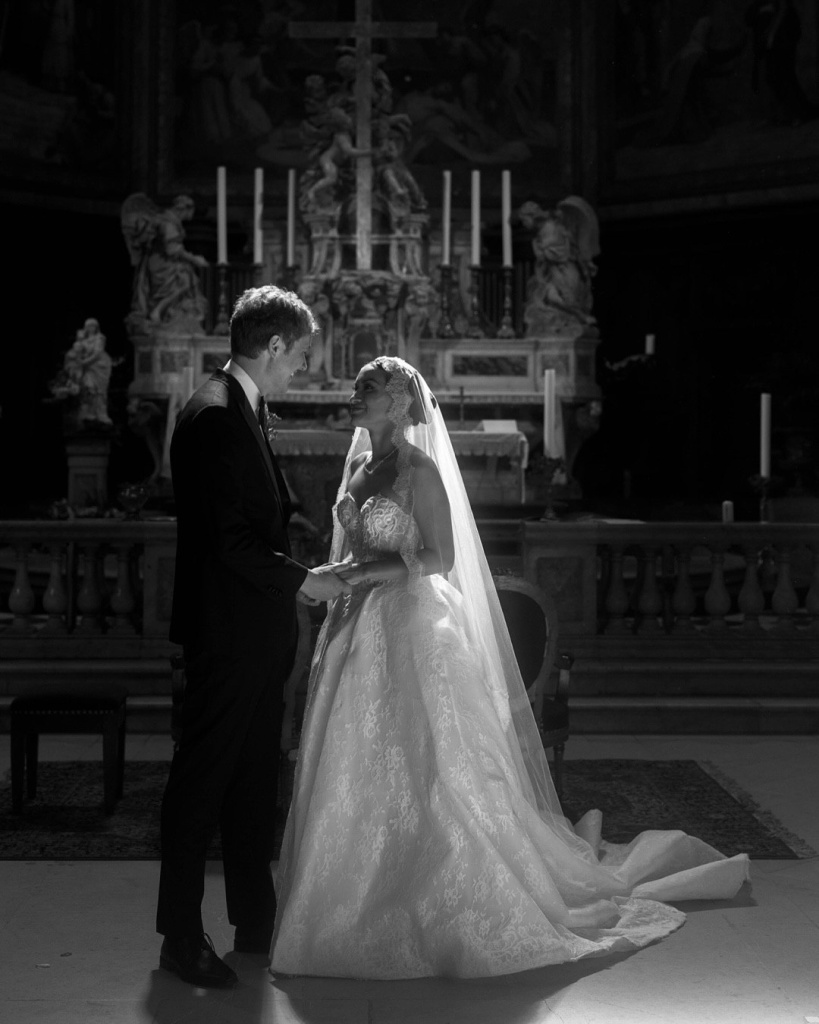
Faith and cultural traditions often outweigh other factors in choosing a date. Some religions prohibit weddings during periods like Lent for Catholics, Jewish holidays, or Ramadan for Muslims. Others choose particularly meaningful seasons for marriages. Family traditions may lead to summer celebrations or honouring auspicious dates. Have these conversations early so you know which traditions you are honouring, adapting, or creating for your celebration.

Making Your Final Decision
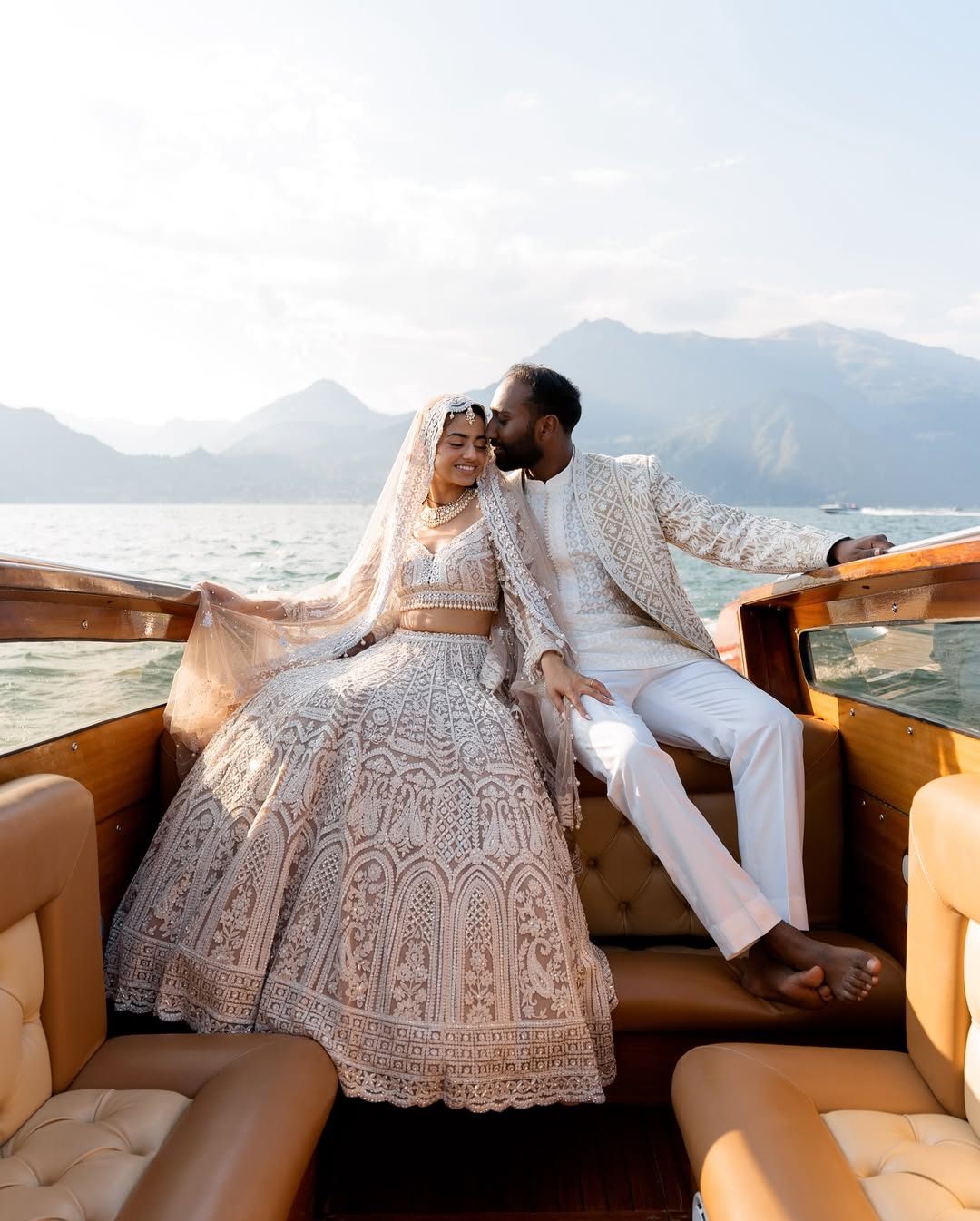
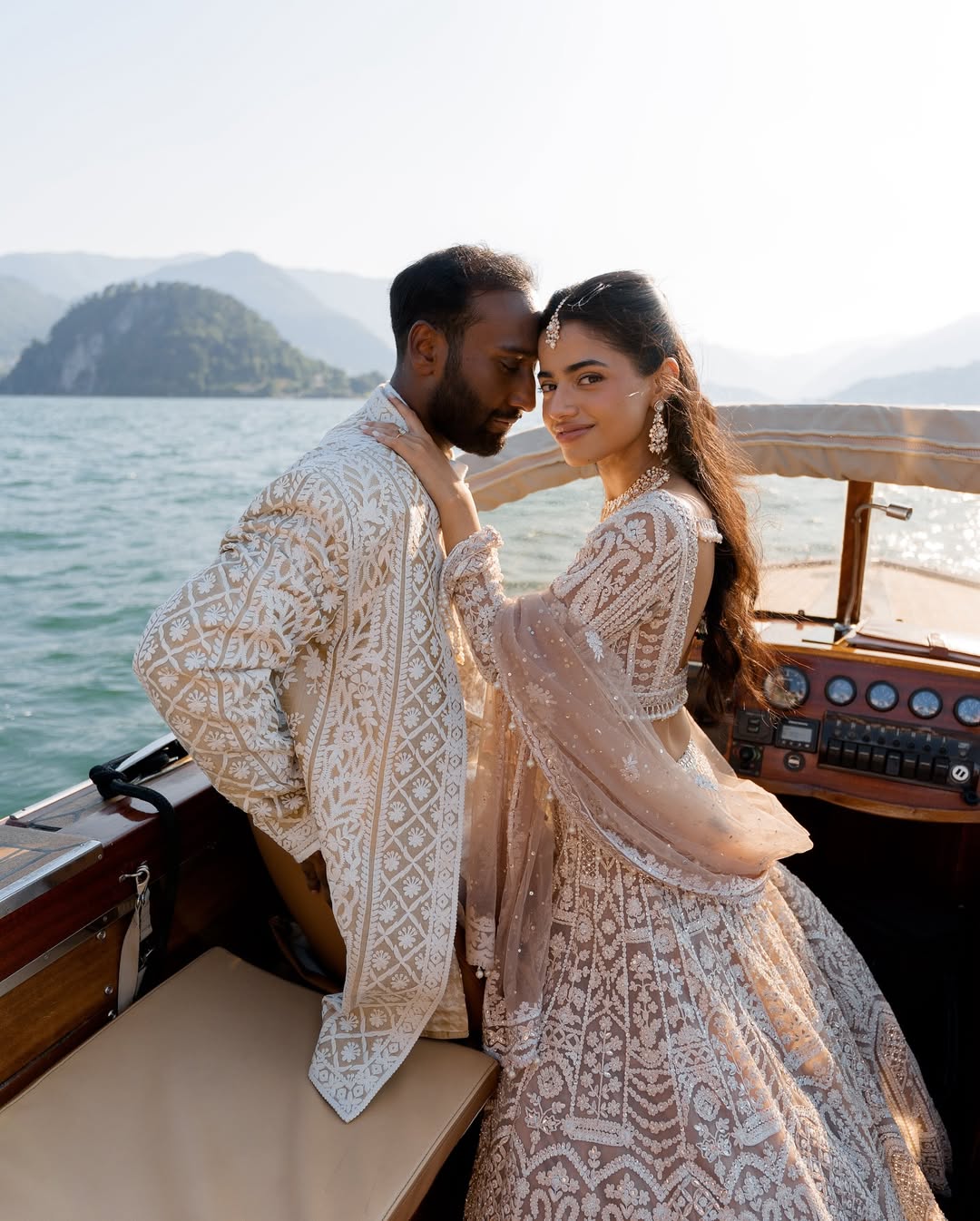
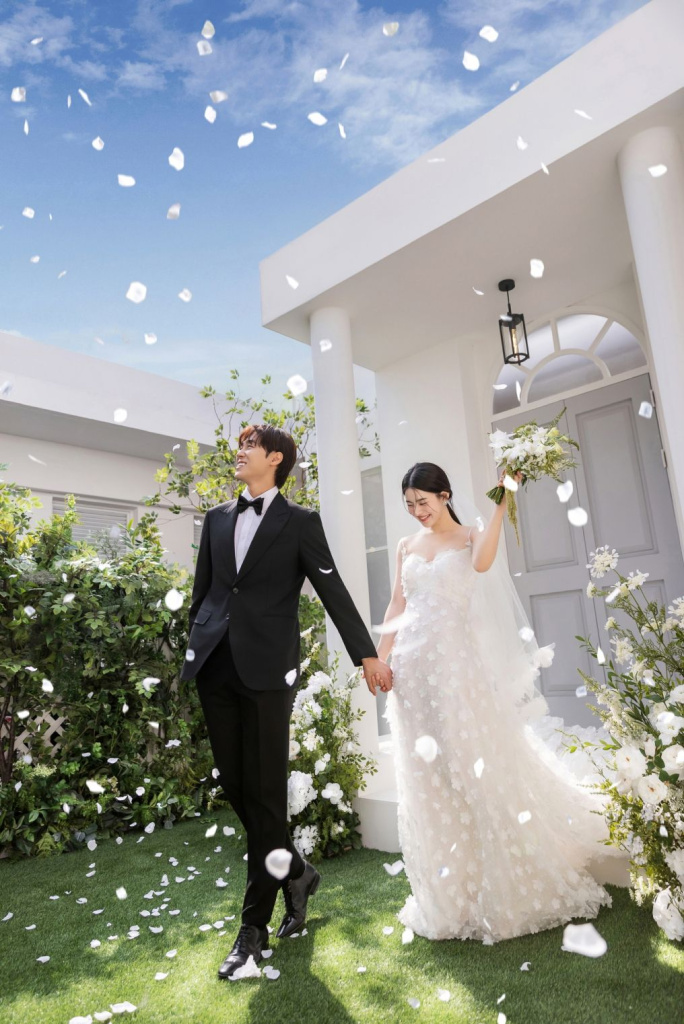

Once you have a shortlist, how do you choose the wedding date? Create a practical framework. Rate each date out of 10 for your most important factors: budget, guest convenience, venue preference, seasonal aesthetic, and vendor availability. Use non-negotiable criteria as hard filters to immediately eliminate dates. Finally, trust your instincts—this matters more than most planning advice suggests.
Choosing a wedding date based only on logistics can feel correct, but not exciting. If a date excites you, even with minor inconveniences, it is often more satisfying than a 'perfect on paper' choice that never resonates. Trust your instincts when logic narrows the options but can't decide for you.
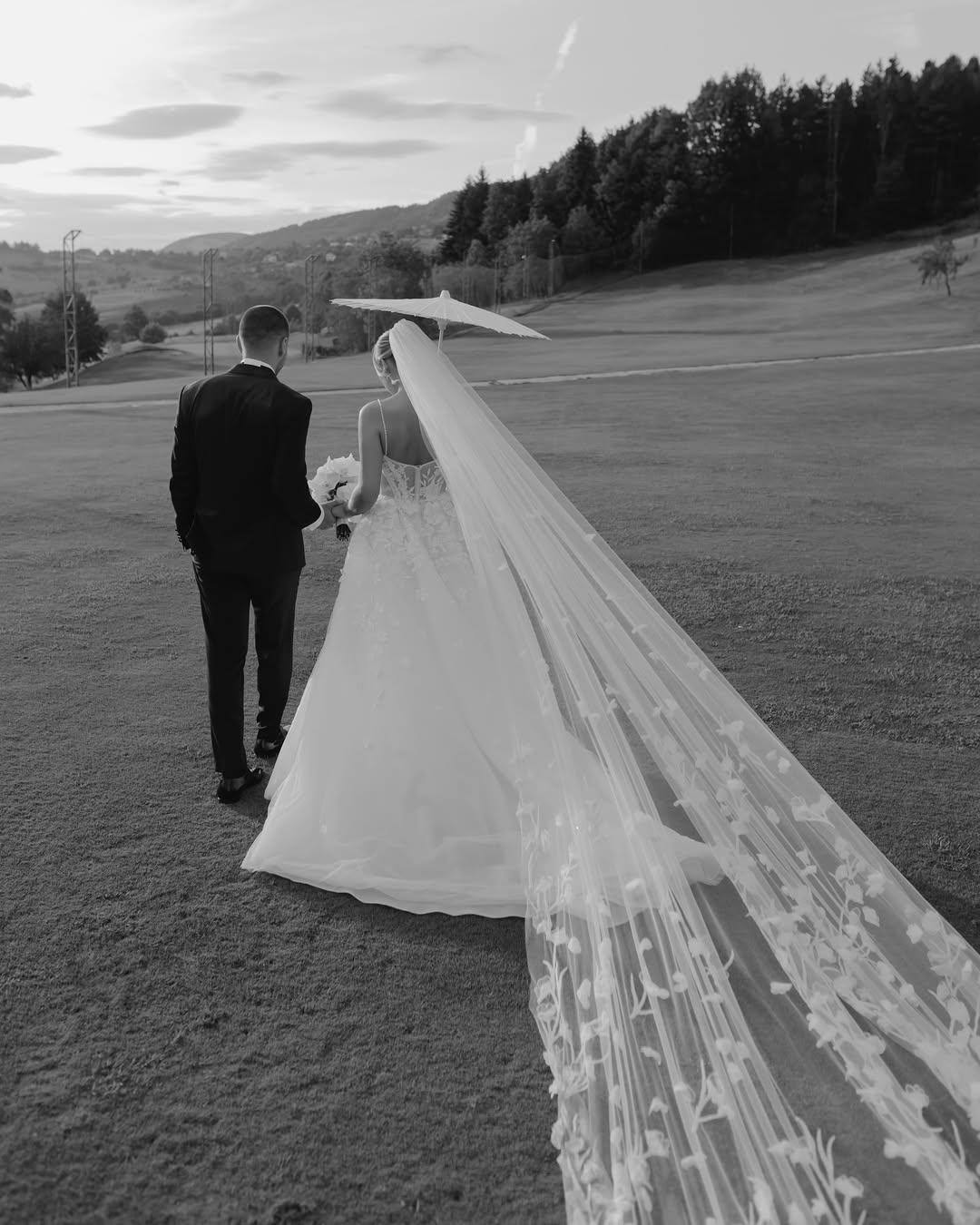
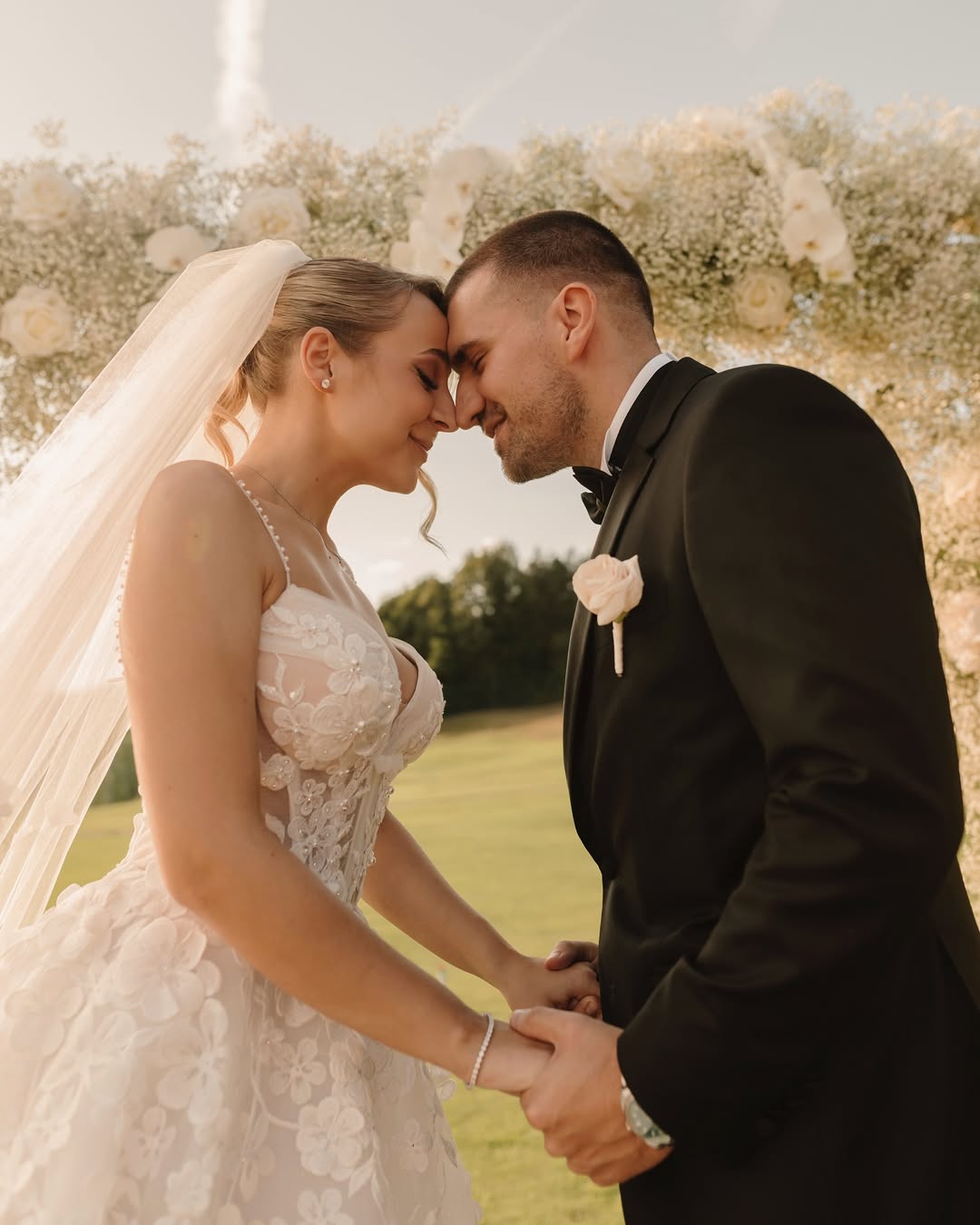
Once you decide, act quickly. Book your venue first since everything depends on it. Next, secure key vendors, as their schedules affect your plans. Send save-the-dates six to eight months ahead for local weddings and up to a year ahead for destination or peak season events. The sooner you tell guests, the more likely they are to be there.
Ultimately, choosing a wedding date comes down to identifying what matters most to you, understanding the compromises each option requires, and selecting the one where the benefits outweigh the drawbacks. No date is perfect: summer heat, spring rain, autumn hurricane risk, and winter travel challenges are all legitimate concerns. The best wedding date is one where you have made informed decisions about which challenges you are prepared to overcome and which advantages matter most for your celebration. Start by identifying your non-negotiables, consider your guests realistically, work within your budget, and trust your instincts when logic has done all it can. Your wedding date sets everything else in motion, so choose it thoughtfully and then fully commit to making it your own.