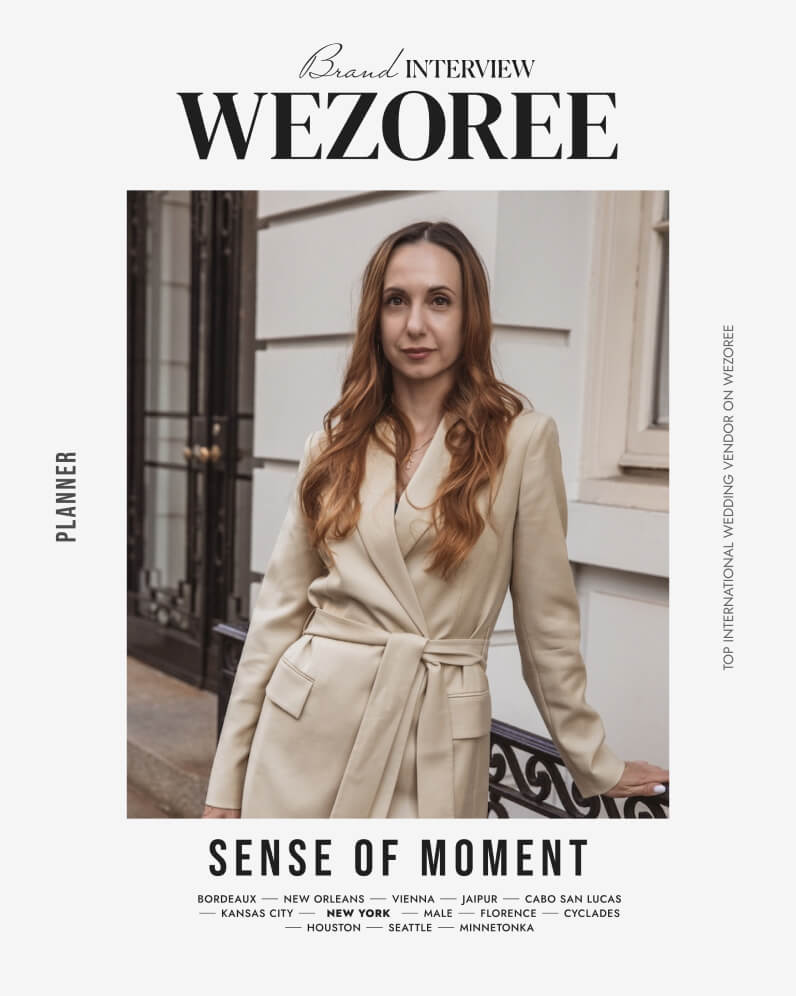
Sense of Moment on Building a Wedding Around What Couples Actually Want
AUTHOR: Natali Grace Levine
READING TIME: 3m 17s
PUBLICATION DATE: 06/16/2026
UPDATED: 07/02/2026
AUTHOR: Natali Grace Levine
READING TIME: 3m 17s
PUBLICATION DATE: 06/16/2026
UPDATED: 07/02/2026
Olha Barabash spent years producing large-scale corporate events. Then she decided she wanted to build something with more soul.
That shift - from corporate production to wedding planning - wasn't a step down in ambition. It was a step toward something harder to manufacture: genuine emotional stakes. Fourteen years later, building her business first in Europe and then from scratch in the United States, Olha runs Sense of Moment with a clarity of purpose that tends to be felt by couples from the very first conversation.
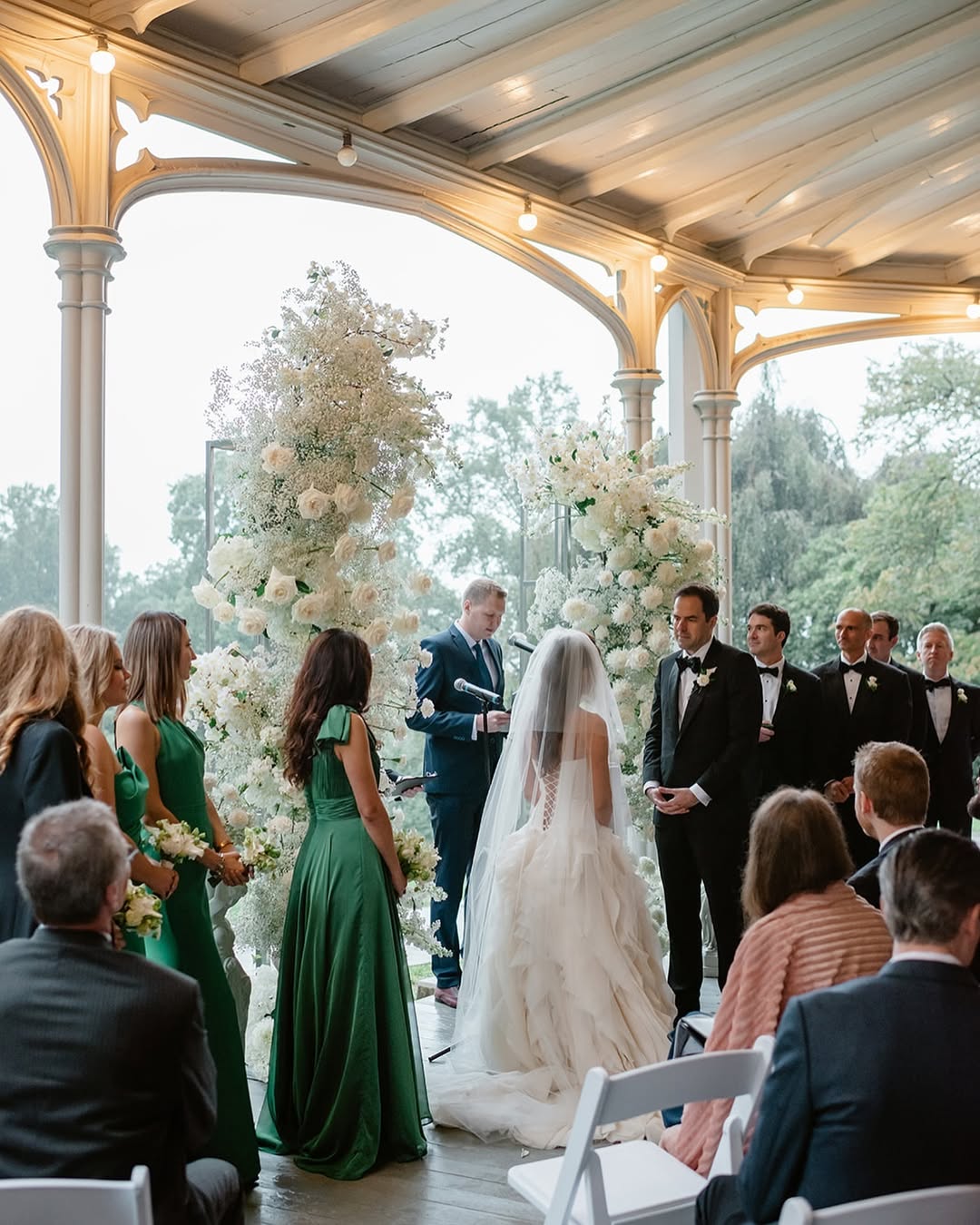
Most planning processes begin with logistics. Budget, guest count, preferred dates, venue shortlist. Olha begins somewhere else entirely.
 Every wedding starts with a conversation, not a checklist. I want to understand how the couple wants the night to feel before we talk about a single detail.
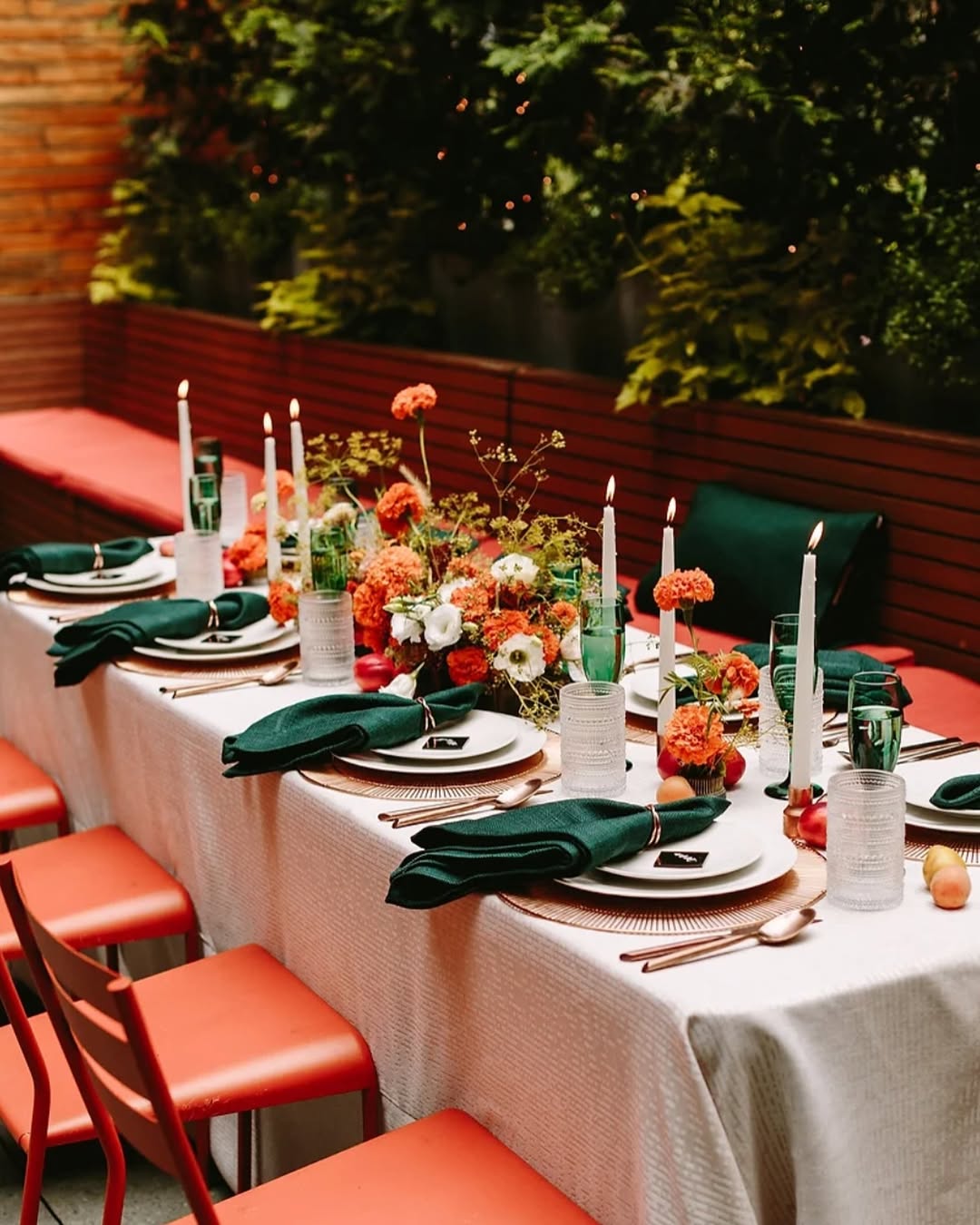
That ordering, feeling before detail, atmosphere before logistics, shapes everything that follows. Design concept and timeline are built in parallel, because in Olha's view they are the same question asked two different ways. "How a wedding looks and how it flows are the same thing." The flowers on the table and the pacing of the evening are not separate decisions. They are both in service of the same feeling, and they need to be designed together if that feeling is going to hold for the entire night.
By the time the wedding morning arrives, her couples already know everything is handled. Not because they've been reassured - because they've watched it be handled, stage by stage, for however many months the process has taken. "My couples don't wake up on their wedding morning wondering if everything is handled - they already know it is."
Olha is candid about where the real difficulty in wedding planning lives, and it's not in the spreadsheets.
"Honestly, the hardest moments aren't logistical, they're emotional," she says. "Family tensions, last-minute changes driven by pressure from people who aren't the couple, moments where I have to protect my clients' vision from well-meaning but overbearing opinions. The people part requires a different kind of skill."
Protecting a couple's vision from the people who love them most is a delicate, specific, and genuinely demanding piece of work. It requires the ability to hold a position diplomatically under social pressure, to absorb the opinions of parents and extended family without allowing those opinions to redirect a wedding that belongs to two specific people. Olha has been doing it for fourteen years across multiple countries and multiple cultural contexts. It is, in its own way, the most important thing a planner does - and the least visible.
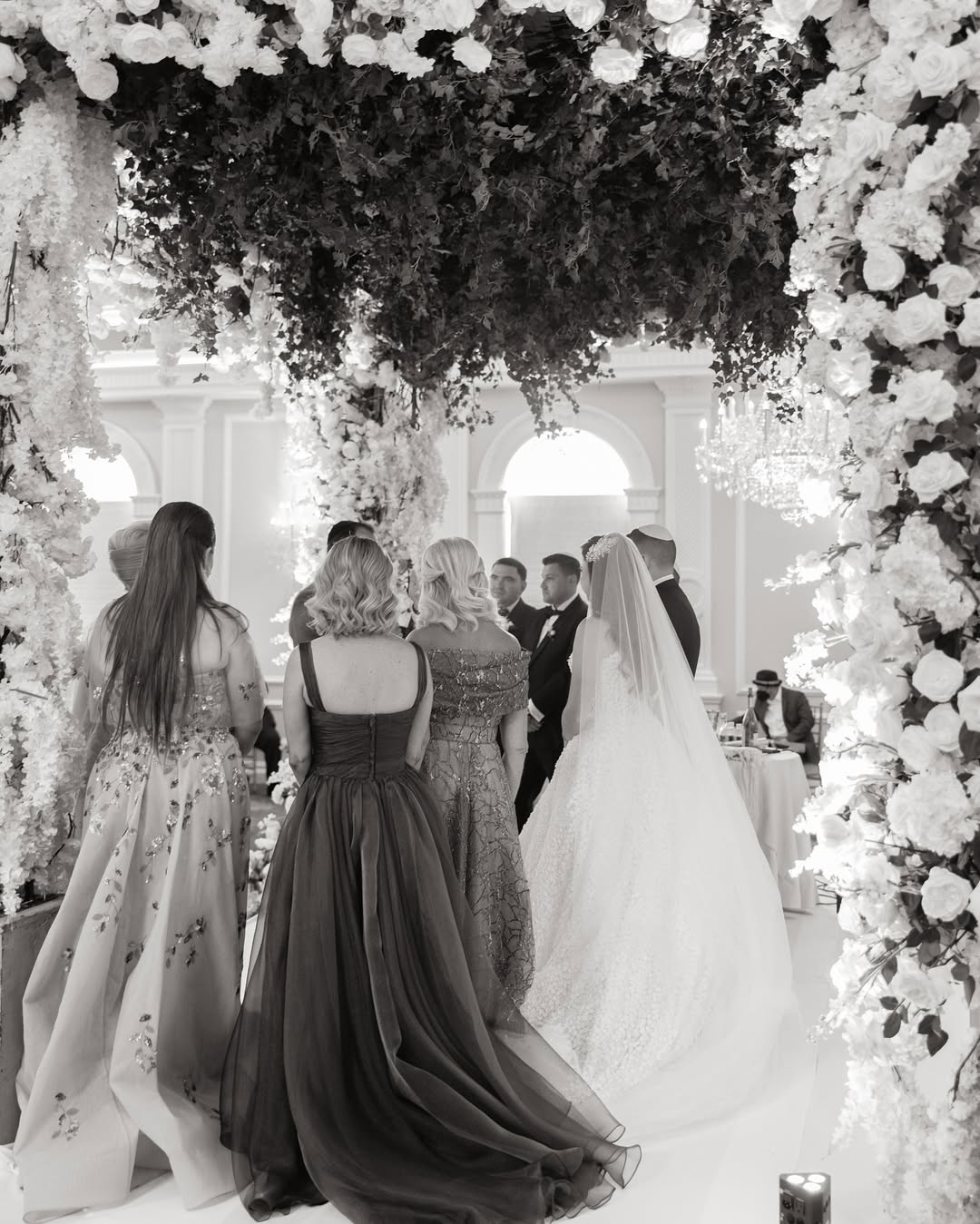
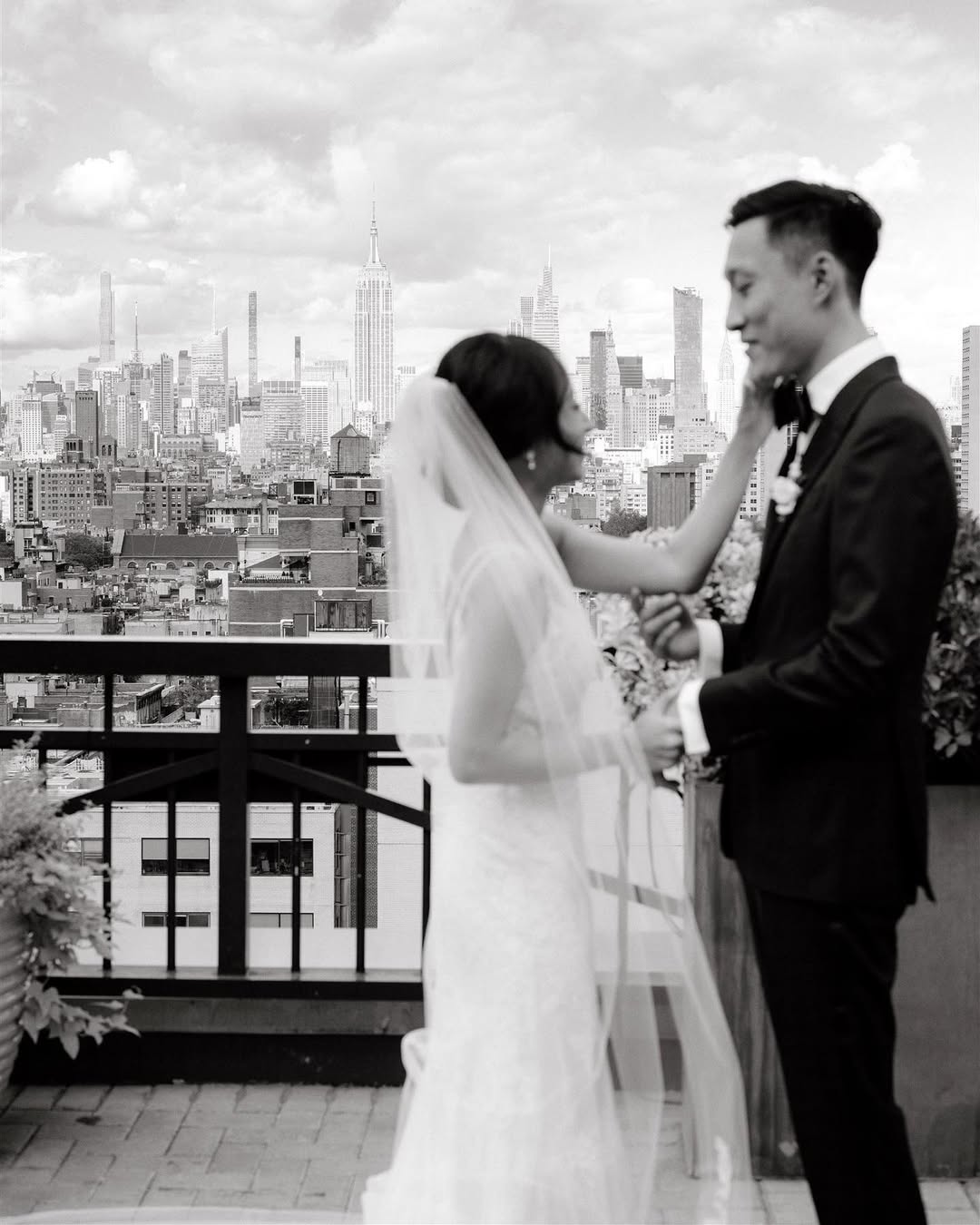
Olha's advice to couples in the early stages of planning is blunt in the best way.
"Stop planning the wedding you think you're supposed to have and start planning the one you actually want," she says. "Talk to each other first - before you open Pinterest, before you tour venues, before you call a single vendor. Decide what the night should feel like, and build from there."
Before Pinterest. Before venues. Before vendors. The conversation between the two people getting married comes first, and everything else is downstream of it. For couples who have already spent weeks inside mood boards and venue enquiries, this is worth pausing for - because the further into the planning process you get without that foundational conversation, the harder it becomes to course-correct.
On timelines, she's equally direct: "Build in breathing room. Couples always underestimate how long things take - getting ready, photos, transitions between spaces. A timeline that looks perfect on paper but has zero buffer will fall apart by cocktail hour. I'd rather have a timeline with built-in buffers that keeps the day feeling relaxed than a tight one that stresses everyone out."
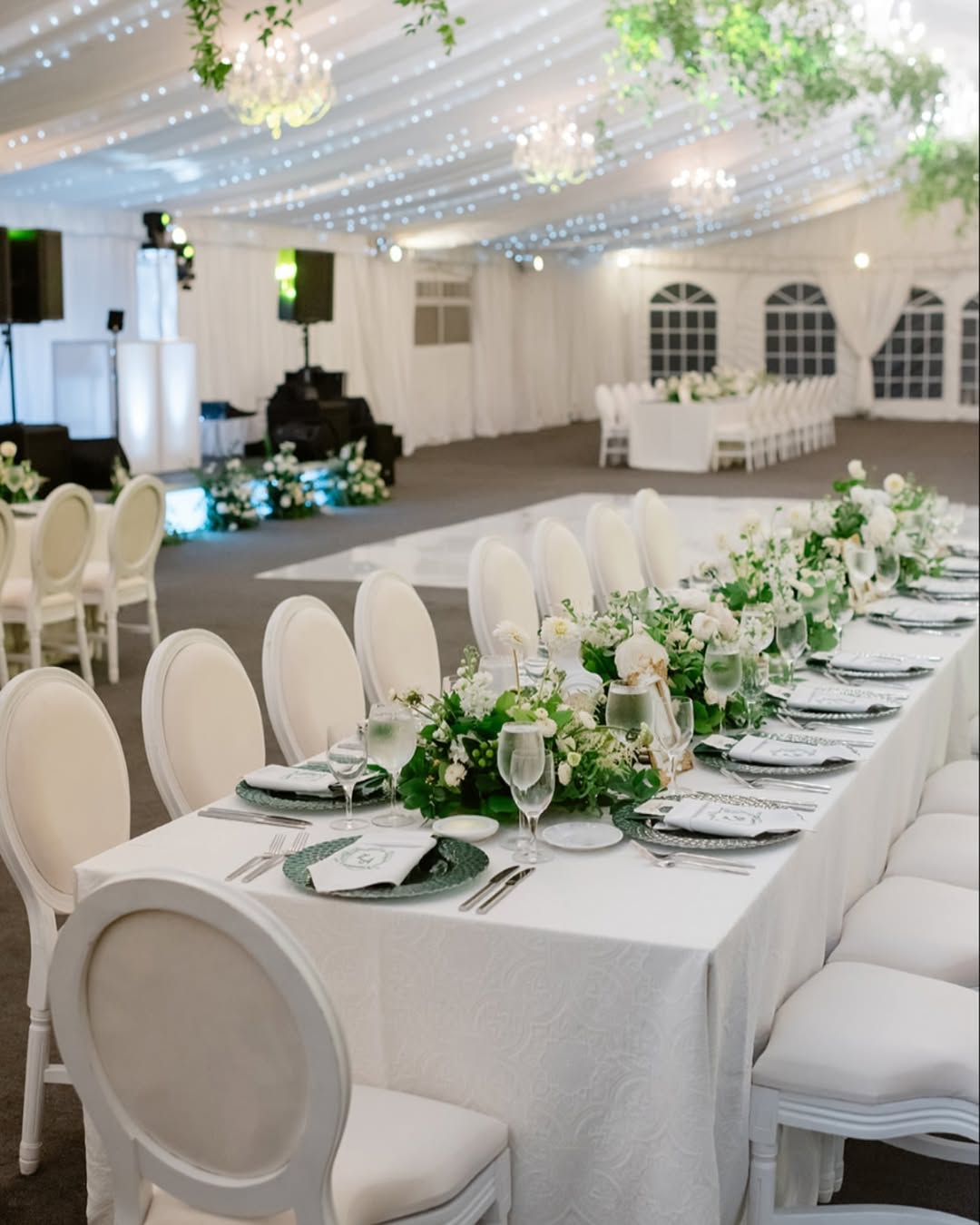
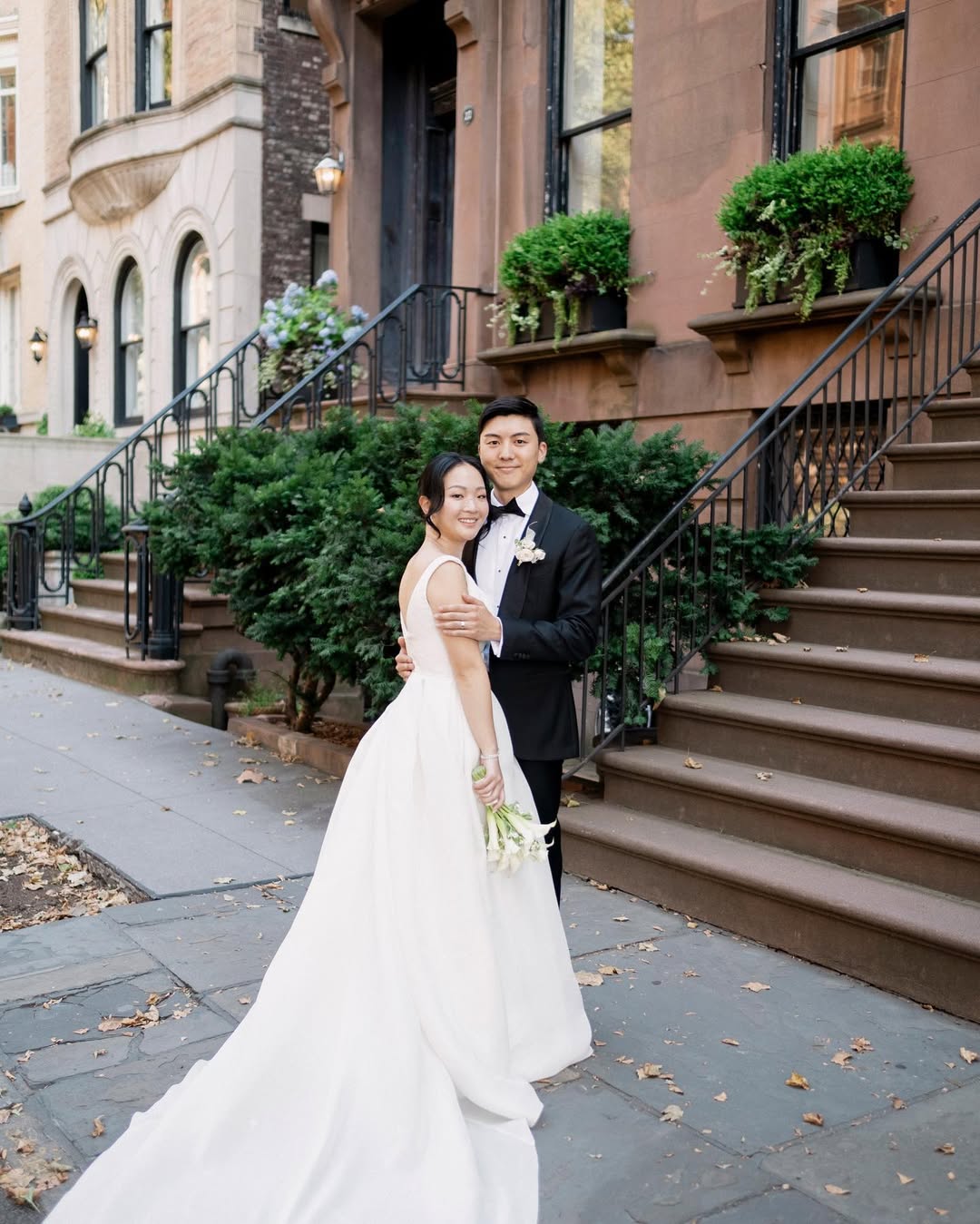
The last thing Olha says is something that sounds simple and is actually quite significant.
Trust your planner's judgment, even when it doesn't match what you saw on social media. What works in a photo doesn't always work in a room. A good planner knows the difference, and that's exactly why you hired one.
What works in a photo doesn't always work in a room. That single observation contains fourteen years of experience and the reason Olha's clients tend to end up with weddings that feel extraordinary to be inside rather than just beautiful to look at afterward. The two things are related but not identical, and the gap between them is exactly where a planner's judgment lives.
Sense of Moment keeps its calendar intentional, Olha doesn't take on more than she can give her full attention to, and she's clear-eyed about why. "Every couple deserves a planner who's present, not stretched thin." After fourteen years and two continents, she knows precisely what presence requires, and she protects it.