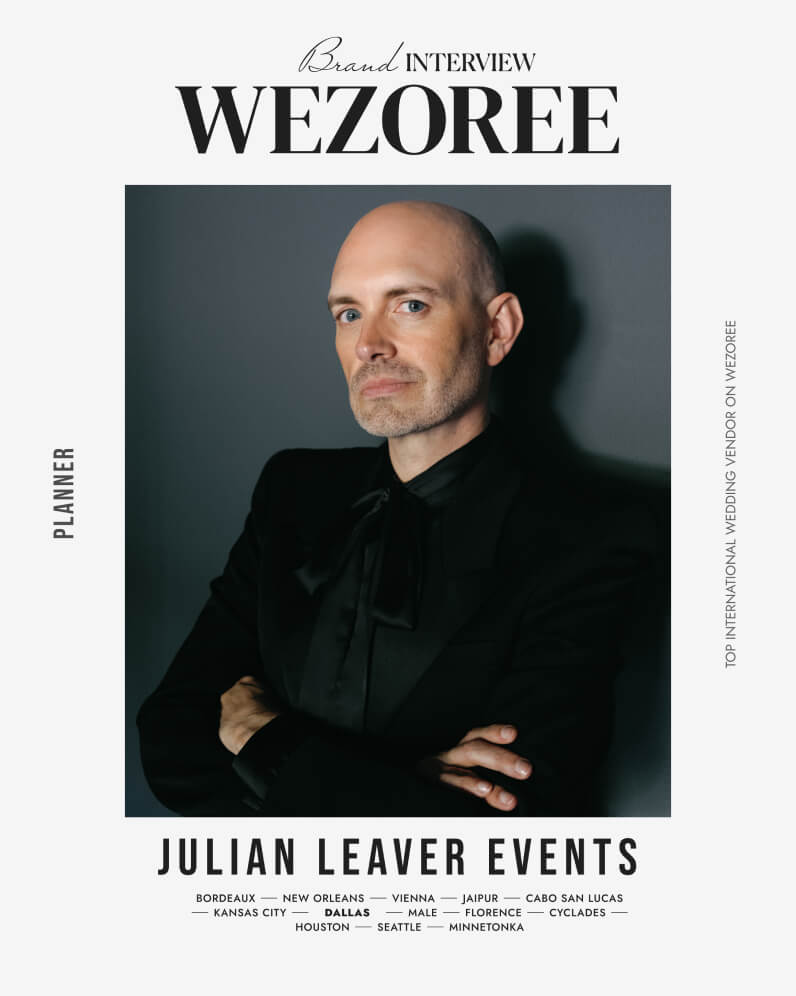
Julian Leaver Events: Designing Weddings That Move People
AUTHOR: Natali Grace Levine
READING TIME: 5m 14s
PUBLICATION DATE: 05/04/2026
UPDATED: 05/04/2026
AUTHOR: Natali Grace Levine
READING TIME: 5m 14s
PUBLICATION DATE: 05/04/2026
UPDATED: 05/04/2026
Twenty-two years. Fifteen weddings a year. Two bases — Dallas and Paris. A client list that stretches from New York to Mexico to the French countryside. By any measure, Julian Leaver has seen everything this industry has to offer. And yet the moment he describes with the most feeling isn't a grand reveal or a logistical triumph. It's quieter than that.
"There's nothing quite like standing in the back of a room you've spent months building and watching it move people to tears."
That's the standard he holds himself to. Not impressive. Not photogenic. True. After more than two decades, that hasn't changed — and it's exactly why the couples who find him tend to stop looking.
Julian studied International Studies and Negotiation in college. The plan was the State Department, possibly diplomacy at the highest levels. What actually happened was sorority parties.
"To put myself through school, I started planning sorority parties, and something just clicked," he says.
 I discovered I had a real gift for bringing people together and creating moments that felt meaningful, and I never looked back.
The negotiation degree didn't go to waste. "It turned out that negotiation skills come in incredibly handy in this industry anyway — just in a much more beautiful setting."
Twenty-two years later, Julian is based between Dallas, Texas and Paris, France, works worldwide, and runs one of the more quietly formidable wedding planning practices in the industry. The sorority parties were, in retrospect, an extremely good start.
Ask Julian what he loves most about the job and he doesn't mention venues or florals or the logistics puzzle of an international destination wedding. He goes straight to the human part. "The privilege of being trusted with one of the most important days of someone's life," he says.
Couples invite me into their story, their families, their history, their hopes, and my job is to translate all of that into something they'll carry with them forever.
That word — translate — is precise. Julian isn't imposing a vision onto a couple's wedding. He's listening carefully enough to understand what their wedding should feel like, and then building every single detail in service of that. The flowers, the lighting, the order of the music. All of it answerable to one question: does this serve the story?
"It always begins with listening," he says of his planning process. "Before we talk florals or venues or timelines, I want to understand who this couple is, how they met, what makes them laugh, what their families are like, what they want their guests to feel when they walk into the room. From there, we build outward." This is not how every planner works. Many start with the venue, or the budget, or the aesthetic. Julian starts with the people. The difference shows up in the finished product every time.
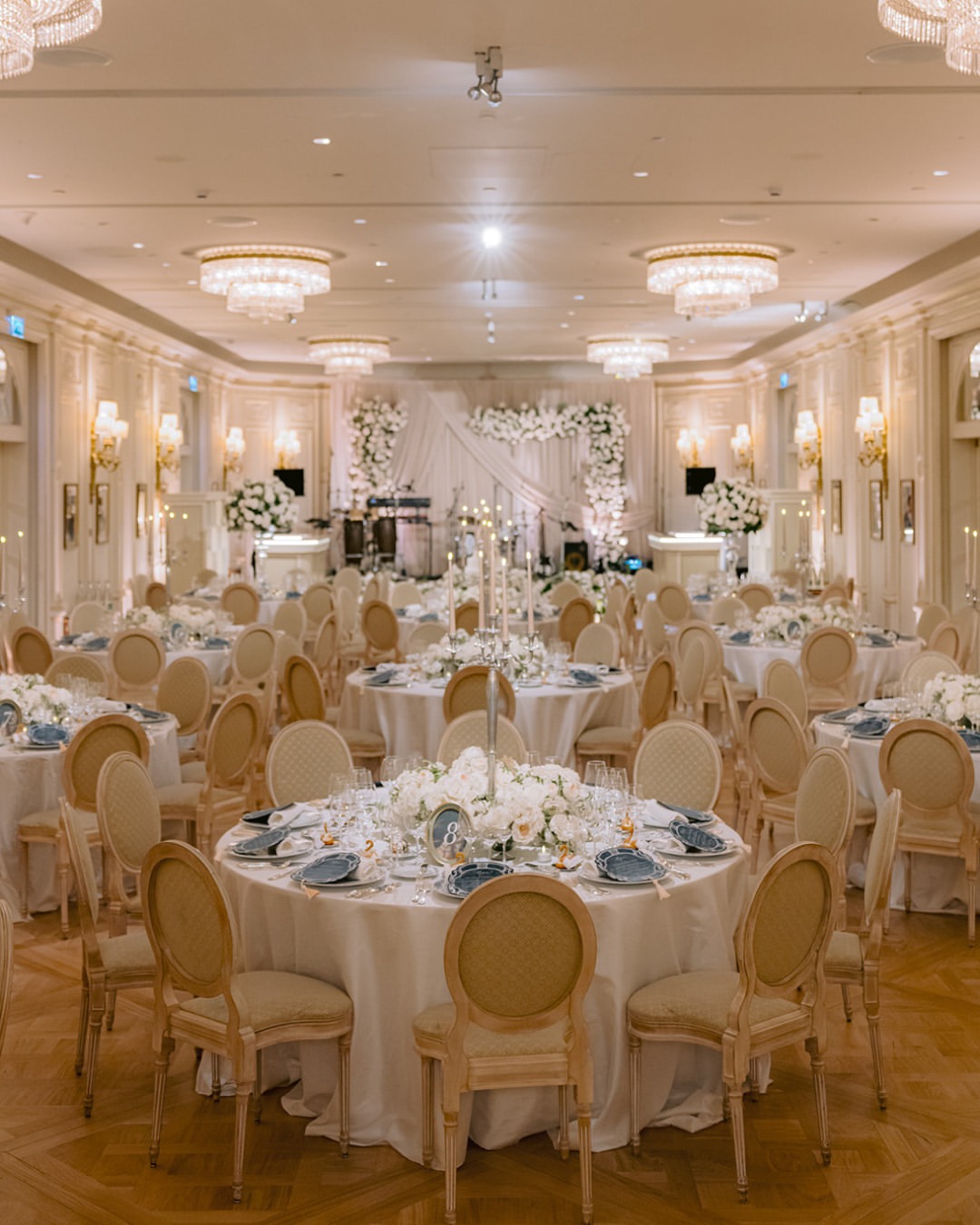
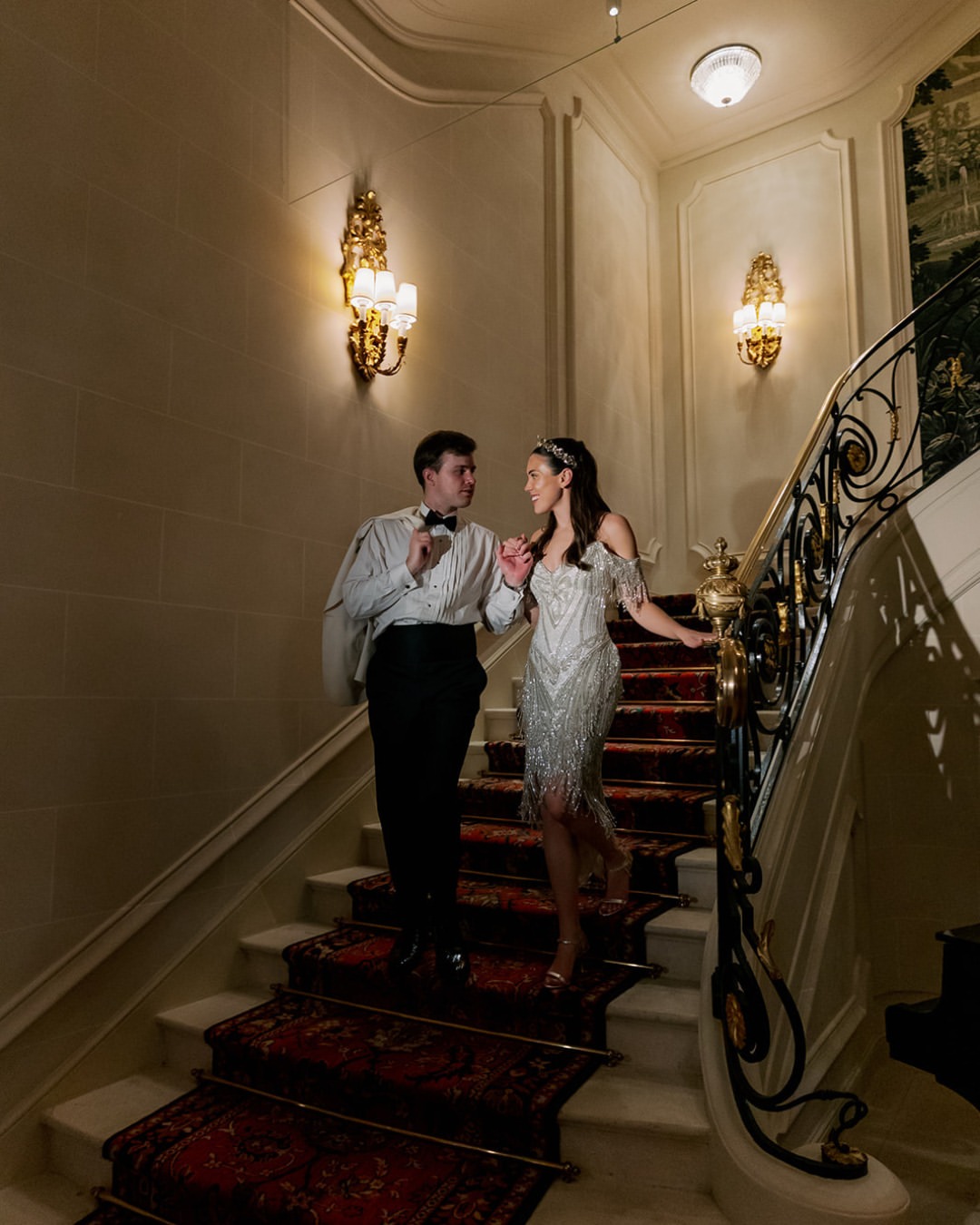
Julian's advice on wedding timelines is some of the most practical we've heard from anyone in this industry, and it runs counter to the instinct most couples have when they're deep in the planning process.
"Build in more breathing room than you think you need, and then add a little more," he says. "Couples almost always underestimate how long the quiet, in-between moments will matter to them: getting ready with their closest people, a first look, a few minutes alone before they walk into the reception" Then he says something that reframes the entire concept of a timeline:
A timeline isn't just a logistics document; it's a map of how the day feels. Protect the pauses.
Julian is candid about what the difficult moments in this career look like. Vendor changes close to the date. Weather. Family dynamics that surface at the worst possible time. None of it is unusual, and none of it gets easier just because you've seen it before.
What changes, after 22 years, is the steadiness.
"The couples who trust the process and trust their team almost always come out the other side saying it was perfect," he says. "My job is to hold the vision steadily even when things are moving fast, and to make sure the couple never has to feel the turbulence."
That last line is the job description, honestly. A wedding planner's real value isn't the spreadsheets or the vendor relationships or even the creative vision — it's the ability to absorb chaos on behalf of the people who hired them and deliver a day that felt calm and intentional regardless of what was happening behind the scenes.
Julian's single most important piece of advice for couples planning their wedding is also the thing that goes against every instinct that comes with spending months making thousands of decisions.
"Hire people you genuinely trust and then let them do their jobs," he says. "So much wedding stress comes from trying to control every detail from every angle, understandably, because this day matters enormously. But when you've built the right team, the greatest gift you can give yourself is presence. Be in the day. The flowers will be right. The food will be right. Your only job is to show up and feel it."
Show up and feel it. For couples who have spent a year inside spreadsheets and vendor emails and seating chart revisions, that permission can be genuinely difficult to accept. Julian's argument is that it's the whole point — and that building a team you trust enough to let go is the most important planning decision you'll make.
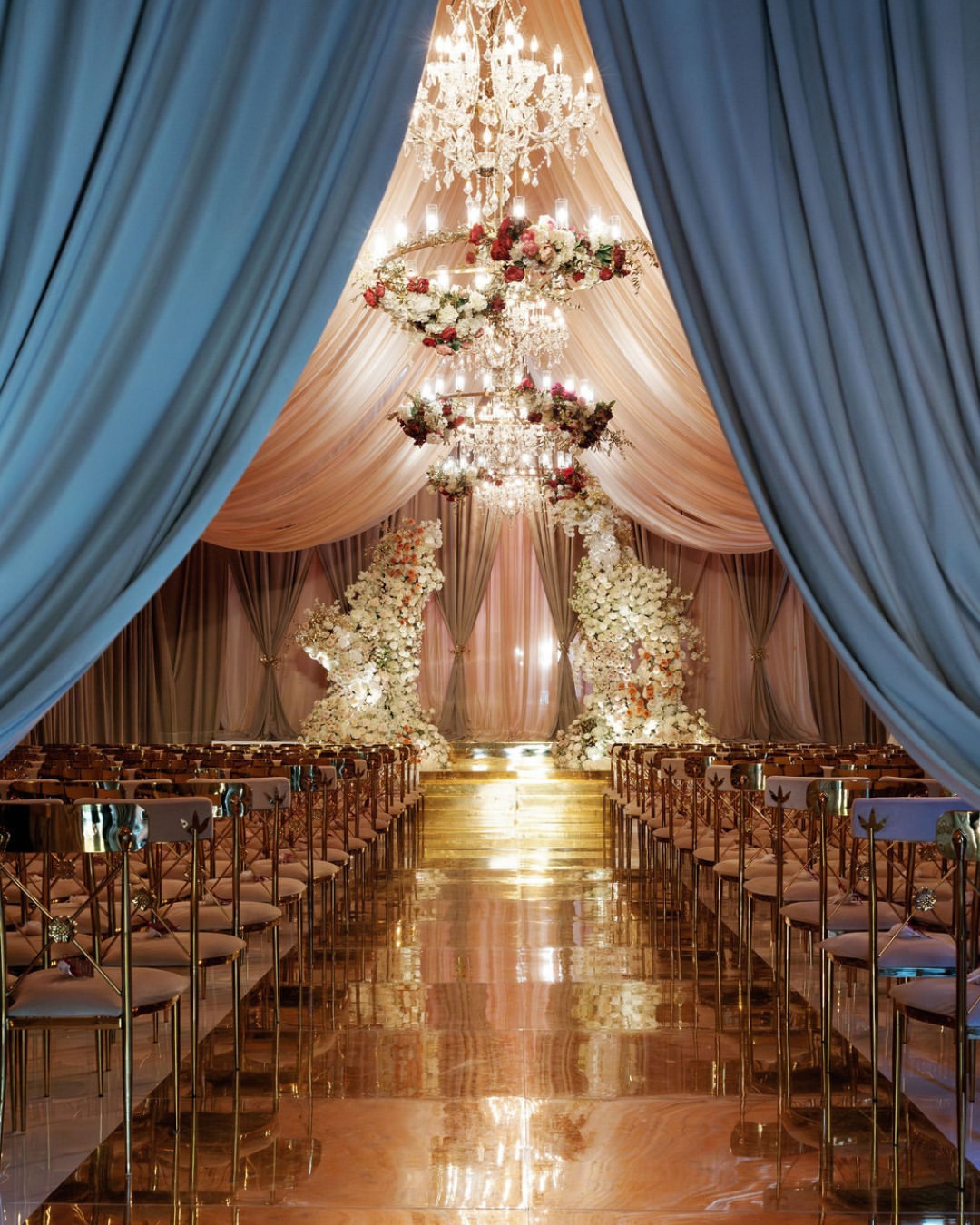
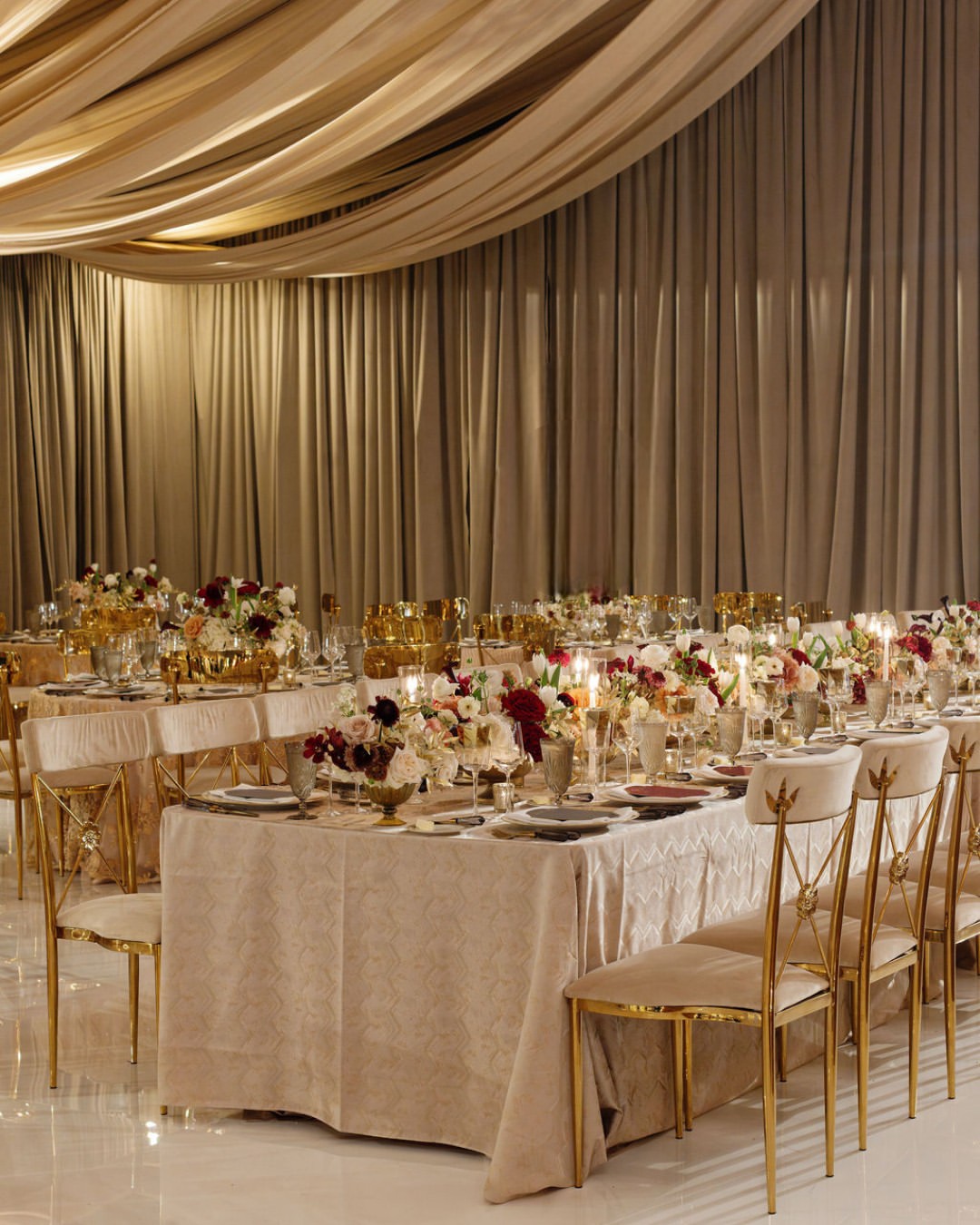
Julian works across France, Italy, New York, Texas, Mexico, and beyond. He has seen extraordinary venues on most continents. Ask him for a favourite and he redirects immediately. "A venue is only as perfect as it is right for the two people getting married there."
What he does look for, consistently, is a strong sense of place. "Somewhere that could only exist where it is. Whether that's a historic estate, a clifftop overlooking the sea, or a private villa where the light at golden hour feels almost unfair, I love when a location does some of the storytelling for us."
He also looks for something less obvious: temperament. In venues and in vendors. "The most beautiful backdrop in the world is diminished if the team behind it isn't fully invested in the day. The properties I return to most are the ones where the staff treats every wedding as if it's the only one they've ever hosted."
The same standard applies to the vendors he builds relationships with over time.
What I look for in a vendor isn't just talent; it's temperament. On a wedding day, grace under pressure matters just as much as skill.
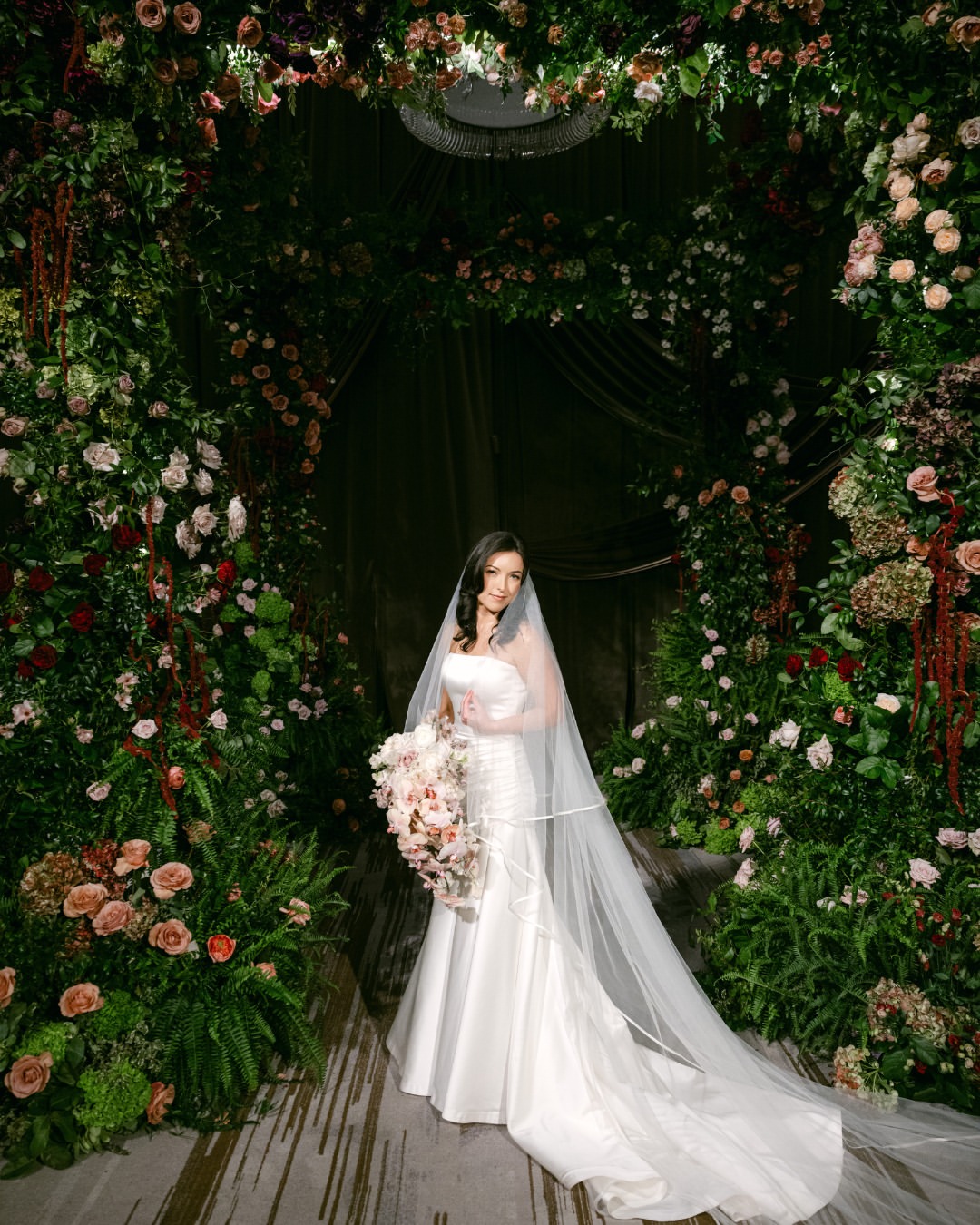
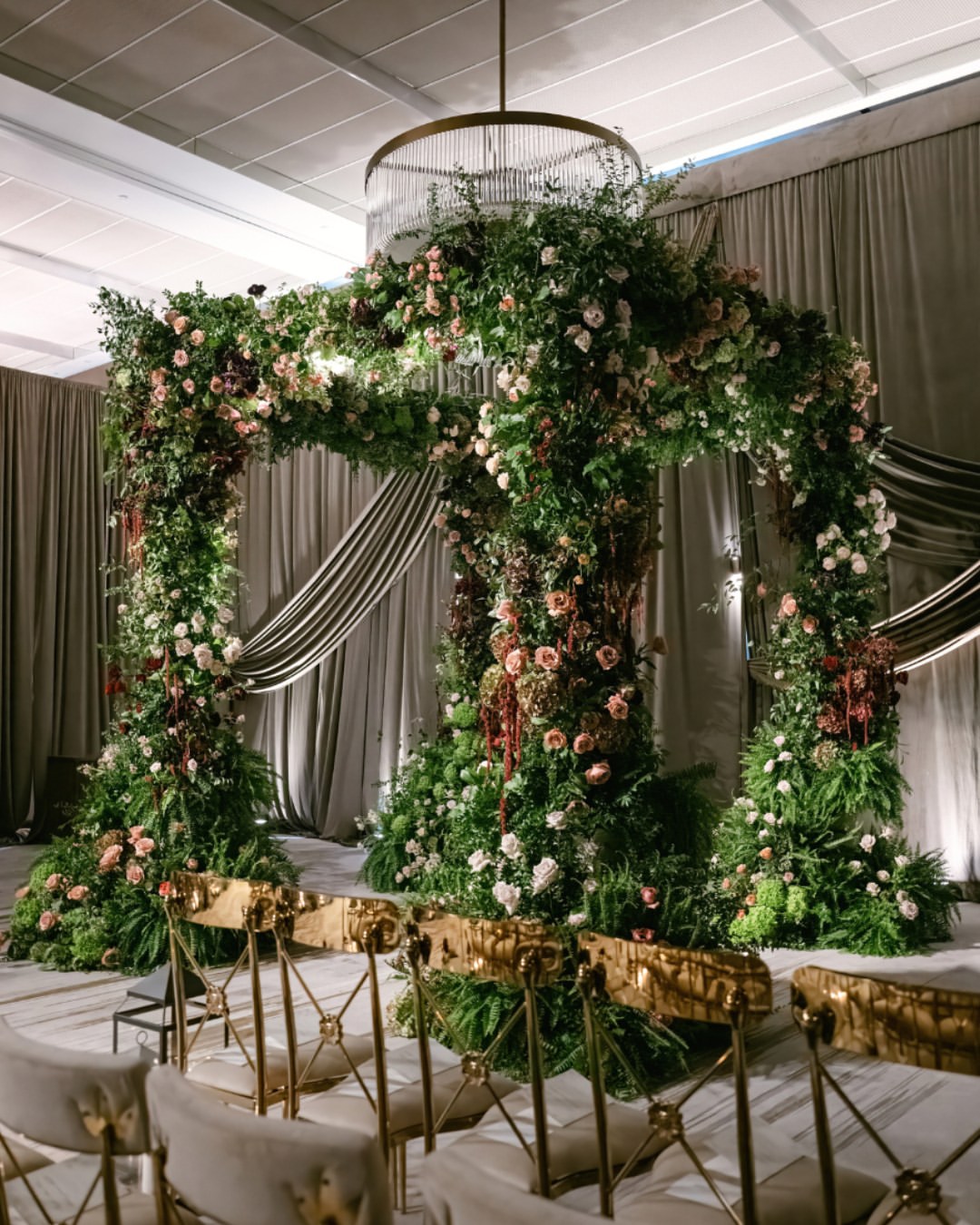
Julian has a definition of luxury that the wedding industry should probably adopt wholesale and the couples who book him understand immediately. "Luxury, at its best, isn't about expense, it's about intention. The weddings that feel truly extraordinary are the ones where every single detail was chosen with care and purpose, where guests feel genuinely seen and celebrated."
Then the line that sums up 22 years in one sentence: "Not a wedding that looks impressive in photographs, but one that lives in people's memories. That's the standard we hold ourselves to, every single time."
A wedding that lives in people's memories. That is a different goal from a wedding that photographs beautifully, and it requires a different kind of planner to pull off. Julian Leaver Events has been pulling it off for more than two decades, quietly, from the back of rooms that move people to tears.