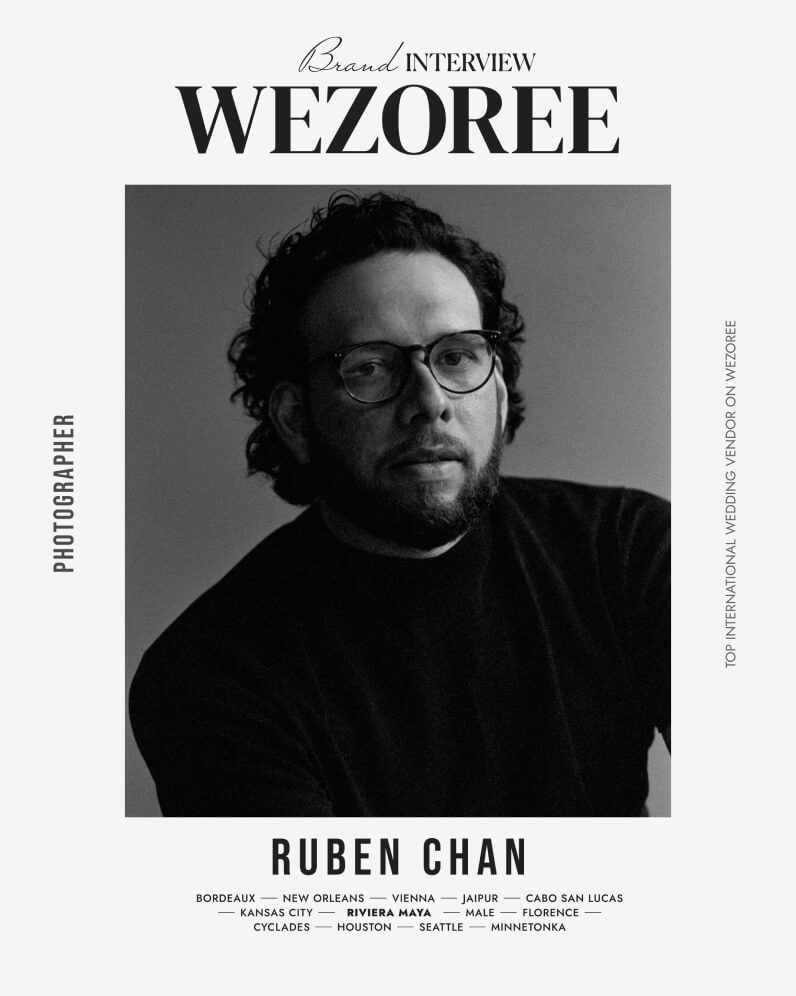
Ruben Chan on the Wedding Images That Begin With Letting Go
AUTHOR: Natali Grace Levine
READING TIME: 5m 27s
PUBLICATION DATE: 05/22/2026
UPDATED: 06/15/2026
AUTHOR: Natali Grace Levine
READING TIME: 5m 27s
PUBLICATION DATE: 05/22/2026
UPDATED: 06/15/2026
Ruben Chan grew up with a camera already in the room. His father was a hobby photographer, and more than half of Ruben's childhood was documented through his lens. That early proximity to photography gave him something most photographers spend years chasing — a genuinely personal relationship with what a photograph means.
"I've always been drawn to printed photographs, to the idea of passing images from hand to hand and revisiting moments over time," he says. "Sometimes, those memories can even feel stronger than the day the photo was taken."
That instinct — toward the lasting, the tactile, the emotionally resonant — is what eventually led him to weddings. And 12 years in, it's still what drives him.
Ruben's entry into the wedding industry wasn't through a camera. It was through cables, tripods, and lighting rigs. "I actually started in video, helping friends on wedding productions. Back then, it was a much heavier setup, carrying lighting cables, tripods and a lot of equipment. It was a very hands-on introduction, but it gave me a real understanding of how weddings work behind the scenes."
That time on the floor of someone else's production taught him the architecture of a wedding day — how it moves, where the energy shifts, what tends to get missed. When he eventually transitioned into photography, he wasn't starting from zero. He was translating something he already understood into a different medium.
 Over time, I transitioned into photography, where I found a stronger connection with the way I wanted to observe and capture moments.
He cites cinema and documentaries as parallel influences — the kind of visual storytelling that holds space for both observation and intention. Weddings, he found, were a rare environment where both could coexist. "They allow me to be creative while also documenting real, unrepeatable moments."
Ruben is based in the Riviera Maya, working primarily across Quintana Roo — Cancún, Playa del Carmen, Tulum, Bacalar — and travelling for weddings in other Mexican destinations including Los Cabos, Oaxaca, San Miguel de Allende, and Valle de Guadalupe. He's also available to work worldwide.
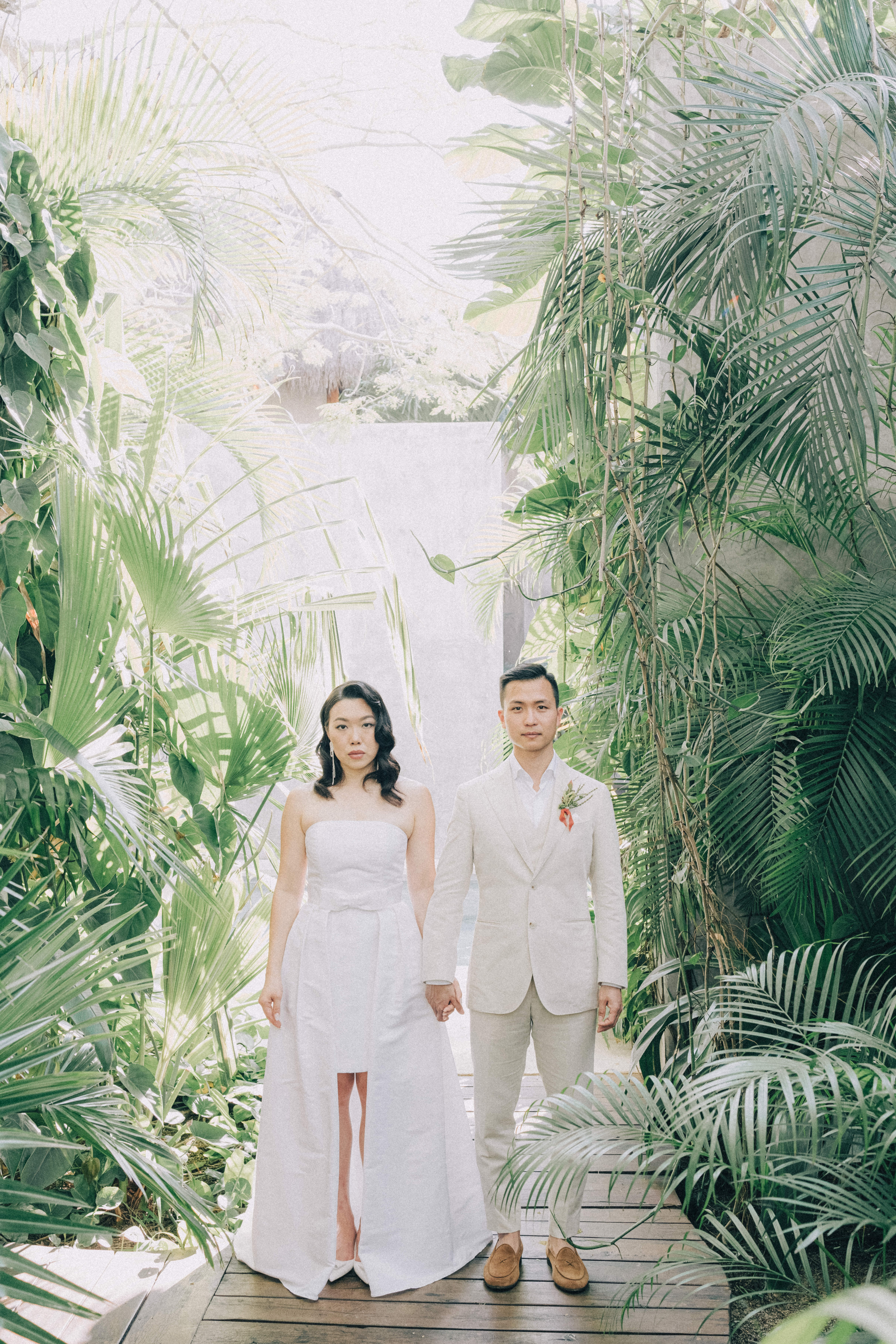
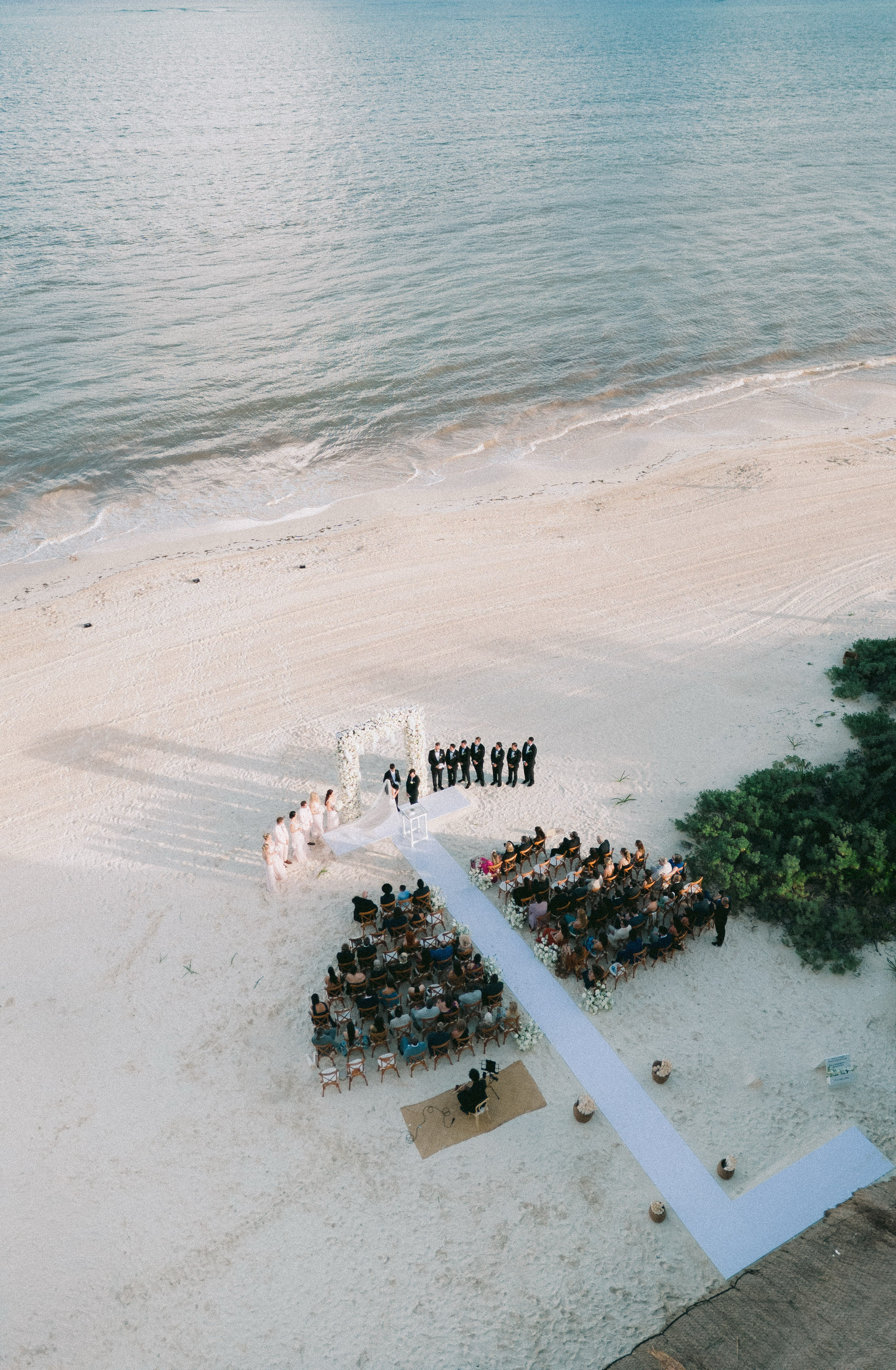
The Riviera Maya gives him a wide and varied terrain to work across. "I work across a variety of venues, from beachfront locations to jungle settings and boutique hotels. Since the Riviera Maya is quite extensive, I don't tend to repeat venues very often, which keeps each wedding experience different."
Venues he's worked at include Villa La Joya, Jardín del Mar, Blue Venado, Grand Palladium Costa Mujeres, and Ambre Epices in Tulum — each with its own light, its own character, its own demands on a photographer.
With 12 years of weddings behind him across some of Mexico's most visually striking destinations, Ruben's take on locations is more nuanced than most. "I wouldn't say I have a single unforgettable location, because for me it's less about the place and more about the experience happening within it."
What he gravitates toward are environments that contribute without taking over.
I'm especially drawn to locations that feel immersive — like beachfront settings, jungle venues or spaces with strong architectural character, where the atmosphere adds depth without overpowering the moment.
Light plays a specific role in how he reads a space. "I'm also very drawn to spaces with a strong interplay of light and shadow, where I can explore texture and create more depth within the images."
The conclusion he's reached, after years of different venues in different conditions, is a clean one: "It's not the location itself that makes it unforgettable, but how everything unfolds within it."
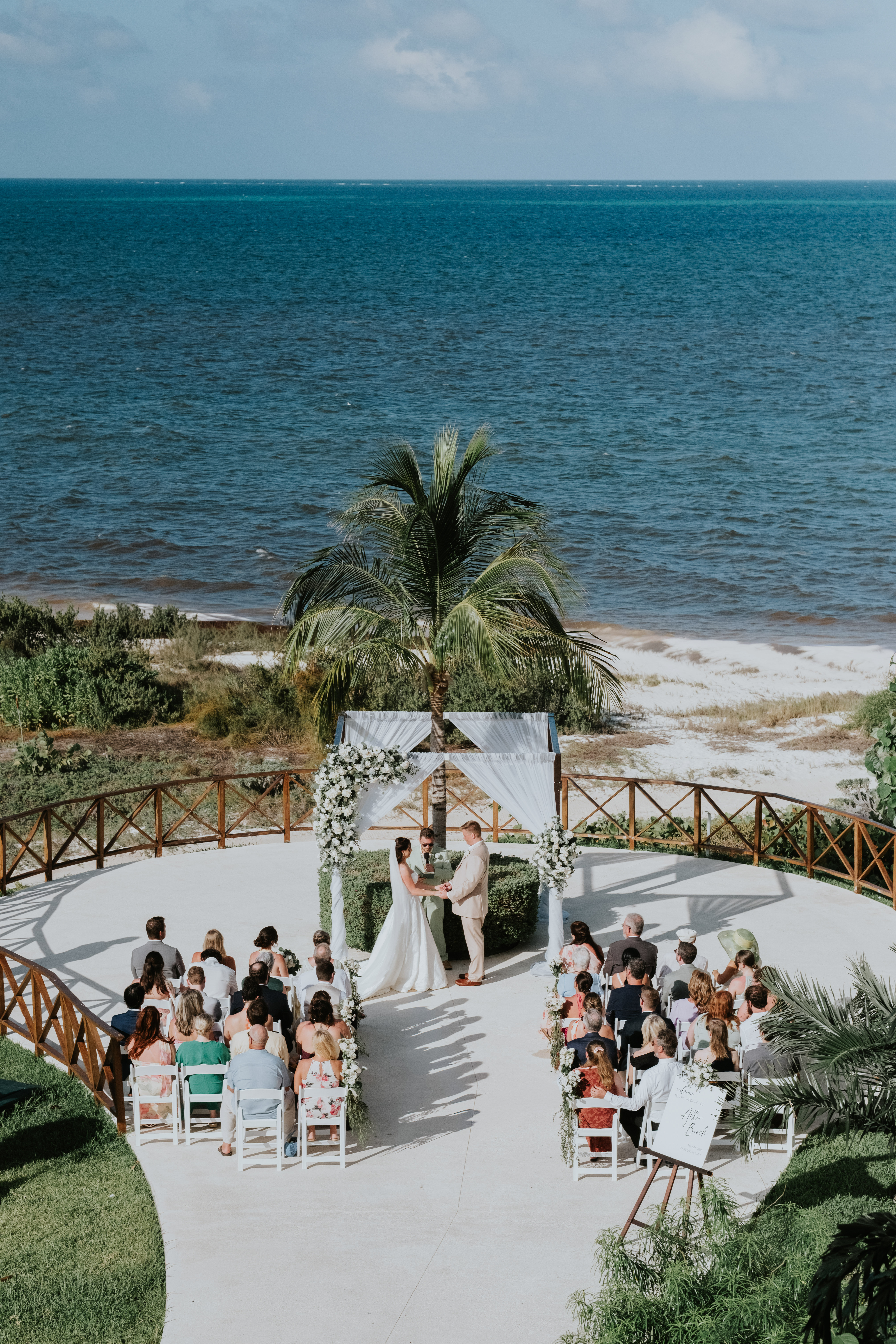
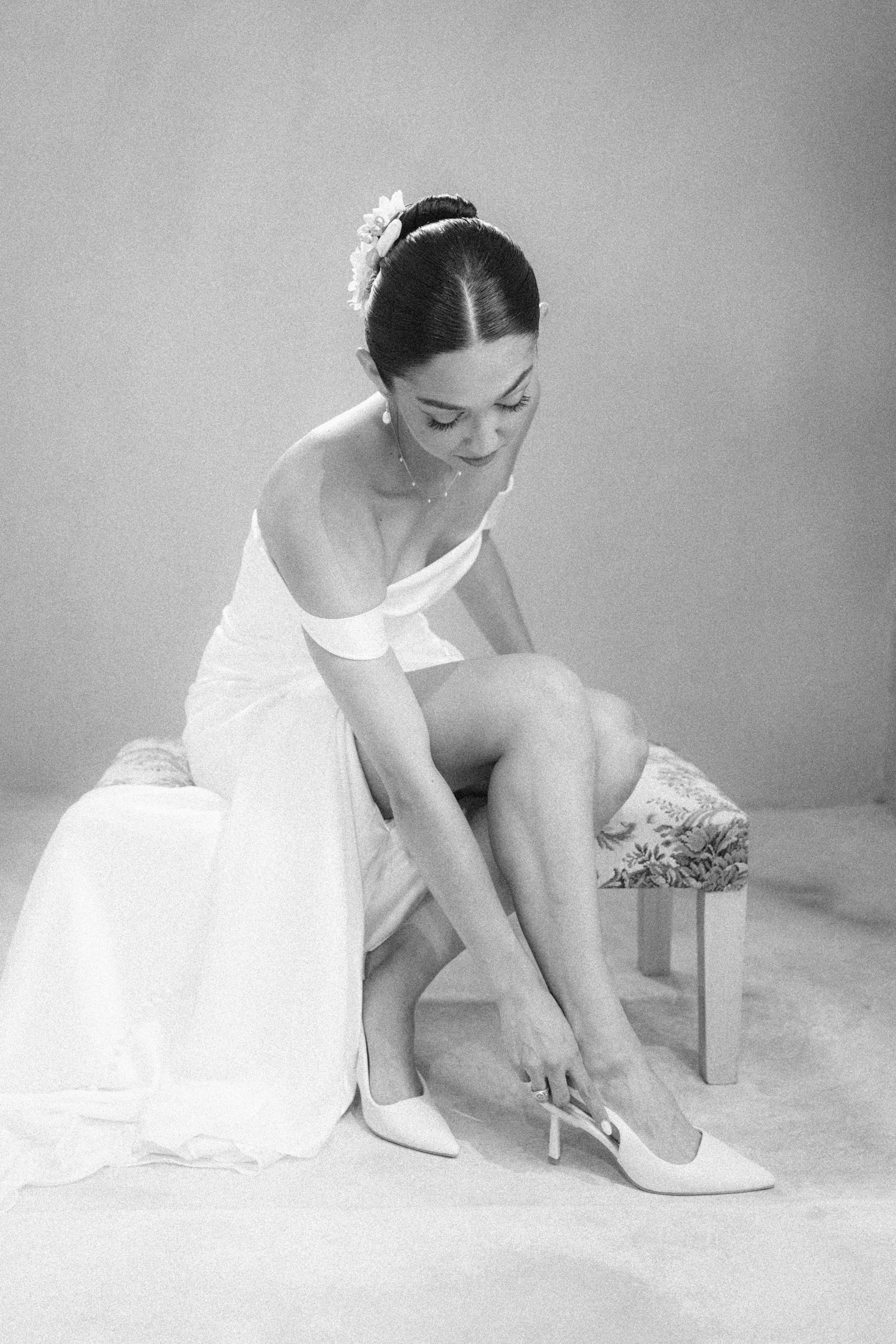
Ask Ruben what he enjoys most about wedding photography and he doesn't go straight to aesthetics or craft. He goes to people. "What I enjoy the most about wedding photography is the connection I build with each couple," he says. "Over time, I've understood that not every photographer is the right fit for every couple, and that makes the connection even more meaningful."
That fit — when it's real — changes everything that ends up in the frame. "The trust they place in me naturally translates into how they feel in front of the camera, and that's what allows the photos to feel honest, natural and effortless."
He's also clear-eyed about the weight of the role. "There's a certain weight to knowing I'm giving a part of myself on one of the most important days of their lives, and I value that responsibility." It's not a burden he resents — it's one he actively chooses, every time.
Ruben works on around 15 to 20 weddings per year — a number he's thought carefully about. "This allows me to stay fully present for each couple and dedicate the time needed throughout the entire process, from the planning stage to the final delivery," he explains. "It's important for me to maintain that level of attention and not compromise the experience or the quality of the work."
For couples, that intentional limit translates into something concrete: when Ruben takes on a wedding, it has his genuine focus — not just on the day, but across every stage before and after it.
Repetition is the quiet enemy of any creative who works within a defined format. Ruben has found his answer to it, and it isn't about chasing novelty.
What keeps inspiring me is the connection I build with each couple and the process of understanding who they are and what truly matters to them
Getting to know a couple before the day shapes everything that happens on it. "Getting to know them helps me understand what to focus on, what to photograph, and ultimately what I want to deliver. It keeps the work intentional rather than automatic." He also draws a useful distinction between what repeats and what doesn't. "Even though many moments repeat across weddings, the way each couple experiences them is always different. That perspective keeps me engaged and prevents the work from ever feeling routine or irrelevant."
Where he's landed, after more than a decade, is a shift in orientation. "Over time, it becomes less about chasing inspiration and more about paying attention. That's what keeps the work evolving."
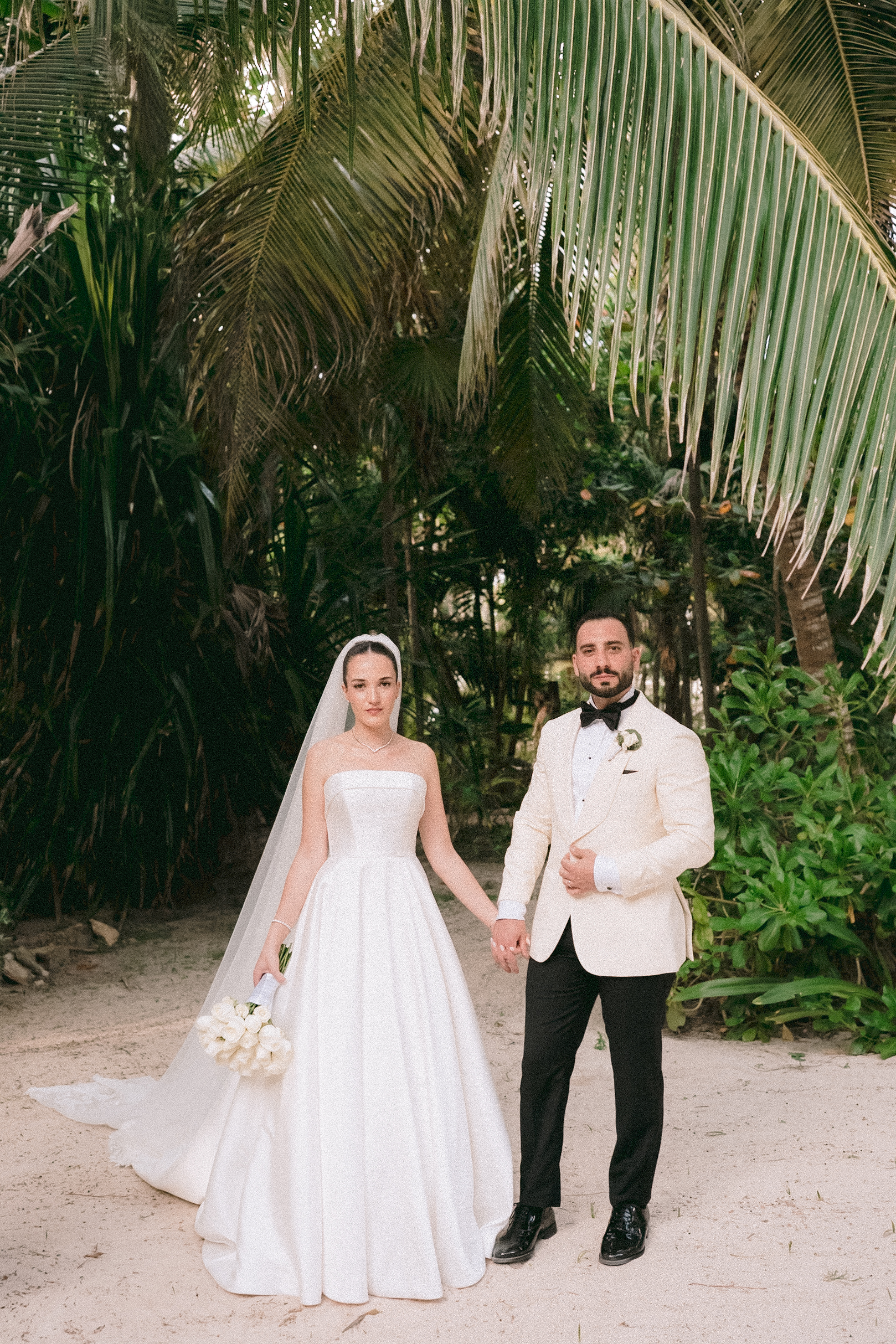
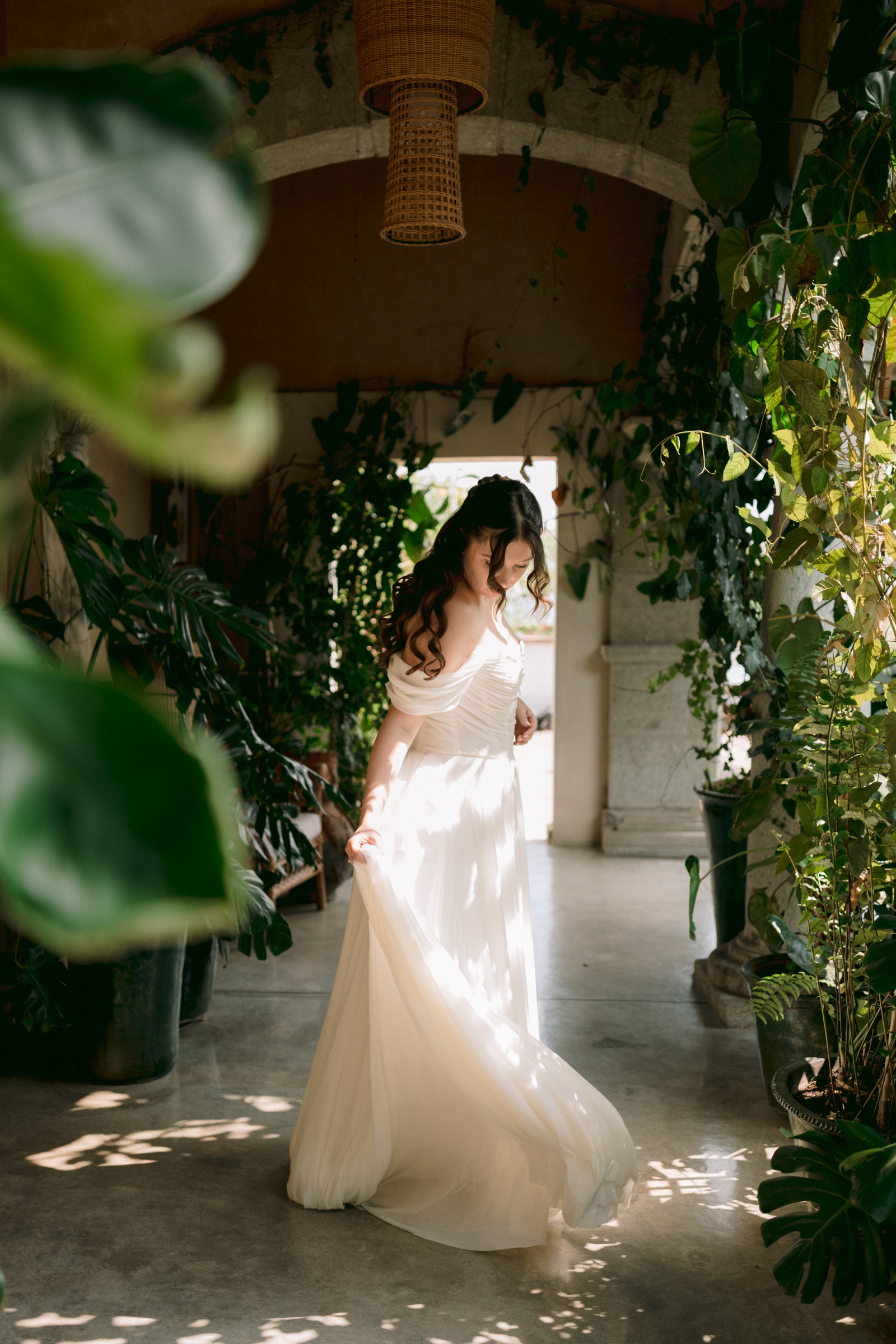
The wedding that has stayed with Ruben the longest wasn't a grand destination event or a technically complex production. It was one of his very first. "A close friend asked me to photograph his wedding, and that experience changed everything for me. It wasn't about the venue or the scale, but about the trust and the opportunity to step into that role for the first time."
What happened next set the trajectory for everything that followed. "From that wedding, another couple asked me to photograph theirs, and I remember realizing that people were starting to trust me with something so important. That had a big impact on me." He describes it with a precision that suggests he's thought about it many times since. "It slowly turned into a snowball that led me to where I am today."
Looking back, that first wedding wasn't just a job. It was where his understanding of what the work actually meant began to take shape — "not only creatively but also in the people I've met and the places it has taken me."
Ruben closes with something he says he tells couples consistently, and it's worth quoting in full: "One thing I always tell couples is to allow themselves to fully experience the day and not hold back. The more they let go and stay present, the more natural everything feels, and that’s when the strongest images happen.”
He's equally attentive to the other side of that balance.
At the same time, I believe they deserve to look their best, so I step in when needed to gently guide them in a way that still feels true to who they are.
The result he's working toward is something specific: "It's about finding that balance between feeling and intention, so the images are not only beautiful, but also honest to the experience they lived."