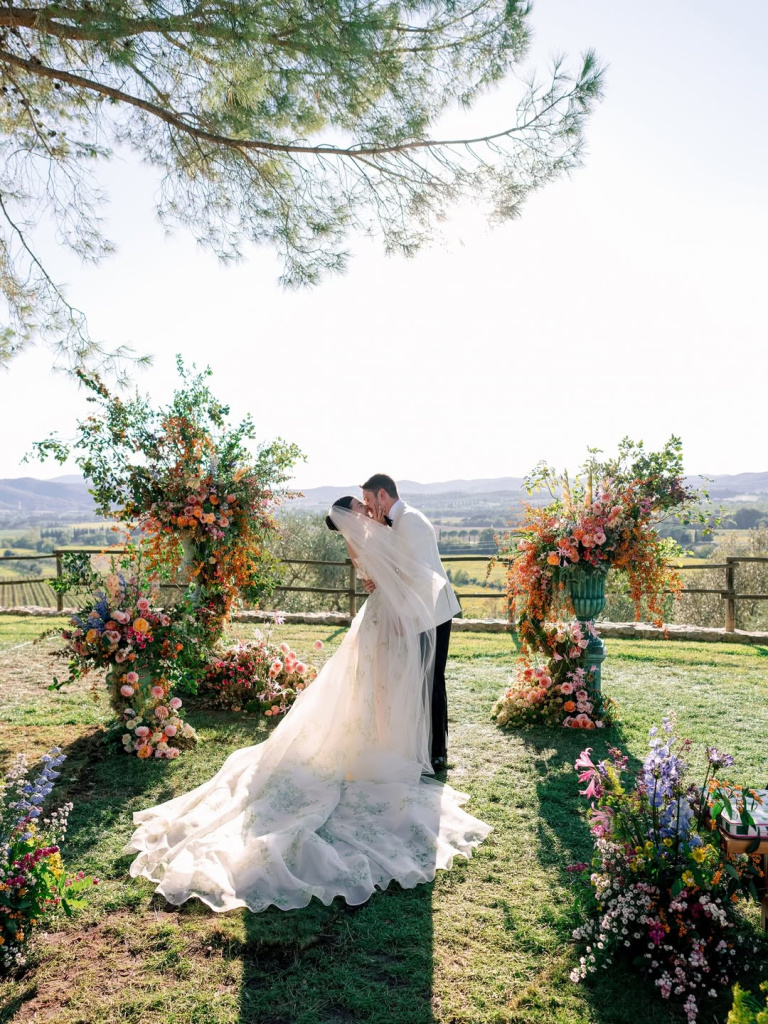
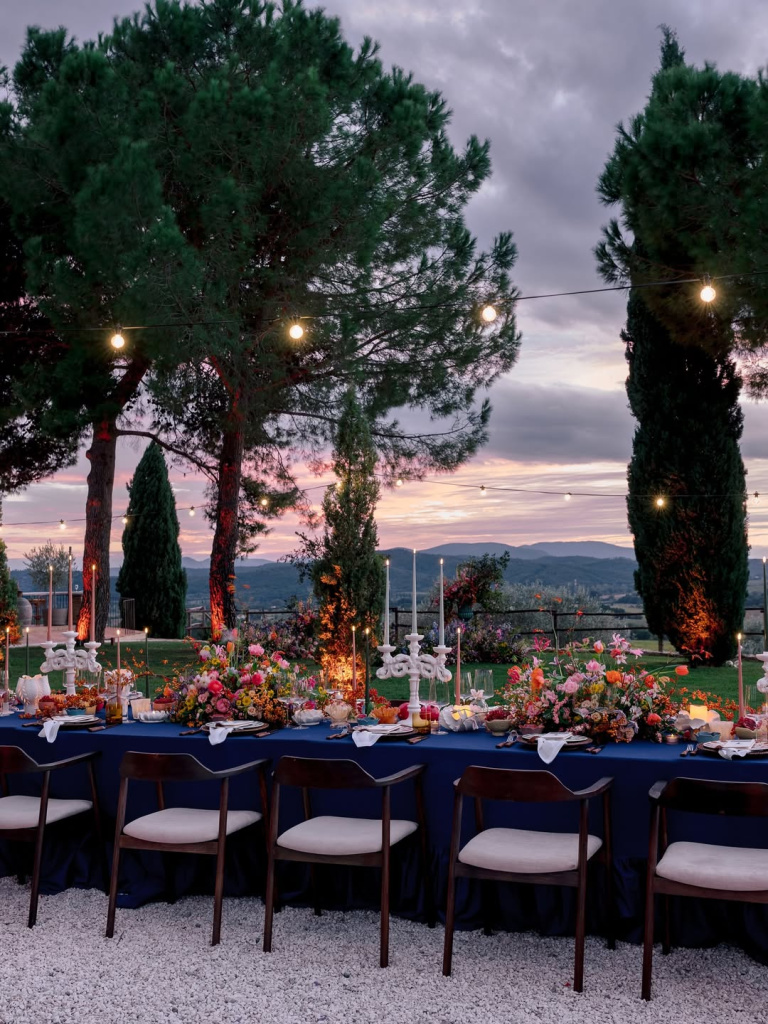
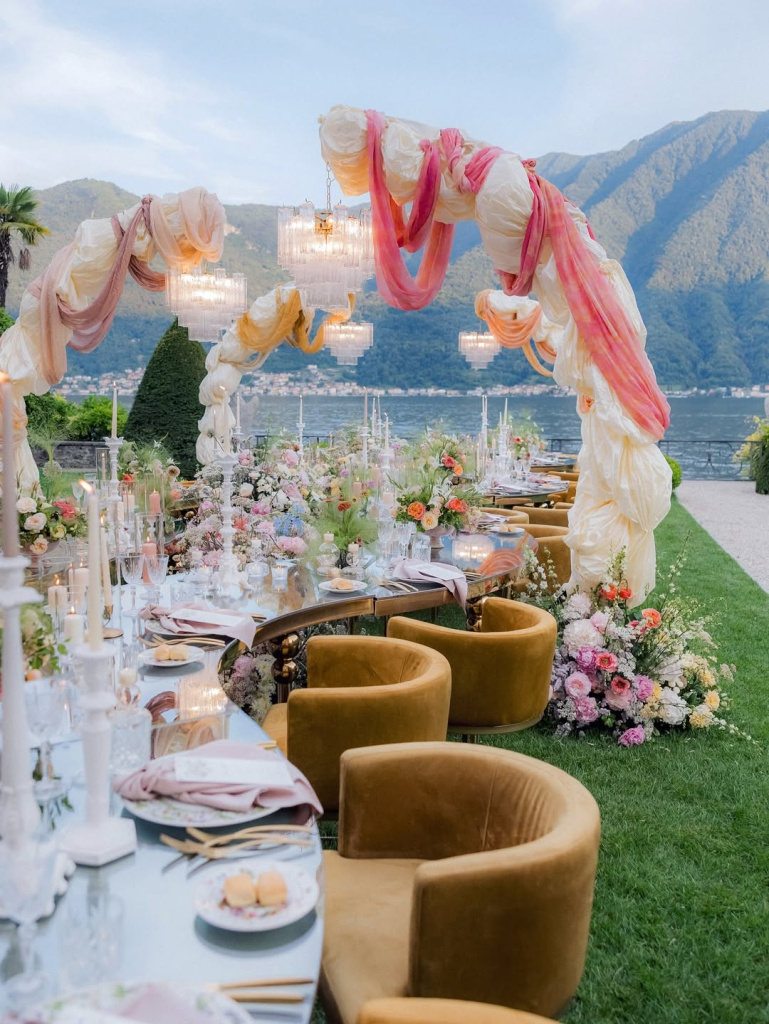
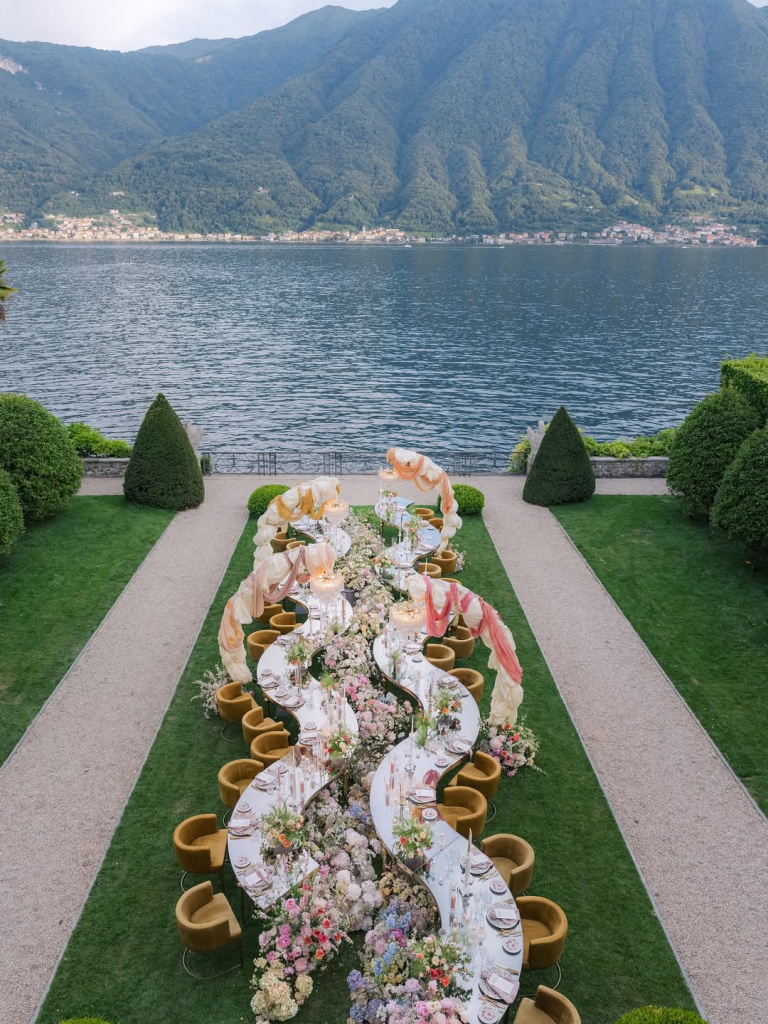
There’s something unmistakable about a Tulipina wedding. It doesn’t just look beautiful—it feels intentional, layered, and alive. Every arrangement carries movement, every color choice feels considered, and nothing exists without purpose.
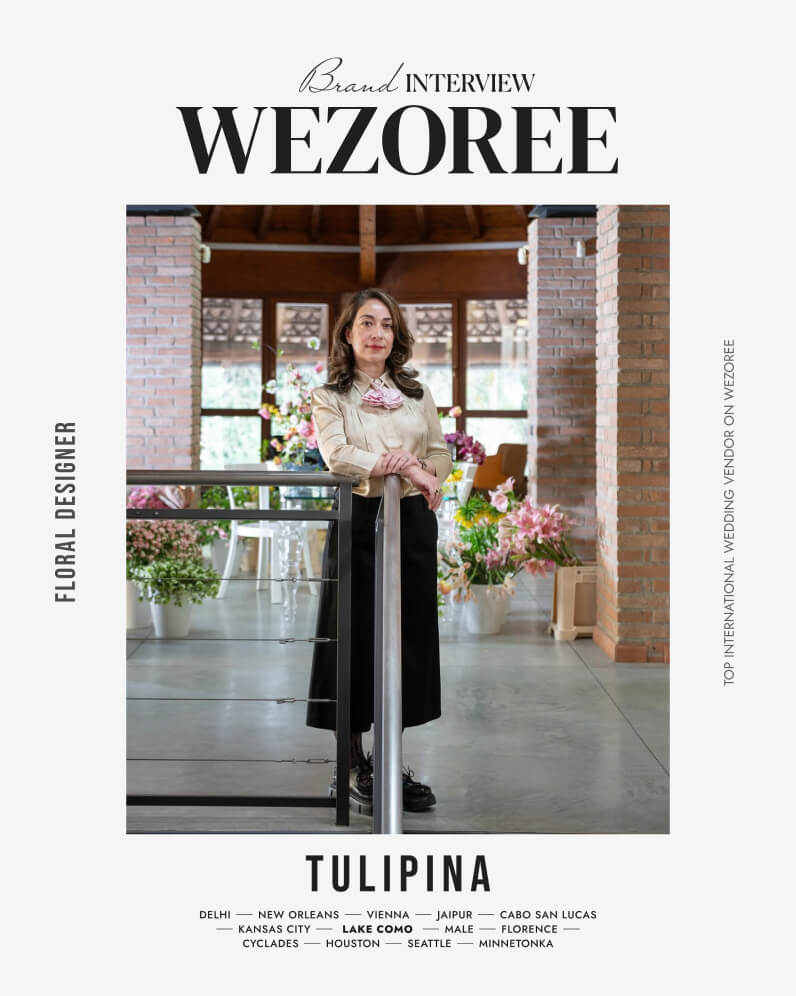
Behind this distinctive aesthetic is Kiana Underwood, a floral designer whose work has quietly reshaped how modern weddings approach flowers—not as decoration, but as a central design language.
We spoke with Kiana about creative freedom, the balance between structure and spontaneity, and why the most powerful floral designs often begin far beyond flowers themselves.
Designing Beyond Tradition
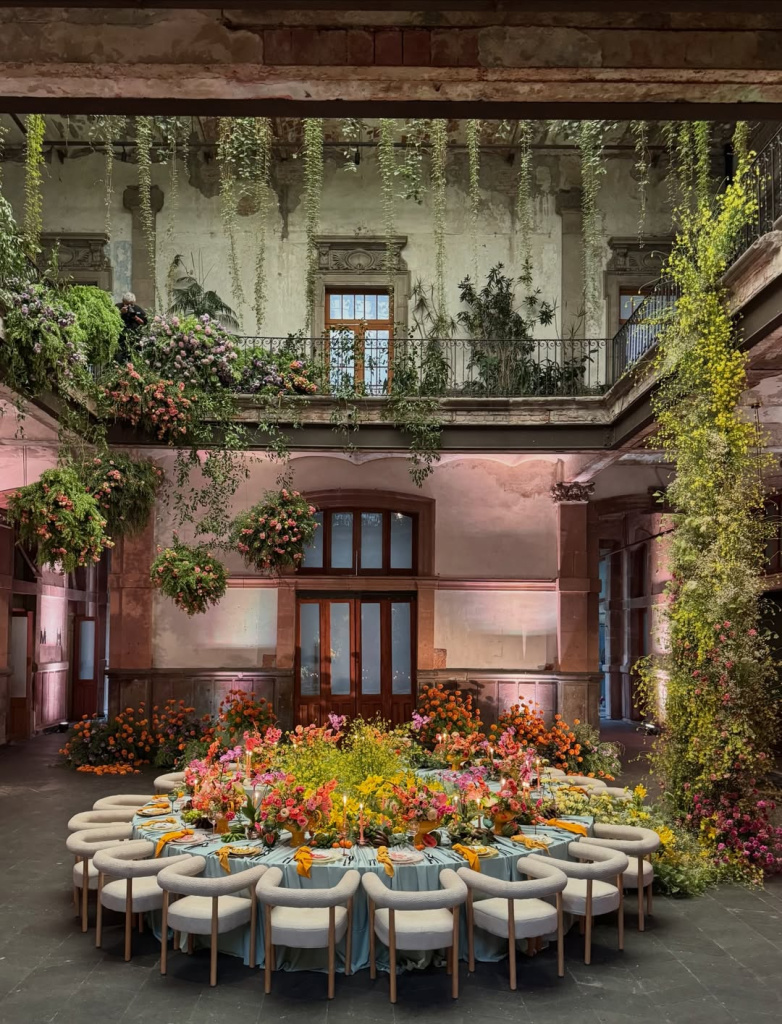
Photo by @nruphotoPhoto by @nruphoto
For Kiana, floral design has never been about following rules. In fact, some of her most compelling work comes fr om stepping outside of them—carefully, intentionally.
“I’m very open to non-traditional elements, as long as they feel intentional and integrated into the overall design.”
In her world, flowers are just the beginning. Branches, fruits, grasses, textiles—even sculptural elements—can all become part of the composition.
But there’s a line she never crosses.
“The key is that it should feel cohesive within the environment but still stand out and demand attention.”
That balance—between harmony and boldness—is what gives her work its unmistakable identity.
The Illusion of Effortless Beauty
Some of the most breathtaking bouquets look like they came together naturally, almost accidentally. In reality, they are anything but.
“The most challenging bouquets are often the ones that appear effortless.”
Creating that soft, romantic looseness—while maintaining structure and balance—is wh ere true craftsmanship shows.
“The challenge is finding that perfect balance between refinement and movement; something that feels painterly and alive, but still polished.”
For Kiana, bouquets are especially personal. They’re held, carried, photographed up close—and remembered.
Her process reflects that level of care.
I’ve been able to refine this over the years, even using a mirror while building my bridal bouquets.
It’s a small detail, but it says everything about her approach: thoughtful, precise, and deeply intentional.
Not Following Trends—Creating Them
While the wedding industry often moves in cycles of trends, Kiana operates differently.
She doesn’t chase trends—she quietly sets them.
“I generally am not a trend chaser… I find that I usually set trends myself.”
Over the years, her work has influenced the return of flowers once considered outdated—like carnations, lilies, gladioli, and even gypsophila—reintroduced in ways that feel fresh, elevated, and unexpected.
“All I have to do is start using a particular variety in a large event… and soon enough everyone starts to use it.”
It’s not about reinvention for the sake of novelty. It’s about seeing potential where others don’t—and bringing it to life with confidence.
Where Floral Design Really Begins
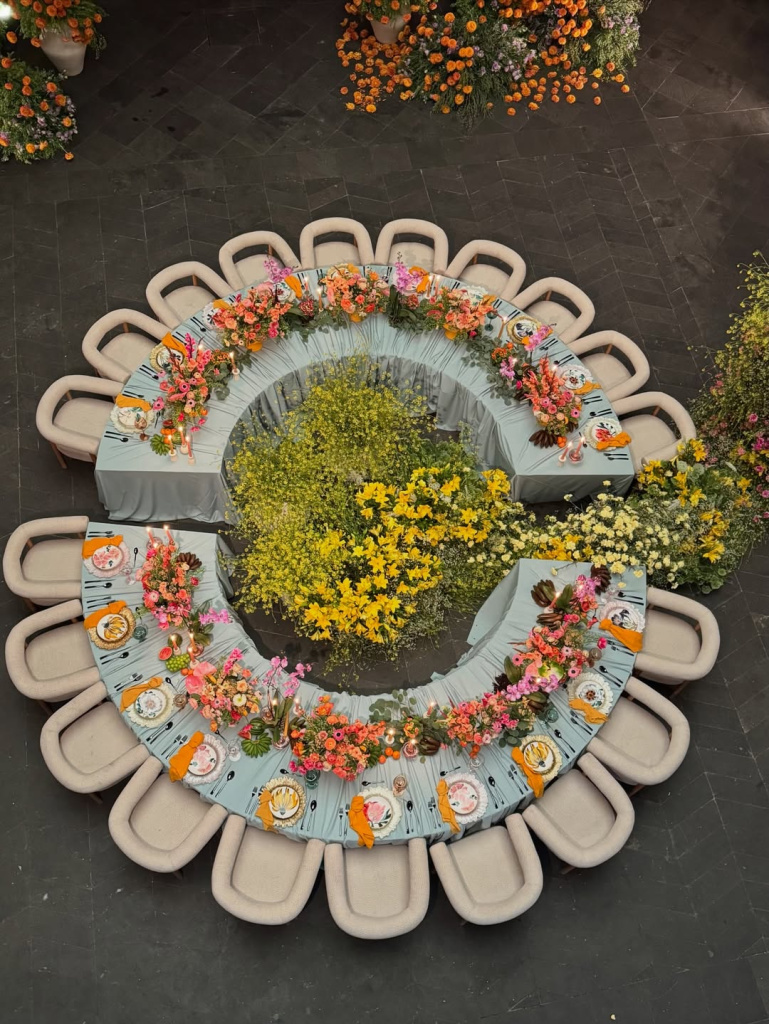
Photo by @joelserratoPhoto by @joelserrato
When couples start thinking about wedding flowers, they often begin with a single question: What style do we want?
Kiana gently shifts that perspective.
“I always encourage couples to think less about ‘floral style’ and more about how they want their wedding to feel.”
Romantic. Dramatic. Joyful. Understated.
These emotional cues, she explains, are far more powerful than referencing specific flowers.
And inspiration doesn’t have to come fr om weddings at all.
“Look at architecture, fashion, interiors, art, and travel imagery.”
The strongest floral concepts emerge when everything connects—when the flowers feel like a natural extension of the couple, the setting, and the atmosphere.
The Beauty of Interaction Between Flowers
Ask Kiana about her favorite flower, and the answer becomes more nuanced than expected.
It’s not just about the flower itself—it’s about how it interacts with others.
I’m less interested in a single flower than in the conversation between flowers.
Still, some varieties continue to draw her in.
“Ranunculus will always be a favorite because they are endlessly romantic and incredibly versatile.”
What matters most is movement, variation, and texture—the subtle details that bring arrangements to life.
When Trust Replaces Expectations
Surprisingly, in a career filled with extraordinary weddings, Kiana doesn’t point to unusual requests as defining moments.
Instead, she highlights something else entirely: trust.
“Our clients hire us to bring a particular style of beauty to their wedding day, often unencumbered by specific requests.”
This freedom allows her to create work that feels authentic, rather than constrained by expectations.
And that trust is what makes each design feel distinct—never repeated, never formulaic.
A Flower That Defines Romance
Photo by @andrew_baydaPhoto by @andrew_bayda
When asked to choose a single flower that represents romance, Kiana doesn’t hesitate.
If I had to choose one, it would be gardenia.
Soft, fragrant, and deeply expressive, it reflects everything she values in floral design—emotion, elegance, and timelessness.
More Than Flowers
What Kiana Underwood has built with Tulipina goes beyond floral arrangements.
It’s a way of seeing weddings—where every element has intention, wh ere beauty feels effortless but is carefully constructed, and where flowers become part of a larger story.


 I’ve been able to refine this over the years, even using a mirror while building my bridal bouquets.