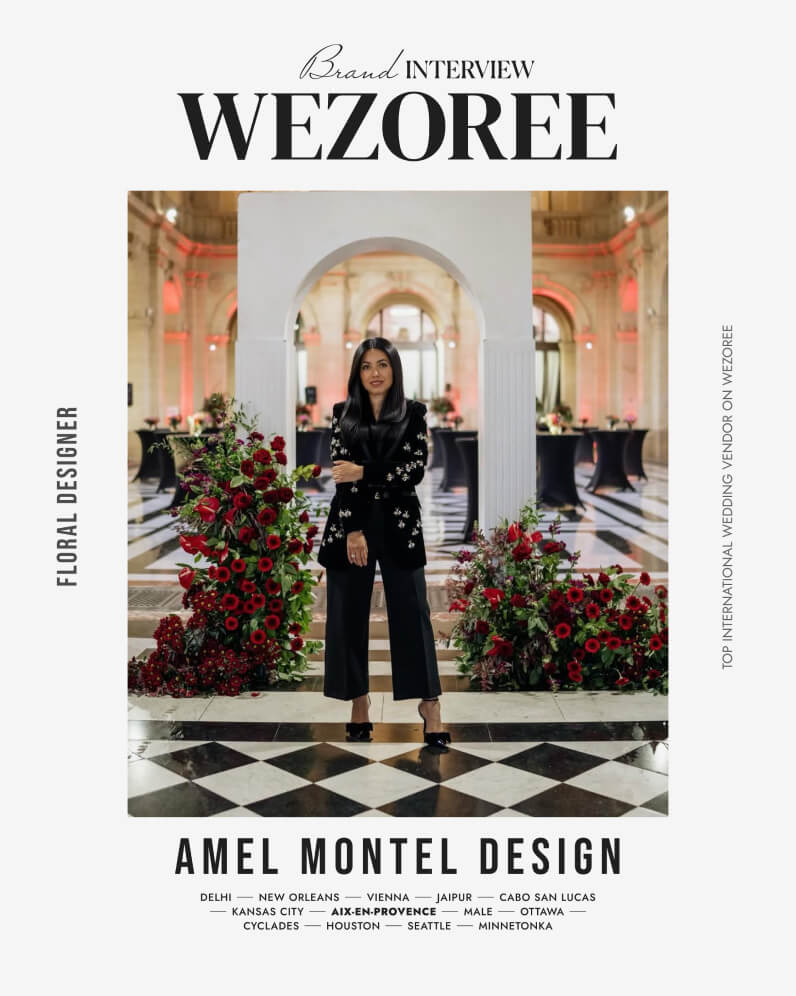
For Amel Montel, floral design was never simply about flowers themselves. It began with a deeper attraction to aesthetics, balance, and emotional expression.
“I am Amel Montel, a wedding designer and floral designer,” she says. “My journey in this field began with my passion for design and the beauty of flowers.”
Very early on, she understood that weddings could never follow a single formula. “I quickly realized that each wedding is unique and requires a personalized approach,” Amel explains. That realization shaped the foundation of her work — one rooted in listening, observing, and translating emotions into visual form.
Her creative process is deeply collaborative. “I love collaborating closely with couples to understand their vision and bring their dreams to life,” she shares. By harmoniously combining floral elements and décor, Amel focuses on creating atmospheres that feel intentional, emotional, and memorable — spaces that linger in memory long after the celebration ends.
The Quiet Reward of Seeing Emotion Come to Life
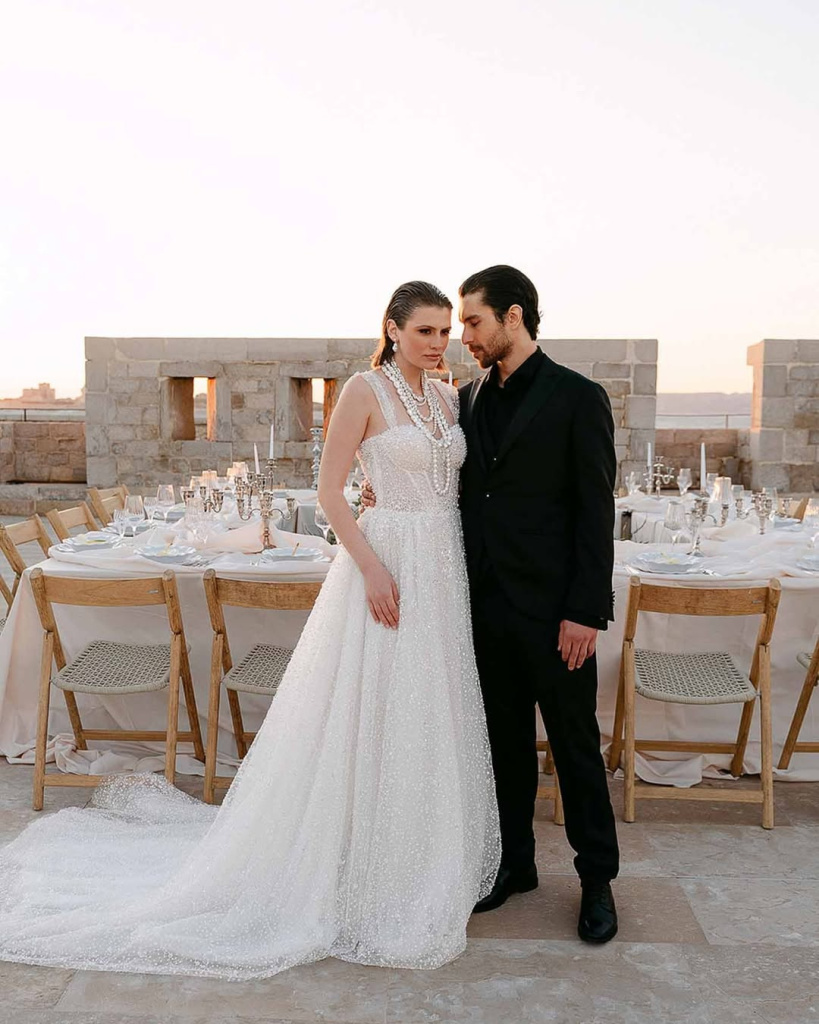
Photo by @gioia.visualsPhoto by @gioia.visuals
While floral design involves long hours, logistics, and precision, Amel finds meaning in the moment when everything finally comes together.
“The most rewarding part of being a wedding florist is undoubtedly seeing the joy and emotion on the faces of the newlyweds and their loved ones,” she reflects. For her, each wedding is an opportunity to express who the couple truly is — through color, texture, and composition.
“Participating in the creation of a magical and memorable atmosphere is very fulfilling,” she says. Knowing that her work contributes to such a meaningful day brings her deep satisfaction. At the same time, the constant variety of projects keeps her creatively engaged. “The opportunity to work on always different and creative designs allows me to continue learning and evolving in my profession.”
A Moment of Trust That Changed Everything
Some weddings stay with you forever. For Amel, one October celebration stands out as a turning point defined by patience, conviction, and trust.
The bride had a very specific vision — one that didn’t align with the venue, the season, or Amel’s proposals. Despite multiple discussions, they couldn’t find common ground. Finally, Amel chose a different approach.
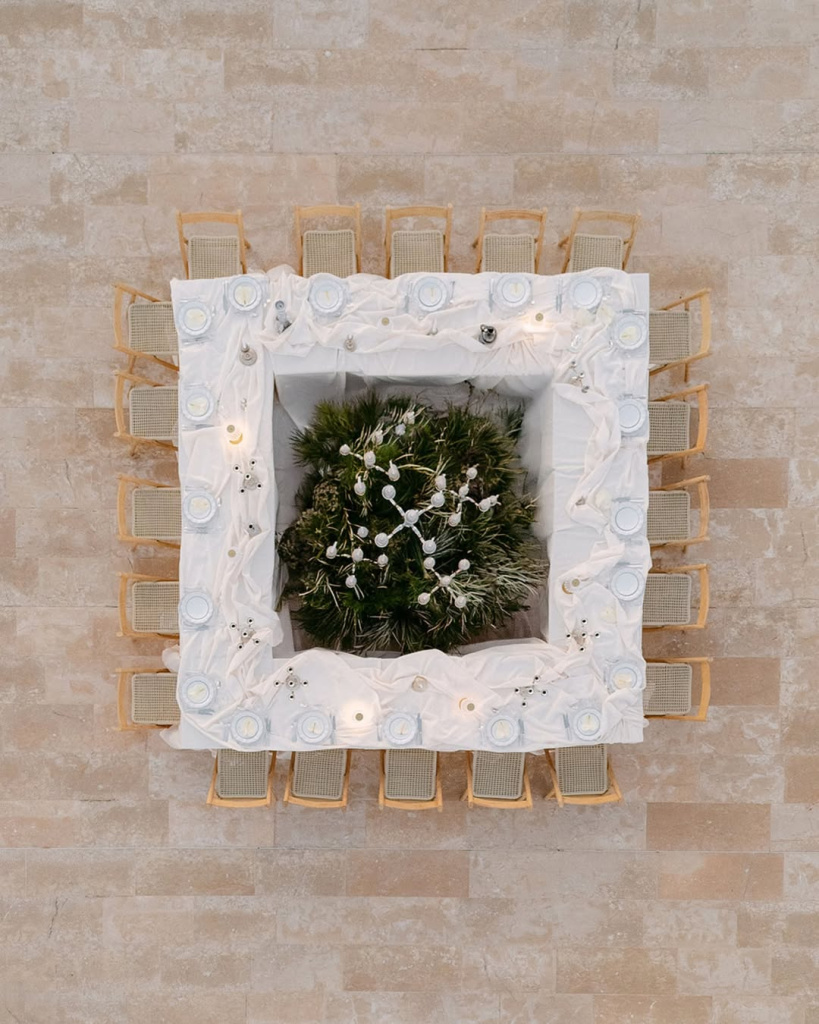
“I decided to present a sample table directly at the venue,” she recalls.
My goal was for her to visualize her wedding décor and feel comfortable with my ideas.
When the bride arrived, she walked slowly around the table. There was silence. Then emotion.
“She told me, ‘You were right to insist; it’s just stunning,’” Amel remembers. “I will never forget the emotion in her gaze.”
From that moment, everything shifted. The bride felt reassured, the creative direction became clear, and the wedding day unfolded with calm confidence. “On the big day, the bride was more than relaxed, and so were my team and I,” she says — a reminder that sometimes, seeing transforms uncertainty into trust.
Letting Unexpected Elements Tell a Personal Story
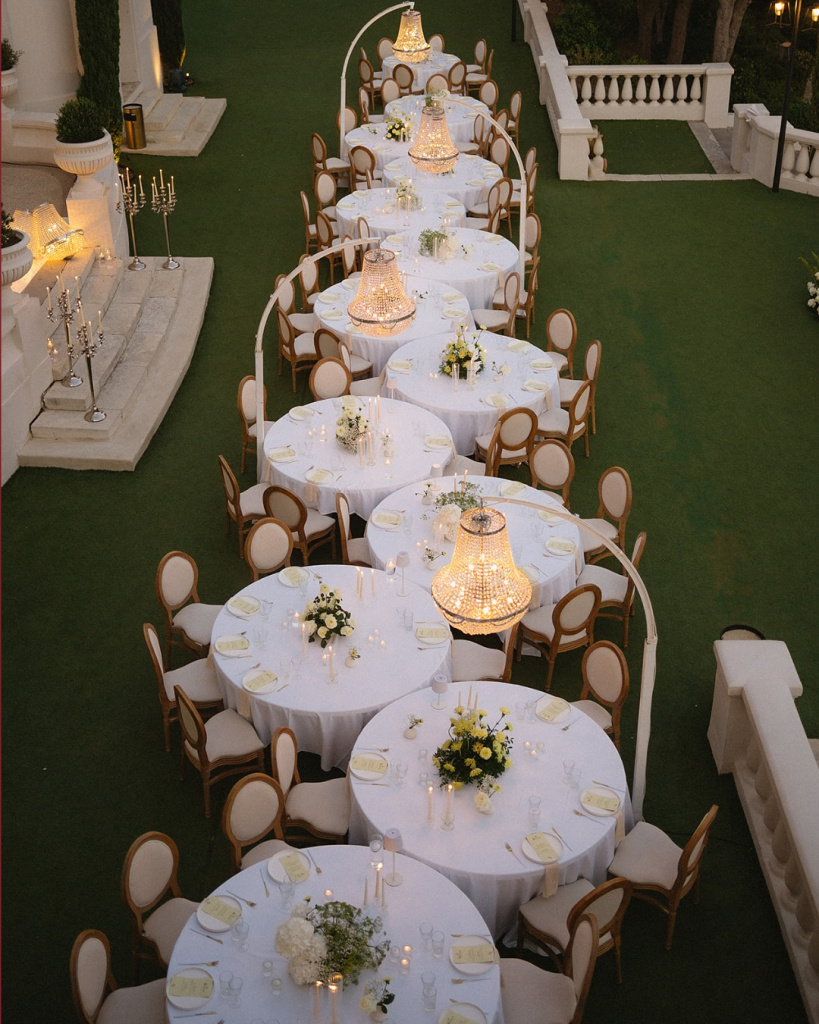
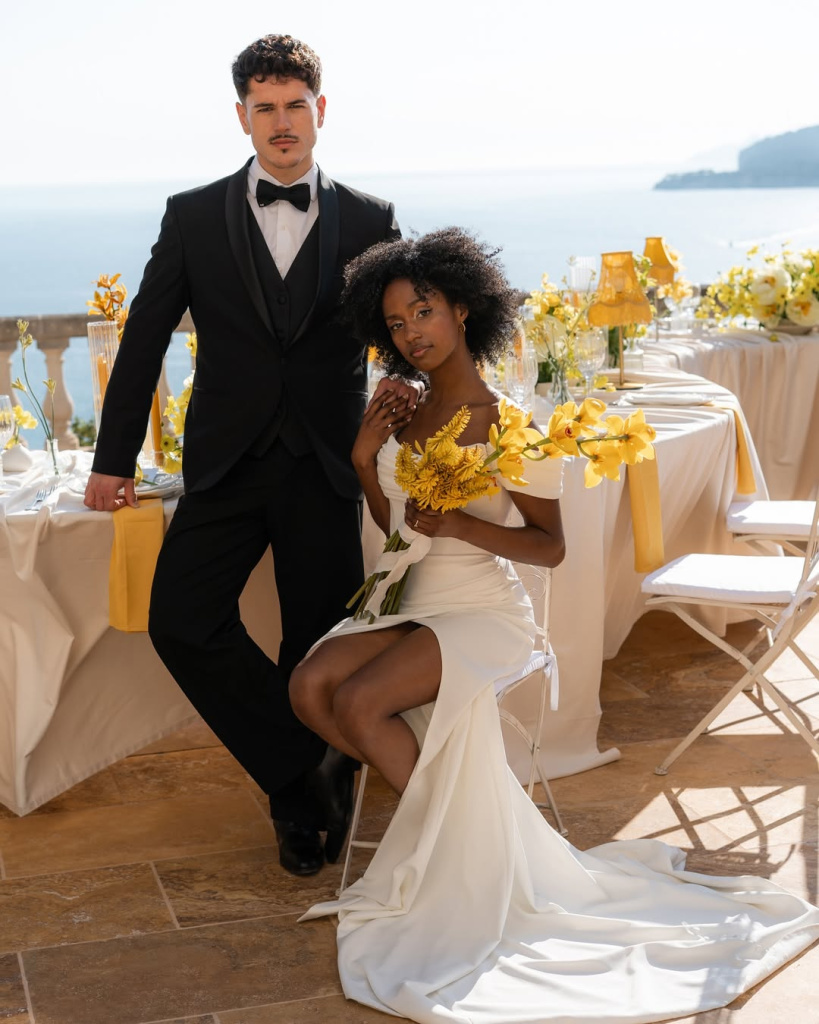
Photo by @marjorie.manfrePhoto by @marjorie.manfre
For Amel, floral design becomes most powerful when it moves beyond tradition.
“Using non-traditional elements in a wedding floral arrangement opens up endless creative possibilities,” she explains. These elements — fruits, exotic greenery, recycled materials — allow couples to express their personality and shared story in unexpected ways.
Such details are never random. “These choices can add an artistic dimension and reflect the couple’s passions,” she says. Whether it’s a boho-chic atmosphere created with wildflowers or a modern aesthetic shaped by bold colors and geometric accents, harmony remains essential.
“Originality in floral arrangements can truly make each wedding unique and memorable,” Amel adds — not through excess, but through intention.
Observing How Floral Design Is Evolving in 2023
Rather than chasing trends, Amel observes them carefully — noting what reflects a deeper shift in how couples approach weddings today.
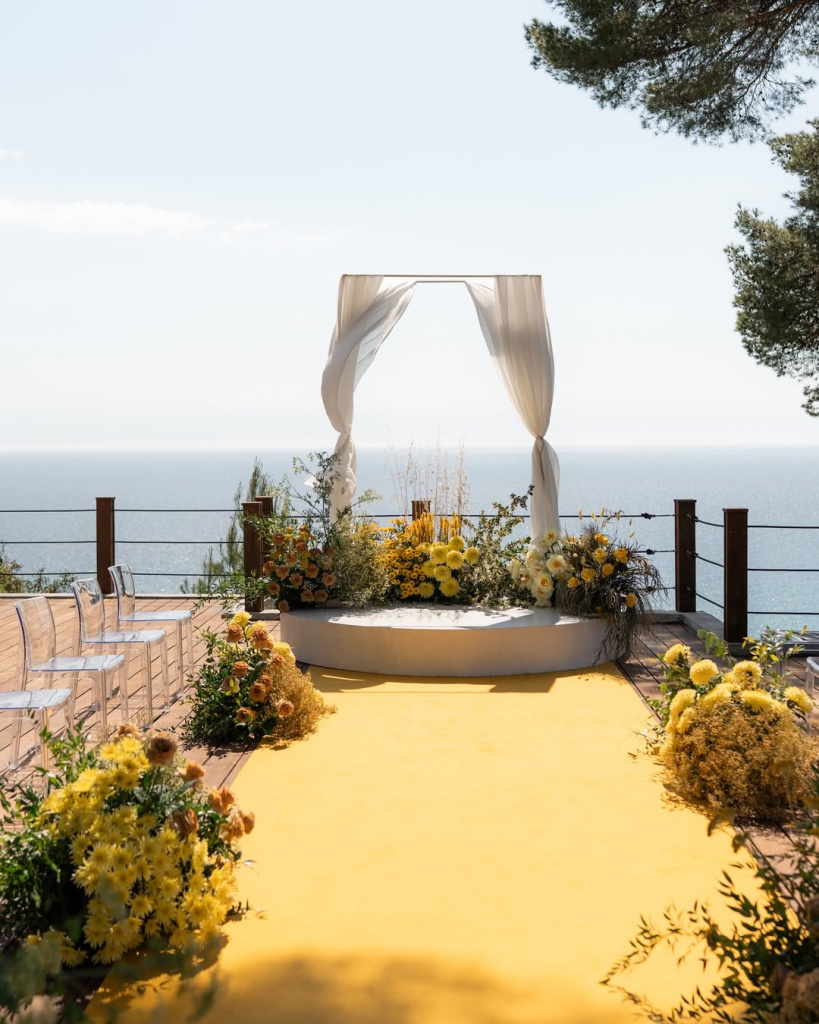
“In 2023, several floral design trends are emerging that emphasize creativity and personalization,” she says. One of the most noticeable changes is the move toward bold, vibrant colors, replacing softer palettes with expressive, confident tones.
Texture has become equally important, with dried flowers and grasses adding depth and character. Sustainability continues to gain importance, as couples increasingly choose locally sourced flowers and eco-conscious materials.
Minimalism also remains relevant — focusing on a few statement installations rather than excessive arrangements. Large-scale backdrops and ceiling installations reflect a growing desire for immersive visual experiences. Together, these shifts point toward one idea: weddings that feel personal, thoughtful, and emotionally intentional.
Guiding Couples Who Haven’t Found Their Style Yet
When couples feel uncertain about their floral direction, Amel encourages openness above all else.
“I advise them to share as many ideas as possible with their florist or designer,” she says.
The more we stay silent, the less direction we will have.
She believes communication is the foundation of a successful collaboration. Sharing inspirations, colors, personal stories, and meaningful details helps create a connection that leads to clarity.
“By actively engaging in the creative process, couples can discover their unique style,” Amel explains — one that feels authentic rather than forced, and deeply connected to who they are.
Flowers That Continue to Inspire Her Work
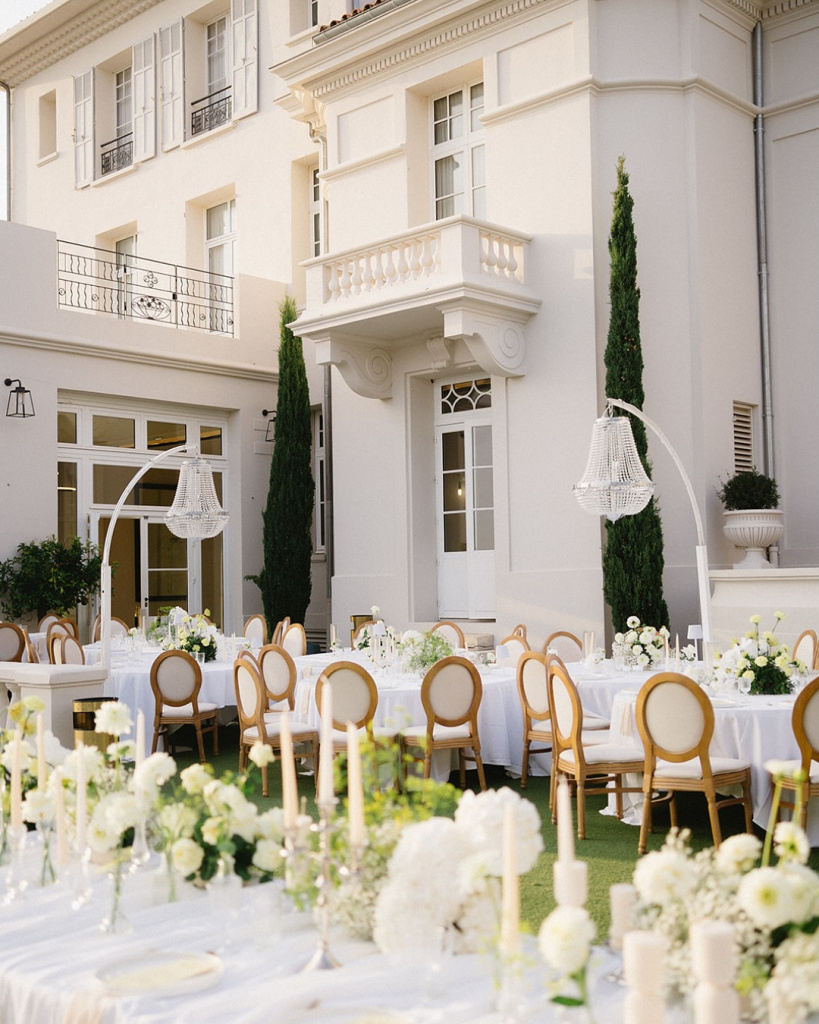
Photo by @laurinebllyPhoto by @laurineblly
Every designer has materials that feel endlessly inspiring. For Amel, certain flowers consistently spark creativity.
I love working with flowers like callas, delphiniums, arums, and dahlias.
Callas bring clean lines and modern elegance. Delphiniums add height and vibrant color. Arums feel majestic and refined, while dahlias offer warmth, texture, and rich variation.
“Each of these flowers has its own personality and charm,” Amel says. “Working with them is always a source of inspiration in my profession.”
A Few Final Thoughts for Couples and Fellow Florists
Before closing, Amel shares guidance shaped by experience.
For couples, her advice is simple: don’t follow trends blindly. Stay true to what resonates emotionally, communicate openly, and don’t be afraid to express your wishes — even the unconventional ones.
For florists, she emphasizes listening, attention to detail, and creative courage. Encouraging couples to explore non-traditional elements can lead to designs that feel truly personal and unforgettable.
For Amel Montel, floral design is more than decoration. It is emotion made visible — a quiet language of flowers that tells a story without words.


 My goal was for her to visualize her wedding décor and feel comfortable with my ideas.