Why Visibility Without Authority Falls Short — Insights from Wezoree


In the contemporary luxury wedding industry, achieving visibility has become both essential and increasingly challenging. We ensure that all venues, planners, photographers, floral designers and hospitality brands recognise the importance of being seen. However, the real question is no longer whether a brand is visible, but whether that visibility is meaningful and credible and whether the brand is positioned within the right cultural and commercial context.
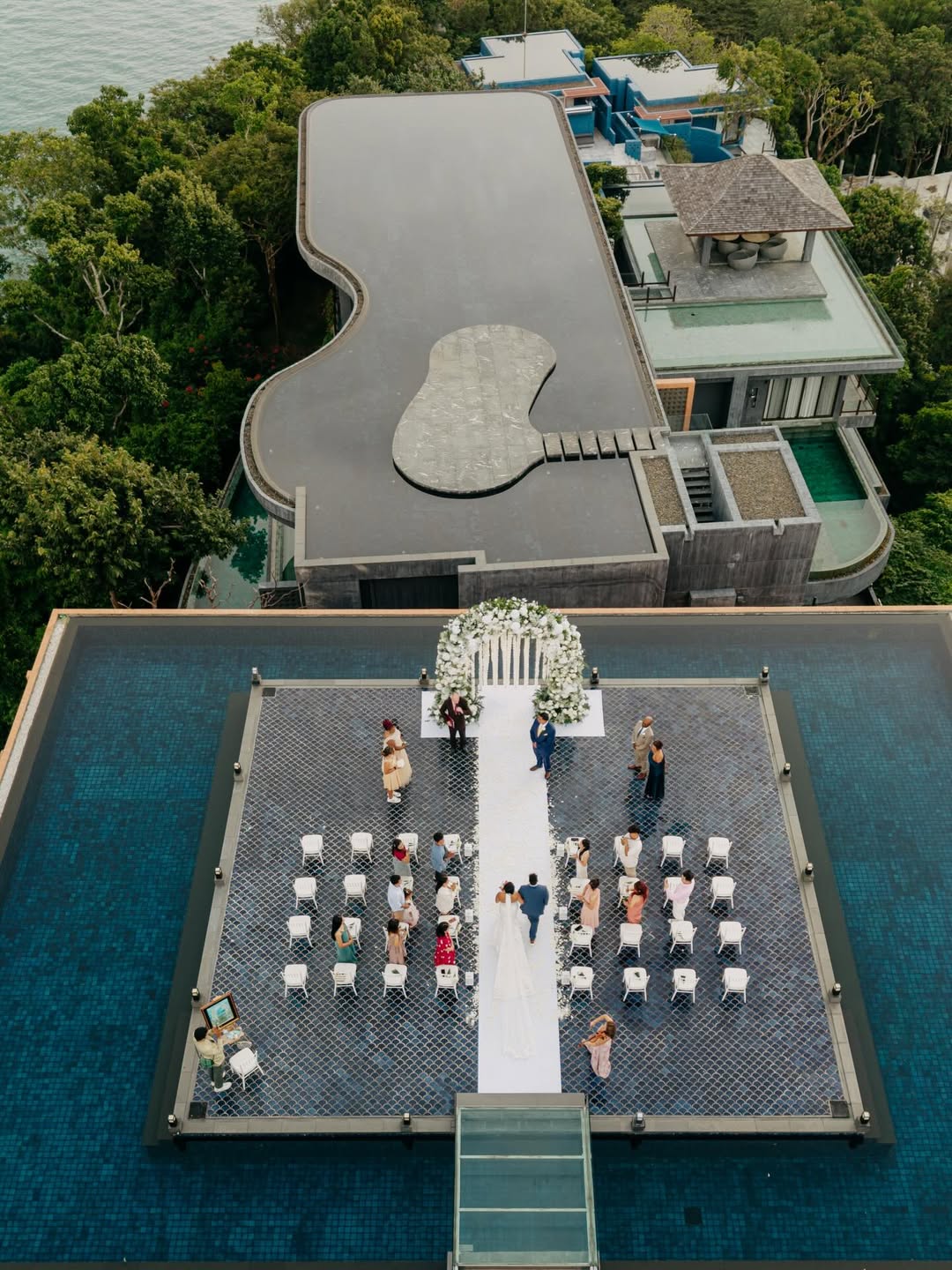
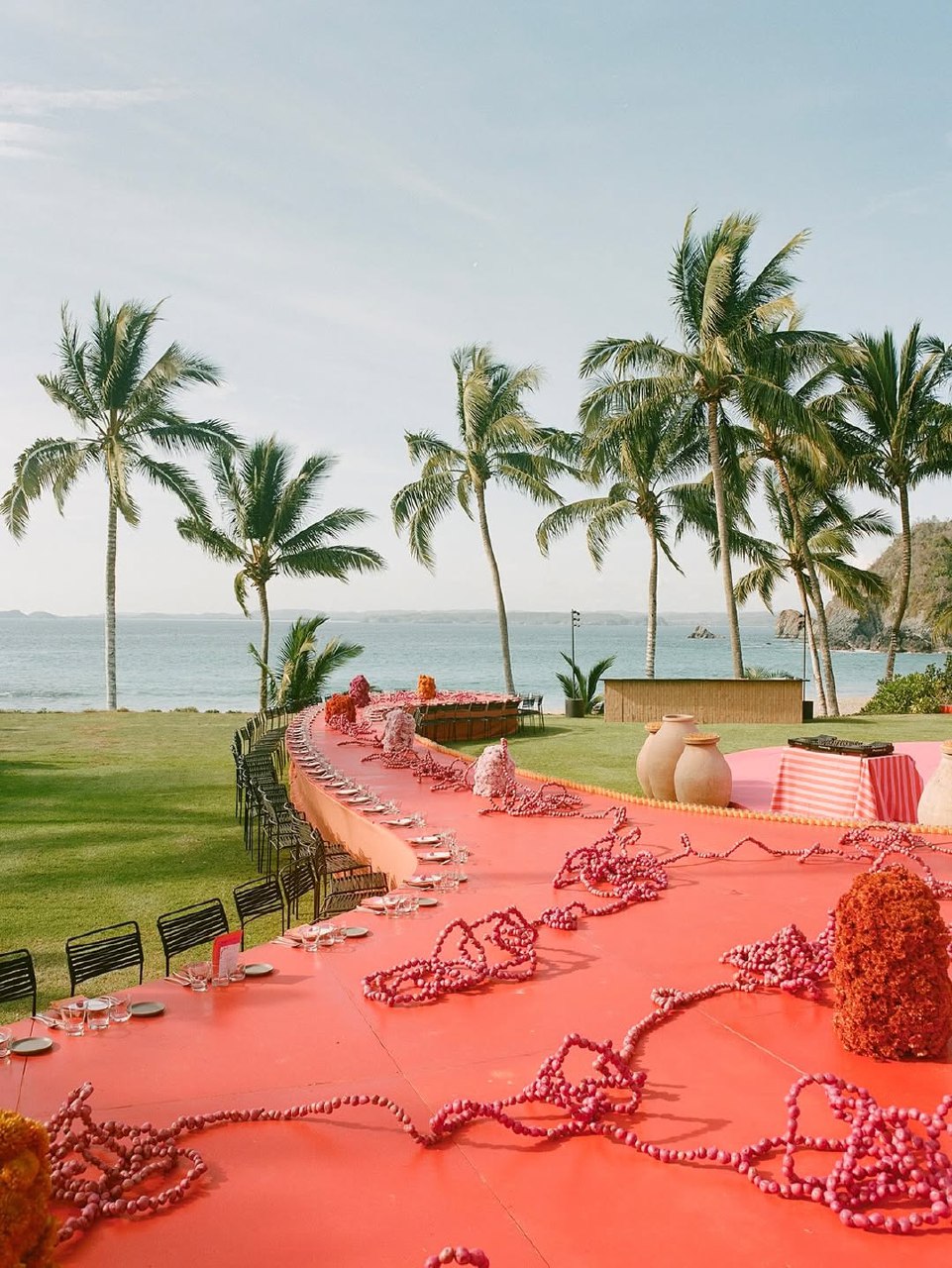
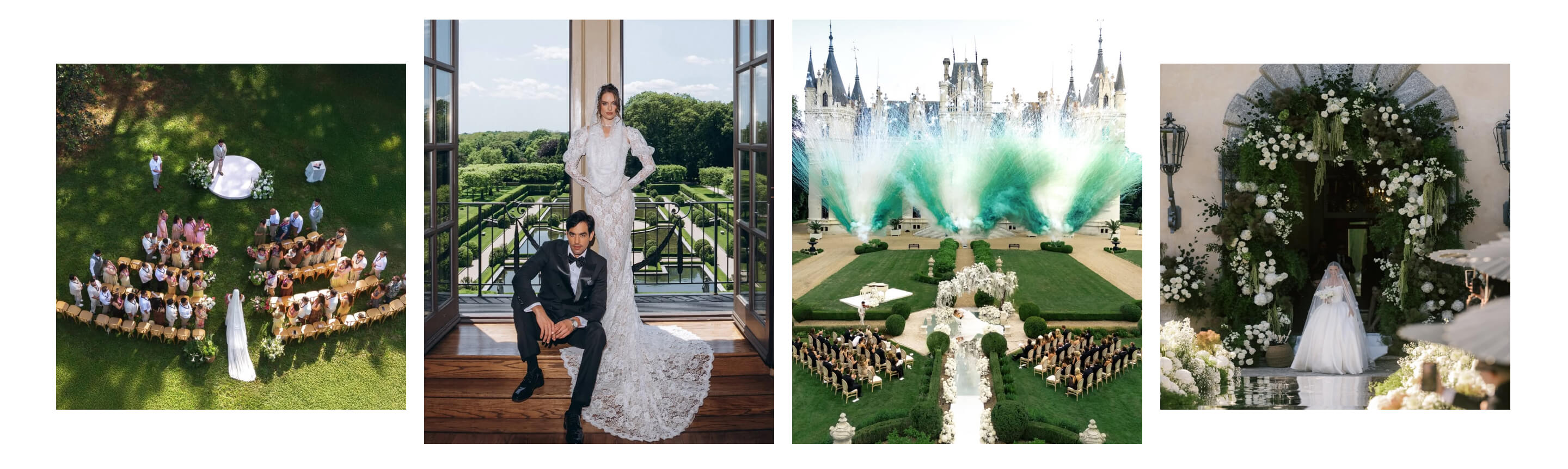
The wedding industry, especially the high-end sector, is no longer solely driven by beauty. While beauty remains important, it has become an expected standard rather than a unique selling point. A breathtaking ceremony arch, an elegantly composed tablescape, a cinematic portrait or a historic villa at sunset may still capture attention, but attention itself has become a fragile currency. The most important thing to think about is what happens after that first moment of admiration. Does the audience understand the brand's point of view? Do they perceive depth, consistency, authority and emotional intelligence? Do they feel that the work belongs to a world they trust, aspire to enter, or wish to be associated with?
Find Your Perfect Wedding Vendors

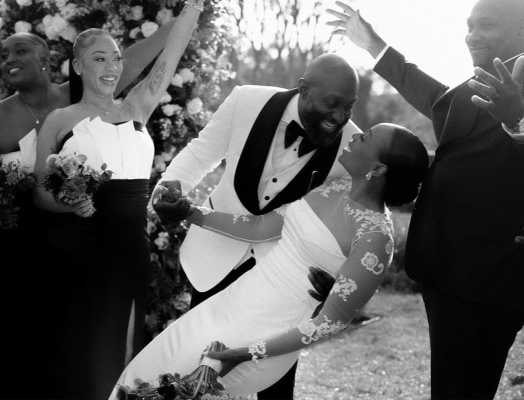
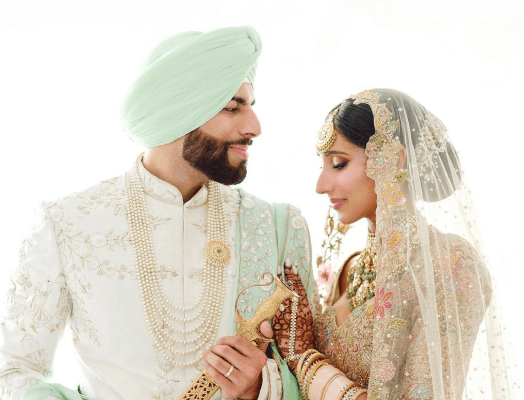
The Luxury Client Is Not Simply Buying a Service
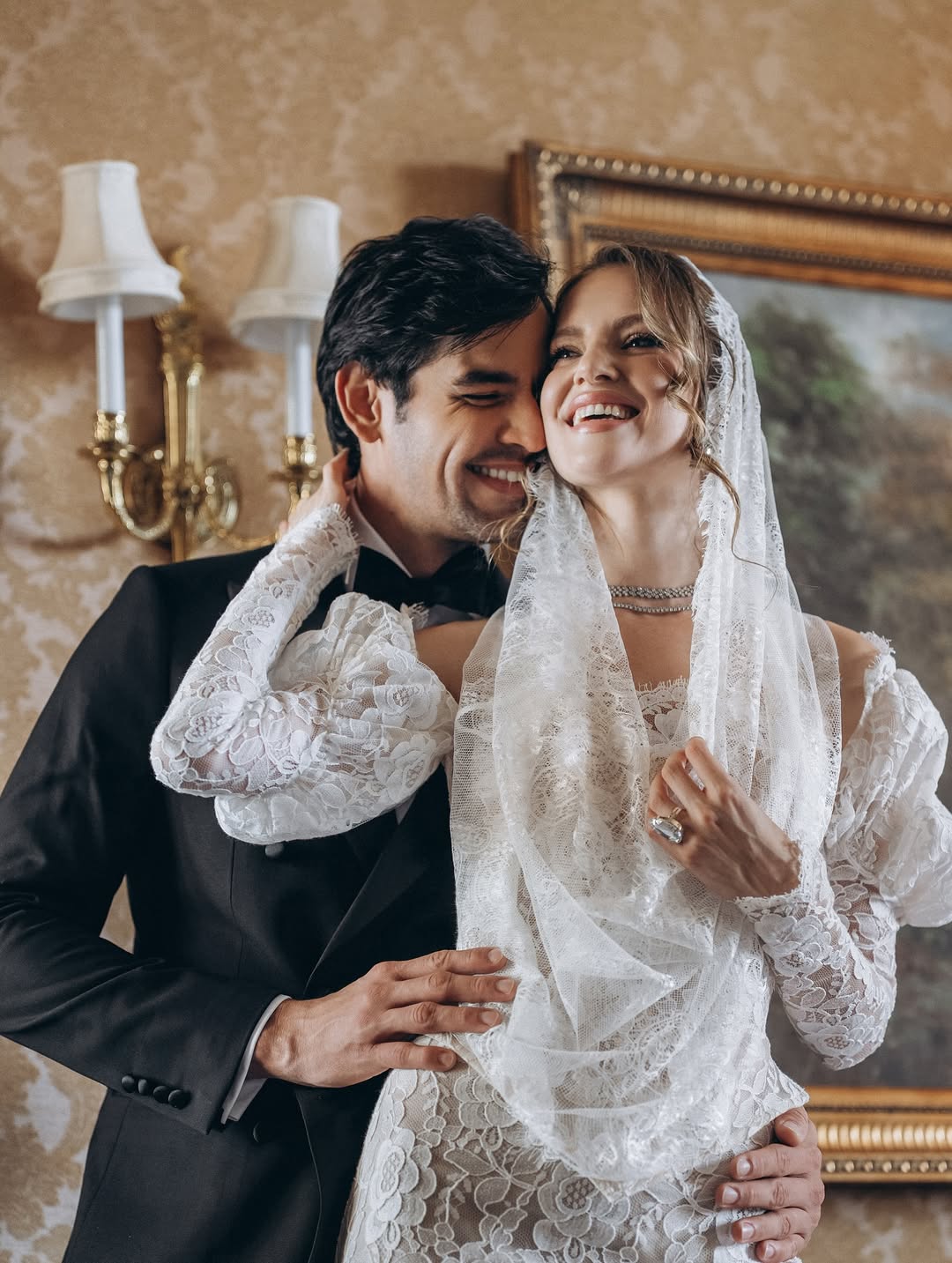
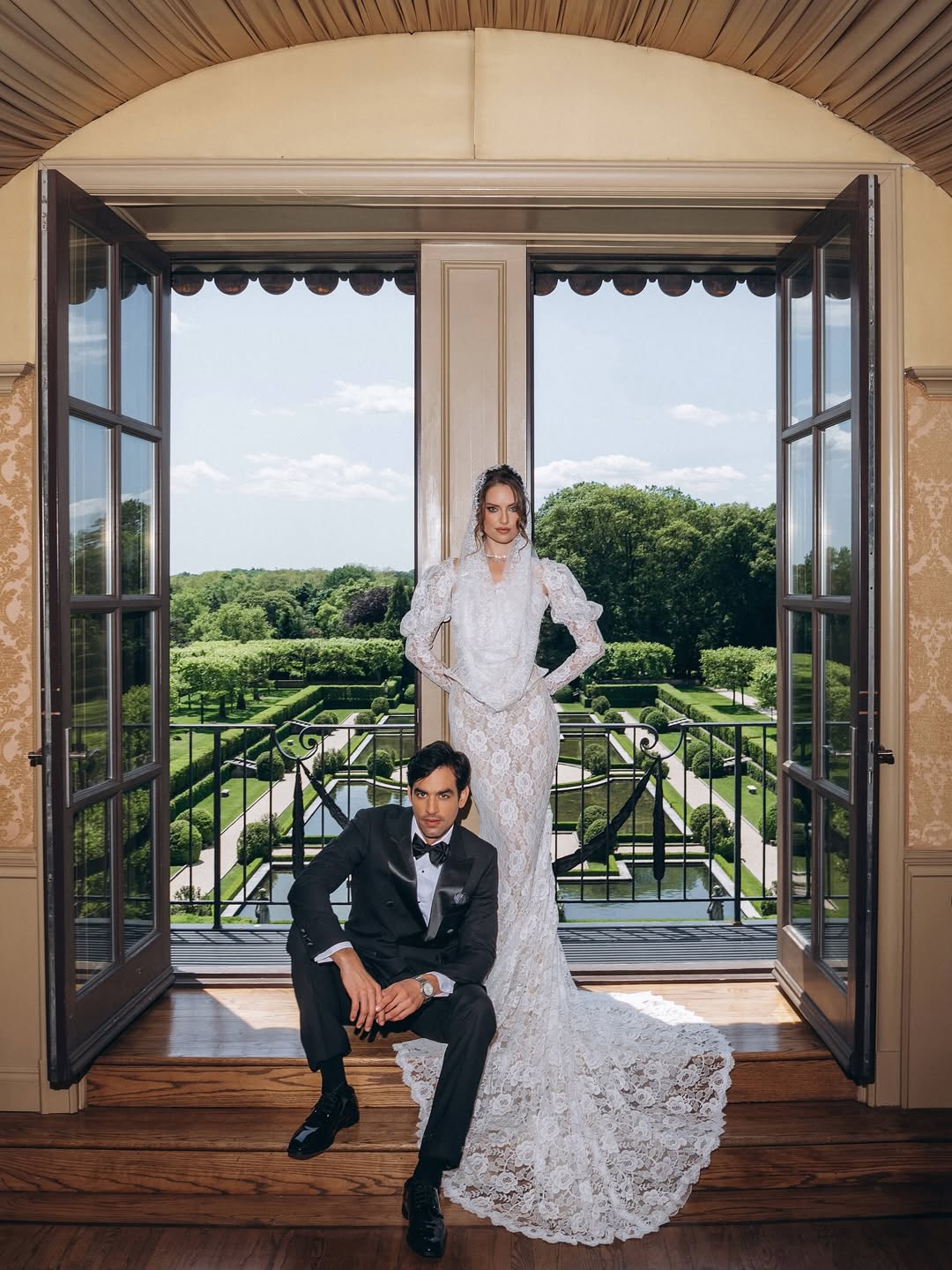
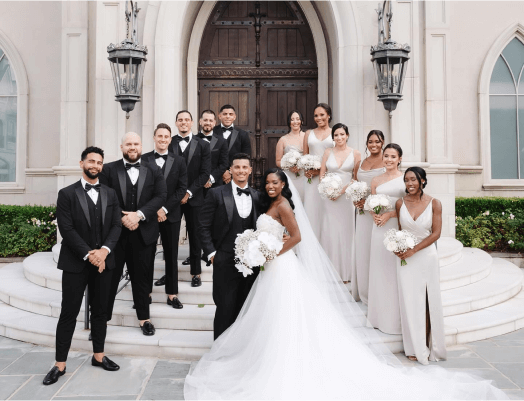
This is a key distinction because the luxury wedding client is buying more than just a service. Their decision involves many different factors, including taste, identity, family dynamics, cultural expectations, emotional risk and a significant financial investment. They are often also navigating an unfamiliar destination, hiring professionals they may never meet before signing a contract and entrusting those professionals with one of the most symbolically significant moments of their lives.
Under these circumstances, visibility alone is insufficient. While it may pique curiosity, it rarely persuades. This is why editorial positioning has become so influential. A strong editorial presence is more than just a portfolio — it provides context. It tells the market how to interpret a brand. It situates a venue, photographer or planner within a broader dialogue about taste, destination, aesthetics, hospitality, and cultural relevance.
In a digital landscape saturated with images competing for our attention, it is context that can transform visual appeal into perceived value.
What Venues Often Fail to Communicate
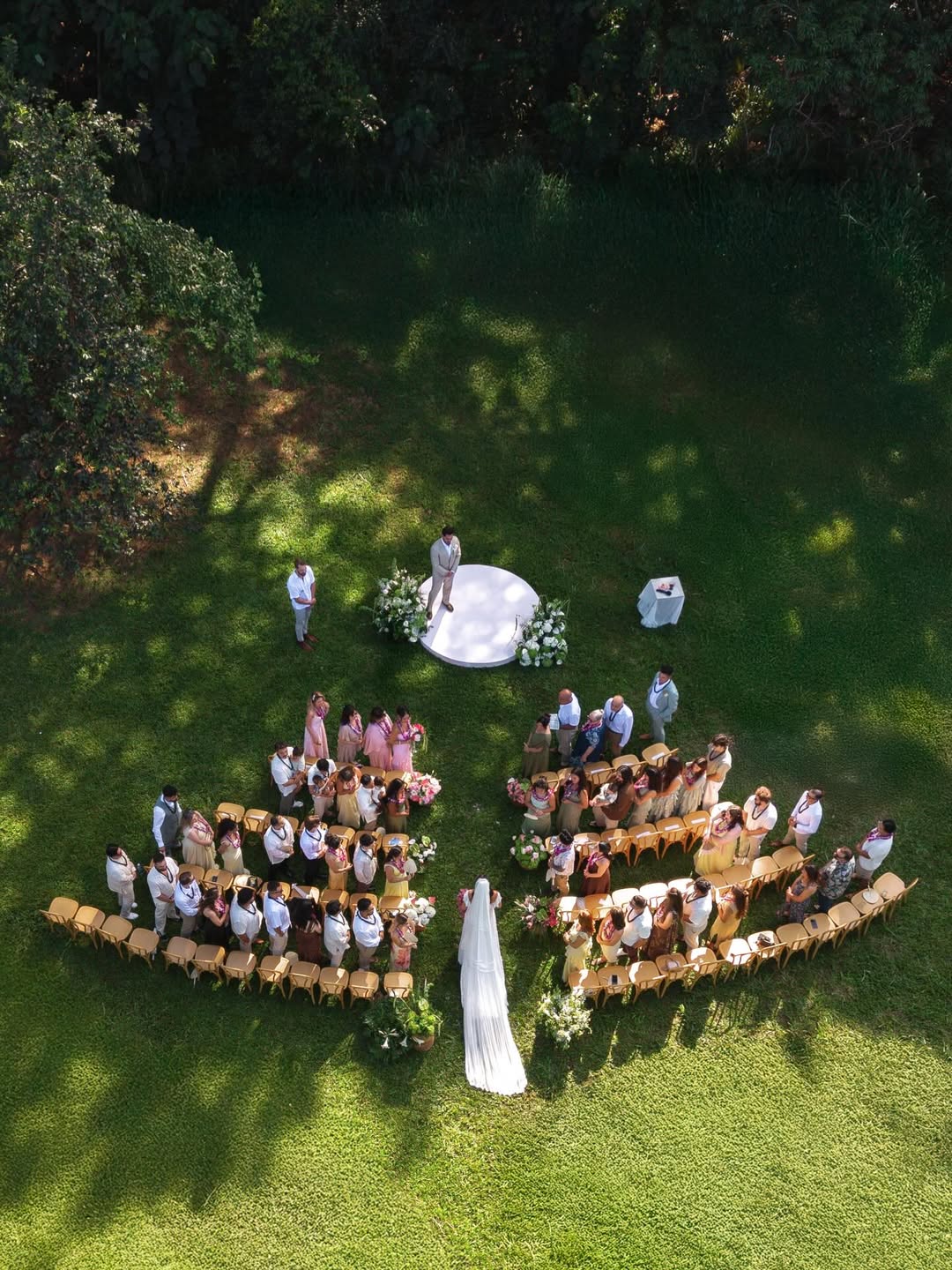
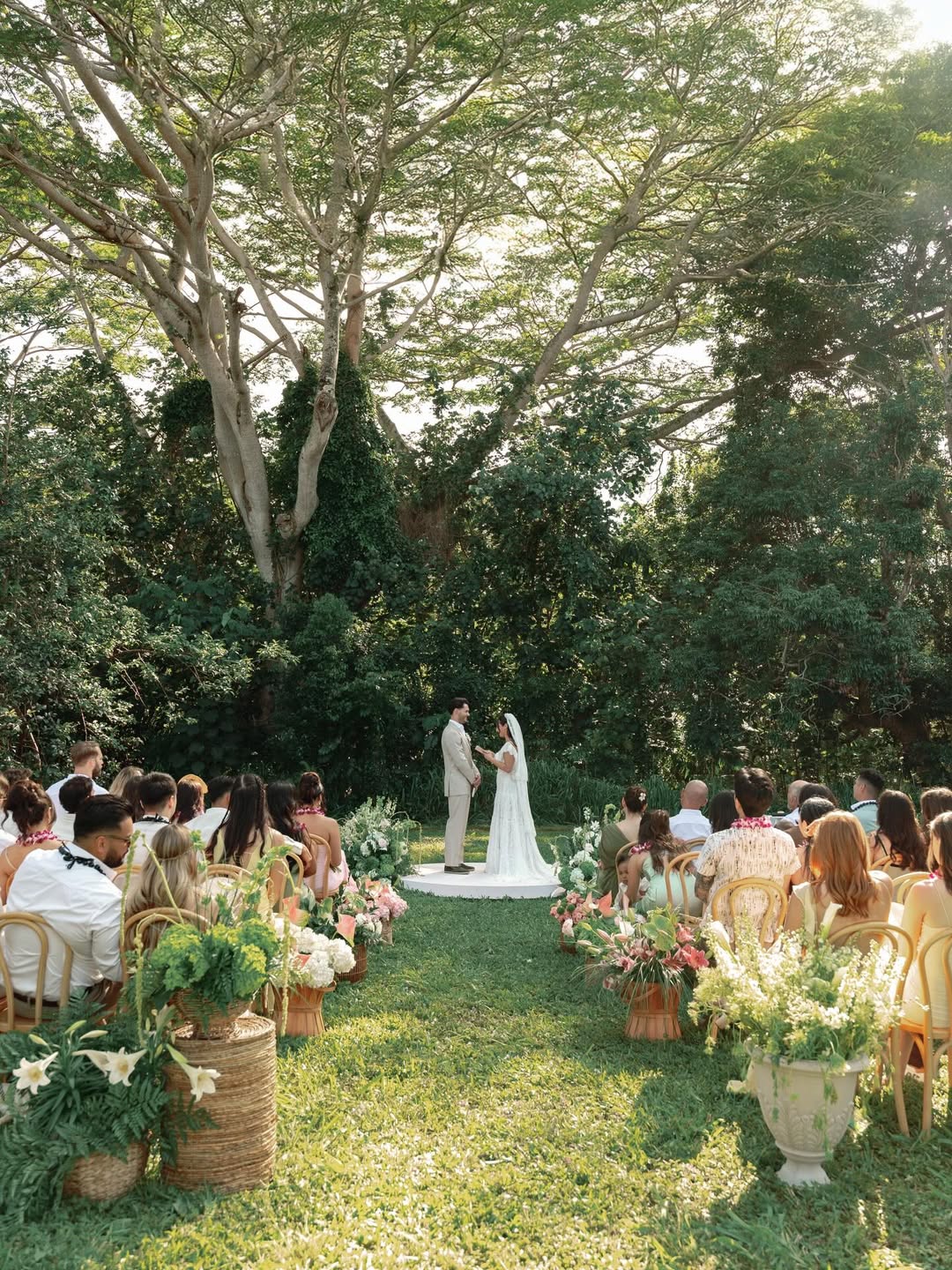
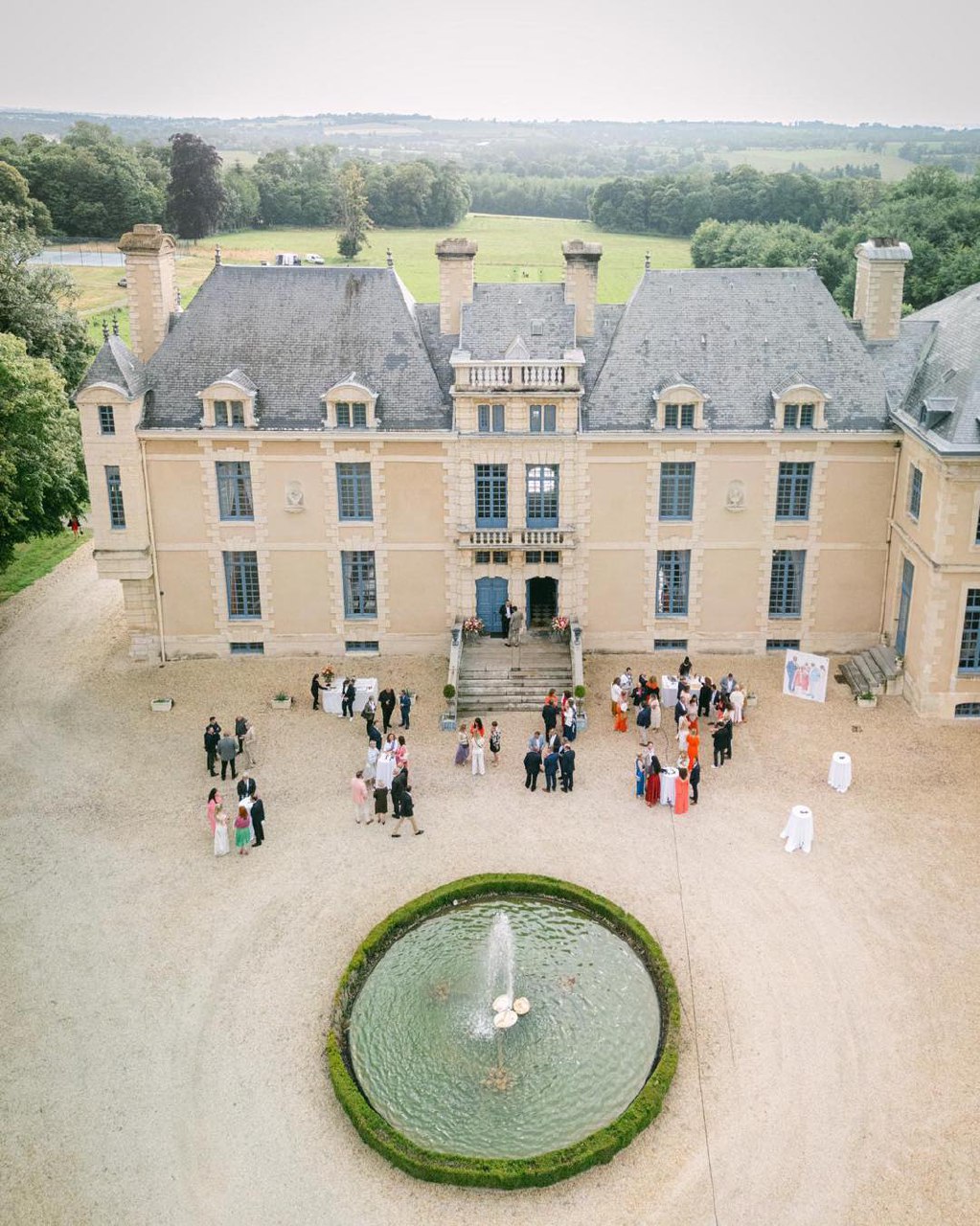
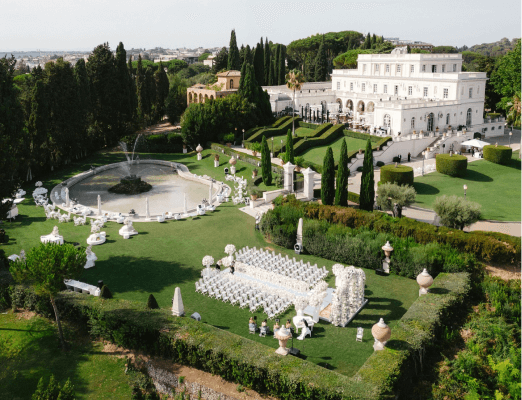
This is particularly important for wedding venues. A venue is not just a physical location; it is an experience. It suggests a particular style of celebration, social atmosphere, level of privacy, relationship with the landscape and architecture, standard of service and memory. While a restored palazzo in Italy, a coastal estate in California, a riad in Marrakech, a vineyard in Provence, or a private island in the Caribbean may all be beautiful, this word is too imprecise to inform decision-making.
What couples and planners need is a more sophisticated understanding of what each venue offers. Many venues fail to communicate their value effectively. They show the view, the façade, the terrace, the garden, the ballroom and the ceremony setup. However, they frequently fail to express the underlying reasons why a wedding there would feel unique. The way in which guests will be guided through the day, the way in which they will transition from arrival to ceremony, the emotional impact of the dinner setting, the way in which the architecture will provide either intimacy or grandeur, the way in which light will move through the property, the level of exclusivity on offer and the kind of client to whom the venue is naturally suited are all not explained. Consequently, while the venue may appear impressive, its commercial proposition remains incomplete.
The Role of Discernment for Photographers and Filmmakers
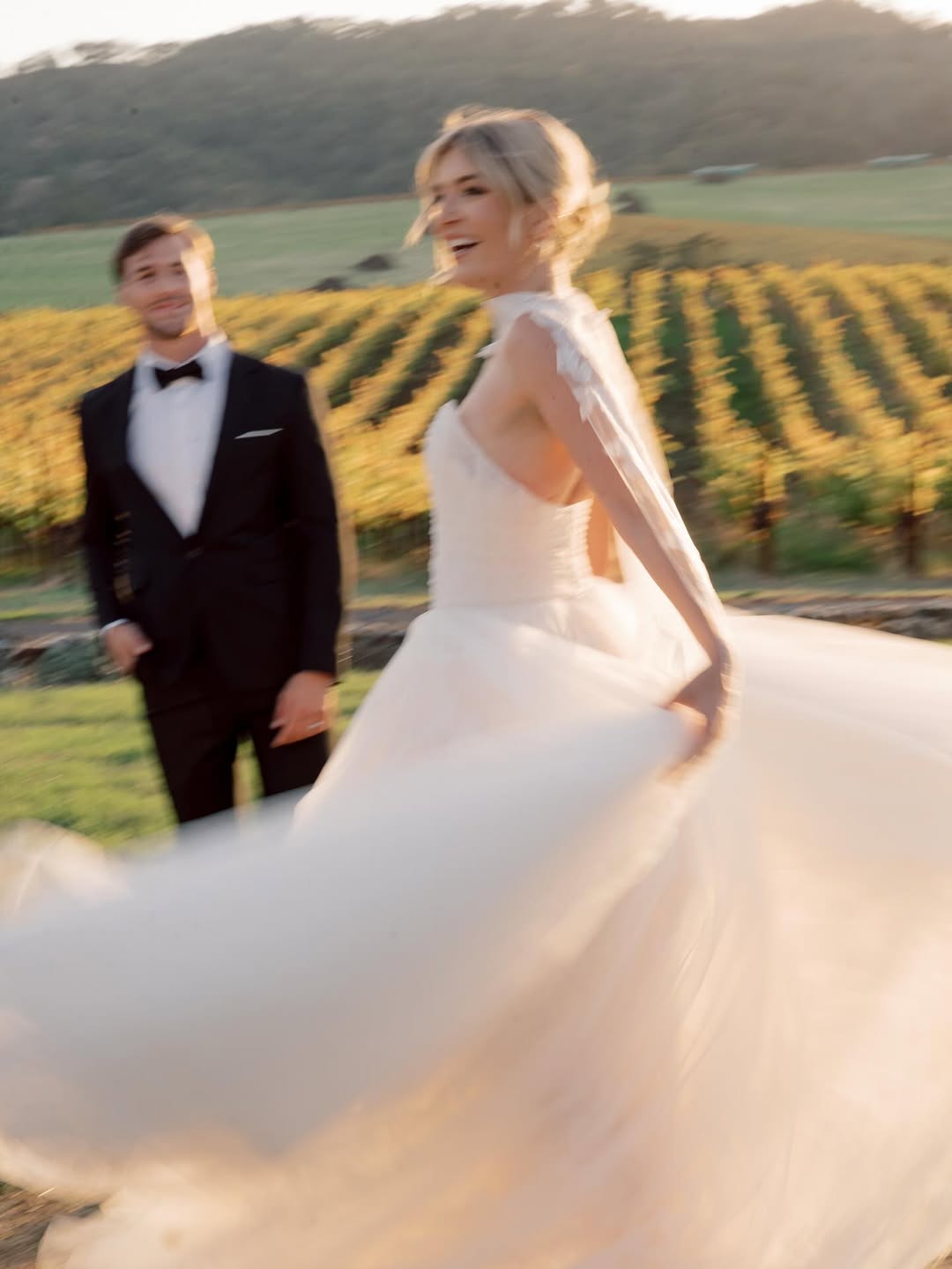
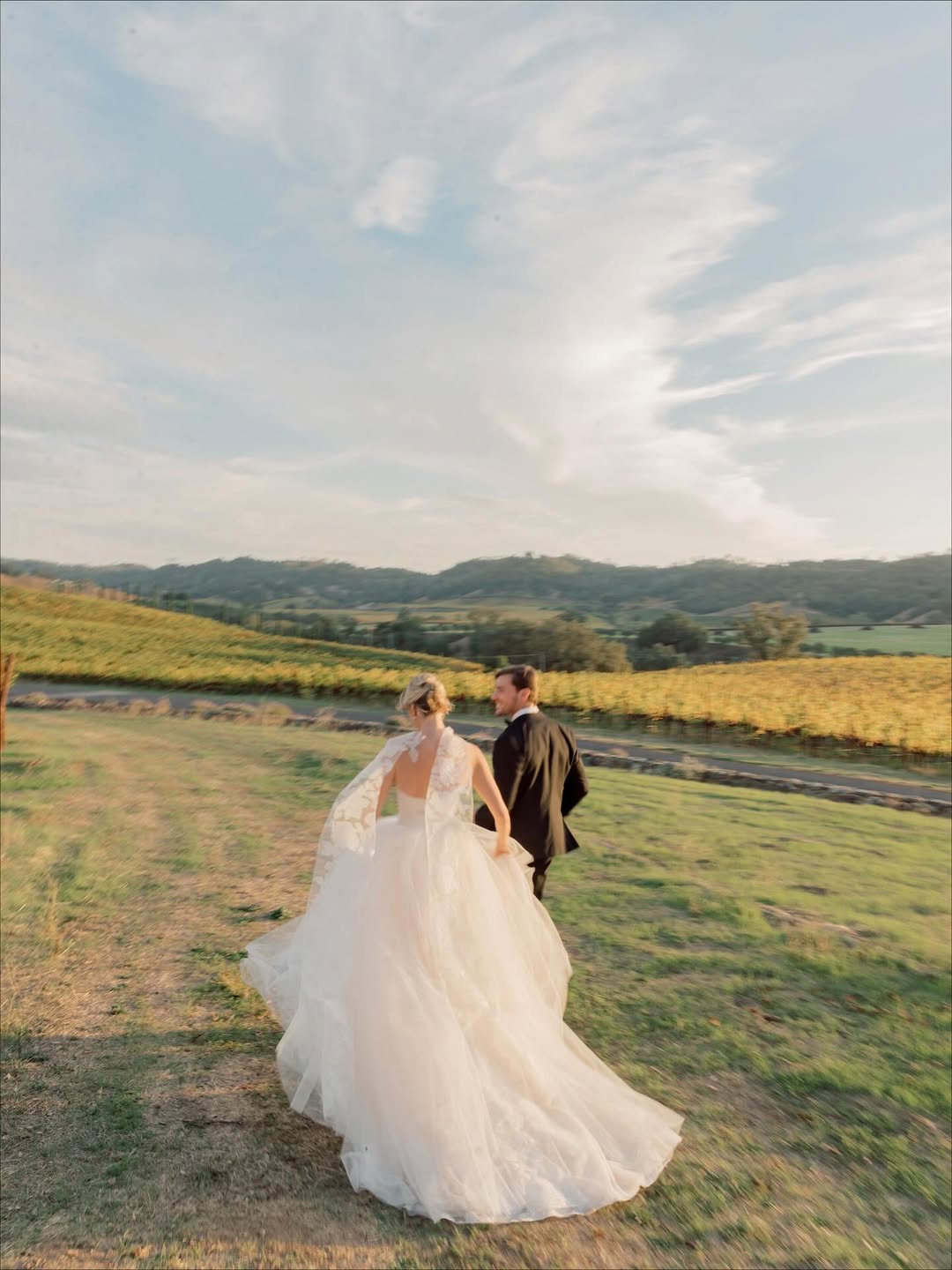
Both photographers and filmmakers face the same challenge. There is a lot of technically excellent imagery. Countless portfolios appear polished, romantic, refined or cinematic. However, in the luxury sector, technical execution is only the starting point.
A truly compelling creative brand is defined not only by its ability to produce beautiful work, but also by its capacity to demonstrate discernment. Discernment is the invisible quality that tells a client, 'This person knows what matters.' This person can shape reality into memory. This person can navigate an emotionally charged day without reducing it to a formula.' Trust cannot be established through aesthetics alone. A careful accumulation of signals, repetition, structure and language is required instead. While these elements may seem insignificant in isolation, when combined they create a network of credibility.
- A thoughtful interview
- A published real wedding
- A destination feature
- A curated profile
- A well-written brand description
- An award
- A review
- A backlink
- A social collaboration
- A mention in a relevant article
The client is informed that the brand's presence extends beyond its own self-presentation. This is important because today's clients are more observant than many businesses realise. They may not be familiar with terms such as brand positioning, search intent, editorial authority and conversion psychology, but they can tell when a brand appears well-established. They will notice if a vendor appears in multiple credible contexts. They will be able to tell if the brand's work has been published. They take note of whether the brand is spoken about, referenced, recommended and positioned alongside other respected names. In the world of luxury, perception is not superficial — it is an integral part of the product.

Brand Building Is Architectural, Not Transactional
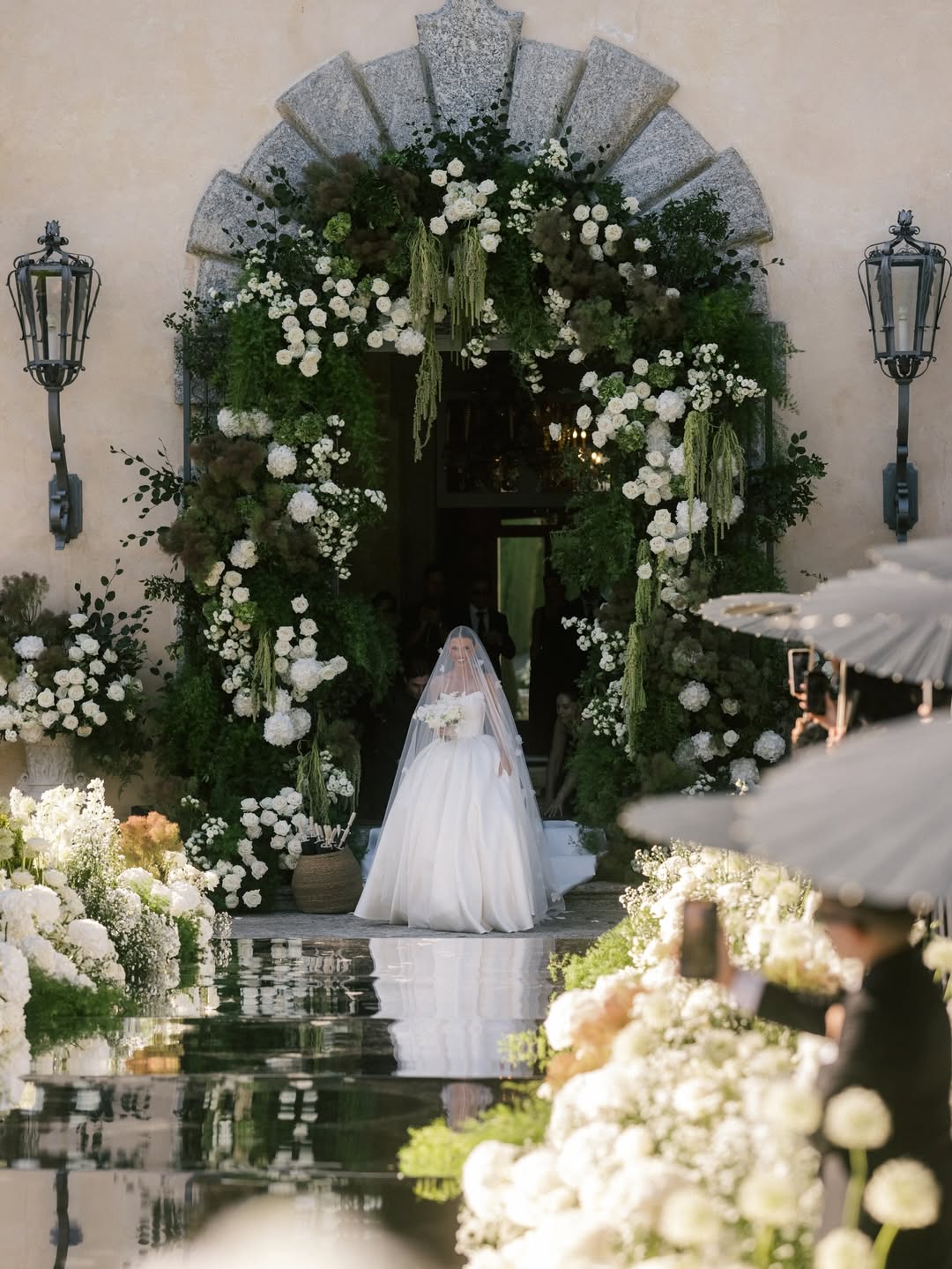
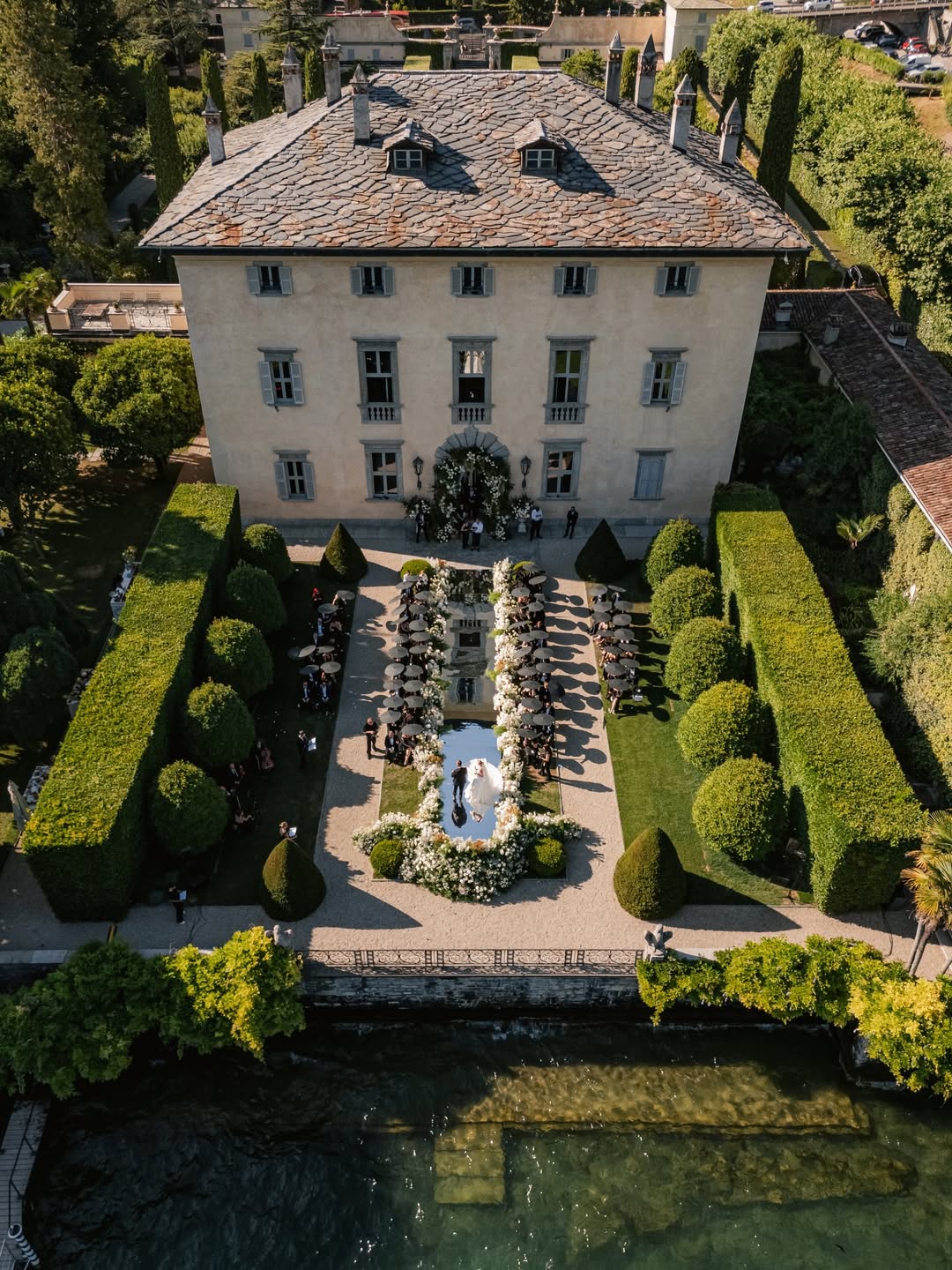
However, the industry is also facing a paradox. While vendors and venues want immediate results, the mechanisms that generate high-quality leads often take time to work. It is important to understand the difference between the short-term and long-term effects of marketing strategies:
| Marketing action | Immediate effect | Long-term effect |
|---|---|---|
| A single post | Visibility | Limited persistence |
| A directory listing | Discoverability | Credibility (if developed) |
| A beautiful gallery | Inspiration | Incomplete without context |
| A real wedding feature | Demonstrates execution | Sustained editorial authority |
| A strong search footprint | Discoverability | Continues working after posts fade |
Many wedding businesses misread the timeline for building a brand here. They expect marketing to act as a switch, with investment leading to leads being generated the next day. However, this kind of linear immediacy is rarely suited to premium positioning. It is more architectural than transactional. It is developed gradually through repeated exposure, consistent messaging and visual standards, and strategic placement in environments that reinforce the desired perception. The goal is to build a long-term relationship with clients, not merely to appear in front of them once. The aim is to become part of the client's decision-making process even before they realise they need you.

Trust as Risk Reduction in Destination Weddings
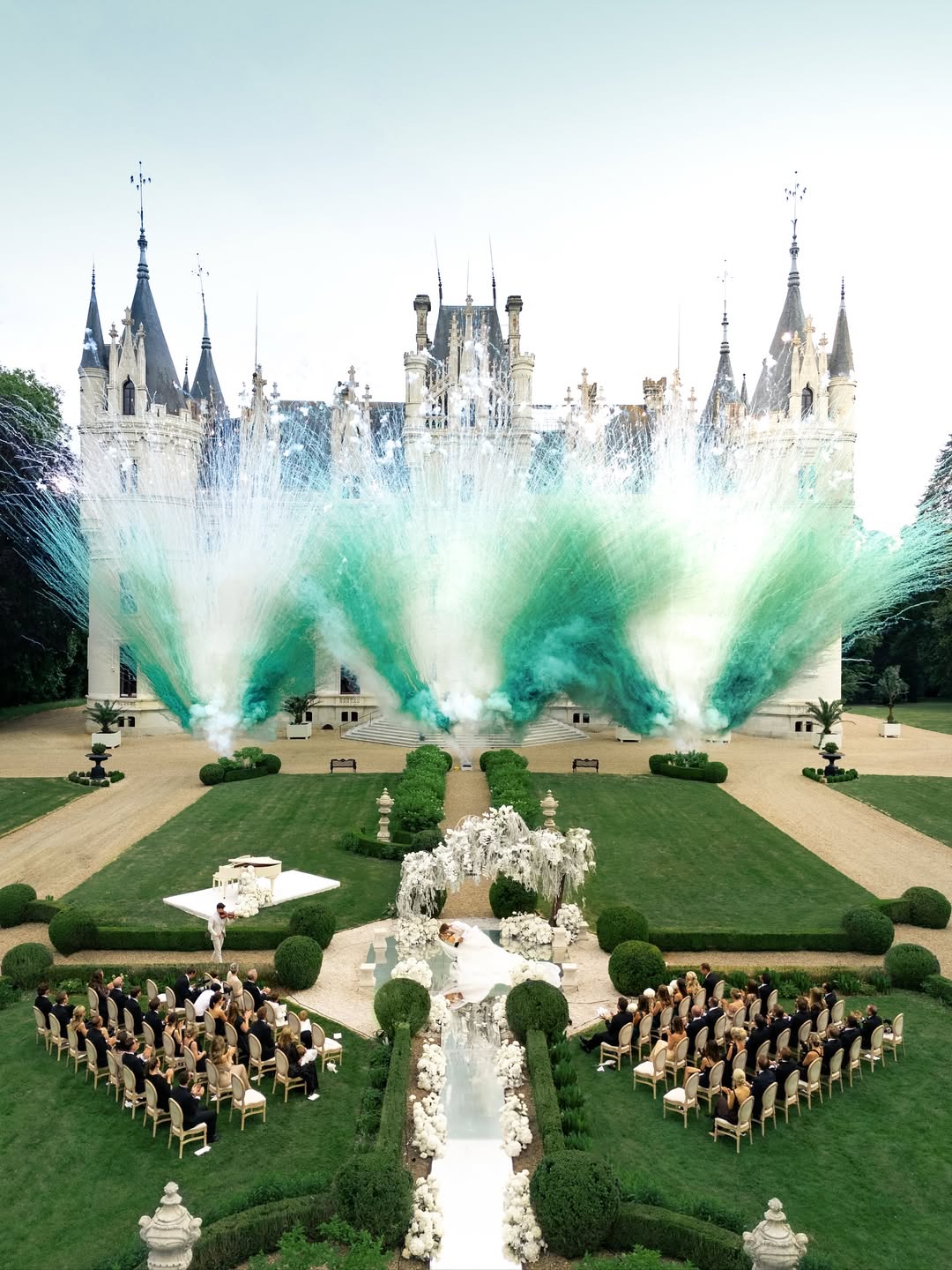
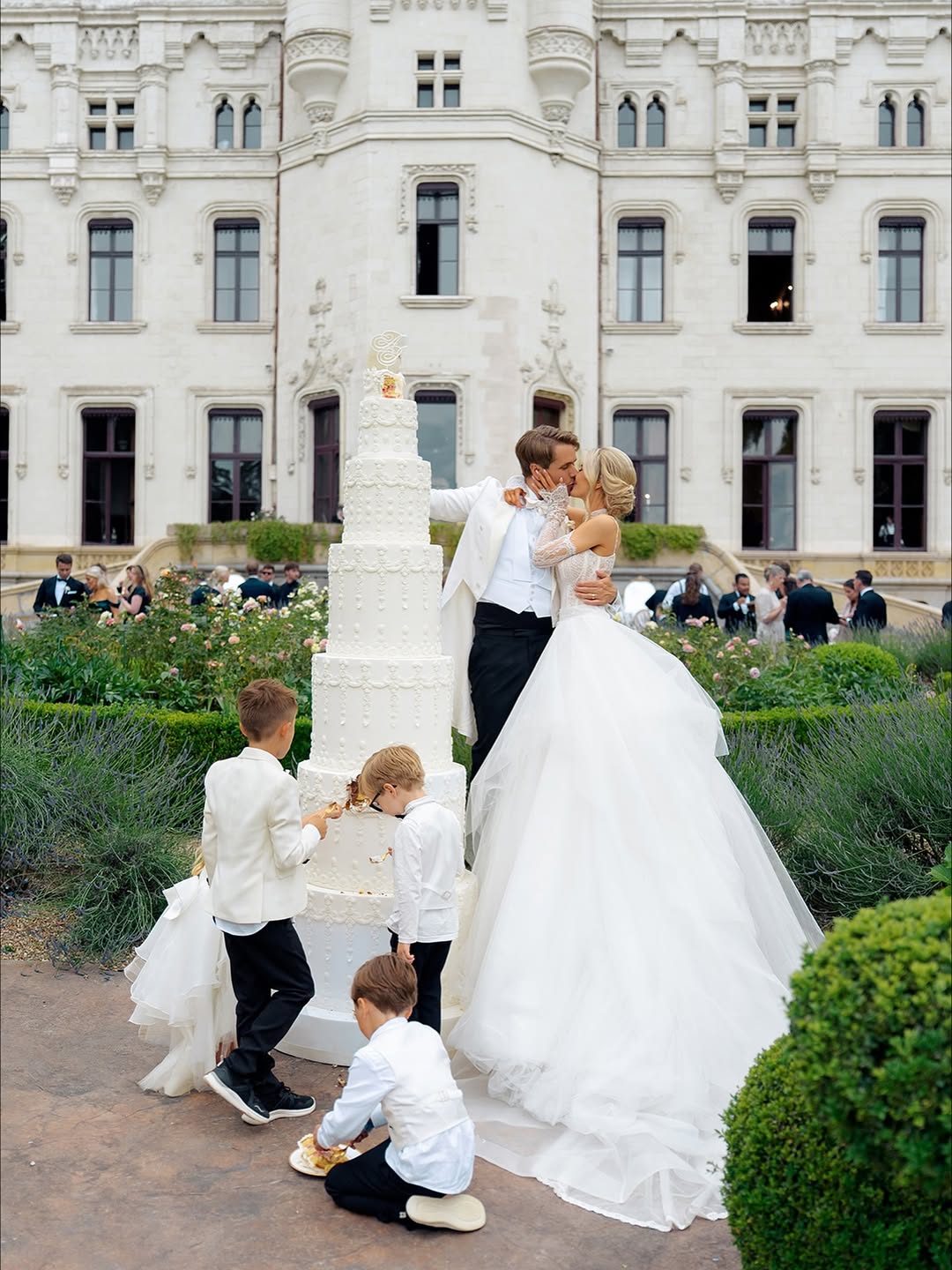
This dynamic is further intensified by destination weddings. When couples are planning from different countries, trust becomes even more important than proximity. It's not just a question of who is available, but also of who understands the destination, who is recognised within that market, who can collaborate with international teams, who is familiar with cultural nuances and who can minimise uncertainty. In this context, editorial visibility is not just a matter of vanity. It reduces risk. Even before the first conversation, clients are given reasons to trust the information provided. Therefore, platforms operating in this field must do more than simply aggregate vendors and venues. Without curation, aggregation can quickly descend into chaos. True value lies in the interpretation process, helping couples to understand who is relevant, who has a distinct point of view, who belongs to a particular conversation about the destination and who can be trusted to plan a specific kind of wedding. This requires more than data. It requires taste, editorial judgement, industry knowledge, and the ability to connect visual inspiration with practical decision-making.
Brands that understand this distinction will thrive in the future of wedding marketing. The most successful businesses will not be the ones that shout the loudest or post the most frequently, but those that establish a strong presence across a variety of trusted platforms. They will recognise that a profile is more than just a page, an article is more than just content, an interview is more than just publicity and a real wedding feature is more than just a gallery. Each of these factors is considered a credibility asset. All of these factors contribute to the overarching concept of trust. In a world where visual beauty is abundant, authority becomes scarce. In the luxury market, it is precisely this scarcity that creates value.
Wezoree gives your brand the architectural visibility that turns admiration into enquiries. Join Wezoree and start building the kind of presence that works long after the scroll stops.