Wedding Flowers with Unexpected Elements
- Author: Natali Grace Levine
- Reading time: 6 min 4 sec
- Publication date: 01/14/2026
- Updated: 01/18/2026


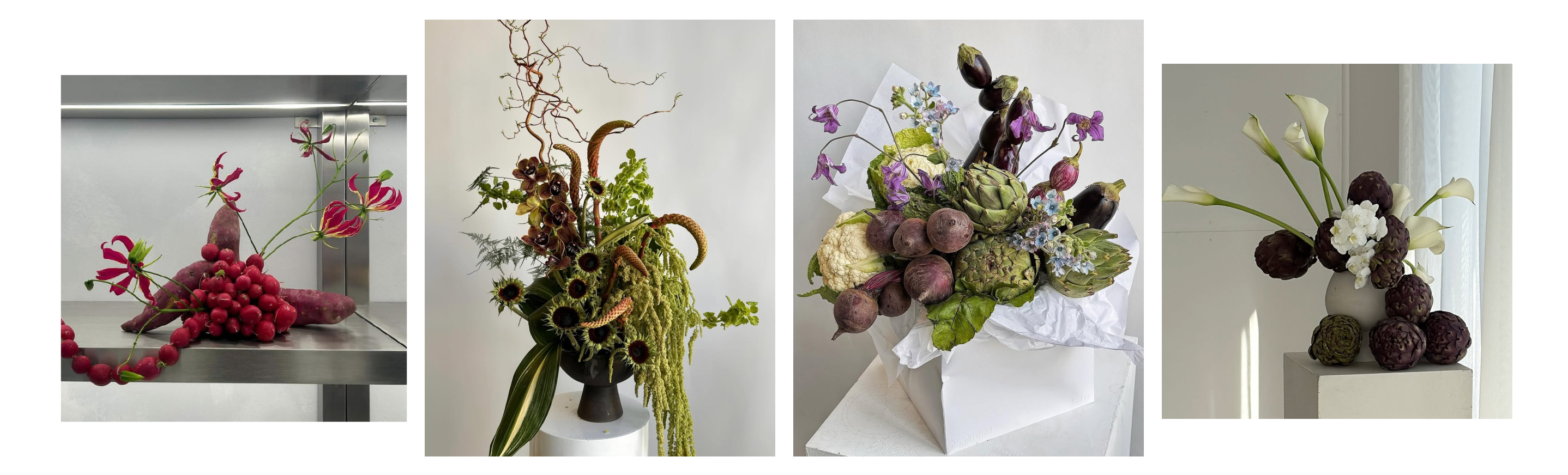
Wedding flowers have come a long way from the classic rose and baby’s breath arrangements. Now, flowers are chosen with more intention, personality, and surprise. People are more open to unexpected touches, such as adding fruit among the blooms, using branches for sculptural shapes, or choosing unique containers instead of standard glass vases. This shift is part of a broader trend toward celebrations that feel carefully curated rather than generic. Flowers are no longer just a pretty backdrop—they become conversation pieces and memorable design moments that guests notice, photograph, and talk about long after the event. The focus has shifted from simply asking what flowers are good for wedding decorations to finding ways to make the florals truly personal.
Find Your Perfect Wedding Vendors

Fruits in Floral Arrangements
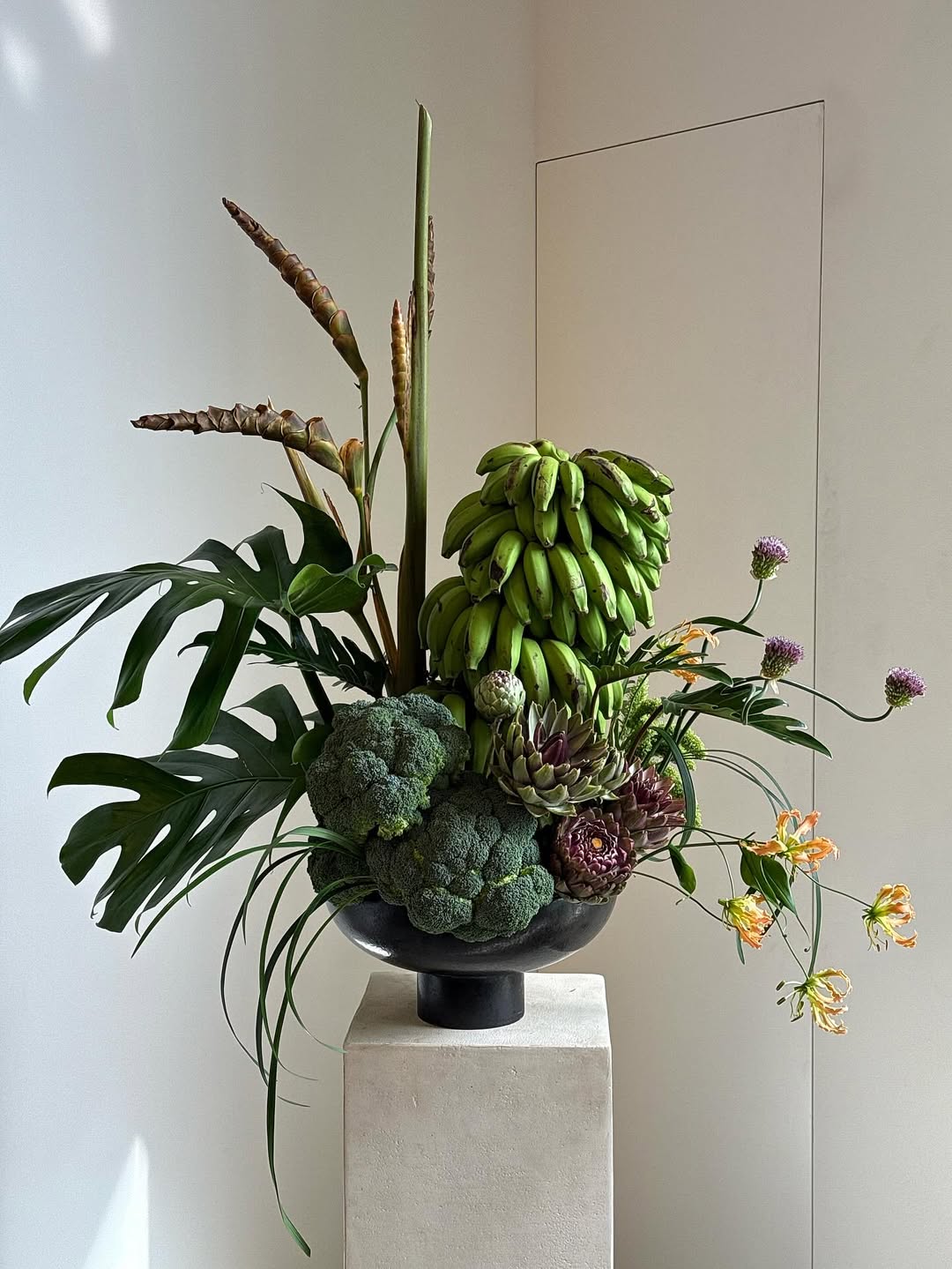
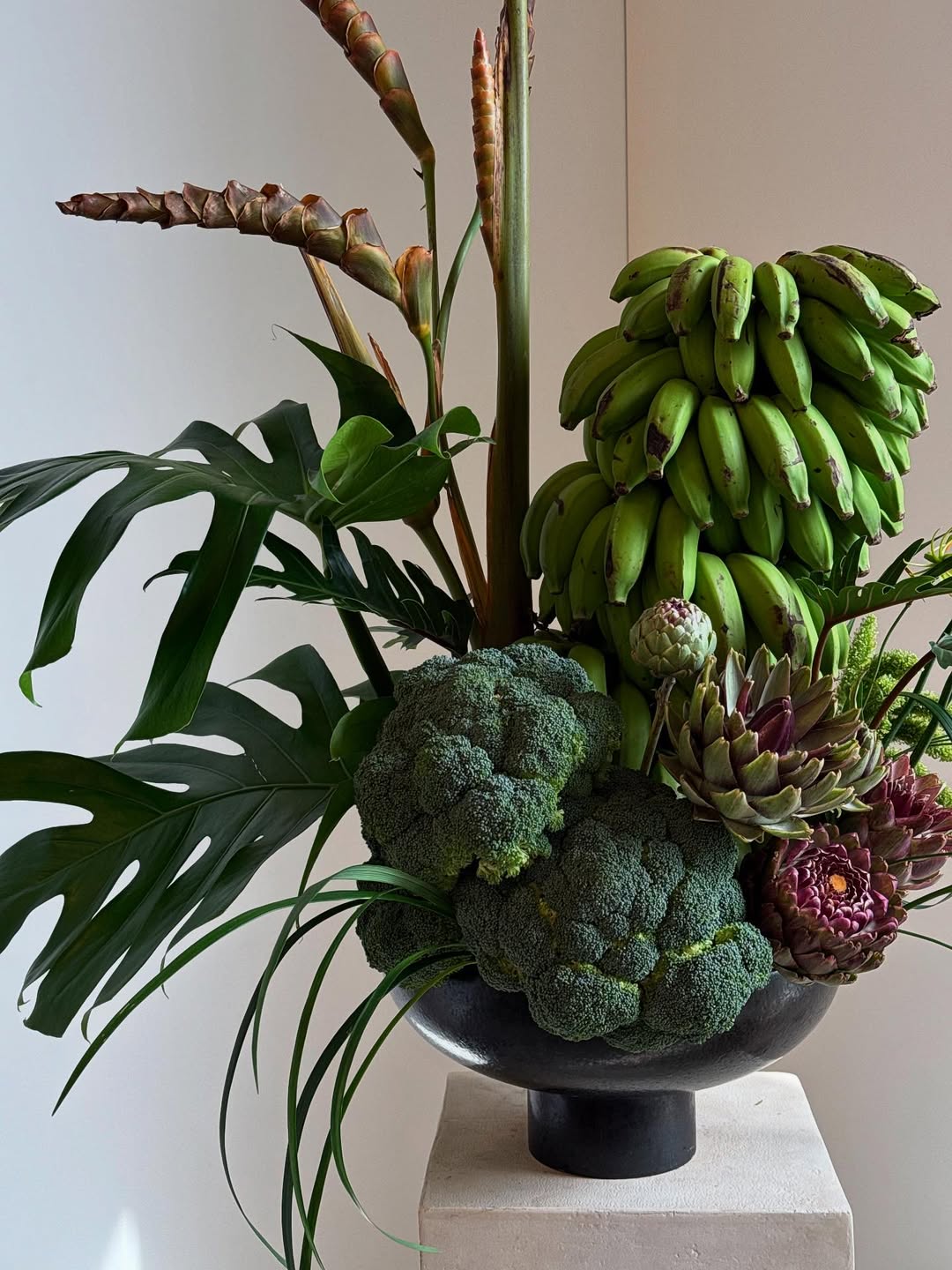
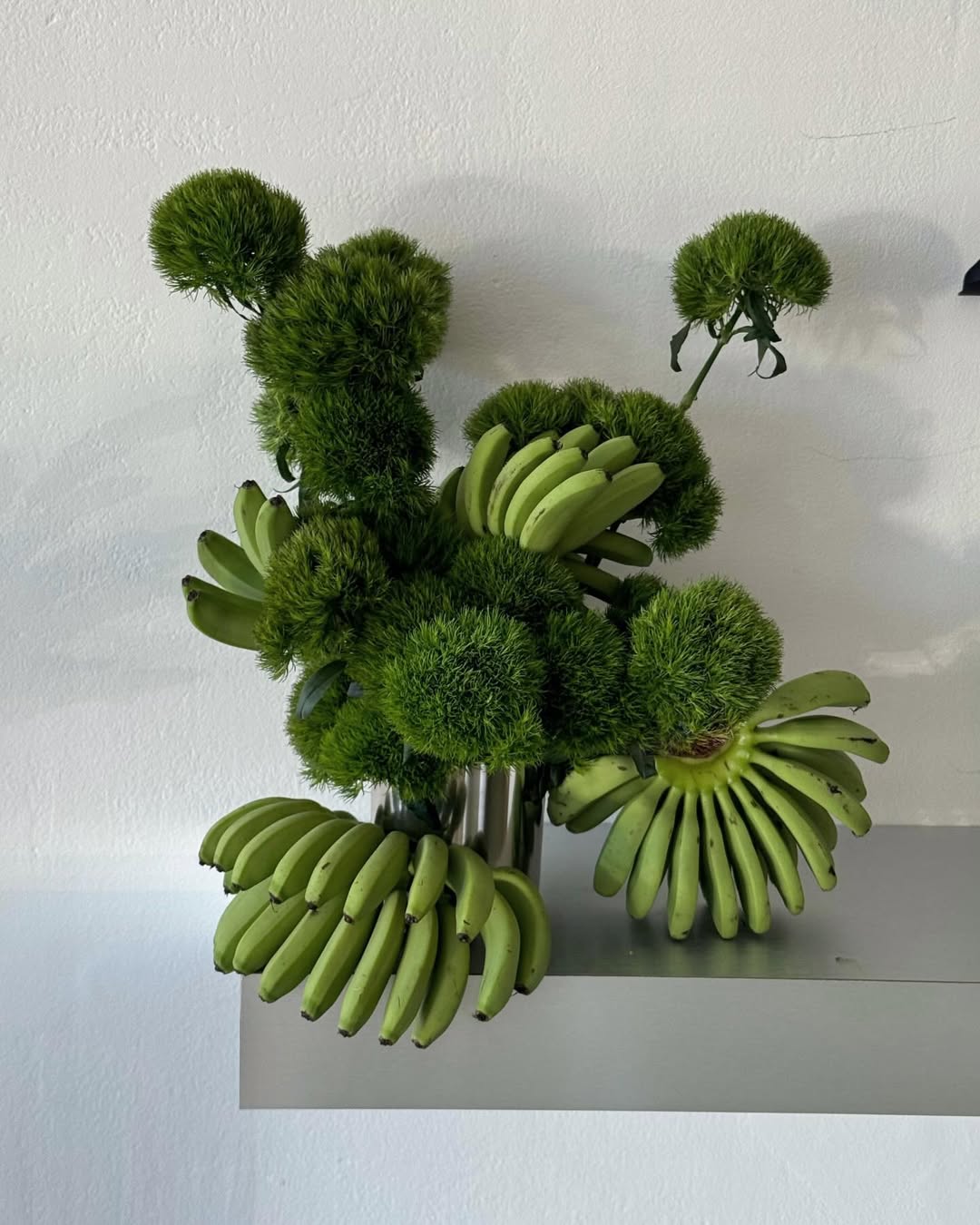
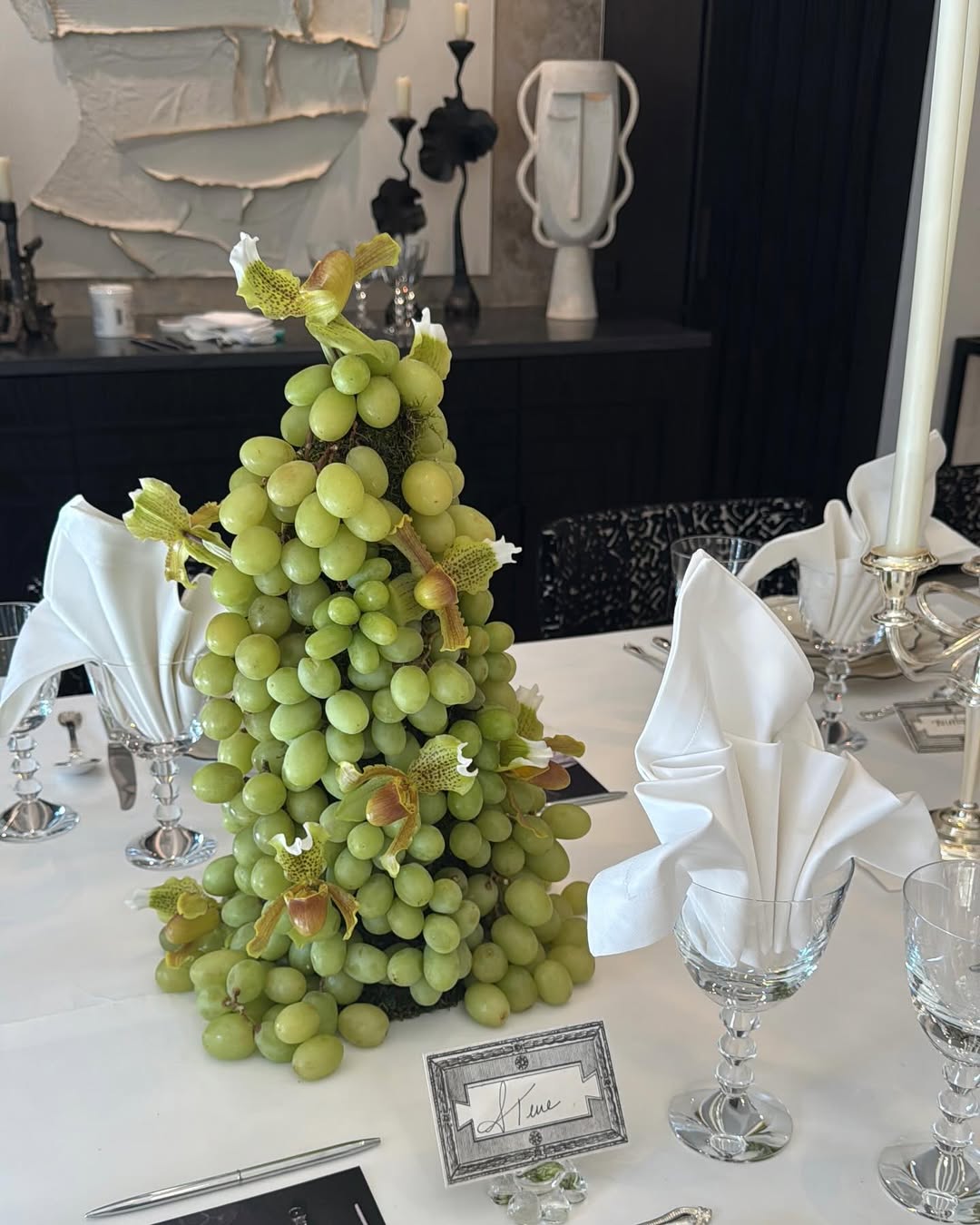
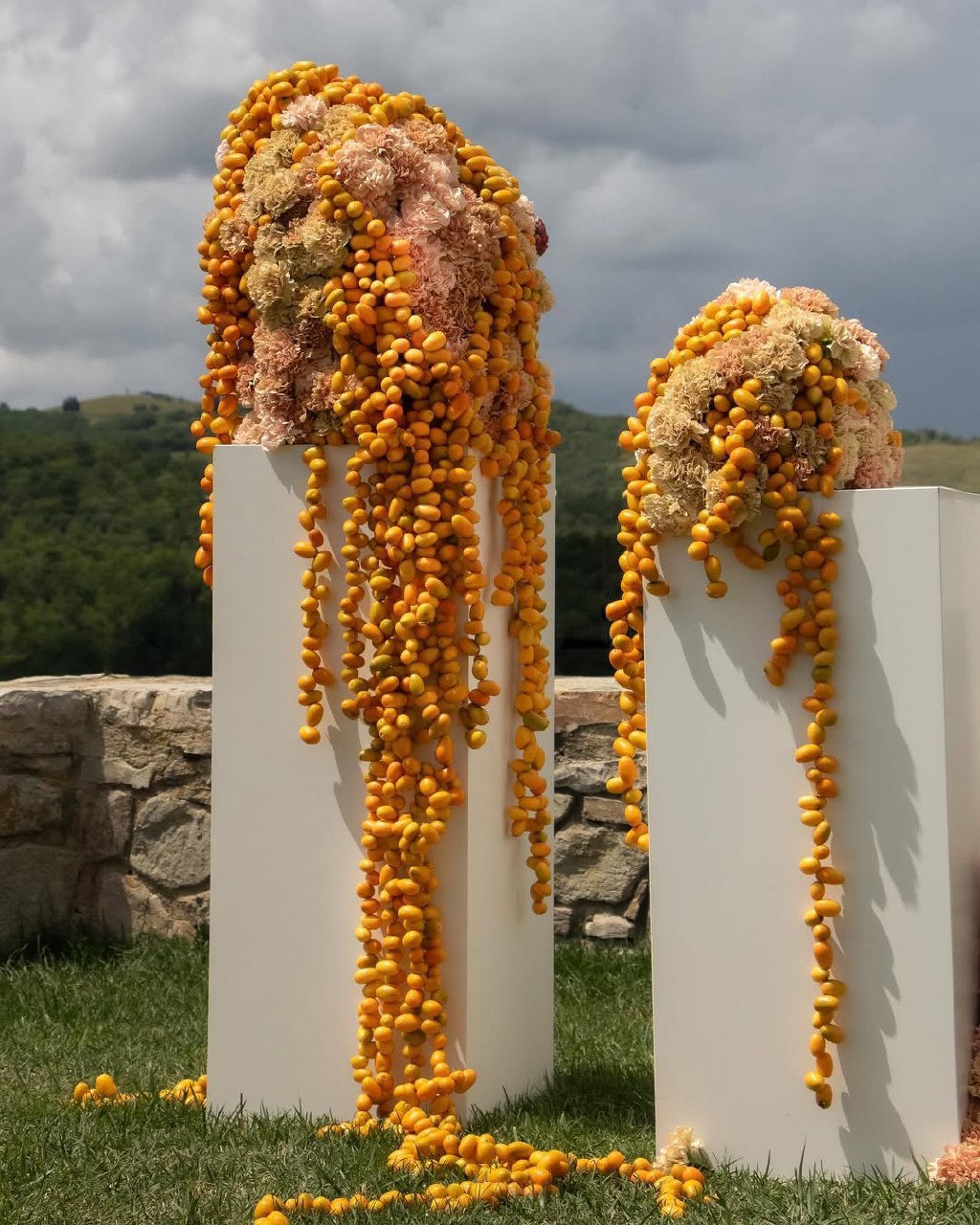
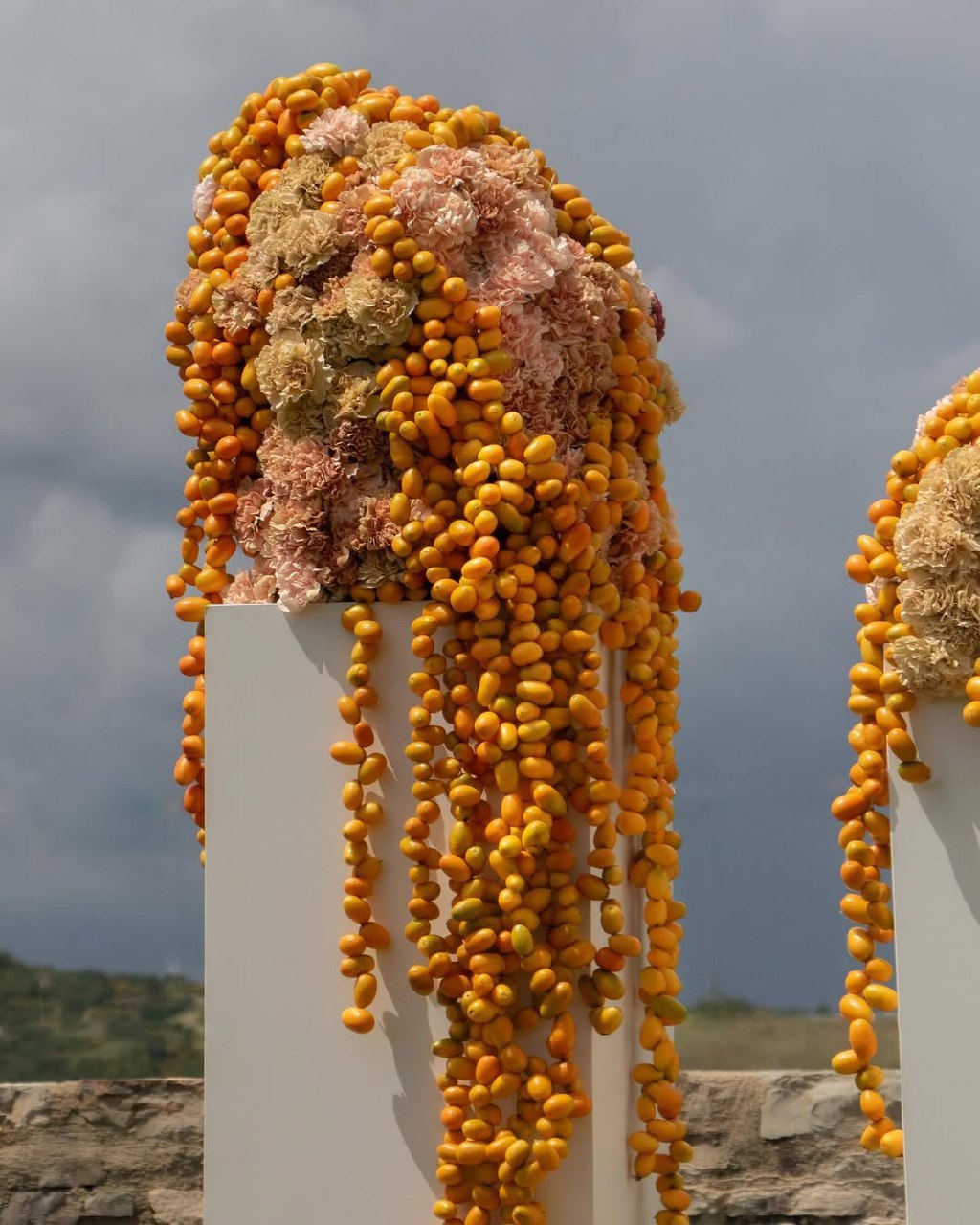
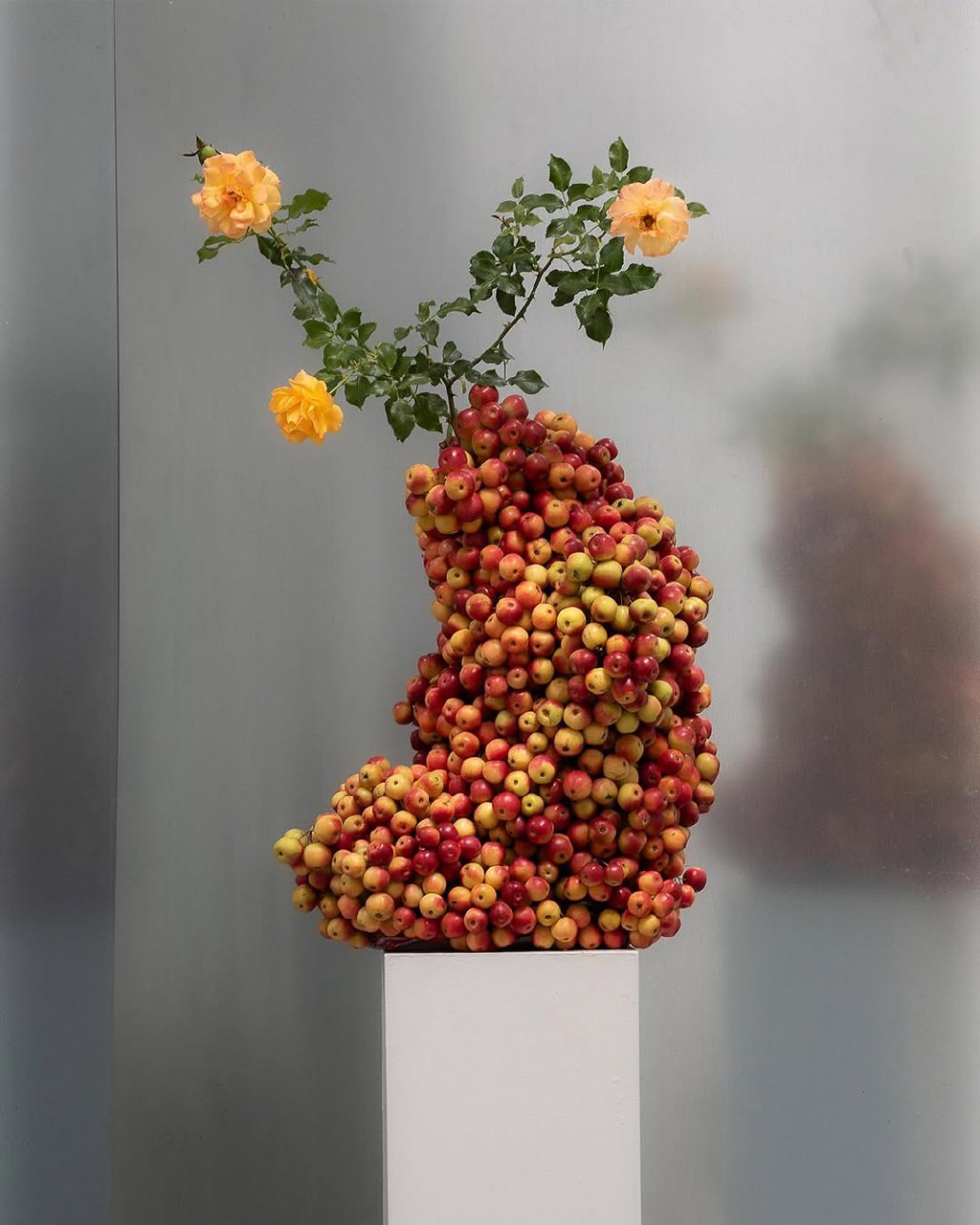
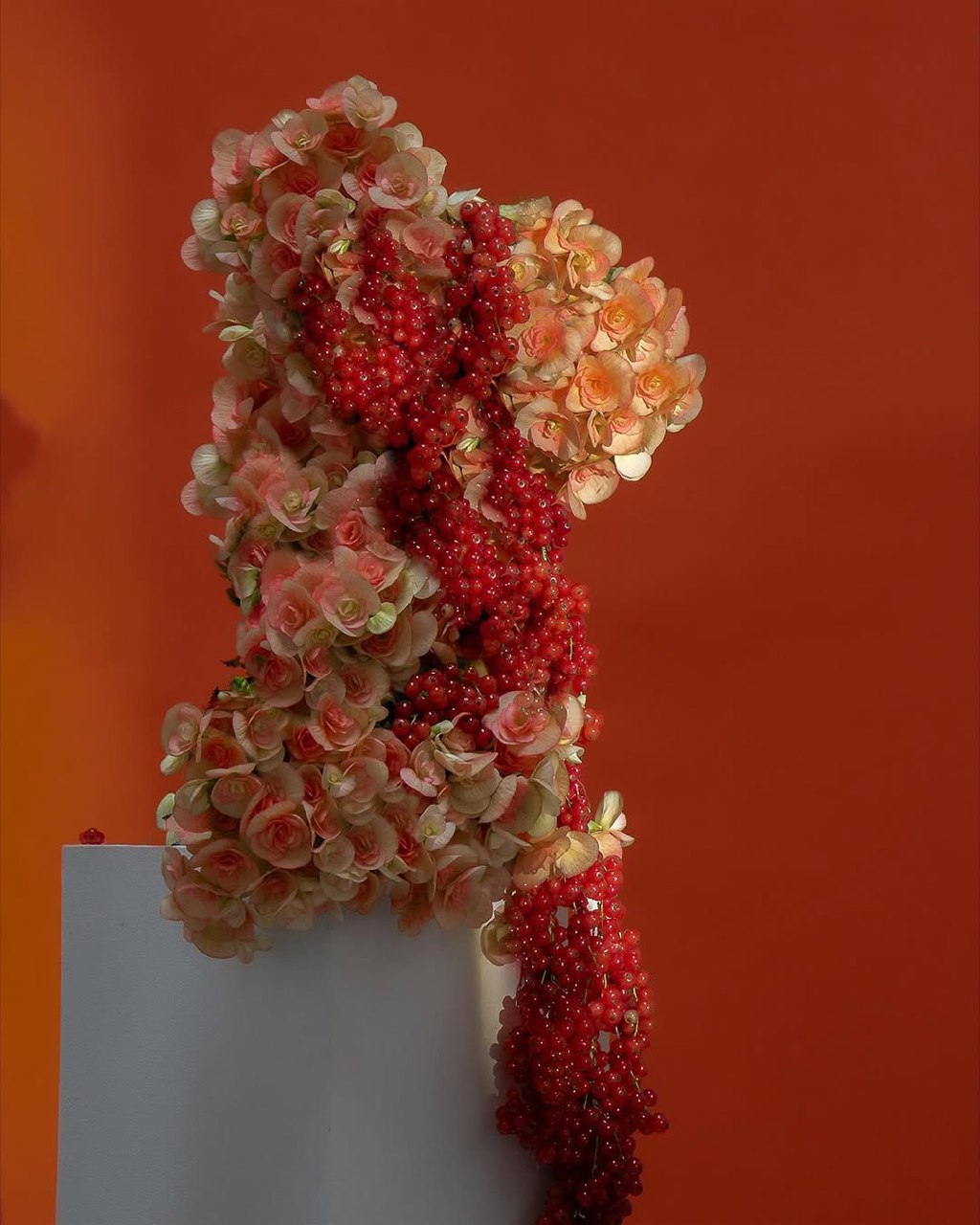
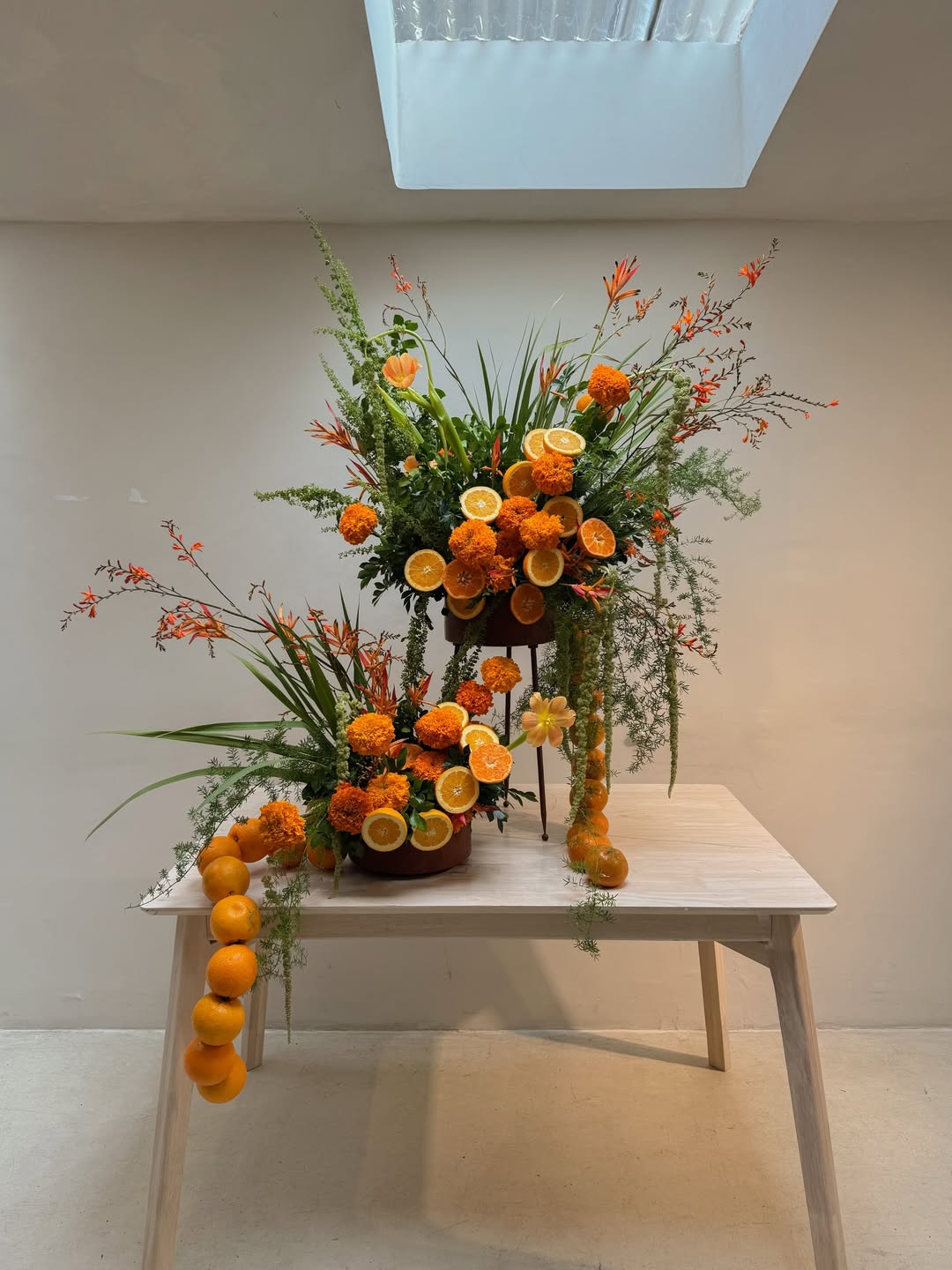
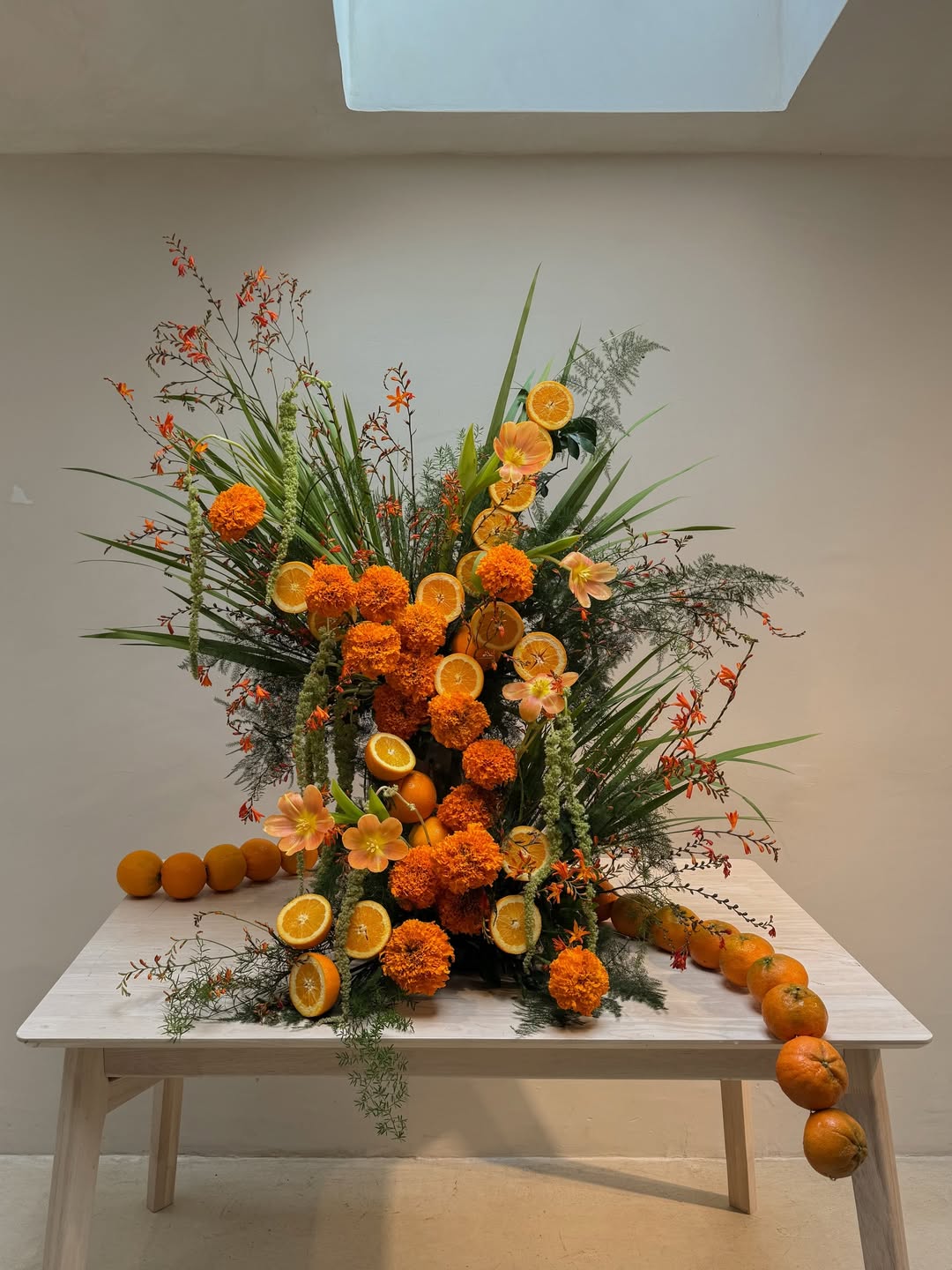
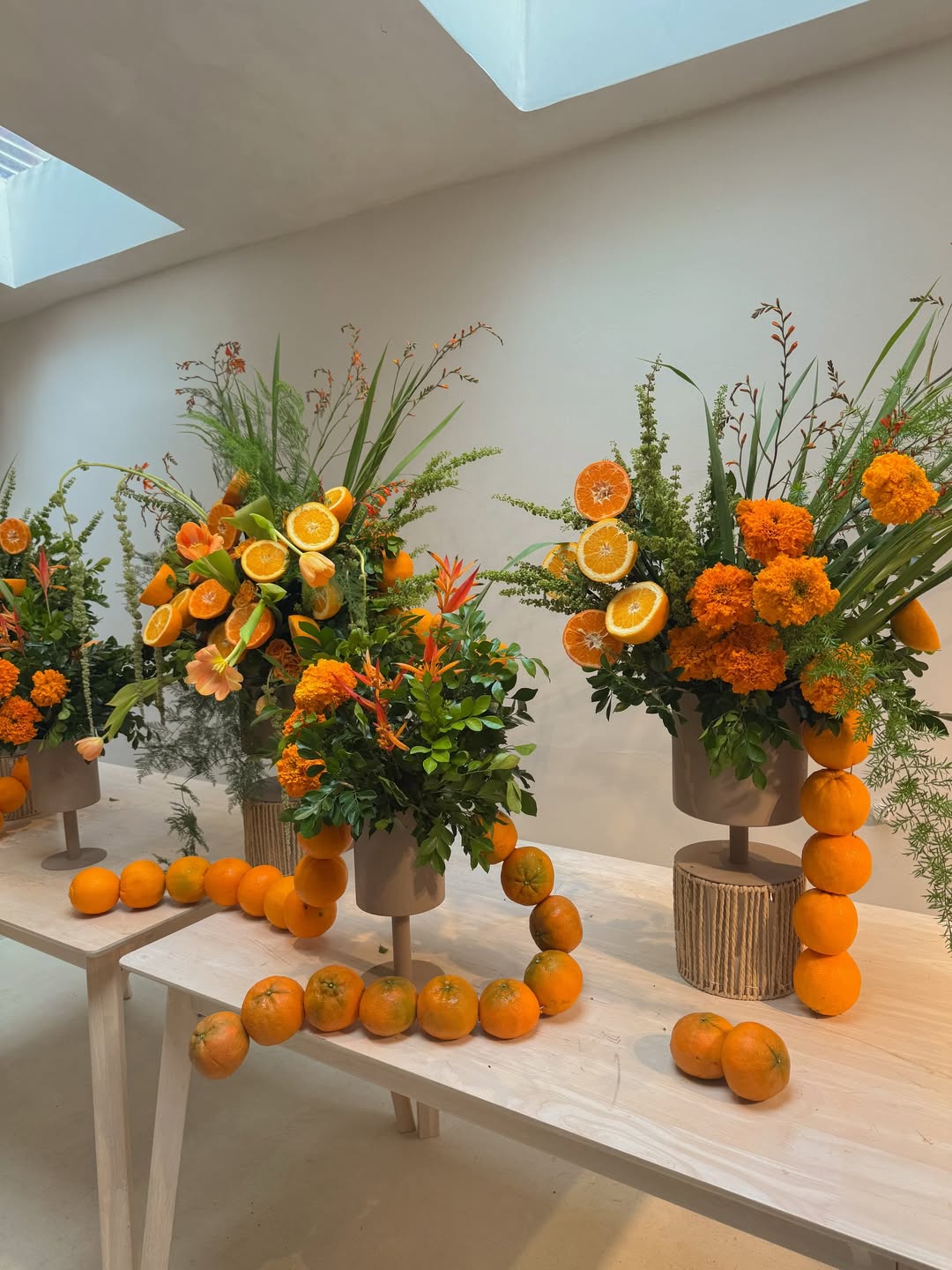
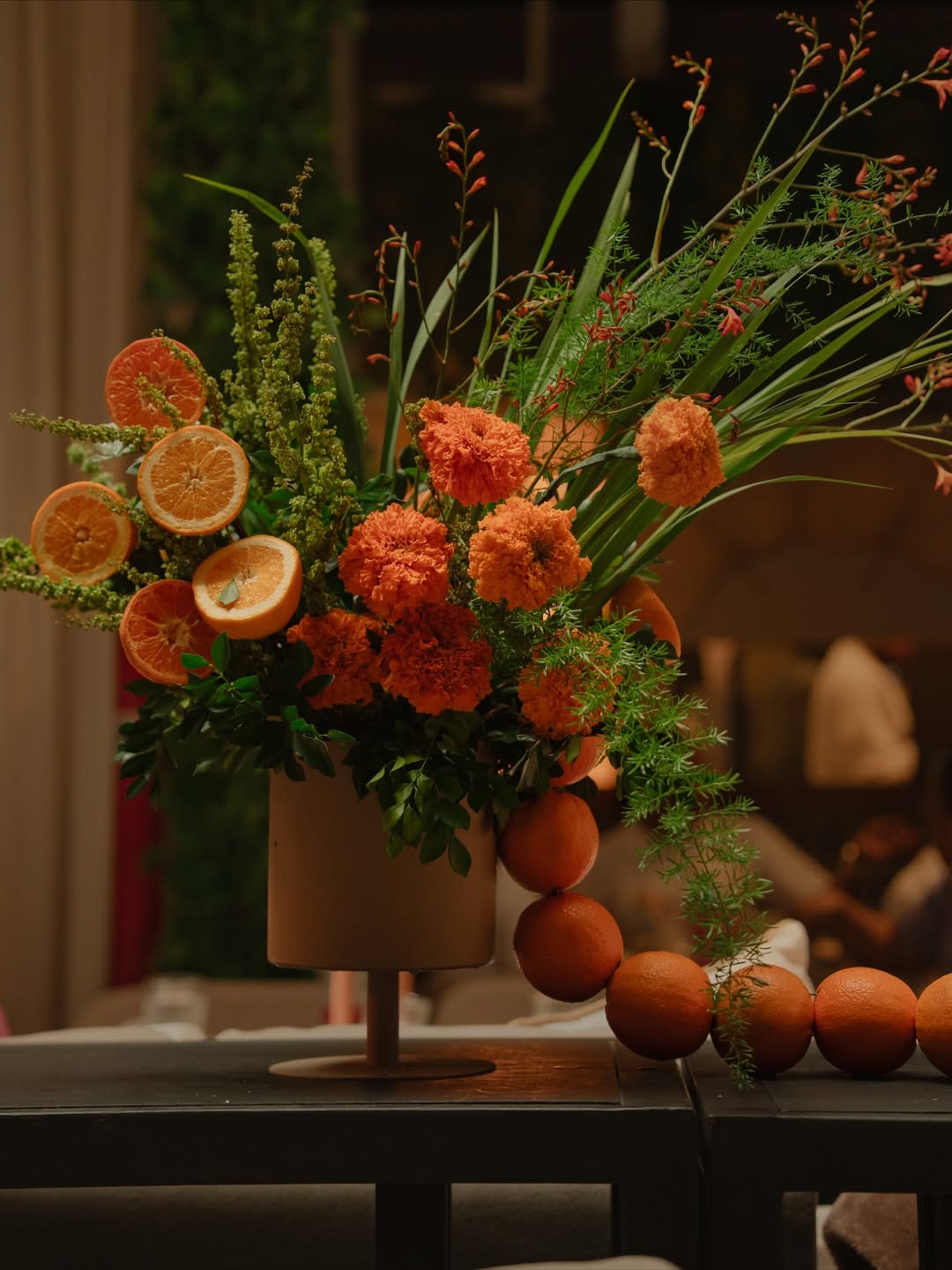
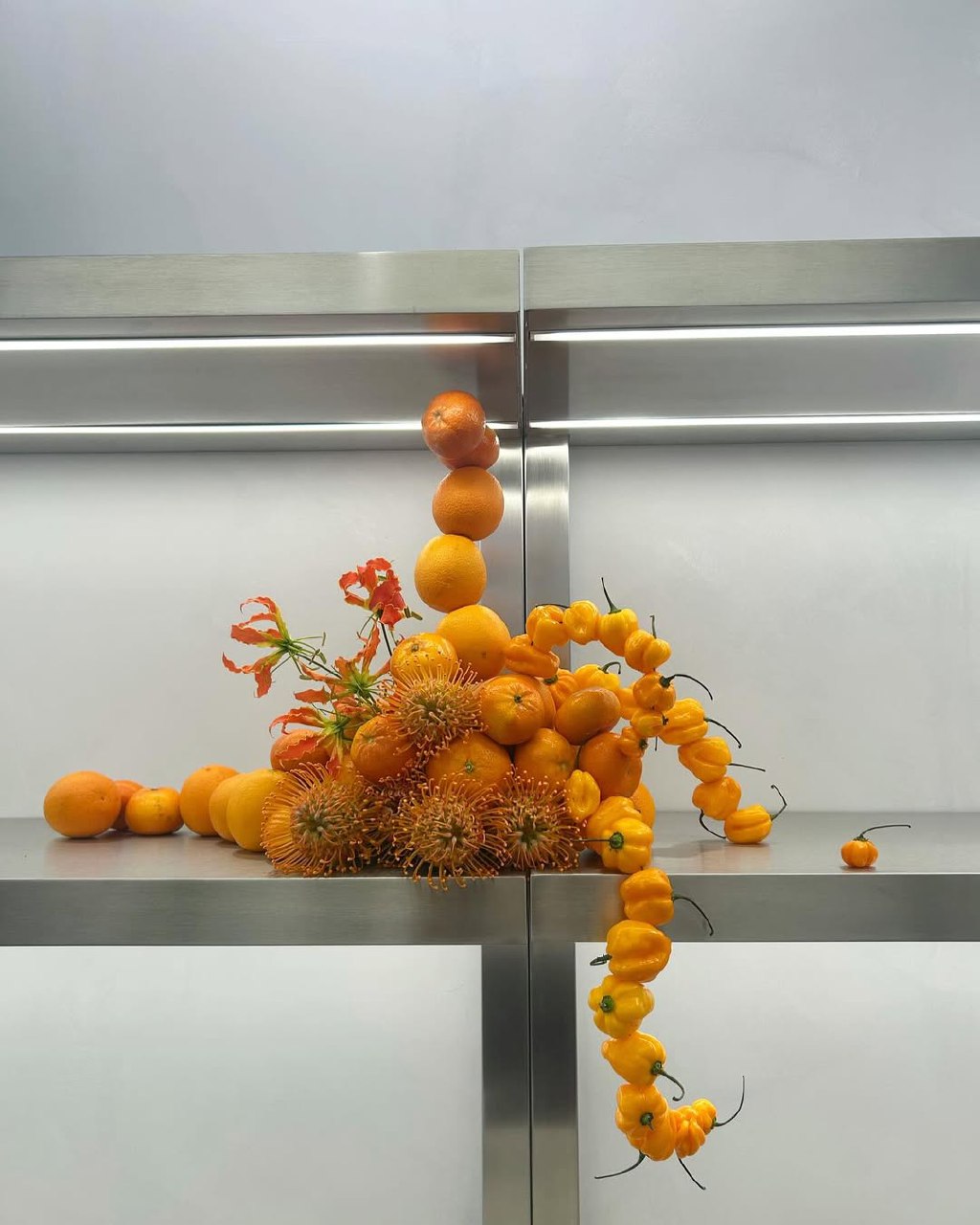
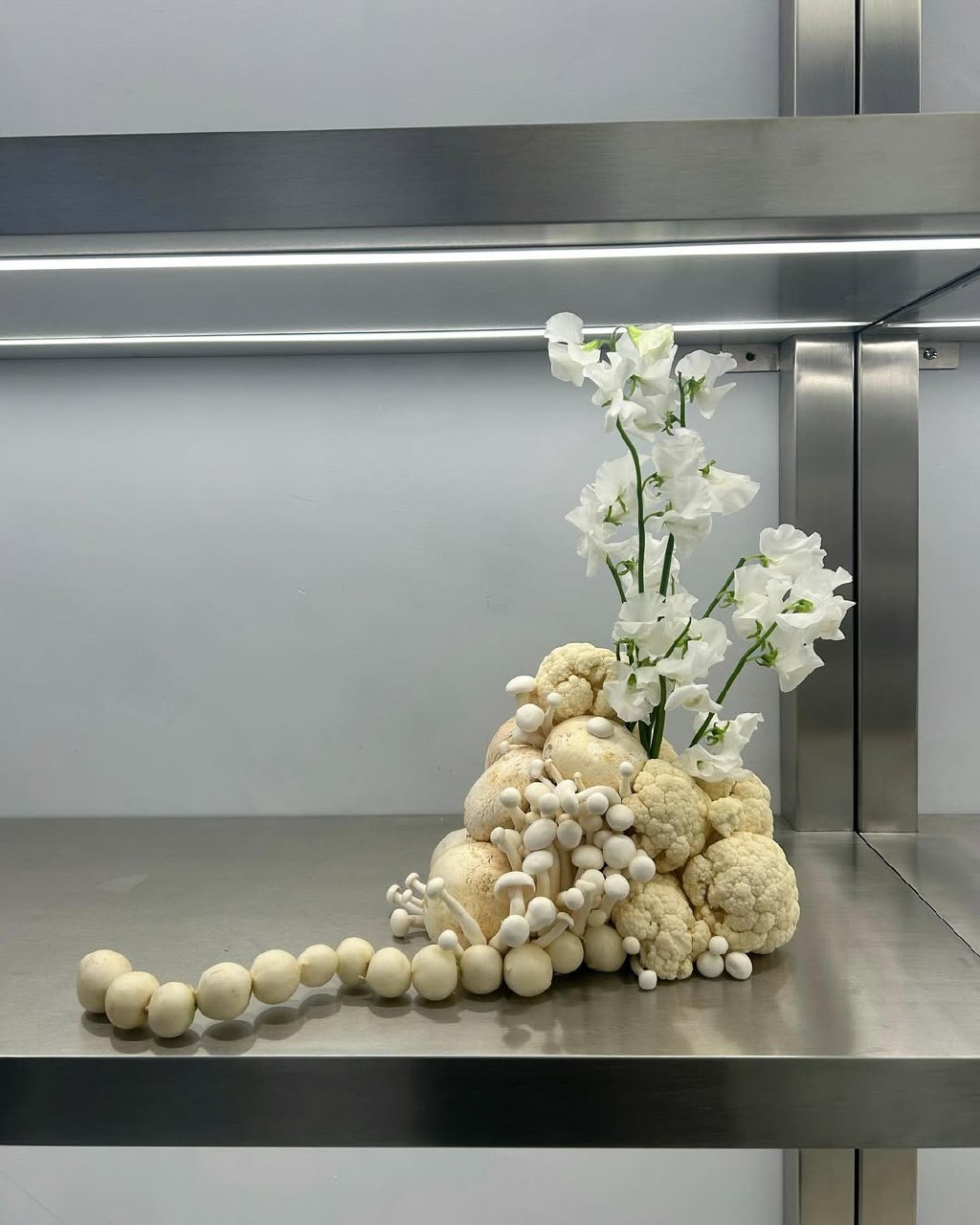
Weaving fruit into wedding florals sparks delightful surprises for the eyes and hands, infusing arrangements with the spirit of abundance, harvest, fertility, and celebration. This approach flourishes in any style, from rustic charm to polished elegance, as long as scale, color harmony, and practical details are thoughtfully considered.
Citrus
Lemons, limes, oranges, and grapefruits infuse arrangements with bursts of color and striking shapes. Their glossy skins catch the light, and when sliced, their intricate interiors become a visual feast. Citrus fruits shine in summer weddings and Mediterranean-themed celebrations. Cluster whole fruits at the base of displays, string slices into cheerful garlands, or tuck them among wedding flowers for a decorative touch and a hint of fresh fragrance. To keep everything in place, use floral picks, wire, or nestle the fruits snugly among the stems to prevent rolling and preserve the design.
Pomegranates and Figs
These fruits infuse arrangements with bold color and a tactile richness that bridges the timeless and the modern. Pomegranates, whole with their rugged skin or opened to reveal glistening seeds, lend deep reds and burgundies that capture the essence of autumn. Figs contribute dusky purple-brown shades and a sculptural silhouette, their velvety surface playing off the sharpness of fresh petals. Both fruits shine in petite bouquets or serve as striking focal points in grand floral installations.
Berries
Cranberries, blackberries, raspberries, and other seasonal berries bring bursts of color and playful shifts in scale to floral designs. Try stringing cranberries into festive garlands, nestling blackberries beside deep-hued blooms for a moody harmony, or scattering berries among white wedding flowers to keep monochrome arrangements lively and dimensional. In winter, berries are a secret weapon: they suit the season, photograph beautifully, and lend a natural texture that transforms cold-weather florals from stiff to stunning.
Exotic Options
Passion fruit, dragon fruit, and star fruit introduce a burst of unexpected shapes and colors, transforming wedding florals into something truly one-of-a-kind. Their striking forms spark curiosity and conversation, but they shine brightest when thoughtfully woven into modern, editorial-style celebrations that already embrace the unconventional.
Branches and Natural Elements
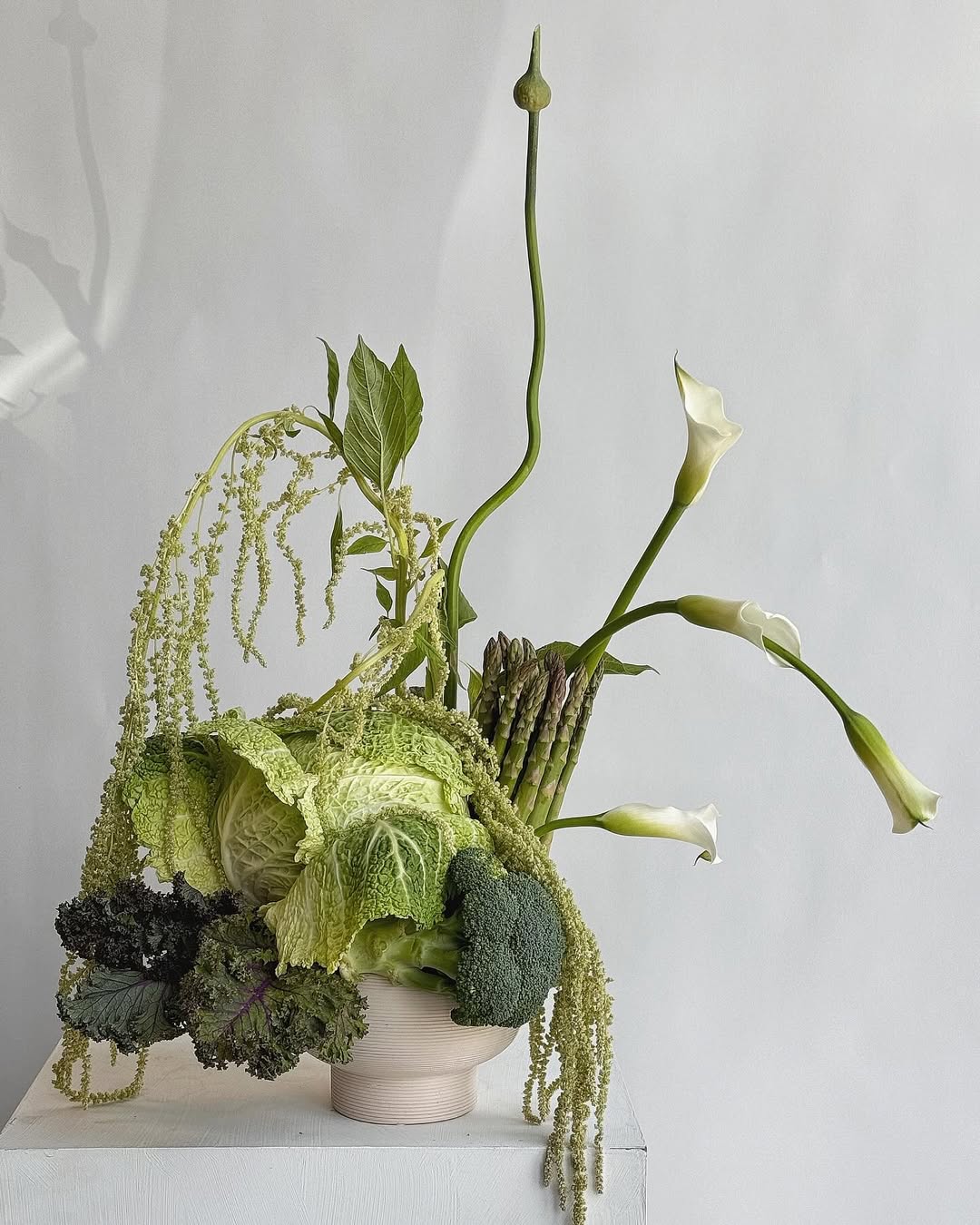
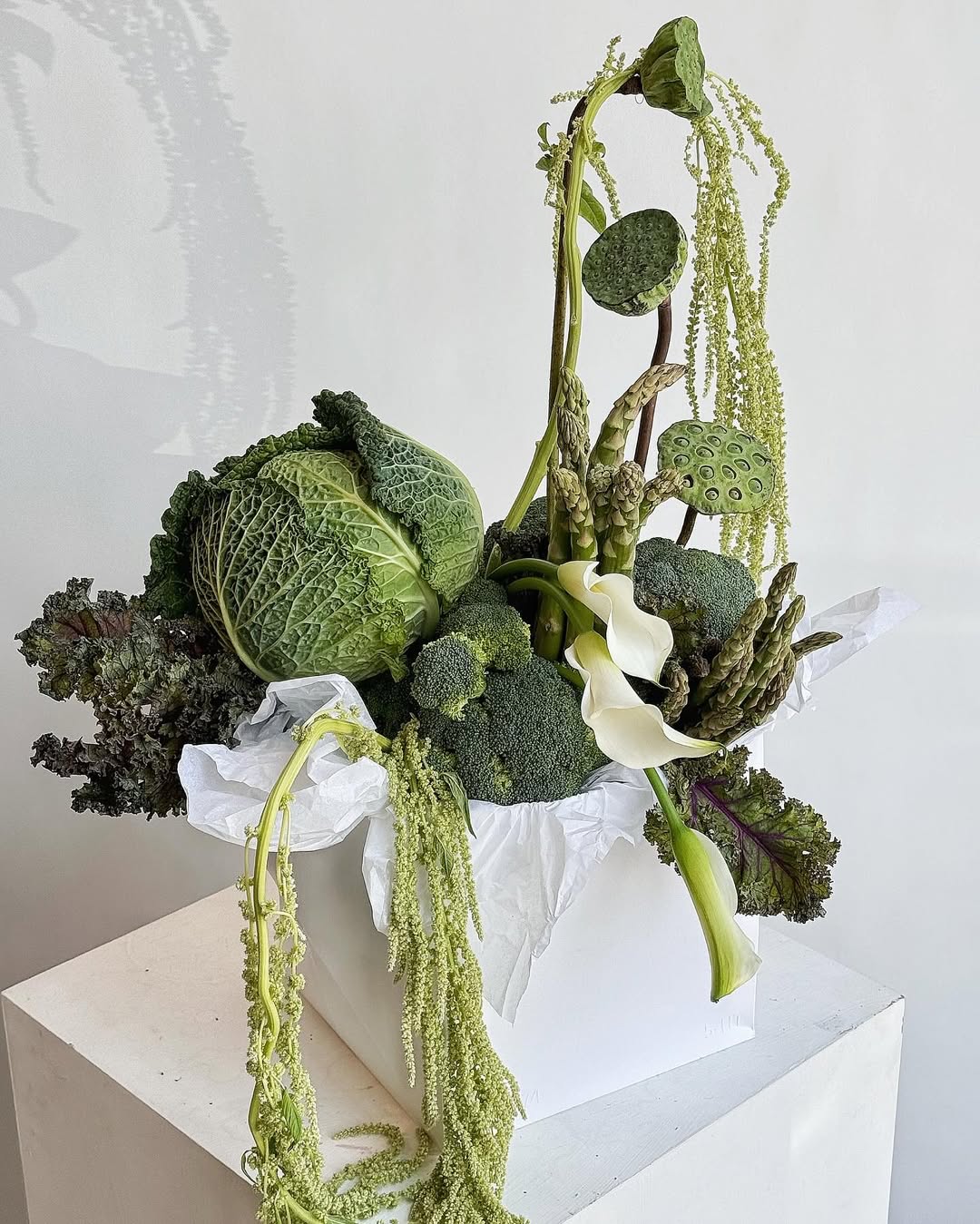
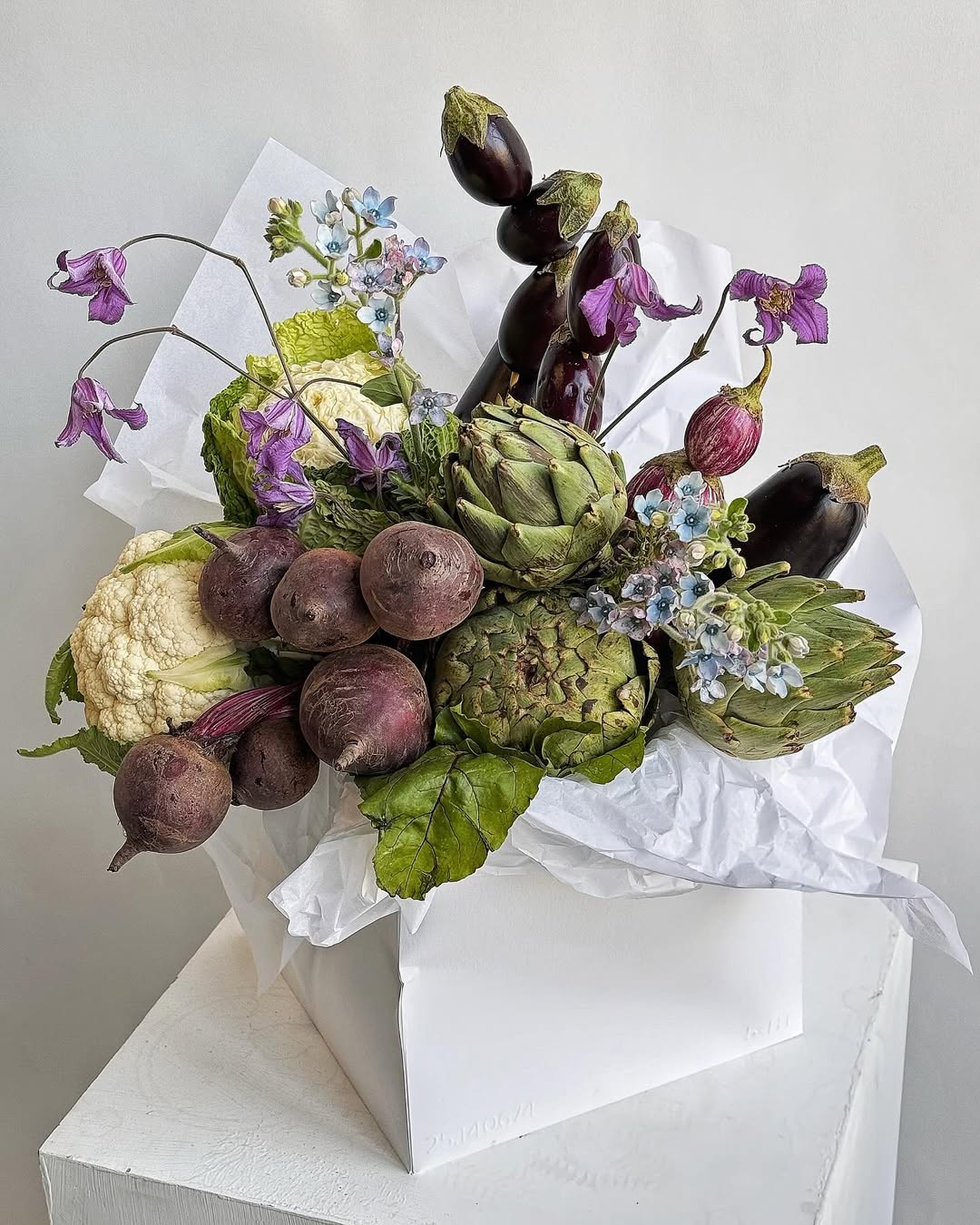
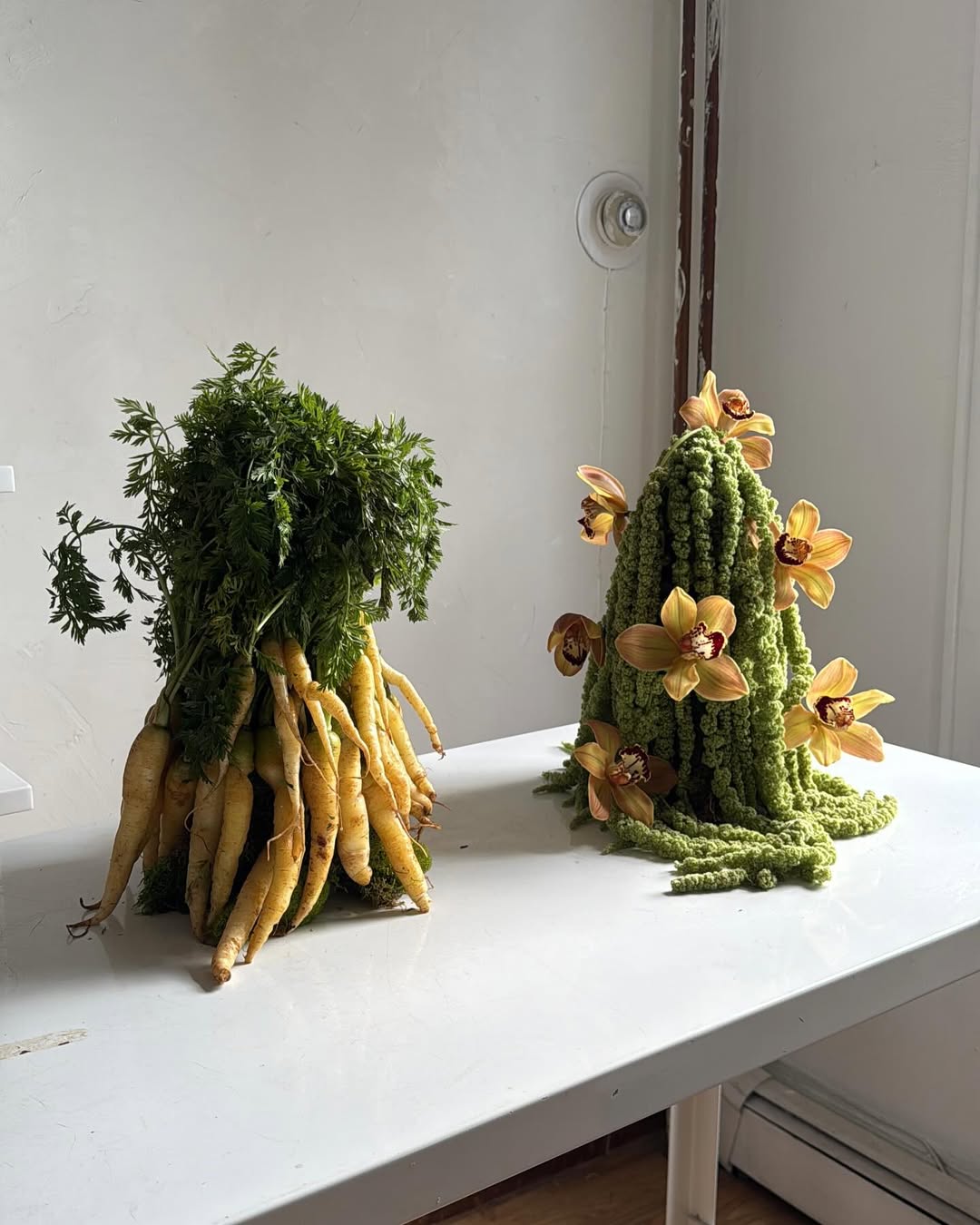
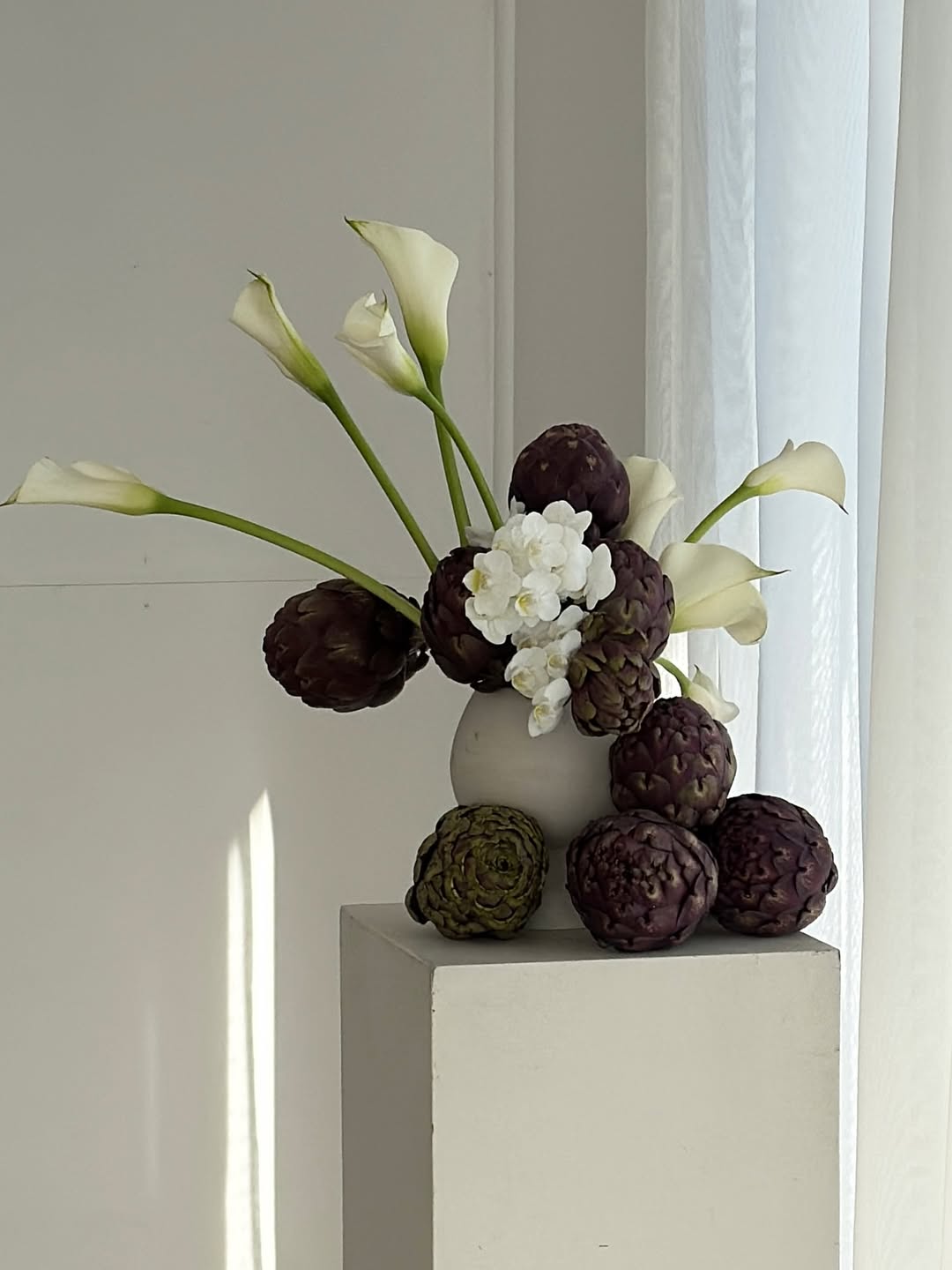
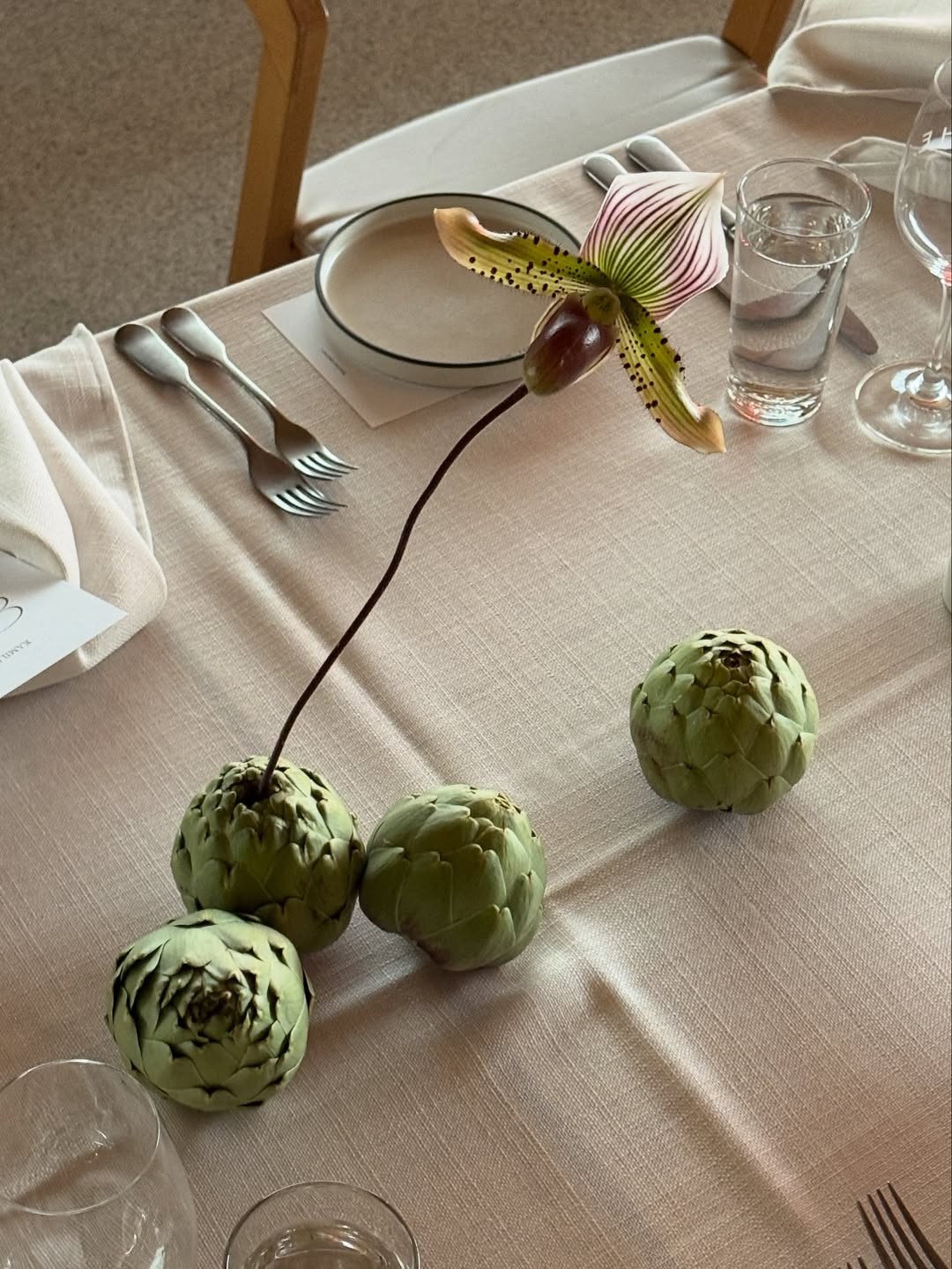
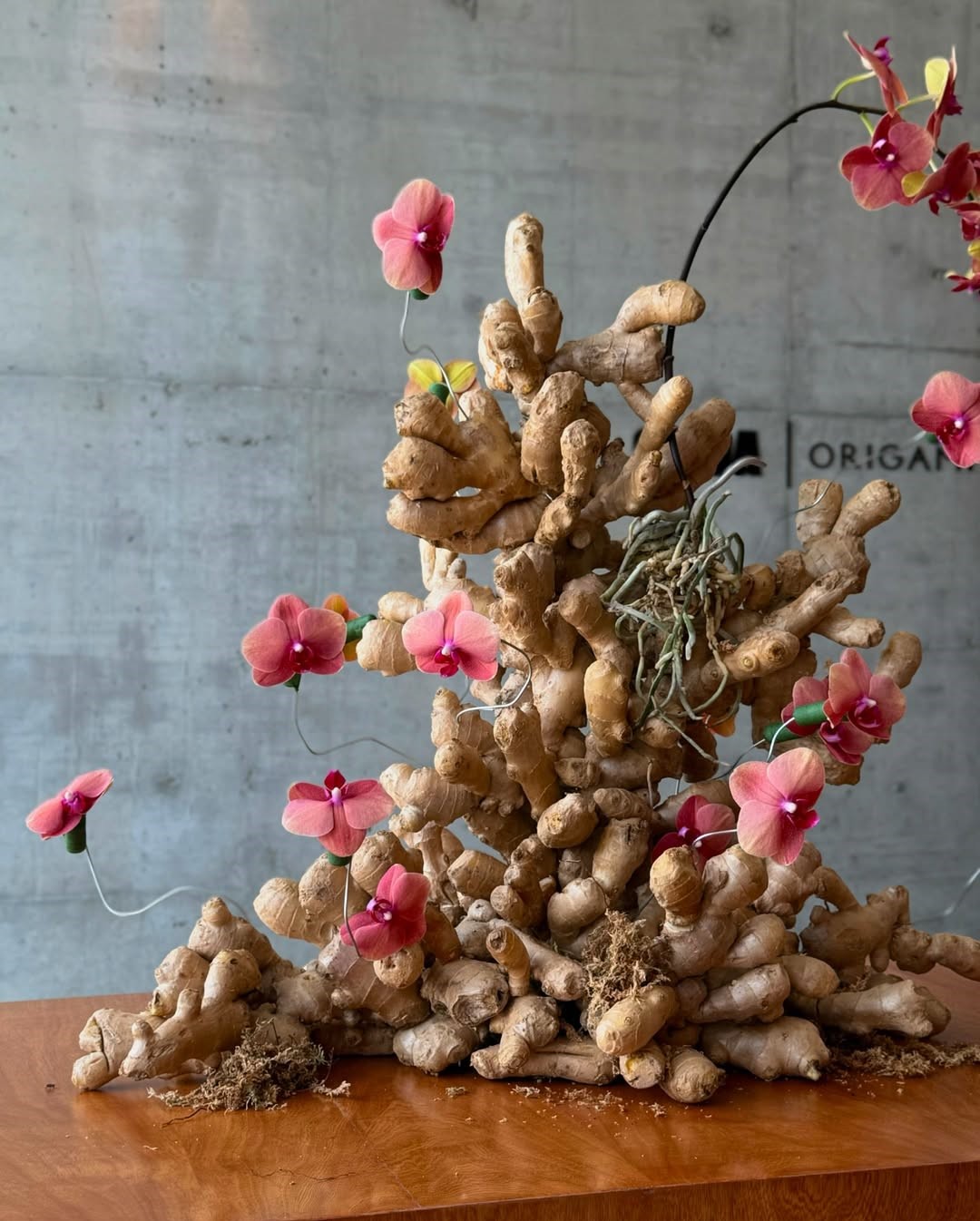
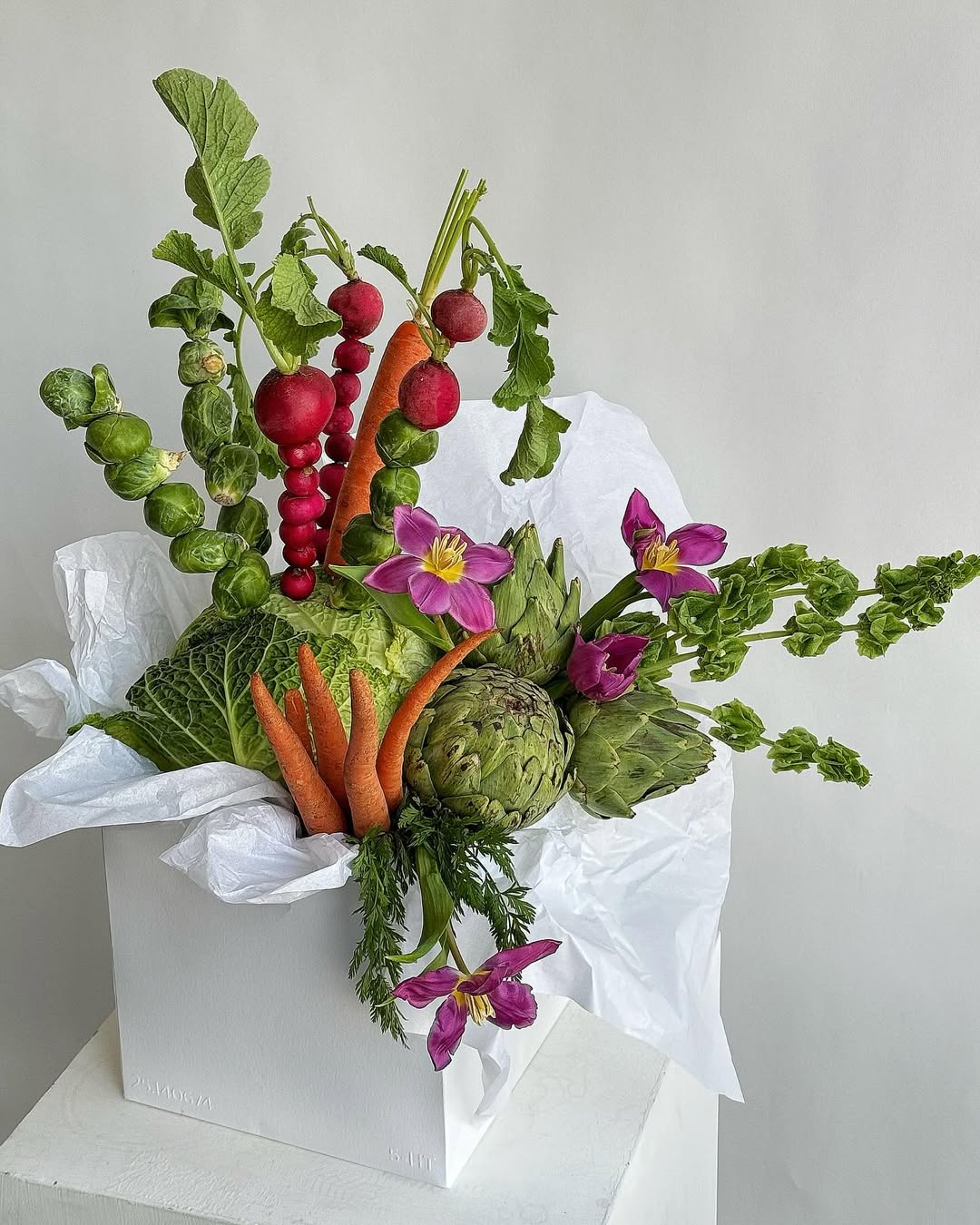
Branches bring structure and a sense of space to wedding floral designs, making arrangements feel like they come from nature rather than a studio. This approach works well for couples who want a relaxed, organic style or are using dried or preserved flowers. In spring, flowering branches like cherry blossom, dogwood, and quince add fullness to arrangements without much extra cost. They create height and keep the look light and seasonal. During summer, fig or olive branches with their silvery-green leaves look beautiful in photos and hold up well in warm weather. In autumn, you can use oak branches, beech with copper leaves, or twisted willow for bold shapes. In winter, bare branches offer clean lines that stand out against soft flowers or can be used alone for a simple, modern look. To add texture, use moss, bark, and lichen in your arrangements. Cover floral foam or mechanics with sheet moss to line containers. Wrap bark around vases for a natural effect. Add lichen-covered twigs for a wild, just-picked feel. These details work especially well on large wedding arches and aisle decorations, adding interest beyond just flowers.
Clay Vases and Unconventional Containers
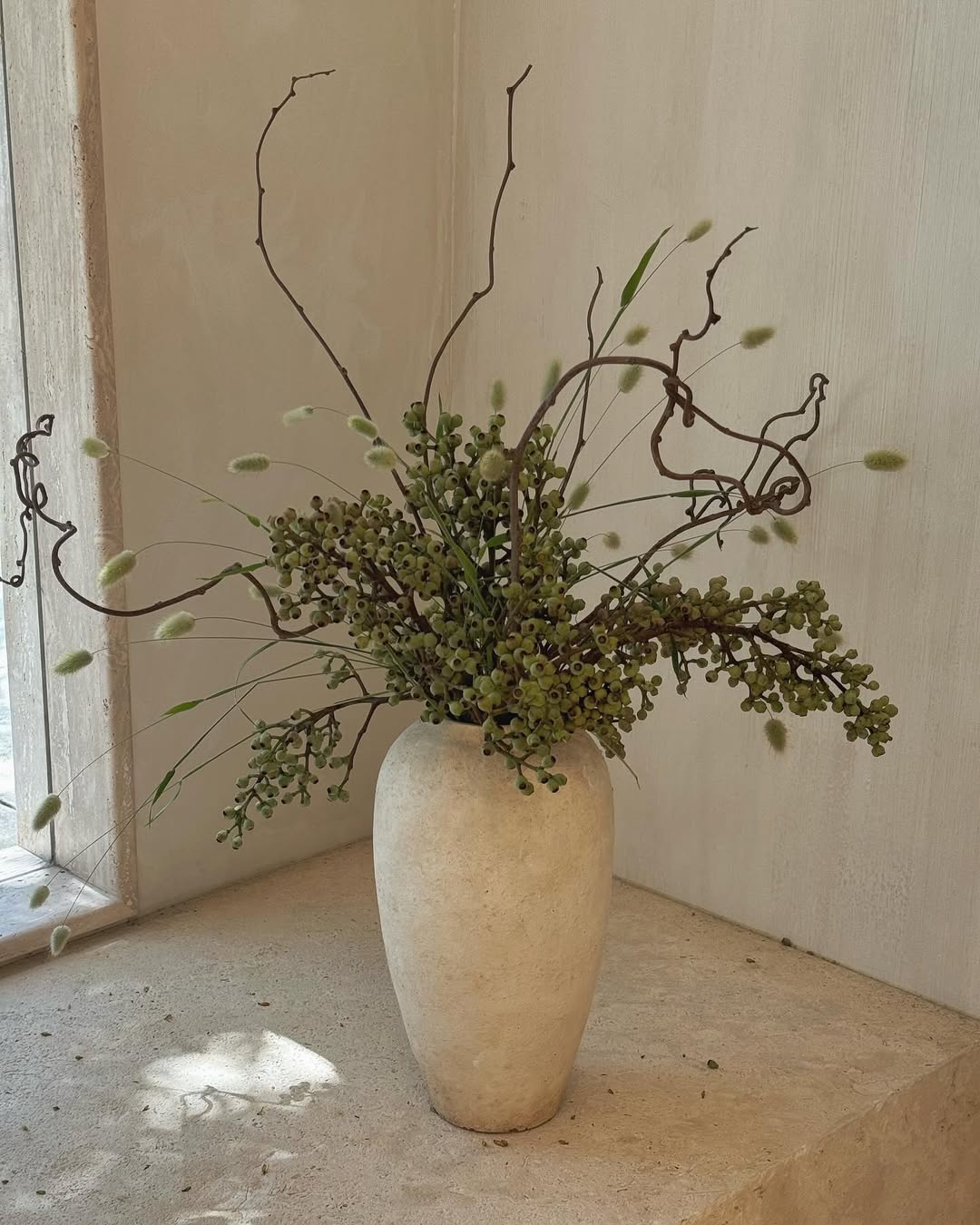
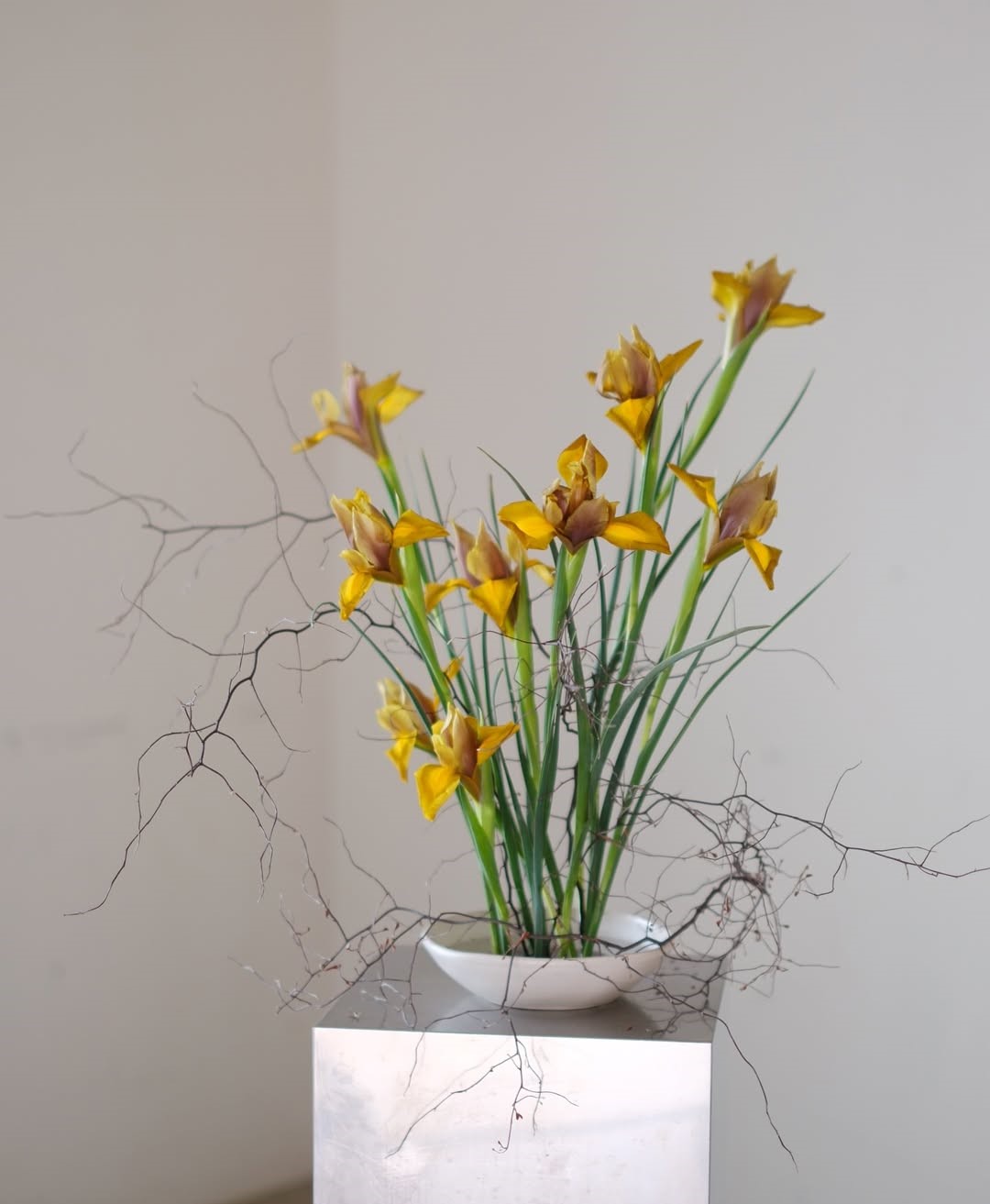
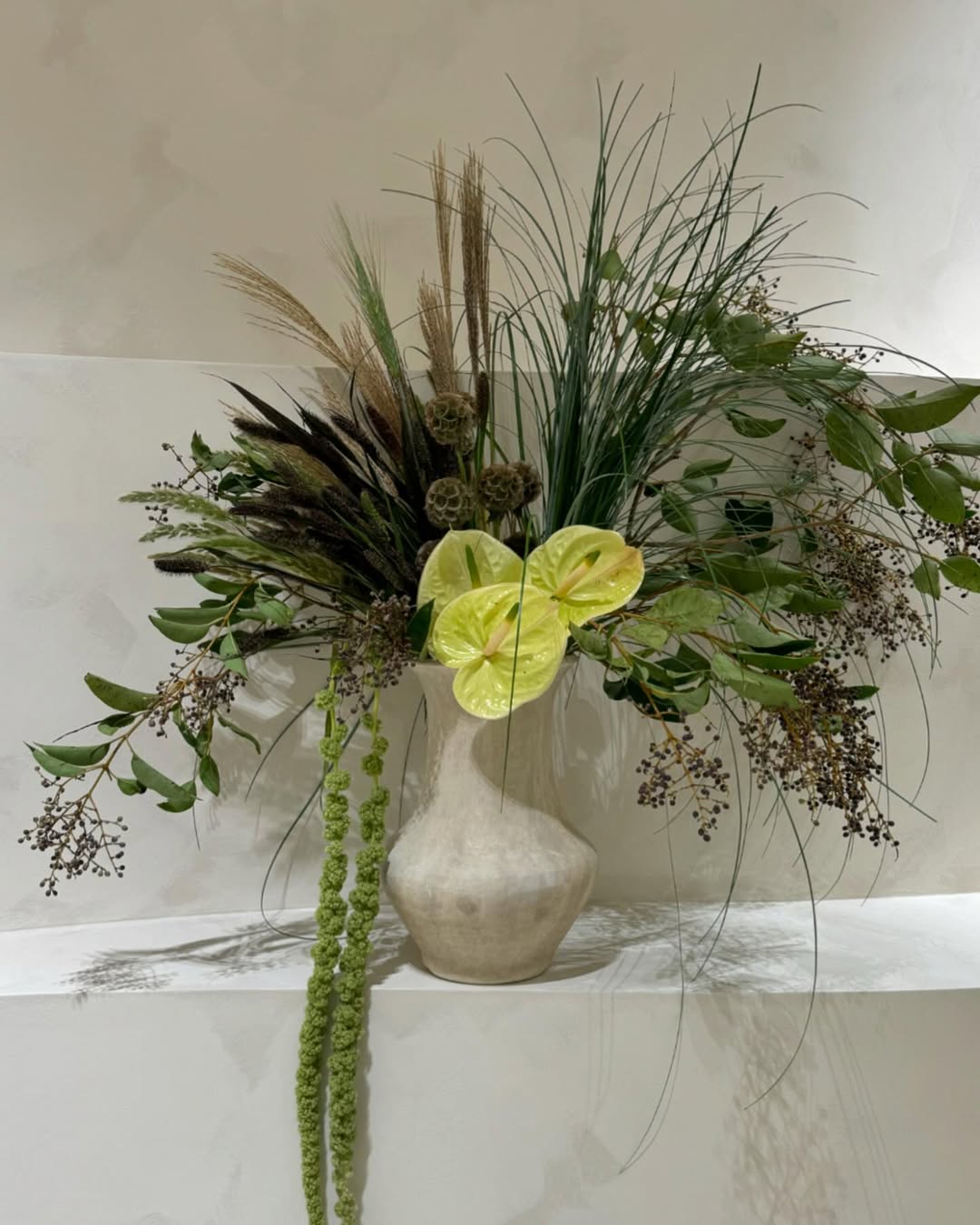
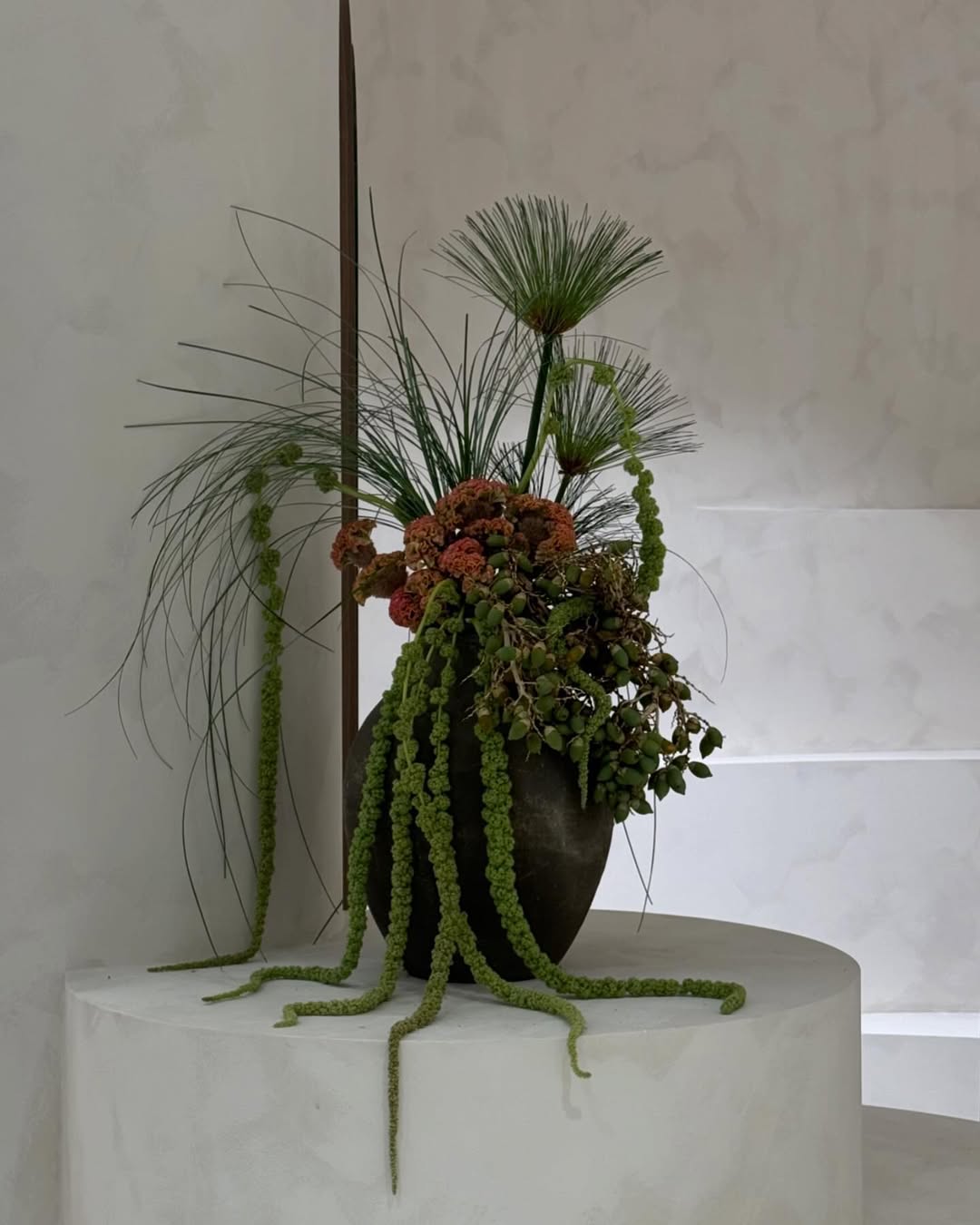
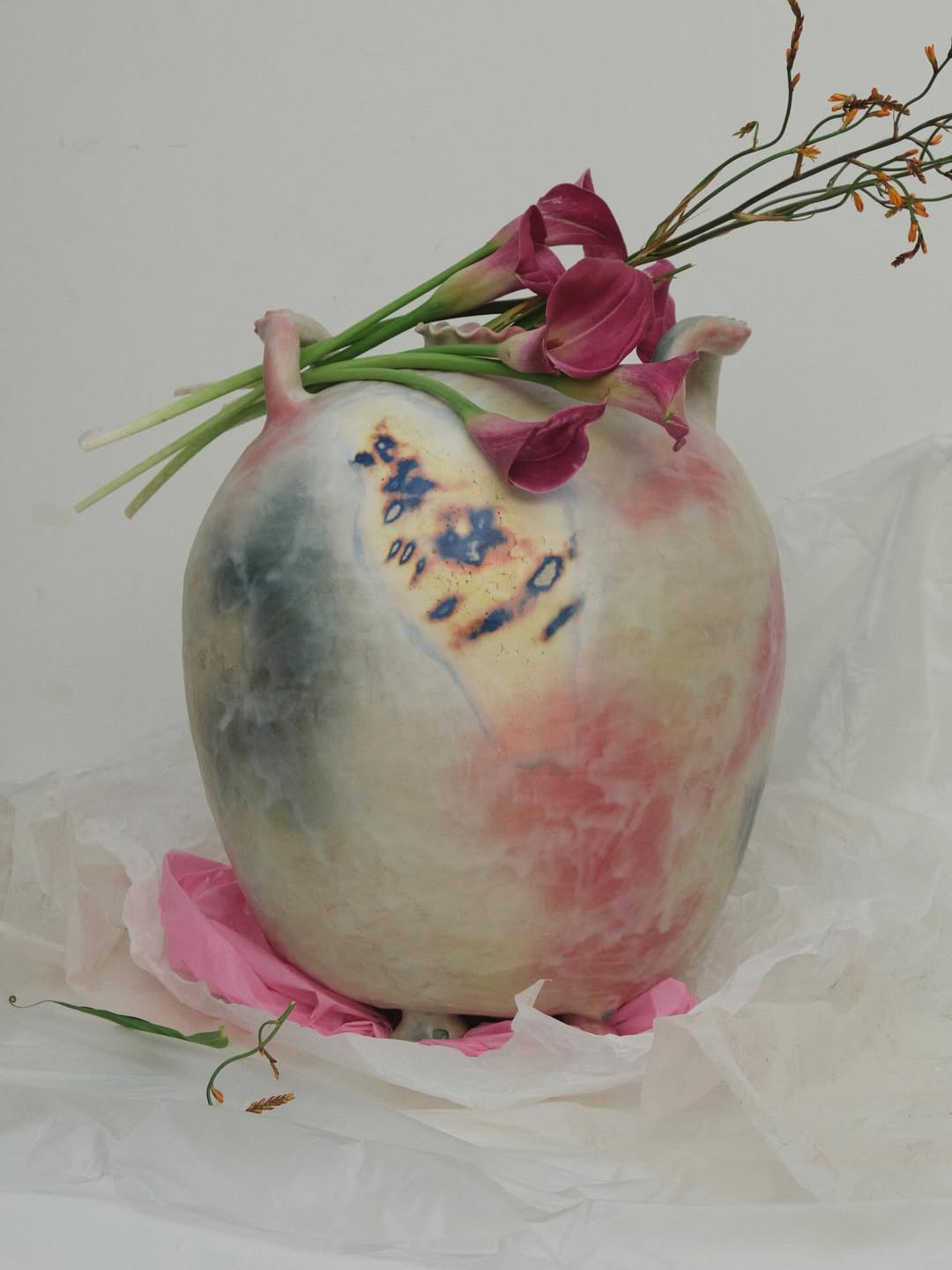
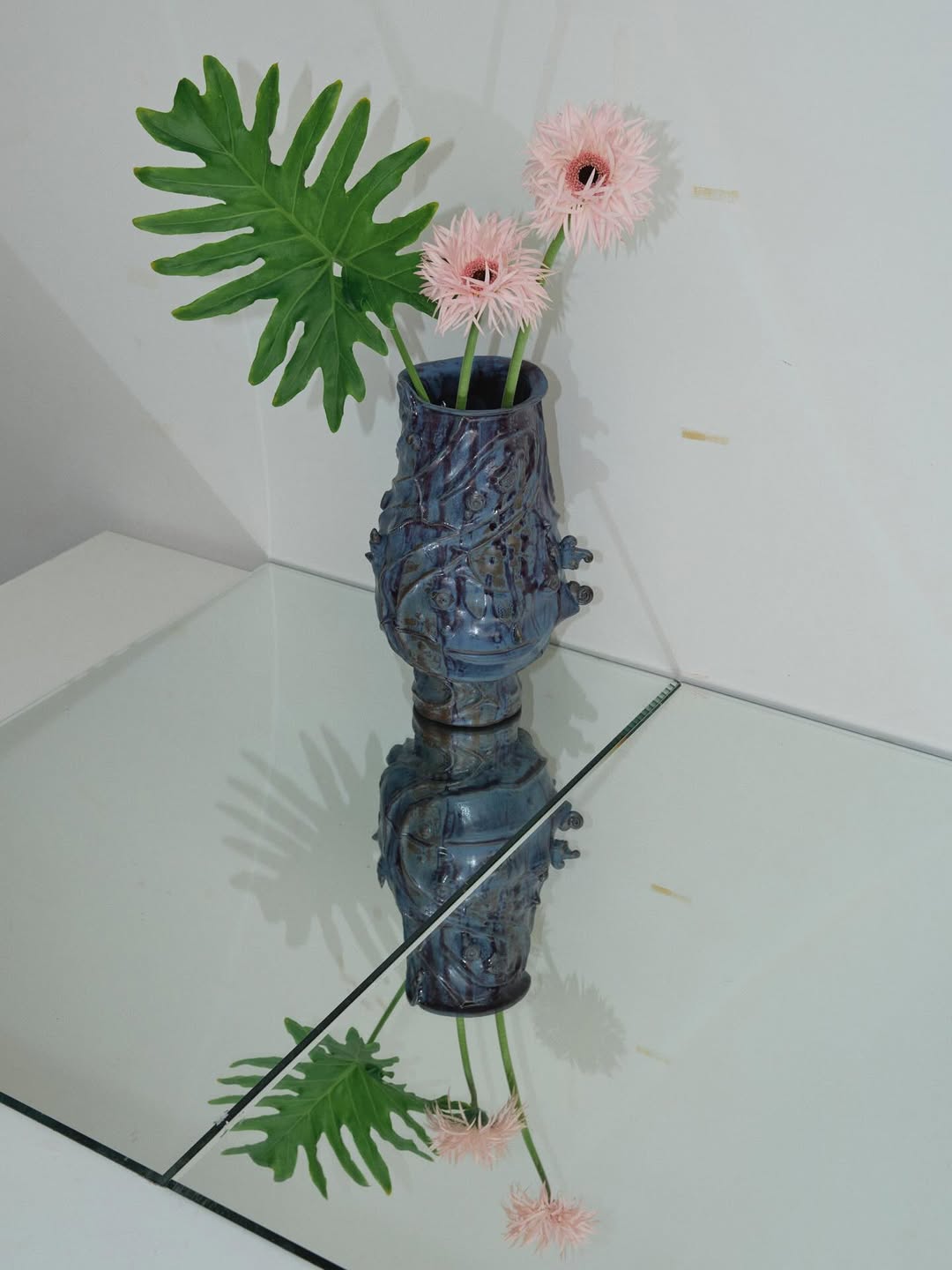
The vessel is just as important as the blooms it holds. Choosing something beyond the usual clear glass cylinder instantly elevates wedding flower decor from ordinary to unforgettable. Clay and terracotta vases bring a sense of earthy warmth and tactile contrast; their matte, organic surfaces turn even the simplest bouquet into a thoughtful, design-driven statement. The charm of their handmade imperfections perfectly matches modern tastes that celebrate craft and individuality over factory-made sameness. Metal containers, such as brass, copper, aged silver, or galvanized steel buckets, for rustic celebrations bring a reflective glow and a sense of substance to floral displays. Brass, in particular, shines in photographs, capturing candlelight and infusing wedding tables with a golden warmth, all without adding extra color. For glass alternatives, consider vintage bottles in different heights, colored glass that gently tints the scene without overshadowing the flowers, or sleek geometric vessels that add a touch of architectural flair. Wooden boxes, crates, or even hollowed logs are perfect for dried flower displays and rustic ceremony florals. They shine in installations where florals and garlands sprawl horizontally across a table or altar. Just be sure to seal or line the wood to prevent water damage if you are using fresh blooms. For a more artistic touch, choose ceramic vessels in surprising shapes—think asymmetric, handbuilt forms with striking glaze patterns—that transform simple wedding flowers into gallery-worthy works of art.

Combining Elements for Maximum Impact
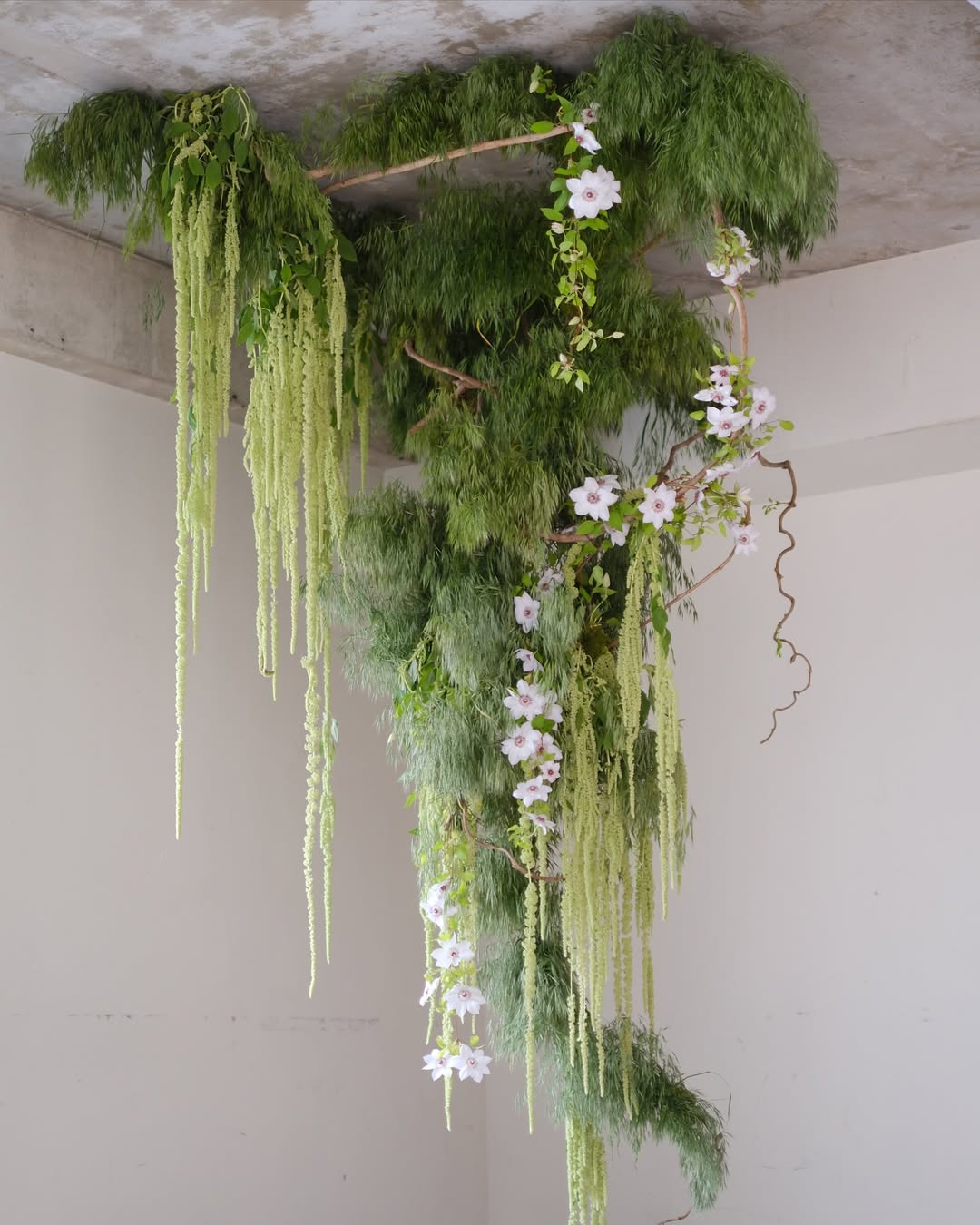
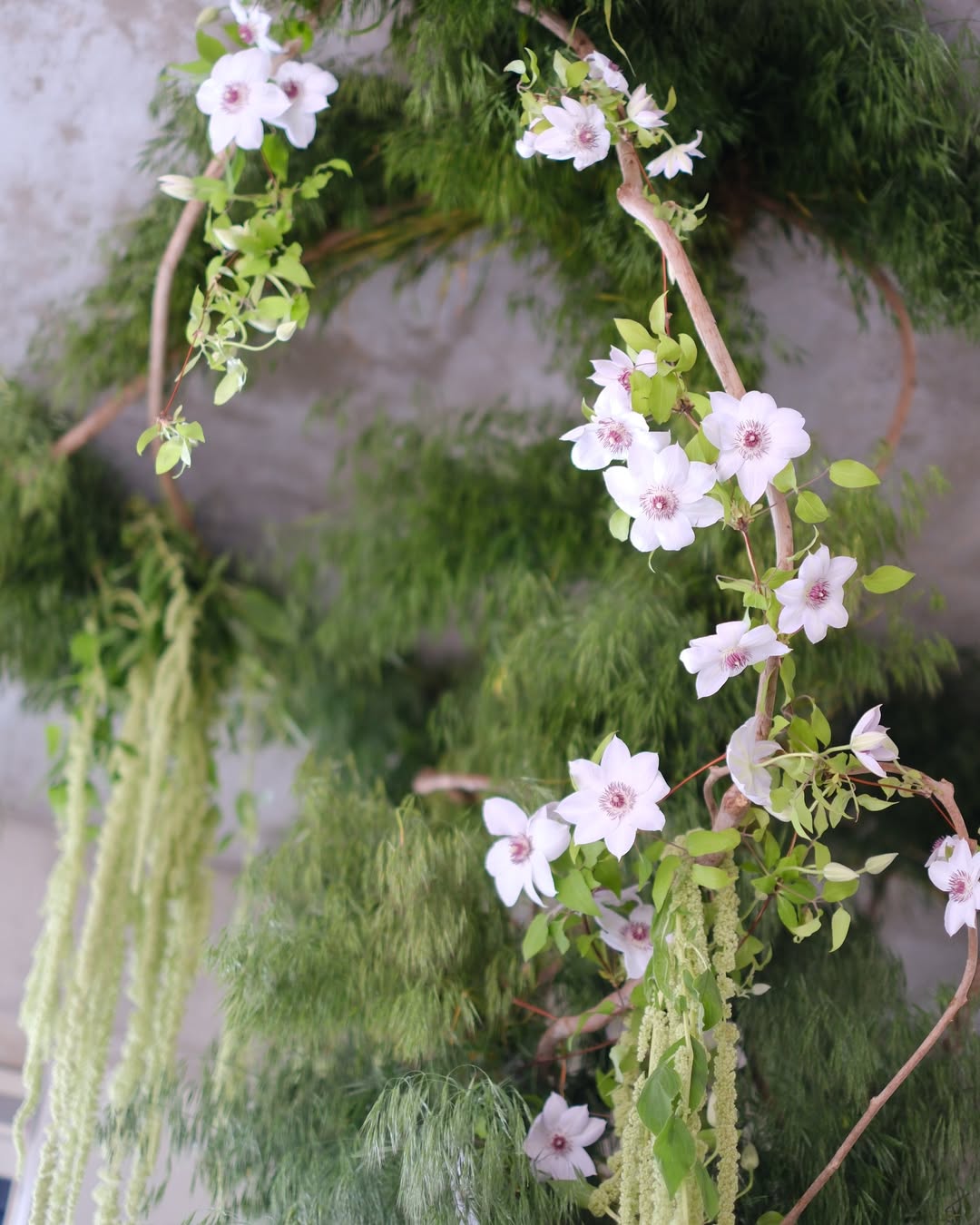
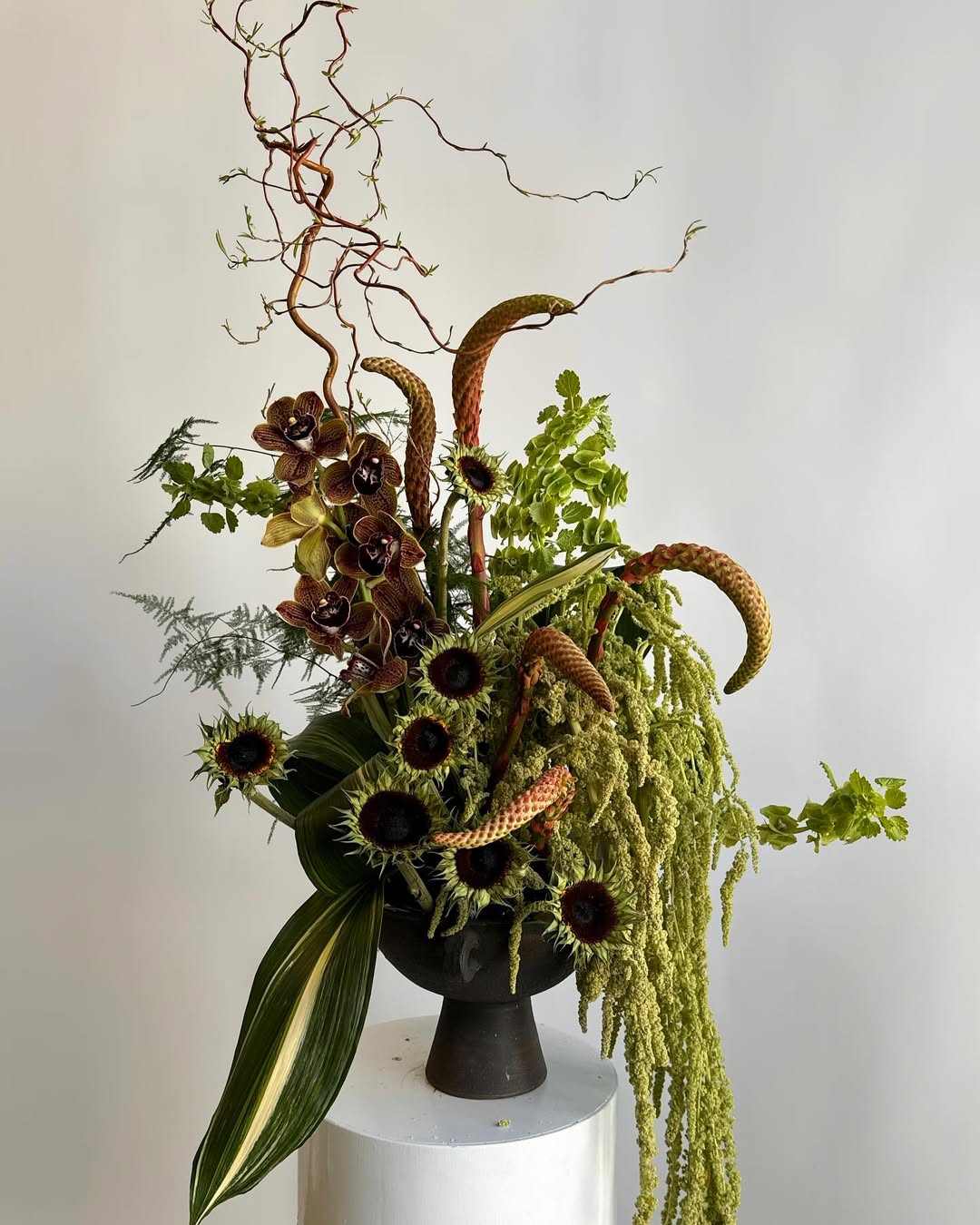
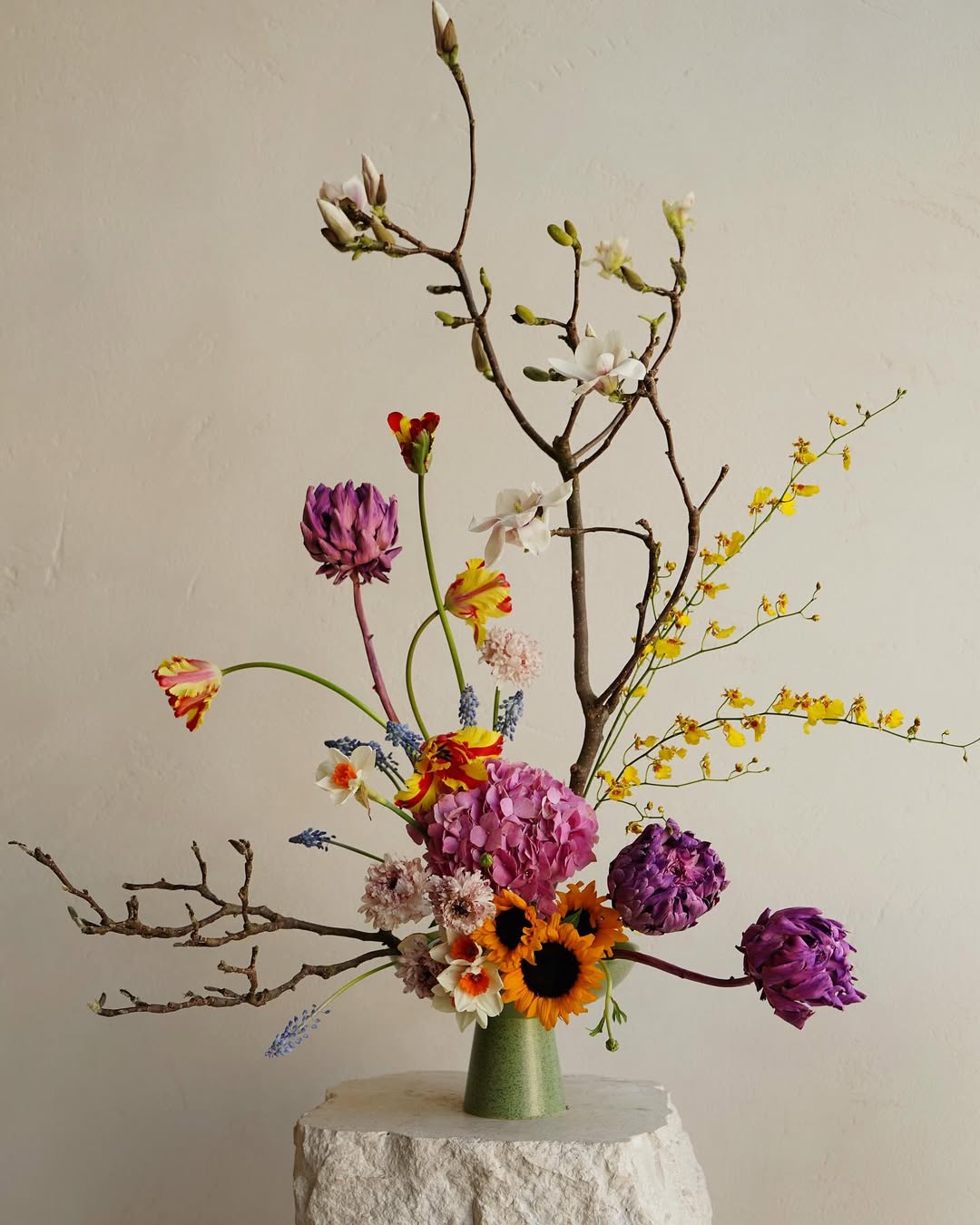
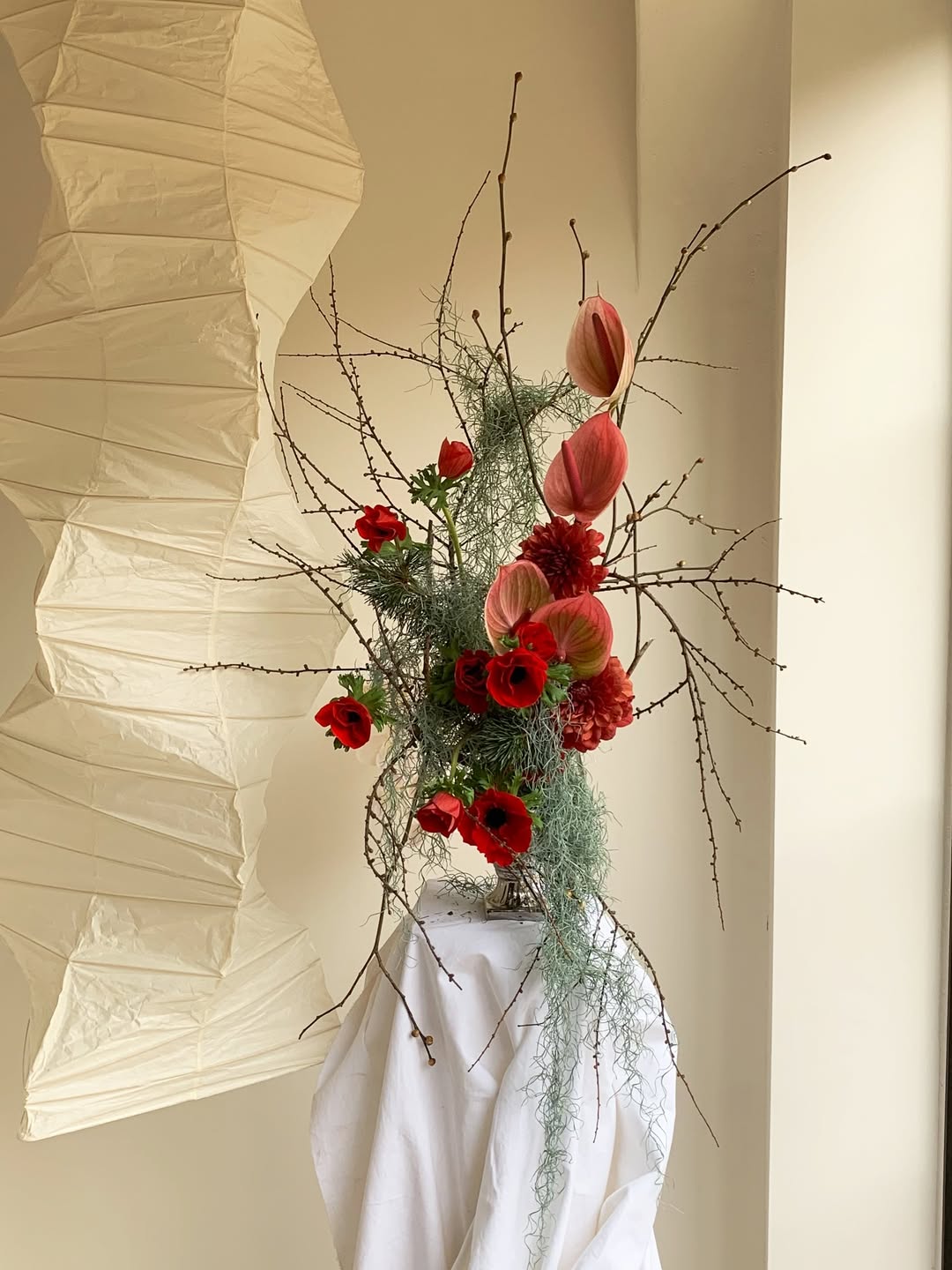
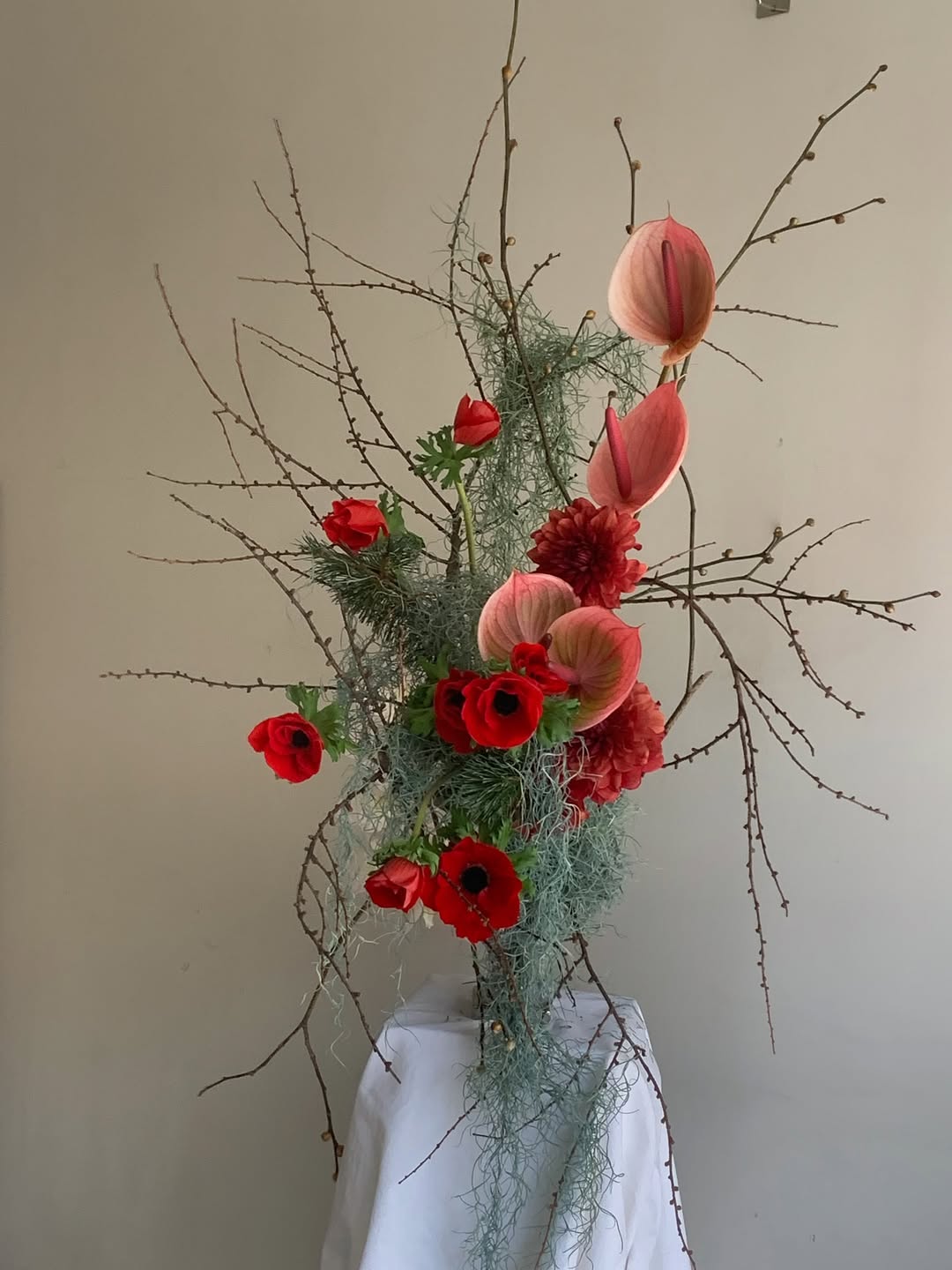
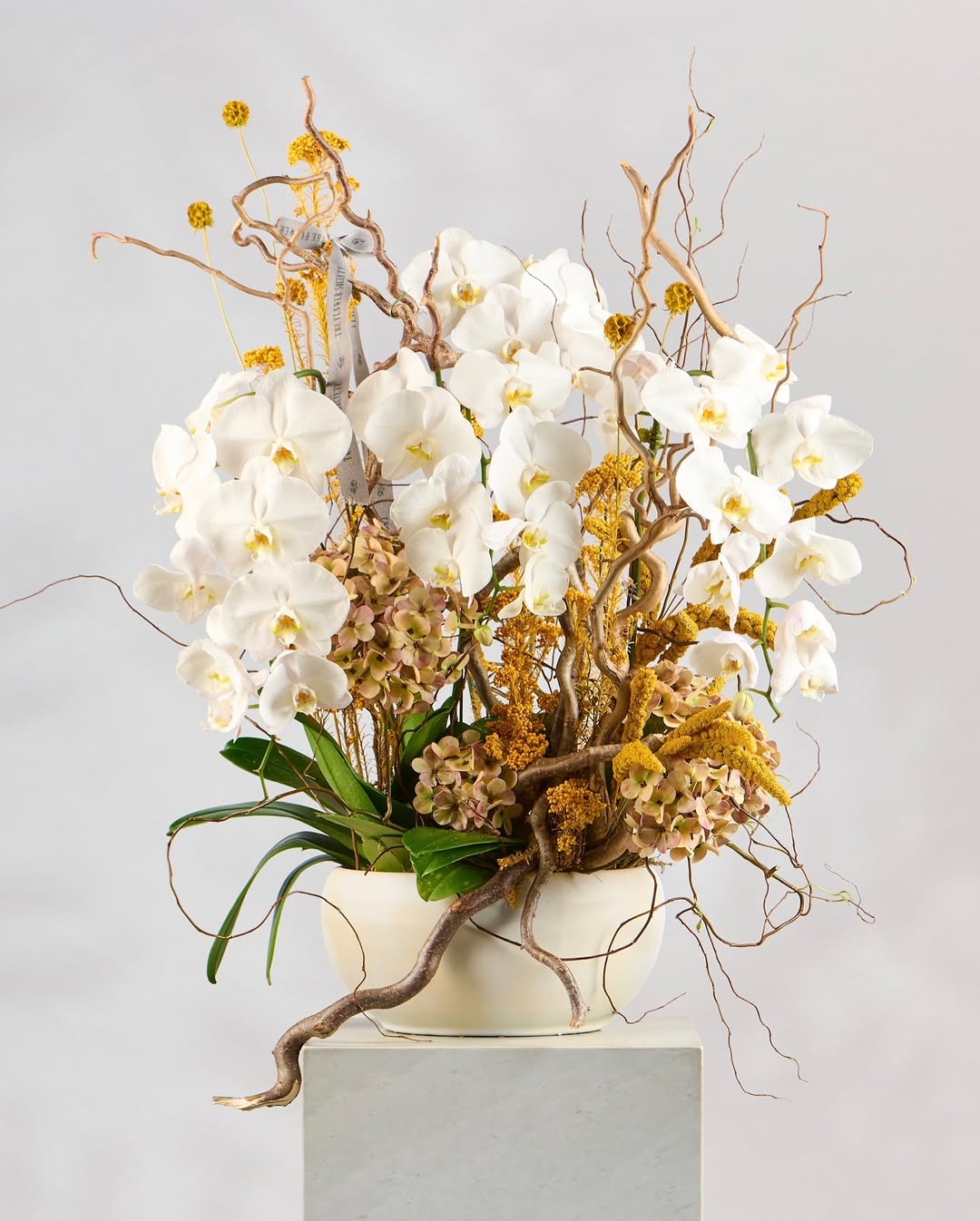
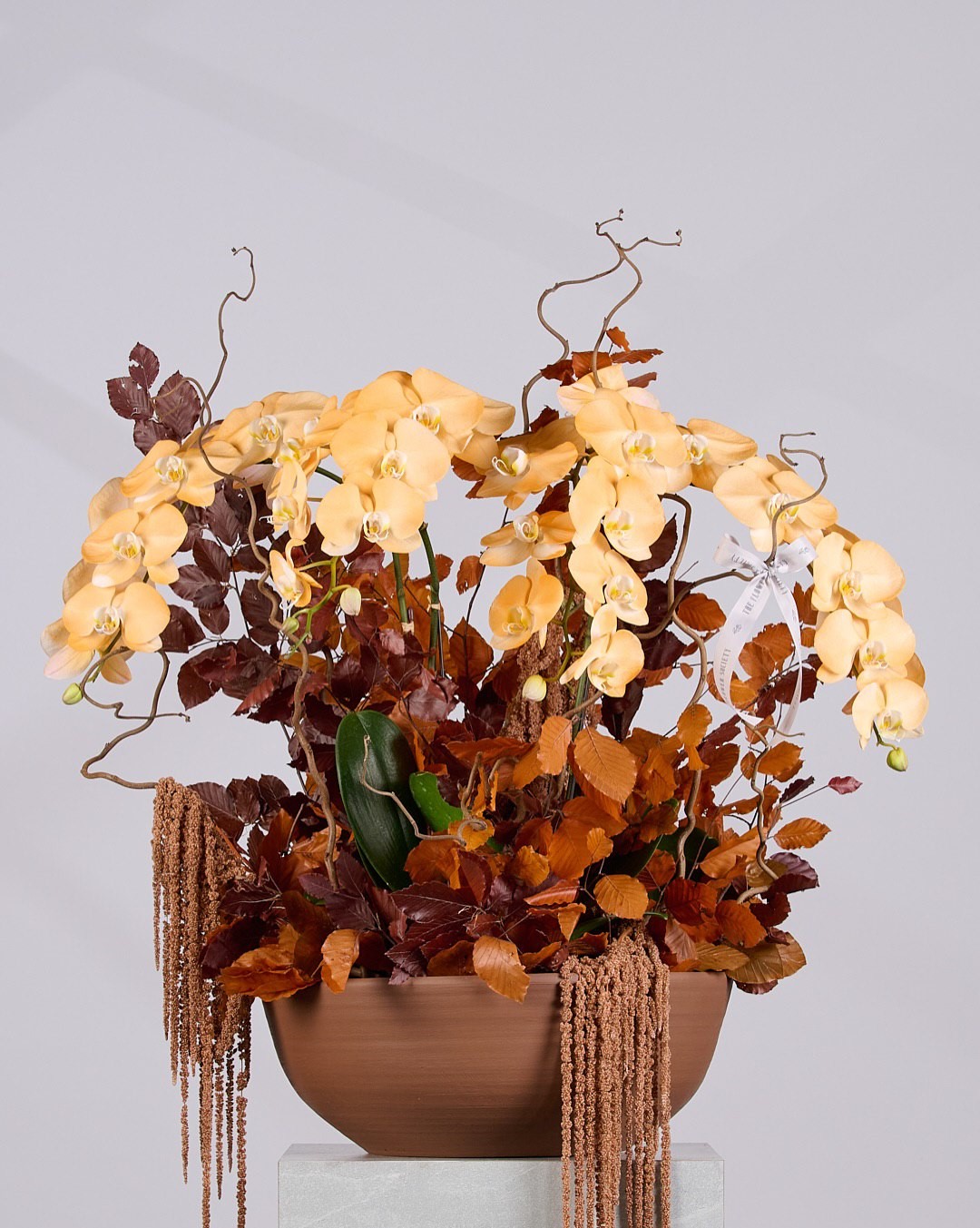
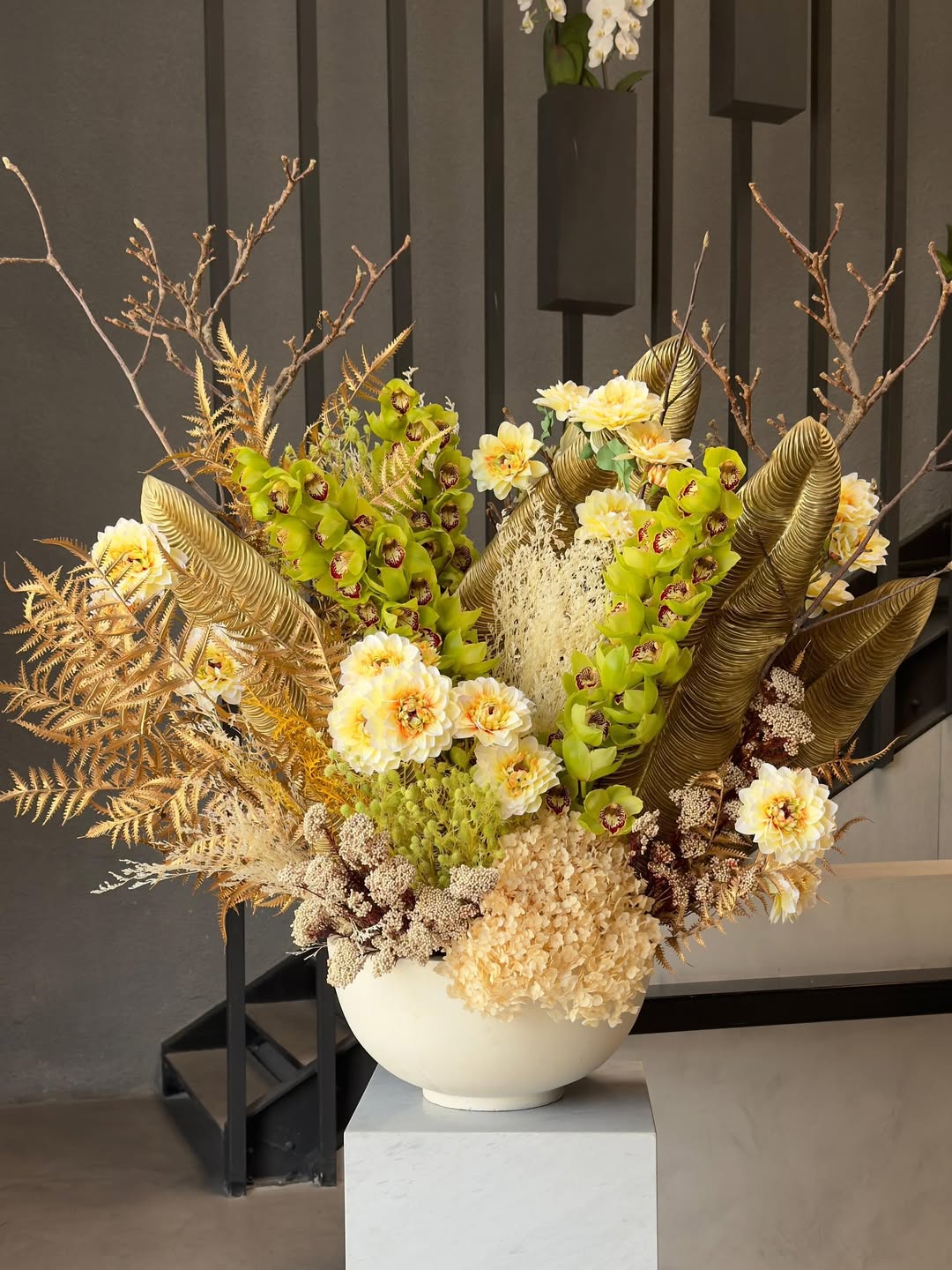
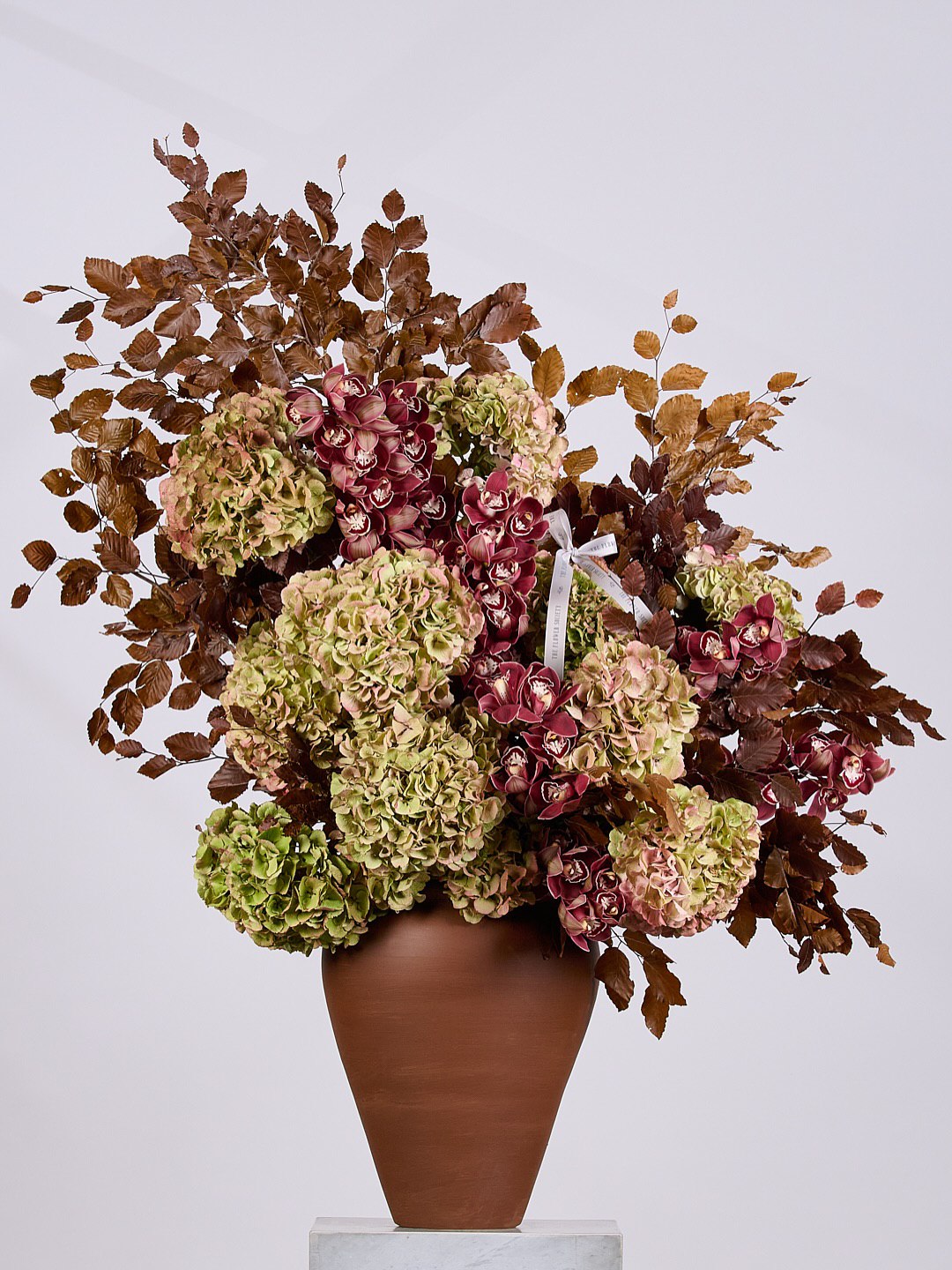
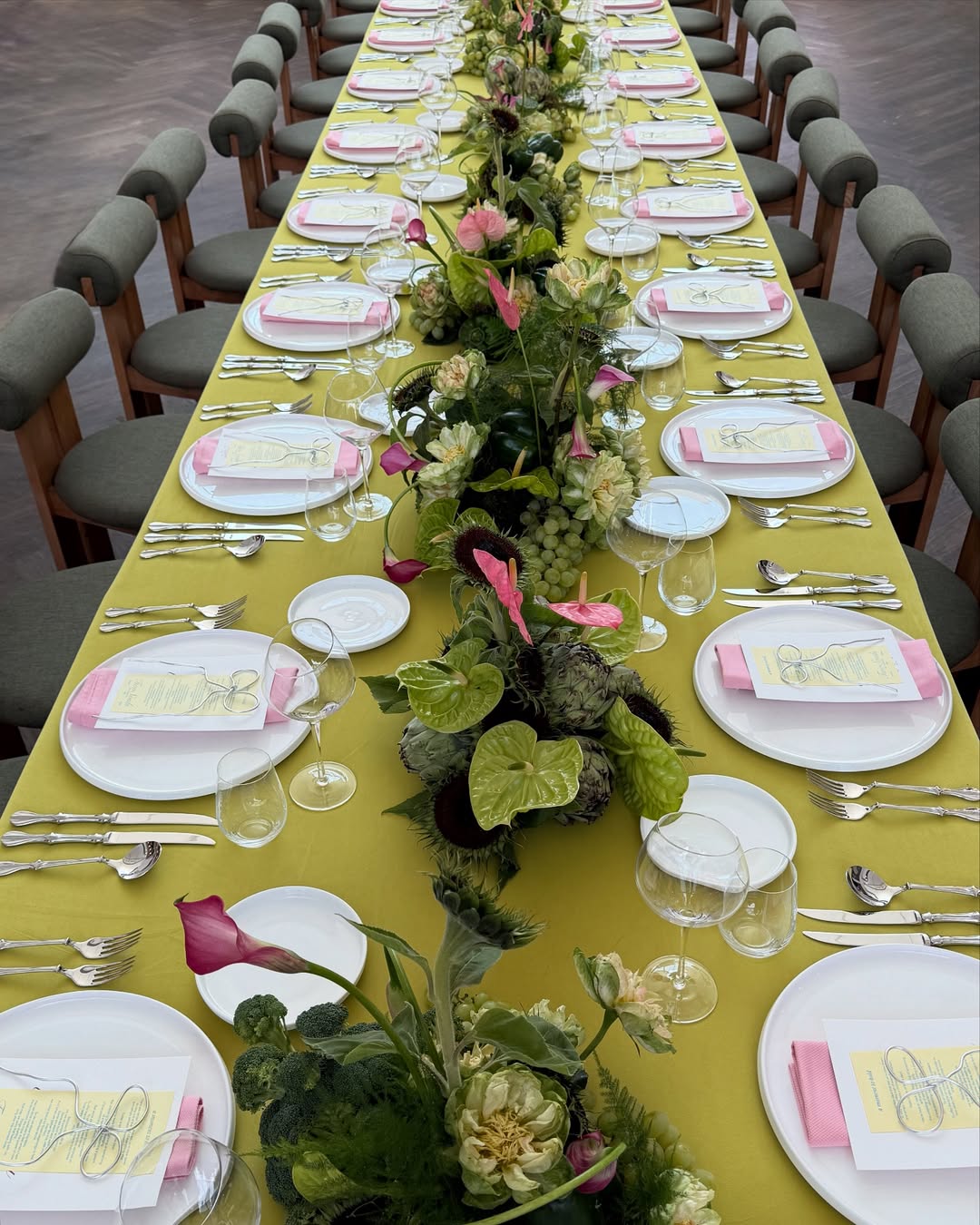
Blending fruits, branches, and unexpected vessels into wedding bouquetsand grand floral displays calls for a keen eye for balance, scale, and color harmony. Aim for a unified look where every detail feels thoughtfully chosen, never haphazard.
| Style | Flowers | Fruits | Branches | Vessel | Overall Effect |
|---|---|---|---|---|---|
| Bohemian | Wildflowers, roses, ranunculus | Figs, berries, small citrus | Wispy, natural curves | Clay, wood boxes | Organic, gathered feeling |
| Minimalist | Monochromatic blooms, limited variety | Single fruit type, sparingly used | Clean lines, architectural | Ceramic, simple metal | Sculptural, intentional |
| Luxurious | Garden roses, peonies, orchids | Pomegranates, exotic fruits | Dramatic curves, statement pieces | Brass, ornate ceramic | Abundant, editorial |
| Rustic | Seasonal blooms, textured flowers | Apples, berries, harvest fruits | Thick branches, natural bark | Wooden crates, mason jars | Homegrown, farmhouse |
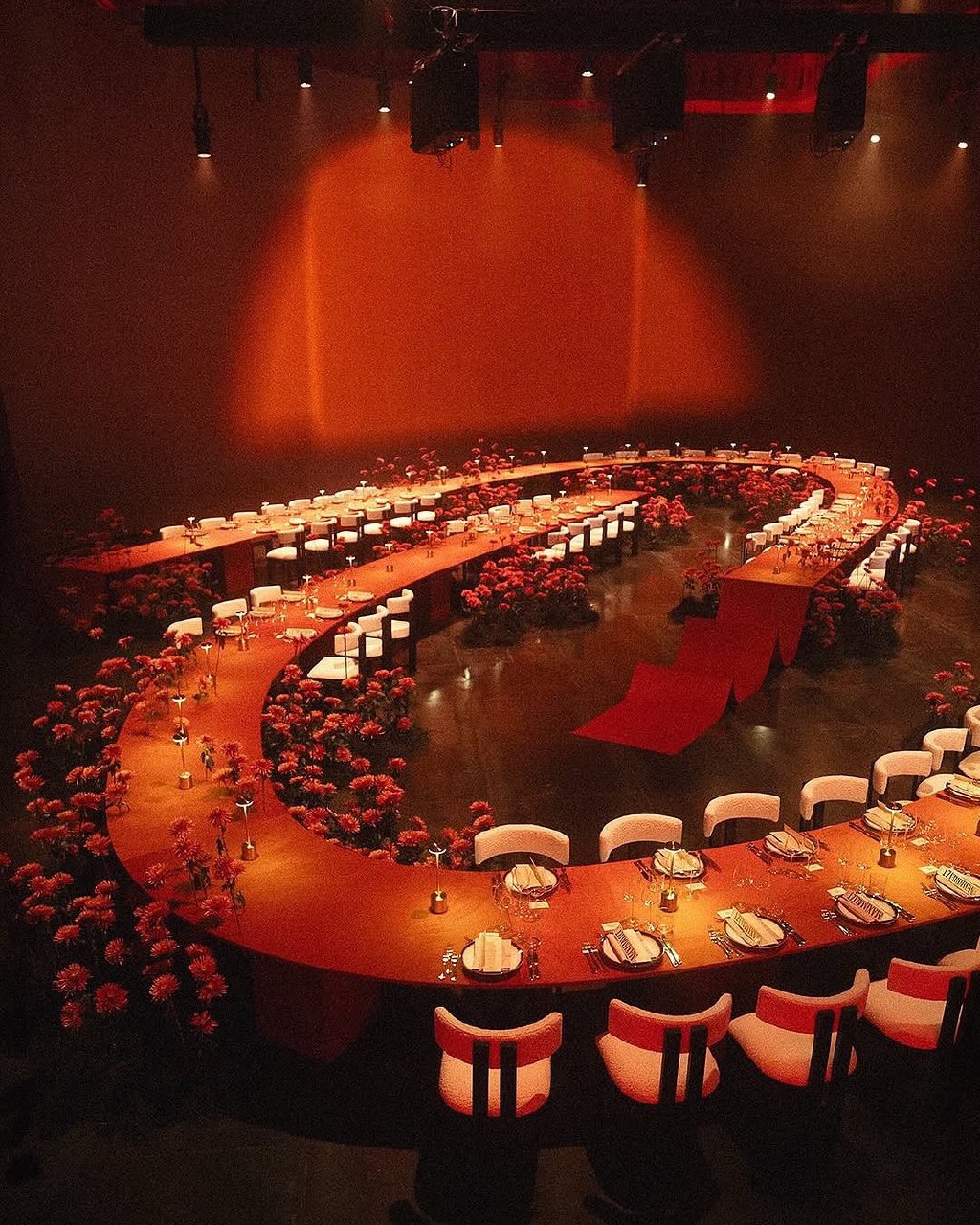
Thoughtful color palette coordination lets every element shine together. Red wedding flowers come alive with pomegranates or red berries, while oranges would only disrupt the harmony. Blue blooms find their match in blueberries or plums, deepening the cool, serene mood. Pink wedding flowers and figs are a dreamy duo, their purple-pink centers echoing each other in perfect tonal unity. Even white wedding flowers feel more vibrant when paired with fruit, as the natural shapes and hues keep the arrangement fresh and inviting.
Scale is everything. Petite wedding bouquets flourish with delicate berries or citrus slices, but a whole pomegranate would steal the show. Grand floral arches can embrace bold branches and clusters of fruit, adding drama without chaos. Along the aisle, repeating elements like lemons in each arrangement create a pleasing rhythm, weaving the design together instead of scattering attention with a mix of different fruits.

Seasonal Inspiration and Styling Tips
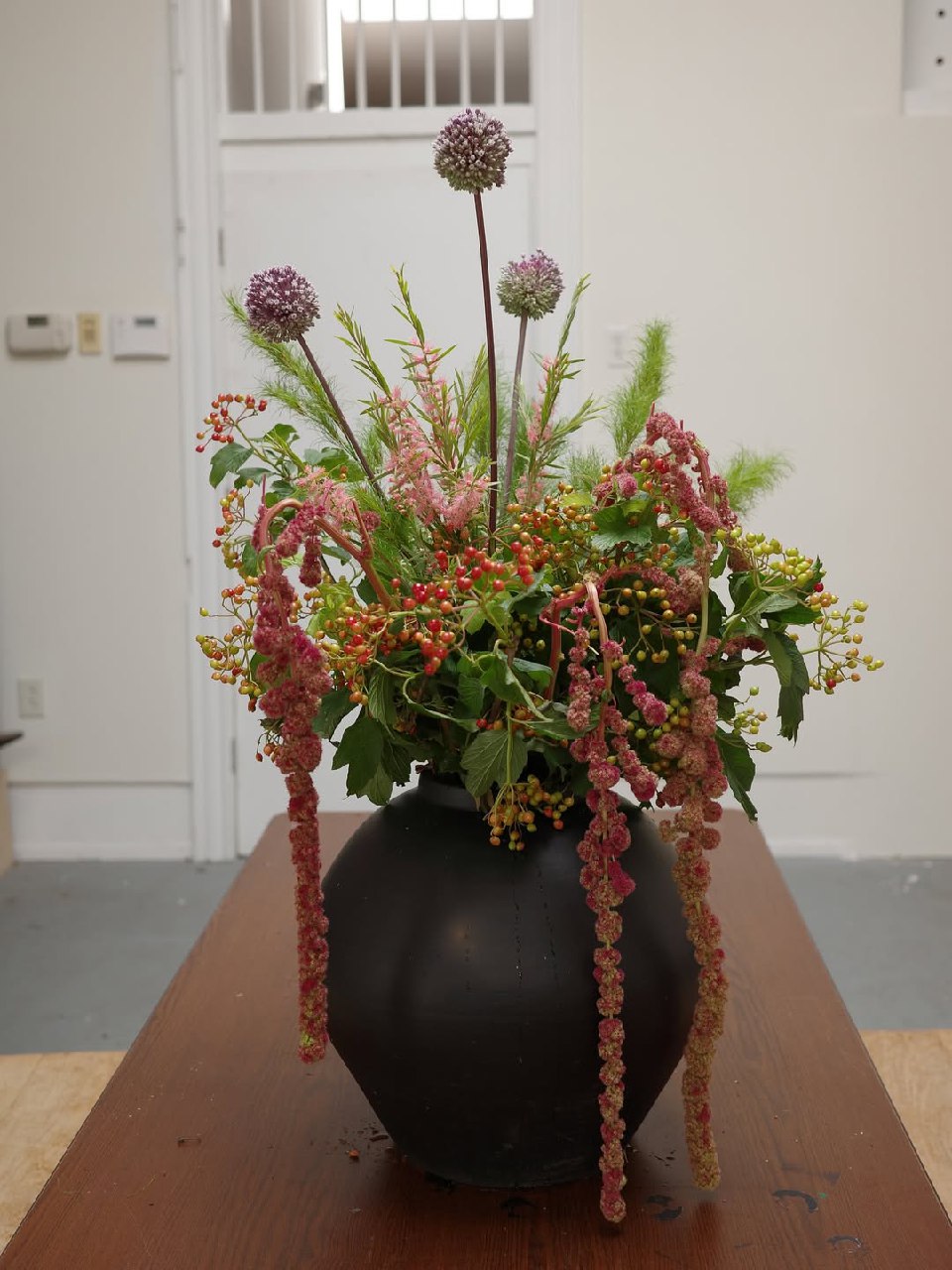
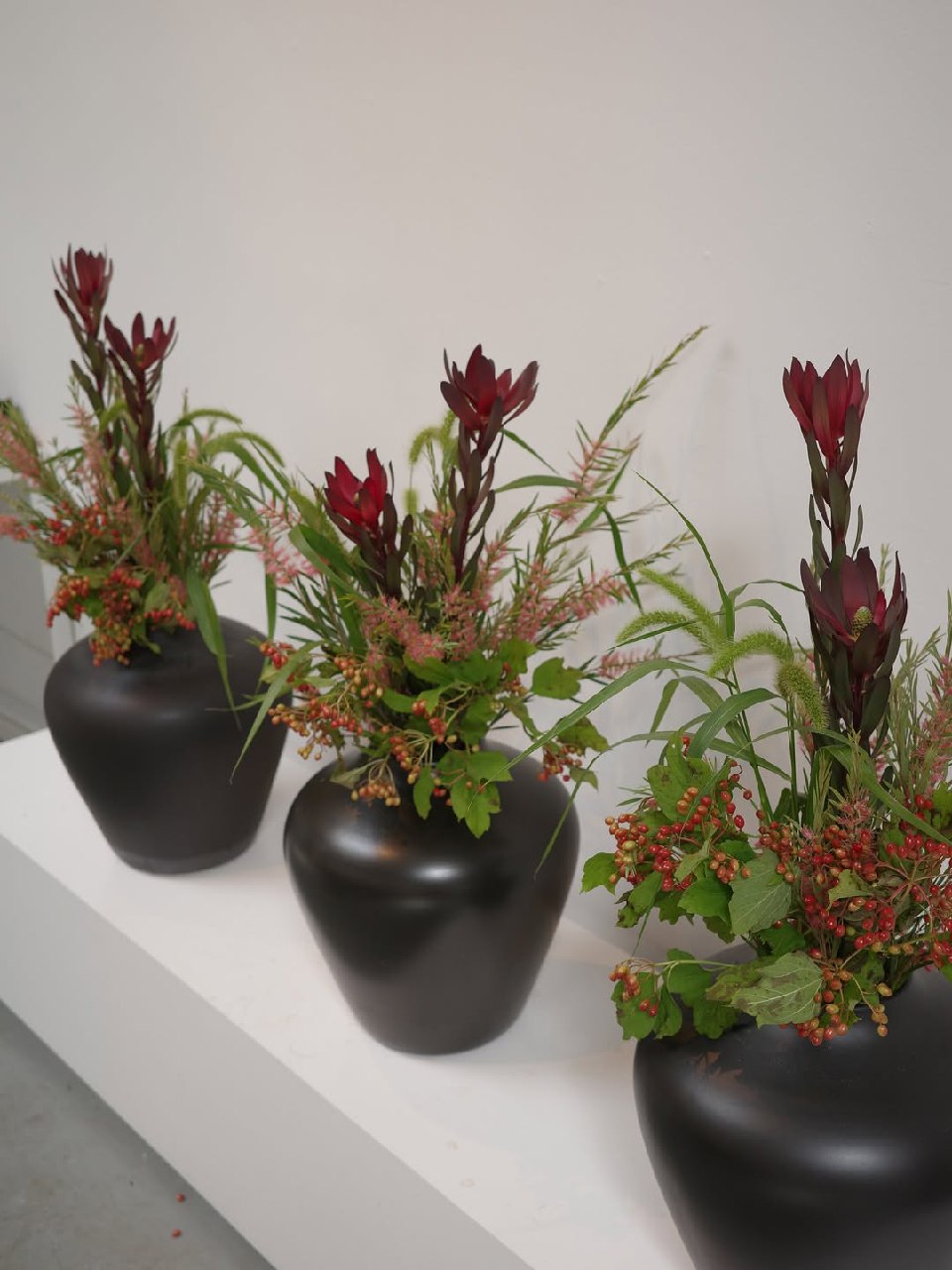
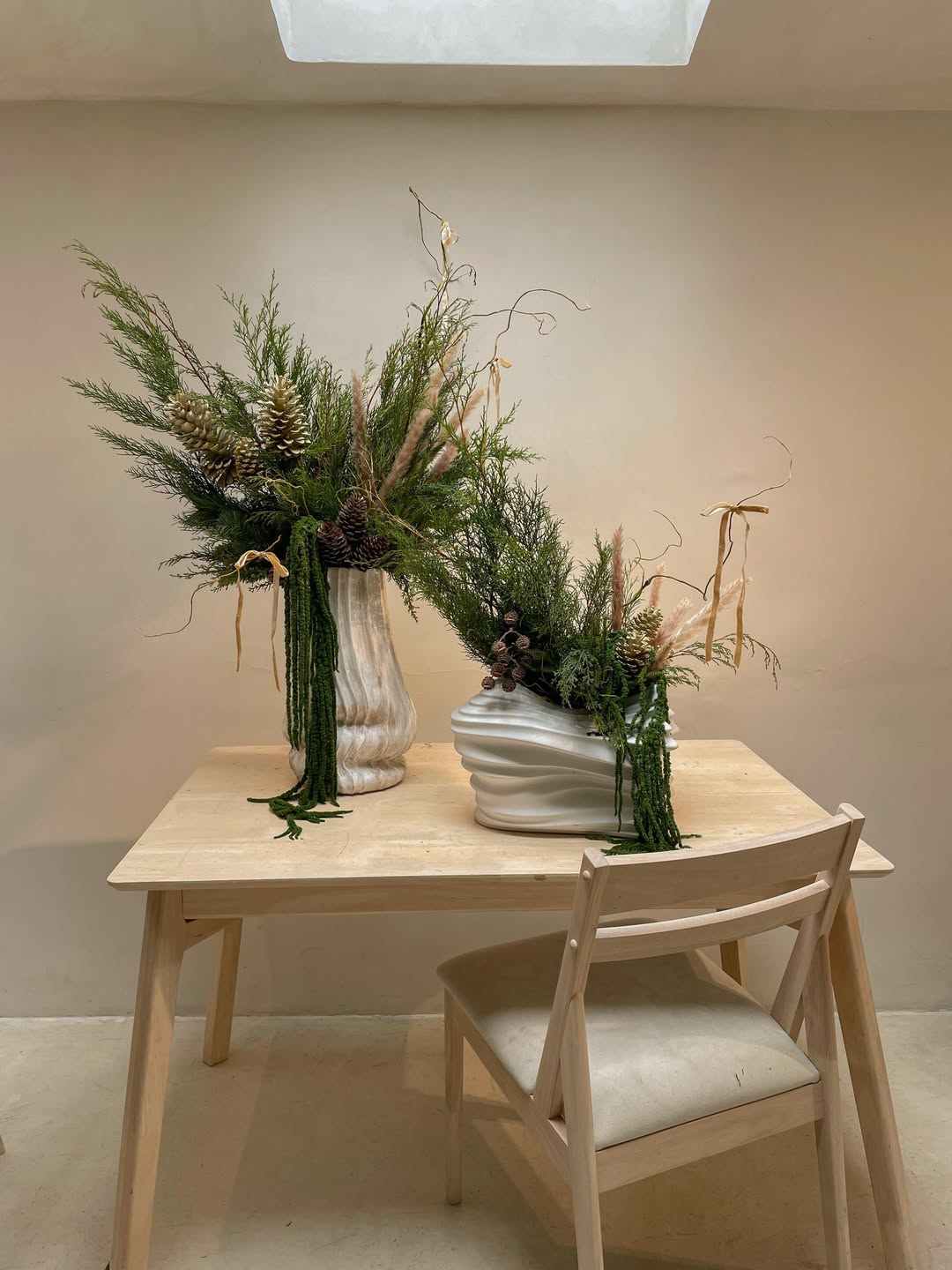
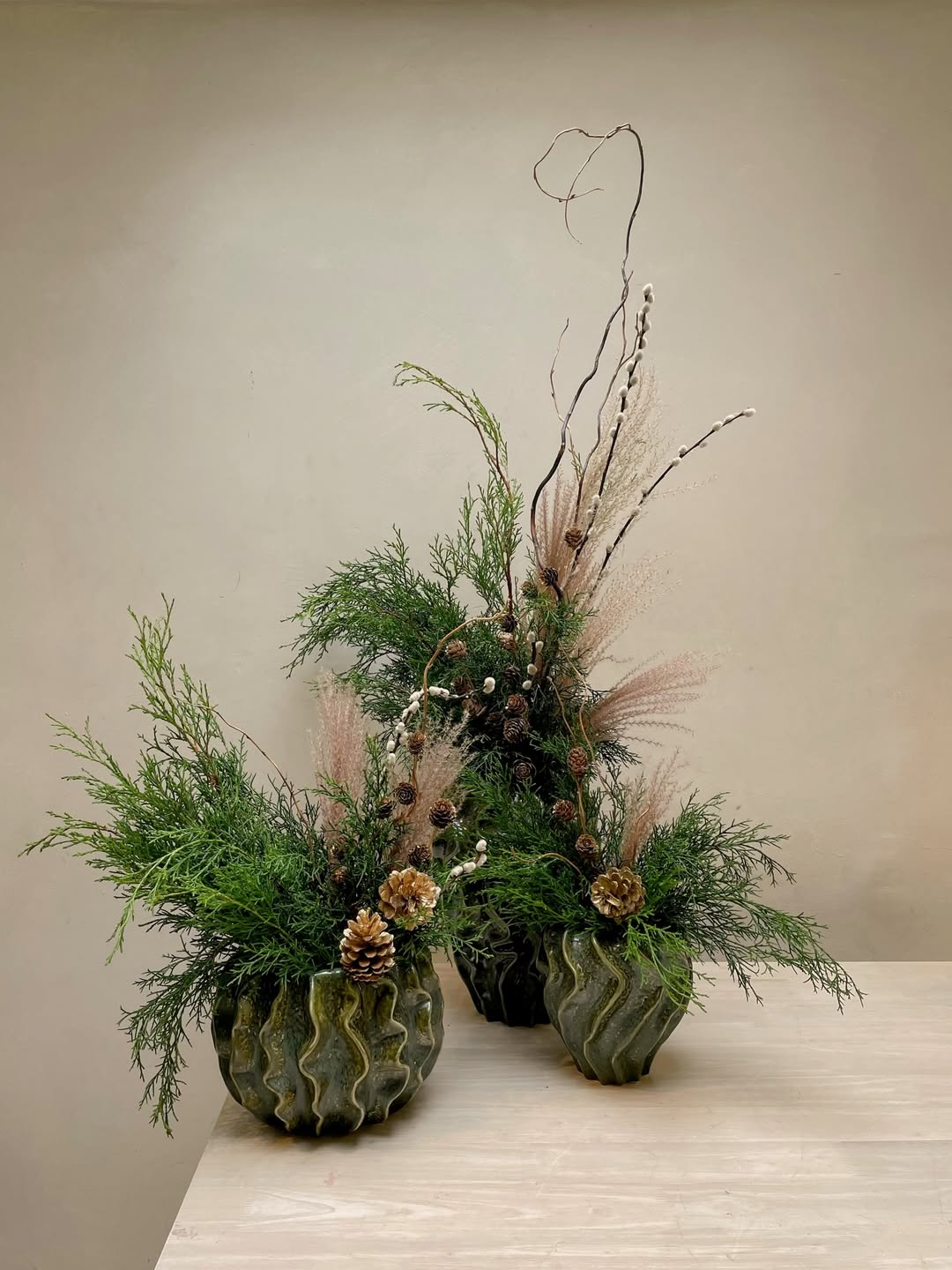
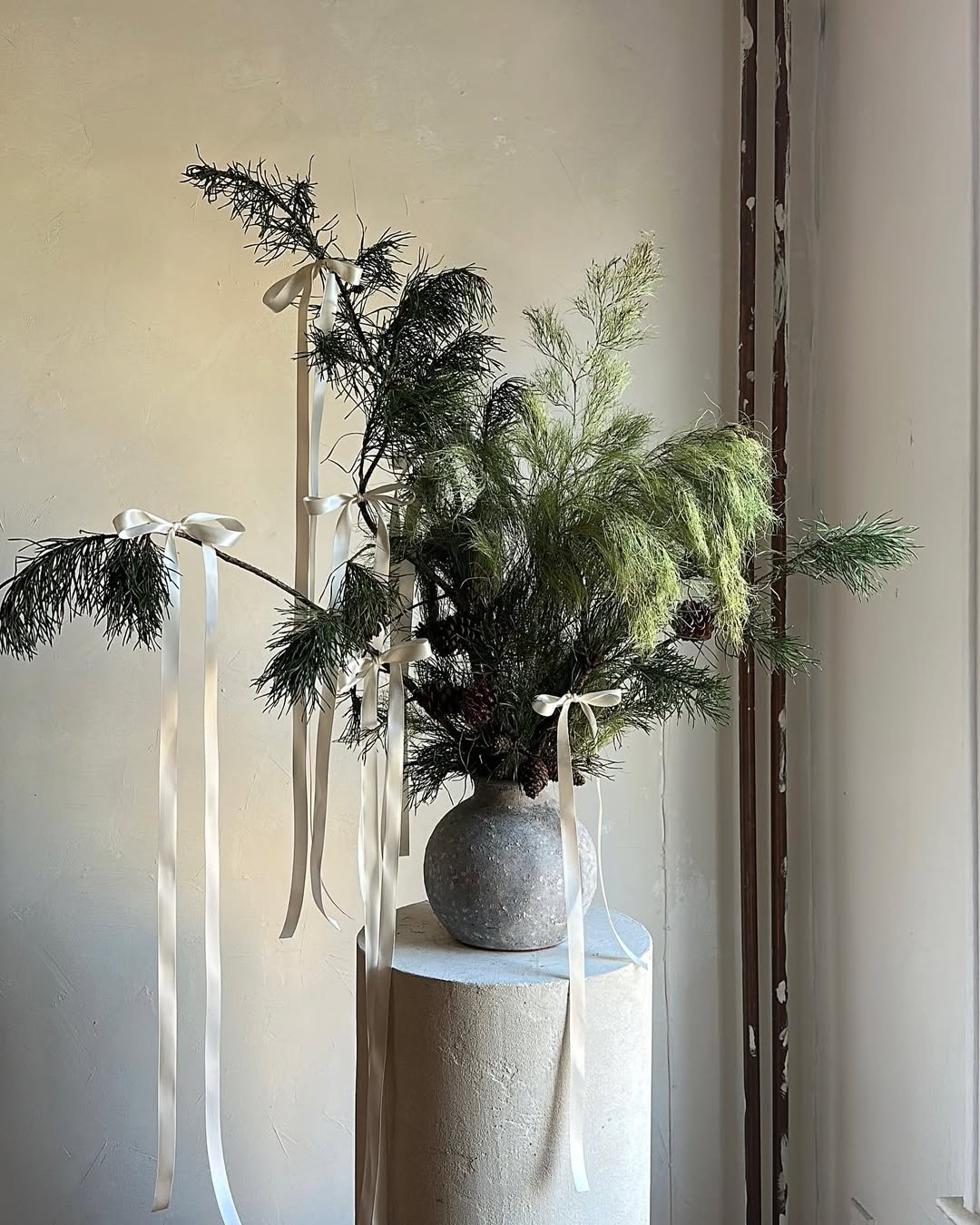
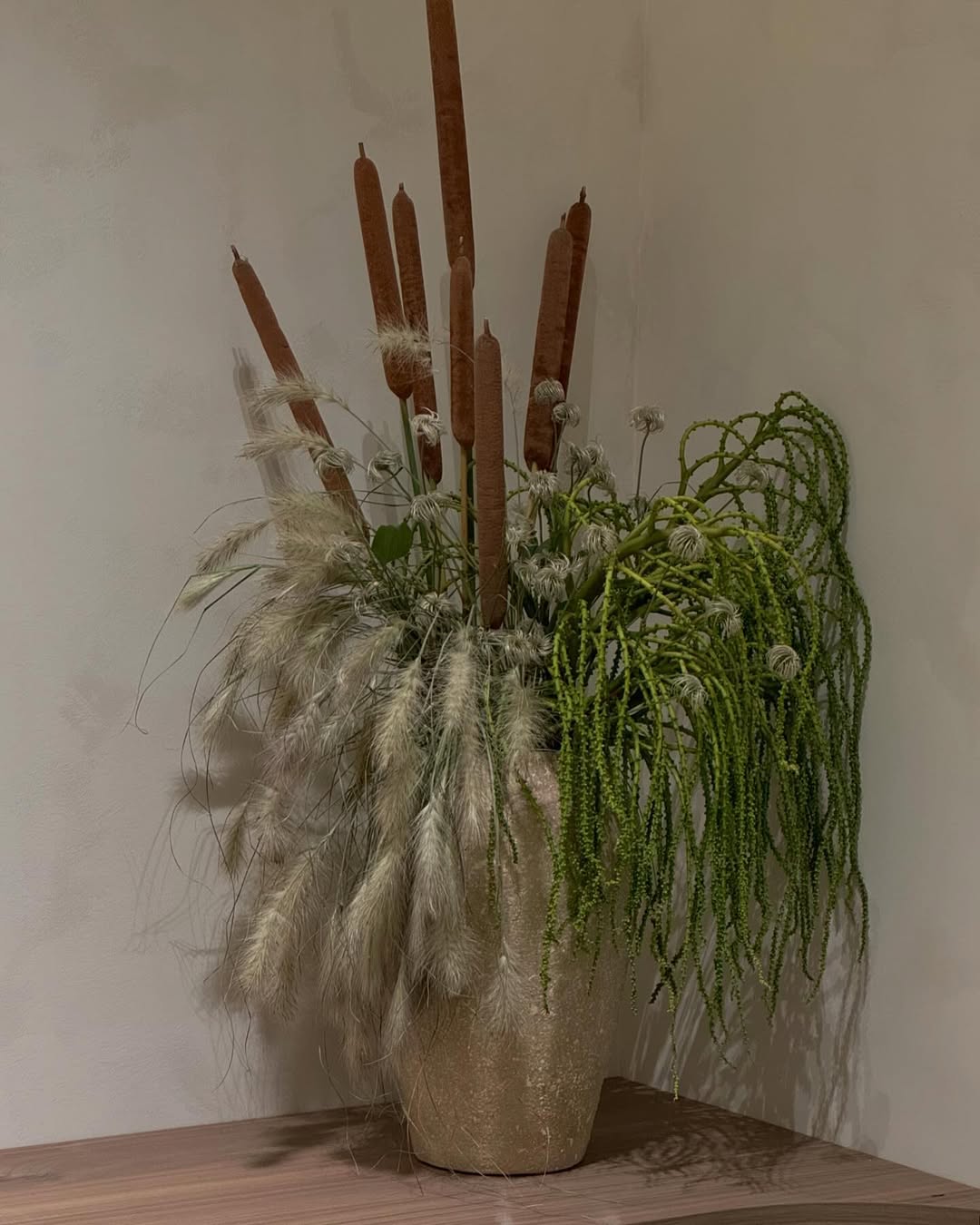
Spring wedding flowers have a light and elegant look. Cherry branches, flowering quince, and the first berries of the season appear in soft pastels, whites, and greens for a natural effect. Fruit is added subtly, supporting the arrangement without taking the spotlight. This style looks best in sunlight, where delicate details stand out, and pale clay or white ceramic vases suggest new beginnings. In summer, wedding flowers become brighter and more lively. Citrus fruits catch the eye, tropical leaves add excitement, and terracotta or brass containers create a warm mood. For outdoor weddings, silk or high-quality artificial flowers, along with real fruit and branches, help keep arrangements from wilting in the sun. Lush leaves provide a rich backdrop for the autumn wedding blooms. Wild-inspired wedding flowers feel abundant, with sturdy branches, open pomegranates showing jeweled seeds, figs, apples in many colors, and deep burgundy flowers in copper containers. Fruit blends naturally with the flowers and decorations, while dried flowers and preserved branches help arrangements last beyond the celebration. For the winter wedding flowers, the keys are contrast and structure. Bare branches create strong lines, white flowers stand out in dark vases, and cranberries add bright color. Aged silver or pewter containers enhance the cool feel, and artificial winter-white flowers are layered on real stems and berries for a textured look when fresh blooms are scarce.
The best wedding flowers don’t have to be rare or unusual. What matters most is that they feel personal and thoughtfully chosen. Adding a few unexpected touches can turn simple arrangements into memorable designs that stand out through their texture, shape, or unique combinations. If you’re unsure where to start, try something small, like placing a piece of fruit among your table flowers or using sculptural branches in a centerpiece. You could also choose a different vase for special spots, such as the church or your bouquet, while keeping the rest of the arrangements classic. These small changes can make a big impact and elevate your wedding’s look without going over budget. In the end, the goal is to create an experience your guests will remember—something creative and meaningful that reflects you.