Wedding Flash Photography: How to Use Flash for Modern, Editorial Wedding Photos


- What Is Wedding Flash Photography?
- Why Flash Wedding Photography Is Trending Now
- Direct Flash Wedding Photography: Bold & Iconic
- Off-Camera Flash Wedding Photography
- Flash Wedding Photography at Different Wedding Moments
- Best Flash for Wedding Photography
- How Photographers Use Flash for Wedding Photography
- Aesthetic Styles of Flash Wedding Photos
- Is Flash Wedding Photography Right for You?
Flash is making a comeback. For years, wedding photographers focused on natural light as if it were the only option. Now, flash photography wedding work is back, not just as a solution for dark venues, but as a creative choice. This shift is inspired by many sources, like fashion editorials that use direct flash, the bold 90s paparazzi look that’s still popular, and energetic night party photos that highlight excitement over softness.
If you’ve chosen flash for your wedding photos, you’re looking for something unique. You want images that feel lively and real, not just carefully arranged or dreamy. That’s the key difference: flash wedding photography creates photos that show the process, highlight the photographer’s role, and capture quick, genuine moments you can’t get with slower shutter speeds or only natural light. This style isn’t about staying hidden—it’s about being part of the celebration and capturing it as it happens.
Find Your Perfect Wedding Vendors

What Is Wedding Flash Photography?

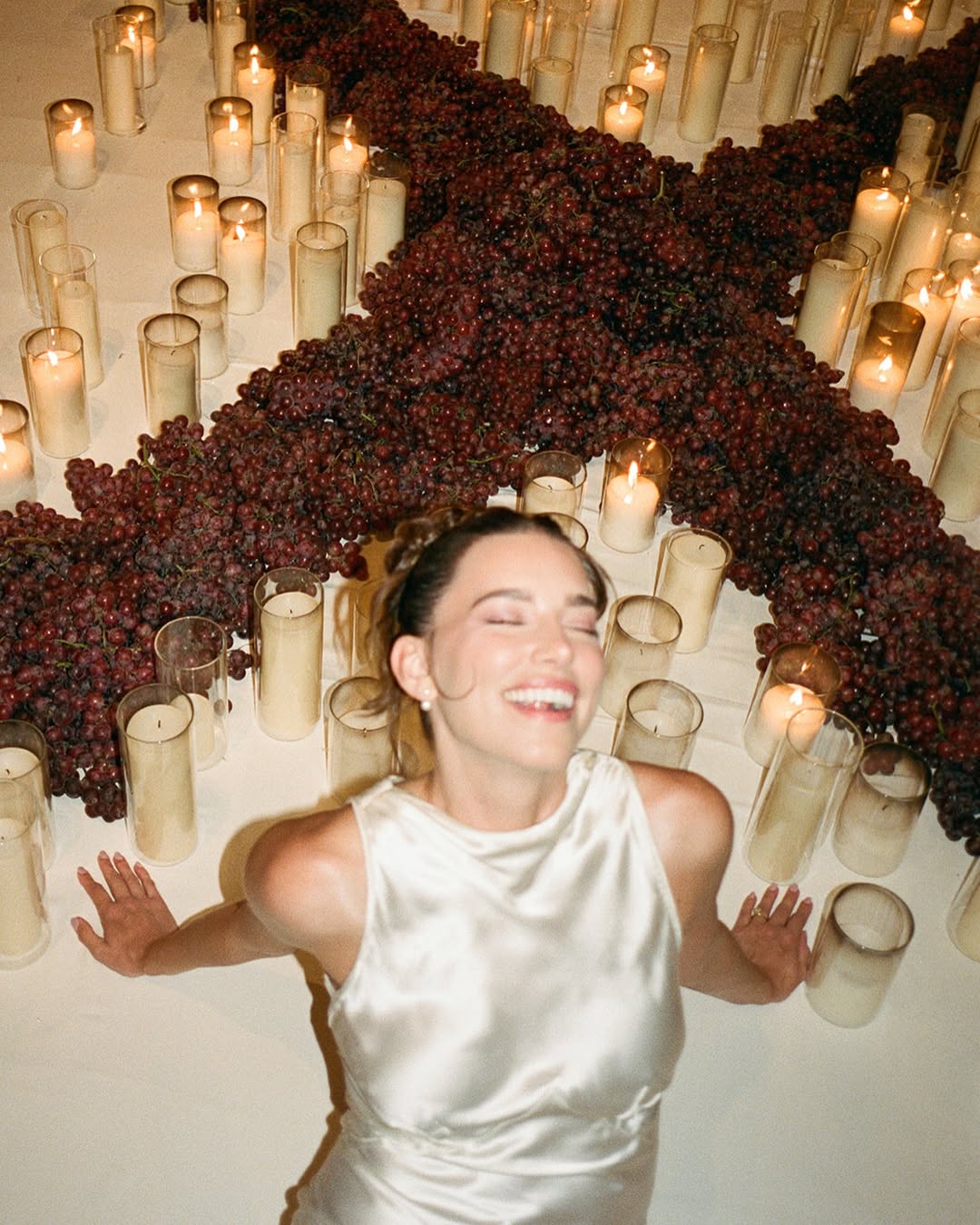
Flash wedding photography uses artificial light, such as speedlights, strobes, or continuous lights with built-in flash, to illuminate subjects during weddings. There are two main types of flash. Direct flash sends light straight at the subject from the camera, while bounce flash reflects light off ceilings, walls, or reflectors before it reaches the subject. Each method creates a different look, and choosing the right one is what sets great flash work apart.
It's important to see flash as more than just a backup or a fix for bad lighting. Flash is a creative tool that helps you achieve certain effects, like hard shadows, frozen motion, dramatic contrast, and glowing skin against dark backgrounds. Events like the evening reception, lively afterparties, cake-cutting with guests, and busy dance-floor moments all benefit from using flash. If you try to take photos late at night in a dimly lit venue without a flash, your images may turn out blurry, grainy, and too dark. Flash gives you sharp, vibrant, and detailed photos that capture the real energy of those moments.
Why Flash Wedding Photography Is Trending Now
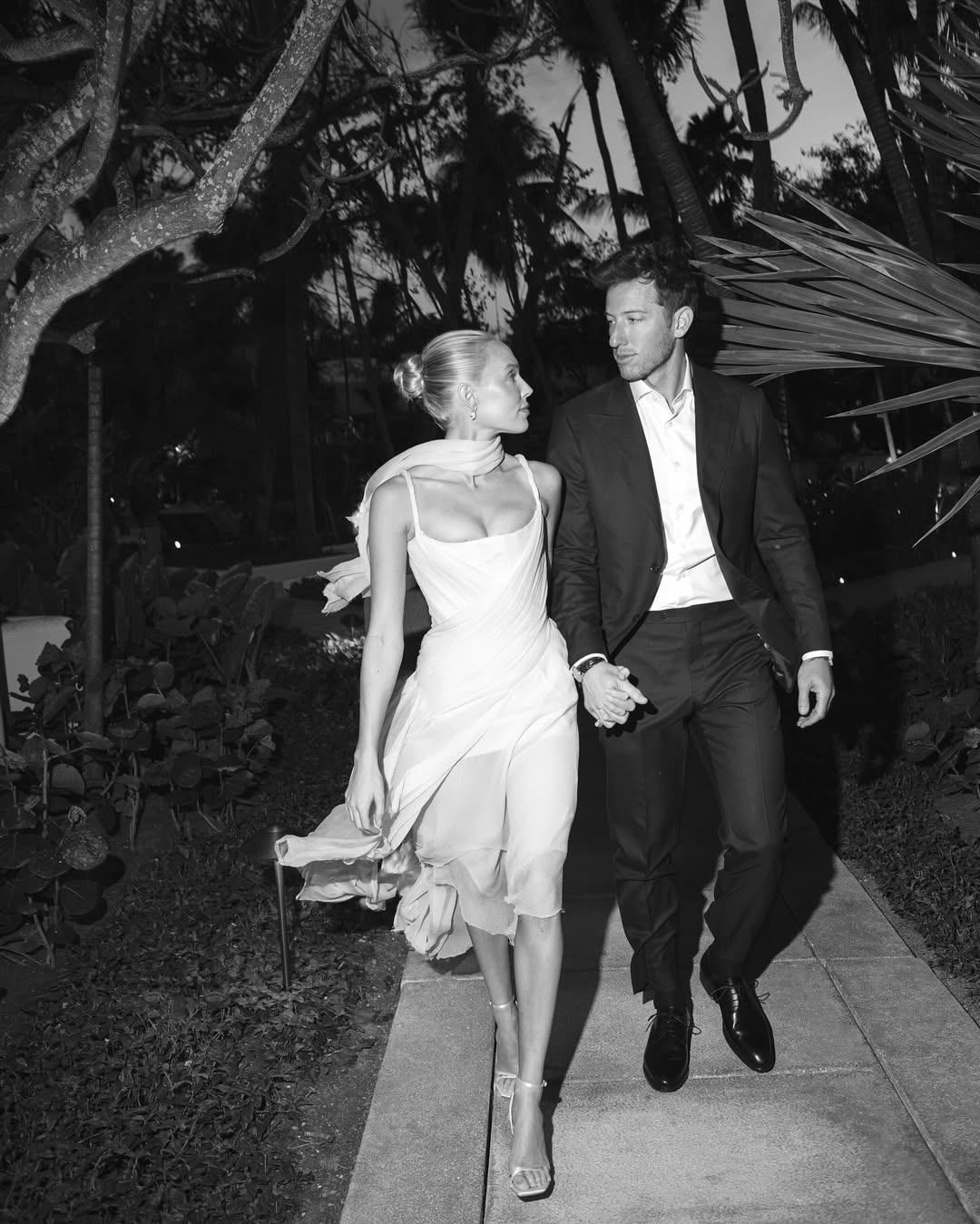
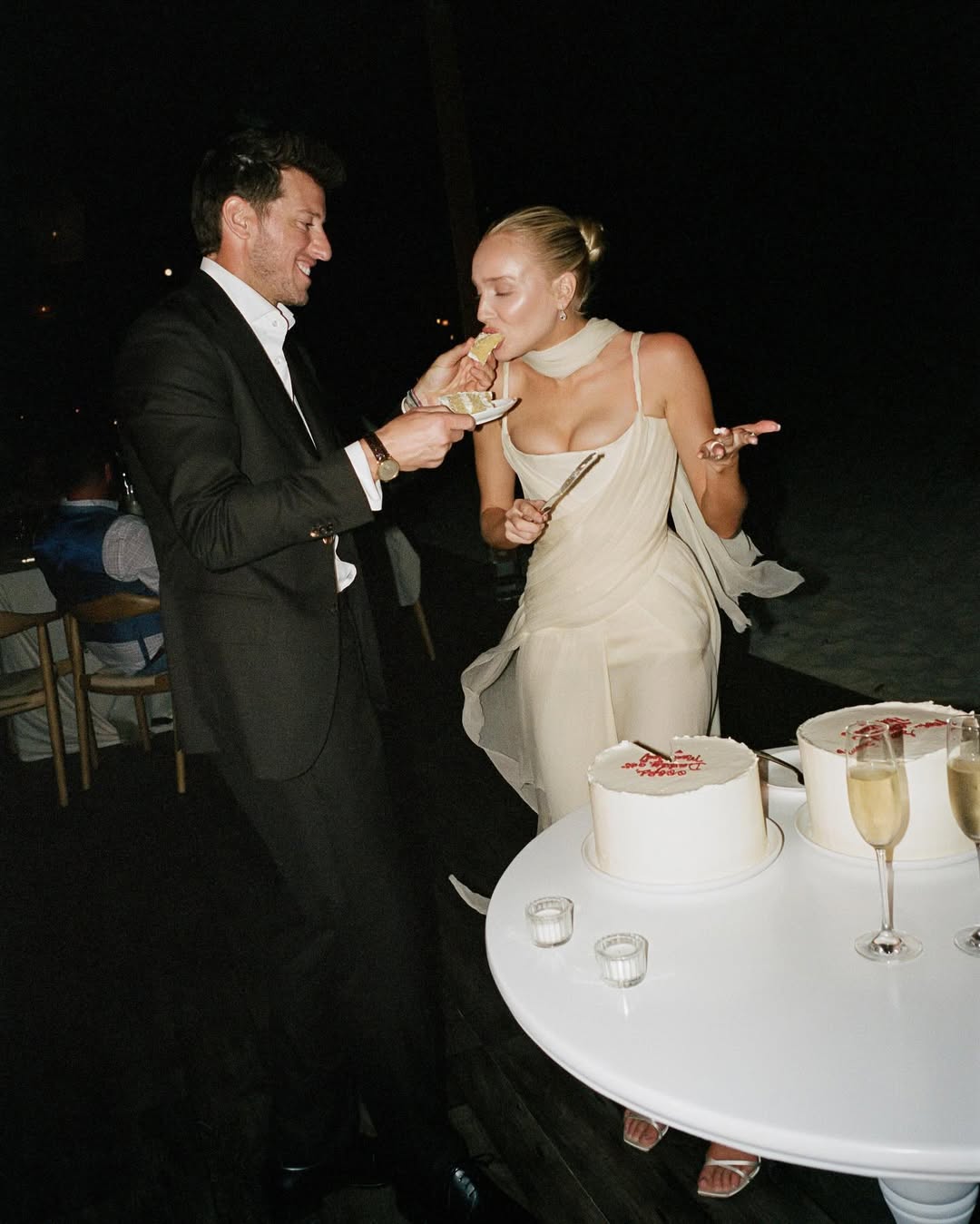
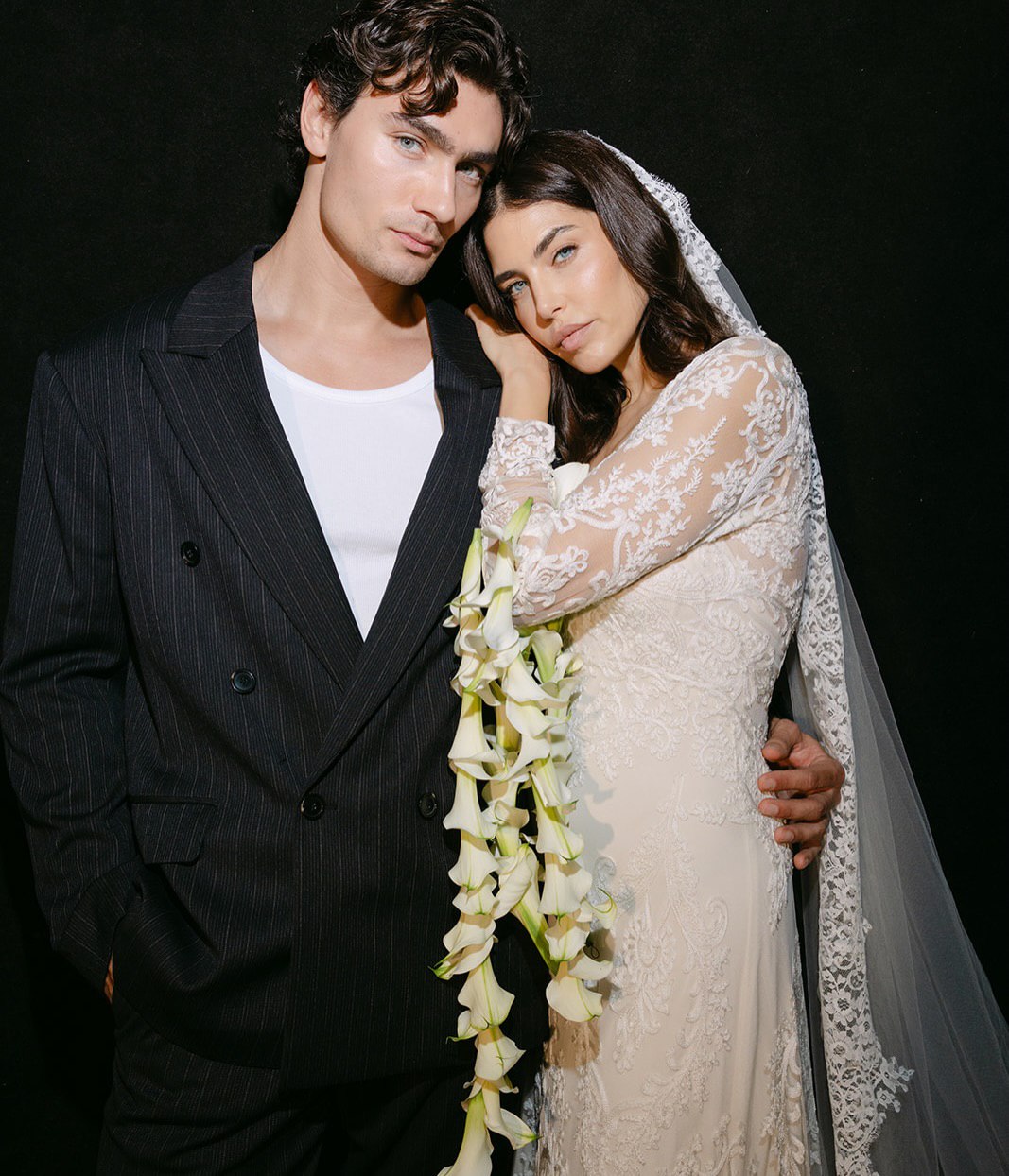
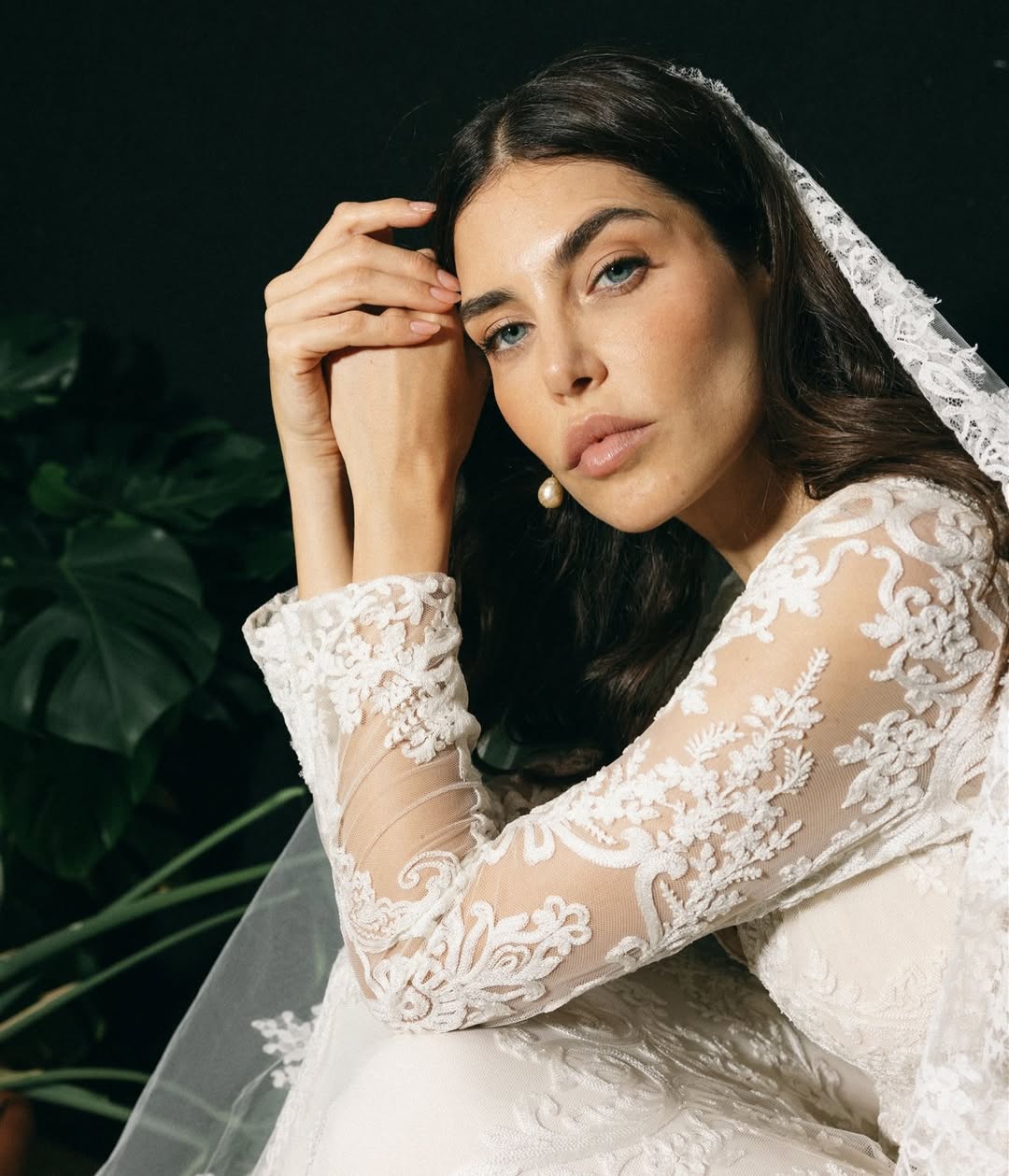
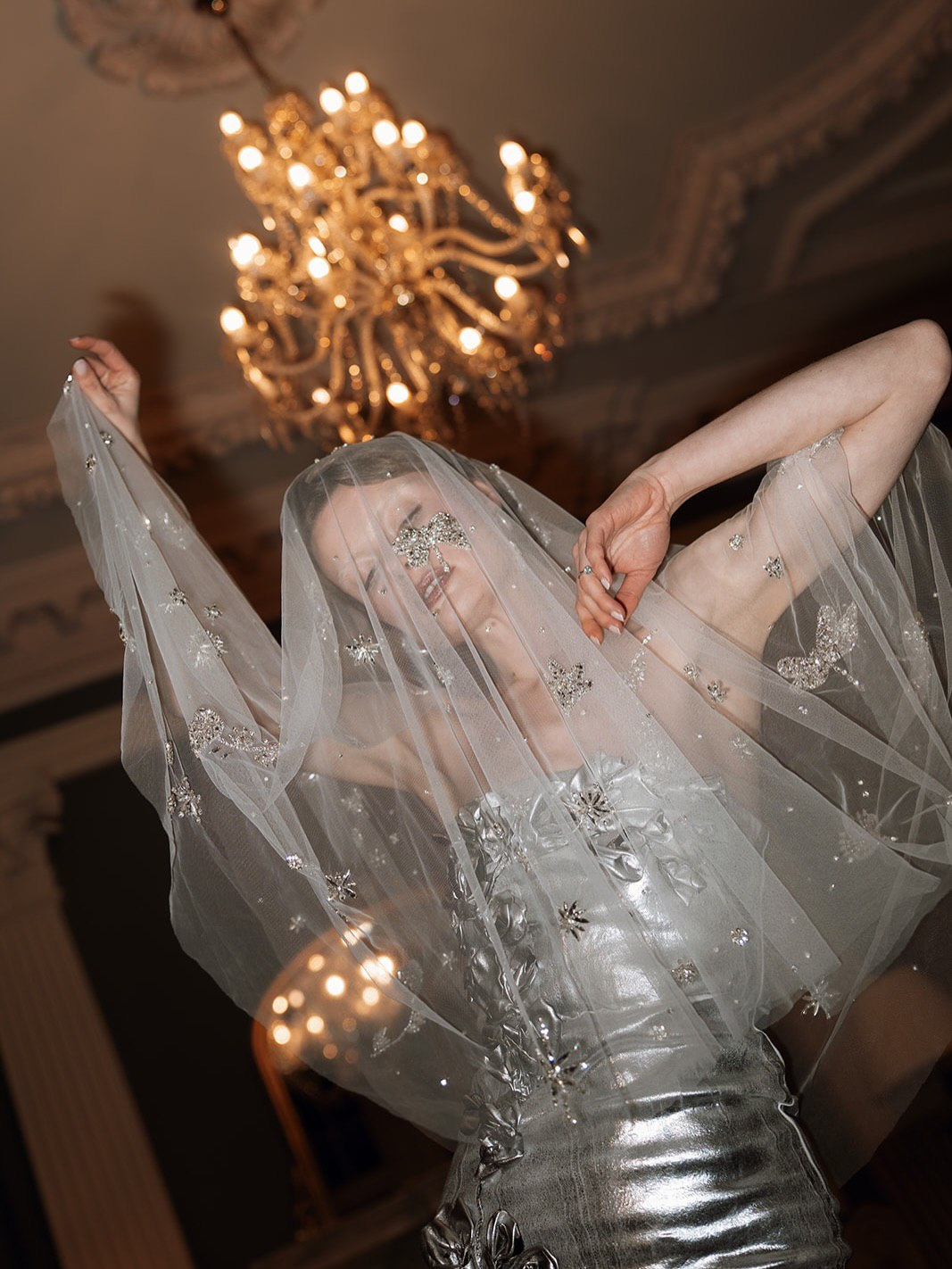
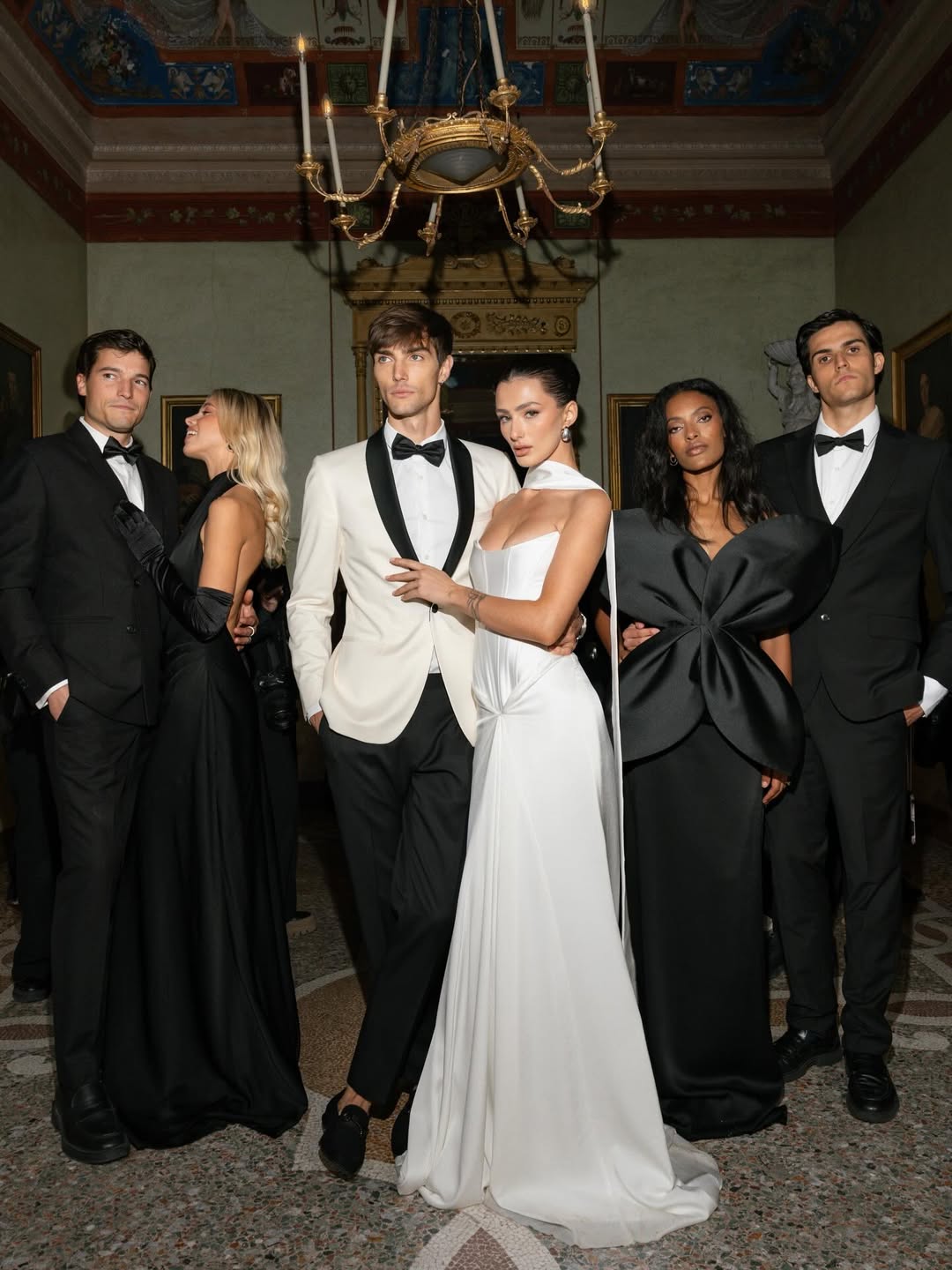
Fashion and editorial photography have always celebrated flash. Flip through the pages of Vogue or Harper's Bazaar, and you will find bold direct-flash portraits, backstage scenes lit with unapologetic brilliance, and runway moments that revel in their artificial glow. Now, wedding photography is stepping into that same spotlight, borrowing the fearless energy of fashion and channeling it into the art of celebration. The effect is strikingly honest and immediate. Flash wedding photos do not hide the photographer’s presence; instead, they embrace the staged nature of the moment while still capturing raw, heartfelt emotion. Unpolished moments have a new allure: a guest caught mid-laugh, eyes crinkled shut; the groom tugging his tie loose as midnight approaches; the bride’s makeup just a little smudged after hours of revelry. The flash aesthetic in wedding photography welcomes these imperfections, turning them into badges of authenticity. These images pull you into the celebration, making you feel as if you are living the night alongside everyone else, not just scrolling through a highlight reel of perfection. Afterparties and night weddings especially come alive under flash, transforming darkness and chaos into bold, high-contrast stories that soft daylight could never tell.
Direct Flash Wedding Photography: Bold & Iconic
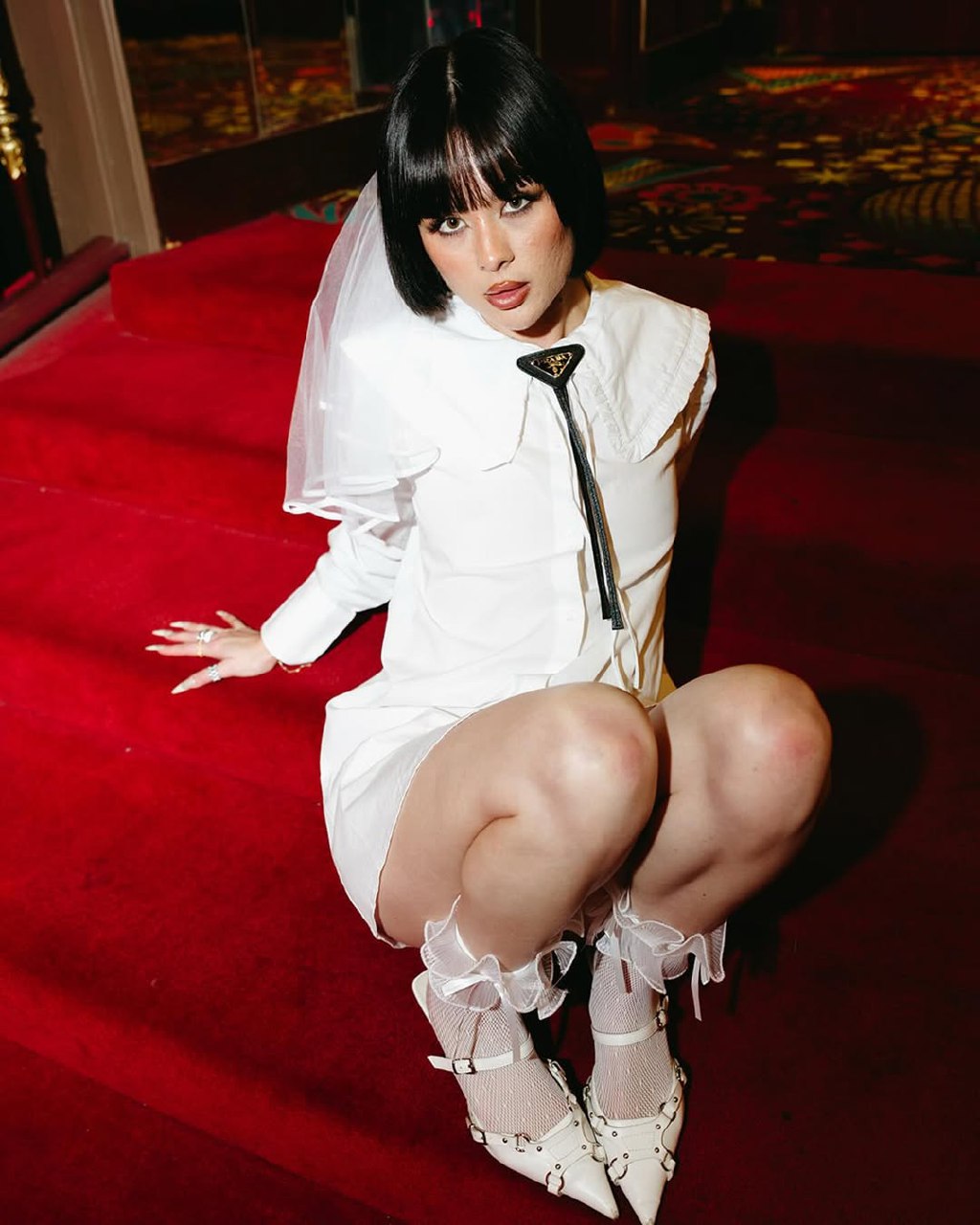
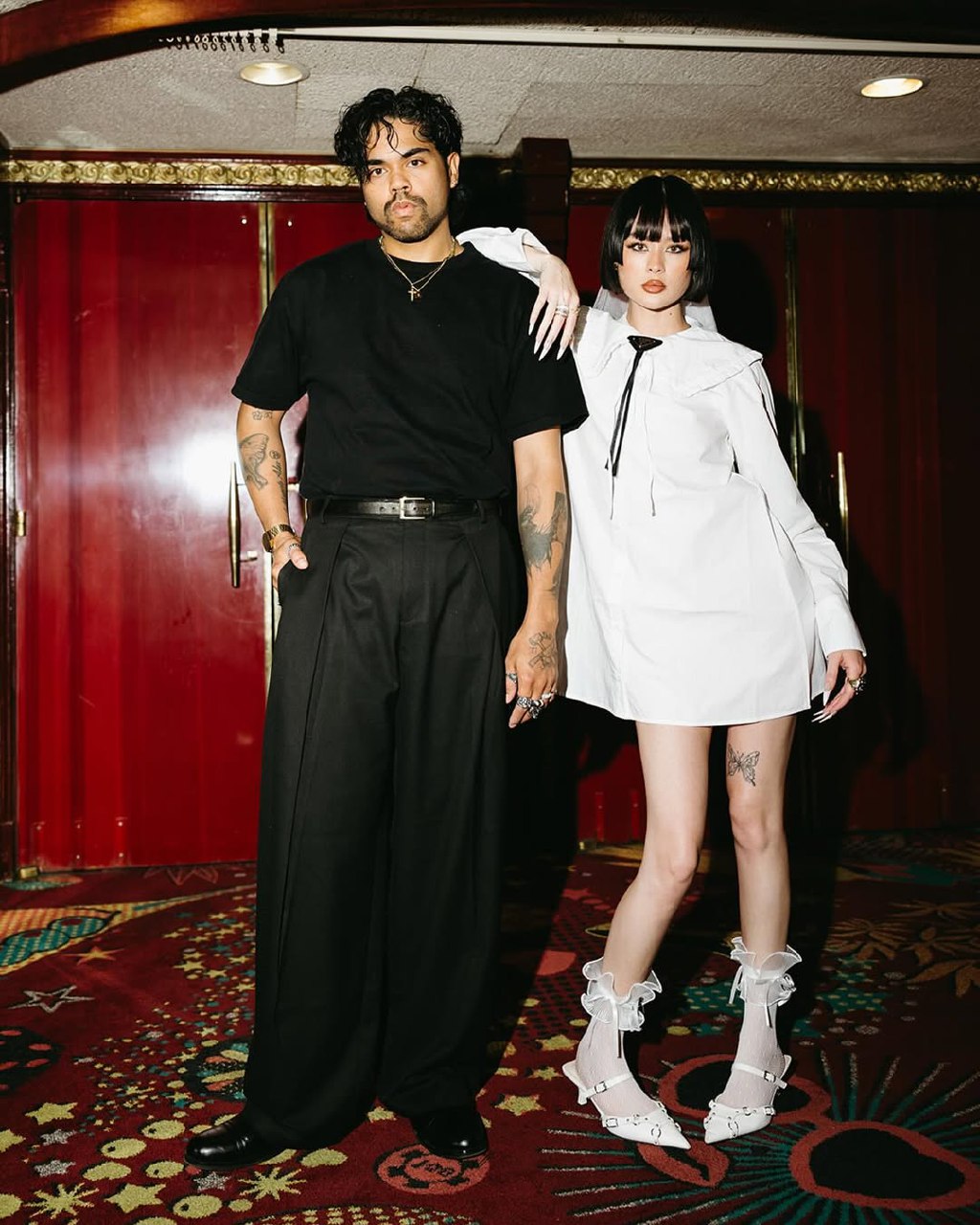

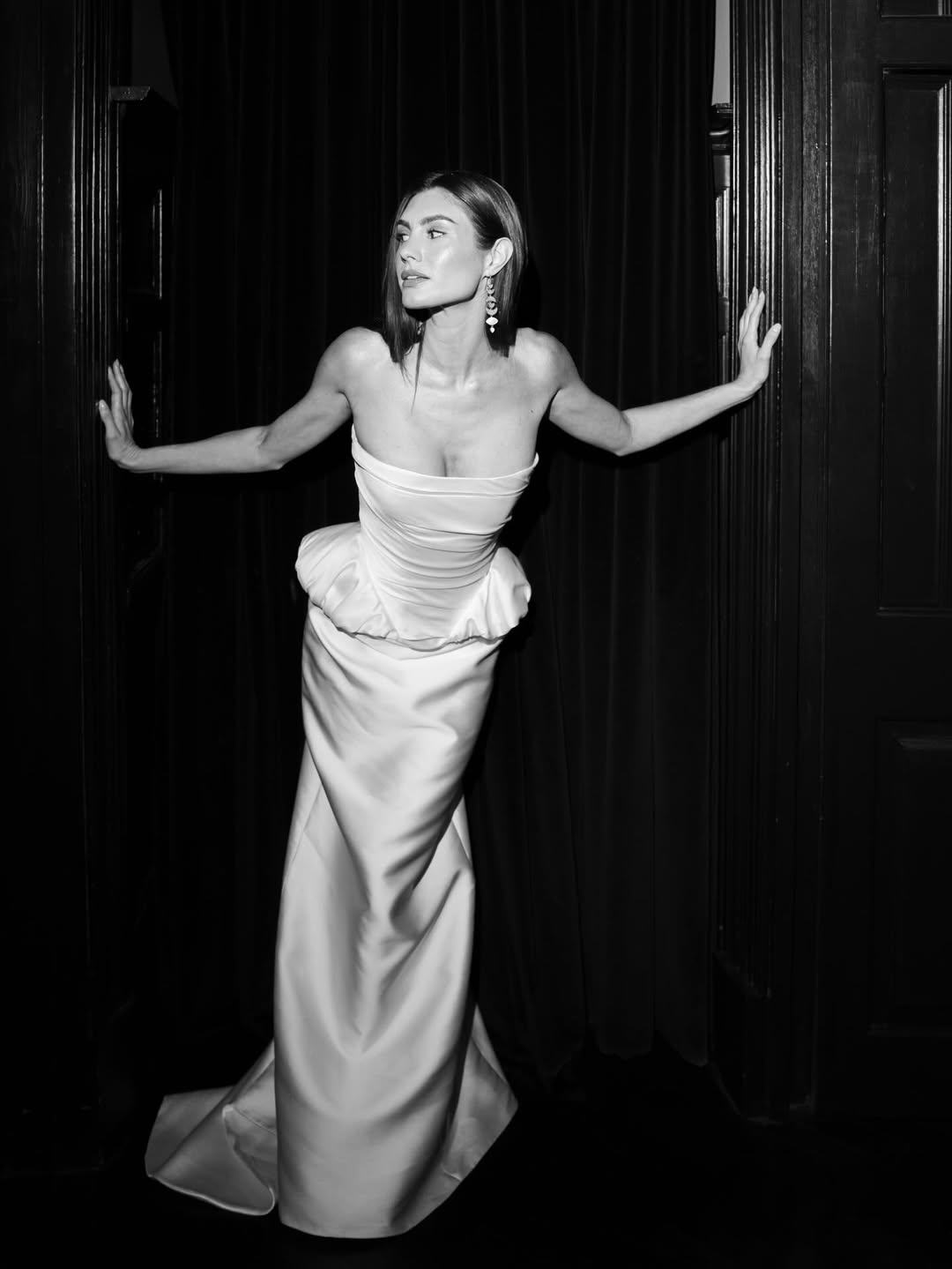
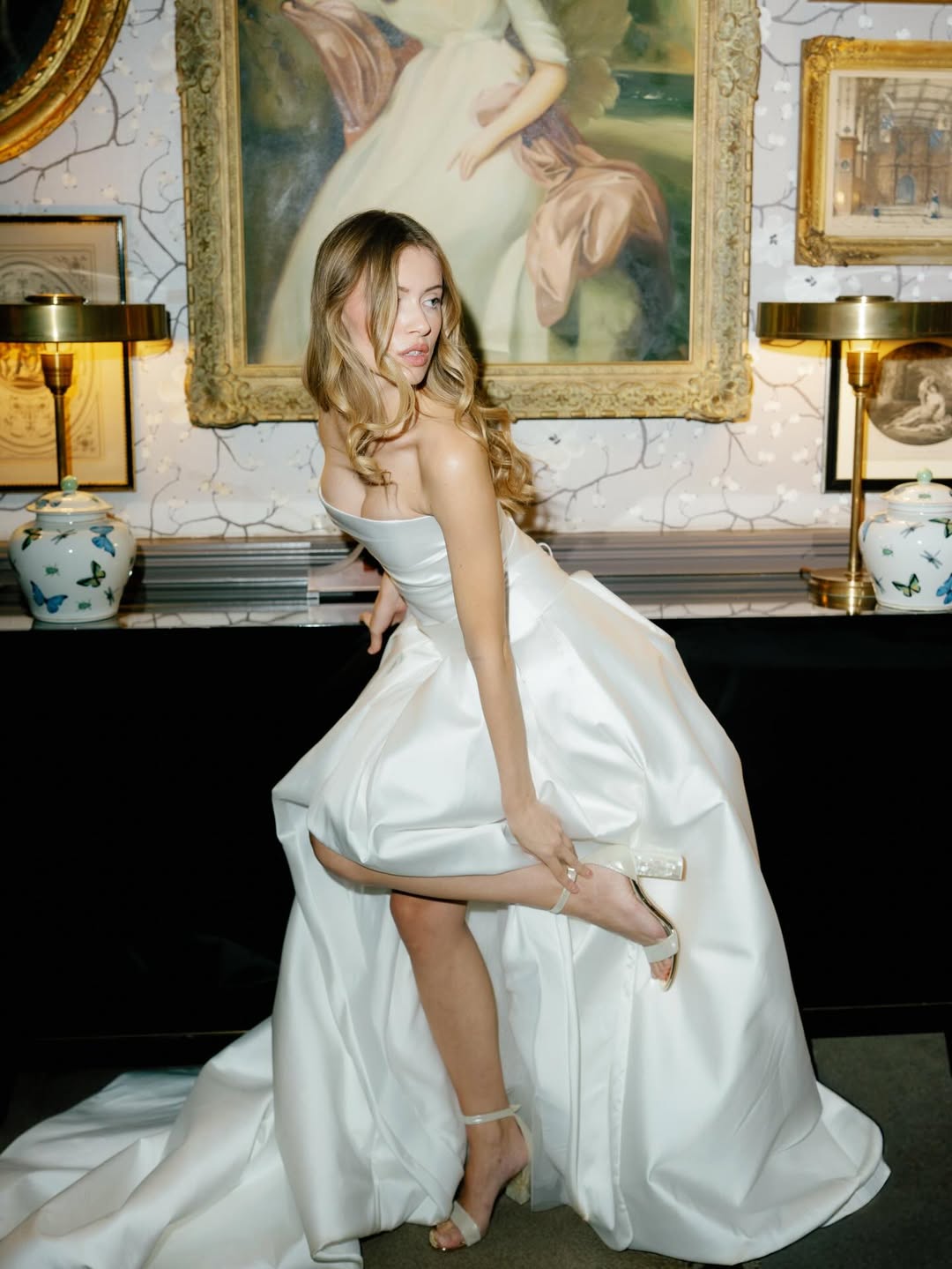
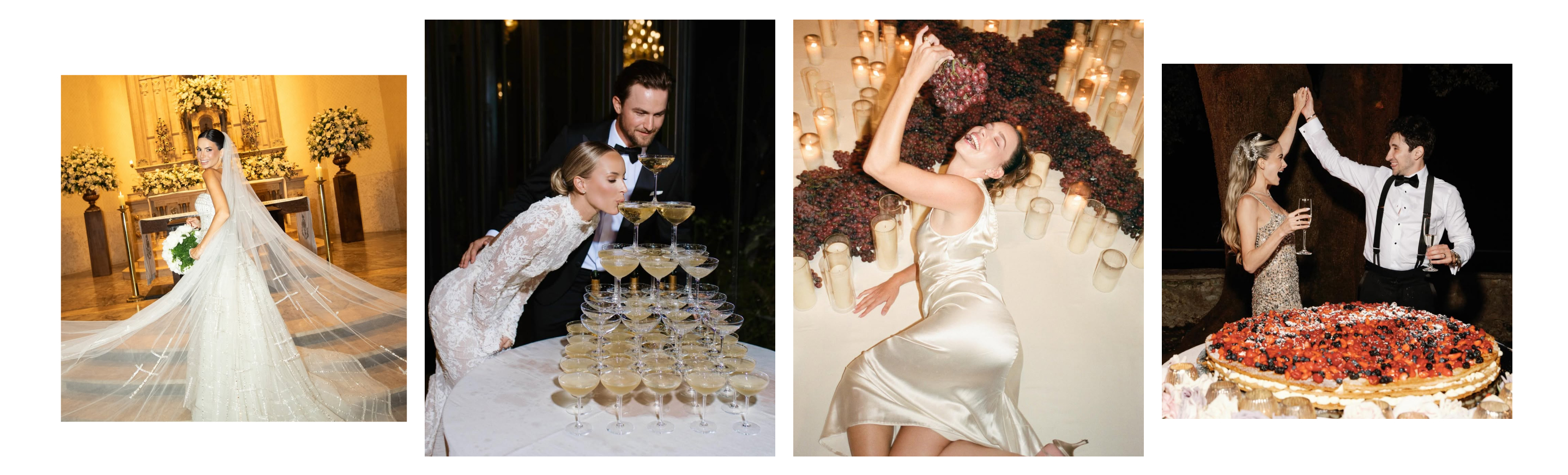
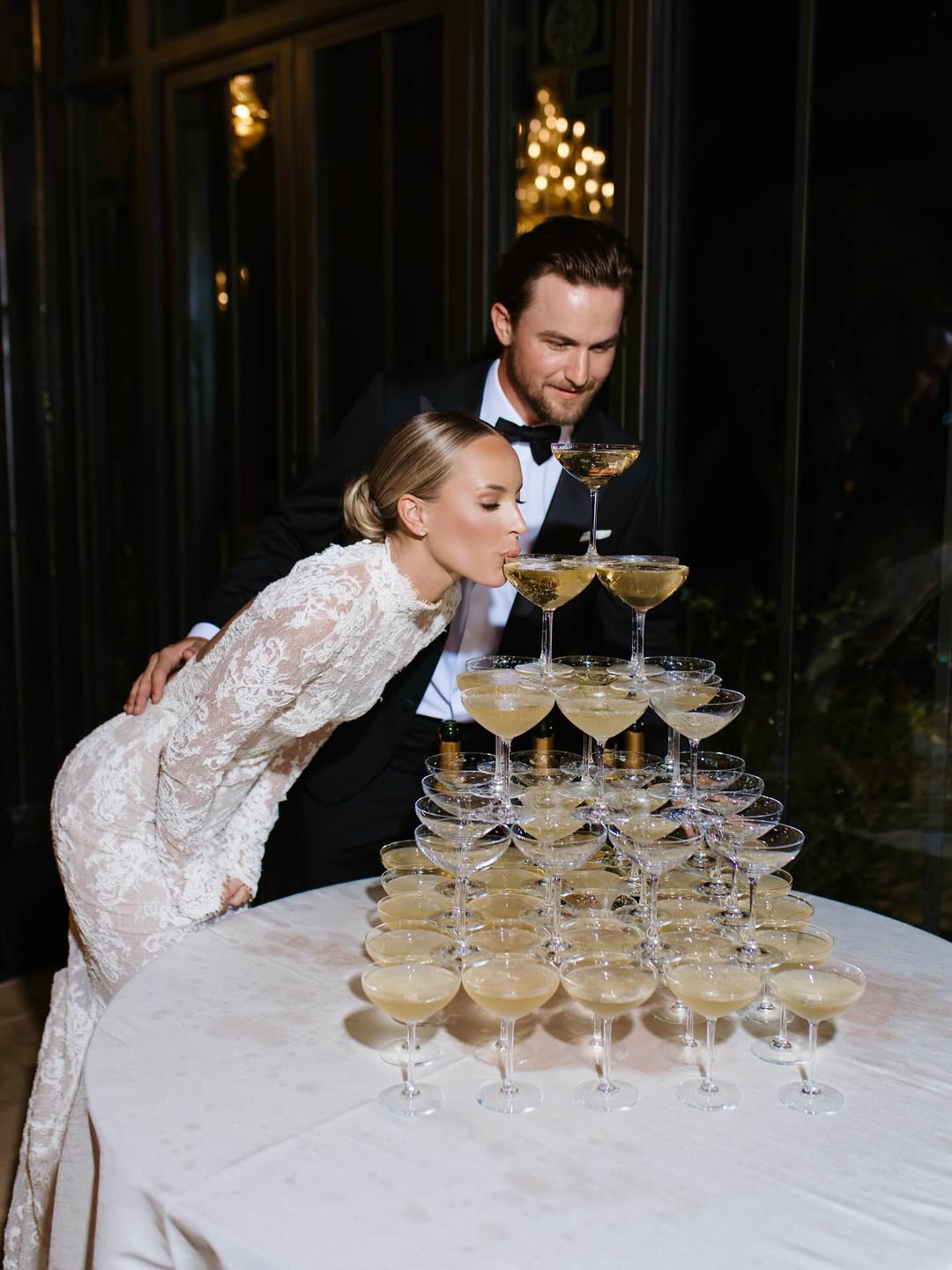
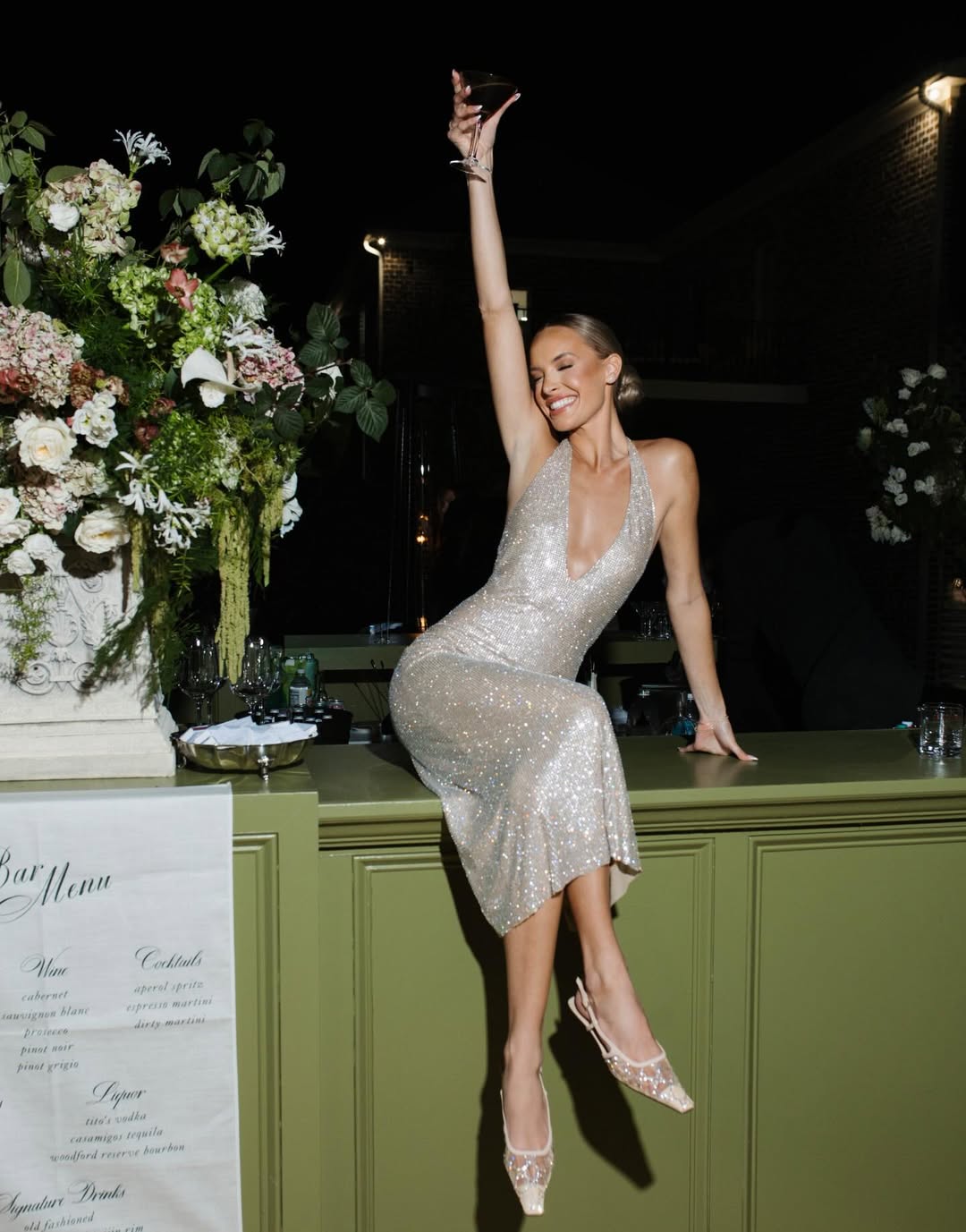
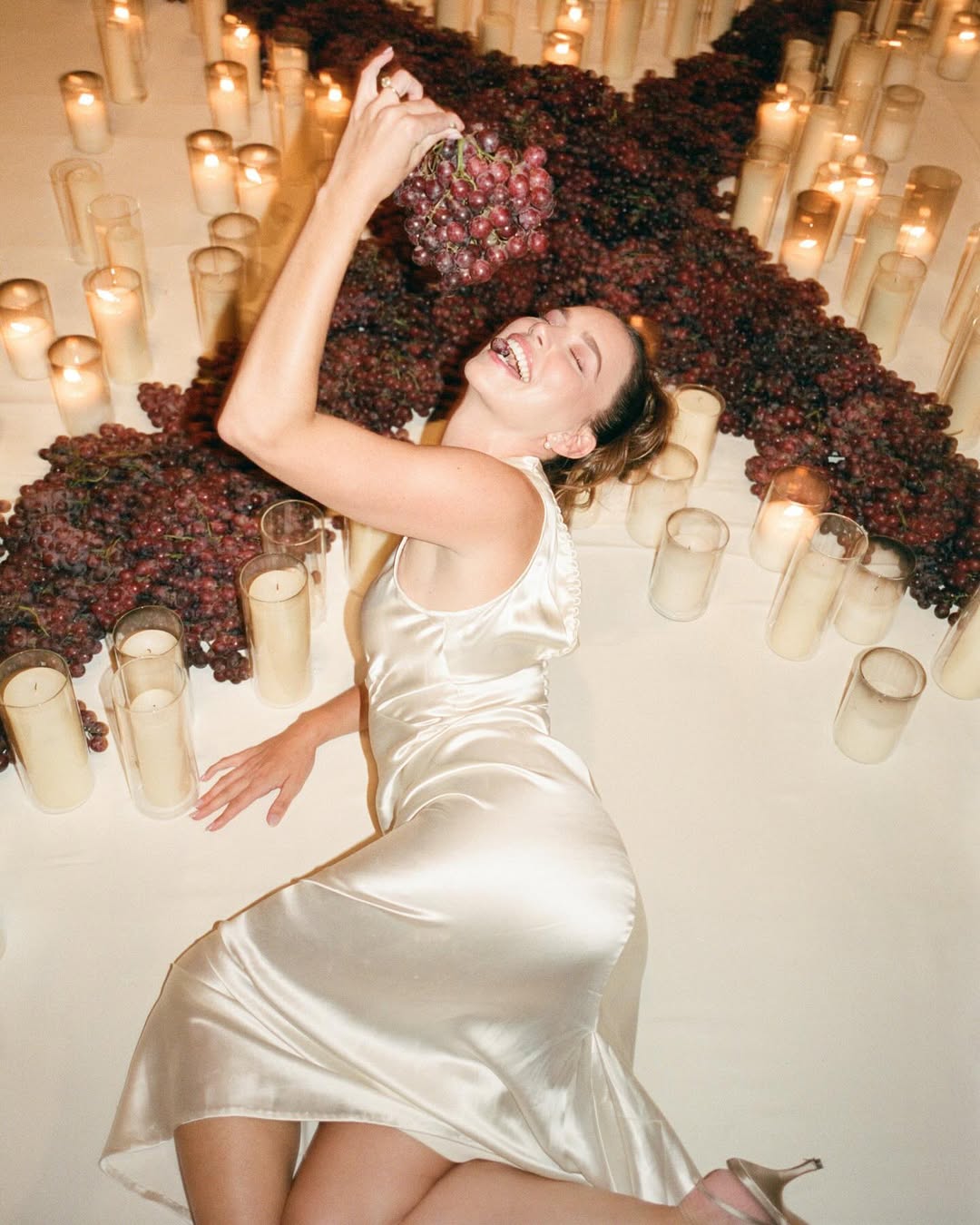
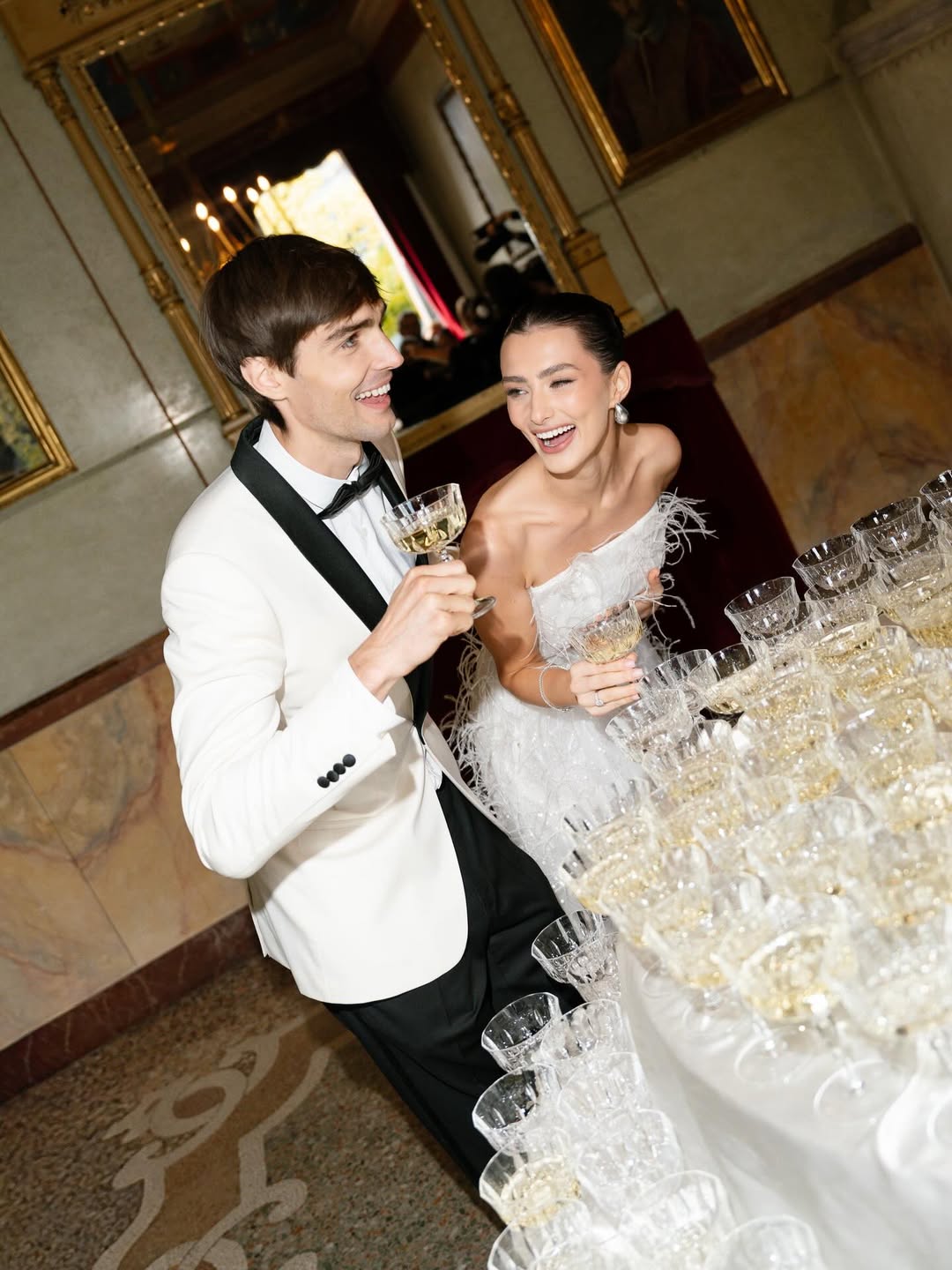
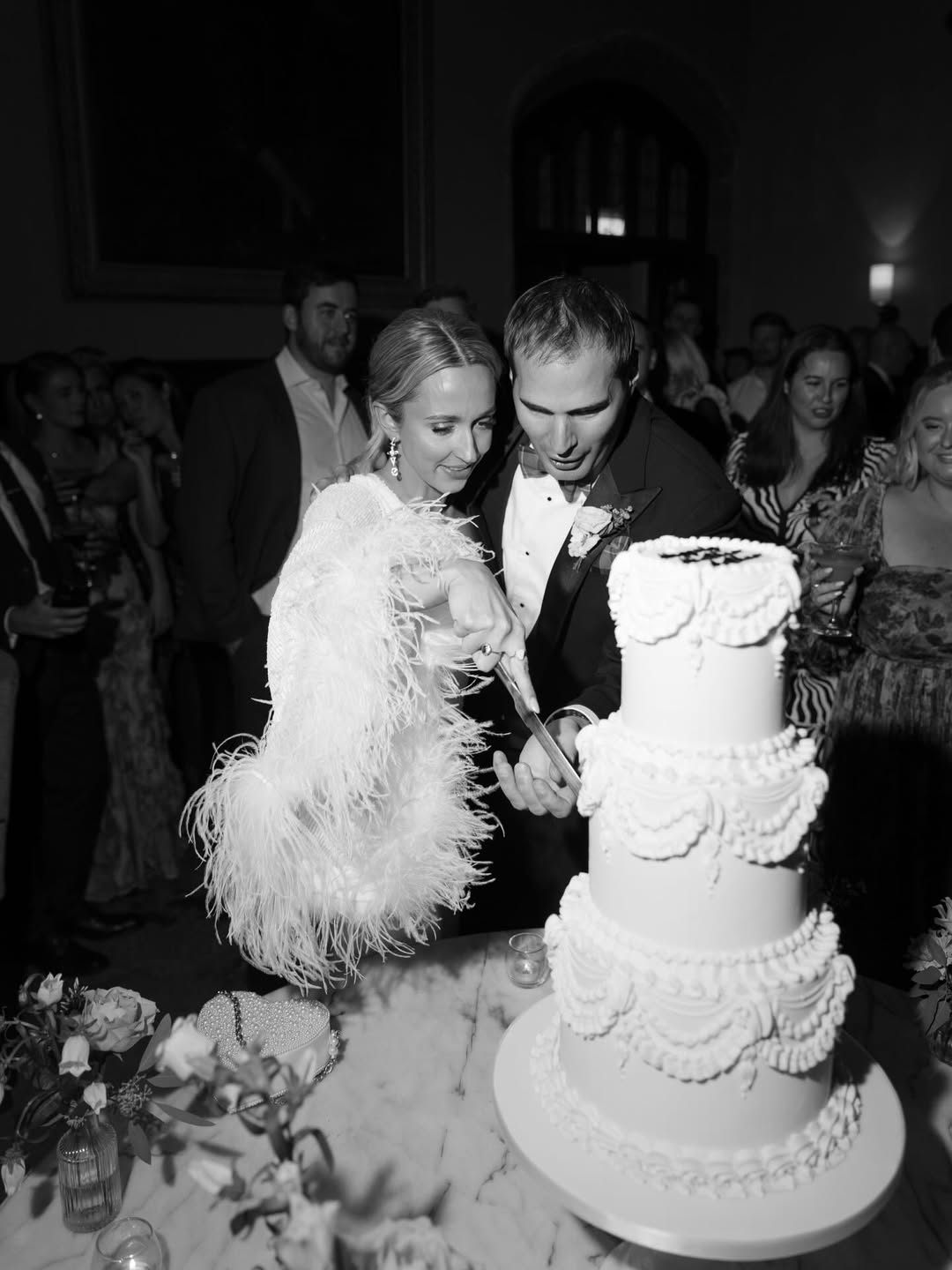
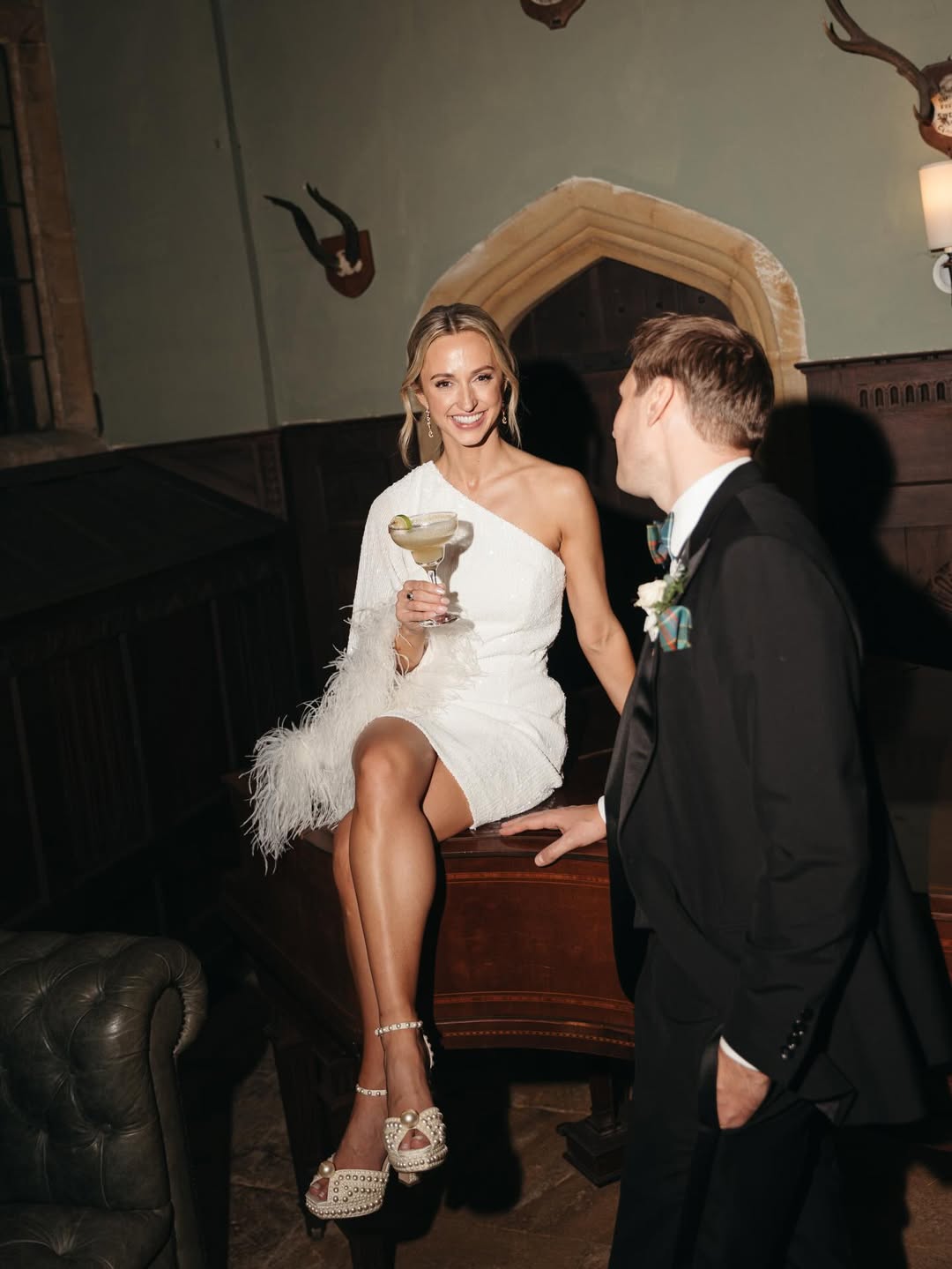
Direct flash wedding photography blasts light straight from the camera or just off to the side, hitting subjects head-on without any softening or bounce. This bold approach delivers razor-sharp focus, dramatic shadows, deep contrast, and backgrounds that often fade into darkness. The result is unmistakable: eyes gleam with that iconic 'deer in headlights' spark. When done right, the effect is not harsh but electrifying, graphic, and unflinchingly honest.
Direct flash photography wedding moments work best during:
- Dance floor excitement where everyone is moving and the energy is at its highest
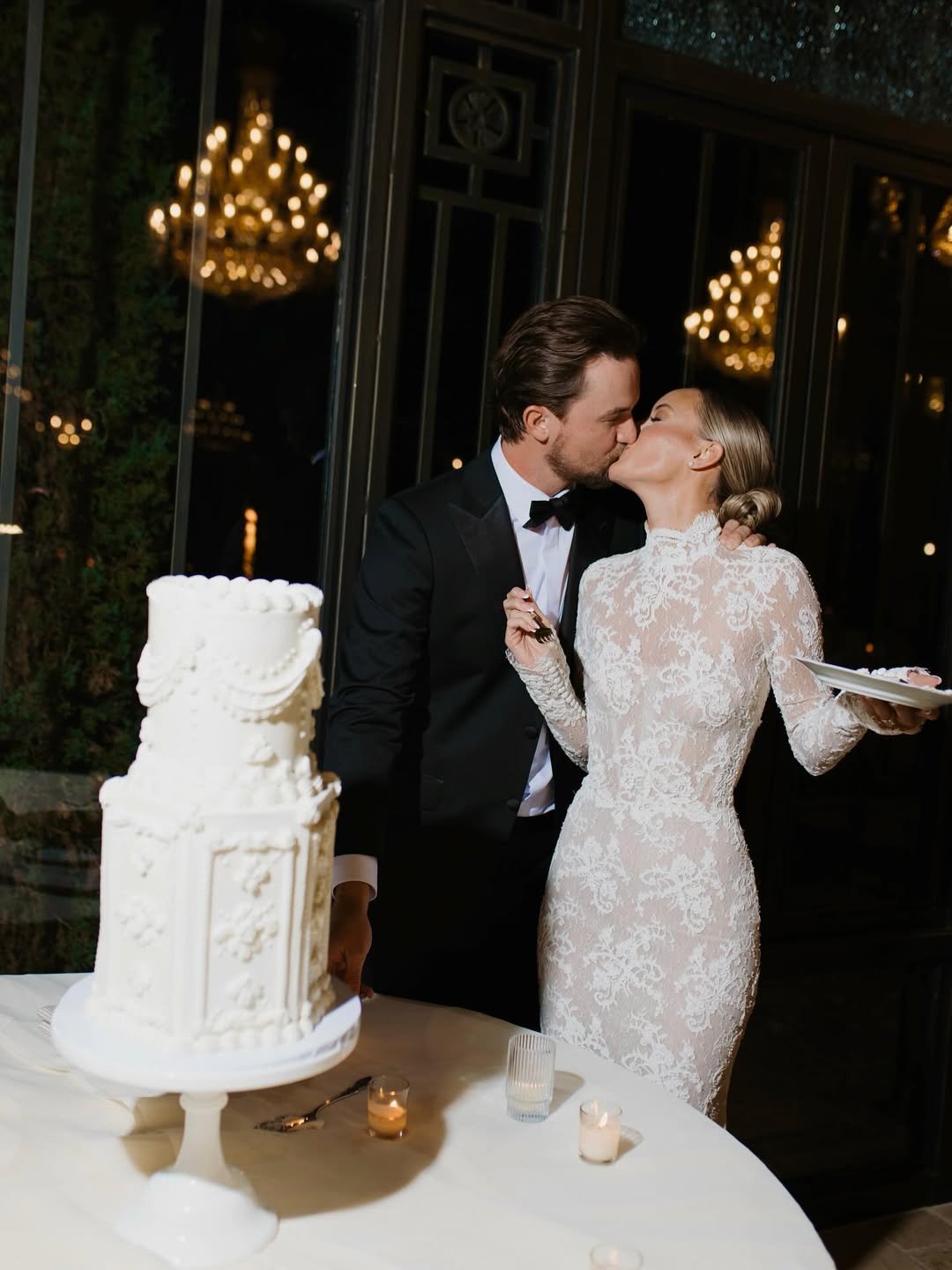
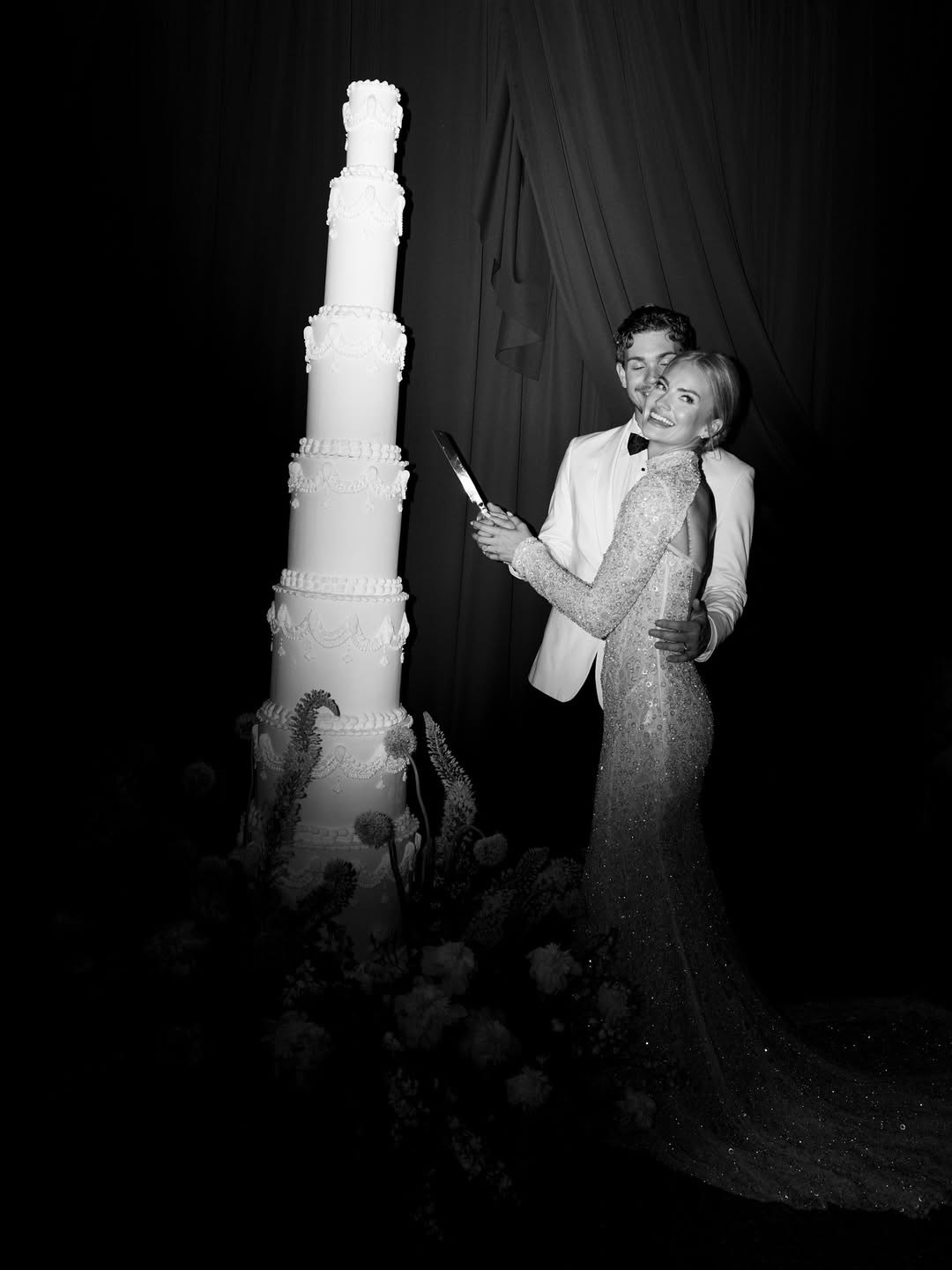
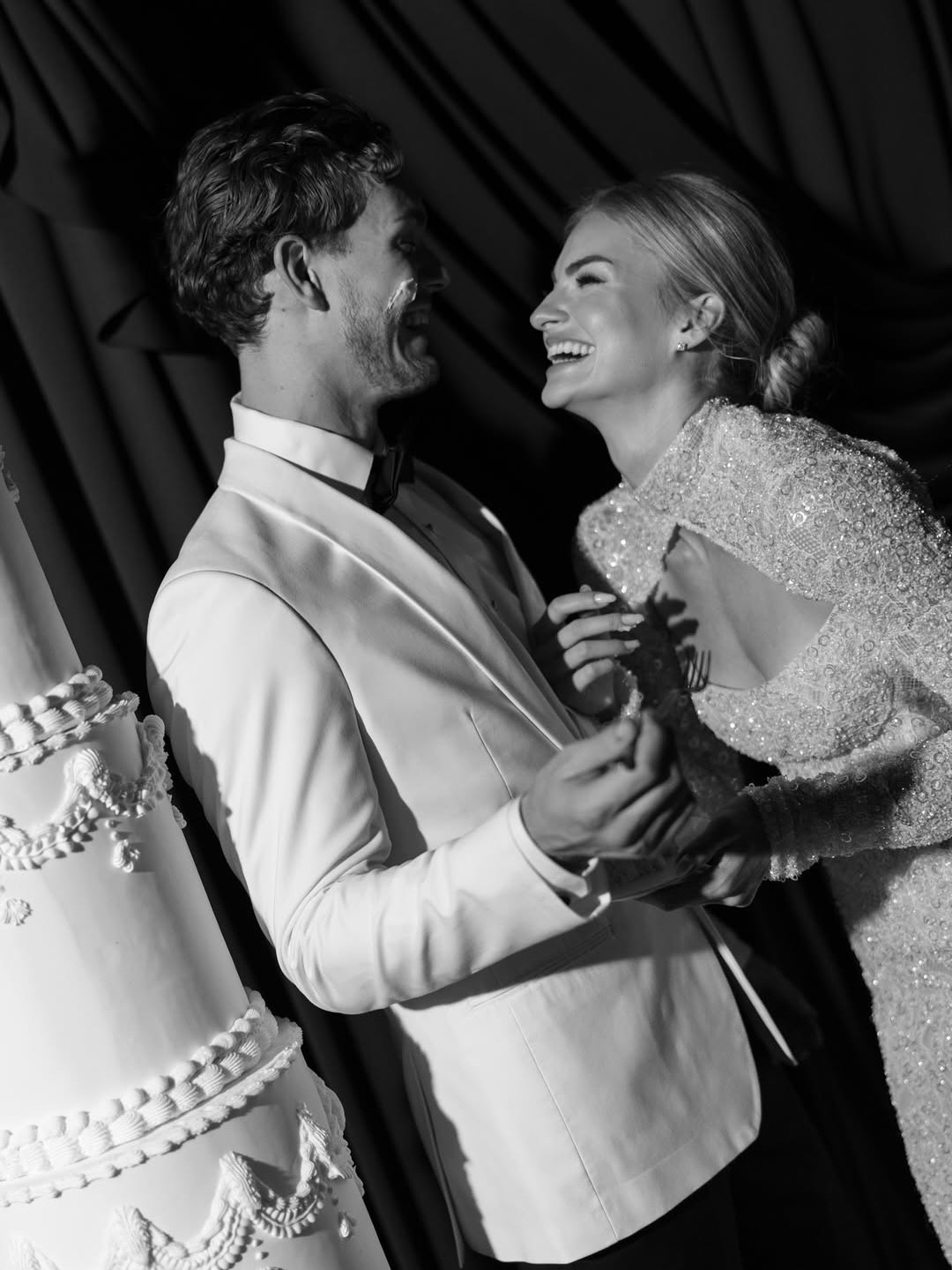
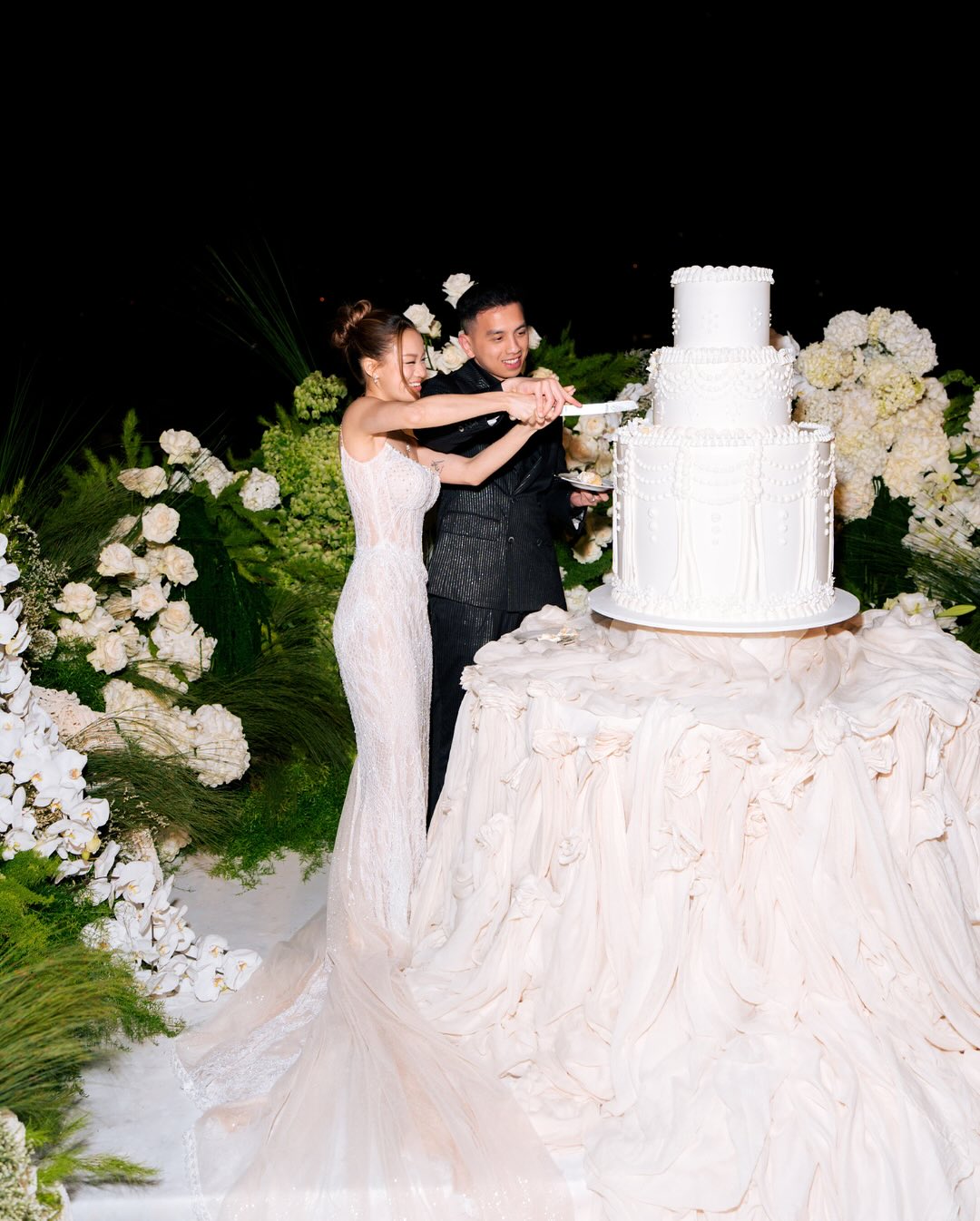
- Cake cutting with multiple guests crowding around
- Grand exit when the couple leaves through sparklers or confetti
- Champagne tower moments during reception
- Afterparty when the lights are very low or off
- Candid guest interactions during cocktail hour
There are big advantages: you get drama that soft light can’t create, contrast that makes your subject stand out, frozen motion that shows peak expressions, and skin tones that look good even with hard light. You’ll also notice details like lace on dresses, beading on veils, and the texture of suits, which often disappear with diffused light. The main challenge is to avoid overexposing faces while keeping the background dark. This means you need to understand how exposure, compensation, and flash power work together. To reduce harsh shadows under the eyes and nose, try raising the flash slightly above the camera or add a gentle fill from a second light.
Off-Camera Flash Wedding Photography
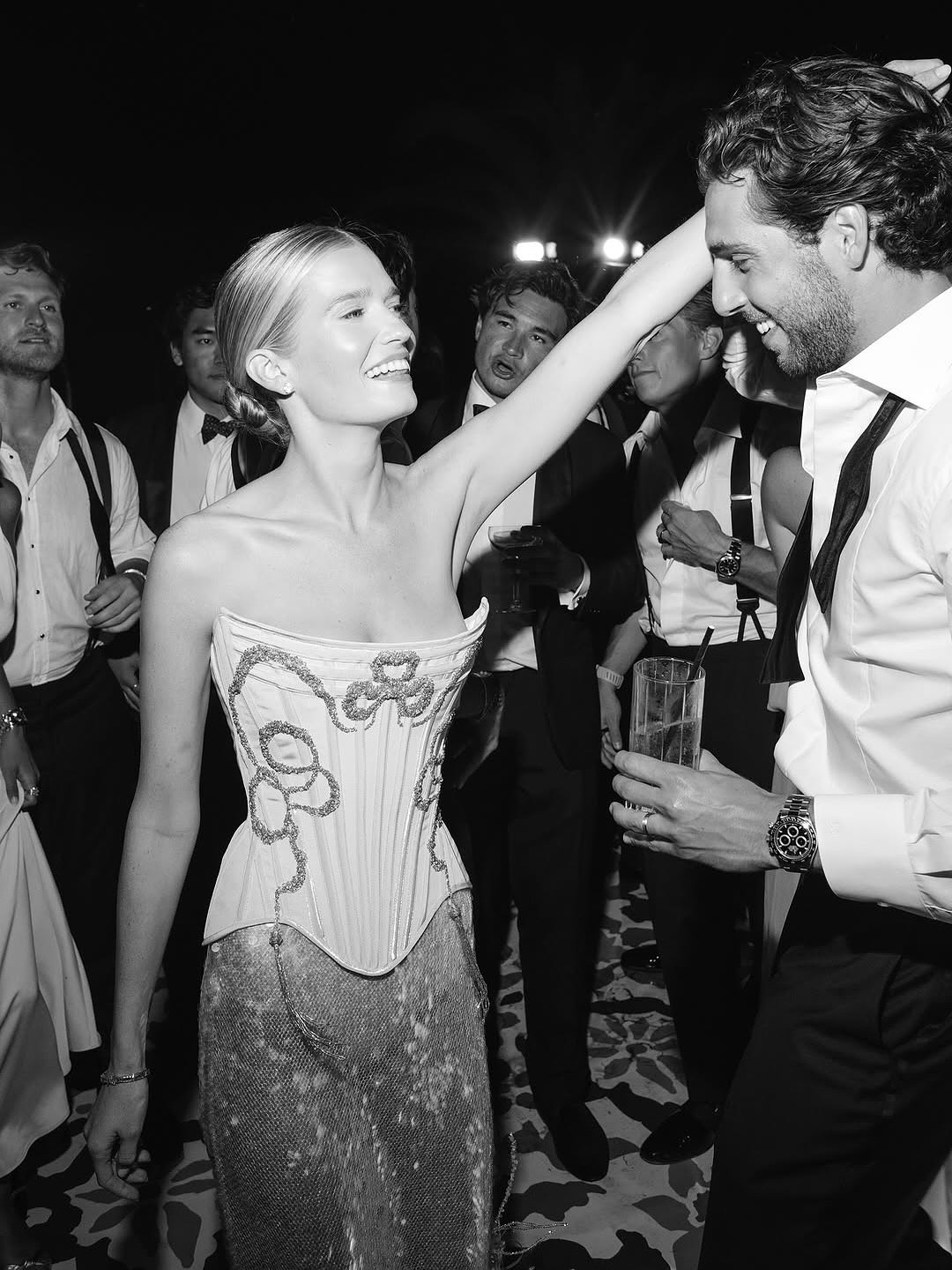
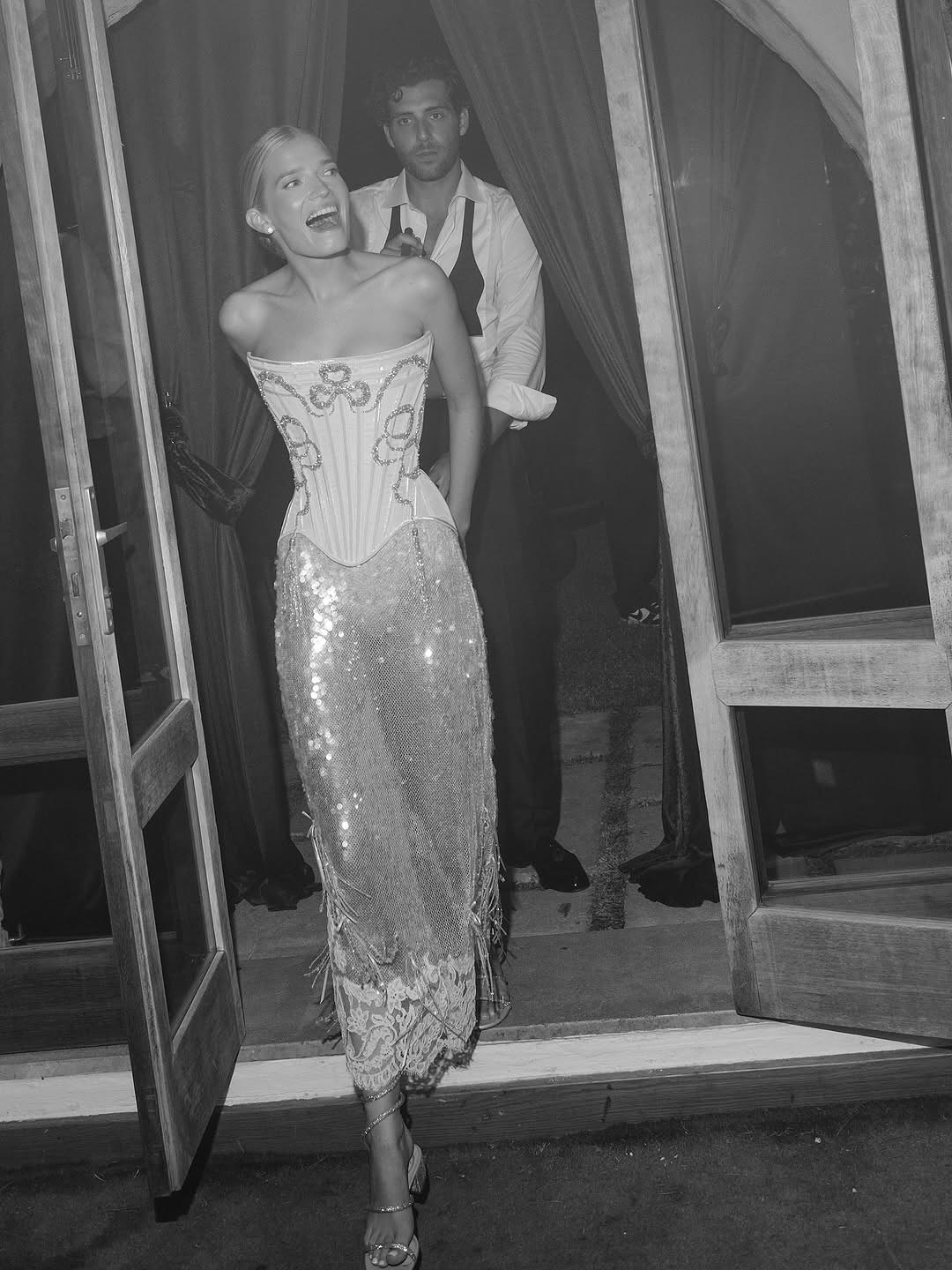
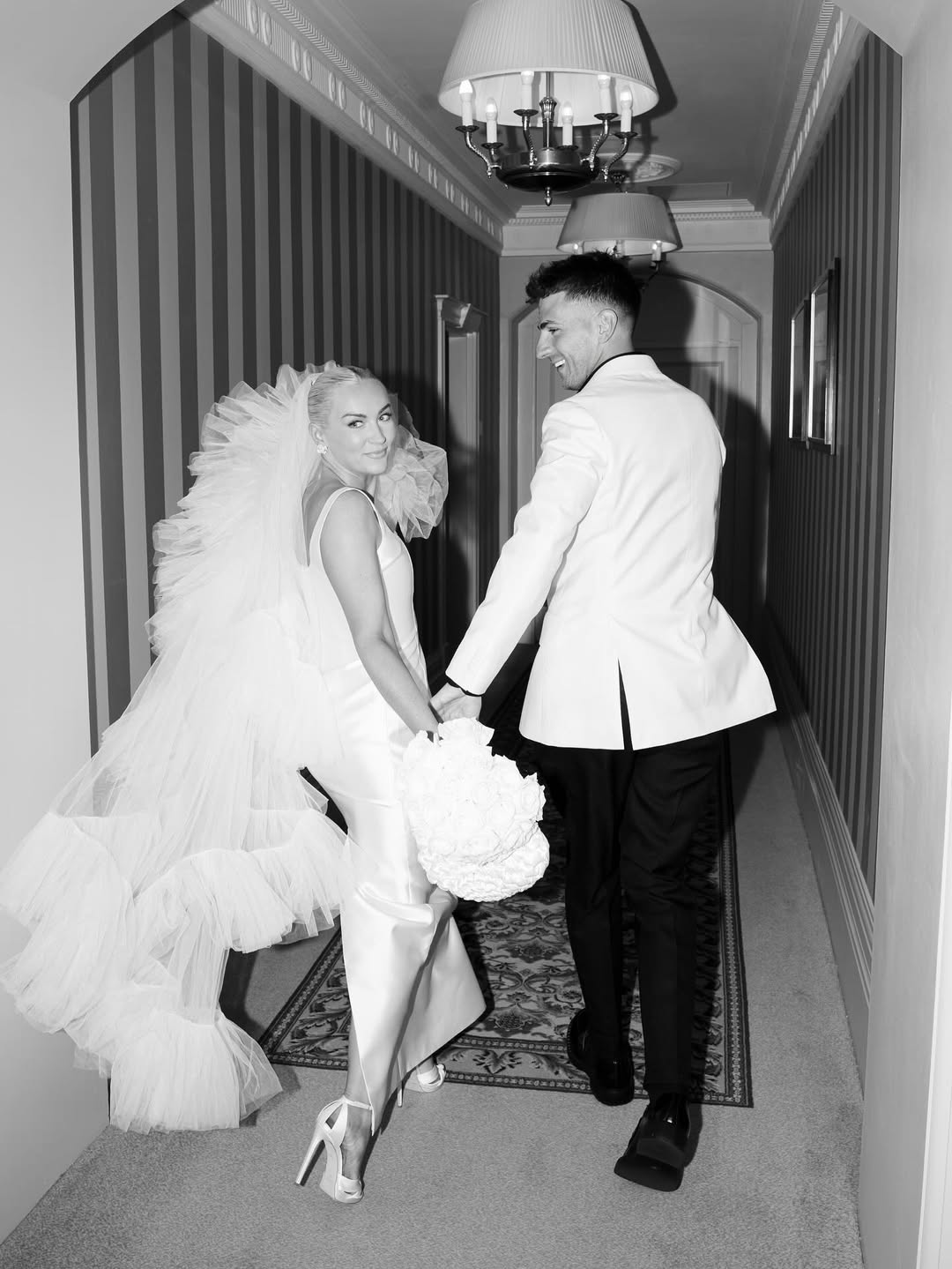

When you use off-camera flash for wedding photography, you set the flash away from the camera, either on a stand, with help from an assistant, or somewhere else in the scene, and connect it wirelessly to your camera. This setup gives your photos a sense of depth that on-camera flash often can't match. The angled light creates shadows and highlights, making faces and bodies stand out and adding form and depth that flat lighting can't provide.
This technique works well for portrait sessions, fashion-inspired editorial shots, and styled setups where you have time to arrange your equipment and adjust the lighting. Photographing a couple from a 45-degree angle adds shape to their faces, with one side a little brighter and the other a bit darker. This effect looks more polished and intentional than a quick snapshot. When you mix off-camera flash with the venue’s ambient light, like candles, string lights, or architectural lighting, you get layered, rich, and complex images.
The challenging part is managing the logistics. You need stands, reliable wireless triggers, and often an assistant to help with the equipment. On a busy wedding day, it’s not practical to set up an off-camera flash for every photo. Most photographers save this technique for certain shots, like formal portraits, detailed photos, and styled couple pictures, since setting up takes time, and the improvement isn’t always dramatic.

Flash Wedding Photography at Different Wedding Moments
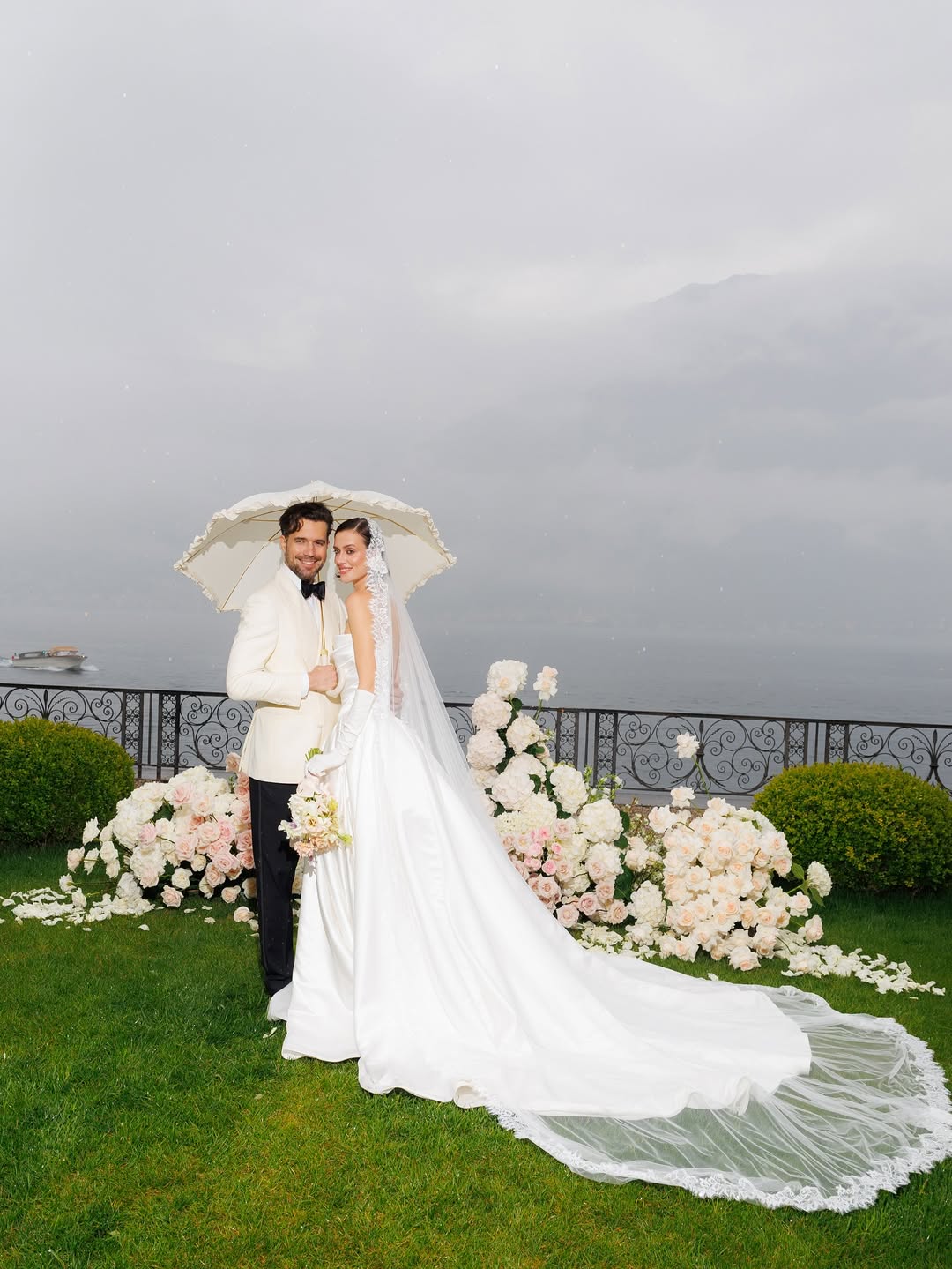
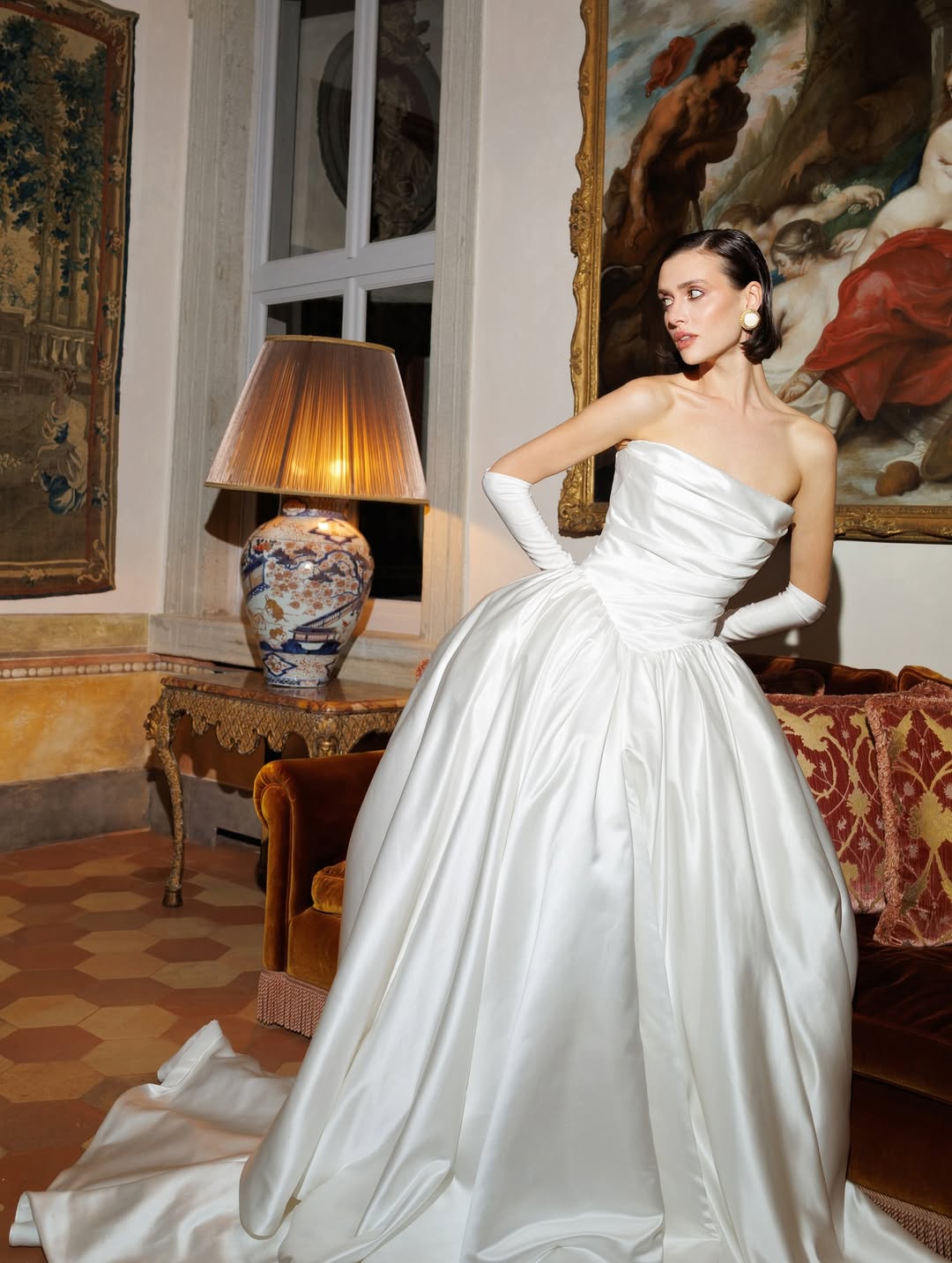
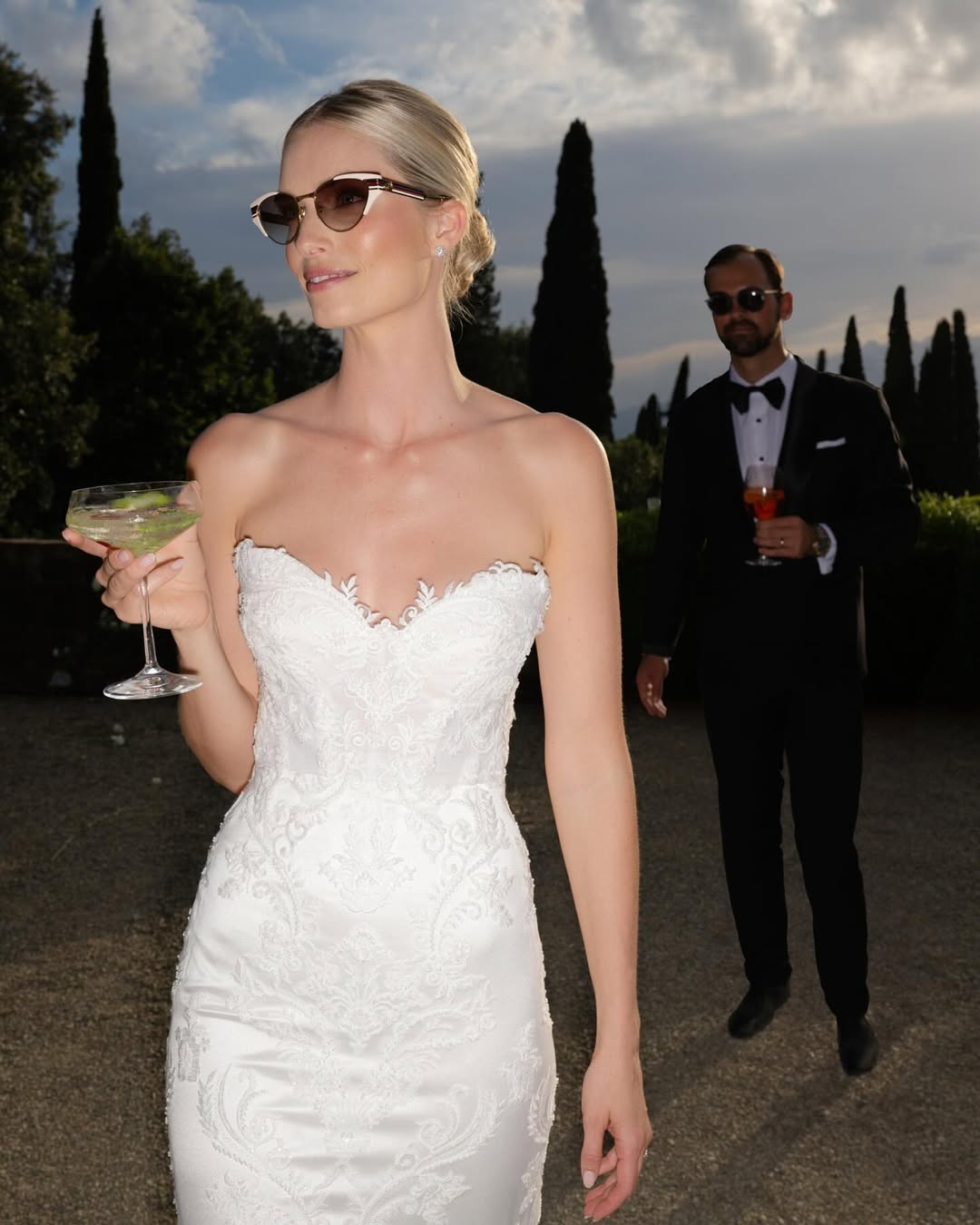
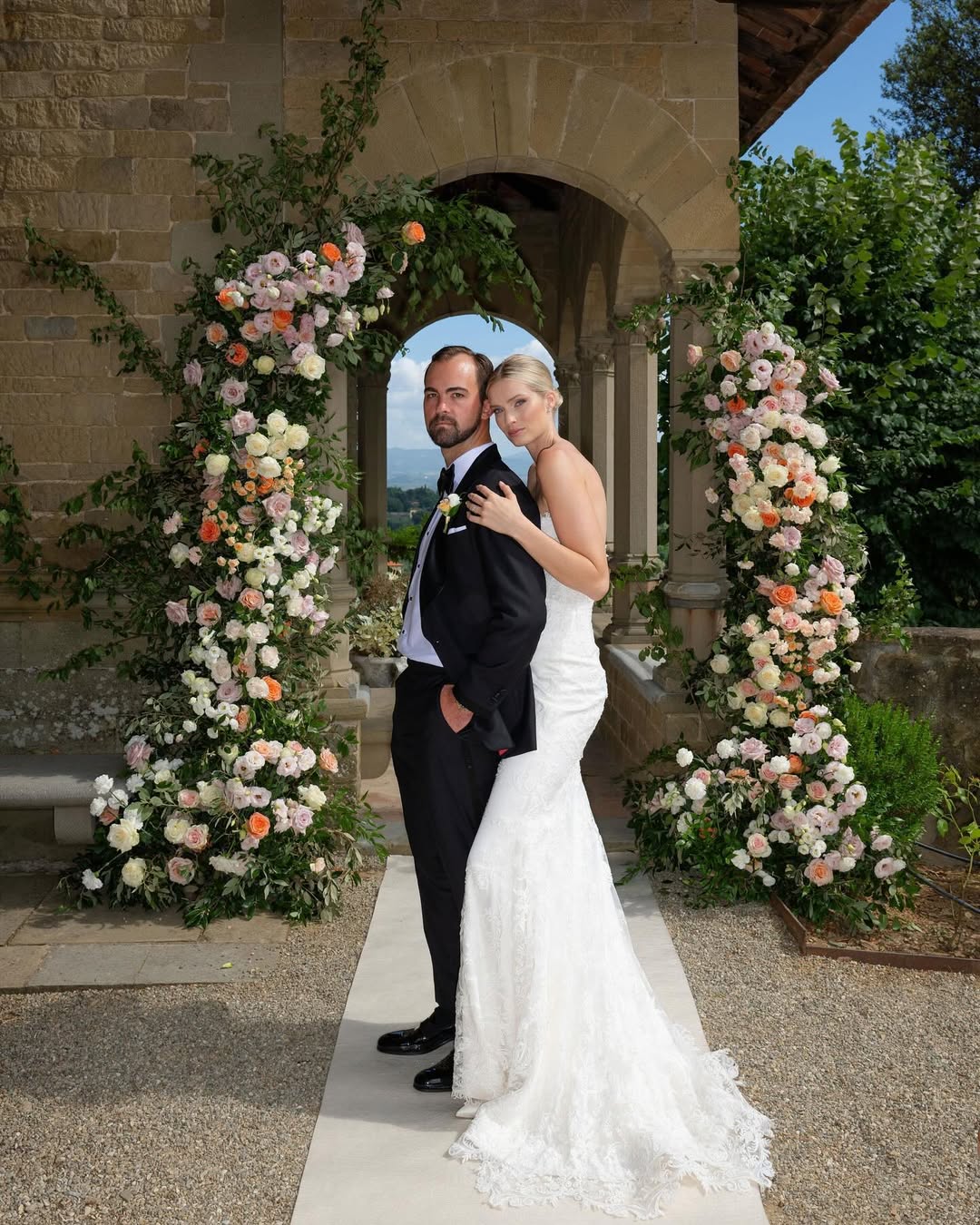
Every stage of a wedding brings its own lighting puzzle, inviting photographers to choose between dramatic direct flash, gentle bounce, or the magic of natural light. The true artist reads the room, shifting techniques to match the moment, while others stick to a single formula and miss the story unfolding.
Ceremony (When Flash Is Appropriate)
Using flash during ceremonies requires paying attention to venue rules, religious customs, and the event's serious nature. Many churches and temples do not allow flash at all during the ceremony. Some may allow it only from certain spots or at specific times. It’s important to check the rules ahead of time rather than guess. If flash is allowed, try a subtle bounce flash or place your off-camera flash so it does not distract people during vows or readings. Some photographers choose to use only natural light during the ceremony and save their flash techniques for before and after.
Reception & Dinner
When you take wedding photos with flash during dinner, try to blend the flash with the candlelight. This keeps the room warm and ensures your photos are sharp and bright. Don’t use too much flash—just enough so faces and details are easy to see. Instead of aiming the flash straight at people, bounce it off a nearby ceiling or wall. This way, the dinner stays cozy, and you can capture toasts, conversations, and reactions with good lighting.
Party & Afterparty
This is where flash wedding photos really stand out. The mix of movement, lively energy, dim lighting, and real emotion sets the stage for bold flash shots. Using direct flash stops the action, catches expressions at their most intense, and turns the party’s chaos into a dramatic story. These sweaty, energetic, unpolished, and real images often become clients' favorites because they show what the night actually felt like, not just a cleaned-up version. Here, the flash look isn’t just practical—it fits the mood. The strong light matches the wild energy, tying the style to the moment.
Best Flash for Wedding Photography
For wedding photography, a good flash should offer the right mix of power, reliability, size, and useful features. On-camera speedlights such as the Canon Speedlite 600EX II-RT, Nikon SB-5000, or Godox V1 are easy to carry and work well in most situations, as you can attach them directly to your camera. Battery-powered flashes like the Profoto B10 or Godox AD200 give you much more power in a compact form, but they are more expensive and a little bulkier.
| Flash Type | Power Output | Portability | Best For | Typical Price Range |
|---|---|---|---|---|
| Speedlight | Moderate | Excellent | On-camera work, bounce flash | $300 - $600 |
| Battery Strobe | High | Good | Off-camera setups, portraits | $600 - $2,000 |
| Studio Strobe | Very High | Poor | Studio only, styled shoots | $400 - $3,000+ |
TTL (Through The Lens) metering automatically sets the flash power for you, which can be handy, but it sometimes gives uneven results when the lighting changes. Manual mode lets you control everything, but you need to know how exposure works and be ready to change your settings as you move around. At weddings, TTL is helpful for fast-paced moments like the dance floor or processional, when you have to react quickly. Manual mode is better for portraits or planned shots, where you have time to get your settings just right.
How Photographers Use Flash for Wedding Photography
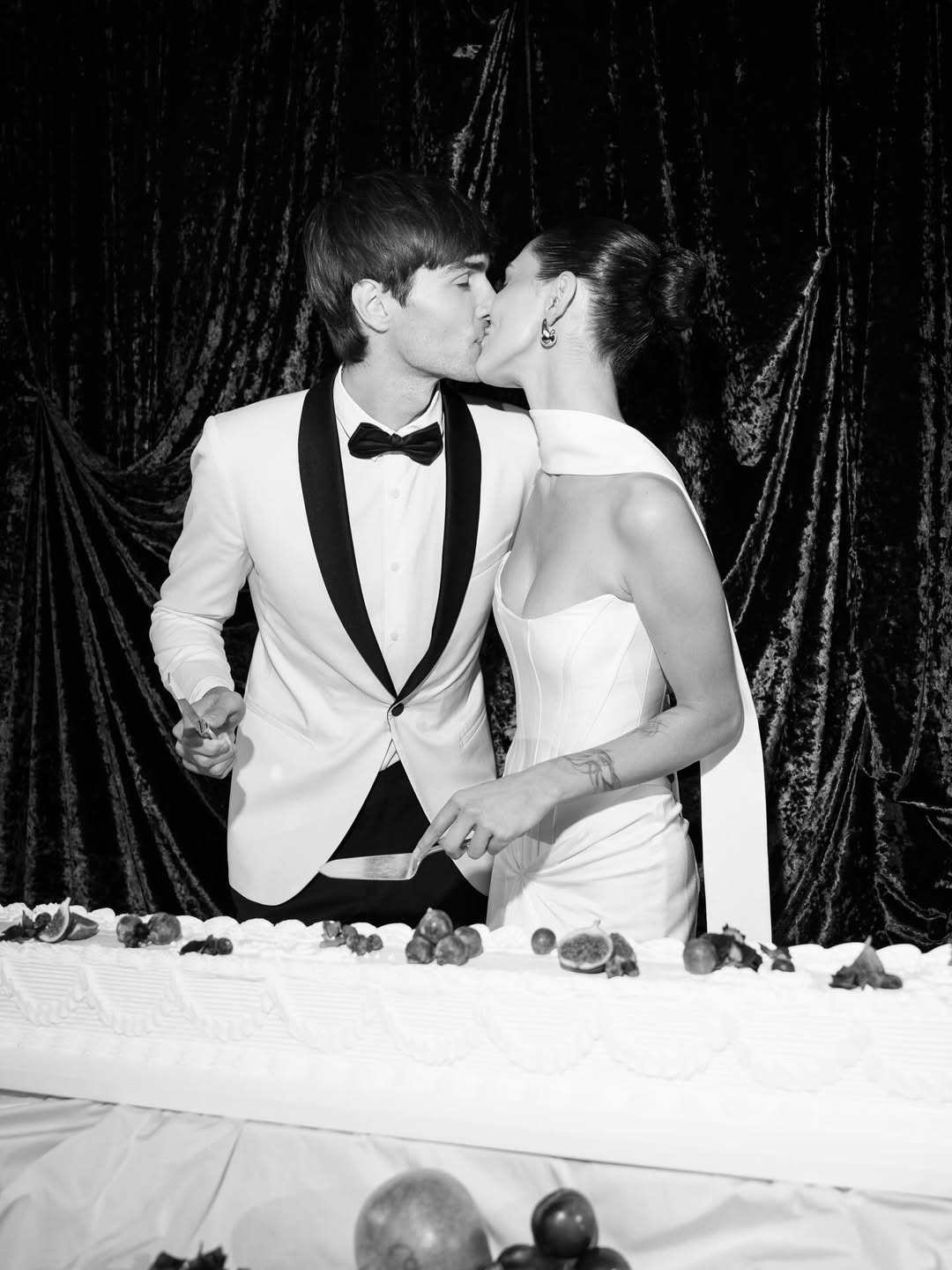
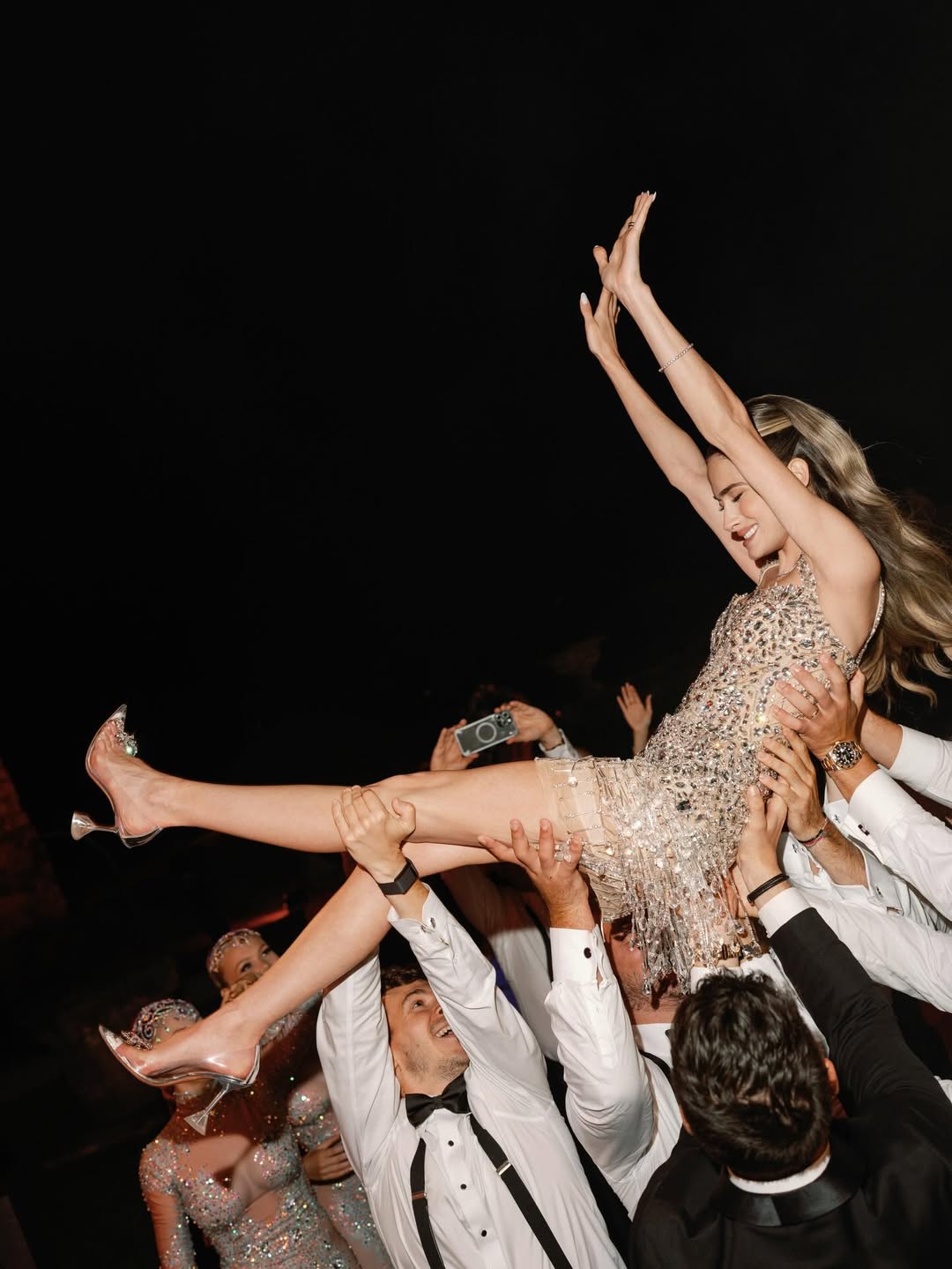
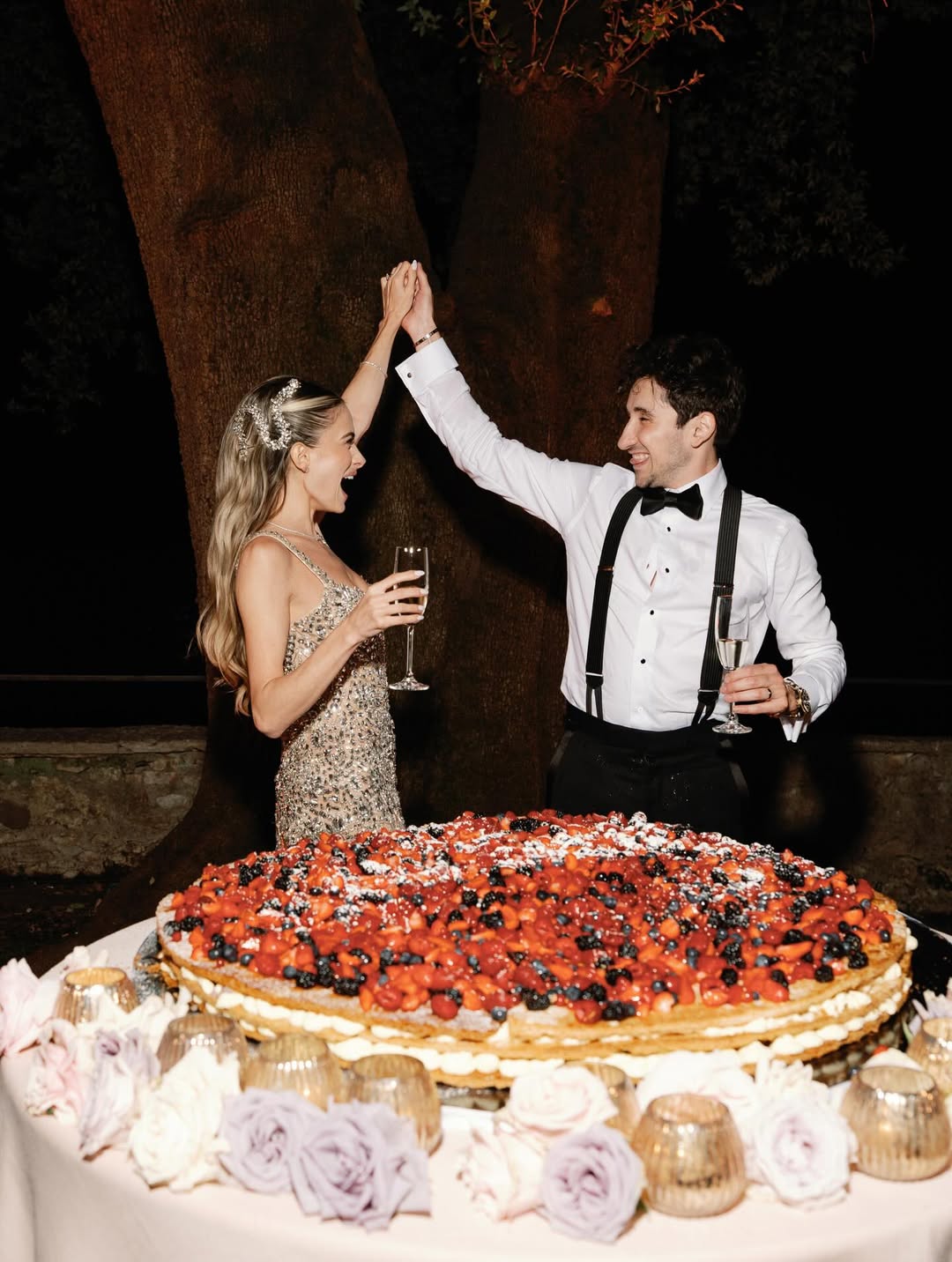
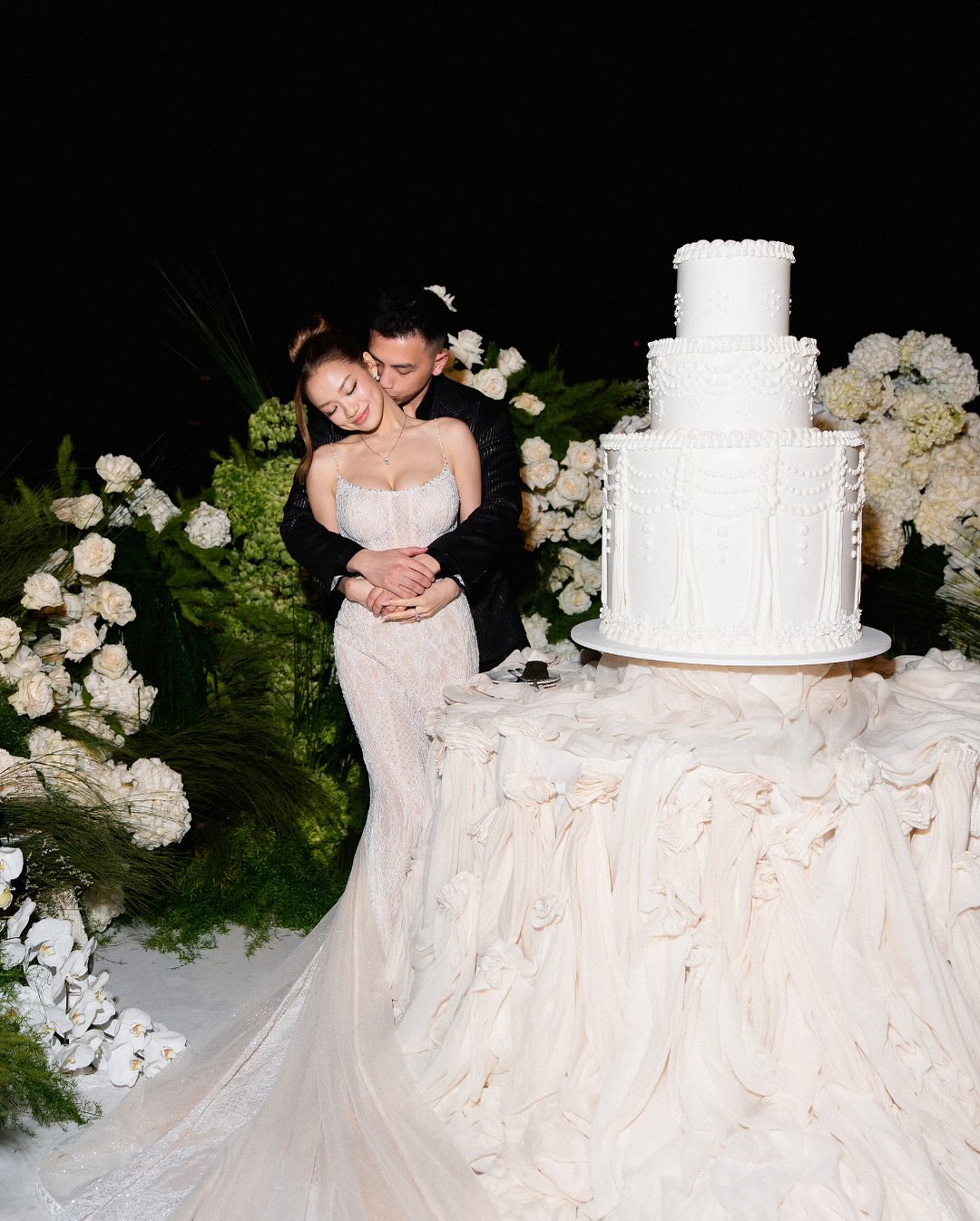
In wedding photography, it's important to balance artificial and ambient light so your photos look planned, not accidental. Shutter speed controls how much background light you capture, such as venue lights or candles, while flash lights up your subject. Once you understand this, you can slightly underexpose the background for a dramatic effect while still keeping your subjects well lit with flash. This creates that classic night reception look, where the couple stands out against a darker background.
For night wedding photos, a good place to start is with a shutter speed of 1/160 second (or your camera’s flash sync speed), an aperture of f/2.8 to f/4, and ISO between 800 and 1600. Adjust the flash power depending on how far your subject is. These are just guidelines; feel free to adjust them based on how much ambient light you want or how strong you want the flash to appear. Watch out for common mistakes, like making the scene too bright with flash, turning the background completely black, or using inconsistent flash power that makes your photos look mismatched.
Aesthetic Styles of Flash Wedding Photos

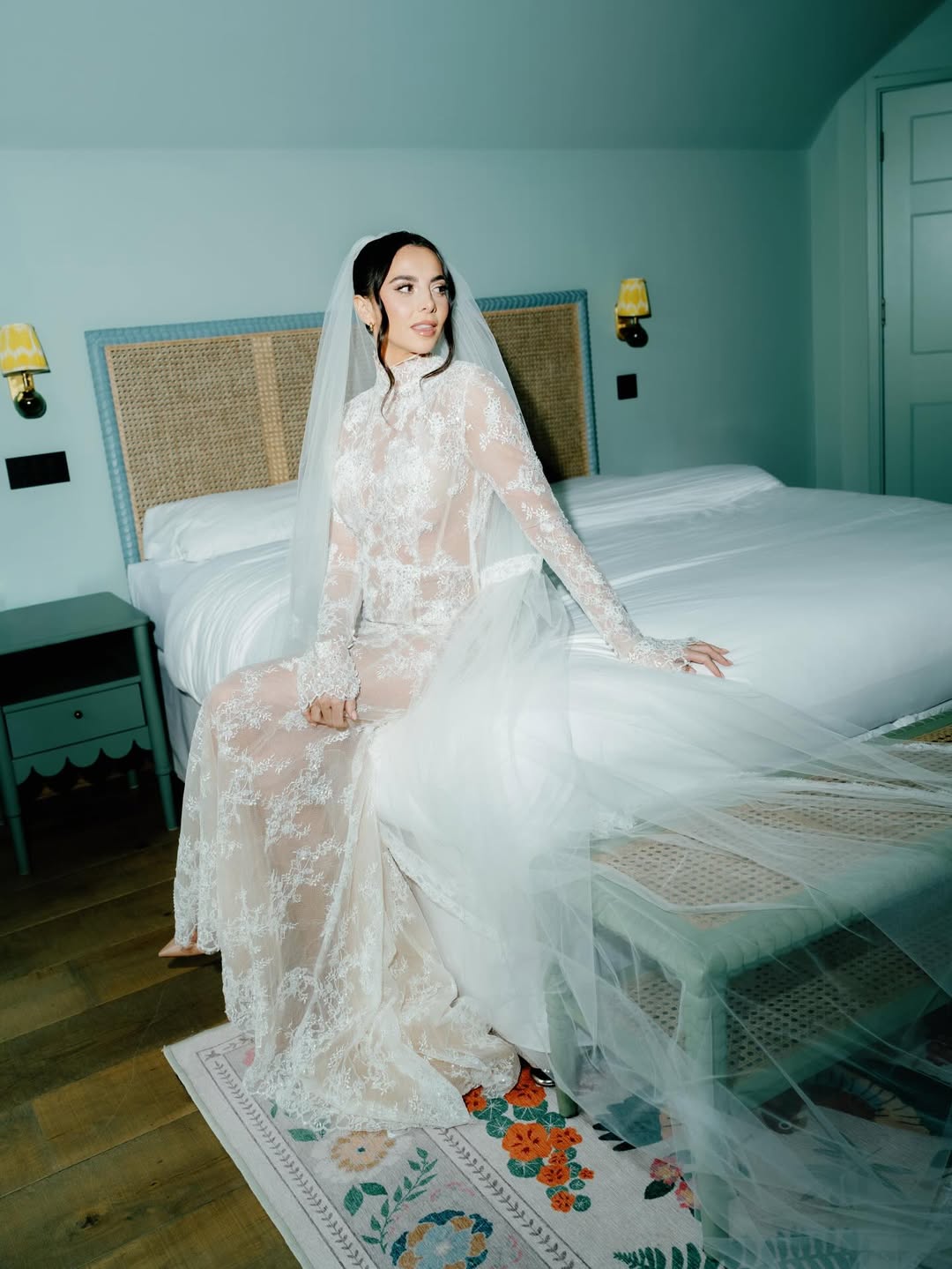
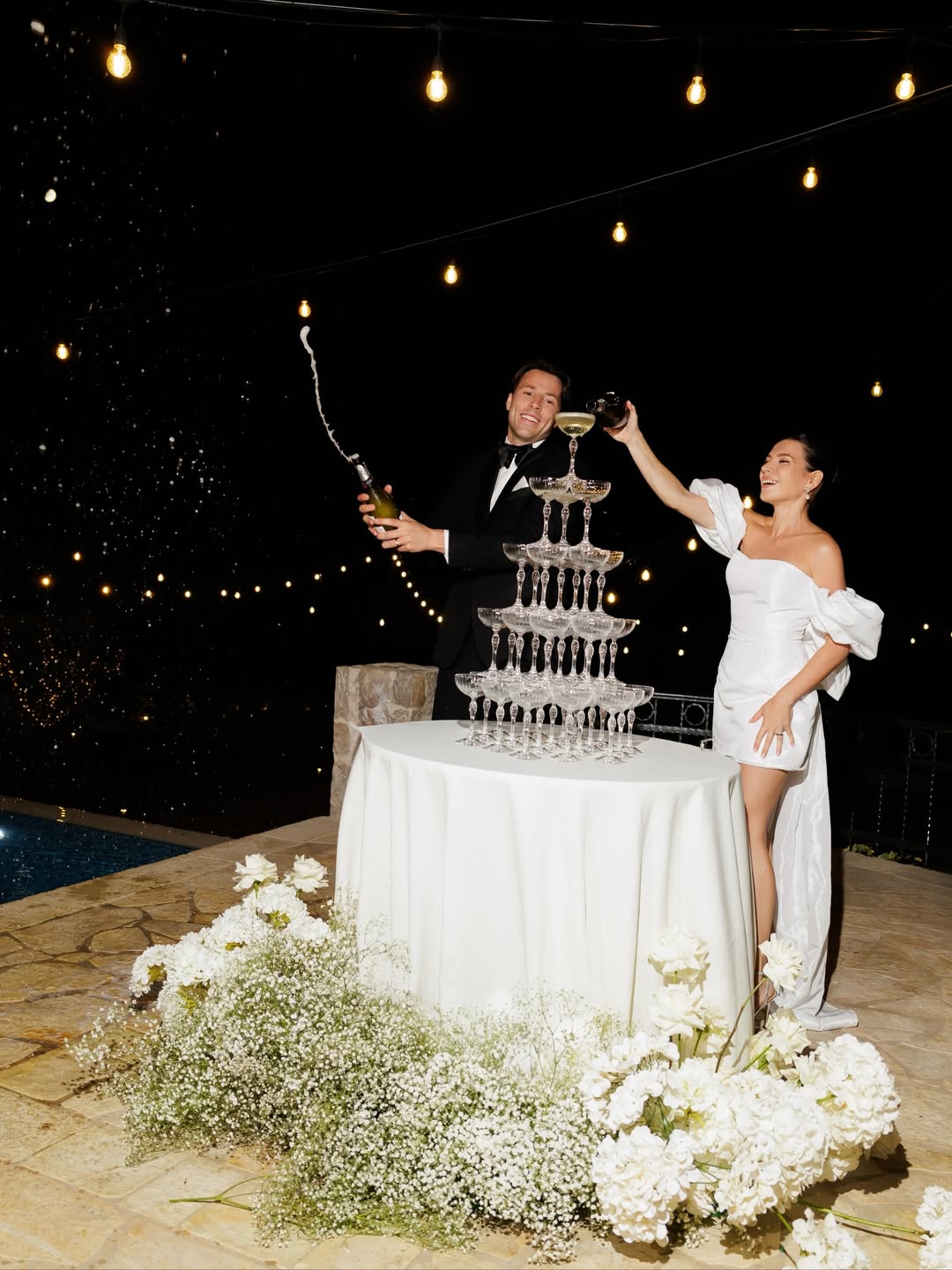
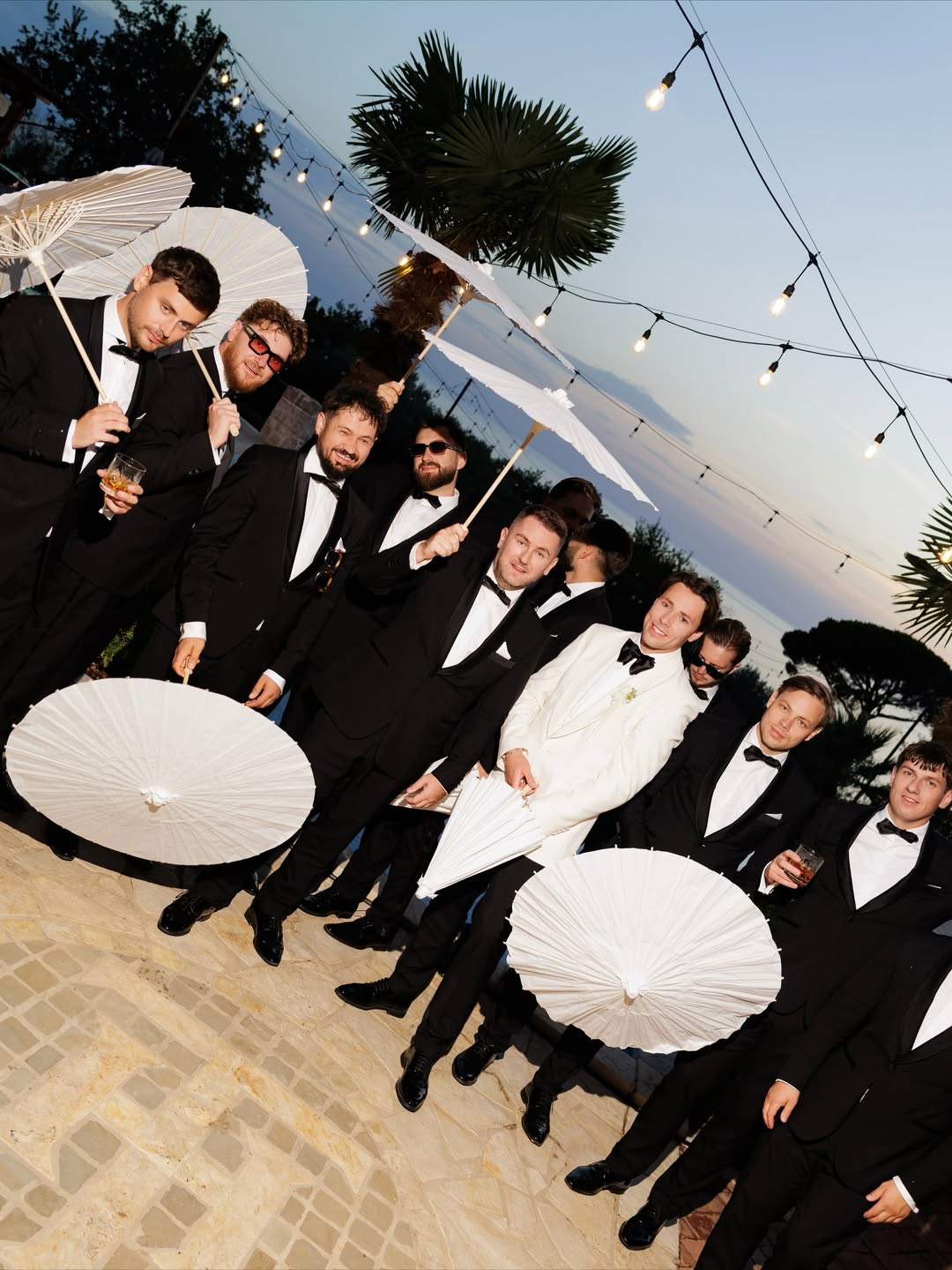
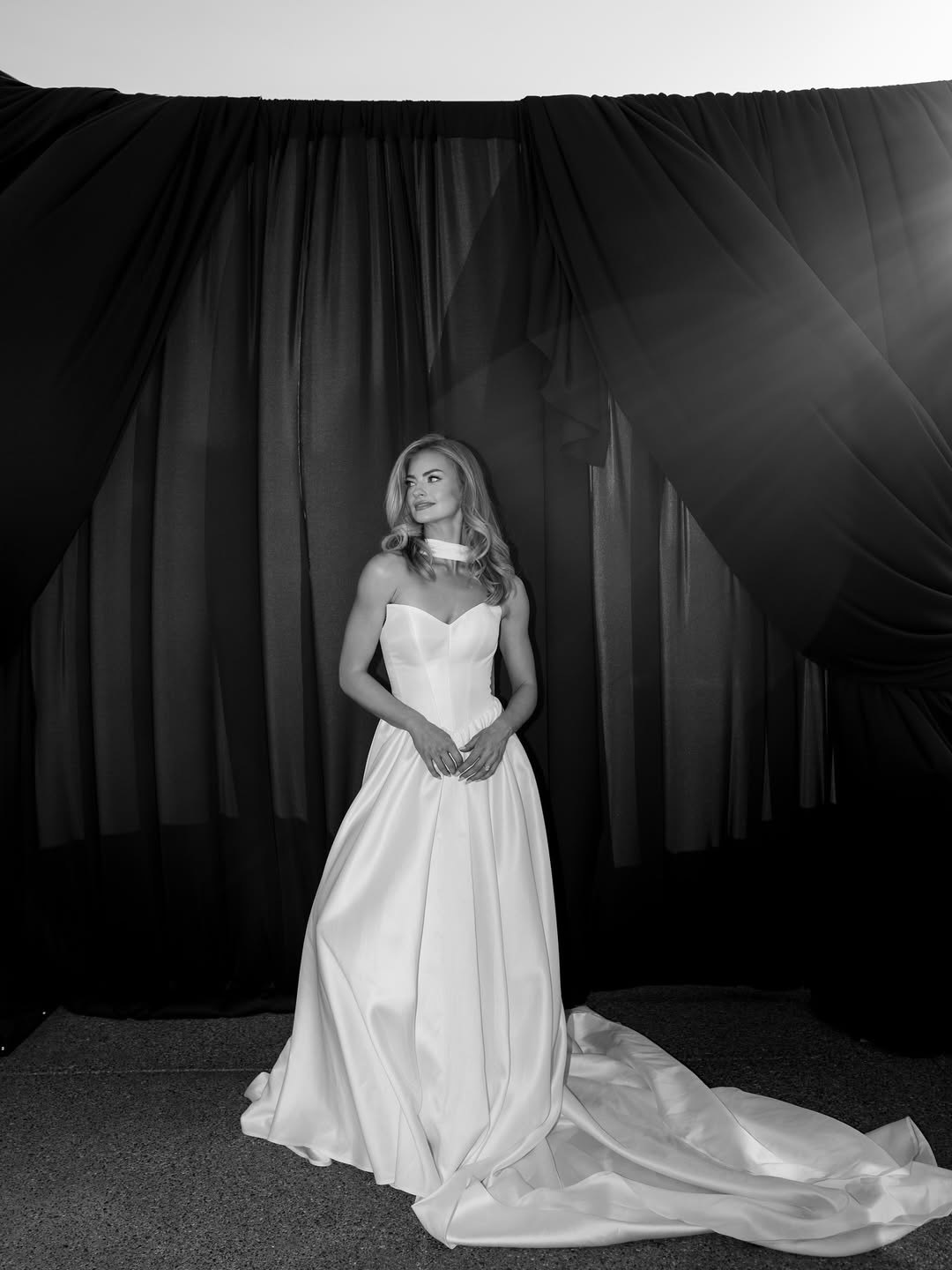
Editorial and fashion flash transform wedding photography with the boldness of high-fashion shoots: think direct-flash portraits with piercing eye contact, dramatic side lighting sculpted by off-camera flash, and striking poses inspired by the runway. This style calls for confident couples and a photographer ready to take the lead, crafting images that feel curated and cinematic. The result is a gallery that looks as if it belongs in a glossy magazine, ideal for couples who see their wedding as both a style statement and a celebration. Paparazzi or documentary flash leans into the raw energy of the snapshot: frames are a little wild, moments are caught on the fly, and the buzz of the party takes precedence over perfect poses. The result is a collection of images that pulse with immediacy, as if you are reliving the celebration from the inside. Cinematic party flash blends spontaneity with editorial polish, freezing motion while weaving a visual story that unfolds through the night. Minimal direct flash, on the other hand, gently brightens the scene, enhancing the mood without stealing the spotlight from the natural ambiance.

Is Flash Wedding Photography Right for You?


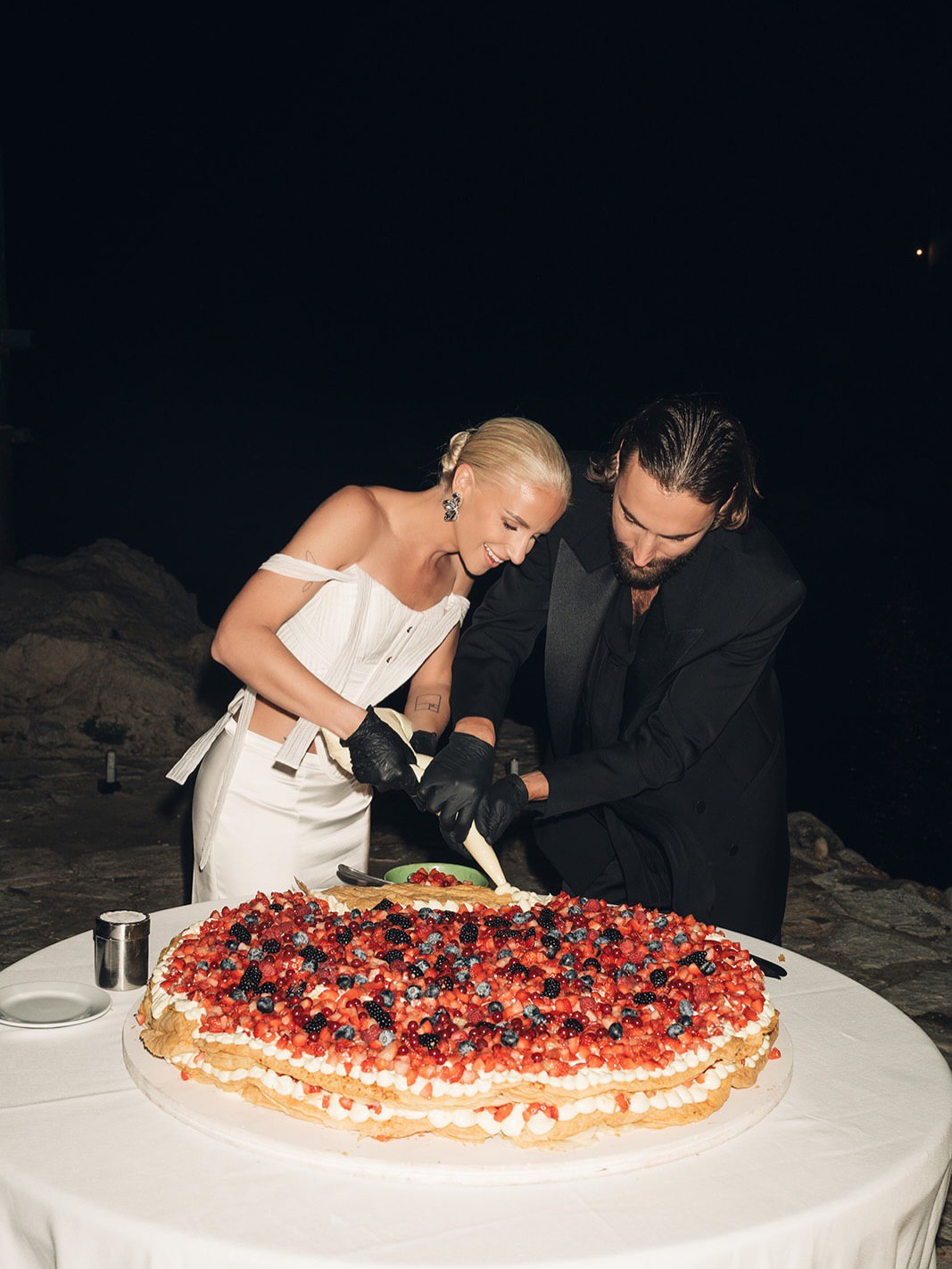
Wedding flash photos are perfect for couples drawn to a bold, high-energy look, especially those planning lively evening celebrations or afterparties where flash is both a creative tool and a practical must. If your inspiration comes from fashion magazines, concert stages, or documentary snapshots rather than just dreamy, romantic wedding scenes, flash photography will likely speak to your style. This approach shines at modern weddings in city venues, nightclub receptions, warehouse parties, or any event where you want the atmosphere to pulse with drama and excitement rather than classic formality.
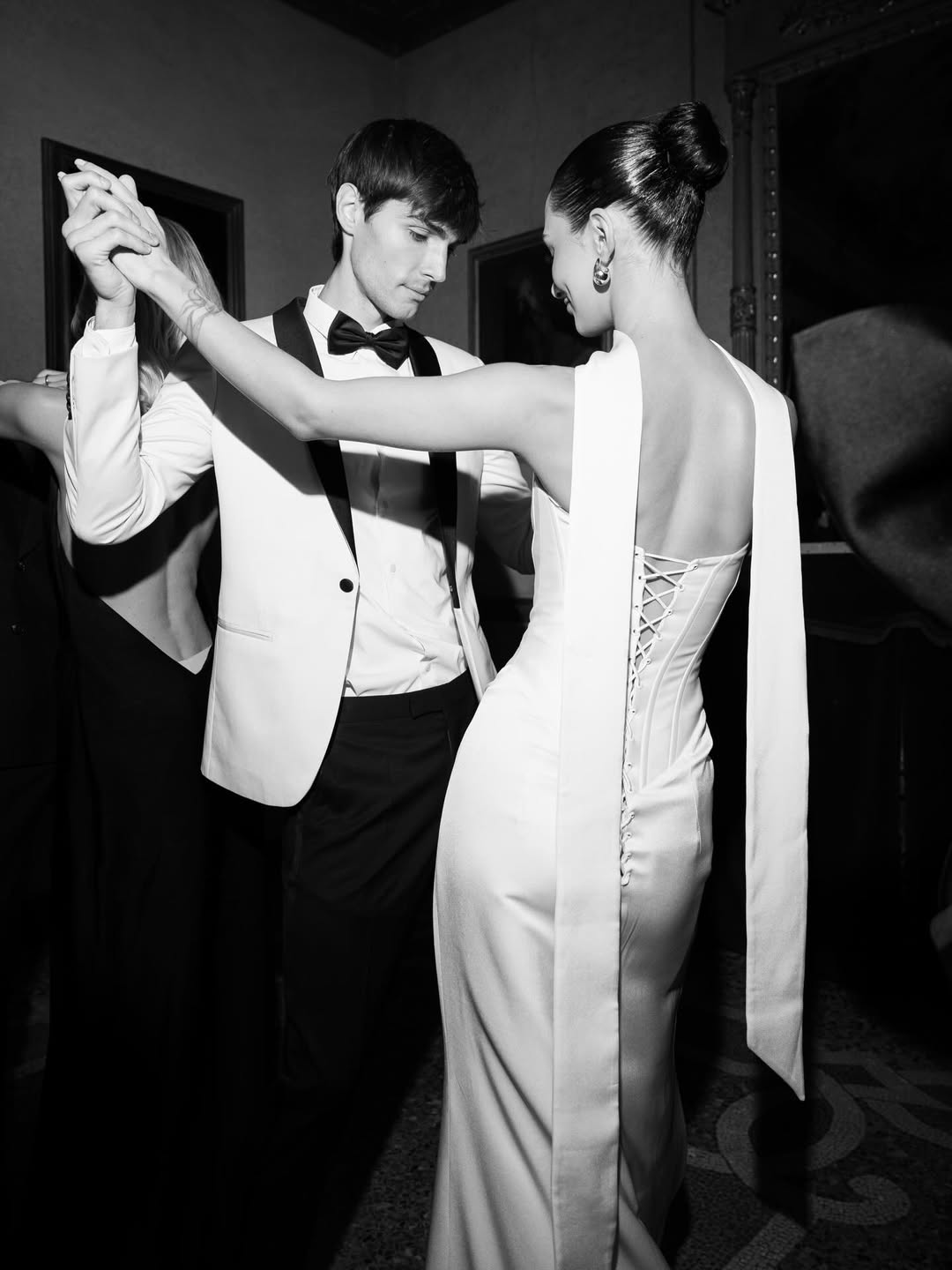
A blended approach is ideal for couples craving variety: bask in natural light for the ceremony and golden hour portraits, then switch to flash for the electric energy of the reception and dance floor. Most photographers already tailor their techniques to each moment, rather than sticking to one style all day. Knowing whether you gravitate toward the flash aesthetic helps you share your vision with photographers—explore their portfolios for night scenes, reception moments, and party shots to see if their flash work matches your vibe.
Flash wedding photography has become a bold artistic statement, not just a workaround or fleeting fad. It puts character, presence, and raw energy front and center, favoring authenticity over dreamy softness and classic romance. By making the photographer’s presence part of the story, flash captures the electric spirit of celebrations as they truly unfold, not just as tradition dictates. Rather than replacing natural light, flash creates a fresh visual language for modern weddings that blends intimate moments with the thrill of performance. This style is unapologetically selective, resonating with couples who crave daring over predictable and want their wedding photos to mirror their true personalities, not just follow the rules.