Wedding Suit or Tuxedo: Navigating Your Formal Wear Options


- Formality: Reading the Room Before Reading the Fabric
- Fabric and the Small Details That Give It Away
- Color Options: Where the Real Freedom Lives
- Accessories: The Details That Complete Either Look
- Time of Day and Season: The Practical Deciding Factor
- Cost Considerations: Renting, Buying, and What Actually Makes Sense
- FAQ
Three months before the wedding, most grooms come up against the same problem: although a suit and a tuxedo may look almost identical when viewed from across a room, picking the wrong one is a mistake that appears in every single photograph for the rest of the couple's life. When choosing a suit or tuxedo for the wedding day, the question isn't which looks sharper on its own, but whether the garment matches the time of day, the season, and the formality of the event ahead. The following guide outlines the real differences worth knowing before you decide in the fitting room.
Find Your Perfect Wedding Vendors


Formality: Reading the Room Before Reading the Fabric
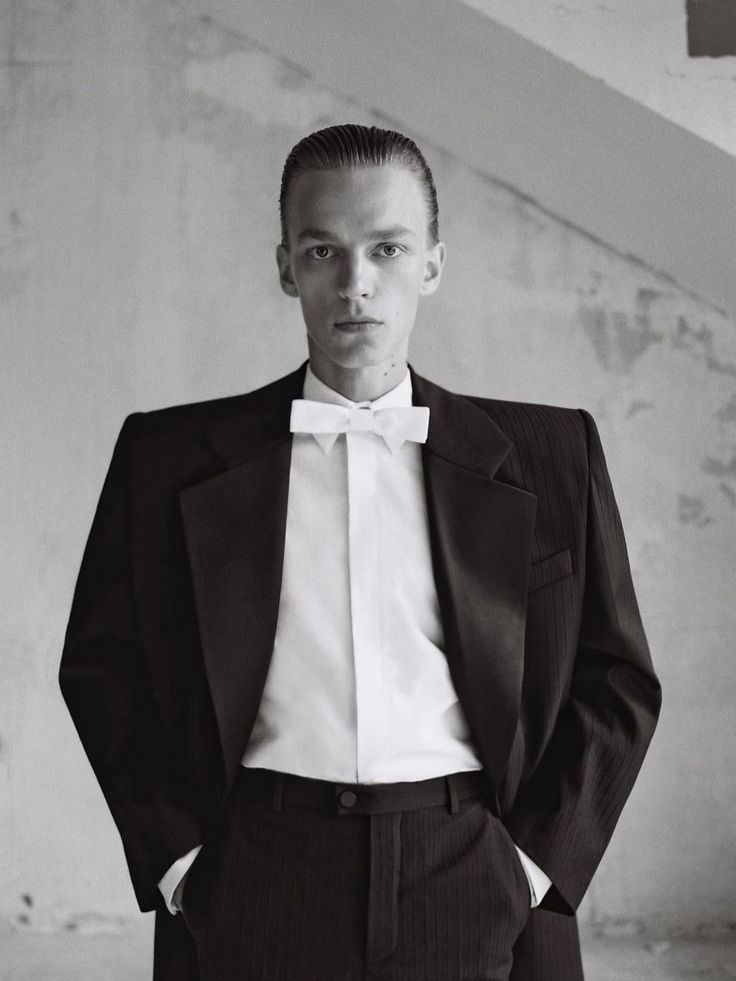
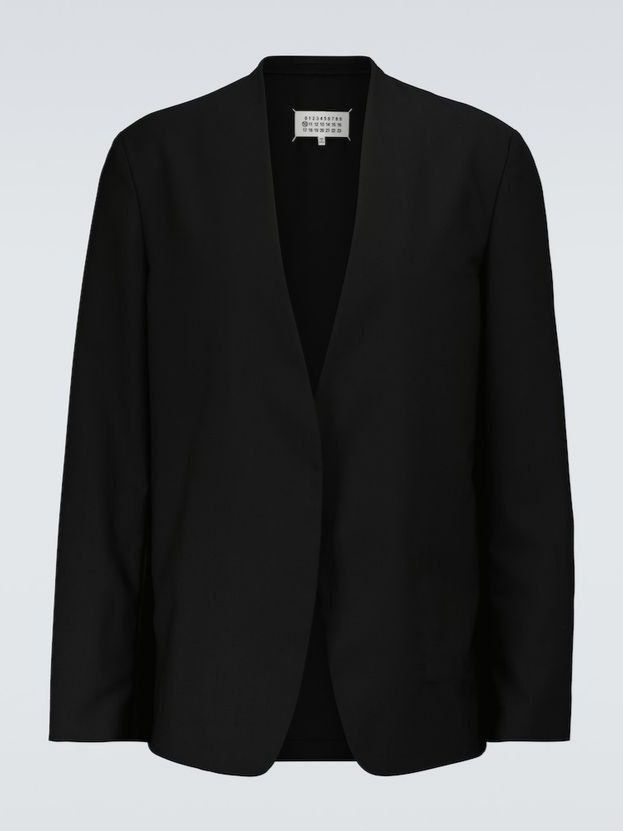
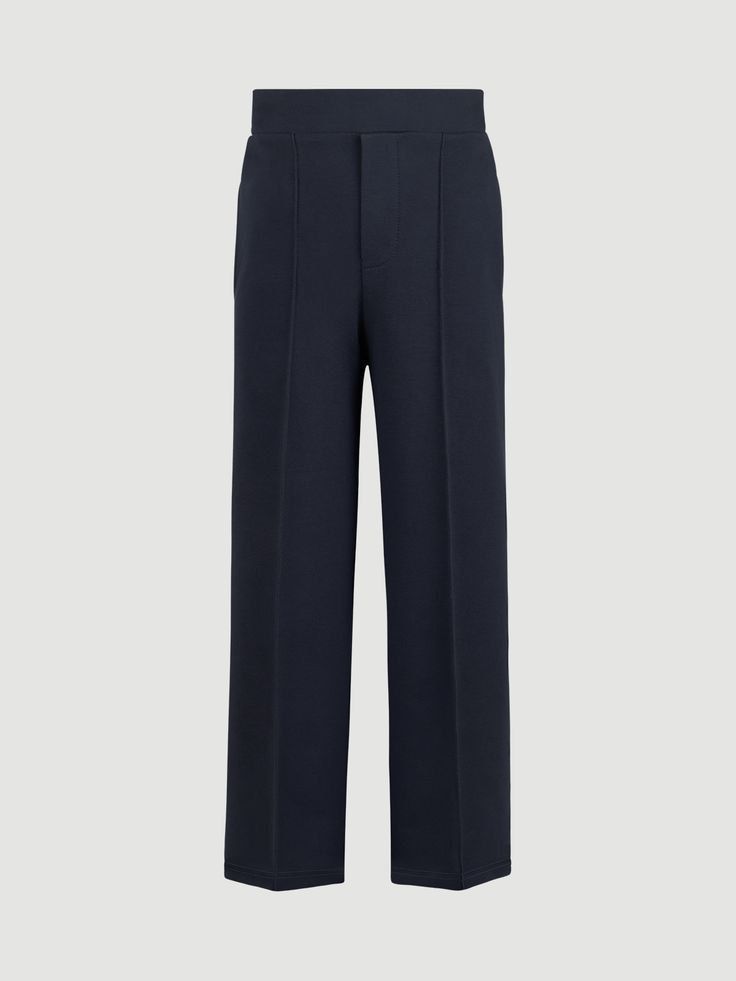
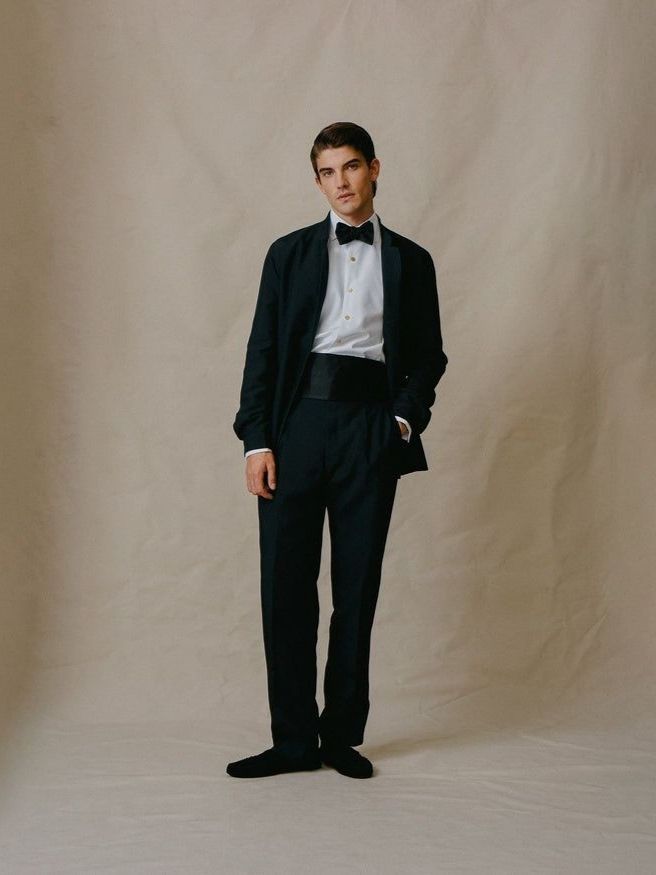
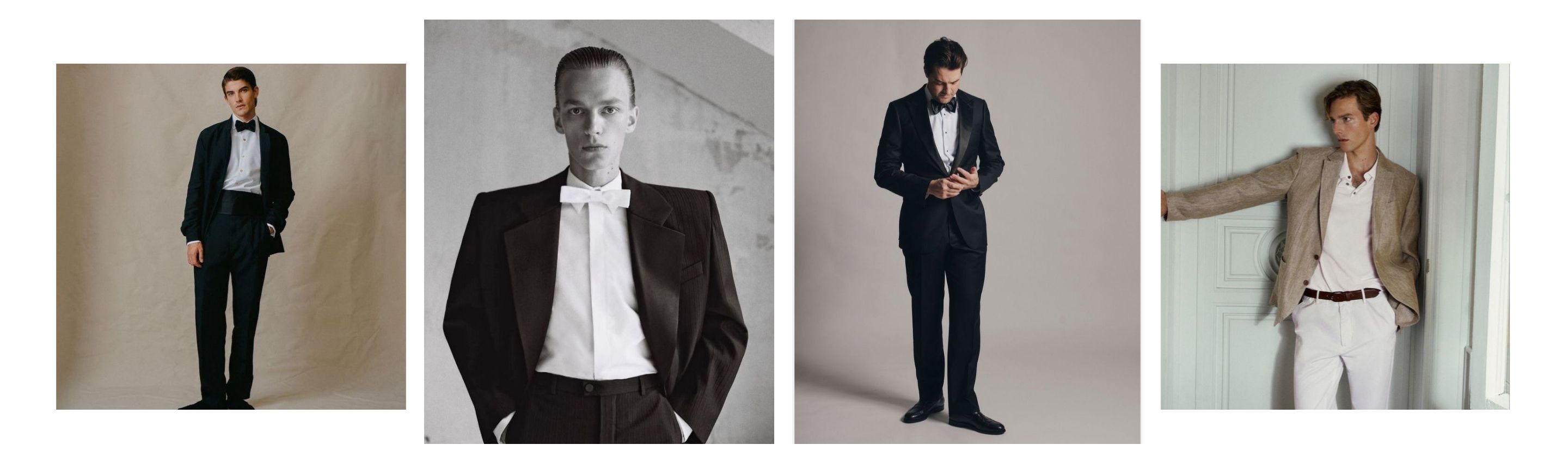
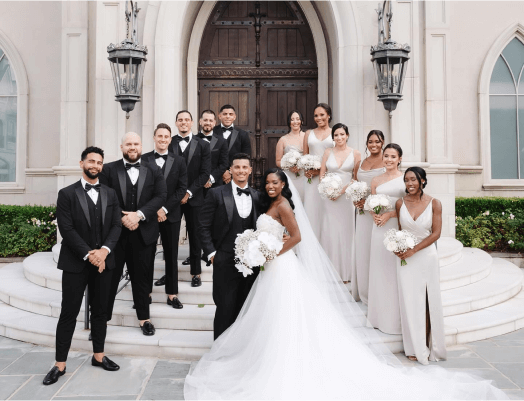
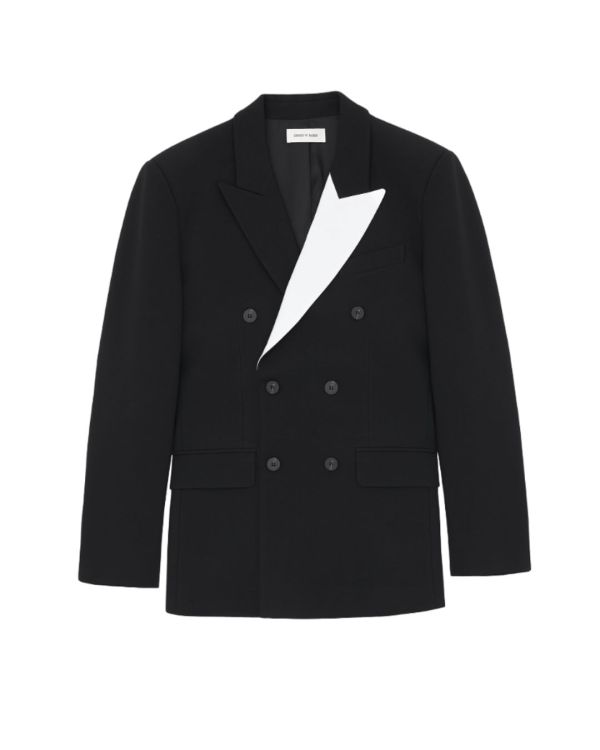
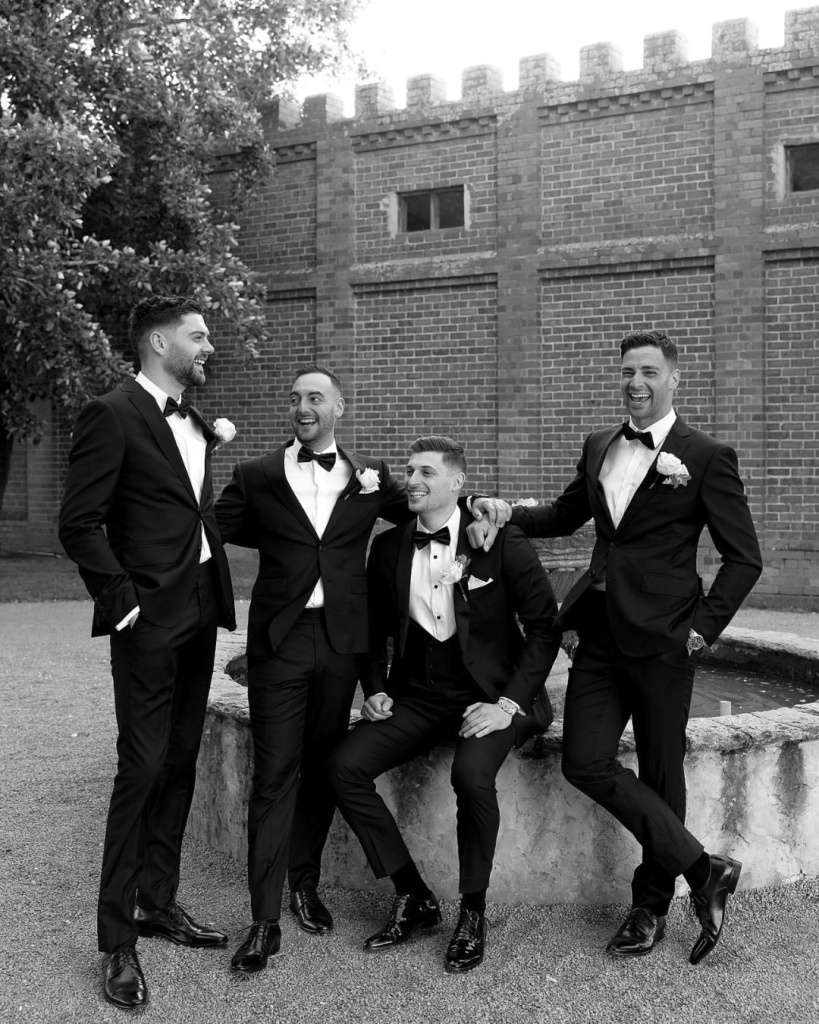
A tuxedo exists to signal one thing above all else: black-tie formality. Satin lapels, a silk-covered button front, and construction built specifically for evening wear all telegraph the same message: this is the most formal option a groom can wear. A suit works in the opposite direction entirely, built for flexibility rather than a single register of formality, equally comfortable at a relaxed daytime ceremony or, with the right fabric and cut, an evening affair that still wants to feel elevated without going full black-tie.
That flexibility is in fact the entire point in this situation. When deciding whether to wear a wedding suit or a tuxedo, start with the venue and the hour first, then work backward to choose the clothing. For a wedding in a ballroom in the evening, with a formal dress code stated on the invitation, a tuxedo is called for without any real need for discussion. Conversely, a wedding in a garden at 2 p.m. seldom does, even if the guest list is very elegant.
| Tuxedo | Suit | |
|---|---|---|
| Formality level | Black-tie, most formal | Ranges from casual to semi-formal |
| Best time of day | Evening | Daytime or early evening |
| Signature details | Satin lapels, covered buttons | Matte fabric, exposed buttons |
| Typical accessories | Bow tie, cummerbund or vest | Necktie or no tie, optional vest |
| Versatility after the wedding | Limited, mostly black-tie events | High, wearable well beyond the wedding |
That last row is more significant than it seems at first. A tuxedo carries out one duty very well and then stays in the closet until it next receives an invitation to a black-tie event, whereas a well-chosen suit continues to pay for itself long after the wedding photographs have been printed.
Fabric and the Small Details That Give It Away
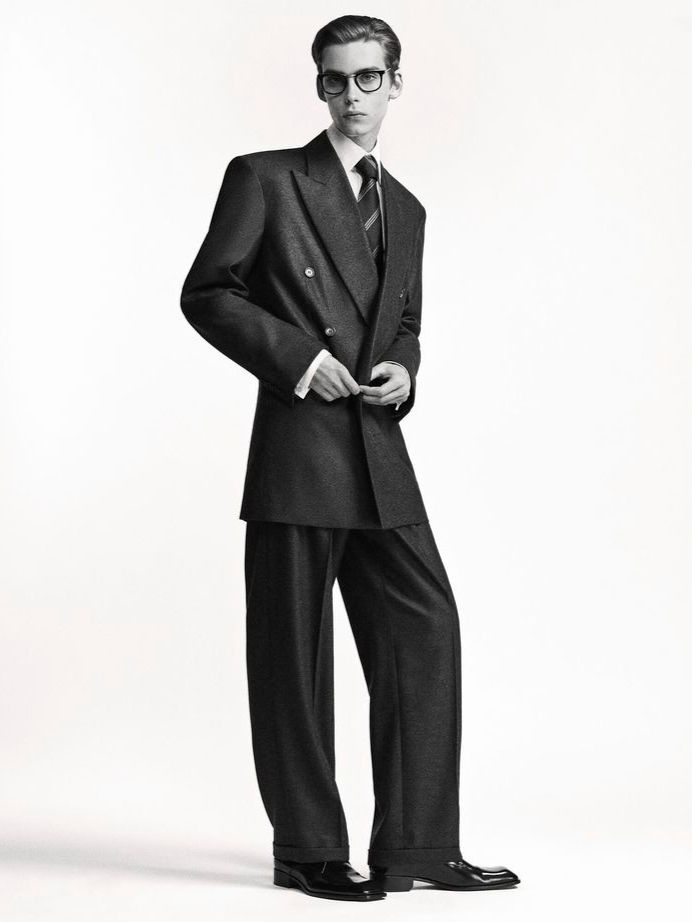
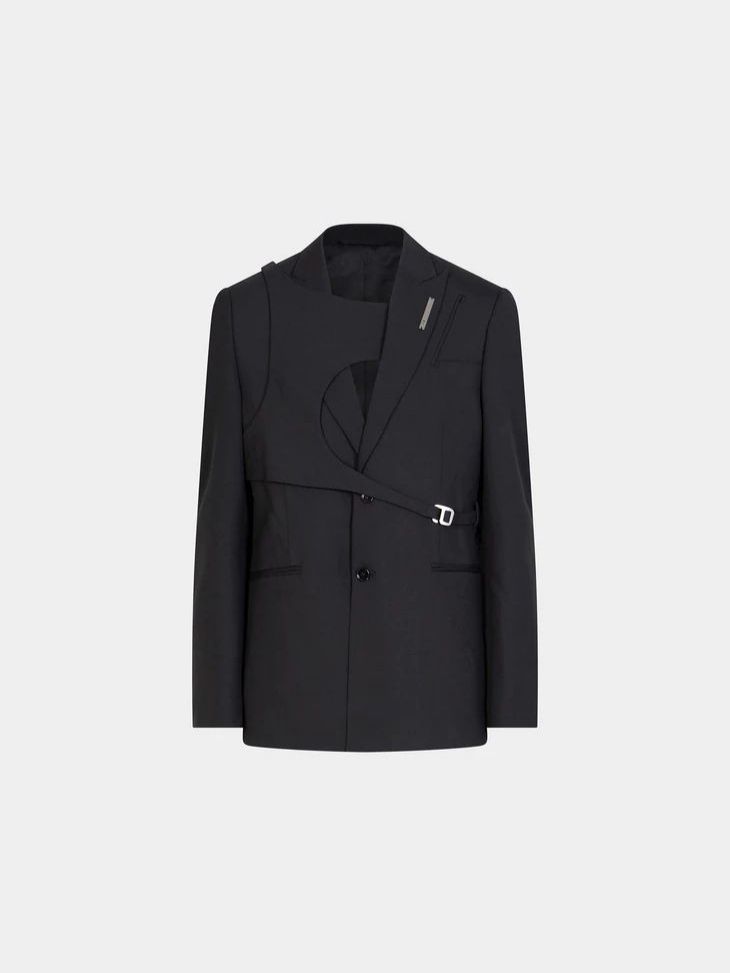
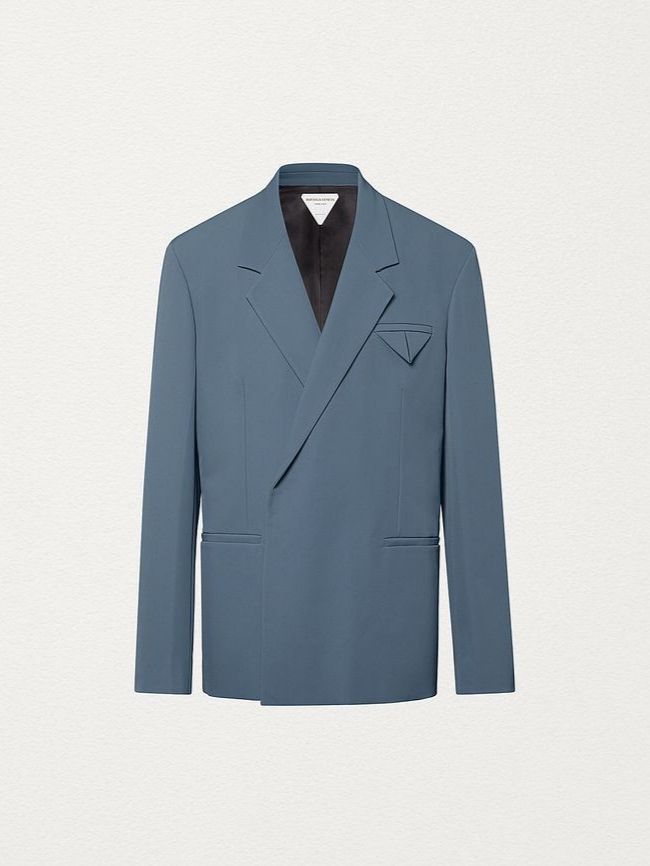
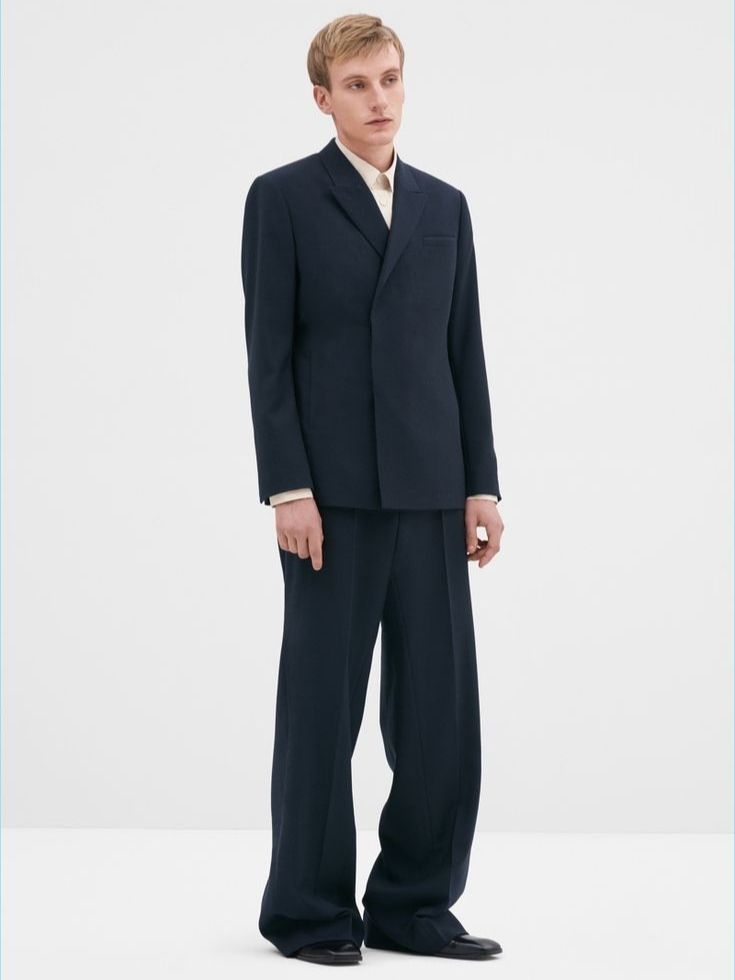
The distinction between a tuxedo and a suit is seldom obvious and is generally only noticeable when seen up close, for example in the way the lapel is finished or in the shine of the button. Tuxedos are traditionally made from finer materials, such as wool mixed with silk or a blend of wool and mohair, which gives the fabric a slight sheen in evening light. Silk is often used on the lapels too, whether they are shawl, peak, or notch lapels, along with a matching stripe on the outer seam of the trousers.
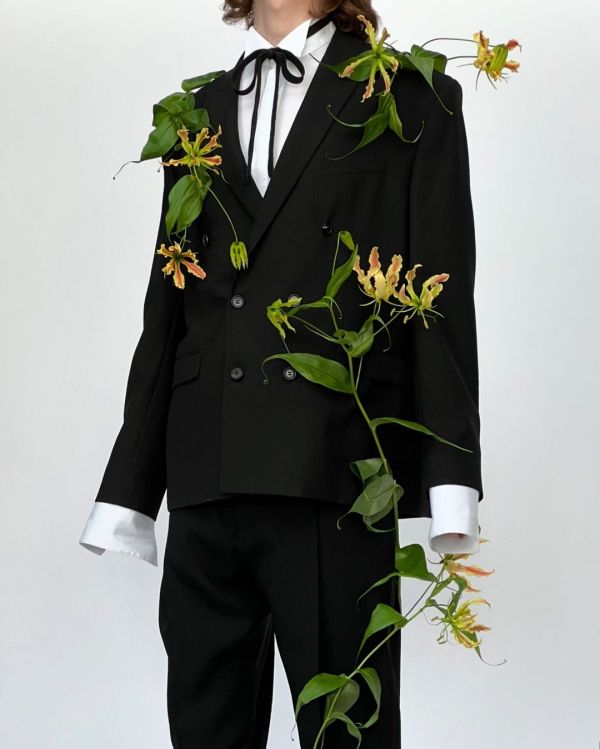
Suits are much more likely to be made from ordinary materials. Wool, linen, and cotton are all commonly used, with the choice based on comfort and the time of year rather than how well they reflect candlelight. The buttons remain exposed rather than being covered, the lapels keep their matte finish, and the trousers omit the satin stripe altogether. This does not reduce the suit's elegance; it simply signals a different level of formality -one designed for versatility rather than a single black-tie evening.

Color Options: Where the Real Freedom Lives
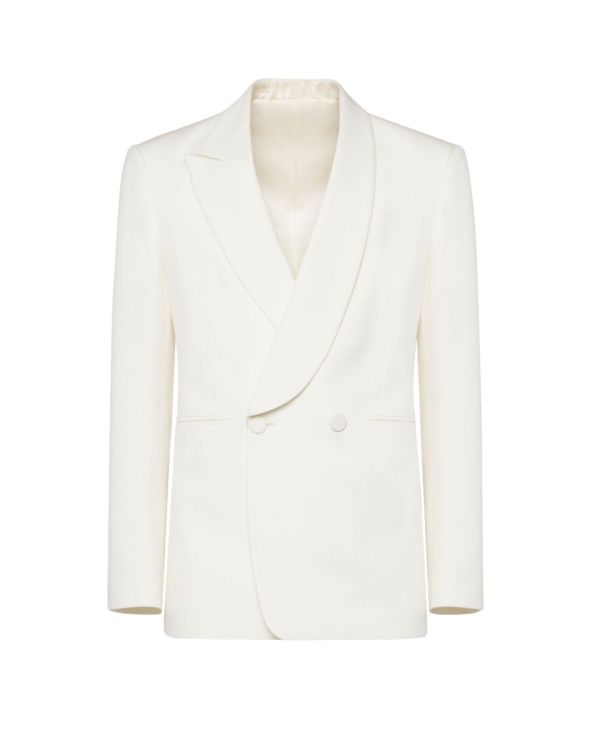
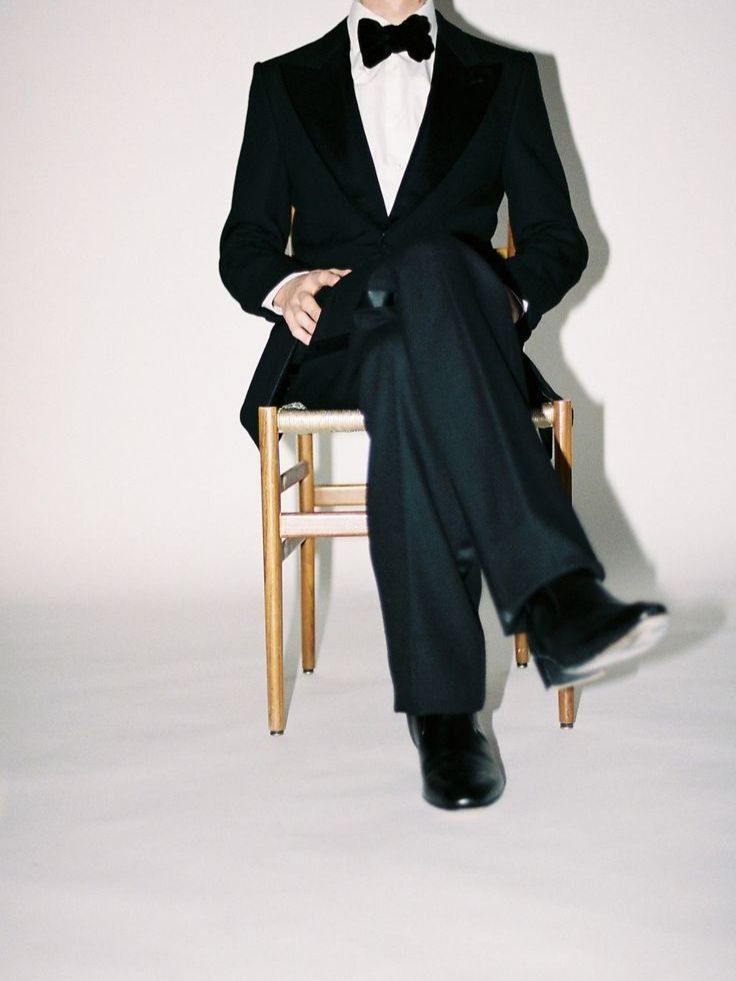
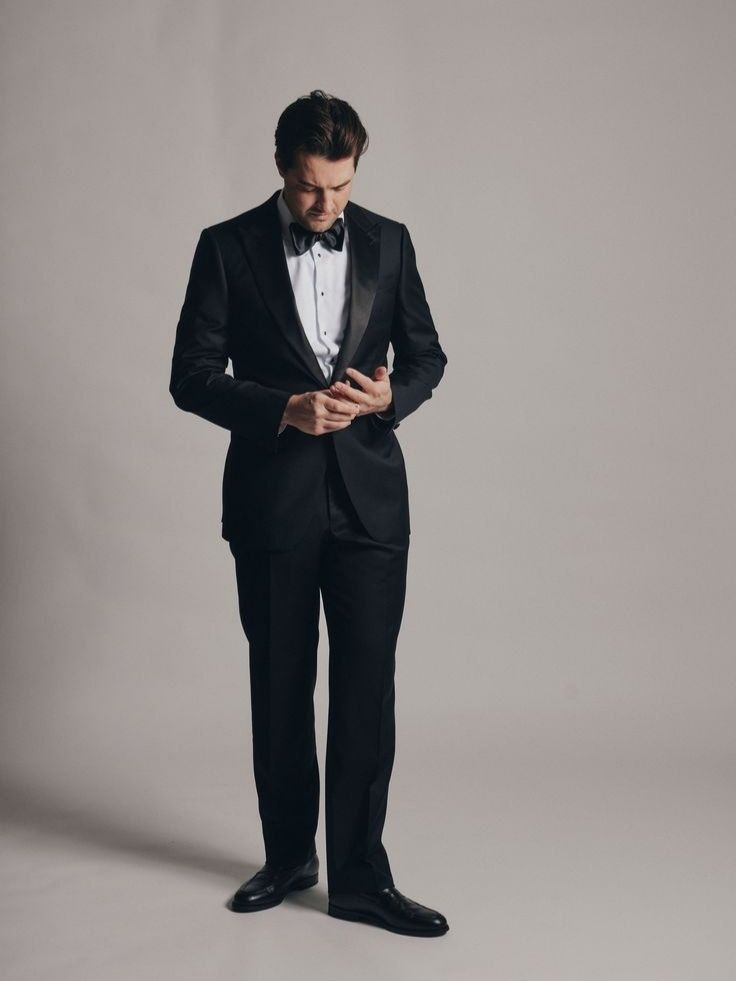
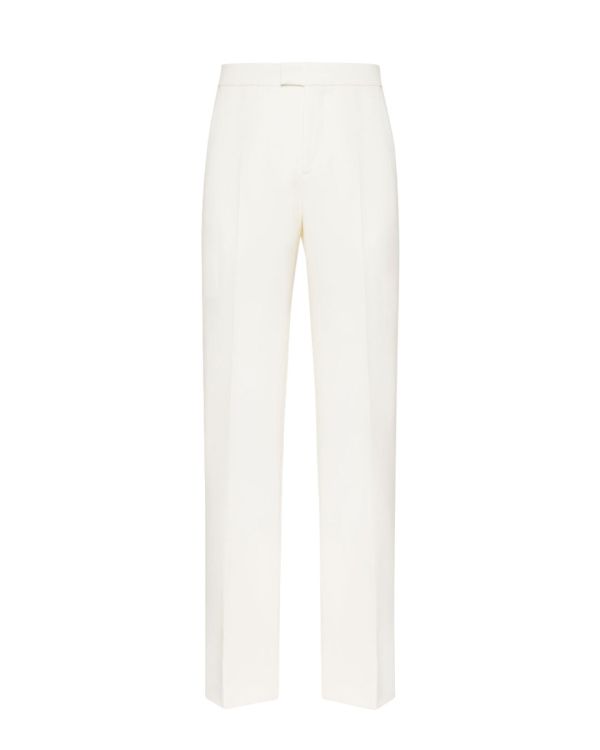
Tuxedos have, in the past, remained within a very limited range of colors - black, midnight blue, and, on rare occasions, deep charcoal- since these shades appear timeless regardless of the kind of lighting that might be found in a formal evening setting. This degree of restraint is deliberate. The purpose of a tuxedo is not to make a strong statement in terms of color but rather to blend in with elegance.
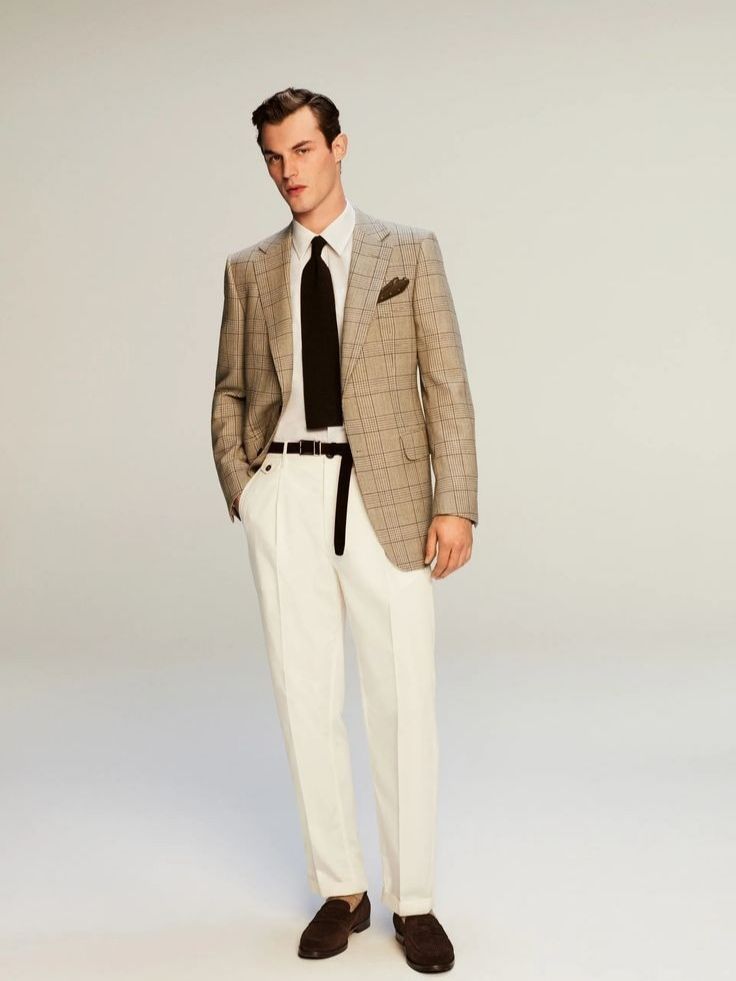
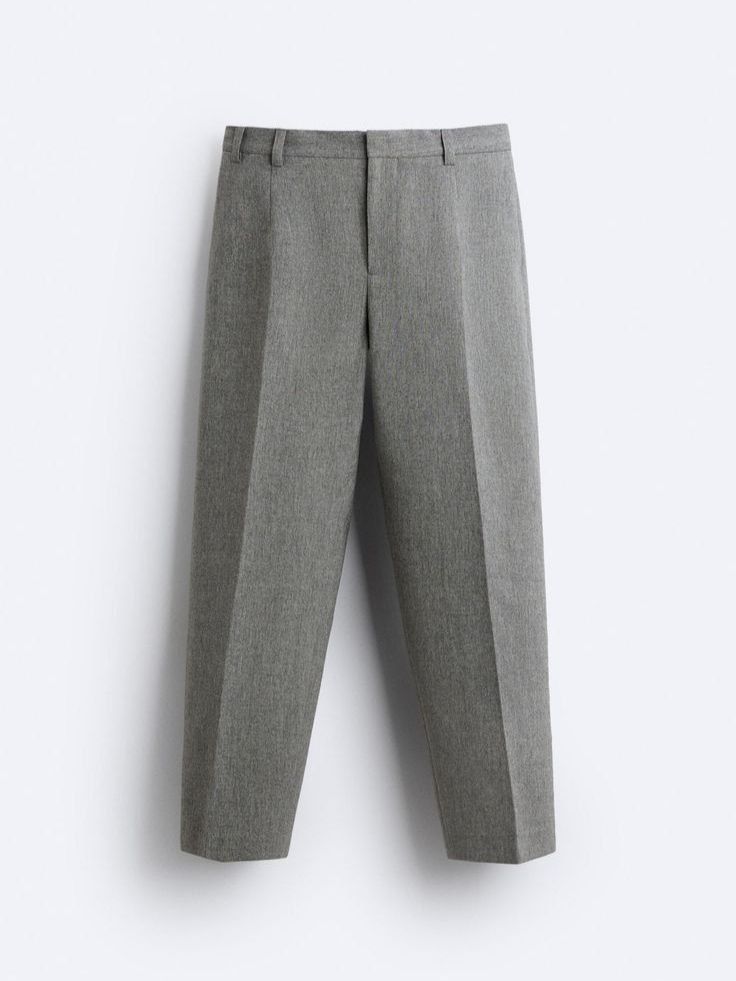
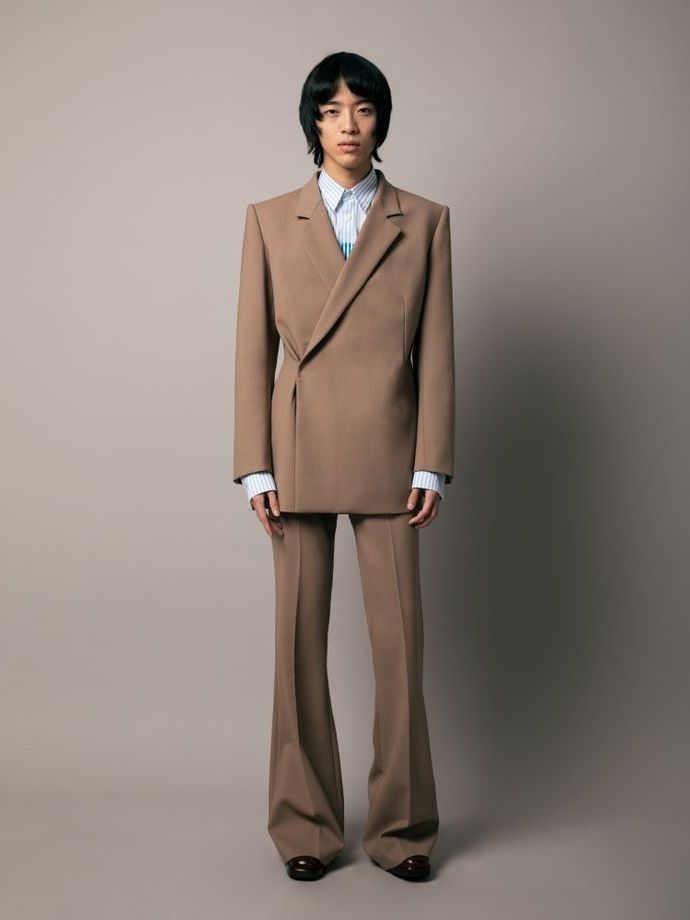
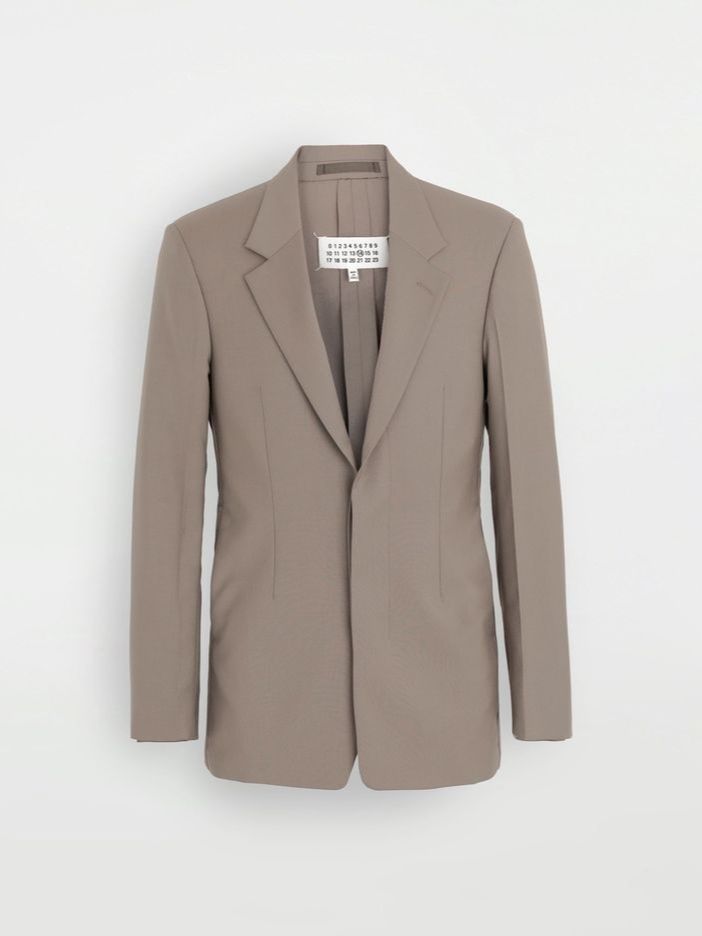
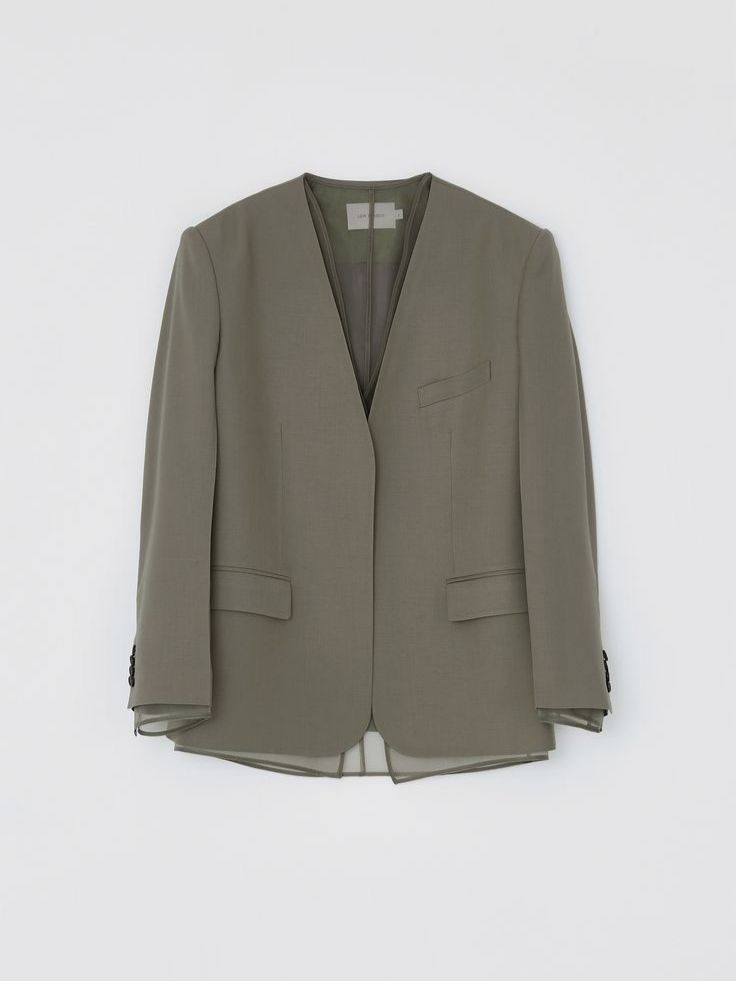
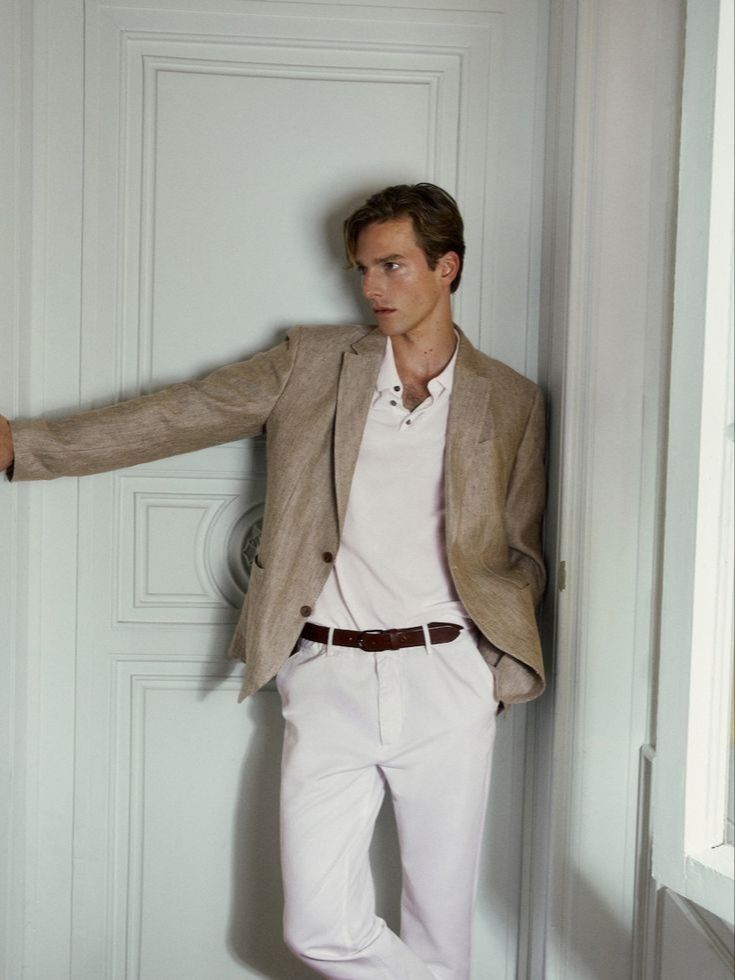
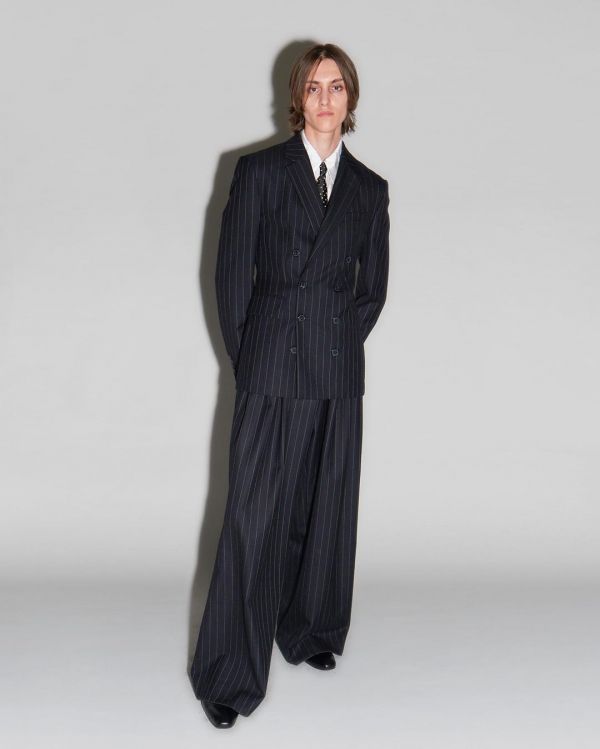
Suits open the door much wider. Navy, grey, and tan remain reliable options for most formal weddings, although the category can also include green, burgundy, or a truly bold pattern for a groom who wants his formal outfit to make a more specific statement about himself. This is generally the point at which grooms who already know they want color, texture, or a pattern make their decision, since the traditional color range of a tuxedo does not provide much room for such choices.
Accessories: The Details That Complete Either Look
The garment alone covers only half the story; accessories are where a tuxedo and a suit either fully commit to their respective levels of formality or begin to borrow from one another, and getting them right matters as much as choosing the jacket.
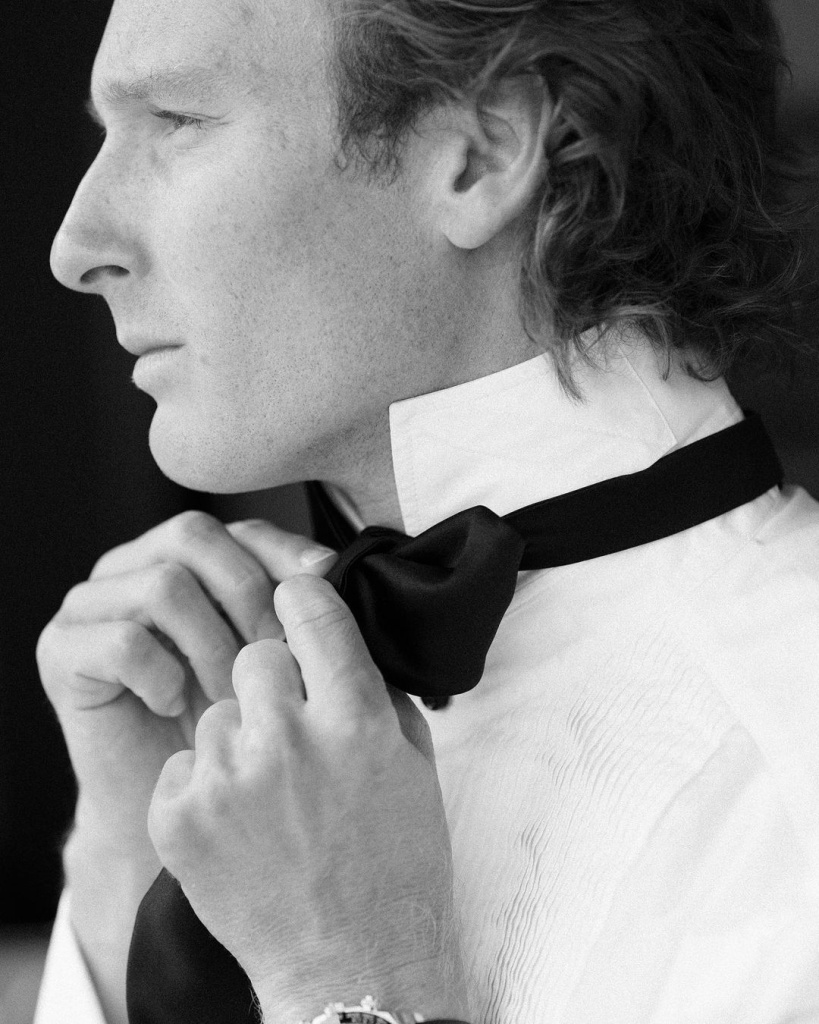
- Bow ties pair almost exclusively with tuxedos, reinforcing the black-tie formality the jacket already signals
- Neckties, in silk or a textured weave, tend to suit a suit’s more relaxed register better than a bow tie ever could
- Cummerbunds and formal vests finish a tuxedo look specifically, covering the waistband in a way a suit rarely calls for
- Pocket squares work with either garment, though a crisp white square leans tuxedo while a patterned or colored one suits a suit’s broader personality
- Cufflinks read as more essential with a tuxedo’s French cuffs, while a suit’s standard cuff makes them optional rather than expected
While none of these accessories are absolutely necessary, each one tends to push the overall appearance more in one direction or the other. A groom who is undecided between the two choices might be able to use the accessories as a compromise, for example by adding a bow tie and cufflinks to make his suit look more formal, or by choosing a more relaxed pocket square to give a slightly less formal look to his tuxedo, all without altering the basic garment.
Time of Day and Season: The Practical Deciding Factor
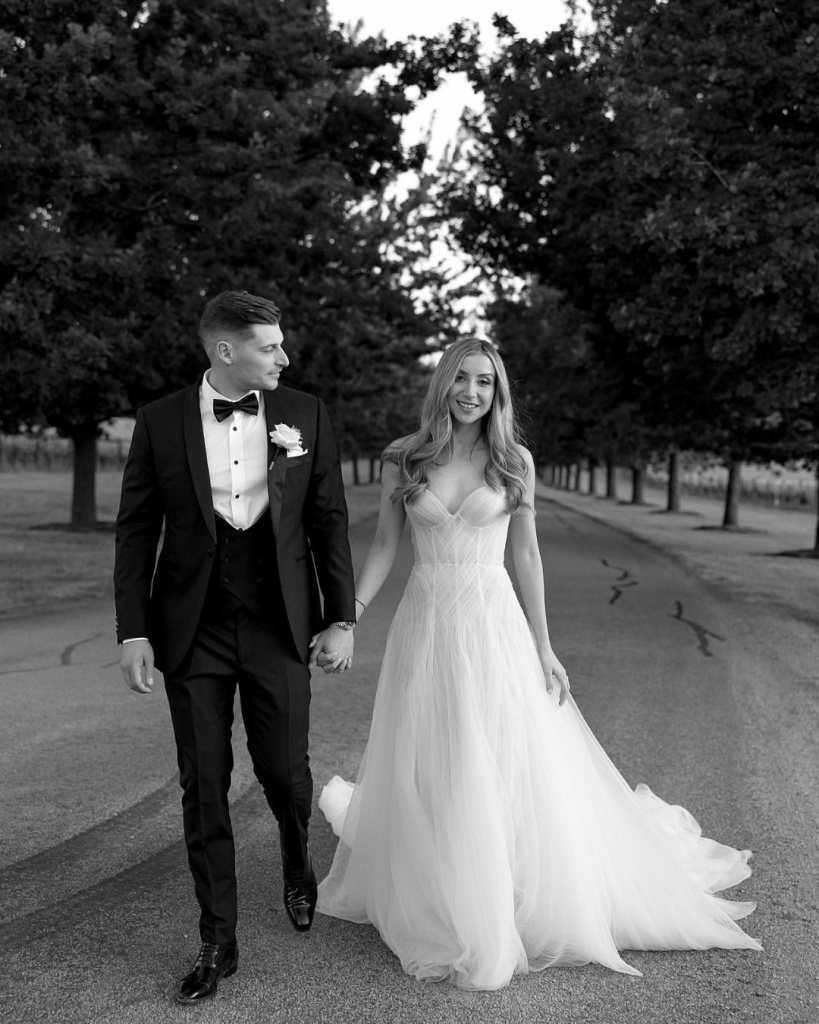
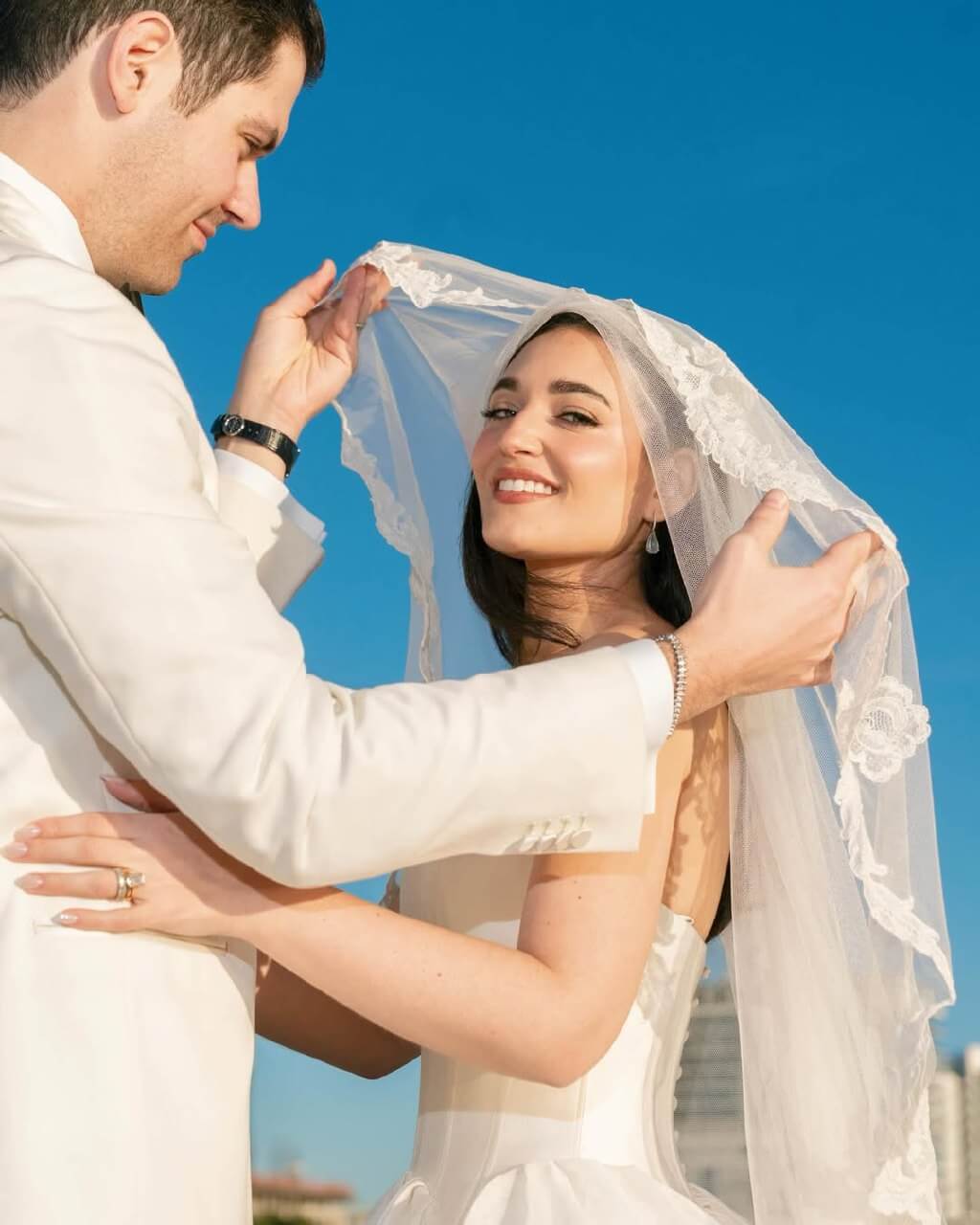
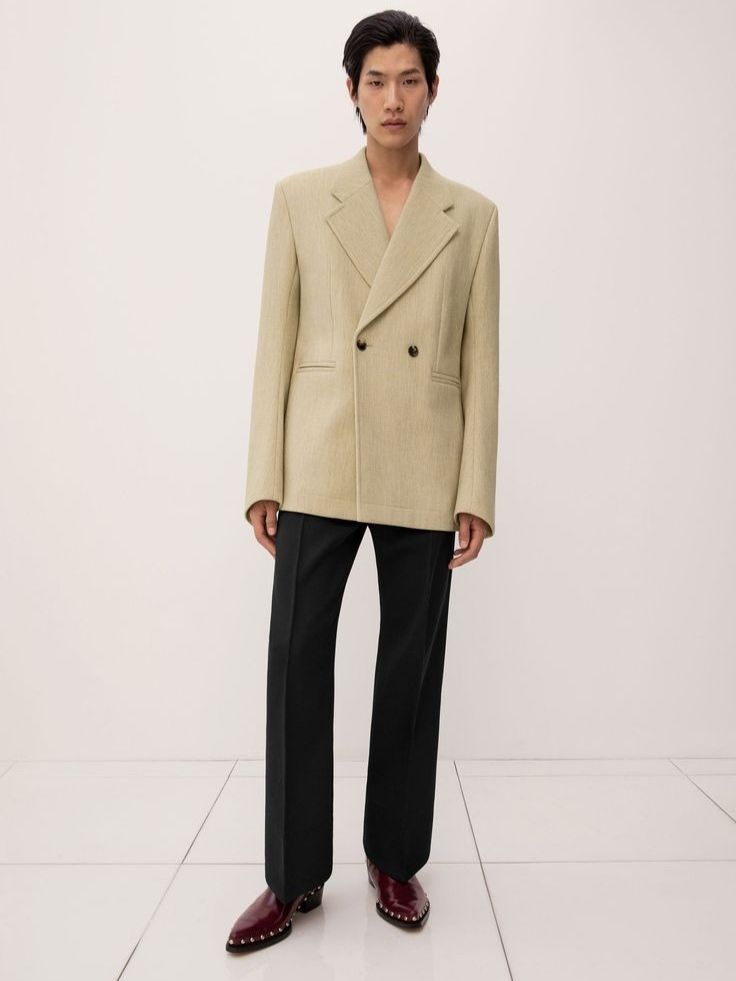
Beyond aesthetics, timing narrows the decision more than most grooms anticipate. Tuxedos are especially appropriate for evening and formal winter weddings because their heavier materials and darker colors match both the later time of day and the cooler temperatures typical of evening weddings. Suits are much more suitable for daytime and weddings in warmer seasons since their lighter fabrics and brighter colors work well in conjunction with the sunlight.
This is where the question “Should I wear a suit or a tuxedo to my wedding?” is given its most practical answer. Wearing a full tuxedo to a summer garden ceremony in the afternoon can lead to real discomfort by mid-afternoon, and at a formal evening reception in December, a lightweight linen suit can look underdressed compared with the level of formality in the room. Therefore, choosing clothing that matches the day's conditions resolves more difficulty than color or cut.
Cost Considerations: Renting, Buying, and What Actually Makes Sense
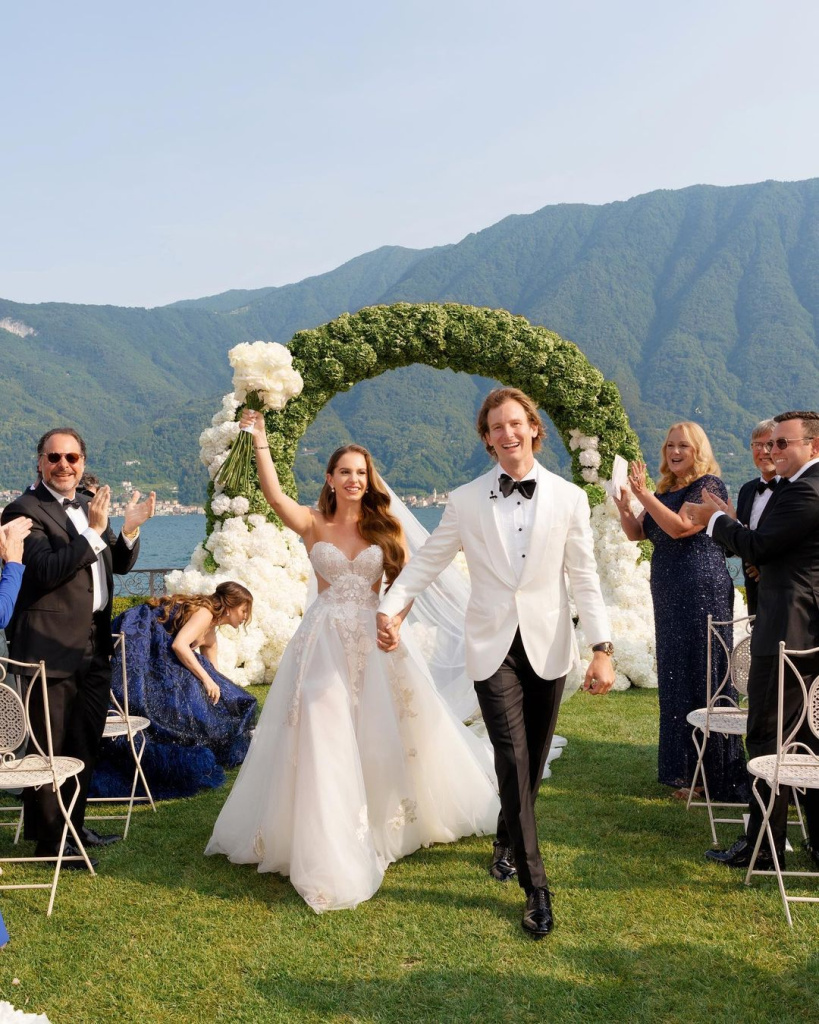
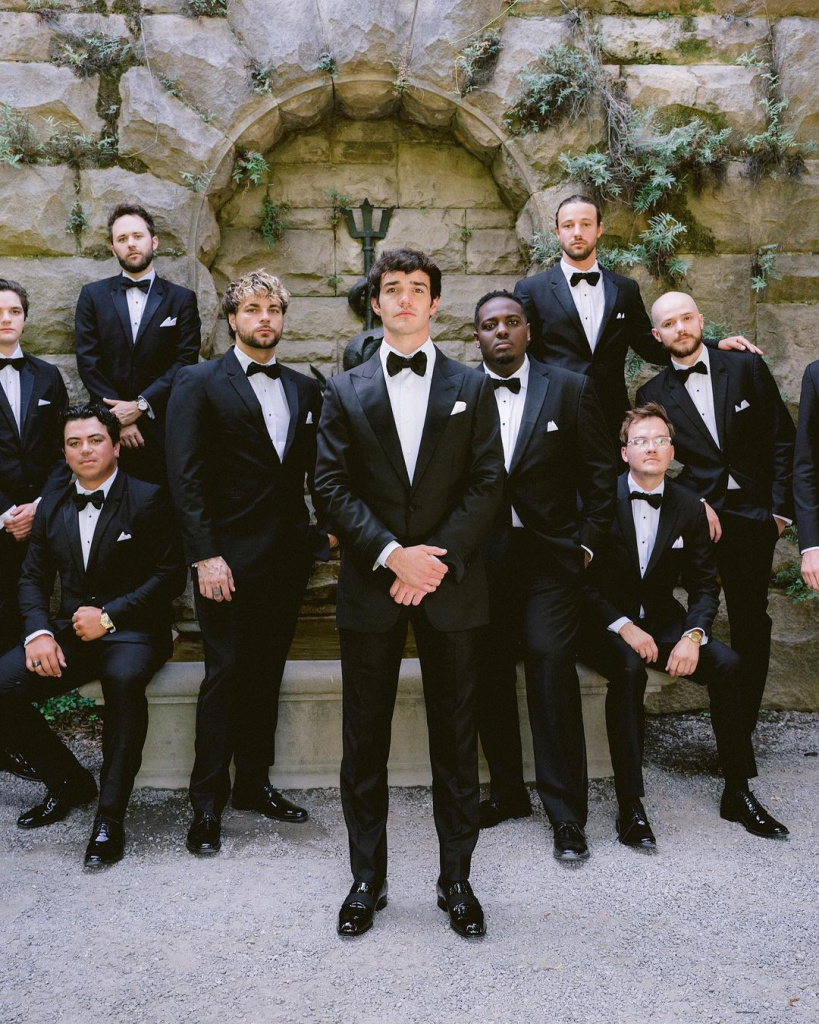
For a one-off occasion, renting tuxedos is generally the more economical choice, as it has been the standard approach for decades and most formal-wear shops offer a complete range of sizes ready to wear. Instead of having to buy a suit, which most groomsmen actually only wear at one black-tie function every few years, people can rent one.
Suits work differently; in the long term, buying is generally more financially sensible because a carefully selected suit can be worn to job interviews, other weddings, holiday parties, and a variety of other events long after the one it was bought for. Although the initial cost is usually higher than renting a single tuxedo, the cost per wear changes significantly when the suit becomes part of a real, reusable wardrobe rather than a one-off rental.
When deciding whether to buy a wedding tuxedo or a suit, compare the initial cost with how many times you'll realistically wear it again. A groom who already has three tuxedos from a number of black-tie events will look at it quite differently than one who has never needed formal wear.
The decision between a tuxedo and a suit isn't really about which one looks better on its own; it's about matching the level of formality, the type of fabric, the time of day, and your budget to the day that is unfolding. Whether you choose evening elegance with satin lapels or daytime versatility with wool, the choice will become part of the photographs a couple looks back on for decades. In the Inspiration section of Wezoree, you will find additional advice on formal clothing beyond what is provided in this guide, along with styling ideas, groom lookbooks, and actual wedding features for anyone who is still working out what the rest of the day should look like.

FAQ
Should I wear a suit or tuxedo for my wedding?
The choice mainly comes down to how formal the event is and when it takes place; tuxedos are appropriate for black-tie evening weddings, while suits are better for daytime or more casual situations. A tuxedo is usually the better option if the invitation states a formal dress code or if the reception begins in the dark.
What’s the main difference between a tuxedo and a suit?
Tuxedos are more formal than suits, with satin lapels, covered buttons, and a design intended specifically for black-tie events. Suits, on the other hand, are more versatile since they come in a greater variety of fabrics and colors and can be worn for both casual and semi-formal occasions.
Can I wear a suit to a black-tie wedding?
A tuxedo is the conventional option for a black-tie event, but a well-fitted dark suit with formal accessories, such as a silk tie and a pocket square, may in some cases serve as a suitable alternative. It is best to ask the couple or read the invitation closely, as many black-tie weddings require a tuxedo rather than a formal suit.
Is it more affordable to rent or buy formal wear for a wedding?
It is generally the more cost-effective choice to rent a tuxedo if you only plan to attend one event, particularly for husbands who don't anticipate taking part in many black-tie functions in the coming years. In contrast, buying a suit is often a wiser long-term investment because it can be worn to many future events beyond the wedding.
What colors are appropriate for a groom’s tuxedo or suit?
Tuxedos are usually limited to traditional colors such as black, midnight blue, or charcoal in order to keep their formal look. Suits,, in comparison, offer much more variety, with options including navy, grey, tan,, and even bolder colors or patterns, depending on the wedding's overall style and the season.
Do I need a bow tie with a tuxedo, or can I wear a regular necktie?
A bow tie remains the traditional and most classic pairing for a tuxedo, reinforcing its black-tie formality. That said, a slim necktie has become an accepted modern alternative for grooms wanting a slightly less formal, updated look, particularly for less traditional black-tie events.