Lombok Wedding Planning: Step-by-Step Guide for International Couples


- Planning a Wedding in Lombok: What International Couples Should Know First
- Step 1: Define Your Wedding Vision, Priorities, and Budget
- Step 2: Choose the Best Time of Year for a Wedding in Lombok
- Step 3: Decide Which Part of Lombok Fits Your Celebration
- Step 4: Hire a Wedding Planner Who Knows Lombok
- Step 5: Choose the Right Wedding Venue and Accommodation
- Step 6: Confirm Your Ceremony Type and Legal Requirements
- Step 7: Build Your Wedding Vendor Team
- Step 8: Plan the Guest Experience from Arrival to Departure
- Step 9: Create a Wedding Day and Wedding Weekend Timeline
- Step 10: Finalize Design, Decor, and Personal Details
- Step 11: Prepare for Weather, Logistics, and Backup Plans
- Step 12: Review Everything Before the Wedding Week
- A Simple 12-Month Wedding Planning Checklist for Lombok
- Common Mistakes International Couples Make When Planning a Wedding in Lombok
Planning a destination wedding from another country can seem complicated until you break it down into the right sequence. Lombok wedding planning rewards couples who approach it with clarity and patience — the island has everything you need for an extraordinary celebration, but it doesn't organize itself. This guide walks you through the entire process from the first decision to the final checks before your wedding week, in the order that actually makes sense.
Find Your Perfect Wedding Vendors

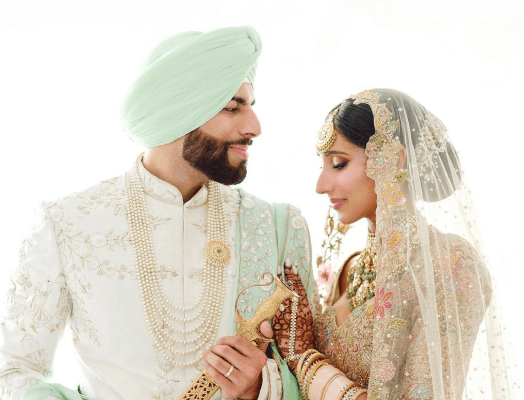
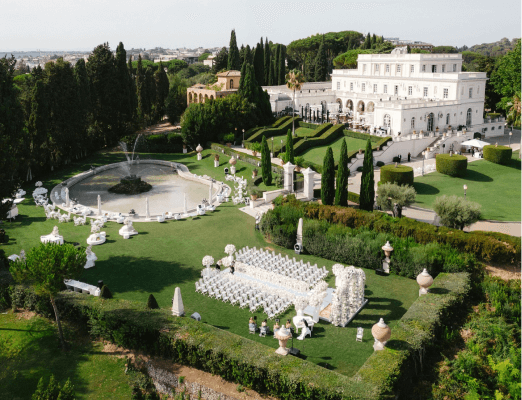
Planning a Wedding in Lombok: What International Couples Should Know First
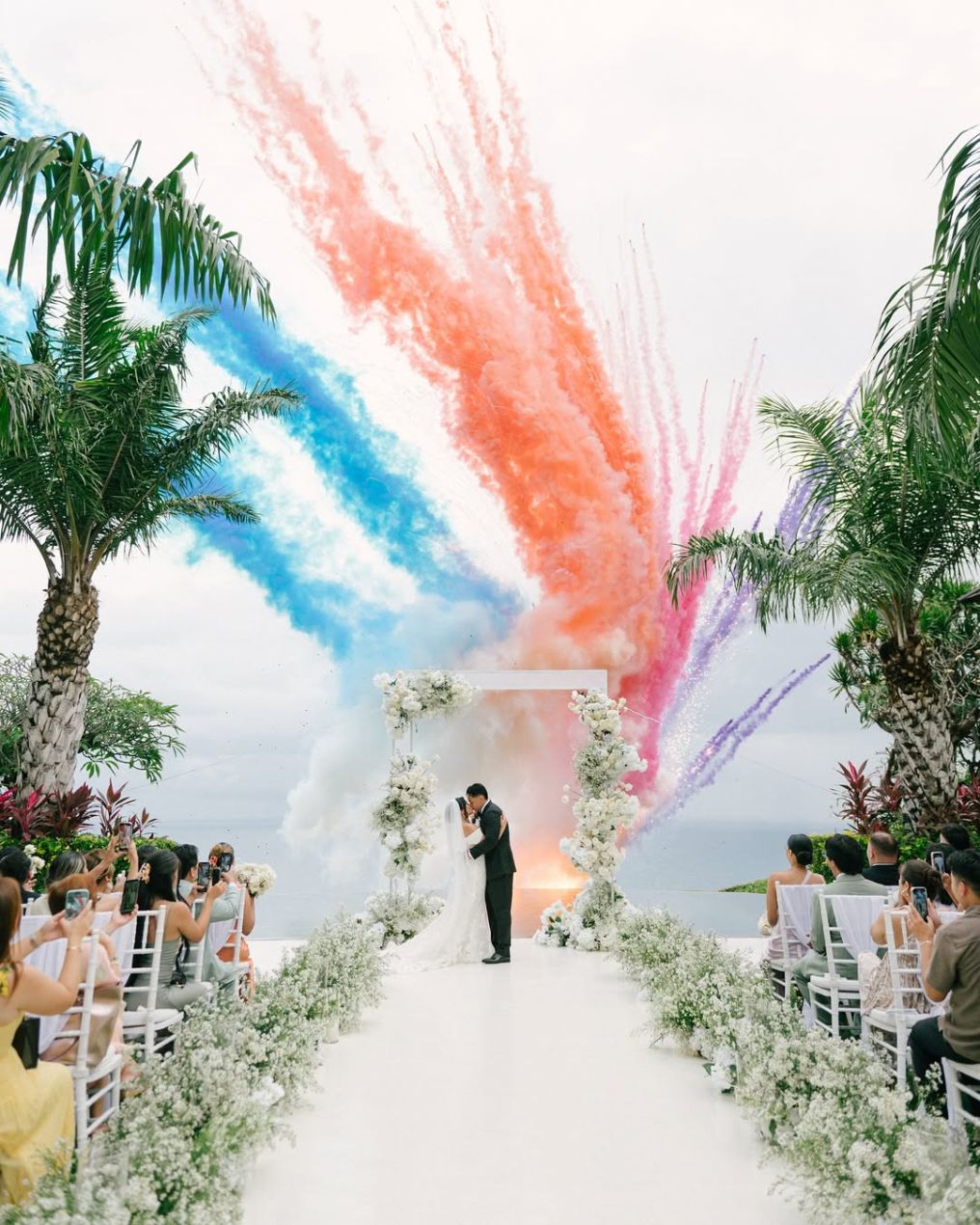
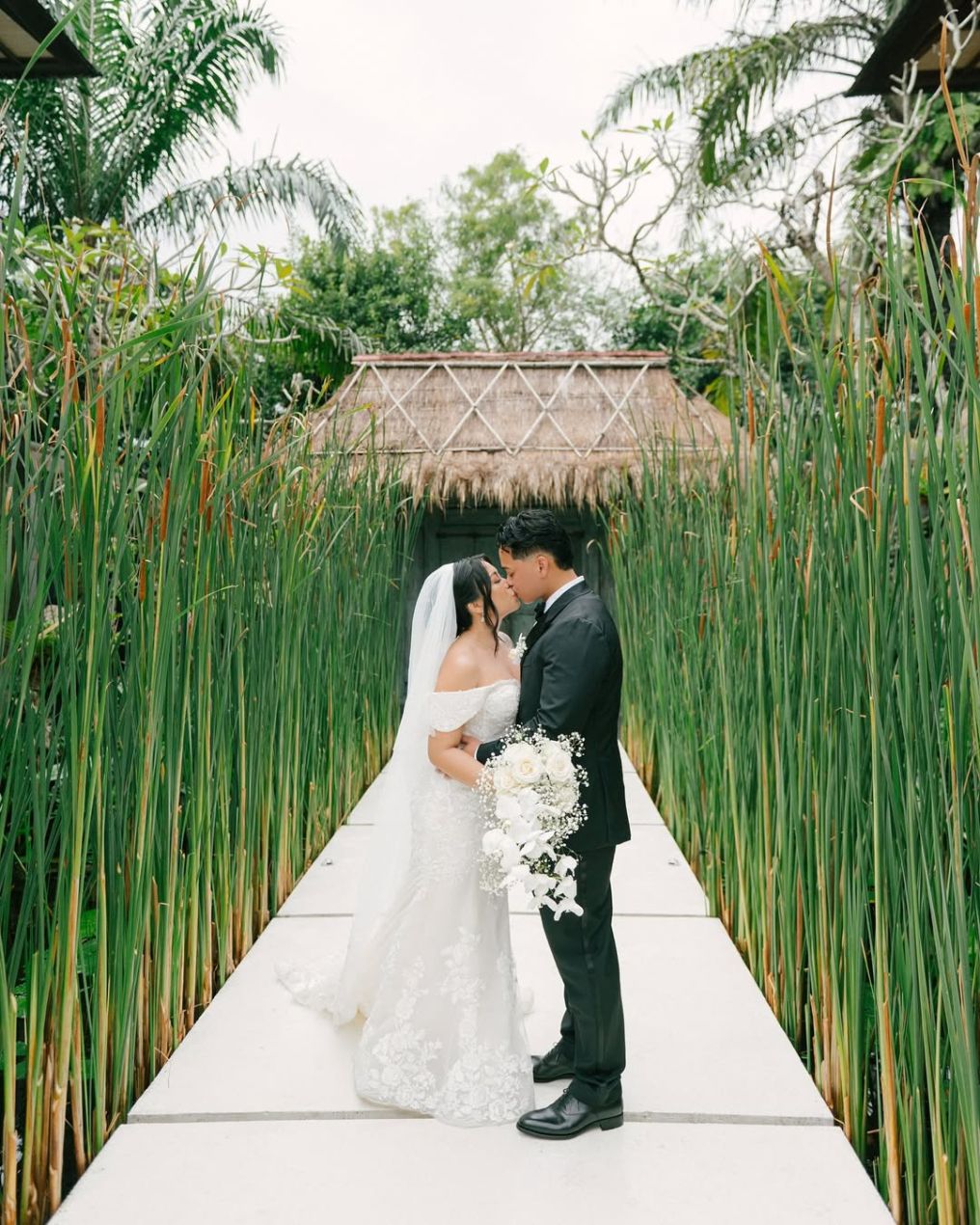
Lombok stands out among tropical islands for its distinct character, pace, and beauty. It offers authenticity, privacy, atmosphere, and celebrations that truly belong to the couple, not a catalog.
What most international couples underestimate is how differently the planning process works when you’re coordinating from thousands of kilometers away. You can’t pop in to see a venue on a Tuesday afternoon. You can’t meet your florist for a quick coffee to check whether they understood your brief. Every decision requires more lead time, more trust in the people you’ve hired, and more deliberate sequencing than a local wedding would. The couples who navigate this smoothly share one common trait — they made their key decisions in the right order, rather than chasing whichever vendor responded first.
Early planning in Lombok is about securing availability and giving yourself time to build a team that works well together. The island’s smaller vendor ecosystem is an advantage when your planner, florist, and caterer are familiar with one another, resulting in smoother execution and communication.
Step 1: Define Your Wedding Vision, Priorities, and Budget
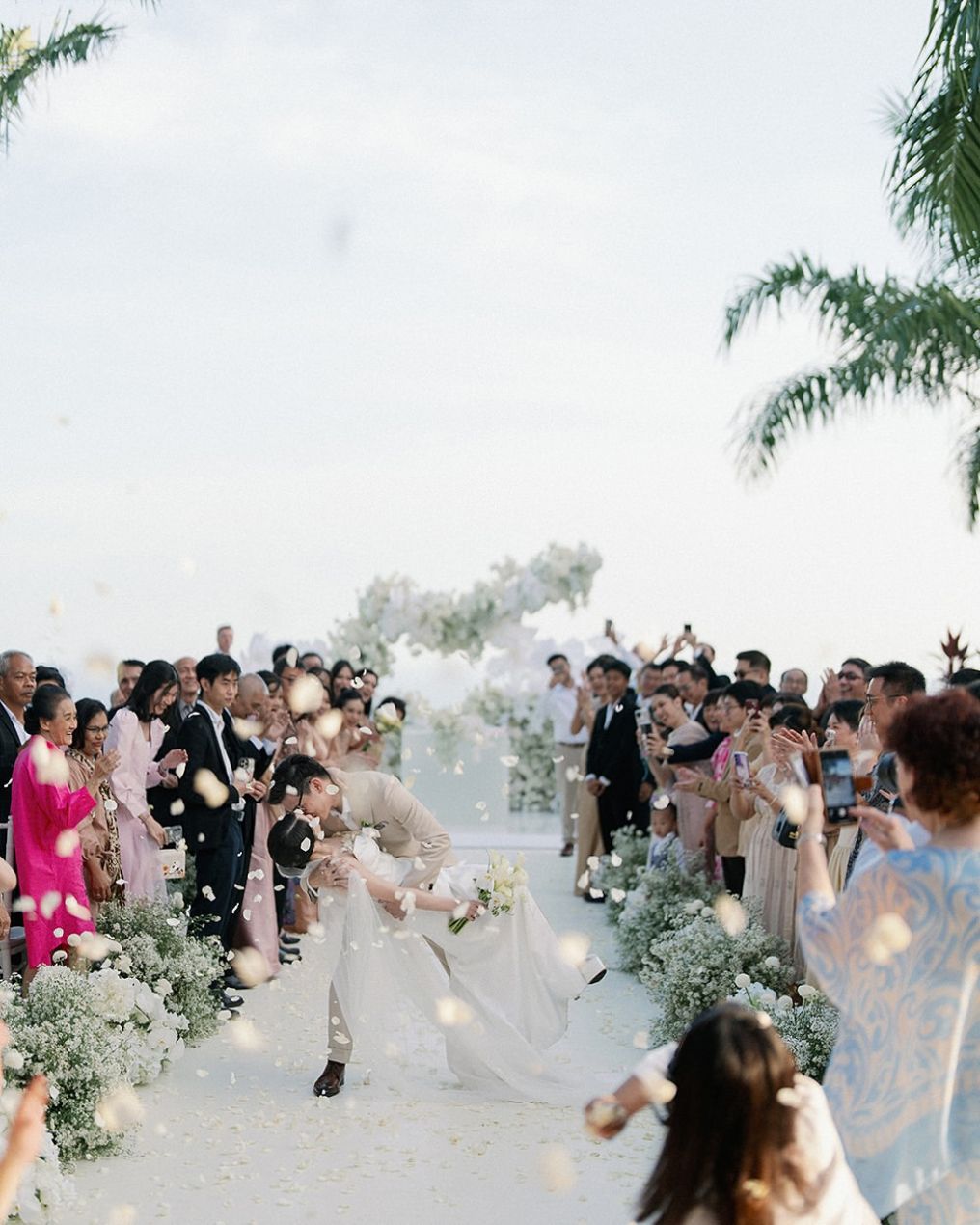
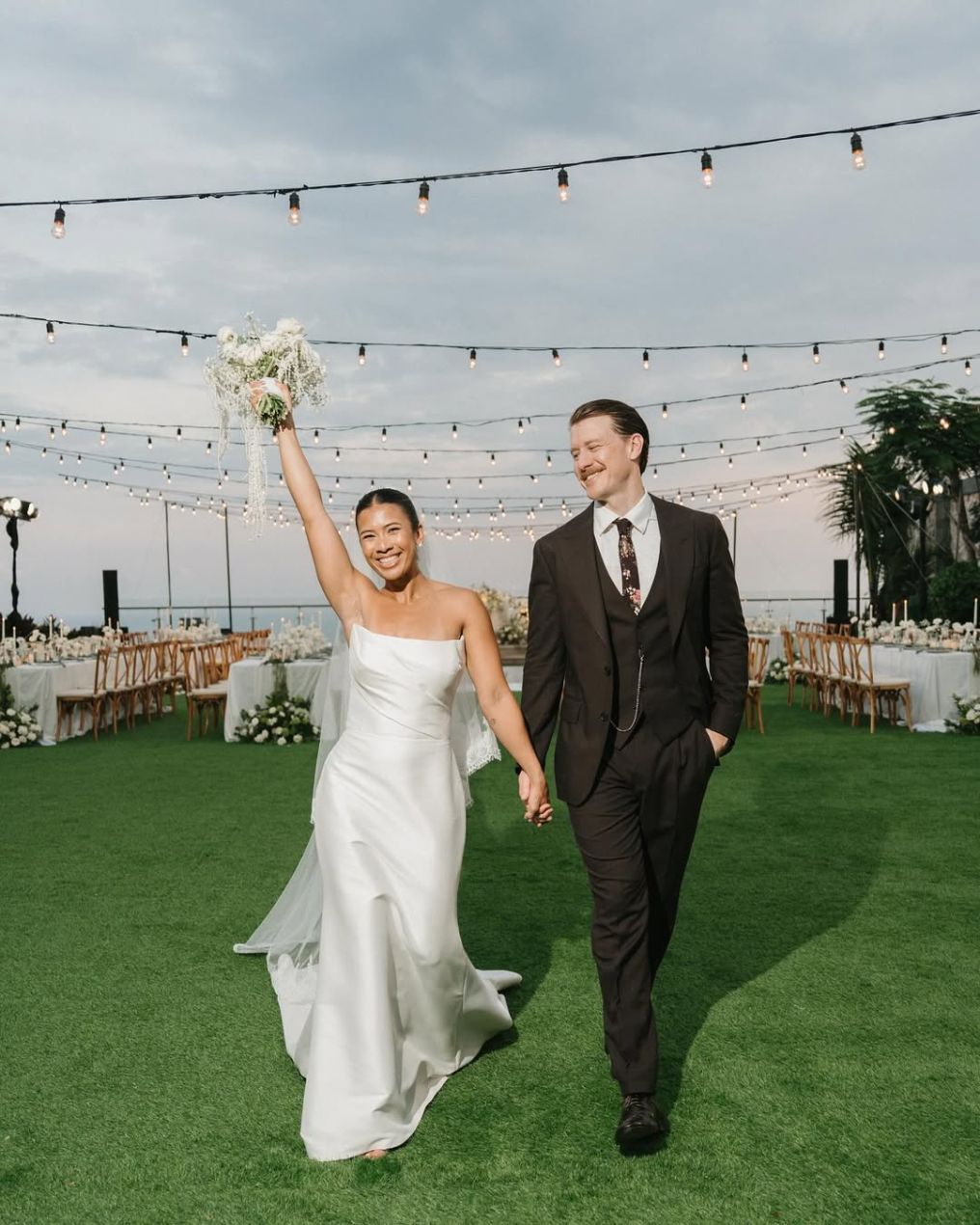
Before you contact a single vendor or open a single venue website, spend real time on this step. Couples who skip it end up making expensive decisions that don’t actually connect to each other, then backtracking mid-planning when they realize the aesthetic they’ve been building doesn’t match the venue they booked six months ago.
The goal here isn’t a perfect vision board. It’s a clear enough sense of what you want that you can evaluate every subsequent decision against it.
What to decide first:
- Wedding style and overall atmosphere — are you drawn to tropical luxury, earthy bohemian, minimal and architectural, or something rooted in local cultural texture?
- An estimated guest count, even approximately, of 20 people and 80 people requires completely different venue categories, catering approaches, and budget structures
- Your top priorities — the two or three elements you genuinely care most about, whether that’s the photographer, the location, the food, or the overall intimacy of the experience
- Approximate budget range — not a precise number, but an honest bracket
- Whether you want a single wedding day or a multi-day experience that treats the whole trip as the celebration
Once you have that foundation, one more honest conversation becomes useful:
- What are you not willing to compromise on?
- What can stay flexible as planning evolves?
- What needs to be booked earliest (venues and photographers fill up first)?
- What decisions can reasonably wait until guest numbers are confirmed?
Step 2: Choose the Best Time of Year for a Wedding in Lombok
Timing shapes more than the weather forecast. It affects how available your preferred vendors are, how the island feels during your wedding week, how your guests experience the journey, and what the light looks like during your ceremony and portraits. It’s worth treating this decision with the same seriousness as the venue choice.
| Season | What to Expect | Best For | Things to Consider |
|---|---|---|---|
| Dry season (May–Oct) | Reliable sun, lower humidity, consistent sunsets | Outdoor ceremonies, sunset portraits, larger celebrations | Higher demand across venues and vendors — book 12–14 months out |
| Shoulder season (May, Jun, Sep) | Near-identical conditions with less competition | Couples with flexible dates who want quality without peak pressure | Minor weather variation; September light is exceptional |
| Rainy season (Nov–Apr) | Greener landscape, shorter rain bursts, more intimate atmosphere | Smaller celebrations, budget-conscious couples, privacy-focused weddings | Solid backup plan is non-negotiable; mornings often fine |
A few things worth factoring in beyond the obvious:
- Guest comfort in heat and humidity matters as much as rain probability — schedule ceremonies for late afternoon regardless of season
- Sunset timing shifts across the year, which affects your portrait window
- If your date falls in peak season, vendor availability narrows faster than most couples expect — don’t treat booking timelines as conservative suggestions
Step 3: Decide Which Part of Lombok Fits Your Celebration
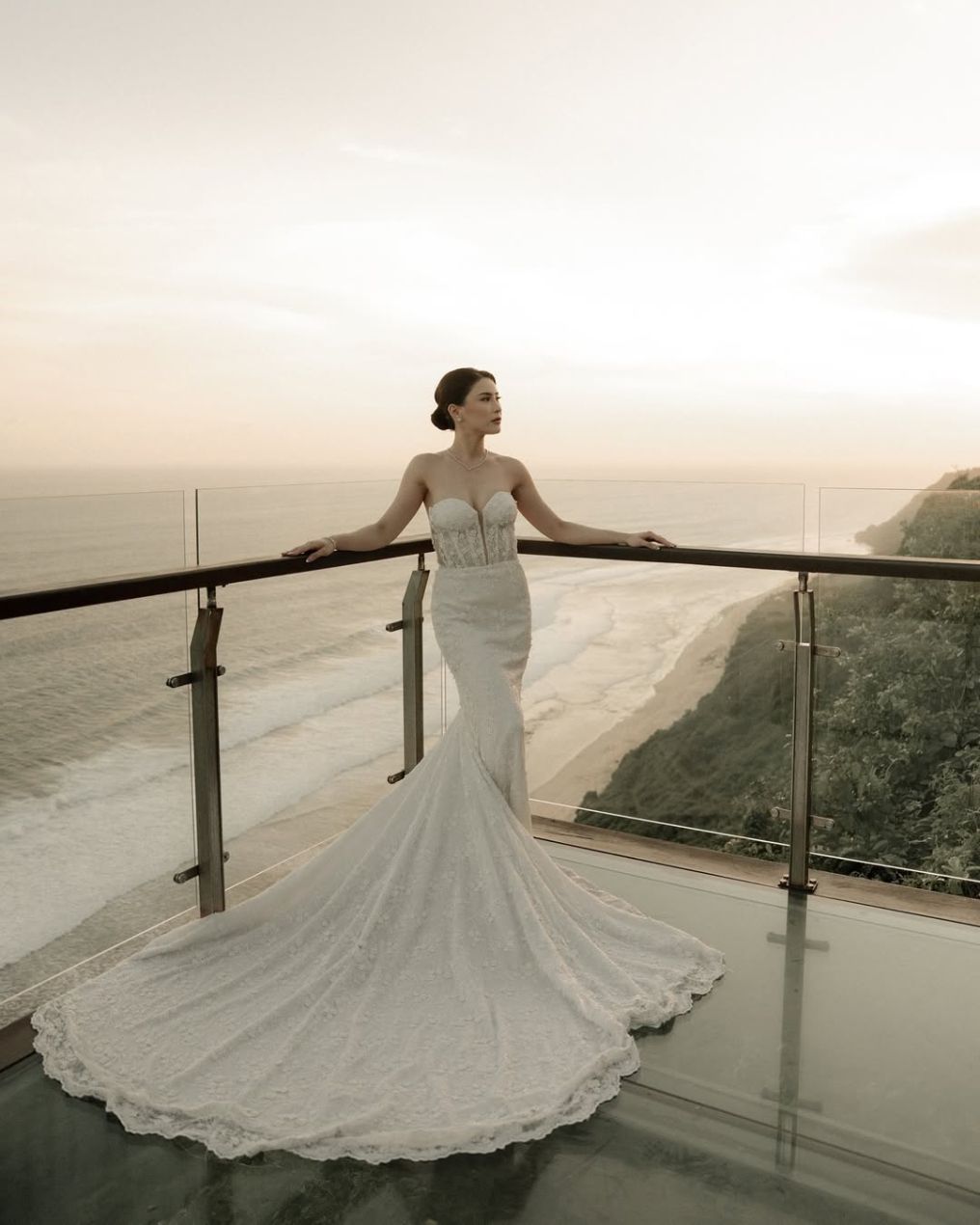
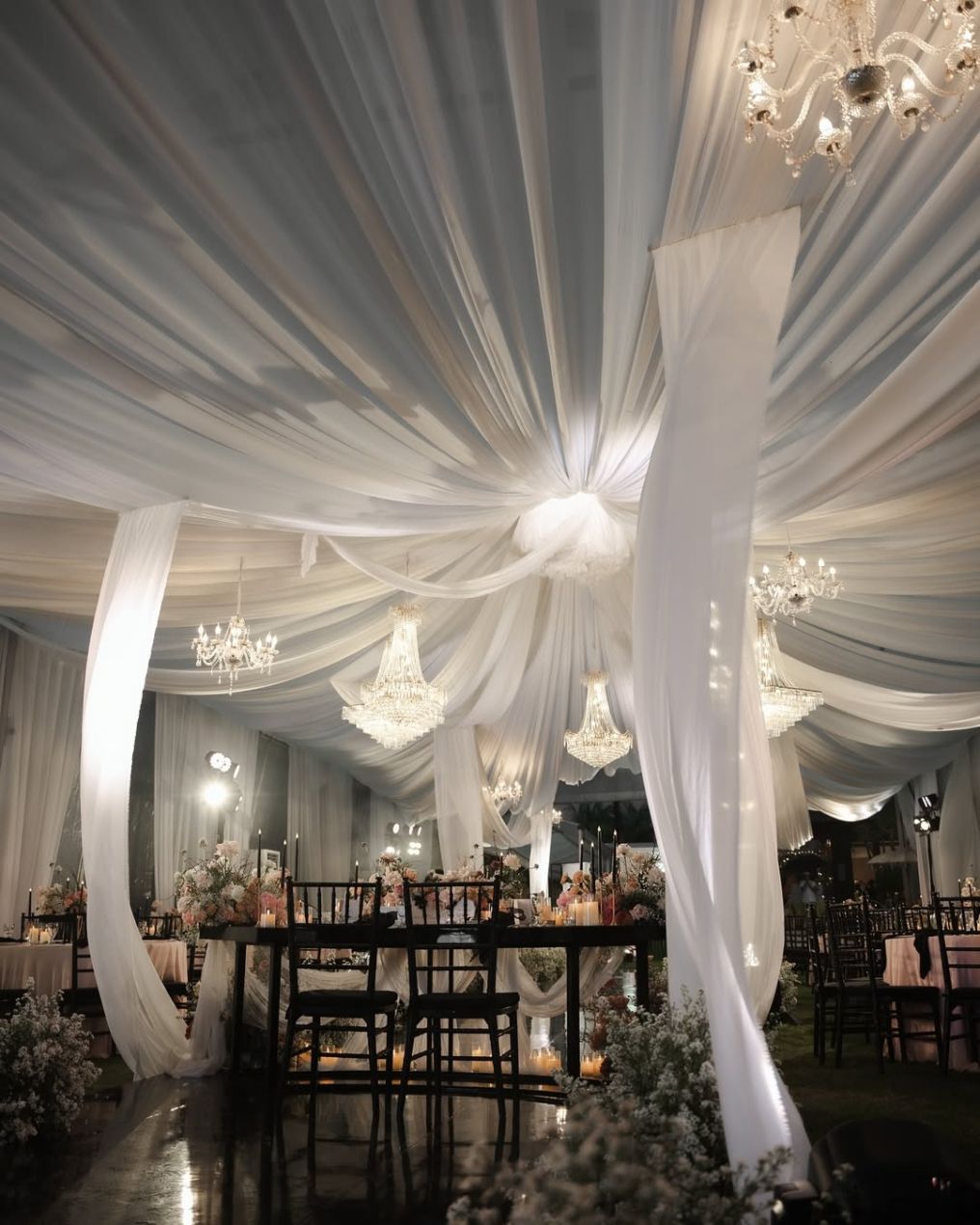
Lombok isn’t one place — it’s several distinct environments that happen to share an island. The south coast around Kuta and Selong Belanak delivers undeveloped beaches and dramatic clifftop views. The Gili Islands sit just offshore with their own particular magic. The north carries Rinjani’s volcanic presence and a cooler, more mountainous character. Getting this choice right before you start venue hunting saves a significant amount of time and prevents the very common problem of falling in love with a venue that’s logistically incompatible with where your guests are staying.
Areas That Work Well for Destination Weddings
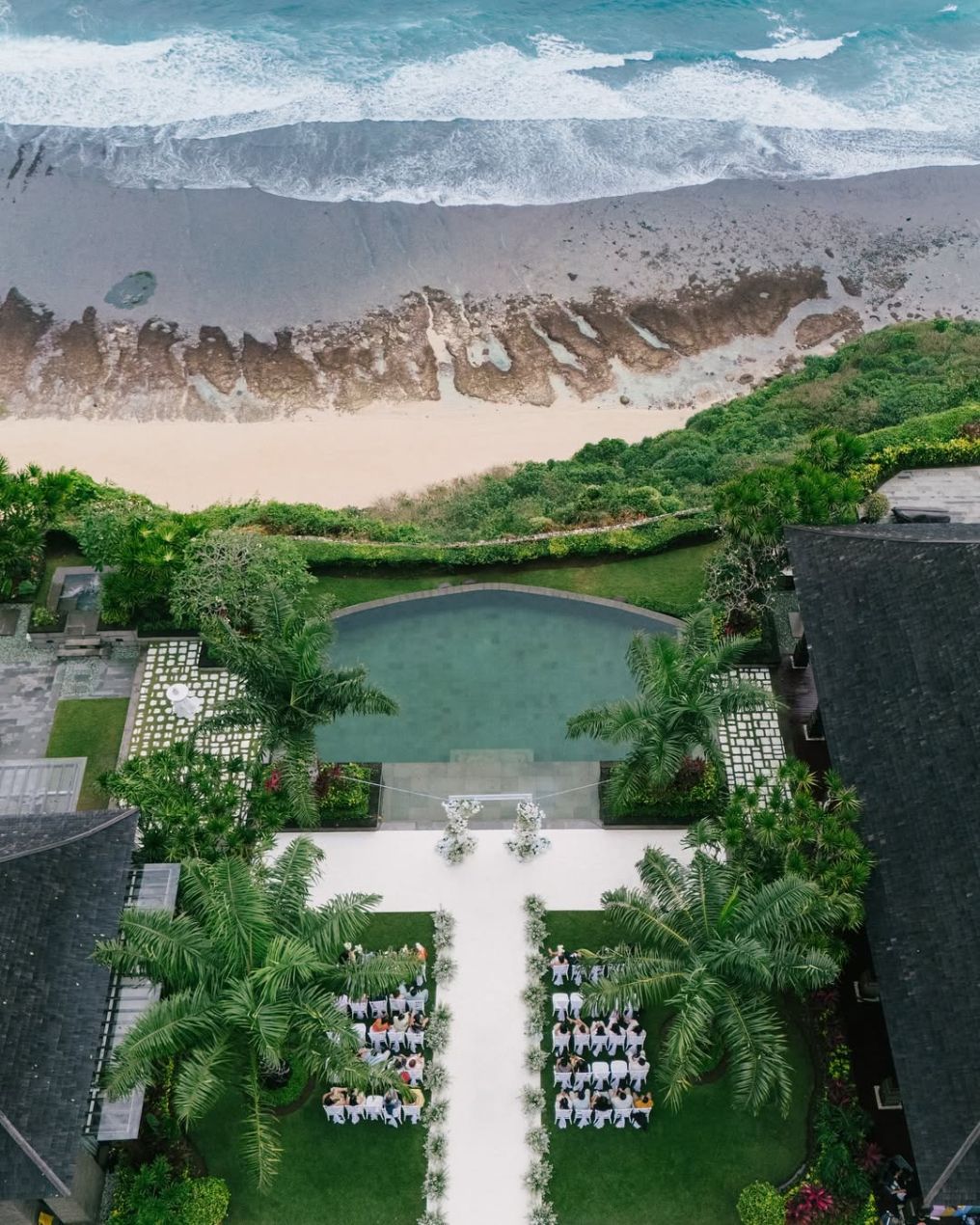
Southern Lombok—especially near Kuta, Selong Belanak, and Gerupuk—offers developed wedding infrastructure: private villas, experienced caterers in remote spots, and photographers who know the local light. It’s ideal for couples seeking a raw, cinematic feel.
The Gili Islands work beautifully for elopements and very small celebrations — the visual context is extraordinary, logistics are more constrained, and the intimacy is built into the geography. For larger weddings, the complexity of access and accommodation adds up quickly.
The Senggigi area in the northwest is more resort-oriented, with established hotels and easier airport access. Less visually dramatic than the south, but easier for guests wary of remote settings.
How to Match the Area to Your Wedding Style
A villa buyout in the south suits couples who want their guests to share the experience—a private world for the wedding weekend. Northwest resorts suit those seeking reliable infrastructure without logistical challenges. Coastal cliffs suit couples prioritizing visual impact, willing to coordinate remote locations.
- Choose based on where your guests will actually stay, not just where the ceremony will look best
- Factor in travel times between accommodation and ceremony location — on Lombok, distances are manageable but not negligible
- Consider whether guests staying on-site versus nearby changes the atmosphere you’re trying to create
- Privacy levels vary enormously between areas — if exclusivity matters, confirm it specifically with the venue rather than assuming

Step 4: Hire a Wedding Planner Who Knows Lombok
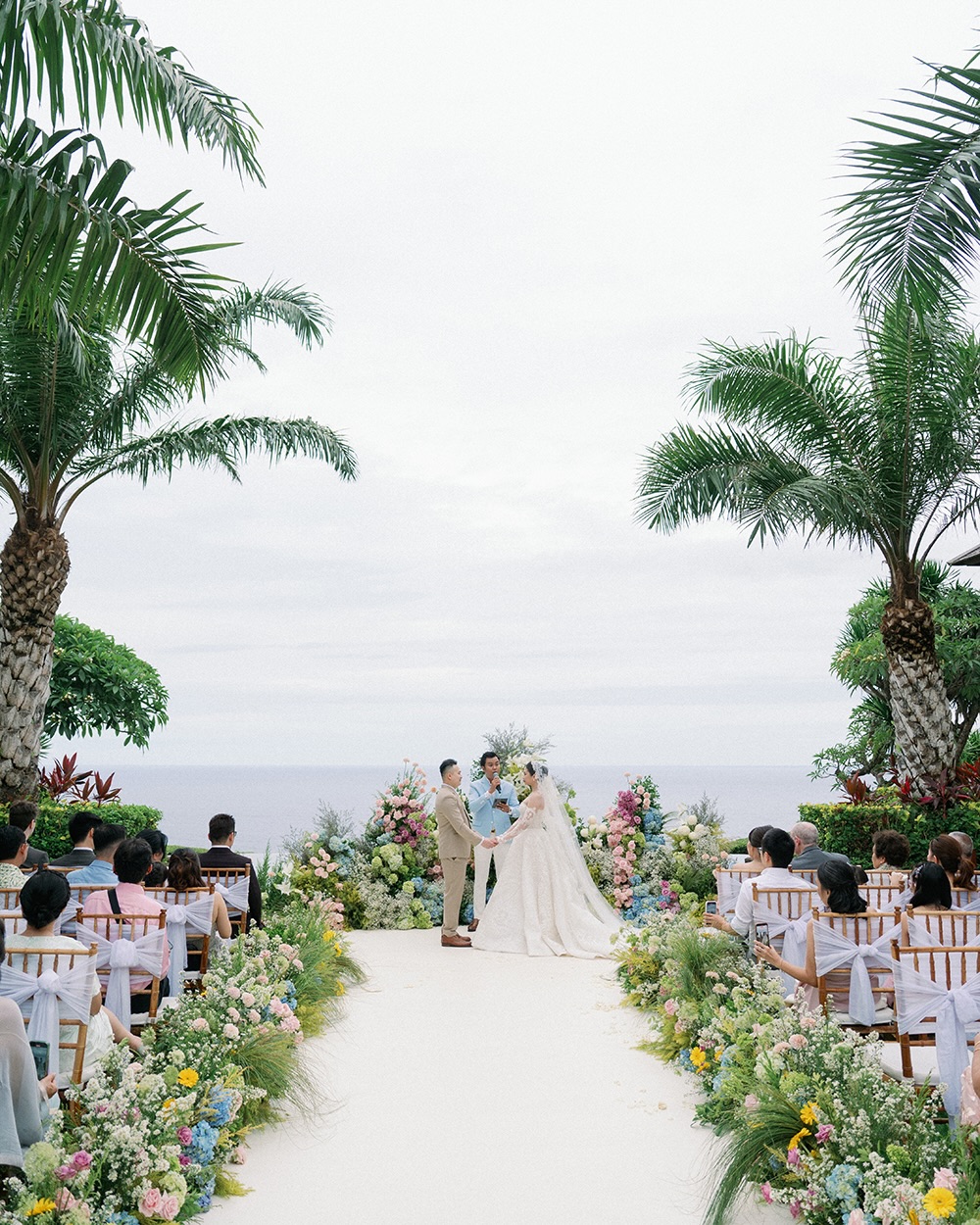
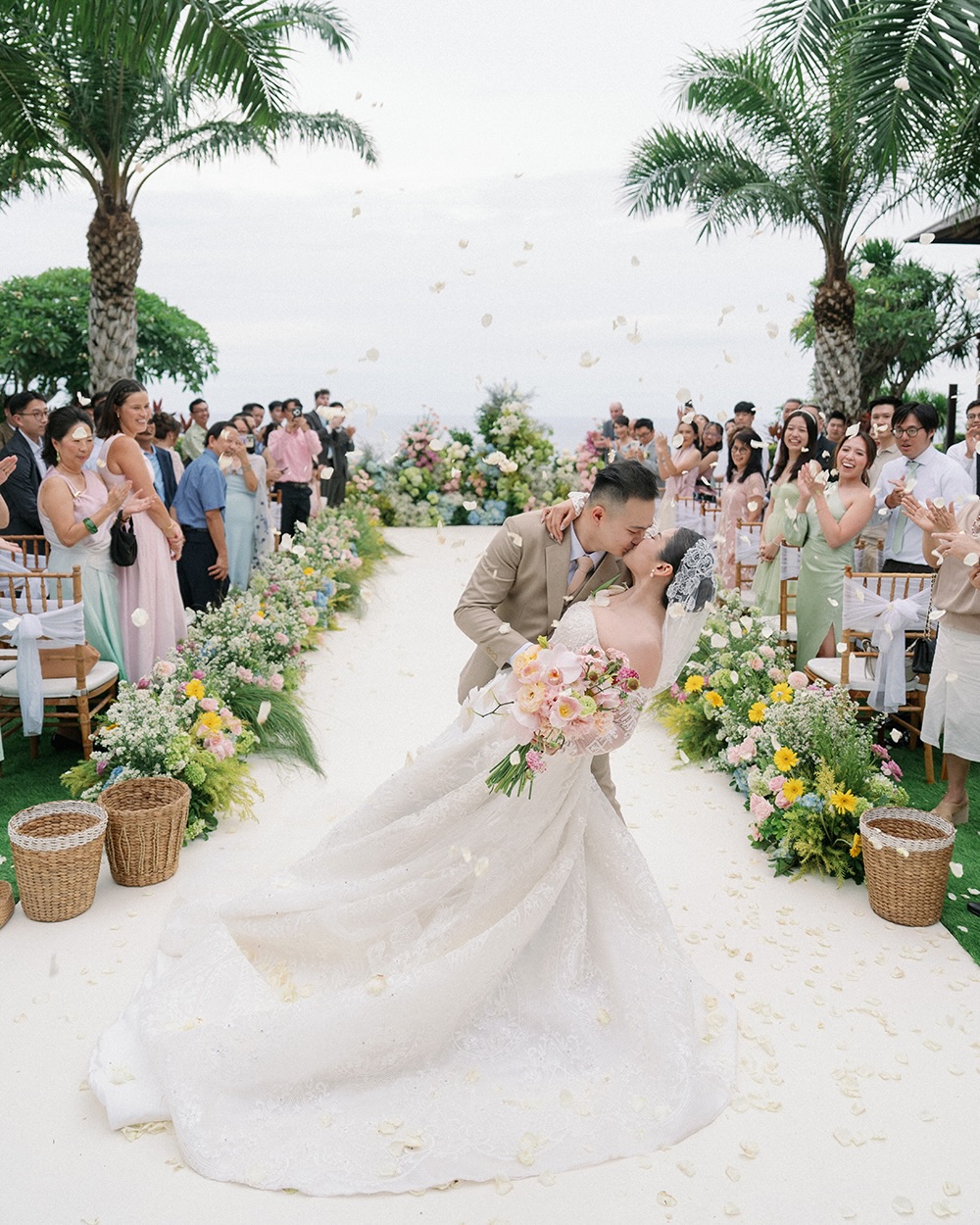
This is the decision that makes every other decision easier, and the one that international couples most commonly delay longer than they should. Lombok wedding planning from abroad without a strong local partner is fundamentally different — and not simpler.
Why a Local Planner Matters
A Lombok wedding planner with genuine roots on the island brings something that no amount of research from abroad can replicate: they know which vendors show up and which ones overpromise. They know which beaches need permits and exactly how to get them. They know that the caterer who sounds perfect on email has a track record of arriving late to remote locations, and they know who to call instead.
Beyond logistics, a good Lombok wedding organizerwill leverage relationships—preferred rates, trusted backups, and foresight from experience—to directly benefit your budget.
When to Hire Your Planner
Before you book anything else. Before the venue, before the photographer, before you’ve finalized your date. The right planner will help you evaluate venue options rather than just execute a decision you’ve already made, and that input is genuinely valuable — particularly if you haven’t visited the island yet.
What to Ask Before Signing
The questions that matter aren’t about aesthetics — they’re about operational experience and communication style. Ask to see a portfolio of completed Lombok weddings specifically. Ask how many weddings they manage simultaneously during peak season. Ask how they handle vendor failures on the day. Ask what their communication process looks like across a 12-month planning timeline with an international couple.
Planner booking checklist:
- Demonstrated local experience in Lombok, not just the region
- Portfolio of real weddings executed on the island
- A vendor network they’ve actually worked with recently
- A clear understanding of how international couples plan differently
- Explicit scope of services — what’s included and what isn’t
- A communication process that works across time zones
Step 5: Choose the Right Wedding Venue and Accommodation
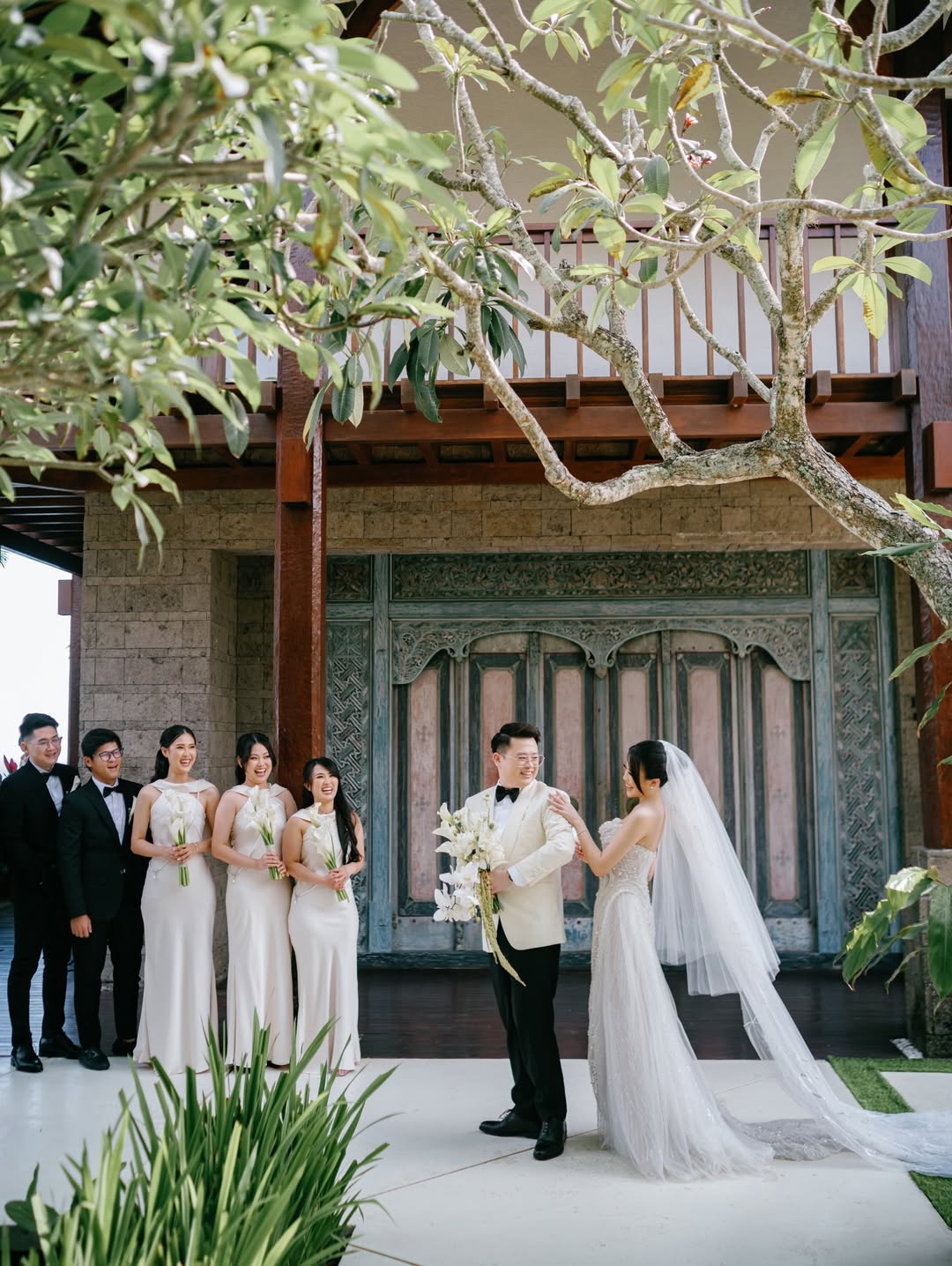
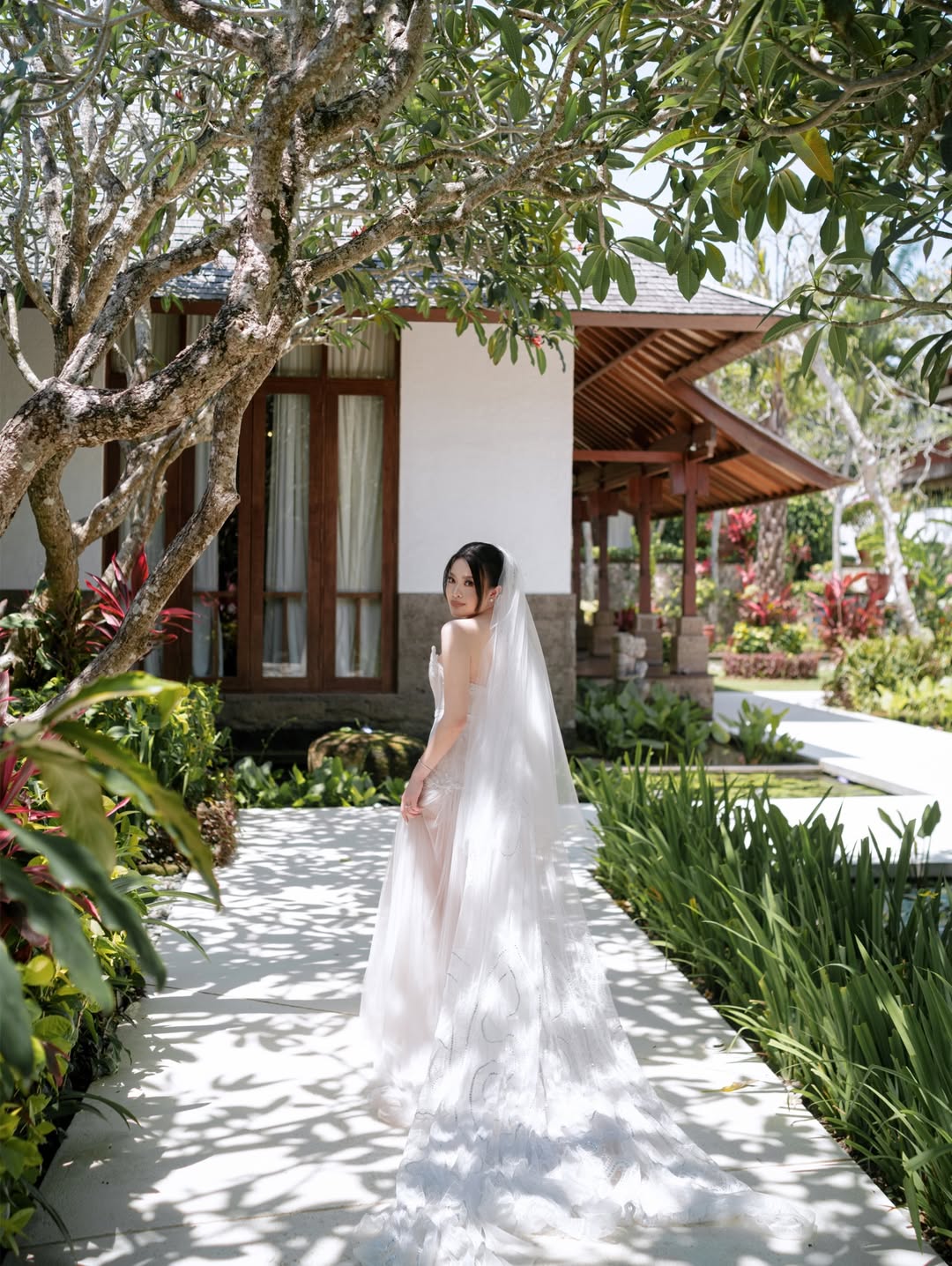
With a planner engaged and your date window confirmed, venue selection becomes a much more grounded conversation. You’re not browsing Instagram for beautiful images anymore — you’re evaluating specific spaces against your guest count, your style, your logistics, and your budget, with someone who knows those spaces in person.
What to compare before booking:
- Venue style and how it aligns with your aesthetic direction
- Capacity — both comfortable maximum and the number where it starts to feel cramped
- Privacy level and whether exclusivity is guaranteed or just probable
- On-site accommodation, and whether a villa buyout is available
- Accessibility from where most guests will be staying
- Weather backup — is there a covered option that doesn’t compromise the whole atmosphere?
- Noise and curfew restrictions, particularly for evening receptions
- Policy on external vendors — some venues require in-house catering, which significantly affects your food options
Before signing anything, these questions deserve direct answers:
- Is accommodation included in the venue fee, or is it a separate arrangement?
- What exactly is the rain contingency, and have you seen it executed?
- What time does the music need to stop?
- Which vendors are mandatory, and which can you source independently?
Step 6: Confirm Your Ceremony Type and Legal Requirements
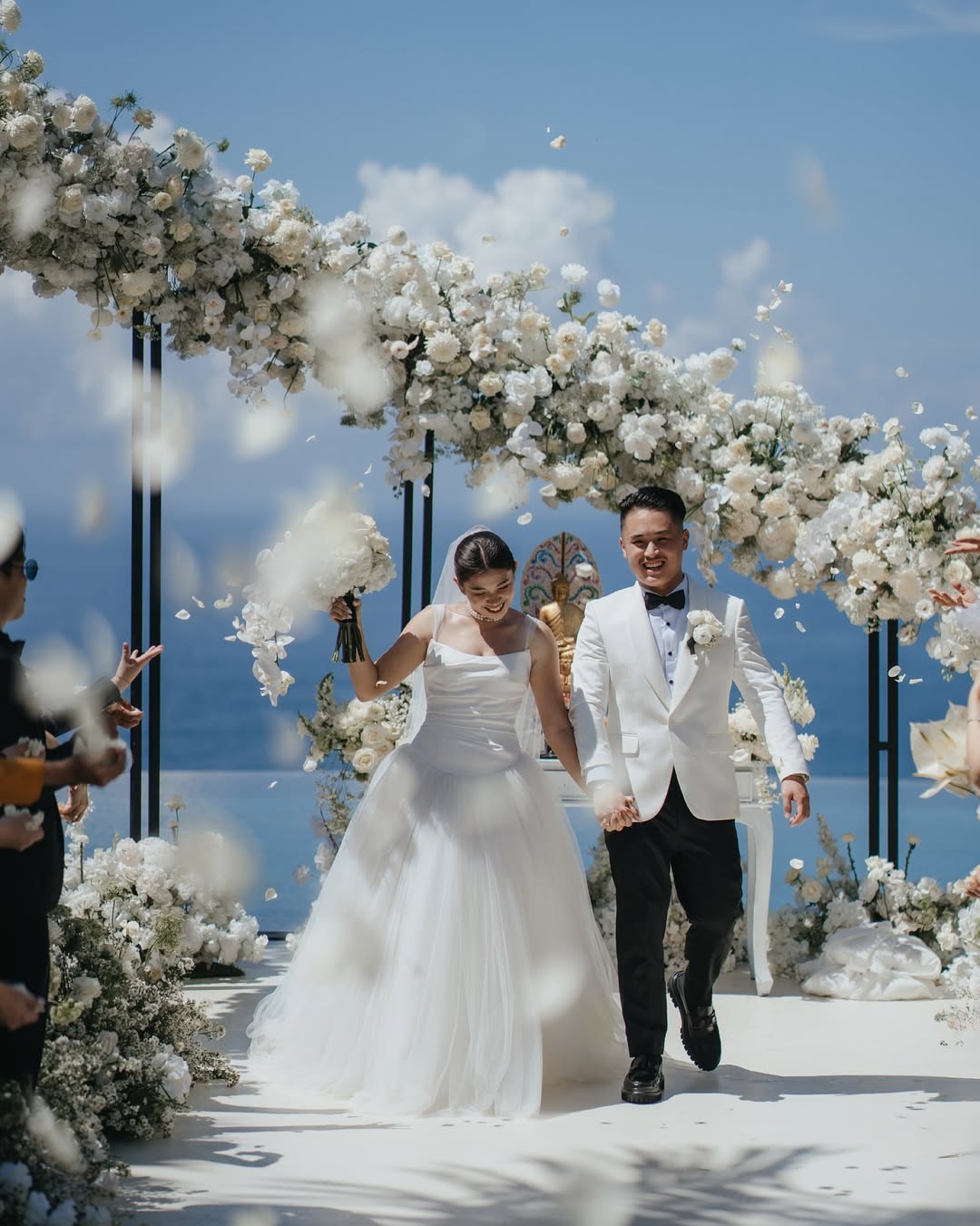
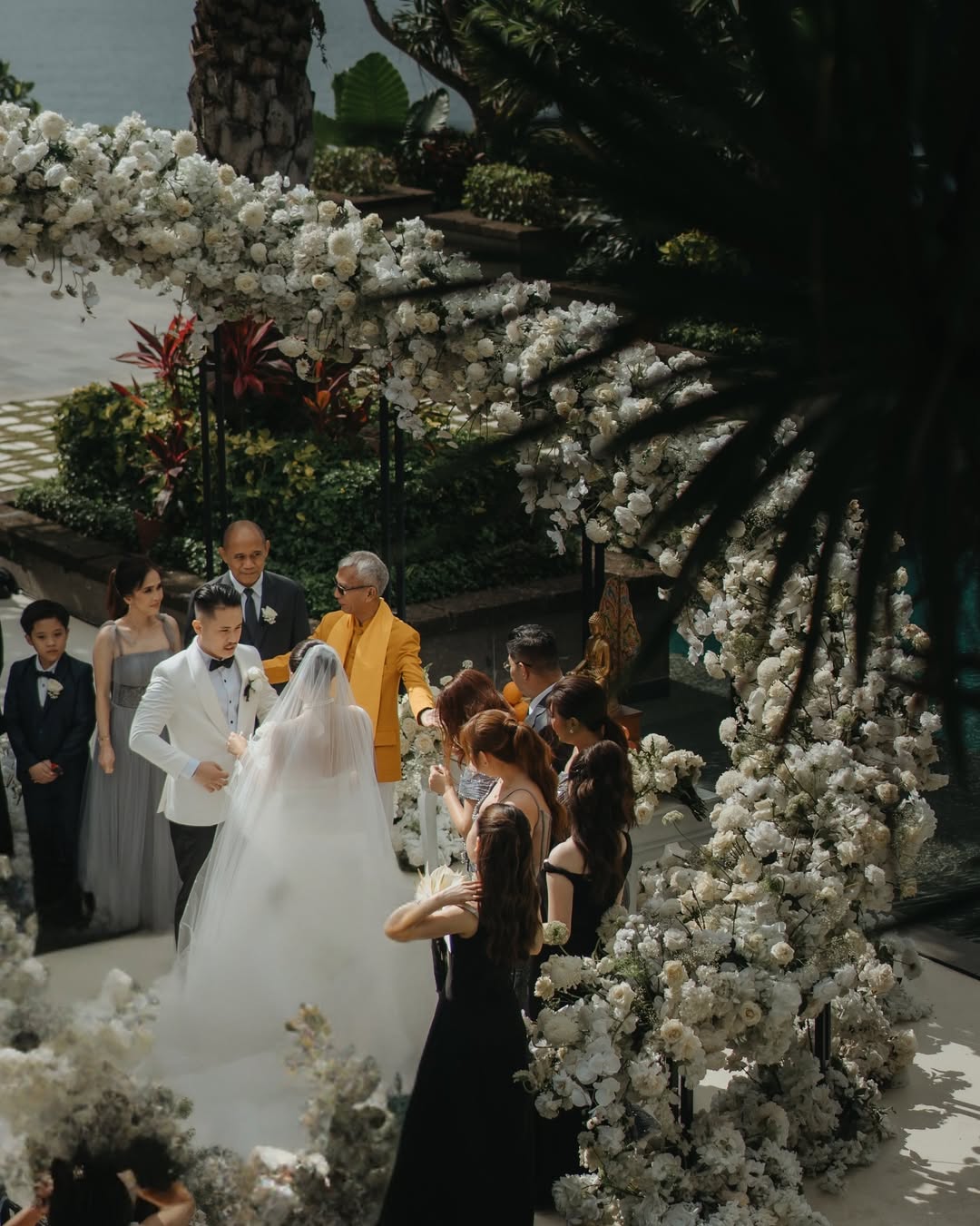
This conversation needs to happen early — not because the answer is necessarily complicated, but because the answer shapes decisions you’ll be making throughout the rest of your planning process. A symbolic ceremony and a legal Indonesian wedding are structurally different undertakings, and discovering which path you’re on six months before the wedding isn’t ideal.
Indonesia’s marriage law ties legal registration to religious affiliation rather than civil status, which means the paperwork route involves religious documentation, apostilled certificates, and coordination with local officials — a process that most international couples, after understanding what it entails, decide isn’t the experience they want to spend energy planning. The standard approach is to register legally at home and hold a symbolic ceremony in Lombok. It’s not a compromise; most couples find the symbolic ceremony is actually the more meaningful experience precisely because it’s been designed entirely around what they want rather than what a legal framework requires.
That said, don’t leave this decision sitting as a vague intention:
- Confirm with your planner which ceremony type they’re experienced in coordinating
- If you’re considering the legal route, verify document requirements with a local professional well before the 6-month mark
- Understand exactly what your officiant’s role covers in a symbolic ceremony and whether they can personalize the script to your relationship
Step 7: Build Your Wedding Vendor Team
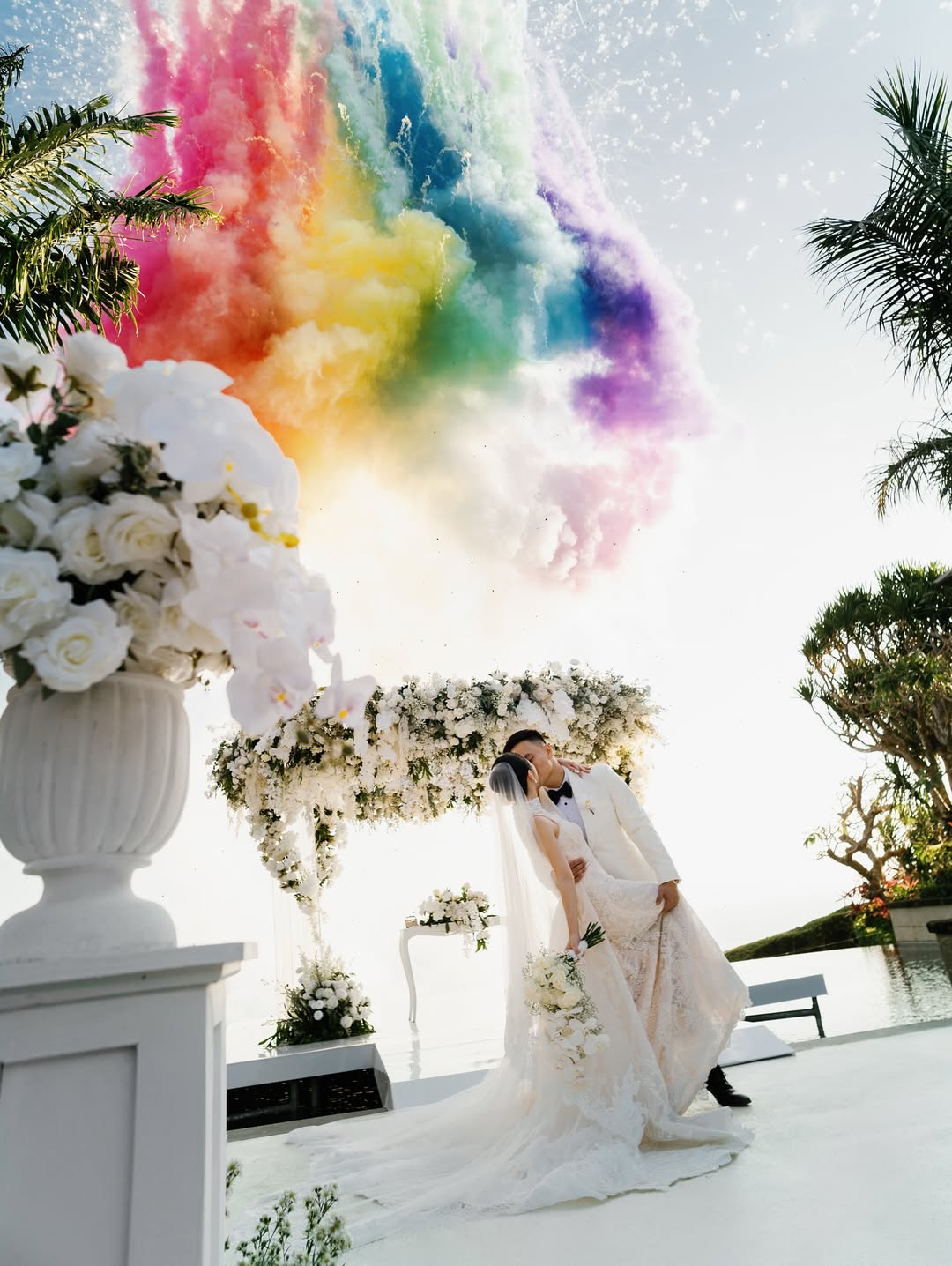
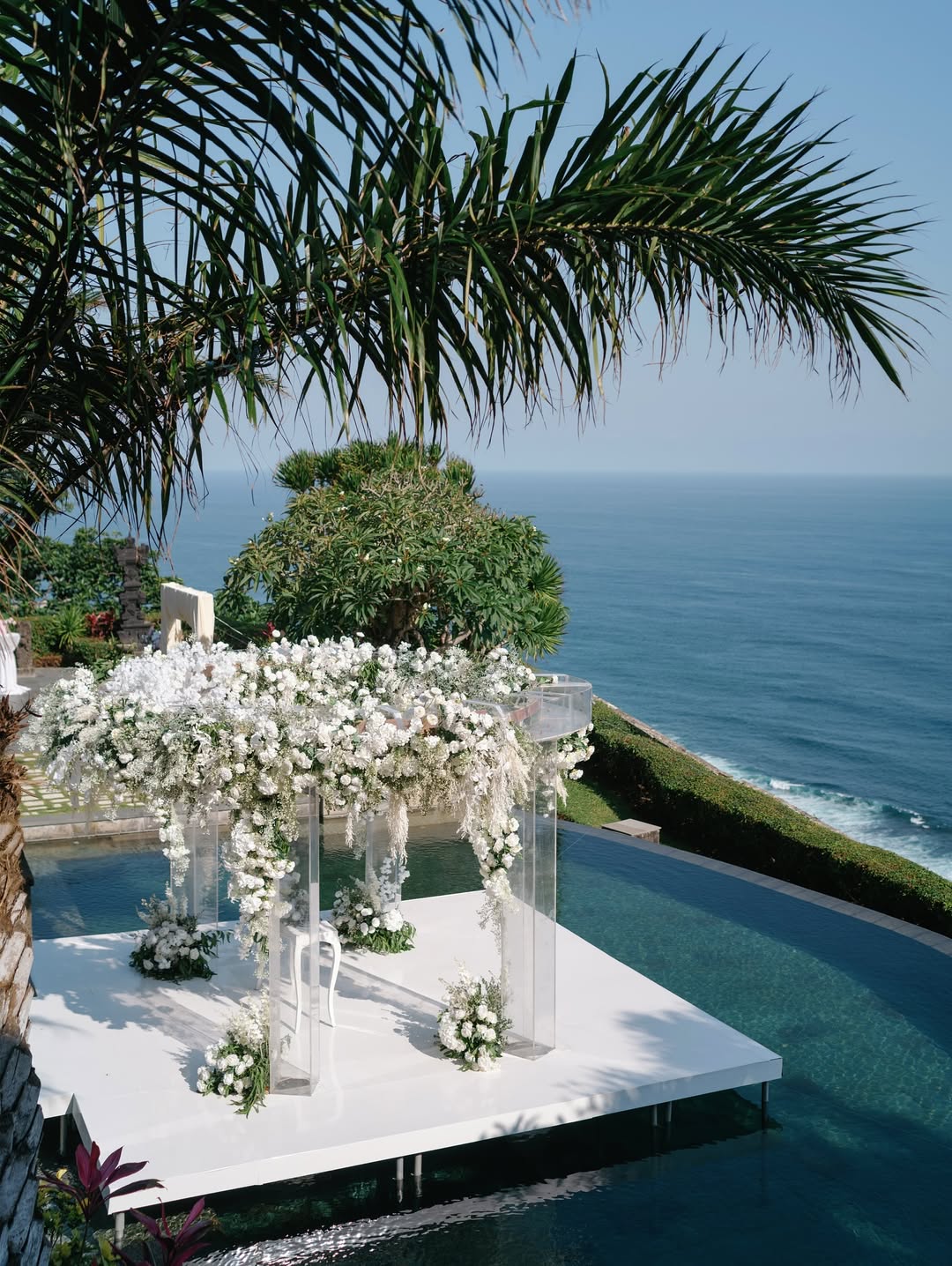
Think of this as assembling a team rather than making a series of independent bookings. The couples who have the smoothest wedding days in Lombok are almost always working with a vendor group whose members know each other — where the photographer and the florist have worked together before, where the caterer and the planner have a shorthand that means problems get solved before anyone at the wedding notices them.
Your planner’s vendor network is one of the most practical assets they bring to the table. Use it.
The vendors to confirm first:
- Photographer — good ones in Lombok book up faster than their Instagram following might suggest
- Videographer, if you want one
- Venue (already covered in Step 5, but it belongs here too)
- Hair and makeup team — particularly if you have a wedding party requiring multiple artists
Then move to the second tier:
- Florist and decor team — brief them early so design concepts can develop properly, not in a rushed three-week window
- Catering, which requires the most lead time for menu development and logistics planning at remote venues
- Celebrant or officiant
- Entertainment — band, DJ, or acoustic musician
- Transport coordination for guests
Every vendor decision should be evaluated not just on the quality of their work in isolation, but on how they’ll function within the team your planner is building. A florist whose aesthetic is perfect but who has never worked at your venue before is a manageable variable. A caterer with no experience handling logistics for remote locations is a genuine risk. These distinctions matter, and your planner should be guiding you through them.
Step 8: Plan the Guest Experience from Arrival to Departure
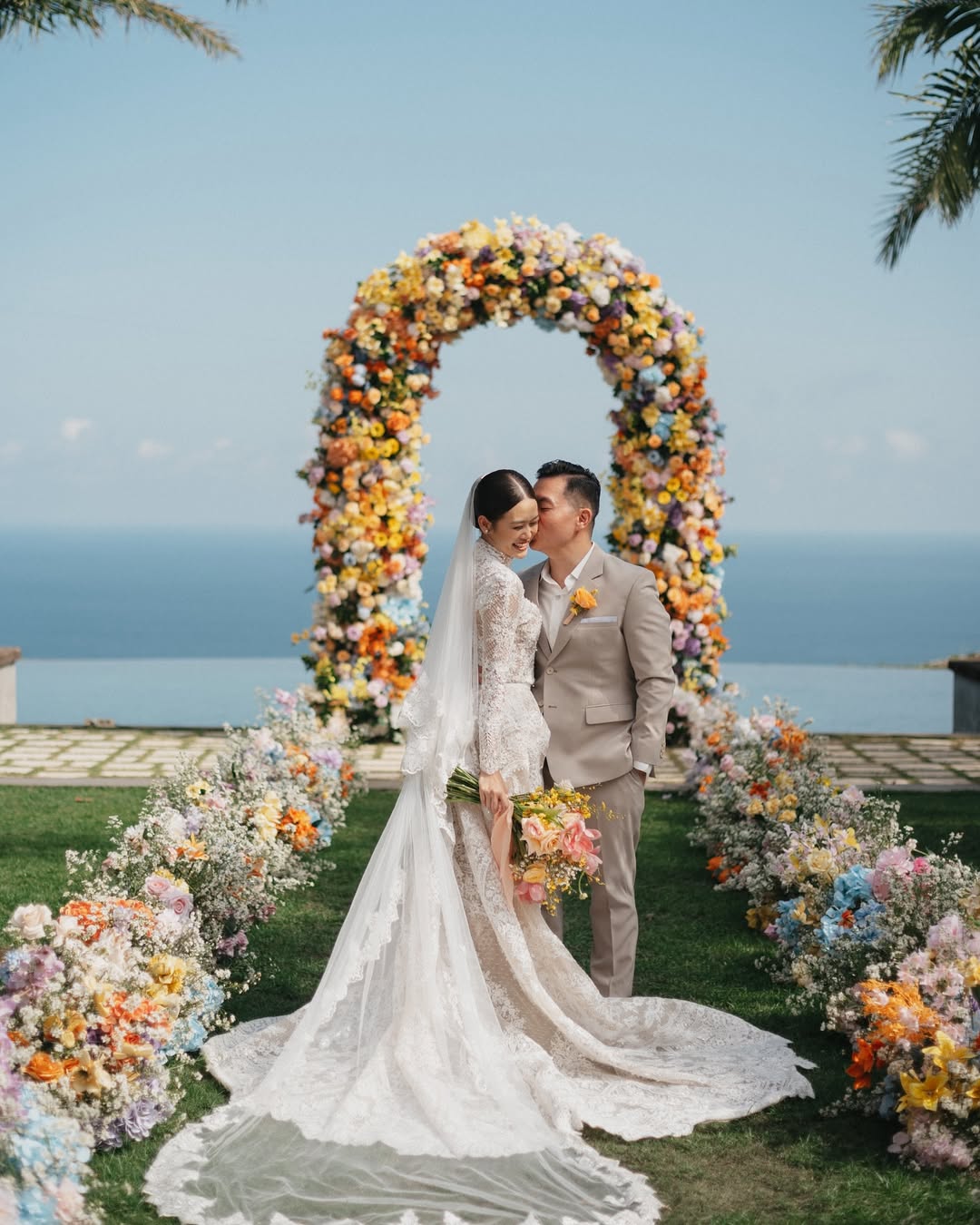
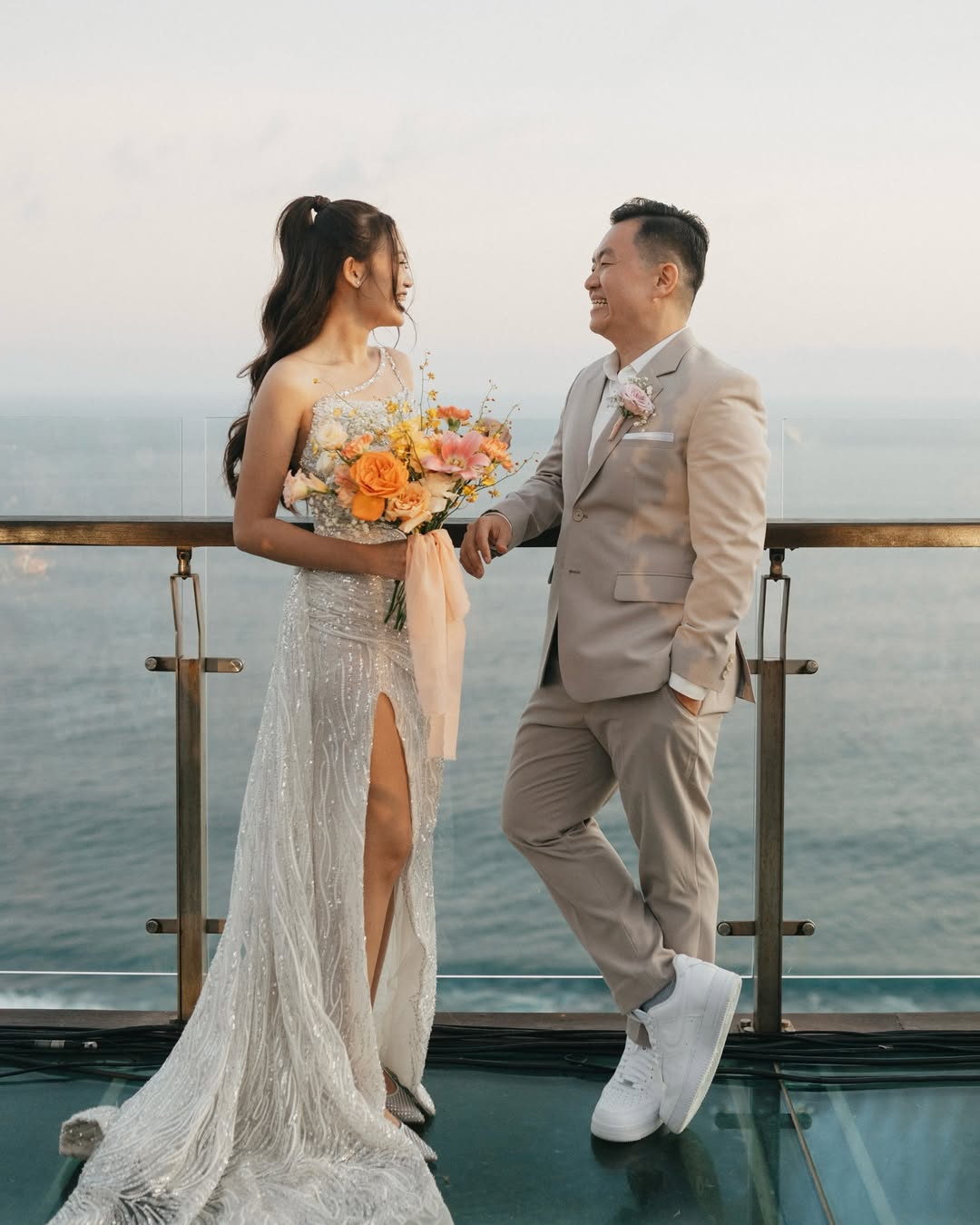
The couples whose guests rave about their Lombok weddings for years afterward almost always extended their thinking beyond the ceremony day itself. Getting people to a remote island destination is an ask — and acknowledging that ask with a genuinely considered guest experience transforms the logistical inconvenience into something that feels like a gift.
Guest Travel and Transfers
Most international guests will route through Bali before connecting to Lombok, adding a travel segment that warrants specific guidance. Build a simple travel document — flight routing suggestions, visa requirements, what the connection looks like, how long transfers take — and send it with your save-the-dates rather than waiting for people to ask. Airport pickups should be coordinated through your planner rather than left to individual guests arranging their own transport.
Accommodation and Stay Planning
The decision between a villa buyout for your core group and hotel accommodation for the broader guest list is worth careful consideration. A villa creates a shared-living quality to the wedding weekend that hotels can’t replicate — but it also requires someone managing the booking, the check-in process, and the inevitable questions about where things are. Be deliberate about who stays where and why, and communicate the rationale to guests so they understand the weekend's structure.
Welcome Events and Post-Wedding Moments
A welcome dinner the evening before the wedding is one of the highest-return investments in the entire planning process. It gives guests who’ve traveled long distances time to decompress and connect before the ceremony, which means the wedding day itself carries a warmth that only comes from people who already feel settled. A relaxed brunch the morning after serves a similar function — it closes the experience properly rather than leaving guests dispersing in different directions before anyone’s quite ready to leave.
Guest experience details worth planning:
- Airport pickup coordination across multiple arrival times
- Clear check-in information sent in advance, not the day before
- Welcome bag with local essentials — snacks, reef-safe sunscreen, a simple itinerary
- Local recommendations for guests who arrive early or stay on
- Post-reception transport with confirmed timing, not a vague arrangement
Step 9: Create a Wedding Day and Wedding Weekend Timeline
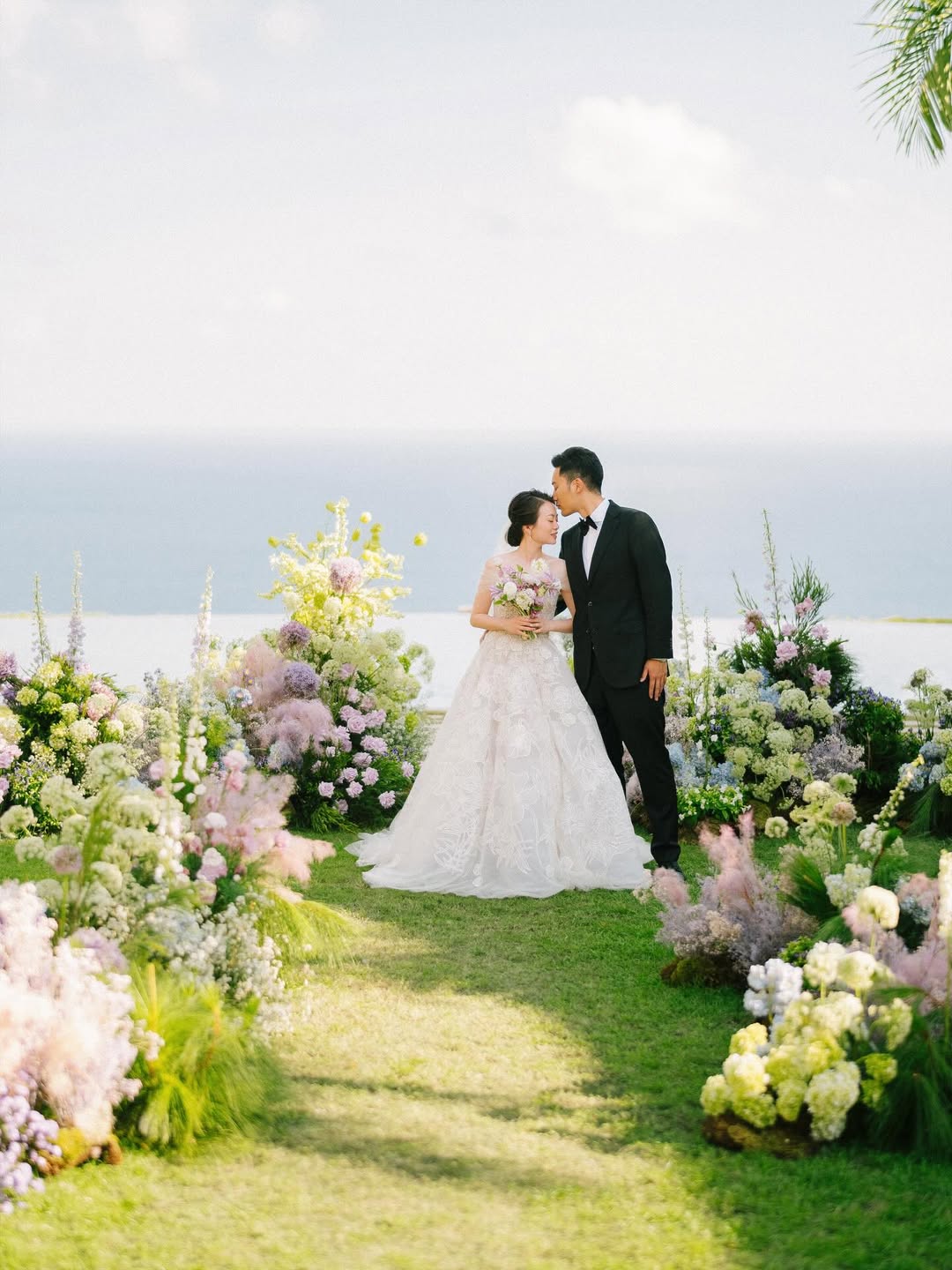
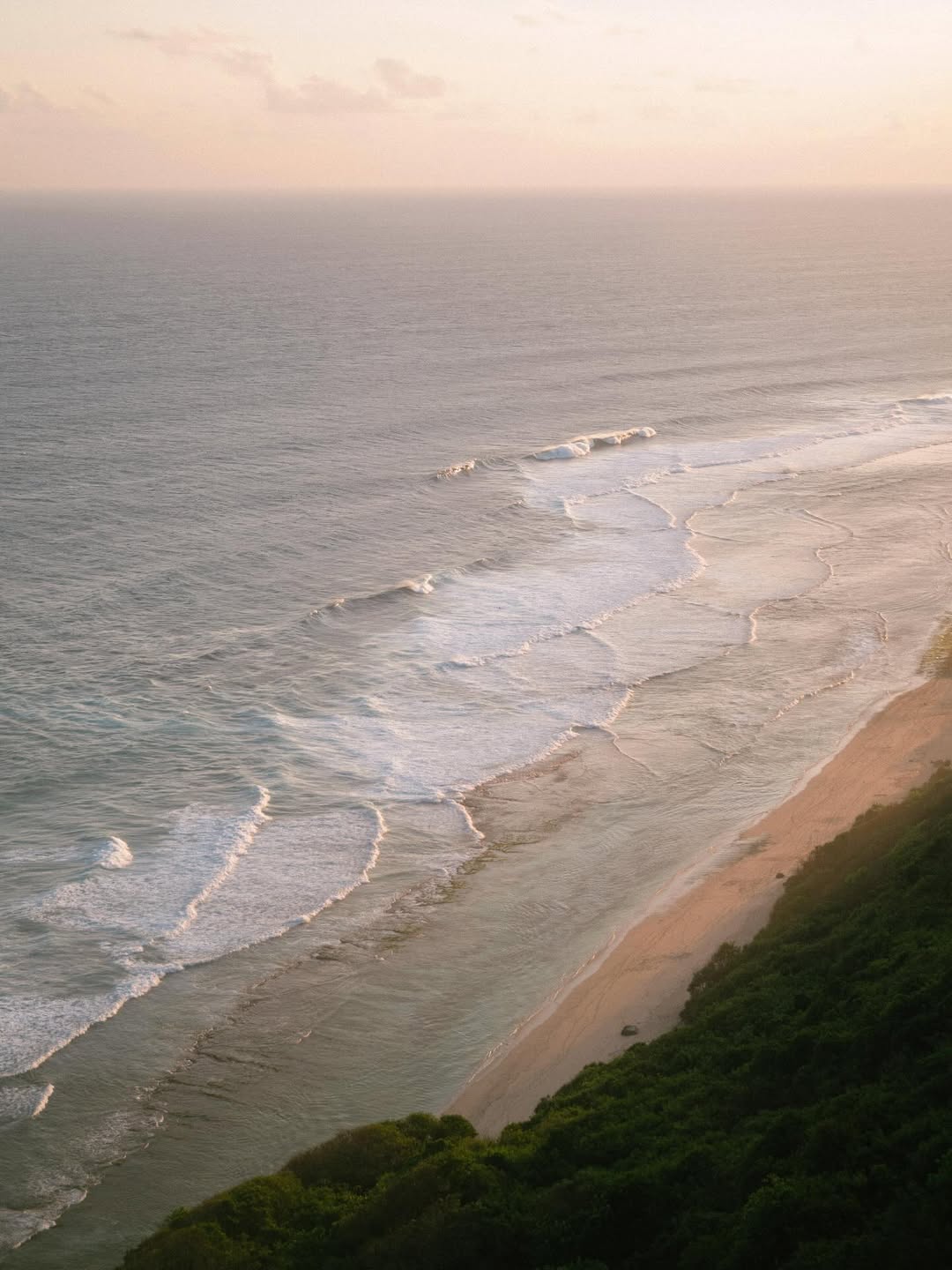
A timeline is not just a schedule. It’s the document that allows every vendor on your team to make good decisions independently when something doesn’t go exactly as planned — and something always doesn’t go exactly as planned. The couples who reach the end of their reception feeling like the day was effortless are almost always the ones whose planner built a timeline with enough buffer that a 20-minute delay in the cocktail hour didn’t cascade into a cold dinner.
The standard sequence for a Lombok wedding day:
- Getting ready (allow more time than you think — this is where delays originate)
- First look and couple’s portraits, if you’re doing them before the ceremony
- Ceremony
- Cocktail hour with guests while the couple completes a portrait session
- Dinner and reception opening
- Speeches
- First dance and any planned entertainment moments
- Open dancing
- Guest transportation departures — staggered, not simultaneous
- Close of venue
Lombok tends to reward couples who think in terms of a wedding weekend rather than a single day. The journey guests make to get here creates a natural gathering momentum that a welcome dinner and post-wedding brunch can capitalize on — and couples who use the full weekend often describe it as the best decision they made in the entire planning process. The ceremony becomes one beautiful moment within a longer experience rather than a single point against which everything had to justify itself.
Step 10: Finalize Design, Decor, and Personal Details
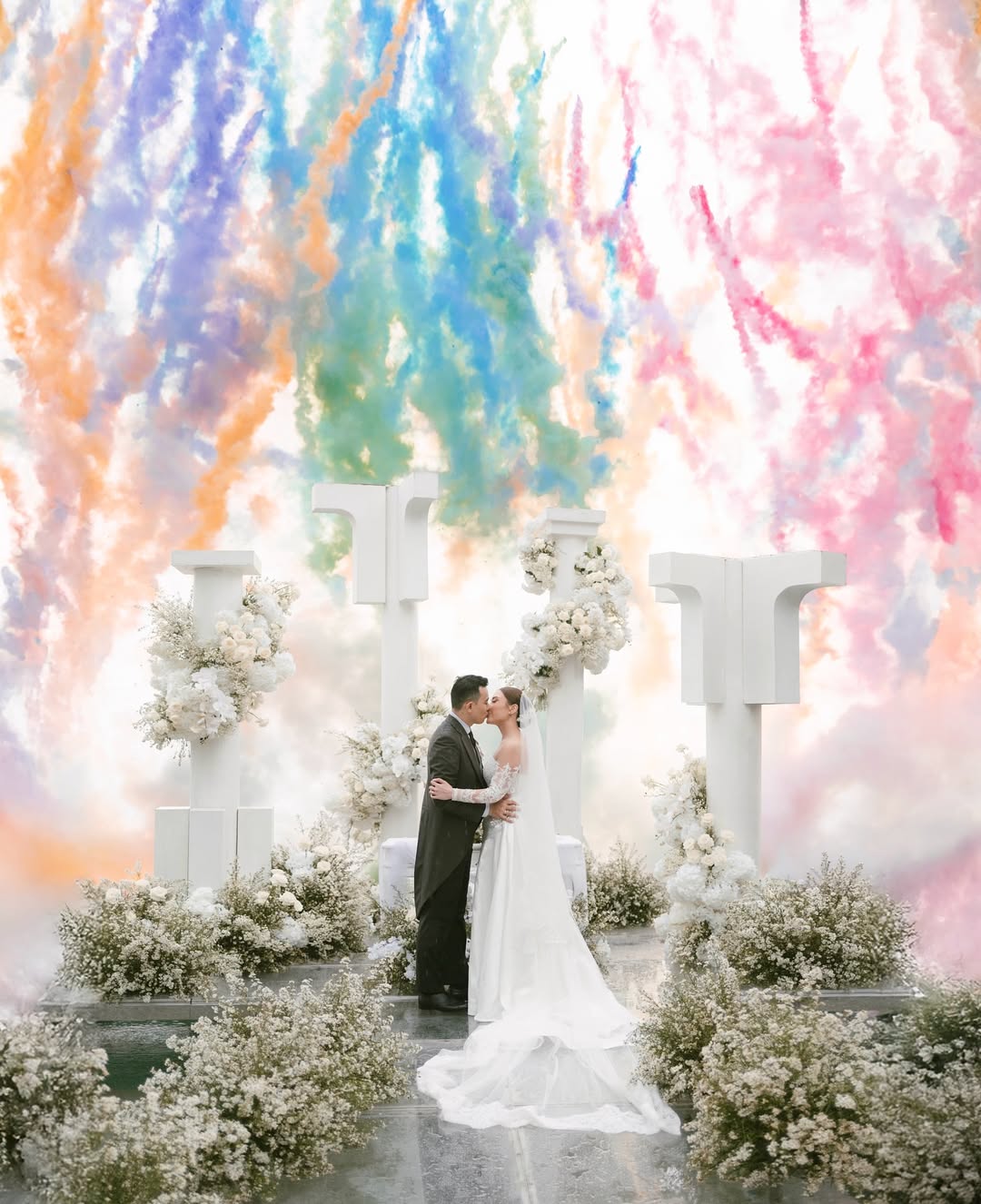
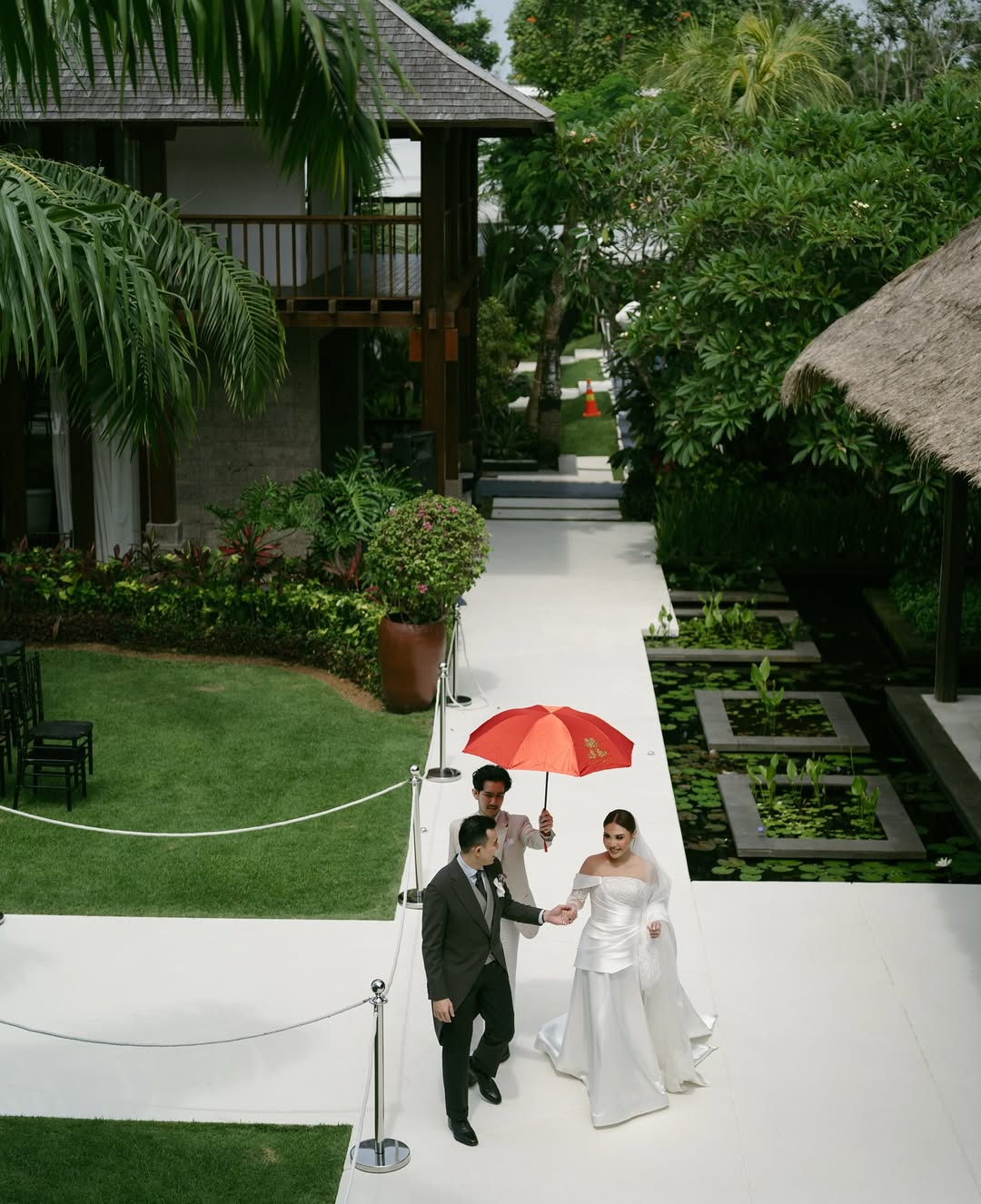
This is where Lombok wedding planning shifts from logistics into creative territory — and where the island’s specific qualities should start actively informing your decisions rather than sitting in the background. The design choices that work best in Lombok are almost always those made with the island's specific light, landscape, and atmosphere in mind, rather than adapted from elsewhere.
Lombok’s tropical florals, the quality of its late-afternoon light, the texture of its natural materials — these aren’t just context. They’re collaborators. Local florals like heliconias, birds of paradise, and frangipanis photographed in golden hour light create something that imported arrangements under artificial lighting simply can’t replicate.
What typically gets finalized at this stage:
- Floral direction and specific arrangements for the ceremony arch, tables, and installations
- Ceremony styling — backdrop, aisle treatment, seating aesthetic
- Tablescape: linens, vessels, candle arrangements, place settings
- Lighting plan for the reception, which in open-air Lombok venues does more atmospheric work than almost any other design element
- Signage and stationery
- Color palette confirmed across all elements, so everything reads coherently in photographs
- Personal details — the small touches that make the day feel specific to you rather than generically beautiful
Brief your florist and décor team with reference images shot in tropical environments. References from European or American weddings often translate poorly because the light, scale, and setting are so different. The more context you give your creative team about the specific venue and time of day, the better their output will be.
Step 11: Prepare for Weather, Logistics, and Backup Plans
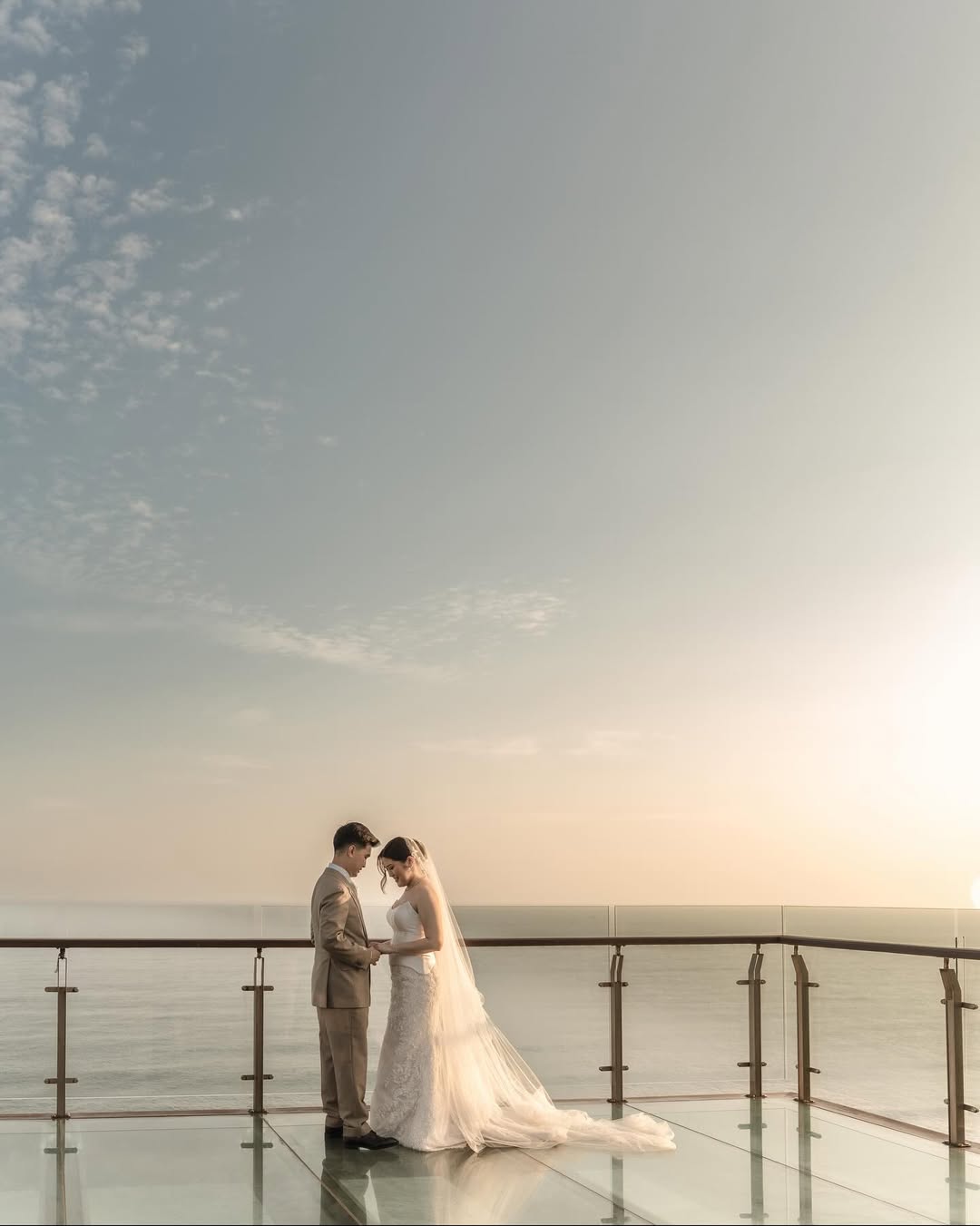
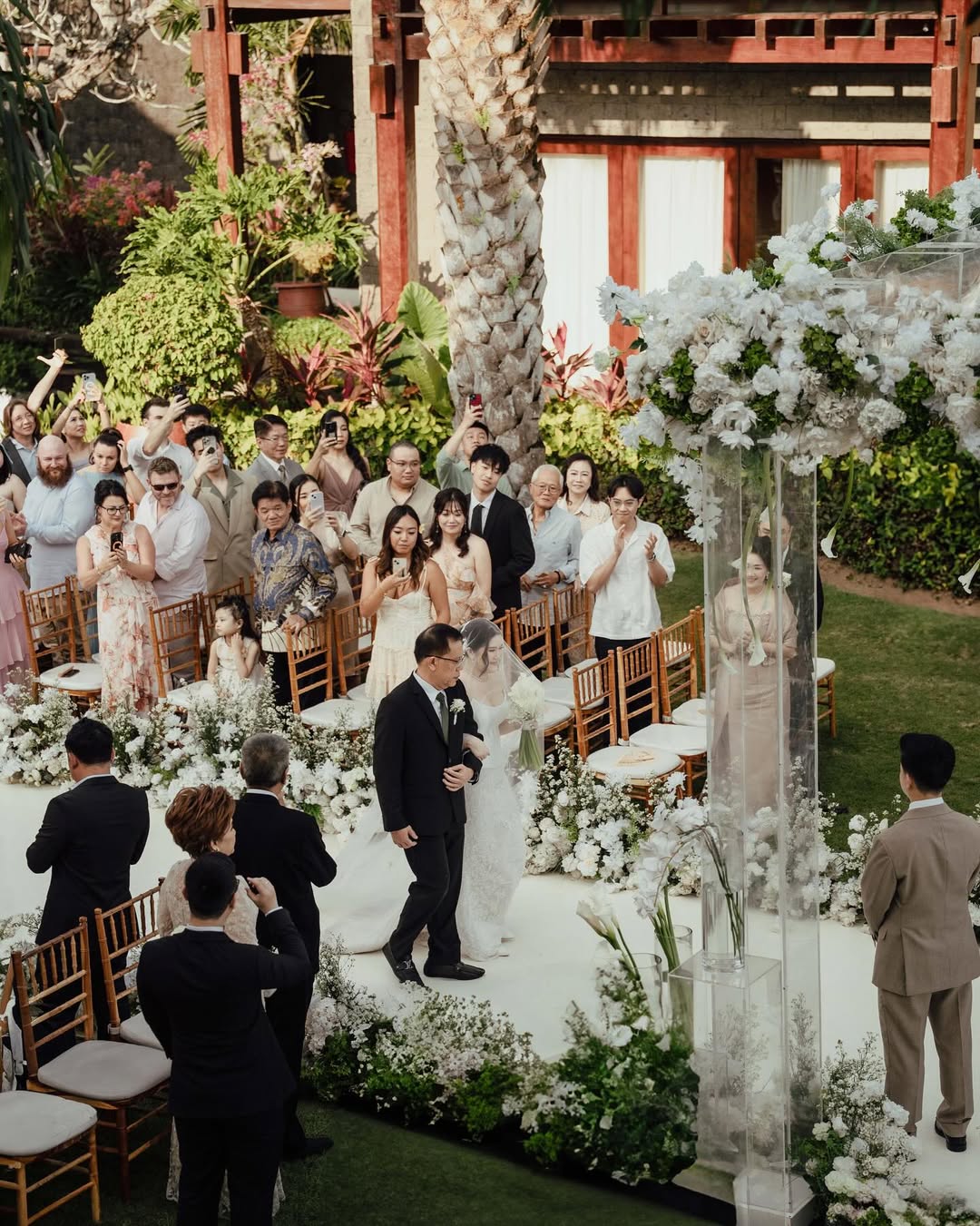
The couples who enjoy their wedding day the most are almost never the ones who had the best weather. They’re the ones who had a plan for every scenario and could therefore stop monitoring the forecast and start being present. In Lombok specifically, where outdoor settings are the entire point, and weather can shift with genuine speed, this preparation isn’t optional — it’s what separates a beautiful idea from a well-executed reality.
The practical details most commonly underestimated:
- Heat and humidity management — shade structures, fans at ceremony seating, water stations for guests
- A covered backup for every outdoor element that is genuinely beautiful in its own right, not just functional
- Sound and power planning for remote venues, including generator backup, confirmed in writing
- Load-in timing for vendors — particularly catering at locations without on-site kitchen facilities
- Transport timing with buffers built in, not optimistic estimates
- Guest comfort essentials communicated in advance: appropriate footwear, dress code for humidity, and what to expect from the setting
The gap between a stressful wedding day and a smooth one almost always traces back to these practical details — not the flowers, not the dress, not the venue. The infrastructure either supports the beauty or it quietly undermines it. Get this right, and everything else has room to be extraordinary.
Step 12: Review Everything Before the Wedding Week
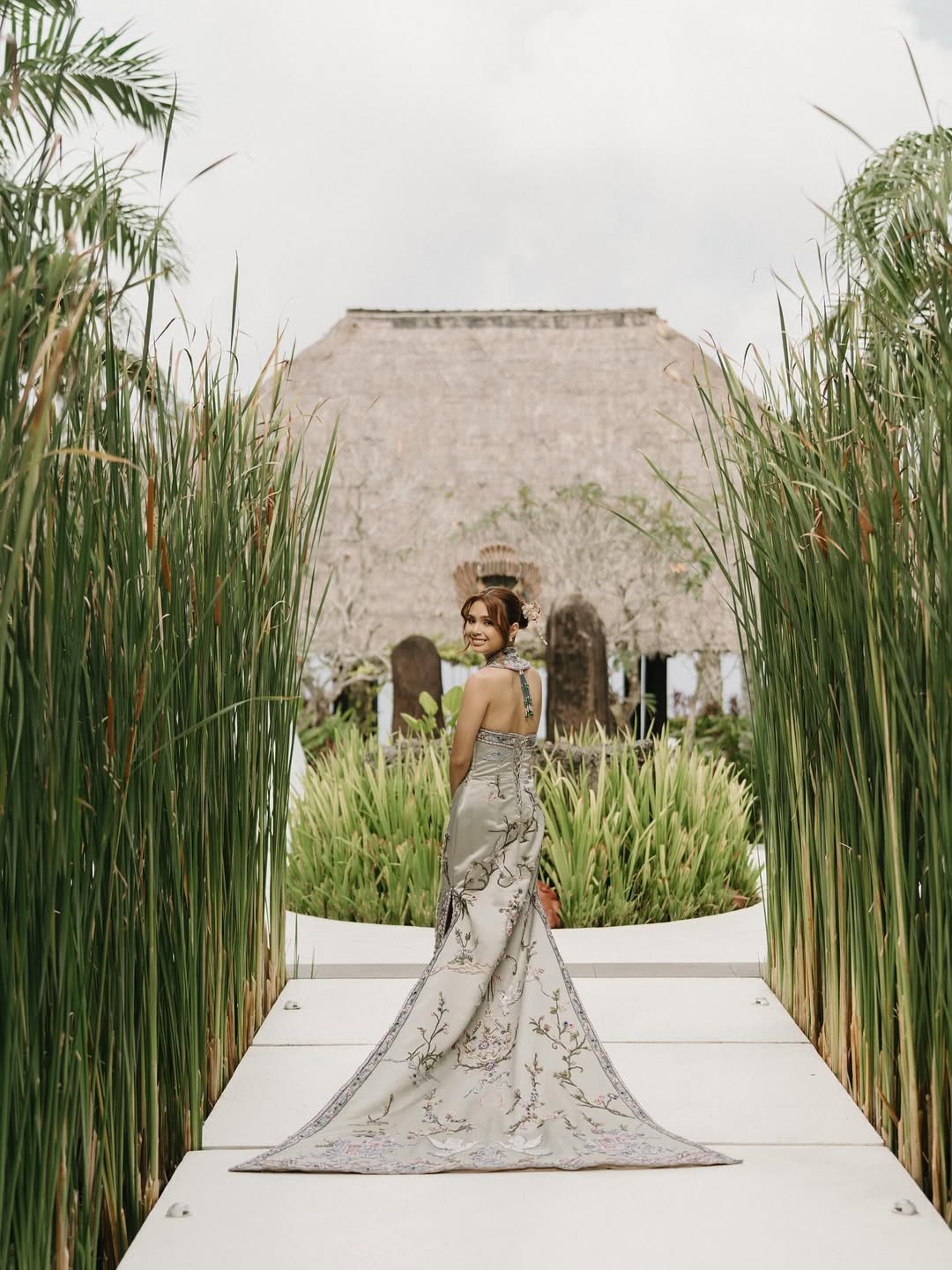
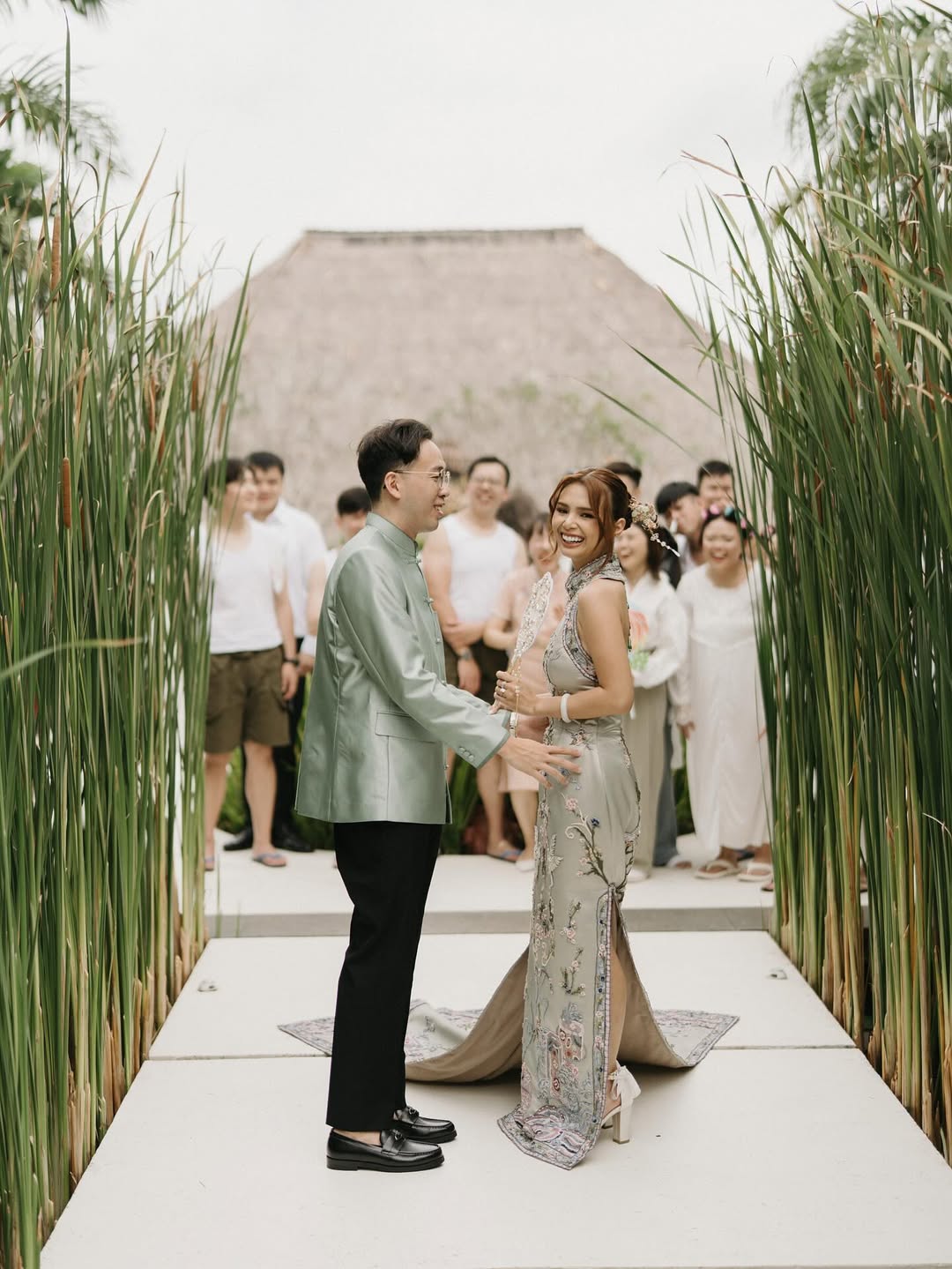
The week before your wedding is not the time for decisions. It’s the time for confirmation, clarity, and deliberately slowing down into the experience you’ve spent a year building. Every item on the list below should be completed before you board your flight to Lombok.
Final review checklist:
- All vendor bookings reconfirmed with specific arrival times and contact numbers
- Final timeline approved and distributed to every vendor on your team
- Guest list finalized and communicated to catering
- Seating plan confirmed
- All outstanding payments have been tracked and completed
- Emergency contact list prepared — planner, venue manager, key vendors
- Transport schedule checked against actual guest arrival confirmations
- The weather forecast is being monitored with a backup plan ready to activate
- Personal items packed — ceremony accessories, outfit for welcome dinner, anything that can’t be replaced on the island
A Simple 12-Month Wedding Planning Checklist for Lombok
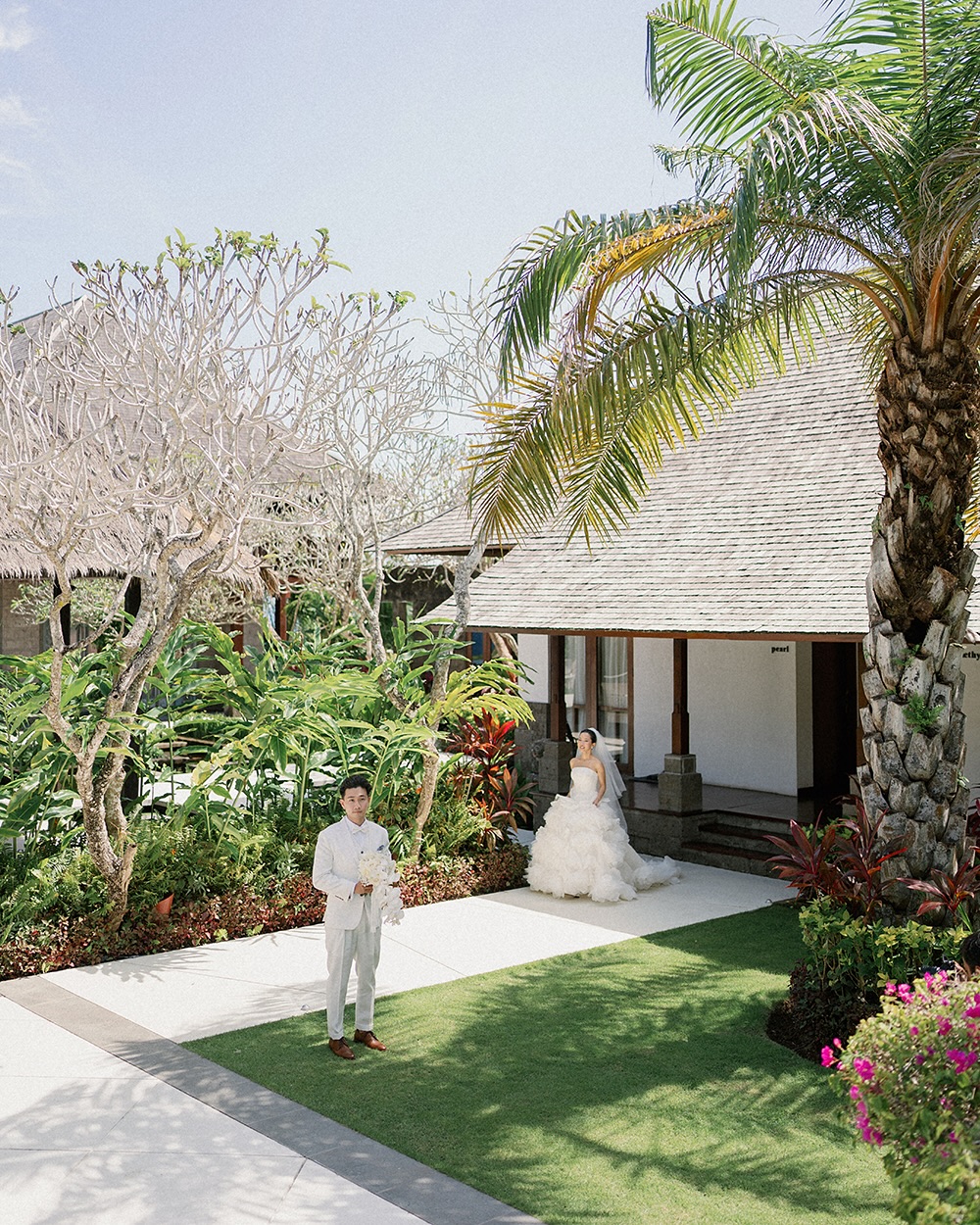
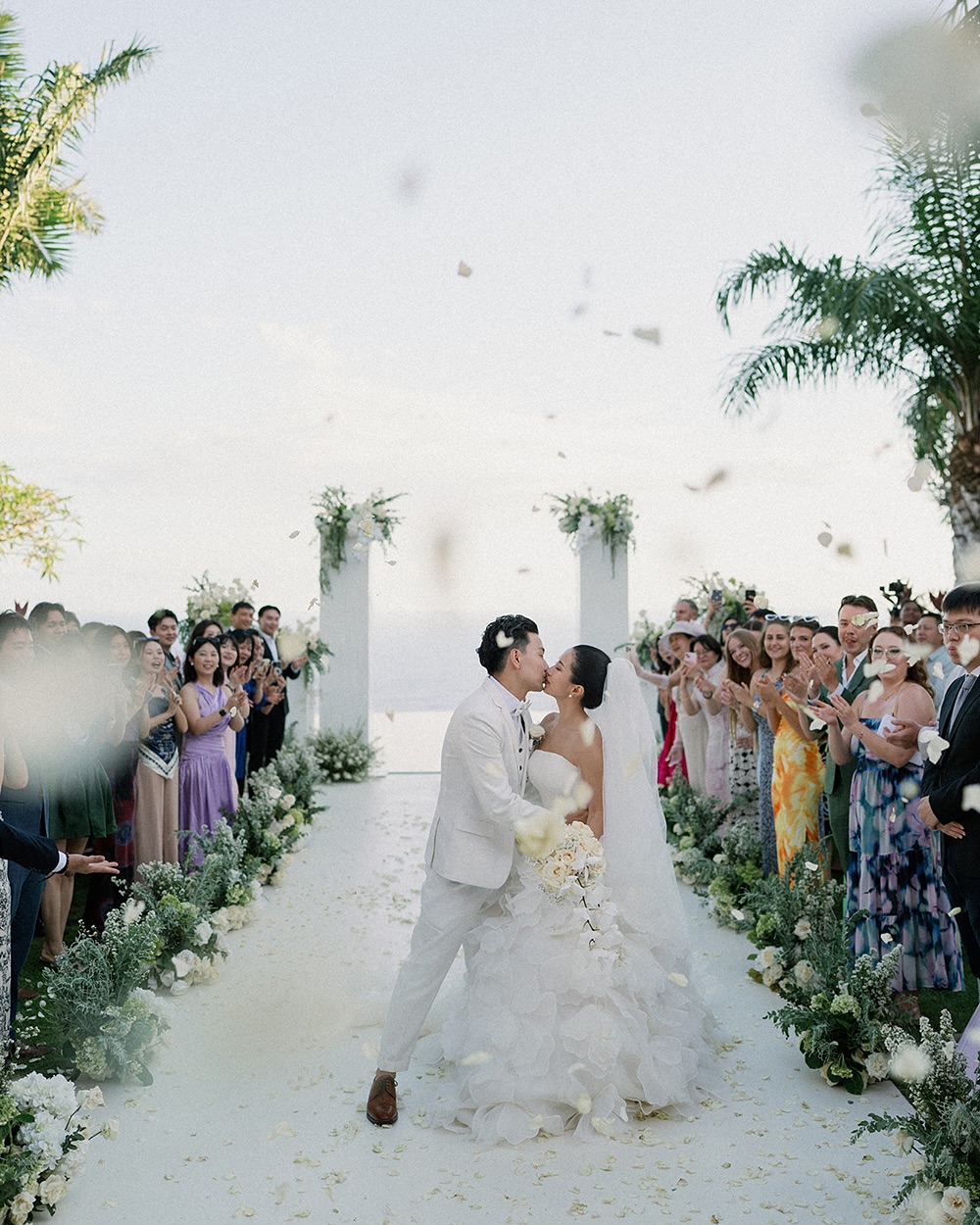
12+ months before
Start with vision, budget, and the decision to hire a Lombok wedding planner before booking anything else. Shortlist venues based on your style and guest count.
8–10 months before
Book venue and accommodation. Lock in your photographer and any other priority vendors. Confirm your wedding date formally with all signed contracts.
6 months before
Work through guest logistics — travel guidance, accommodation blocks, save-the-dates. Confirm ceremony format and begin design planning with your florist and décor team.
3 months before
Finalize vendor details and have all contracts reviewed. Confirm final guest count and update catering accordingly. Ensure all travel arrangements are in place for the couple and the wedding party.
Final month
Approve the complete day-of timeline with your planner. Make final payments. Reconfirm every vendor with specific timing. Complete your final review checklist and hand over coordination to your team.
Wedding week
Arrive early — at least three to four days before the ceremony. Confirm setup flow at the venue. Complete your final walk-through with the planner. Then genuinely let go of the logistics and trust the team you built.

Common Mistakes International Couples Make When Planning a Wedding in Lombok
Most planning mistakes in Lombok aren’t the result of bad decisions — they’re the result of good decisions made in the wrong order, or without enough local context to evaluate properly.
The patterns that create the most problems:
- Choosing a venue before engaging a planner is probably the most common and most consequential mistake. It feels logical — find the beautiful place, then find someone to help organize it — but it means you’re making your most expensive decision without the advice of the person who knows that venue’s actual track record.
- Underestimating island logistics comes second. Lombok is not a large island, but the distances between the airport, the south coast, and the Gili Islands are real. Couples who treat the geography casually end up with guests who spend a surprising amount of time in transit during the wedding weekend.
- Waiting too long to book key vendors, particularly photographers, is a consistent issue in peak season. The best people on the island — local and destination — fill up earlier than their visibility suggests.
- Treating accommodation as a separate issue from the venue strategy means missing the opportunity to design a guest experience that functions as a whole. Where people sleep shapes how they feel on the wedding day, and that’s worth planning deliberately rather than leaving it to individual guest decisions.
- Not having a weather backup plan in place isn’t optimistic — it’s a risk that occasionally becomes your entire wedding day narrative. Build the plan while the sun is shining.
Lombok wedding planning becomes a genuinely manageable process when couples move through it in sequence rather than in parallel. The island rewards the couples who took their time with the early decisions — who hired the right planner before booking the beautiful villa, who confirmed their ceremony format before designing the floral arch, who thought about where their guests would sleep before falling in love with a clifftop location two hours from the nearest hotel.
The sequence is the strategy. Get it right, and the rest of the planning process has a quality of momentum to it — each decision building on the last, each vendor fitting into a team rather than operating in isolation. Get it wrong, and you spend the second half of your planning timeline untangling decisions that didn’t quite connect.
Lombok will meet you with everything it has to offer. The light, the landscape, the particular kind of quiet that exists here and almost nowhere else in the region. Your job, with the right wedding organizer in Lombok beside you, is simply to show up prepared.