Handcrafted Organic Wedding Wreaths as Stylish 2026 Decor


Wedding wreaths are becoming more popular, reflecting a shift toward handmade details and natural materials that feel personal rather than mass-produced. By 2026, wreaths will be used in many ways at weddings, not just on Christmas doors or church entrances. You’ll see them as ceremony backdrops, table centerpieces, and even bridal hair accessories. Whether made from dried flowers, evergreen branches, or creative materials like straw and moss, these circular designs bring the celebration together and symbolize unity, eternity, and lasting love. Wedding wreaths are also easy to customize and work well for rustic barn receptions, city ceremonies, or elegant garden parties.
Find Your Perfect Wedding Vendors


Dry Botanical Wedding Wreaths
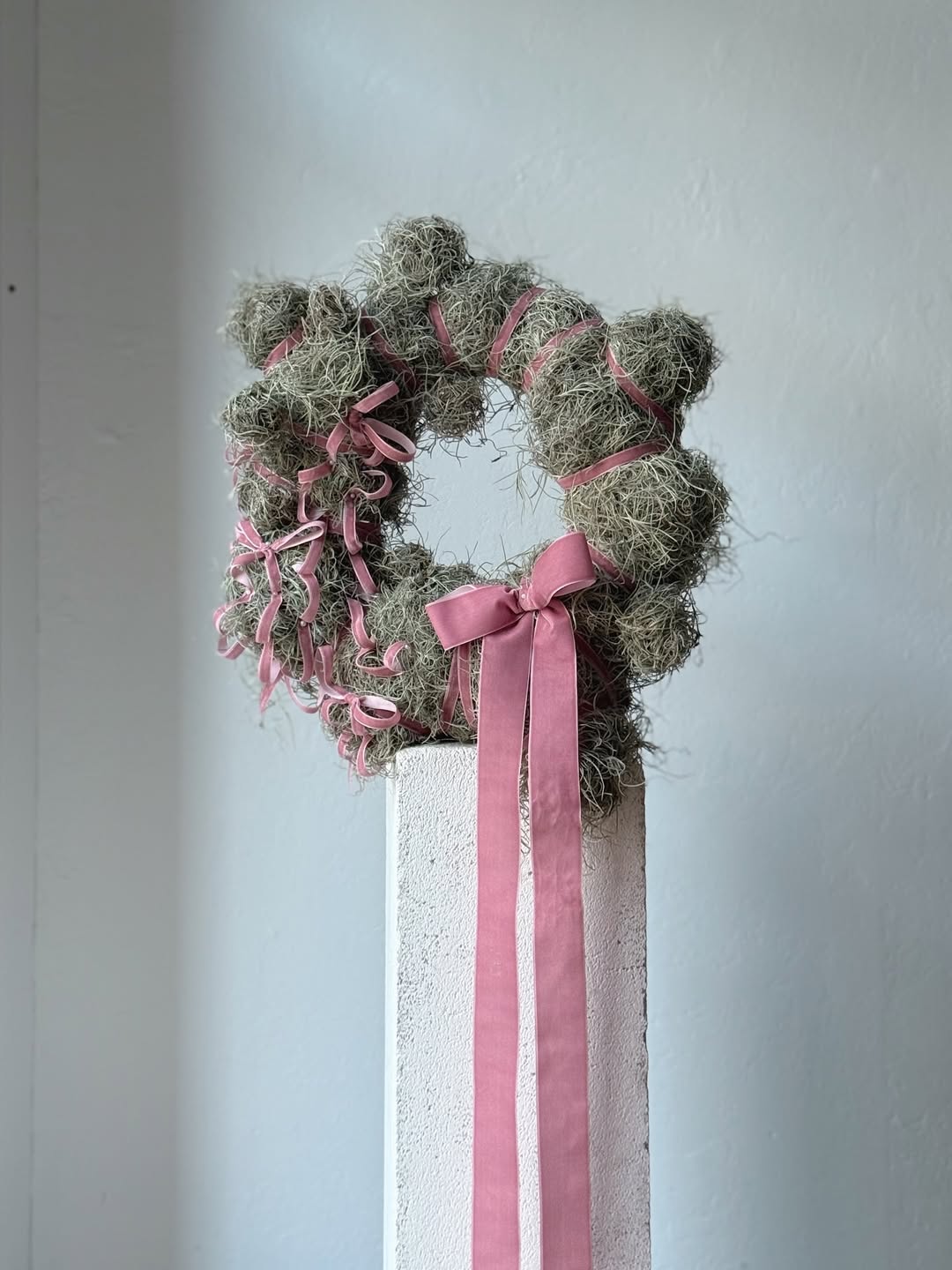
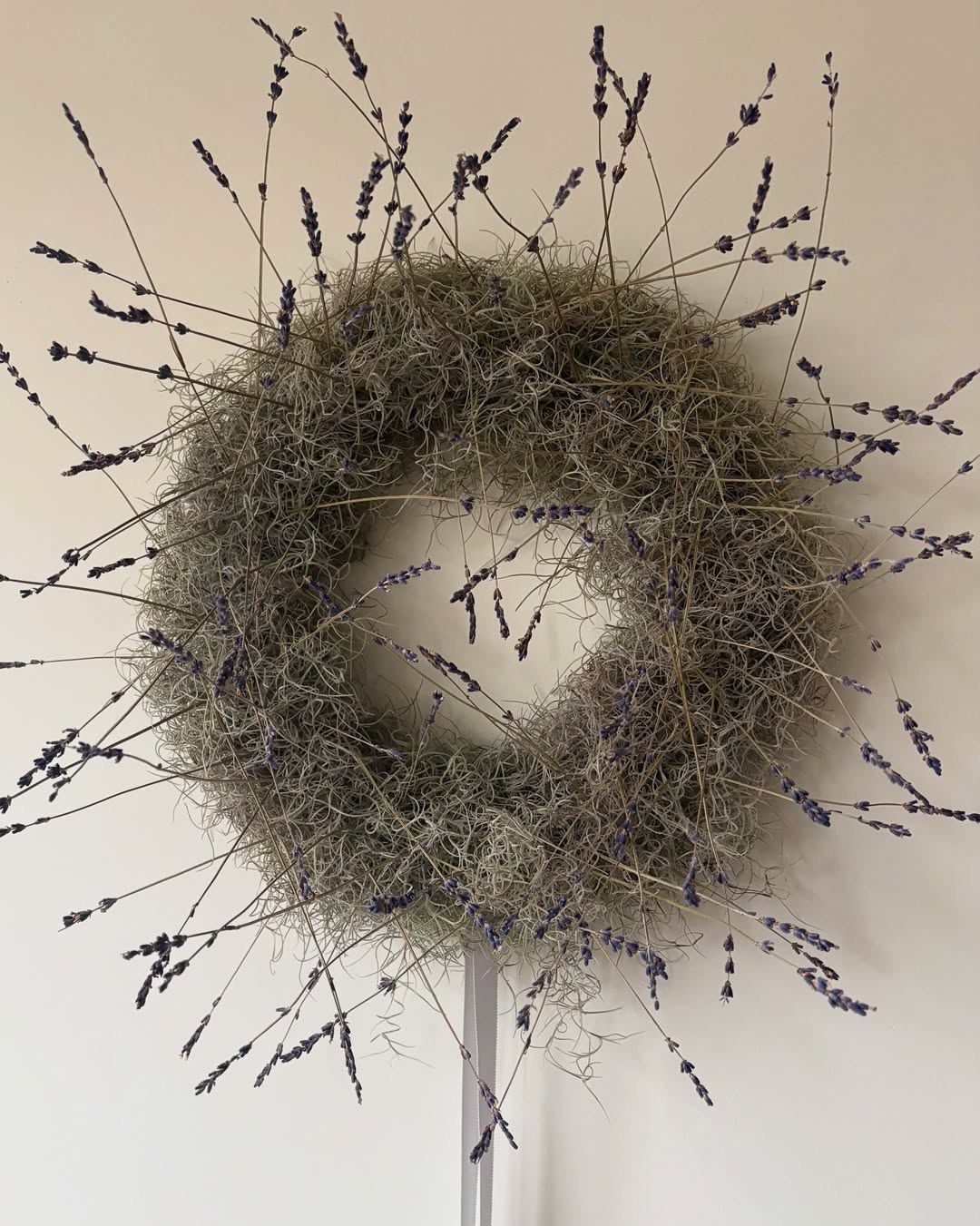
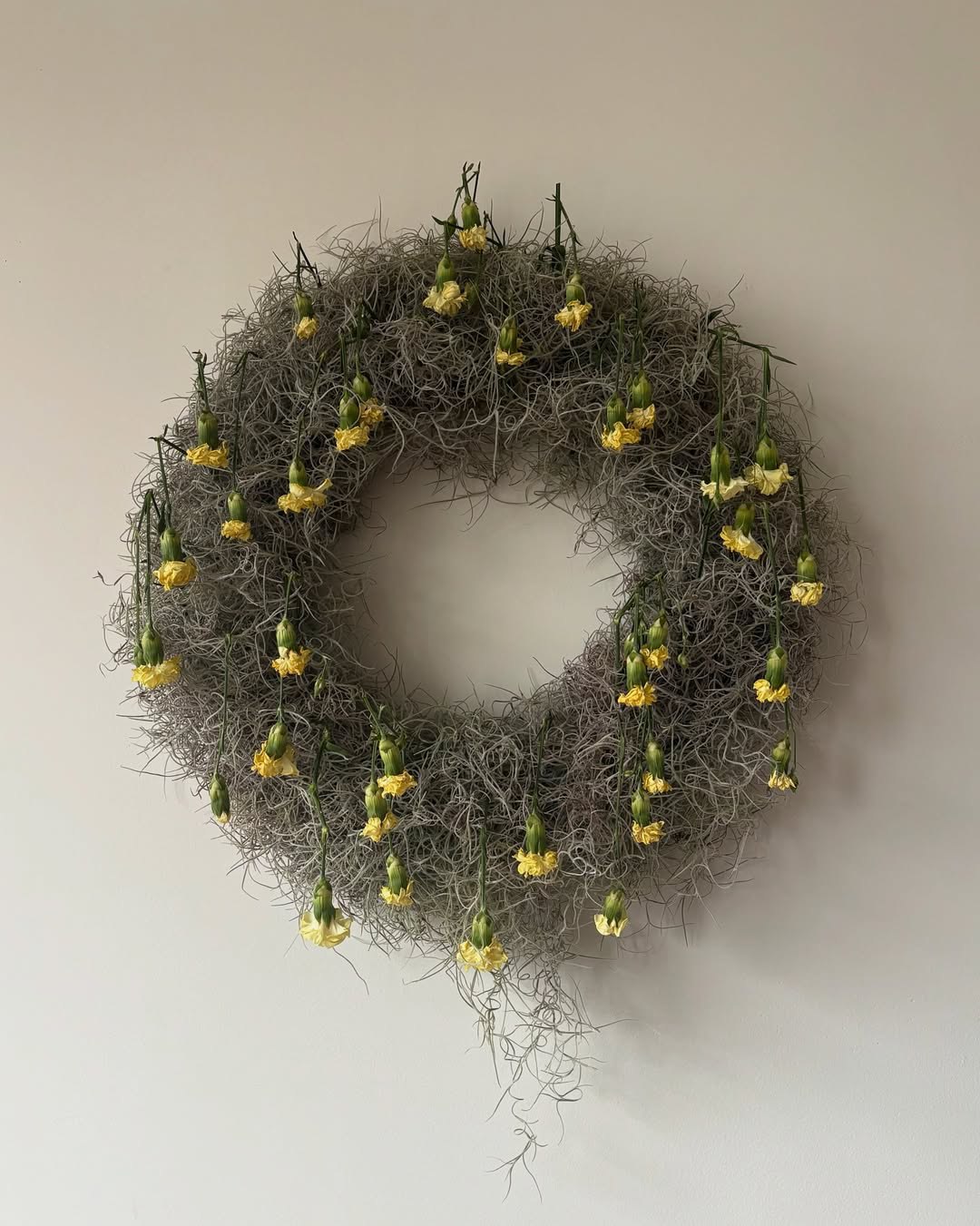
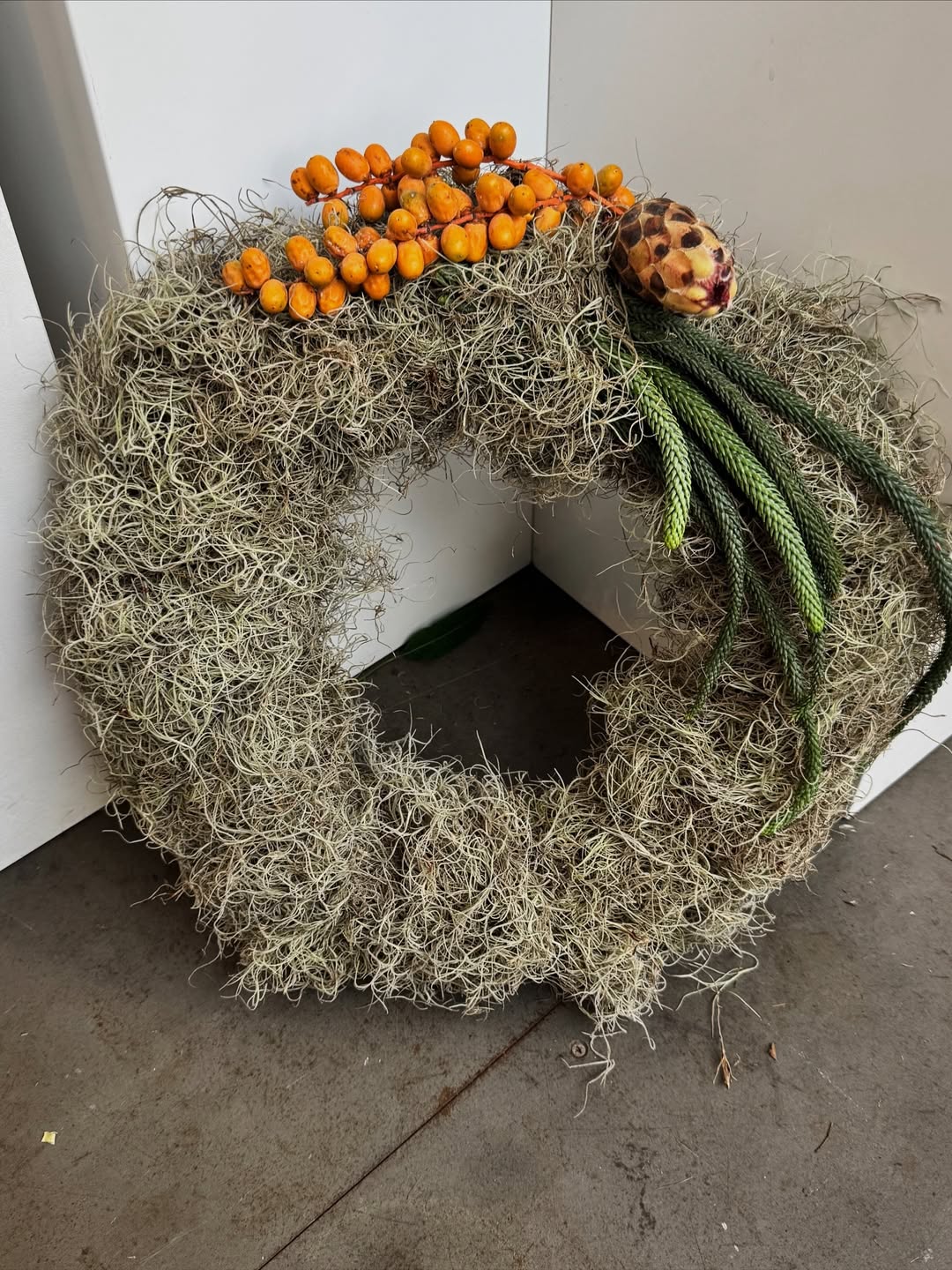
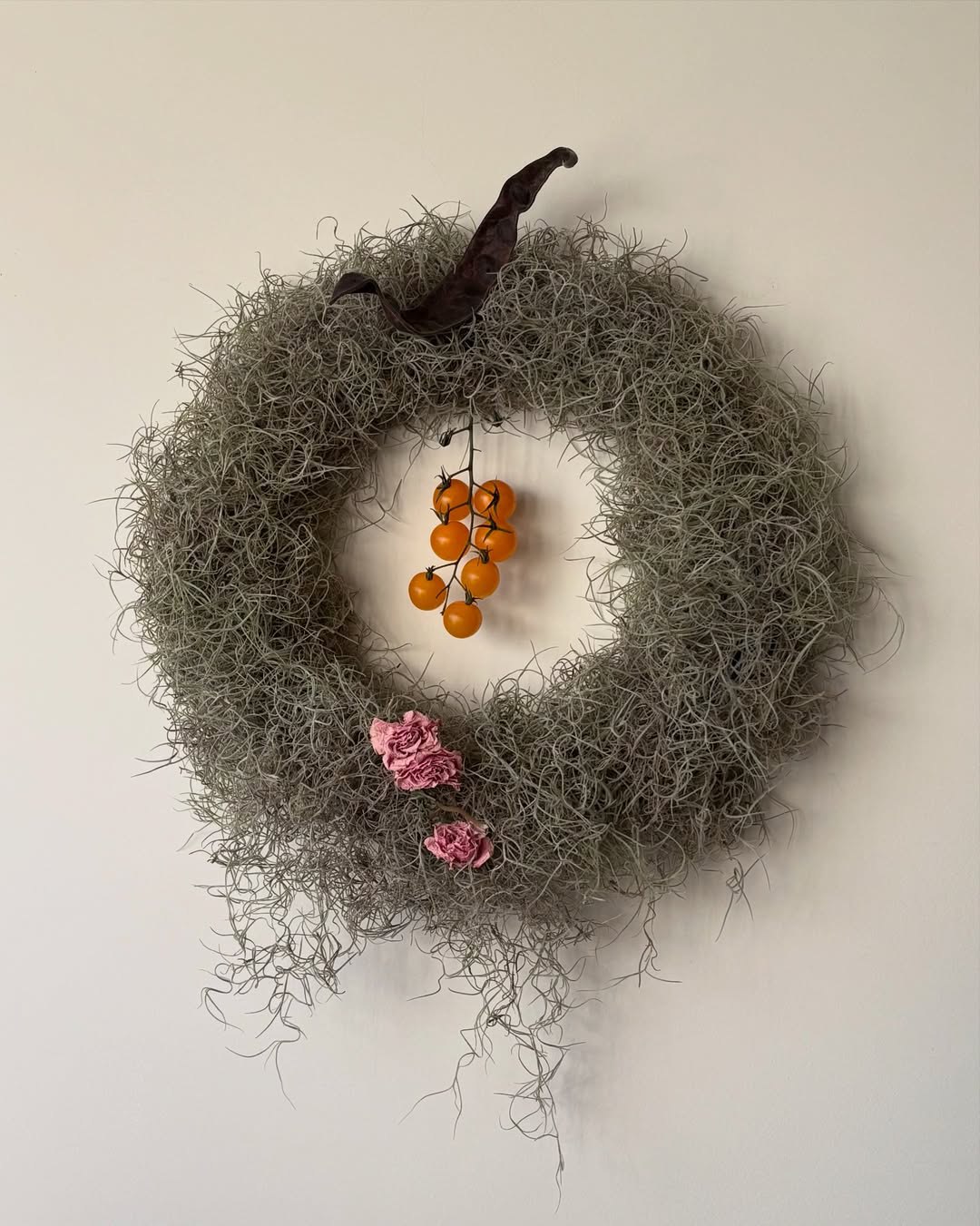
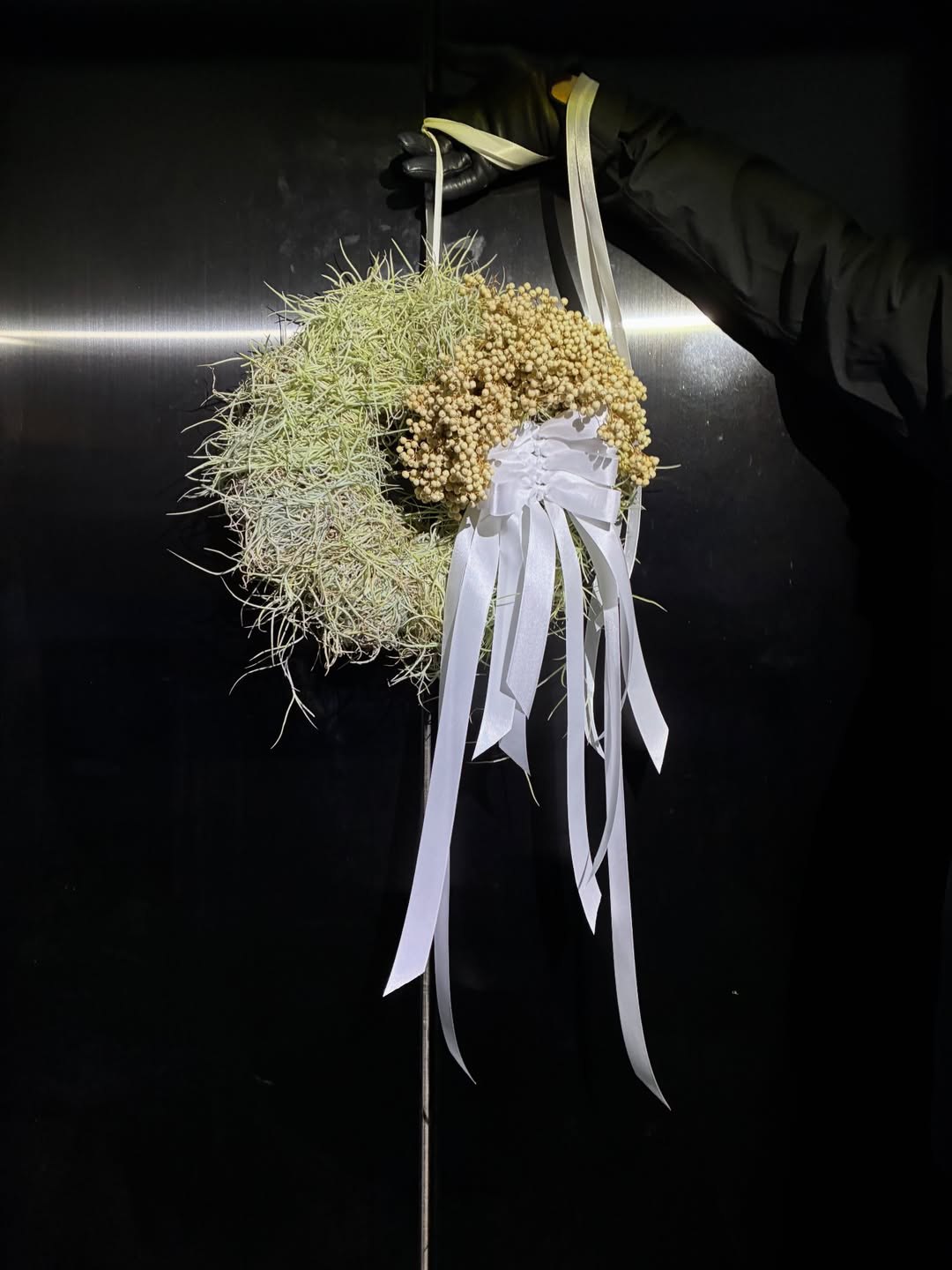
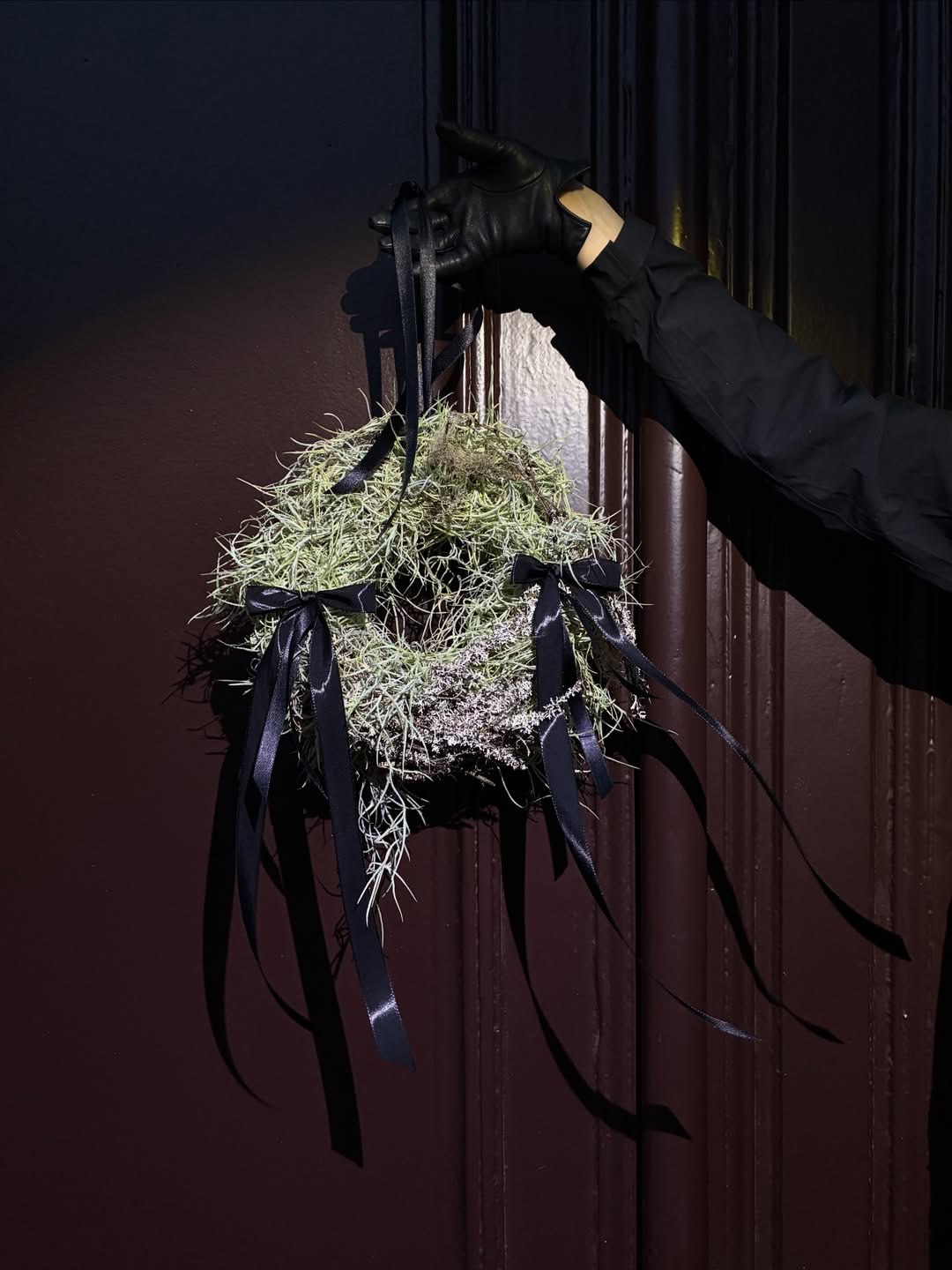
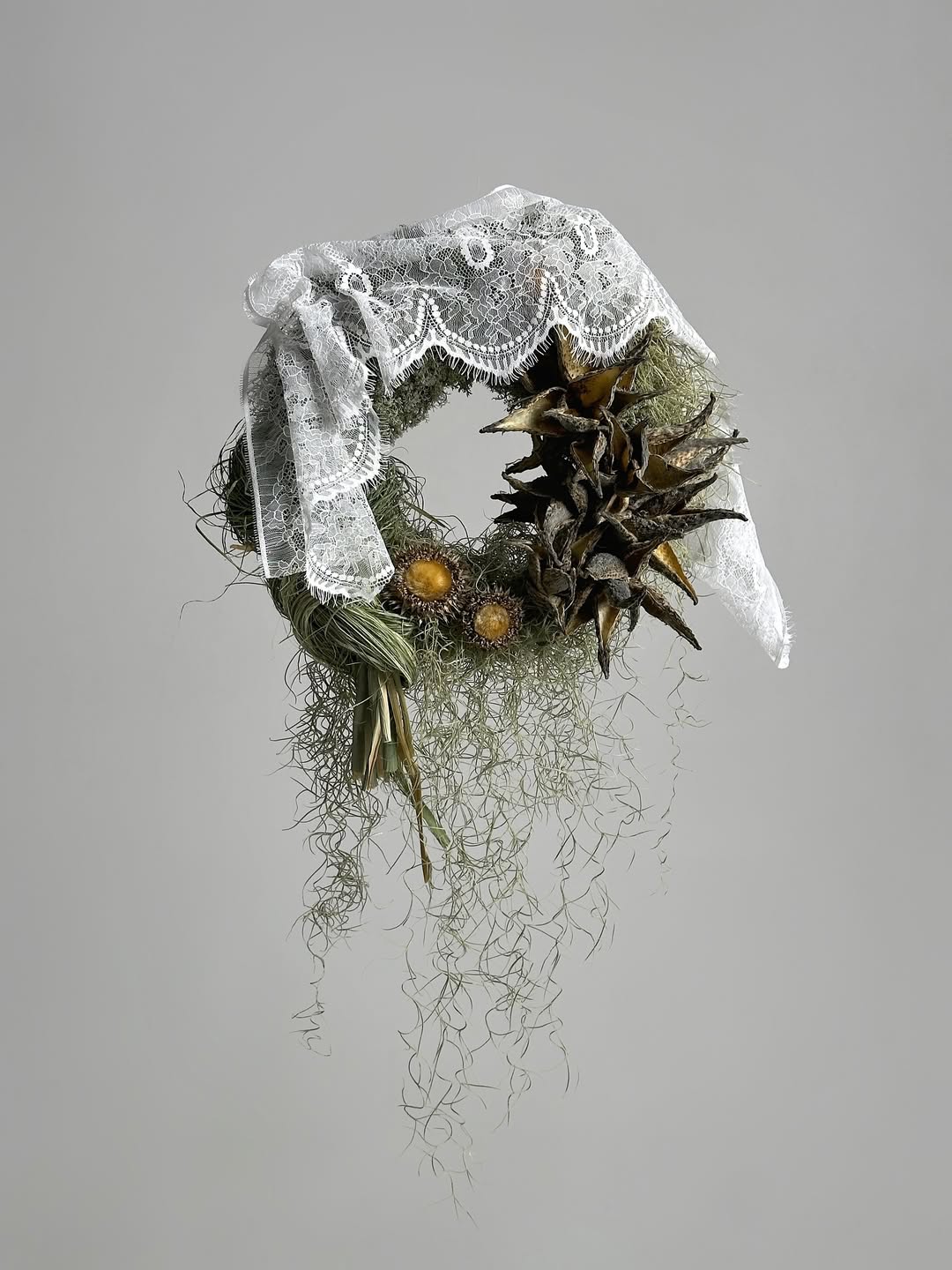
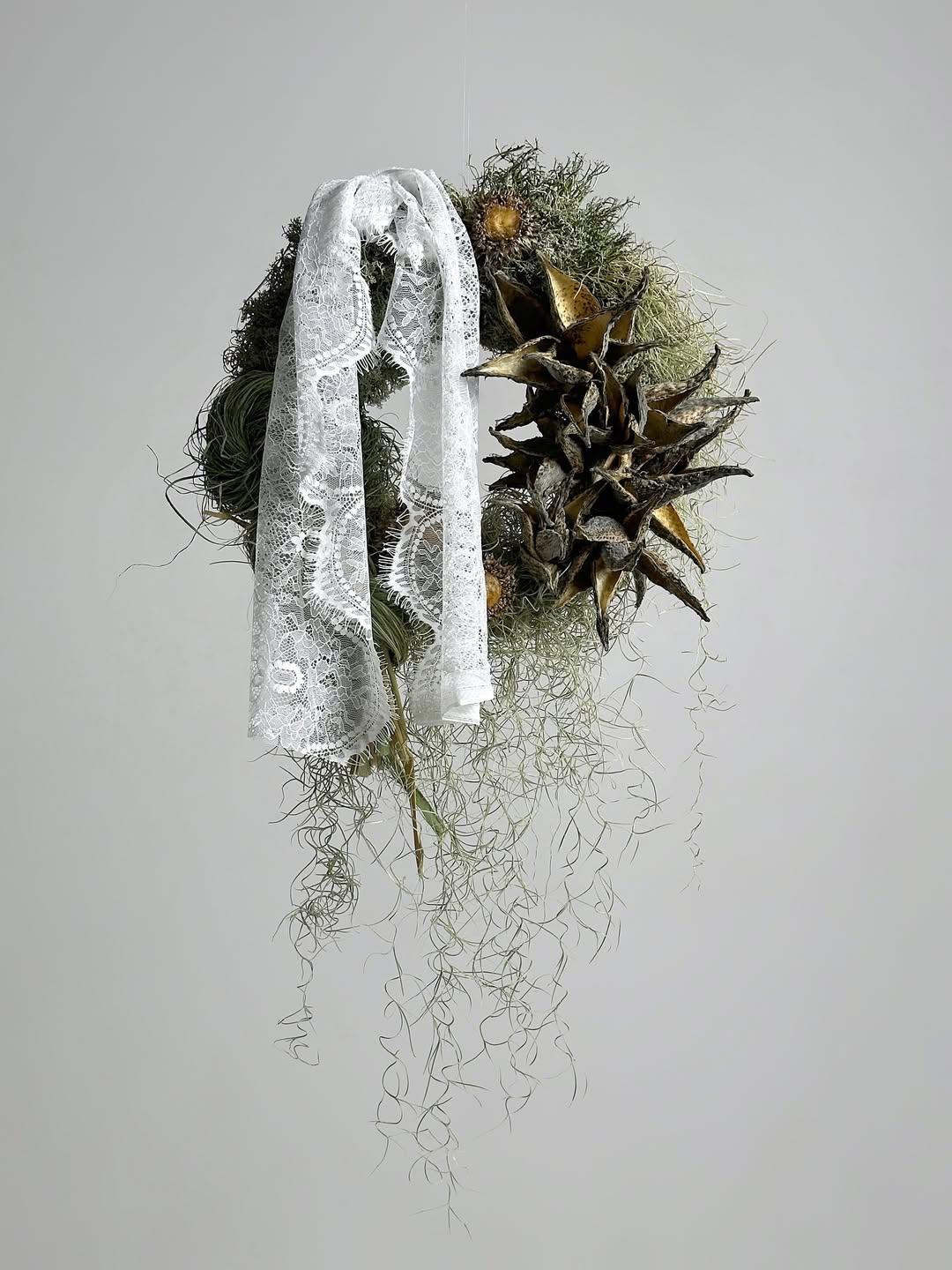
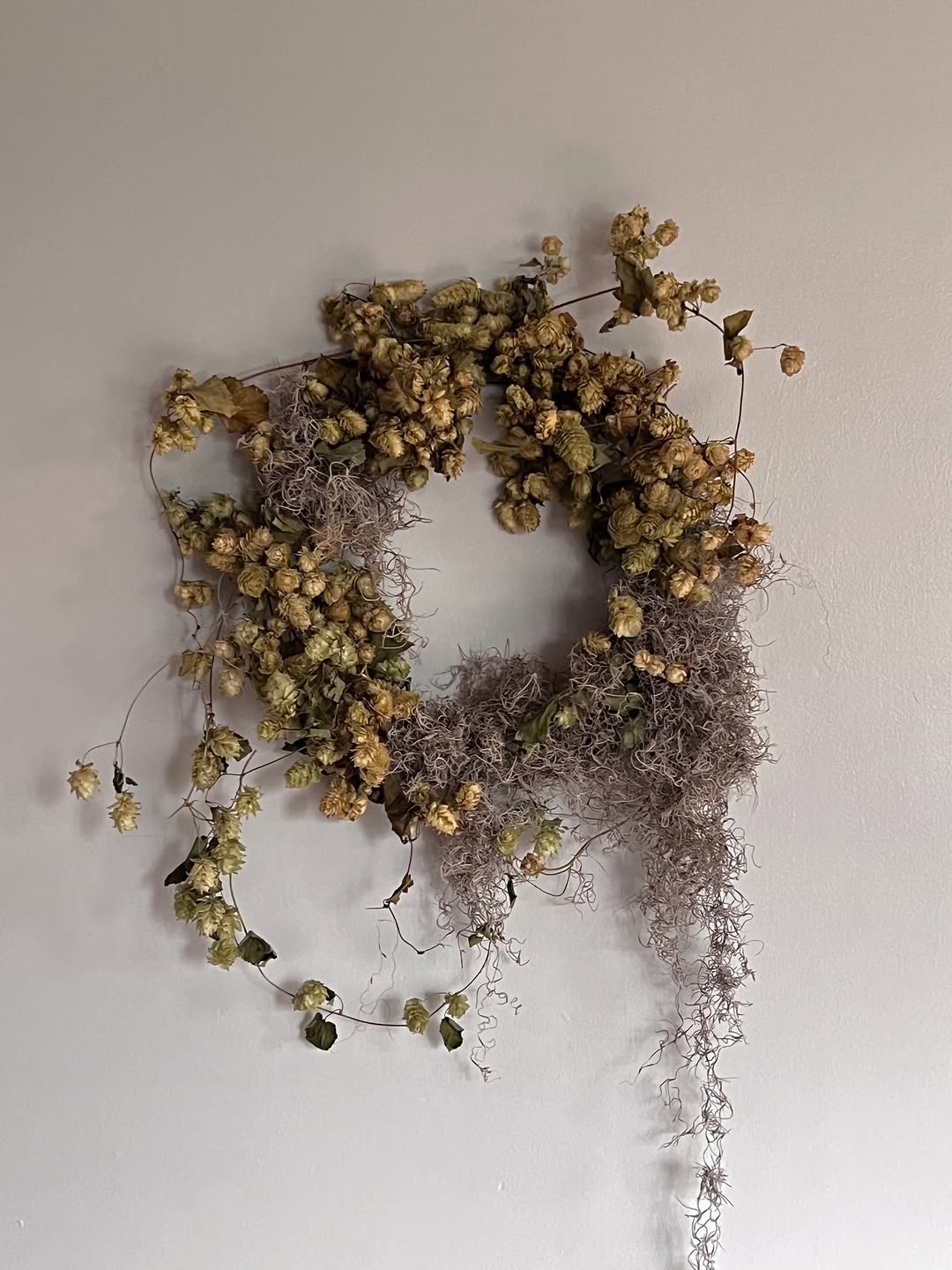
Dried botanicals bring a timeless feel to weddings. They don’t wilt, look striking in photos, and fit perfectly with the slow wedding trend for 2026. Rustic wedding wreaths made from dried grasses, seed pods, preserved leaves, and delicate flowers offer a texture that fresh blooms can’t match. These wedding wreaths for the front door work well, greeting guests with natural elegance. Try using wheat stalks, dried pampas, or lunaria for designs that catch the light and add movement. For reception tables, a wedding wreath centerpiece in soft dried tones stays beautiful and won’t wilt. Designers like using dried materials for table wreaths because they can be made ahead of time and last through multi-day celebrations. Dried botanical wreaths on church doors also feel just right—simple, lasting, and naturally beautiful.
Evergreen & Pine Wedding Wreaths
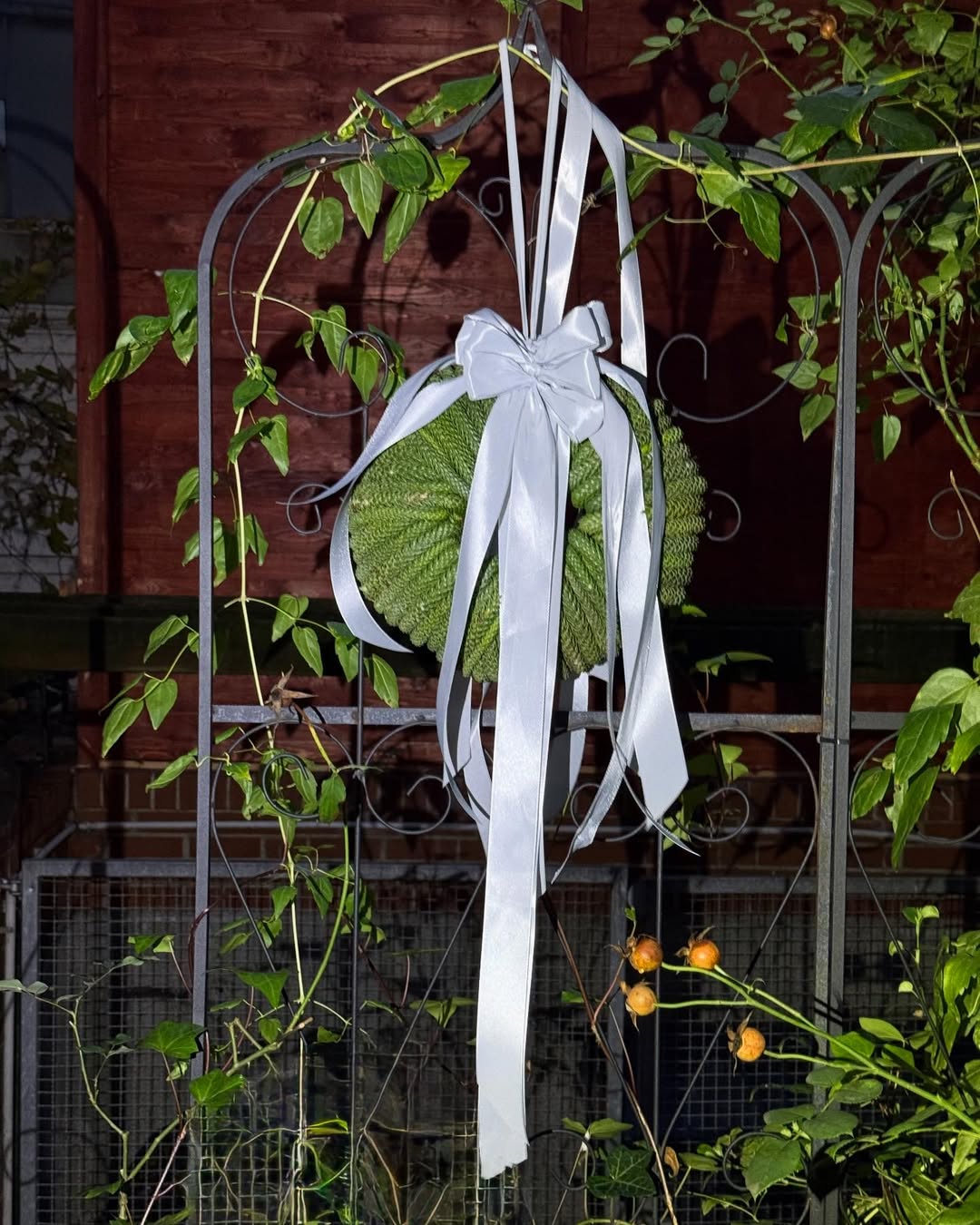
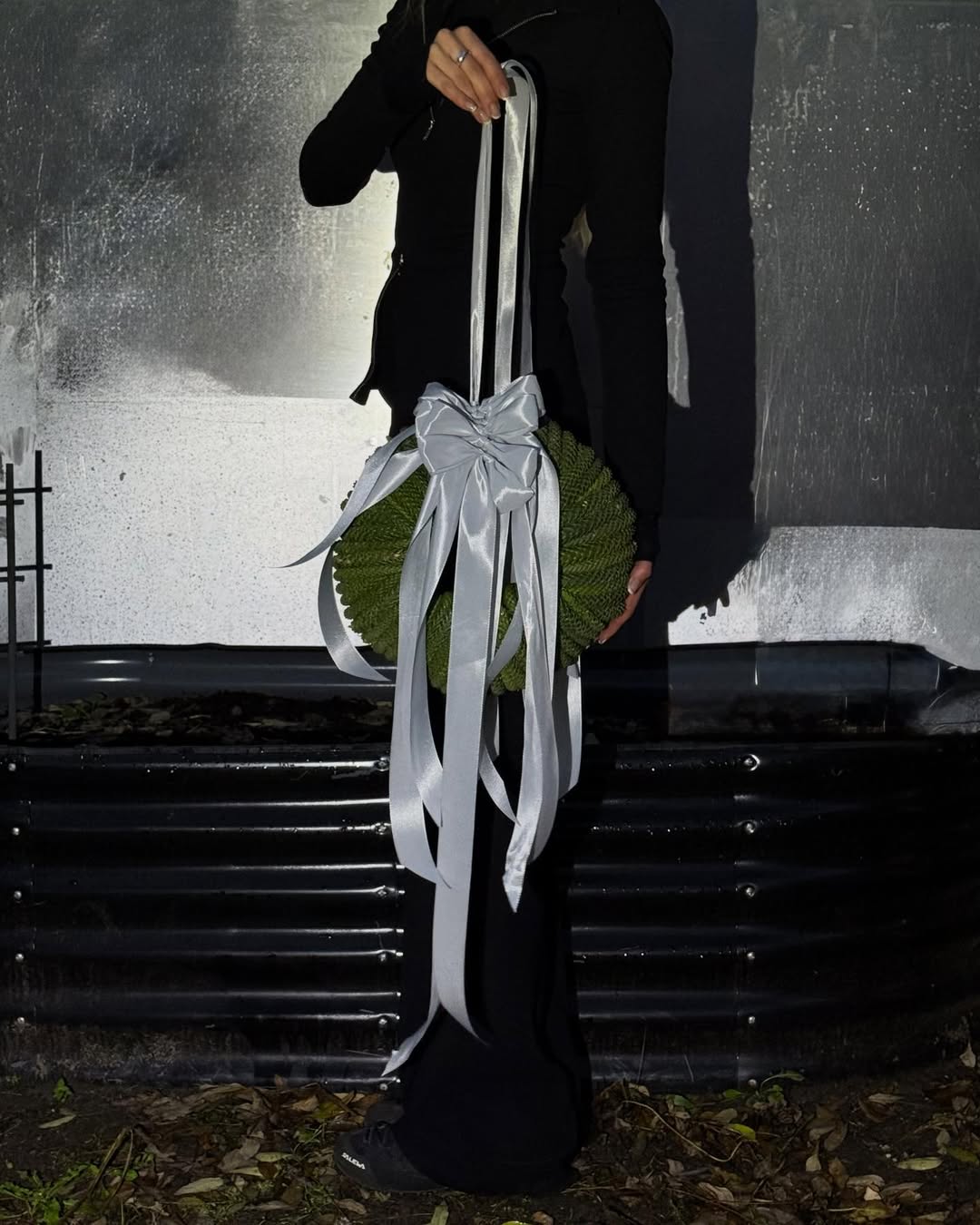
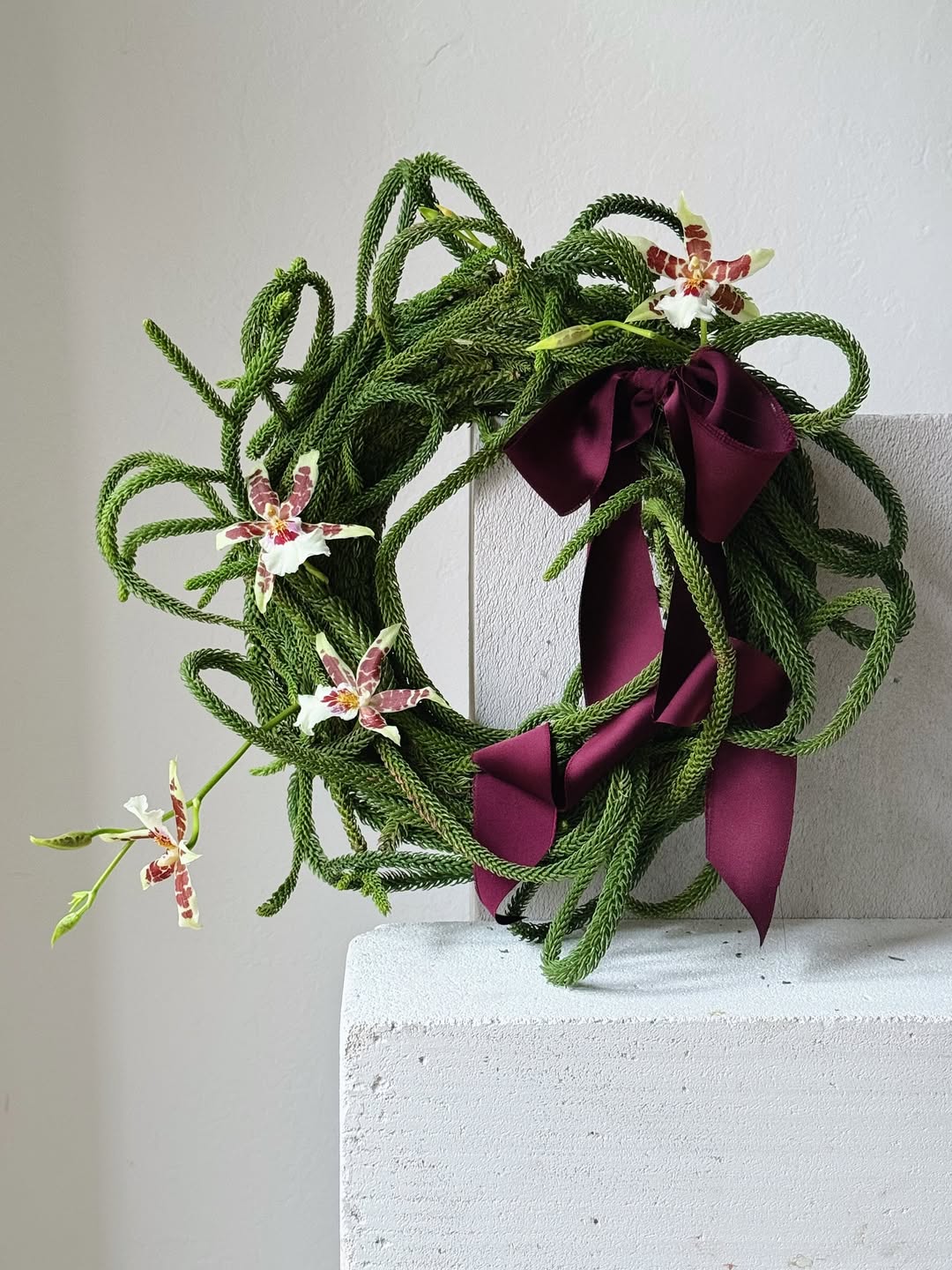
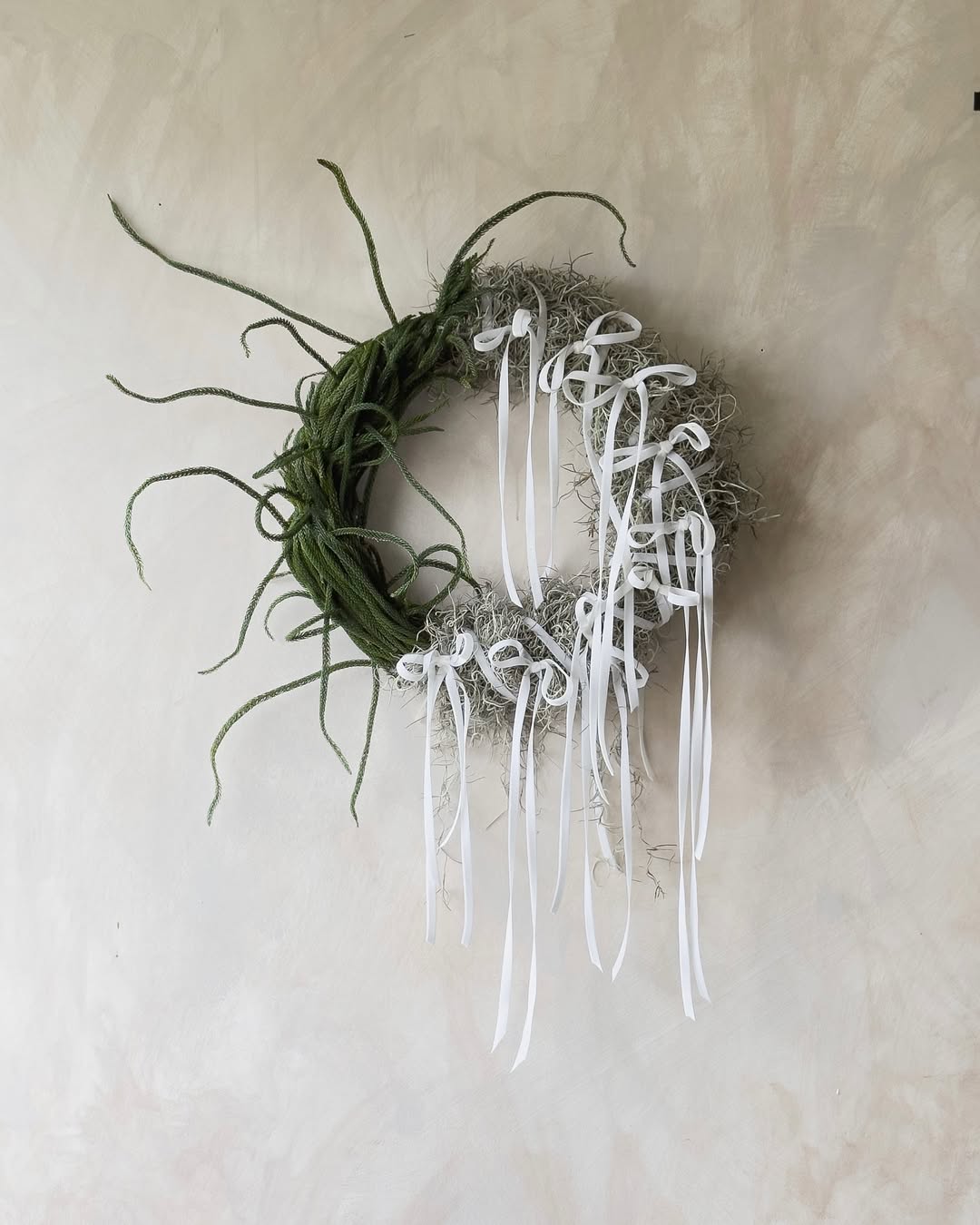
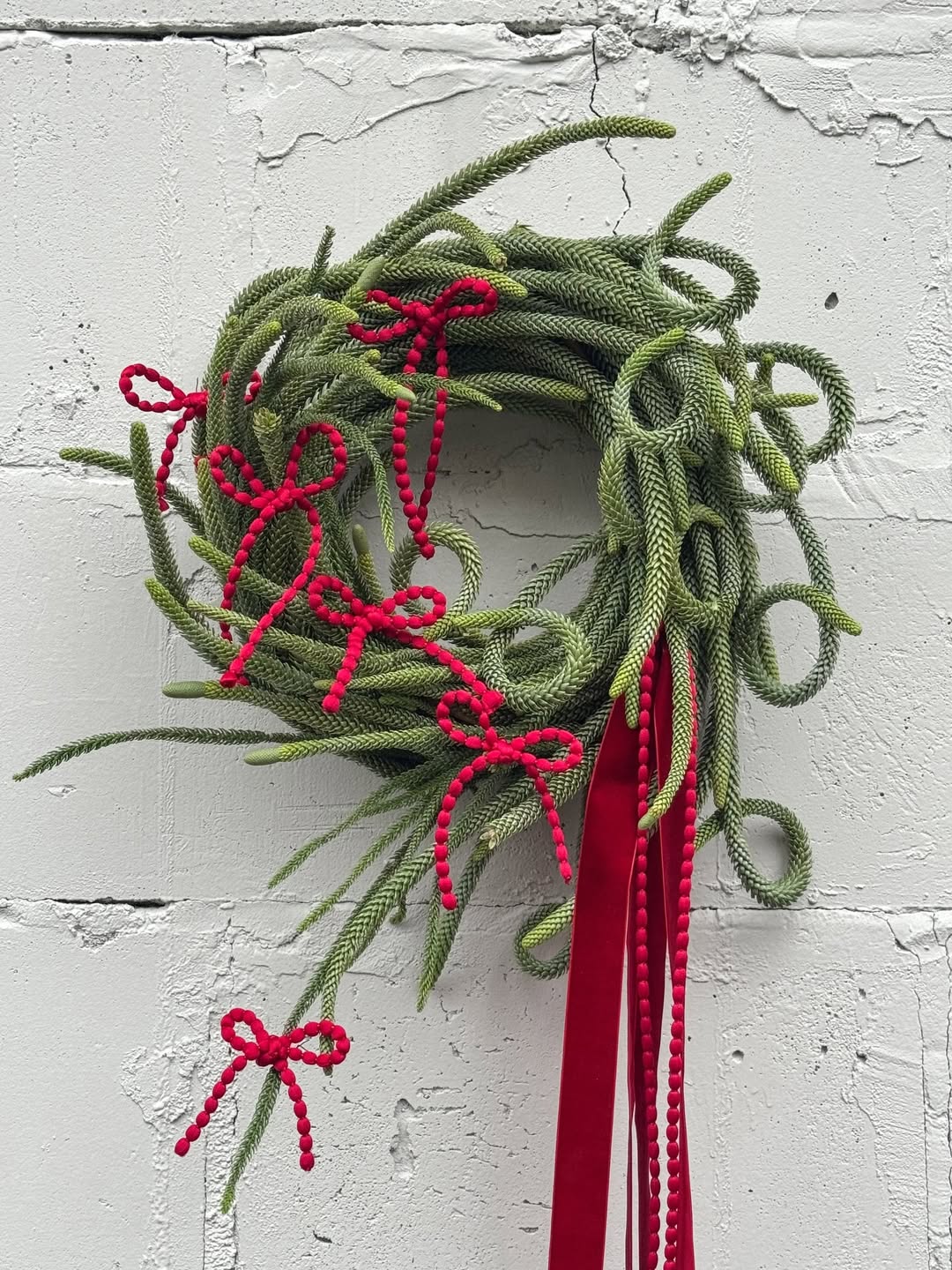
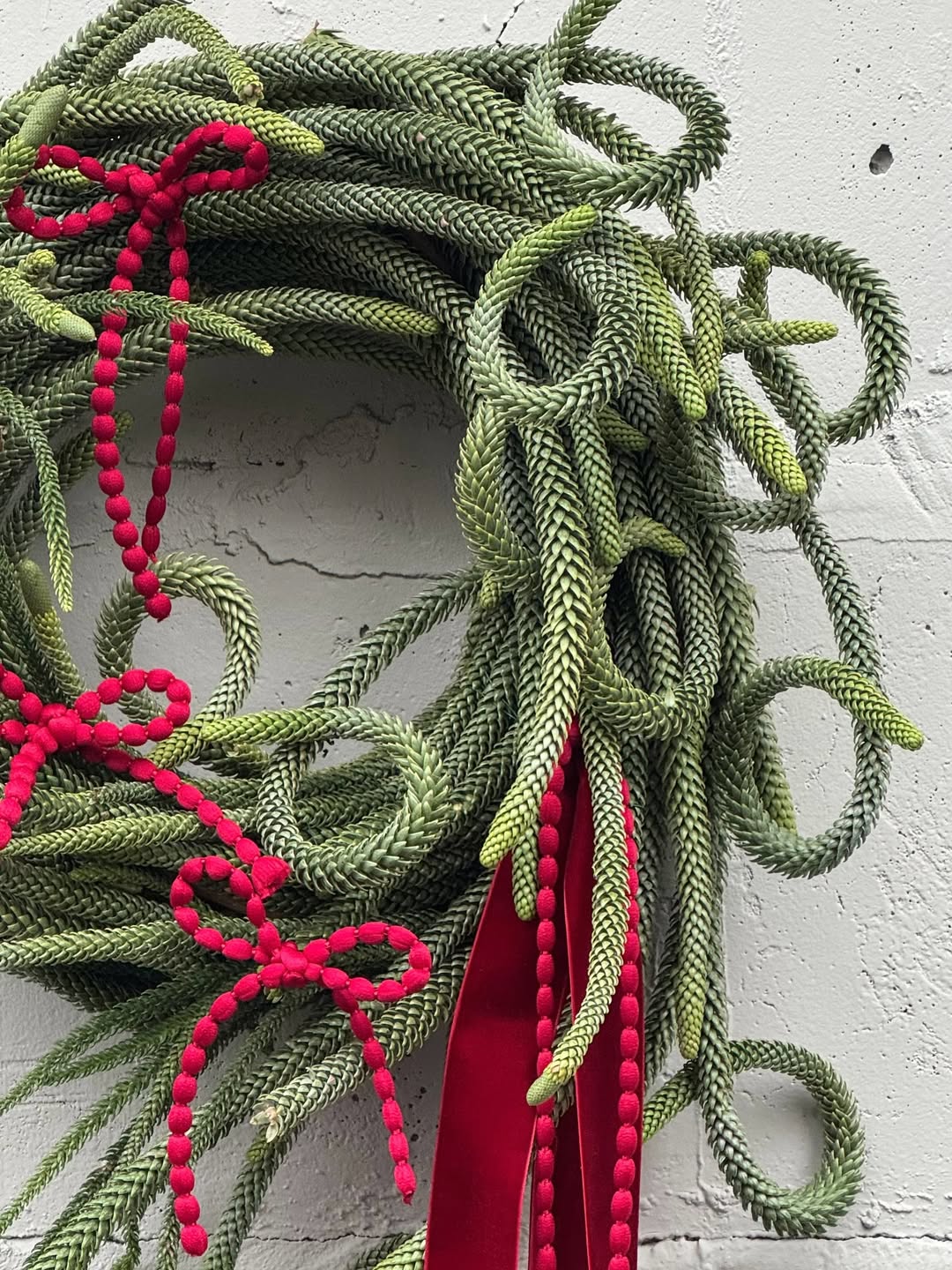
Evergreen arrangements are great for winter weddings since they fit the season, and for summer weddings because they bring a fresh, forest feel. A pine wreath on the front door stands out, while smaller wreaths on tables add natural style without overwhelming the decor.
- Evergreen branches add rich texture and shape to wedding wreaths, making them look full and naturally arranged.
- Pine and evergreen are available year-round, so you can use them for weddings in any season, unlike flowers that are only in season at certain times.
- The natural scent of evergreens adds something extra to the celebration and makes the event feel even more special.
- You can use evergreen wreaths in many ways, such as on the front door, as a ceremony backdrop, or as centerpieces on the tables.
- Evergreen wreaths stay beautiful for a long time and require little care, so they look great throughout the entire celebration.
Fir & Spruce Wreath Compositions
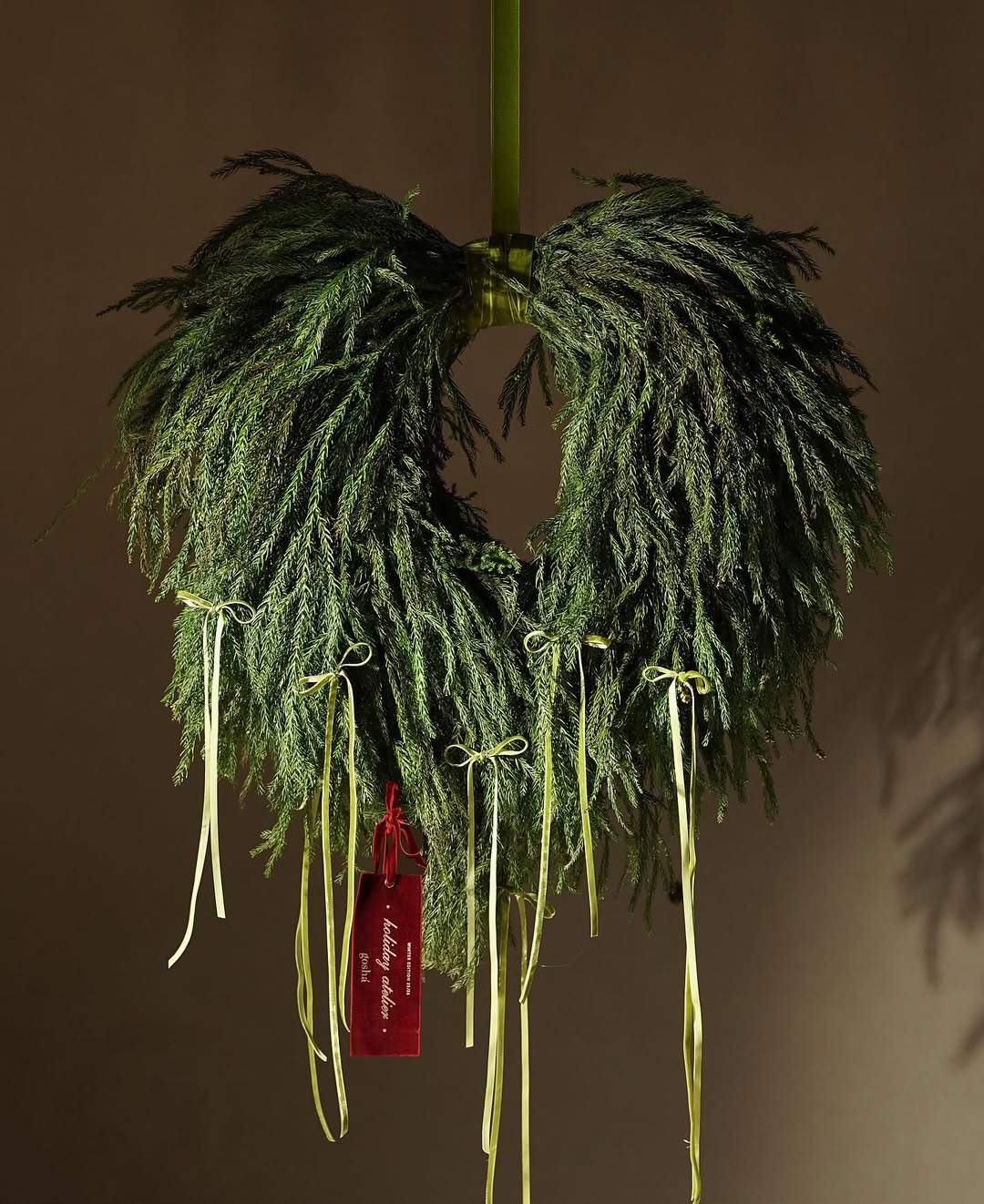
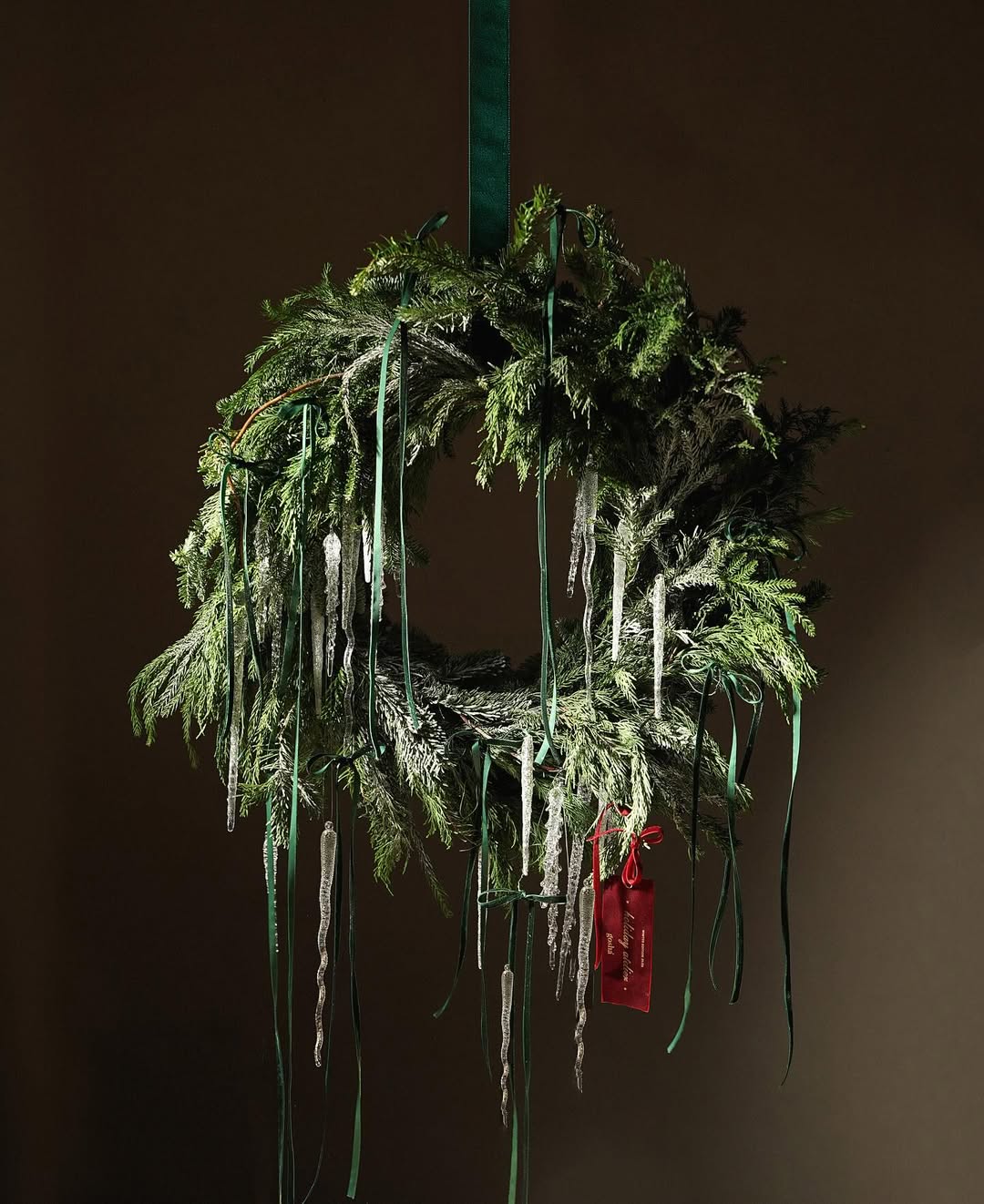
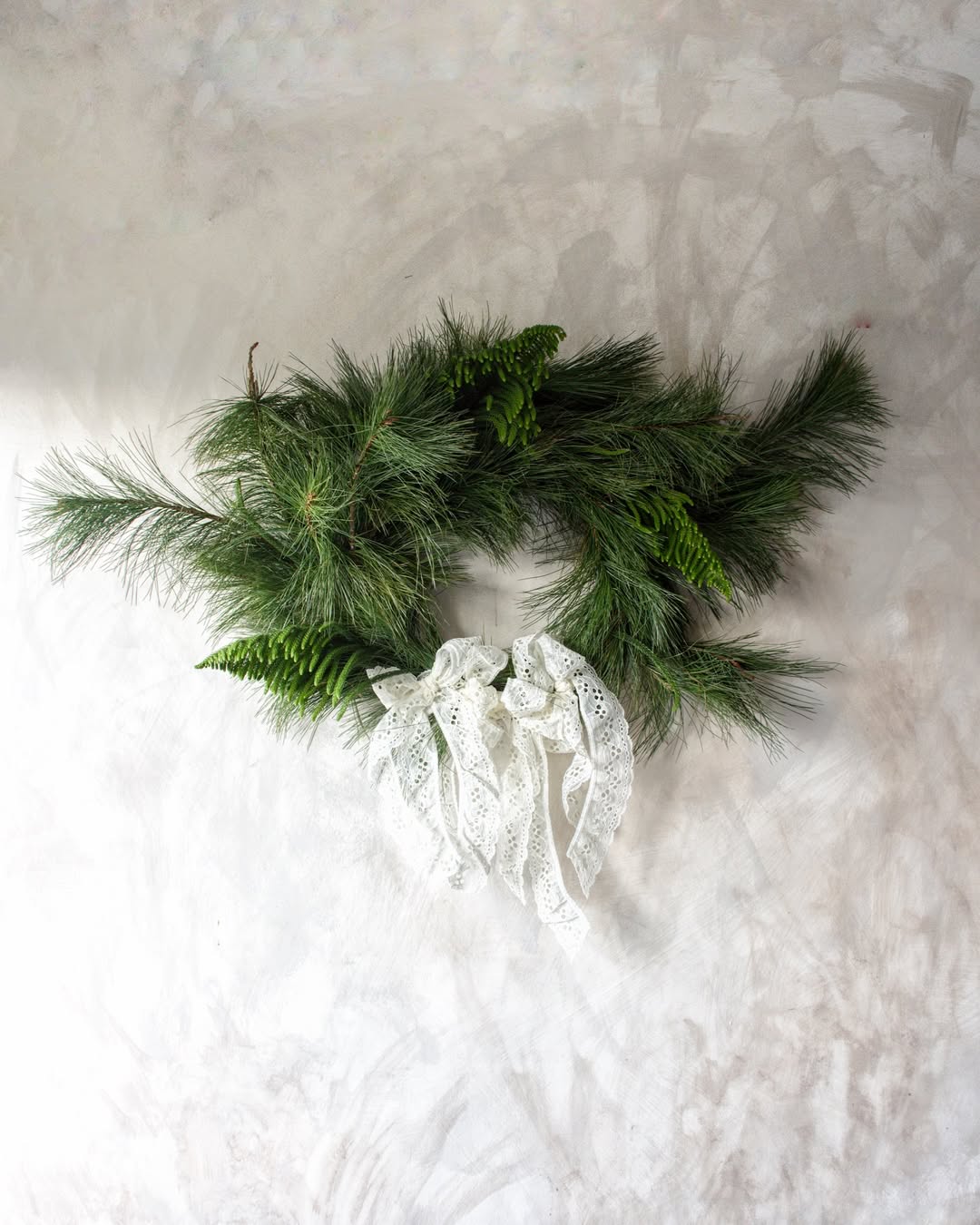
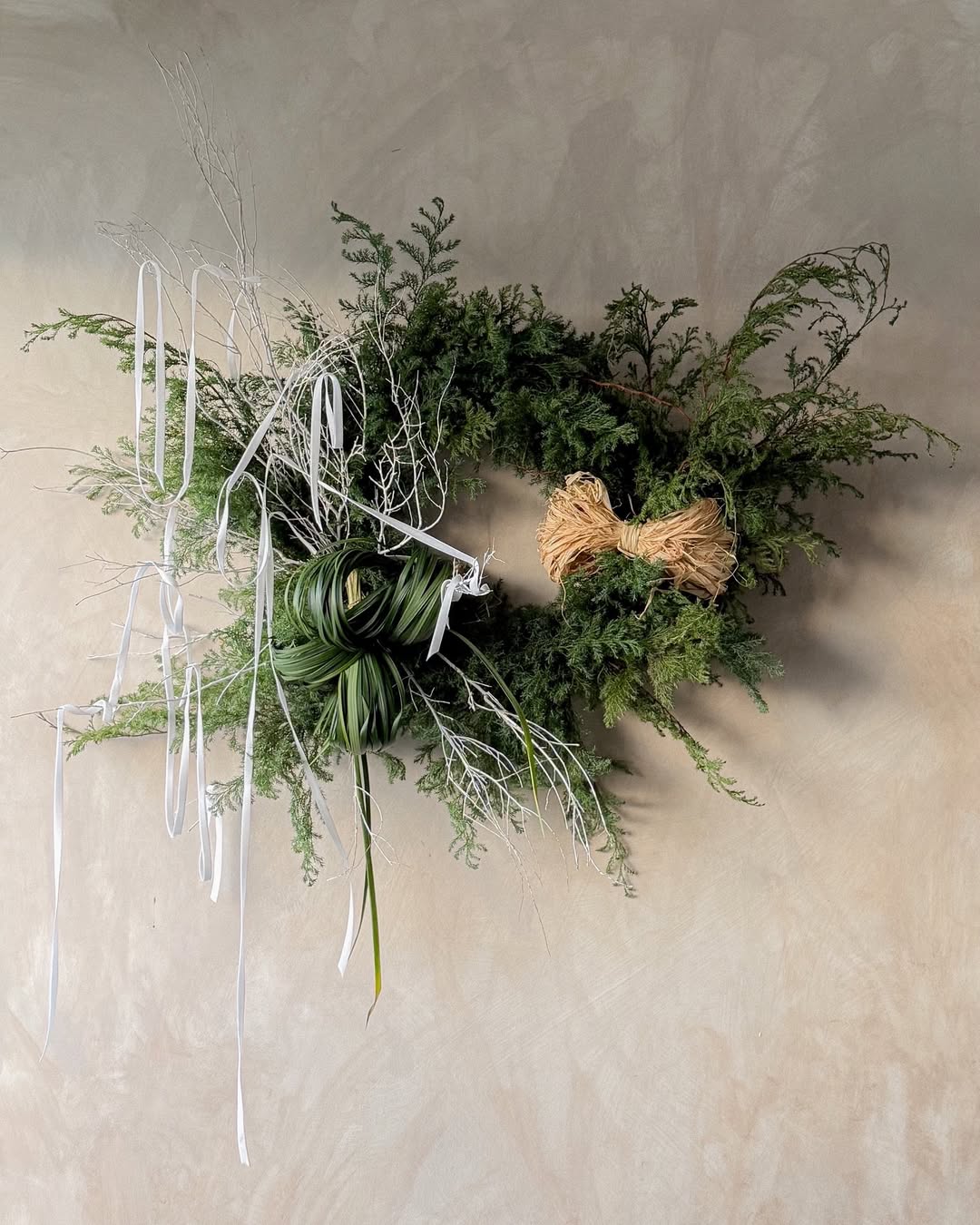
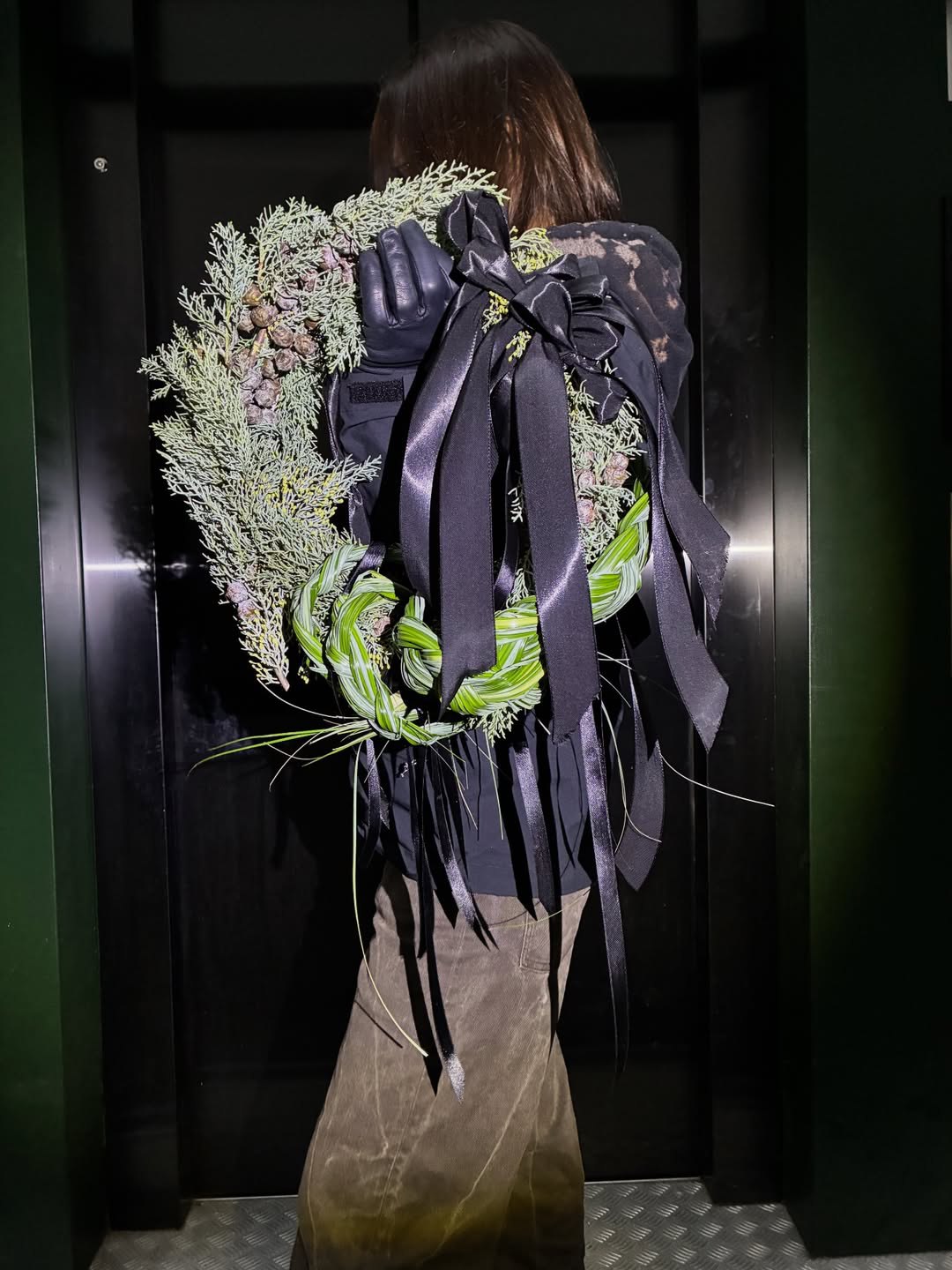
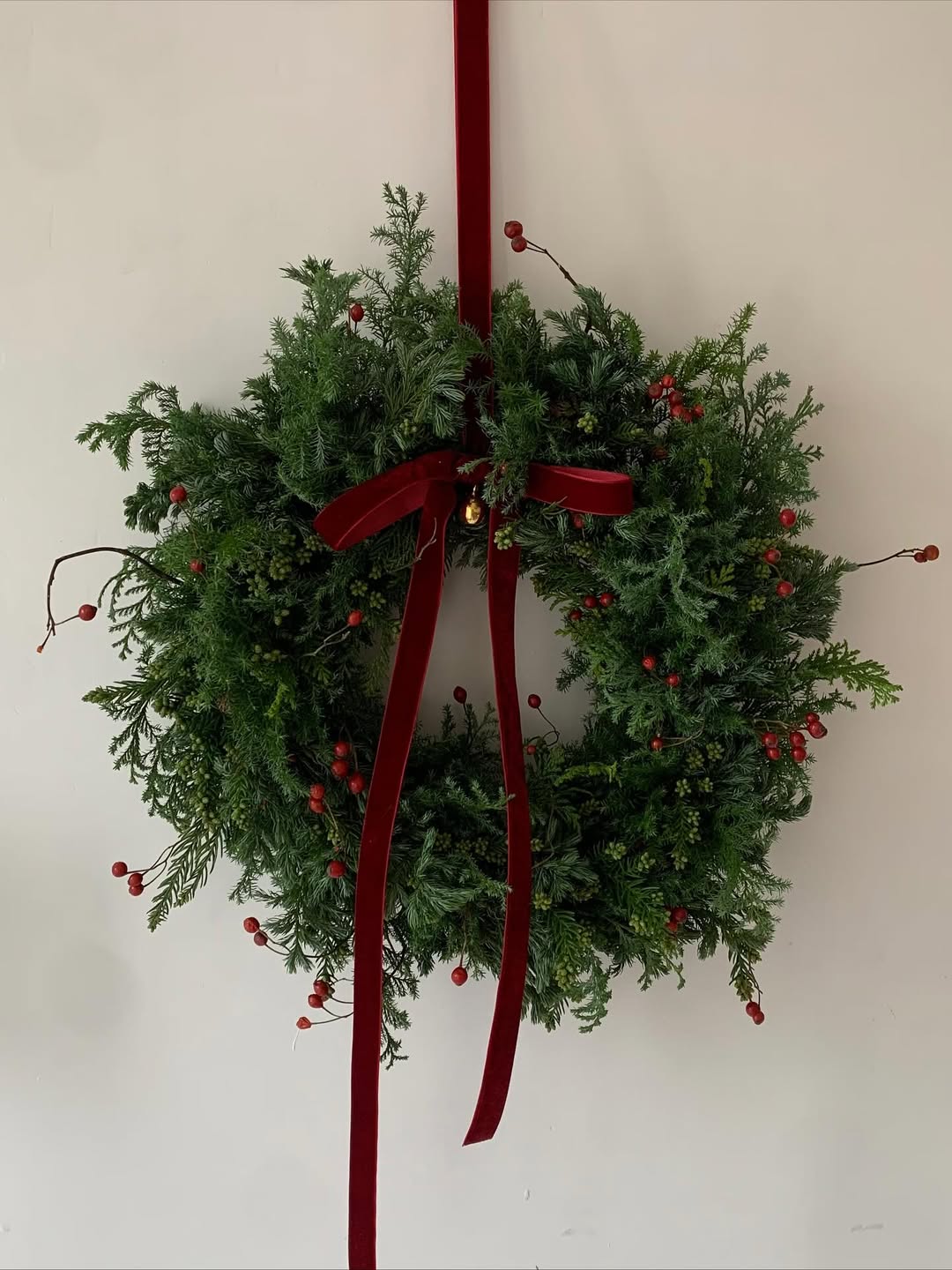
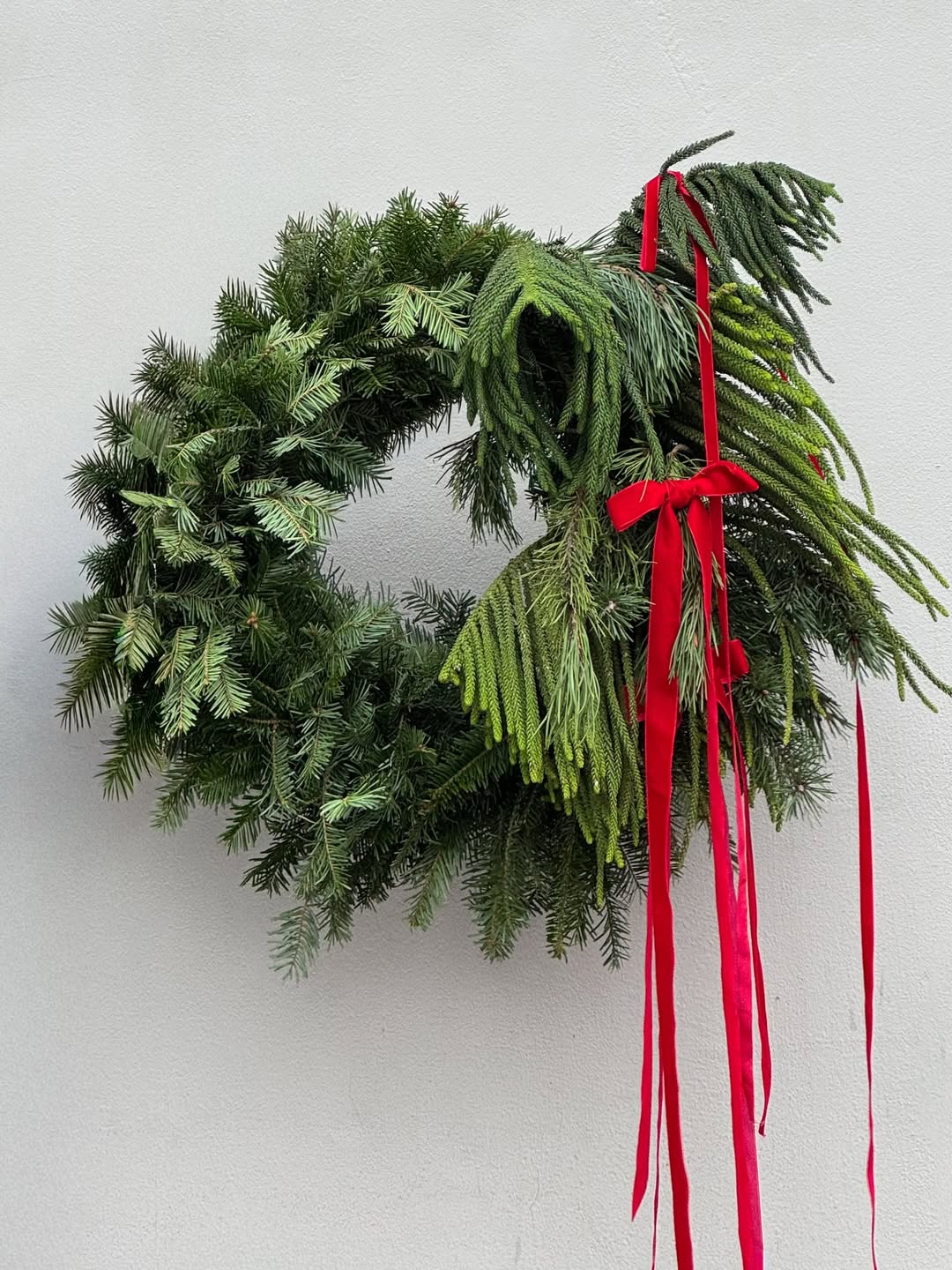
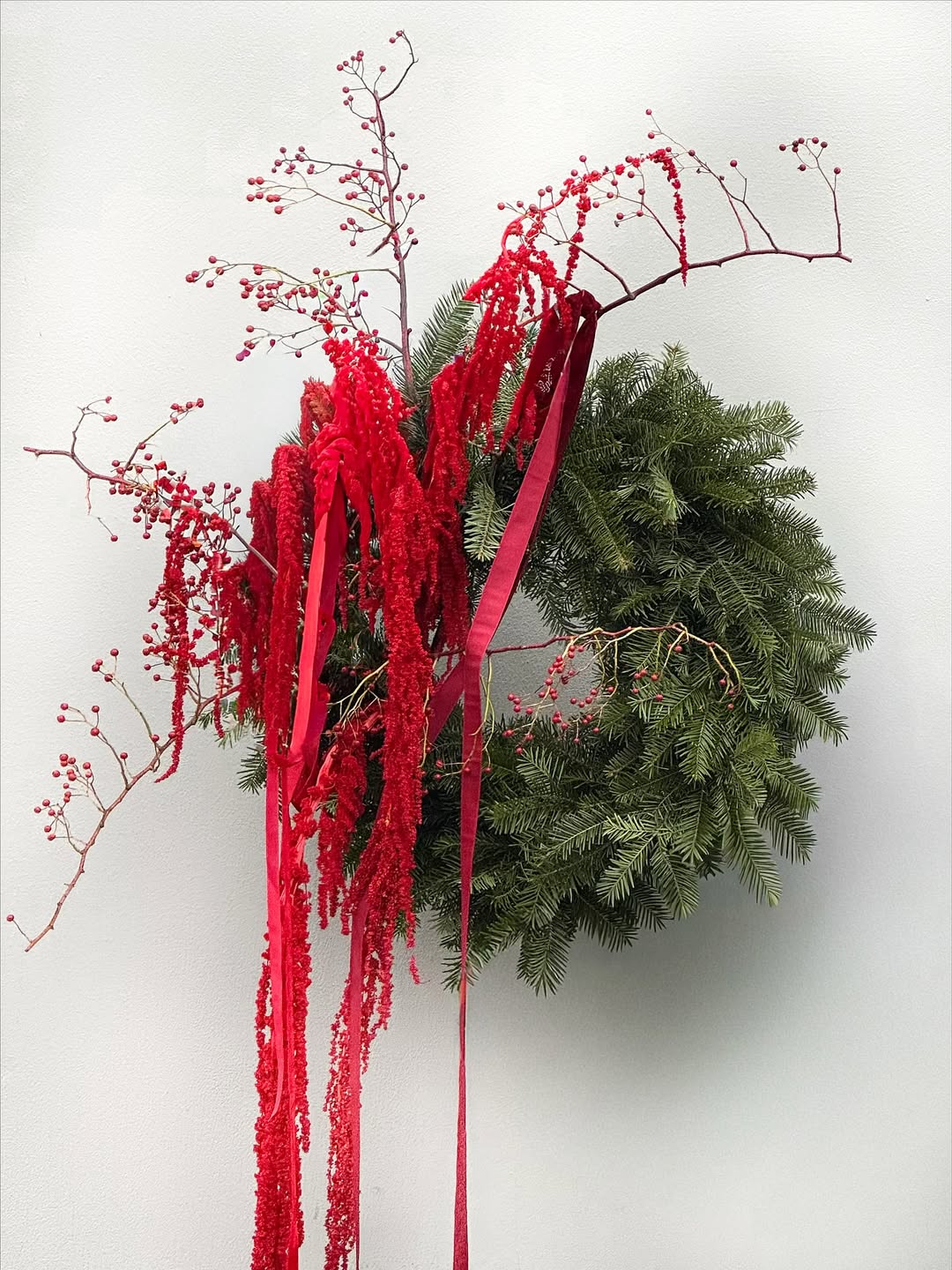
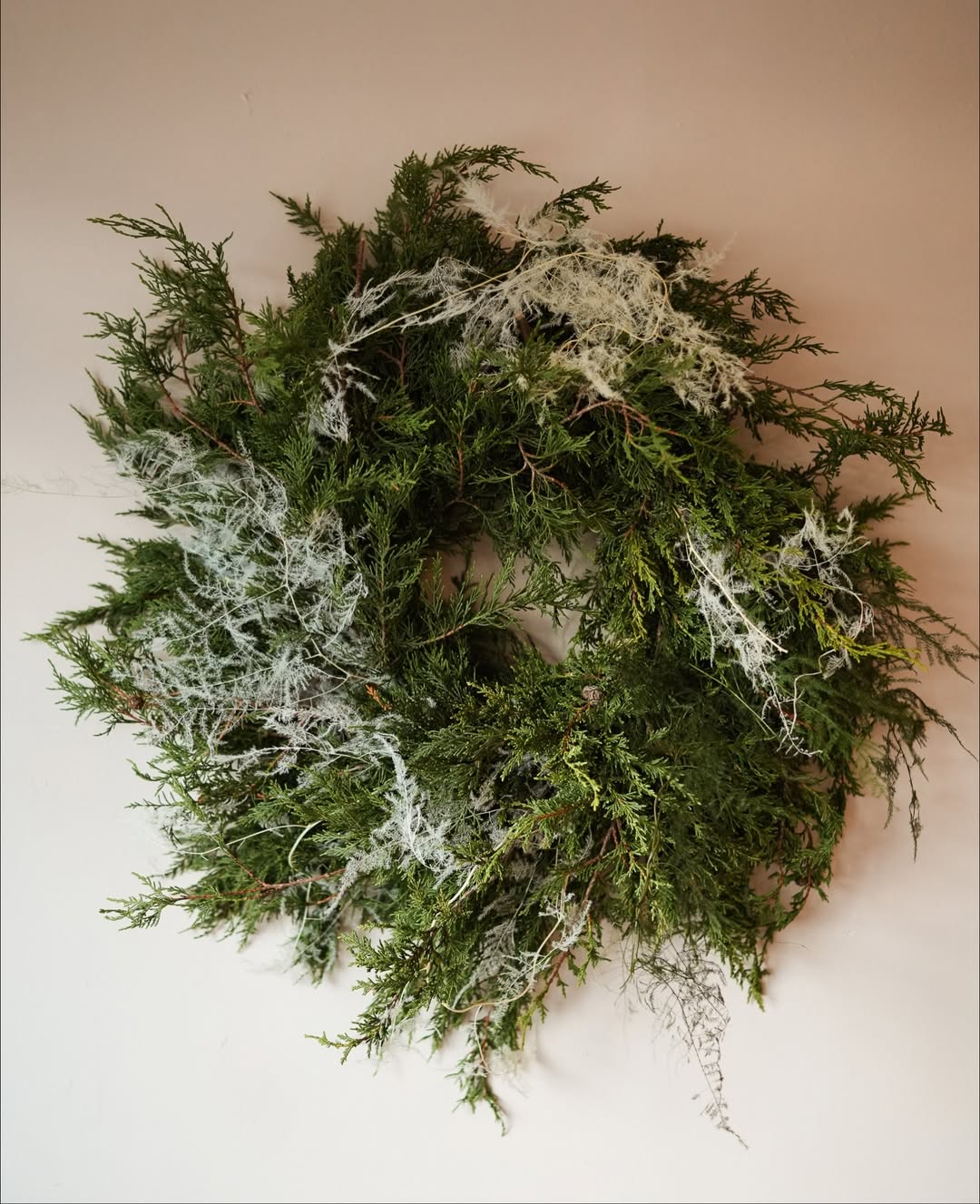
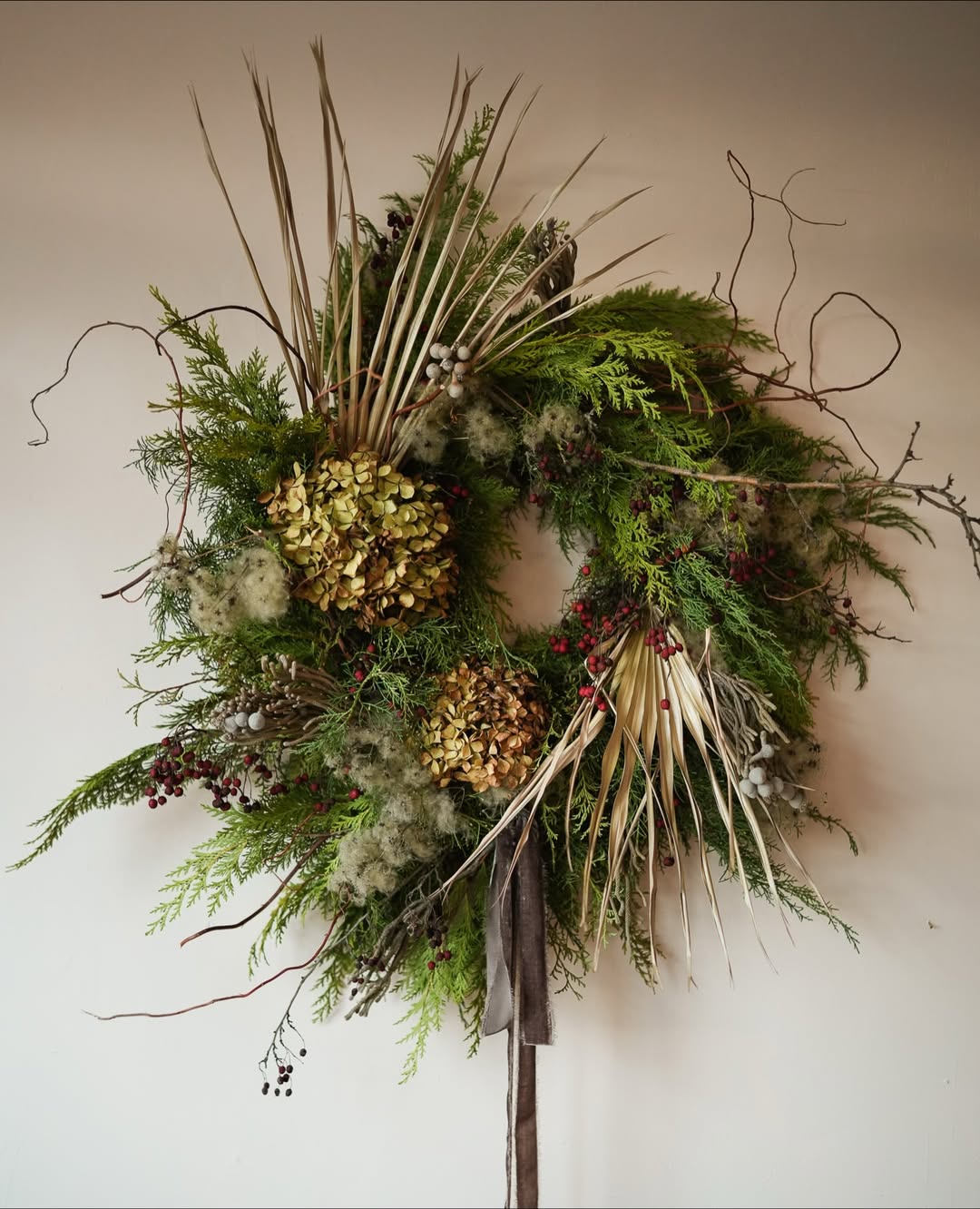
Fir and spruce have a more structured and bold look than other evergreens. Their unique needles and full branches make them great for statement pieces at ceremony entrances or as focal points. Firwreaths on church doors add traditional elegance, while careful design keeps them looking modern. A large blue spruce wreath on a wedding door makes a dramatic first impression, especially in winter or early spring. These wreaths also work well in smaller sizes for front doors at private venues or estates. The key is to think about proportion. Fir and spruce naturally create bold, full shapes, so it’s best to use them thoughtfully rather than too many.
Straw & Natural Fiber Wedding Wreaths
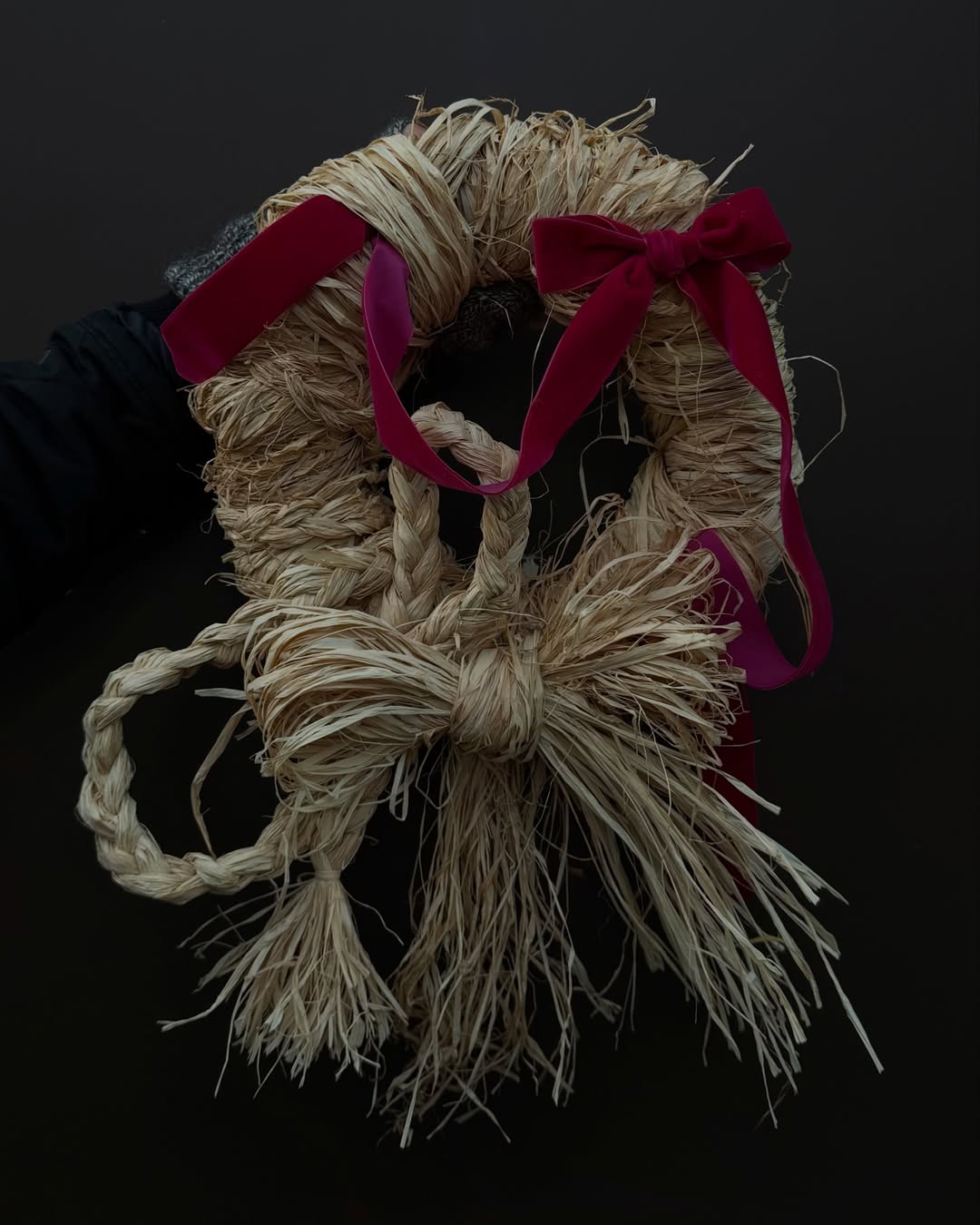
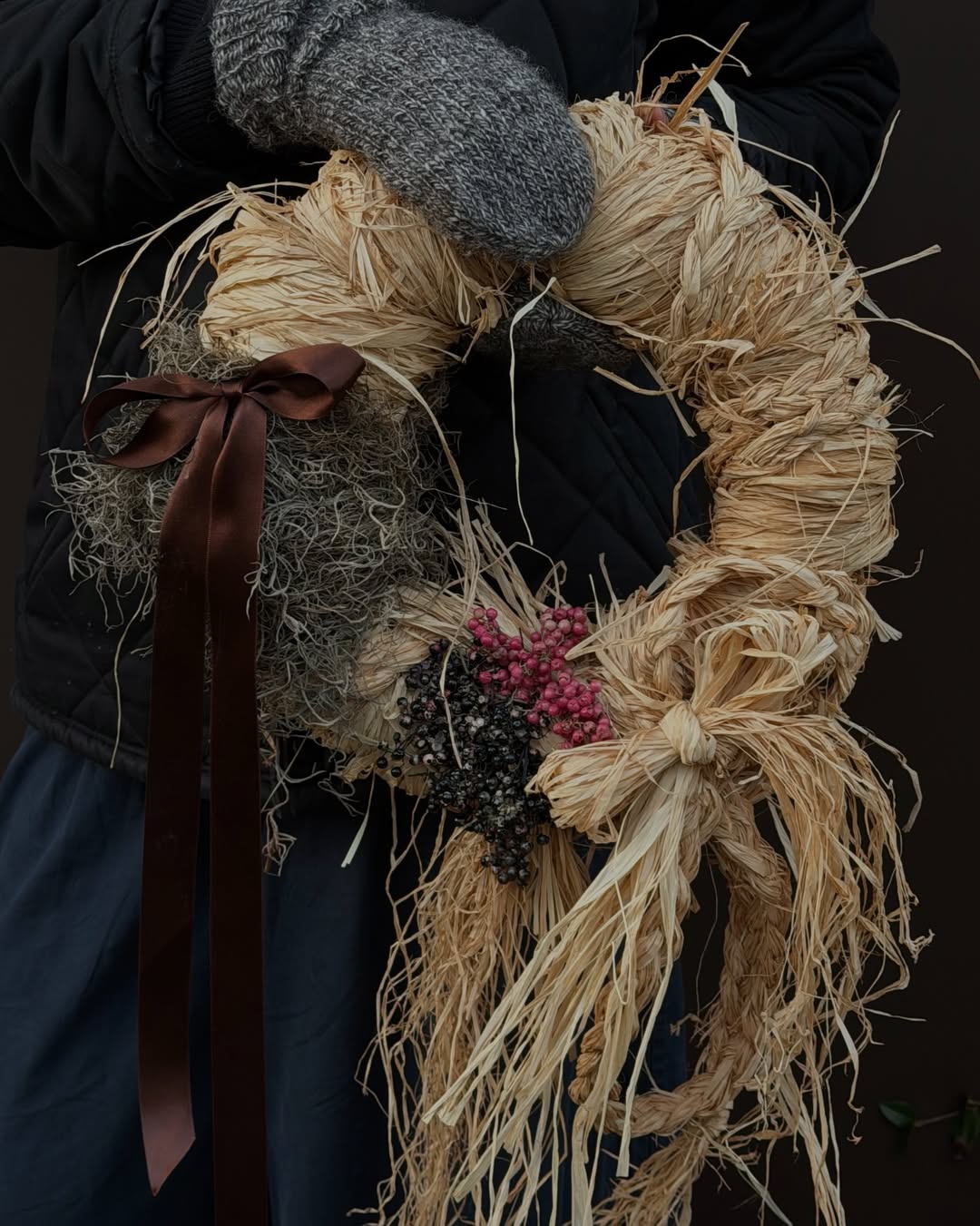
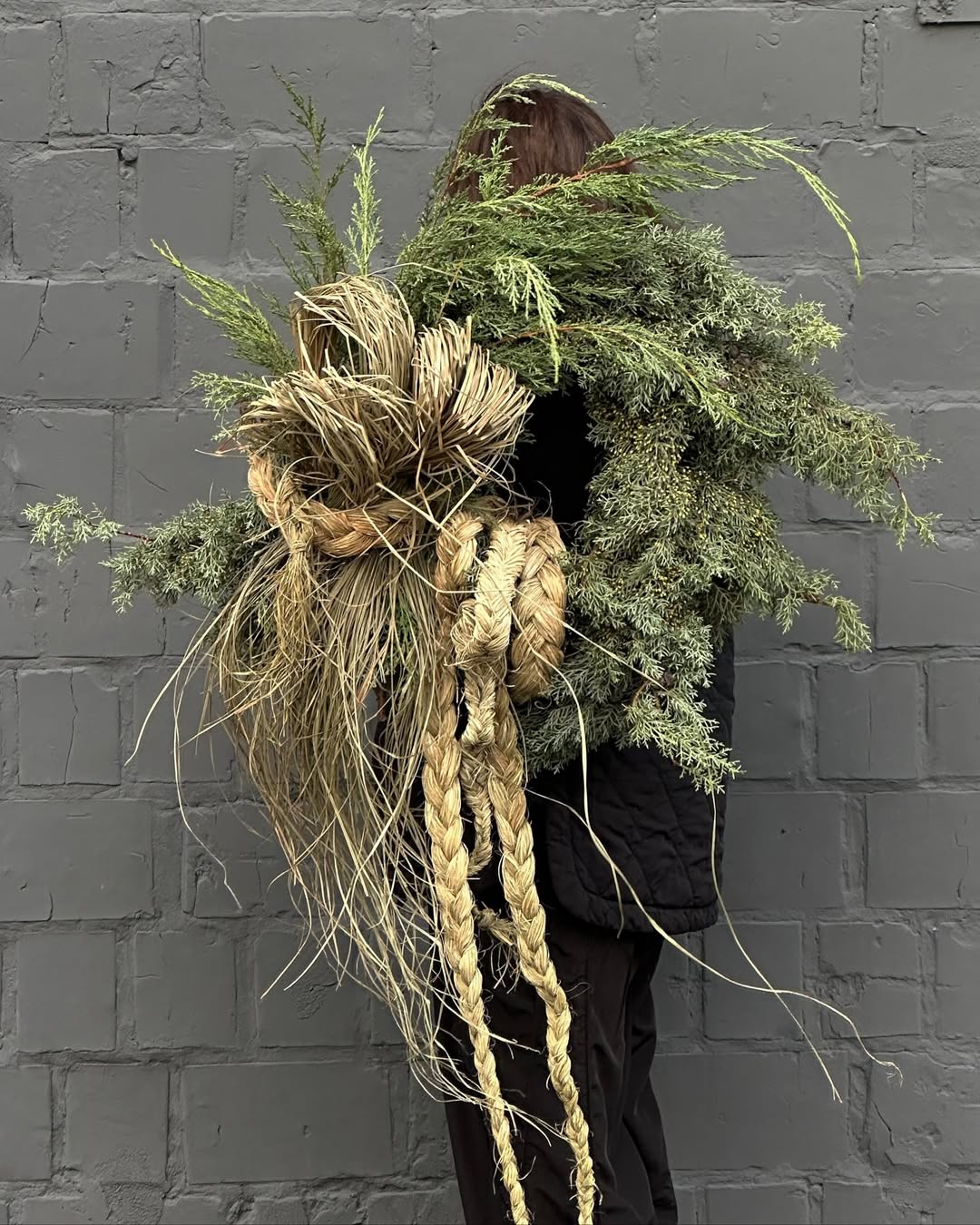
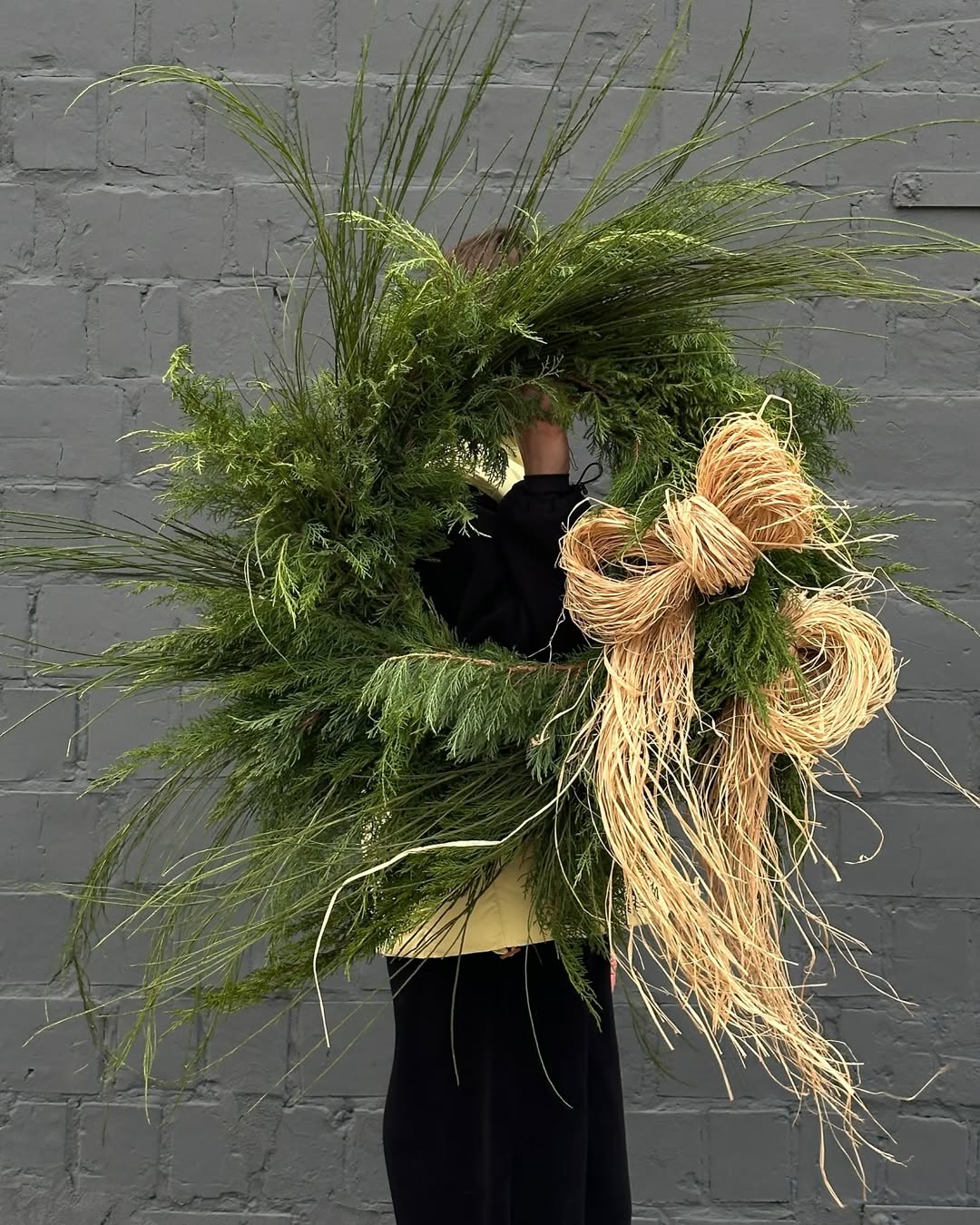
Straw gives wedding wreaths a sculptural and natural look, perfect for artistic or unconventional weddings. Rustic wreaths made from wheat straw, rye, or dried grasses have warm, golden colors and textures that look great in photos. These wreaths are also some of the easiest DIY options for couples who like to craft. Straw is simple to work with and gives impressive results, even if you’re not a professional florist. A wreath made from natural fibers shows a commitment to sustainability and handmade values, which many eco-conscious couples like. When made with care and clean lines, straw wreaths look purposefully artisanal, not unfinished.

Grass, Moss & Organic Texture Wreaths
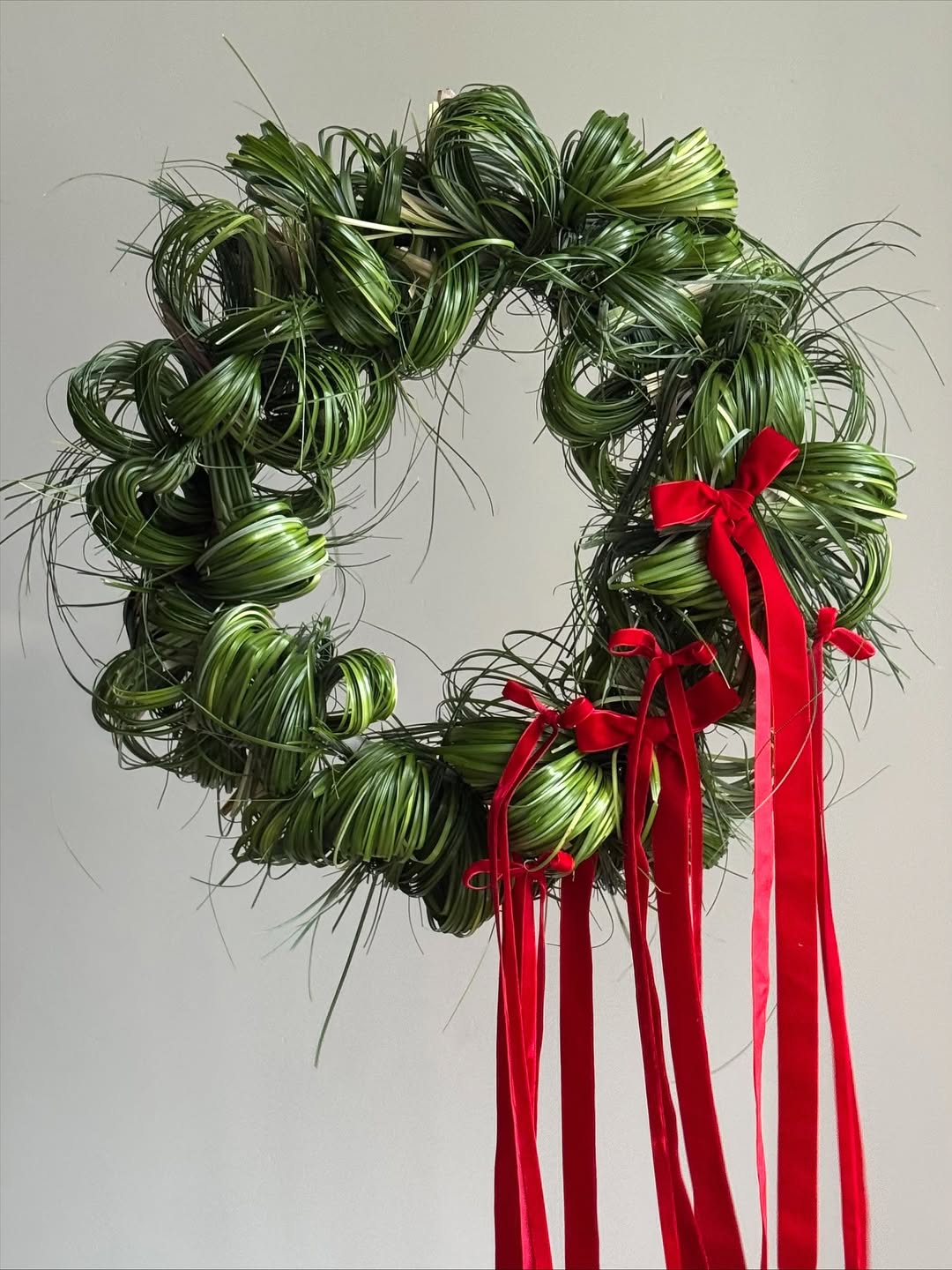
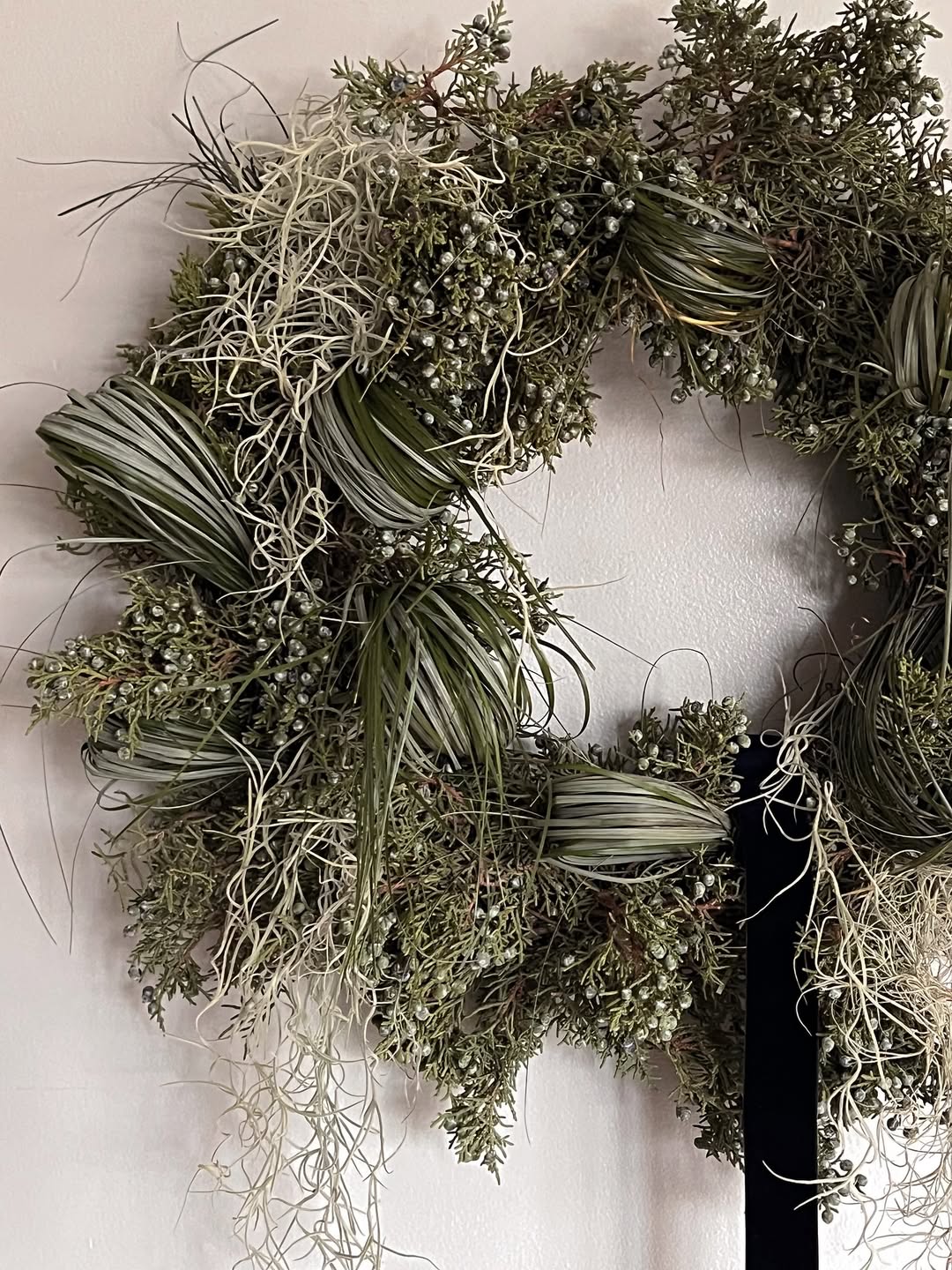
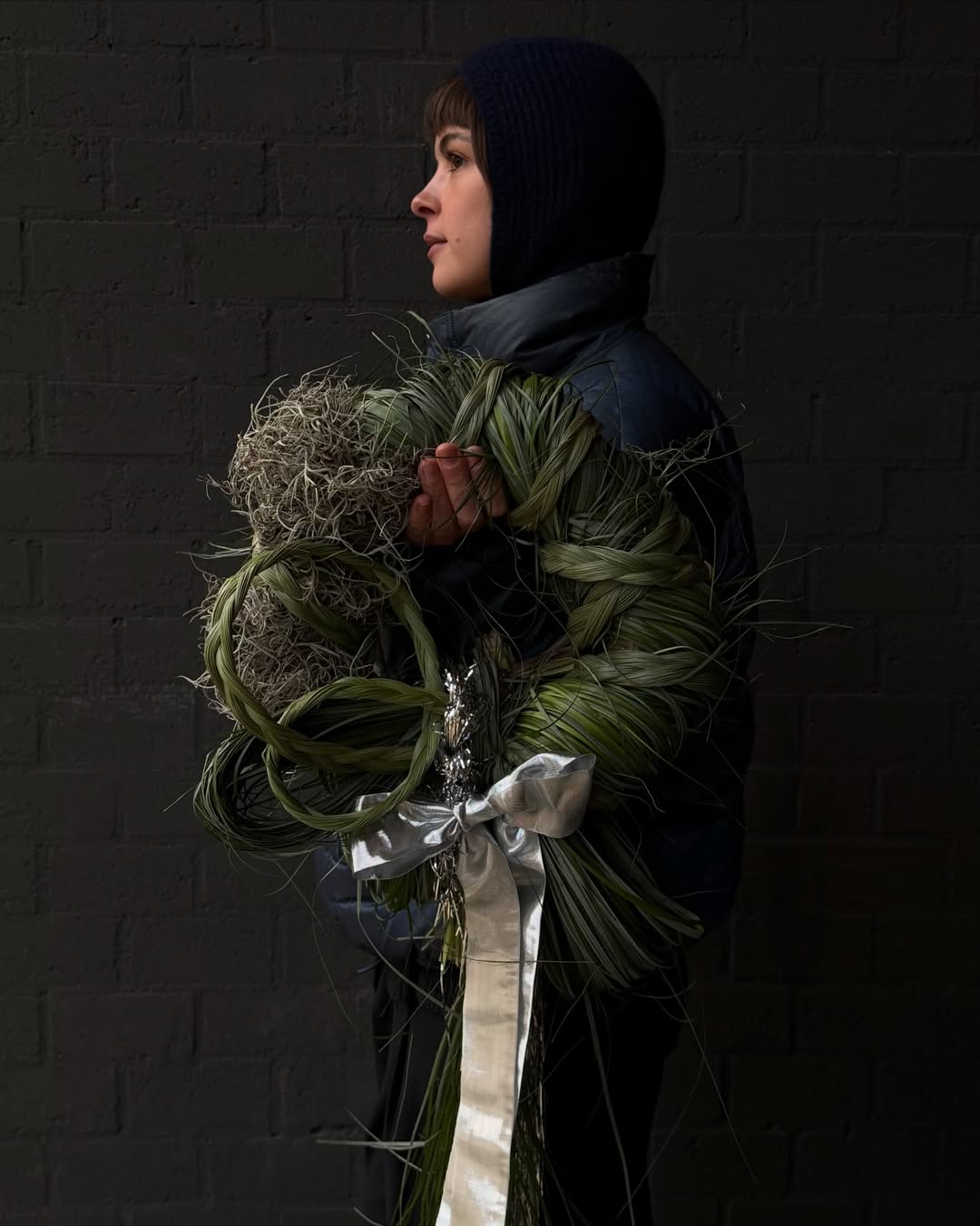
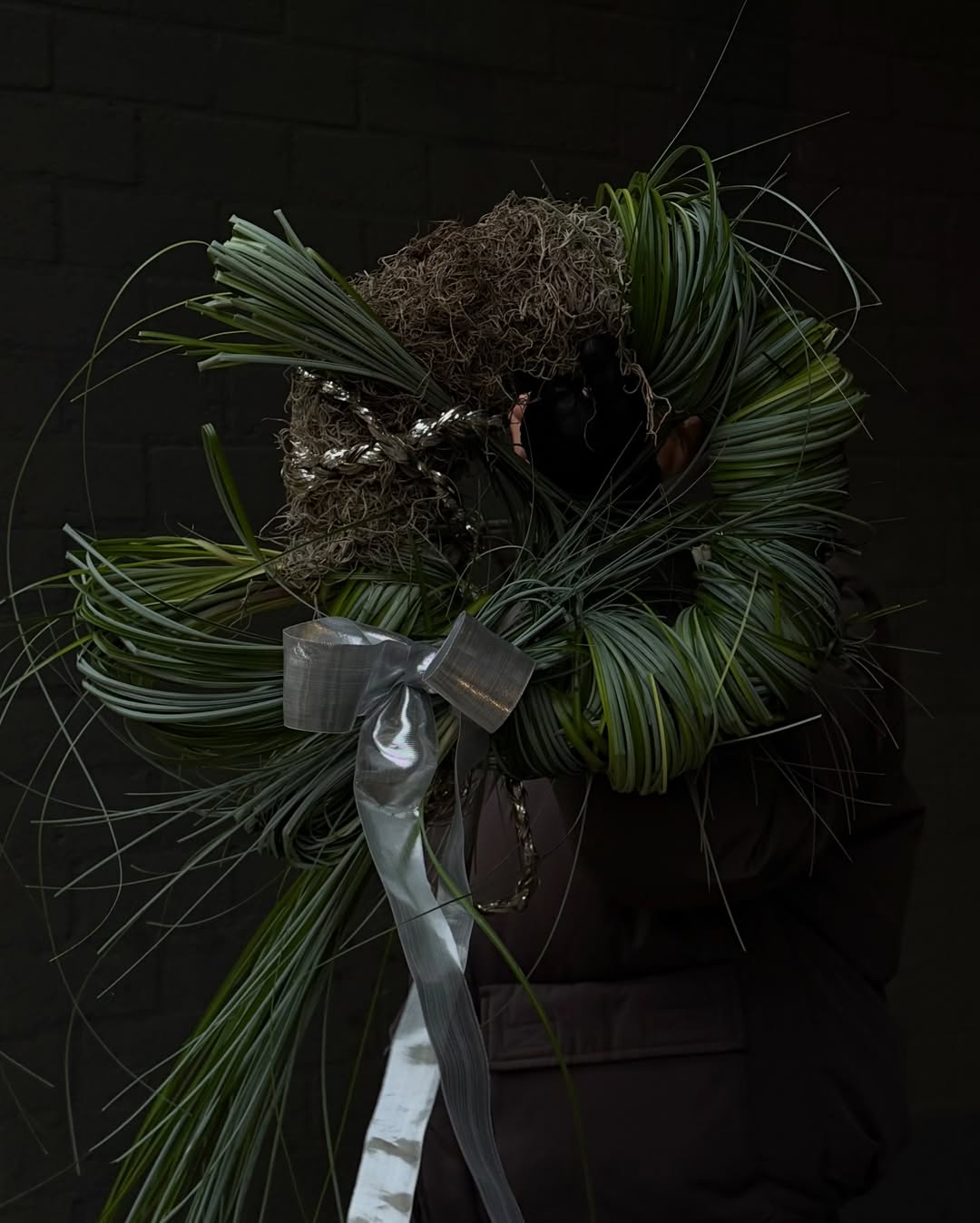
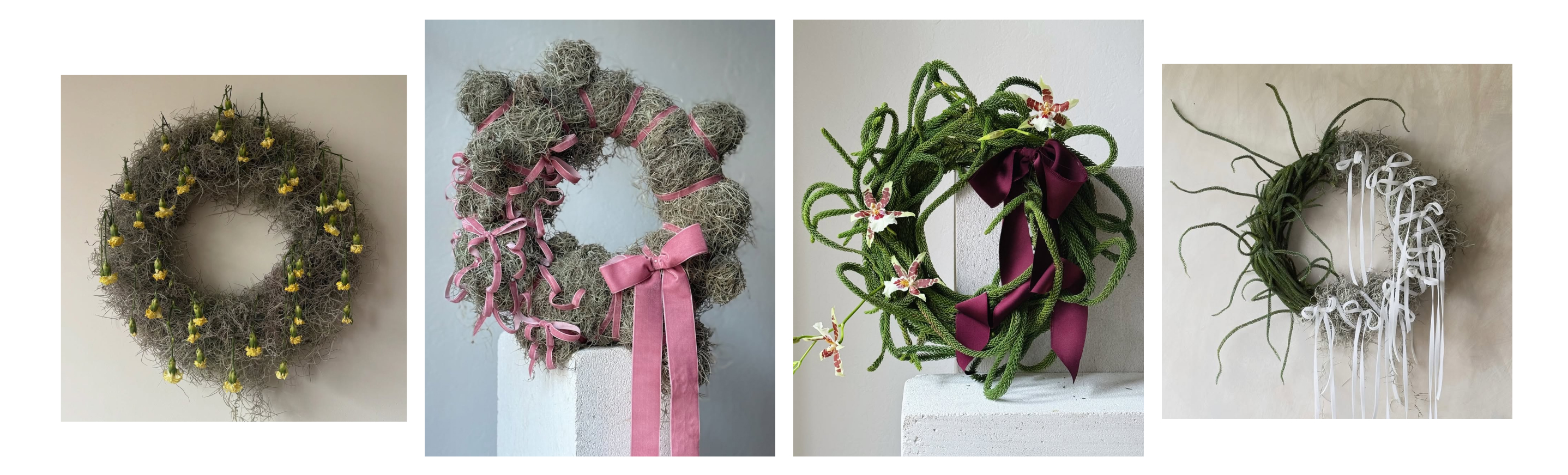
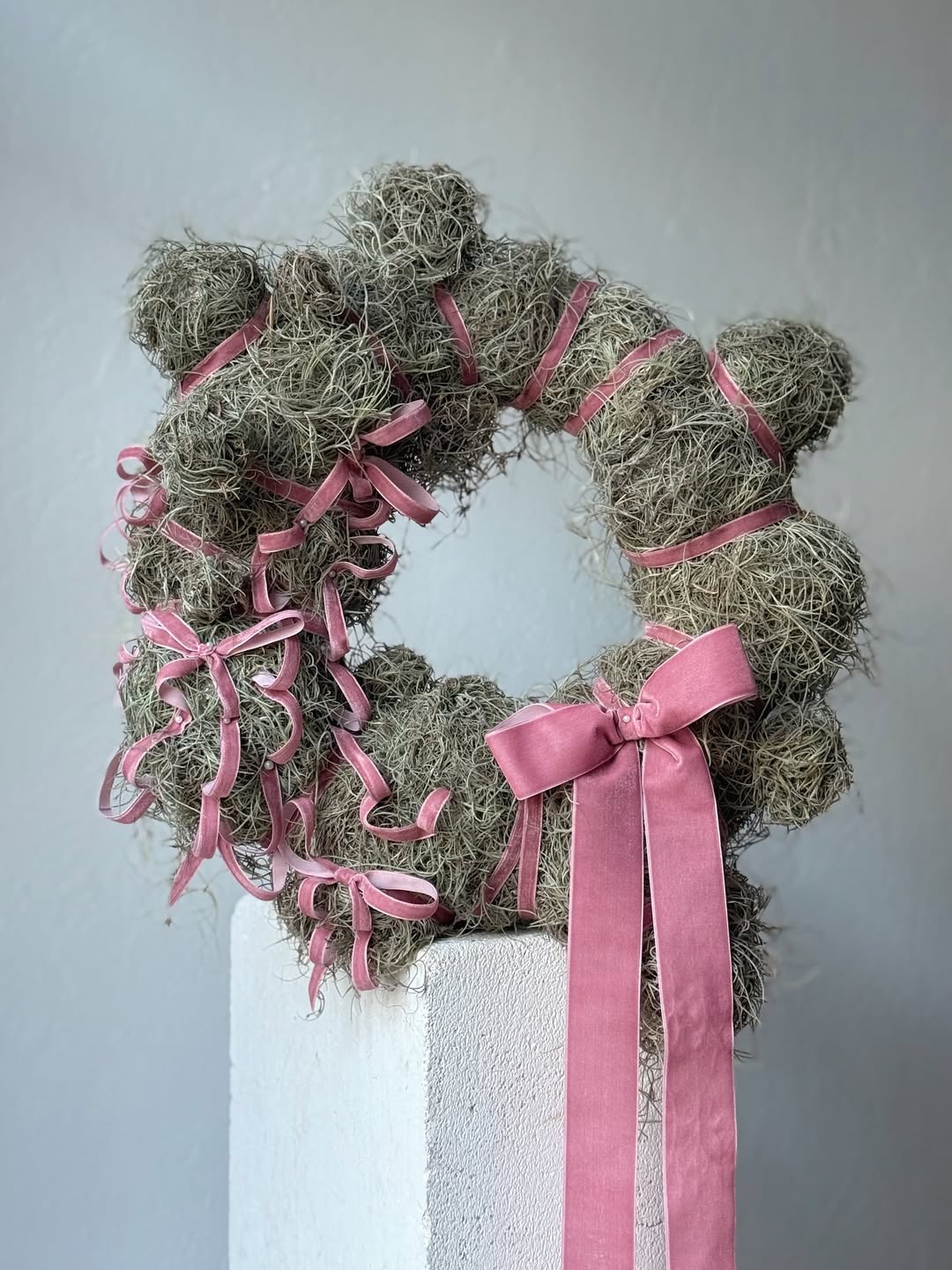
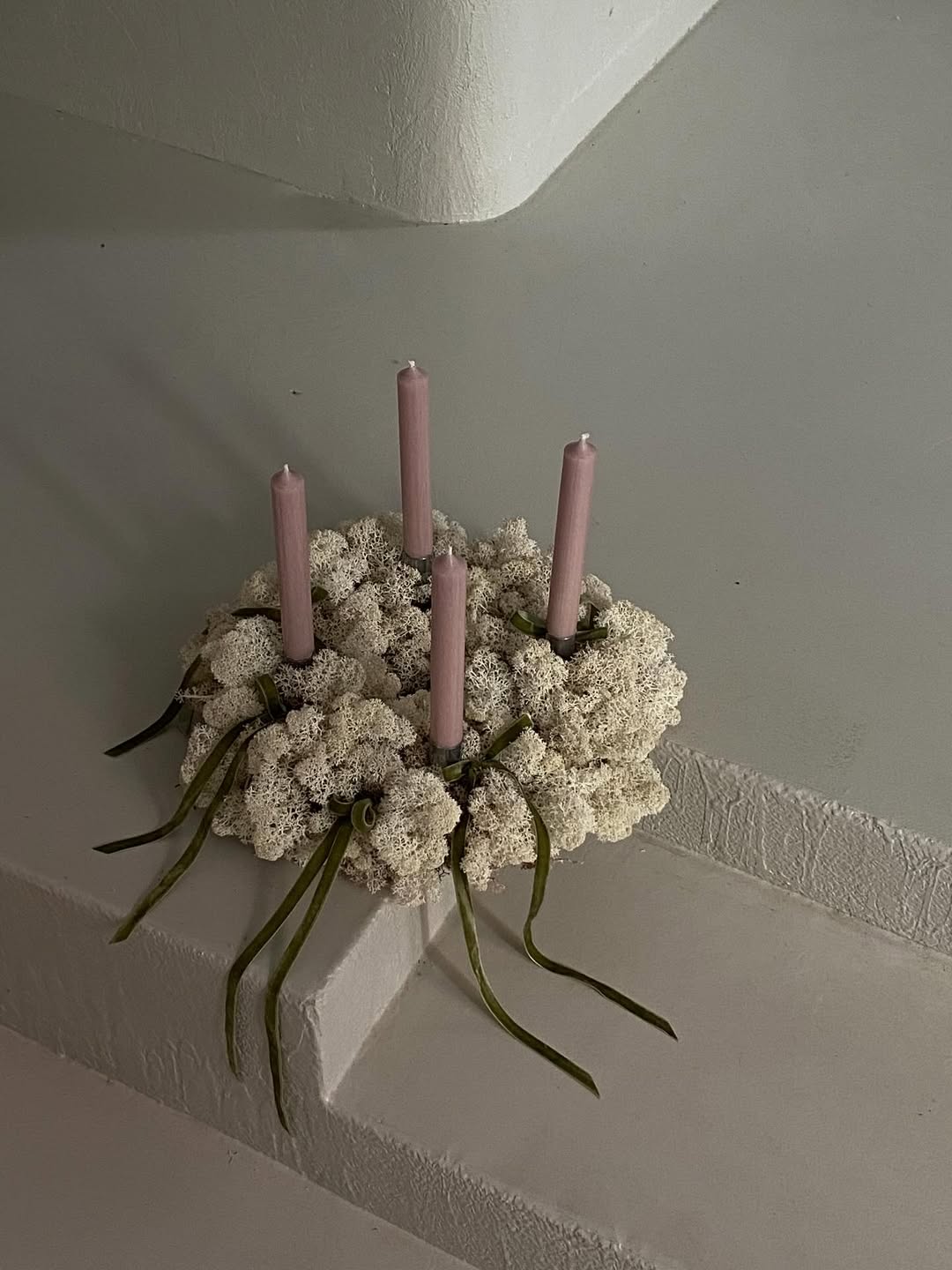
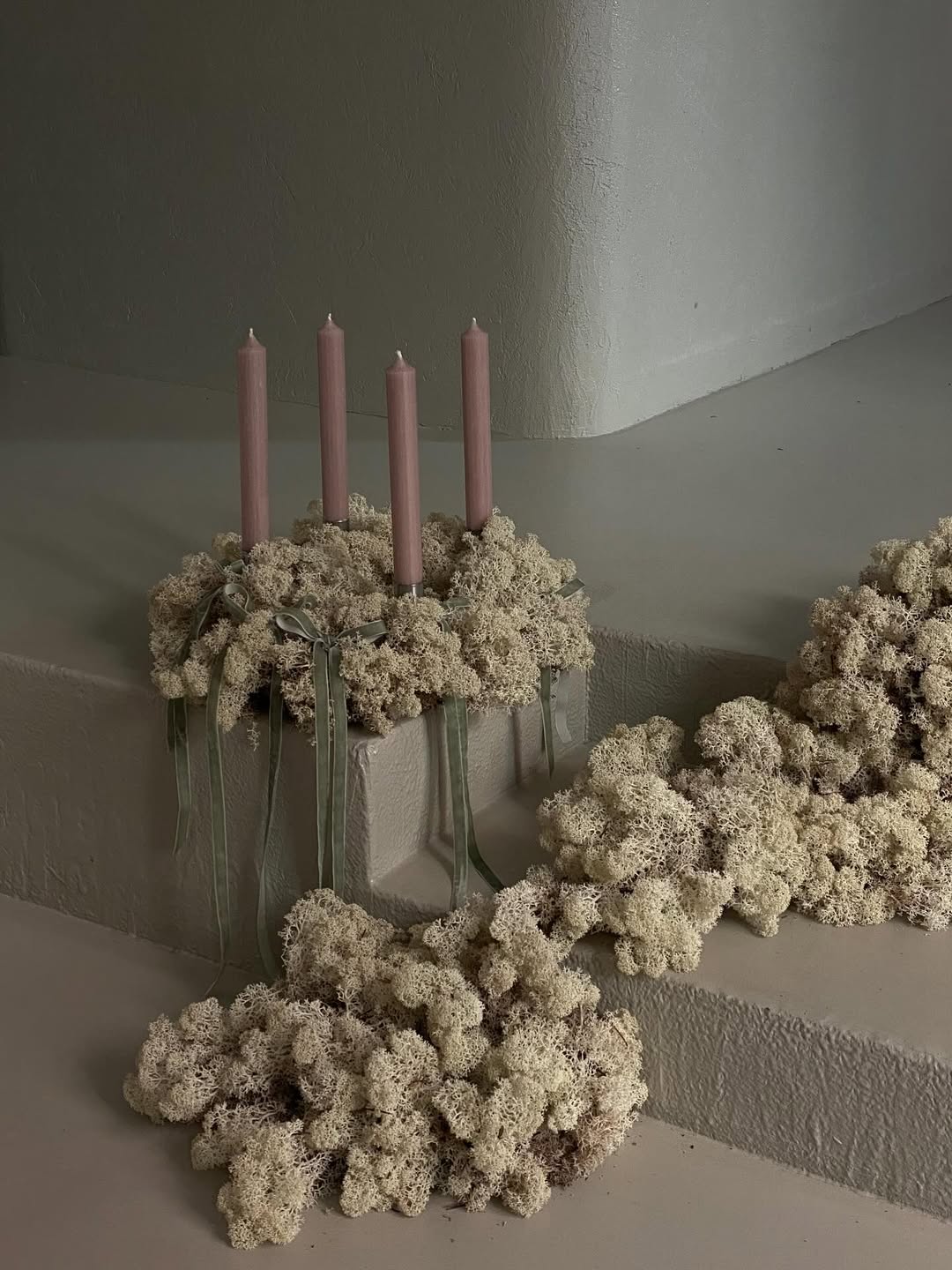
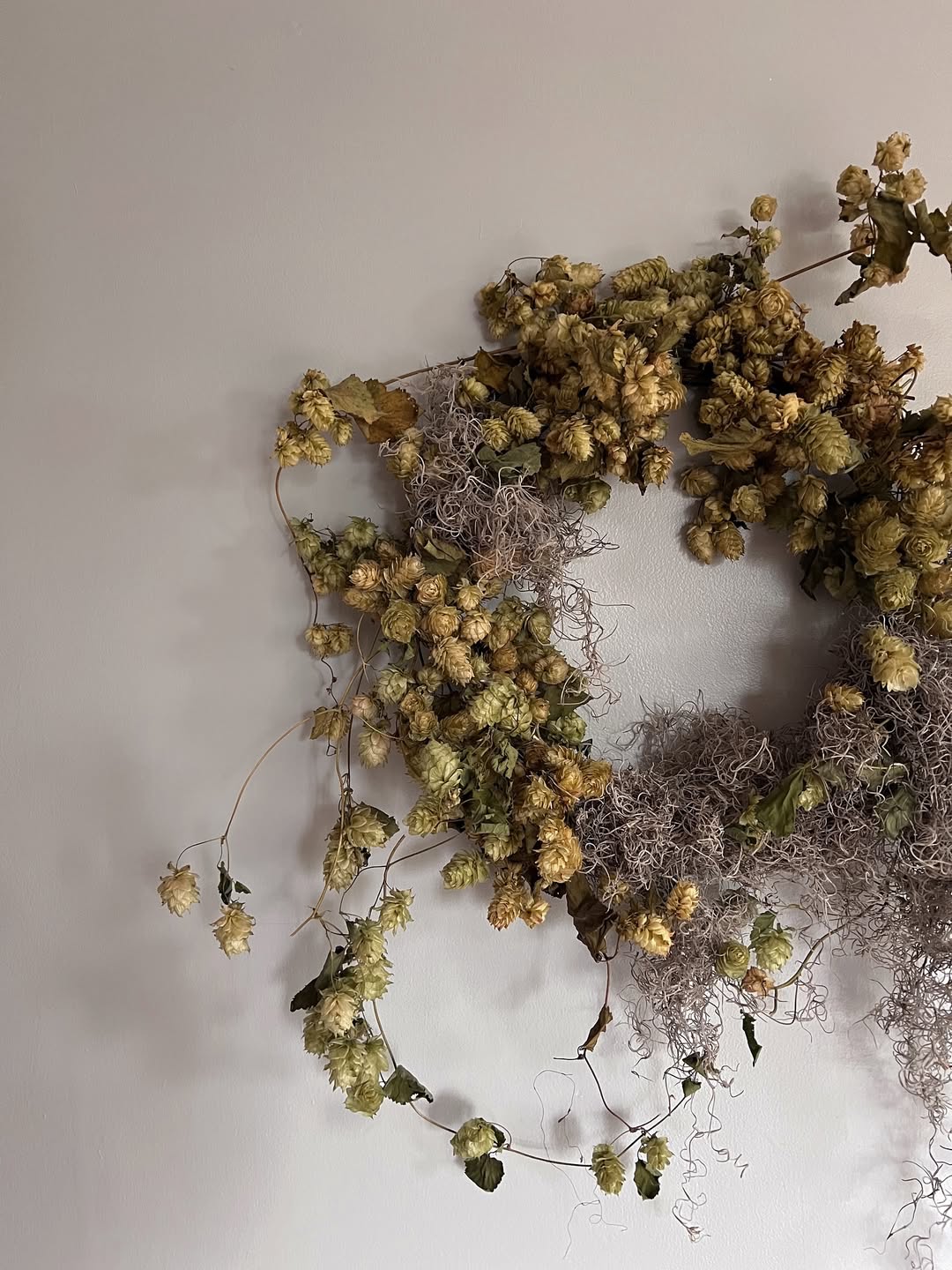
Today’s wedding wreath centerpieces often feature asymmetry and imperfection, using grass, moss, and a mix of natural textures. Instead of being perfectly round and dense, these wreaths are loose and organic, giving them a modern feel. Designers use preserved moss bases, dried grasses of varying heights, and unique touches such as lichen or air plants. When paired with just a few flowers, these materials create a sophisticated, gallery-inspired look. Their natural irregularity makes them special—each one is a little different, truly handmade, and impossible to copy exactly.
Artistic & Mixed-Material Wedding Wreaths
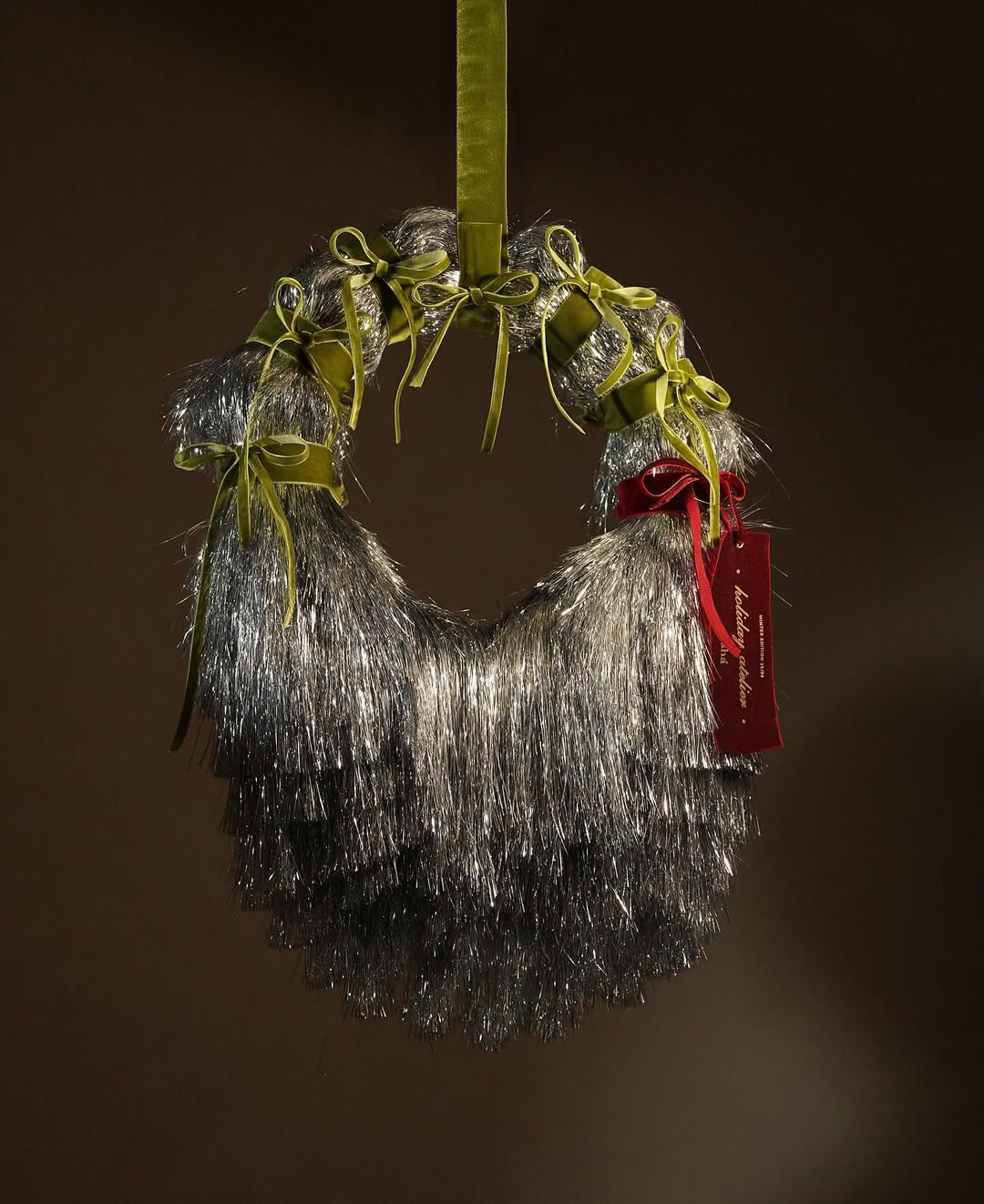
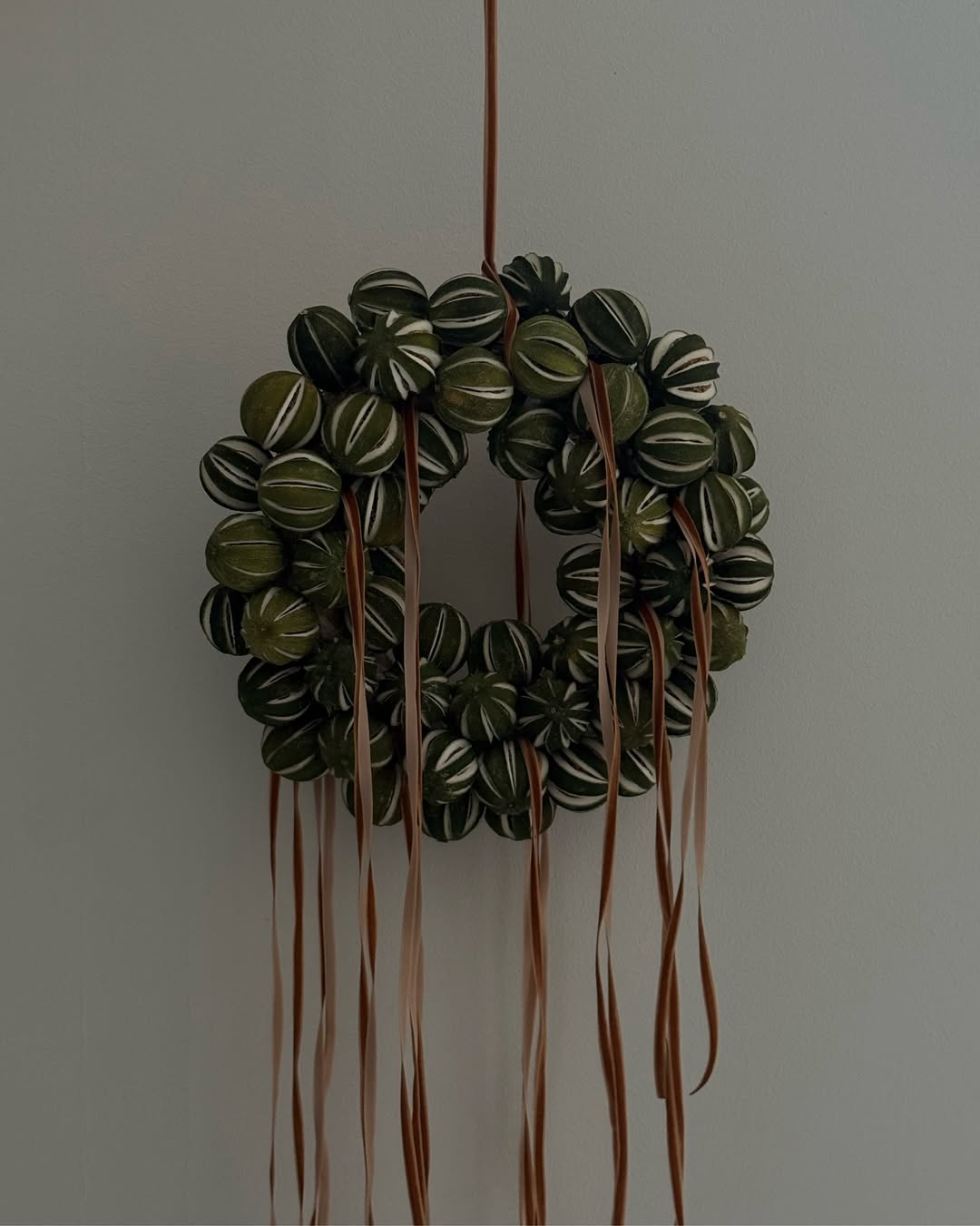
Making wreaths into art opens up lots of creative options. Wedding wreaths made with ribbons, fabric, beads, wire, or unique shapes can look different while still keeping their circular meaning. This is whenwreath decor becomes truly personal, as couples can use special materials, family fabrics, or cultural details in their own designs. These DIY projects are often the most satisfying because they let you be creative in new ways. You might use vintage lace, hand-dyed ribbons, copper wire shaped into words or symbols, or add three-dimensional details that go beyond the classic circle.
Flower Wreaths for Weddings
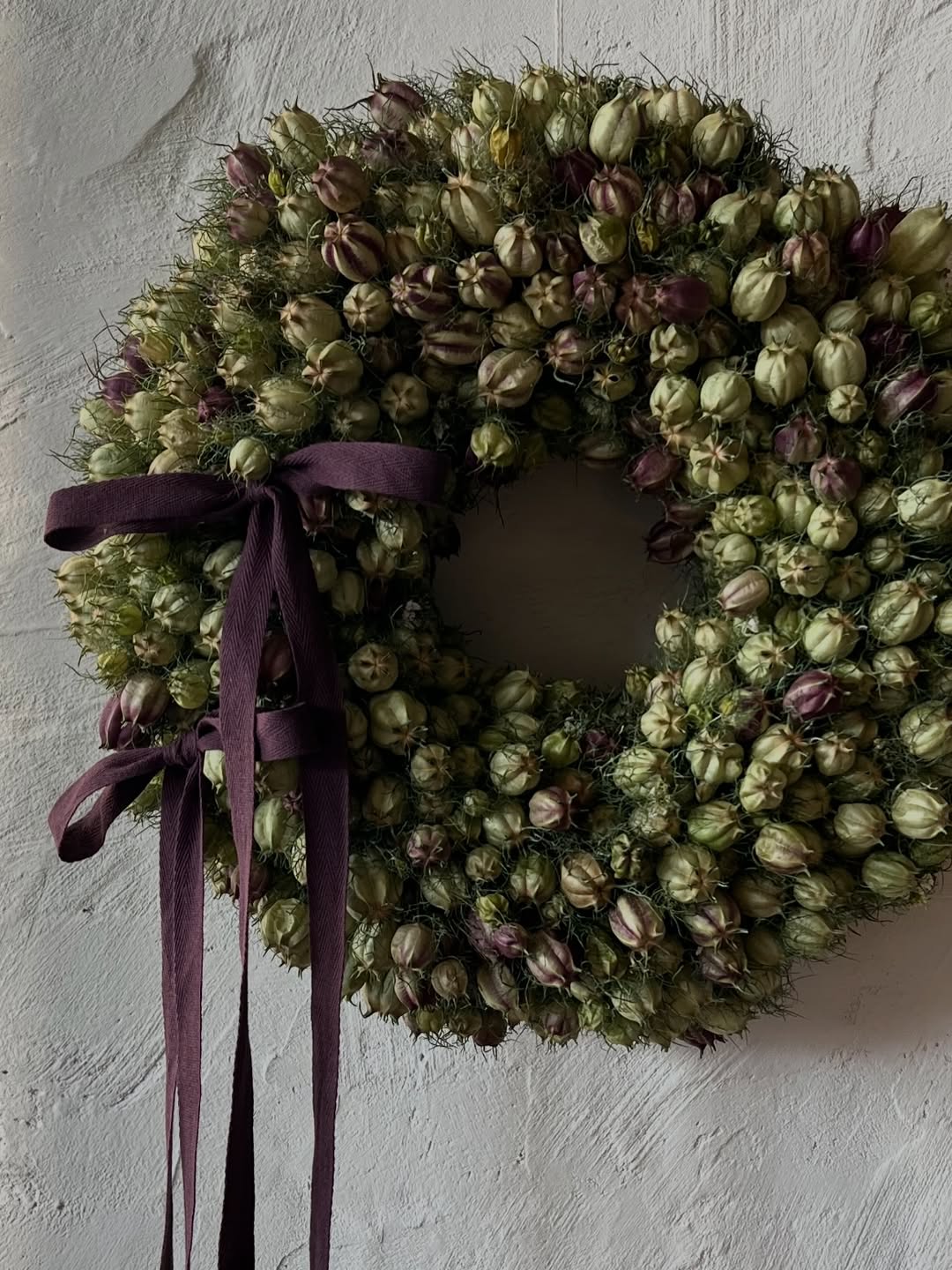
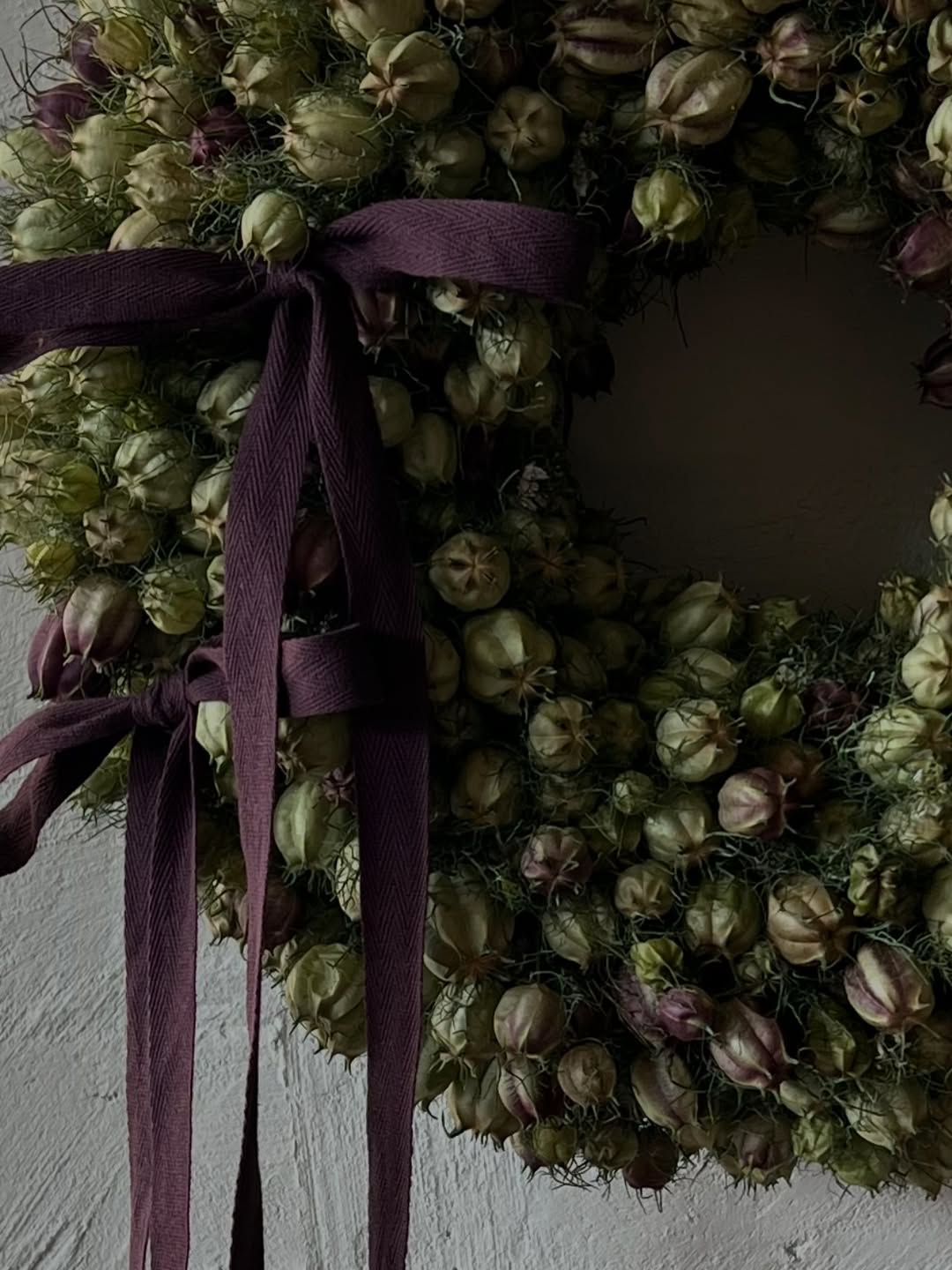
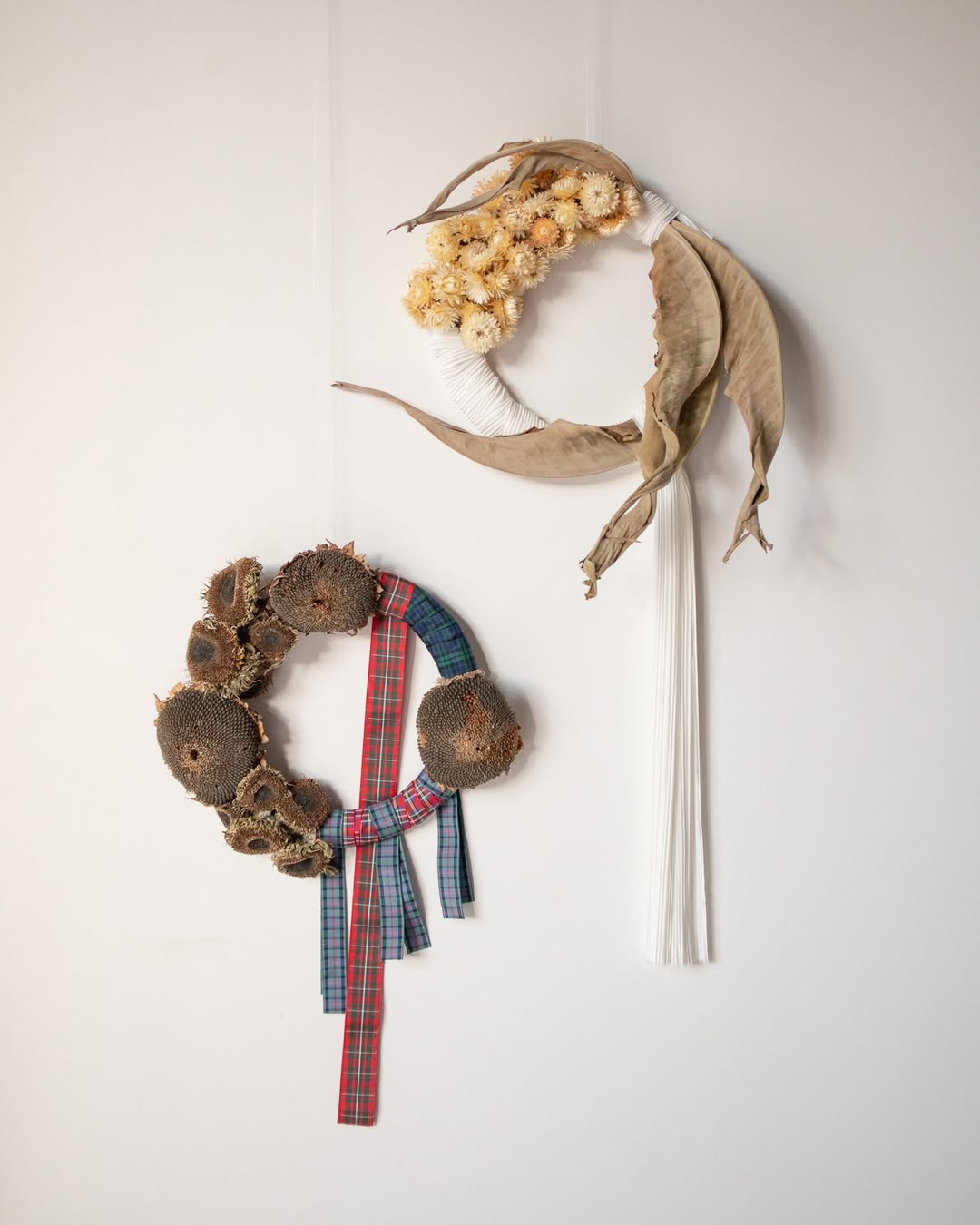
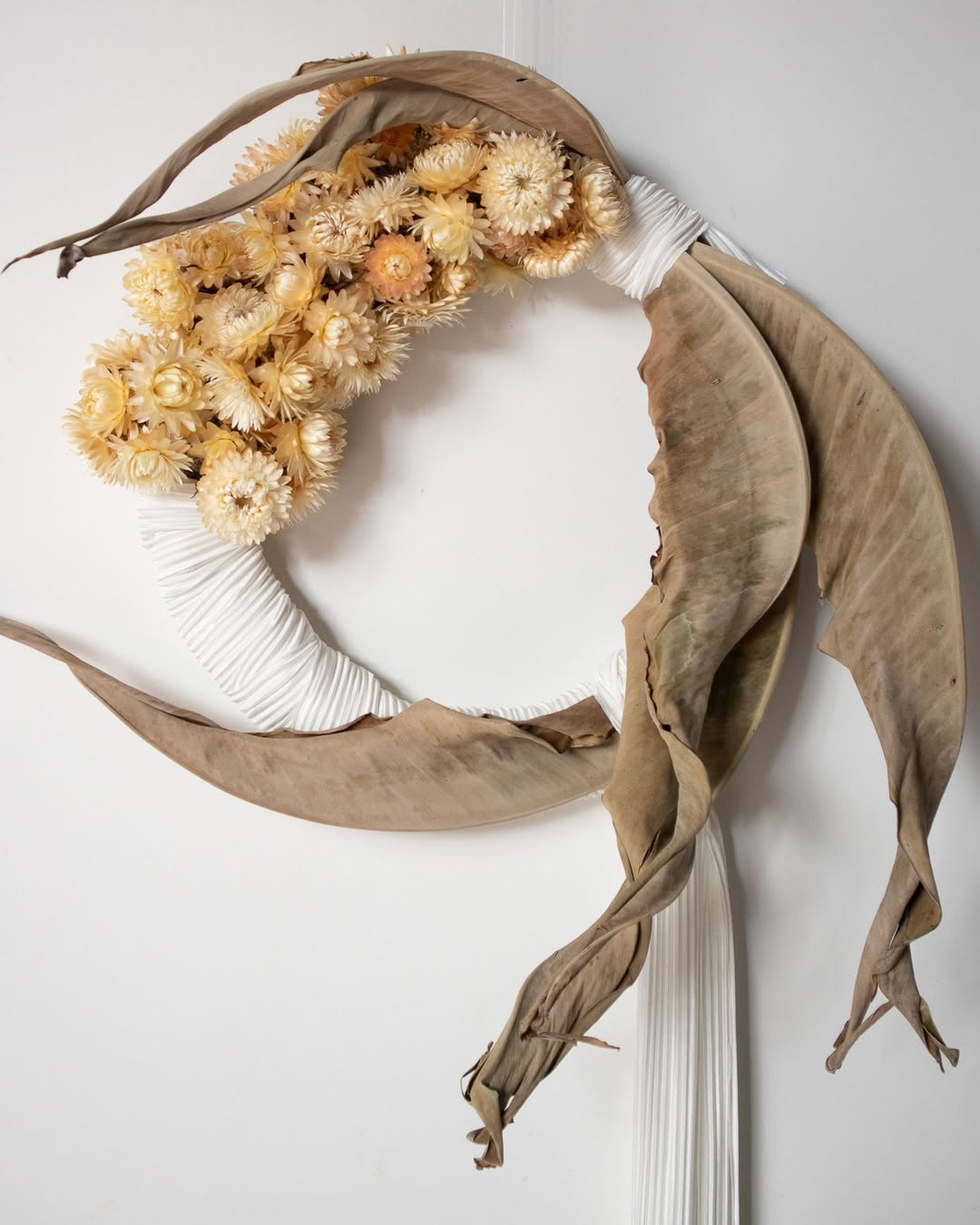
In 2026, classic wedding flower wreath designs are getting a modern twist. Instead of the usual "sweet cottage" style, couples are picking more fashion-forward looks. Flower wreaths now feature bold, single-color designs or unexpected color mixes, moving away from predictable pastels. Bridal headpieces have changed too, shifting from bohemian flower crowns to more refined, structured hair wreaths with carefully placed blooms and open spaces. These hair wreaths are great for minimalist brides who want one standout accessory or a fresh look for the reception. The main idea is to use fewer, carefully chosen flowers instead of packing in as many as possible.

Berry Wedding Wreaths
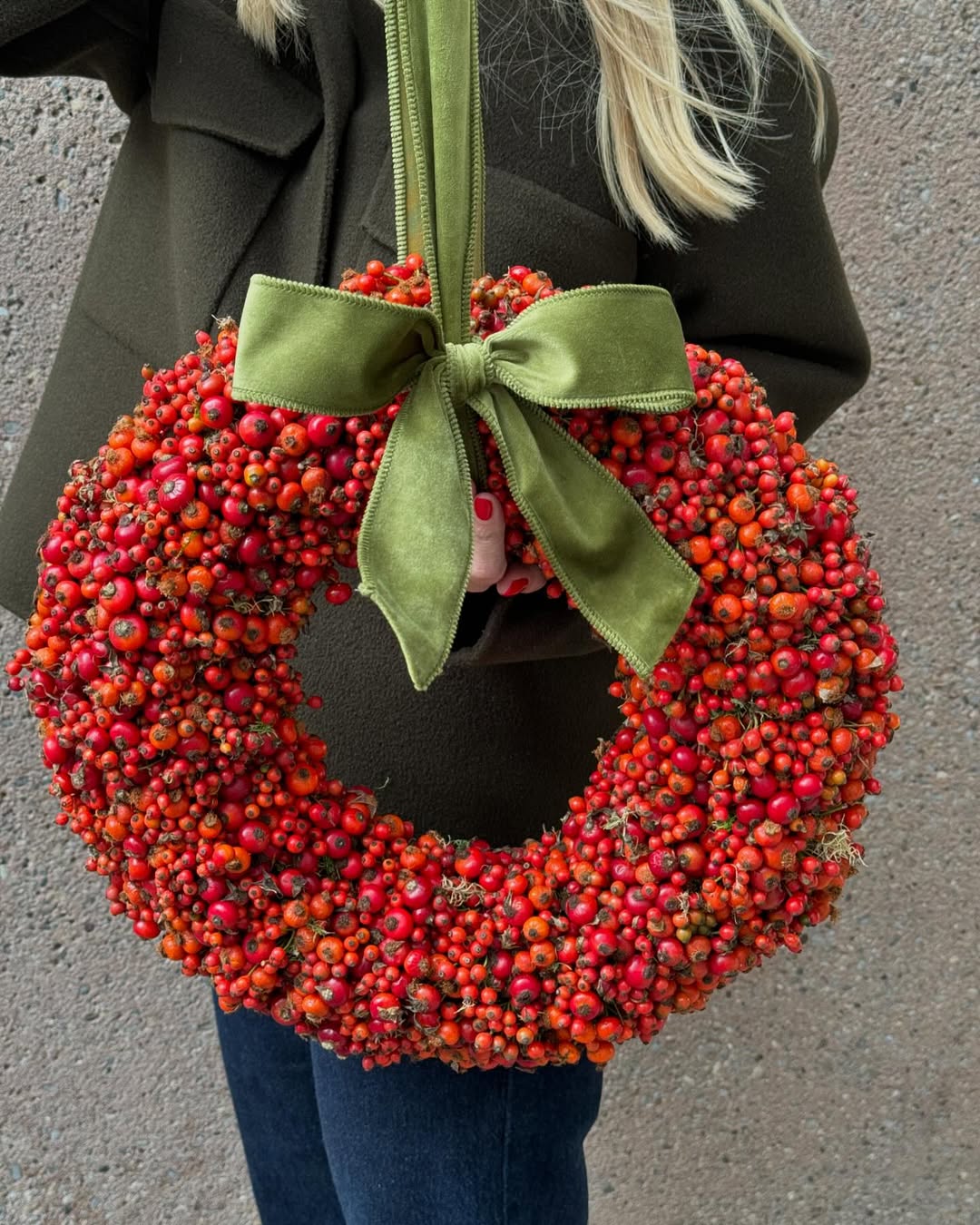
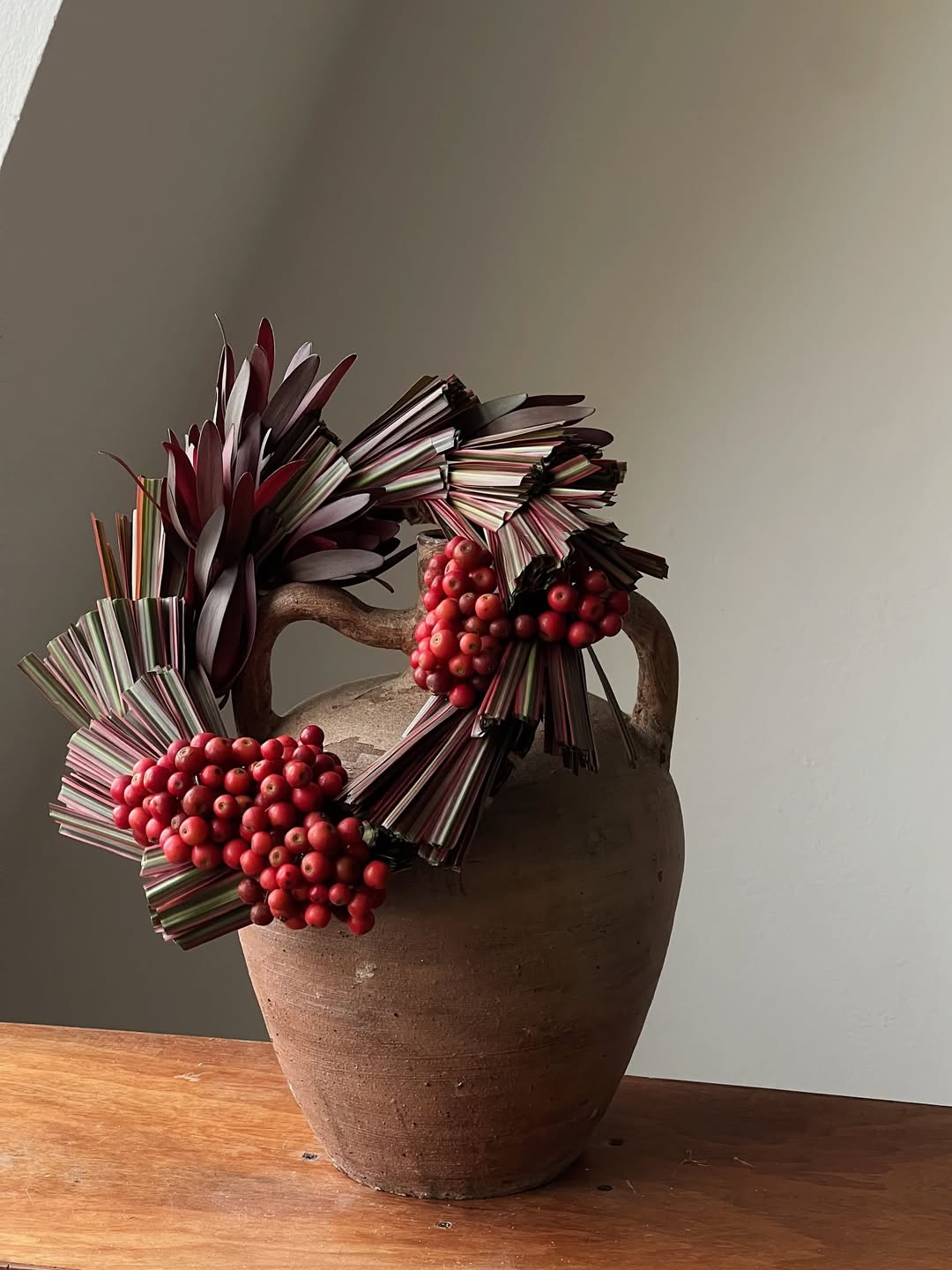
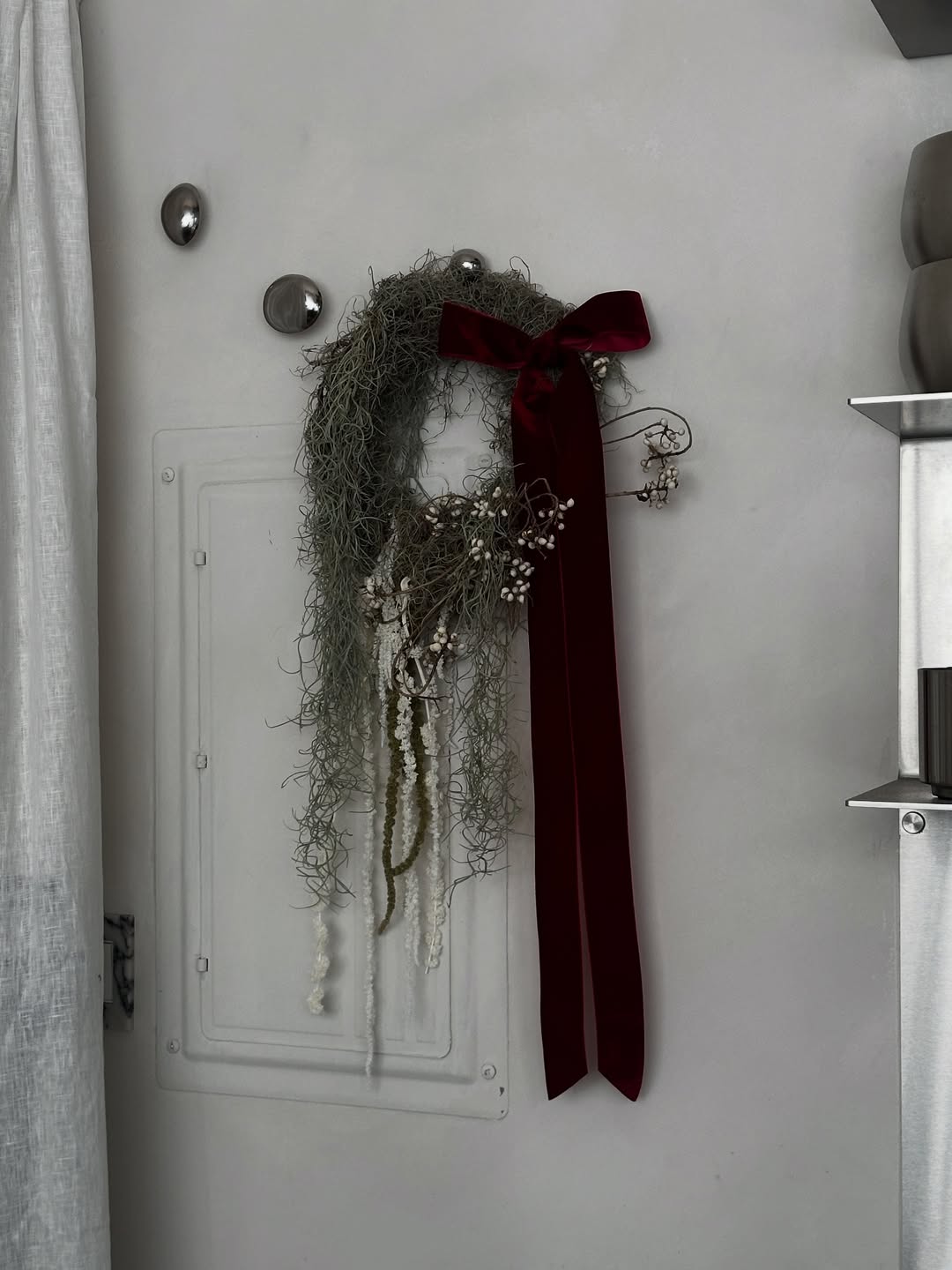
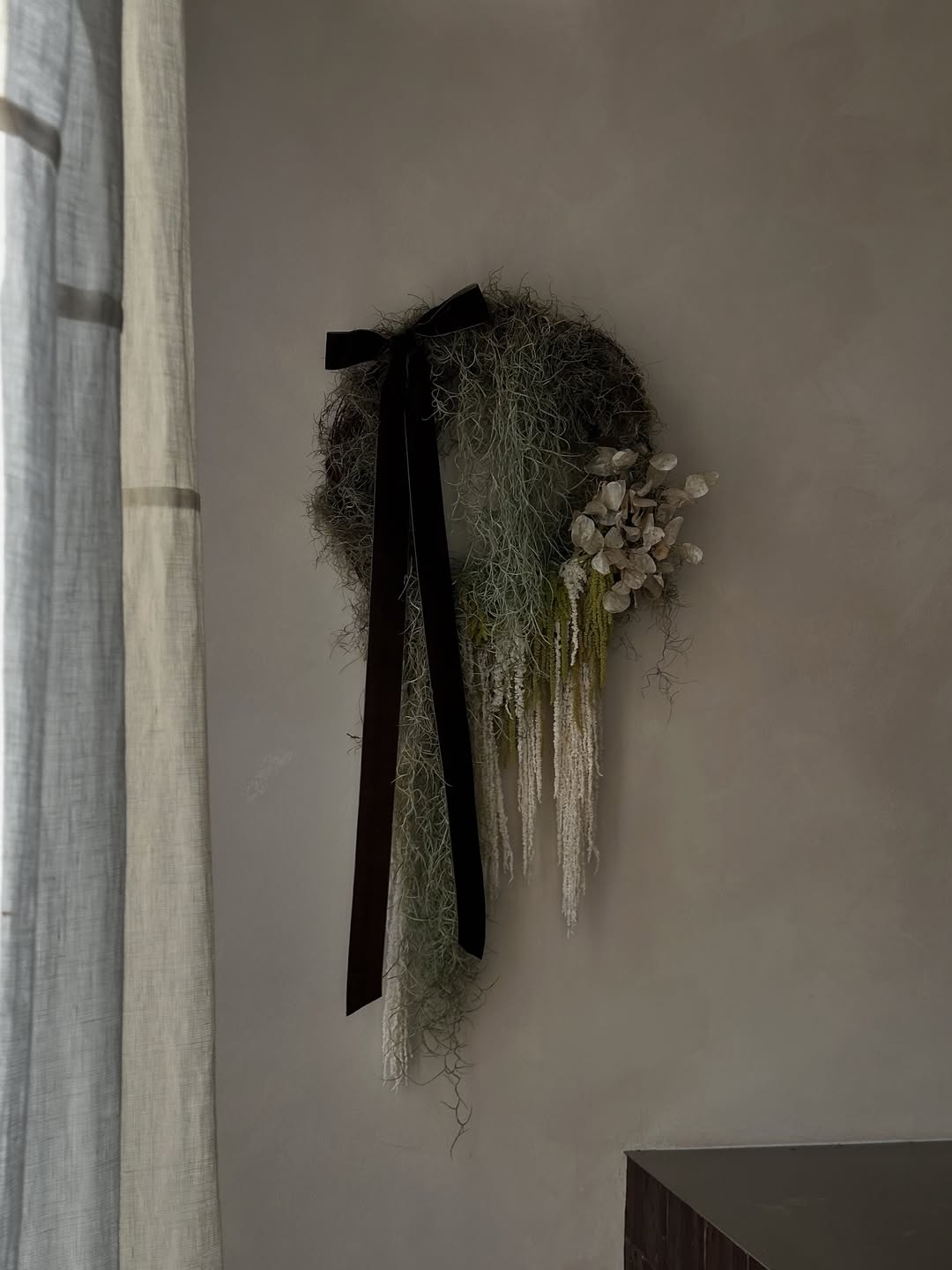
Berries add color, drama, and a seasonal feel to wedding wreath centerpieces, making them perfect for autumn and winter events. Deep burgundy hypericum, orange rosehips, and dark blue berries bring rich, jewel-like tones that look beautiful in photos. Wreath centerpieces with berries work well for long tables, where their colors create a sense of rhythm and flow. For entrances, berry-filled wreaths give a warm, abundant welcome and invite guests to celebrate.
| Wreath Type | Best Use | Styling Tip |
|---|---|---|
| Dried Botanical | Wedding wreath centerpiece, doors | Lay flat on tables with candles in center, or hang vertically |
| Evergreen/Pine | Wedding centerpiece wreaths, entrances | Add ribbons for softness or keep minimal for modern look |
| Straw/Fiber | Wedding wreath for front door, rustic venues | Pair with warm lighting—amber or candlelight |
| Grass/Moss | Wedding door wreaths, table runners | Create multiples in varying sizes for installation effect |
| Floral | Bridal hair, chair backs, small accents | Keep fresh flowers refrigerated until last moment |
Wedding wreaths can do much more than hang on doors. Try laying them flat as centerpieces with pillar candles in the middle. You can also hang several wreaths at different heights for a unique display. Small wreaths work well as chair markers for ceremony seating. With a little creativity, wreaths can fit almost any wedding style. In 2026, wedding wreaths are more than seasonal decorations. They are versatile design pieces that show off the handcrafted, organic style popular in today’s celebrations. Made from dried flowers, evergreen branches, unique fibers, or a mix of creative materials, wreaths add meaning and beauty to weddings, blending tradition with a modern touch.