Editorial Fashion Shoot for the Bride: High Fashion Vision of Modern Bridal Style


- What Is a Fashion Editorial in Bridal Photography
- Bridal Editorial vs Traditional Wedding Photography
- High Fashion Editorial Aesthetic for the Modern Bride
- Editorial Fashion Trends in Bridal Shoots
- Styling the Bridal Editorial Look
- Editorial Bridal Portraits: Pose, Form & Emotion
- The Editorial Fashion Photographer & Why Brides Choose Editorial Shoots

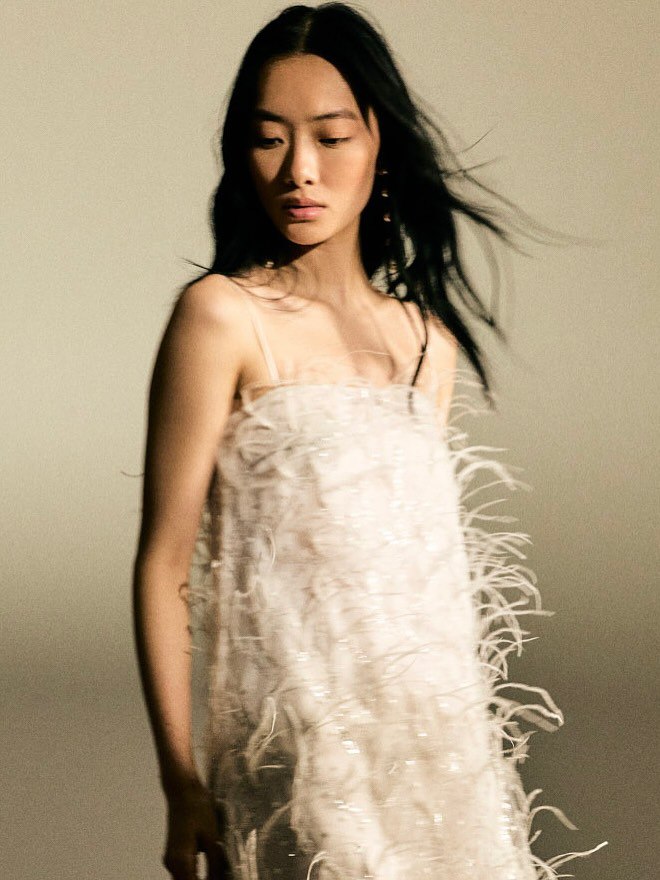
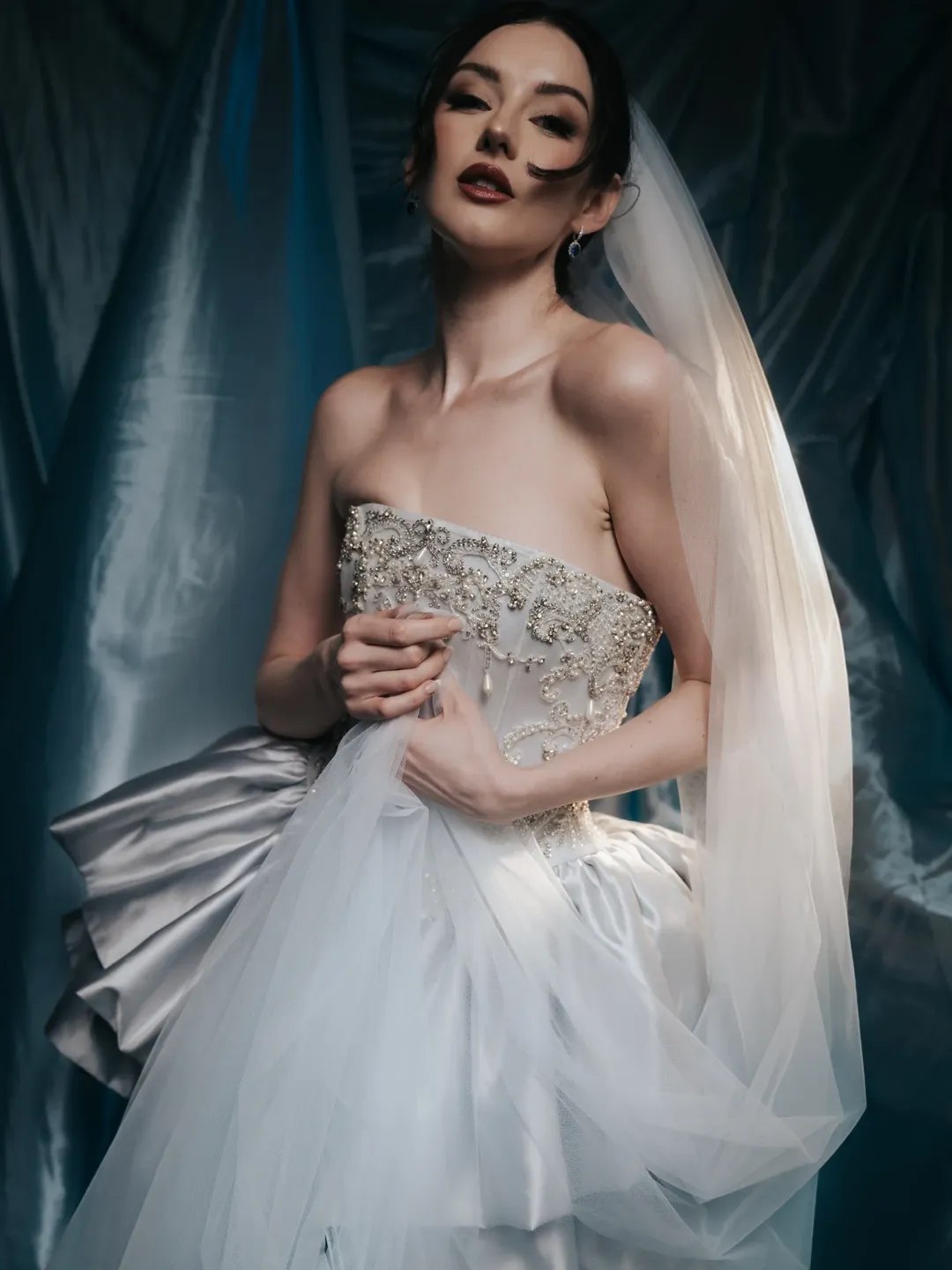
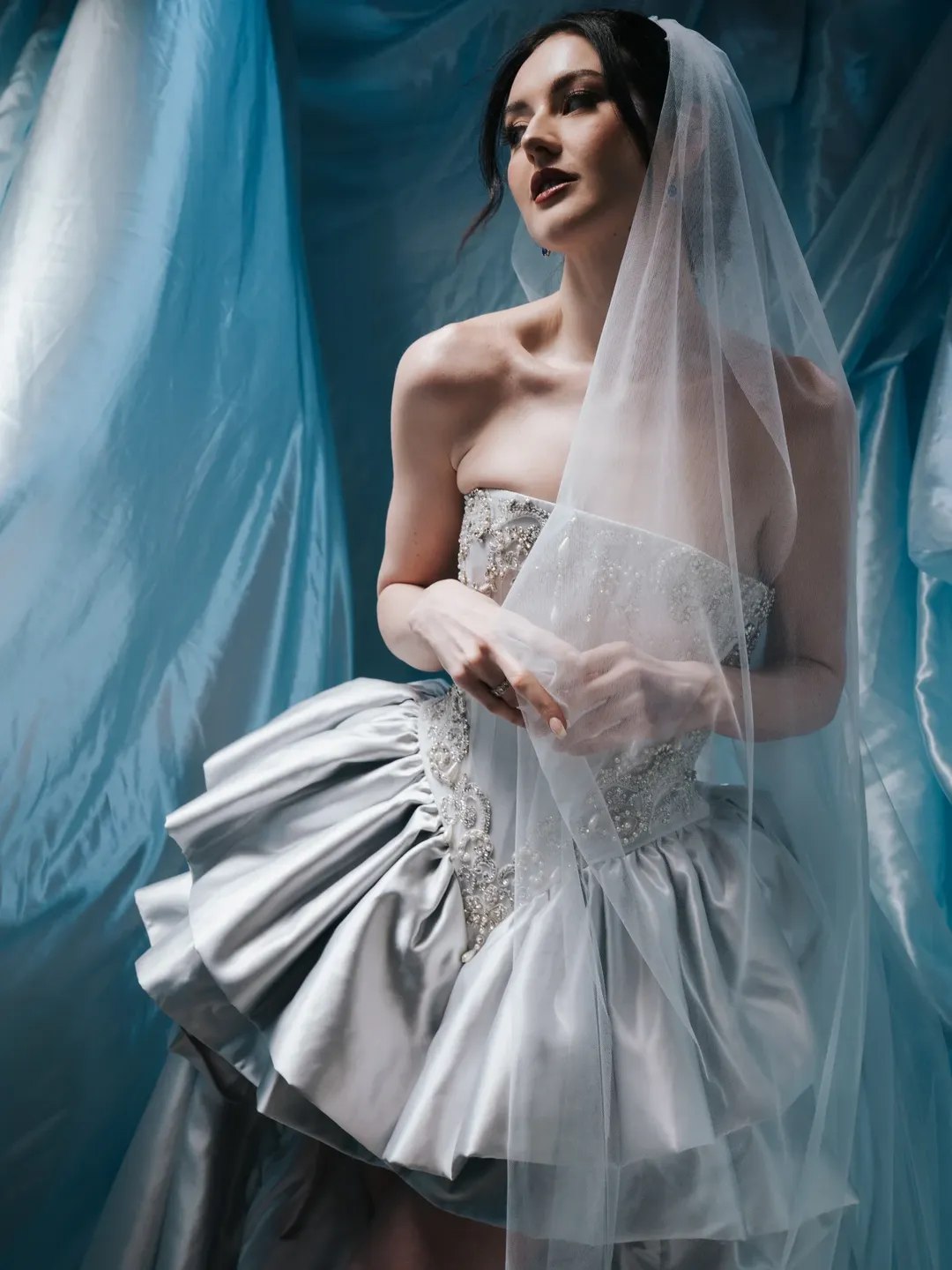
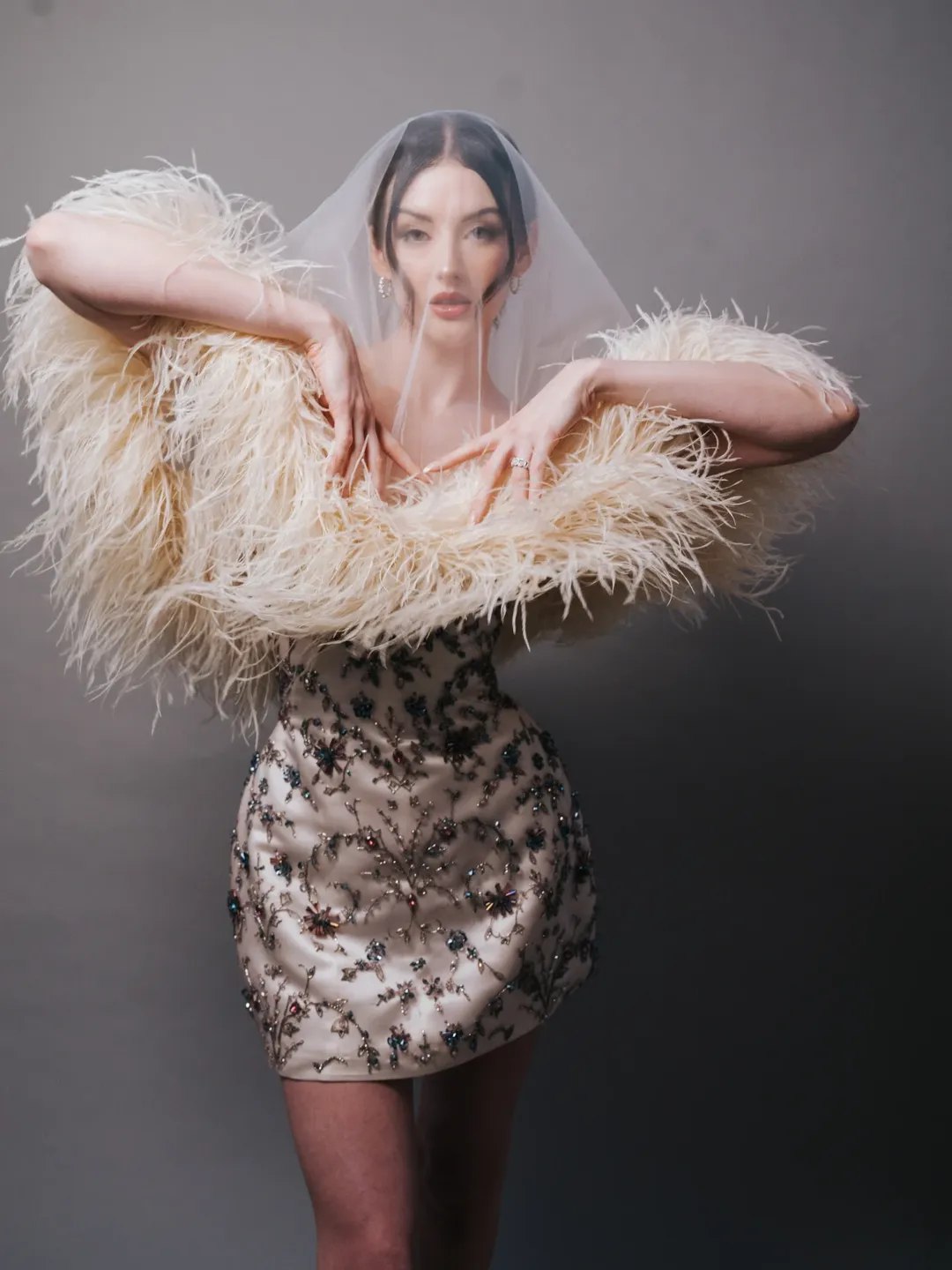
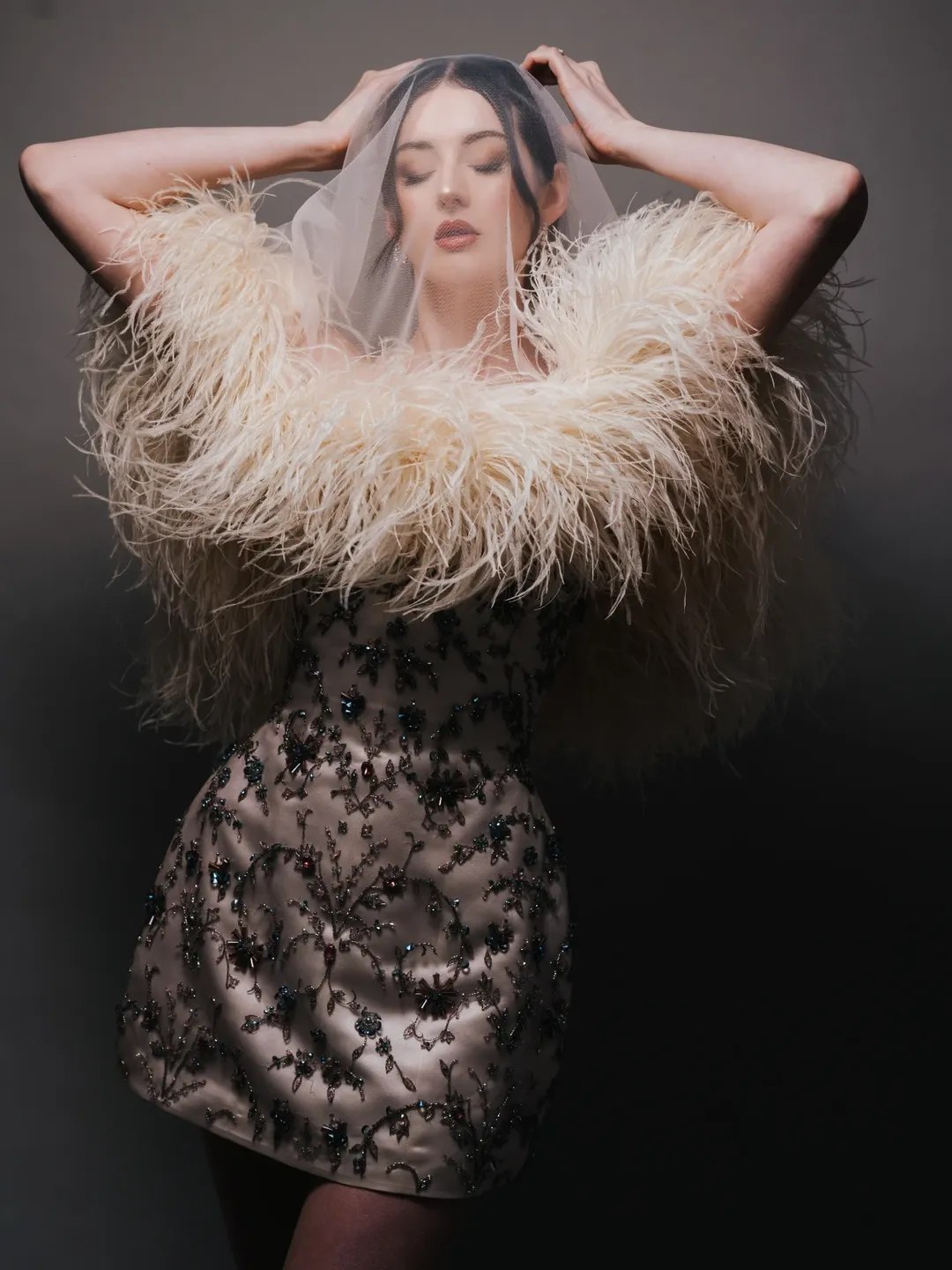
Bridal imagery has shifted in recent years. The kind of fashion photography once limited to glossy magazines and runways now appears in wedding photo albums. It is not just inspiration anymore—it has become the main vision. Instead of simply adapting high fashion to weddings, people now see wedding fashion as its own kind of fashion magazine, with its own artistic tension, conceptual depth, and a visual style that uses shapes to express ideas rather than emotions. The luxury fashion editorial approach does not treat the bride as if she is just following a set story. Instead, they present her as someone to discover. High fashion and sculptural ideas blend together, so a dress looks like architecture, a pose resembles geometry, and the whole photo feels like a work of art, using tulle and silk instead of canvas or bronze.
Find Your Perfect Wedding Vendors

What Is a Fashion Editorial in Bridal Photography
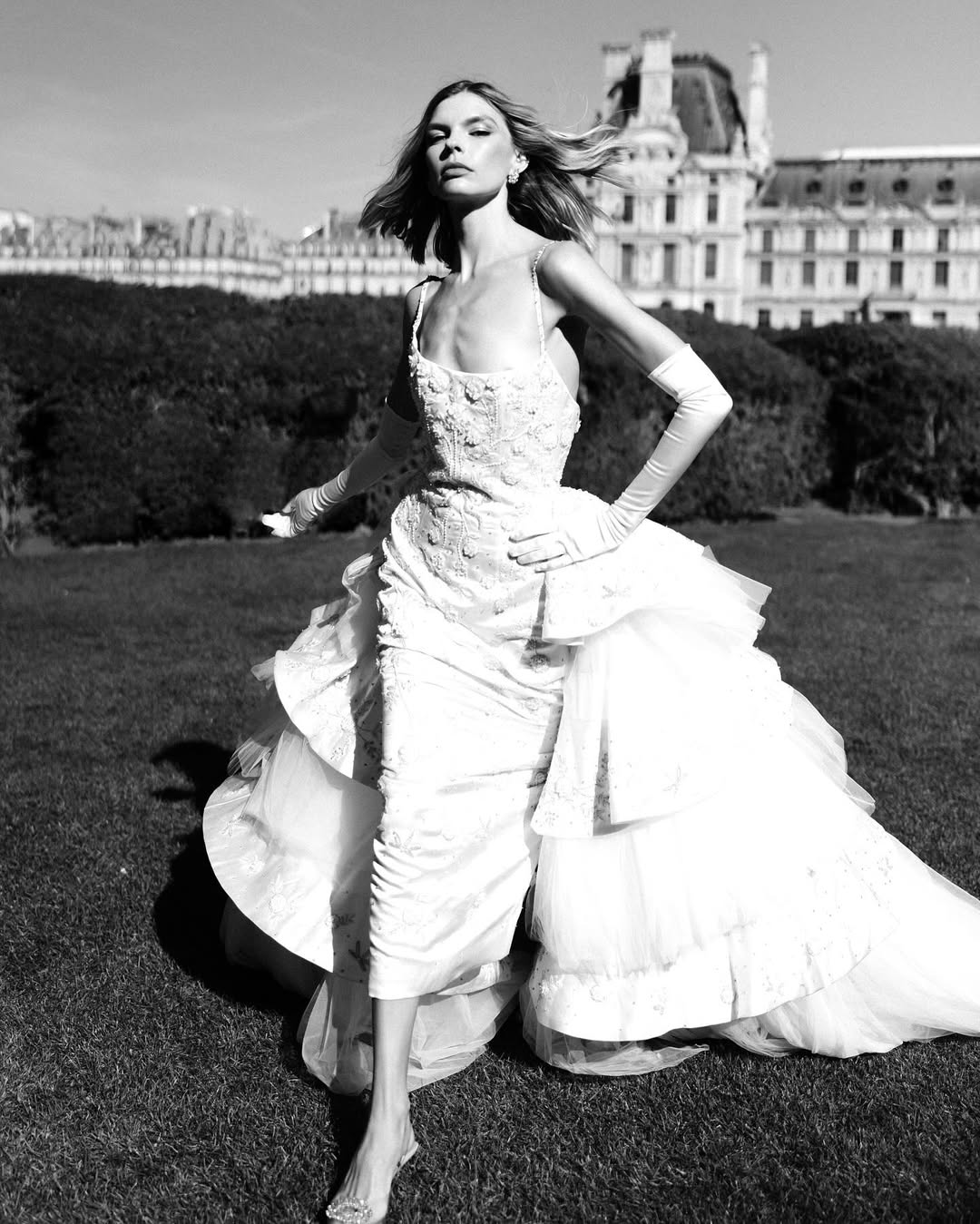
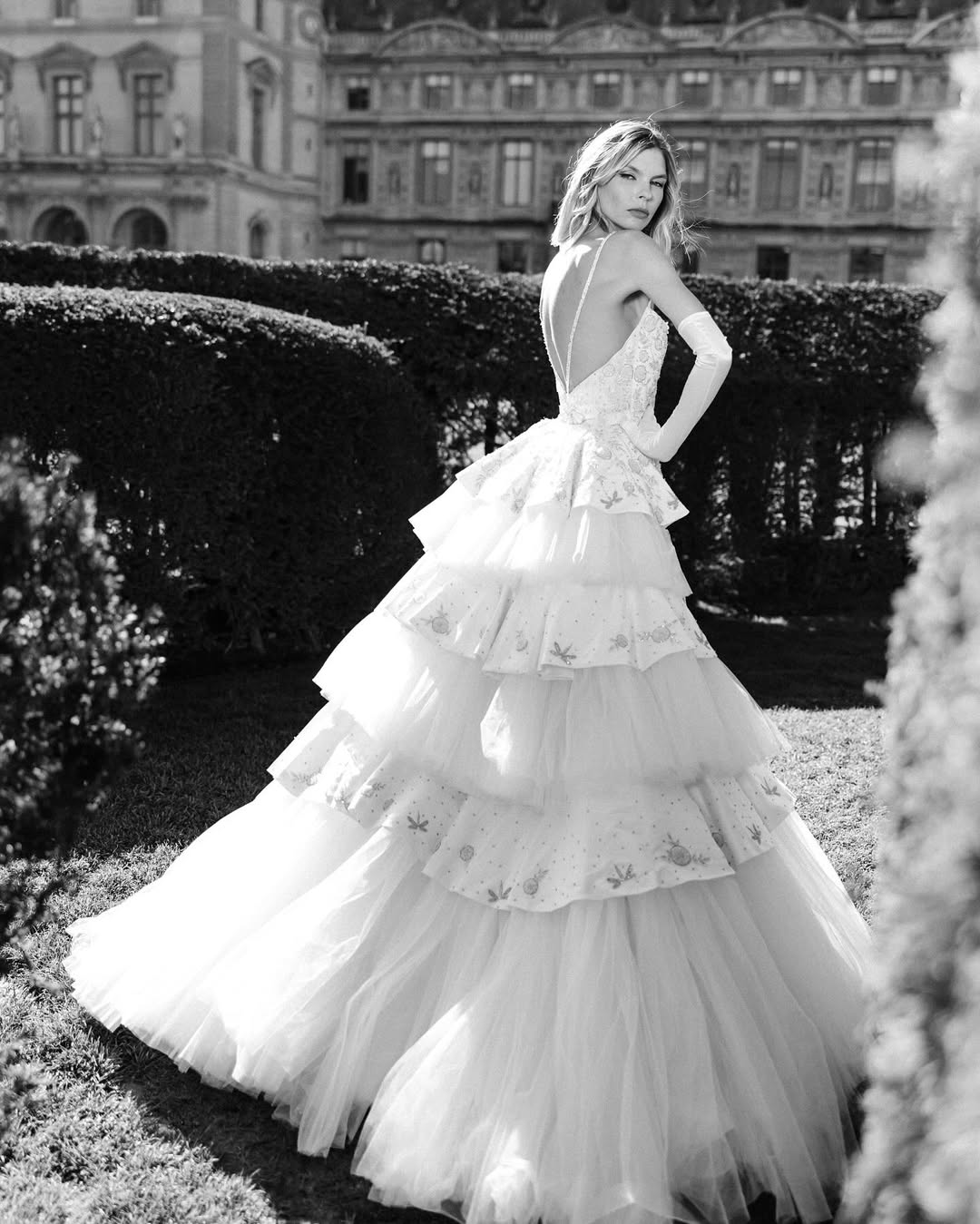
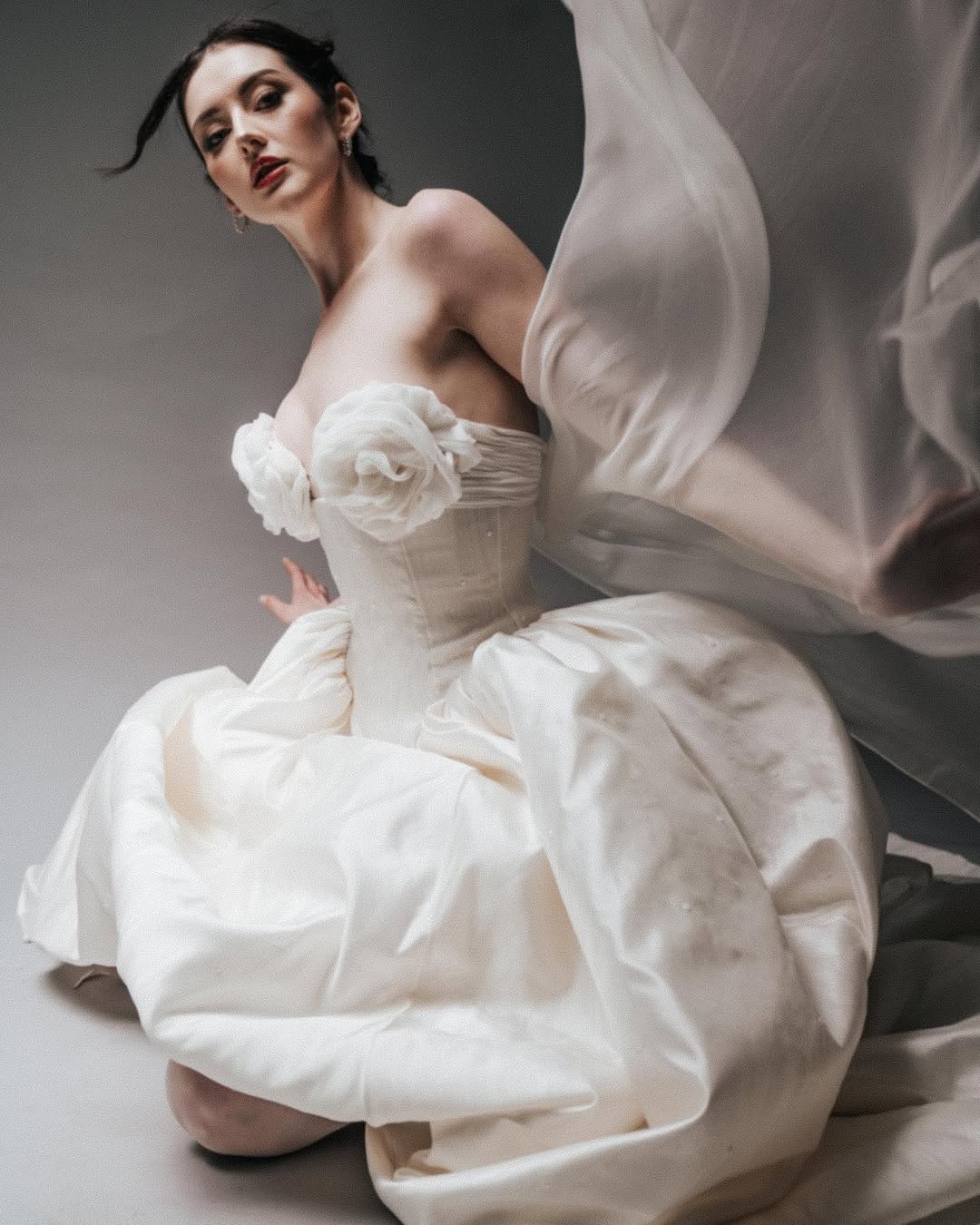
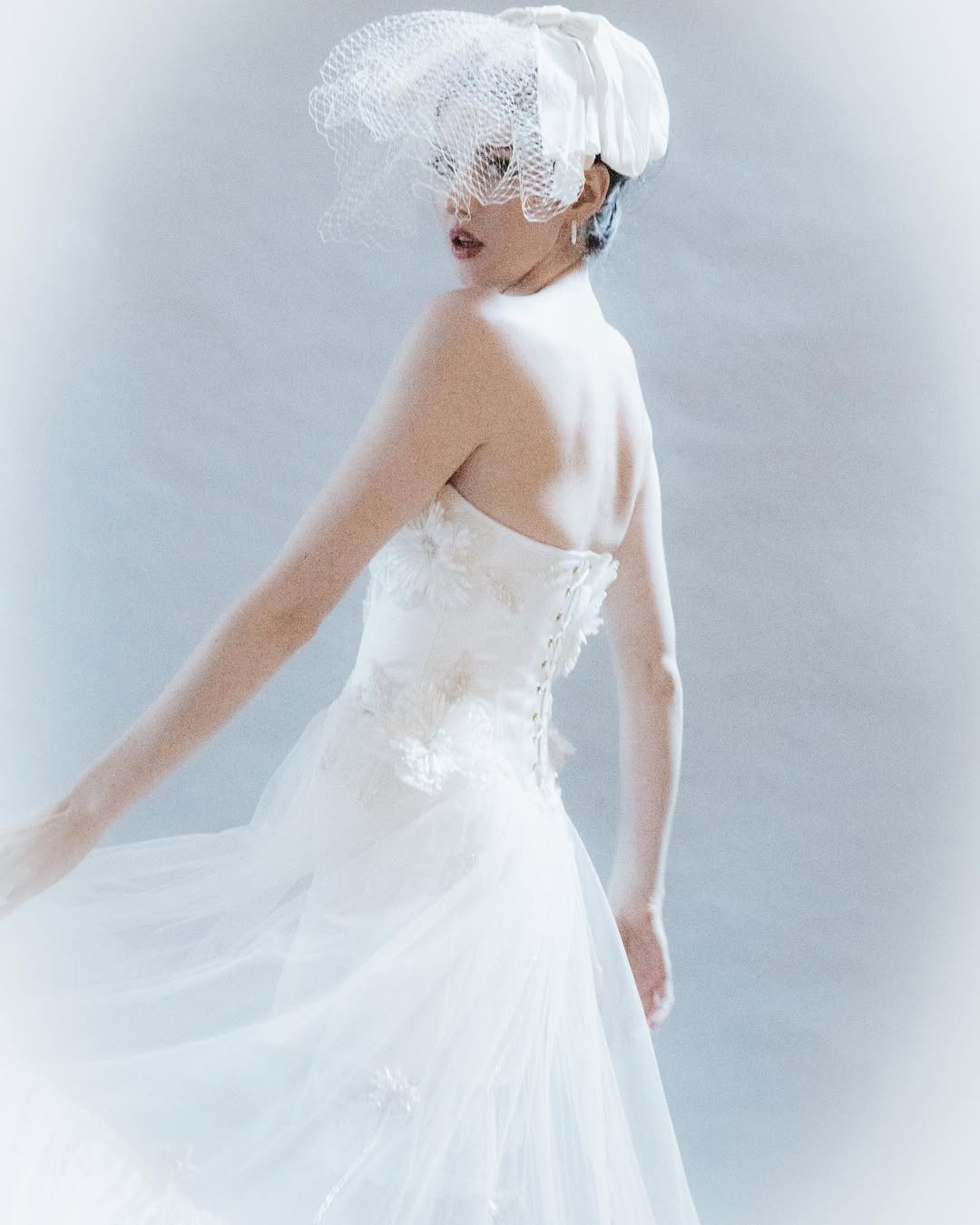
What happens when afashion editorial steps into the world of bridal photography? The focus shifts to how everything looks, not just the sequence of events. In these shoots, the idea comes first. It might be about how empty space and fabric interact, or how light changes the look of a white dress against concrete. The story goes beyond the usual moments like the bride getting ready or the couple’s first kiss. Instead, it’s all about creating a visual mood you can almost feel.
This is what sets fashion photography editorialwork apart from regular wedding coverage or bridal ads. Business photos are meant to sell products, venues, or services. Wedding photographers focus on capturing real moments as they unfold. Editors in fashion shoots have a different job. They create content with meaning, so every photo stands for an idea, not just what’s happening in real life.
Bridal Editorial vs Traditional Wedding Photography
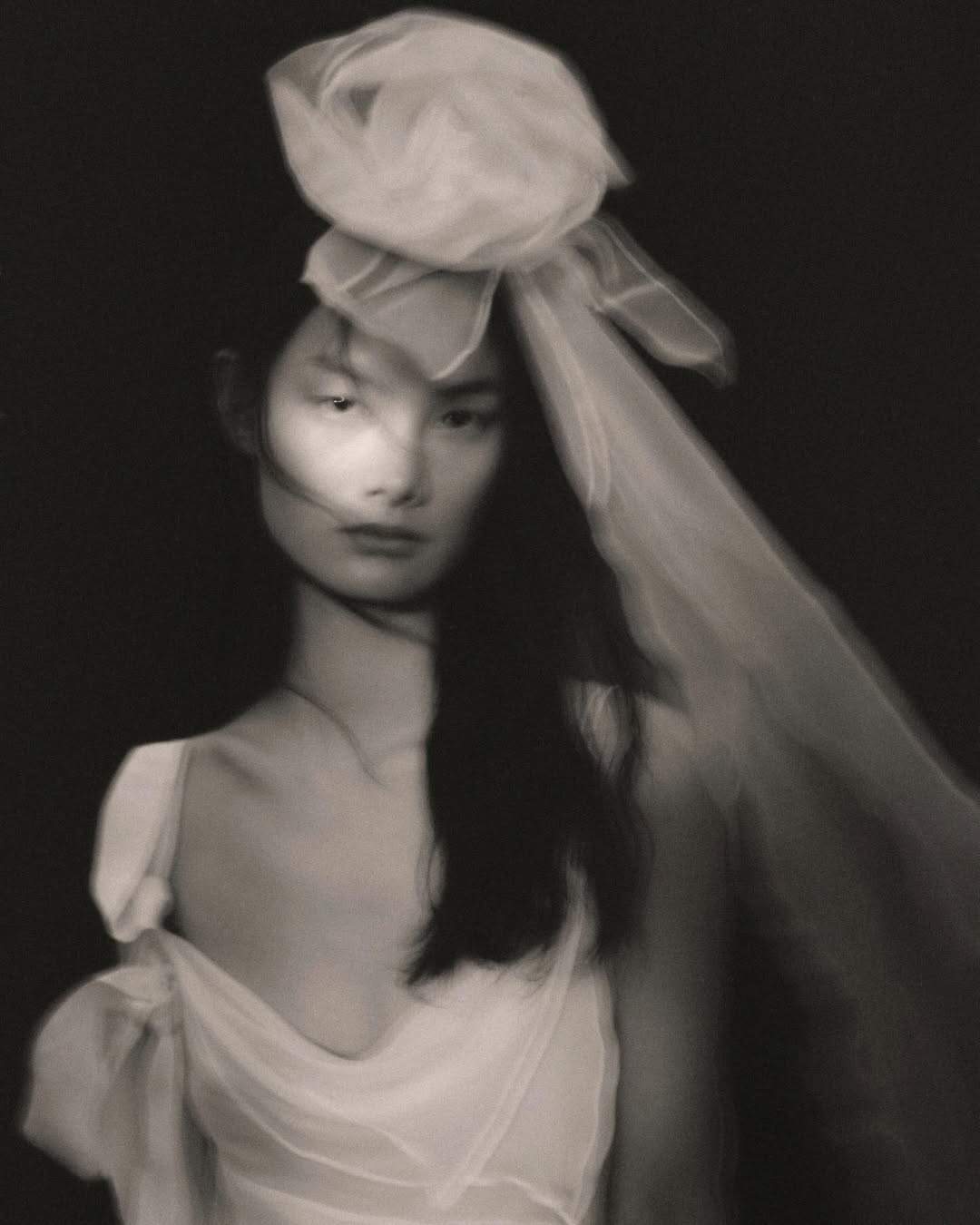
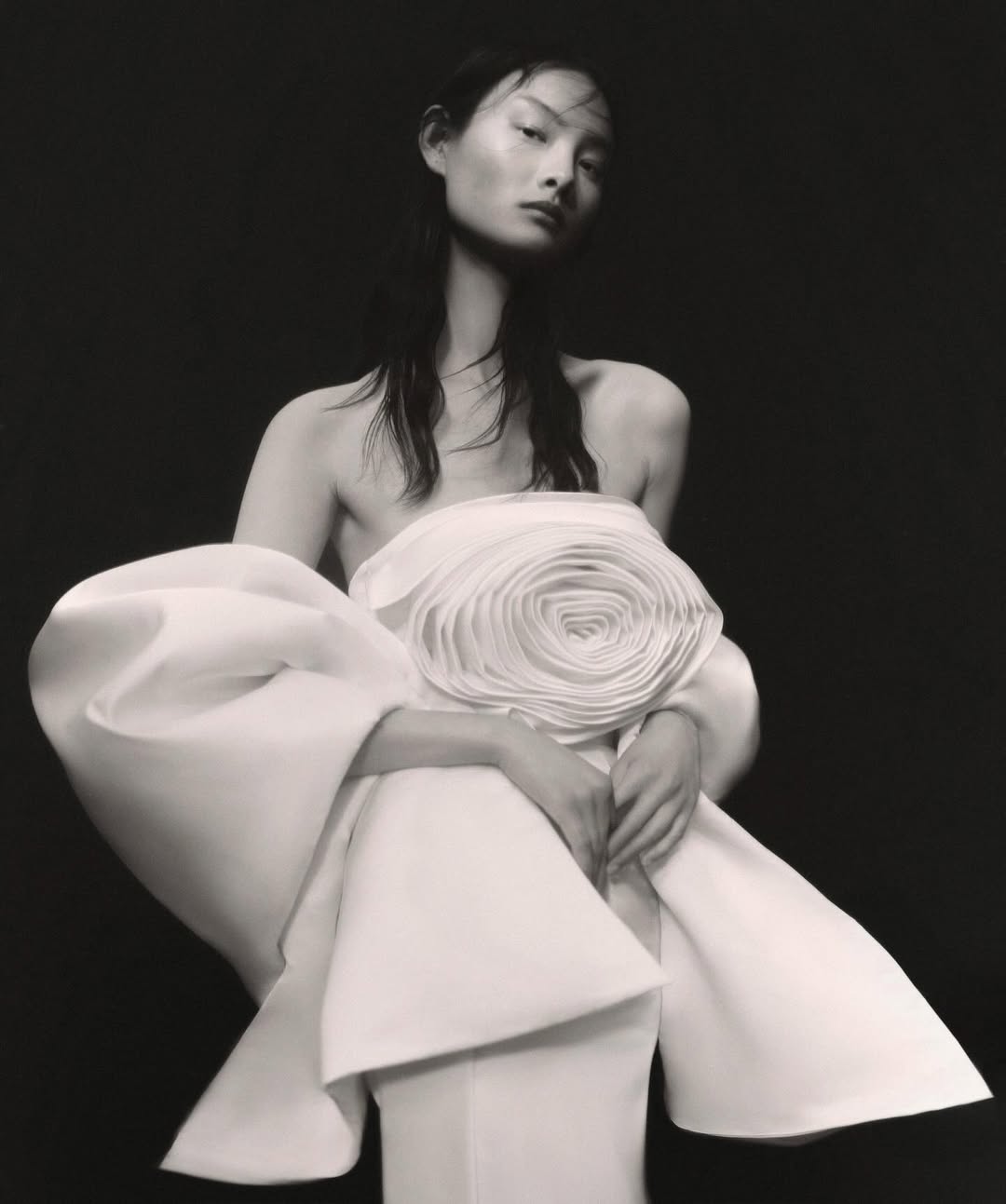
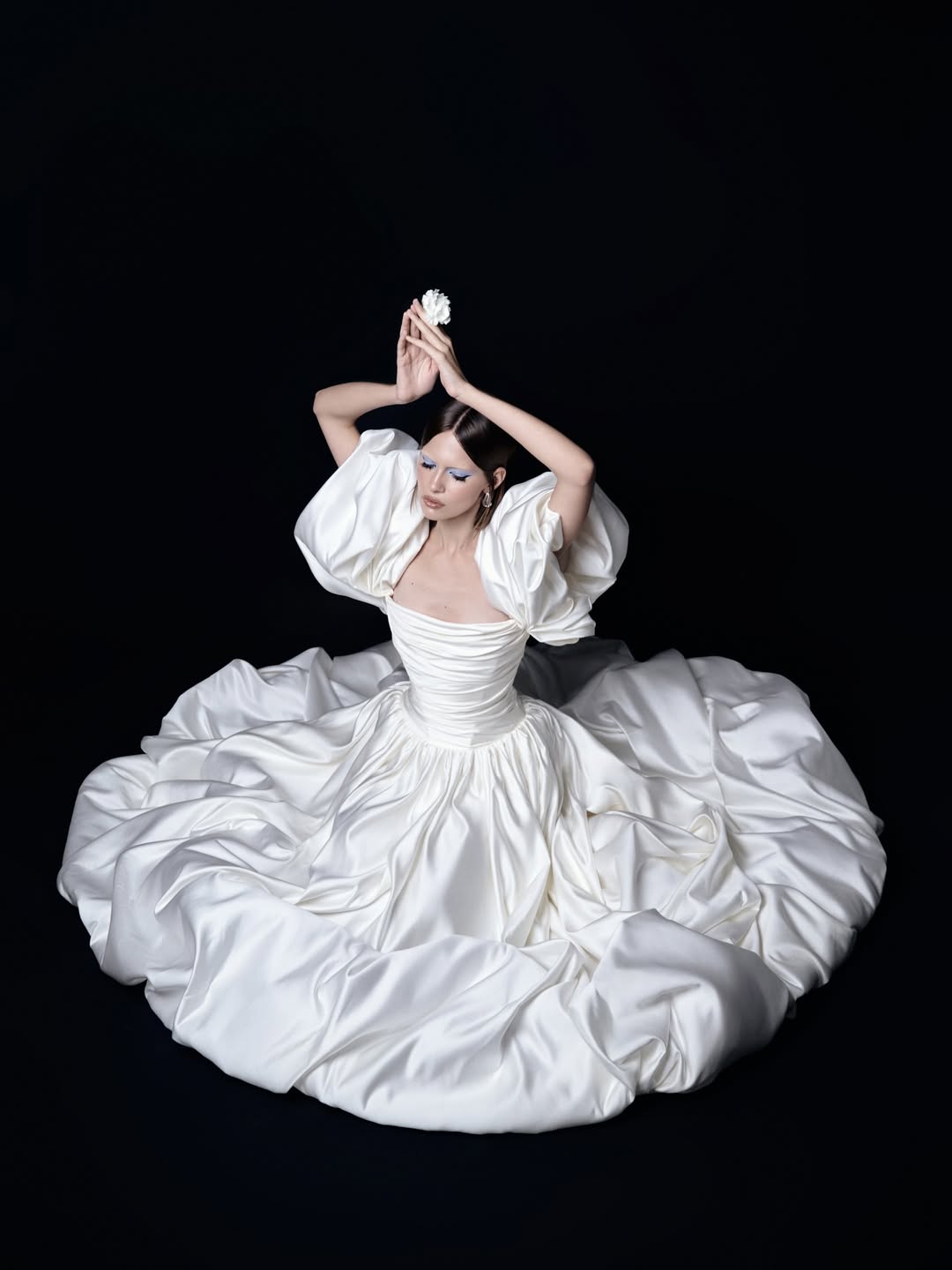

A bridal editorial photography session is carefully planned, unlike traditional wedding photography, which captures events as they happen. In a fashion shoot, the photographer decides how the subjects will move, sets up lighting to highlight shapes instead of details, and uses the bride’s body to create interesting forms in the space. This approach is closer to dance or architectural photography than to typical wedding photos. This style of high fashion editorial photography highlights how clothes interact with the body and how the body fits into its surroundings. The way fabric moves in the air matters more than whether everyone is looking at the camera. The photos often look cinematic or sculptural, and sometimes feel a little unsettling. These images are meant to be admired as visual art, not as reminders of a specific moment.
| Approach | Traditional Wedding | Bridal Editorial |
|---|---|---|
| Primary focus | Chronological moments | Visual concept & form |
| Photographer role | Observer & documenter | Director & visual architect |
| Light usage | Flattering & clear | Sculptural & dramatic |
| Movement | Natural & candid | Choreographed & intentional |
| Aesthetic reference | Classic bridal imagery | High fashion & art photography |
High Fashion Editorial Aesthetic for the Modern Bride
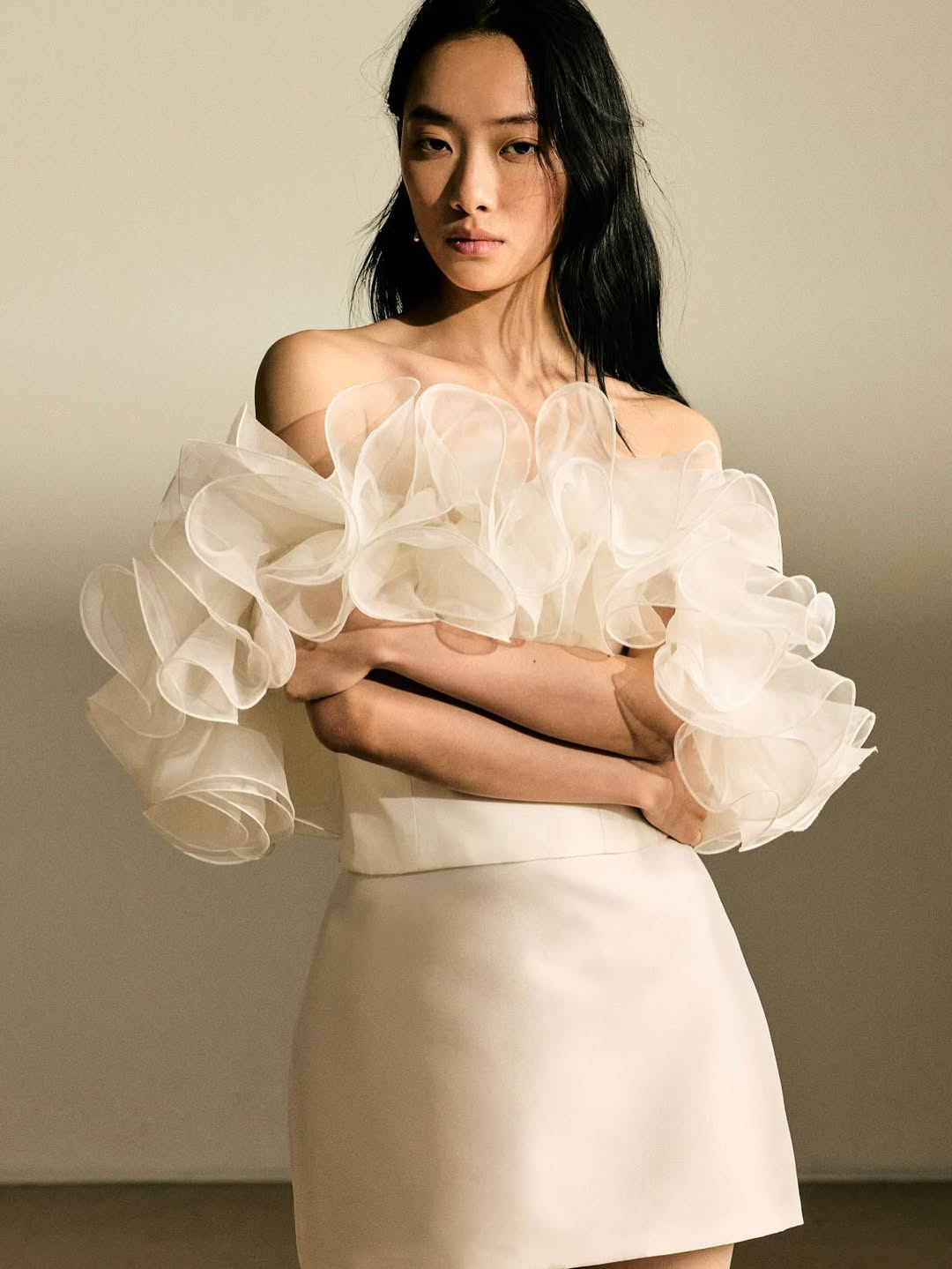
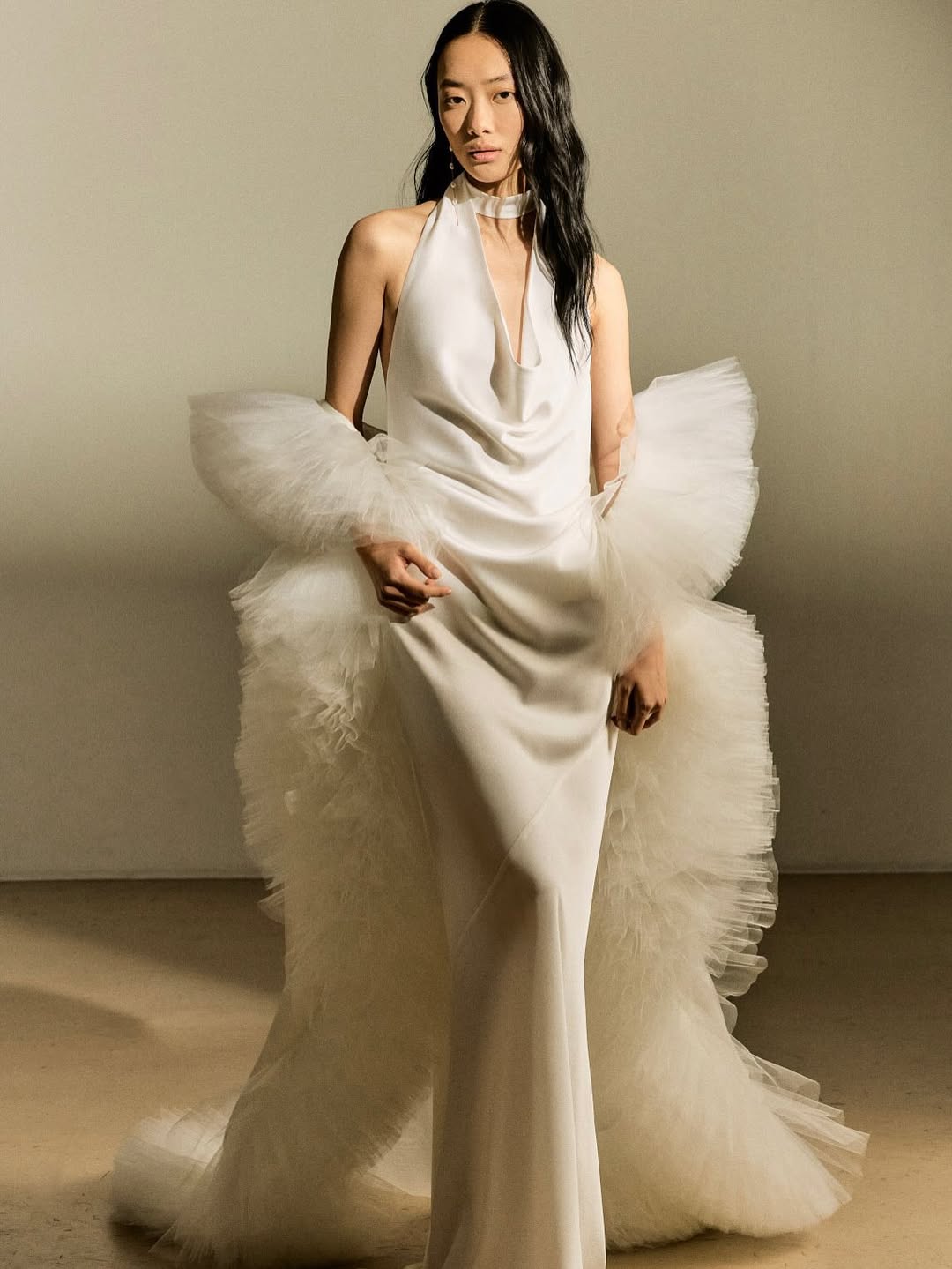
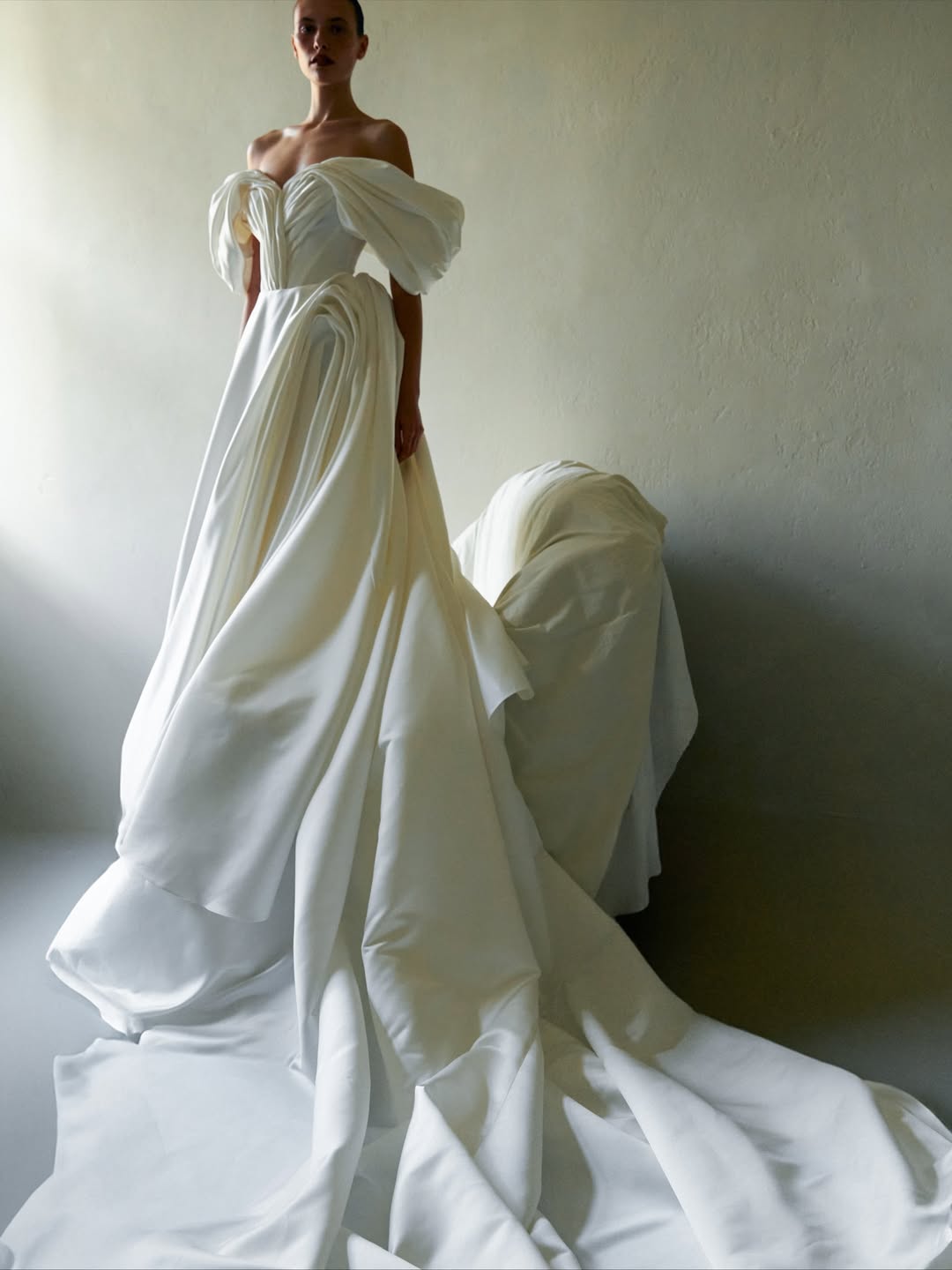
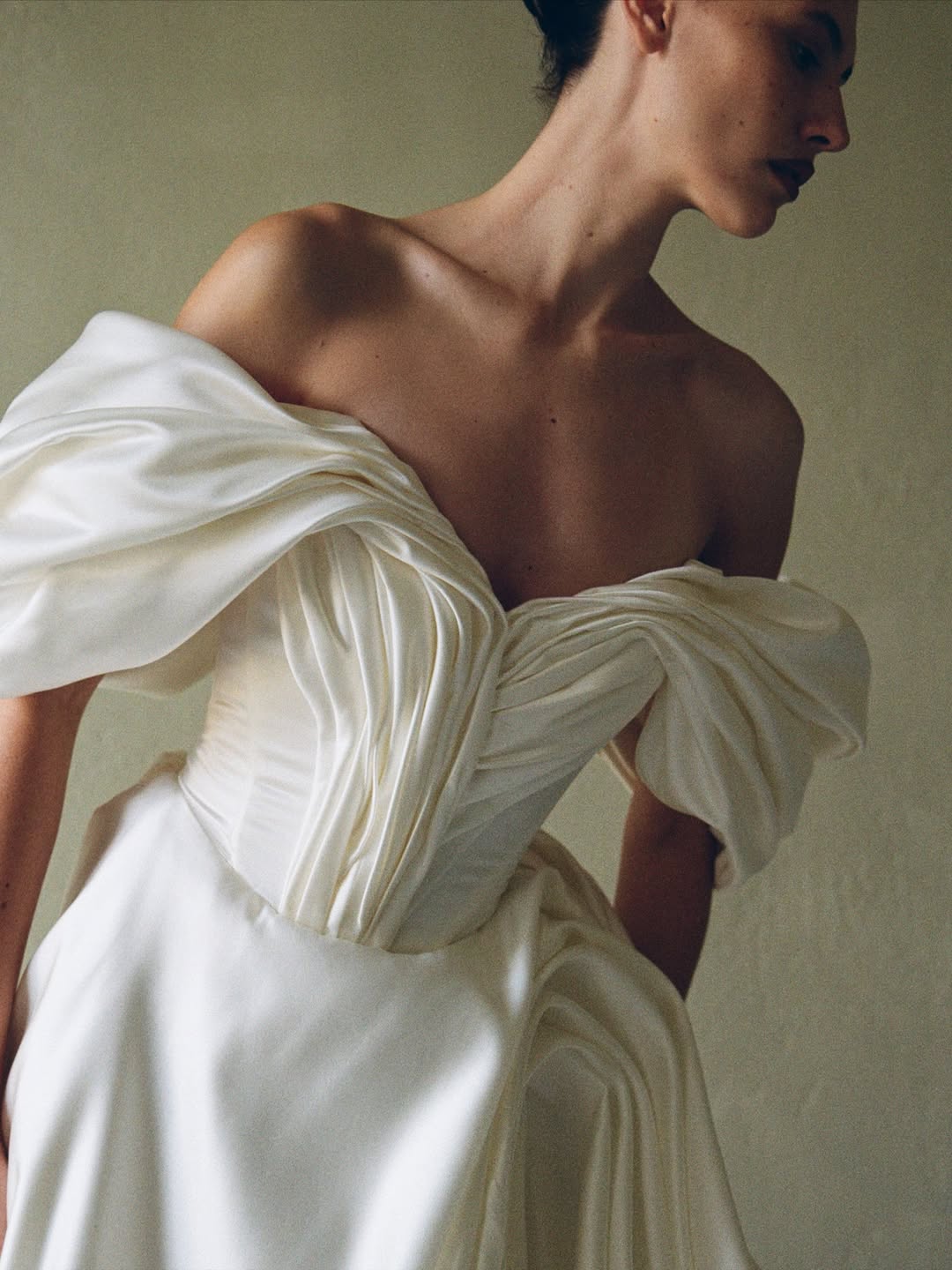
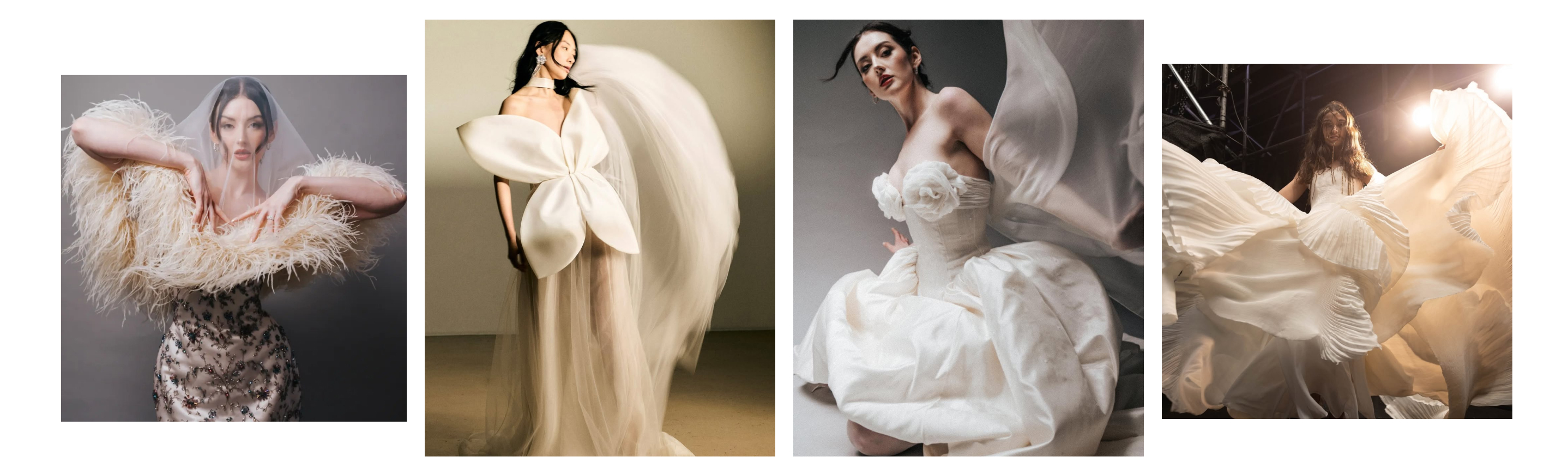
Sculptural bridal silhouettes are popular in high-fashion editorials because they appear as shapes rather than just decorations in photos. Picture structured bodices making bold horizontal lines, or skirts so voluminous they look like architectural pieces. These dresses do not simply make the body look pretty; they turn it into something geometric, unusual, and striking. The magazine’s photos use a minimalist style, but it’s not soft or romantic. Instead, the clean lines stand out, and the simple color schemes make you notice texture and shadow. The sharp silhouettes almost look severe. Draping turns sculptural as it gathers and shapes the image. A sleeve is more than fabric on an arm; it becomes a cascade that leads your eye down, forming a vertical line in the photo. Editorial high-fashion bridal photography finds drama in simplicity. A single fold of fabric can be as striking as a bouquet. The empty space around the bride’s outline matters just as much as the shape itself. Every detail supports the overall form, the lines, and the balance between solid and empty space.

Editorial Fashion Trends in Bridal Shoots
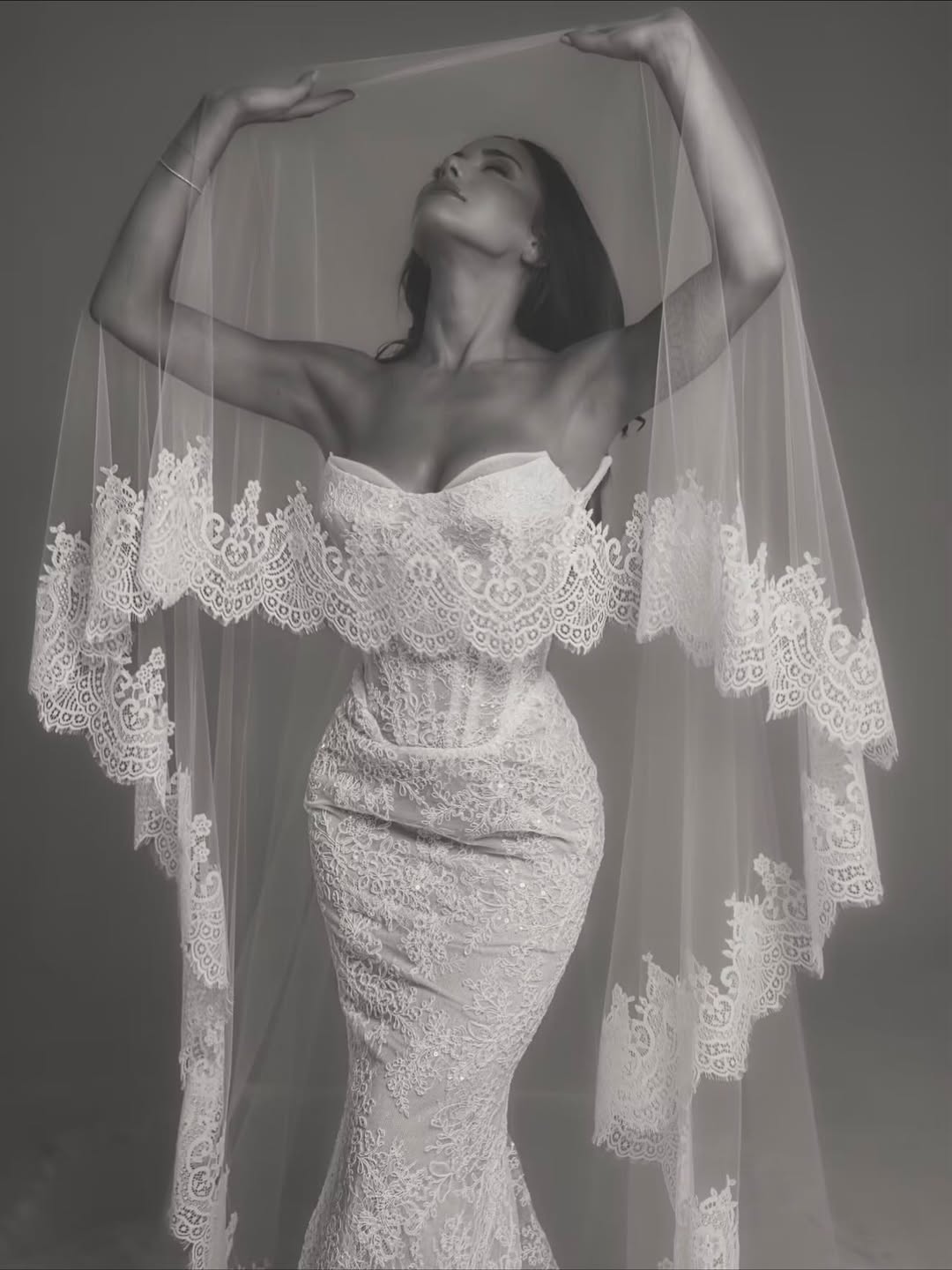

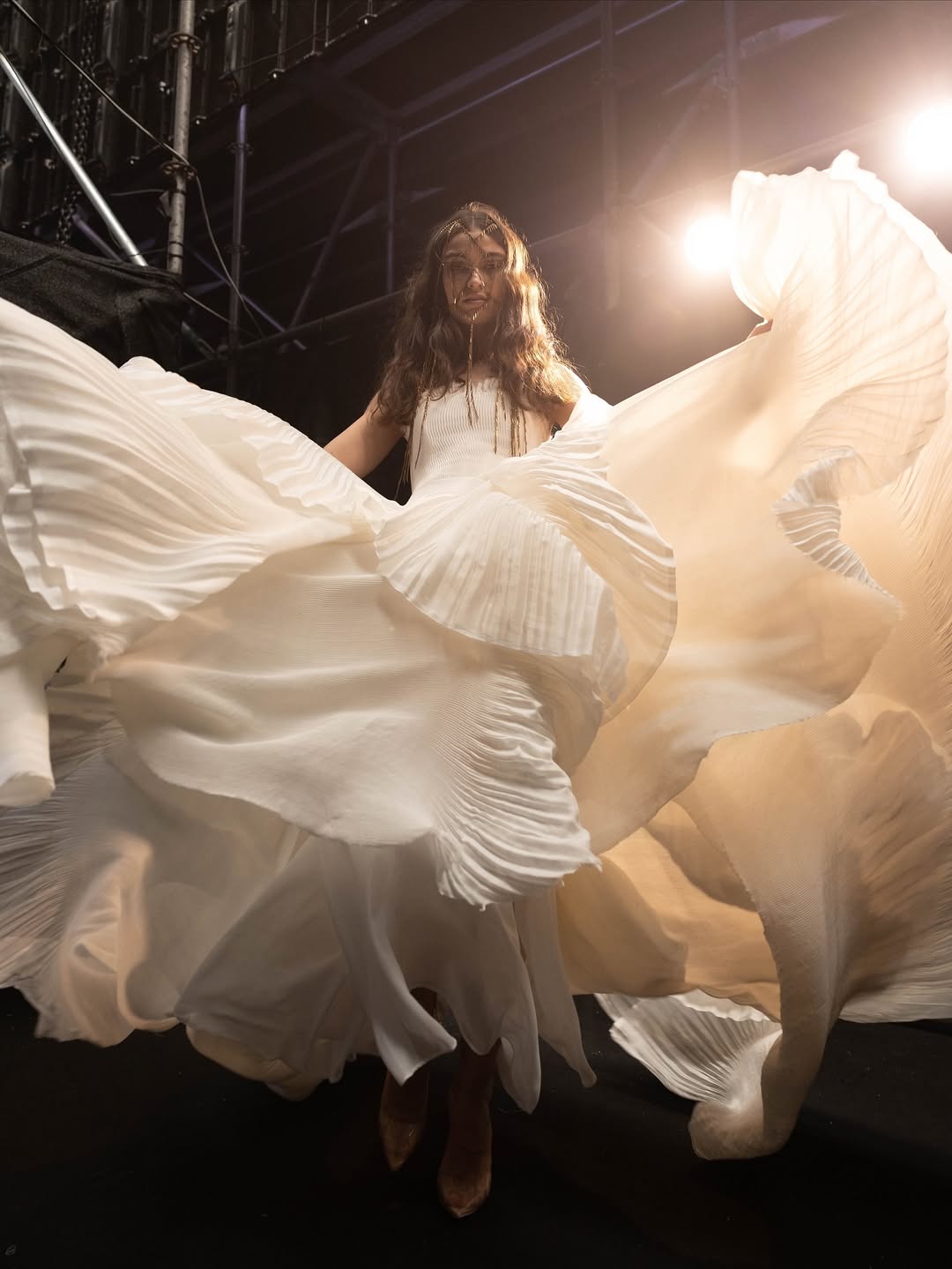
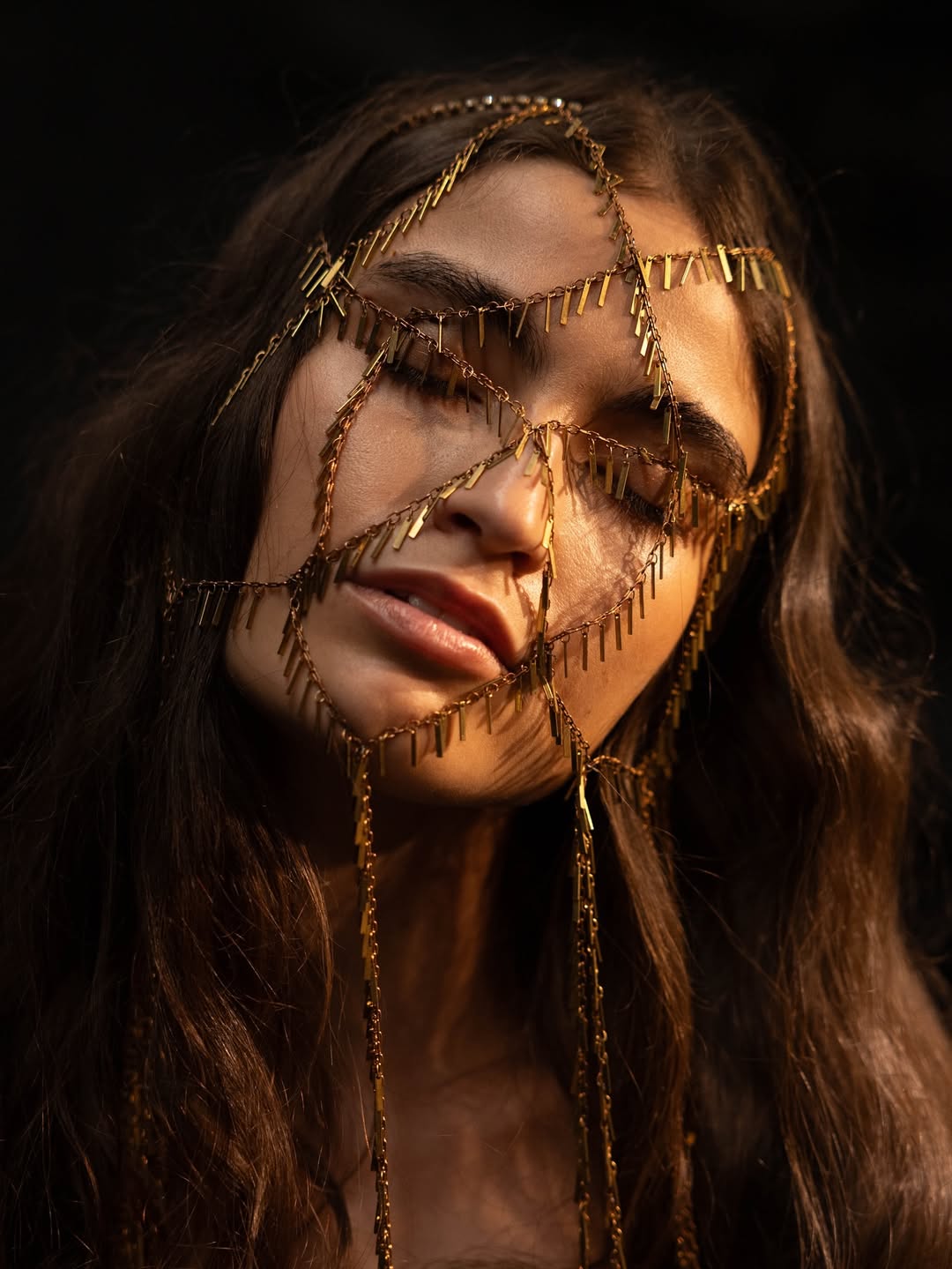
Right now, bridal fashion editorials focus on playing with scale and using transparent materials. Large floral installations are not just decorations but act as sculptures, with flowers as big as heads and stems that look like architectural supports. Instead of traditional flowers, designers use fabric sculptures like twisted silk, hanging tulle clouds, and paper pieces that cast interesting shadows.
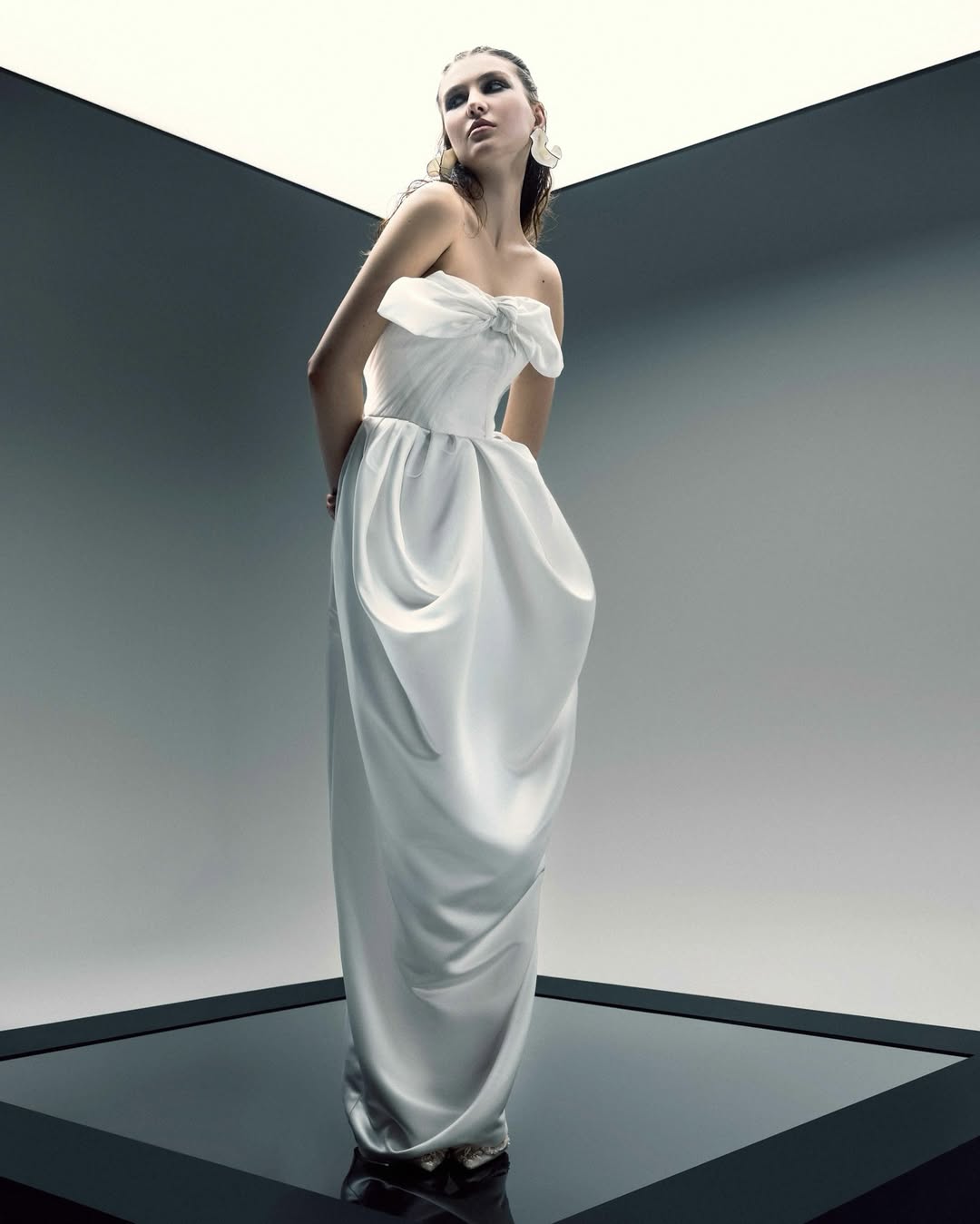
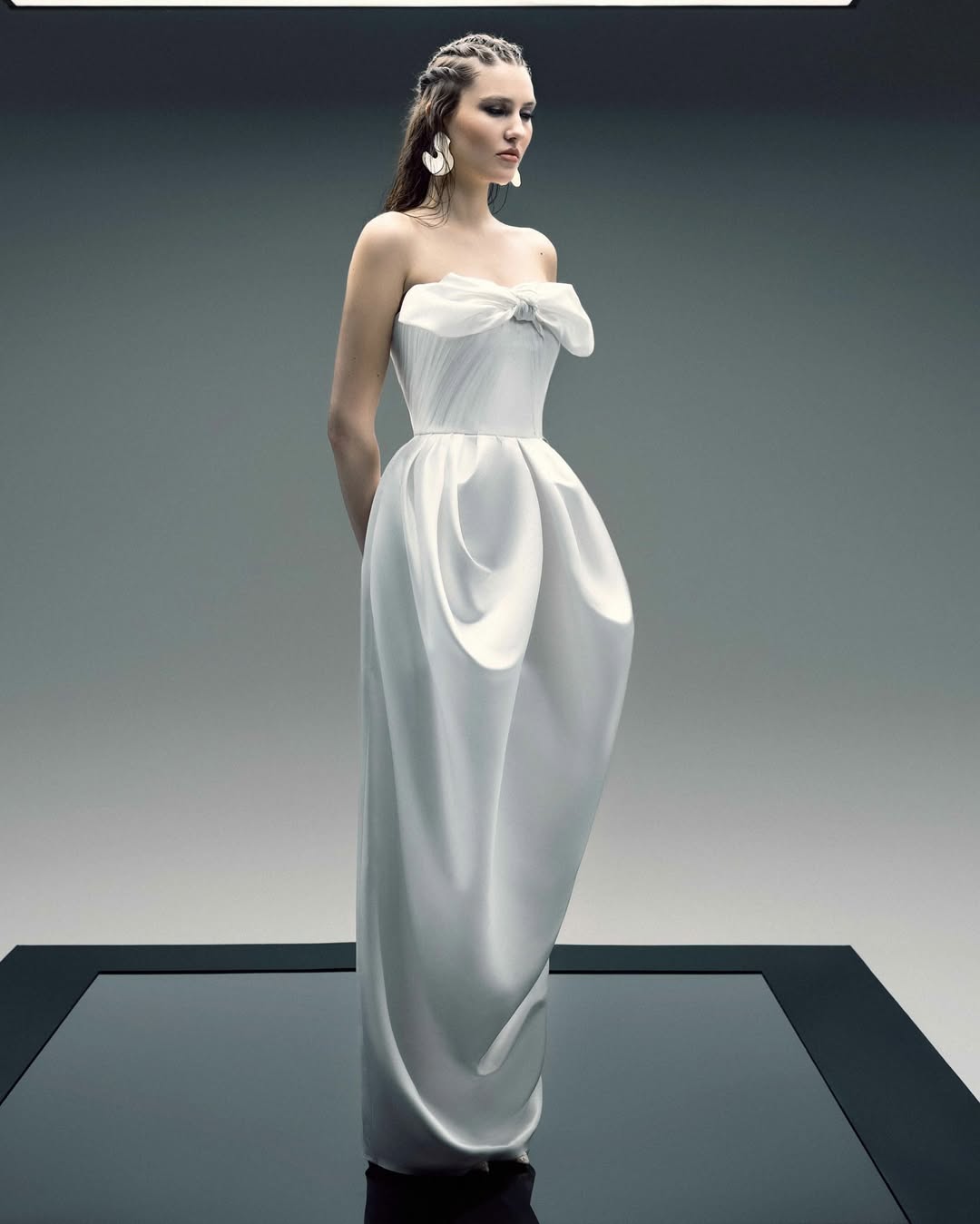
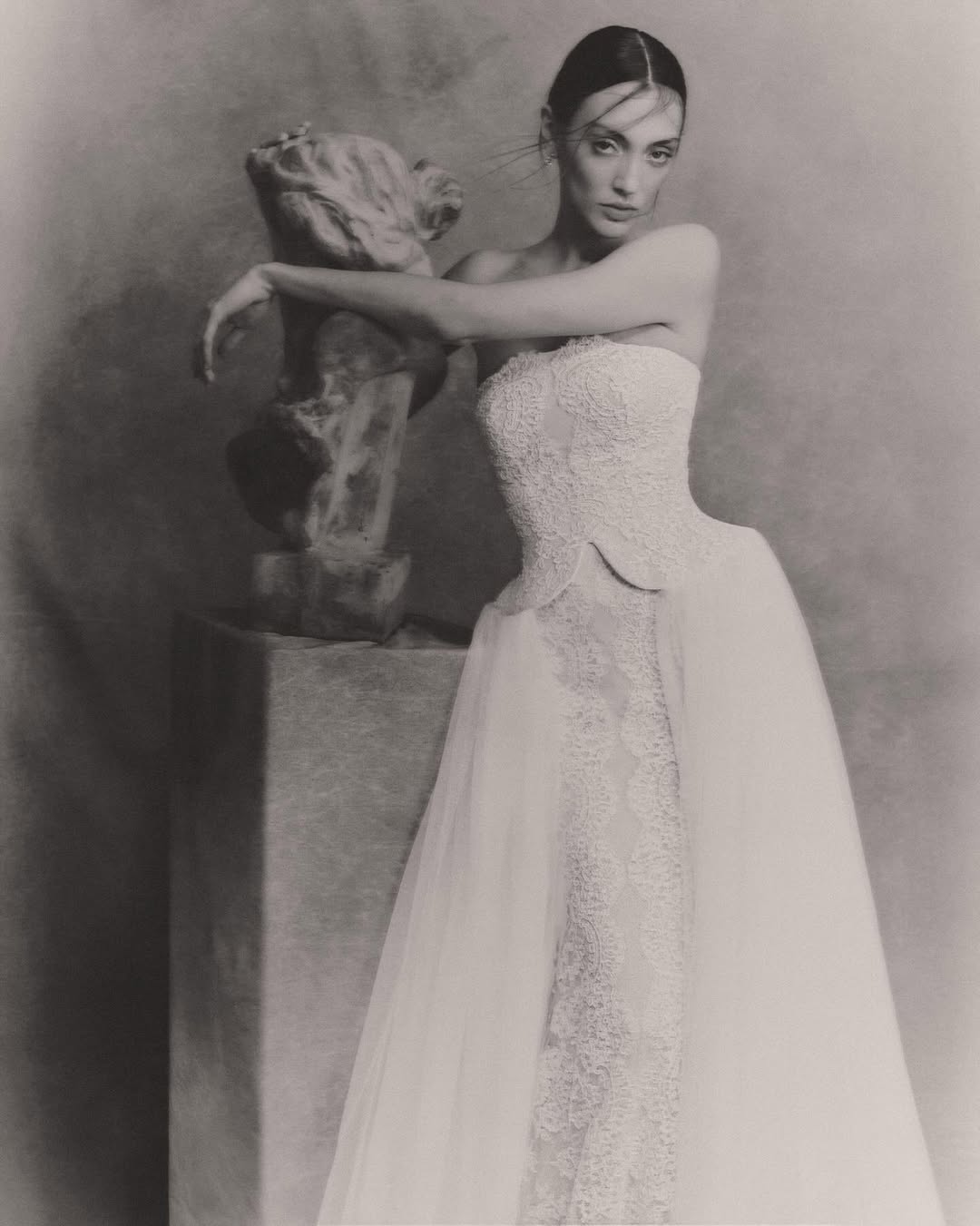

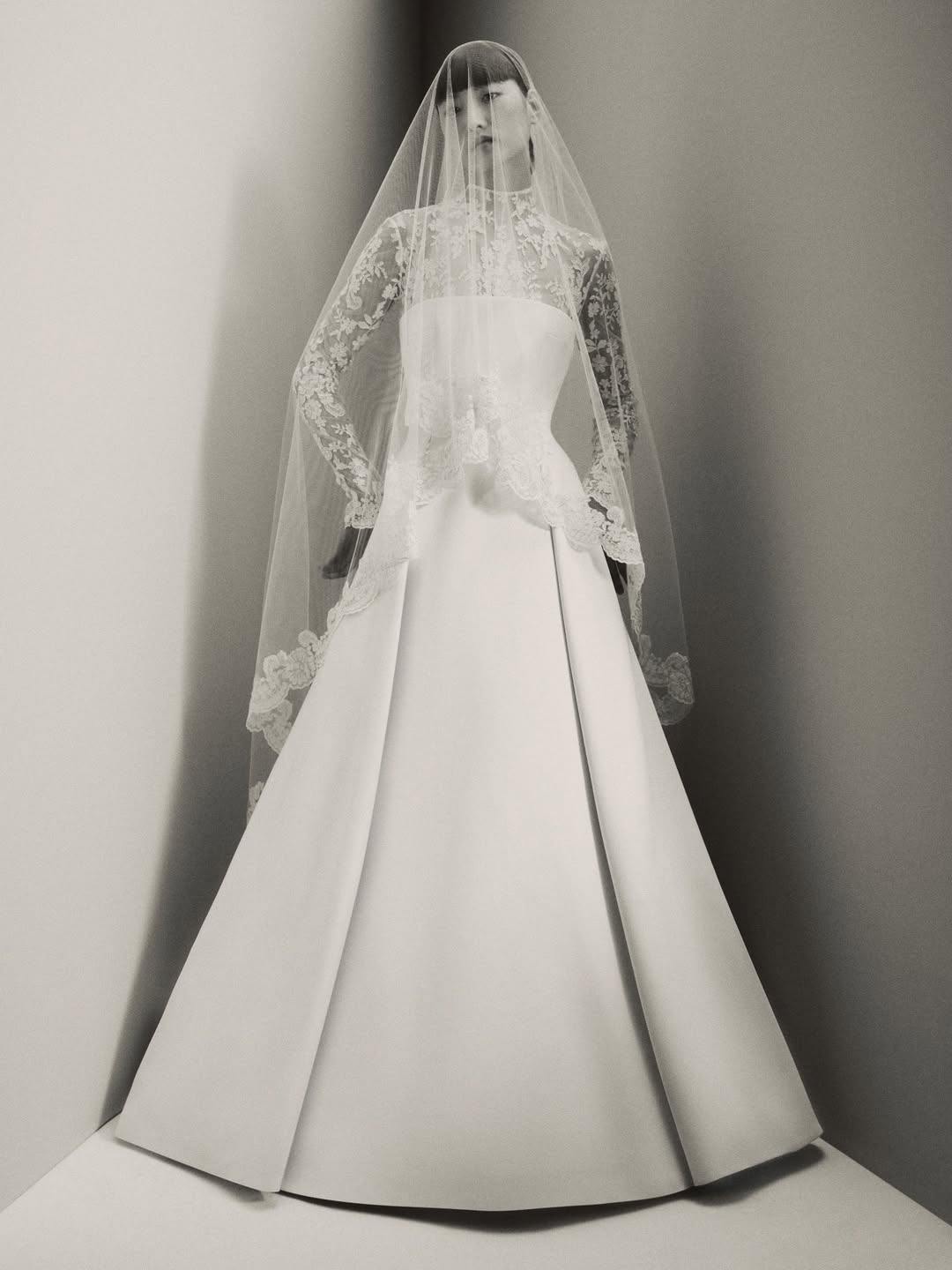
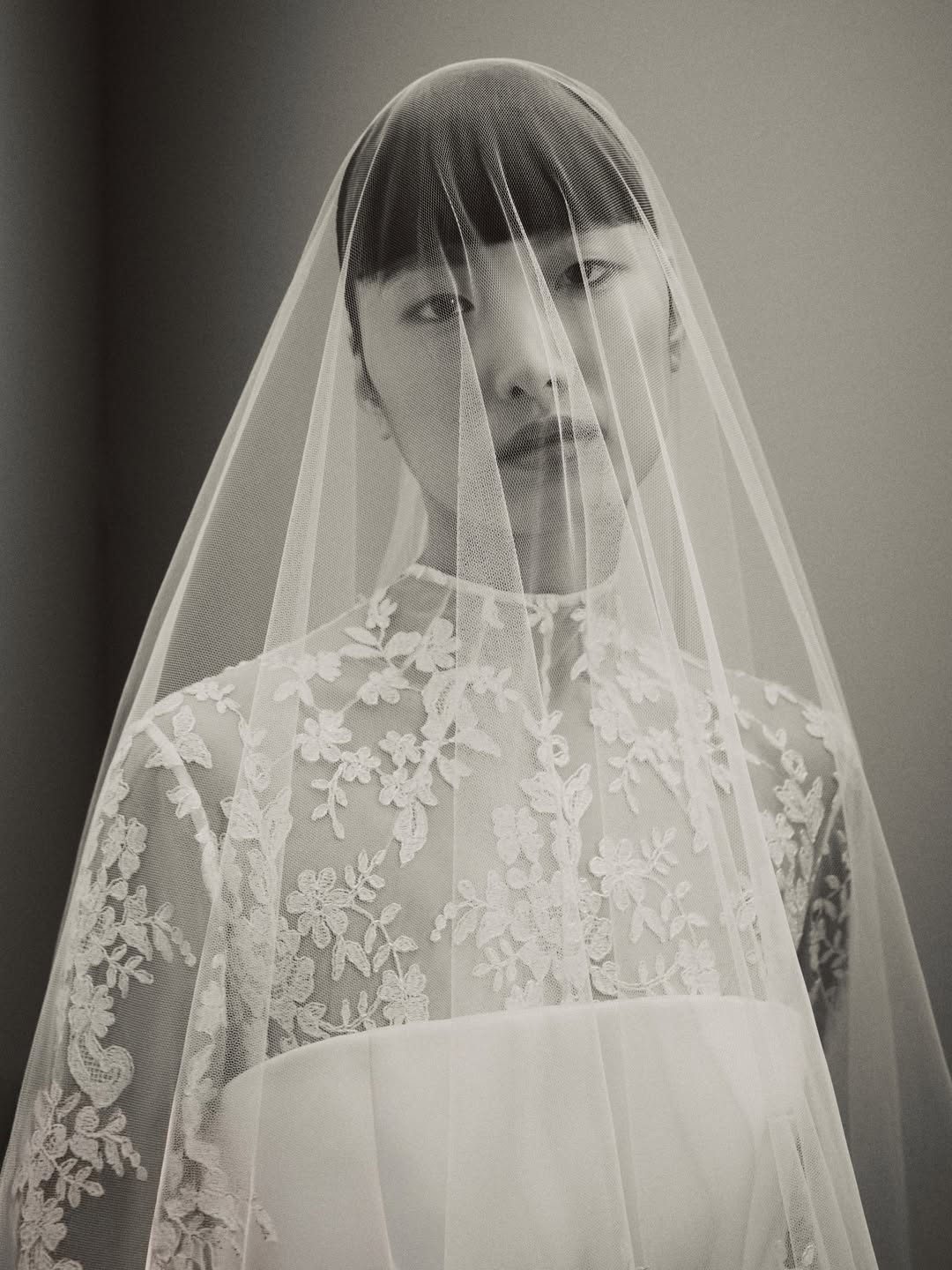
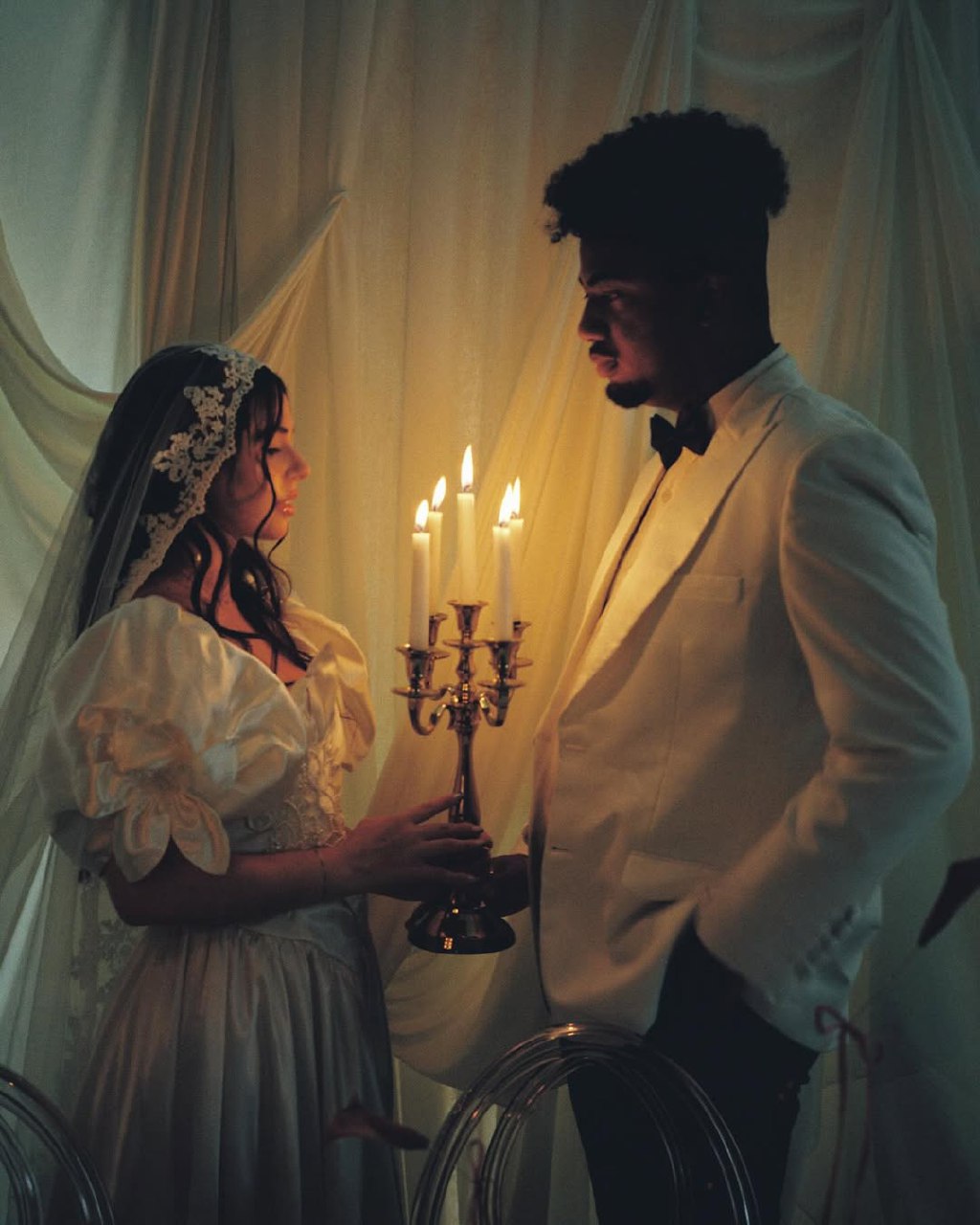
Layering in bridal fashion has moved beyond soft, romantic. Editorial shoots now often use several layers of transparent fabrics, each one catching the light in its own way and creating depth by overlapping. Designers also take volume to new heights, with sleeves that fill the whole frame, trains that stretch across the scene, and veils that create entire environments instead of just being accessories.
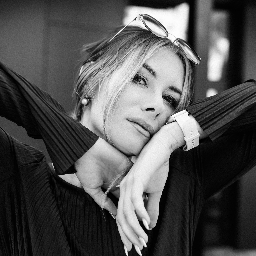
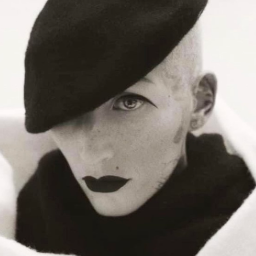
Bridal fashion editorials now often look like gallery presentations, with photos taken against plain white backgrounds or in stark concrete spaces where the building’s shapes compete with the dress. Black-and-white photos are used not for nostalgia but to highlight form, texture, and tone by removing color. These editorials feel more like fashion week coverage than a wedding, and that’s exactly what they aim for.
Styling the Bridal Editorial Look
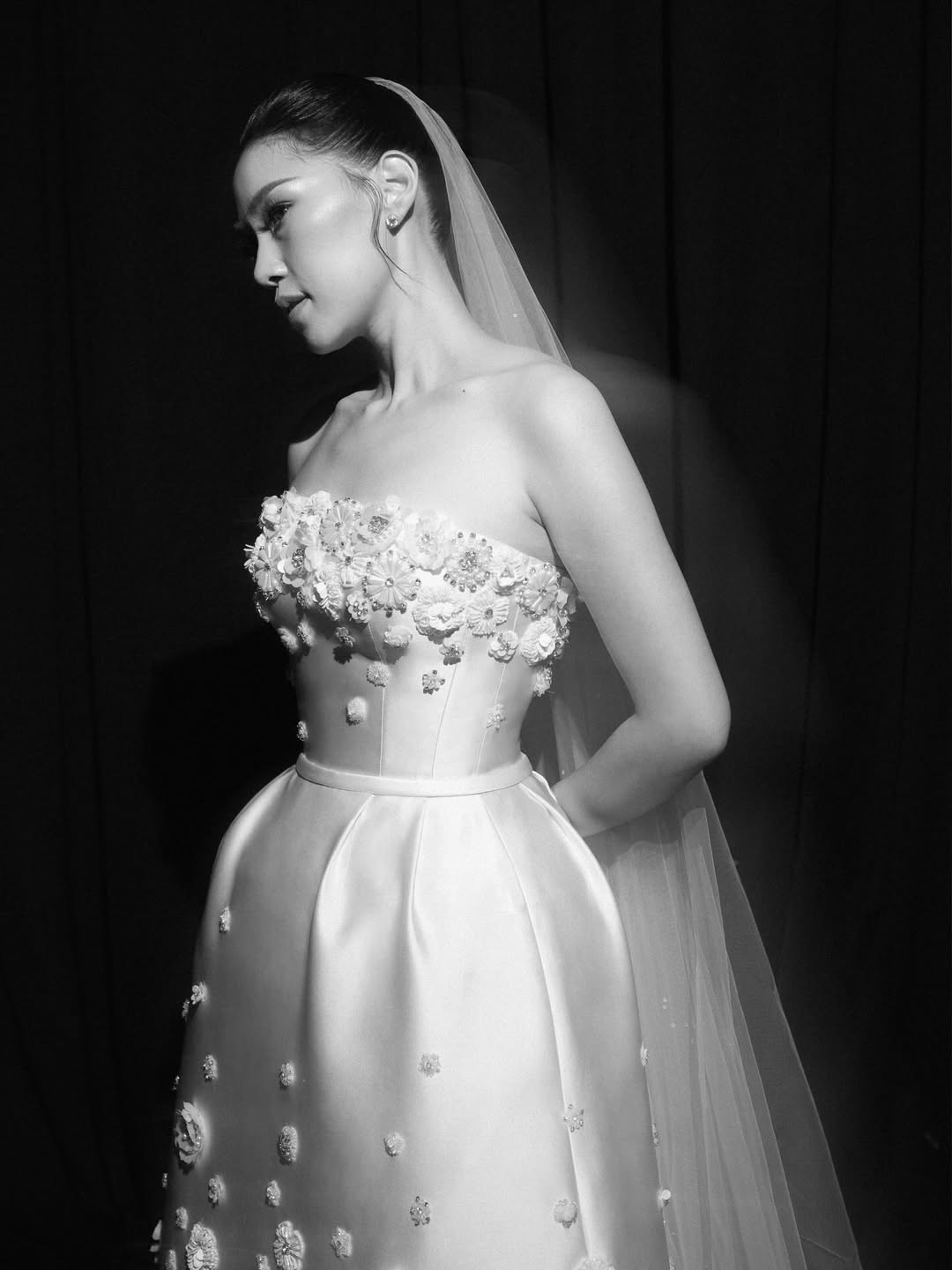
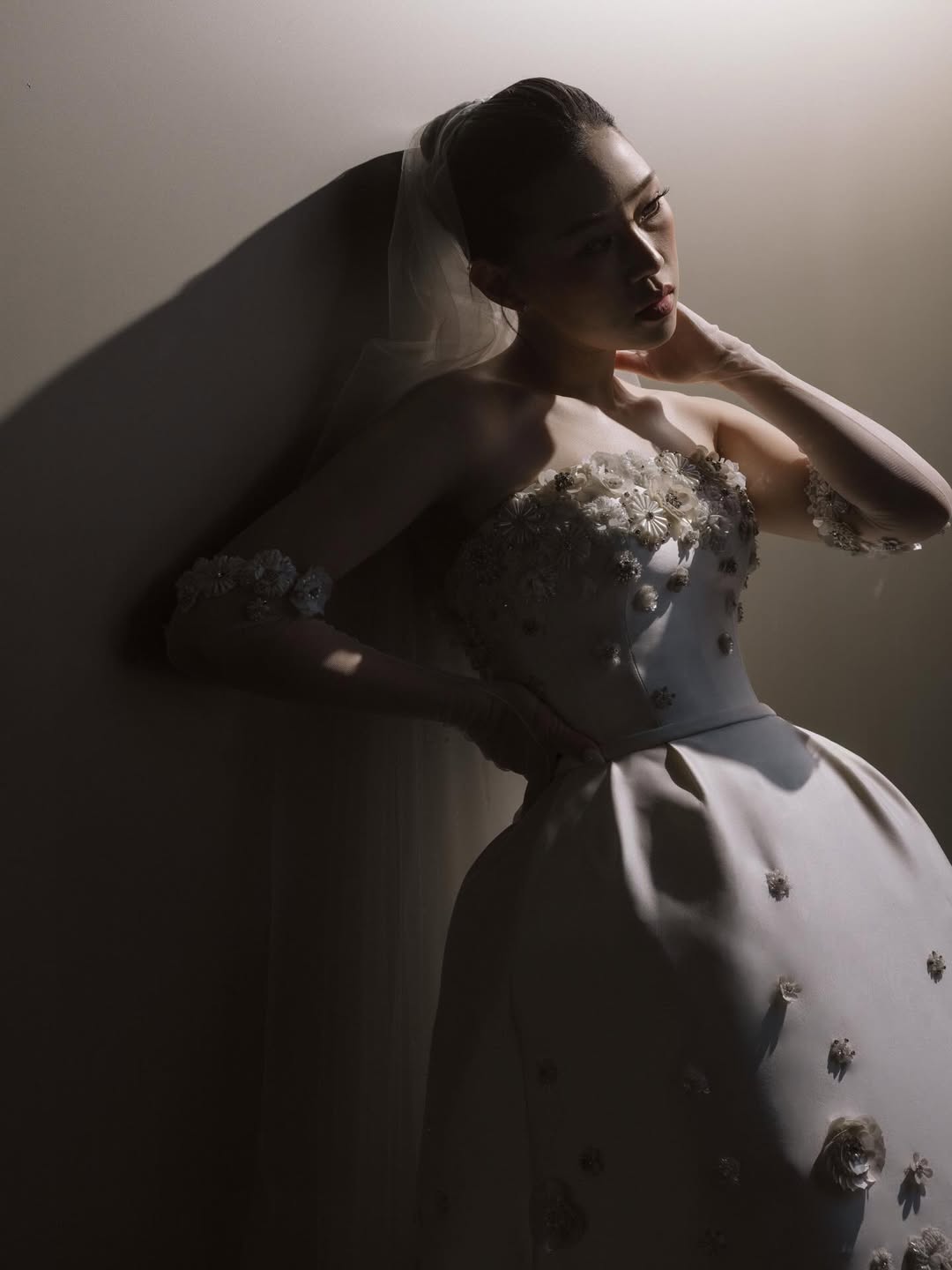
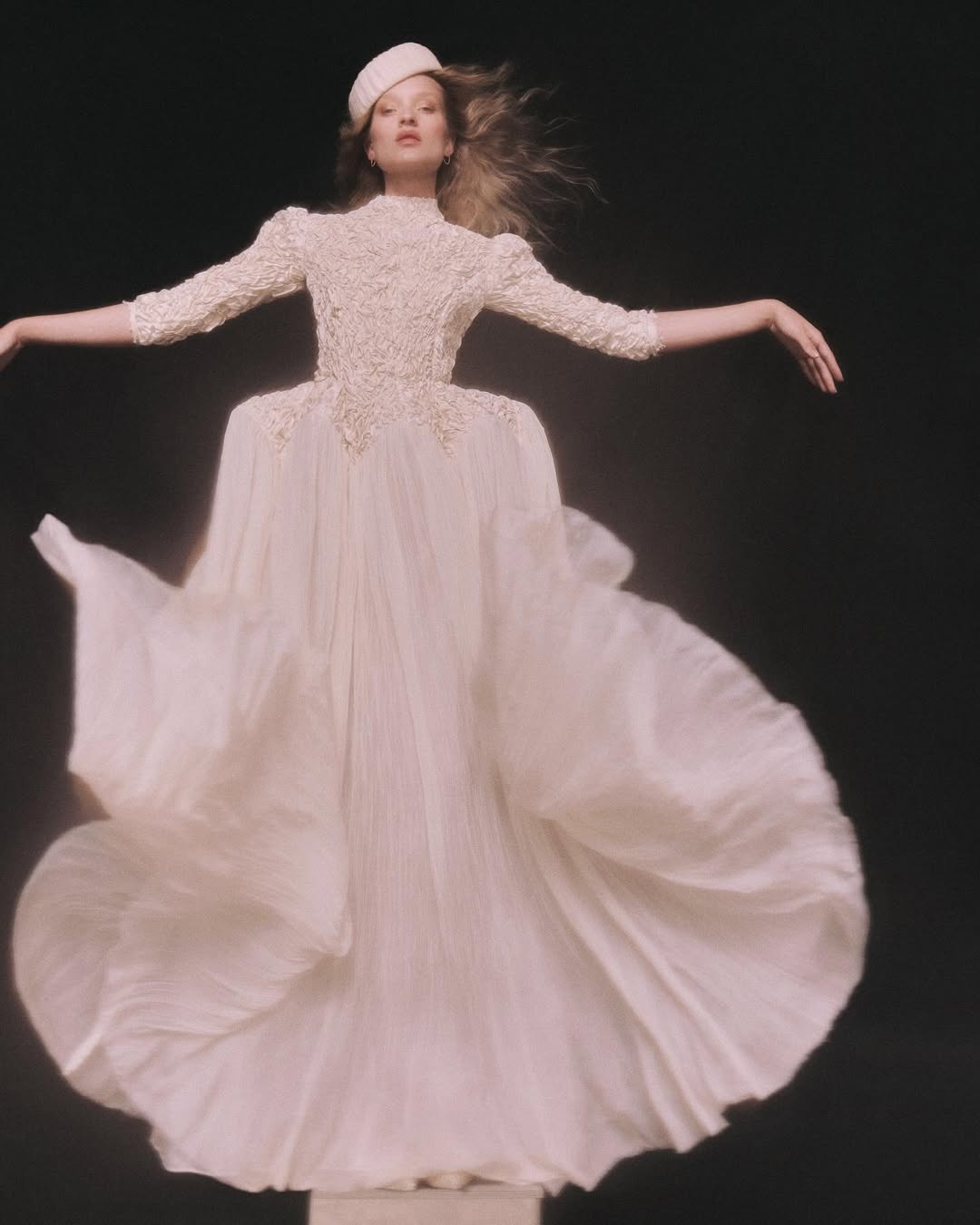
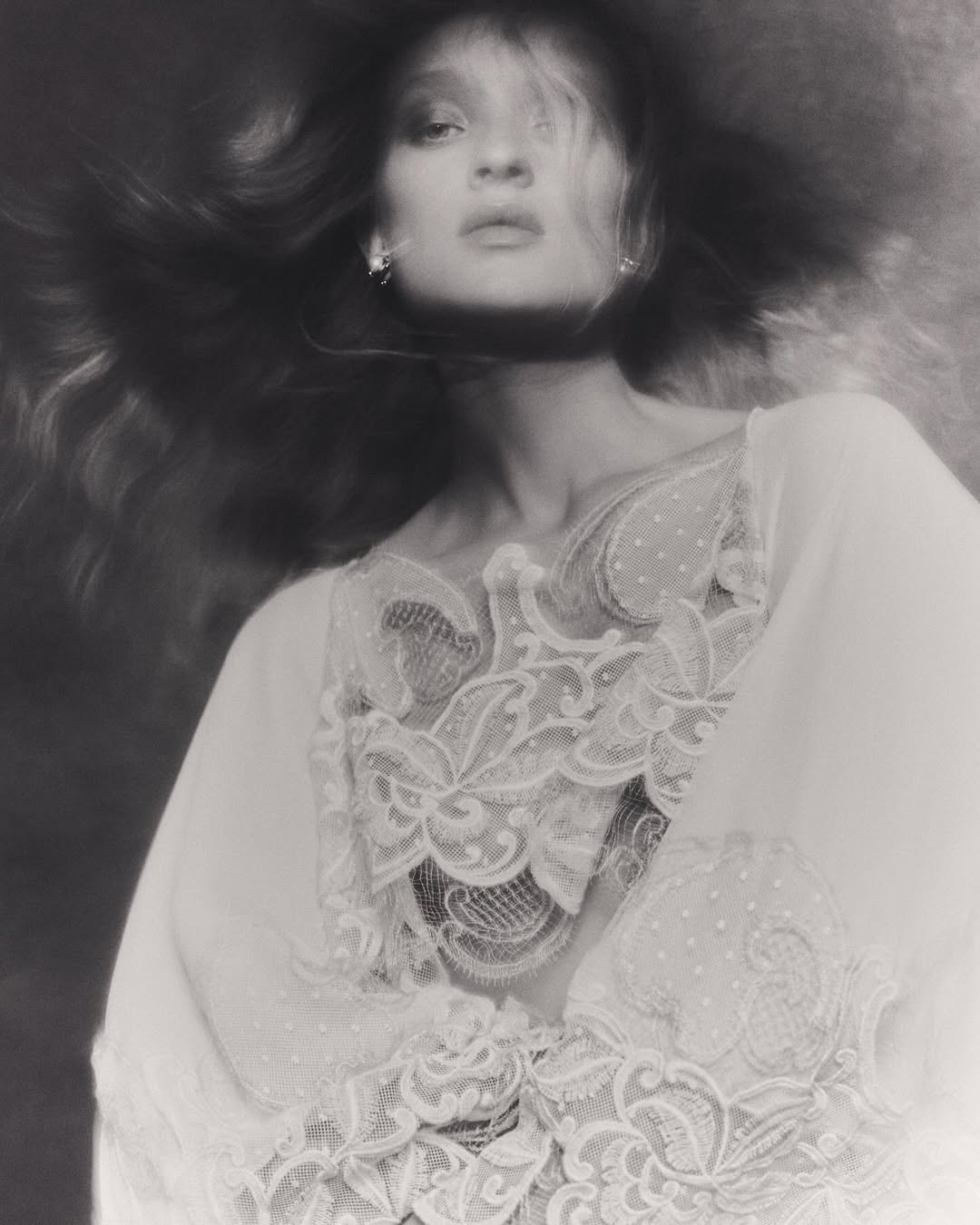
Styling for luxury bridal editorialsfollows different principles from traditional bridal preparation. Each element, such as the dress, makeup, hair, and accessories, works together as part of a unified visual concept instead of being separate 'pretty' pieces put together at the last minute.
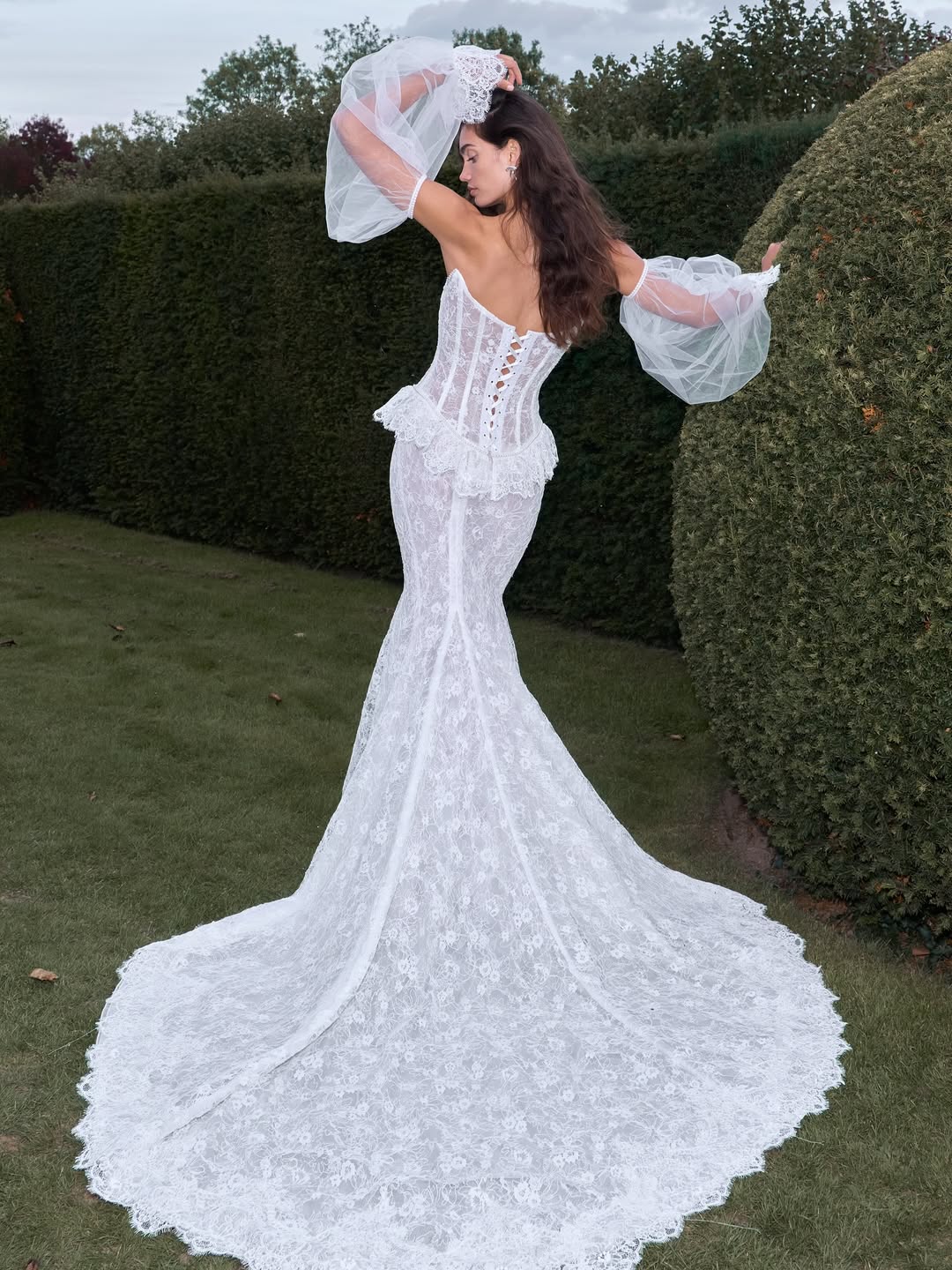
Dresses with sculptural shapes call for creative design, even without a couture budget. In this bridal editorial, the dress choices focus on bold, architectural details instead of traditional beauty. You’ll see asymmetry, unusual proportions, and construction details that stand out in photos. Some bodices are tightly corseted, creating dramatic hourglass shapes that almost look exaggerated. Skirts may be flat in front and full in back, making side views look like fashion sketches brought to life. Here, fabric is treated like a sculptor’s material: Mikado silk holds sharp folds, organza is layered until it turns opaque, and crepe hugs the body to show off its shape. The construction is meant to be seen and appreciated. Boning adds structure, seams are placed for visual effect, and draping is left unfinished on purpose, because the process is just as interesting as the final look.


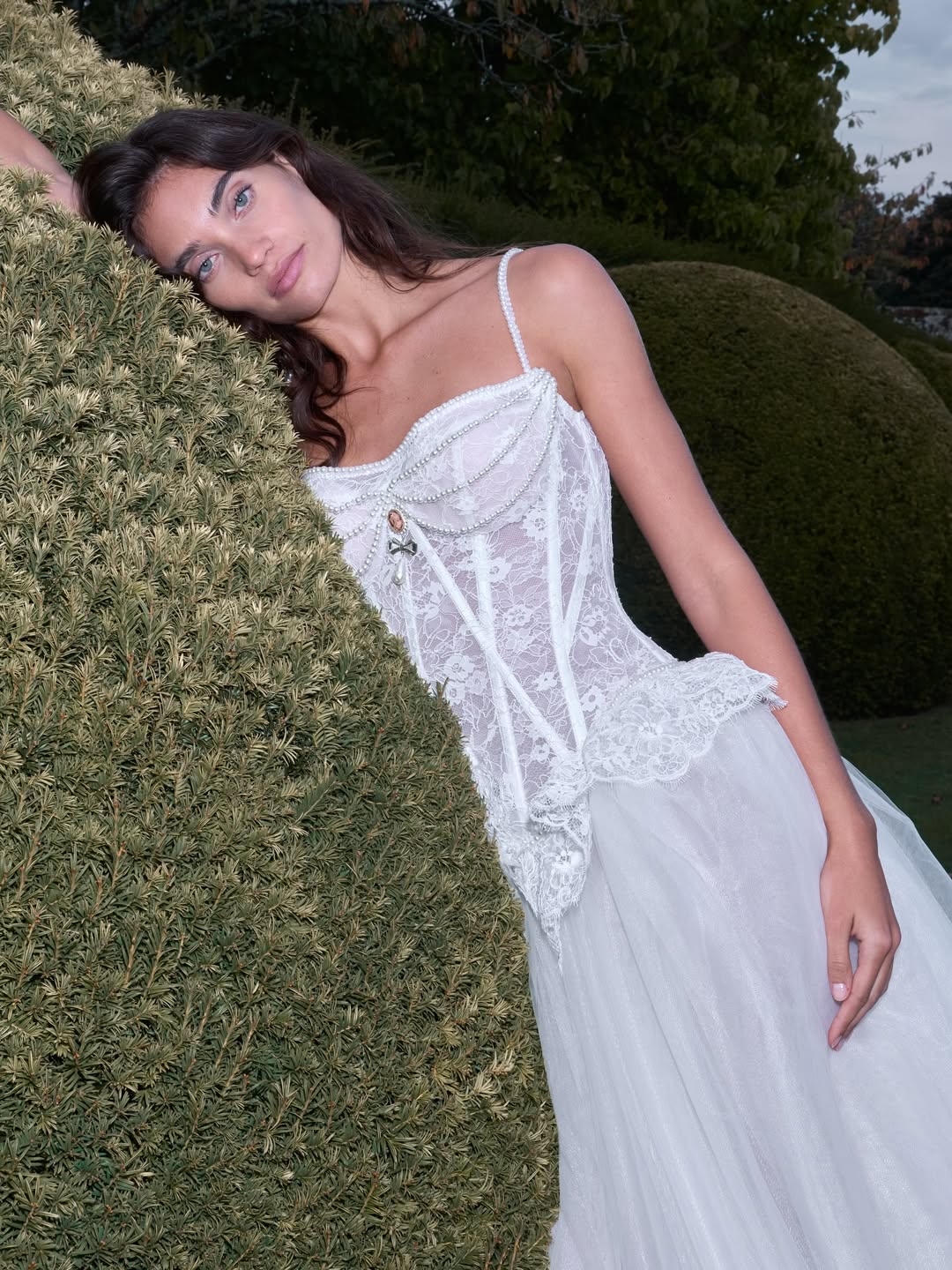
In fashion editorials, bridal makeup treats the skin as a true canvas. This approach moves away from the usual goals of "enhancing natural beauty" or "looking like yourself but better." Instead, the face becomes part of the overall design. Sometimes the look is bold and graphic, with strong brows and nude lips. Other times, the makeup is soft and barely there, letting the dress take center stage. Editorial bridal makeup often explores new ideas, like glossy eyelids that shine like metal, lips in unexpected colors that work because the whole look is carefully planned, or even no makeup at all, letting perfect skin and strong features stand out like sculpture. The balance between soft and dramatic changes depends on the concept. If the dress is bold and complex, the makeup might be simple. If the dress is a plain column, the makeup can become the main focus.
Editorial Bridal Portraits: Pose, Form & Emotion
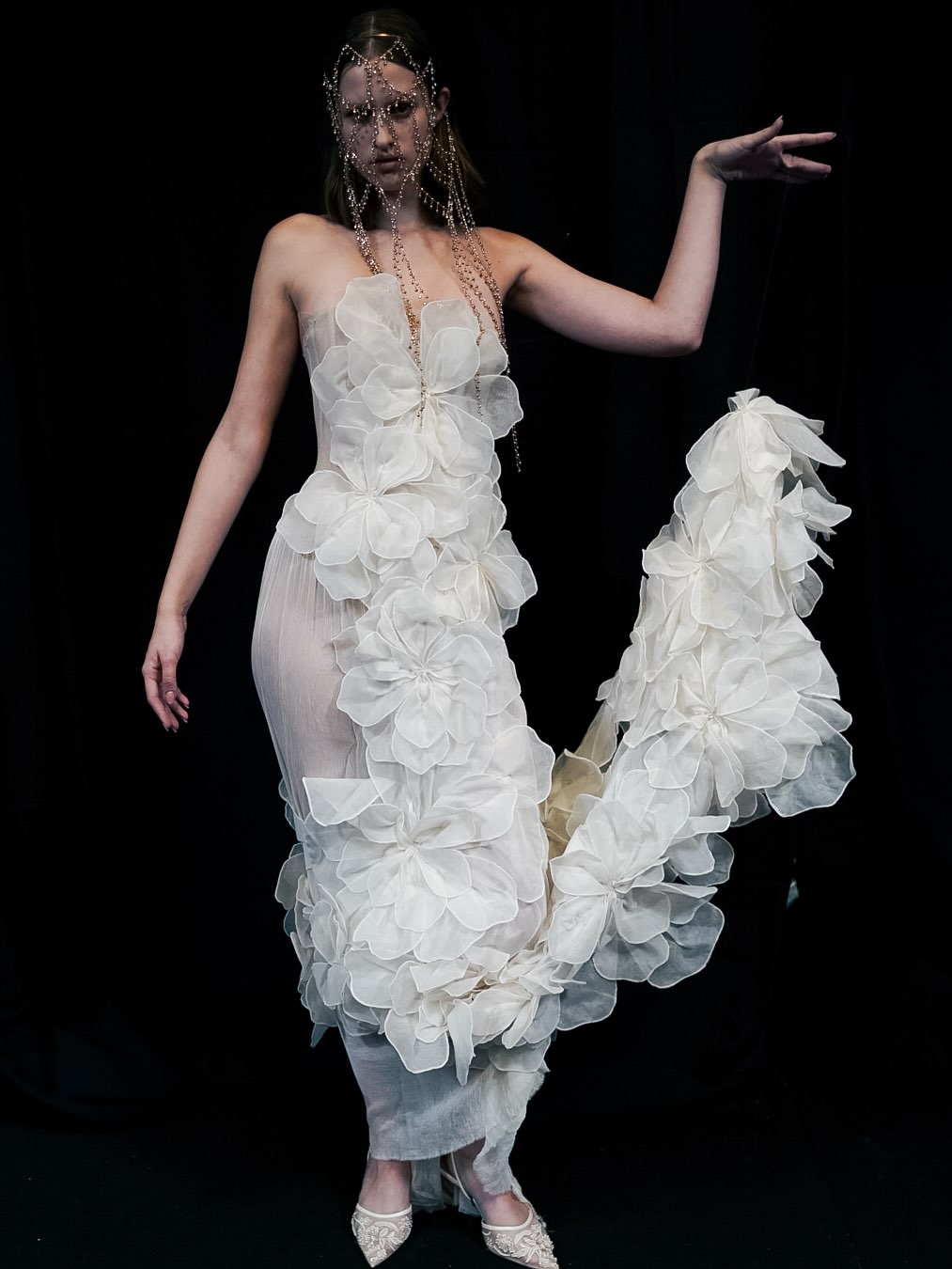
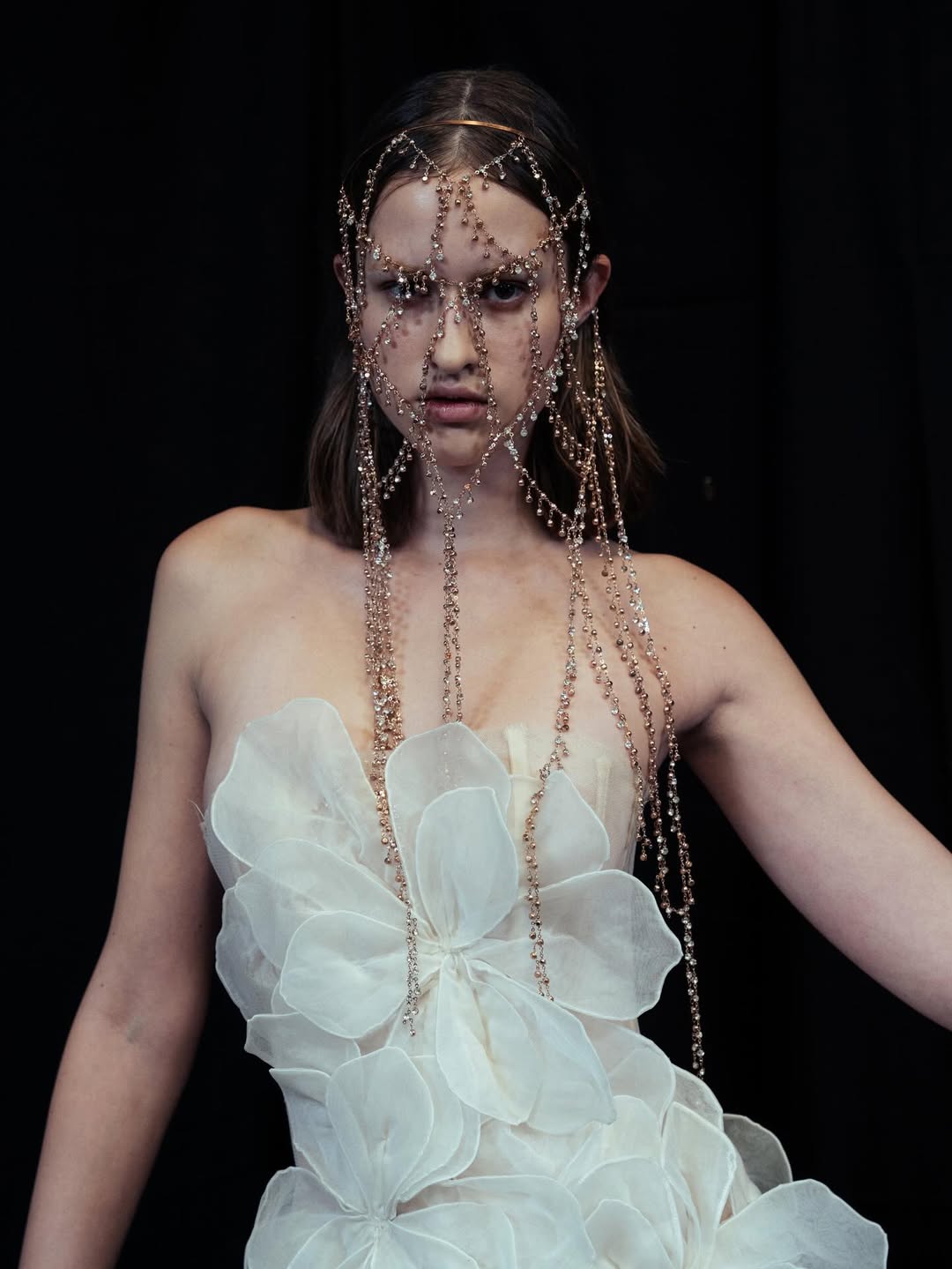
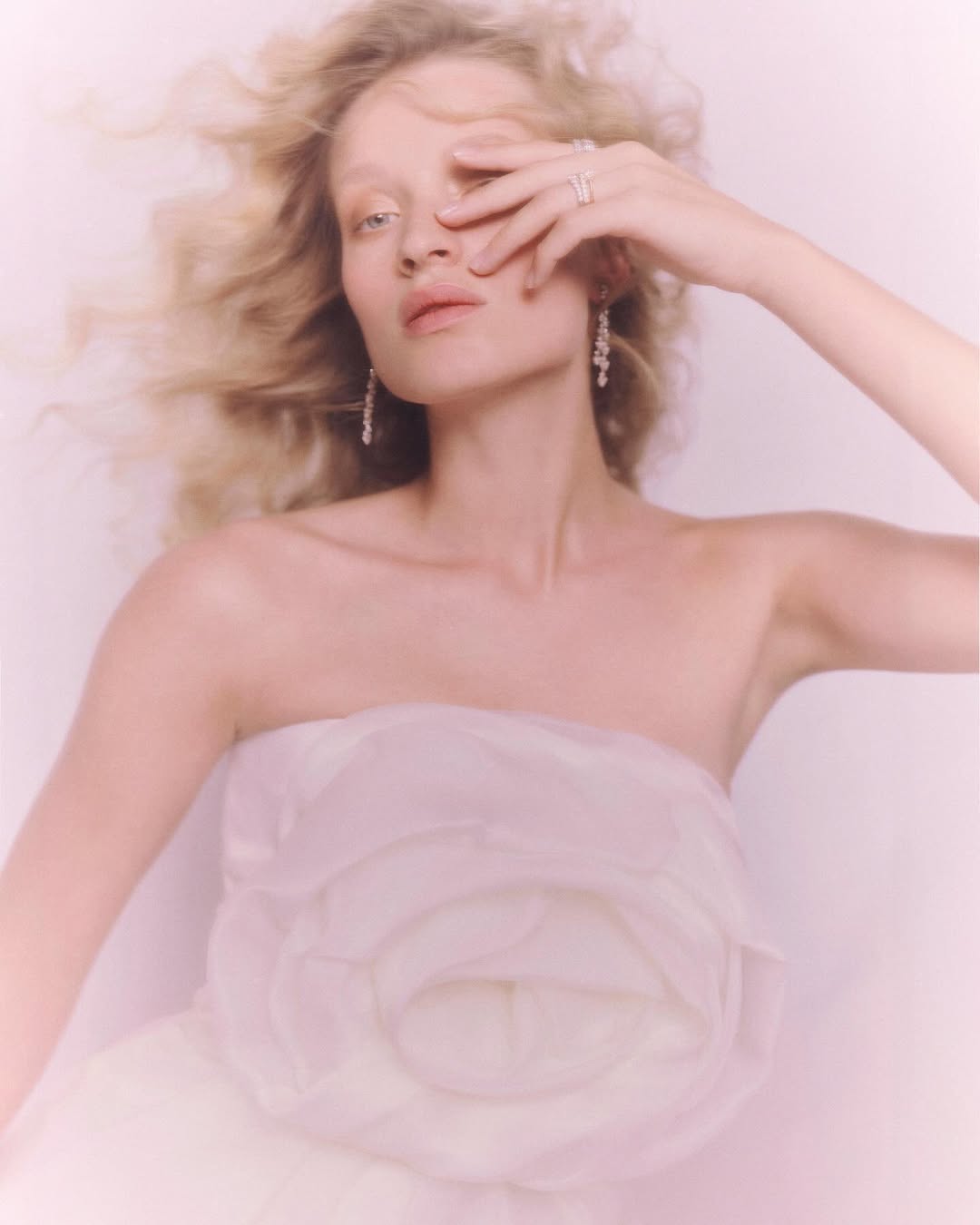
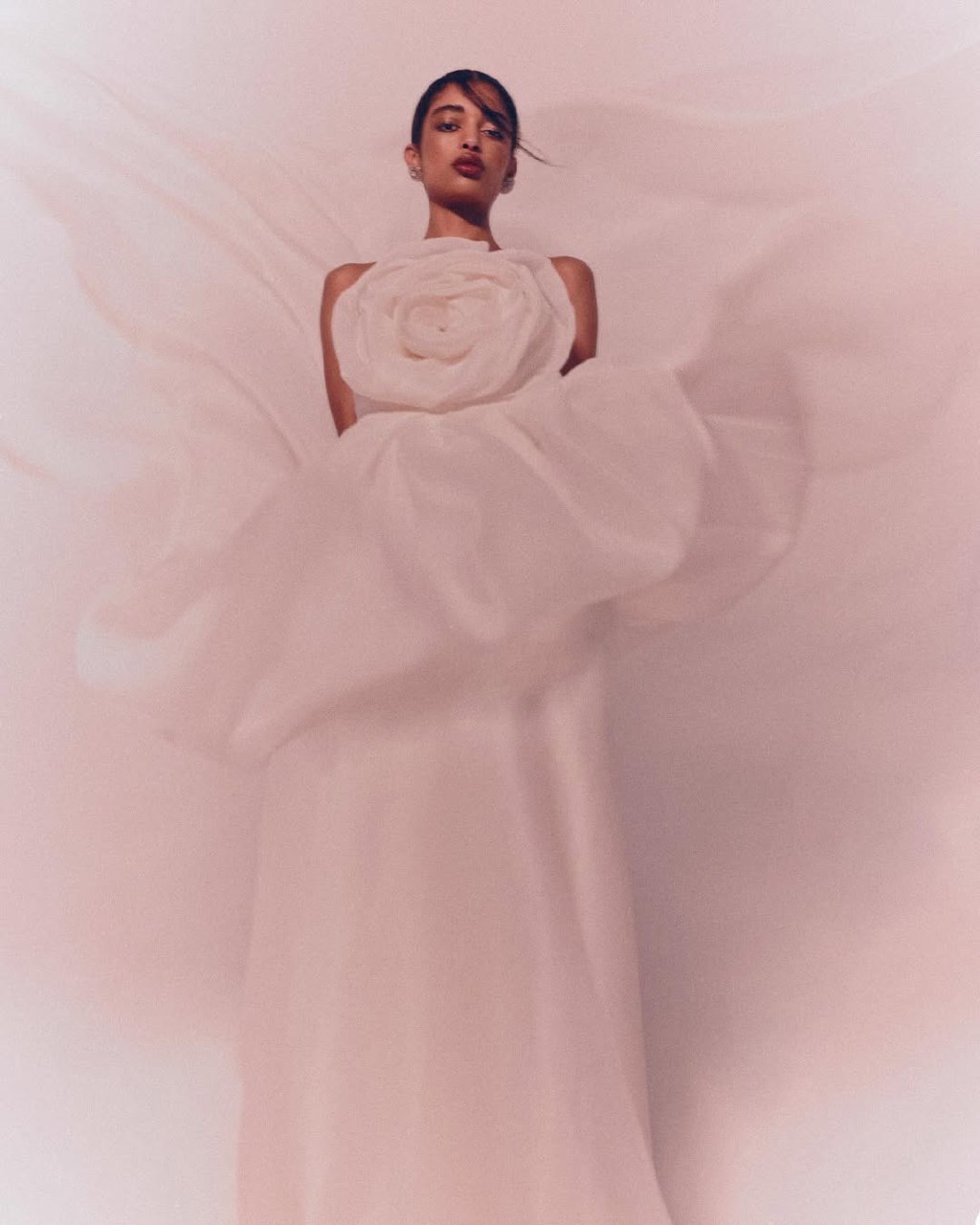
Editorial bridal portraits break away from traditional wedding poses. You won’t see the usual hand on hip or a soft smile aimed at an unseen groom. Instead, each pose is like a sculptural challenge. How can the body shape interesting spaces? What happens if arms stretch in ways that feel a bit awkward, adding tension to the photo? This style of bridal photography focuses on how the body and fabric work together. A hand might gather, crush, or pull the tulle tight to make bold lines in the photo. Sometimes, the bride faces away because the back of her dress is more striking than her expression. Movement is caught at unusual times, like during a turn when things blur, or in a moment of stillness that looks almost like a sculpture. These photos don’t fit into typical wedding timelines or clichés. It’s hard to say if they were taken before the ceremony, after the reception, or at any specific moment. The feeling isn’t about happiness or excitement. Instead, there’s intensity, a sense of strangeness, and a serious beauty that focuses on form rather than celebration.

The Editorial Fashion Photographer & Why Brides Choose Editorial Shoots

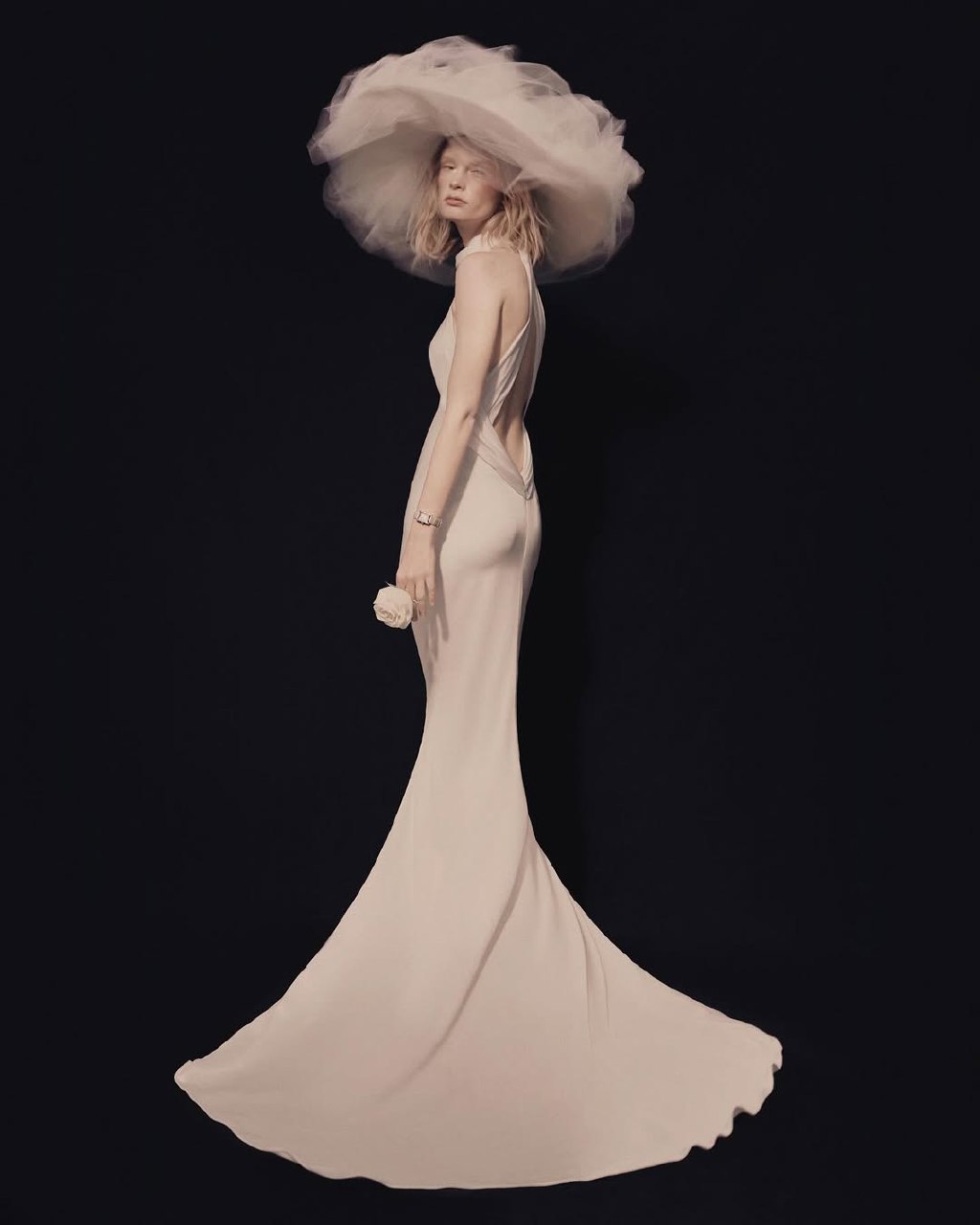
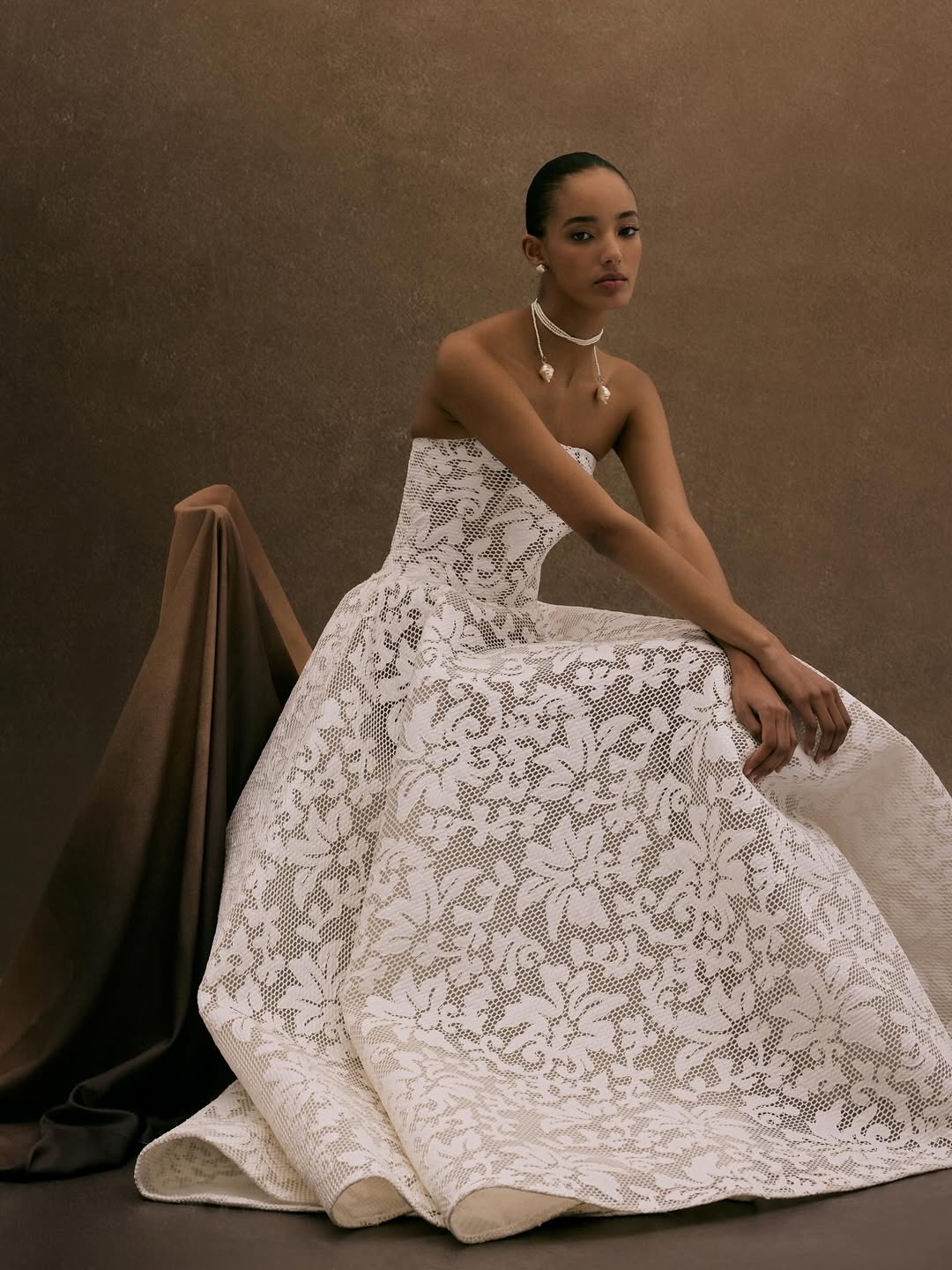
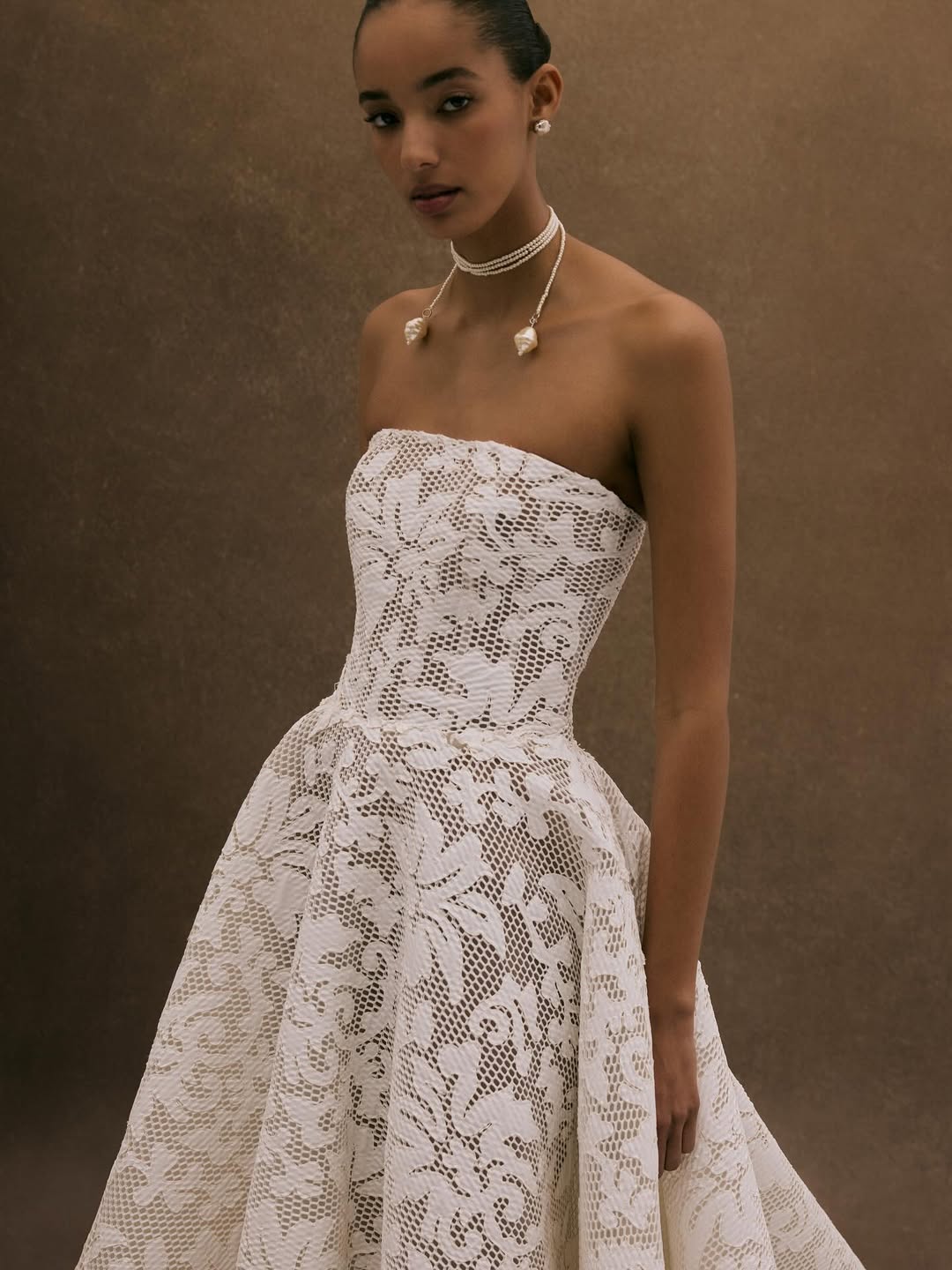
Editorial fashion photographers work more like visual architects than typical service providers. Their aim is not just to capture a special day, but to create images that are true works of art. They approach each shoot with fashion concepts in mind, asking questions such as: What is the main idea for this session? How does the light affect the scene? What kind of tension exists between the body and the fabric, or between the subject and the setting? Thesephotographers often plan their shoots in great detail, sometimes even obsessively. They bring reference images from fashion week, art photography, and architecture. They look at how others have framed their models or how Newton explored power in his photos. The session is a collaboration, with the bride taking on the roles of performer, muse, and sometimes creative partner, resulting in images that neither could create alone.Bridal editorial photography attracts brides who see themselves as artistic subjects, not just traditional wedding figures. These clients understand that an editorial shoot may not produce the usual smiling faces or floral displays that families expect. They choose this style for self-expression, preferring a few bold images over many ordinary ones, and view the process as creating art rather than simply preserving memories.
Editorial fashion shoots in bridal settings mark a major change in how we see marriage aesthetics. This shift is not just about updating tradition; it often means leaving some traditions behind to treat bridal as its own form of fashion editorial. In this approach, the bride is seen as a fashion subject, positioned at the intersection of high art, commercial photography, and personal identity. Luxury fashion editorial thinking allows bridal work to focus on beauty instead of sentiment, and on form rather than function. These images often look more suited to art galleries than wedding albums, and for many brides, that is exactly what makes them appealing.