Wedding Planners
Select Location
Select Vendor
12 results


 Mumbai
  $30 000
 5
5
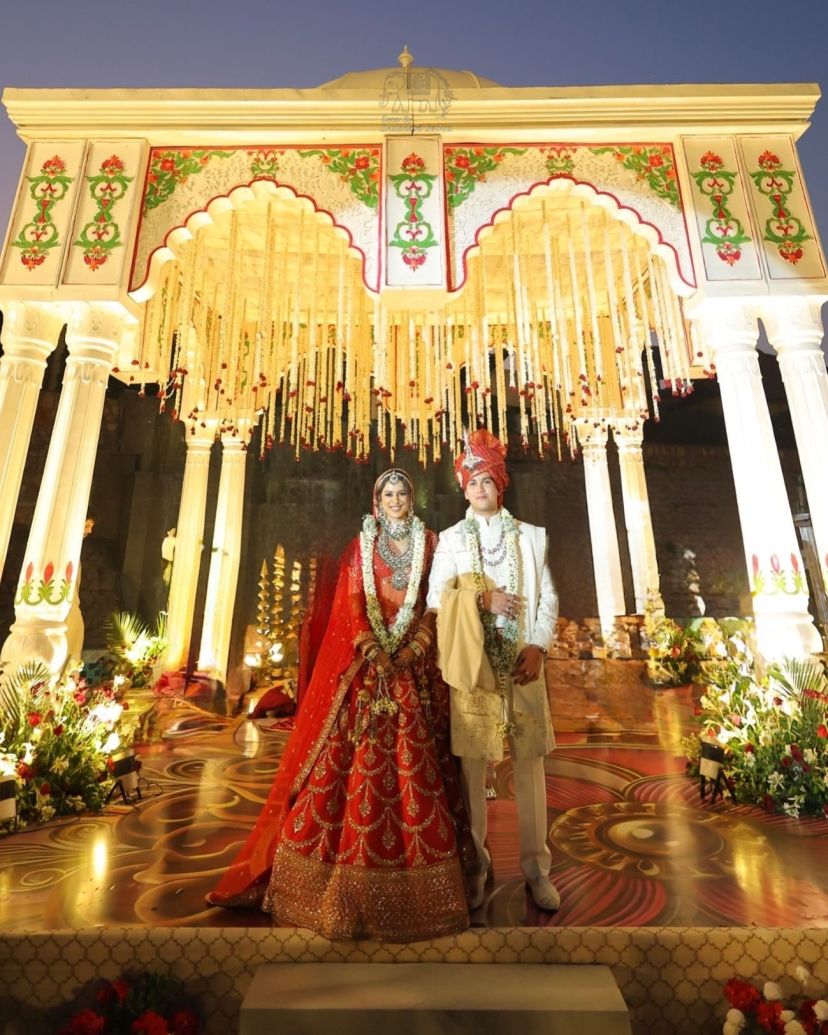

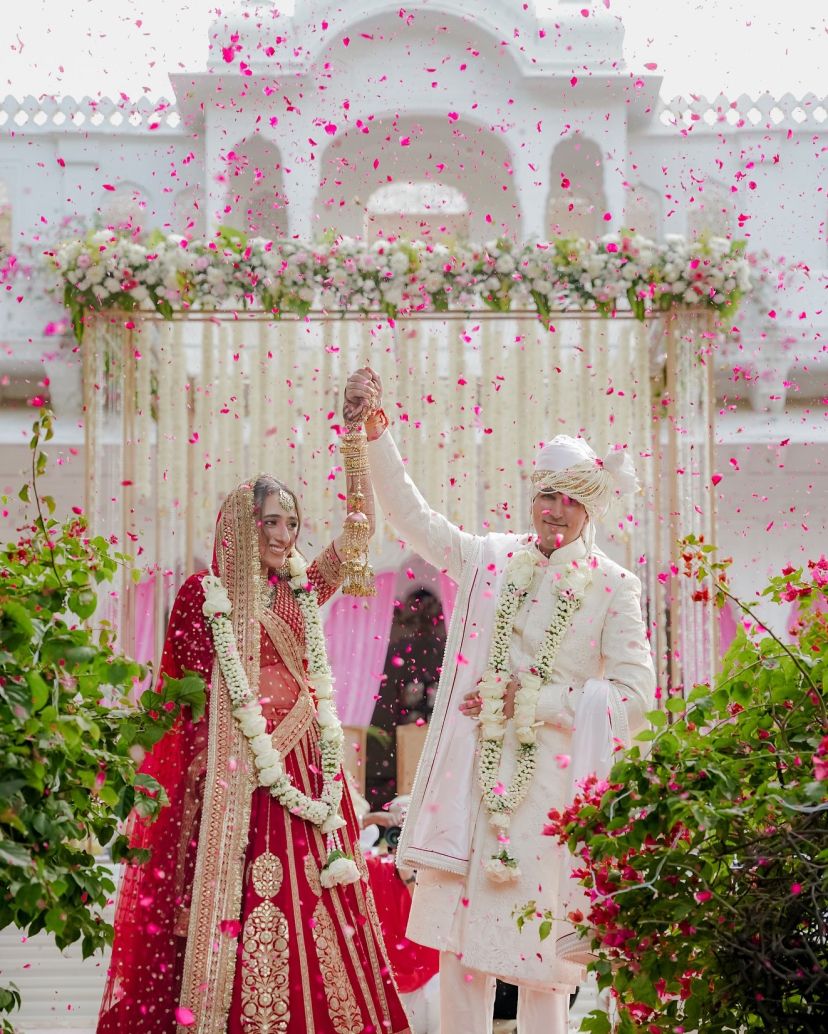
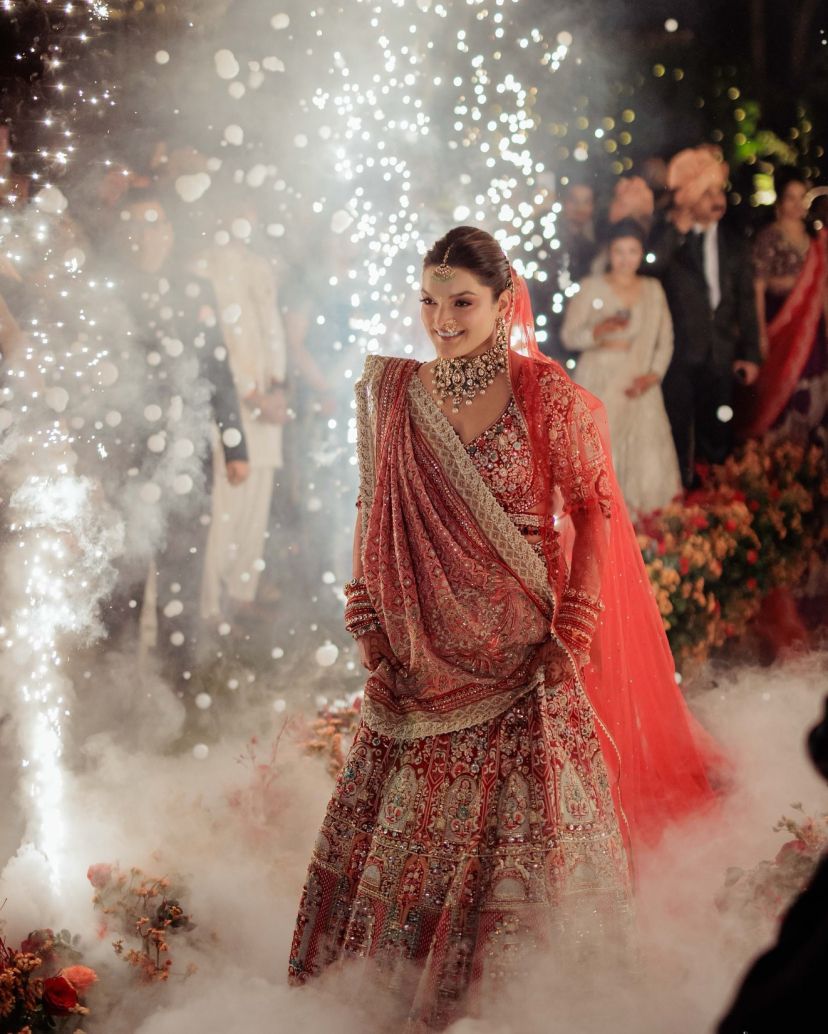
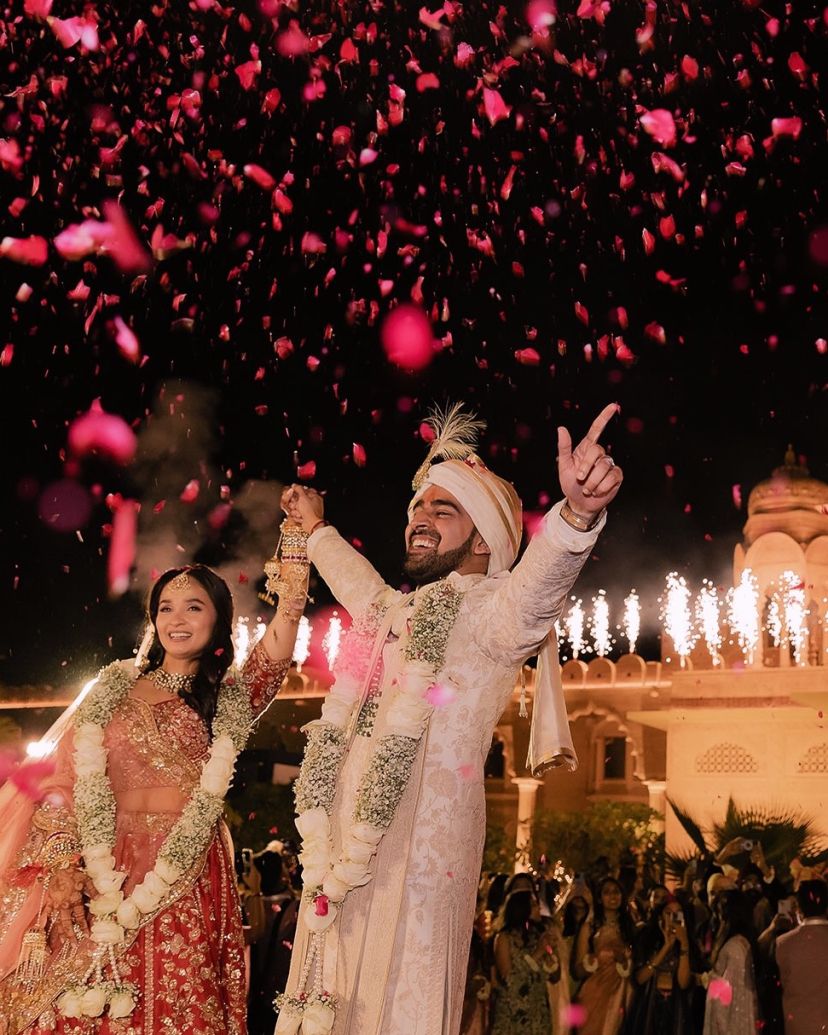

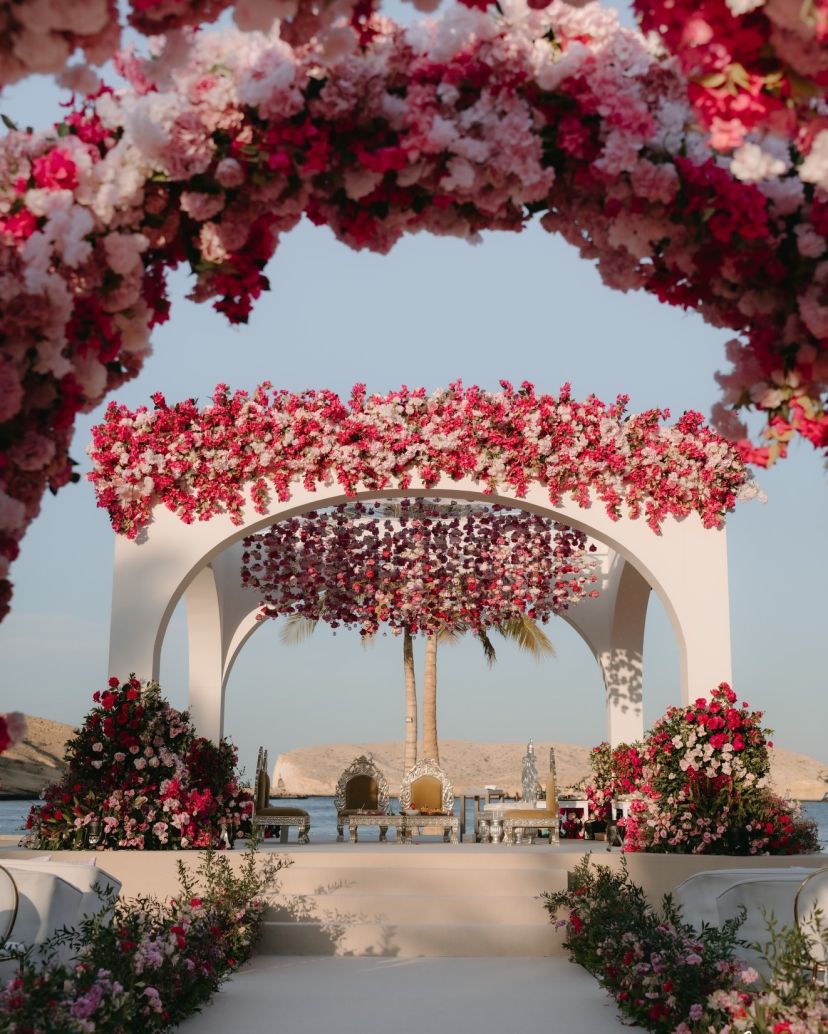

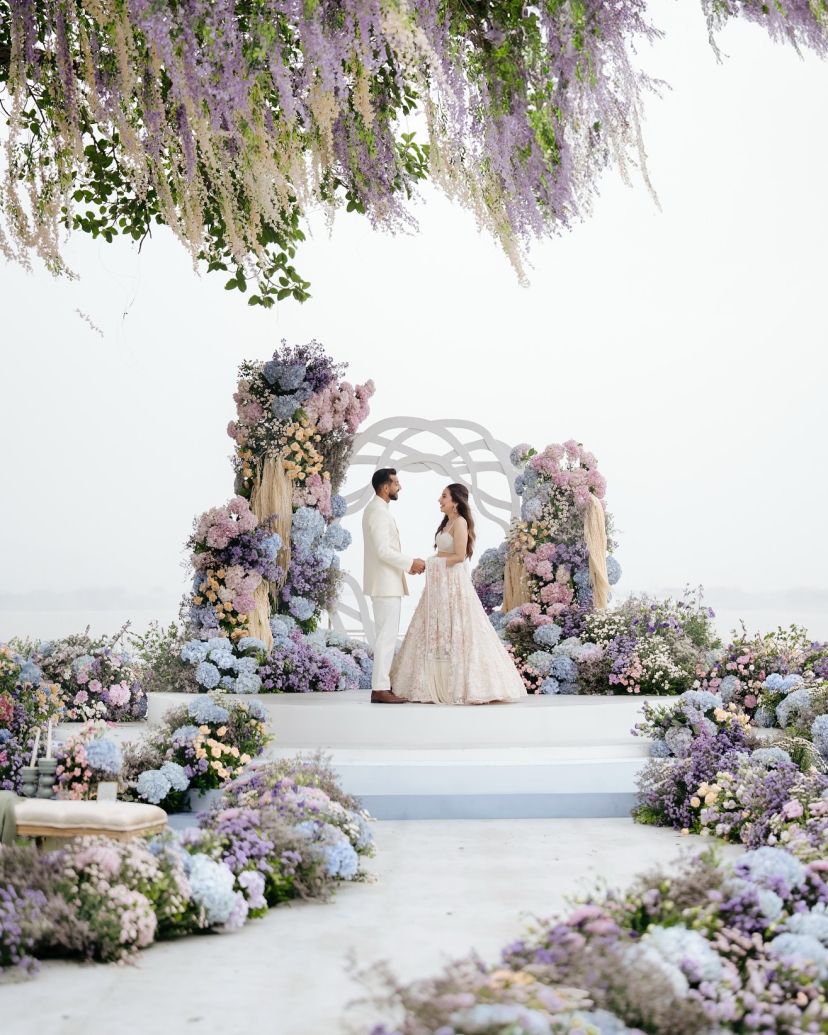

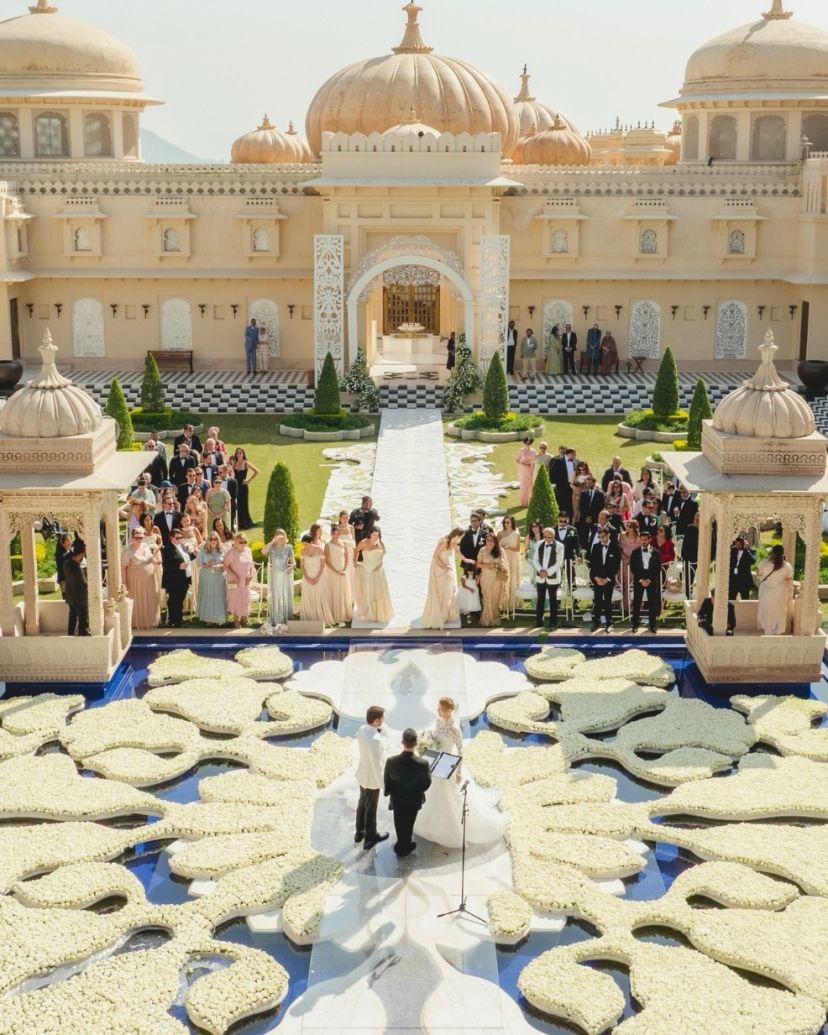
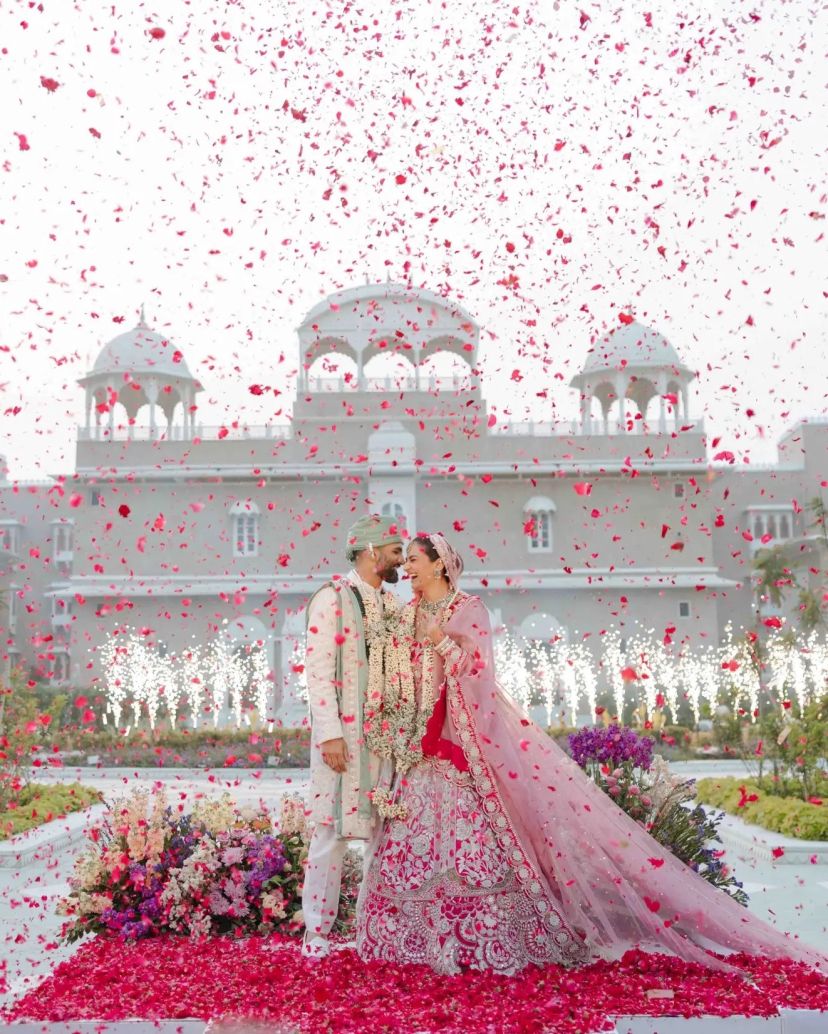

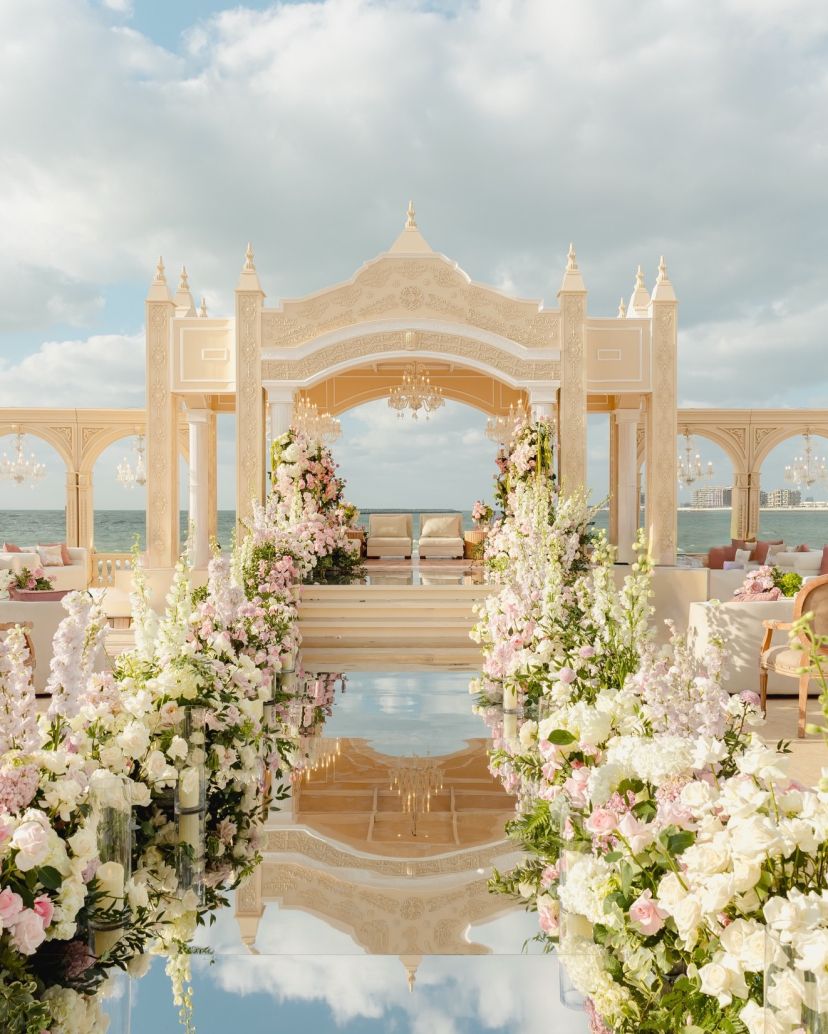
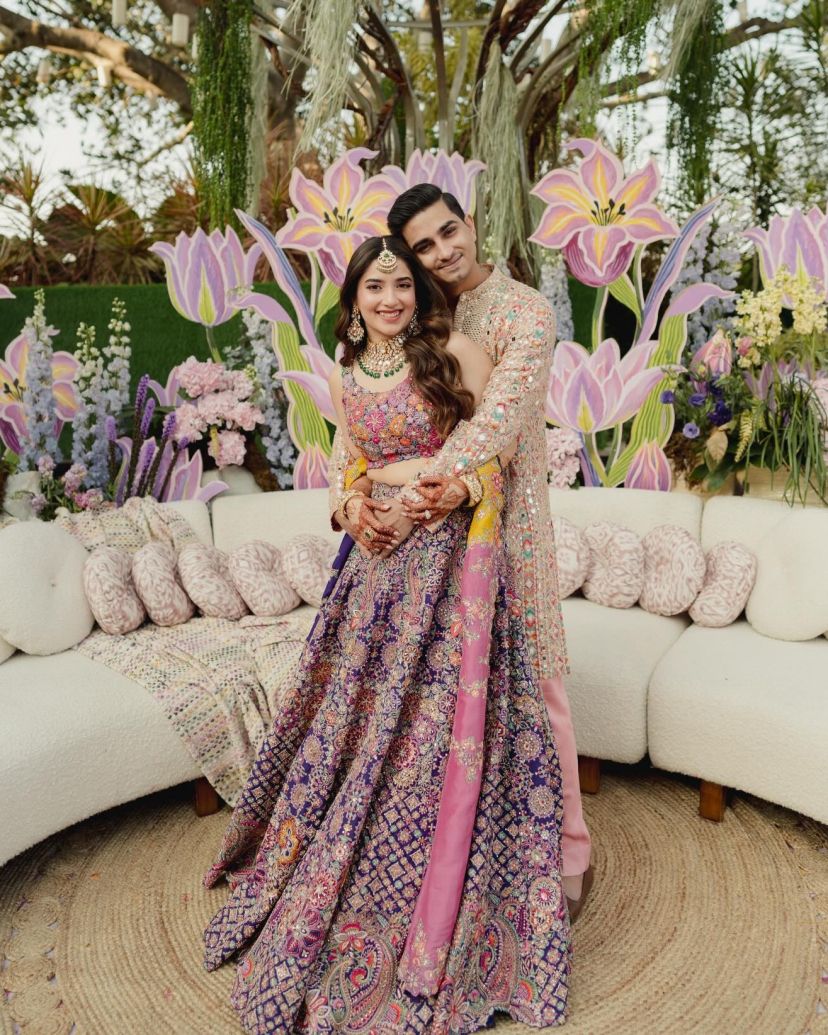
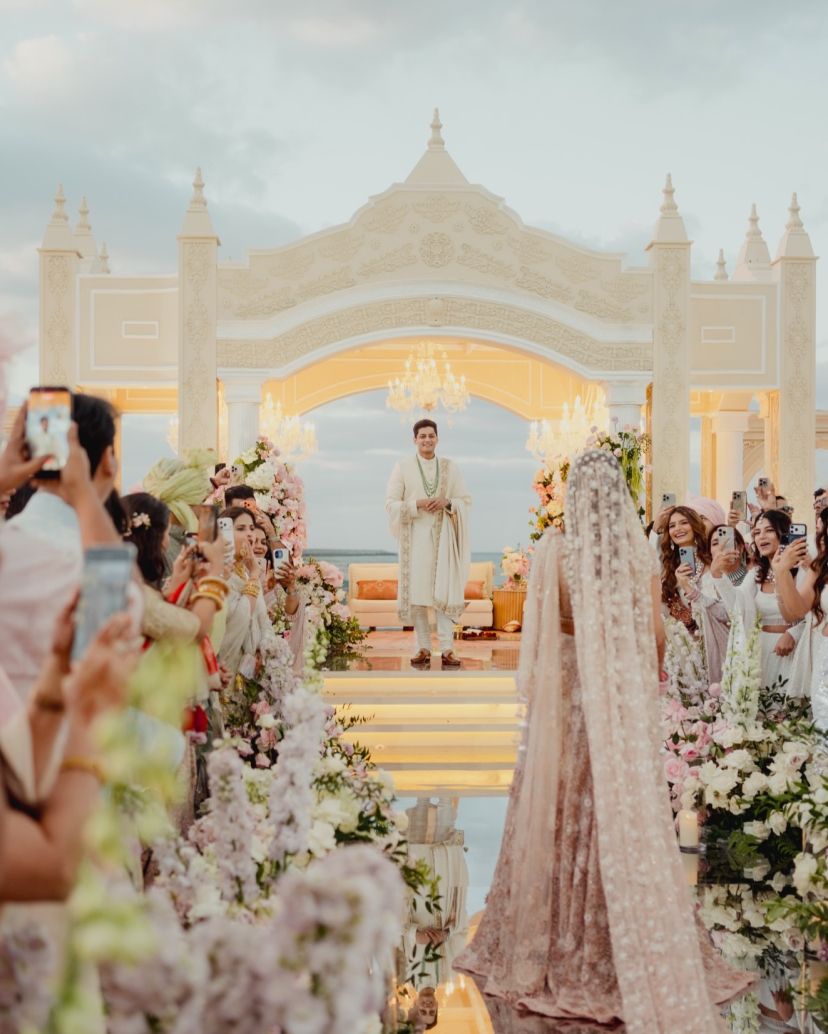
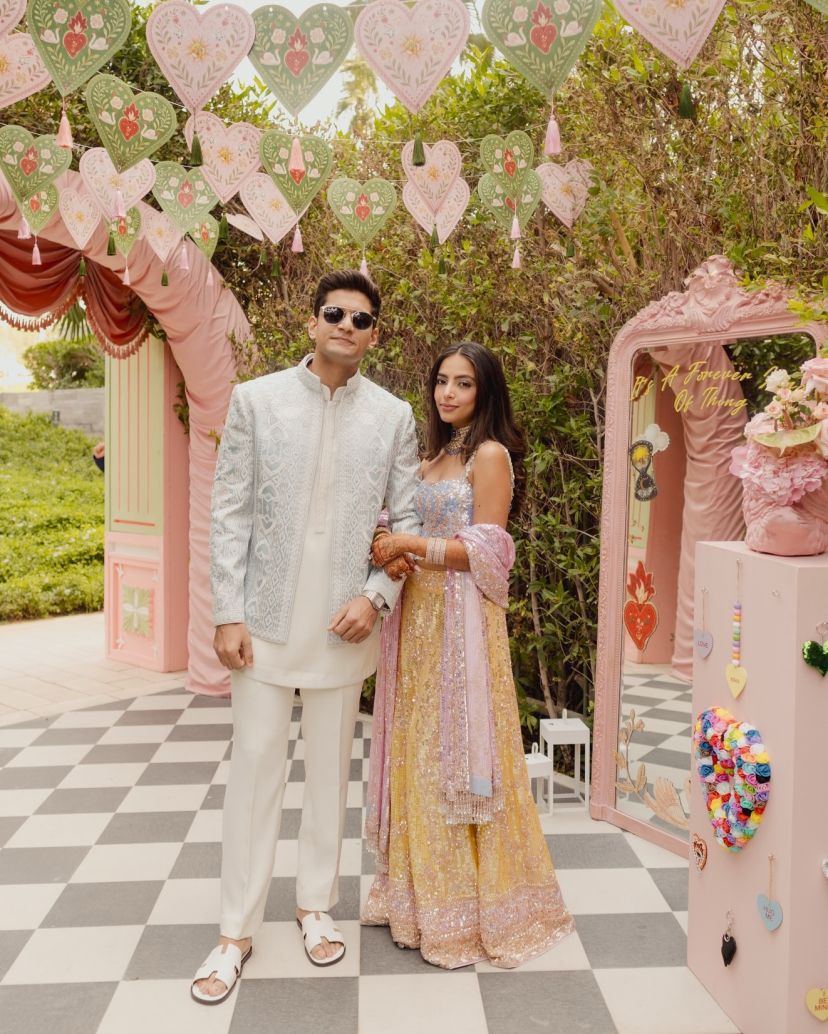
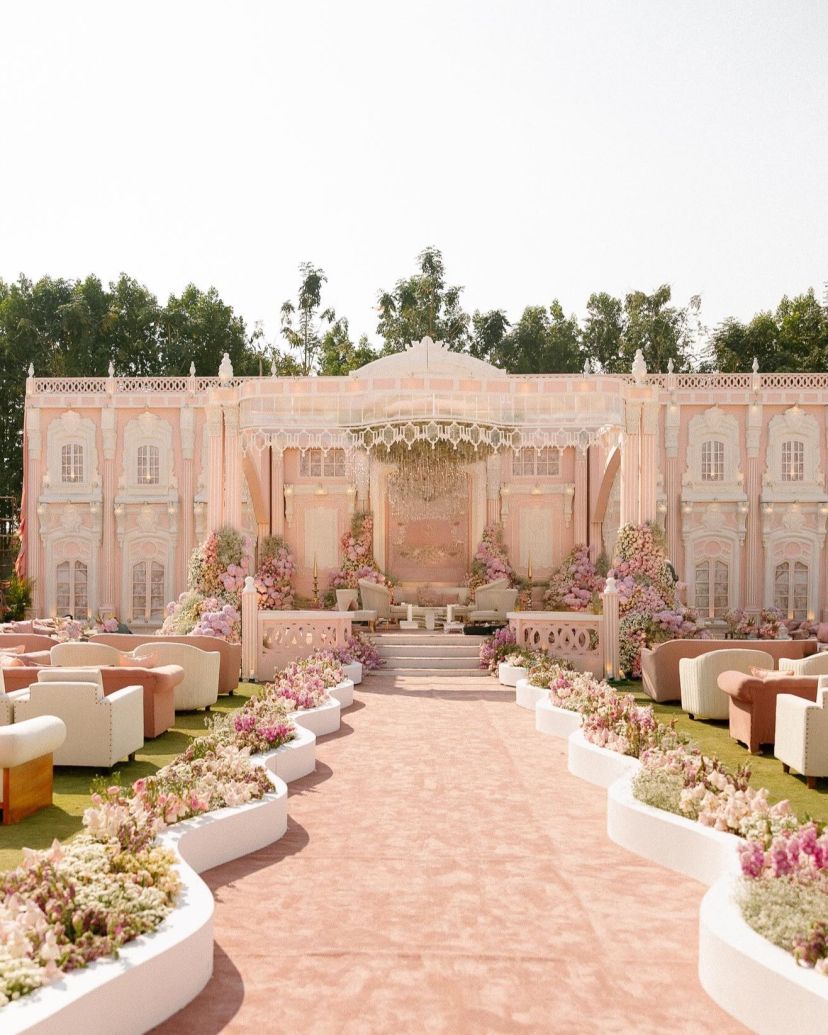

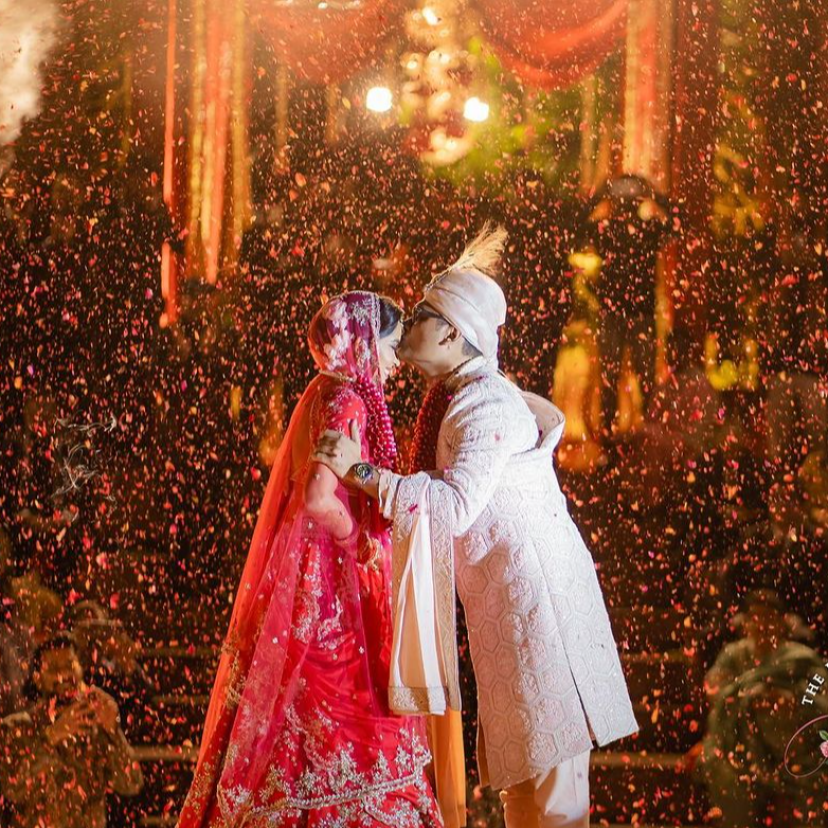

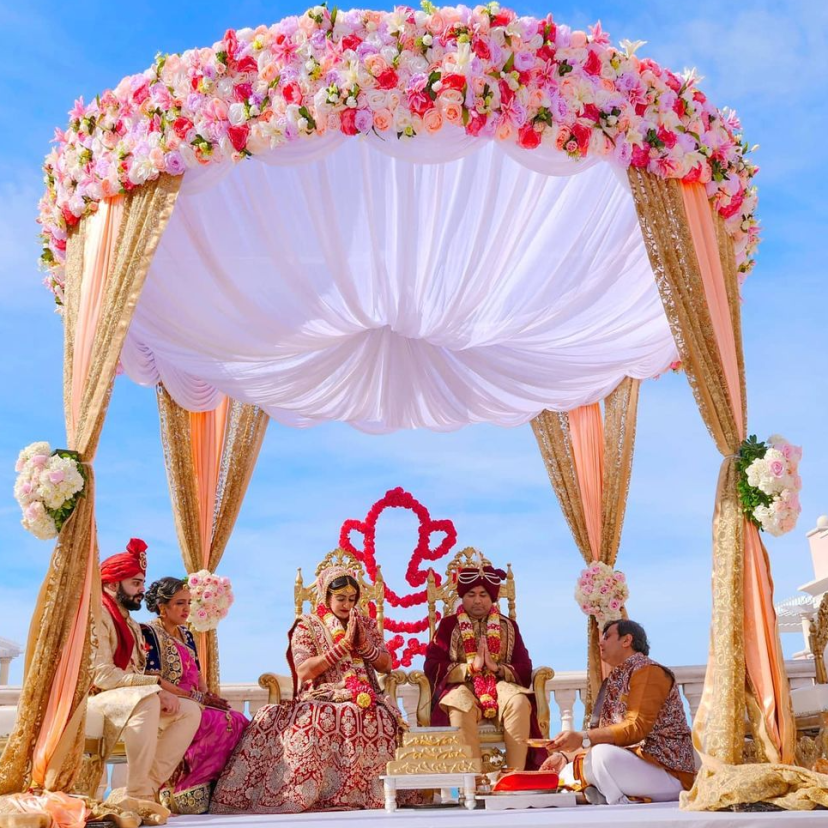

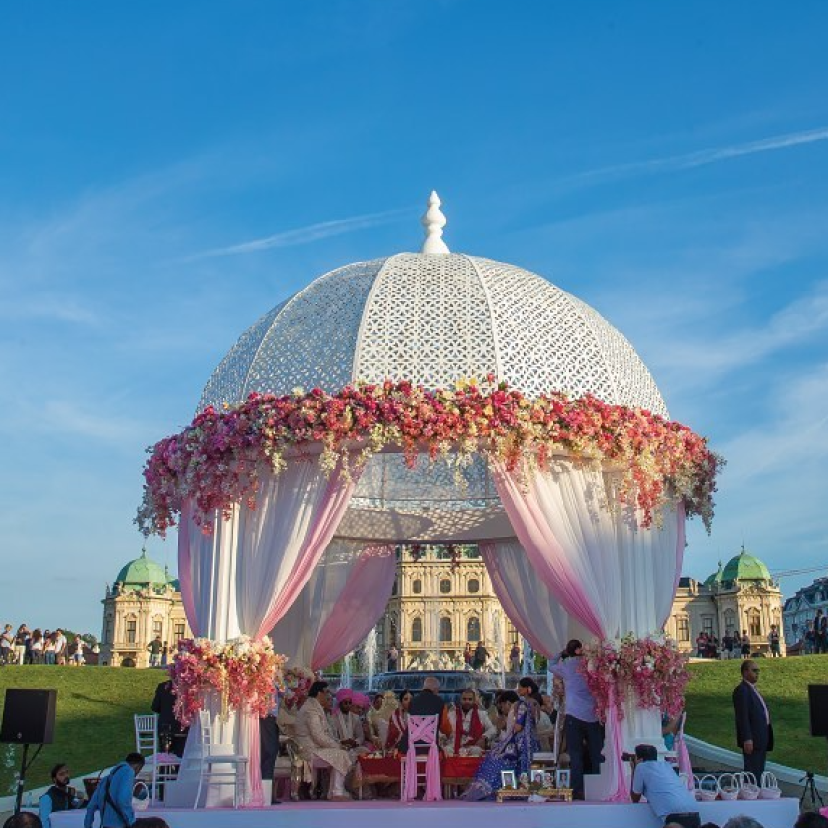
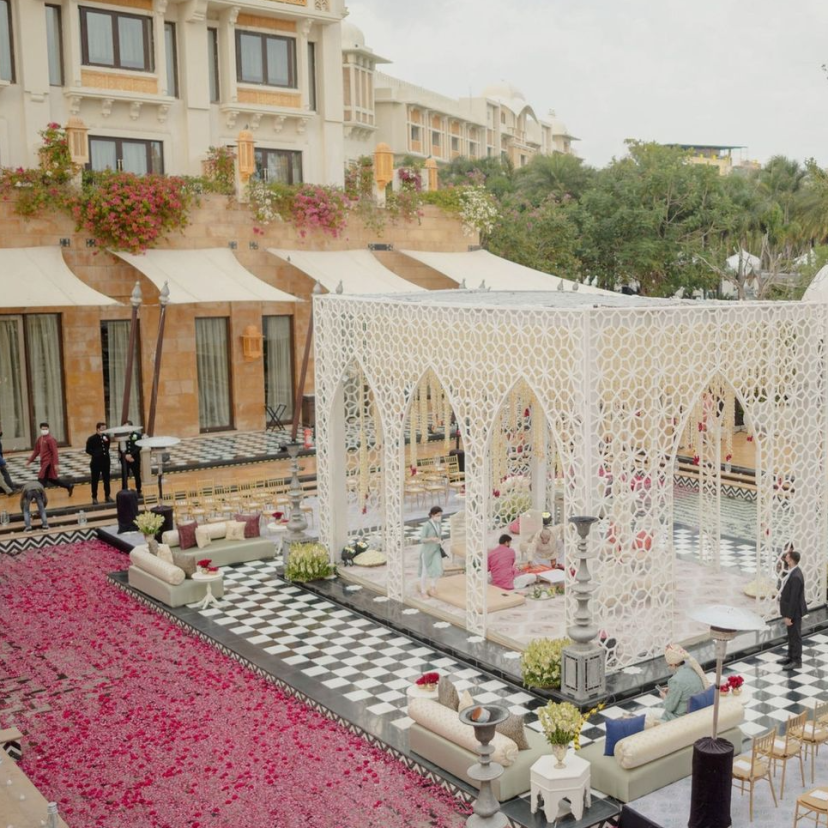

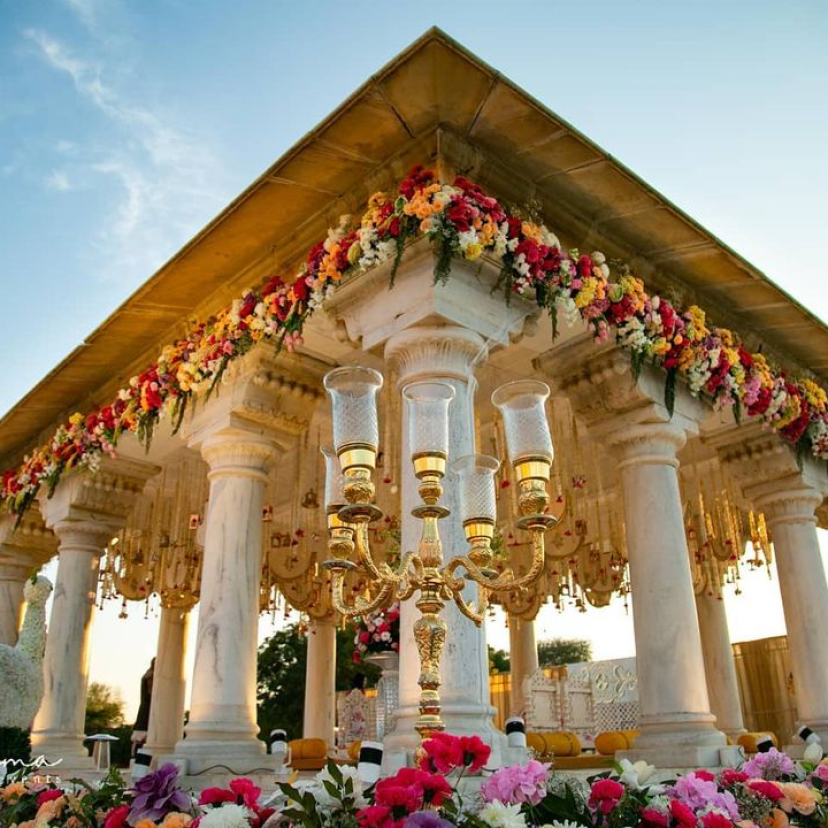

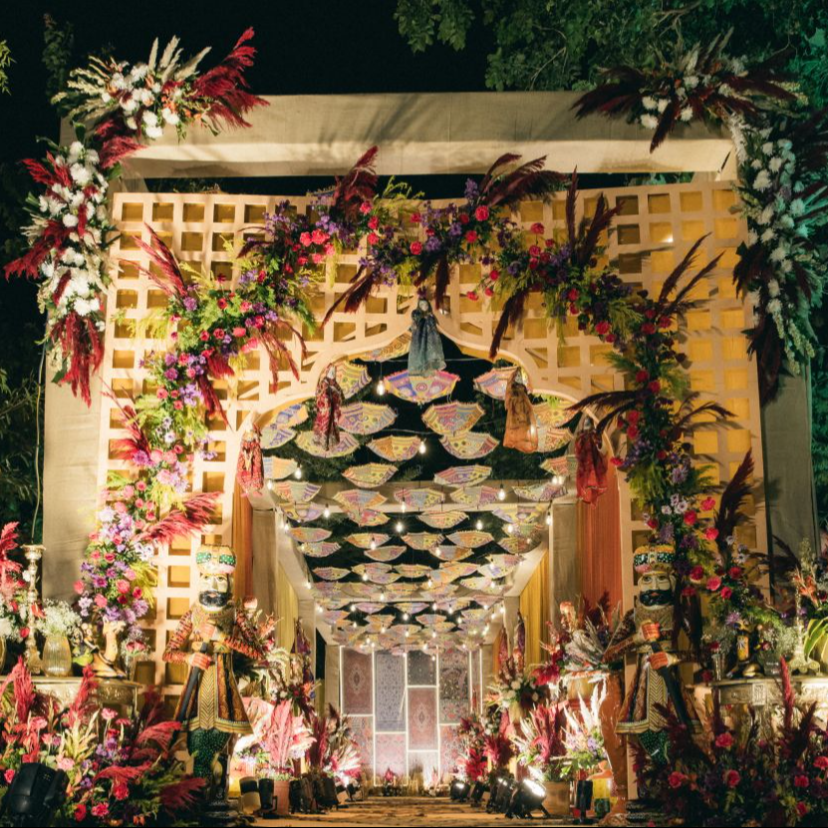
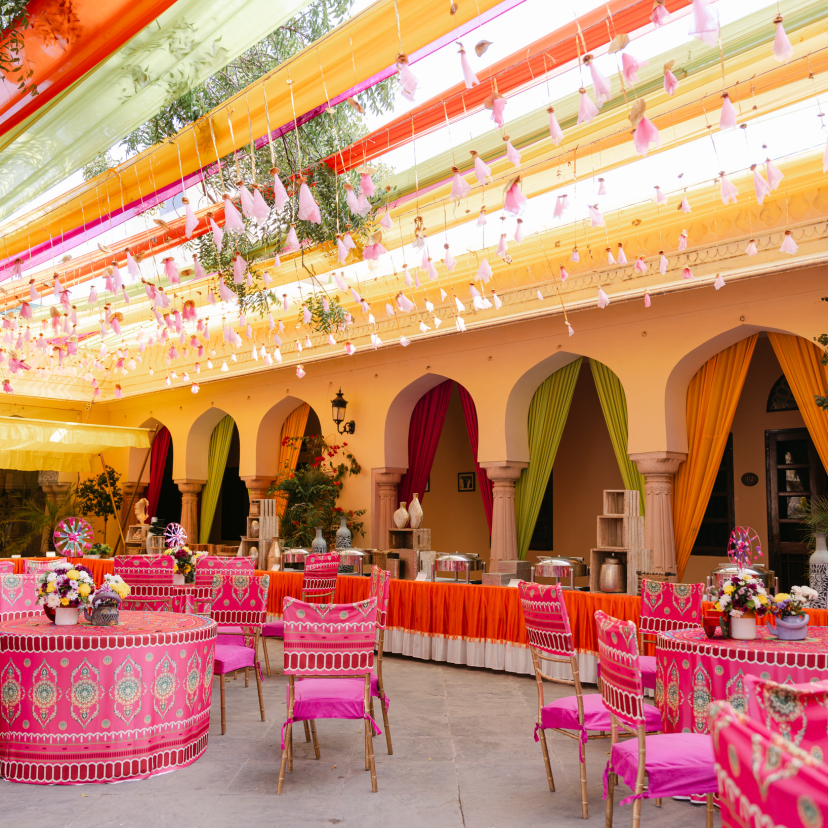
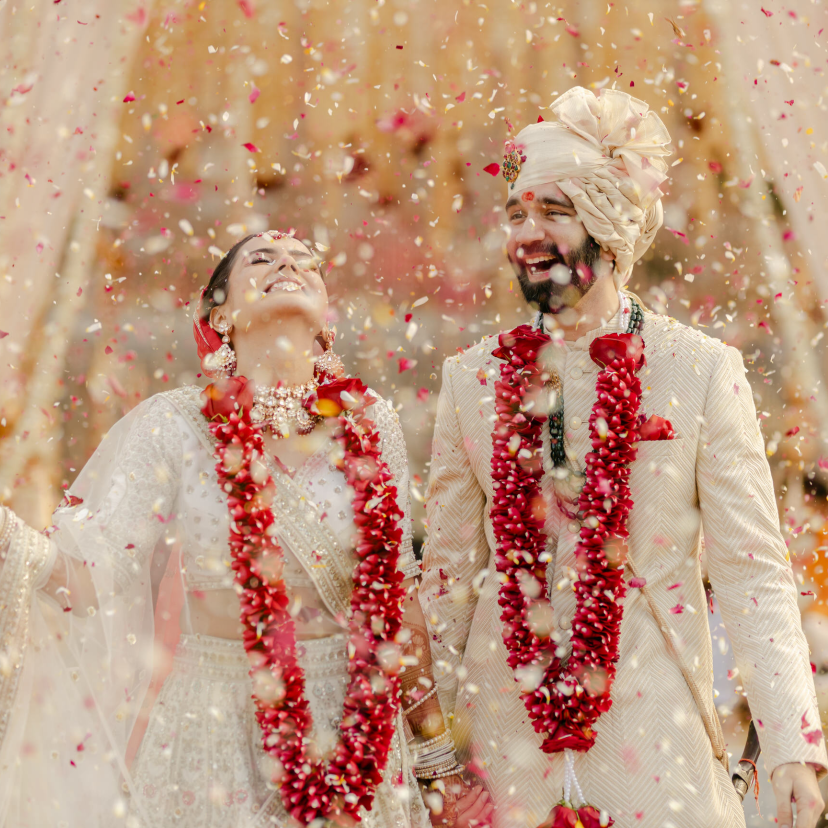
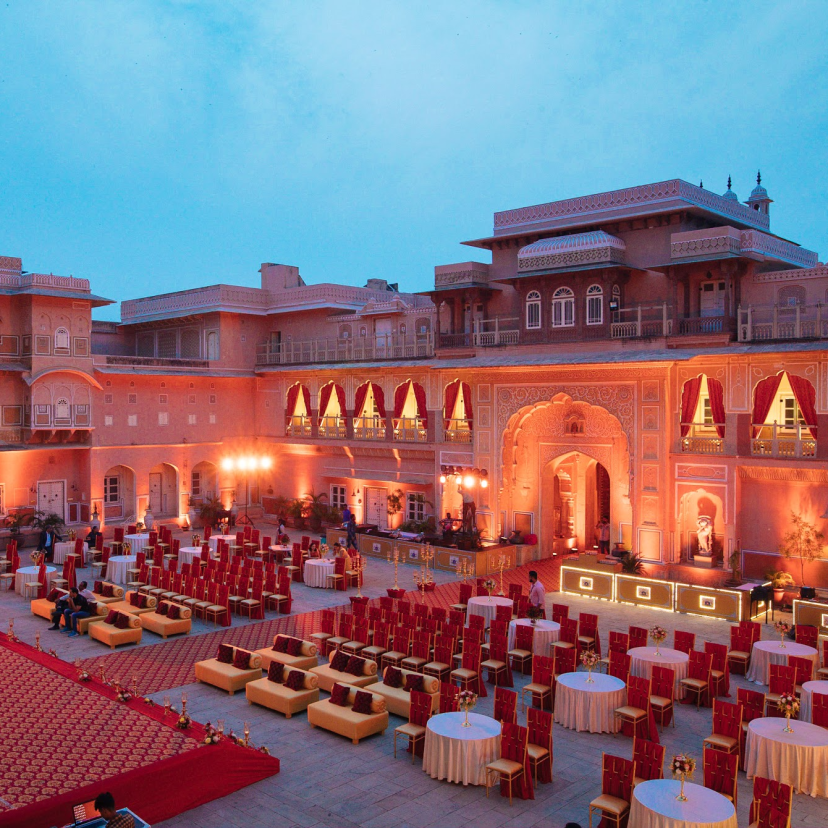
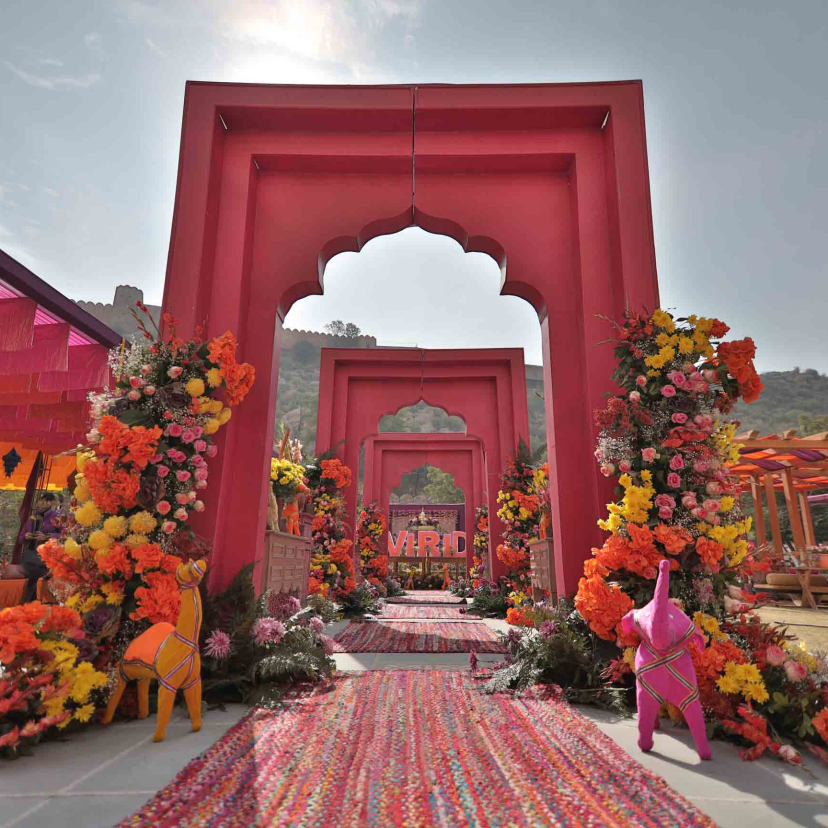
When you book a wedding planner in India, you are working with a person who uses a different kind of unit of measurement from most Western planners - instead of counting day by day, they plan multi-day events, each with its own guest list, venue, and atmosphere. Since Wezoree checks each planner listed on the platform directly, couples can be sure that the portfolio shows weddings that have actually been organized from beginning to end, not just a few styled photographs taken from another person's event.
How to Find a Professional Wedding Planner in India
The wedding planning sector in India is clearly divided by scale and area of specialization. Mumbai and the Delhi NCR region have the largest number of well-established luxury firms; Rajasthan has planners who specialize almost entirely in arranging logistics for palaces and heritage properties; and an increasing number of companies now focus on coordinating weddings for couples who live abroad. In this case, choosing the right category matters more than in most other countries, since a planner geared toward a one-city, one-day wedding is not necessarily suitable for a five-day, multi-venue event.
A local wedding planner in India can offer a level of quality that is difficult to obtain from outside the country - namely, existing relationships with mandap builders, mehndi artists, and venues that book up a year or more in advance during peak wedding season. When couples are planning from abroad, they should carefully consider this local knowledge, since budgets and timelines often slip when coordinating vendors across different cities or states without someone already in that network.
Where to look:
- Wezoree - verified planner portfolios and real wedding coordination work, filterable by region, budget, and specialty
- Instagram and WedMeGood - recent work rather than a highlight reel built from someone else’s best moments
- Referrals from a venue or photographer, since they’ve usually seen a planner’s actual pacing across a multi-day event
- Word of mouth from families who married in the same city or region recently, since strong regional planners tend to be well known within their own community
Asking a wedding planner for a full run-of-show from a previous wedding, rather than just the final photographs, says a lot about their real organizational abilities and whether they can handle multiple events back-to-back, not just a single well-presented ceremony.
Average Wedding Planner Prices in India
Wezoree’s team keeps records of the prices for the planners present on the platform, and couples can use the budget filter to sort the listings before asking for individual quotes. In India, prices are based on two different systems at the same time - a fixed fee linked to the scope, or a percentage of the total amount spent on the wedding - and the system determines how the final figure is calculated.
The city has a greater impact on prices than almost any other factor, with Mumbai and the Delhi NCR area being about 30 to 50 percent more expensive than tier 2 cities such as Kolkata or Pune. Since prices are based on percentages, they increase in direct proportion to the number of separate events the planner is arranging, so any general estimate of wedding planner cost in India should state whether the fee includes just one ceremony or the entire multi-day schedule before the cost can be compared with that of another quote.
Wedding Planning Packages in India
In India, most planners prepare packages based on the number of functions rather than offering a single fixed product, since organizing one ceremony and handling a five-event wedding week involve completely different levels of staffing and logistical arrangements. When the real number of functions is worked out, two families who have asked for what appears to be a similar wedding can end up with quite different quotes.
| Package | Typical Inclusions |
|---|---|
| Day-of | Vendor management for the ceremony and reception only |
| Partial | Support finalizing details across two to three functions |
| Full-service | End-to-end coordination across every event, from mehndi through reception |
The difference between an affordable wedding planning package in India and a premium one usually comes down to the number of pre-wedding events included. While some comprehensive packages routinely include the mehndi, sangeet, and haldi, other packages charge for each separately - a point to clarify when comparing two wedding planner packages in India that look similar on paper.
Wedding Planning Types in India
A typical Indian wedding consists of three to seven separate events taking place over two to five days, each with its own guest list, dress code, and logistical requirements - which is the reason why arranging such a wedding is so different from organizing a single Western ceremony. Only by understanding what each event entails can couples make early decisions about which ones matter most to them personally, rather than simply going with what the extended family expects.
- Mehndi - the henna ceremony, usually held one to two days before the wedding, where an artist applies intricate designs to the bride’s hands and feet
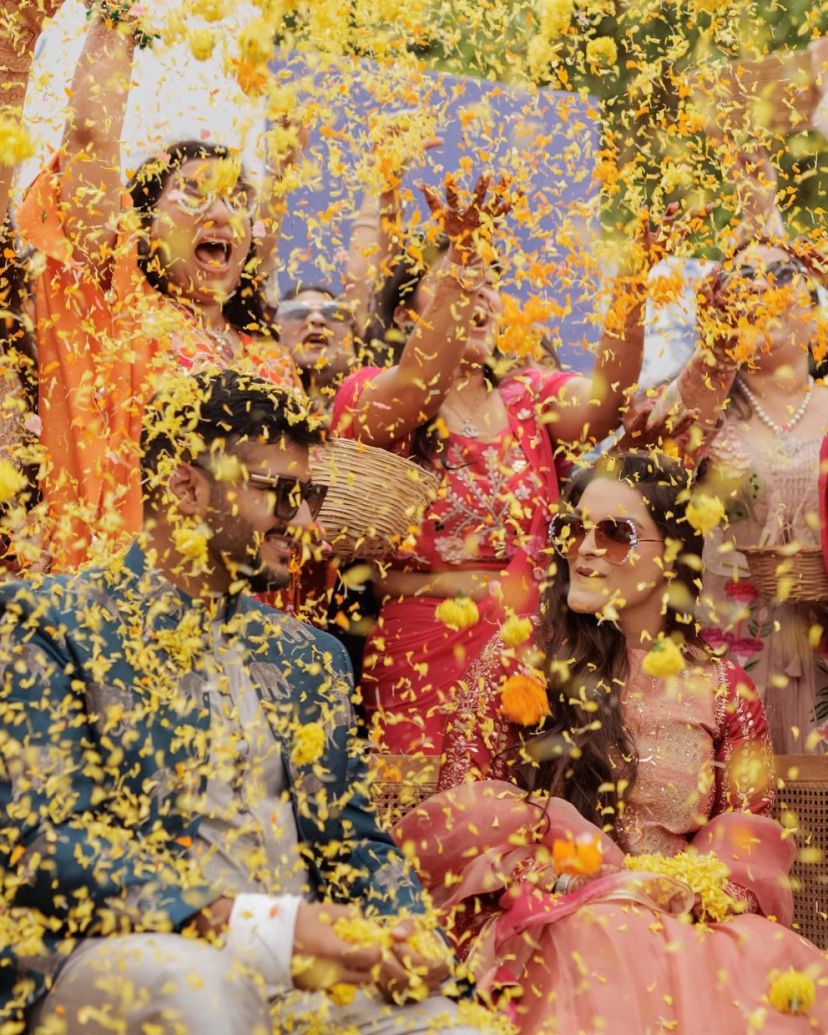
- Haldi - a smaller, more intimate turmeric ceremony, often held at home rather than a full venue
- Sangeet - the music and dance night, frequently the largest and most festive event of the week, sometimes running four to six hours with choreographed family performances
- Baraat - the groom’s processional entrance, which can range from a simple walk-in to a full horse or vintage-car arrival
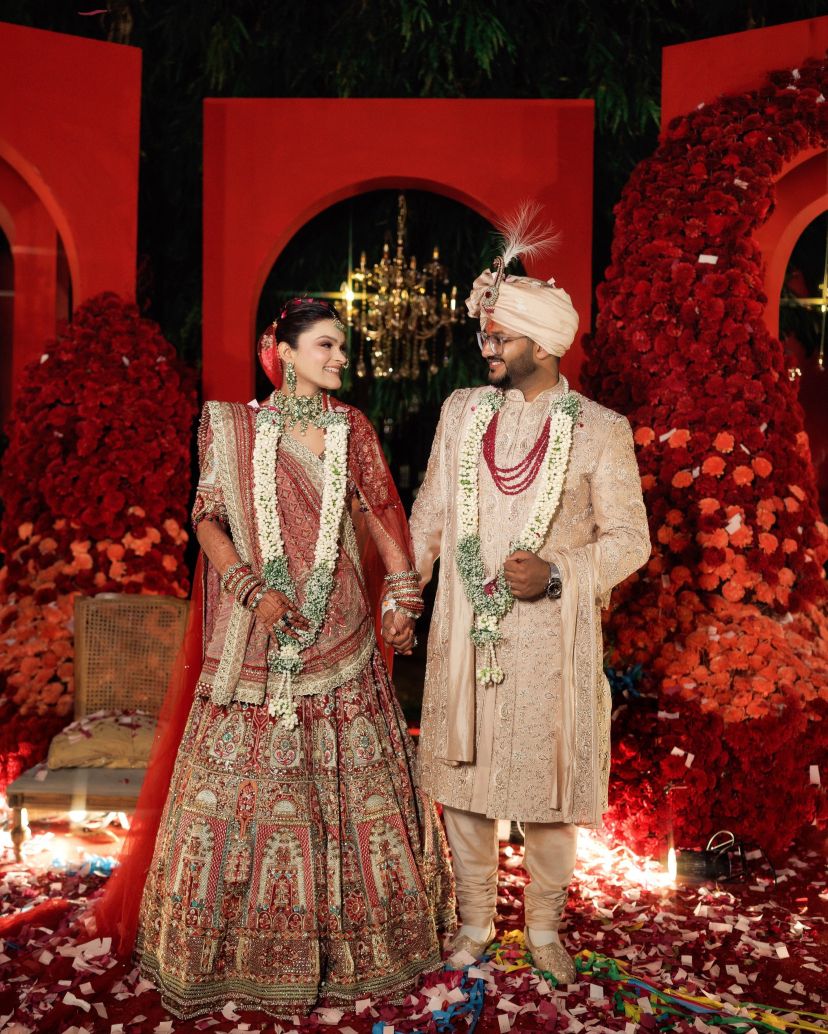
- Main ceremony - structured differently depending on religion and region, from the saat phere fire rituals common in North Indian Hindu weddings to the Anand Karaj held at a gurdwara for Sikh couples
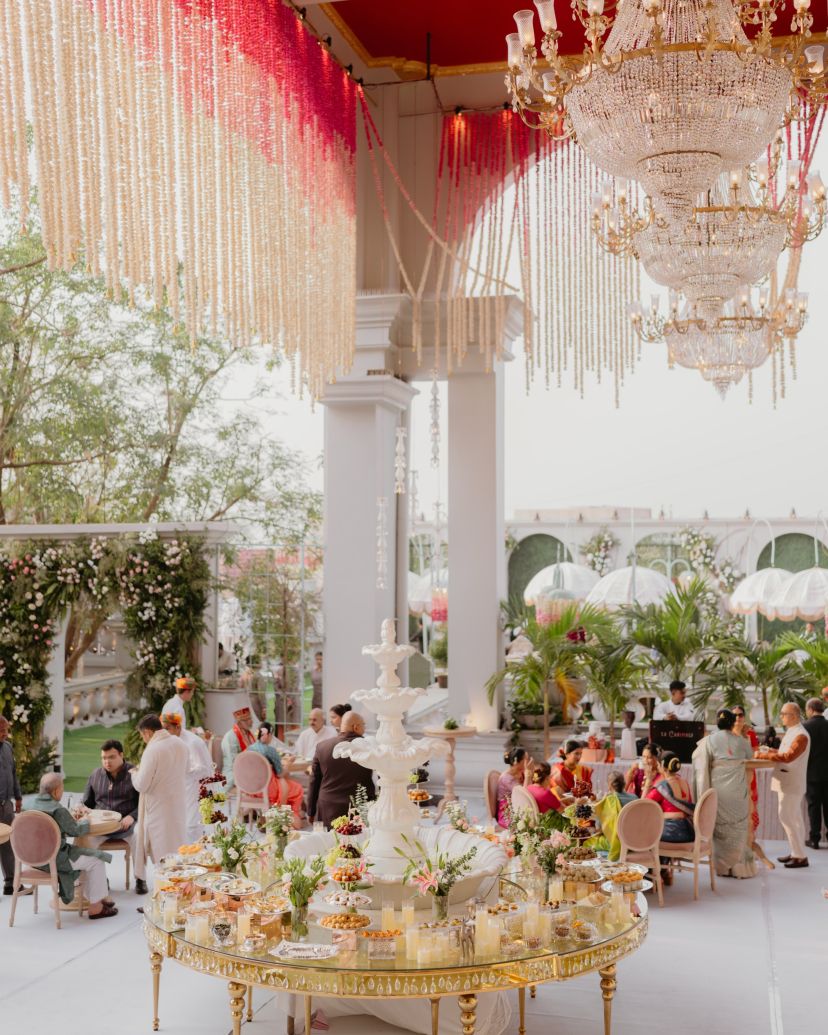
- Reception - typically the largest guest count of the week, often including colleagues and extended acquaintances not present at the more intimate functions
A destination wedding planner in India who is in charge of all these events also has to cope with the fact that the number of guests varies greatly depending on the occasion - for example, a family might invite 50 people to the haldi, 200 to the sangeet and 300 to the reception - in which case simply keeping track of the RSVPs becomes a substantial coordination problem rather than just a routine task. This is also where a luxury wedding planner in India can clearly earn their fee, since organizing five different guest lists and venues within one week is very different from managing a single event over twice the length of time.
Wedding Planning Services in India
The range of services offered by different planners varies considerably, the greatest difference being whether or not the number of pre-wedding events are included in the contract or are charged separately. The bigger firms tend to include more of these items by default, whereas smaller or independent planners usually specialise particularly well in just one or two of them.
- Venue sourcing and negotiation across multiple functions
- Vendor contracting for caterers, mandap builders, and mehndi artists
- Guest travel and accommodation coordination
- Function-by-function scheduling and run-of-show creation
- On-ground execution and vendor management across every event
- Post-wedding follow-up and vendor payment reconciliation
A full-service wedding planner in India handles all six throughout the entire wedding week, whereas a day-of coordination package covers only the last phase, entering the situation after the main decisions are made and vendor contracts are in place. Couples should check as early as possible which events are covered by which service level, since disagreements about scope often arise halfway through the planning process.
When to Book a Wedding Planner in India
The wedding season in India is at its busiest from October to February, when cooler weather makes outdoor ceremonies and multi-day celebrations much more feasible, and the country’s most established planners can secure availability well in advance of this period. Waiting until venues are confirmed before reaching out to a specific planner can mean losing access to them entirely for a popular date.
- 9–12 months ahead: recommended for peak-season dates and in-demand planners in Mumbai, Delhi, or major destination cities
- 6–9 months: workable for shoulder-season dates or a planner with more flexible availability
- 3–6 months: often still possible outside peak months or for a smaller, single-city wedding
- Under 3 months: realistic mainly for day-of coordination rather than full multi-event planning
Booking a wedding planner in India early matters even more for a destination wedding, since palace venues in Udaipur and Jaipur are often reserved a year or more ahead for the busiest months. The optimal time to hire a wedding planner in India depends on both the number of events and the destination, not either factor alone.
Questions to Ask a Wedding Planner in India
A few direct questions will show more about the situation than a well-presented portfolio alone, especially when it comes to how a planner deals with the special logistical issues involved in a multi-day, multi-venue wedding week, since these points come to light halfway through the planning process rather than during the initial, informal consultation.
- How many of the functions we have planned are included in this package, and which ones should be paid for extra?
- How do you structure guest lists and RSVPs separately across each event?
- Do you have any first-hand experience of our particular religious or regional traditions?
- What is your fee arrangement - a flat fee, a percentage of the budget, or charges on a per-event basis?
- How do you manage vendor travel when events take place in different cities or locations?
- What is your policy regarding last-minute changes to the number of guests or to the event schedule?
One question couples must never omit is about religious familiarity, because a wedding planner familiar with Hindu ceremonies will not automatically know the specific requirements of a Sikh or Muslim wedding. Only by knowing which questions to ask a wedding planner before booking can a simple consultation become one that identifies gaps before the contract is signed.
Best Regions in India for Destination Weddings
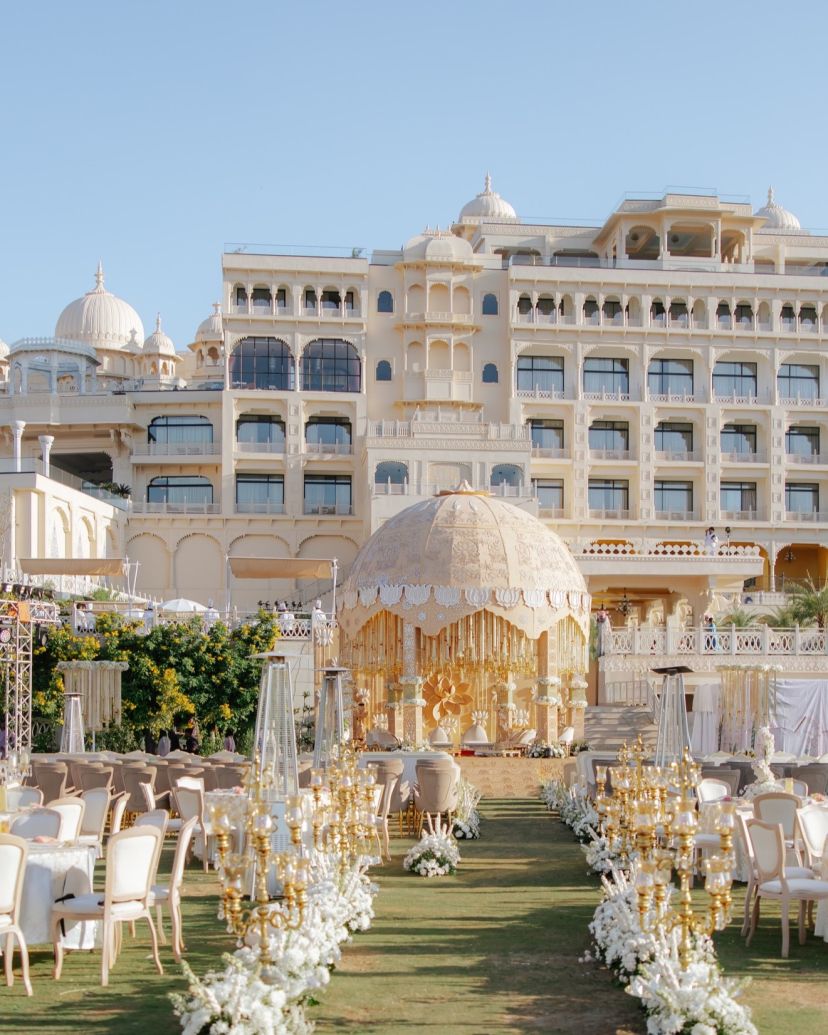
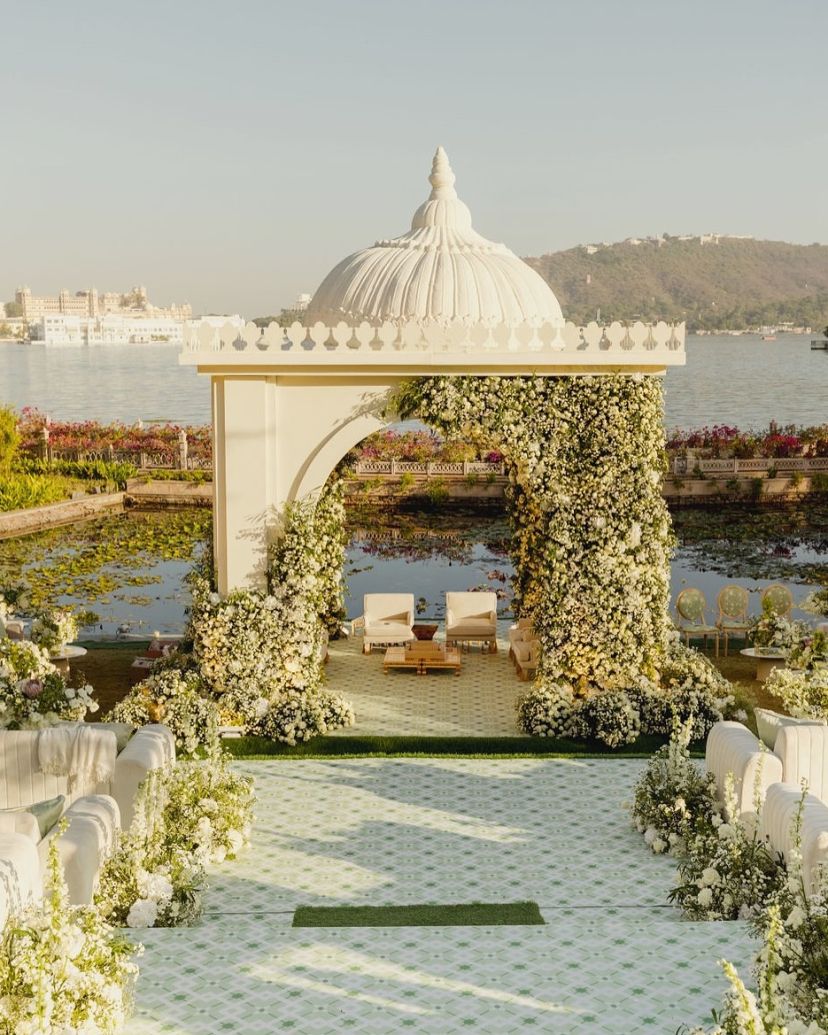
Udaipur consistently draws couples looking for the most romantic version of a palace wedding, built around Lake Pichola and properties like the City Palace, Oberoi Udaivilas, and Taj Lake Palace. An Udaipur wedding planner familiar with the city’s boat entrances, lakeside mandaps, and palace logistics earns that premium fee back quickly, since full weddings here commonly run anywhere from roughly $46,000 to well over $114,000 depending on the property and guest count.
Jaipur offers a different flavor of the same royal ambition, built around forts and palaces like Rambagh Palace and Samode Palace rather than lakefront views. A Jaipur wedding planner working regularly in the Pink City brings established relationships with the palace venues themselves, which matters given how far in advance the most requested properties book up during peak season.
In contrast, Goa attracts a quite different kind of crowd - pairs who prefer a beach-focused, more relaxed kind of celebration rather than a formal one held at a palace, and it has become especially popular among NRI couples who fly in from the US and Canada. A Goa wedding planner with experience handling resort arrangements and setting up beach ceremonies can make the difference between a smoothly run multi-day beach wedding and one that is continually at odds with the tide schedule and the monsoon timetable.
Religious and Regional Wedding Traditions Planners Navigate
India’s wedding traditions vary enough by religion and region that a planner’s experience with one community doesn’t automatically transfer to another, which is part of why couples are often better served by someone who can point to direct experience with their specific ceremony.
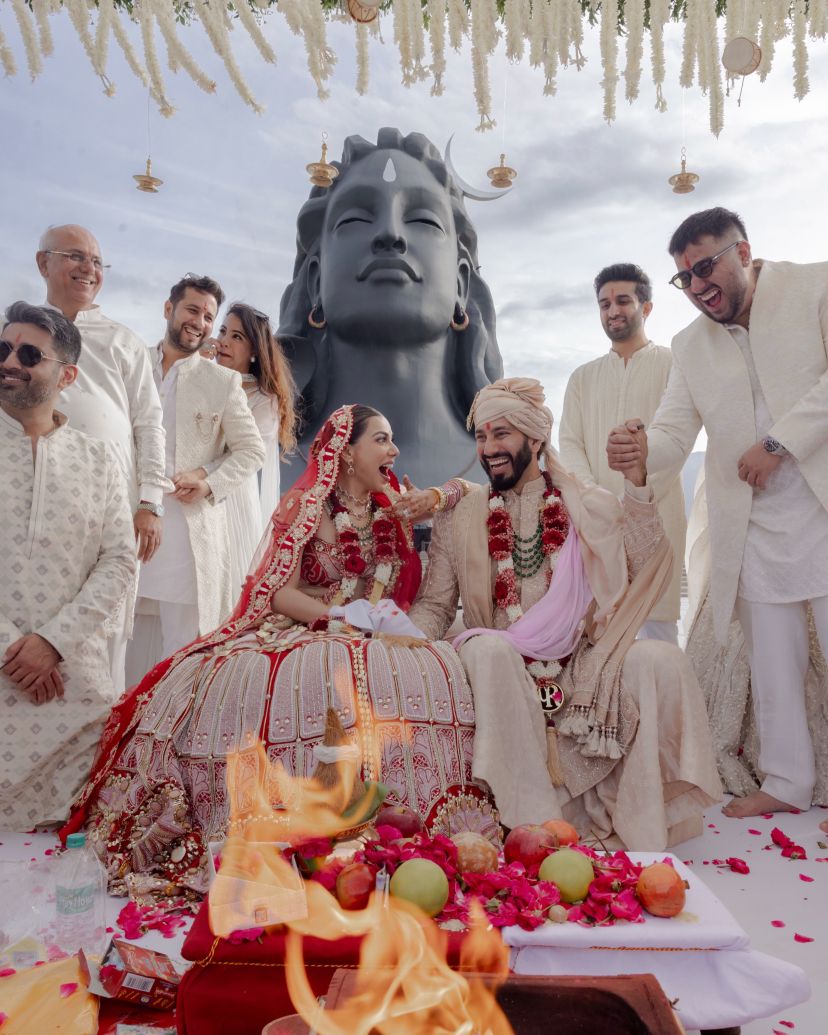
In North Indian Hindu weddings, the saat phere - that is, seven rounds around a sacred fire – forms the central feature, whereas in the Hindu weddings of South India, greater importance is attached to the kanyadaan and the tying of the mangalsutra. A Hindu wedding plannerwho works in India and serves both regions must use a different set of ritual expressions depending on the tradition the couple is observing, since the basic structure of the ceremony itself varies.
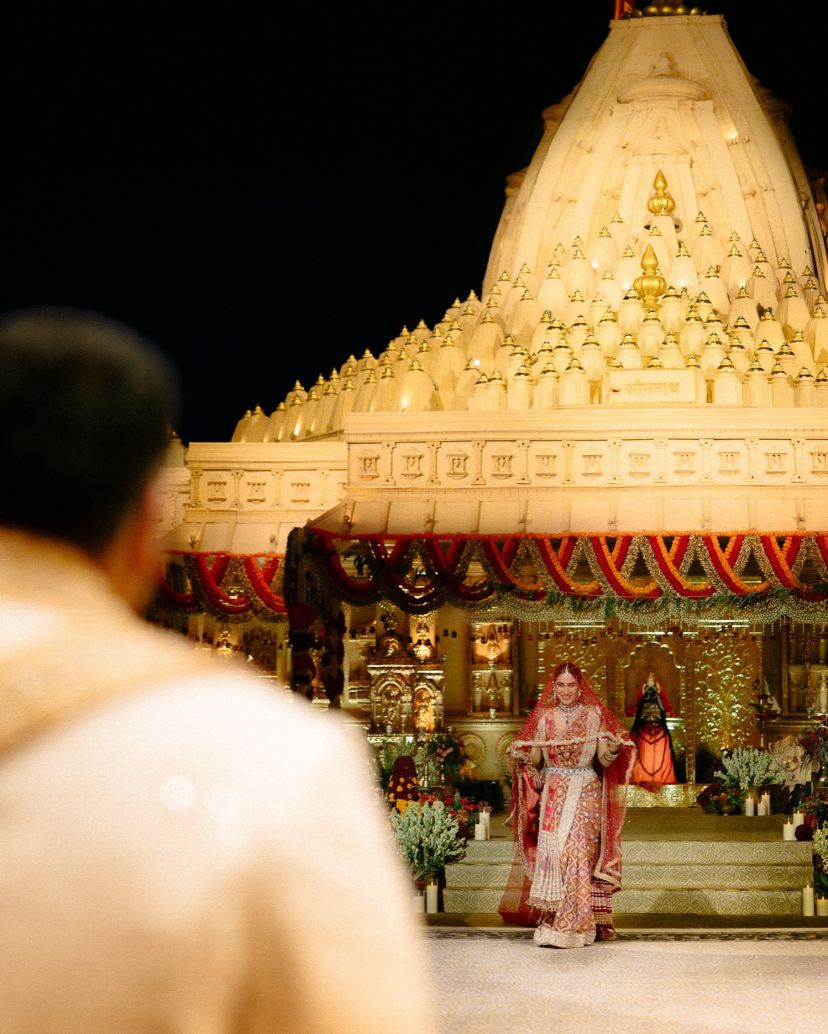
Sikh weddings center on the Anand Karaj, held at a gurdwara rather than a hotel ballroom or outdoor mandap, which changes both the venue logistics and the timeline a Sikh wedding planner in India has to build around. Muslim weddings have their own structure entirely - the Nikah, Walima, and often a Dholki celebration beforehand - and a Muslim wedding planner in India needs to coordinate all three as distinct events with their own guest lists, much like the Hindu mehndi-sangeet-reception sequence but built around a different set of ceremonies altogether.