Wedding Florists
Select Location
Select Vendor
9 results

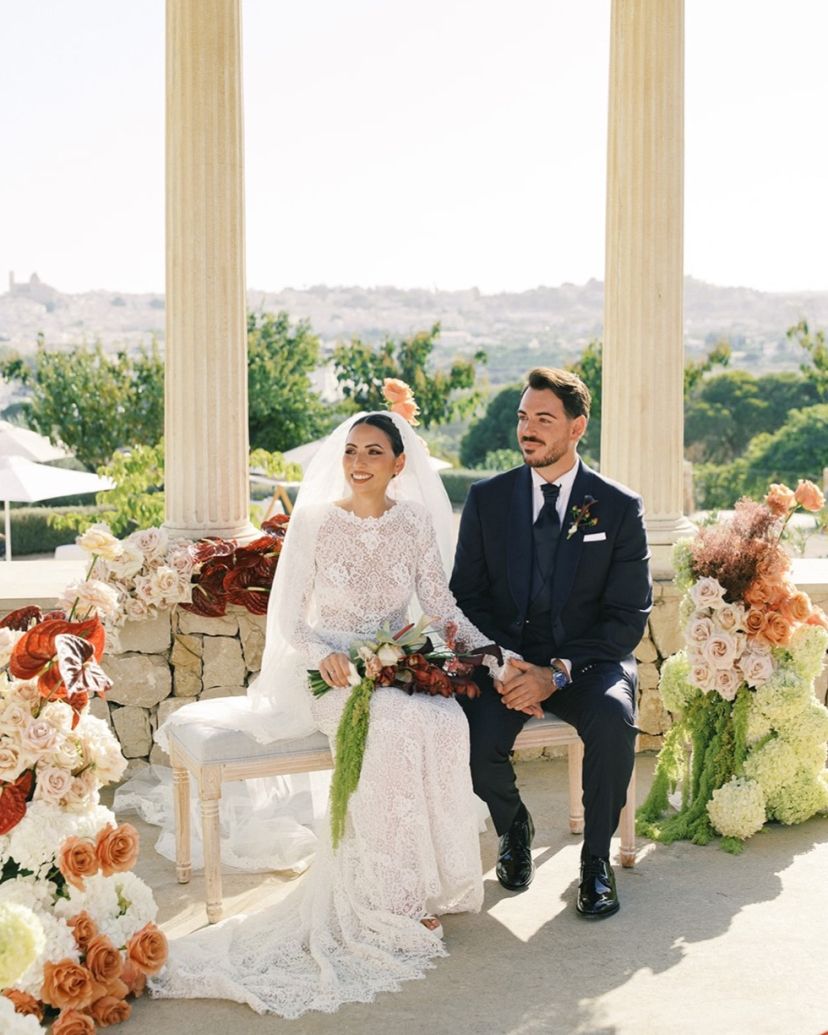
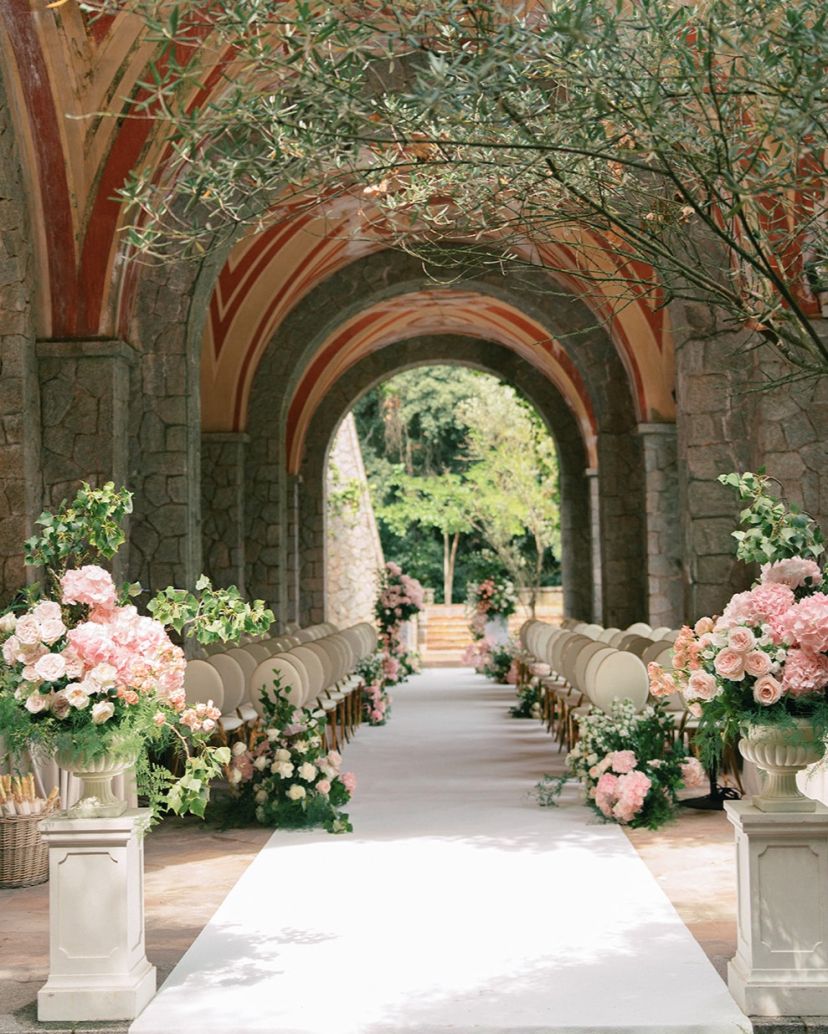
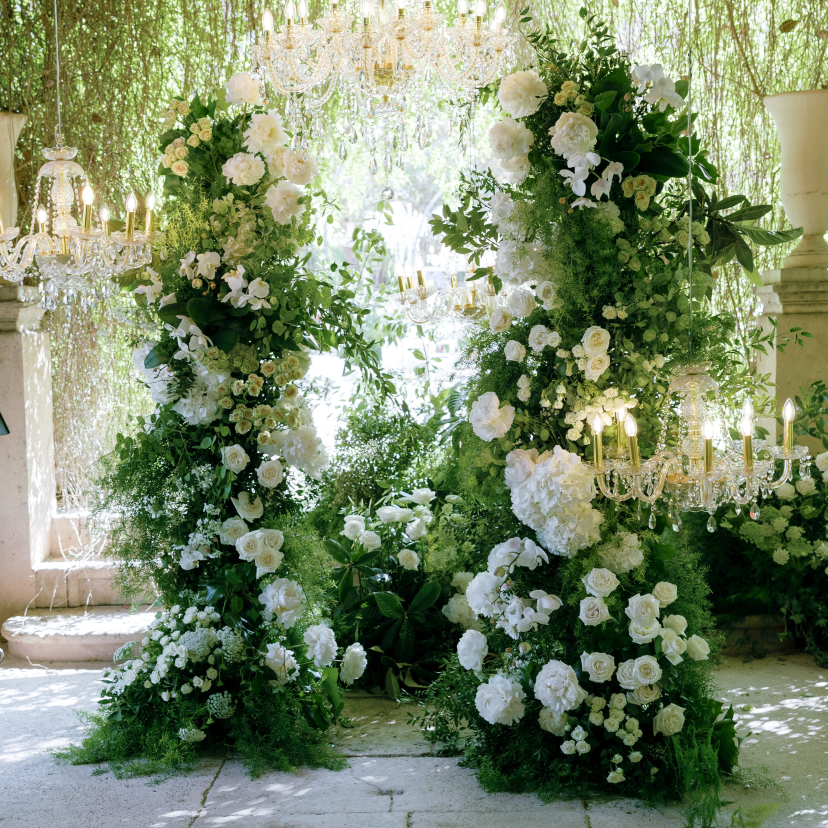

 Marbella
  $6 500
 5
5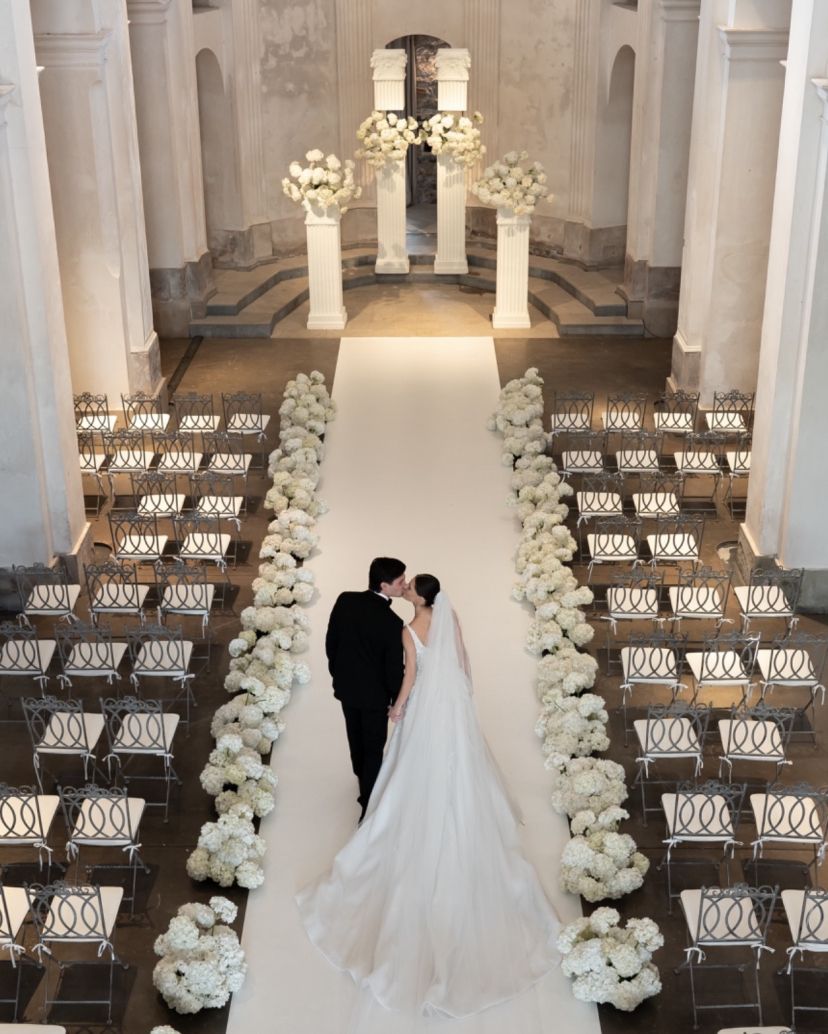
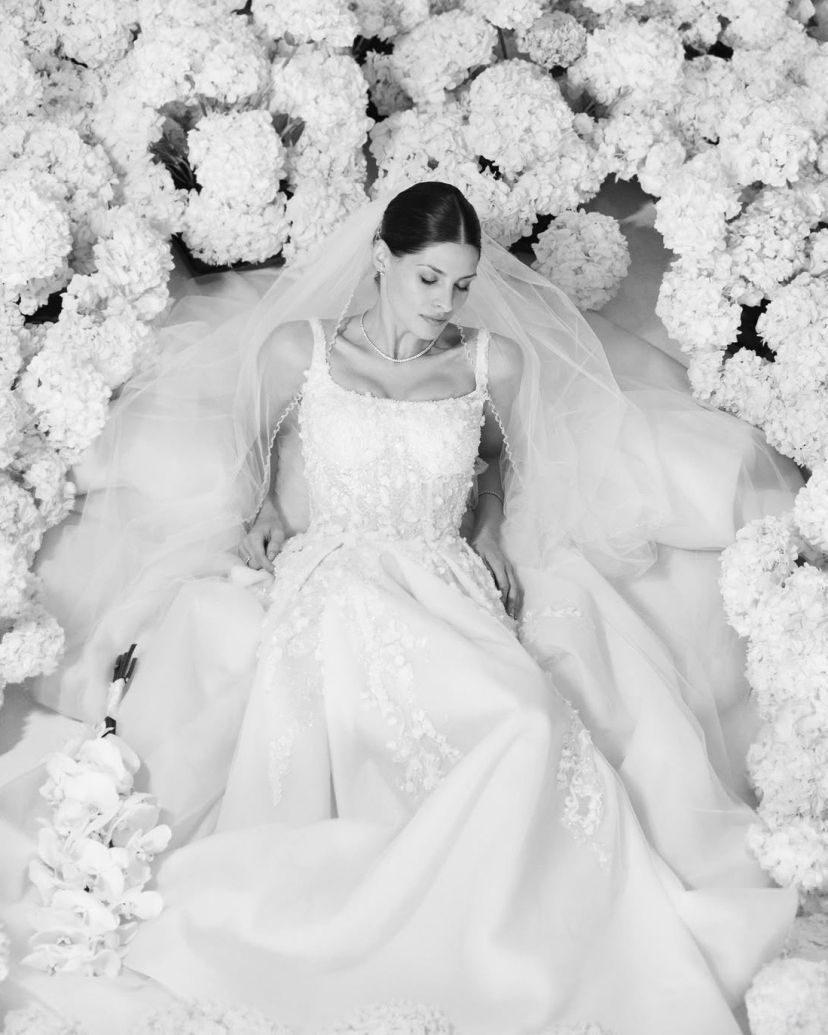
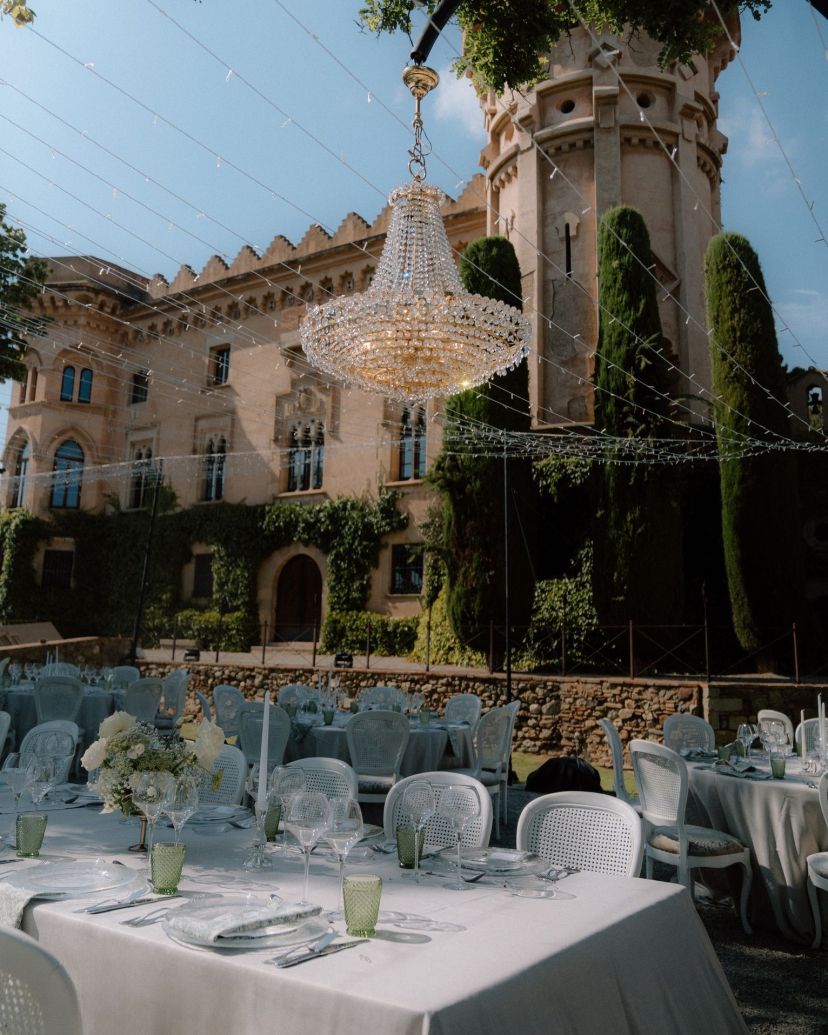
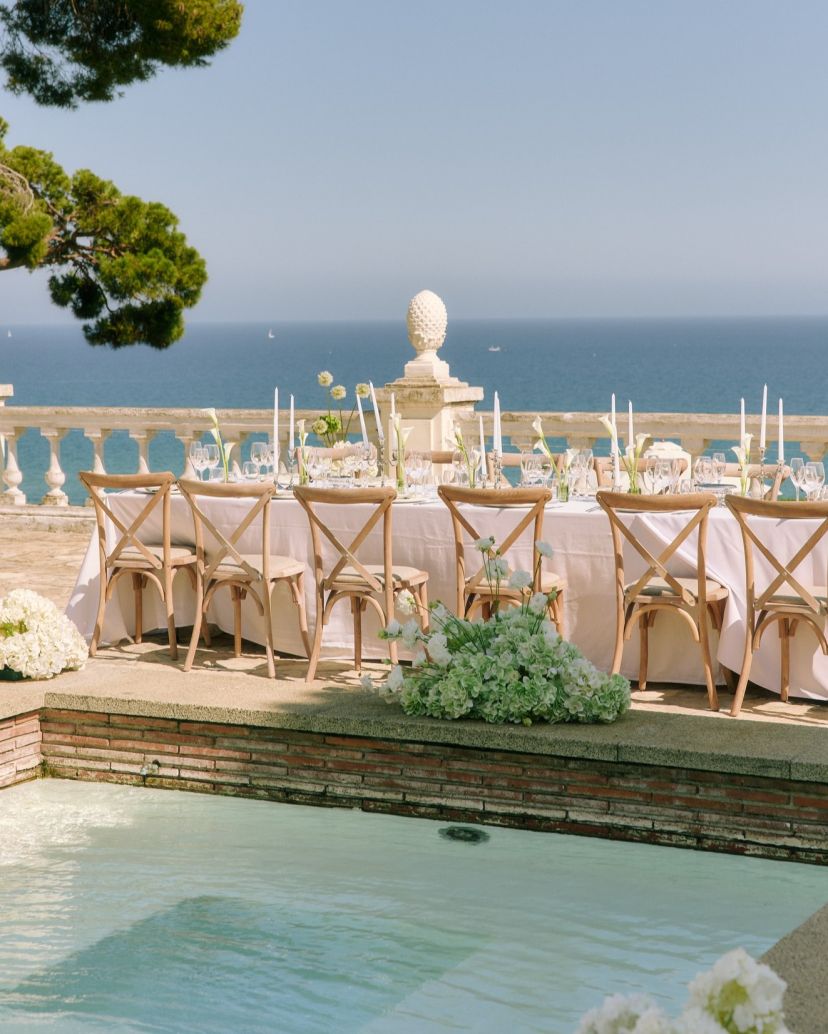

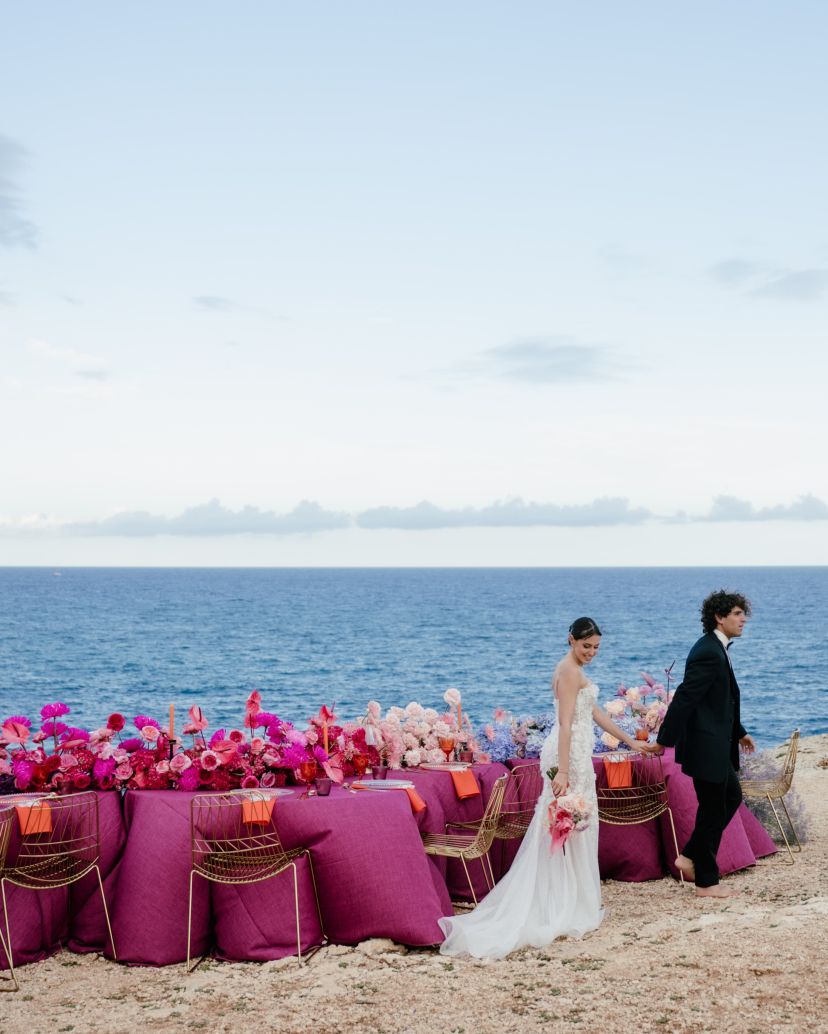
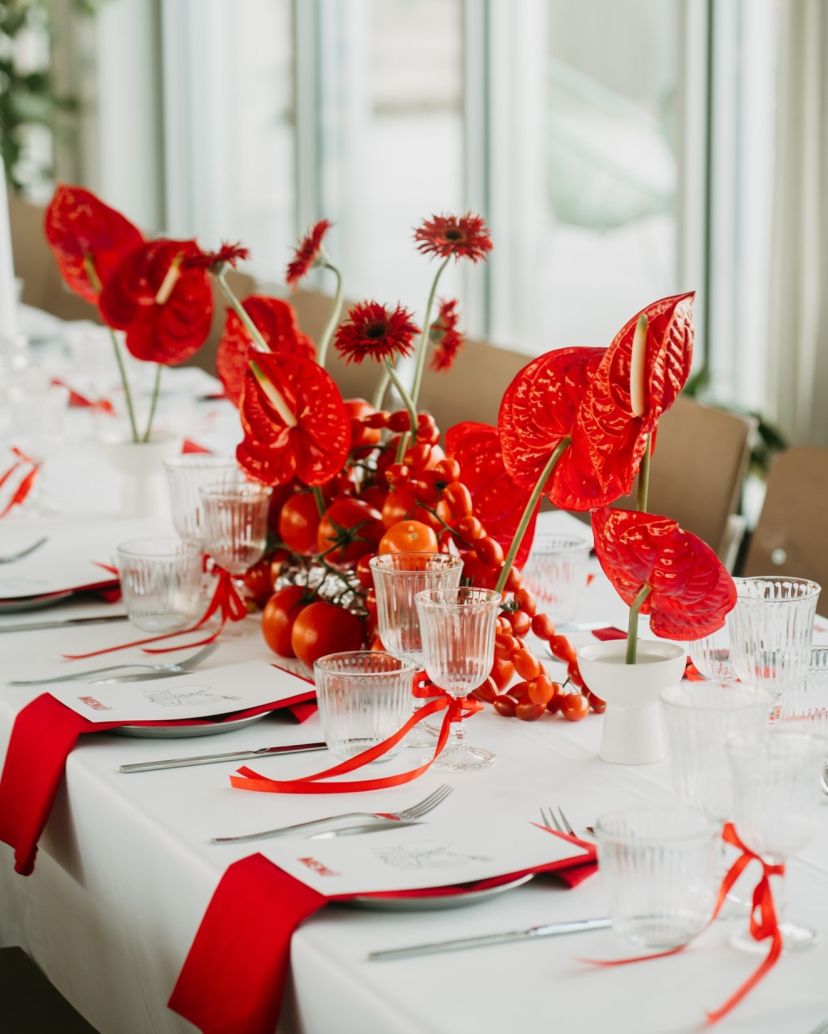
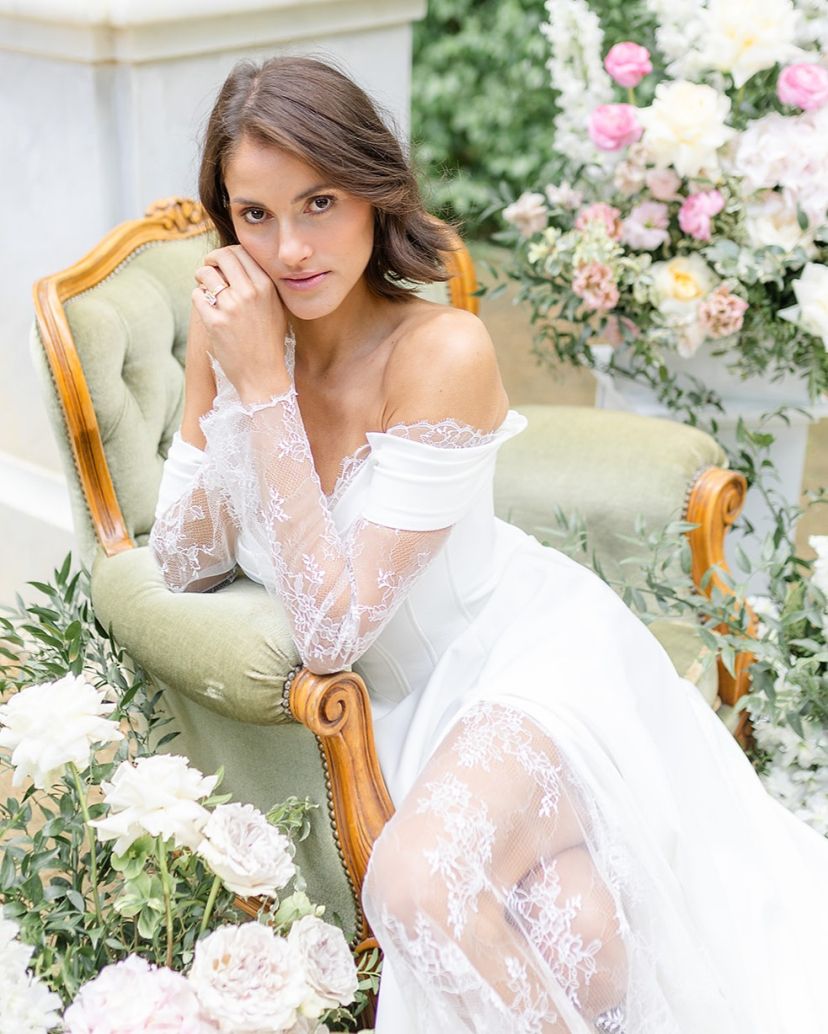
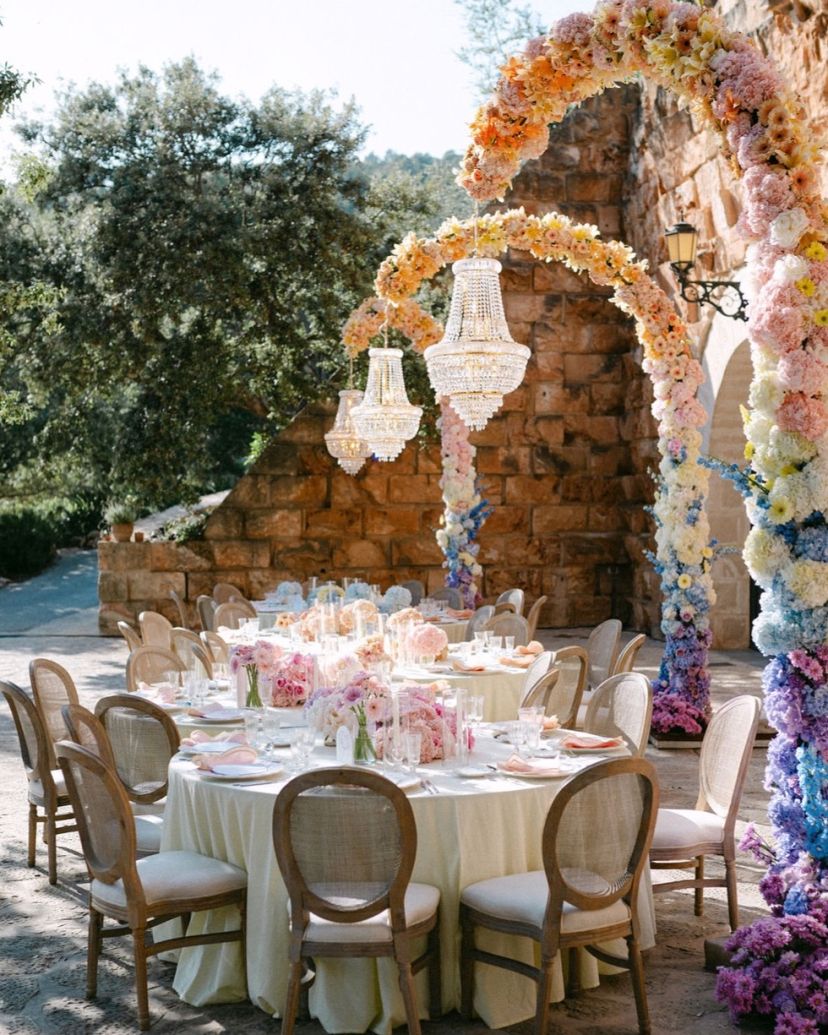
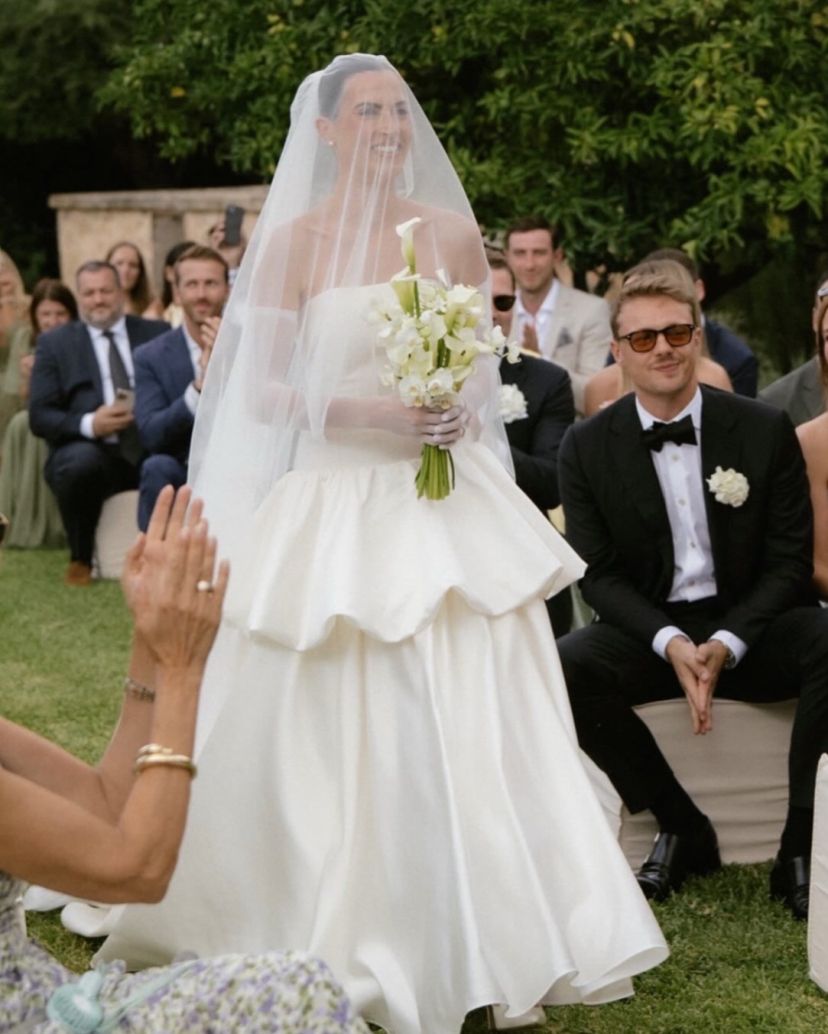
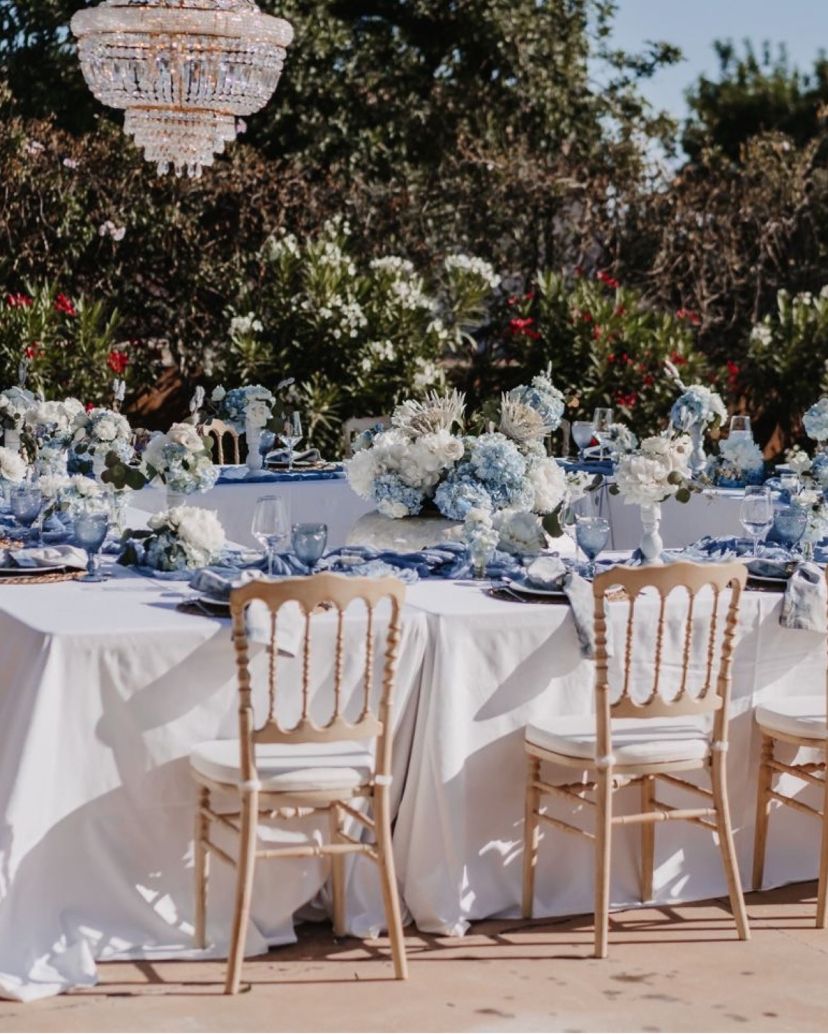
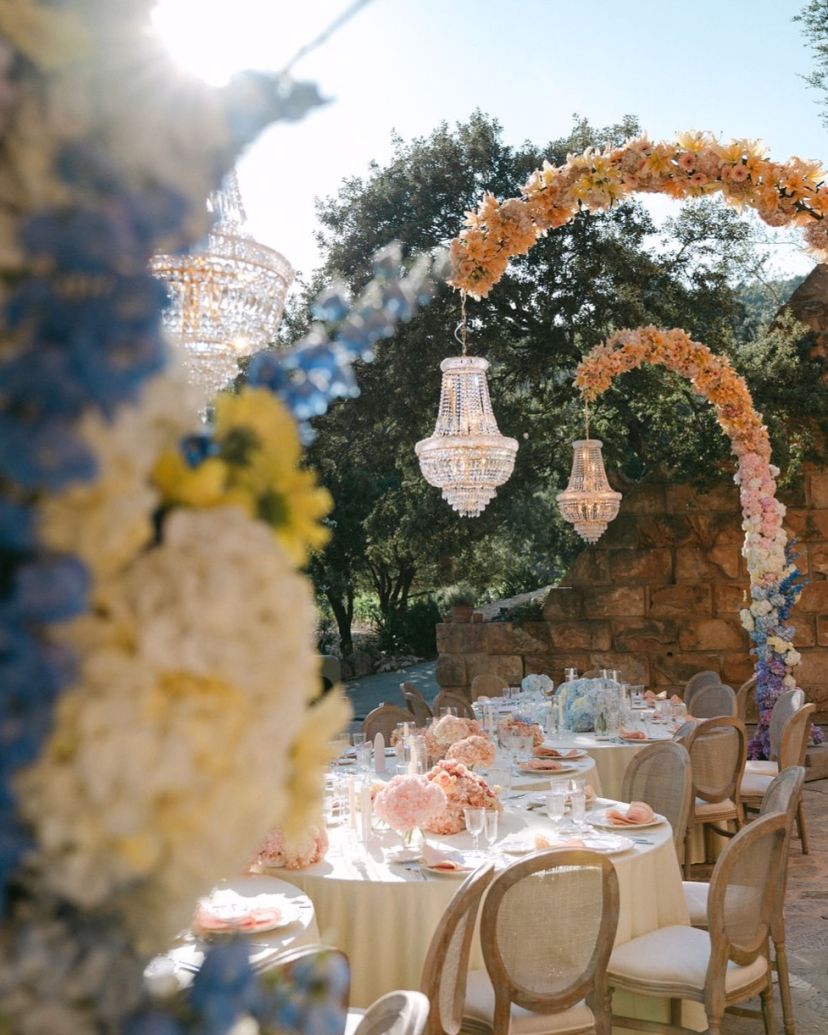

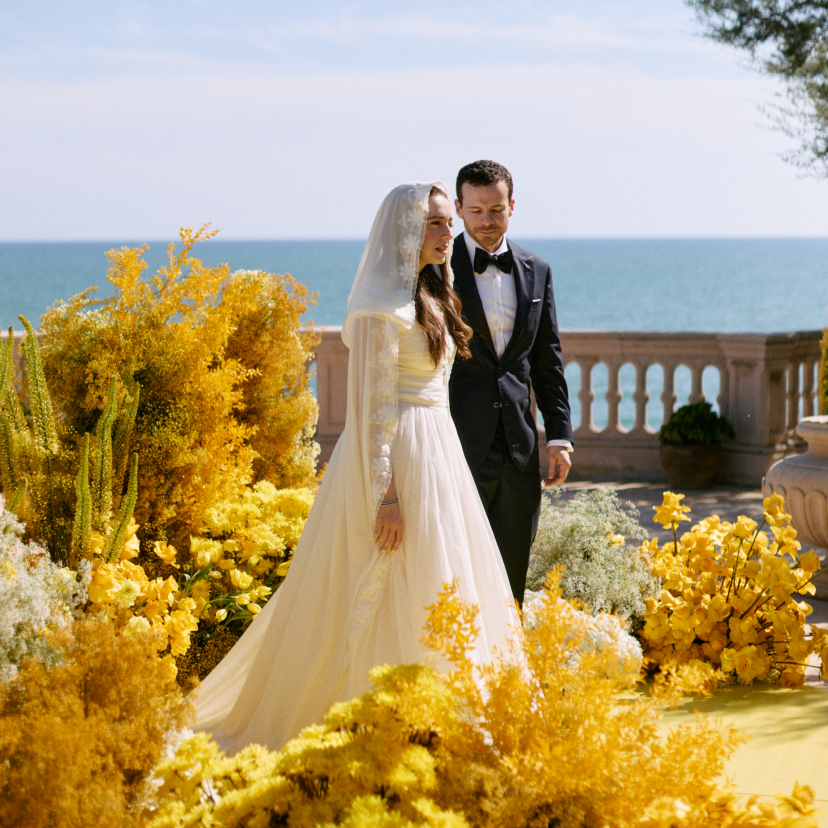

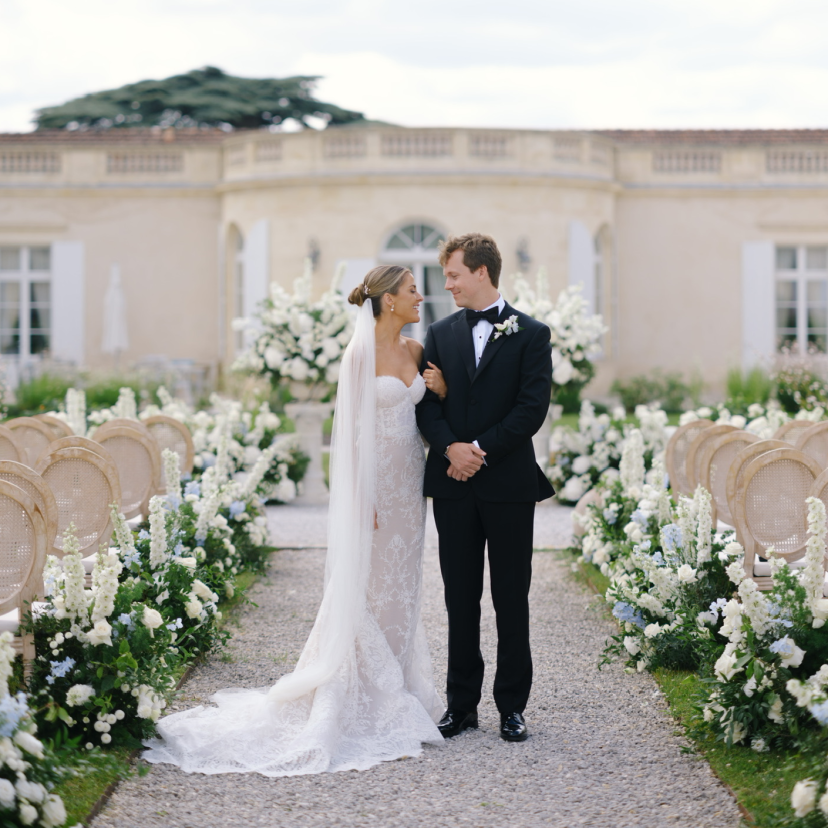
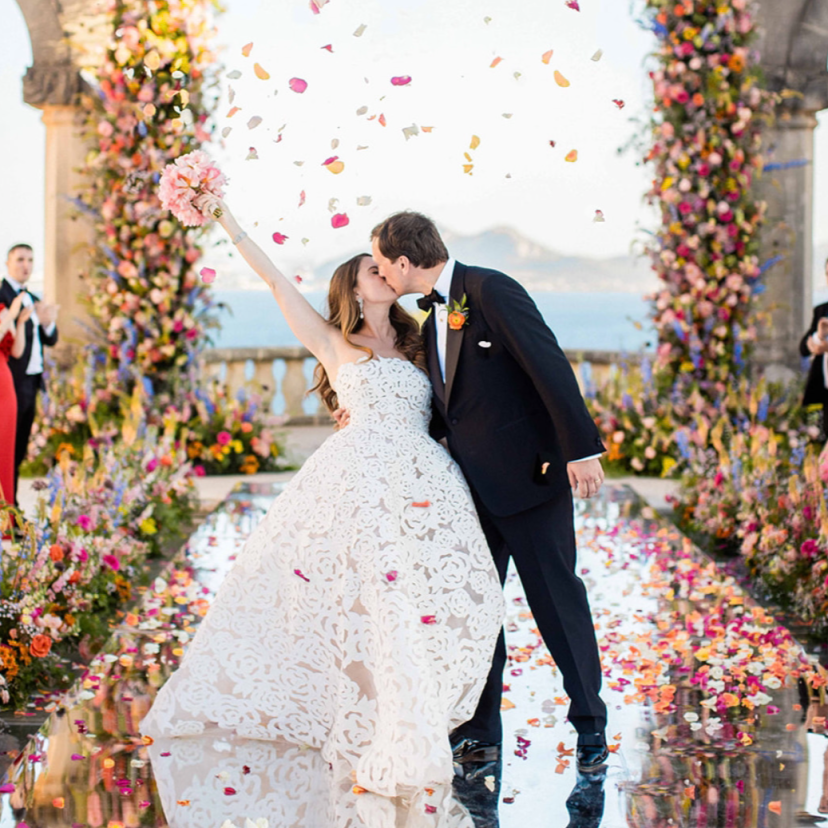
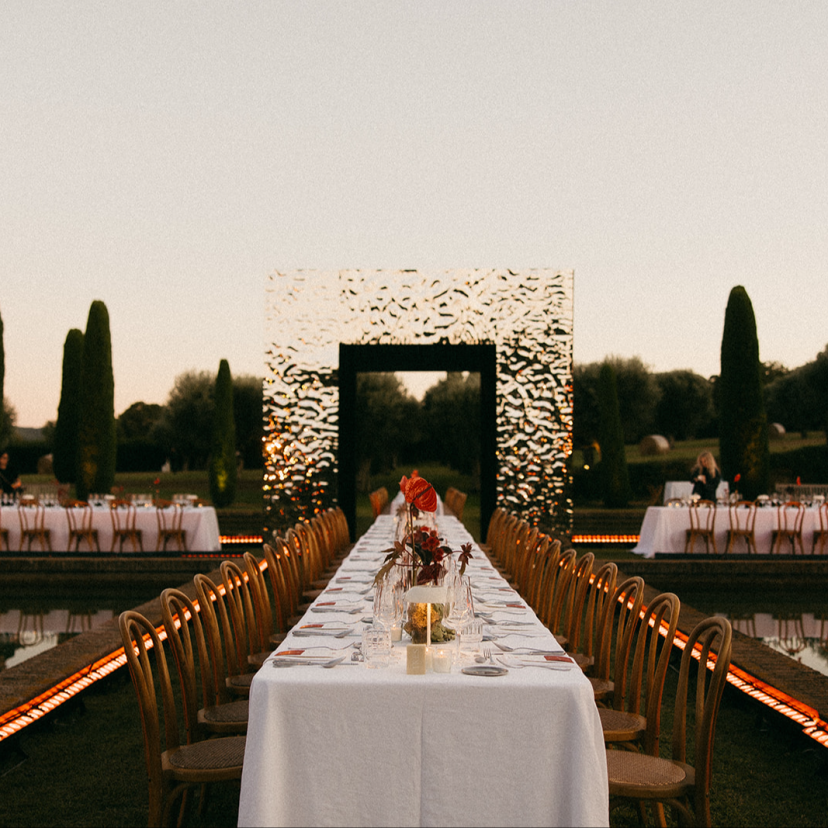
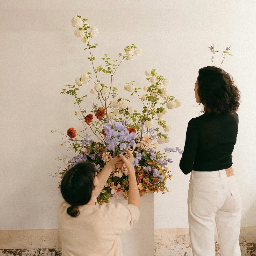
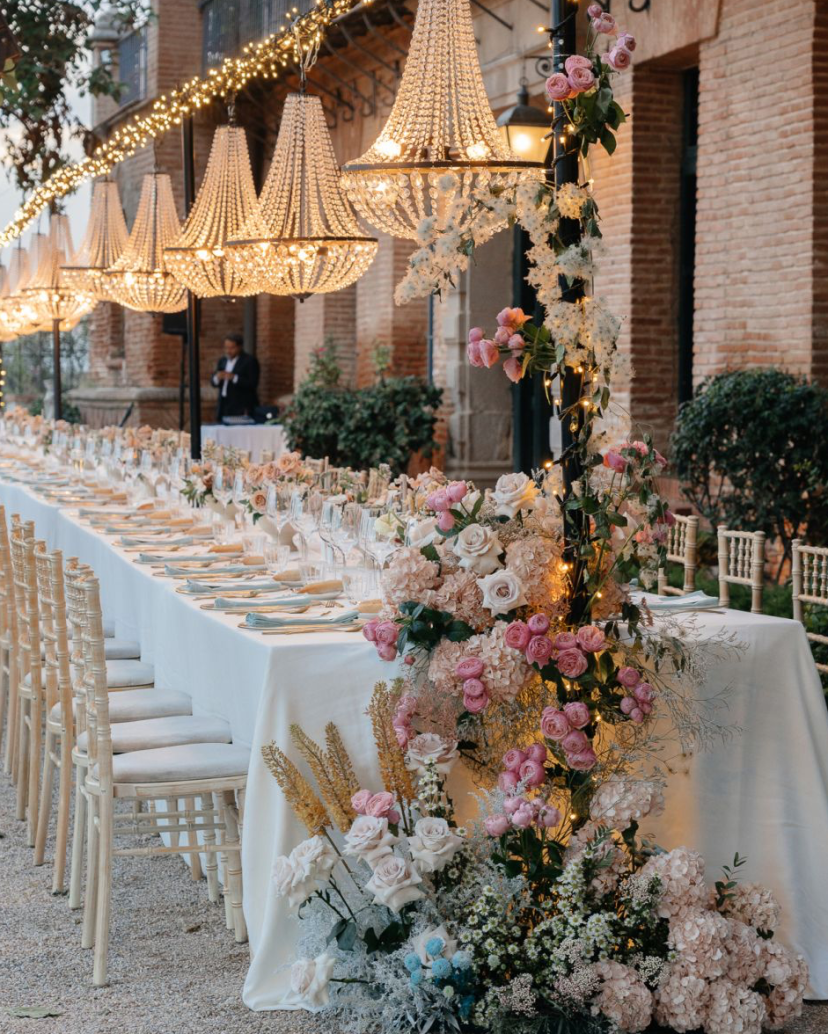
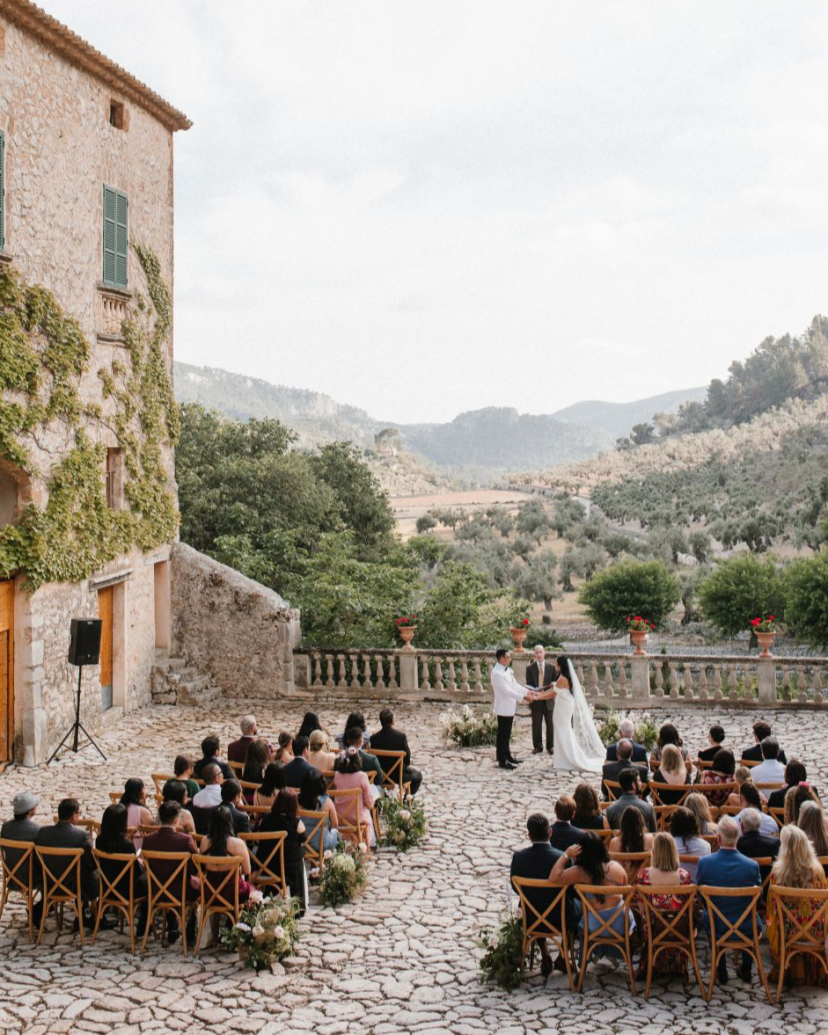
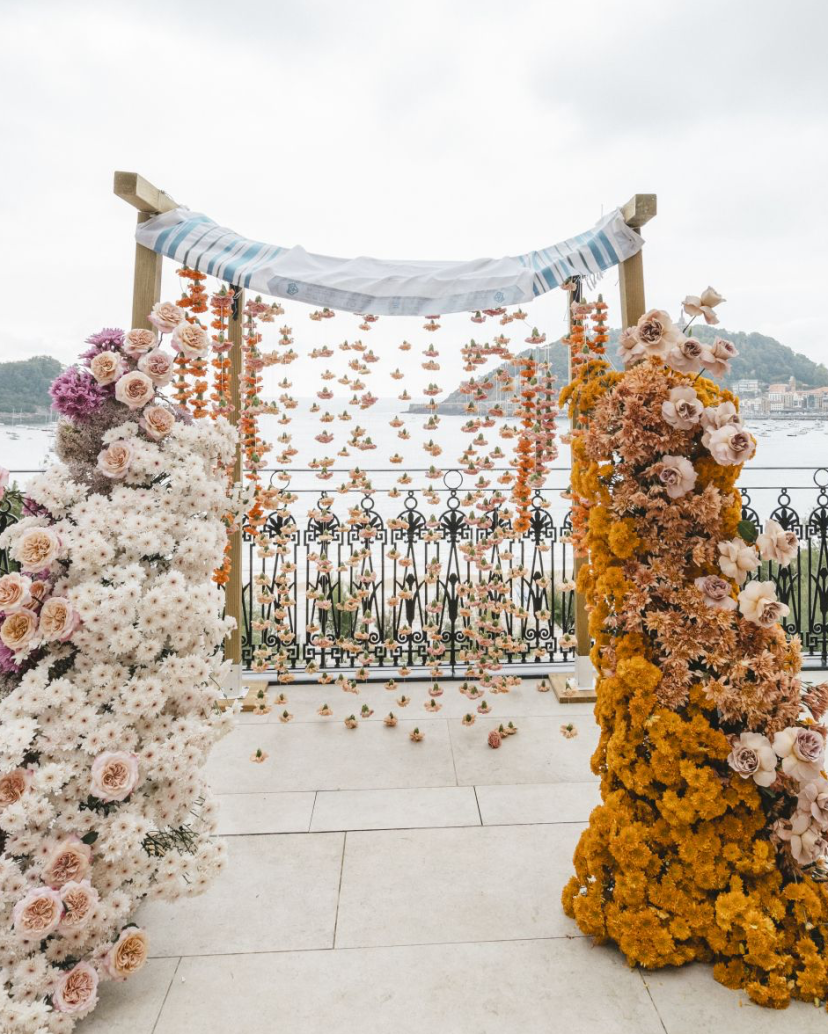
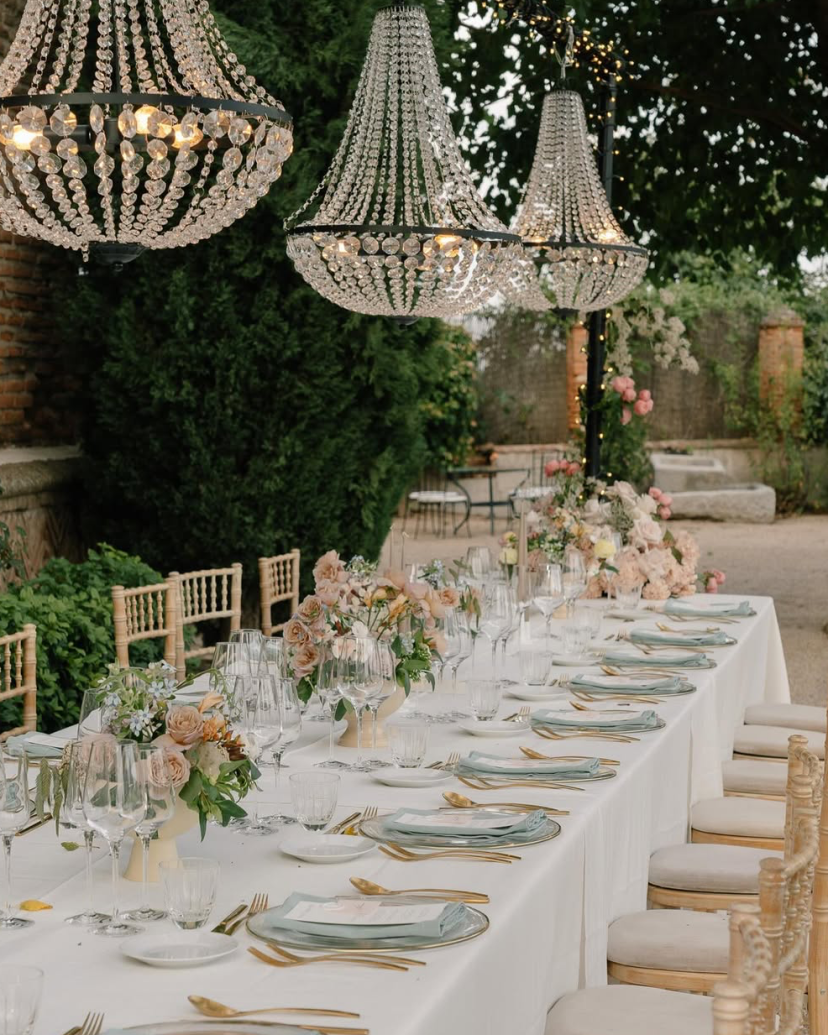
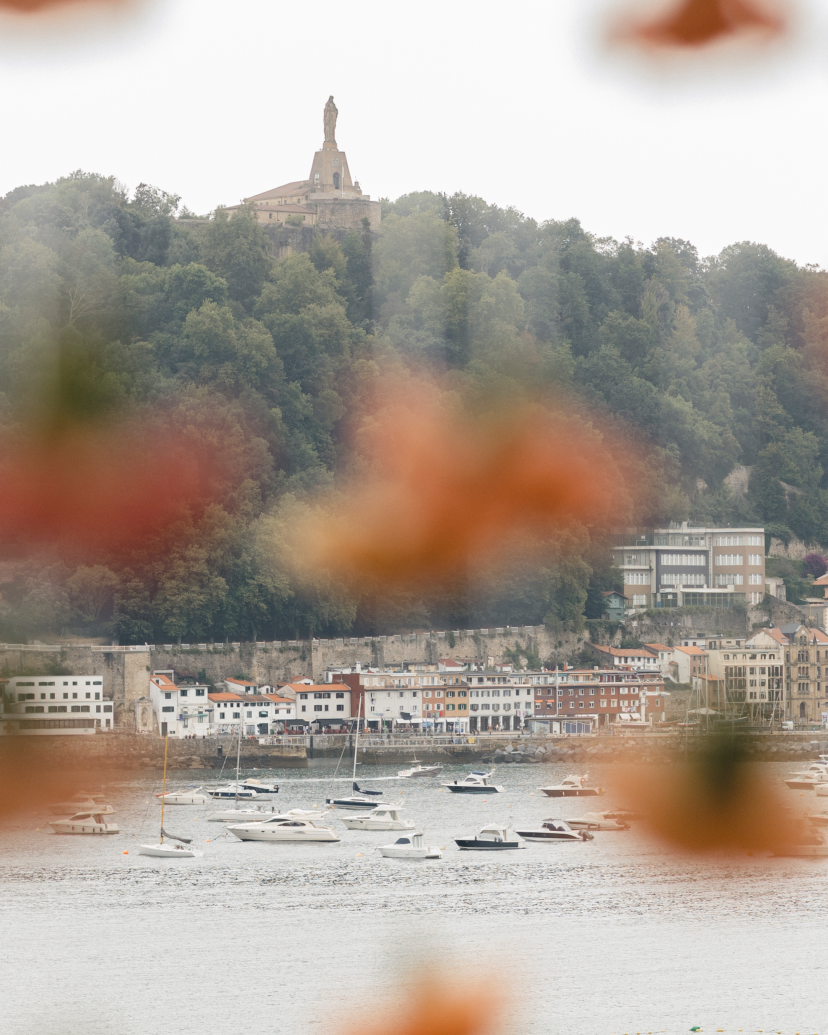

When booking a wedding florist in Spain that couples can rely on, it means working with someone familiar not only with the country's Mediterranean growing seasons but also with its traditional floral styles, from Moorish-era orange blossom to contemporary coastal minimalism. Since Wezoree checks each florist listed on the platform directly, couples can be sure the portfolio shows actual weddings completed on time, not just a carefully selected highlight reel.
How to Find a Professional Wedding Florist in Spain
The floral market in Spain is clearly divided by region and size. Barcelona and the Balearic Islands have the most studios that specialize in destination weddings, whereas smaller florists in Andalusia and Valencia generally work almost entirely with flowers grown locally and in season. Choosing the right supplier matters, especially for multi-day weddings or destination weddings, where sourcing and delivery logistics genuinely differ from a single-venue local booking.
Where to look:
- Wezoree - verified florist portfolios and real wedding galleries, filterable by region, style, and budget
- Instagram and Pinterest - recent work rather than a single standout arrangement
- Venue coordinators, since most Spanish wedding venues already work with a shortlist of trusted florists
- Word of mouth from couples who married in the same region recently
Among Spanish wedding florists, the strongest portfolios usually include full setup photos, not just close-up bouquet shots, since that shows how a design holds up across an entire day. It also reveals how a florist handles logistics under real conditions, not just how well a single arrangement photographs in daylight.
Average Wedding Florist Prices in Spain
Wezoree's team tracks pricing across the florists active on the platform, and the budget filter lets couples sort listings before requesting individual quotes. Floral pricing in Spain divides quite neatly by scope, whether it's just a bridal bouquet or a complete design covering the ceremony through to the reception.
| Tier | Price Range (USD) | What’s Typically Included |
|---|---|---|
| Basic | $1,650 – $3,850 | Bridal bouquet, boutonnieres, no large installations |
| Standard | $4,400 – $8,800 | Ceremony flowers and centerpieces for around 60 guests |
| Full-Service | $6,600+ | Ceremony, cocktail hour, tablescapes, and lighting design |
Prices can vary significantly by region - Barcelona and the islands are generally more expensive than inland areas such as Andalusia or Valencia. When comparingwedding florist costs in Spain, check whether the quote includes the entire day or only the bouquet and ceremony items, since budgets often get misaligned when these two options differ.
Wedding Florist Packages in Spain
In Spain most florists base their packages on the scope of the event rather than on a single fixed item, since arranging a bouquet alone and organising a complete ceremony through to the reception involve very different sourcing and setup times. Two couples asking for what sounds like a similar wedding can end up with very different quotes once the actual scope gets mapped out.
| Package | Typical Inclusions |
|---|---|
| Basic | Bridal bouquet, boutonniere, simple centerpieces |
| Standard | Ceremony arch or arrangement, reception centerpieces |
| Full-Service | Large installations, hanging florals, multiple zones styled together |
What separates an affordable wedding flower package in Spain from a premium one is generally scale and the use of imported flowers rather than skill. A studio that mainly uses local, in-season flowers can achieve an impressive result for considerably less than one that relies on imported or out-of-season types.
Wedding Florist Styles in Spain
Spain's floral aesthetic runs from lush Mediterranean abundance to restrained, modern minimalism, and the two dominate different parts of the country. Most florists work comfortably across several styles, though it's worth asking directly which one they're strongest in.
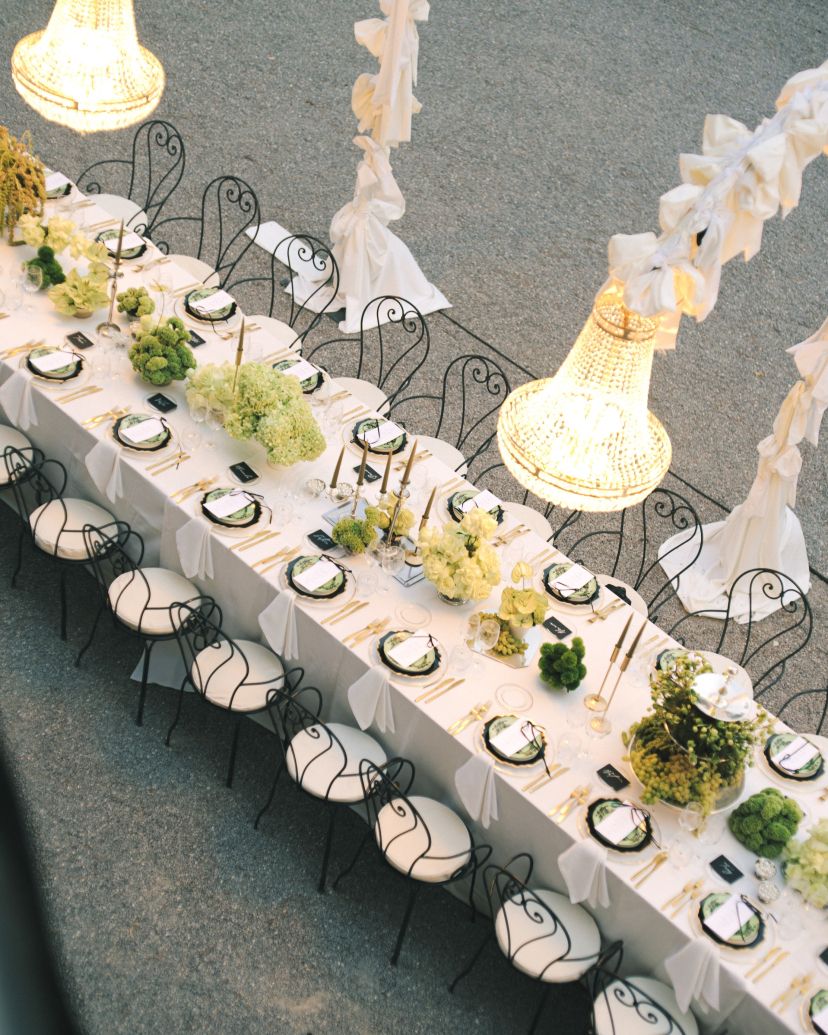
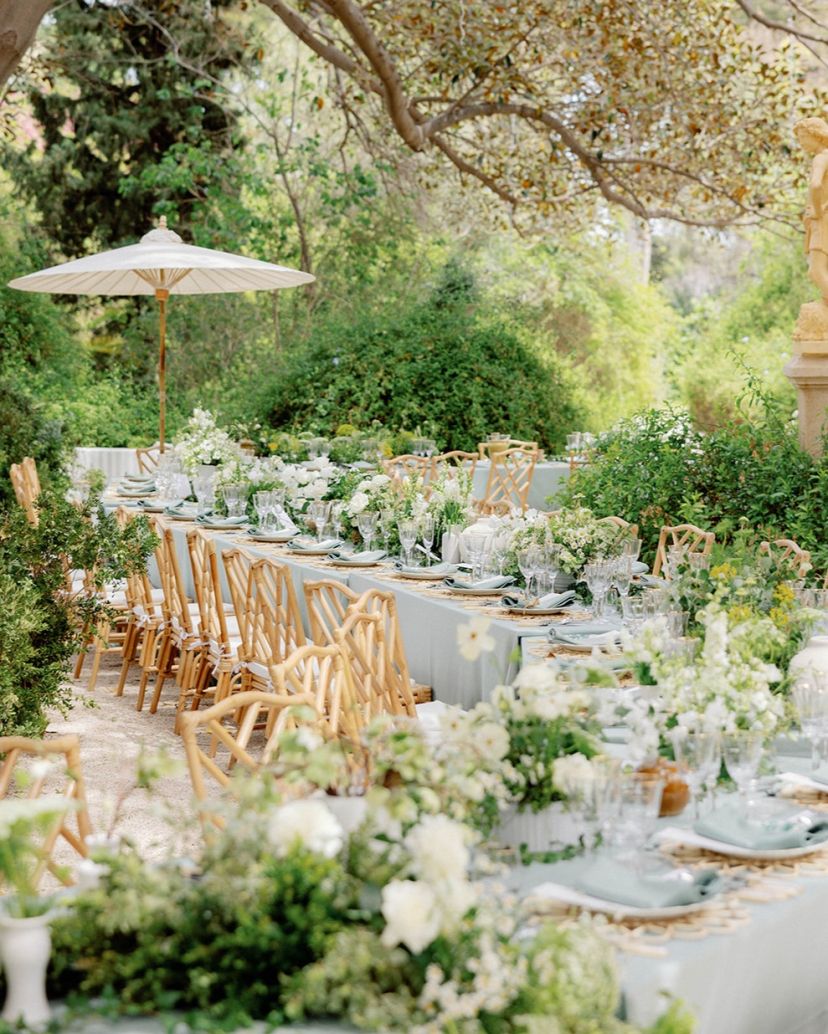
- Mediterranean and garden-style - loose, textured arrangements built around olive branches, citrus foliage, and seasonal blooms
- Classic and formal - structured centerpieces and symmetrical arches, common at more traditional Catholic ceremonies
- Modern minimalist - a handful of statement stems rather than dense arrangements, popular in Barcelona’s design-forward wedding scene
- Traditional Spanish - built around azahar and other regionally symbolic flowers, covered in more detail below
In Spain, the wedding florist types used are generally determined more by the venue than by personal preference, since a floral arrangement designed for a stone chapel won't always work when held at a seaside terrace. Couples attracted to Mediterranean-style wedding florists in Spain often choose rosemary, lavender, and olive branches not only for their appearance but also for their fragrance.
Wedding Florist Services in Spain
The range of services offered differs from one florist to another, the greatest difference being found in the case of large installations and multi-day arrangements rather than in the basic work involving bouquets. Larger studios tend to offer more of this list as standard, while smaller or independent florists often specialize in just one or two areas particularly well.
- Bridal bouquet and boutonnieres
- Ceremony arch or arrangement
- Reception centerpieces
- Hanging installations and floral arches
- Delivery and on-site setup
Wedding flower services in Spainalmost always include delivery and arrangement as standard, although the installation work such as arches or hanging decorations is usually charged extra. The bridal bouquet made with flowers sourced locally in Spain is also generally the quickest and cheapest item in any order because it does not require extensive installation logistics.
When to Book a Wedding Florist in Spain
The wedding season in Spain is at its busiest from May to October, and the country's most experienced florists in Barcelona, on the islands, and along the coast are often fully booked well before that period begins. Waiting until the venue is confirmed before reaching out to a specific florist can mean losing access to them entirely for a popular date.
- 9–12 months ahead: recommended for peak-season dates and in-demand florists
- 6–9 months: workable for shoulder-season dates or more flexible availability
- 3–6 months: often still possible outside peak months or for a simpler design
- Under 3 months: realistic mainly for a bouquet-only booking
Booking a wedding florist in Spain early matters most for destination weddings, since imported or out-of-season flowers require far more lead time than local blooms. Couples flexible on flower choice generally have an easier time booking closer to their date.
Questions to Ask a Wedding Florist in Spain
A few direct questions actually show more than a portfolio does, especially when it comes to sourcing and the situation if a particular flower is not available. These are exactly the details that tend to surface closer to the wedding date rather than during a first, friendly consultation.
- Which flowers are locally sourced versus imported for this design?
- What is covered in the setup and breakdown, and is that charged for separately?
- If the flower that has been requested is not in season, then what is the backup plan?
- How far in advance do you finalize the design and order flowers?
- What deposit is required, and what’s the cancellation policy?
- Do you offer a trial or mockup before the wedding day?
- Are travel and delivery fees included for venues outside the city?
When asking a wedding florist in Spain, it is important to inquire about the lead times for imported flowers since this is the point most likely to cause a delay. Knowing what to ask a florist before bookingturns a normal consultation into one that identifies potential problems early.
Azahar: The Traditional Spanish Wedding Flower
No flower has a more authentic history in Spanish weddings than azahar, the orange blossom which was brought to the region by Moorish settlers who began planting citrus orchards in Andalusia and Valencia in the 10th century. Long before it became a bridal decoration, the flower came to stand for purity and fertility, and at present about seven out of ten brides in southern Spain still incorporate it somewhere into their look.
An orange blossom wedding in Spain usually involves azahar woven into a hair crown, included in a bouquet, or served as a small corsage, often paired with an heirloom mantilla veil passed down through generations. The association of azahar floral arrangements with Valencia is especially strong, since the coast there is actually known as Costa del Azahar because the citrus trees in the area still emit their scent each spring.
Best Regions in Spain for Wedding Flowers
Valencia is still the natural center for Spanish wedding florals because of its centuries-old orange orchards and the azahar tradition that originated there. A Valencia wedding florist usually has easy access to orange blossom when it is at its freshest and most fragrant, a condition which is hard to achieve elsewhere in the country.
Andalusia has a completely different character, rooted in the same Moorish citrus heritage but with a greater emphasis on the Mediterranean way of life - reflected in olive branches, bougainvillea, and warm, sun-bleached color schemes. Andalusian wedding flowers also draw on Seville's Feria de Abril tradition, when whole streets are lined with orange blossoms each spring.
In Barcelona and Catalonia, the more modern approach is common; a Barcelona wedding florist, for example, may prefer modern minimalist or architectural styles over traditional Spanish ones. Prices are also generally higher, this being due to the city's large number of wedding destinations.