Wedding Officiants
Select Location
Select Vendor
1 results


 Palma de Mallorca
 $2 400

 5
Choosing a wedding officiant in Spain starts with deciding whether the ceremony will be legal or symbolic. Because Spanish law makes it difficult for people who do not reside in the country to have a civil wedding, many international couples prefer to hire a professional celebrant rather than a judge or a priest. Wezoree works directly with officiants and celebrants across Spain, so couples can compare ceremony styles, languages, and prices rather than guessing based on a single sample script.
How to Find a Professional Wedding Officiant in Spain
In Spain, who leads a wedding depends on the type of ceremony: a judge, mayor or councilor, notary, or registry officer conducts a civil wedding, while a priest conducts a Catholic wedding. In all other cases, particularly when the couple is from abroad, a professional celebrant is used, this person being locally called a maestro or maestra de ceremonias.
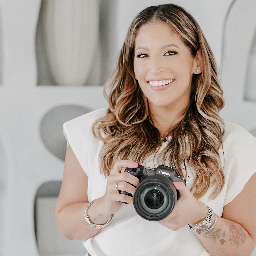
A wedding celebrant in Spain tends to function more as a ceremony writer than as an official. They meet the couple, usually through a video call, learn their story, and then prepare a script that may include readings, contributions from family members, and rituals from both families. Many celebrants based in the Costa del Sol, the Balearic Islands, and the Costa Blanca are British or bilingual Spanish professionals, so it is easy to find a celebrant in Spain who speaks English and can still include Spanish passages for local guests.
Most couples tend to look at a number of different sources before deciding which ones to include on their shortlist. The ones that generally work best are:
- Wezoree: officiant profiles with ceremony types, languages, and price ranges
- Wedding planners, who usually have one or two celebrants they trust completely
- Venues that host destination weddings every season and know which celebrants work well on site
- Video clips from real ceremonies, which show the officiant's voice, pace, and humor better than any written review
Before choosing an officiant, couples generally consider the types of ceremonies they conduct, the languages they speak, and how much of the script they write from scratch. It is also important to have experience working with guests from many different countries, especially since half the audience may not understand a Spanish reading.
Average Wedding Officiant Prices in Spain
The Wezoree team tracks officiants' rates, and the budget filter lets couples sort through profiles before making an inquiry. Wedding celebrant costs in Spain are quite steady at the lower end of the scale, with an independent celebrant usually charging between $520 and $800 for a personal ceremony. Prices go up on the islands and for the most popular names, since experience and the full script-writing process matter more in these cases.
| Level | Price Range (USD) | What to Expect |
|---|---|---|
| Entry-level | Under $800 | Simple or semi-personalized ceremony, one language, local venue |
| Mid-range | $800 – $1,500 | Fully written script, vow guidance, rehearsal, bilingual delivery |
| Premium | $1,500 – $2,900+ | In-demand celebrants in Mallorca, Ibiza, or Marbella, multilingual ceremonies, multiple planning calls |
Quotes begin to vary when extra services are included. A bilingual ceremony typically costs an extra $60 to $230, and a rehearsal, a sound system, or a premium script are often charged separately. The officiant's travel fee in Spain varies by distance, so a celebrant based in Málaga charging for a wedding in Granada or an island ceremony will include a travel charge and may also add the cost of an overnight stay.
To compare the costs, legal ceremonies involve much lower fees but do require a lot of paperwork. A church wedding usually requires a donation of about $80 to $115, a ceremony before a notary is generally about $230, and a civil wedding at a court is normally free.
Wedding Officiant Packages in Spain
In Spain, many wedding celebrants offer two or three ceremony options, but these are basic starting points rather than set menus. The final package tends to change once the couple has decided on the languages to be used, the rituals they want to include, and how much they want to take part in writing the script.
| Package | Typical Inclusions |
|---|---|
| Simple | Ready-made ceremony structure with names and personal details added, one language |
| Customized | Questionnaire or call about the couple's story, tailored script, vow guidance |
| Bespoke | Script written from scratch, several planning calls, rituals, readings, bilingual or multilingual delivery |
| Destination / Full Service | Bespoke ceremony plus rehearsal, sound system, travel, and coordination with the planner and venue |
A custom wedding ceremony in Spain is expensive mainly because it takes time, as drafting a script from scratch can involve several weeks of discussions and revisions. Instead of having to pay for the complete bespoke service, couples who wish to have a personalized wedding ceremony but don't need the highest-level option can usually upgrade a mid-level package by adding just one extra item, for example, a ritual or the ceremony in a second language.
Wedding Ceremony Types in Spain
Spanish law provides three legal ways to get married: a civil ceremony, a Catholic ceremony, and ceremonies offered by several other faiths. A symbolic ceremony is also available, though it has no legal effect and is therefore the most frequently chosen option for couples marrying in Spain from abroad.
| Ceremony | Officiated by | What to Know |
|---|---|---|
| Civil wedding | Judge, mayor or councilor, notary, or registry official | Legally binding; one partner must be Spanish or have lived in Spain legally for at least two years |
| Catholic wedding | Priest | Legally valid; both partners must be baptized Catholics, with permissions from their home parish and the local diocese |
| Other religious weddings | Pastor, rabbi, imam, or other minister | Legally valid for Evangelical, Jewish, and Islamic ceremonies, and since 2015 for Orthodox, Buddhist, Mormon, and Jehovah's Witness rites, after civil paperwork |
| Symbolic ceremony | Professional celebrant | No legal effect; fully personalized, with no residency rules or document requirements |
| Interfaith or intercultural ceremony | Celebrant, sometimes alongside a member of the clergy | Blends two traditions or languages into one ceremony |
| Same-sex wedding | Civil officiant or celebrant | Legal in Spain since 2005; the same residency rules apply to legal ceremonies |
| Elopement or vow renewal | Celebrant | Short, intimate, and symbolic, often outdoors at a viewpoint, beach, or finca |
A symbolic wedding ceremony in Spain follows the same sequence as do all other weddings, from the walk down the aisle to the exchange of rings, with the legal signing taking place separately. Although a Catholic wedding is still the primary legal option for nonresidents, the process involving two parishes and a Spanish diocese only makes sense for couples who want a church ceremony.
Wedding Officiant Services in Spain
The range of services an officiant offers varies widely from one professional to another. Experienced celebrants generally provide all of the services listed below, while those who are new or work part-time usually offer a basic set and charge extra for the rest.
- Ceremony script writing
- Vow writing guidance
- Bilingual or multilingual delivery
- Unity rituals
- Ceremony rehearsal
- Sound system and microphones
- Travel to the venue
- Coordination with the planner, venue, and musicians
A bilingual wedding ceremony in Spainis a common request, since guest lists often include both Spanish and English speakers. Activities such as handfasting, blending sand, using a wine box, or warming the rings give families a chance to take part in the ceremony, and an experienced celebrant will explain each one so guests from both linguistic groups understand what they are seeing.
When to Book a Wedding Officiant in Spain
Peak wedding season in Spain extends from May to October, and in Mallorca, Ibiza and Barcelona the most popular venues are often fully booked more than a year in advance. Because experienced celebrants stick to the same schedule, a Saturday in June or September can be gone quickly once the venue confirms the date. A realistic officiant booking timeline looks like this:
- 12 months or more: recommended for in-demand celebrants on the islands and for peak-season Saturdays
- 9–12 months: a comfortable window for most destination weddings between May and October
- 6–9 months: usually enough for shoulder-season dates or local celebrants with flexible calendars
- Under 6 months: realistic mainly for off-season dates, elopements, or a short ceremony with fewer extras
Couples planning a legal ceremony in Spain need much more time, since the civil or church paperwork should start 12 to 18 months before the wedding. A symbolic ceremony involves no filing in Spain, so its timeline depends only on the celebrant's availability.
Questions to Ask a Wedding Officiant in Spain
One video call usually shows whether an officiant is the right fit, as long as the couple comes prepared. A short list of questions to ask a wedding celebrant covers the practical points that tend to cause trouble only weeks before the wedding.
- Which ceremony types do you lead: symbolic, civil, religious, or interfaith?
- Which languages can you deliver the ceremony in, and does a second language cost extra?
- Will you write our script from scratch, and how many drafts are included?
- Can you help us write our vows?
- Do you attend the rehearsal, and is it included in the price?
- Do you bring a sound system and microphones?
- What is your travel fee to our venue?
- Is the ceremony you perform legally binding, or symbolic?
The last question needs a clear, written answer before you send invitations. Asking whether a symbolic ceremony is legally binding may feel obvious, but an experienced celebrant will explain without being asked that it is not, and that the legal signing has to happen separately.
Legal vs Symbolic Weddings in Spain: What Foreign Couples Need to Know
Residency is the rule that shapes almost every plan for getting married in Spain for foreigners. For a civil wedding, at least one partner must be a Spanish citizen or must have lived in Spain legally for two consecutive years, which rules out most destination couples from the start.
The marriage residency requirement in Spain applies to every couple, whatever their nationality or gender. Couples who do qualify still face a full file at the Civil Registry, with apostilled documents, sworn translations, and a waiting period that can stretch to several weeks before a date is set. The civil ceremony itself is short, usually 20 to 40 minutes with two witnesses.
This is why most international couples separate the legal part of the day from the celebration. The usual pattern looks like this:
- Marry legally at home, either shortly before or after the trip to Spain
- Or marry in Gibraltar, which has its own simpler rules for non-residents, and celebrate in Spain afterward
- Then hold the full ceremony in Spain with a celebrant, as a symbolic wedding
A symbolic ceremony requires no apostilles, translations, or consular certificates, because it has no legal function. That freedom also means the ceremony can take place almost anywhere, from a finca in Andalusia to a cliff above the sea in Mallorca, and can last as long as the couple wants and include as many languages as they want.