Wedding Florists
Select Location
Select Vendor
15 results

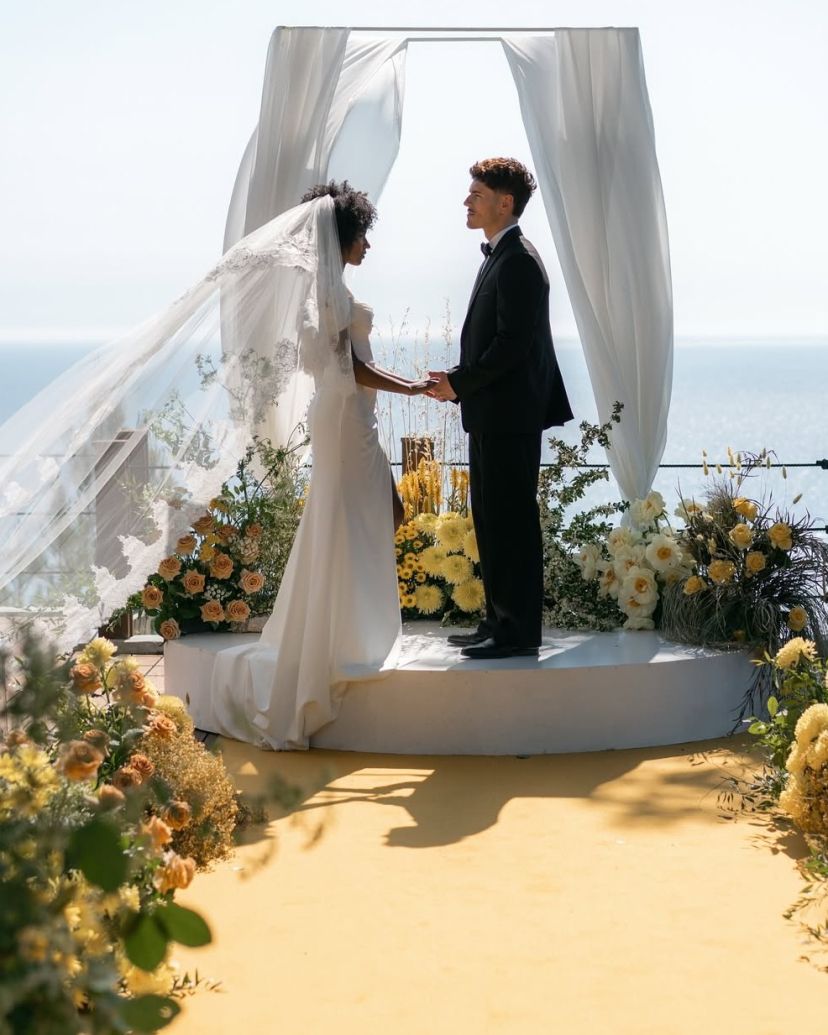
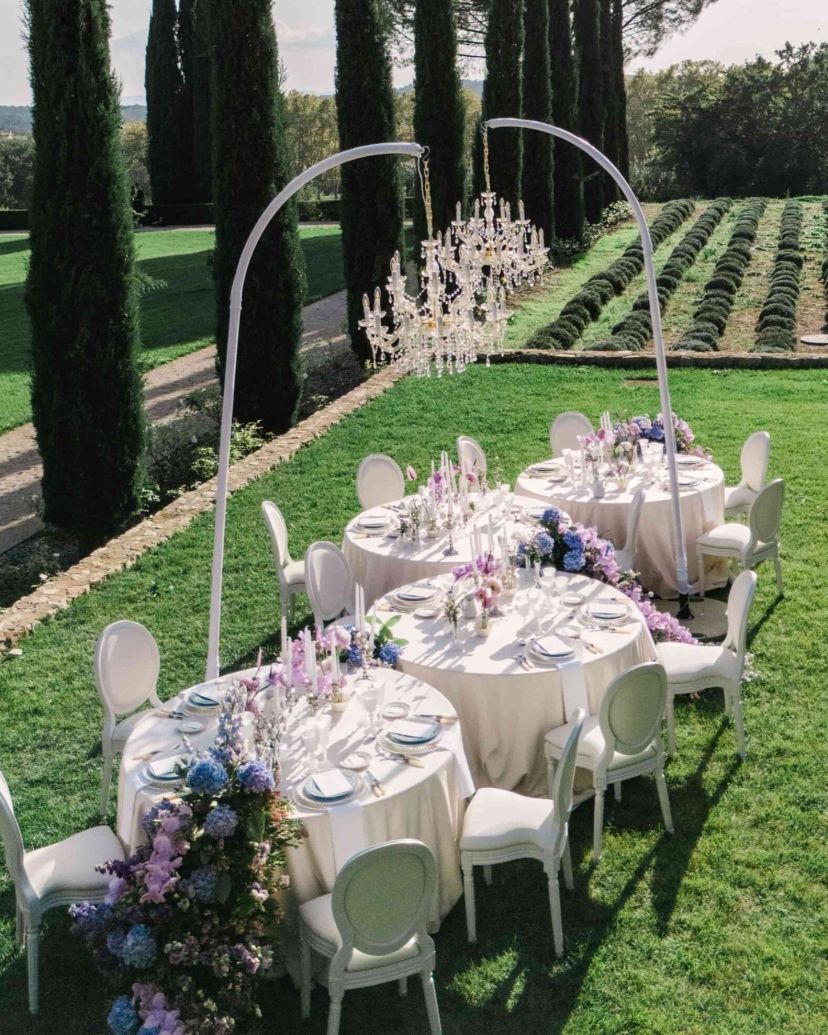

 Aix-en-Provence
  $10 000
 5
5





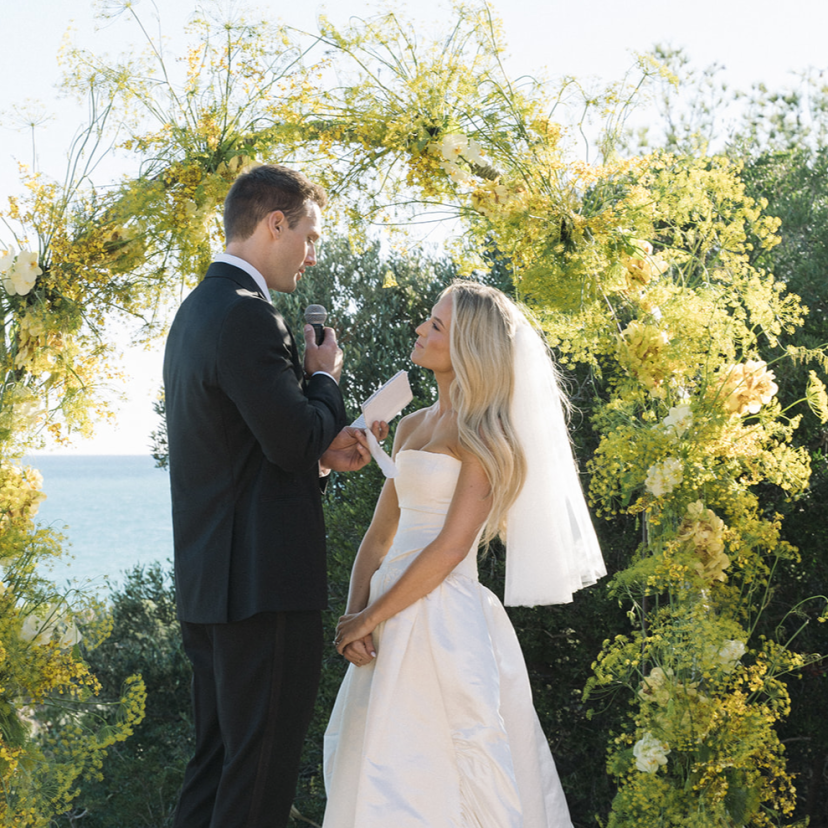
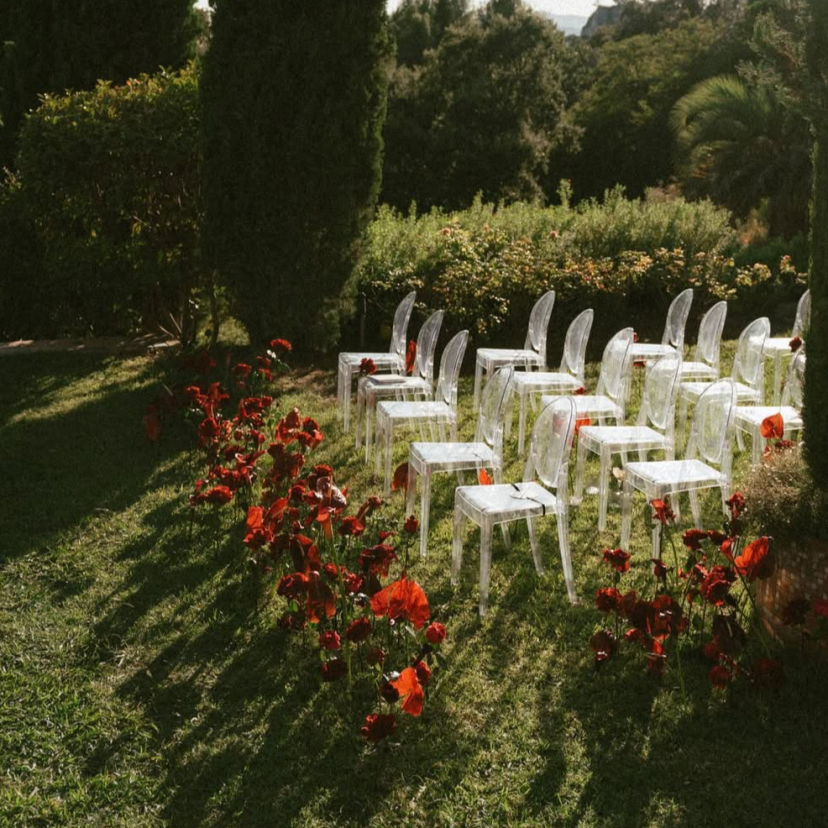
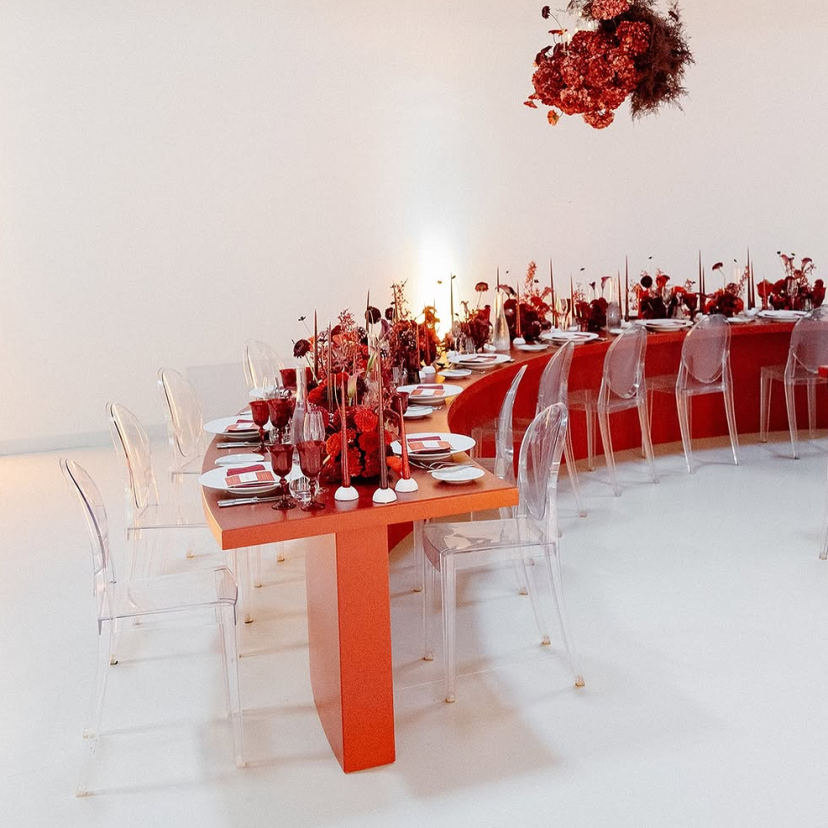
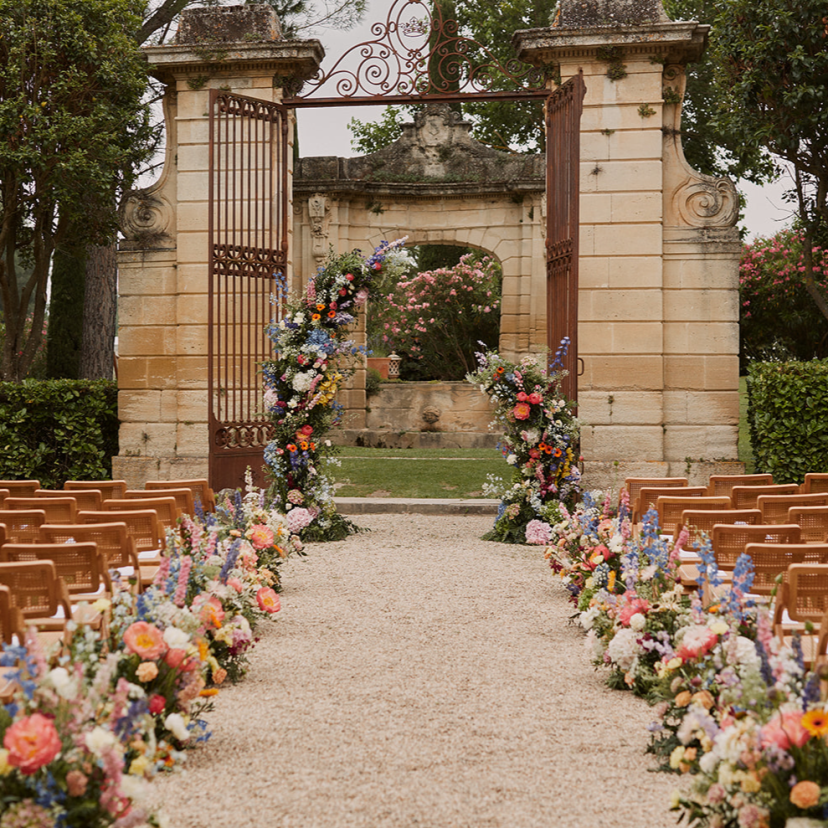


FAQ
How much does a wedding florist in France cost?
When should we book a wedding florist in France?
Does it matter whether we use a local florist or one based in Paris?
How much does seasonality affect the cost of wedding flowers in France?
What is usually included in a package from a French florist?
Can a French wedding florist work across multiple events, such as the wedding and a welcome dinner?
How do French wedding florists handle it if a specific flower becomes unavailable?
Should flowers for the bridal party and buttonholes be included in the main florist contract?
Can a French wedding florist preserve or dry the bridal bouquet after the wedding?
France is home to some of the world's most renowned flowers, from the lavender fields of Provence to the rose gardens of the Loire Valley. This gives wedding florists in France access to ingredients that simply aren't available elsewhere. This also raises the stakes, as flowers are deeply woven into French wedding culture and guests take note when they are done well. Wezoree is an experienced wedding vendor platform that connects couples with the best florists in the country. You can rely on our recommendations to find the perfect creative partner for your big day.
How Floristry Works Differently in France
Before comparing individual florists, it is helpful to understand how floral design works in the French wedding market, as this differs from what many international couples might expect.
French florists, particularly those at the premium end of the market, tend to see themselves as more of a floral designer or artist than a decorator. This means they will want to understand your overall vision, venue and desired atmosphere before proposing a concept, rather than simply providing a quote for a set menu of products. The design conversation often comes before the price conversation, so it's worth bearing this in mind before your first meeting.
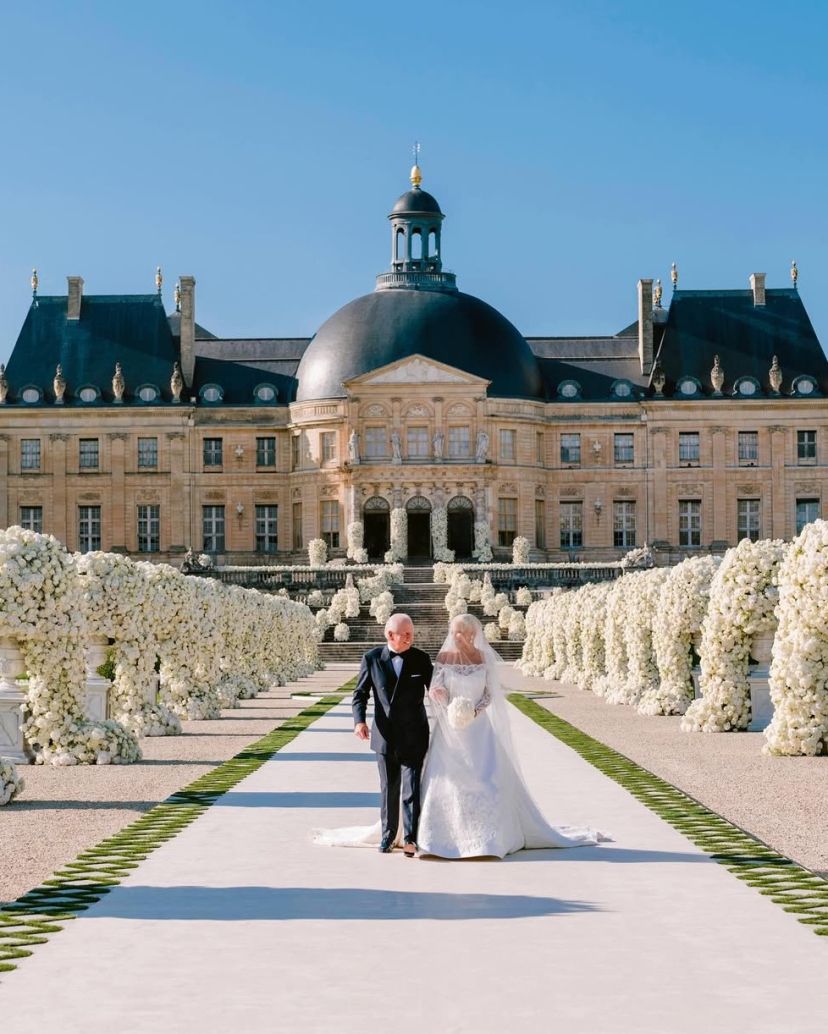
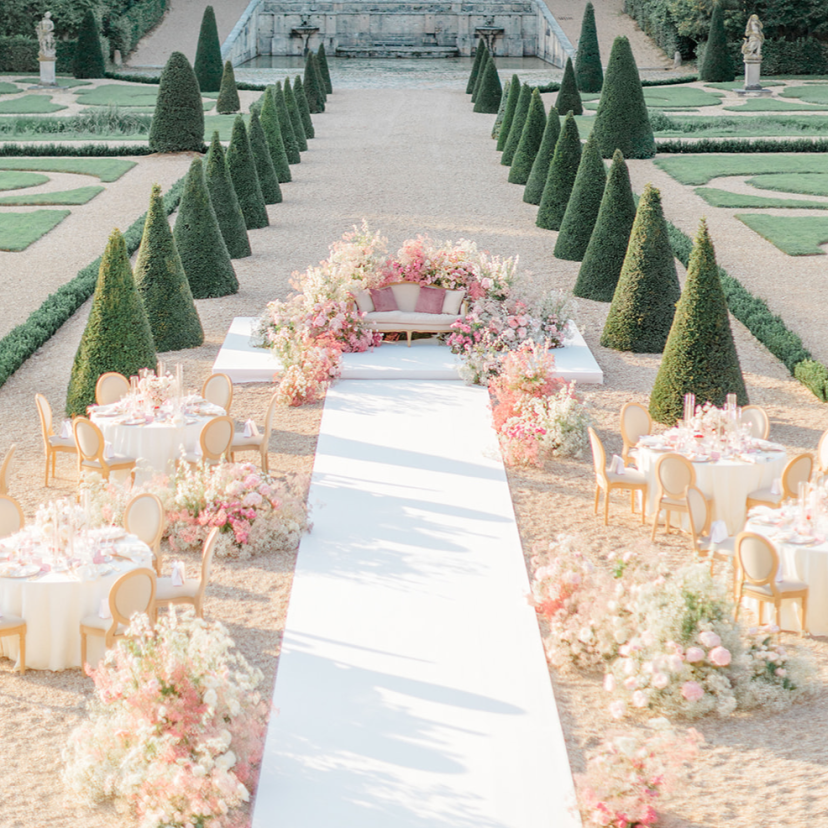
Many florists also work closely with a venue's existing aesthetic, particularly at historic châteaux or formal gardens. Therefore, it is worth asking about their previous experience with your specific venue (or one with a similar feel) early on.
Floral Design Styles Common at French Weddings
The French floral aesthetic has influenced wedding design around the world. However, within France itself, there is considerable regional and stylistic variation that is worth understanding before creating a mood board.
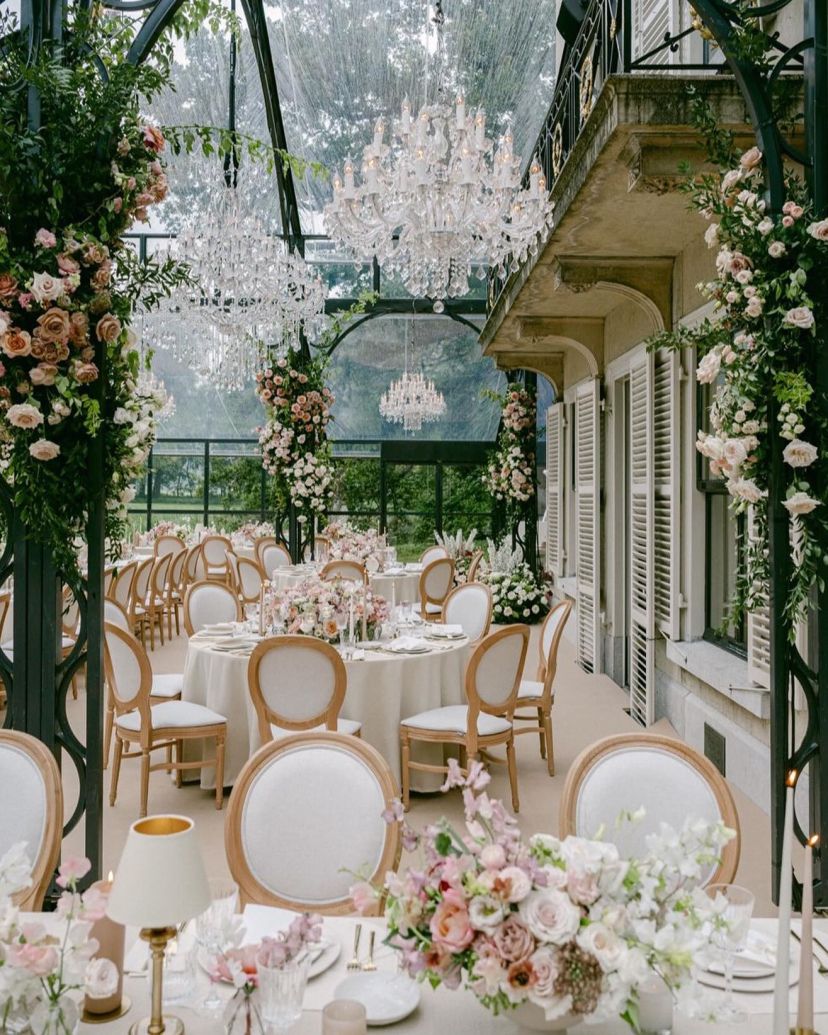
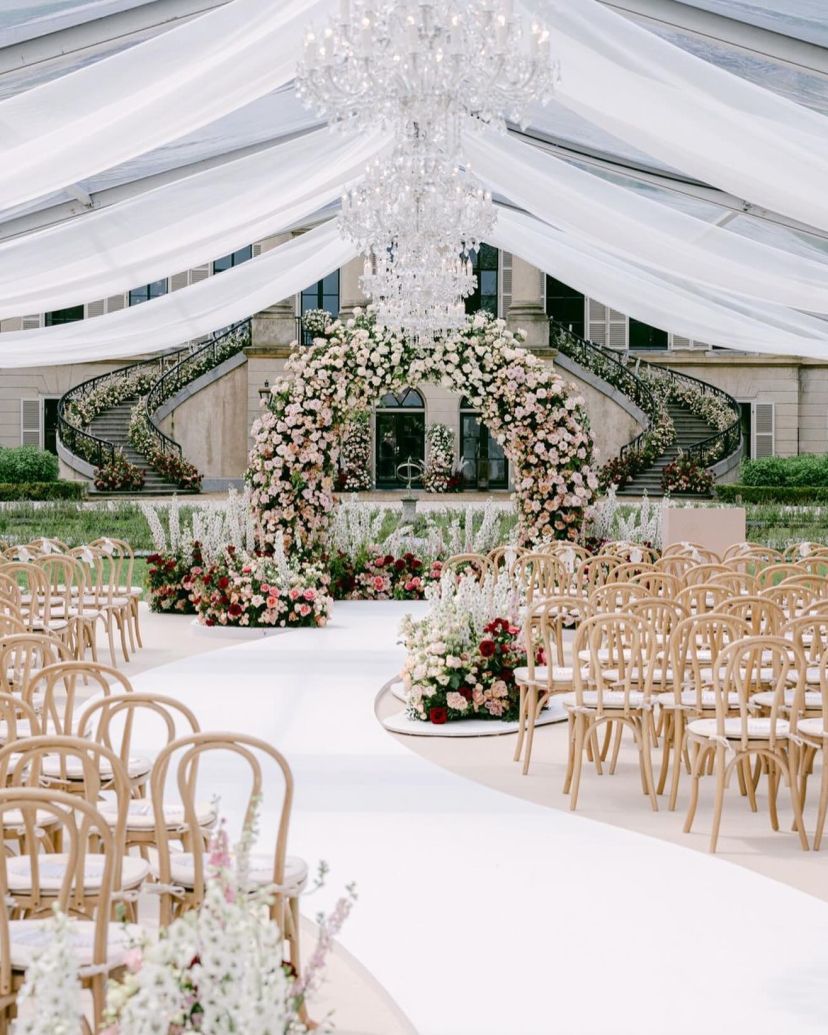
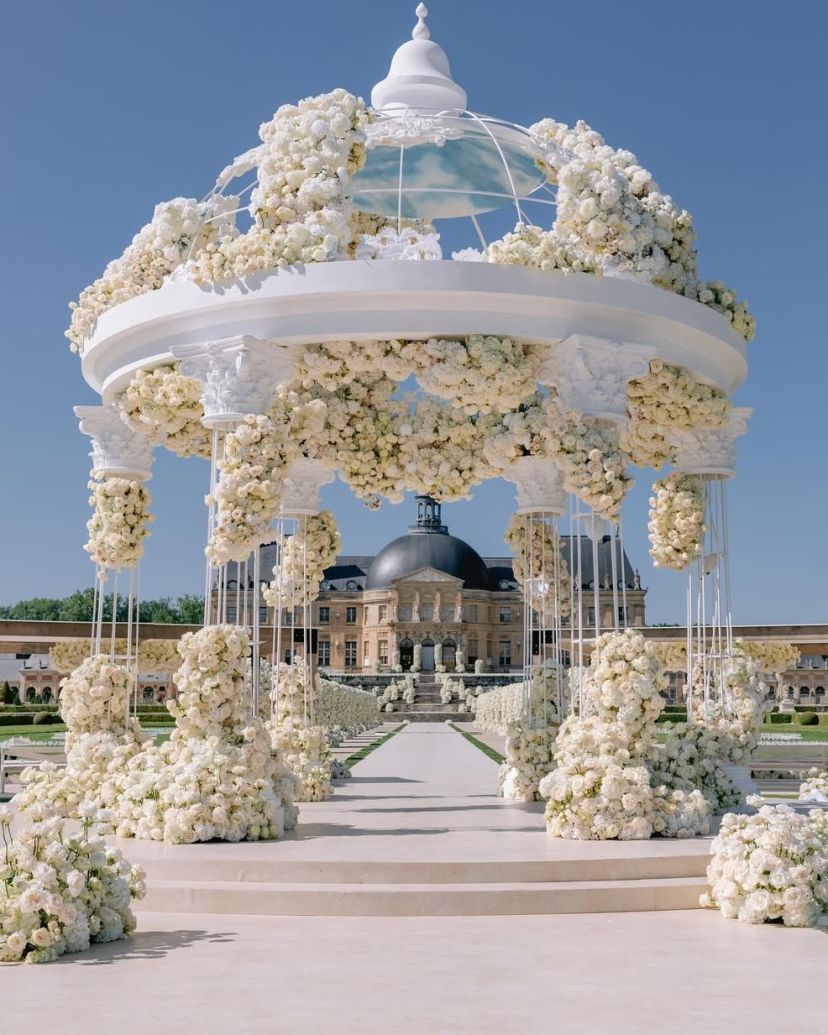
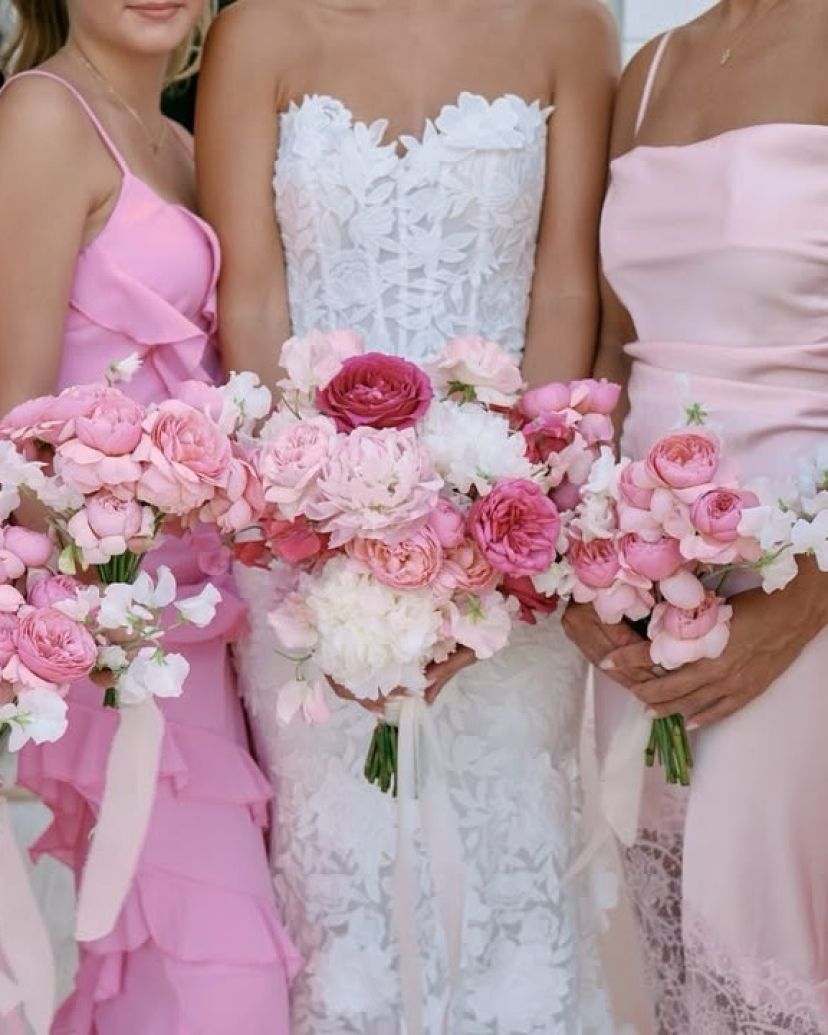
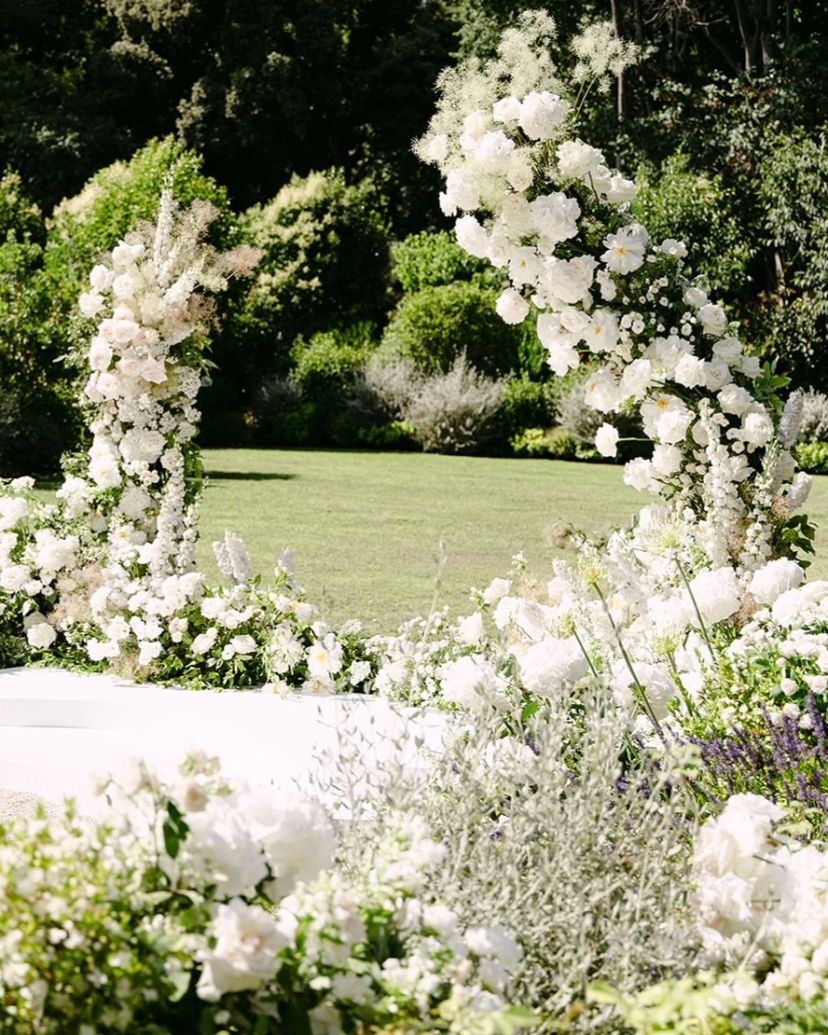
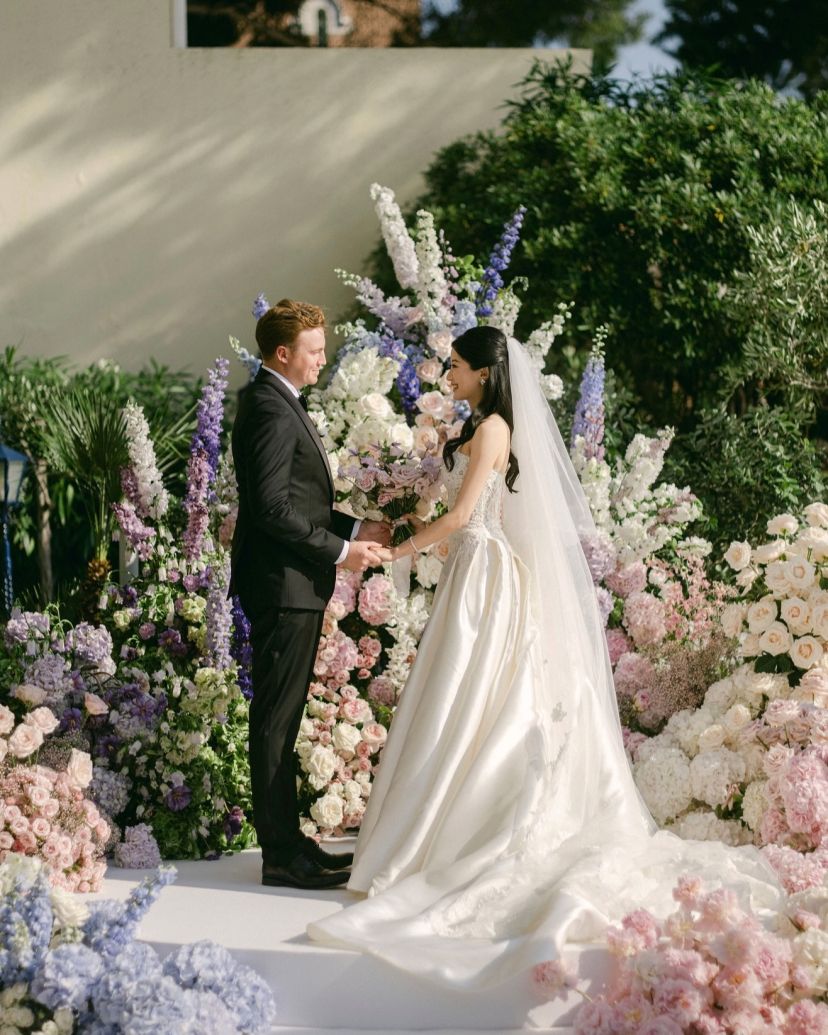
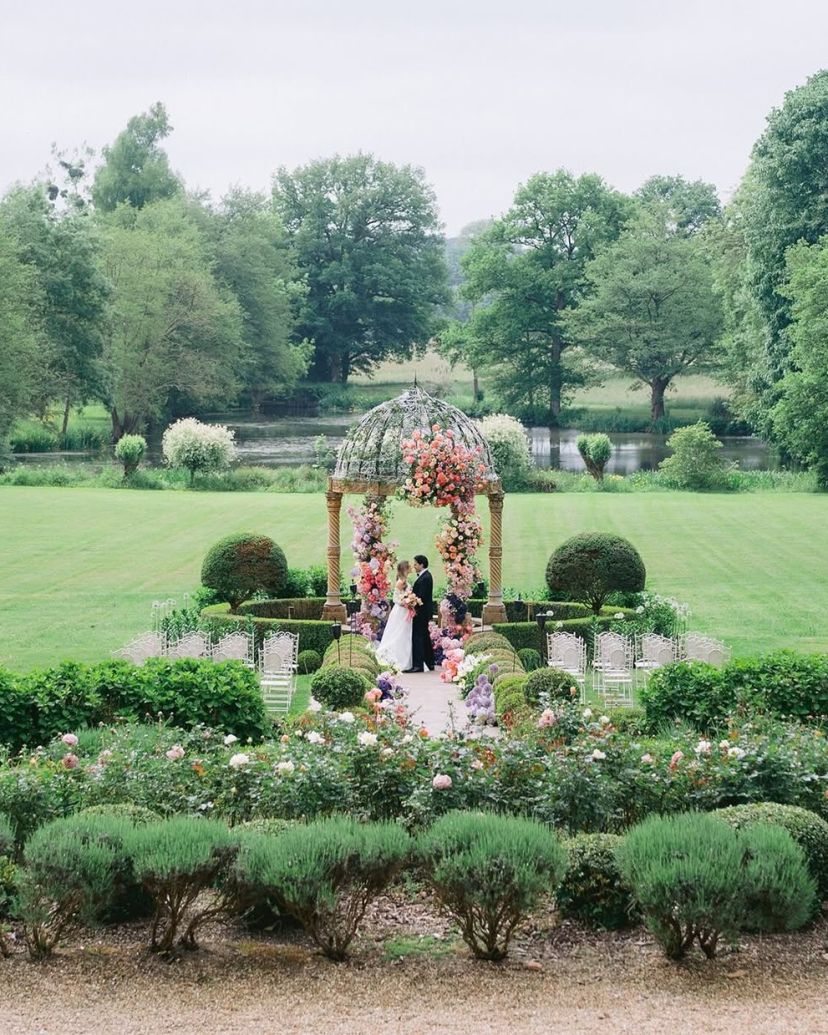
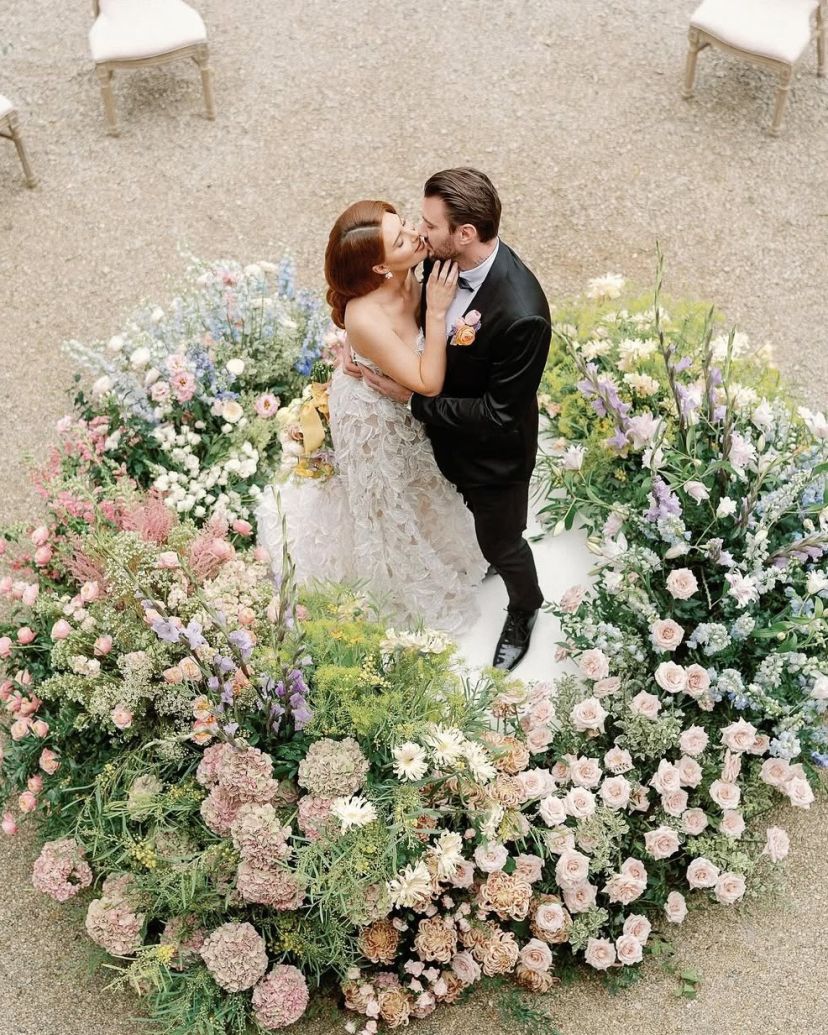
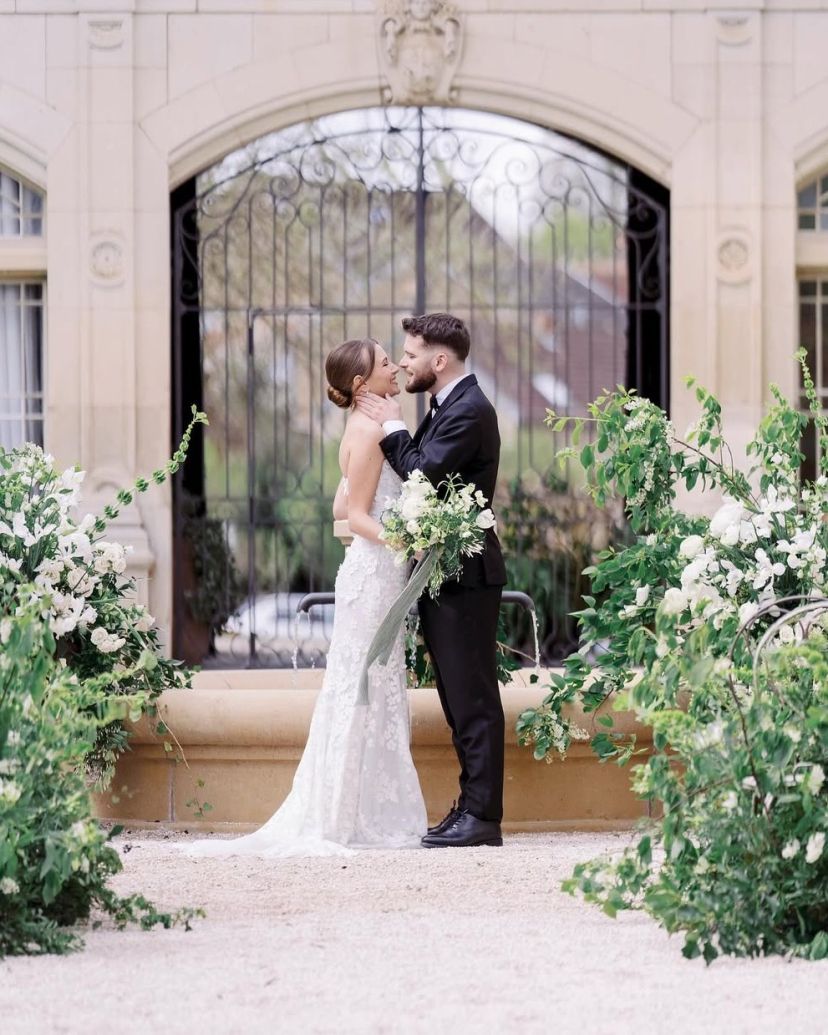
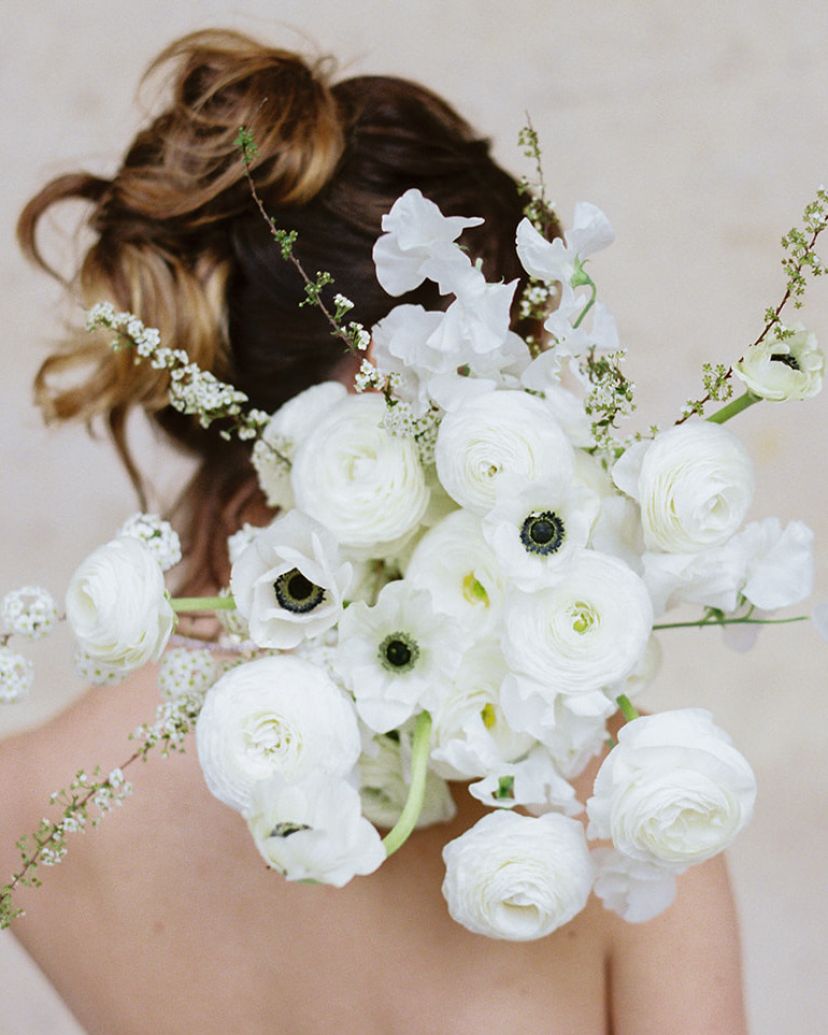
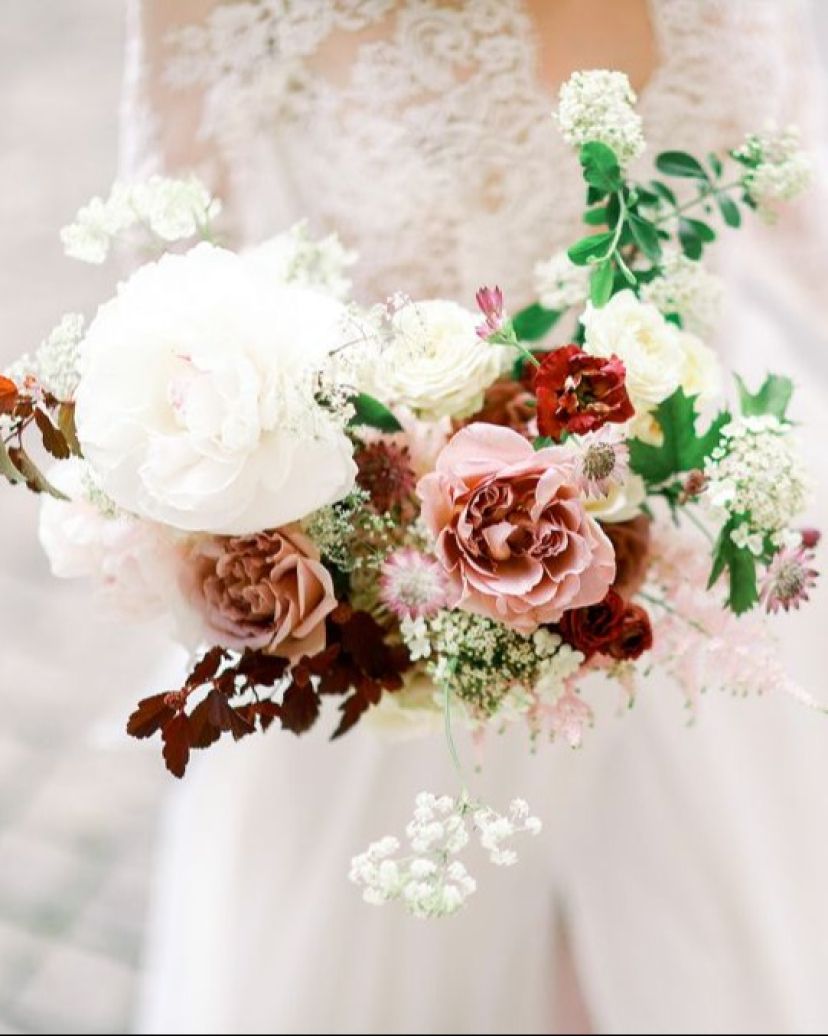
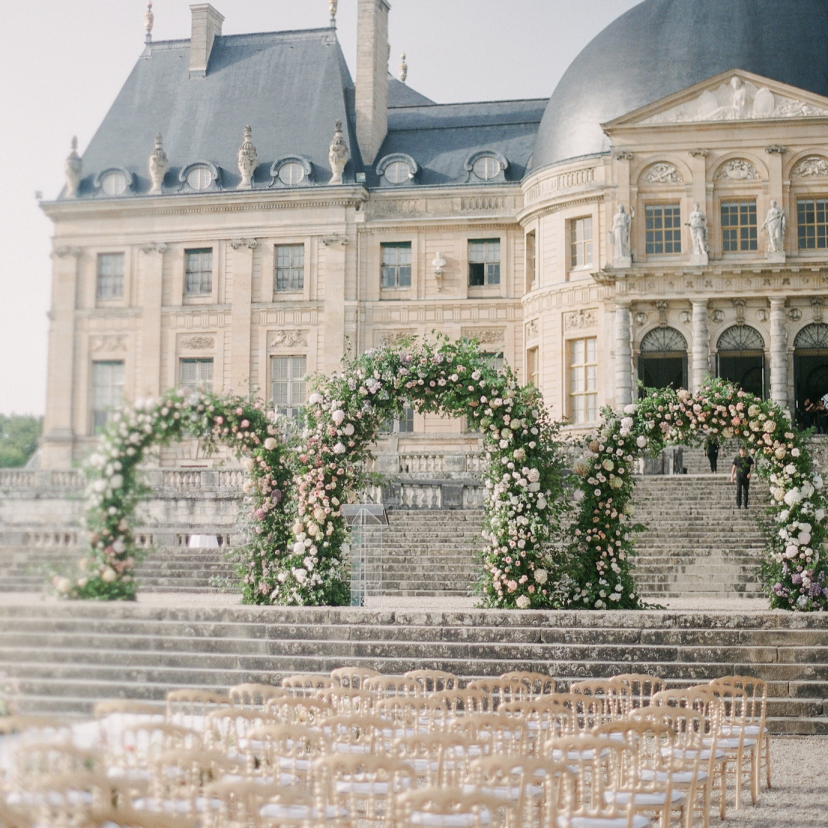
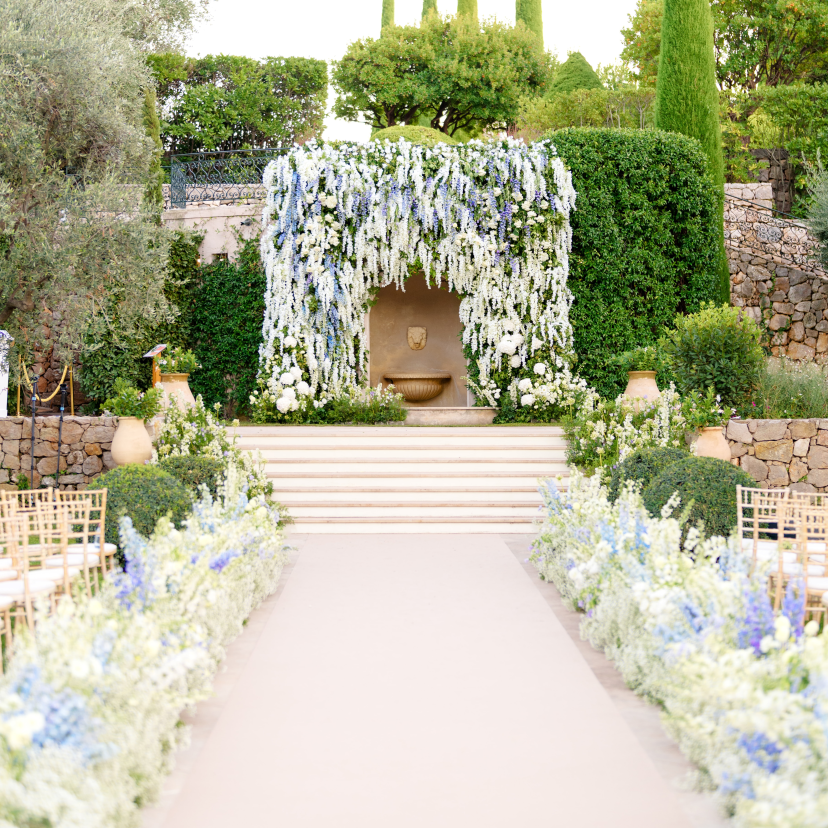
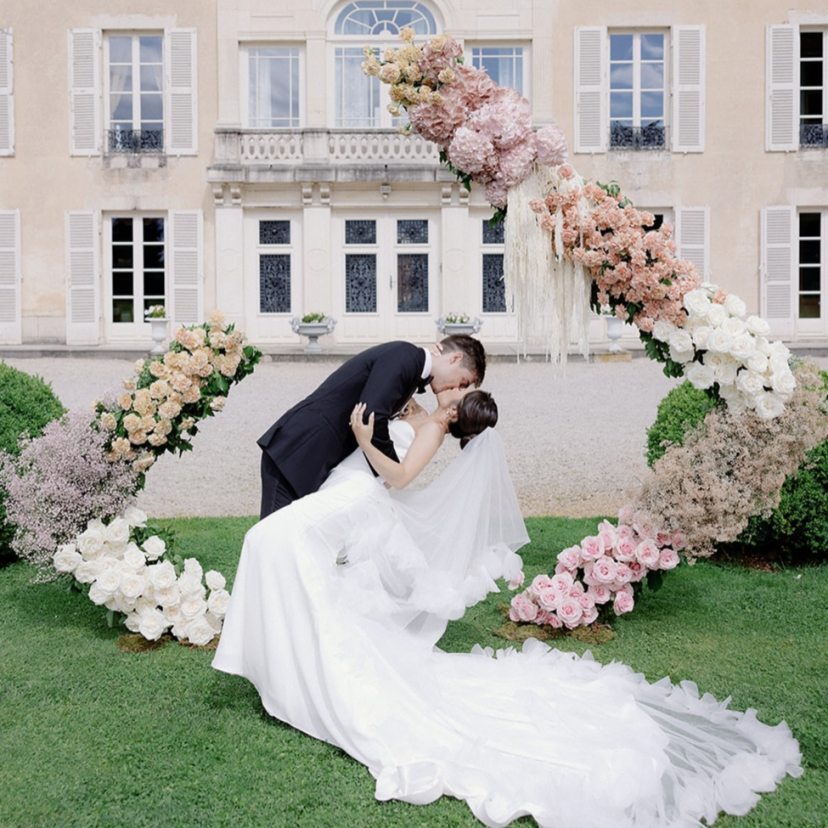
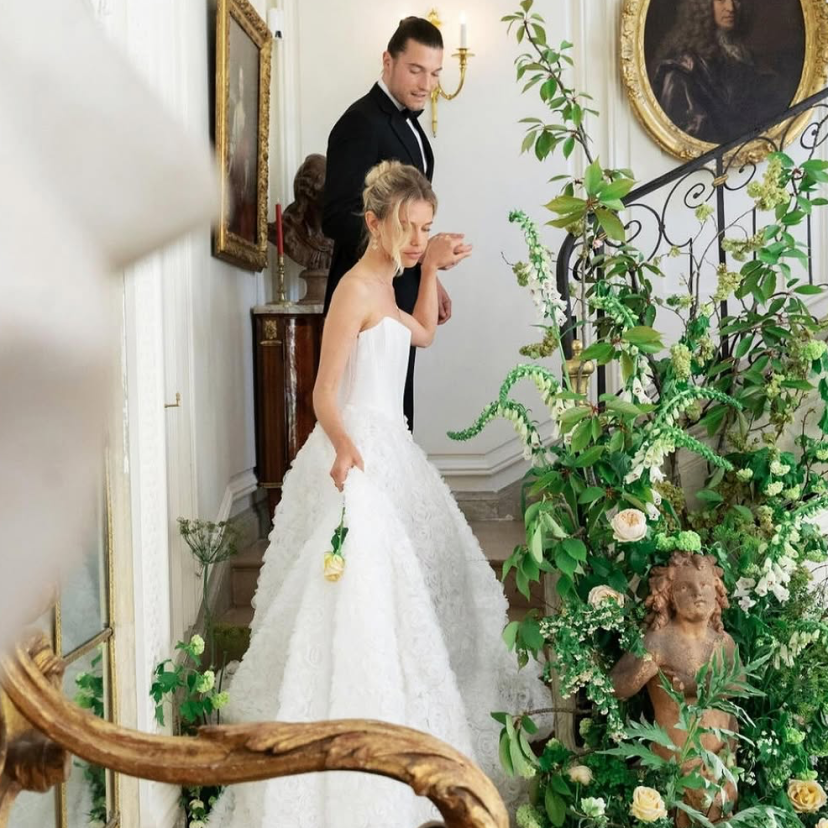
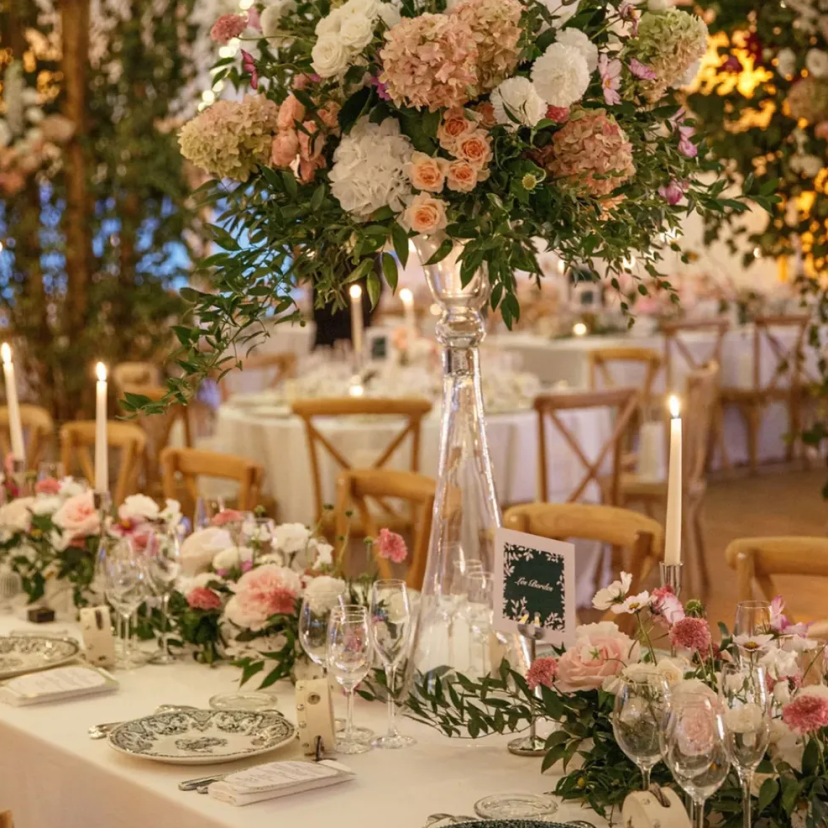
- Classic French elegance - structured, symmetrical arrangements built around roses, peonies and ranunculus. Common at château and palace venues in Paris and the Loire Valley.
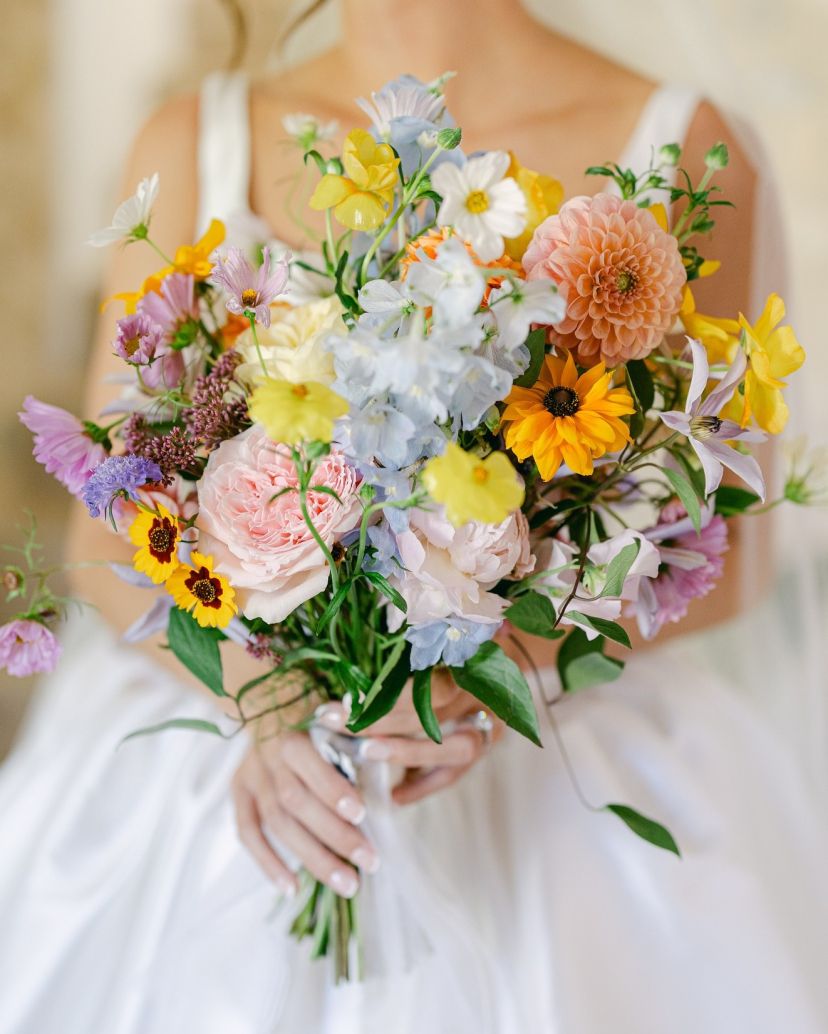
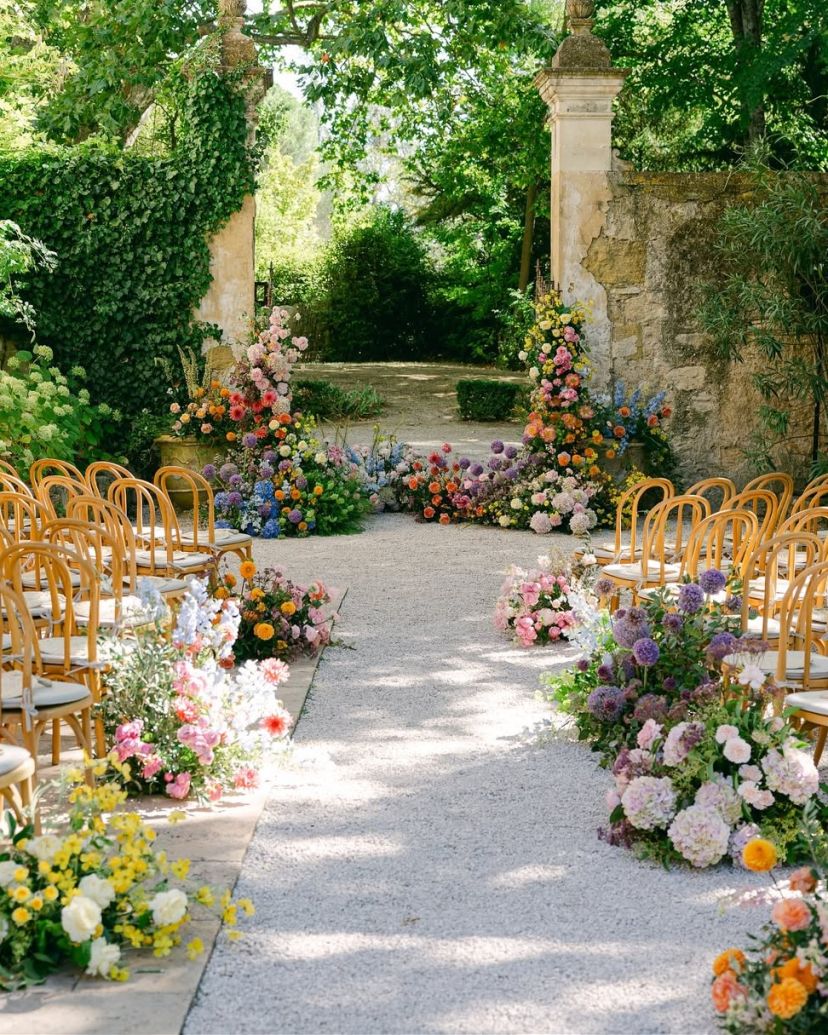
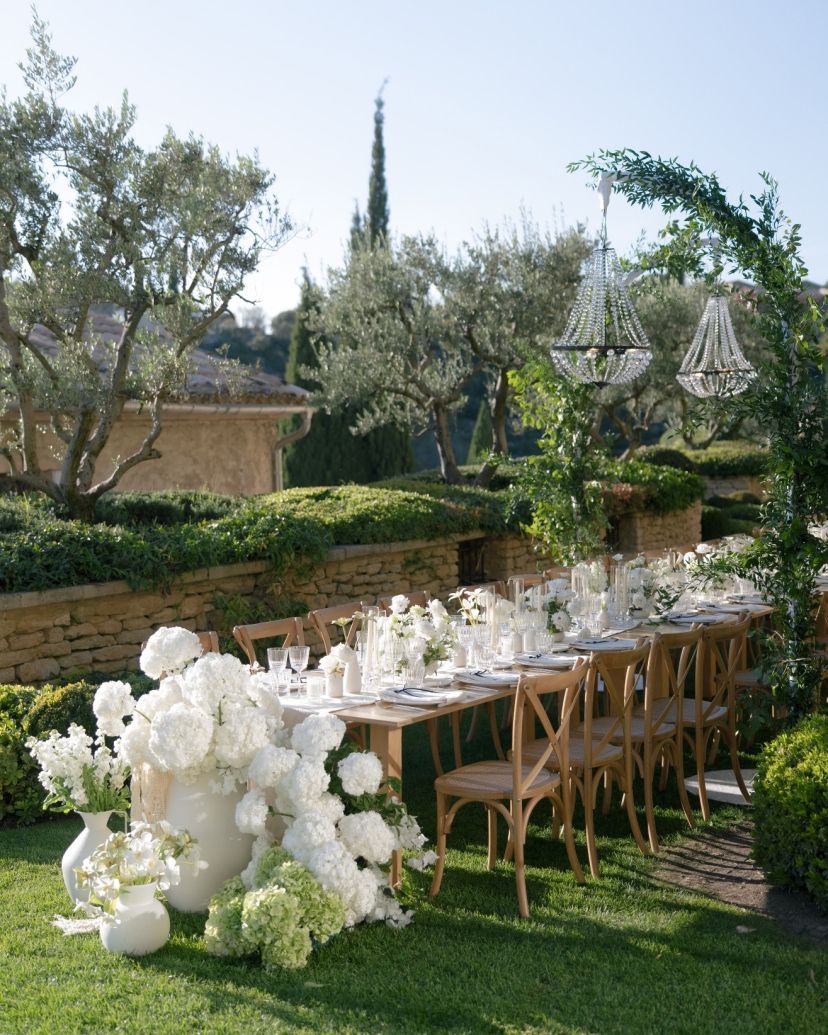
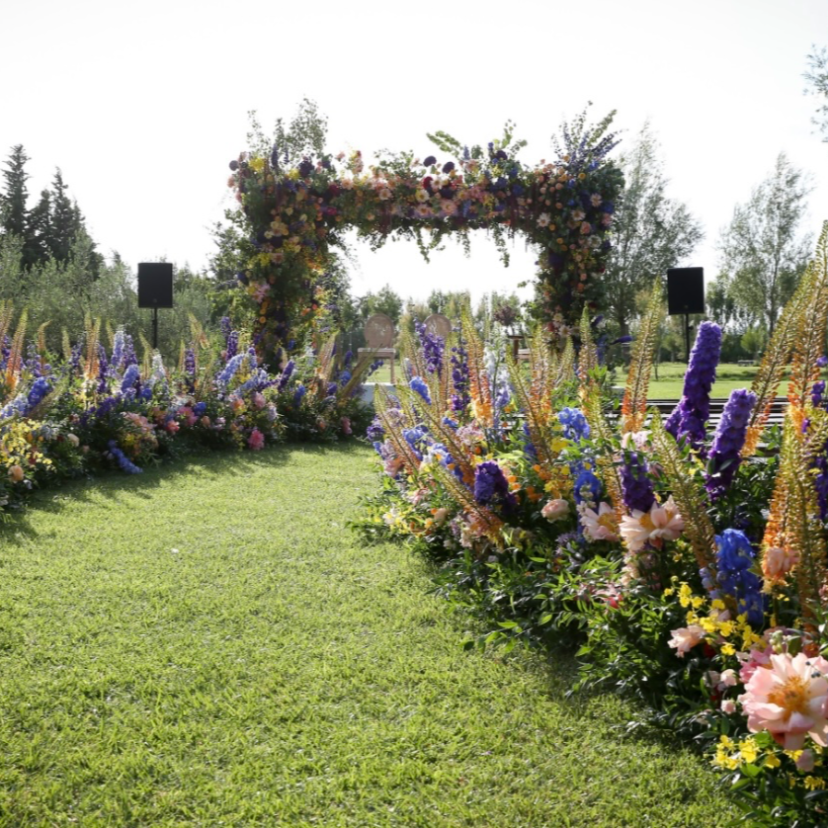
- Provençal naturalism - loose, wild-looking arrangements incorporating lavender, olive branches, herbs and local wildflowers. Suits farmhouses, mas and countryside venues in the south.
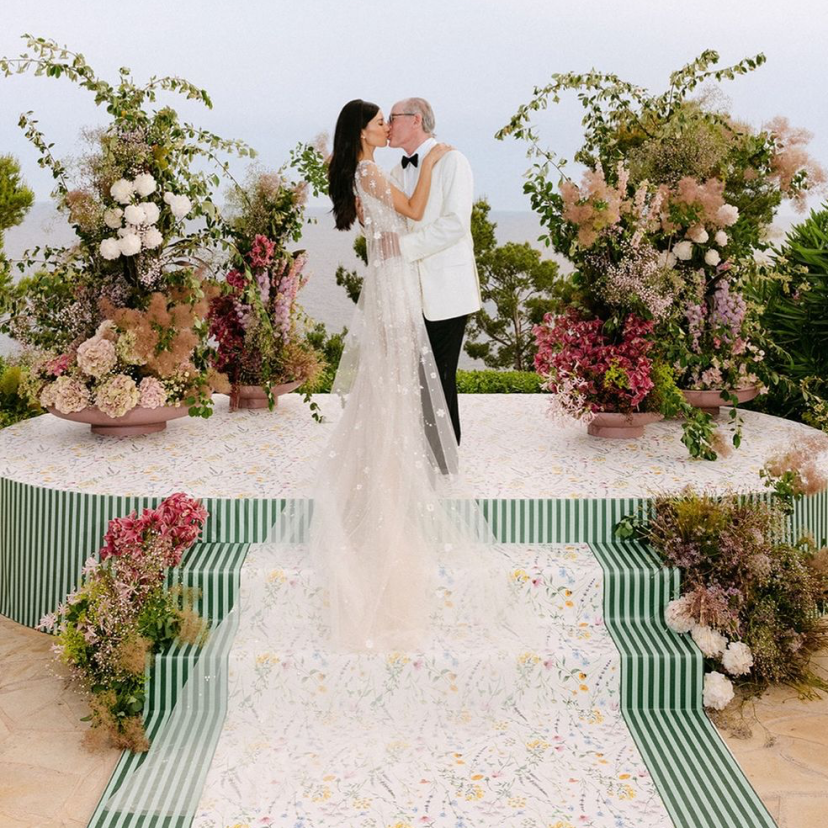
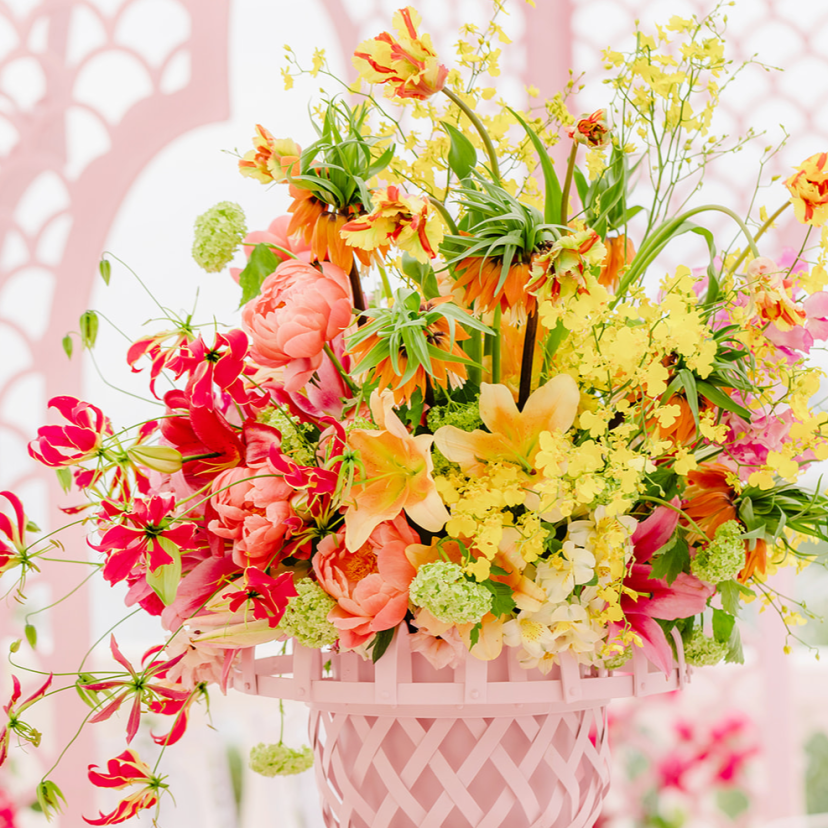
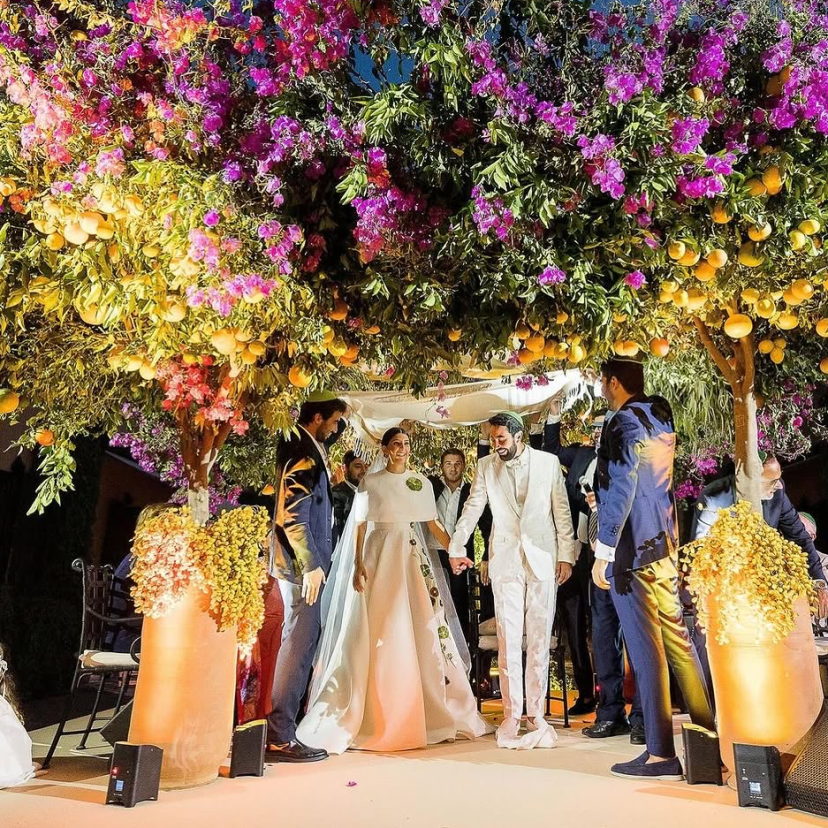
- Riviera luxe - bold, lush arrangements with a tropical influence, featuring statement blooms and a dramatic scale. Popular for coastal venues in Nice, Cannes and Saint-Tropez.
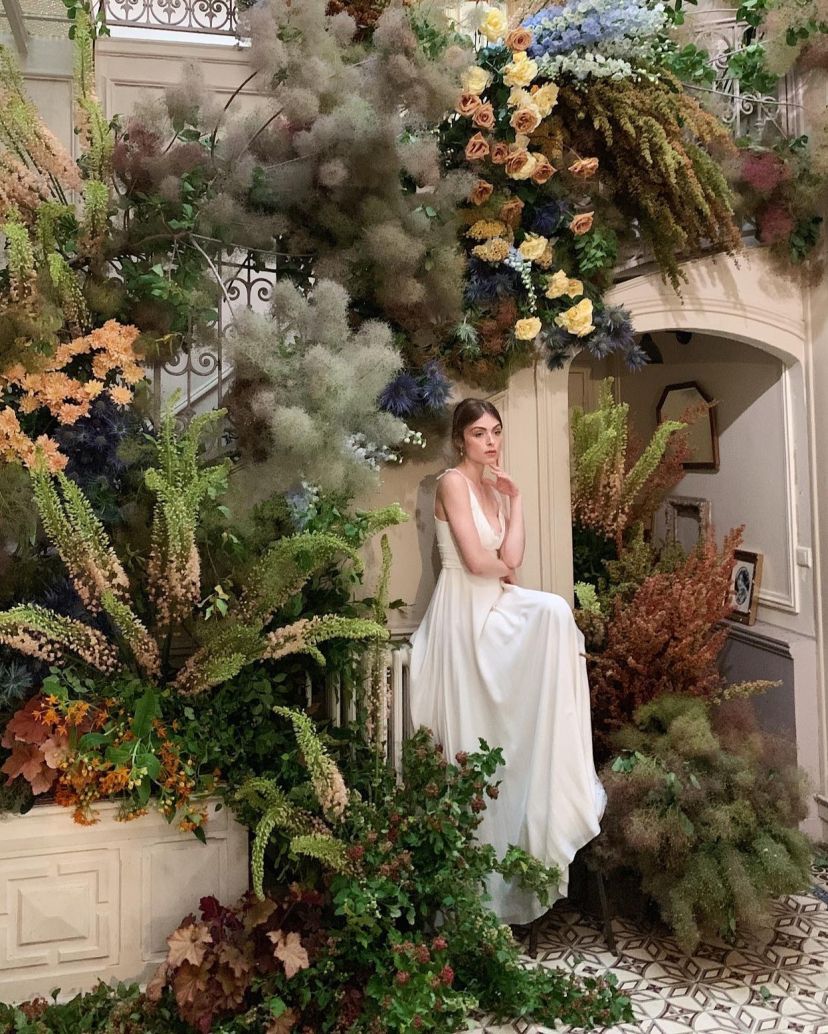
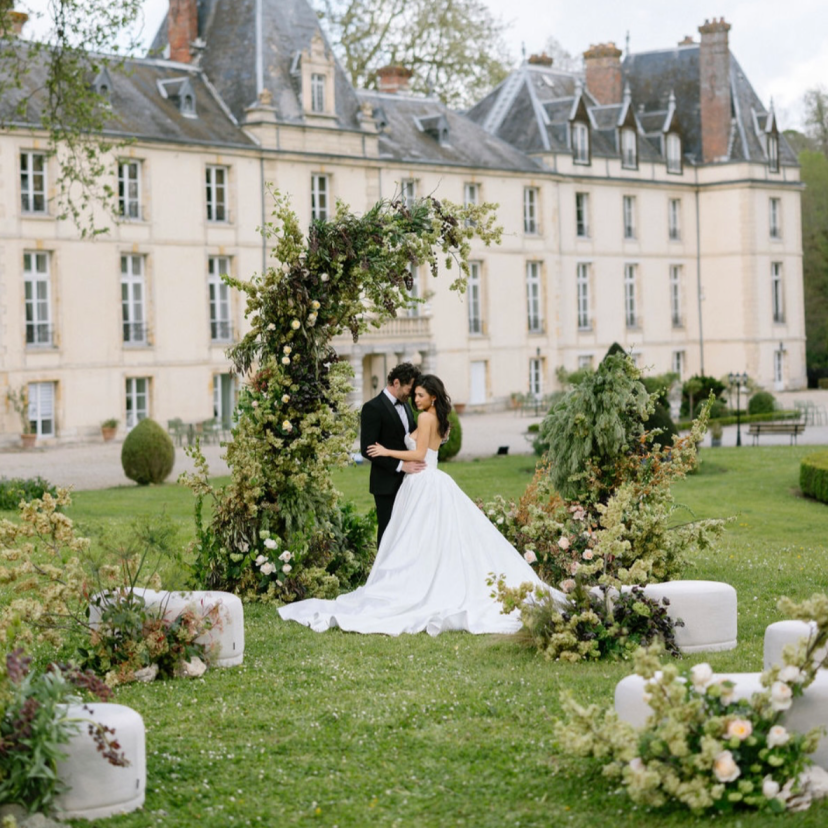
- Botanical and foliage-forward - minimal florals with ferns, eucalyptus and sculptural branches. Increasingly popular for vineyards and more contemporary venues.
- Dried and preserved - arrangements built using dried grasses, pampas and preserved florals. These travel well and hold up in the heat, making them ideal for summer destination weddings.
When choosing a florist, it is important to ask not just "what's your style?" but also "what have you created for venues like ours?" Regional florists who are familiar with the local landscape and know what grows nearby and what can withstand the local climate are often better placed than Paris-based designers travelling to an unfamiliar venue.
Average Wedding Florist Prices in France
The Wezoree team has compiled the following price ranges based on the current vendors listed on our platform. Budgets for floral arrangements in France tend to be higher than in many other markets, partly due to the size of installations at larger venues, and partly because many of the best florists work exclusively at the premium end of the market.
| Tier | Typical Total Budget (USD) | What's Usually Included |
|---|---|---|
| Entry-level | Under $3,000 | Bridal bouquet, small party flowers, simple centrepieces |
| Mid-range | $3,000 - $9,999 | Full bouquets, ceremony arrangements, reception centrepieces |
| Premium | $10,000 - $24,999 | Statement installations, premium blooms, full venue styling |
| Luxury | $25,000+ | Large-scale installations, rare or out-of-season flowers, multi-day events |
Several factors can significantly increase the cost of a quote within each tier:
- The scale and complexity of any ceremony or reception installation
- Whether blooms are locally sourced and in season or imported
- The florist's artistic reputation, as some operate more like designers than suppliers
- Travel costs for florists working outside their home region
- Multi-day or multi-event coverage, such as a welcome dinner and the wedding itself
Seasonality is more important in France than couples sometimes realise. For example, a lush peony installation in July, when peonies are out of season, will cost considerably more than the same design in May or June, when they are at their best and most readily available locally.
What a French Wedding Florist Typically Delivers
The services offered by florists can vary, particularly between those who position themselves as full-service designers and those who focus solely on flowers.
Common inclusions are:
- A design consultation and concept development
- A bridal bouquet and party flowers
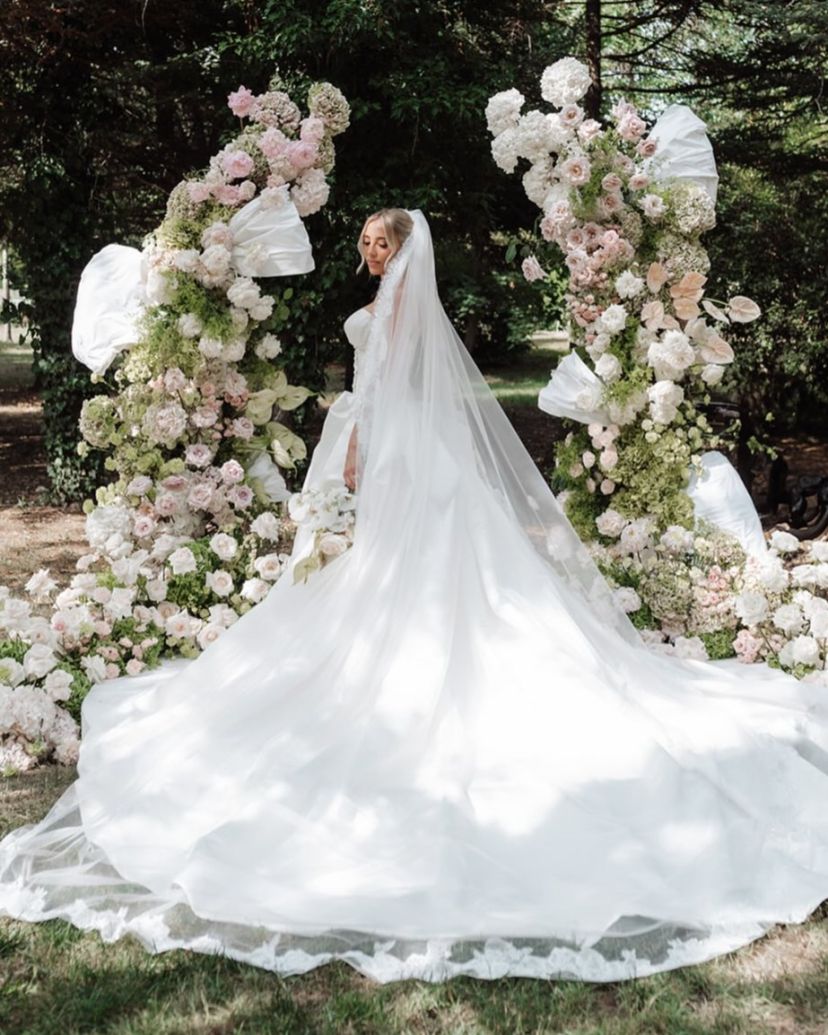
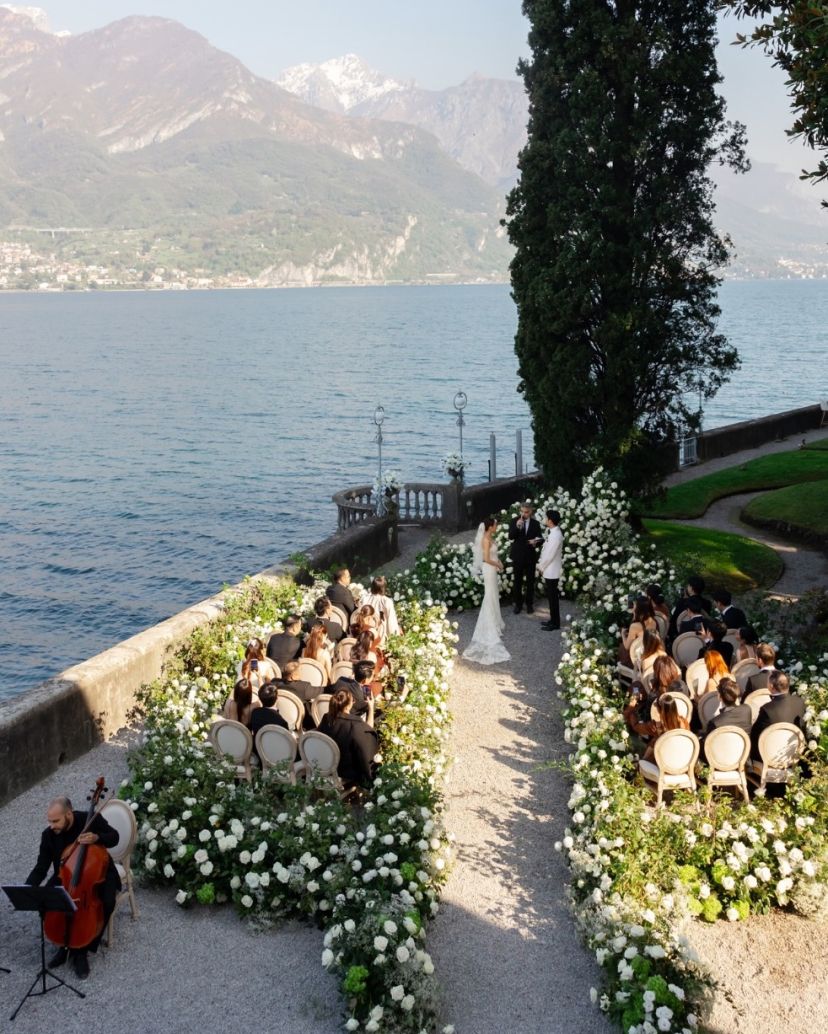
- Ceremony arrangements, including arches, aisle arrangements, and altar arrangements
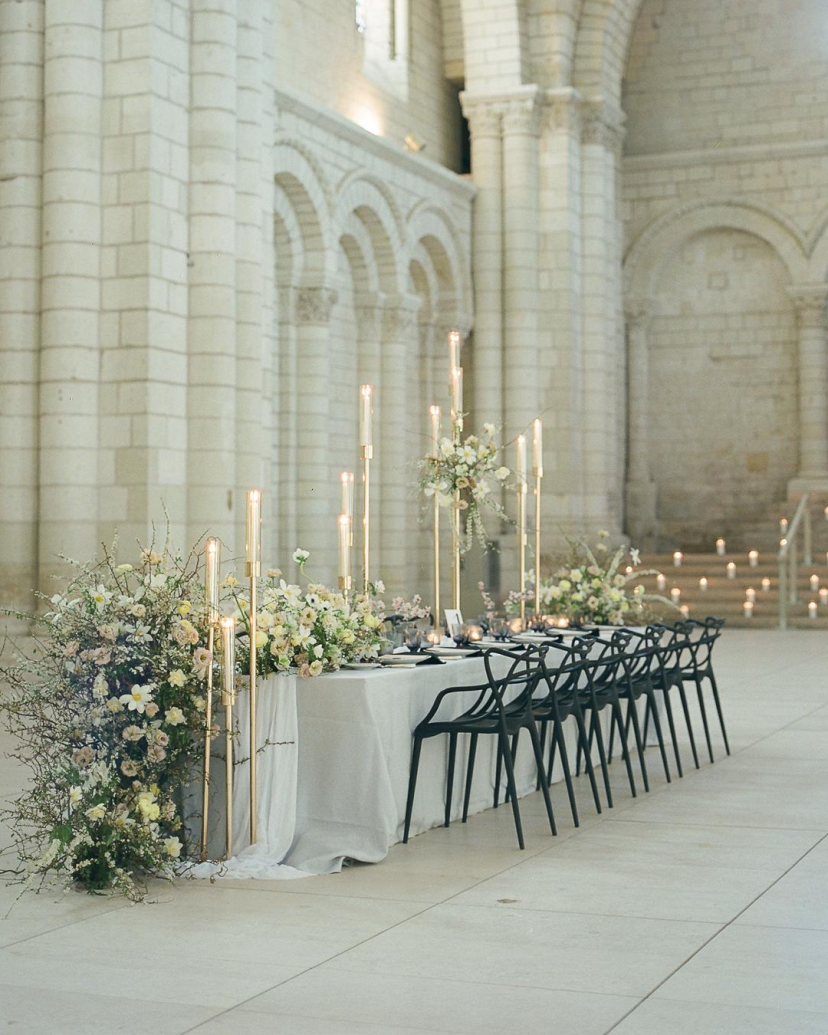
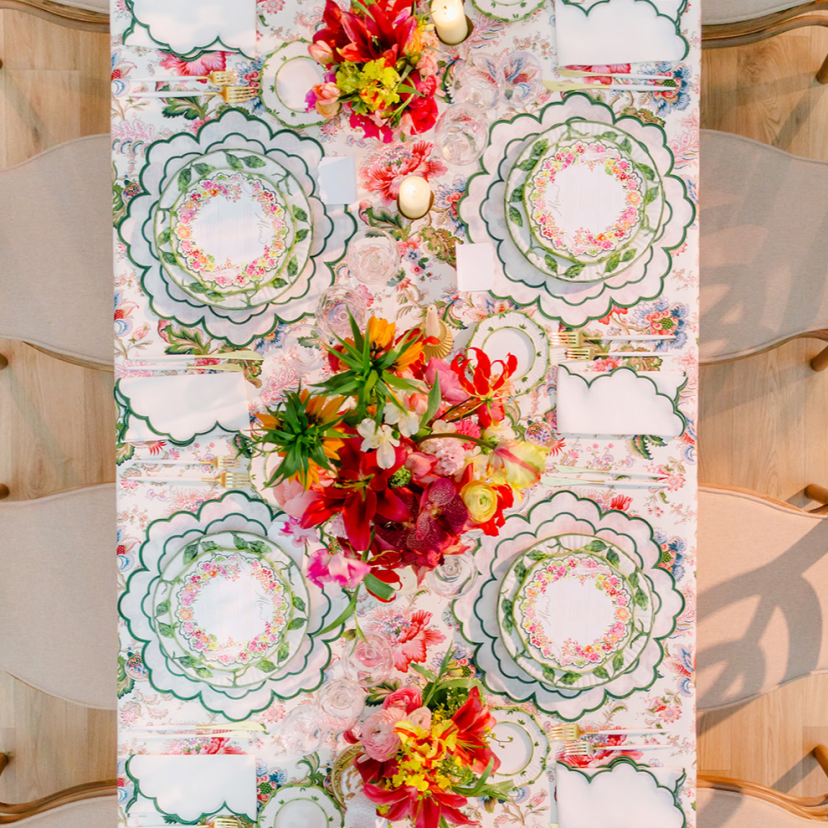
- Reception centrepieces and table styling
- Delivery, setup, and breakdown at the venue
Services that are often treated as separate or additional include:
- Hire of vases, vessels, arches, and other structural elements
- Premium or imported blooms that are not locally available
- A dried or preserved version of the bridal bouquet
- Flowers for a separate welcome dinner or after-party
- Late additions or changes requested close to the wedding date
Always request a fully itemised proposal, since a French florist's initial concept quote often focuses on the creative vision before the logistics. The logistics can add significantly to the final total.
Sourcing Flowers in France: Local vs Imported
The decision of whether to use locally and seasonally available flowers or to import specific varieties has a significant impact on both the budget and the look of your wedding flowers.
France has some of the best flower-growing regions in the world, particularly in Provence and the south. Using locally sourced flowers creates arrangements that feel genuinely connected to the setting, rather than generic. This option is also more cost-effective than importing and the flowers tend to hold up better in summer heat.
However, imported flowers allow for more precise control over colour palette and specific variety preferences. They do, however, come with a meaningful cost premium and carry more risk in hot weather, particularly for outdoor ceremonies in July and August.
A straightforward question to ask any florist is: "What would you naturally reach for, given our venue, our date, and what's growing here?" Their answer will tell you a great deal about how they work.
Questions to Ask a Wedding Florist in France Before Booking
Design-focused conversations tend to reveal more than quote-focused ones:
- Have you worked at our venue before, or at a venue with a similar feel and scale?
- What flowers would you naturally choose for our date and region?
- Are structural elements such as arches or vessels included in the price, or are they an additional cost?
- Can we see a full installation that you have done on a similar scale to what we are planning?
- How do you handle changes or late additions closer to the wedding date?
- What would happen if specific flowers became unavailable near the date?
- Do you provide flowers for the welcome dinner and other events, or just the ceremony and reception?
When to Book a Wedding Florist in France
Florists at the premium and luxury end of the French market often work on a limited number of weddings each season, which means availability is genuinely constrained. For in-demand designers, particularly those based in Paris or on the Riviera, aim to book 9-12 months ahead.
For most other weddings, 6-9 months usually allows enough time to properly work through the design concept. Rushing the design process tends to produce less interesting results than allowing a florist time to develop and refine a concept through several conversations.
If you're working to a tighter schedule:
- Look for florists who are already based in your wedding region, as they often have more flexibility than Paris-based designers who need to travel
- Ask about availability directly, rather than assuming that a well-reviewed florist is fully booked
- Be open to building the concept around what is actually available on your date, rather than having a fixed vision based on a mood board
Reviewing a florist's portfolio alongside someone else's is far more revealing than looking at each one in isolation. Wezoree lets you compare real wedding installations, verified reviews and prices for French wedding florists all in one place, enabling you to make creative and practical decisions simultaneously.